The 1980s marked a pivotal chapter for the Corvette, a decade often overshadowed by the muscle of the 60s and the technology of today. Yet, beneath the surface, these years were a breeding ground for innovation and bold new design.
Corvettes of the 80s bridged the gap between classic American power and a rapidly modernizing automotive world.
From radical engineering advances to dramatic styling shifts, these models deserve a fresh look. Let’s revisit the unsung heroes of Corvette’s transformative era.
mod@tech
Toyota’s reputation for reliability is legendary, but its modern performance credentials are equally compelling. With the rise of the Gazoo Racing (GR) division, Toyota has injected excitement into its lineup through dynamic models like the GR Supra and GR Yaris.
The GR Sport package brings athletic styling and enhanced driving dynamics to mainstream vehicles, resonating with enthusiasts and everyday drivers alike.
As demand soars for sportier options, it’s time to imagine which Toyota cars could truly shine with a GR Sport makeover—expanding the brand’s spirited DNA even further.
My dad would never be considered a “car guy,” but he did have appreciation for cars. Was it because of me? I cannot say, but I know I was able to nudge him in a certain direction from time to time. Not all of his car were interesting, but many played a pivotal role for me growing up because visiting new-car dealerships helped shape me as an enthusiast. Happy Father’s Day, Dad!
1967-68 Mercury Cougar XR-7
I’m not sure what year it was (and neither is my dad), but this was the first new car he and my mom bought. They were living in California at the time after immigrating in 1964 for grad school. In 1970, they moved to Delaware, and my first memory was playing with this car. I also remember being run off Route 202 by Mt. Lebanon Road—I recall a bumpy ride for a moment, then the front fender kinking out. My dad stopped, grabbed me, put me on the roof, and asked if I was okay. I was, but I don’t remember anything else after that.
My sitter had a similar car, so I was able to relive the Cougar for several more years until it became just another unreliable old car.
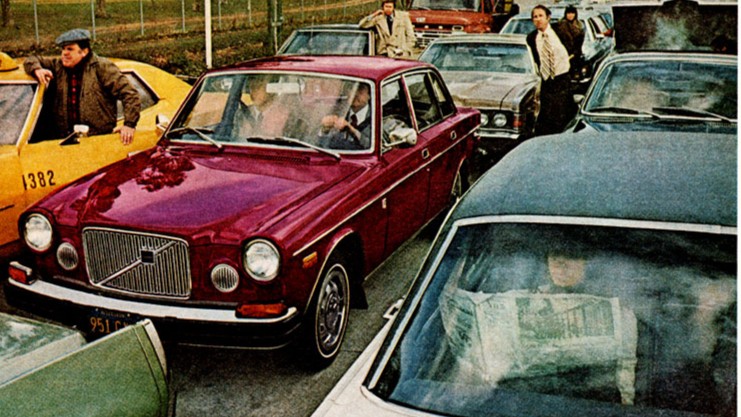
1974 Volvo 164
I don’t remember car-shopping for this one, but I do remember the dealership, which was a small import car facility on Market Street not far from Holiday Lincoln-Mercury. What I do remember is that it was burgundy with a black interior, and my dad never really cared for the car. The strongest memory I have is pretending to drive and moving the automatic gearshift, only to have the car roll backwards down the driveway and narrowly miss my sister on her tricycle.
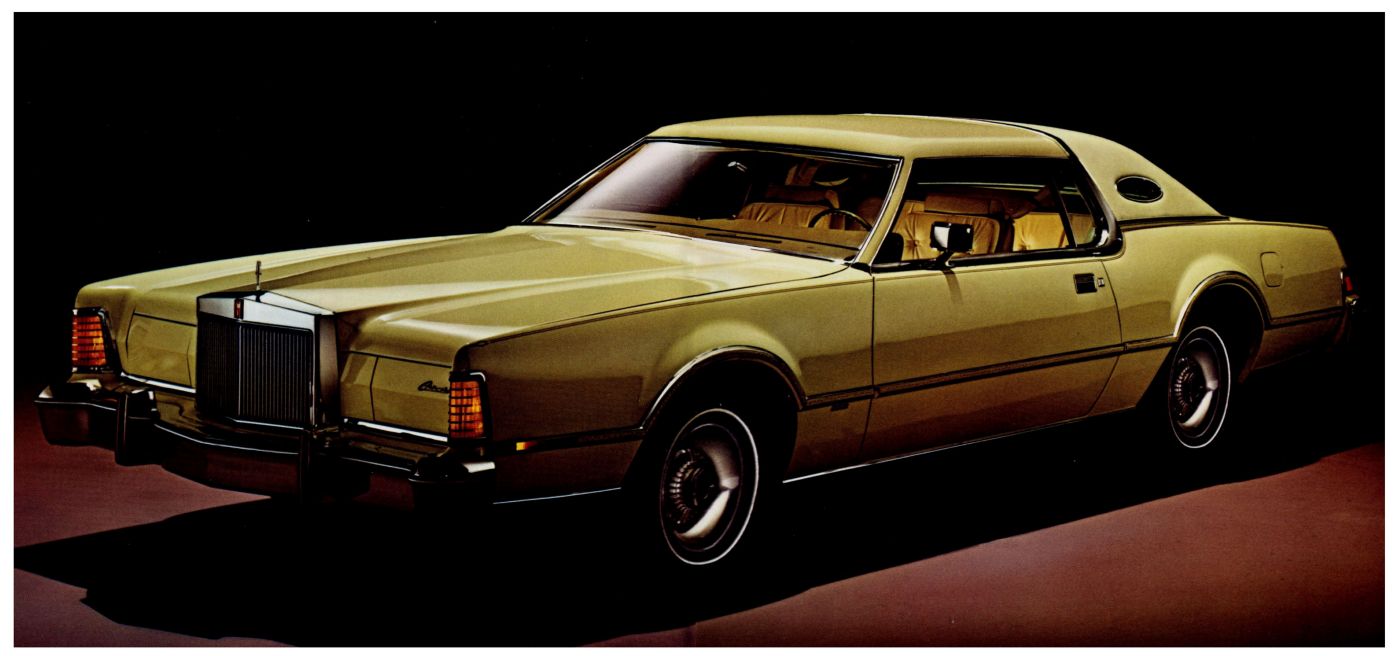
1976 Lincoln Continental Mark IV
I know this was the fall of ’76 because I remember the Mark Vs on the Holiday lot, so clearly my dad bought a leftover. It was pale yellow with a yellow vinyl roof, matching interior, and full wheelcovers. Of course, I loved the hidden headlights! I recall the Mark being a great highway cruiser, from DC to New York, though Philadelphia was the city most often traveled. One time when it was fresh in our garage and my dad had a business trim, my sister and I begged our mom to take us for a ride, but she was not able to find the emergency brake release so it stayed in the garage—seems this Lincoln’s brake was released once the shifter was moved from Park.

1982 Cadillac Eldorado Touring Coupe
I was in love with Cadillac at the time. I saw a direct lineage from the finned cars from the 1950s to what was being built at that moment. Downsized cars meant nothing to me, though in retrospect they were a big deal at the time. I do recall checking out several other brands including the Seville-inspired Lincoln Continental, Chrysler Imperial (I had begged him to take a look), and Saab. I believe our Touring Coupe was a demonstrator at Delaware Cadillac, so it appeared on our radar due to the test drive and not because my dad was dexterous with the order form. Alas, it was a lemon, so he quickly replaced it.
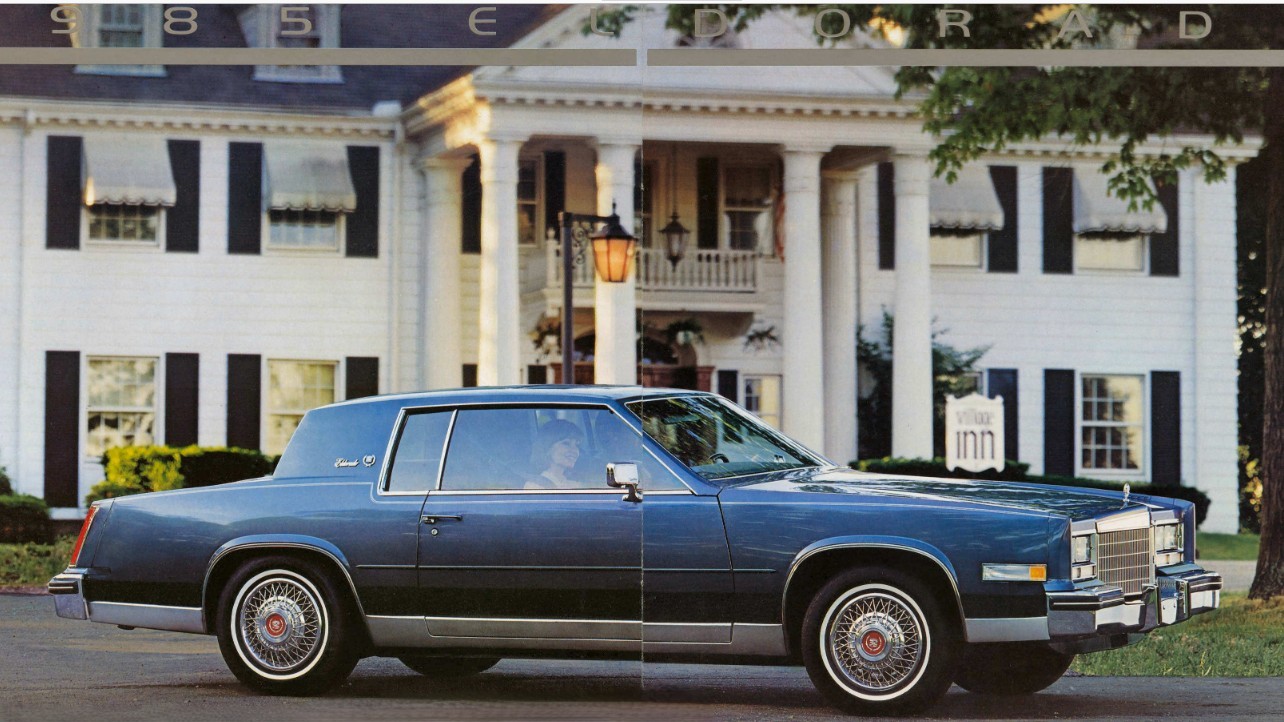
1984 Cadillac Eldorado
So, we were back. I don’t remember why we bought this and not another brand, though maybe the dealership worked something out to replace the Touring Coupe. Nineteen eighty-four was the first year of the Eldorado Biarritz convertible, but my dad could not afford it (and, in retrospect, it was somewhat ostentatious). What he settled on was a dark blue Eldorado with matching interior, fake tan convertible top, and full wheelcovers. This was an understated car, and it didn’t come off as cheesy as the roof may suggest.
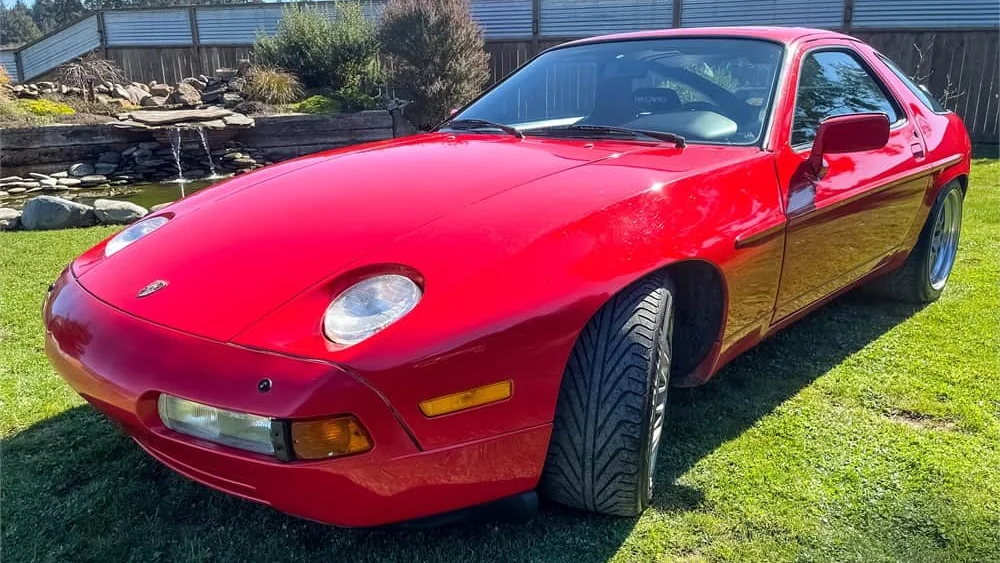
1987 Porsche 928 S4
I caught my first sight of this car at some dealer open house near the Boxwood GM plant. Car was painted Summer Yellow, and I fell in love. Apparently, so did my dad, but he could not afford that kind of car. However, after a lot of dreaming, he bought one, using his inheritance for a no-option 928 S4 in Guards Red. Too bad he opted for the automatic! To tell you the truth, the car was troublesome and the Blaupunkt sucked. (Pssst! Don’t tell anyone but, stupid me, I took it up to 130 mph on Rosedale Road in Princeton, New Jersey, till I ran out of road.)
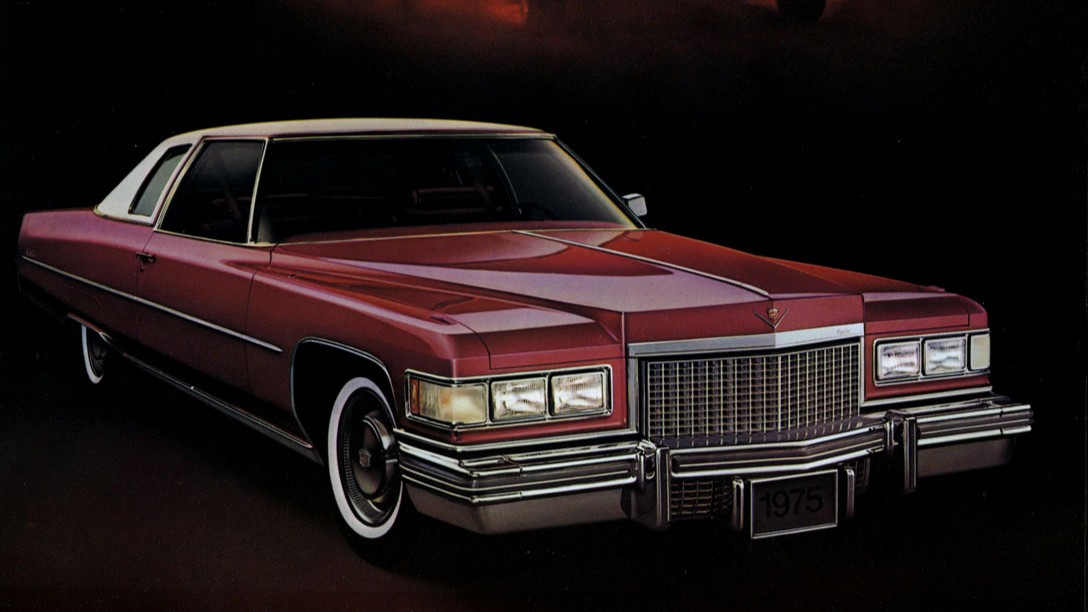
1975 Cadillac Coupe de Ville
This was on the side of Wilson Road with 12,000 miles on the odometer. I think my dad missed his Lincoln, so he snapped this up for a fair price (and I’m guessing so the Porsche could have a more comfortable place during inclement weather). I managed to take it airborne a few times after we moved to New Jersey. The emissions junk meant the Caddy was never running properly.
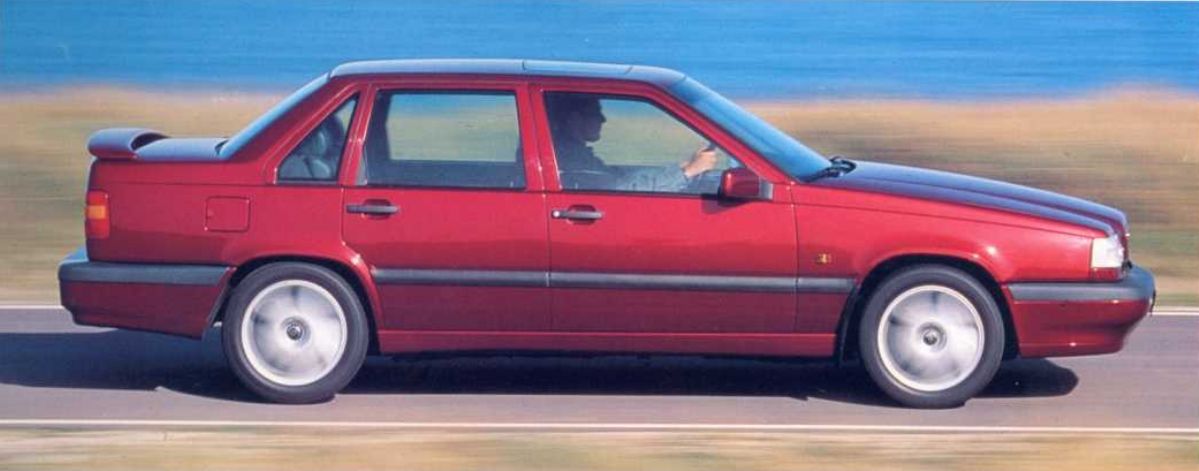
1993 Volvo 850 Sedan
I don’t know why he bought this, as I was in college, but it was a great car. He still had the Porsche, but this was the one he could depend on daily. There’s no spectacular stories to tell, but it looked great in Fjord Blue. My mom eventually ended up with one too to replace her 1987 740 wagon, which was the car I learned to drive on after a brief experience with her 1979 Pontiac LeMans Safari (another great experience for a kid going to Union Park Pontiac when the Trans Am was the hottest car in America).
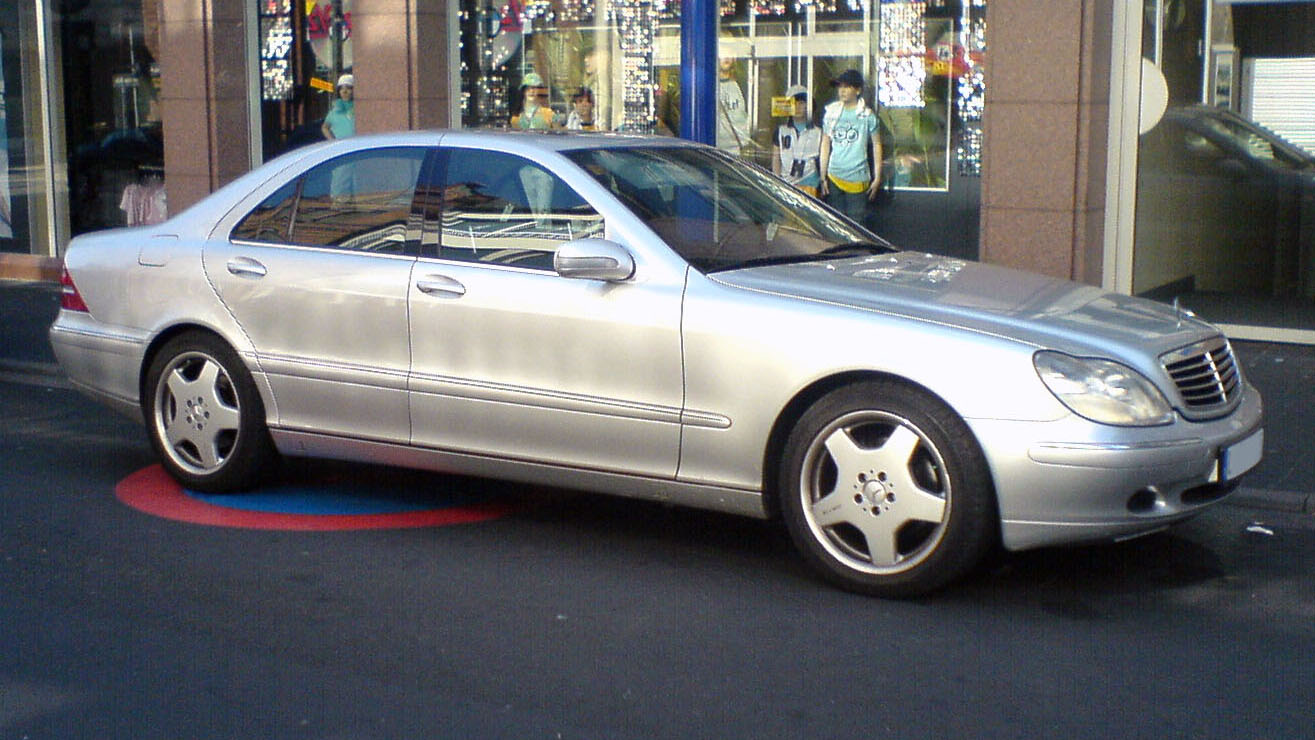
2000 Mercedes S 320
Aside from randomly lusting after a Maserati Quattroporte throughout the 1980s, he really wanted a Mercedes but could never afford one, though I have experience tagging along for several test drives during the same decade. In 1999, he was ready, and Mercedes had just debuted a redesigned S-Class to boot. He went with the S 320 because he couldn’t afford anything fancier though, when he moved to Scottsdale around 2000, it appeared absolutely puny compared to the S 500 and S 600 models that were all around town. It looked great with black cherry paint and oyster interior, but it was not reliable, and it soured my dad on Mercedes.
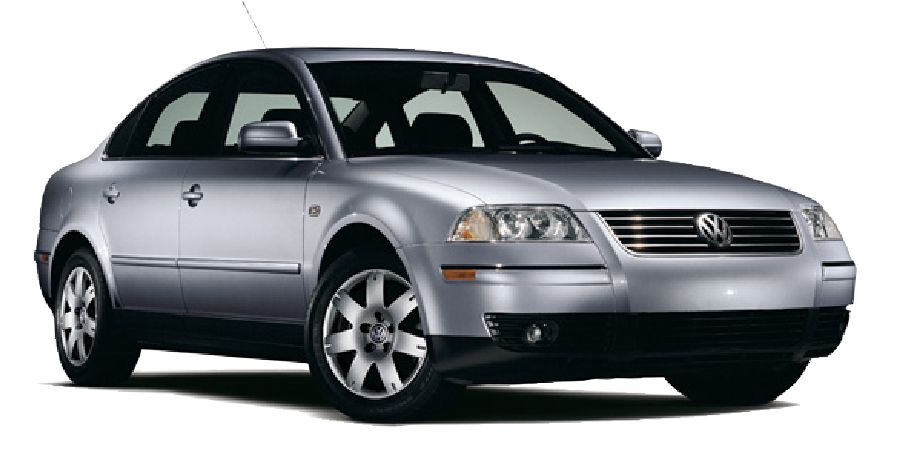
2002 Volkswagen Passat
Though retired by this time, my dad picked up a contract job and was given a company car. This sedan, which was produced during Audi’s rebirth and featured plenty of elements that had trickled down from the A4, was powered by the VR6 engine. This may have been the most perfect car that he ever owned, full of comfort and power in a package that would suit most people’s needs. In some respects, I feel this era was Volkswagen’s peak.
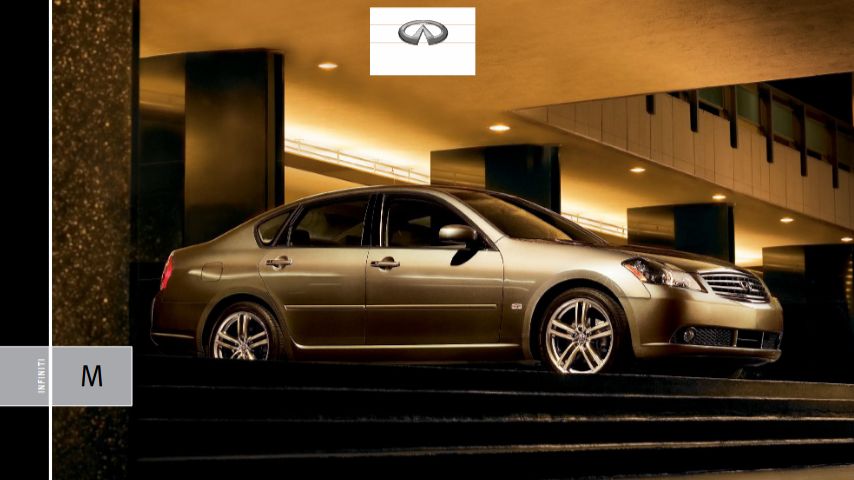
2006 Infiniti M35
One time when I traveled to Arizona to visit my dad, he picked me up in one of these. It was totally random and, honestly, I am unsure of the model year or whether it could have been an M45, but he liked it. However, it didn’t last long as he pulled out from a shopping center and was T-boned.
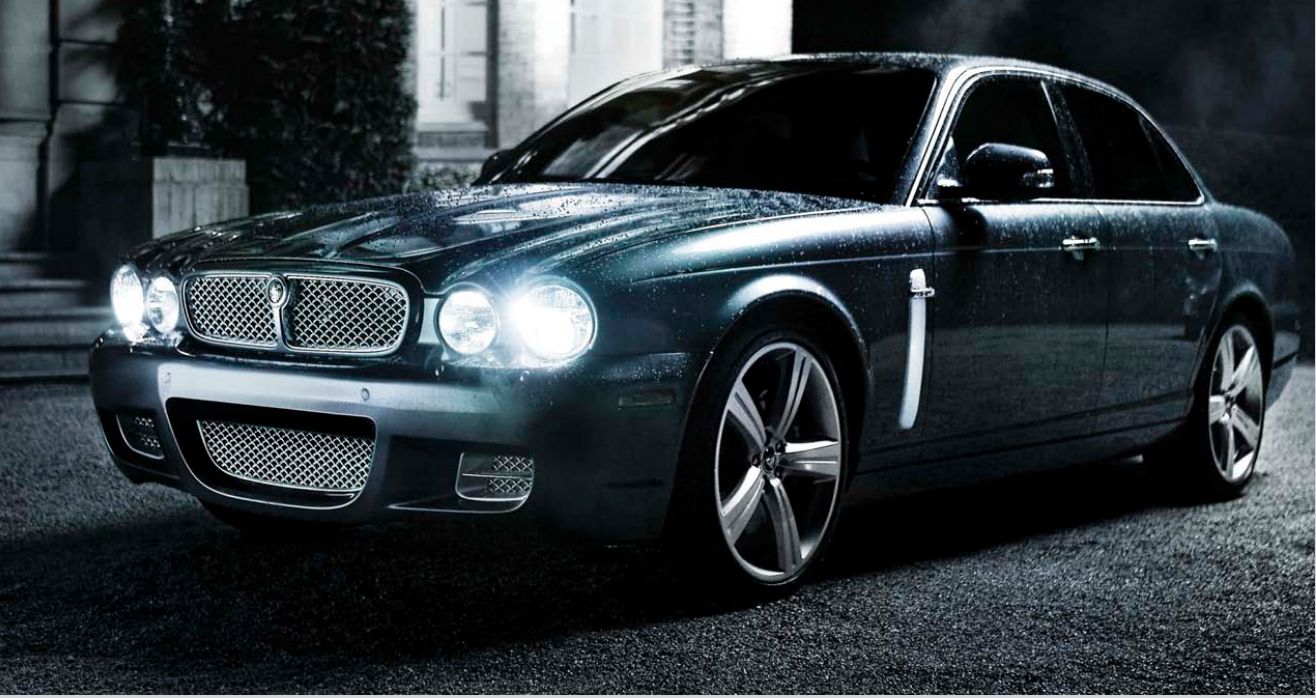
2008 Jaguar XJ
I’m not sure when was Dad’s accident, so again I am unsure if 2008 is the proper model year, but he ended up with this Jaguar XJ next. I recall when he tested the classic XJ in the 1980s, but the console took up so much space in the foot well that he hated it. This time, things were different. I think this car was more than satisfactory to him than the Mercedes but, while having his car serviced by the dealership, they convinced him to move into something new.
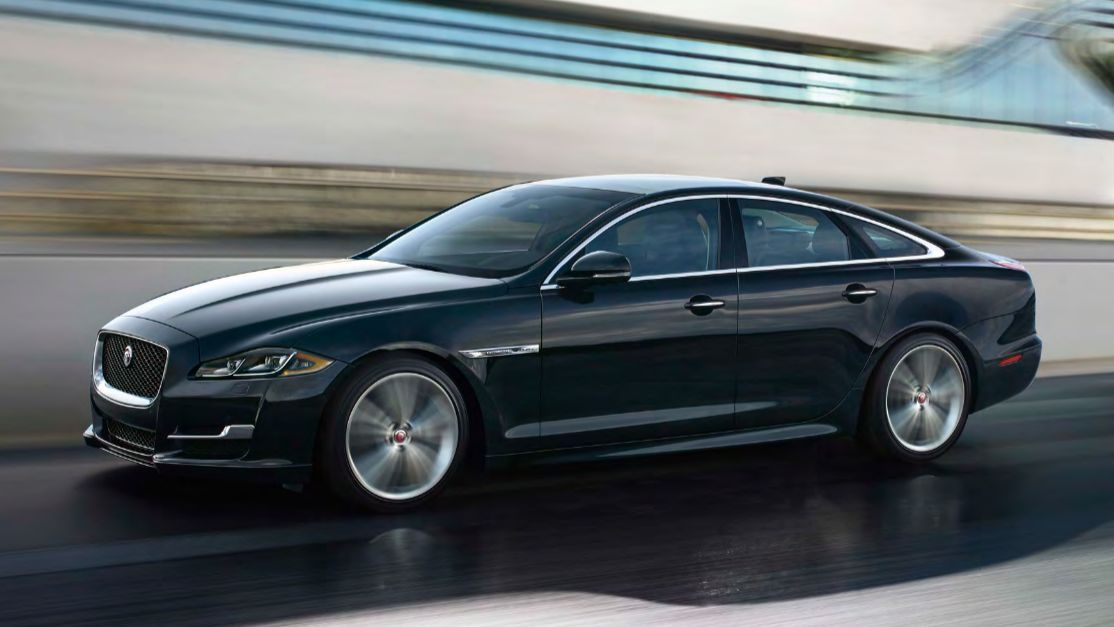
2019 Jaguar XJ
This is his final car. He still owns it, though he no longer drives. I’ve driven it at length and what’s notable is the sharp steering, but the center-stack interface is woefully outdated by now. Otherwise, this is a pretty neat car that’s not seen on every street corner, though I often wish his swan-song vehicle was something more interesting to me (and with a better resale value).
Luxury, performance, and style have long defined the BMW brand.
Yet, the automotive world is filled with exceptional vehicles that rival BMW’s allure in unique ways.
Whether you crave thrilling drives, cutting-edge technology, or plush comfort, there’s a world of options to explore.
This guide highlights twenty outstanding alternatives, each offering its own blend of prestige, features, and driving joy.
If you’re open to new experiences and want to broaden your automotive horizons, the following list is sure to inspire your next dream car search.
To all you dads out there, Happy Father’s Day. At the beginning of this year, I joined your special club. It’s too early to tell if my little guy will be into cars, but what I do know is that I am because of my dad. I thought I would write something for him that tells him how much he’s influenced and helped me, and share it with you.
You Did This
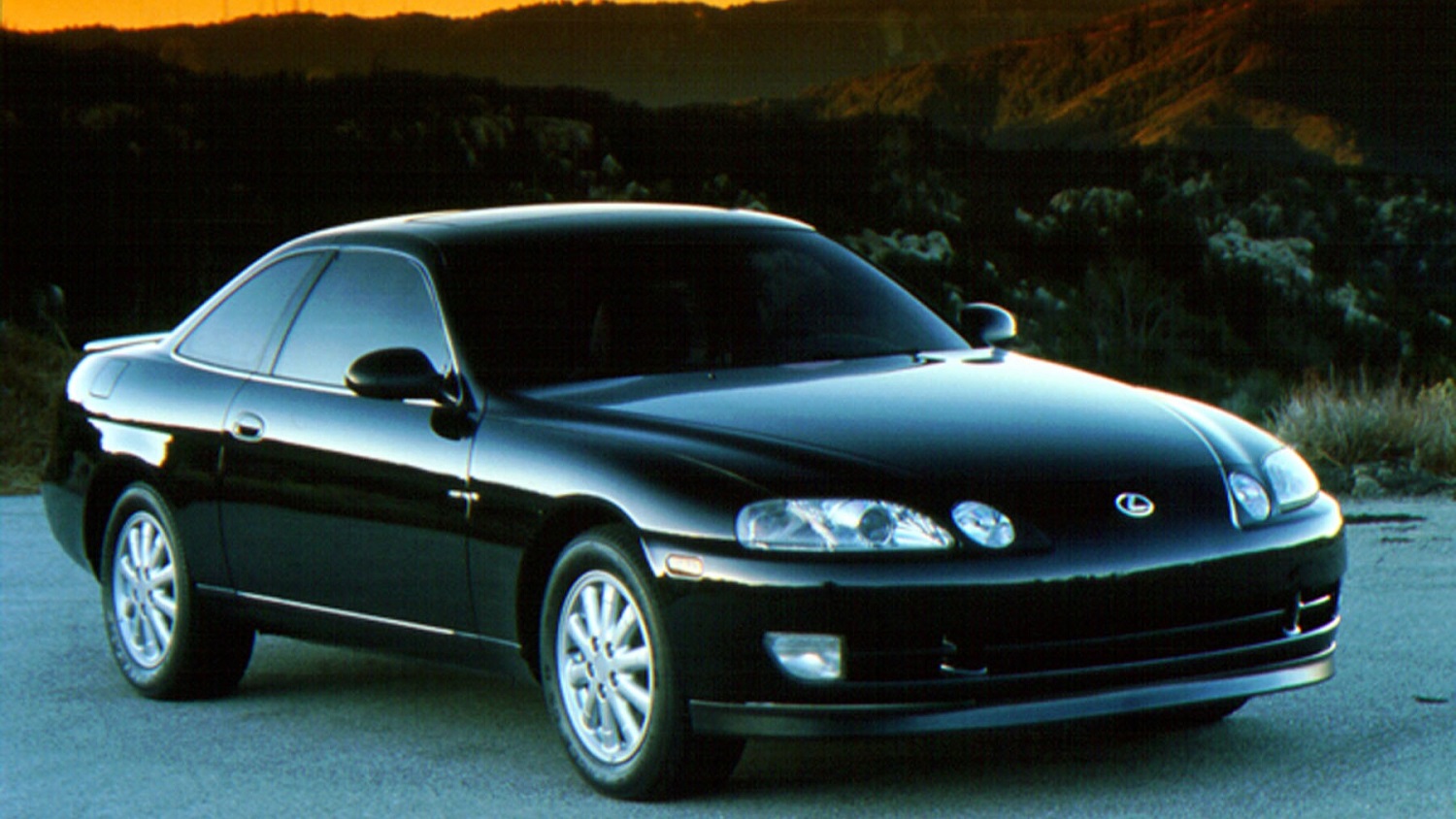
Dad, maybe it was because you were into cars or perhaps you just knew that little kids like toys, but you (and Mom) gave Anthony and me a nice assortment of Hot Wheels, Matchbox, and Majorette cars. Trust me, we got your money’s worth out of them. You know that carpet in the room Anthony and I shared, the one with the dot pattern that formed a frame around the middle of it? Anthony and I used that as the racetrack for a dice-based board game we invented. For some reason, the black Lexus SC always did well. As a lifelong believer in Toyotas, maybe you get a little satisfaction from learning that. I don’t think you or I knew it at that point, but cars were quickly turning into more than just a passing fascination to me.
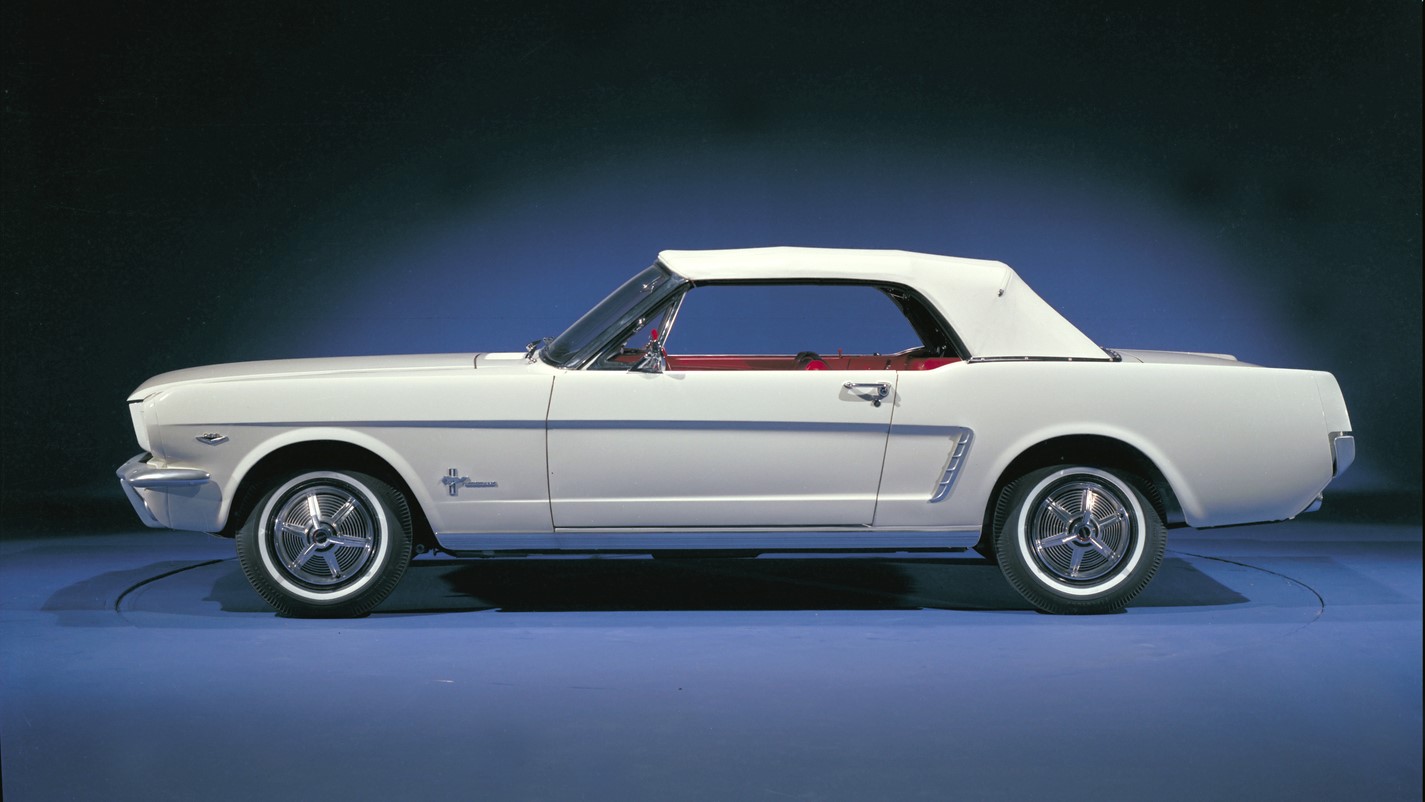
Even if I wasn’t into cars, I really couldn’t get away from them because you took me with you on your hunts for vintage American wheels. I recall being with you the evening you bought either your 1964½ Ford Mustang convertible or your 1965 Mustang 289 drop-top. Then there was the Sterling (an 827, I think), vintage Volkswagen Beetle, late-1960s Pontiac LeMans (or was it a GTO?) convertible, postwar GM trucks and, of course, the ever-changing fleet of Toyota Cressidas and 4Runners I remember in our driveway (too bad you didn’t hang onto the XJ Jeep Cherokee that long).
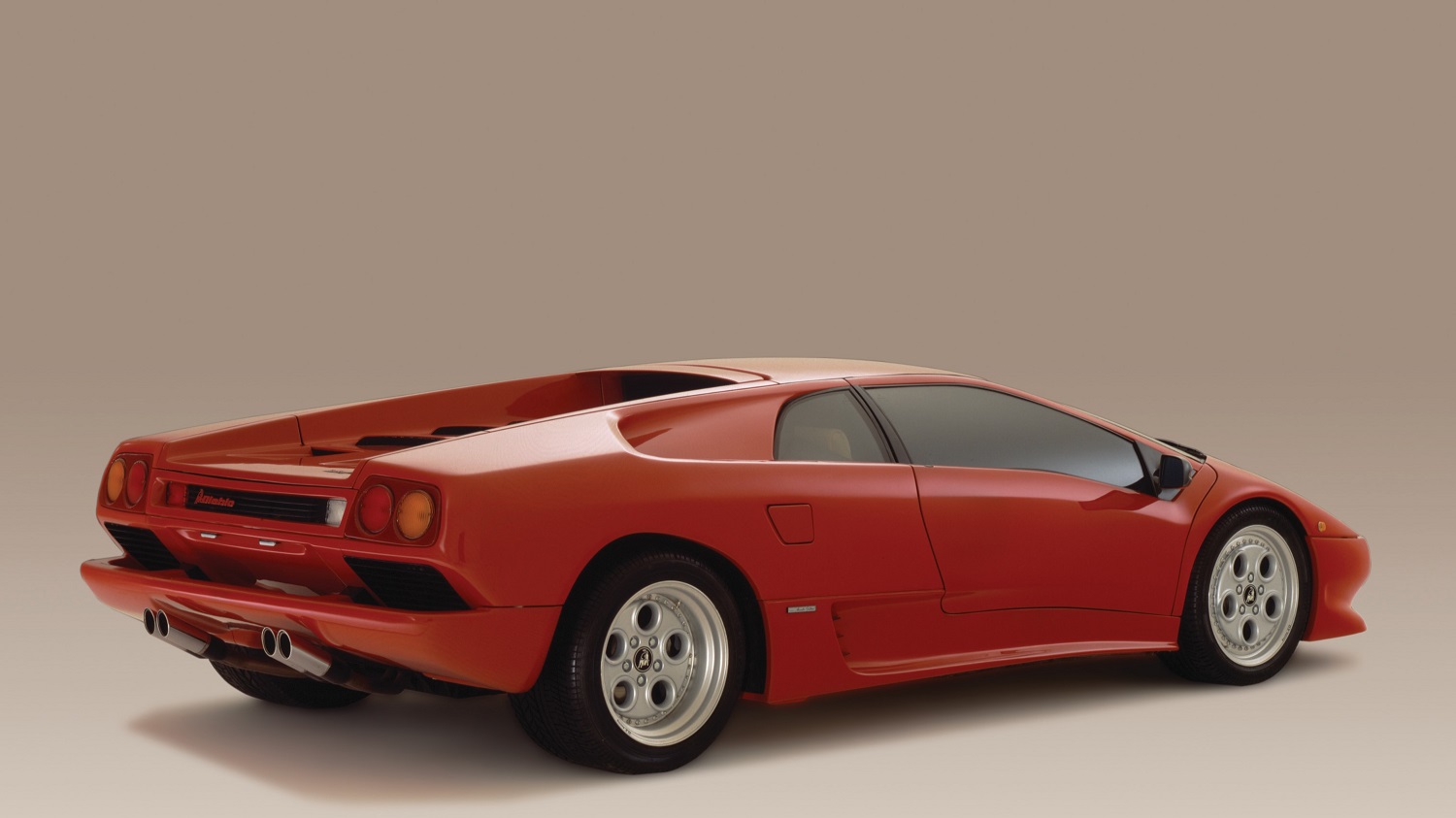
A random walk by a garage sale in the late 1990s only intensified my interest. It was the first time I recall seeing a 1:18 scale model up close—and it just so happened to be a red Lamborghini Diablo. What great timing! The price was even better: $1. You paid for it, which was money well spent, if you ask me.
After that, you kept my collection growing with several models every Christmas and birthday. Of course, I went after the exotics I knew about, but coming across cars I had never seen before broadened my horizons—and, eventually, my array of models.
Now that I can take a step back from it all as a father myself, I think you were trying to nurture a love of automobiles in me because you were a car guy yourself. I totally get it. Who wouldn’t want to have something so major and enjoyable in common with his son? I hope I can pass that passion on to Hayden.
I’m Sorry
I know there was at least one point where you must have thought you had created a monster—a nerdy, overly talkative one that would randomly point out minute, who-cares details about bland, effectively invisible vehicles (the Ford Five Hundred, for instance). Time and age has taught me that sometimes I need to pull back and not constantly bombard people (no matter how into cars they may be) with facts and stats that only I care about. When someone does that to me regarding a different subject, I know I get irritated.
Thank You
I would not be the person I am today without you. Cars are not my entire identity, but they are a big part of me. They’ve always excited and interested me, and they continue to do that, even when I think they can’t anymore. I am more of my true self when I’m around them (usually spouting off facts and trivia) and they’re part of a language I speak with you and many of my friends.
Years ago, when I was a freelancer, I would always try to think of ways to use the review vehicles I received for the things they were built to do, especially the big trucks. You knew I wanted to truly test out the 2019 Ford F-250 King Ranch, so you took time out of your day to go with me to the local quarry to pick up over 3,000 pounds of road base. You even helped me shovel it out at your house in the summer heat. And thanks to your thinking, I had heavy stuff to haul away in the bed of the 2020 Ford F-450 I reviewed. My write-ups were better—and more fun—due to your help. The love of cars I gleaned from you led me to where I am today: writing for a well-known automotive website with a large audience. What I do here teaches me more about my favorite subject and enables me to provide for my family.
I Hope You Had Fun
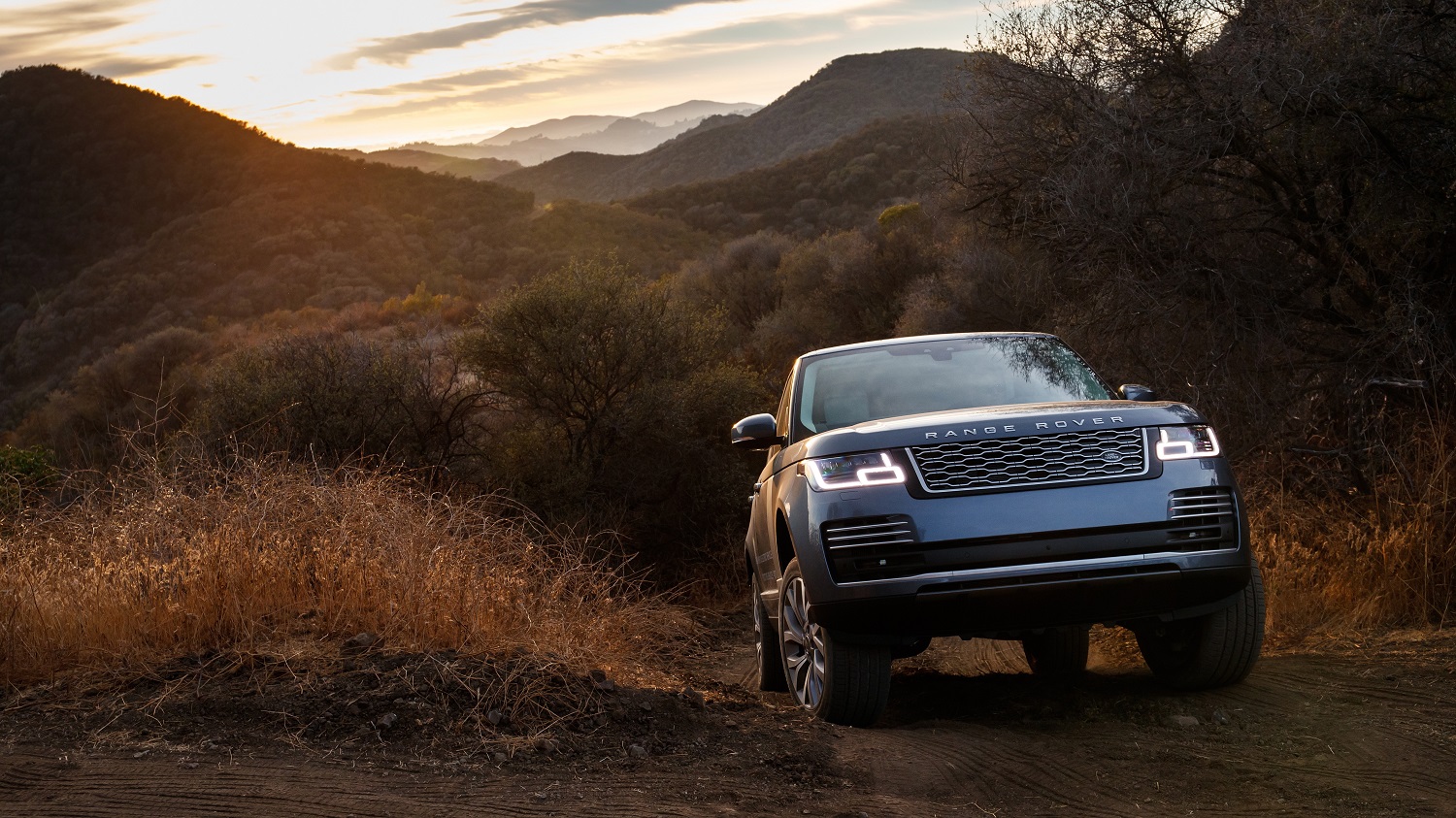
I’ve been fortunate to drive many press vehicles over the past decade. I’m glad I was able to share some of them with you. You and I never went wheeling in your first-gen 4Runner, but going to an OHV park with you and Sylvia in a Range Rover was a nice consolation prize. I hope you saw the effect you’ve had on me; I definitely saw the effect our adventure had on you. We hit a substantial roll angle in one section of the trail we were on, which gave you a horrifying view of the rocky terrain right outside your window. That was the first time I’d ever seen you scared in a vehicle. We reached the top of that trail without a scratch and went on to explore more of the terrain, so I’d like to think you (and Sylvia) enjoyed the experience overall. I know I did! It was a dream come true to be able to share that kind of adventure with you.
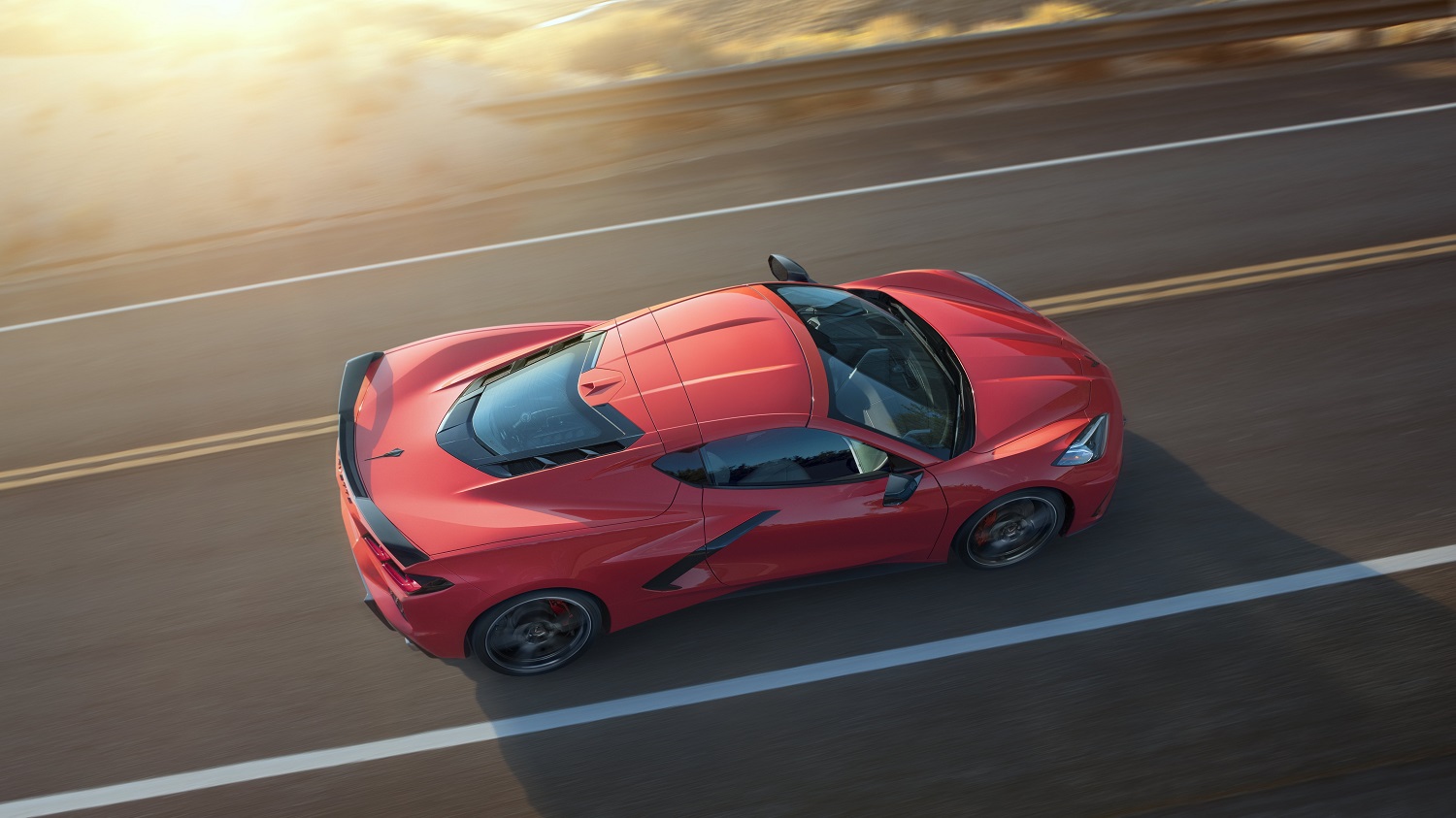
I’ll always remember my week in the 2020 Chevrolet Corvette Stingray. Yeah, it was curvy and dramatic and fast and loud, but it also brought out a part of your inner car guy that I don’t think I had ever seen before. You didn’t bemoan the price or lack of practicality—you simply wanted to go for a ride in a Vette for the pure fun of it. I was happy to oblige (and test out the C8’s acceleration at the same time).
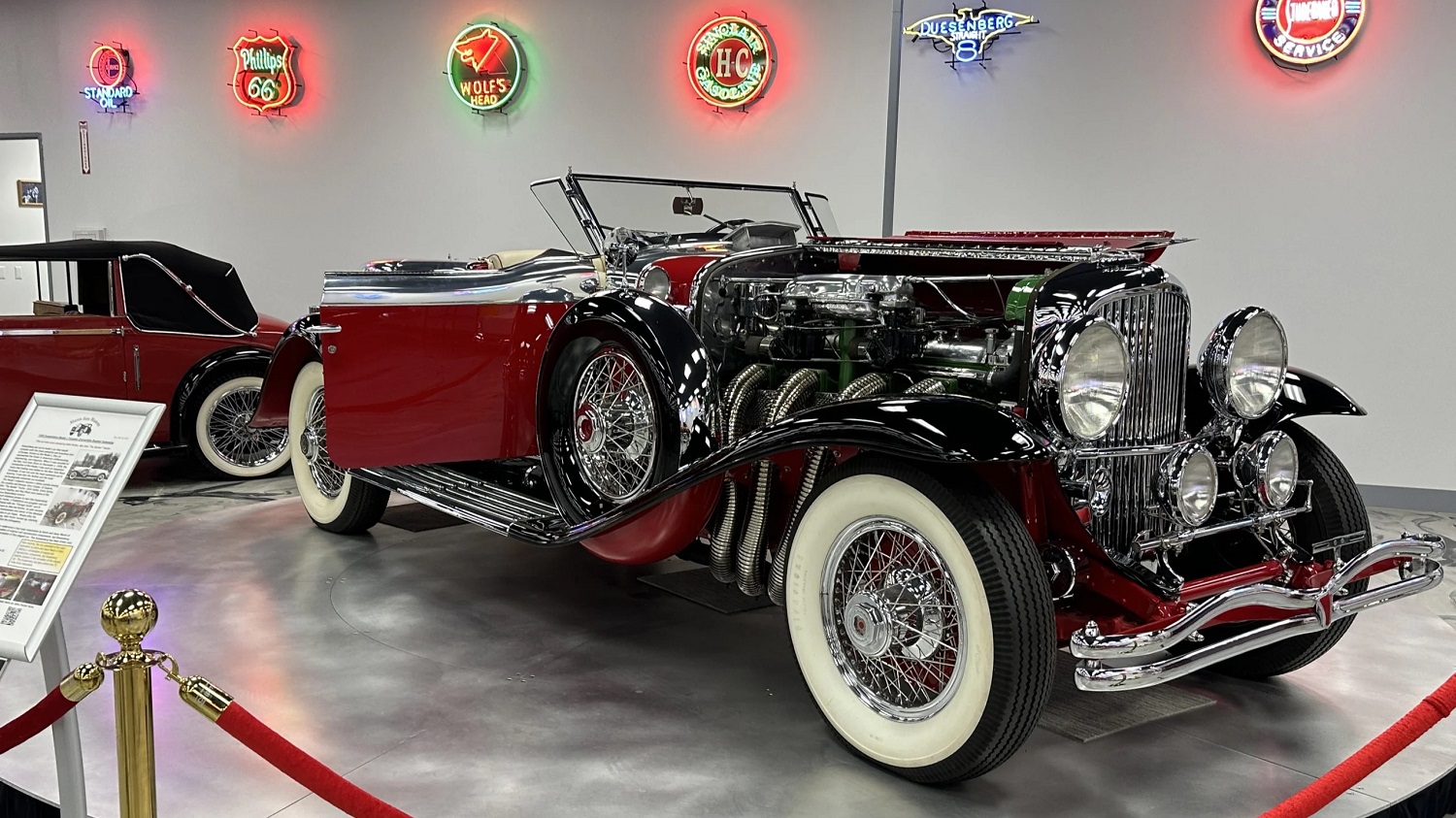
I can’t believe it took 41 years, but you and I finally went to a car museum together for the first time. We should have done it much sooner. It was nice to get your perspective on different eras of the automobile and learn which ones you liked the most. I had no idea you’d be so drawn to a Holden, especially one from the 1930s, but I have the picture to prove it. Even better, I have our photo together in front of a 1930 Duesenberg Model J.
Perhaps you see a little of your own father or even yourself in these stories. Feel free to share your car-related memories with your dad or children in the comments below. Happy Father’s Day to my dad and all of you other dads out there. Here’s to all of us making more memories in cars we love with the people we love the most.
BMW’s N55 inline-six engine is nothing short of an automotive legend.
Introduced in 2009, this turbocharged powerplant redefined what enthusiasts expected from a modern six-cylinder—delivering a seamless blend of performance, reliability, and cutting-edge technology.
While the N55 is often associated with flagship models, there exists a collection of lesser-known BMWs that harness its full potential in surprising ways.
This article uncovers ten hidden gems that truly showcase the magic of the N55, each offering a unique twist on BMW’s celebrated engineering.
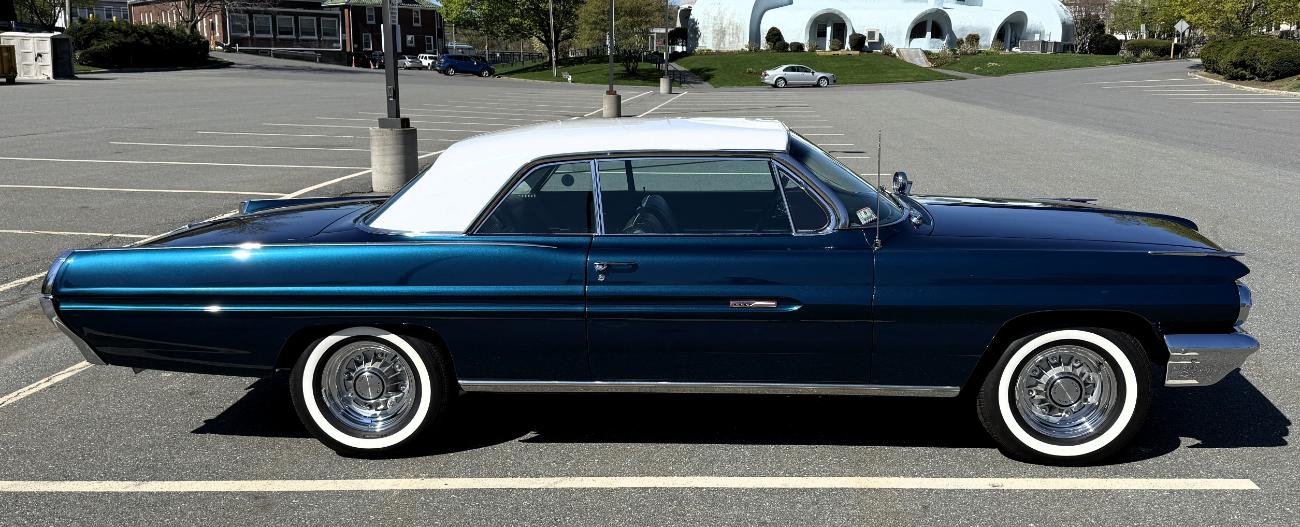
Pontiac was on a roll in the 1960s. During the early part of the decade, specially trimmed models with buckets and (sometimes) consoles were becoming a thing, and Pontiac stepped up to the plate and created a special model of its own. Based on the Catalina, the newly christened Grand Prix two-door hardtop featured a distinctive inset grille, special trunklid trim, clean flanks, a standard 303-horsepower Trophy V8 with a four-barrel carburetor, buckets, a center console, and a tachometer. Needless to say, the new model was a rousing success. A fine example of the 1962 Pontiac Grand Prix is the focus of today’s AutoHunter Spotlight. Restored within the last four years at a reported cost of $100,000, it is powered by a 455 Tri-Power paired with a TH400 transmission. With a Midnight Blue metallic body complemented by a white painted top over a black interior, this personal-luxury Poncho comes from the selling dealer with build receipts, spare parts, the original 389, and a branded title.
Nineteen sixty-two was the year Pontiac instituted convertible-like styling for its two-door hardtops. The hardtop on this Grand Prix is white, which nicely contrasts with the deep blue body. Other features include a driver-side mirror, rocker moldings, LED headlights, chrome ornaments on the front fenders, and a front fender-mounted antenna. A set of 8-lug wheels are wrapped in 235/75 American Classic wide-whitewall tires.
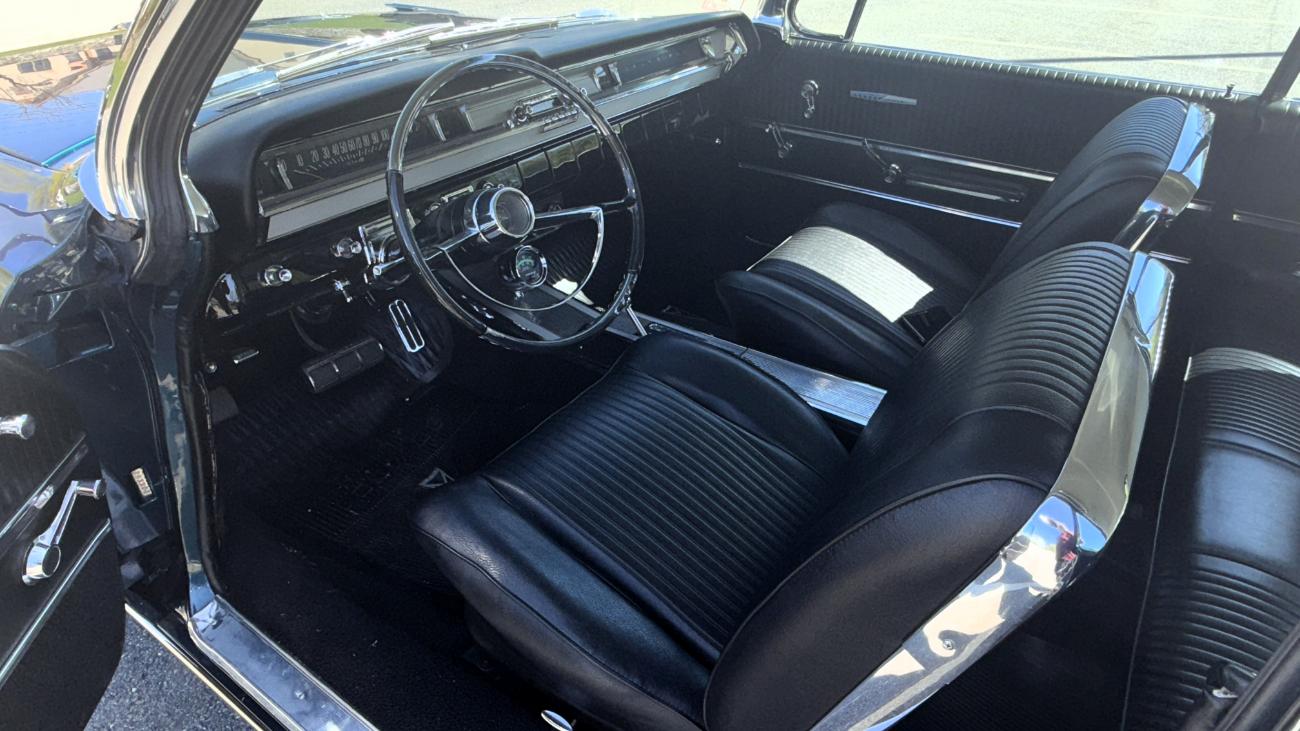
The black vinyl interior features front bucket seats with a center console. Other interior features include a push-button AM radio, clock, heater, an instrument panel pad, chrome pedal trim, and rubber floor mats.
Instrumentation includes a 120-mph speedometer, console-mounted 7,000-rpm tachometer, and fuel gauge. An aftermarket gauge cluster for the oil pressure, voltage, and coolant temperature is mounted underneath the dashboard. The odometer shows 60,344 miles, though the true mileage is unknown.
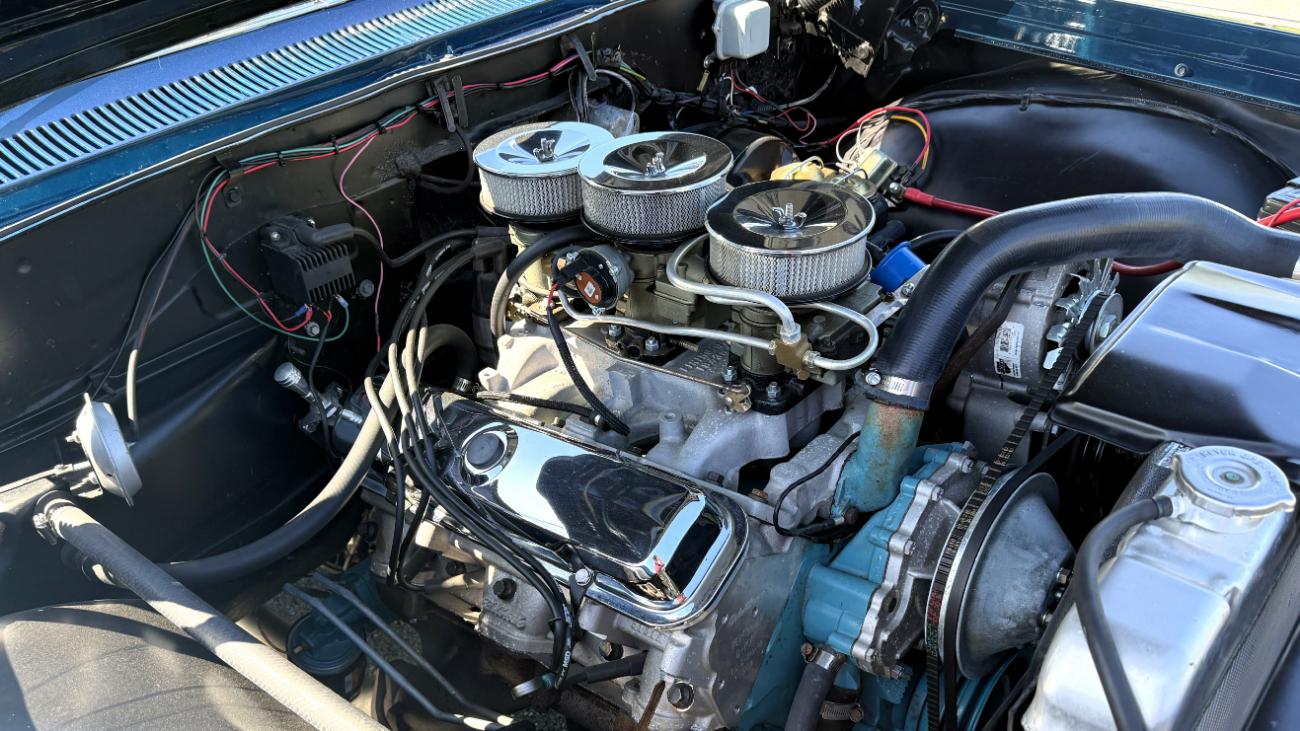
The rebuilt 455 (which has accrued less than 1,000 miles since being overhauled) features Tri-Power induction, Edelbrock Performer aluminum heads, roller rockers, and more. The engine is backed by a three-speed TH400 automatic.
The undercarriage features a custom driveshaft leading to a limited-slip differential. Other features include power brakes, newer springs and shackles, and a dual exhaust system.
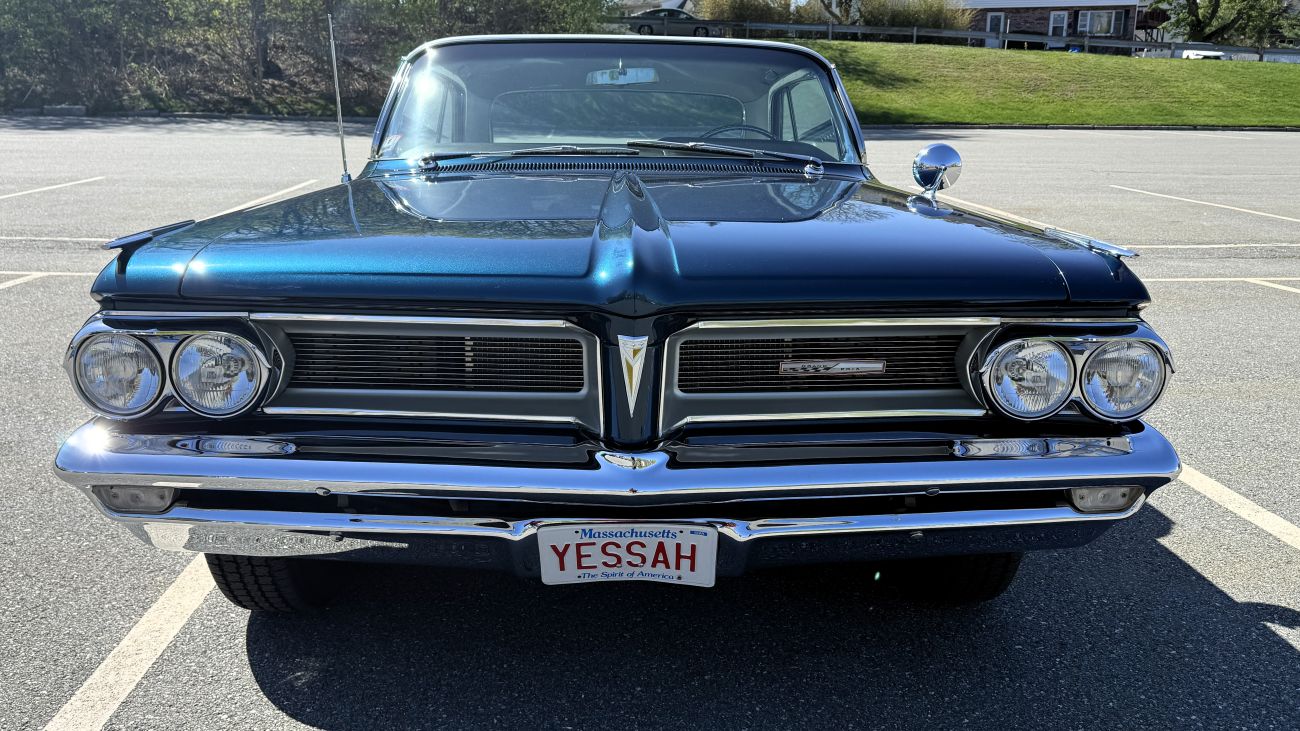
This 1962 Pontiac Grand Prix may have been a response to a young trend, but the model itself sparked a trend because personal luxury cars were usually a step up or two in price. The Grand Prix brought affordable class to the segment, leading to me-too responses from competitive brands such as Oldsmobile, Dodge, and even Buick. The auction for this GP ends on Wednesday, June 18, 2025, at 11:00 a.m. (PDT), so be poised to bid on this classy coupe before you miss out.
Visit the AutoHunter listing for more information and a photo gallery
No matter how expensive, attractive, or lavishly furnished a car may be, when you see too many examples of it out on the road or in parking lots, it starts to feel much less special. Our Pick of the Day, a 1967 Mercedes-Benz 300 SE Cabriolet posted on ClassicCars.com by a dealership in Missouri, is all those things, but it still manages to remain special.
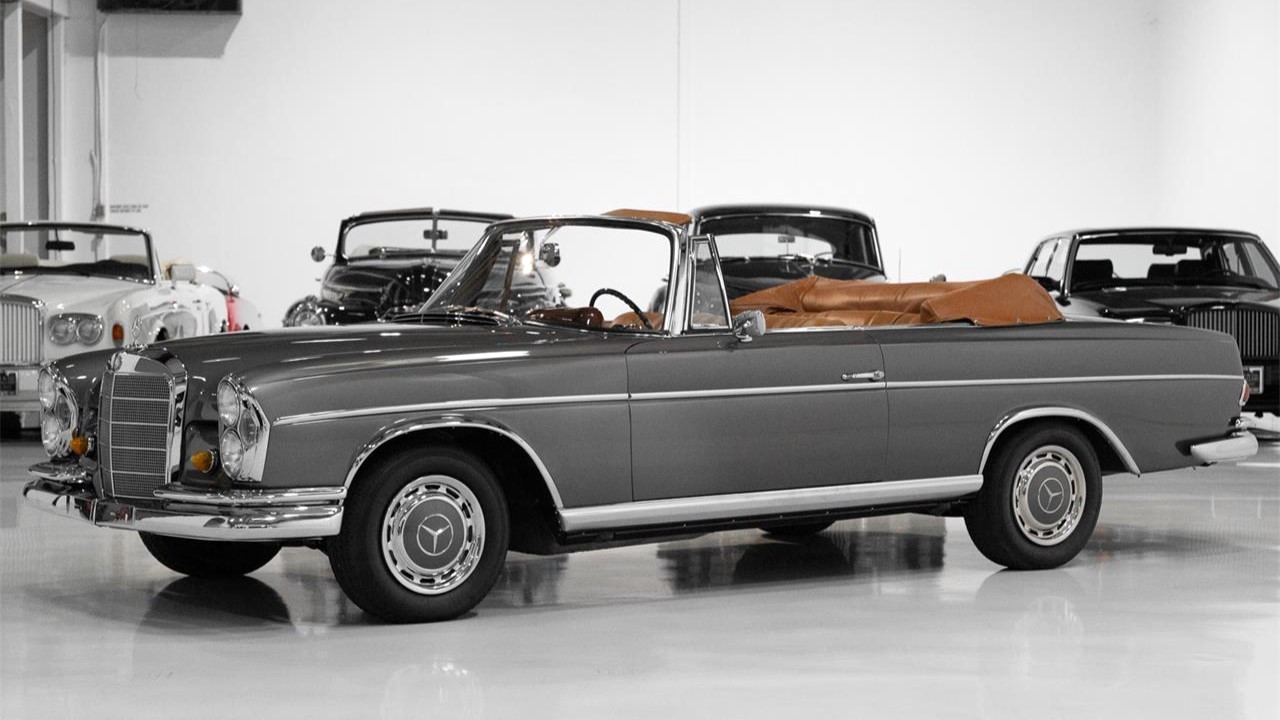
Why? Because there’s a good chance you’ll never see one up close. If you do, there probably won’t be a second time—Mercedes only made 708 300 SE Cabriolets between February 1962 and December 1967. Statistically, a certain percentage of those have likely been lost to accidents, natural disasters, or poor care/negligence. This particular 300 SE cabrio not only avoided such a fate but, thanks to a reportedly $300,000 restoration, it also looks decades younger than its model year indicates.
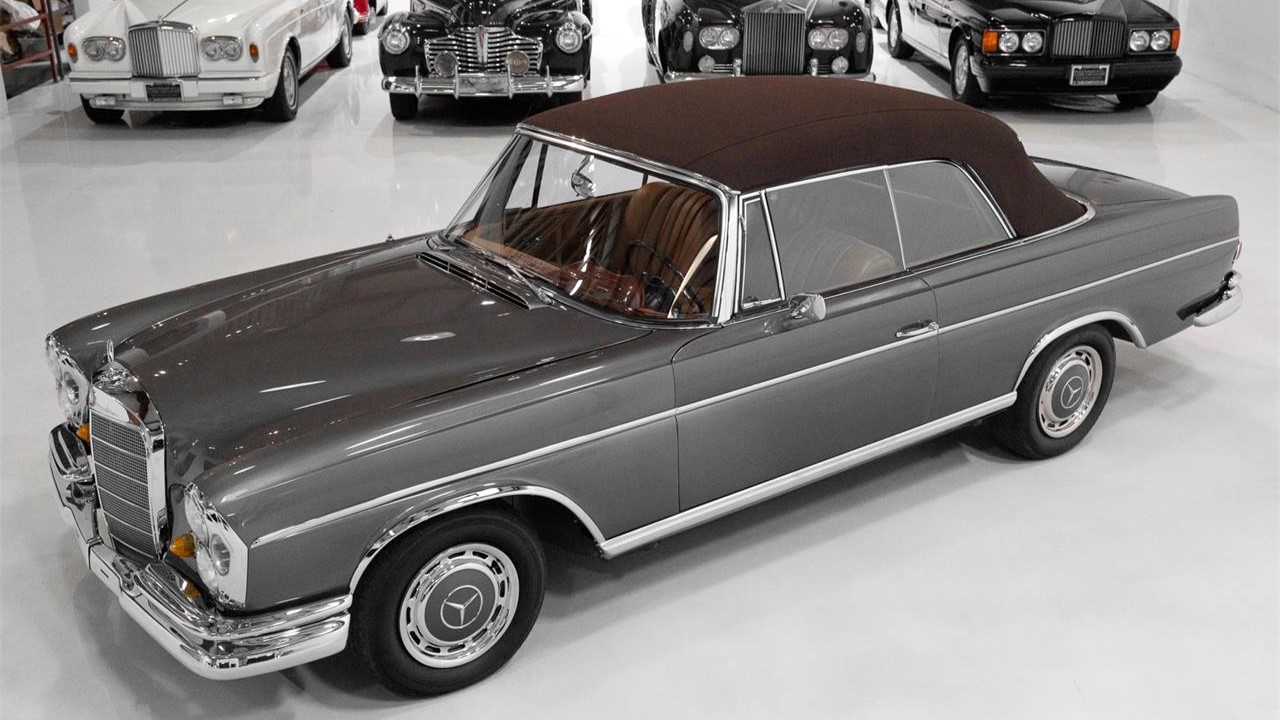
As part of the visual overhaul, the Paul Bracq-designed body was refinished in Anthracite Grey Metallic, which is attractive all by itself and even more handsome under the chocolatey Brown soft top. Those are definitely conservative colors, but the 300 SE’s lines and chrome accents should have no problem turning heads.
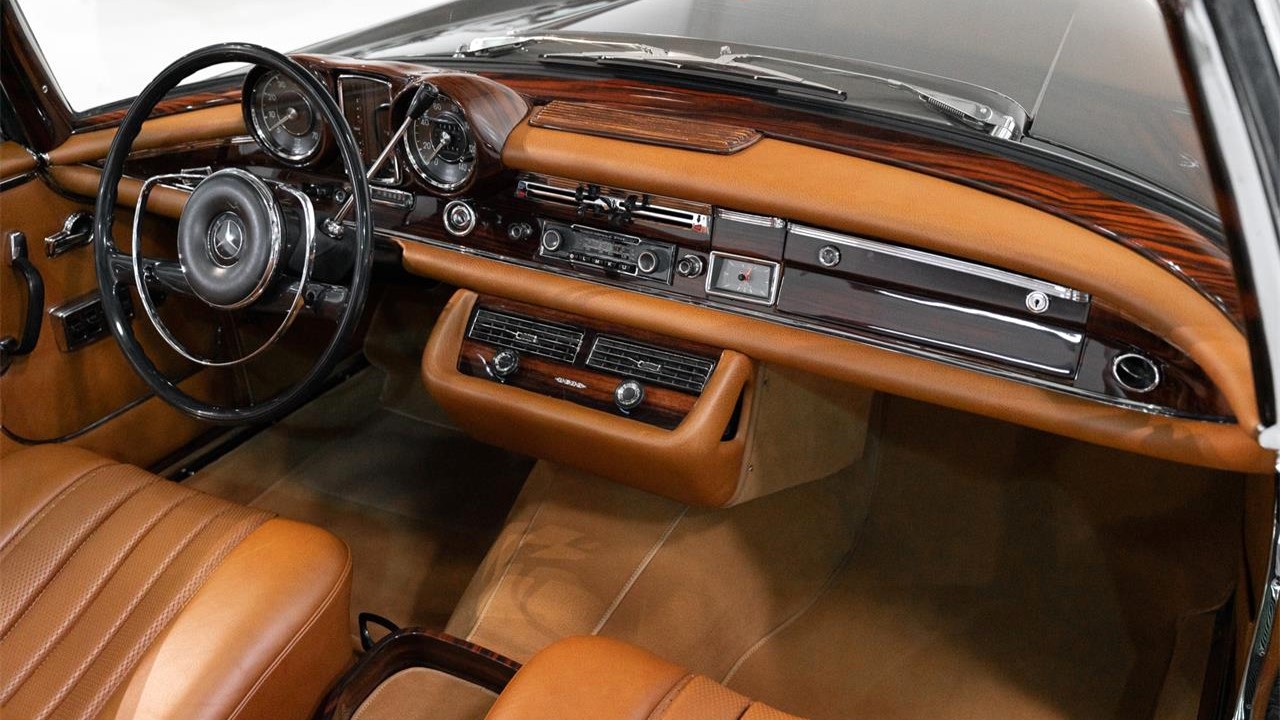
When the top is down, people will definitely be looking to see who’s in this majestic open-air cruiser. As they do, they’ll also get a glimpse of the Cognac leather upholstery and gleaming, vibrant wood trim on the upper and middle sections of the dashboard. Only the driver of this W112 and his/her passengers will get to experience the convenience of its power features, full sound of its Becker Grand Prix AM/FM radio, and comfort of its air suspension.
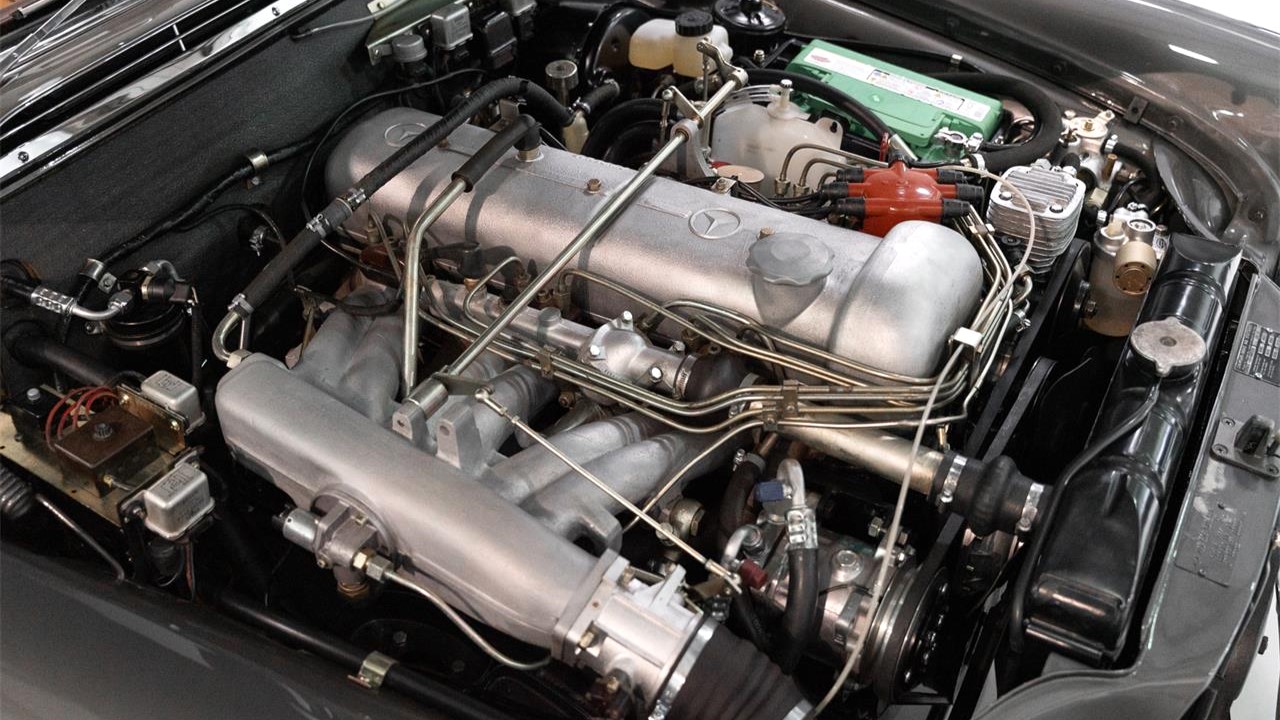
Given that this 300 SE was built after 1964, its M189 (189.987) fuel-injected 3.0-liter I6 benefits from a slight bump in output to 170 horsepower and 183 lb-ft of torque. A four-speed automatic with a column-mounted shifter puts this drop-top into motion and gives people the chance to see a rare sight.
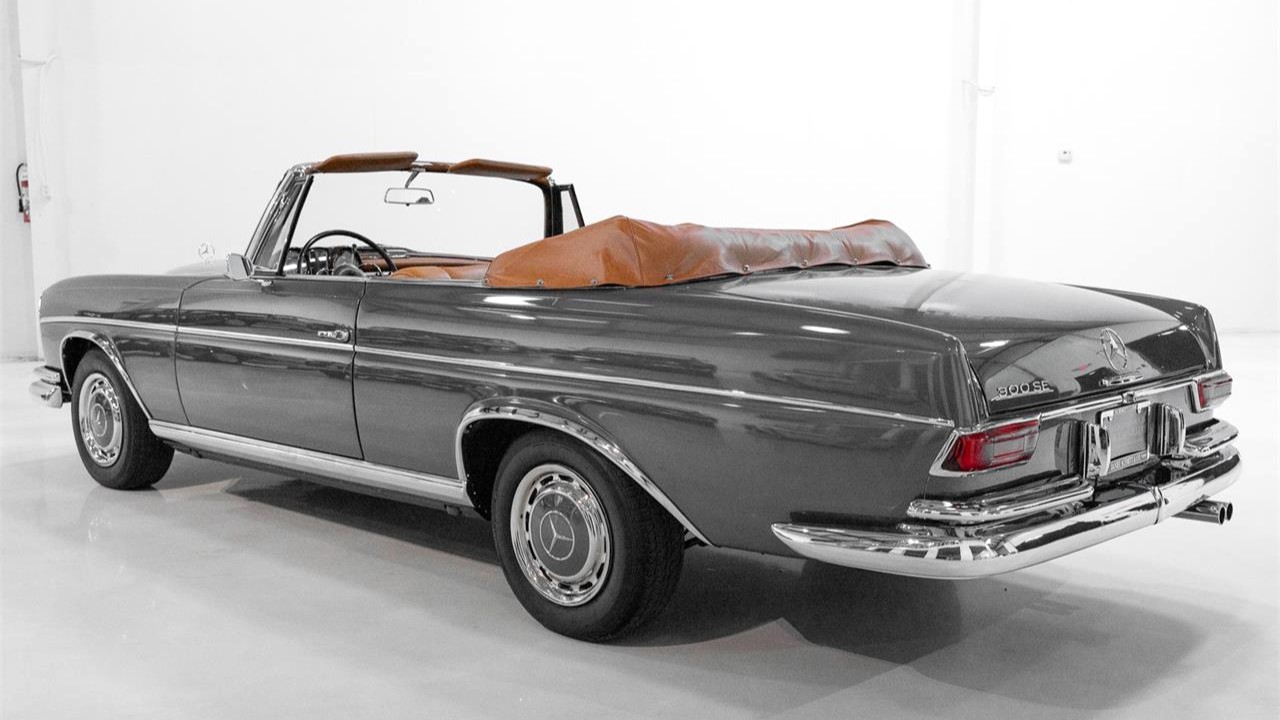
You don’t have to be one of those many—you can be one of the few to own such a low-production vehicle. The price of that privilege—and this 1967 Mercedes-Benz 300 SE Cabriolet—is $269,900.
Click here to view this Pick of the Day on ClassicCars.com
This 1931 Ford Model A is a steel-bodied, five-window coupe that was acquired by the seller’s uncle in mid-1970s, and it sat as an incomplete project from 1993 until it was finished by the seller in 2025 using the collection of parts assembled by his family. The body was mounted on a custom-fabricated ’32 frame, and the top was chopped, the roof was filled with metal, and it was painted matte red. The car rides on drop axle up with a four-bar setup up front and a four-link Ford 9″ rear end, and it has four-wheel disc brakes and 15″ Jegs alloys with staggered tires. Power comes from a 350ci V8 topped by an Edelbrock intake manifold, a Demon carburetor, an intake scoop, an Accel HEI distributor, an aluminum radiator and electric fan, and baffled lake-style headers, and it is linked to a TH350 automatic and a rebuilt limited-slip differential with Strange Engineering axles. Inside are bucket seats, a billet shifter, Stewart-Warner gauges, and a Grant GT wheel. This five-window street rod is now offered at no reserve with service records, spare parts, and a clean Wisconsin title in the seller’s name listing the car as a 1931 Ford.

The steel body has a 4″ chop of the roofline, and the roof was filled and the floors were replaced with sheet metal before it was painted matte red. The seller notes there are rough spots in the fabrication and body work, and there are no turn signals or wipers. A battery disconnect switch is mounted on the right-rear corner, and a ’32 grille was utilized. The bottom of the windshield is scratched.

The car rides on a fabricated ’32 frame with a four-bar front end, a four-link rear end, and unassisted disc brakes both front and rear. The front drop axle has a transverse leaf spring and forged spindles, while coilovers are utilized out back. Staggered tires are mounted on the 15″ Jegs SSR Spike alloys.

Bucket seats mounted on sliders were added along with a billet shifter. The floor is covered in black vinyl, and the headliner is diamond-pattern metal.

A Grant GT wheel and Stewart-Warner gauges were fitted. The ~100 miles on the cluster represents the distance driven since completion of the build.

An aluminum fuel tank and the battery are mounted in the trunk, which has a support strut for the lid.

The 350ci V8 was built and installed in 2025 according to the seller. It is topped by an Edelbrock intake manifold, a Demon carburetor, and an intake scoop, and it has an Accel HEI distributor, an aluminum radiator and electric fan, and lake-style headers with baffles.

The seller reports that the transmission was rebuilt ~five years ago but not used until it was installed. The Ford 9″ axle was sourced from a Lincoln Versailles and narrowed, and the limited-slip differential was rebuilt and Strange Engineering axles were fitted.

The car is titled as a 1931 Ford using VIN A4446627.

Records from the build are displayed in the gallery.
This 1956 Chevrolet 3100 roadster pickup was built by Scott’s Hotrods of Knoxville, Tennessee, and featured in a 2004 episode of TLC’s show Rides. Dubbed “Heavy Metal” in homage to its all-steel bodywork, the truck is powered by a supercharged 5.7-liter LS1 V8 backed by a 700R4 four-speed automatic transmission and a Speedway Engineering quick-change rear end. It rides on a reinforced and boxed frame with a SuperSlam independent front assembly, a four-link rear setup with a Panhard bar, Air Ride Technologies air springs, rack-and-pinion steering, Wilwood discs, and Colorado Custom 18” and 20” wheels. Additional highlights include a unitary cab and cargo bed with a shaved exterior, a chopped windshield, and flush-mounted lighting as well as leather and alligator skin upholstery, a billet steering wheel, and Classic Instruments gauges. After the initial build was completed, the truck was unveiled at the Detroit Autorama, featured in Motor Trend and Custom Classic Trucks, and displayed at SEMA in 2006. An ARC audio system was later added to the cargo bed, and work performed since the seller’s acquisition in 2024 has involved overhauling the suspension, refreshing the upholstery, installing an Alpine head unit, and replacing the starter and spark plugs. “Heavy Metal” is now offered with a DVD set, trophies, a display board, and a clean Texas title in the seller’s name.

Modifications to the steel body started with removing the cab roof and door window frames. A front valance was joined to the reshaped fenders, the cowl was filled, and the windshield frame was chopped, while a tubular support structure was fabricated to support the cargo bed, which was integrated with the back of the cab. The rear fenders were widened and merged with the side steps and rear roll pan.

After the bodywork was completed, Ferrari Rosso Corsa DuPont paint and clearcoat were applied, per the seller. Key design elements include headlights sourced from a Mercedes-Benz, polished grille bars, flush-mounted LED taillights, and dual exhaust outlets that pass through the rear corners. The seller notes hairline cracks in the paint and touched-up chips that are shown up close in the gallery.

Tubular crossmembers were welded onto the boxed frame rails, and the rear section was arced to accommodate the rear axle. A Scott’s SuperSlam independent front assembly and four-link rear setup were also added along with a Panhard bar. The upper and lower ball joints, spindles, and suspension bushings were replaced in December 2024, and the Air Ride Technologies air suspension was refreshed.

Colorado Custom 18×8” front and 20×12” rear wheels are wrapped in Nitto tires with redline sidewall accents. The truck is equipped with power-assisted rack-and-pinion steering, and polished Wilwood calipers are matched with drilled and slotted rotors measuring 13” up front and 12” out back.

Jessie’s Upholstery in Ventura, California, trimmed the interior in beige leather, alligator skin, and bound wool carpets. A waterfall center console houses control panels for the air suspension as well as a display screen connected to a DVD player mounted under the passenger seat. The alligator accents were re-dyed under current ownership, and a Bluetooth-capable Alpine head unit was installed. American Autowire supplied the truck’s wiring.

The Colorado Custom steering wheel is mounted to an Ididit tilt column with Borgeson U-joints, and a Classic Instruments 120-mph speedometer and a combination gauge are mounted ahead of the driver. The six-digit odometer shows 1,500 miles, approximately 300 of which have been added under current ownership.

The upholstery scheme carries over the cargo bed, which houses ARC Audio amplifiers and subwoofers within custom enclosures. The rear wheel wells were tubbed during the build.

The 5.7-liter GM Performance LS1 V8 is equipped with a polished Magnuson supercharger, a Superchips ECU, and Rewarder headers that flow into a stainless-steel dual exhaust system with a crossover pipe and Flowmaster mufflers. Body-color ignition coil covers have been added, and the radiator is cooled by a SPAL electric fan. The starter, spark plugs, ignition wires, and oil were replaced under current ownership. A prop is required to hold up the hood.

Power is sent to the rear wheels through a Bowler Performance 700R4 four-speed automatic transmission and a Speedway Engineering Super Max quick-change rear end. Scrapes are noted on the undersides.

The car is titled as a 1956 Chevrolet using the Arizona Assigned VIN AZ375024.

A collection of trophies will accompany the truck along with a Rides DVD set and other items that are shown in the gallery.