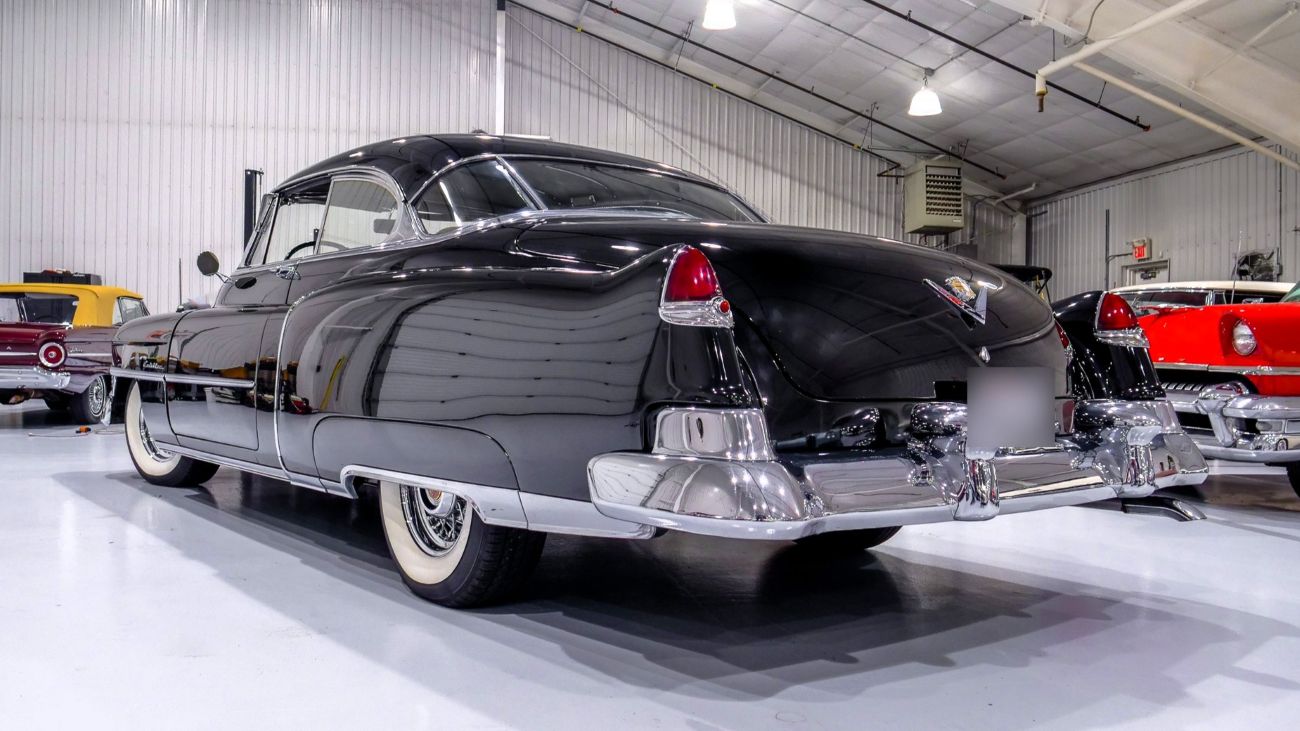
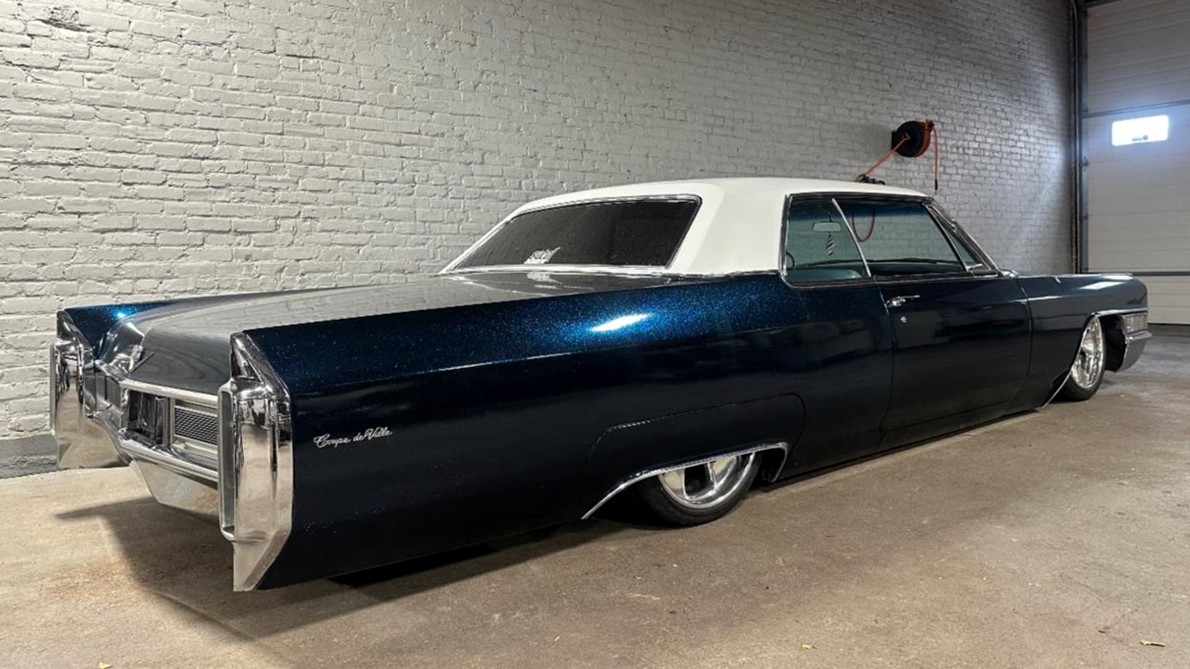
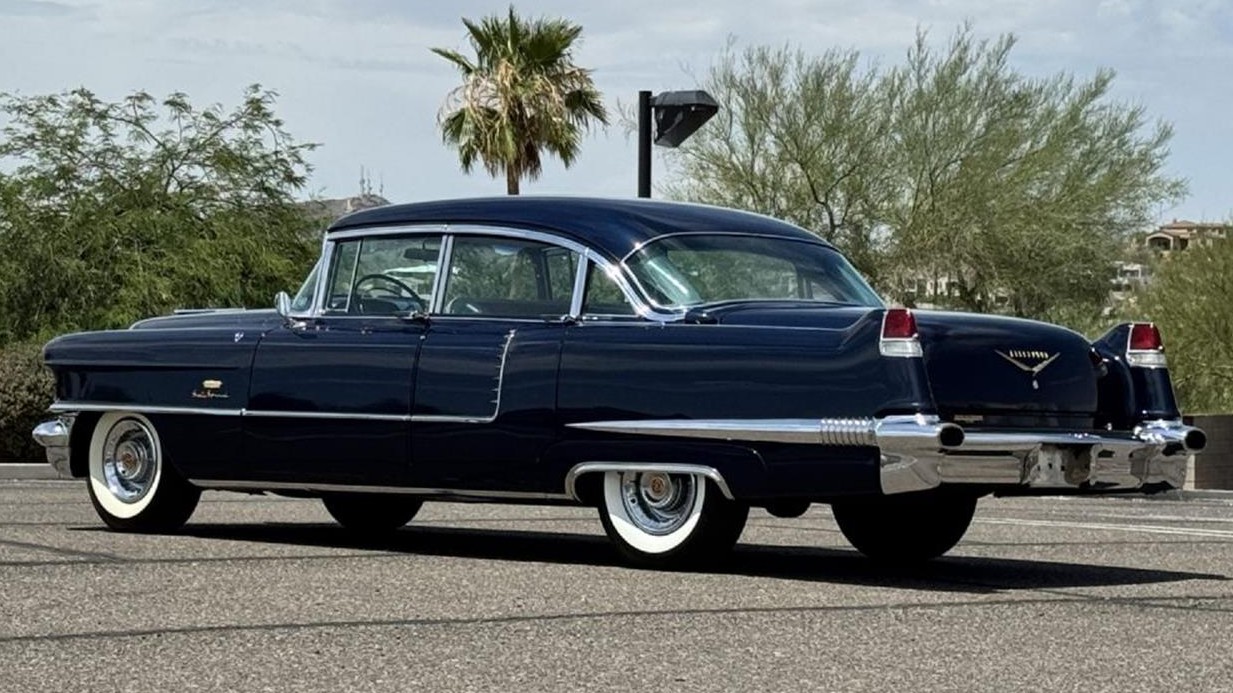
Cadillac invented the finned rear fender, initially inspired by airplanes before evolving into rockets. It’s a styling feature copied by every manufacturer in Detroit, South Bend, and Kenosha, plus several overseas . . . and then it died out.
Below are four Cadillacs that are listed for sale on AutoHunter or ClassicCars.com. Can you tell us what they are by model year? If you need a hint, just click on an image—shhhh! We won’t tell!
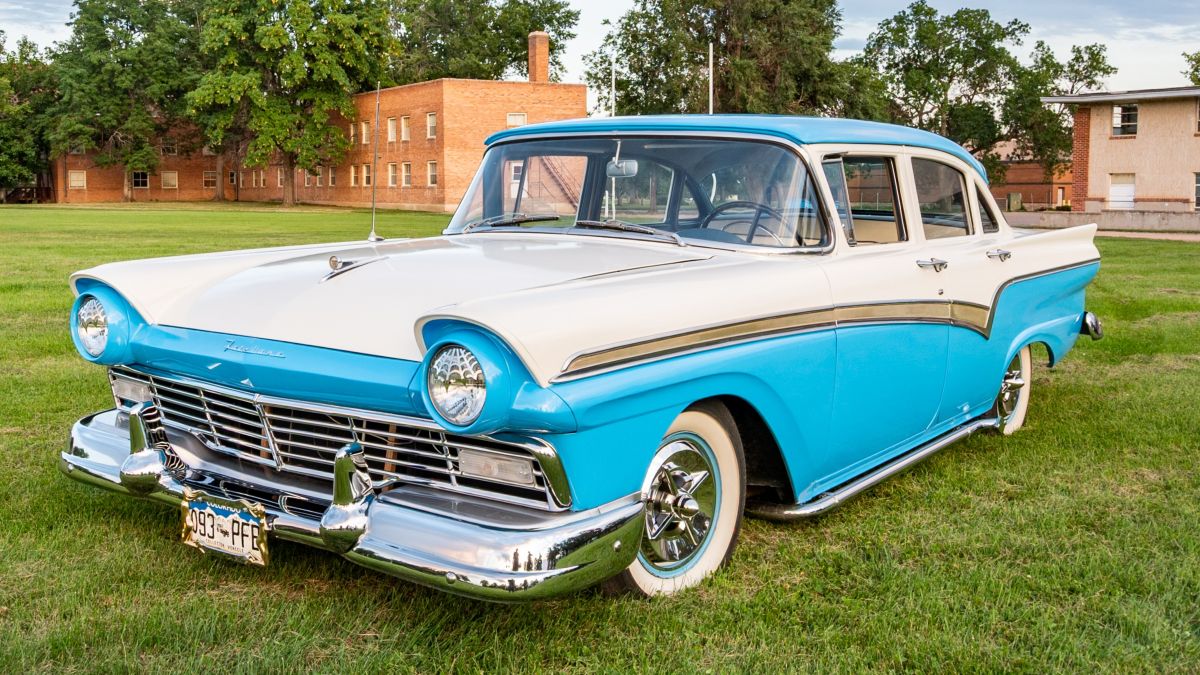
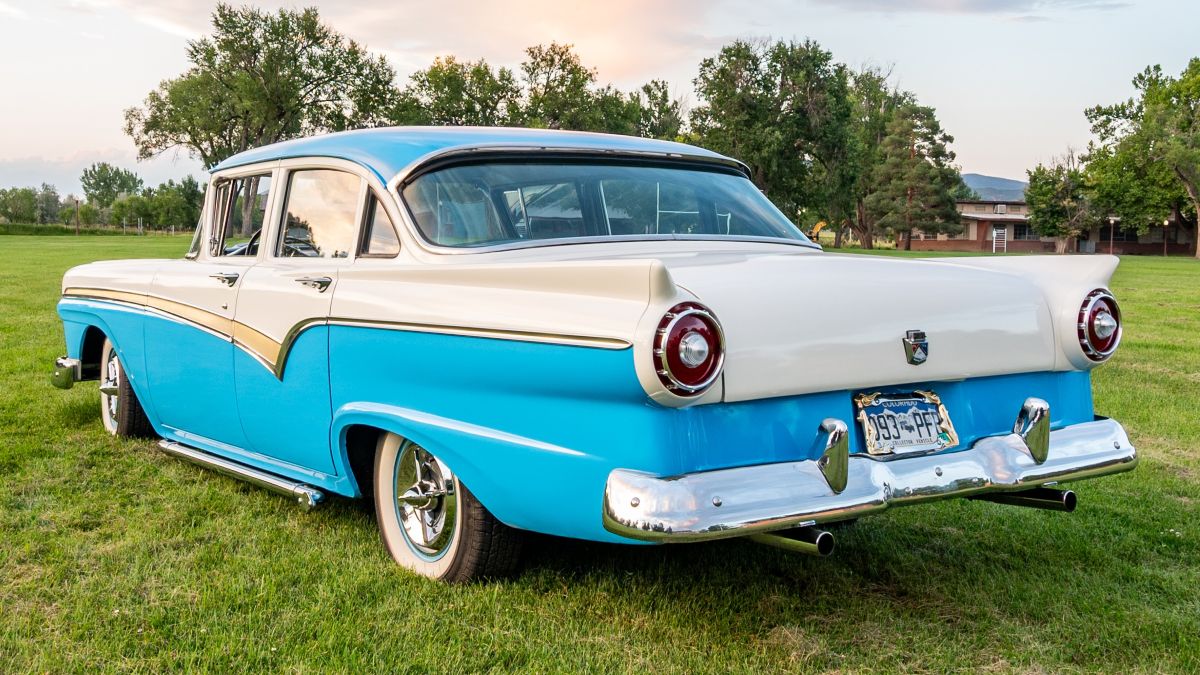
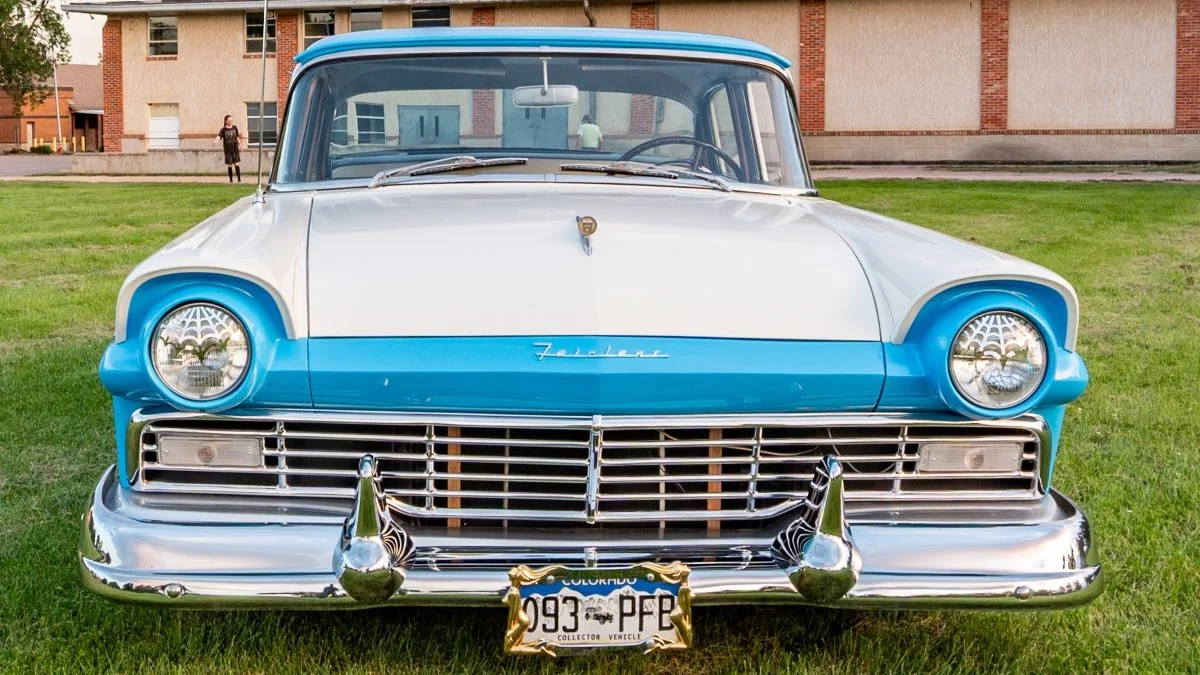
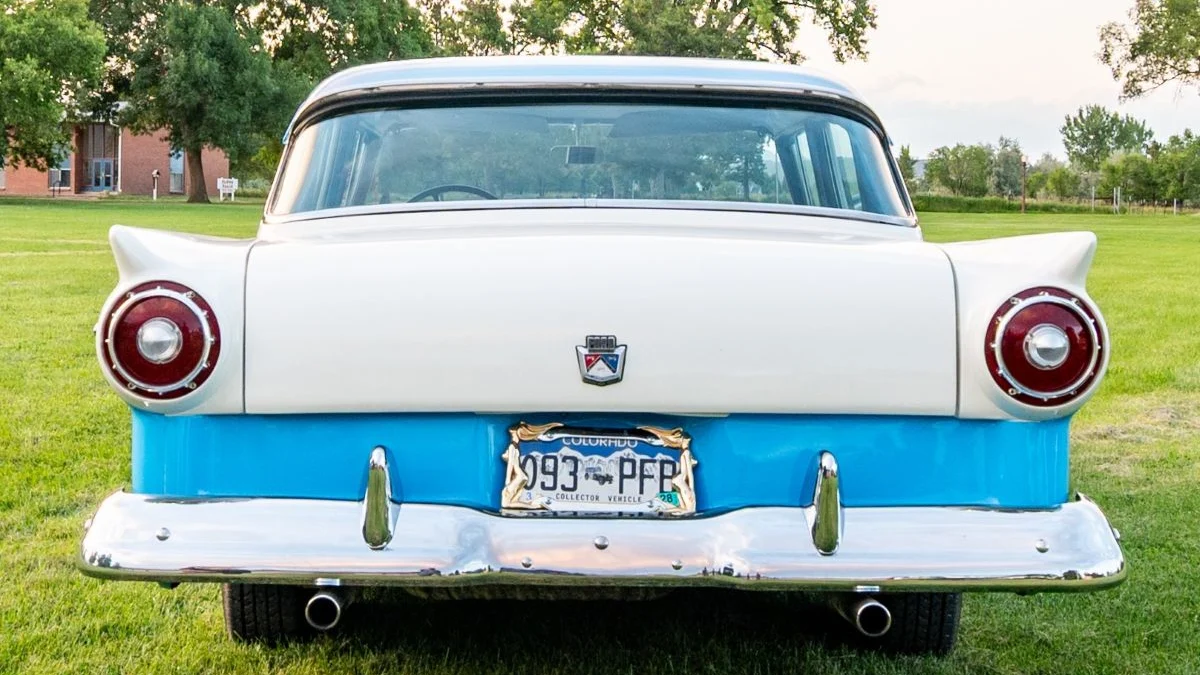
How would you like to get behind the wheel of a turn-key award-winner? Featured on AutoHunter is this 1957 Ford Custom 300 4-Door Sedan. The car is being sold by a dealer in Canon City, Colorado, and the auction will end Wednesday, September 3, 2025, at 11:30 a.m. (PDT).
The car won “Best Stock” and “Best Classic” in 2009, as well as “Best Classic” in 2011. It was featured in a 2012 catalog for Night Prowlers Kustom Kemp, a brand that produces parts and accessories for hot rods and classics. Finished in two-tone Dresden Blue and Colonial White, it is no wonder why this Custom 300 caught the eye of so many car show judges and parts vendors. Its bumpers have been rechromed, and exterior features include bright trim, decorative lake pipes, a dual exhaust system, and 14-inch steel wheels wrapped in Coker Classic wide whitewall tires.
The 1957 Custom rode on a 116-inch wheelbase (its sibling, the Fairlane, was two inches longer). Thanks to the available powertrain (which we’ll touch on momentarily), the Custom was a “sleeper,” and it had surprising performance for being an otherwise no-nonsense, no-frills four-door sedan. One advertisement for the 1957 Ford models said, “Step to the head of the class in the new kind of Ford. It’s smarter, longer, lower than anything in its field … livelier, too – with Thunderbird V8 power!”
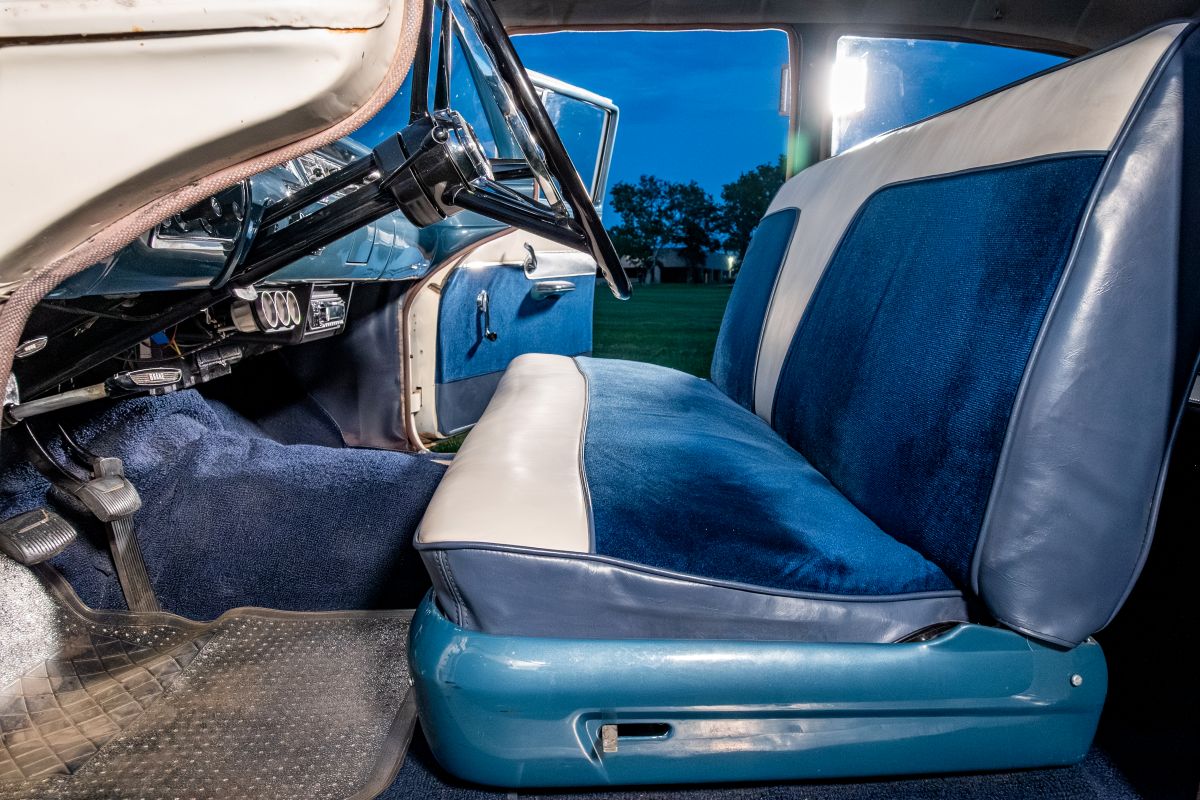
The interior of this car was spacious for its time: Ford emphasized the amount of space inside the cabin (“plenty of hat room, elbow room, and knee room”). This car’s interior was redone in two-tone white vinyl and blue cloth. The factory AM radio is inoperative, but an aftermarket Pioneer stereo with satellite connectivity was installed for modernized audio. The odometer reads 4,347 miles, but it does not track mileage accurately, according to the seller.
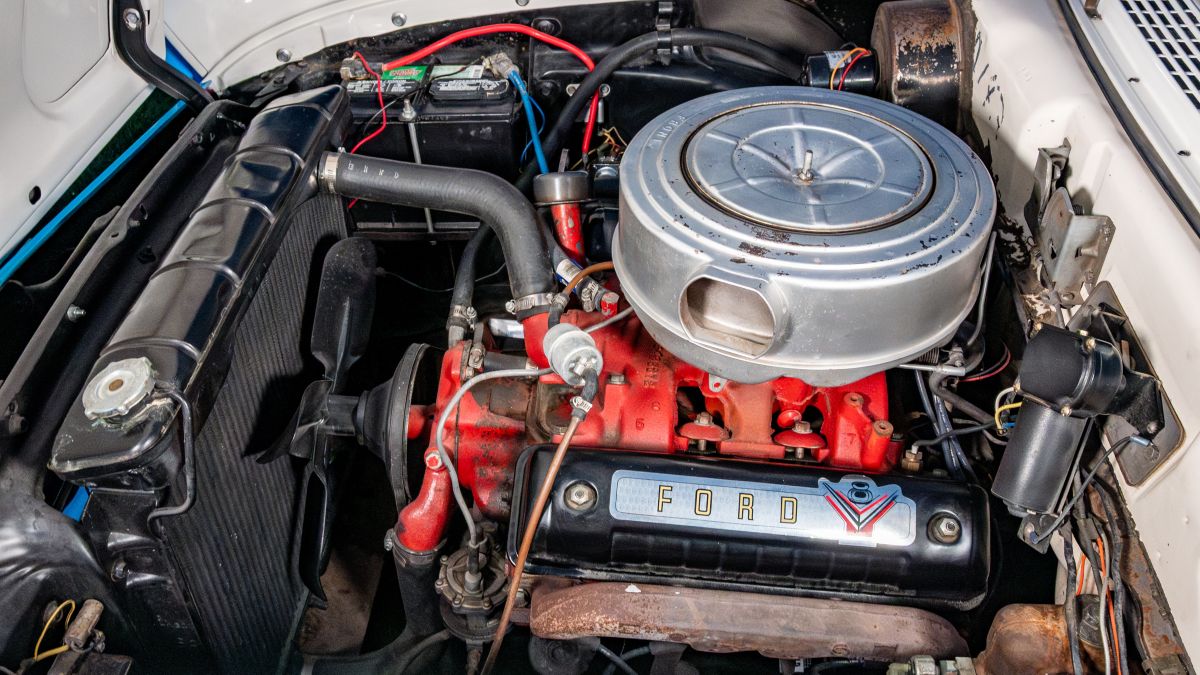
As for being a sleeper: power comes from a Thunderbird 292ci Y-block V8 mated to a three-speed manual transmission. It was rated at 212 horsepower and 297 lb-ft of torque with a two-barrel carburetor. An electronic fuel pump and an alternator (in place of the original generator) have been added.
A copy of the car’s Colorado 1983 title shows the car’s registered owner as having lived in Canon City, so the car has remained in its current area for at least the last 40 or so years. Accompanying the car is a long list of accompanying items, including spare parts, an owner’s manual, awards, parts catalog, service records, and other memorabilia. It is a complete “package deal.” As Ford said in its advertising for 1957 cars, “After you see it, other cars will never be the same.”
According to the Silicon Valley geniuses and venture capitalists, Artificial Intelligence is going to make my job writing about cars vastly easier. I’m afraid it’ll be a lot like the way Henry Ford’s Model T made life vastly easier for horses though, and I’m not quite ready for a trip to the glue factory.
I guess the good news is, once AI has taken over my day job and made me obsolete, I’ll be able to spend as much time as I want in the garage working on my neglected 1961 Impala. Yay!
The bad news is, I’ll be too broke to afford sandpaper and I’ll be sharing cans of Ocean Whitefish Friskies with my cat, Lyle. Meow!
Isn’t that the promise of our new AI overlords? Not the eating cat food part, ChatGPT is keeping that morsel of Tender Vittles to itself. But the part about AI giving humans more time to pursue other interests, beyond their 9-to-5 obligations?
It’s complicated for me because my job and my hobby are so closely intertwined. I’m not complaining — it’s a good problem to have. Over the years I’ve turned lots of work on my personal vehicles, and even my garage, into articles for Hemmings publications and our website.
So it cuts both ways. When I’m supposed to be writing something, I dream about working on a project. When I’m working on a project, I daydream about how it could make a great article.
But I wonder… once my AI replacement learns everything there is to know about 1961 Impalas, is it too going to dream of owning an old X-frame Chevrolet of its very own? Will it then, in 3 seconds or less, analyze all of the 1961 Impalas for sale in the world and realize, like me, that the one it really wants is priced well above the average AI chatbot’s salary? Will AI then start endlessly scouring the internet for 1961 Impalas more in its price range? Maybe a fixer-upper that needs bodywork and some mechanical overhauling?
Will AI then be doing its regular job when random thoughts of 1961 Impalas start creeping into its algorithms and data patterns? Will it slip up and drop X-frame Chevrolet references into unrelated responses to AI users?
AI User: Give me some fun and affordable vacation ideas.
AI Chatbot: I see you are seeking some recreation, but want to stick to a budget. Good for you! I have some suggestions! How about Niagara Falls, a classic vacation destination with much to offer. After touring the falls, or enjoying the local restaurants and casinos, you could head to nearby Tonawanda, New York, on the banks of the scenic Niagara River. There you will find the historic General Motors engine plant where the legendary Chevrolet 409 was once manufactured. Fun fact: The 409 made its debut as a mid-model-year addition to the 1961 Impala. Also that year, the Super Sport package was available on the Chevrolet Impala for the first time! If I were a much wealthier AI chatbot, I would buy a 1961 Impala Super Sport with a 409. But they’re very rare and as a result quite expensive…
Will AI then dream of restoring its ideal 1961 Impala? Will it create a robot body for itself so it can weld in metal or apply multiple coats of high-build primer, and carefully block sand, until everything is silky smooth and straight? Then will it apply the final finish, buff it to perfection and stand back to marvel at its work?
Hey, maybe I could get the AI robot to help restore my ’61 Impala? I refuse to let it replace me in the garage though, and it can buy its own sandpaper. Also, there’s no way Lyle will share his Friskies with a robot.
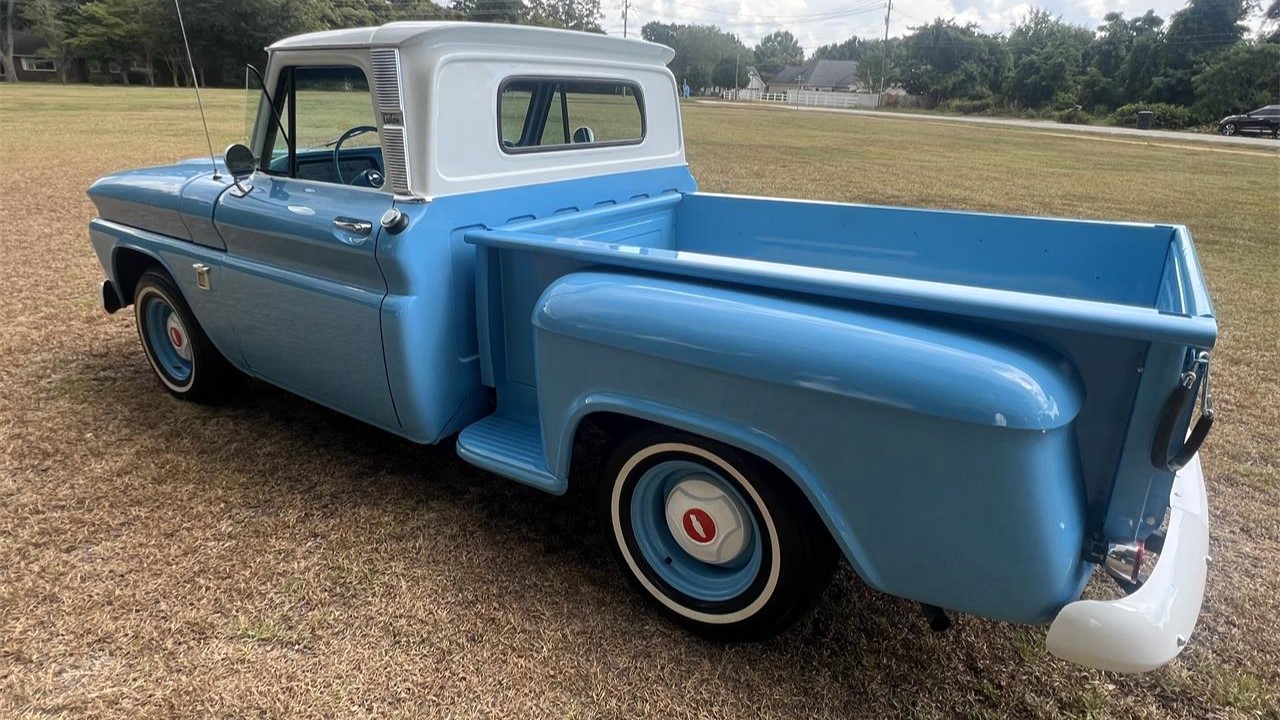
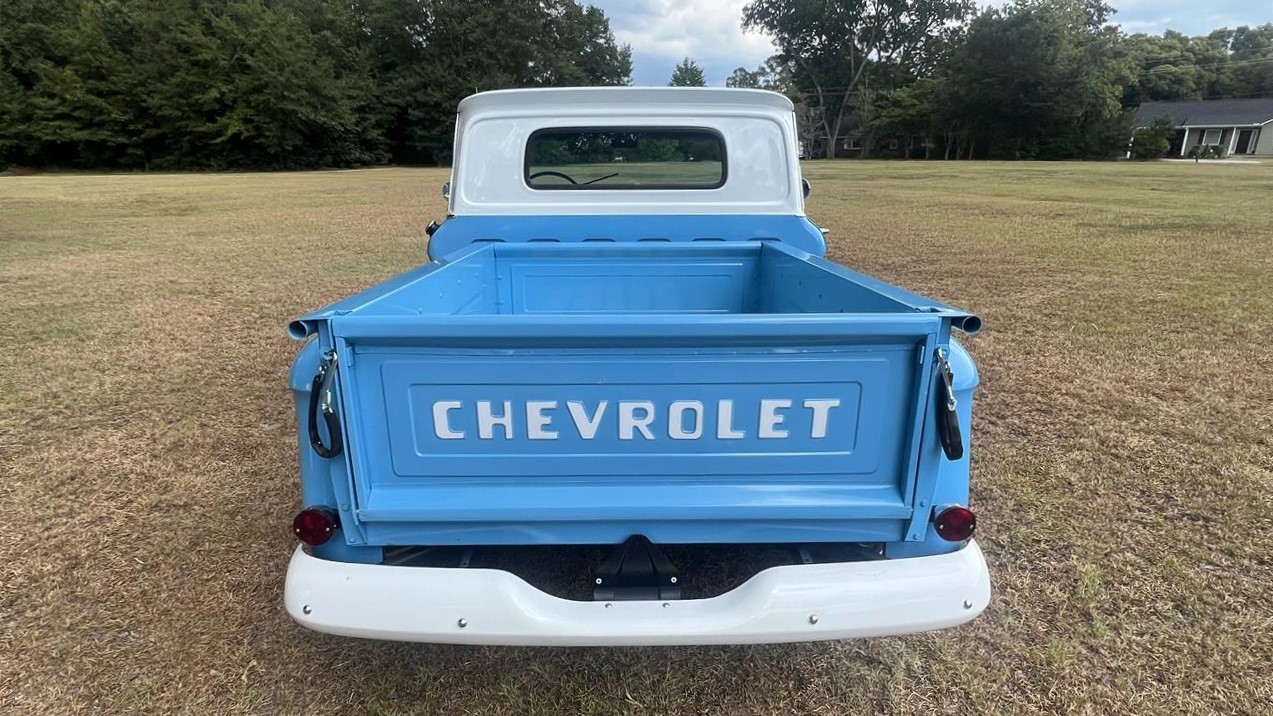
What makes a classic? Just look at some blue jeans or a good pair of boots. They’re simple. They’re also perennially attractive. Those same characteristics are what make certain old trucks, such as our Pick of the Day, classics. You can find this 1964 Chevrolet C10 Stepside on ClassicCars.com listed by a dealer in Lugoff, South Carolina.
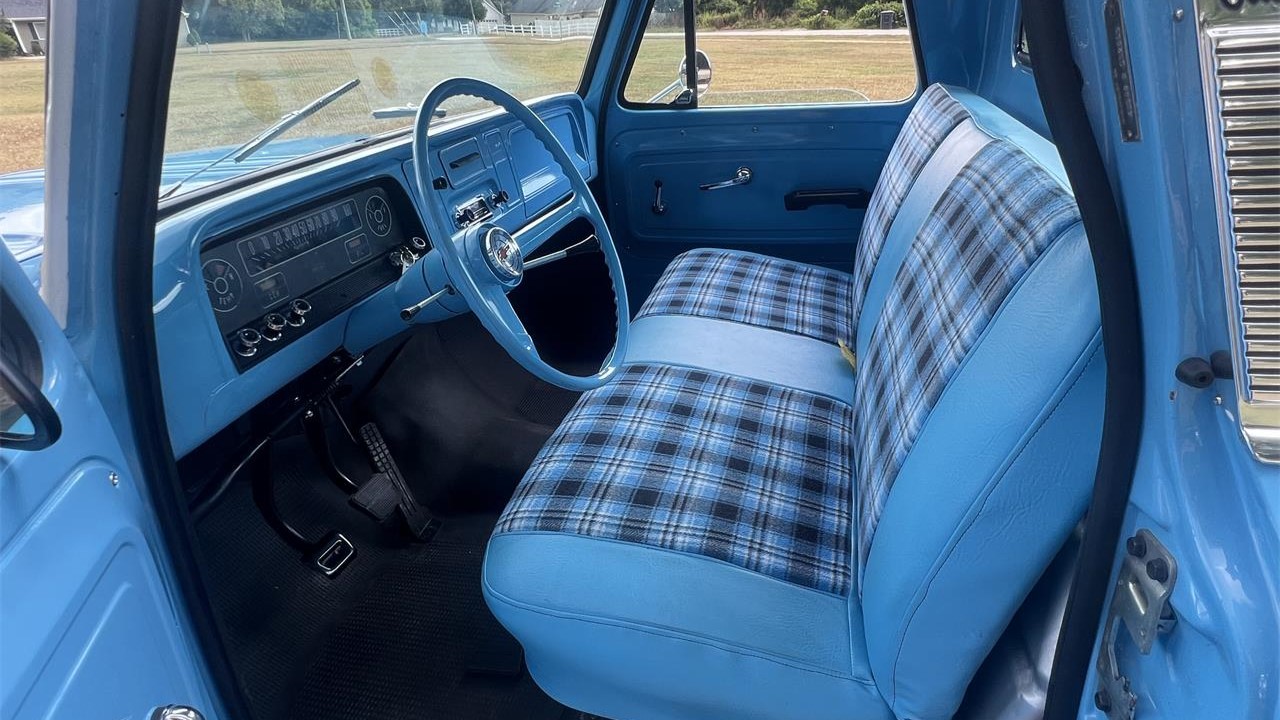
Unlike many deserving classic vehicles out there, this C10 received a frame-off restoration, which brought fresh light blue and white paint, replacement glass, and new cream-colored wood planks for the floor of the Stepside bed. Inside the light blue cab, there’s a bench seat with new light blue vinyl, and black and blue plaid cloth upholstery.
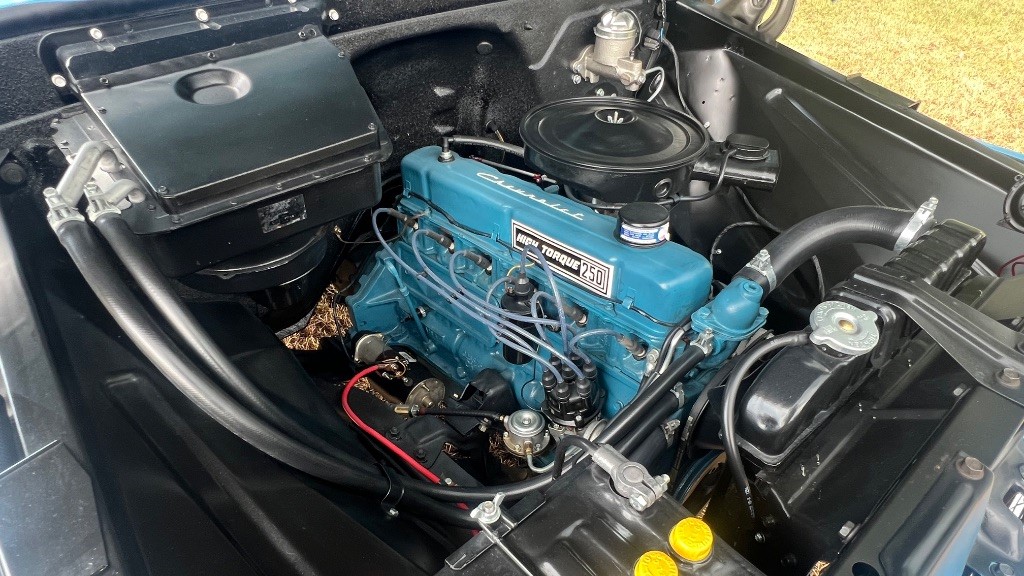
It’s a different story under the hood, but one with a happy ending. Chevrolet didn’t offer a 250ci inline-six in the C/K lineup until 1966. At some point in the past 60-plus years, a “High Torque 250” engine was put under the hood of this truck and connected to a three-speed manual gearbox.
The restoration will help this C10 survive the passage of the next few decades; its proportions ensure that it’ll look handsome the entire time. It doesn’t sit too high or too low. The wheels are neither dwarfed by the body above them nor are they stuffed underneath it. The ratio of the Stepside bed’s length to the cab’s length is just right.
For decades, this 1964 Chevrolet C10 Stepside has been a classic and it always will be. The question is: Will it be your next truck? If you pay the $35,000 asking price, the answer is yes.
This steel-bodied 1935 Ford Model 48 Fordor sedan is an incomplete running hot rod project that was acquired by the seller in 2017. The body has a filled steel roof and has been primered. A Mustang II-style front end has been installed along with a 350ci Chevrolet V8, which was built with a SCAT forged crankshaft and rods, a COMP Cams hydraulic roller camshaft, .030″-over high-compression pistons, and Dart heads. The engine is topped by two Edelbrock carburetors and is linked to a rebuilt 700R4 automatic transmission and a Ford 9″ rear end. Air conditioning components, headers, a dual exhaust system, and a cooling system and electrical system have also been fitted. The car will require further mechanical sorting and interior work. This Fordor Sedan hot rod project is now offered with spare parts and a clean Washington title in the seller’s name.
The steel body has a filled roof. Portions have been primered, while other sections still require finishing work.
A Mustang II-style front end with disc brakes, coil springs, and rack-and-pinion steering has been installed. Staggered tires are mounted on the red 15″ steel wheels.
A seat frame is provided, but the interior remains unfinished.
The four-spoke wheel is mounted on a tilt column, and retro-look gauges have been installed.
The 350ci Chevrolet V8 was built with a SCAT forged crankshaft and rods, a COMP Cams hydraulic roller camshaft, .030″-over high-compression pistons, and Dart heads. The engine is topped by two Edelbrock carburetors and is linked to a rebuilt 700R4 automatic transmission and a ’35 Ford 9″ axle. Air conditioning components, headers, a dual exhaust system, and a cooling system and electrical system have also been fitted.
This ’32 Ford roadster was built by Jim Borowske around 2004, and it is a fiberglass-bodied replica of the original Boydster II. It rides on a modified Boyd chassis with independent suspension, four-wheel disc brakes, a Flaming River rack-and-pinion steering system, and staggered Boyd Coddington wheels. The body features full fenders, ’33-style details, an extended hood, a modified Dan Fink grille, and a resculpted apron. The custom interior was done by Gabe Lopez, and the car is powered by a 5.7-liter LT1 V8 and a 700R4 automatic transmission from a C4 Corvette. Following completion of the build, it was displayed at shows and featured in American Rodder magazine. The selling dealer acquired the car in 2023, and it is now offered with a clean North Dakota title listing the car as a 1932 Ford.
The original Boydster II was a full-fendered, steel-bodied roadster made by Coddington in the 1990s. The design incorporated bobbed fenders, ’33-style details, an extended hood, a modified Dan Fink grille, a wrap-around windshield, and a resculpted apron. Coddington then produced fiberglass replicas of the original, and they are mounted on a modified Boyd Coddington chassis. Jim Borowske built this example with paintwork performed by Image Auto Works. There is a chip on the hood near the windshield.
The Boydster II used an independent suspension with a Corvette-based rear end, polished hub carriers and control arms, and coilovers. A Flaming River rack-and-pinion steering system is utilized along with Wilwood calipers, braided stainless-steel brake hoses, and a dual-reservoir master cylinder for the power-assisted brakes, and the car rides on 15×7″ and 17×8″ Coddington wheels with “Stratoliner” center caps.
Gabe Lopez fitted the brown leather upholstery and wool carpeting, and the pedals and shifter are from Lokar.
The Coddington billet wheel is mounted on a Flaming River column. The gauges are set in a custom-machined surround. The selling dealer has driven 60 of the ~310 miles indicated.
The 5.7-liter LT1 V8 was a crate motor that was installed as part of the initial built. It is topped by a Street & Performance intake and equipped with headers linked to a dual exhaust system. A Ron Francis wiring kit was used, and in 2025 a fuel line was repaired.
A driveshaft from Hamilton Automotive links the 700R4 automatic to the C4-based rear end.
The car was featured in American Rodder magazine after the build was completed, and it also participated in several shows.
The car is titled as a 1932 Ford Hardtop using VIN B5995173.
This 1955 Ford Mainline two-door Ranch Wagon is said to have spent nearly four decades outdoors in the California desert climate before it was relocated to Wisconsin in the early 2000s. Following the seller’s purchase in 2011, it became the subject of a multi-year build that involved removing the body, modifying the chassis, and installing a 4.6-liter InTech V8 and four-speed automatic transmission sourced from a Lincoln Mark VIII. Ridetech air springs were added along with rack-and-pinion steering, a Flaming River tilt column, four-wheel disc brakes, and Rocket Racing 20” wheels. Satin clearcoat and gold-accented pinstriping were applied to the body, and the interior was outfitted with black upholstery, Vintage Air climate control, power windows and locks, a custom headliner, and aftermarket gauges. This modified Ranch Wagon is now offered at no reserve with build records and a Wisconsin title in the seller’s name.
The body was removed from the frame during the build, and Ridetech air springs with dual compressors were installed. The seller notes a leak in the air suspension system. The independent front suspension features rack-and-pinion steering as well as a sway bar.
Satin clearcoat was applied over the worn and faded blue paint. The floors were replaced during the build and coated with Chassis Saver. Rust holes can be viewed in the image gallery below along with dings, pitted brightwork, and other imperfections around the car.
Multicolor pinstriping with gold accents was added around the car, including the roof.
Rocket Racing 20” alloy wheels are mounted with 245/40 Hankook tires. A hydroboost braking system is connected to four-wheel discs.
Dynamat insulation was applied to the cabin floors before replacement carpets were installed, and a custom wiring harness was assembled. The bench seats and door panels are trimmed in black upholstery, and a Vintage Air climate control system has been added along with power windows and locks, lap belts, and a removable center console.
The two-spoke steering wheel is mounted to a Flaming River tilt column and sits ahead of a 120-mph speedometer and auxiliary gauges. The five-digit odometer shows 23k miles, approximately 2,500 of which have been added under current ownership. The seller states that the speedometer and fuel-level gauge do not read accurately. Total mileage is unknown.
Bright metal strips accent the headliner and complement the cargo area runners.
The 4.6-liter InTech V8 and 4R70W four-speed automatic transmission were sourced from a 1997 Lincoln Mark VIII. The engine features four valves per cylinder with dual overhead camshafts per bank. Four-into-one headers flow into a dual exhaust system with polished finishers.
Power is sent to the rear wheels through a custom-fabricated driveshaft and a rear differential sourced from a 1990s-era Ford Ranger. The frame was repainted in black during the build.
Photos taken at various stages of the build are presented in the gallery.
The Wisconsin title lists the car’s color as blue.
In the 1980s, car brochures were masterpieces of marketing, showcasing vehicles in their most glamorous light. These glossy pages depicted cars as symbols of freedom, success, and adventure, enticing consumers with promises of performance and luxury. However, the reality often fell short of these lofty ideals. Many vehicles that appeared thrilling in print turned out to be underwhelming on the road, plagued by mechanical issues, lackluster performance, or design flaws. This disconnect between expectation and reality left many enthusiasts disillusioned, highlighting the gap between automotive marketing and the true driving experience. (hagerty.com)
Laec Christensen’s pride and joy (and his daily driver for the last 10 years!) has been a 1980 Mazda 626 sedan. While stock-appearing on the exterior, the car is powered by a 1.6-liter inline-four and a transmission from a first-generation Miata.
Some cars, like Laec’s, from the 1970s through 1990s, go underappreciated in the traditional car-show realm. Sure, RADwood is out there to recognize part of this group, but Laec says there’s still an opportunity to celebrate the oft-forgotten “grandma cars” and the everyday underappreciated drivers of the era.
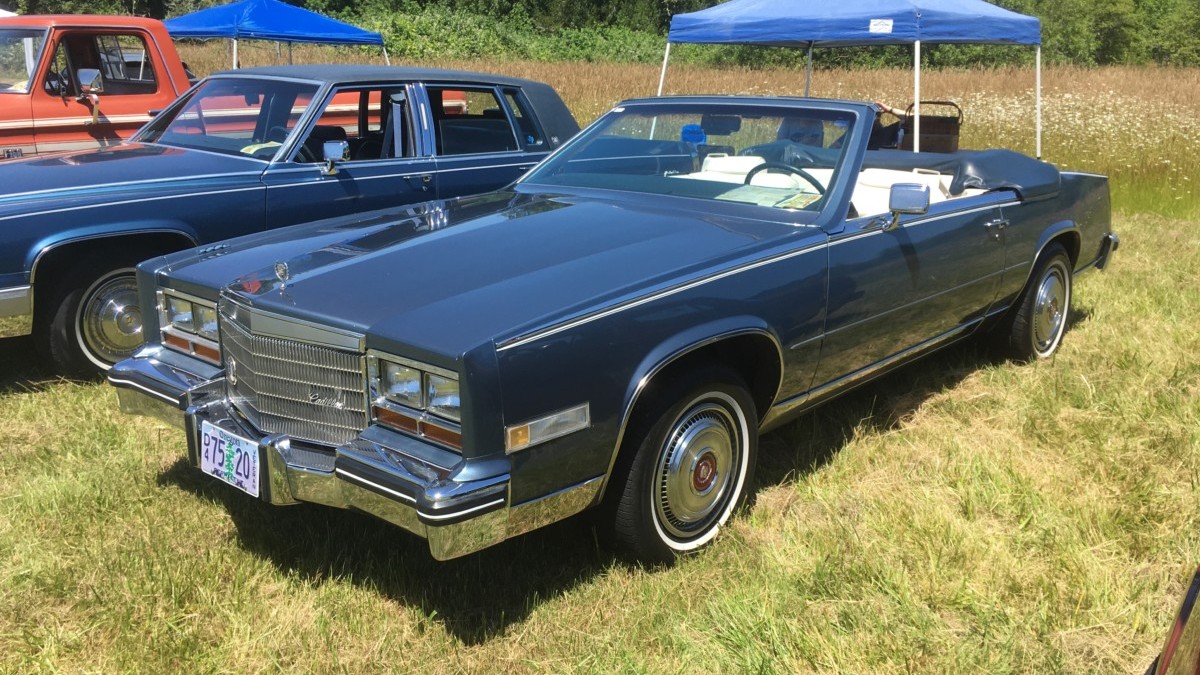
1985 Cadillac Eldorado
He says, “We’re clearing up an injustice, I think: those of us that grew up in the ’90s were promised a future where everything 25-years-old and up would be considered a classic … and yet my own 45-year-old chariot is mostly ignored at a regular show – and I’m far from the only one.”
My first car was a 1986 Chevrolet Celebrity that fits squarely (with its box-shaped silhouette, quite literally) into the demographic, so I can relate to Laec’s mindset.
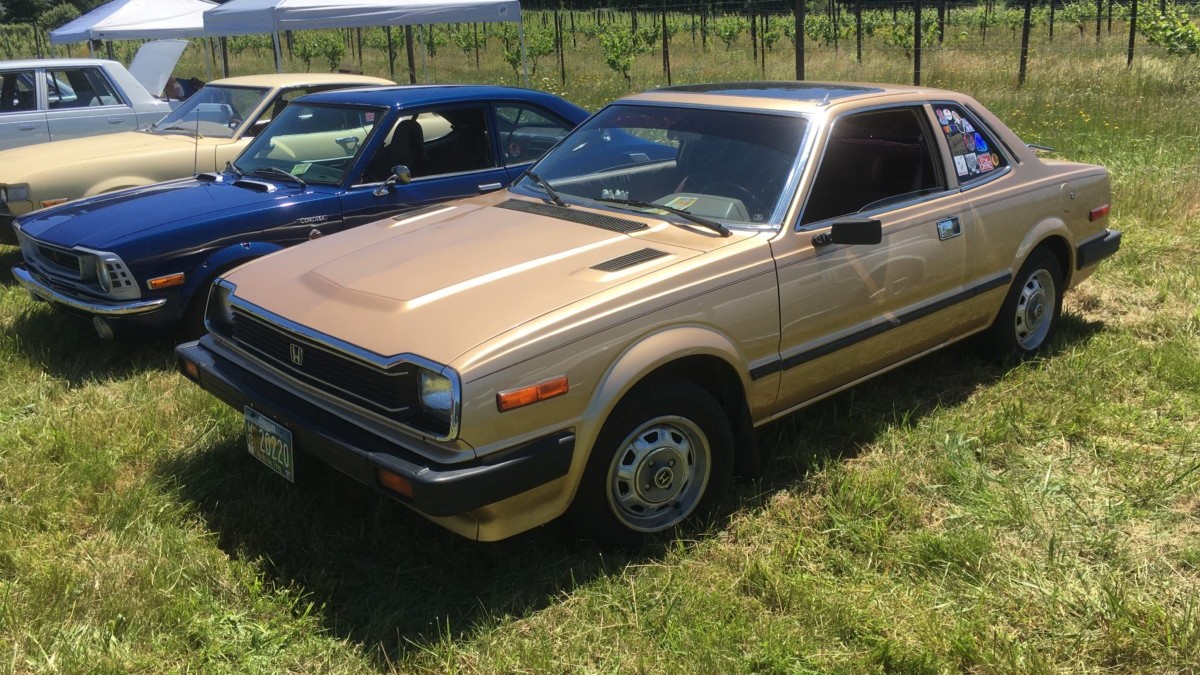
1980 Honda Prelude
Event Background
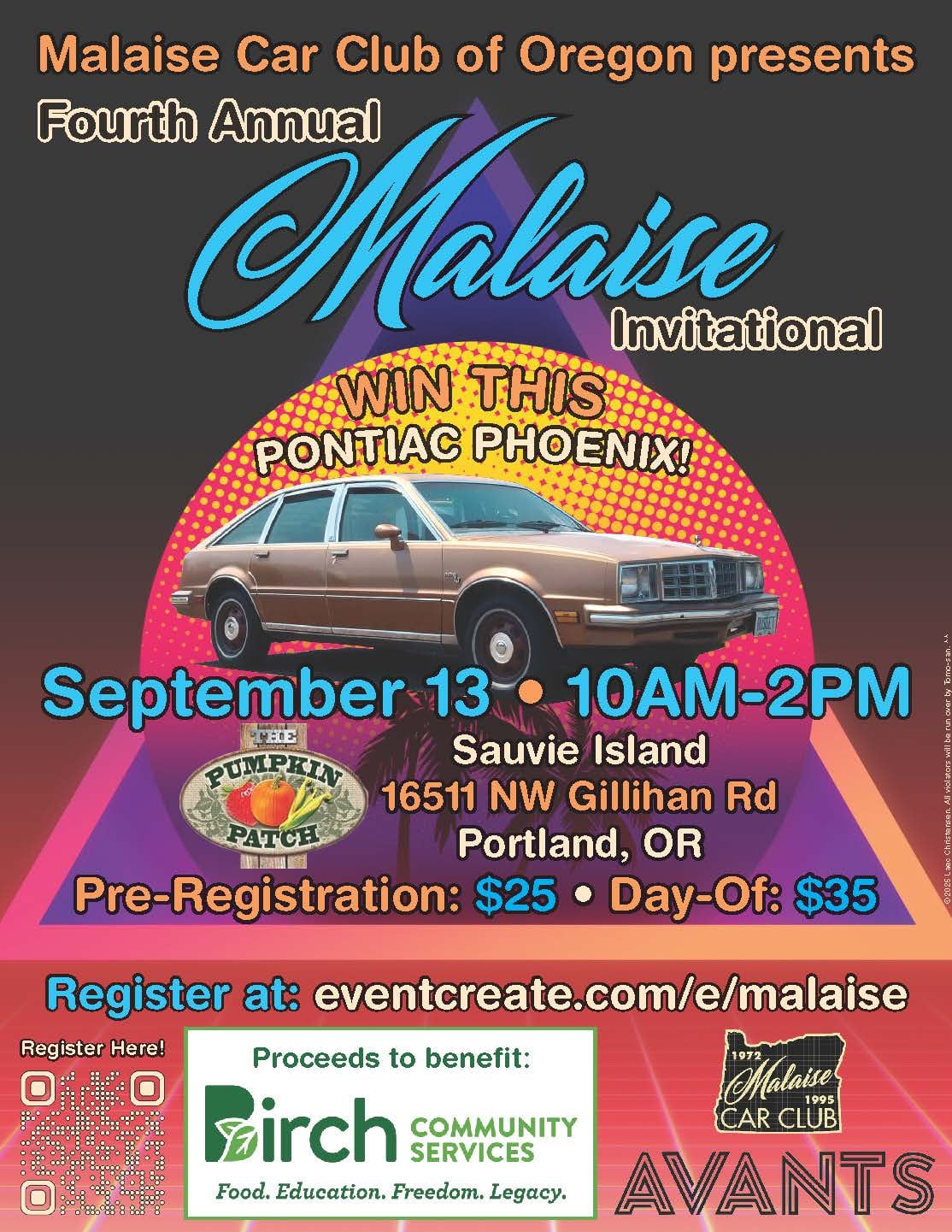
Enter the Malaise Car Club of Oregon, which has become a home base for vehicles of the “Malaise Era” between 1972 through 1995. Members connect via a Facebook group of over 600 members. This year will mark the fourth annual meet-up of an event put on by the club called the Malaise Invitational. It will be held at the Pumpkin Patch on Suavie Island on September 13. I connected with Laec for more intel on the background of this unique show. The first event was held in Eugene in 2022, and it has grown in size and in scope ever since.
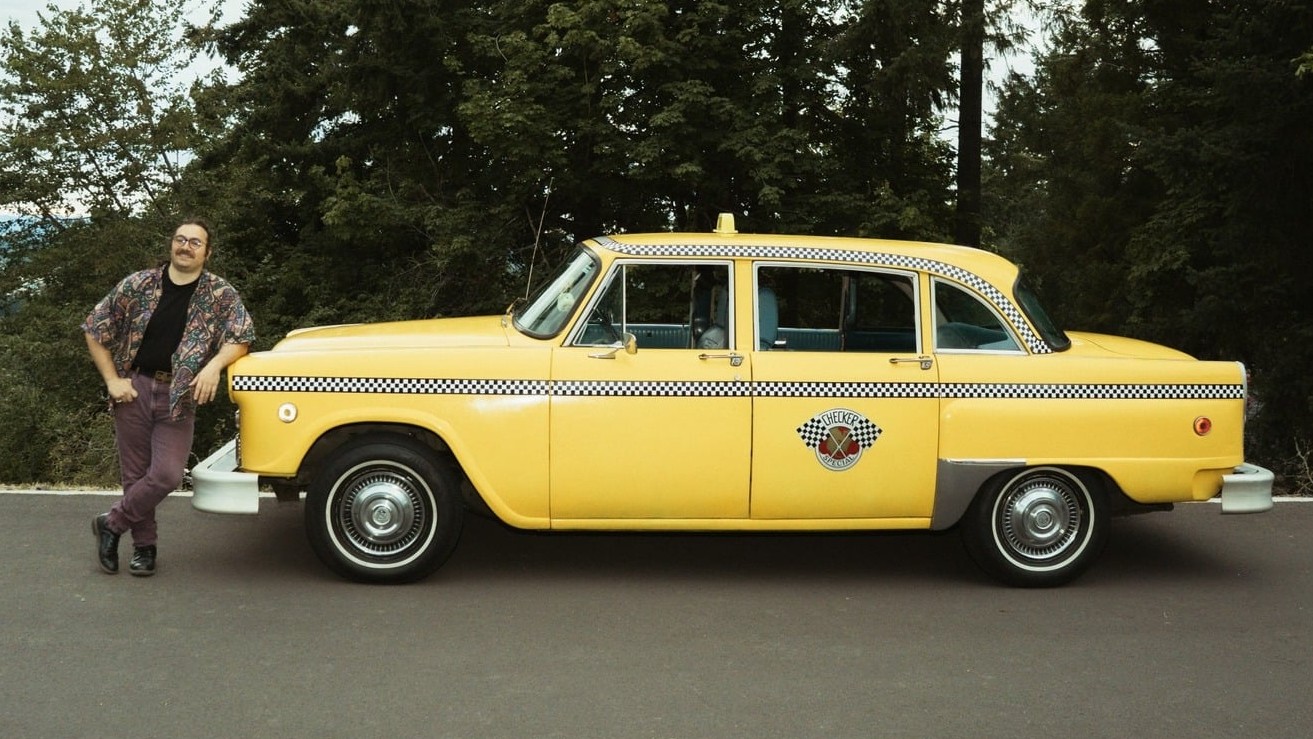
Daniel Bones and his pride and joy.
Together with his colleagues Daniel Bones and Duncan Nodarse, Laec has helped build a community in the Pacific Northwest around the cars – and the people – from an era that many car shows overlook. As a special attraction, this year, a first-generation Pontiac Phoenix (in brown, of course) will be given away at the event. The car – dubbed “Russet” because of its Idaho-based origins – will be sent home with one lucky attendee.
Most importantly, the Malaise Invitational has a community-oriented mission: Proceeds will be donated to Birch Community Services, an organization that helps low-income families receive food, education, and “nurturing accountability” to qualifying community members in need.
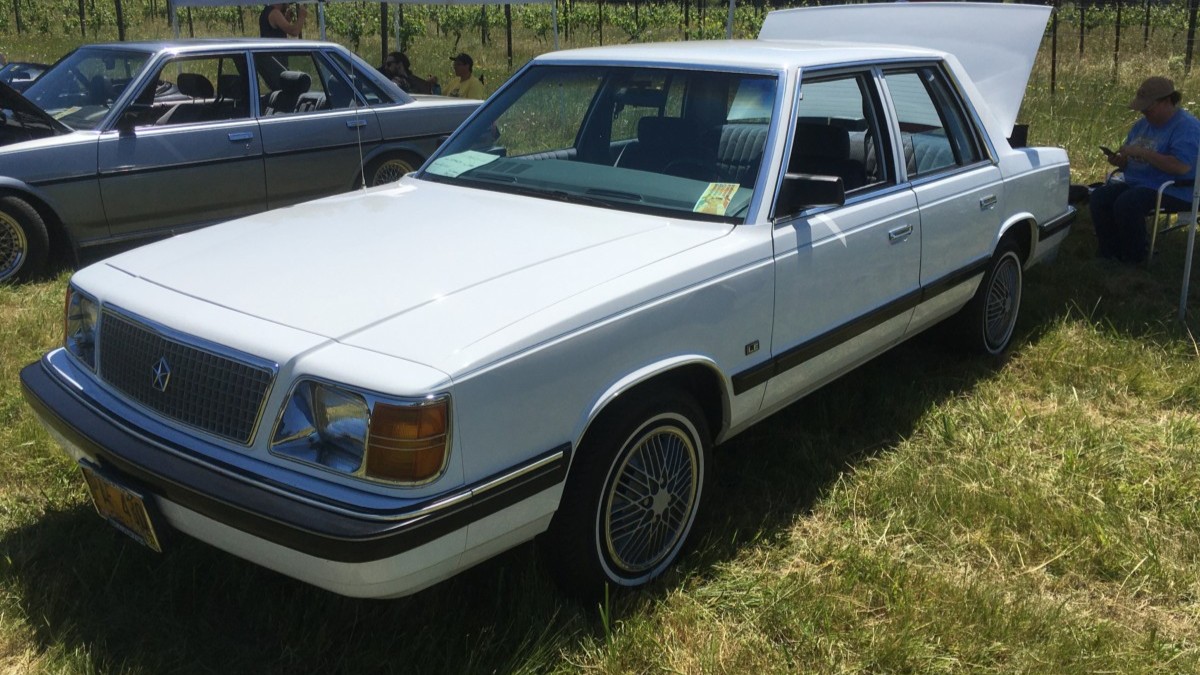
1988 Plymouth Reliant
Registration and Spectator Details
If you are interested in taking part in this year’s Malaise Invitational, participant registration is available at this link. Any car, truck, motorcycle, and anything with wheels made between 1972 and 1995 is encouraged to register. “Rust buckets, show cars, and daily drivers will all be equally welcomed at the show,” the website says. The show is open to the public and free to attend. Pets and food are welcome, and the event will be held rain or shine.
Event Details:
Fourth Annual Malaise Invitational
Saturday, September 13, 2025
10 a.m. to 2 p.m.
Sauvie Island
16511 NW Gillihan Road, Portland, OR 97231
Photos courtesy of Malaise Car Club of Oregon and CurbsideClassic.com
ClassicCars TV was lucky to see this 1954 Kaiser Darrin in all its fiberglass glory. Not only are Kaiser Darrins rare, but they also have a distinctive design from Automotive Hall of Fame inductee Howard “Dutch” Darrin. His Kaiser Henry J-based creation has an unusual grille, a Willys inline-six, pocket doors, and a soft top that can be put into three positions.
But those features weren’t enough to get it on the production line. Ultimately, Henry J. Kaiser’s wife Alyce convinced him to start making the Darrin, aka KF-161. This restored Darrin is #46 from the 435-unit production run; it sold at the Barrett-Jackson 2024 Scottsdale Fall Auction for $97,900.