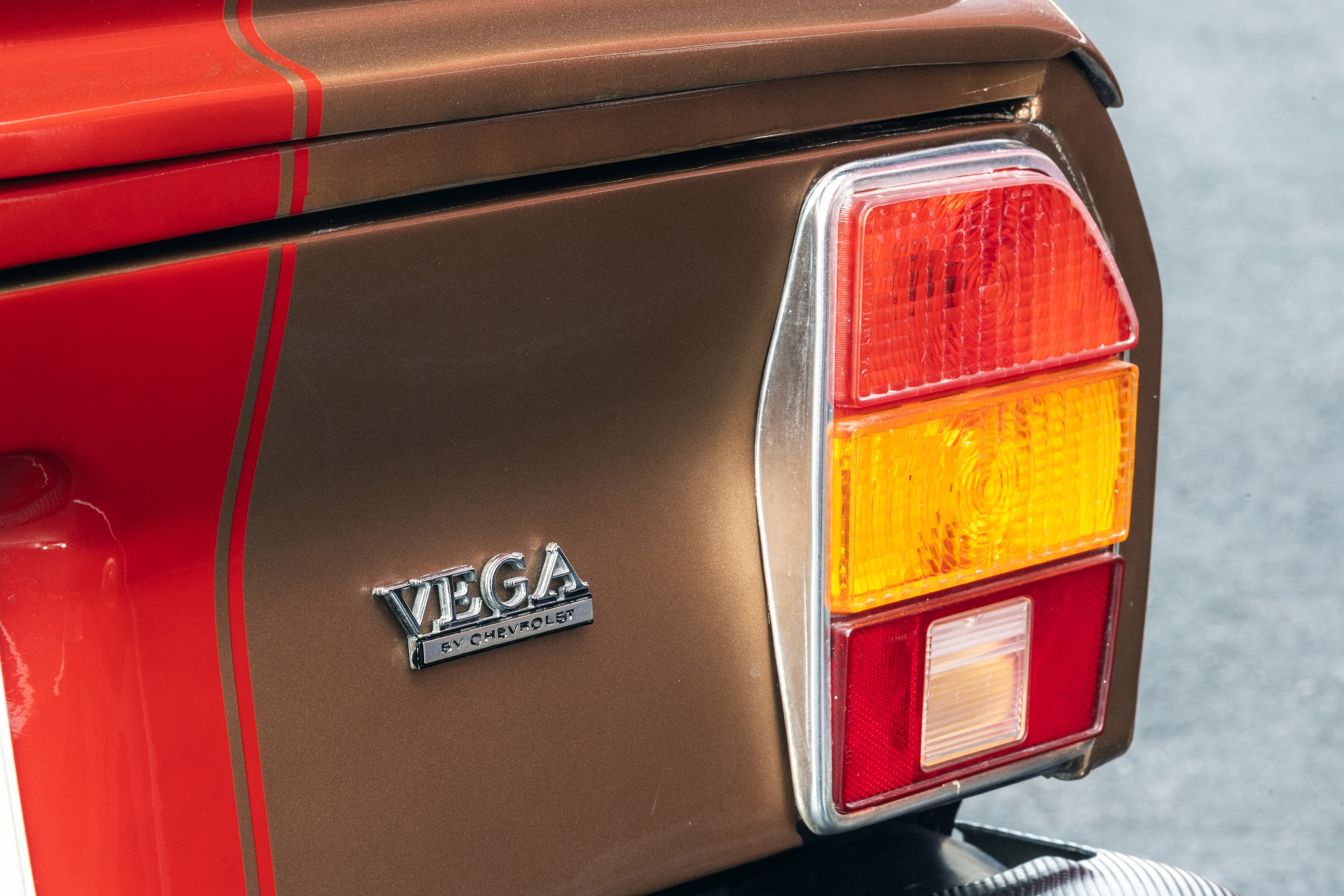
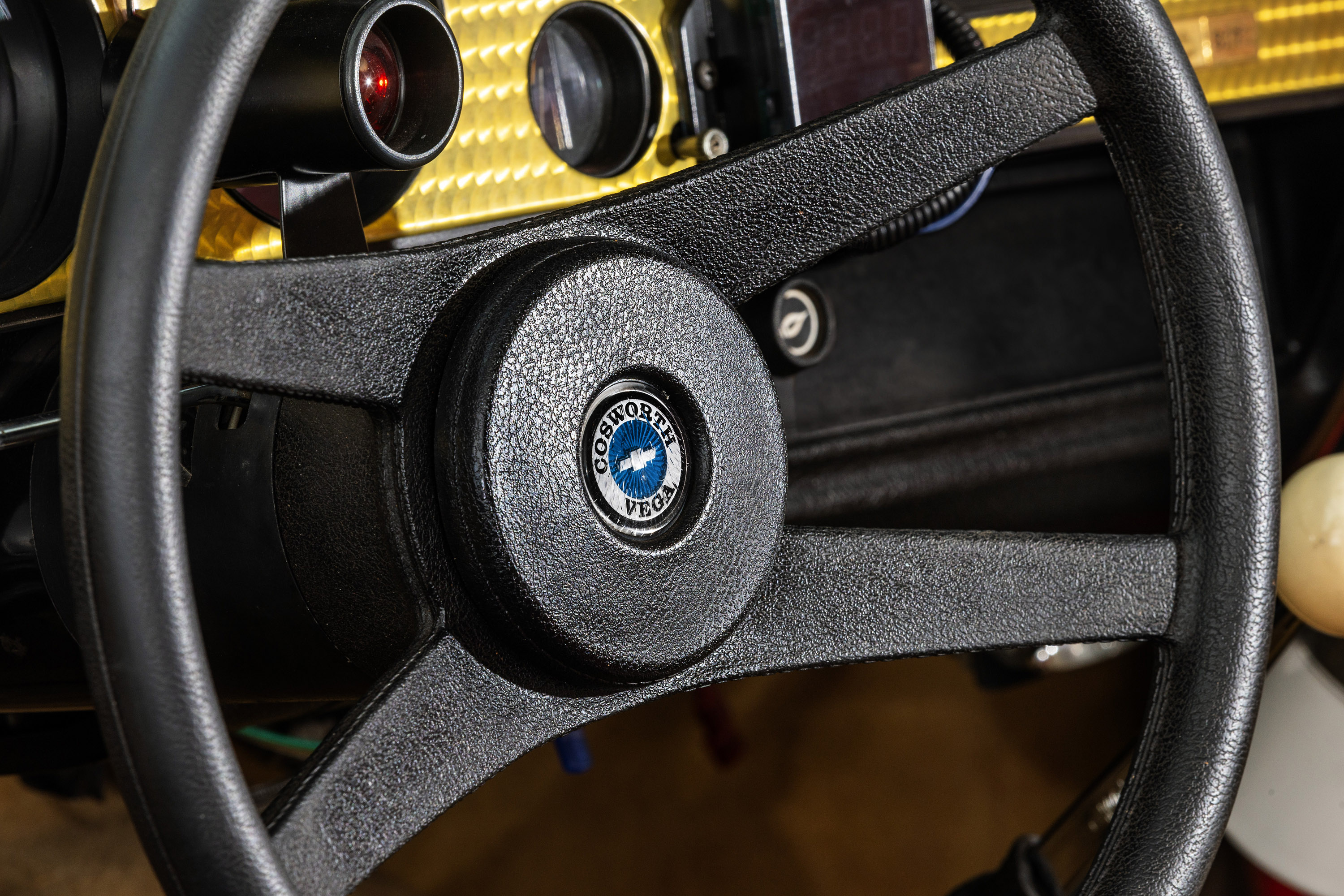
In the late 1960’s General Motors started developing a car to enter the North American subcompact market. By late 1970 the Chevrolet Vega was launched as their small car offering. Named after one of the brightest stars in the sky, the initial expectations were high; however the eventual outcome proved to be a car plagued with mechanical and body issues. Production ended in 1977 with about 2 million units produced. To GM’s credit they did make an effort in the performance realm to create a sporty version of the car. That was achieved by partnering with Cosworth Engineering in the United Kingdom to create the Chevrolet Cosworth Vega. At the heart of the performance package was an all-aluminum, hand-built 2.0-liter four-cylinder engine capped off with an aluminum DOHC head that was developed by Cosworth. Offered in 1975-76 with a total of 3,508 units produced (all Cosworth Vegas were individually numbered). Almost a half-century later, anyone seeking a decent one will find it challenging, so owning a Vega today might be an acquired taste. Craig Fetter never needed to be sold on Chevy’s miniscule car. He recalls, “You’d have to go back to 1970 when I bought my first Vega, which was a Sunflower Yellow 1971 GT.” The Vega bug was not exclusive to him. He further points out, “My wife at the same time had a 1971 Vega station wagon – it was just a 4 cylinder 4-speed car, but we painted it identical to my car.”
For Craig, the call for more cubic inches under the hood started soon after the car was purchased. It must have been something on a fair number of folks’ wish list because the aftermarket responded rather quickly with a complete conversion kit to stuff a small block Chevy engine into a Vega. Offered towards the end of 1972 by Herbert & Meek Automotive, their kit consisted of front motor mounts, rear transmission mount, a set of bespoke exhaust headers, and a comprehensive hardware and gasket set for a turnkey conversion. This was essentially a plug and play solution that allowed for the installation of 283-400 cubic inch engine and a GM V8-compatible transmission or manual gearbox. Craig’s combination on his swap was a 283-cu.in. V8 backed by a Turbo 350 automatic. These modifications were being done on the family car – it was the daily driver. By 1974 he went further down the rabbit hole. He recalls, “I had a custom paint job done on it and it looked like an old Pro Stock car with the panel paint job on both sides. It was yellow with brown spider webbing on the side. That year it won the top spot at the Washington DC World of Wheels show in the sub-compact custom class. I was, by that time, already on my sixth engine. I had installed a 327 small block with a tunnel ram and a 4-speed gearbox.” With the steady progression of changes, it gradually shed the daily driver duties and evolved into more of a show car with the frequent trip to the dragstrip also in the cards. The Vega bug was not exclusive to him.
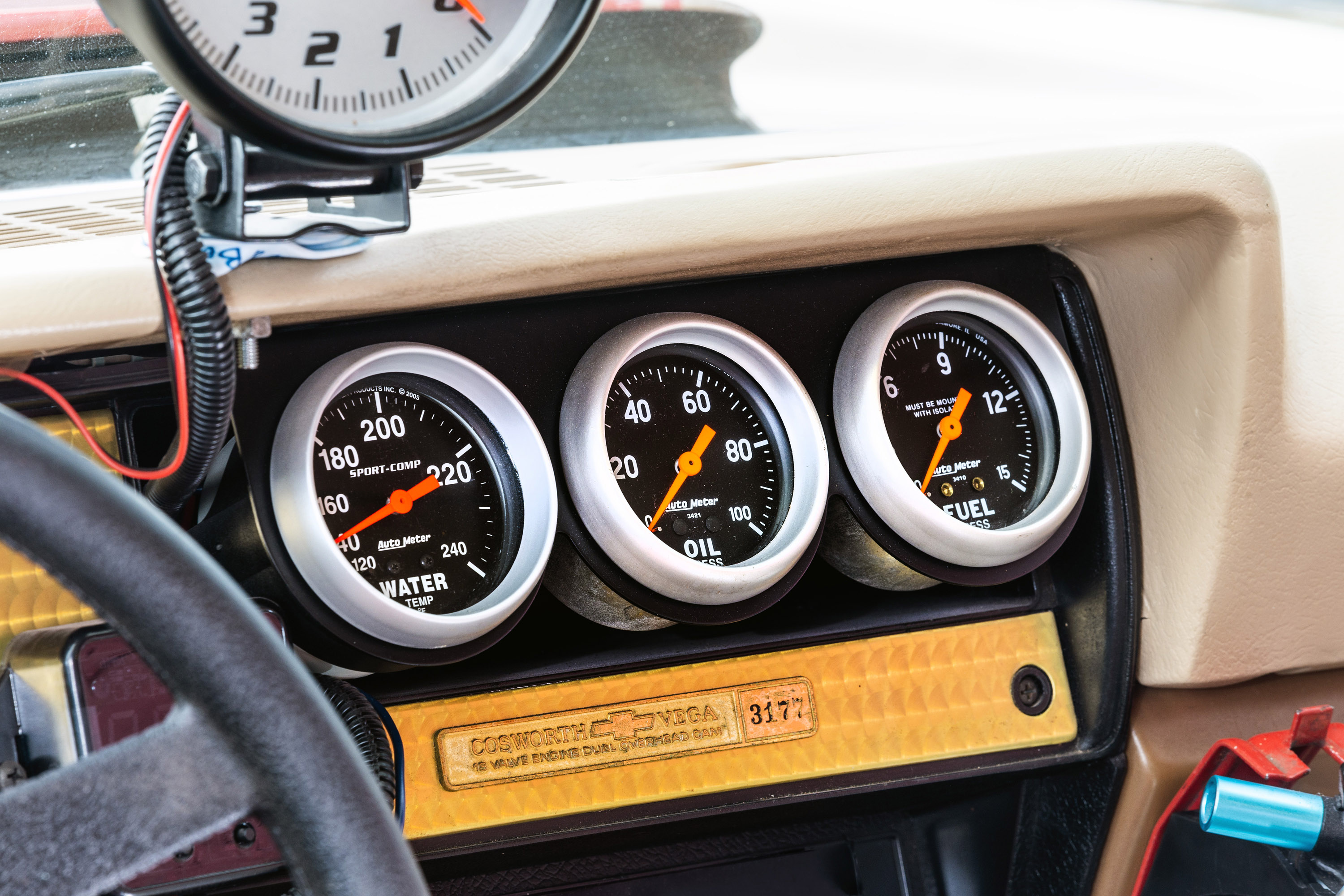
He owned the Vega for several years and when it was eventually sold, the downward spiral for the car after several owners resulted in it being wrapped around a tree. Over the years there were a few Vegas and Monzas in the mix and with the progression of time other vehicles ended up parked in the garage. By 2018 the call to once again get behind the wheel of a Vega came knocking. He recalls, “I had started searching for an old Vega to try and relive the past. I found what I thought was the perfect car in Fort Worth, TX. It was a 1973 Vega GT with a 1977 4 cylinder, 4-speed, and factory air. It still had the original paint and interior. I bought it and had it shipped back to Maryland.” A month after, this 1976 Medium Saddle Metallic Cosworth Vega (#3177) popped up unexpectedly because of the searches he had done previously. The car, as it appeared in the online ad, looked like it was in decent condition, a key selling point. The story behind the Cosworth was the icing on the cake that sealed the deal.
Craig can trace the car’s history back to 1987, when it was purchased by an individual named Ron Miller. The Vega was an anomaly in a massive Lamborghini collection that Ron amassed. His goal with the Lambos was to create a single make museum in his home state of Oklahoma; the Cosworth was evidently a must-have when he initially saw it. Being used to exotic car performance levels, the Vega was woefully lacking. Not wanting to go down the engine swap spiral, he sent the car to Hutton Motor Engineering in Clarksville, Tennessee. They specialize in the Cosworth Vega, so their mission was to set the car up for drag racing by massaging the Cosworth engine, which included a swap from the factory EFI system to a dual Weber carburation configuration, 12:1 pistons, and a 150-horse nitrous shot system. It was a full rebuild that included heavier bottom end internals to handle the nitrous.
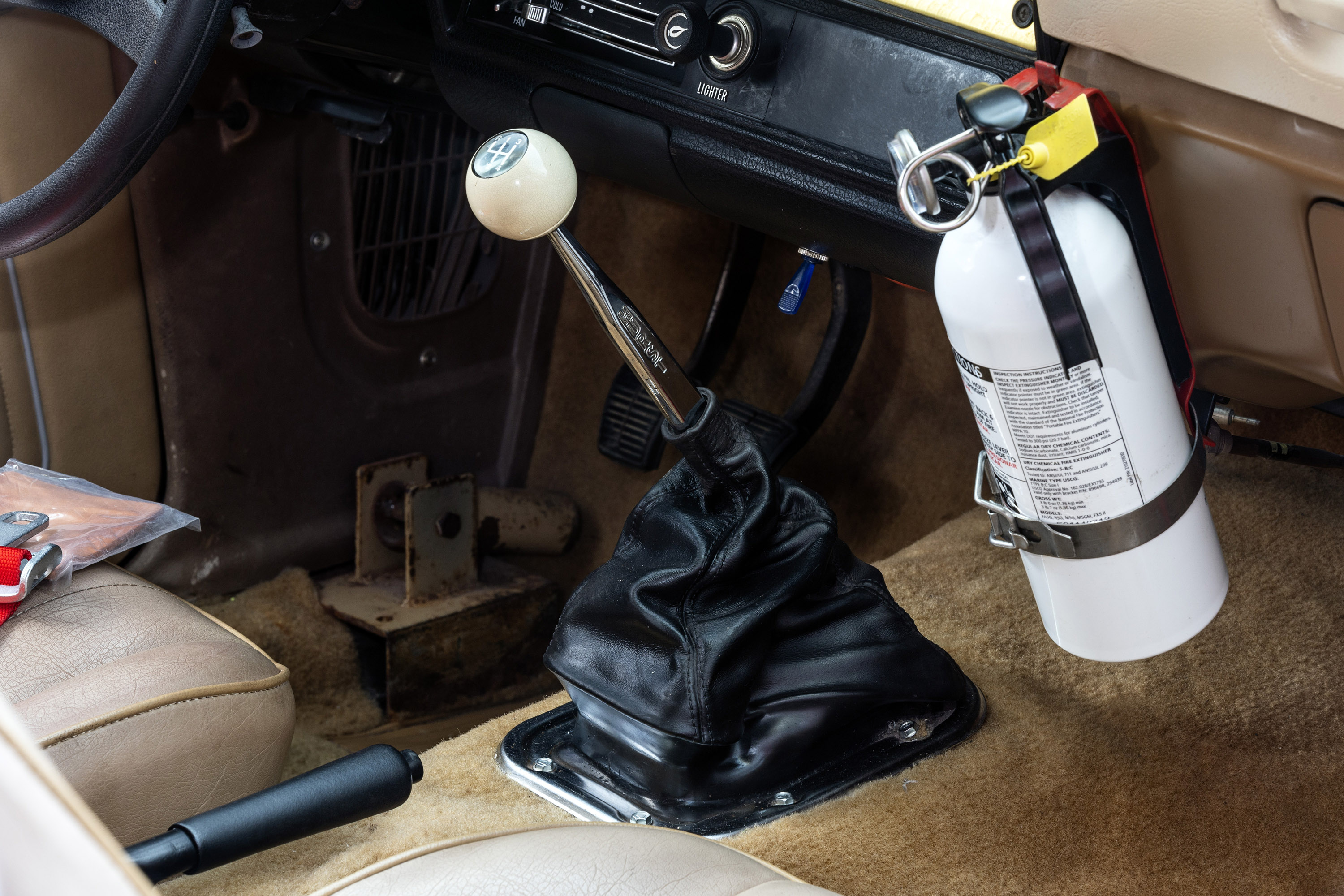
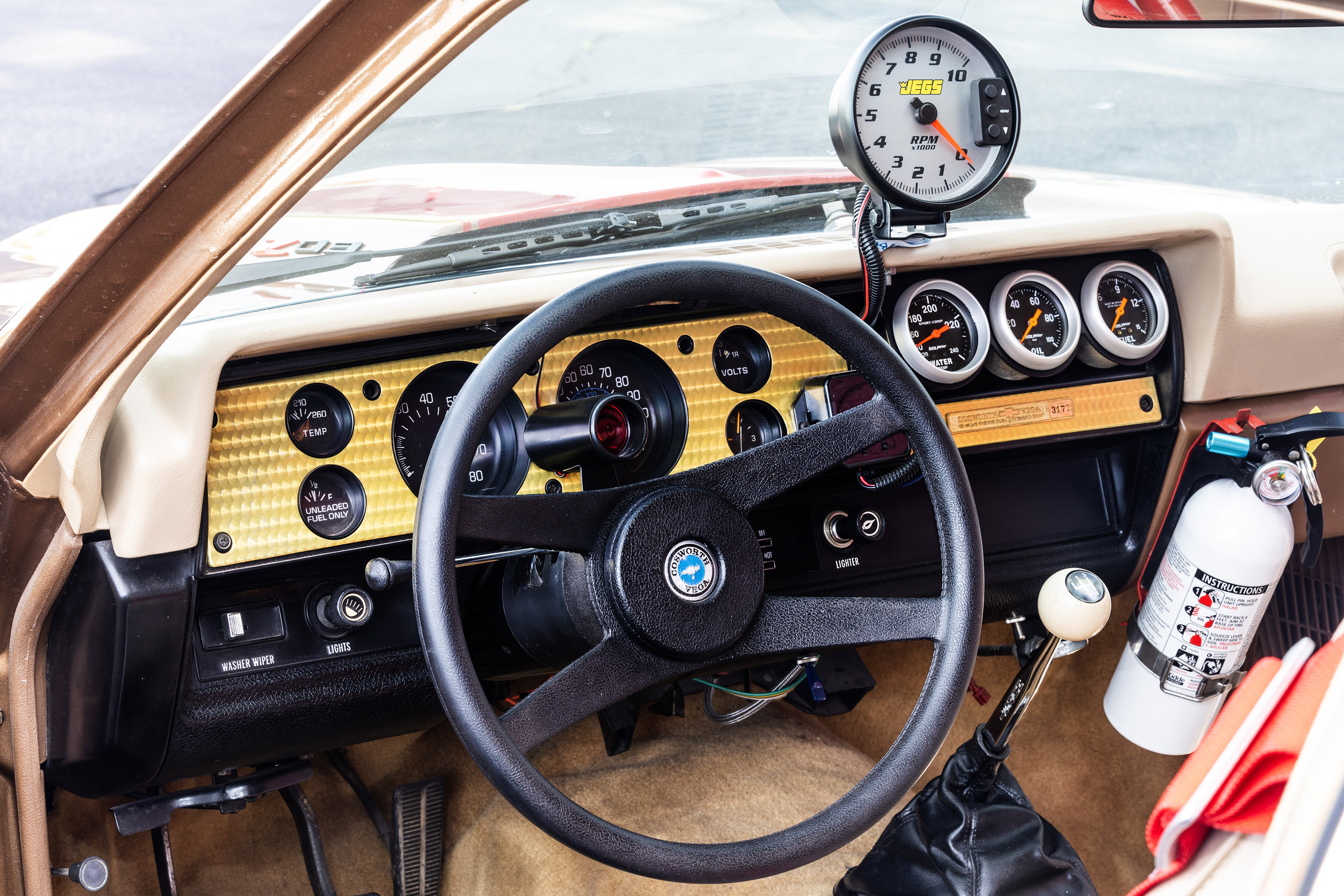
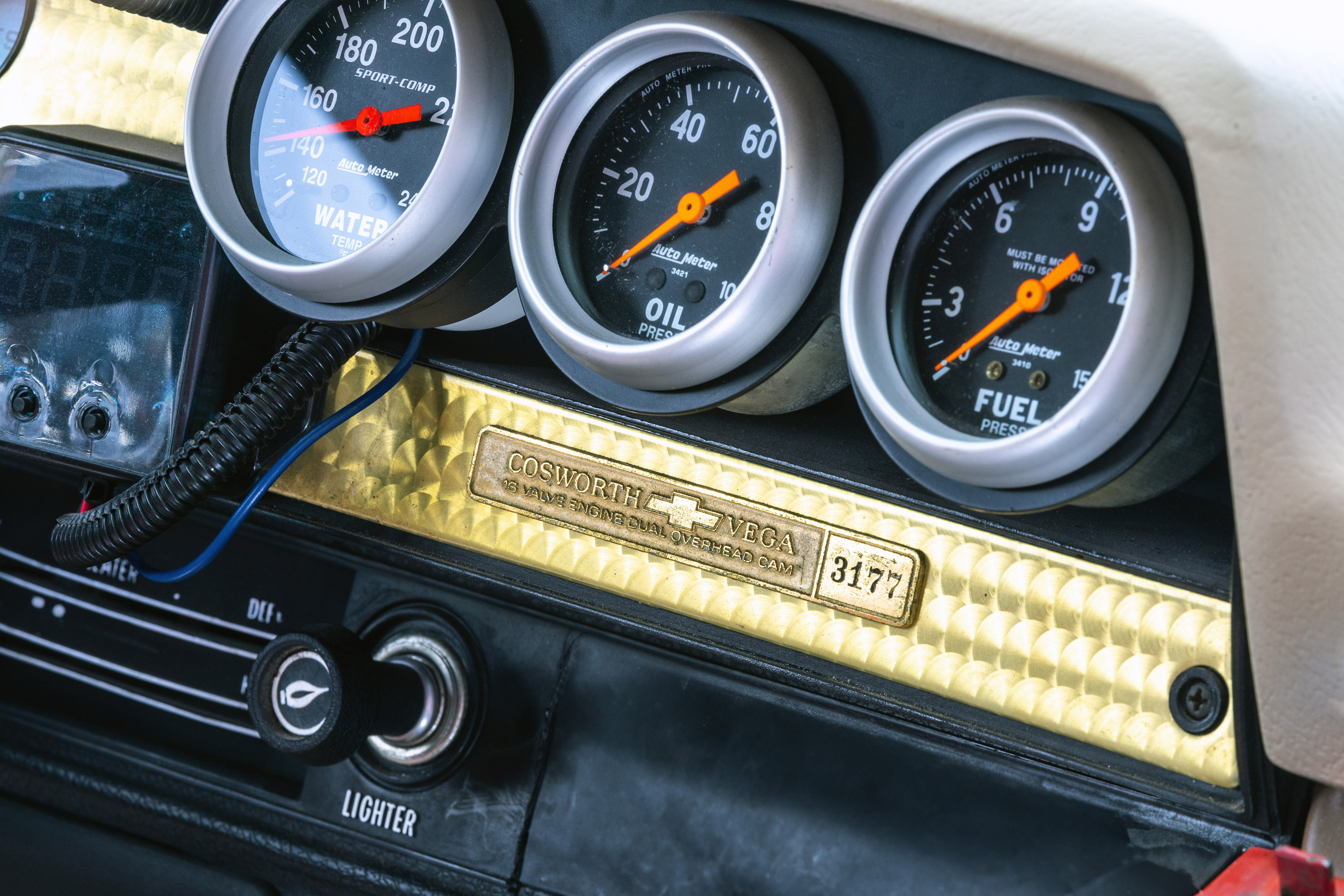
In 1997 the Vega went into limbo when Ron passed away. He was quite wealthy, and the source of that wealth came from the oil industry. However, he had sold his oil company and was cooperating with federal investigators who were looking into fraudulent situations that involved oil companies and some of the inappropriate relationships they had with the federal regulatory board. Ron mysteriously died a few weeks prior to his scheduled congressional appearance of unknown causes because of an unidentified infection. As a result, the Vega ended up parked in a storage facility for the next decade. In 2007 it was finally sold and in subsequent years changed hands several times – the last owner was a high school teenager that couldn’t handle the car. During that 10 year span the things done to the car were a swap from 4 lug wheels to 5 lug wheels, and a front brake upgrade.
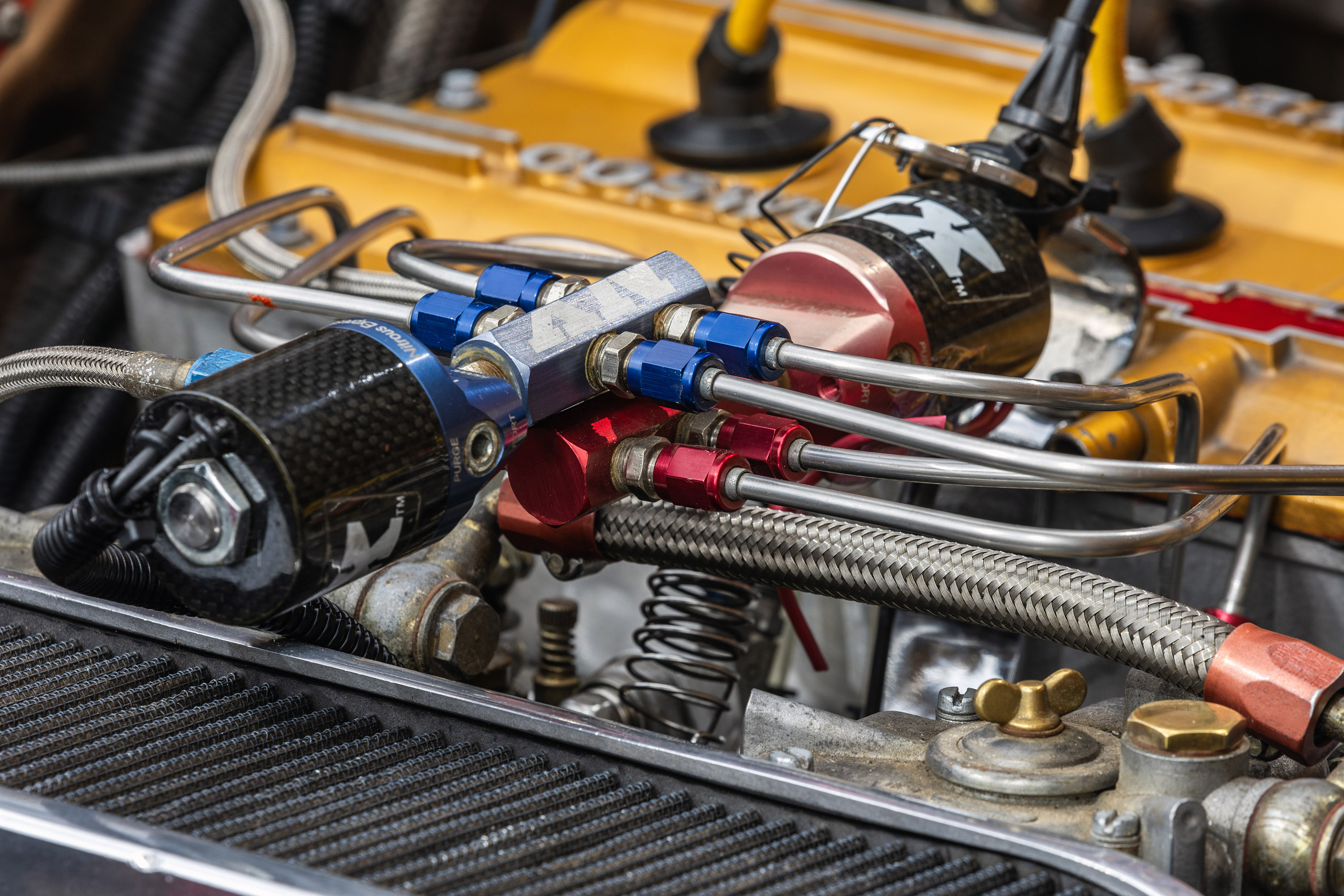
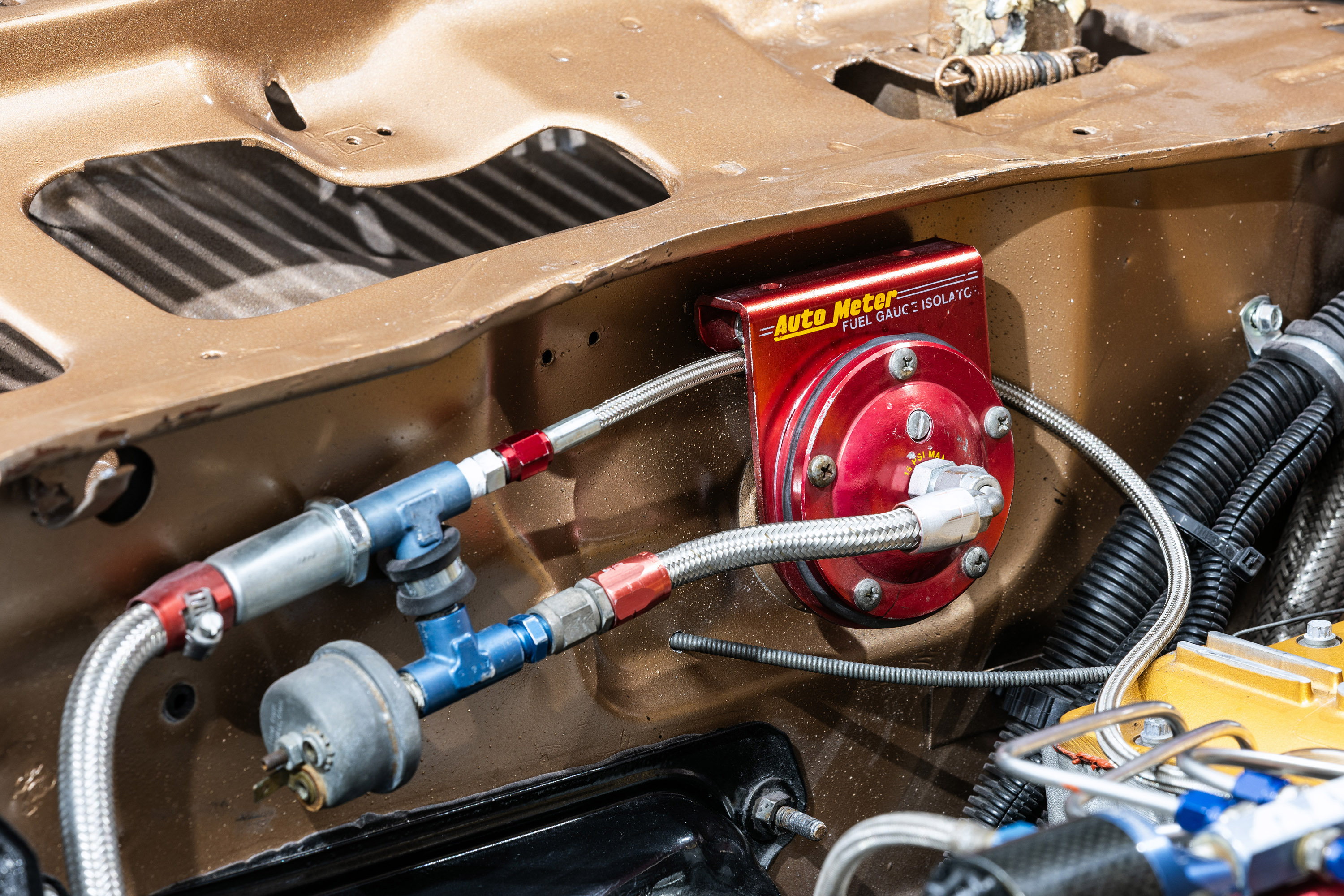
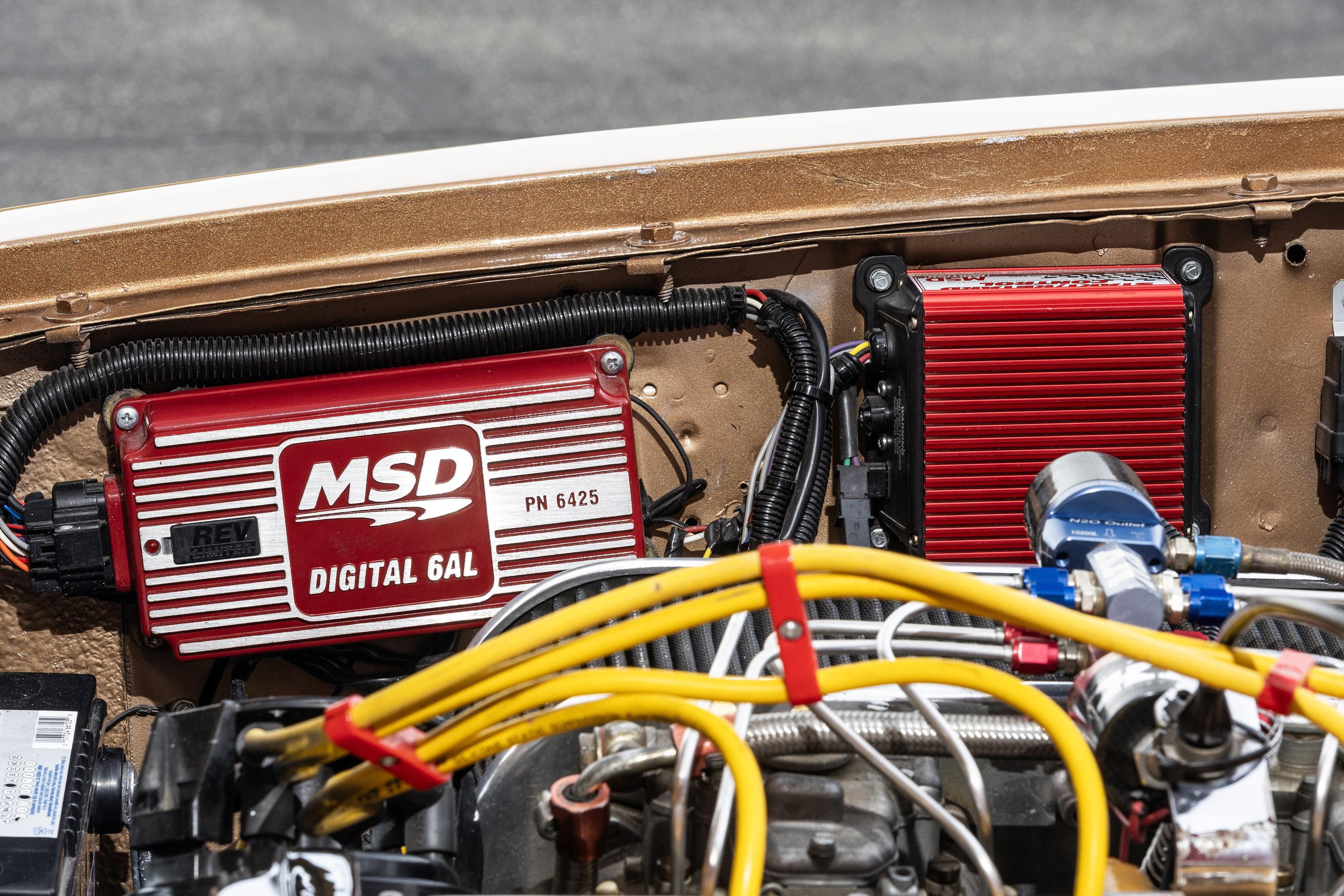
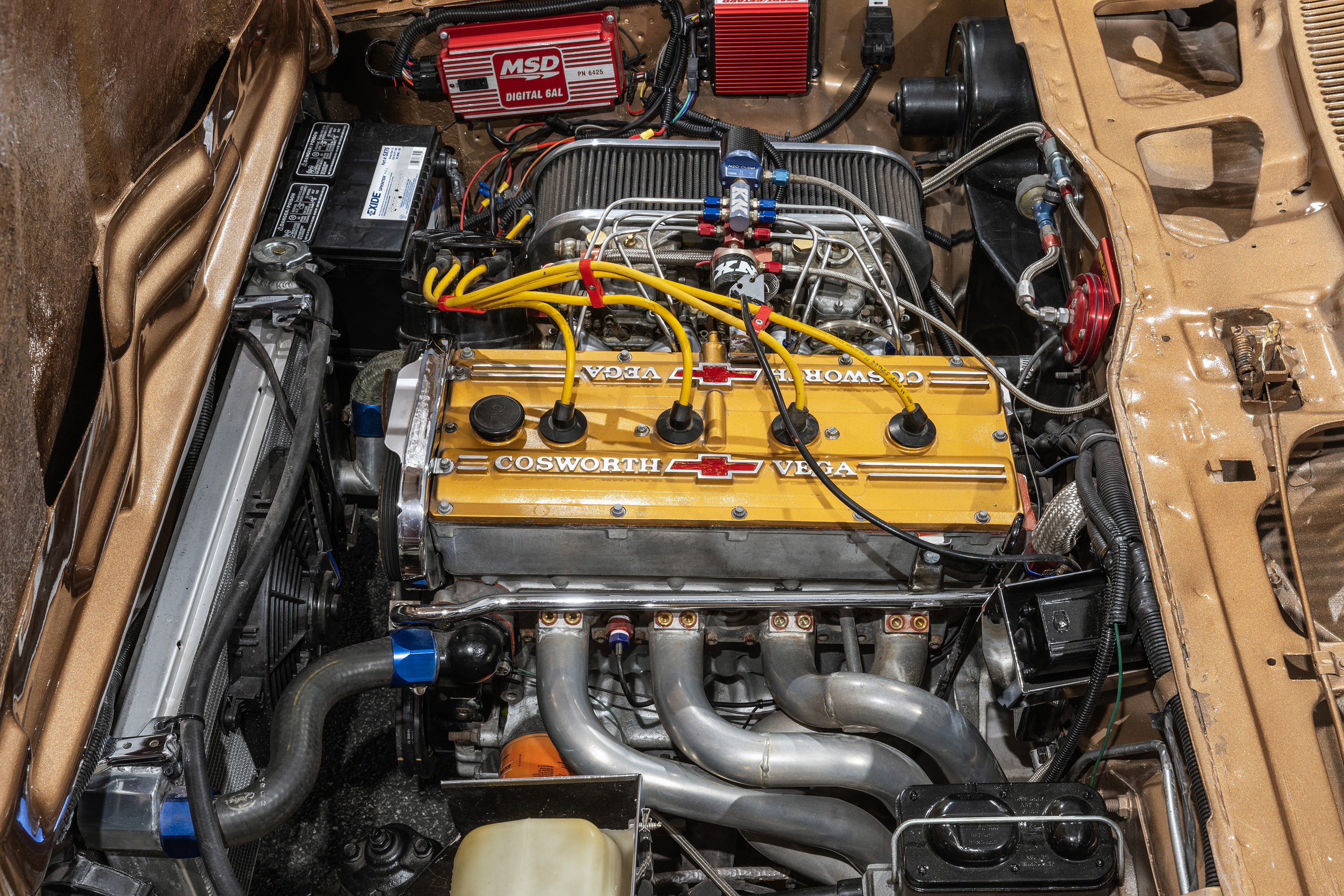
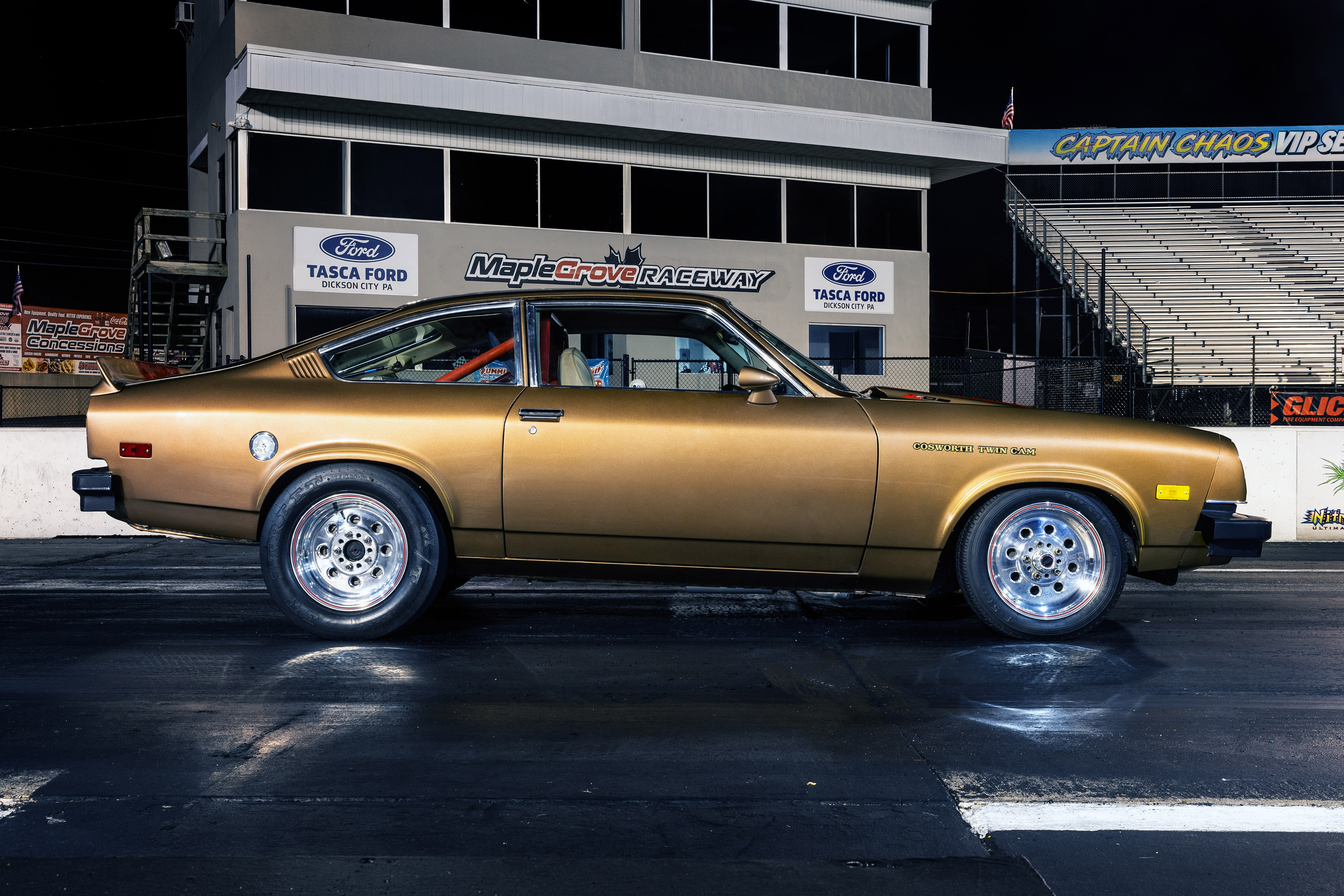
After the car arrived in Maryland the list of things that needed to be done grew as Craig went further into the car. Buying the Vega without a visual inspection had its consequences. He explains, “My first impression when I saw the car in person, I was really upset because the clearcoat had crow’s feet all over it. The guy had just washed the car, and it was still wet when he took pictures of it, and I didn’t realize it, so it looked decent in the photos. His suggestion was for me to scuff it up and shoot some clear on it.” This was a major setback because he had to take the car down to bare metal. The only upside was that the body was in pristine condition and rust free, which is a rarity on a Vega. Mechanically, the Cosworth mill was hurt. “It only ran on three cylinders,” Craig points out. “I ran a compression check and had zero compression on one of the cylinders, and when I pulled the engine apart, one of the valves was chipped because they ran the nitrous too lean.” This led to the top end getting completely redone and the rest of the engine given a major teardown and reseal. Modifications were also done to the Weber intake. Craig designed, built, and installed an elaborate PCV system to allow the crankcase to breathe.
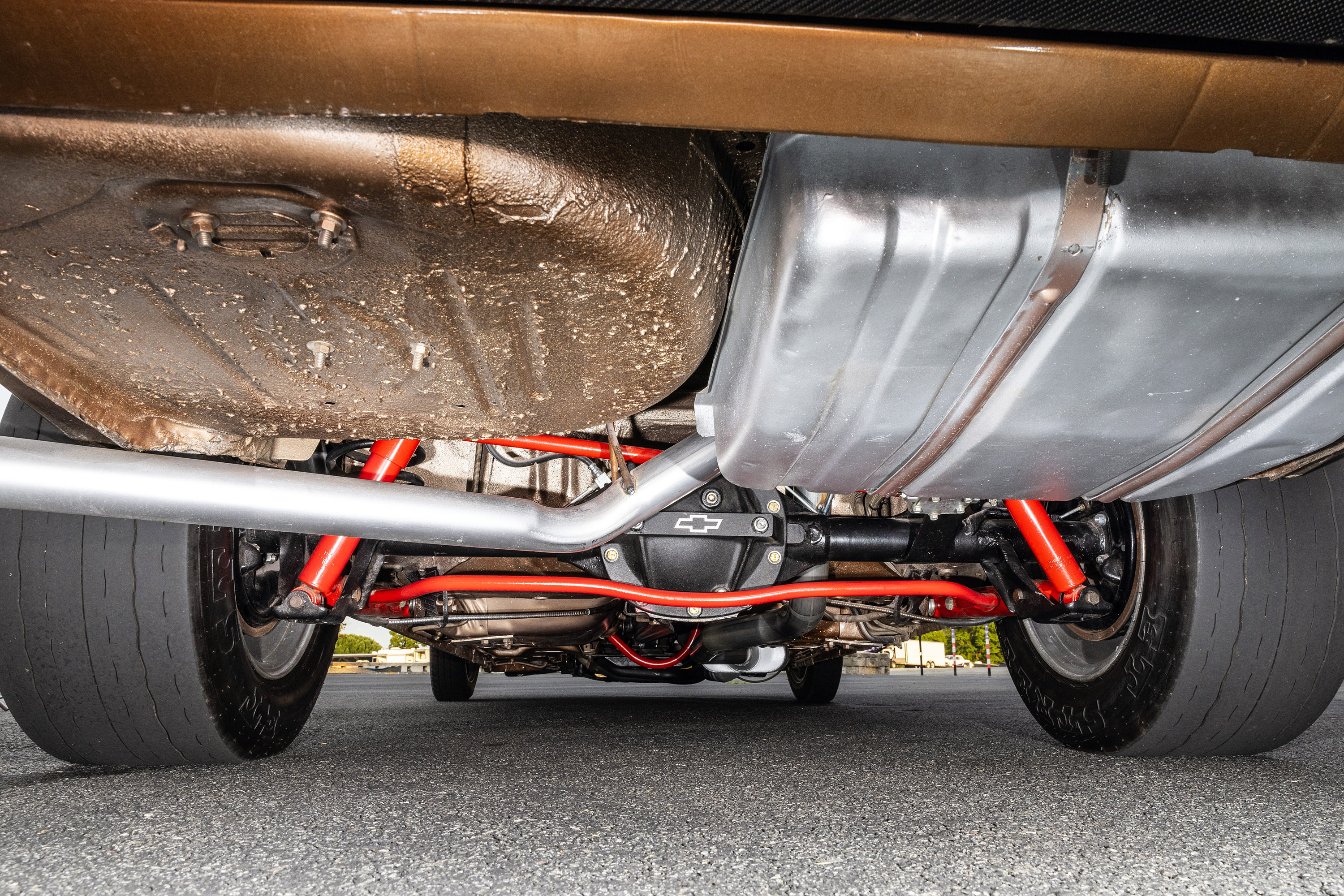
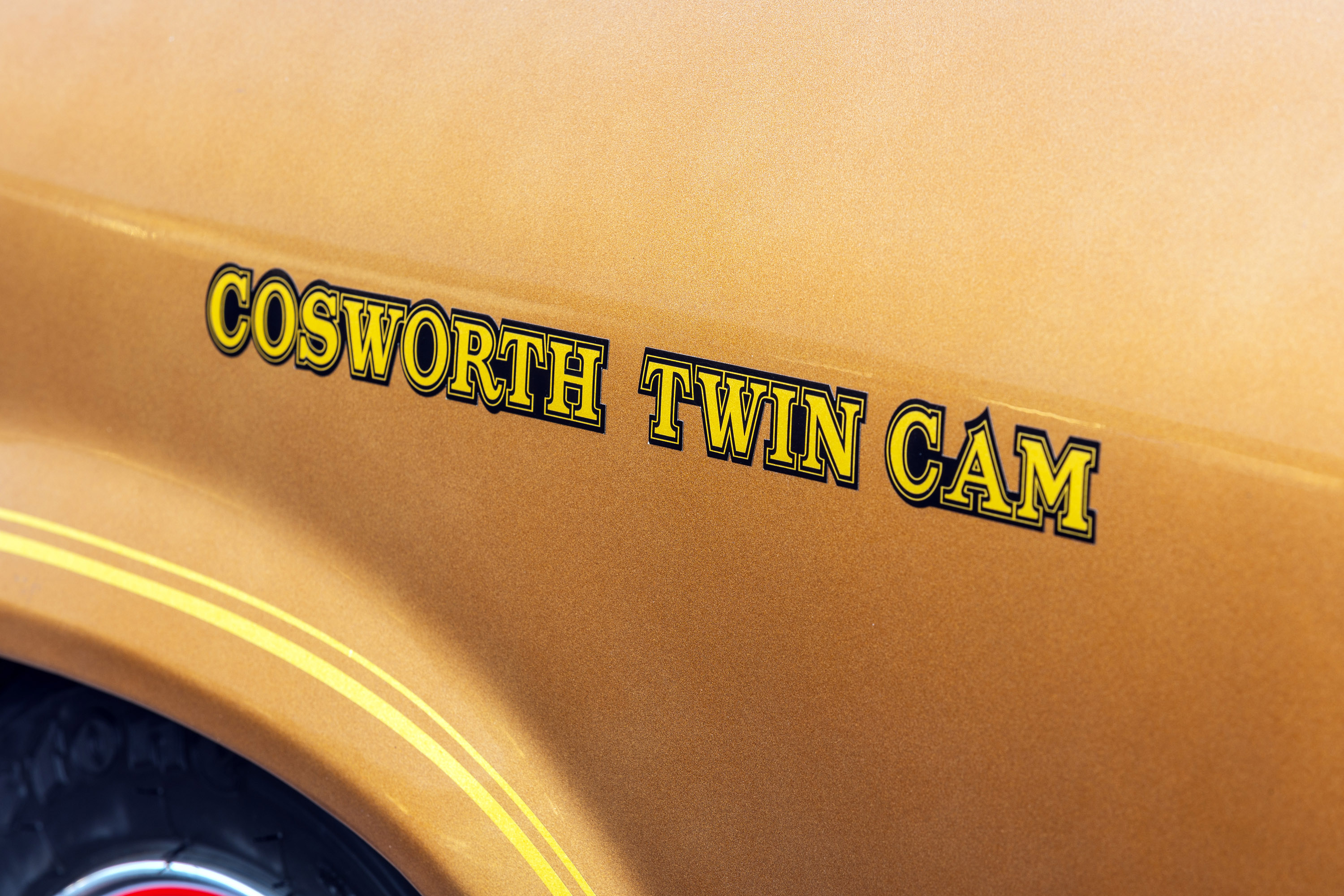
At the rear the differential was also given a full rebuild and 4.56:1 gears installed, along with a set of Mark Williams billet axles. The end game was to make the car mechanically solid again, and to visually take it back to around 1989. Somewhere in that mix Craig wanted to add his own personal stamp. Reapplying the Medium Saddle Metallic paint was a given, however, the red center stripe drew inspiration from the 1971–’73 Vega GT, while the Cosworth graphics came from Phoenix Graphix. Craig also added the 5-lug 15-inch Weld Racing wheels that he fitted with Mickey Thompson ET Street rubber at the rear, and Firestone F560’s up front. Part of the first rework back in 1989 also addressed some weight reduction. That was accomplished by removing the aluminum bumpers and the 5-mph impact absorbers. In their place solid mount fiberglass bumpers were added. Craig took the weight reduction one step further with the installation of a fiberglass hood from Fiberglass Concepts in Erie, PA. The one positive note with this car was that the interior was in decent condition and didn’t require much effort.
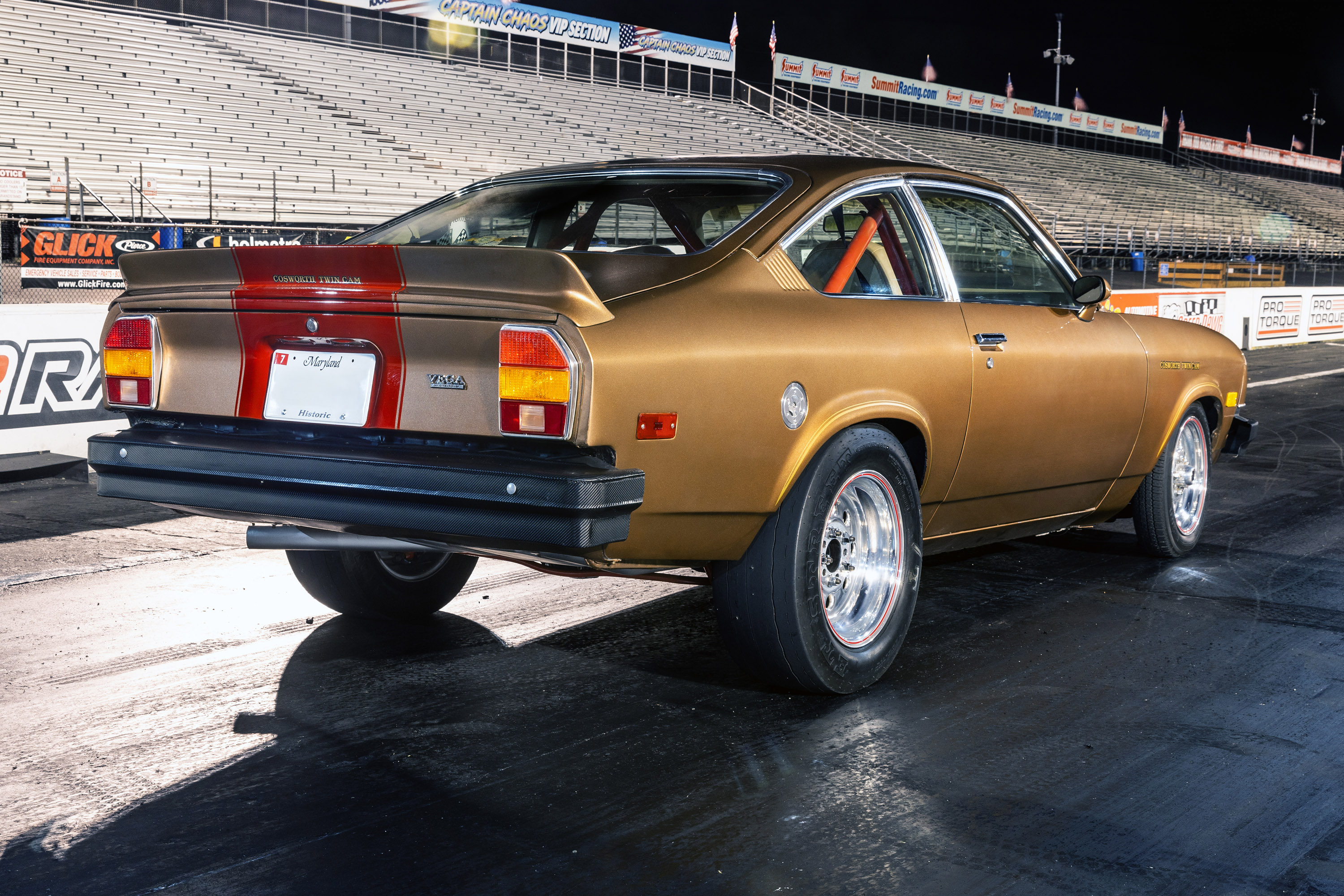
The amount of work to get the Vega together spanned about six years, which was more than what Craig expected, and it was clearly more than what he wanted when he initially cut a check for. The goal line for this car is when he finally takes down the track. The plan is to get the Vega dialed in and do several passes to get a time, and once that threshold is surpassed the 4.56 gears will come out and something a bit more civilized will be fitted to allow him to do some normal street driving. He is currently at the point where the nitrous bottle has filled.
The post This 1976 Cosworth Vega Stays True To Its Roots appeared first on The Online Automotive Marketplace.