This Ford Model T was built into a custom touring car around 2020 according to the seller, who acquired it in 2022. The steel body and full fenders have been painted matte black. and the car has retrofitted newer Ford drivetrain and running gear components including a 2.0-liter Lima inline-four, a C-4 three-speed automatic, rack-and-pinon steering, and hydraulic drum brakes. It rides on red 15″ steel wheels with chrome accents, and inside is diamond-stitched upholstery, a ’40-style steering wheel, and modern gauges along with seat belts. This Model T is now offered at no reserve with service records, spare parts, and a clean California title in the seller’s name listing the car as a 1926 Ford.

The steel touring body and full fenders have been painted matte black, and a chrome spreader bar is used out back. The seller notes weld repairs, scrapes, and dings around the nearly 100-year-old body.

The right-rear corner has a painted Rat Fink-style cartoon.

The front end has been modified with a drop beam axle, and the custom setup out back uses a T-style buggy spring and radius rods, with tube shocks mounted at both end. The hydraulic drum brakes were sourced from a ’50 Ford and a ’65 Bronco, front and rear, and were rebuilt by the seller in 2024. The master cylinder was replaced, and the car has a Wilwood proportioning valve added. The wheel bearings were replaced in 2023, and the shocks at both ends were replaced in 2025. The red 15″ steel wheels wear staggered tires and have chrome accents. The seller notes the steering boots are torn.

Diamond-stitched upholstery lines the cabin, and the shifter is hidden below the bench. Seat belts have been fitted along with a ’40-style steering wheel. Tears are noted along the edge of the rear bench.

A quintet of modern gauges are set in the dashboard. The seller estimates they added ~3,800 miles of the 5,800 indicated.

The 2.0-liter Lima inline-four was sourced from a Pinto, and it has a custom dual downdraft carburetor intake setup. The stainless-steel radiator was installed in 2022 along with the custom exhaust manifold and wrapped downpipe, the front seals and the ignition coil were replaced in 2023, and one carburetor was rebuilt in 2024. The seller is unsure how many miles were on the engine at the time of installation.

The C-4 three-speed automatic was rebuilt in 2022, at which time the torque converter was replaced. The rear end is from a 1950 Ford truck, and the differential gasket and fluid were changed in 2025. The battery is located ahead of the rear axle.

The car is titled as a 1926 Ford using VIN 12491866, which aligns with a late 1925 production sequence. 
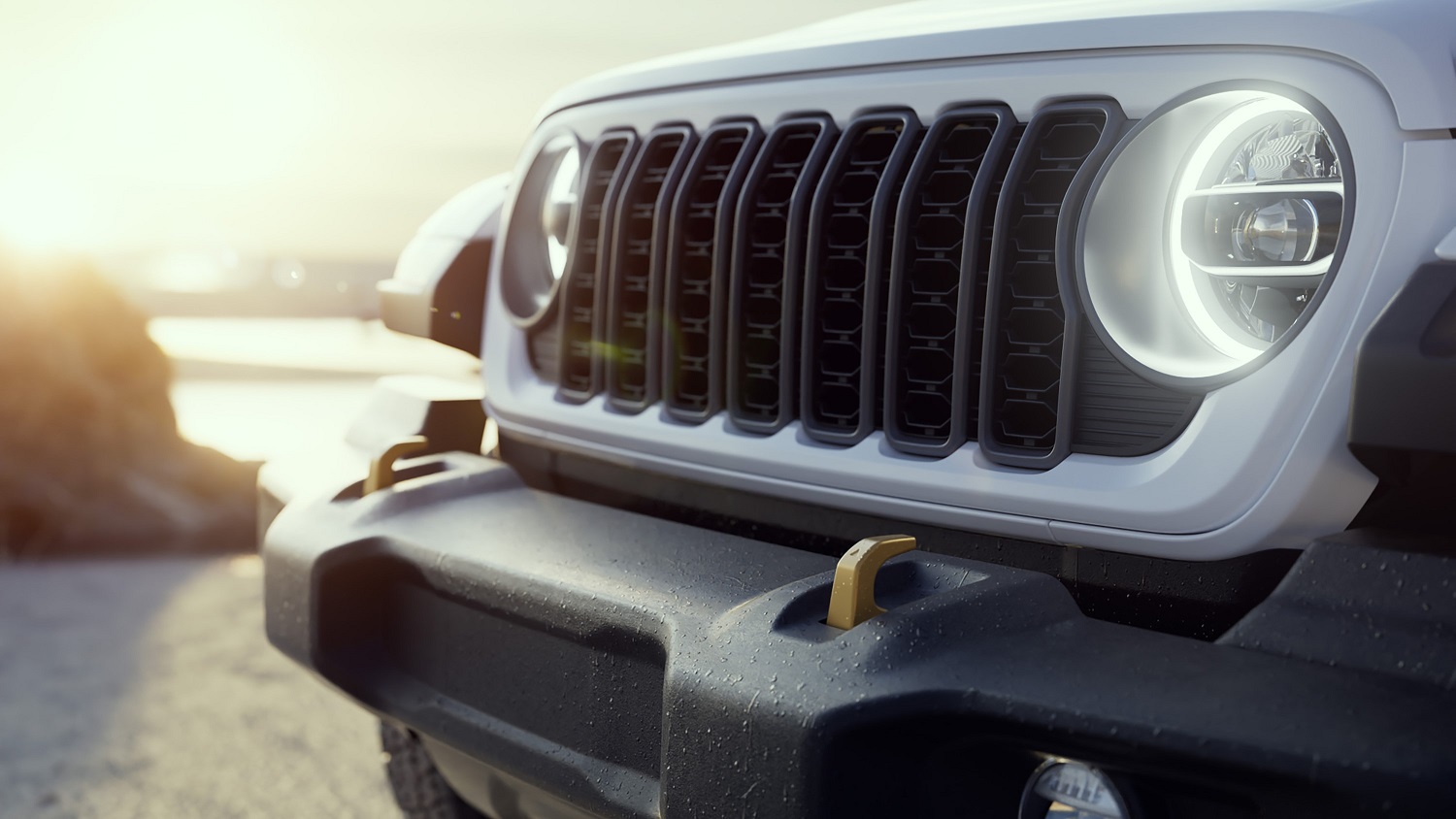
Last November, Jeep kicked off its “Twelve 4 Twelve” celebration in the lead-up to its 85th anniversary. On the 12th of each month, it releases a new special-edition Wrangler. So far, we’ve brought you news of the 470-horsepower Wrangler Moab 392 and the winter-friendly Wrangler Whitecap. That brings us to the third of 12 scheduled drops: the 2026 Wrangler 85th Anniversary Edition.

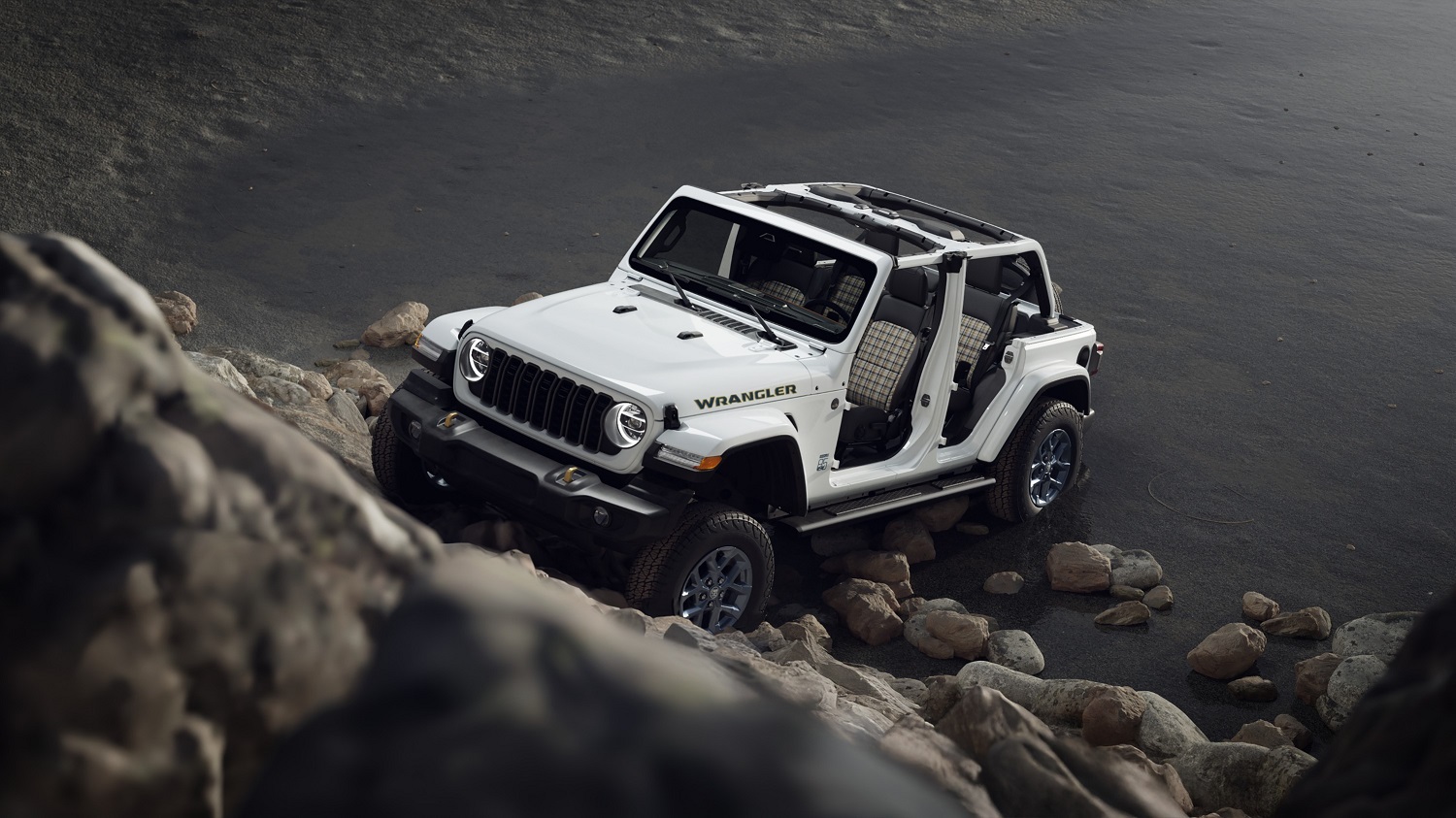
There are certain telltale exterior signs that the limited-run 85th Anniversary Edition isn’t a regular JL Wrangler. Up front, there are bronze tow hooks. On the sides, you’ll see Blue Agave 85th anniversary badges and decals, body-color fender flares, and a set of Steel Oxide 17-inch wheels.

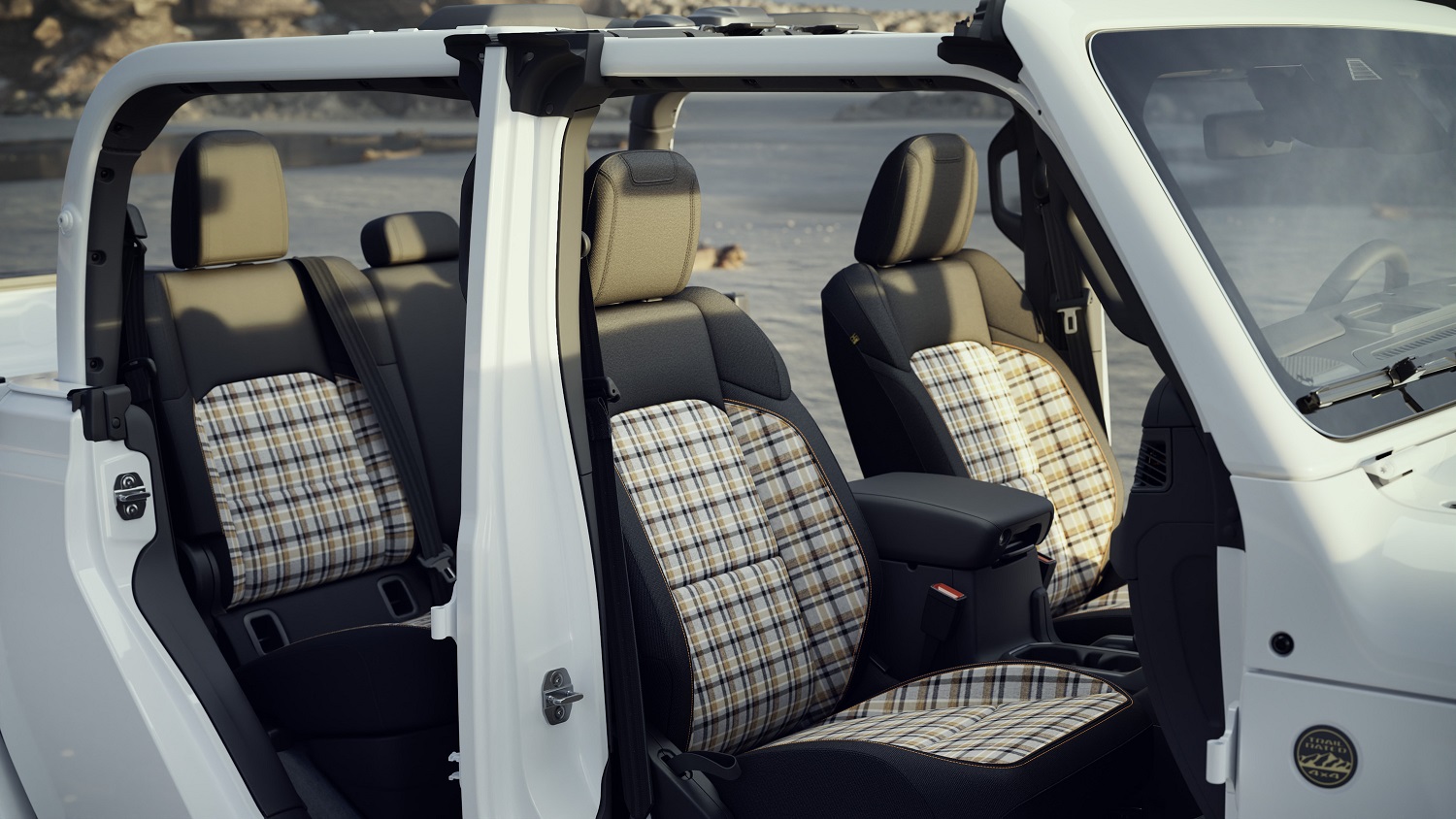
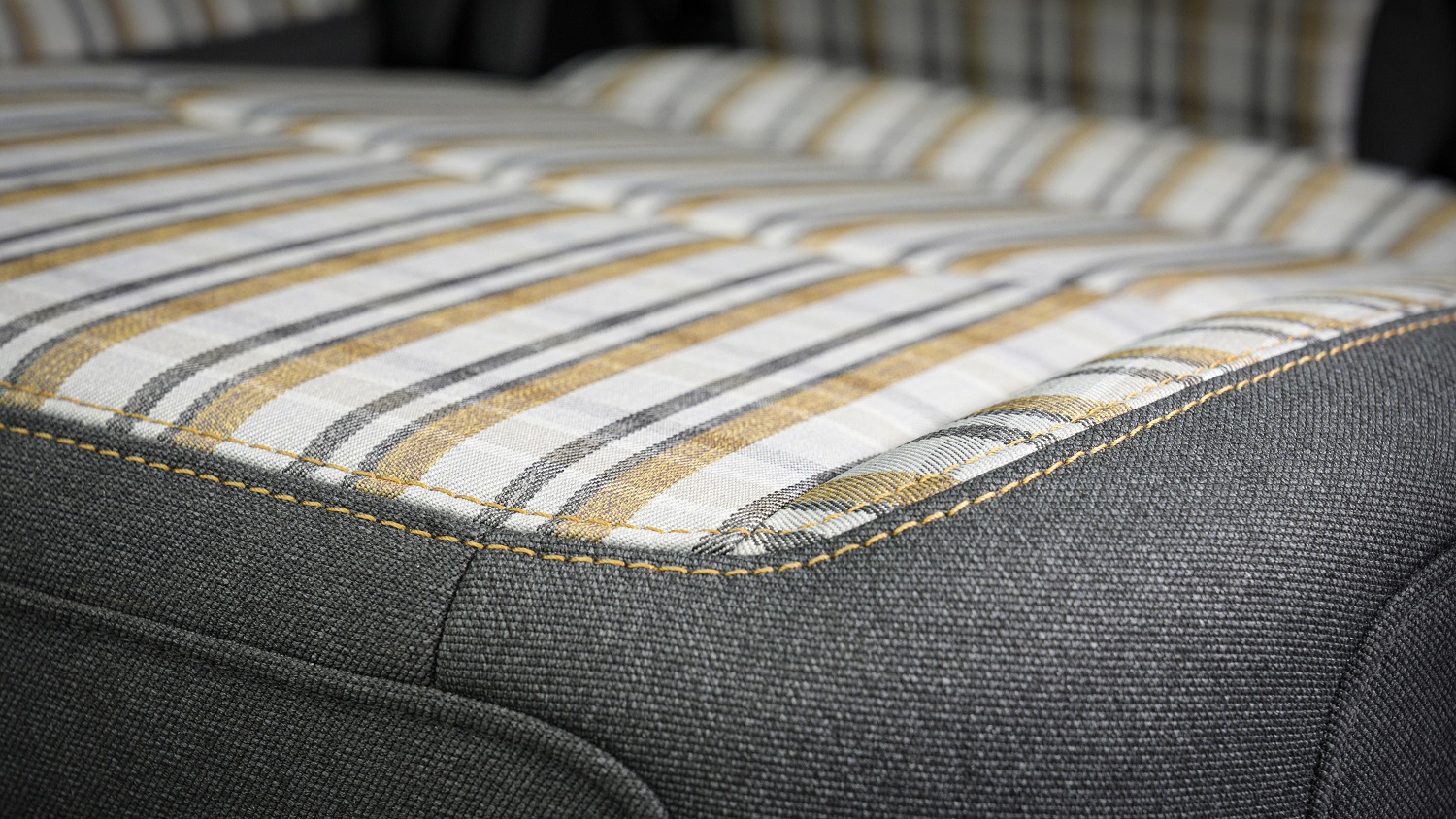
Inside, the 85th Anniversary Edition’s most distinctive feature is its gold, black, and white plaid cloth seat inserts—a nod to the Wrangler’s rugged, outdoorsy, adventurous nature. Those are accompanied by matching accents on the the instrument panel and mid bolster. Other signs of this model’s significance are its Berber floor and cargo mats, 85th anniversary shifter medallion, and 85th anniversary cup holder plaque.

Jeep bundles those special touches with standard features that include LED headlights, DRLs, and fog lamps; Gorilla Glass windshield; keyless entry; remote start; tinted windows; heated front seats; heated steering wheel; and Alpine audio. Optional equipment includes a black hardtop, body-color hardtop, and all-terrain tires (which are a no-cost upgrade).

According to Stellantis, you can order this piece of Jeep history right now. Prices start at $46,300—only $710 more than a Wrangler Sport S with the Convenience Group and Alpine audio. If you need more hauling space, you can also order the Gladiator 85th Anniversary model, which is priced from $45,820, an increase of $1,005 over a comparably equipped Sport S model.

This custom street rod bus was built using bodywork from a 1939 Chevrolet school bus mounted to a later-model heavy-duty chassis. Completed before the current owner’s purchase in 2020, the vehicle is powered by a 350ci V8 linked to a TH400 three-speed automatic transmission, and equipment includes an inward-opening side entrance, exterior window visors, a receiver hitch, an independent front suspension, and Eagle 16” alloy wheels. Inside, three rows of passenger seating are joined by a driver’s seat with a billet steering wheel and AutoMeter gauges. This “Cool Bus” is now offered by the seller on behalf of the owner with a clean Oklahoma title.

The bodywork is finished in yellow, and color-coordinated bedliner material has been applied to the roof. Visors are mounted above the windshield and side windows, and “Cool Bus” lettering has been added to the exterior. Bright bezels surround the quadruple taillights and center high-mount stop light. Other details include a chrome grille and front bumper, a right-side entrance, diamond-plate stone guards, dual side mirrors, and a Bully step is secured in the receiver hitch.

Eagle 16” alloy wheels are wrapped in 215/85 Crosswind L780 tires. The later GM truck chassis features an independent coil-spring front suspension and a dually rear axle. Braking is handled by front discs and rear drums.

The driver’s seat is mounted to a swiveling base, and the floors are lined with brown carpets. A roll-down window is provided for the driver, and a lever extends and retracts an external panel with “Wass Up” script. The air conditioning does not work.

The billet steering wheel sits ahead of a column-mounted tachometer as well as an AutoMeter 120-mph speedometer and auxiliary gauges. The five-digit odometer shows 13k miles. Total mileage is unknown.

The rear passenger compartment houses three rows of bench seats trimmed in brown vinyl on either side of the central aisle. The rear emergency exit can be opened using an interior handle, and the roof is lined with sound deadening insulation.

The 350ci V8 is equipped with an HEI distributor, long-tube exhaust headers, and a polished air cleaner lid, valve covers, and alternator. The aluminum radiator is cooled by an electric puller fan. An oil leak is noted.

Power is sent to the rear wheels through a TH400 three-speed automatic transmission. The dual exhaust system utilizes Flowmaster mufflers.

The vehicle is titled as a 1939 Chevrolet using the VIN 3VD0712757. The seller is unable to locate the VIN on the body or frame.

This Ford Model T hot rod was reportedly built by a South Dakota-based retired Ford technician in the 2010s. The fiberglass bodywork is finished in white over an orange-painted chassis, and power comes from a 300ci Ford inline-six equipped with an Offenhauser intake manifold and an Edelbrock four-barrel carburetor. The engine is linked to a C-4 three-speed automatic transmission, and the car rides on steel wheels with a drop axle and discs up front, while out back are ladder bars and coilovers. The bare-metal cabin has a pair of bucket seats fitted along with a Lokar shifter and VDO instrumentation. Acquired by the selling dealer in 2022, this Model T hot rod is now offered with a Colorado title listing the car as a 1927 Ford Roadster.

The fiberglass bodywork, radiator shell, and headlight buckets have an off-white finish, and the frame, suspension components, wheels, and grille insert are painted orange. Imperfections in the finish can be seen in the gallery.

The 15″ steel wheels wear chrome Ford-logo hubcaps, and they are mounted with staggered Firestone F-560 front and Cooper Trendsetter SE rear tires. The chassis is finished in orange, and it features a dropped and drilled front axle with hairpin radius rods as well as a live rear axle with ladder bars and coilovers. Braking is handled by front ventilated discs and rear drums.

The cabin features a pair of low-back bucket seats trimmed in black cloth, while the floor and sides are stamped stainless-steel panels. A floor-mounted Lokar shifter is fitted along with a black boot and an orange-painted surround.

The four-spoke steering wheel fronts a stainless steel dashboard panel housing VDO instrumentation that includes a 120-mph speedometer and gauges for oil pressure, water temperature, and voltage. The five-digit odometer shows 1,500 miles, approximately 100 of which were added under the seller’s ownership.

A 16-gallon fuel cell is mounted in the trunk area.

The 300ci Ford inline-six was rebuilt during the 2010s per the selling dealer, and it features an Edelbrock four-barrel carburetor mounted on an Offenhauser intake manifold. The selling dealer tells us the carburetor was adjusted in preparation for the sale.

The cast exhaust manifold has twin downpipes linked to a dual exhaust system with Flowmaster mufflers.

Power is sent to the rear wheels via a C-4 three-speed automatic transmission.

The car is titled by its South Dakota-assigned identification number, SD14461F14. The Colorado title carries “Reconstructed” and “Rebuilt From Salvage” brands.

Does anyone out there remember the Magic 8 Ball? It was a plastic sphere invented in 1946 that resembled a billiards ball, and it was used to answer yes/no questions for fortune-telling purposes. If you could ask a Magic 8 Ball about a specific model that might become a future collectible vehicle, what would that vehicle be? Below are five vehicles I will be discussing at the Future Collectible Symposium on January 21 at WestWorld during the upcoming Barrett-Jackson 2026 Scottsdale Auction. Our readers get a sneak peek!

Honda Integra Type R (DC5) – JDM Spec (pictured above)

It is hard for many of us to believe (or accept), but cars from the early 2000s are now officially becoming classics. One of them is a car that, up until now, has not been available stateside due to “25-year rule” federal import regulations. It’s the 2001-2006, Japanese-market Honda Integra Type R. This right-hand-drive sport-tuner came with a high-revving K20A iVTEC inline-four with 220 horsepower. In addition, it had strong balance and Recaro seats. For a raw, connected pocket-rocket, I think it’s a car to keep your eyes on.

Lexus LC500

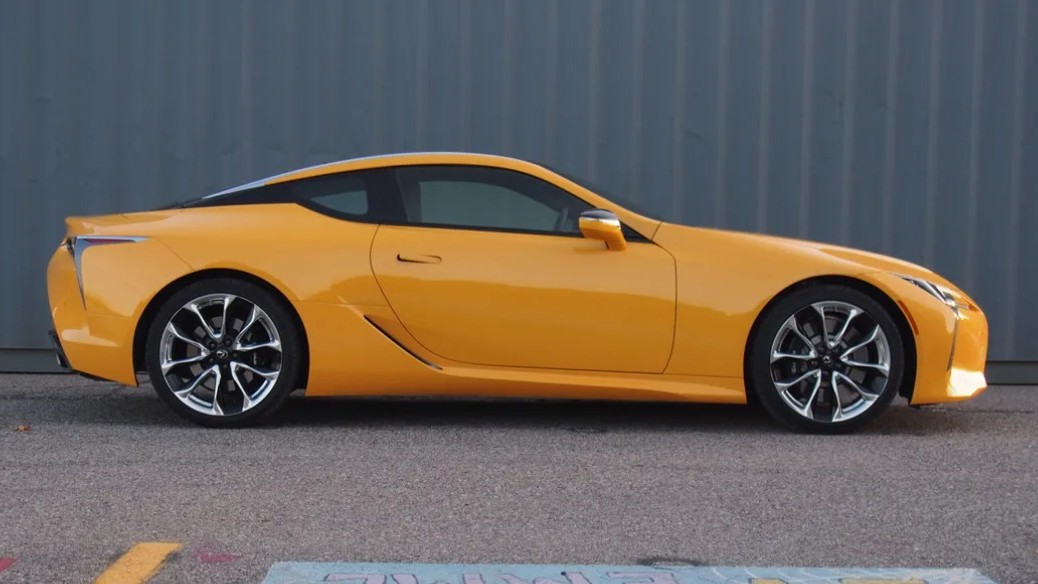
The LC launched in 2018 and is still in production. It’s an elite grand tourer from Toyota’s luxury brand, and its price tag when new was around $100,000. The LC has held its value well, and I consider it a future collectible because we are in an era when “coupes” in general are being phased out in favor of crossover-type vehicles. Lexus has intentionally kept production numbers low (around 2,000-3,000 units per year), giving the car an exclusive feel – not to mention the fact that the cars are hand-built at the same factory that produced the LFA V10 supercar years ago. Attention to detail and build quality abound.

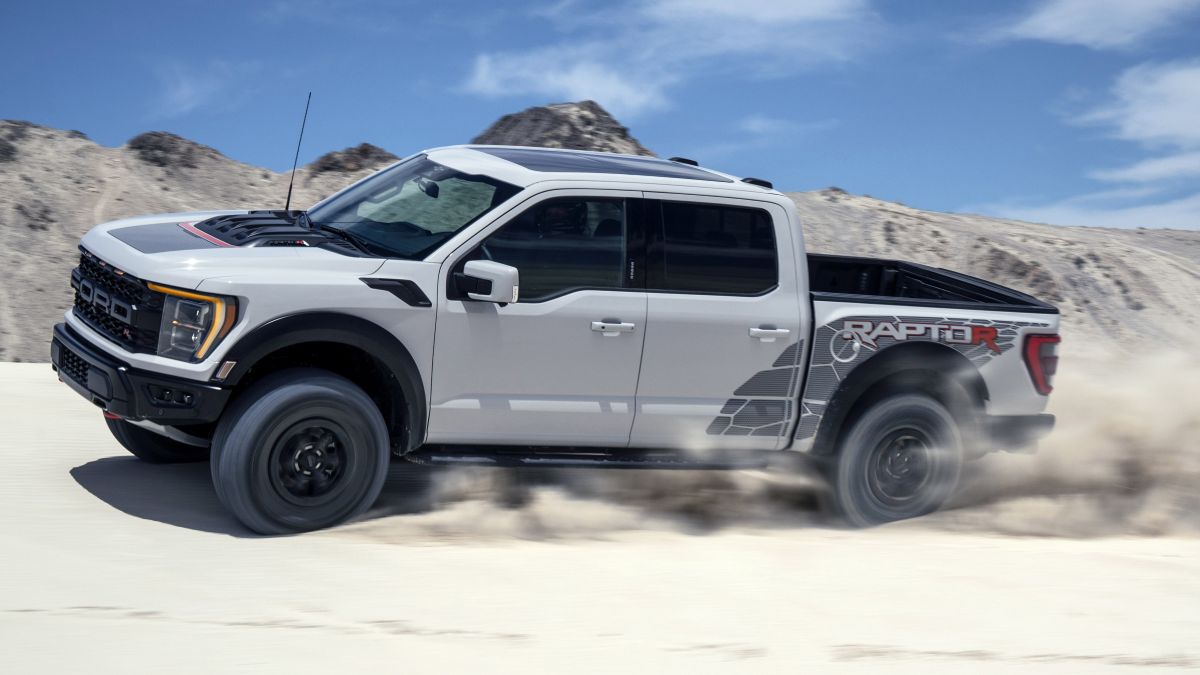
Ford F-150 Raptor R

The F-150 has been a best-seller for many decades, and the Raptor R takes the popular platform to new heights of performance. This is one “new” vehicle that I think you could put away in a vault and see appreciate in value in the coming years – but who would want to do that? It has a 5.2-liter Predator V8 that has been supercharged and produces 720 horsepower. Add in the off-road suspension, 13 inches of ground clearance, and 37-inch tires, and it’s a truck that will be begging to get dirty.
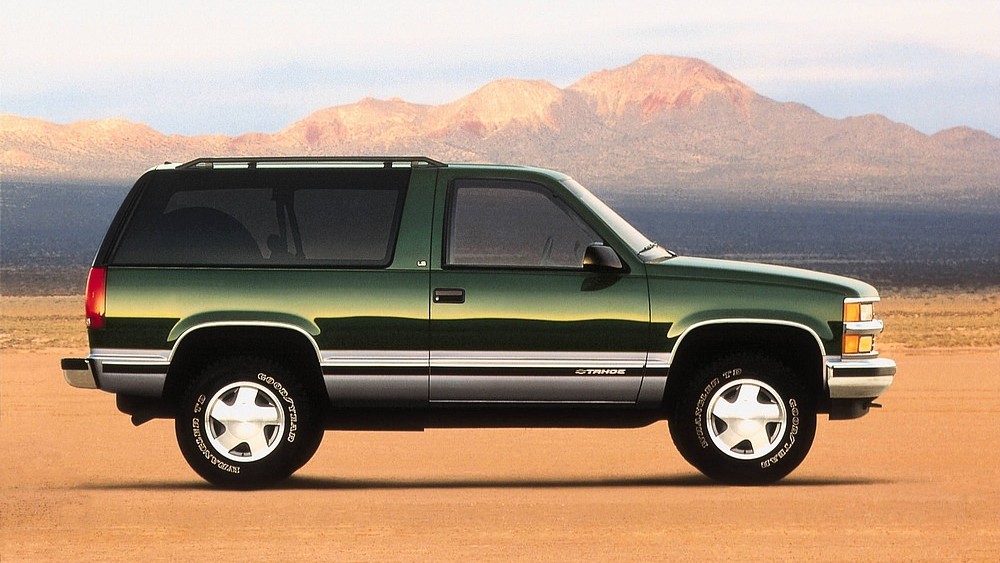
Chevrolet Tahoe & Suburban (GMT400)

This pick takes things back a few decades, but hear me out. We already know that the car collector community is driven by nostalgia. Many, many American families had GMT400-platform vehicles as their daily drivers. The Tahoe, Suburban, early Escalade, and GMC/Chevy pickup trucks from the 1980s-2000s are booming in popularity, and well-kept examples are getting tougher to find. The Suburban is an undisputed cultural icon – it’s the only vehicle that earned itself a star on the Hollywood Walk of Fame.
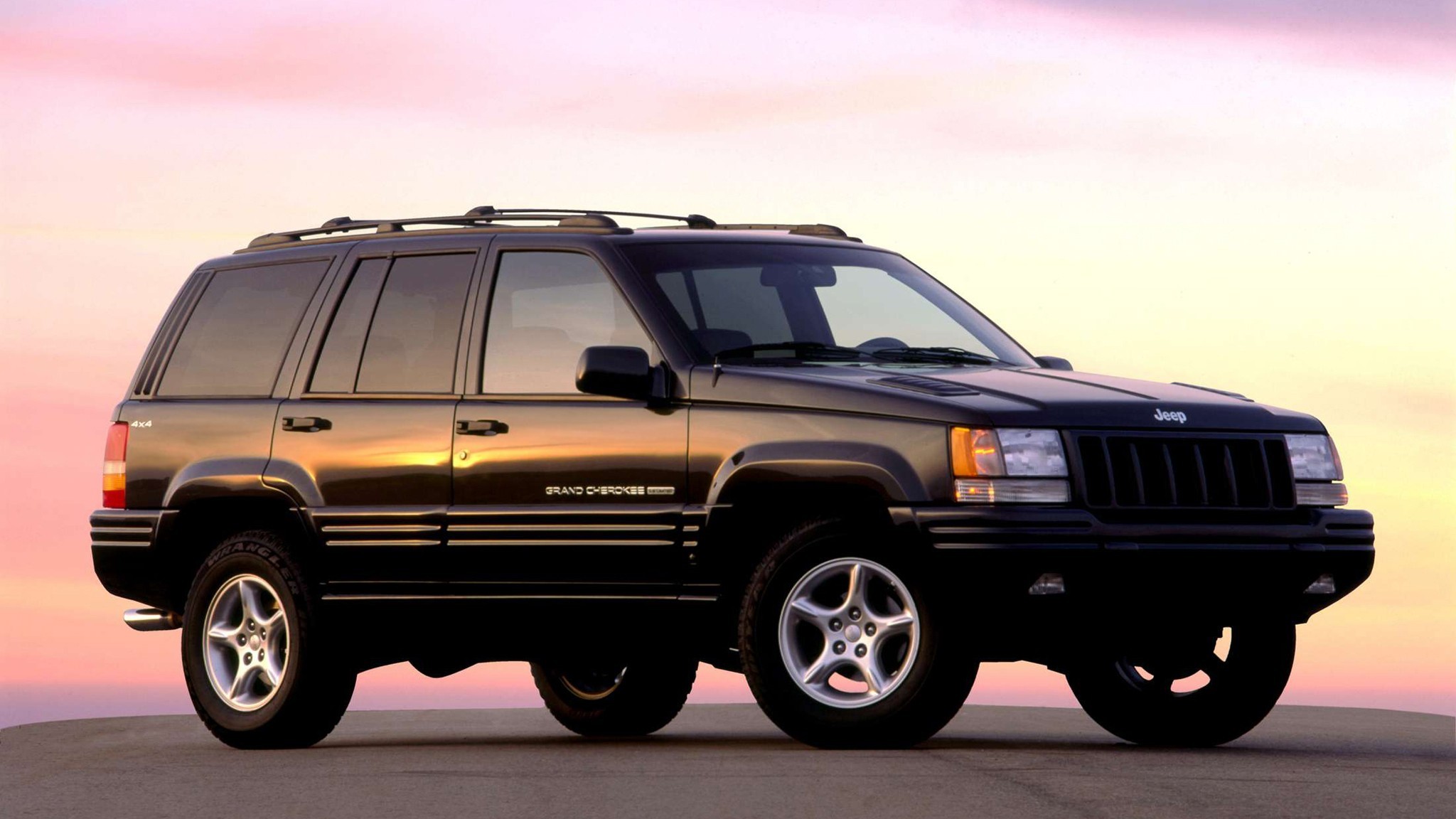
Jeep Grand Cherokee 5.9 Limited (ZJ)

Before all of today’s performance-focused SUVs and crossovers like the Tesla Model X, Porsche Cayenne, BMW X5, and Hemi-powered Durangos, one of the pioneering models for the segment was the Jeep Grand Cherokee 5.9 Limited. It was available for just one year (1998) and was reportedly the world’s fastest SUV at the time. There were only about 14,000 built, and today, surviving examples are sought after. It came with a 245-horsepower Magnum V8 and Quadra-Trac four-wheel drive – making it plenty capable both on- and off-road.
What are your thoughts on the vehicles I picked?

Tune in for more about the Future Collectible Symposium as part of our ongoing Barrett-Jackson coverage this week and next! In the meantime, browse the docket!

For 60 years, the Porsche 911 has set standards, broken records, and stolen the hearts of thousands of sports car enthusiasts. Its latest iteration, which debuted in 2019, is called the 992 series. And one 992 in particular – finished in the uncommon color “Gentian Blue” – was among the many impressive supercars that were sold at no reserve at the Barrett-Jackson 2025 Scottsdale Fall Auction.

Featured on the ClassicCars TV YouTube channel is an overview discussing some of the many standout features of the 911. It was powered by a rear-mounted, twin-turbocharged 3.7-liter flat-six rated at a potent 640 horsepower and 590 lb-ft of torque. Those performance credentials meant the car could accelerate to 60 mph in fewer than three seconds. Part of the car’s swiftness was made possible by its Porsche Traction Management (PTM) all-wheel drive system – delivering plenty of grip on demand.

Of course, sports cars aren’t just about going fast. They need to handle with confidence and precision. Accordingly, the Porsche on the docket was equipped with Porsche Active Suspension Management (PASM) and Porsche Dynamic Chassis Control (PDCC) for maximum agility.

Besides its sheer speed, the 911 Turbo S had a lot else going for it. For starters, take a look at the interior, which is finished in an exclusive “Manufaktur” two-tone leather combination of Chalk and Bordeaux; that arrangement was an $11,110 upgrade. Additional interior options included brushed aluminum trim inlays, special seat belts, a heated GT Sport steering wheel with carbon fiber, a Burmester high-end surround sound audio system, ambient lighting, and even leather-upholstered sun visors.

All said and done, the car had a striking combination of options and extremely strong collector appeal. One lucky high bidder was able to take the car home.

We look forward to seeing what’s up for grabs at the upcoming Barrett-Jackson auction in Scottsdale. You can browse the docket in advance to see if anything catches your eye. Whether you plan on bidding to bring home a new ride or not, the event is a must-experience occasion for any automotive enthusiast.

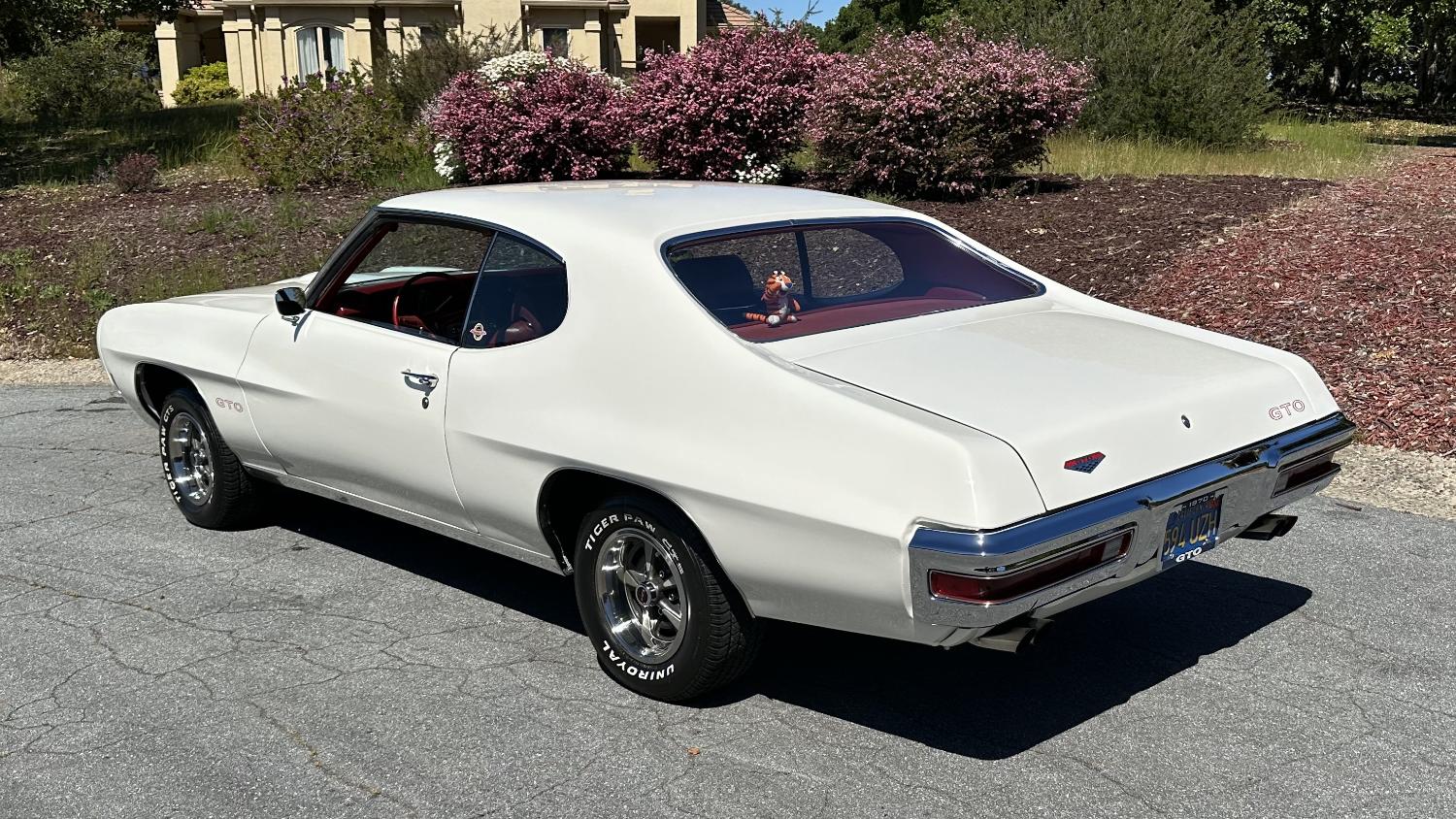
Currently for sale on AutoHunter is this restored 1970 Pontiac GTO hardtop. Nineteen-seventy brought a restyle of the Goat that has made it a fan favorite. It’s not difficult to understand why as it looks sleeker than the equally photogenic 1968-69 version. What’s interesting about this one (aside of the killer color combo) is how it was originally equipped—just four options—but don’t let that sway you; several enhancements make this Poncho a mightier muscle car, including upgrades to the original 400 (now with 444 horsepower) and other mechanical bits. Painted Polar White with a red bucket-seat interior, this Gran Turismo Omologato comes from the private seller with PHS documentation, 1970 California plates, window sticker, build sheet, car cover, clear title, and more.

This GTO underwent a frame-on restoration in 2018. The Polar White paint is complemented by red GTO decals on both front fenders and the trunk lid. Other exterior highlights include a non-functional ram air hood and dual chrome mirrors. A set of 15-inch Rally II wheels is wrapped in 235/60 Uniroyal Tiger Paw radials.

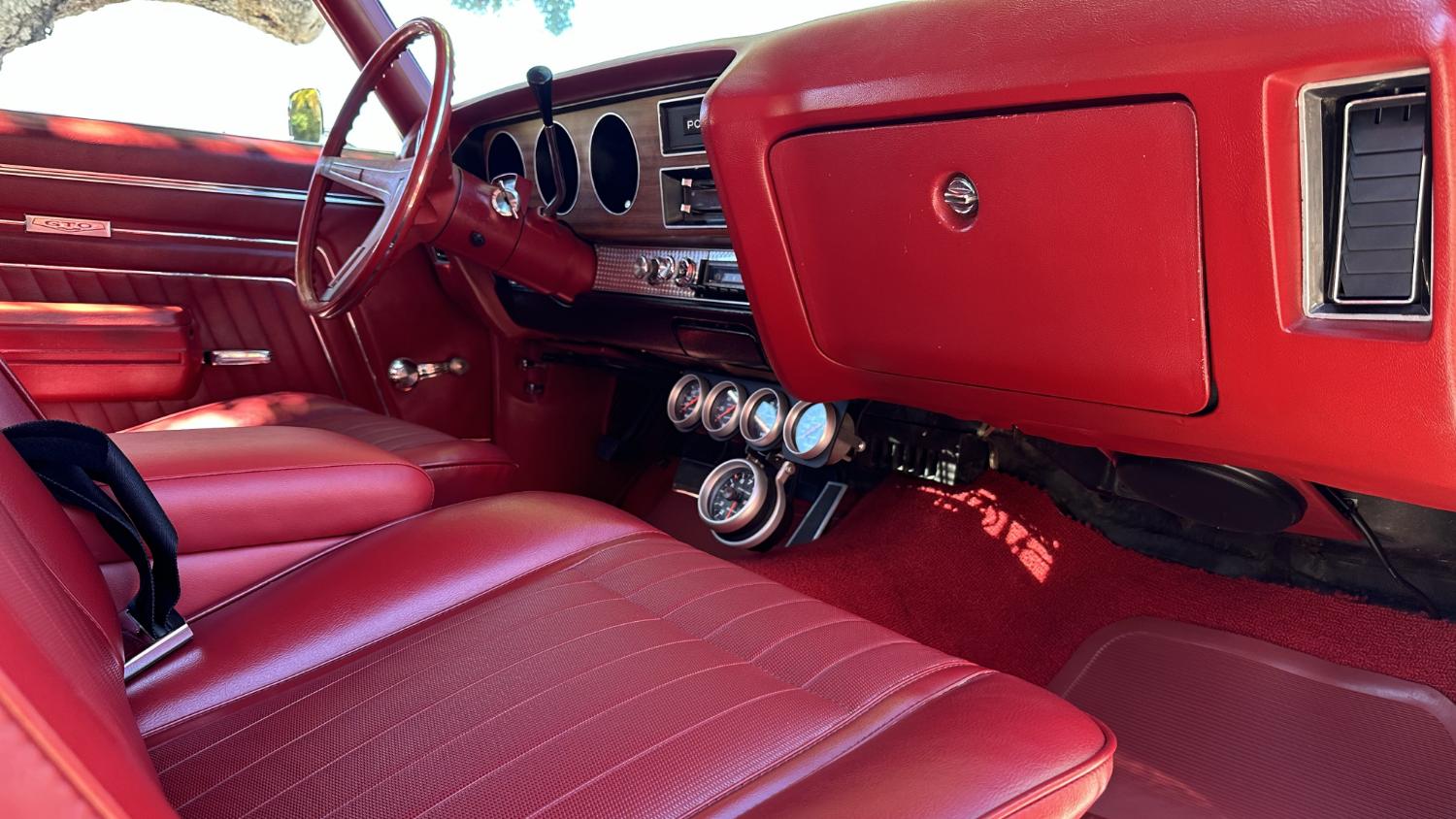
The cabin is furnished in red vinyl, which includes new upholstery (door panels, seat covers, carpet, and headliner). The front bucket seats lack a console between them, so the shifter is on the column. Other features include power steering (added), the original AM radio, and an aftermarket Alpine AM/FM/Bluetooth/AUX stereo located in the glove box.

The instrument panel features a 120-mph speedometer and a fuel gauge, with a clock added in the right pod. A set of aftermarket AutoMeter gauges is mounted underneath the dashboard (water temperature, oil pressure, voltage, and transmission temperature), with an 8,000-rpm tachometer resting on the transmission hump. The odometer shows 72,545 miles, though the title reads mileage-exempt.

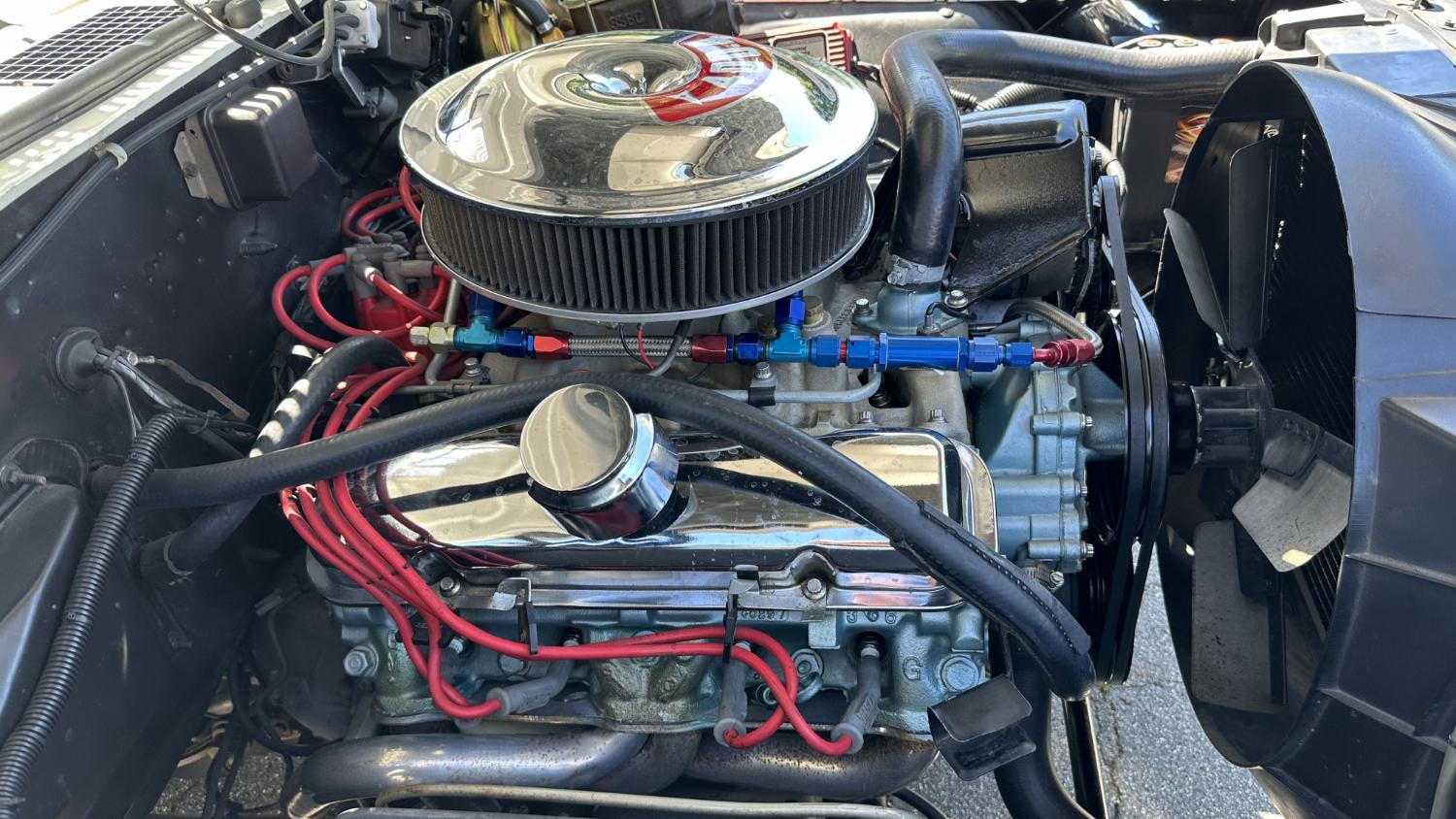
The numbers-matching, professionally rebuilt 400 has been bored to measure 407ci. With 10.65:1 compression, it puts out 444 horsepower and 482 lb-ft of torque. Equipment includes a Holley Demon four-barrel carburetor and an Edelbrock intake plus Hooker headers and more. The rebuilt TH400 automatic is now supported by a 2,800-rpm stall converter.

The undercarriage has been upgraded with an F41 suspension featuring large front and rear sway bars, boxed control arms, and power front disc brakes. The limited-slip rear end features 3.55 Auburn gears. The headers are connected to a 2.5-inch H-pipe dual exhaust system with MagnaFlows.

As a factory piece, this 1970 Pontiac GTO hardtop is unique in its limited option list (not even power steering), but today it is equipped with the sort of features you’d want as a driver. Add the massaged engine and sweet hues, and you have quite a desirable Goat. Do you agree? Rather than nod your head, you can bid high and bid now to welcome this Pick of the Day to your garage, then wait for the 12:15 p.m. (MST) deadline on Friday, January 16, 2026 to see if you’ve won. Good luck!

Visit the AutoHunter listing for more information and a photo gallery

There are certain things that are typically associated with vehicles from different parts of the world. German cars are renowned for their engineering. Japanese cars have a reputation for reliability. If you overhear someone talking about Italian cars, there’s a good chance you’ll catch the word “beautiful.” There are good reasons for those associations—just look at our Pick of the Day and try to take your eyes off of it. You can find this 1970 Maserati Ghibli listed on ClassicCars.com by a dealer in Farmingdale, New York.

When Maserati started developing a new GT car in 1966, it turned to Ghia of Turin for the design. As fate would have it, the job was assigned to a young Giorgetto Giugiaro, who had already penned the lines for another Italian looker, the Iso Grifo. Giugiaro would go on to co-found Italdesign in 1968 and later design the S1 Lotus Esprit and DMC DeLorean, among many others.

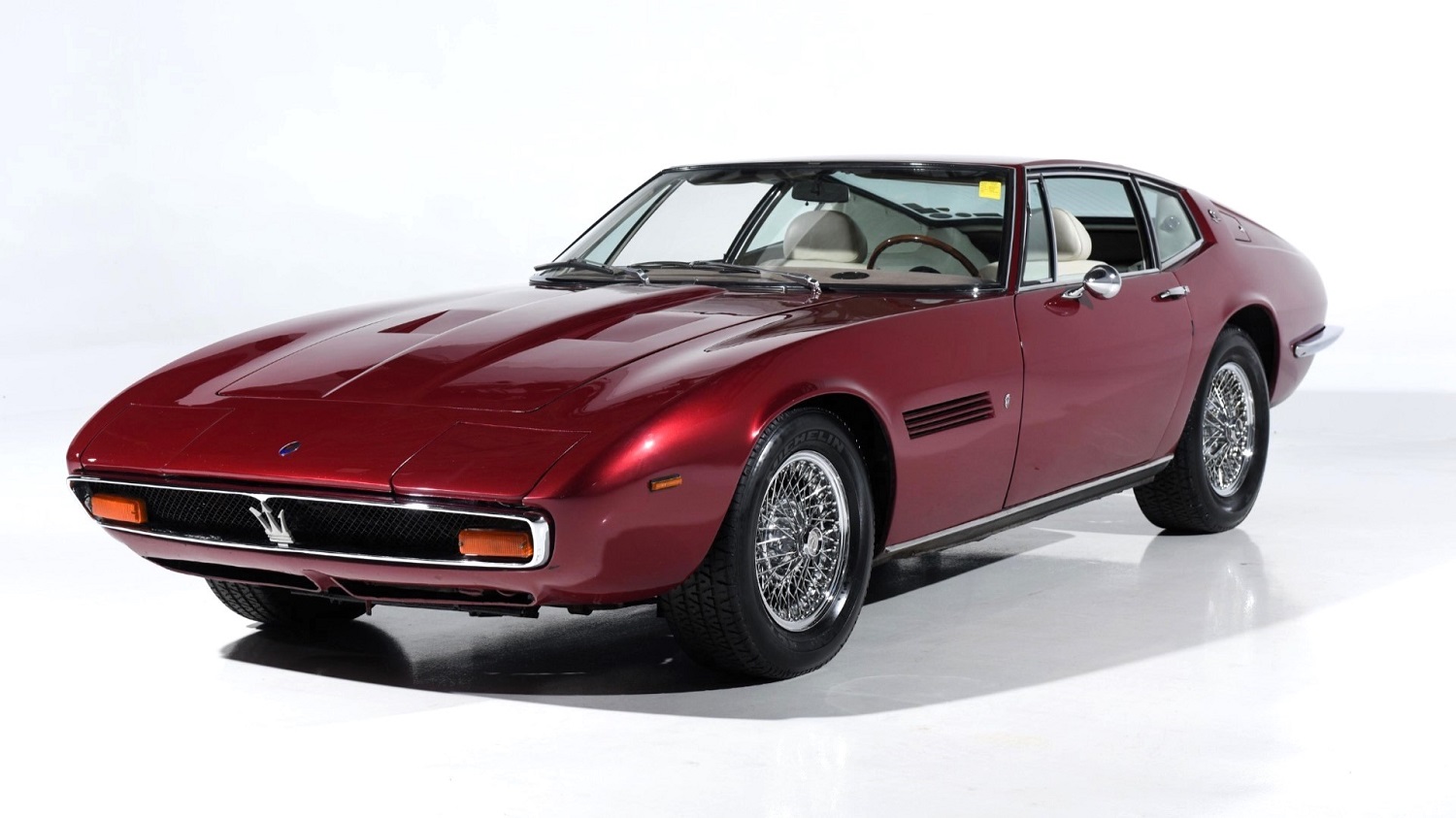
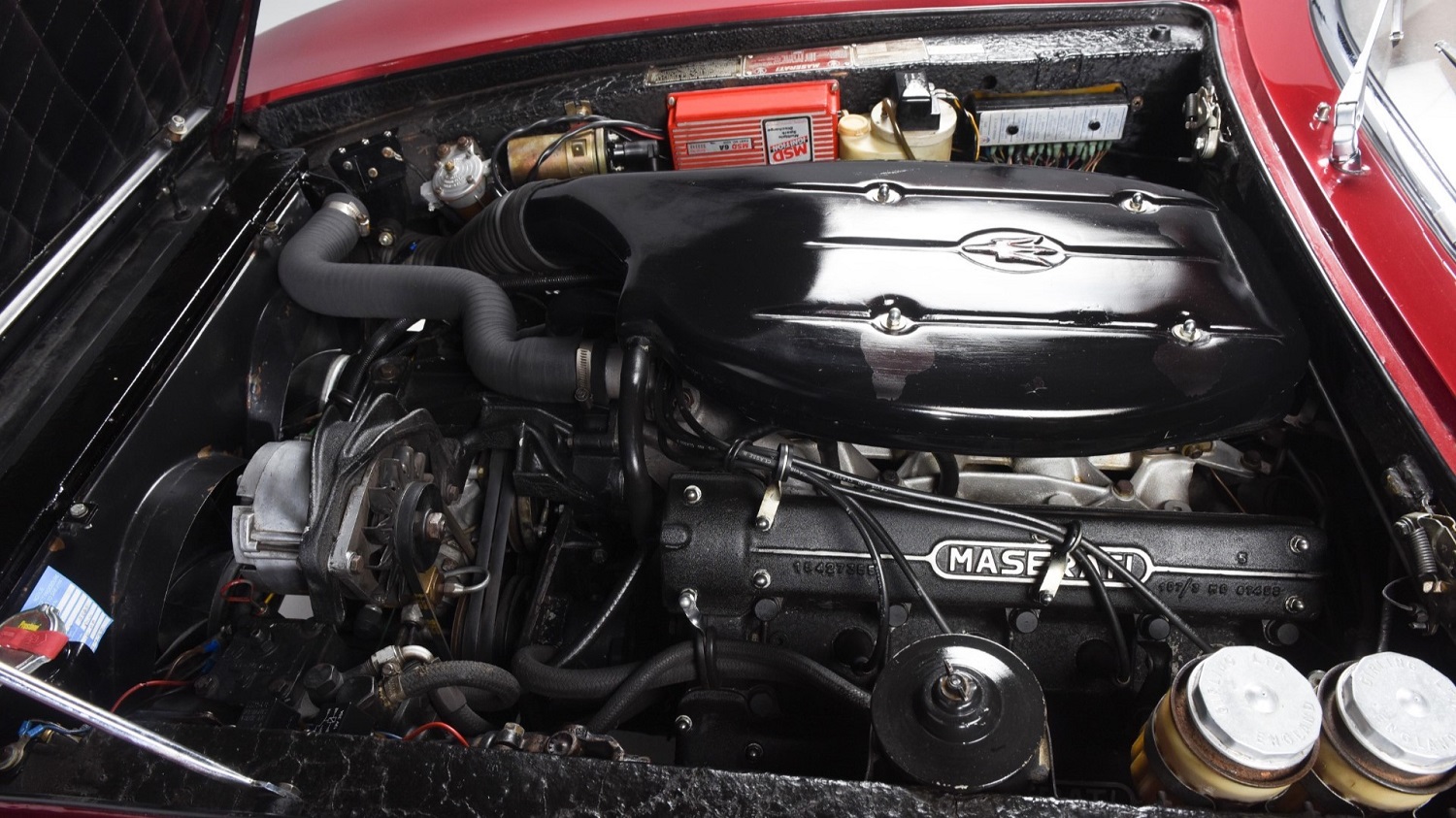
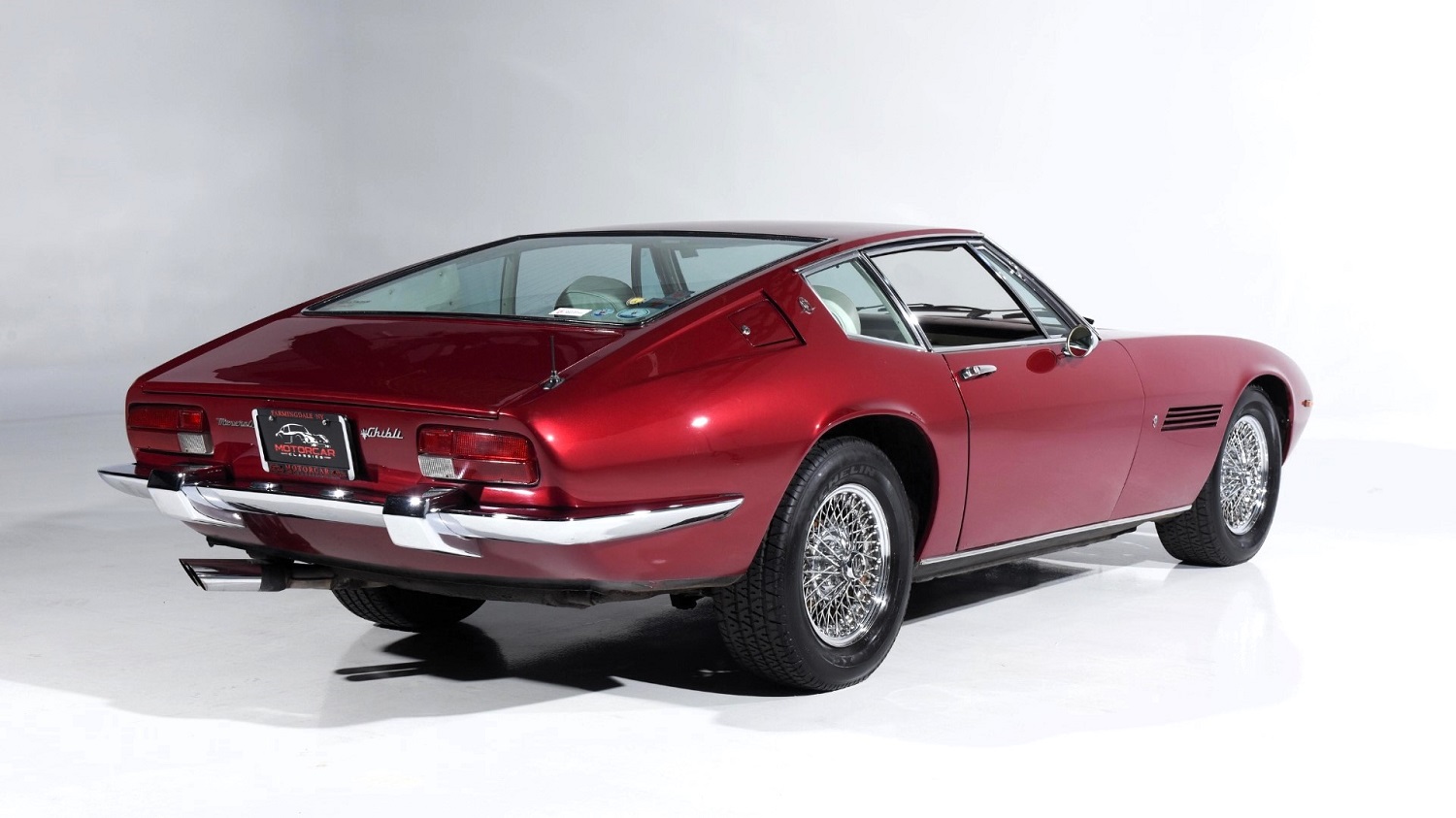
Named after a powerful North African wind, the Ghibli was a swirl of decisions that resulted in what many consider Giugiaro’s best design. Maserati fitted the 4.7-liter V8 from the Mexico with dry-sump lubrication, which allowed Giugiaro to lower the Ghibli’s hood. A noticeably reclined windshield connects with a fast roofline that slopes down toward triangular rear pillars, which became visual signatures of later Maserati vehicles. When you look at the Ghibli’s profile, you see a graceful flow because, as Maserati puts it, “there was no distinction between the car’s body and the passenger compartment; they were neither separate nor overlapping, rather they were joined together as a single surface,” forming one beautiful piece of rolling art. One glance at the Ghibli inspires daydreams of driving briskly along the sun-soaked Mediterranean coast wearing Persol shades and bespoke Italian tailoring.

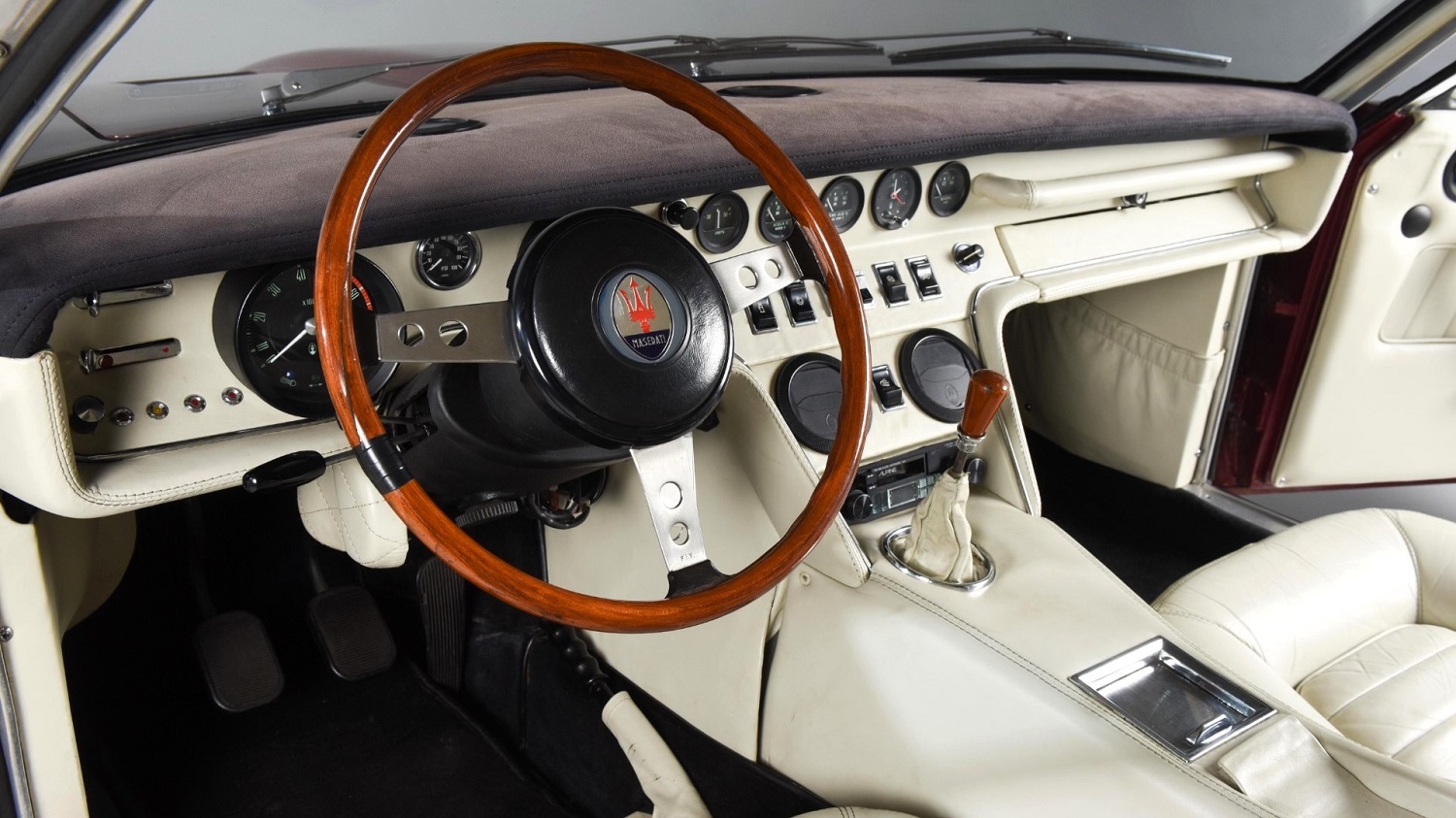
Nearly 60 years after it left Maserati’s factory, the Ghibli continues to stun. Though powered by its original 330-horsepower V8, the aluminum body lost its original light blue hue and has been repainted in the current metallic burgundy, which pairs perfectly with the well preserved ivory white leather interior. It’s not immediately obvious, but that wood shift knob is part of another major change from stock. According to the selling dealer, “Originally ordered as a U.S.-spec car with a rare automatic transmission, this Ghibli was converted early in its life to a desirable 5-speed ZF manual gearbox, complete with correct linkage and pedals.”

While this 1970 Maserati Ghibli may not be entirely original, it was modified for the better. Most importantly, it didn’t lose its innate beauty. You can enjoy this gorgeous sight and time behind its wood-rimmed wheel every day for $149,900.

Click here to view this Pick of the Day on ClassicCars.com

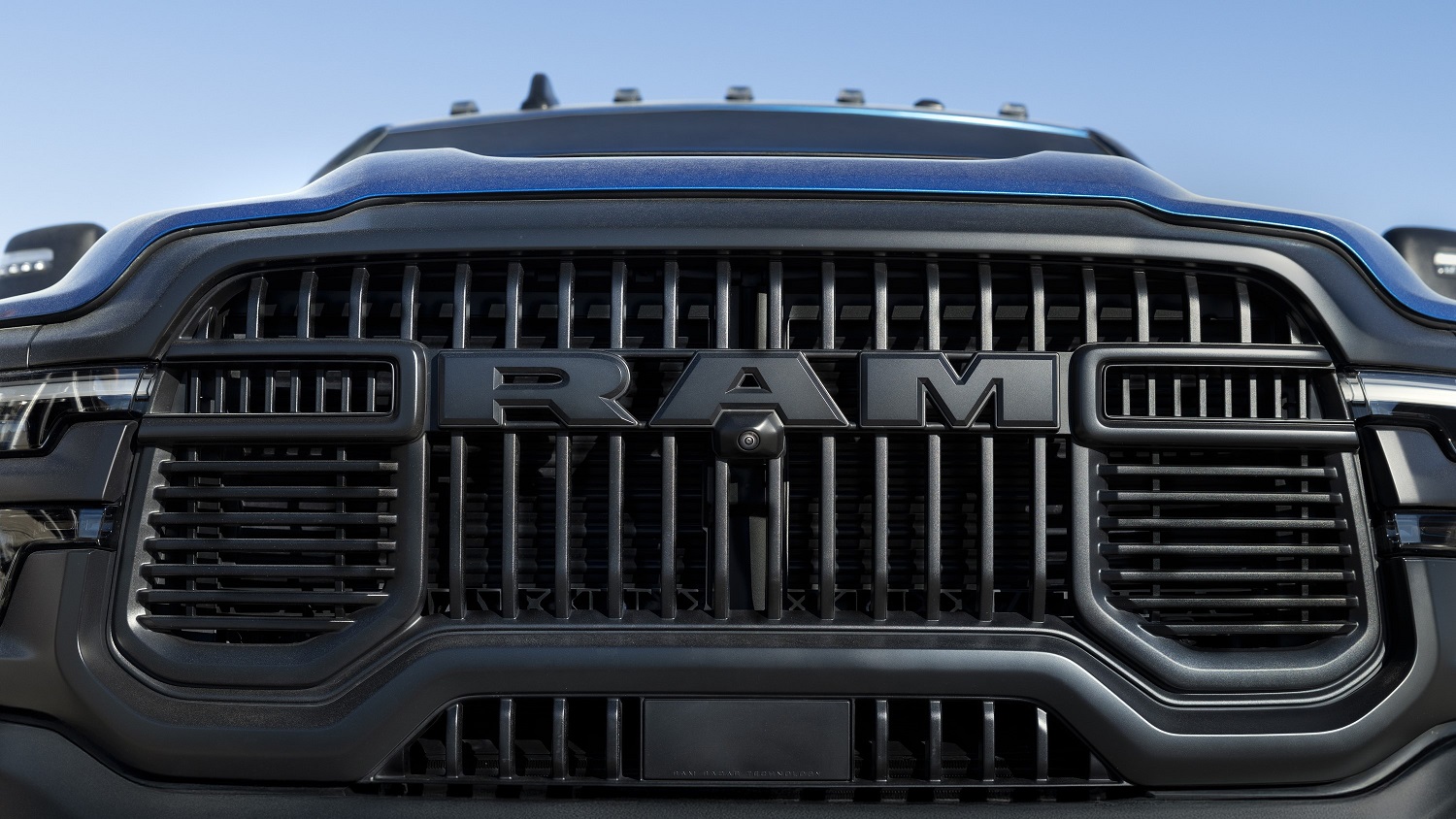
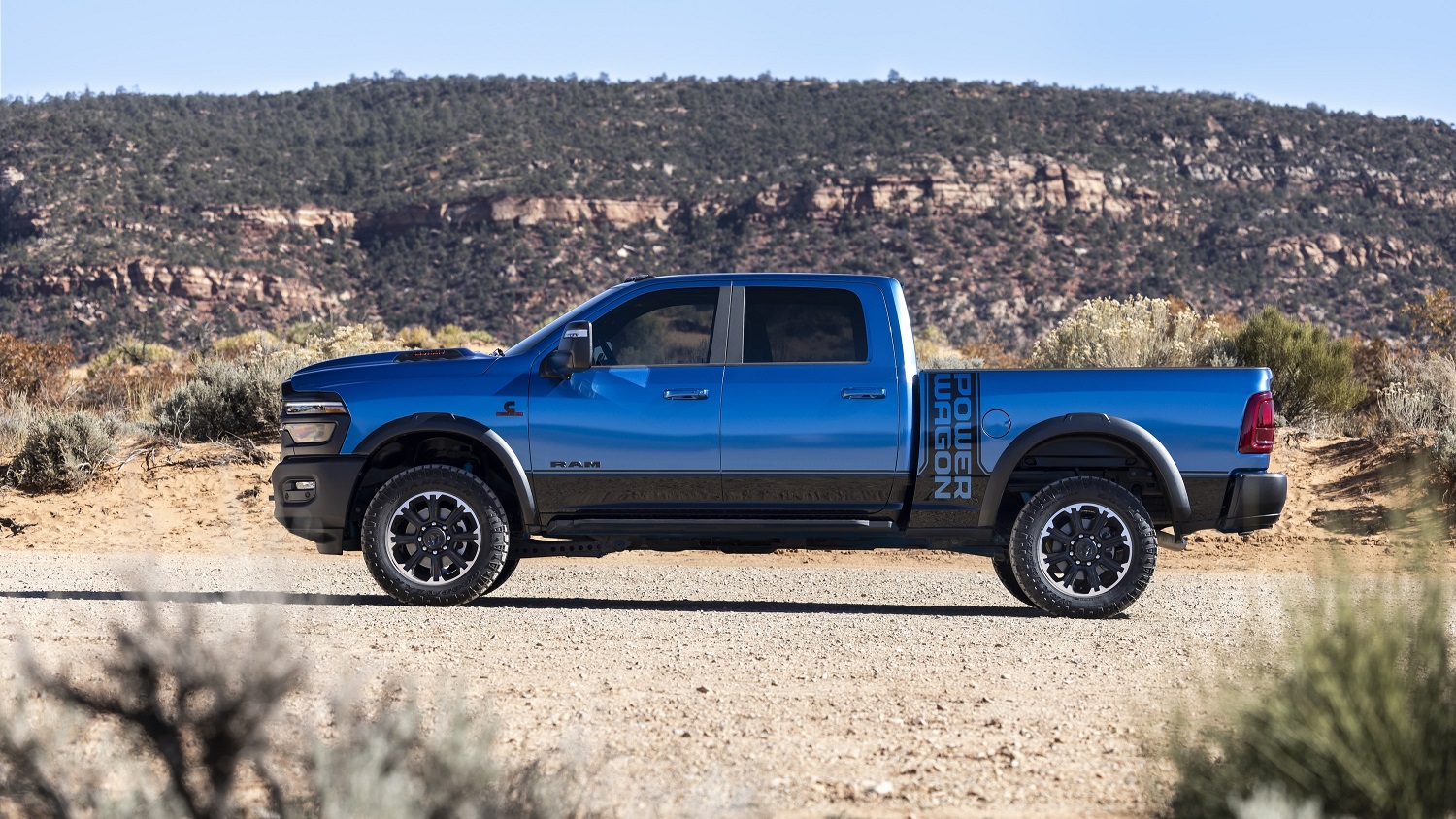
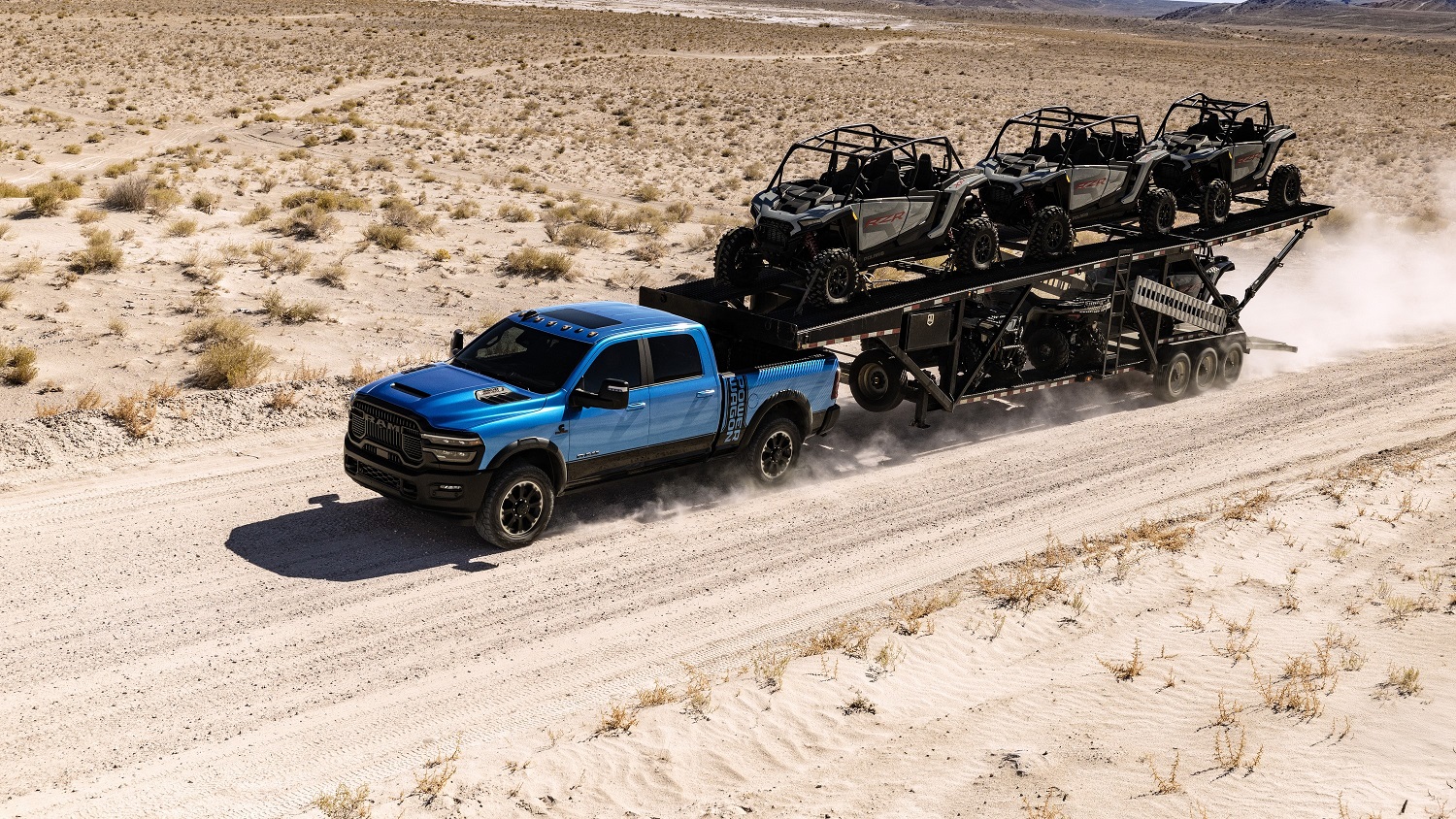
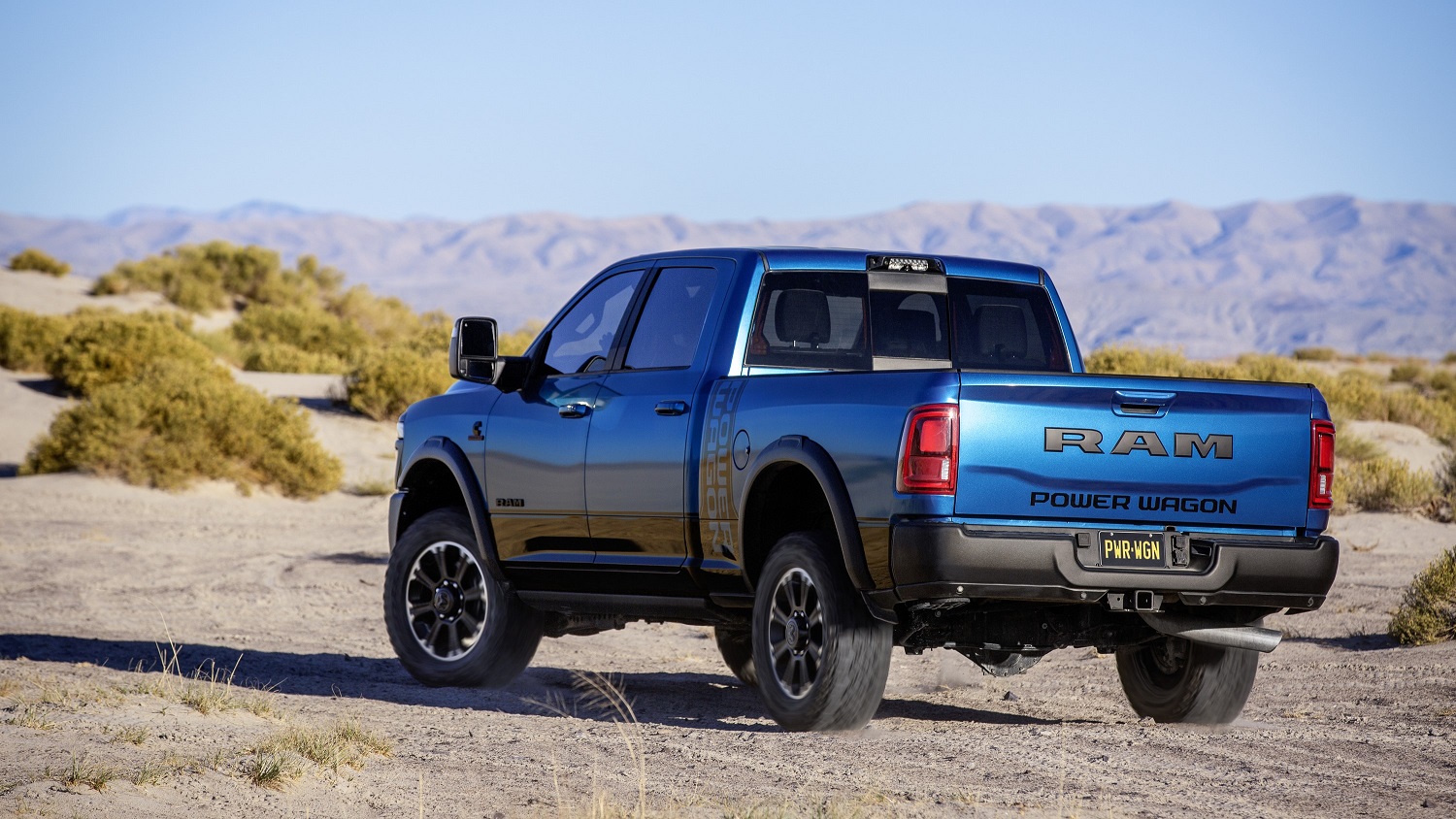
The car world has taught us that sometimes it takes patience—not just money—to get what you want. Dodge released a modern version of the Power Wagon for the 2005 model year, but truck enthusiasts have been waiting since then for a diesel engine option. Well, the wait is finally over, as the 2027 Ram Power Wagon can now be ordered with the Cummins 6.7-liter turbo-diesel inline-six.

Way back in 2016, I had a chance to drive the redesigned 2017 Ram 2500 Power Wagon at the Texas Auto Writers Association’s Texas Truck Rodeo. This was an event where journalists drive a variety of trucks and SUVs to determine winners in various categories, including the Truck of Texas. While there, I asked a Ram representative why the Power Wagon wasn’t available with a Cummins diesel. He told me that it was due to packaging and dynamics: the position of the front winch would interfere with the placement of the charge air cooler, and the heavy Cummins would put too much weight over the front axle, detracting from the Power Wagon’s off-road abilities.

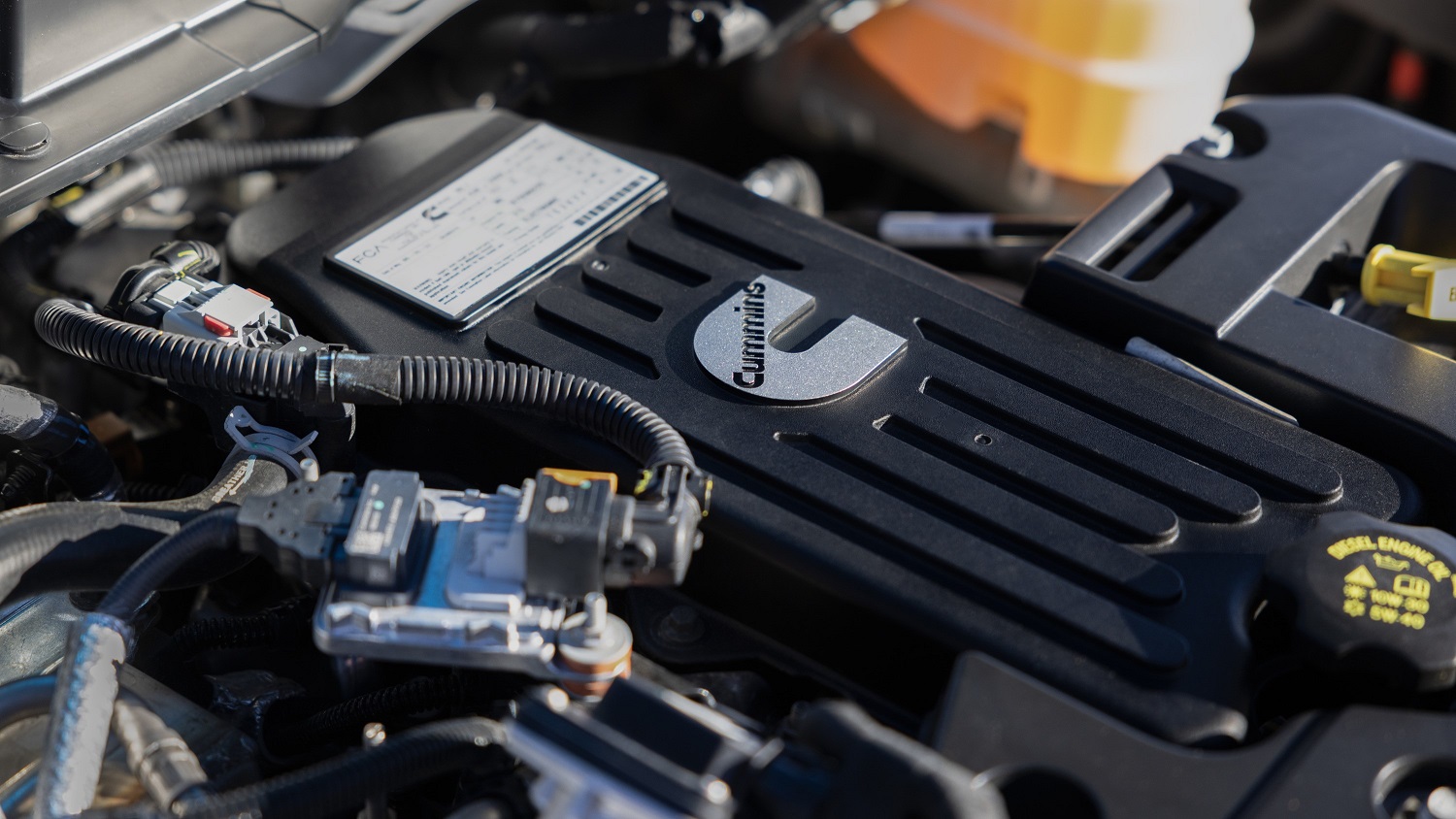
It seems Ram has worked out those engineering issues because a Cummins 6.7-liter turbo-diesel I6 is now on the options list. With 430 horsepower and 1,075 lb-ft of torque, it enables the Power Wagon to haul close to 3,000 pounds of payload and tow almost 20,000 pounds. A 31-gallon fuel tank provides up to 600 miles of range.

The optional Towing Technology Group makes pulling heavy loads more convenient with features such as trailer reverse guidance, a 360-degree camera system, and a trailer tire pressure monitoring system. Ticking the box for the Tow Technology Plus Group adds a digital rearview mirror and trailer reverse steering control.

There’s more to the Power Wagon than just the engine, though. As usual, it has front and rear electronic lockers, an electronically disconnecting sway bar for better articulation, and five-link coil rear suspension. Two more firsts for the juggernaut are the available fifth-wheel/gooseneck setup and an automatically leveling rear air suspension. To better harness the Cummins’ enormous power, Ram changed the rear end to run the 3.42 gears introduced on the 2025 Ram Heavy Duty lineup, and installed larger 38-millimeter rear axle shafts.

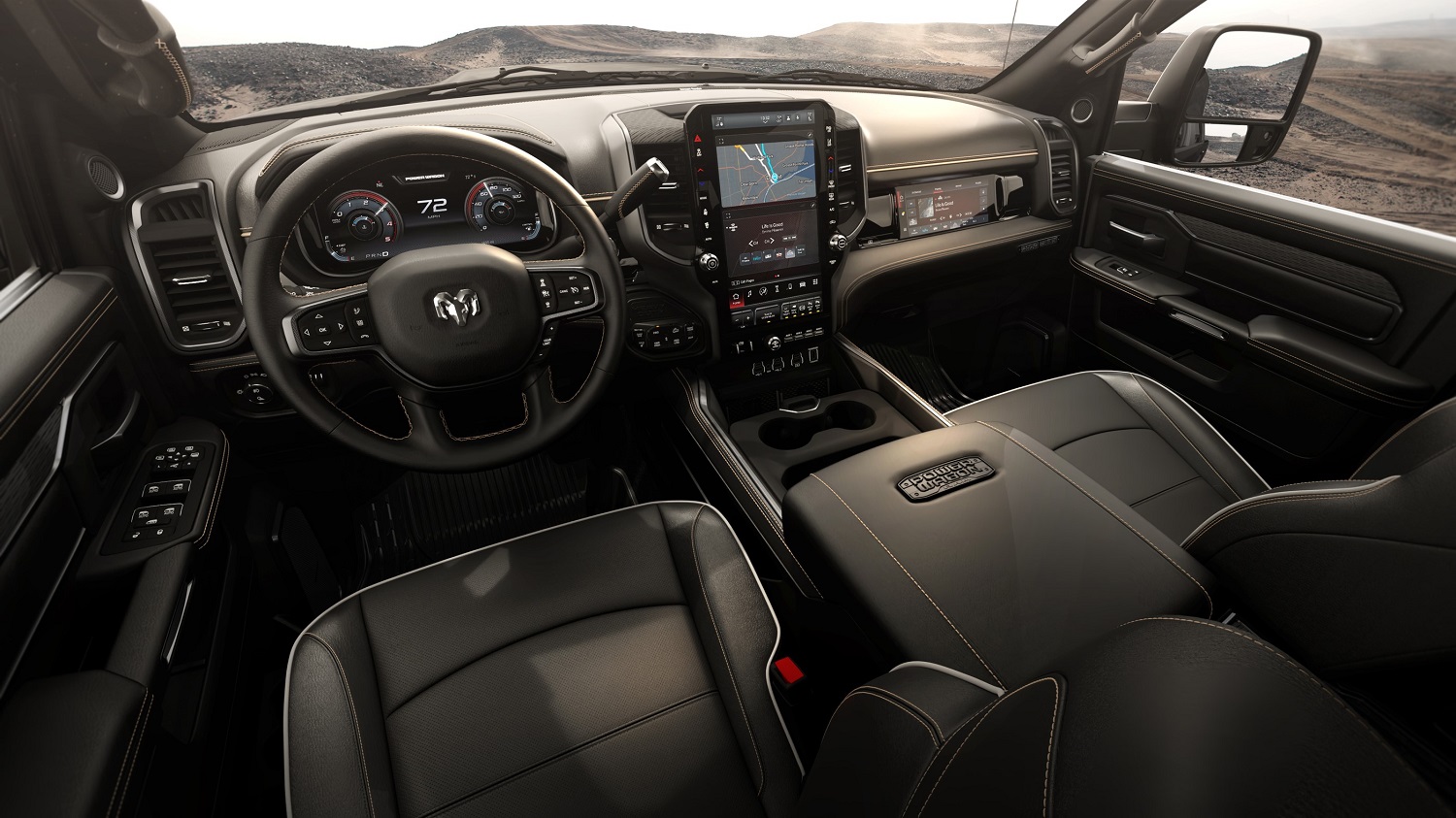
In its base form, the Power Wagon comes equipped with a heated cloth bench seat up front, Uconnect 5 with a 12-inch touchscreen, integrated trailer brake controller, ParkSense front and rear park assist, and more. Available upgrades include heated and ventilated leather bucket seats, 14.5-inch Uconnect 5 touchscreen, interactive display for the front passenger, towing and off-road information pages, and a nine-speaker Alpine or 17-speaker Harman Kardon audio system. Opting for the Level 2 Equipment Group upgrades the cabin with more leather touchpoints, including the grab handles and column shifter for the TorqueFlite HD eight-speed automatic.

Prices for the Cummins-powered 2027 Ram Power Wagon start at $88,470 (including destination). You’ll start seeing it in dealer showrooms in the second half of this year . . . and on a trail near you soon after that.

Have you ever heard the expression “There’s always room for dessert”? Well, there is—and a similar concept applies to collecting: you can always find more space for your latest acquisition. If you’re a fan of car-themed Lego kits, you’ll need to free up two spots in your display case for the Lego versions of the Bugatti Chiron Pur Sport and Vision Gran Turismo.

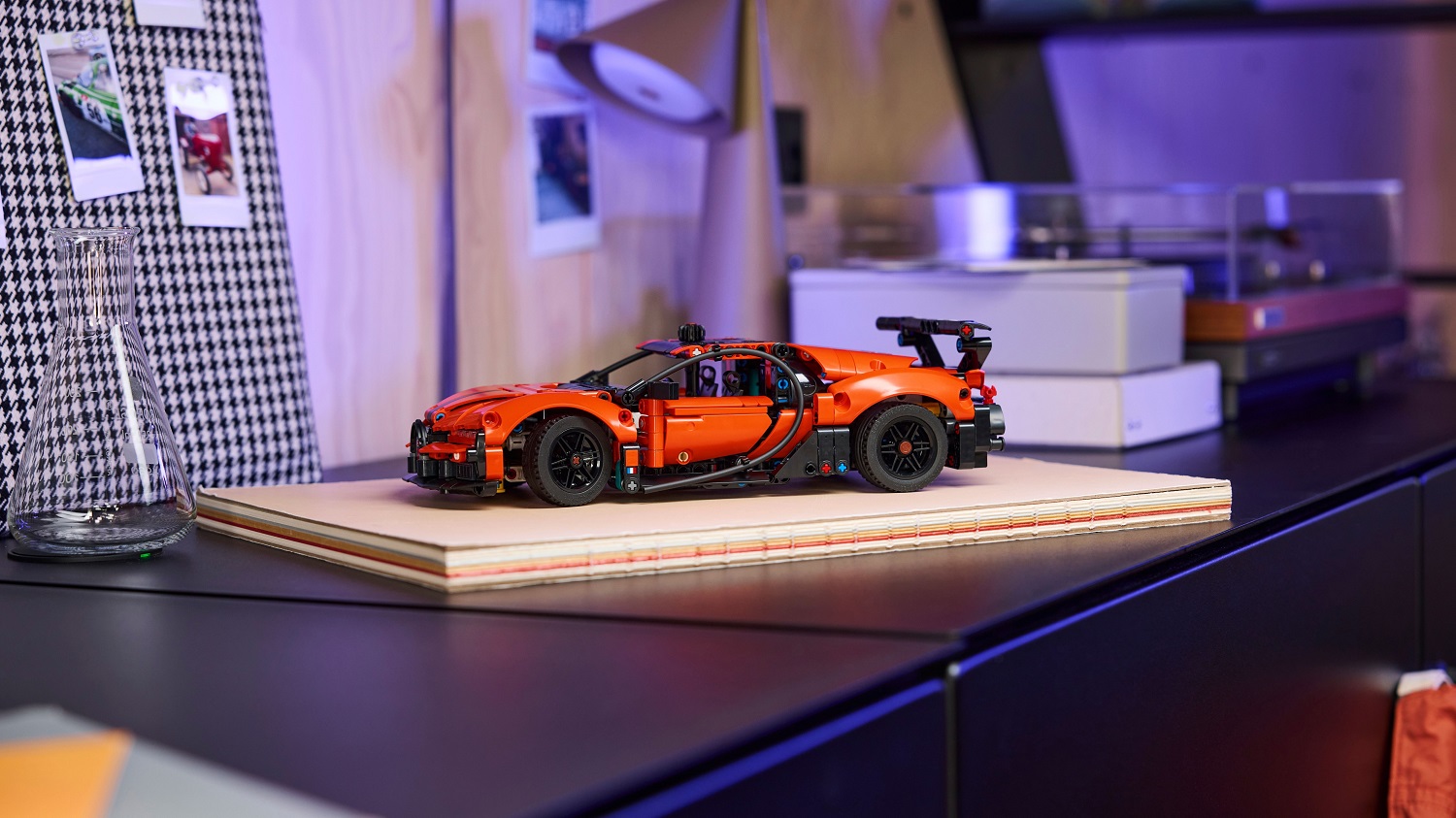
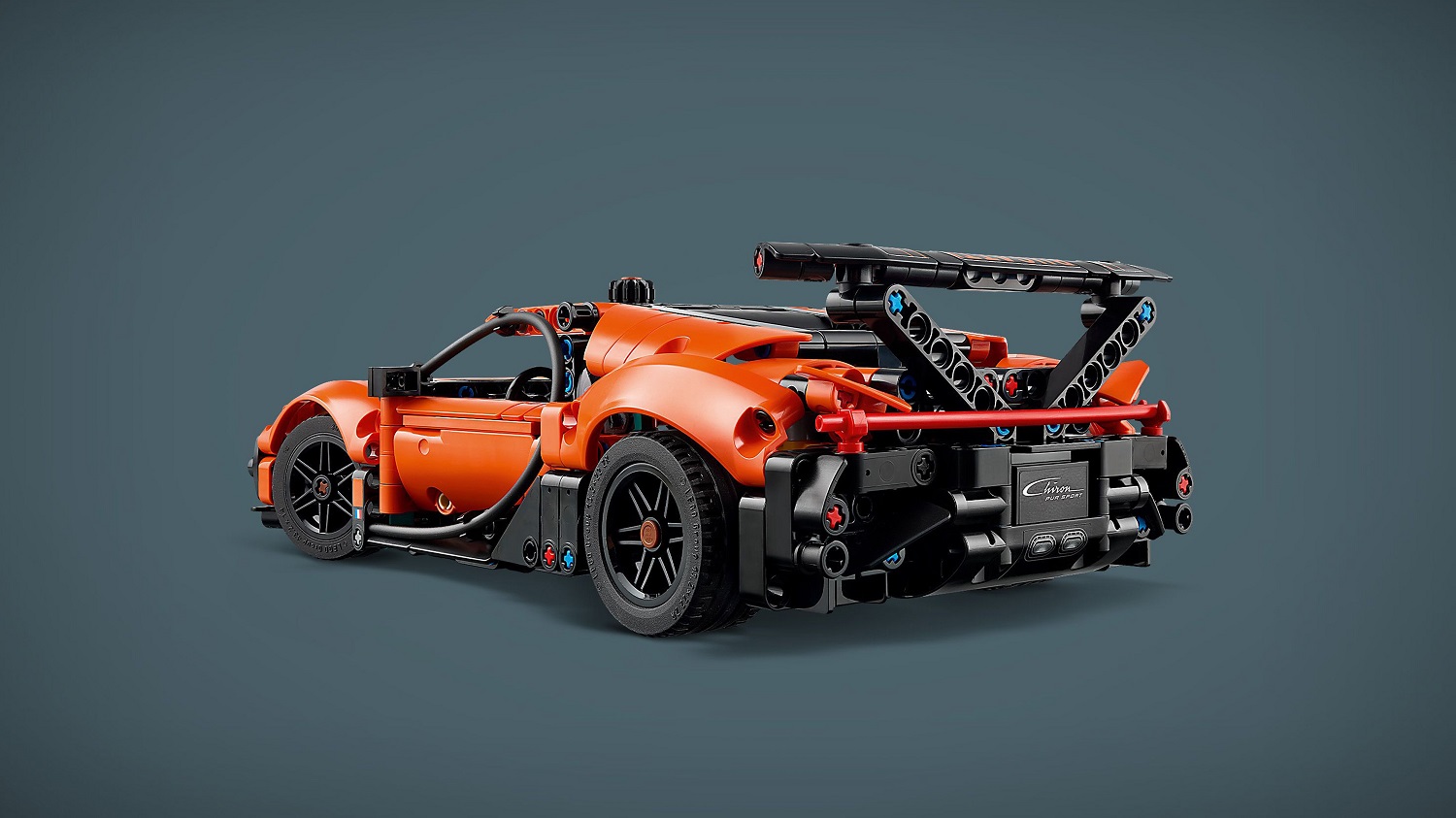
Lego Technic Bugatti Chiron Pur Sport

Both kits join the Lego Technic Bugatti Bolide and the Lego Speed Champions Bugatti Centodieci (which we told you about here). As a 771-piece Technic set, the Chiron Pur Sport is the more complex of the newest additions. Inspired by the lighter, more aerodynamic, and shorter-geared car that Bugatti “systematically calibrated for agility, handling, and driving performance and drives particularly fast in bends,” the Lego Technic interpretation comes in the striking combination of orange and black.

Lego Technic Bugatti Chiron Pur Sport

It features functional steering, hood and doors that open, and a Lego-fied recreation of Bugatti’s 8.0-liter, quad-turbo W16 that generates 1,500 horsepower and 1,180 lb-ft of torque. Astronomical service bills and a crippling fear of valet parking? Not included.

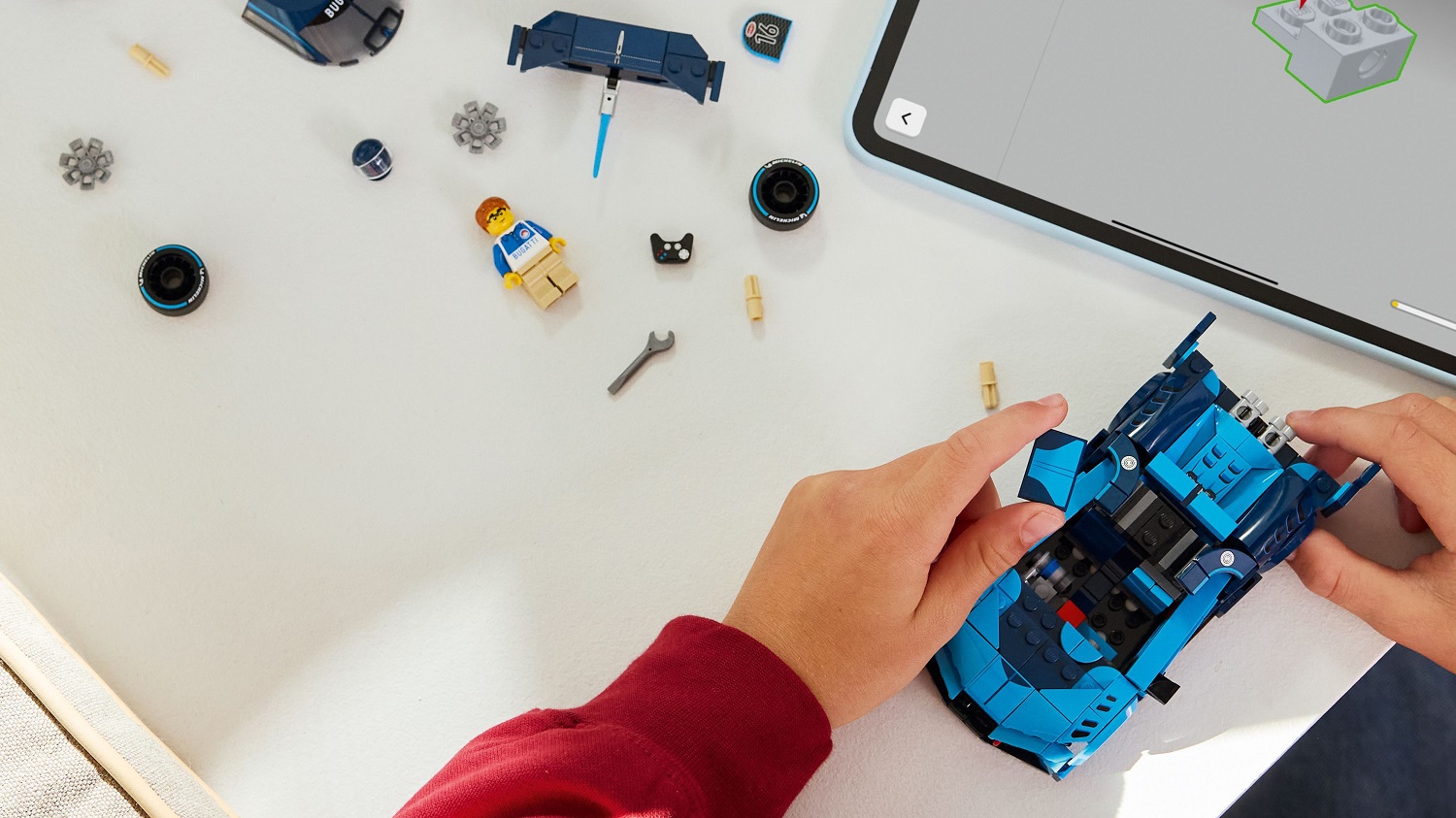
Lego Speed Champions Bugatti Vision Gran Turismo

The Bugatti Vision Gran Turismo started as a car in the Sony PlayStation Gran Turismo video game franchise, then Bugatti made a physical concept car version of it to display at the 2015 Frankfurt Motor Show. The one-off simultaneously drew inspiration from the Bugatti Type 57 Tank, which won the 24 Hours of Le Mans in 1937 and 1939, and showed the future of the French automaker’s design language.

Lego Speed Champions Bugatti Vision Gran Turismo

The 284-piece Lego Speed Champions kit captures the Vision Gran Turismo’s standout features, such as its eight-beam headlights, horseshoe-shaped front grille, central roof fin, and pronounced rear wing. It even has a front tow hook and Michelin-branded tires, as well as a driver minifigure with a helmet (if your kids or grandchildren get their hands on this car, that will come in handy).

As of January 1, the Lego Bugatti Chiron Pur Sport and Vision Gran Turismo sets are available in Bugatti’s online store for $70 and $32, respectively. The prices on Lego.com and in Lego stores are slightly lower, coming in at $64.99 and $27.99 (if you have a real Bugatti already, you can ignore that savings tip).