It has now been over 70 years since the Ford Thunderbird changed the automotive world forever, and the model continues to be popular among collectors. We recently featured five eye-catching T-Birds in a video. Today, we have another beauty to admire. This 1955 Ford Thunderbird Convertible is listed on AutoHunter by a dealer in Mount Vernon, Washington. The auction will end on Monday, January 12, 2026, at 12:15 p.m. (MST).
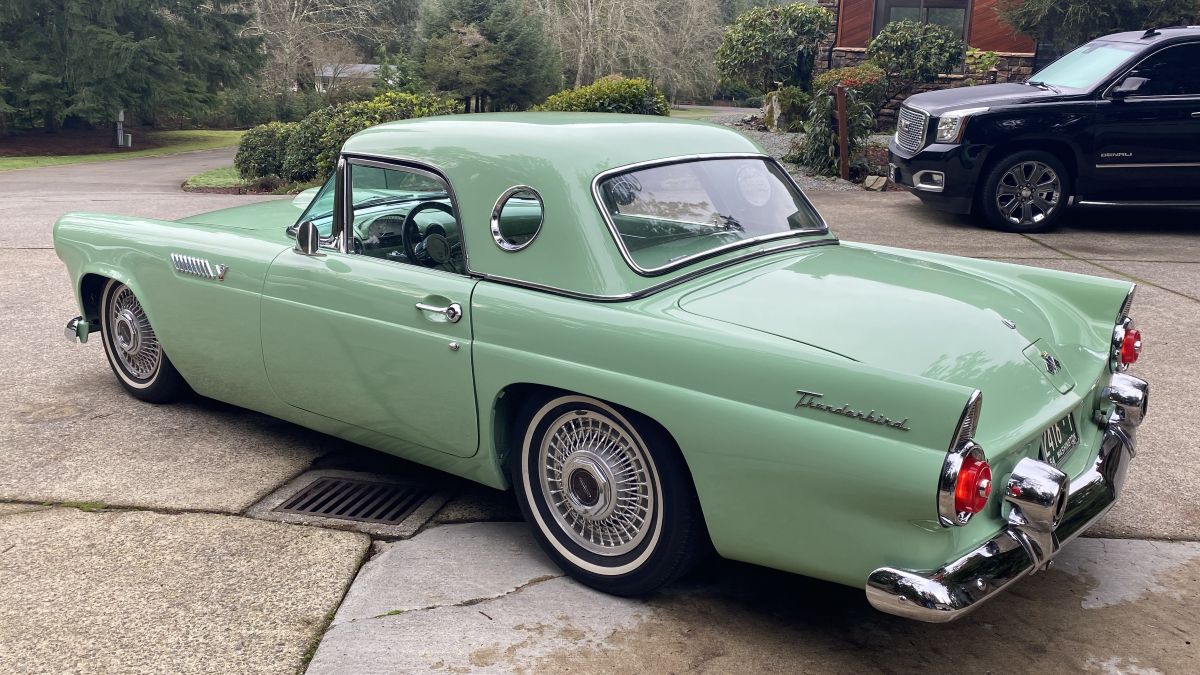
According to enthusiast-compiled technical resources on Thunderbird history, there were initially just three paint colors offered for the inaugural model year of the car: Raven Black (A), Torch Red (R), and Thunderbird Blue (T). Later in the year, five more were added either by late introduction or special order. This Thunderbird originally left the factory painted in Thunderbird Blue, but today it is presented in a rather unconventional mint green shade. It comes with a color-matched removable hardtop, too.
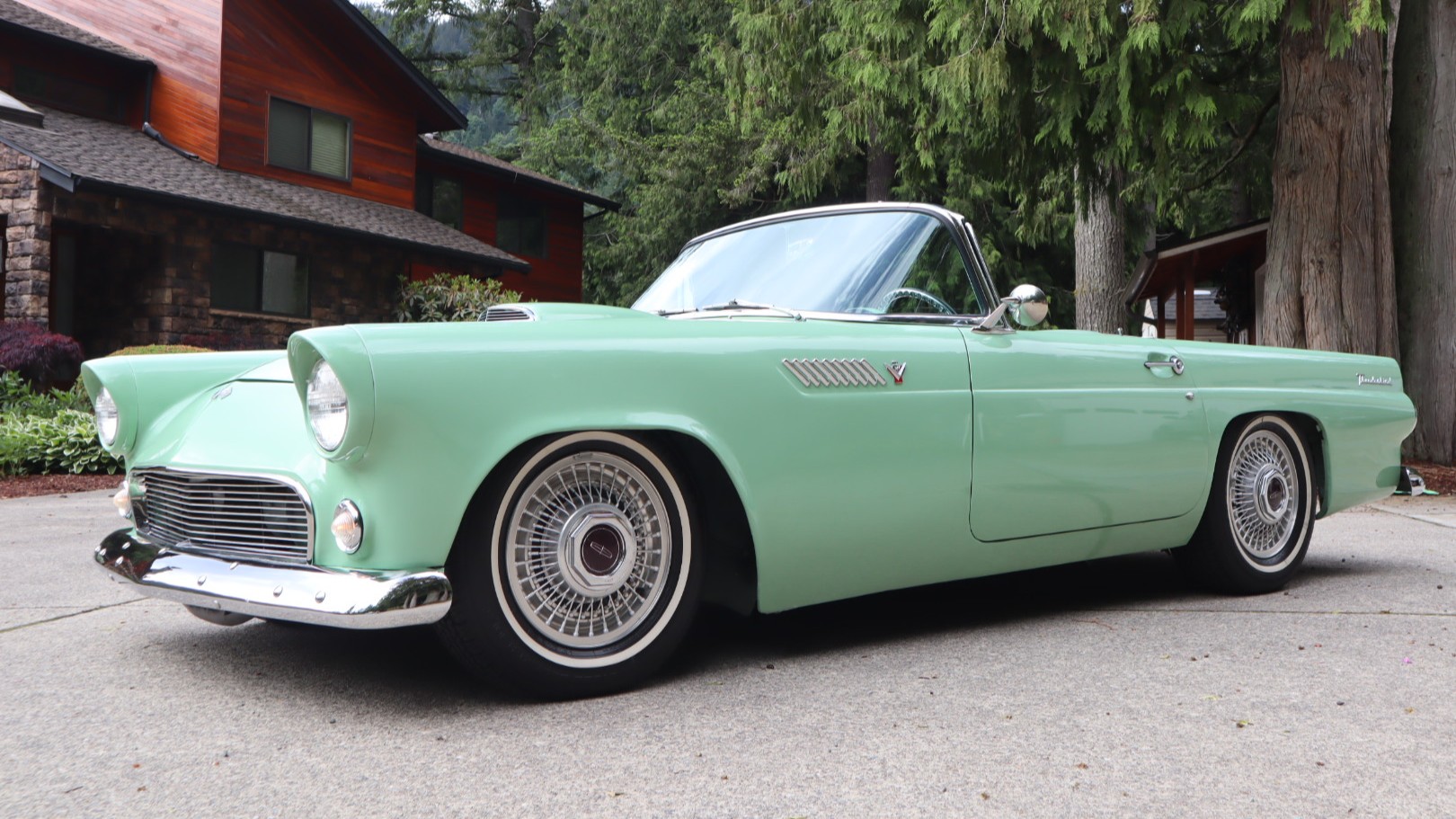
Beyond just its color palette, the car was clearly the recipient of some customization, especially when it comes to the lowered suspension. Exterior features include a billet-style grille, a hood scoop, chrome brightwork, dual side mirrors, and a dual exhaust system.
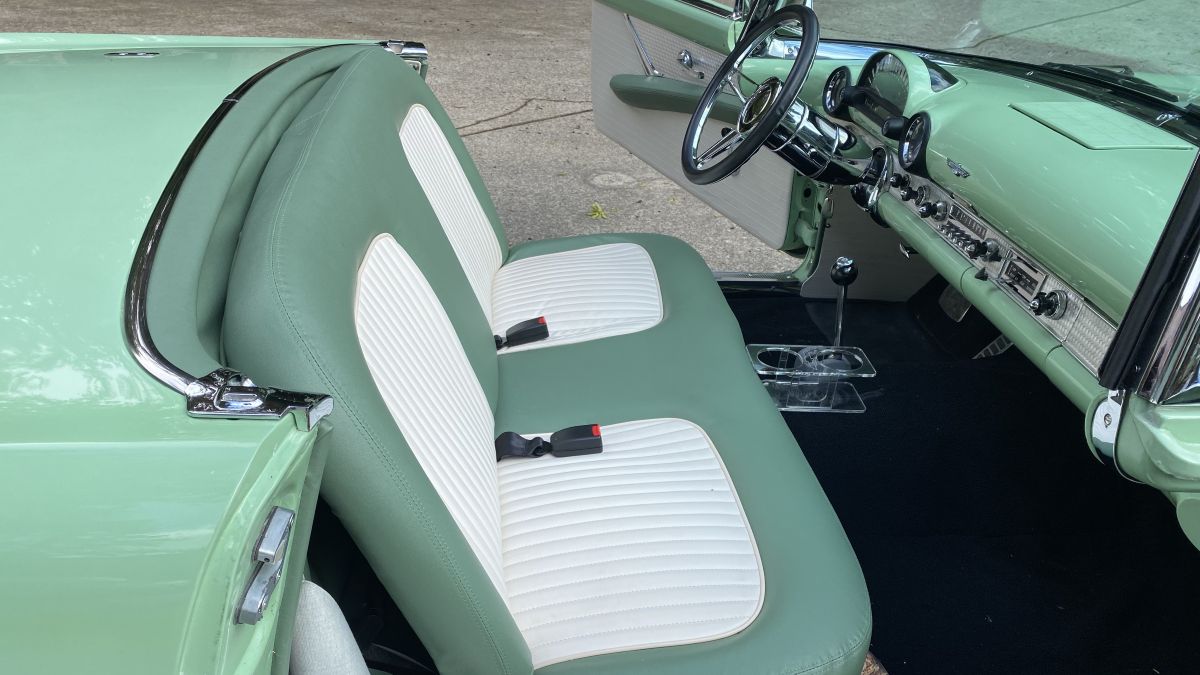
A promotional brochure for the Thunderbird called it “A personal car of distinction,” saying, “No matter what your tastes or what you expect in a car, you’ll find a whole new world of enchantment in the Thunderbird. And the pride of owning such a distinguished automobile is only a small part of this pleasure.” One of the reasons the Thunderbird was so chic and sophisticated was that it initially offered seating for only two people (the car didn’t receive a back seat until 1958). This car’s interior was originally configured in turquoise and white, but it has been color-matched in mint green and white vinyl to align with the exterior. Features include power steering, a tilt steering column, an AM/FM Bluetooth stereo system, a custom steering wheel, and lap belts.
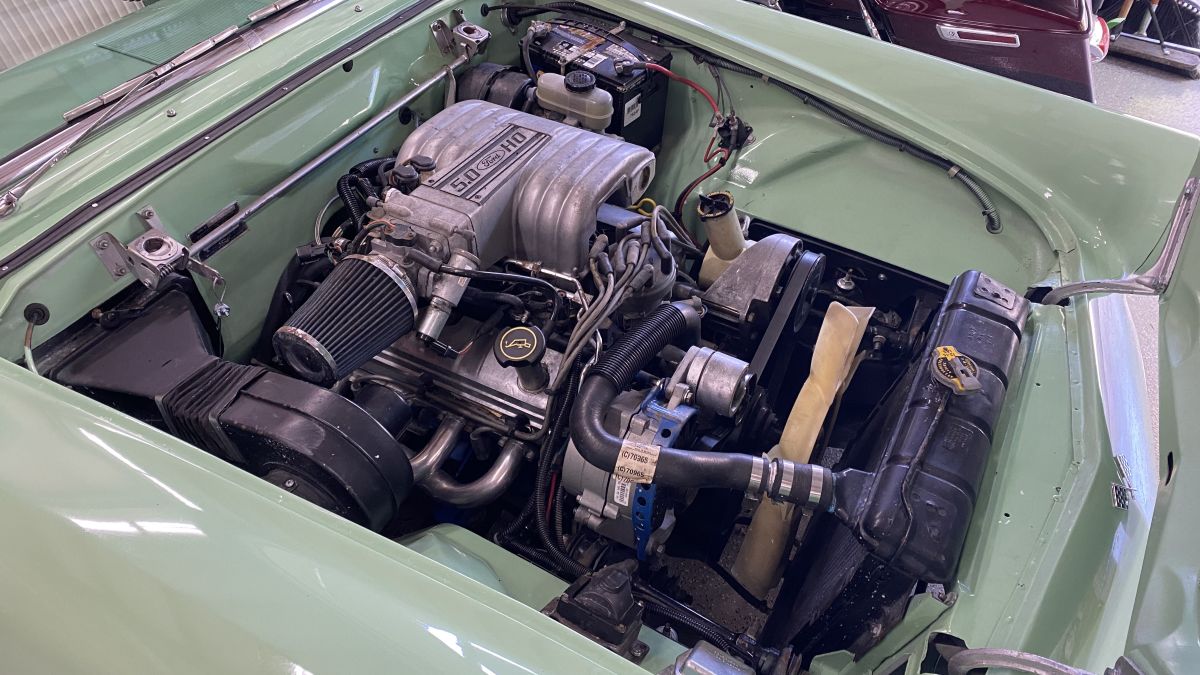
Of course, no restomod is complete without a proper powertrain, so this car was enhanced from its original 292ci V8 to a newer, late-model 5.0-liter High-Output V8. A floor-shifted four-speed automatic transmission sends power to the rear wheels. The car’s odometer shows 28,750 miles, although the title reads mileage-exempt. Front disc brakes have been added for modern convenience and stopping power.

While it may not have been an original color offering from the factory, we must say that mint green gives this Thunderbird a unique look! The fact that the car comes with a high-output V8 is icing on the cake.

The auction for this 1955 Ford Thunderbird Convertible ends on Monday, January 12, 2026, at 12:15 p.m. (MST).

Visit the AutoHunter listing for more information and a photo gallery
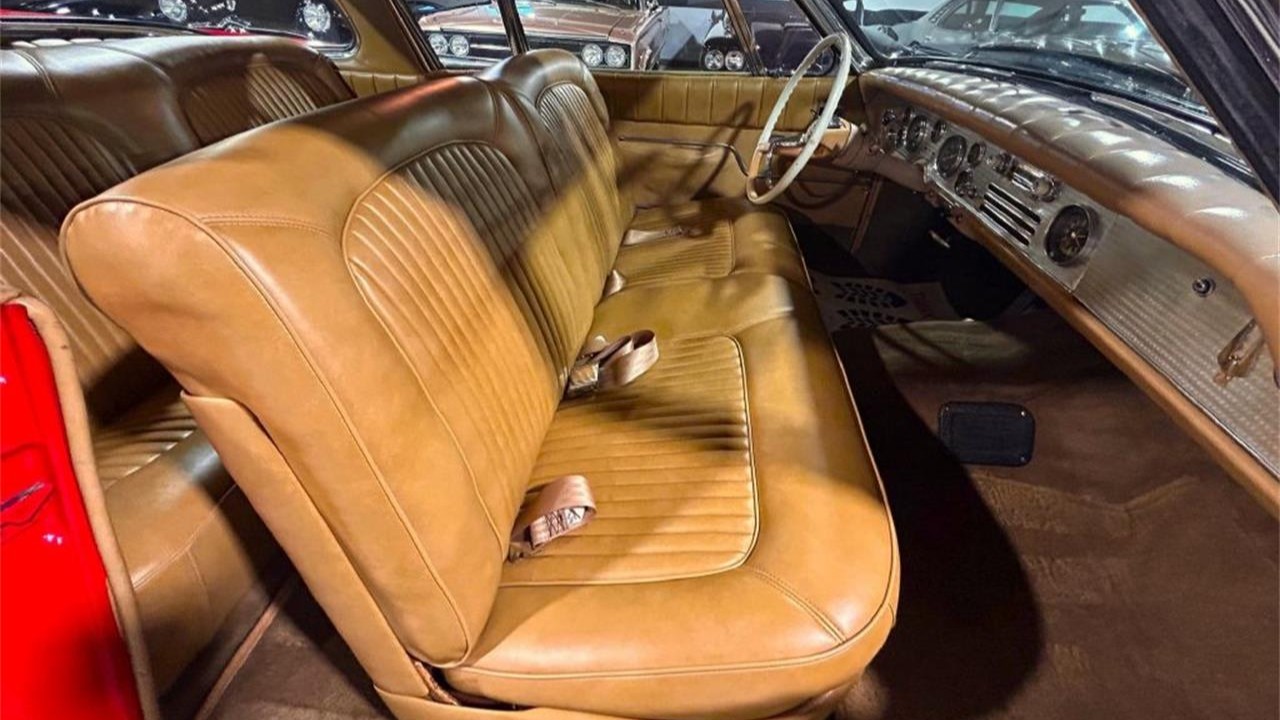
There’s something special about owning the first or the last of a vehicle. In the case of our Pick of the Day, it was a remarkable end of the road for a company that had been producing automobiles since 1899. Although in the final two model years these cars were Studebakers in drag, they were equipped with the best that Studebaker could offer, including a supercharged V8. This 1958 Packard Hawk is listed for sale on ClassicCars.com by a dealership in Sioux City, Iowa.

The gorgeous 1955-56 Packard and Clipper models were chock-full of fine engineering that should have helped turn the company around, but it was too little, too late. These cars gave way to the 1957 “Packardbakers,” as the corporation was bleeding money. These cleverly badge-engineered, upper-medium-class cars featured fancy interiors and standard supercharging, something unusual at the time. This would lead to something new and special for 1958: the Packard Hawk.

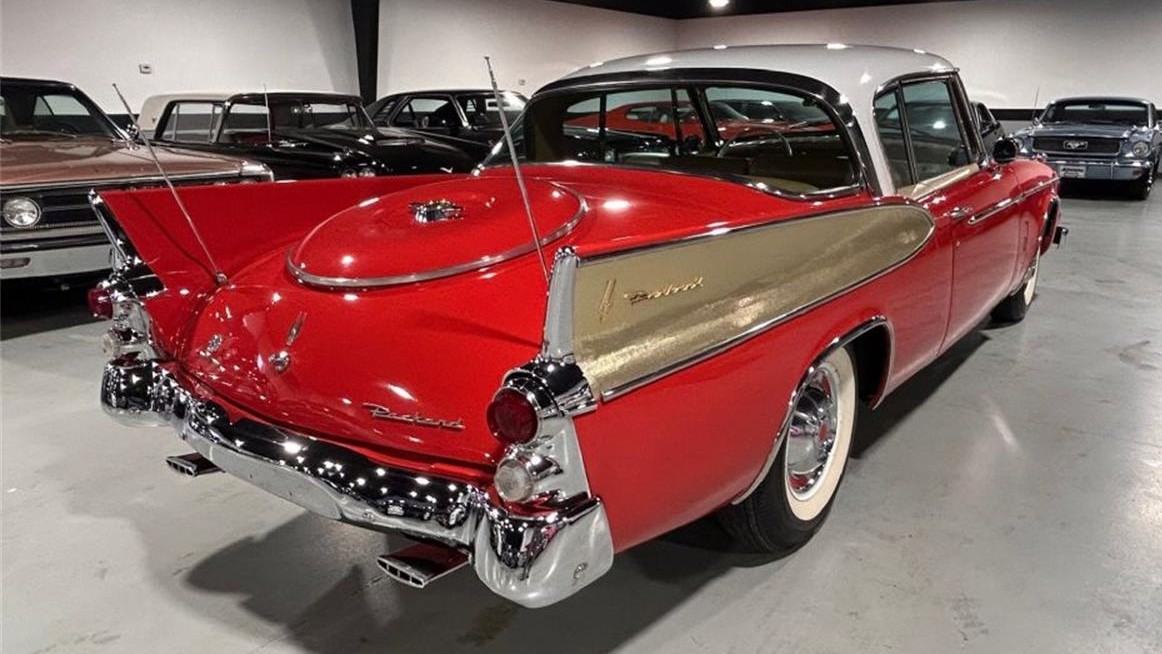
Based on the Studebaker Golden Hawk, the Packard Hawk was a fancier version of the Studebaker including a luxurious leather interior that even included the dash pad. Fiberglass was used on the nose, and a modified trunk lid with a faux spare tire gave it distinction, while the McCullough-fed 289 gave it performance unseen in previous Packards. Yes, the 1958 Thunderbird often wins accolades for being the first personal luxury car, but very good arguments can be made that the Packard Hawk (and others, going back to the 1955 Studebaker President Speedster) were part of this burgeoning trend before the “Squarebird.”

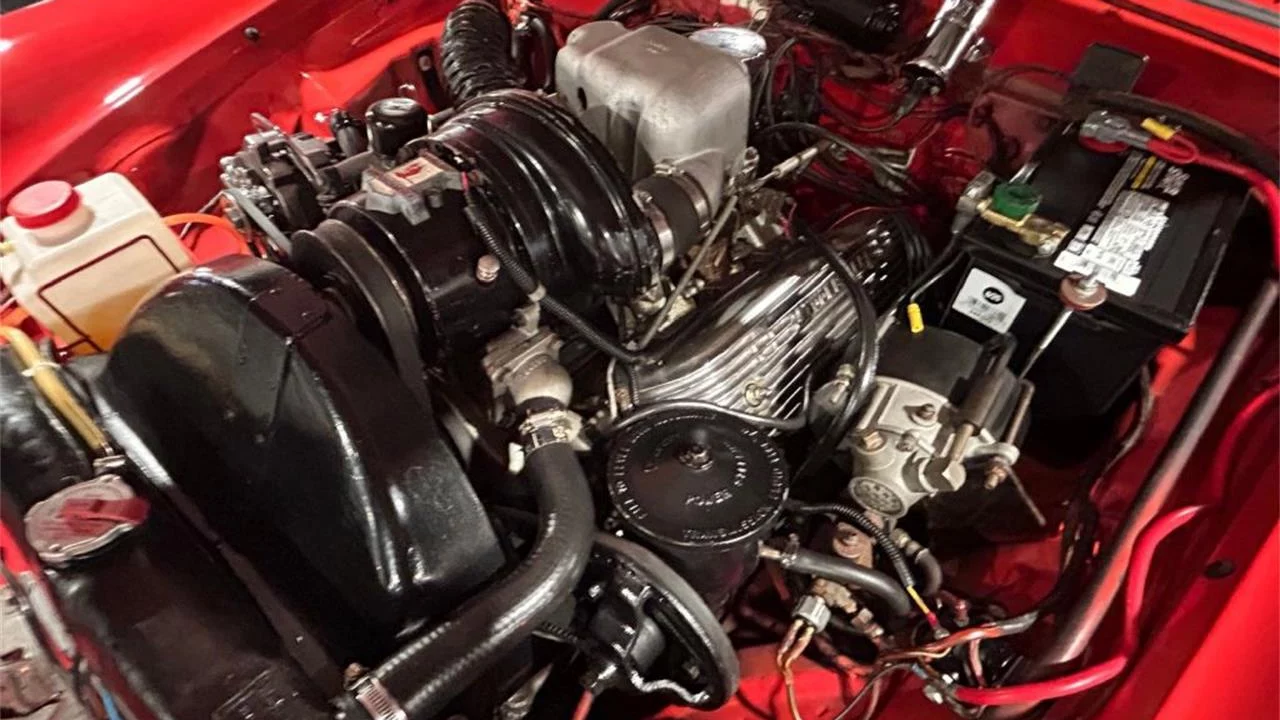
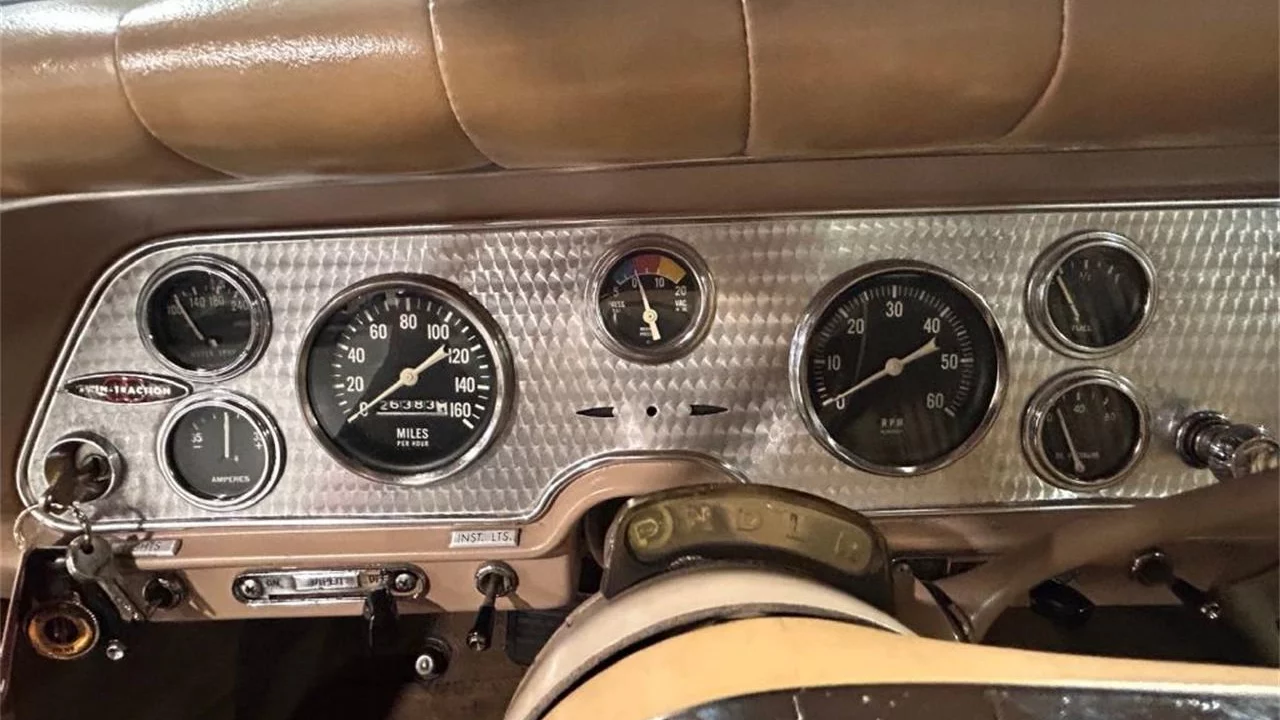
The uniqueness of this sleek coupe is perfectly represented by this beautiful, Parade Red and Parchment White 1958 Packard Hawk. The hues are complemented by gold Mylar trim along the fins that match the tan leather cabin with nylon loop carpeting. The engine-turned aluminum instrument panel is fitted with race-inspired Stewart-Warner instruments. Take a peek at the 275-horsepower 289ci V8 and you’ll notice the McCullough supercharger. Like most Hawks, a Borg-Warner Flight-O-Matic automatic handles shifting duties. “It’s just hard to find fault cosmetically or mechanically. Inside, outside. top and bottom no bad news,” says the seller. “It drives as good as it looks.”

A copy of the window sticker shows this Packard had an MSRP of $4631.49 from a dealership in San Bernardino, California. To take it home from Sioux City, you’ll have to shell out $59,800 for this gilded personal luxury coupe.

Click here to view this Pick of the Day on ClassicCars.com

This street-rod pickup was built by the seller in 2025 using a 1947 Ford body mounted to a 1982 Chevrolet S-10 chassis. Power is provided by a 355ci V8 linked to a TH350 three-speed automatic transmission and a 10-bolt rear end, and modifications include an Edelbrock intake manifold and carburetor, double-hump cylinder heads, an HEI distributor, and a dual exhaust system with coated headers and electric cutouts. The body was repainted in maroon during the build, and the bed has been modified with a raised steel floor, a roll pan, quad tear-drop taillights, and a front-mounted fuel tank. The chassis has independent front suspension, power steering, and power-assisted front disc brakes, and the 20″ Ridler wheels are mounted with staggered radial tires. Inside, a pair of bolstered bucket seats are trimmed in red and black and accompanied by a Lokar shifter, aftermarket gauges, and a marine-style stereo unit with Bluetooth connectivity. This custom pickup is now offered with a New Hampshire registration document.

The body was refinished in Maroon under current ownership, and the bumpers have been painted silver. The bed has been customized with a raised steel floor, a roll pan, quad tear-drop taillights, a front-mounted fuel tank, and a removable trunk as well as wood side boards. Additional equipment includes fiberglass running boards, dual side mirrors, front fender-mounted marker lamps, quad heart-shaped exhaust tips, and LED headlights with chrome visors.

The S-10 chassis features independent front suspension, power steering, and power-assisted front disc and rear drum brakes. The seller notes the power steering pump and brake booster were replaced during the 2025 build. Ridler 20″ alloy wheels are wrapped in Arroyo Grand Sport A/S tires.

The cab houses a pair of aftermarket bolstered bucket seats trimmed in black with red diamond-stitched inserts. A wooden dash panel is installed along with a Lokar shifter, dash-mounted cupholders, and a marine-style stereo with Bluetooth connectivity. A collage of license plates covers the inside of the roof panel.

A Sea Ray boat-sourced steering wheel frames a set of aftermarket gauges consisting of a 120-mph speedometer and readouts for fuel level, amperage, oil pressure, and voltage. The speedometer and fuel-level gauge do not work. One mile is shown on the odometer, and total mileage is unknown.

The Chevrolet 350ci V8 was reportedly bored to displace 355ci, and is equipped with an Edelbrock intake manifold, a gold-anodized Edelbrock four-barrel carburetor, double-hump cylinder heads, and an HEI distributor. The seller states a Howards Cams flat-tappet camshaft is also installed, and a radiator fan shroud has been fabricated from license plates. Purple LED lights are affixed under the hood.

Power is sent to the rear wheels through a TH350 three-speed automatic transmission and a 10-bolt rear end. Coated headers feed into a dual exhaust system with electric cutouts on each side.

The Carfax report for the S-10 pickup is displayed in the gallery and indicates no accidents or damage with one record from Massachusetts in 1991.

The truck is being offered on its New Hampshire registration, which serves as the ownership document for a vehicle of its age. It is registered as a 1982 Chevrolet pickup with the VIN sequence 1GCCS14B9C2145264.

The planets may have aligned with the 1964 GTO, but Pontiac’s performance lineage began before the GTO with high-performance Catalinas, Bonnevilles, and Grand Prixs (with an occasional Star Chief). However, a GTO-themed full-sizer didn’t come out until 1965. Several of these models were on full display at the 2025 Muscle Cars and Corvette Nationals.

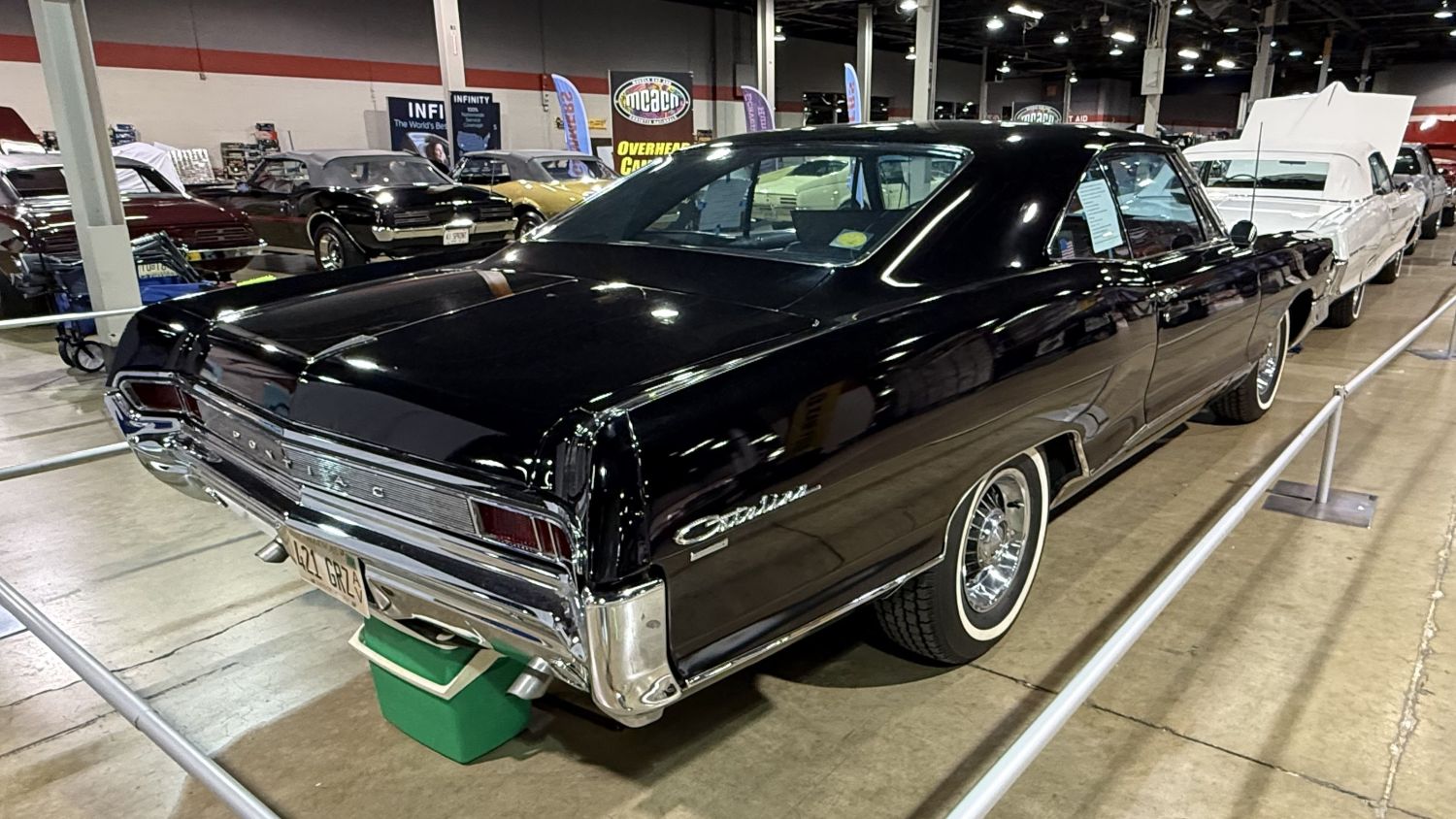
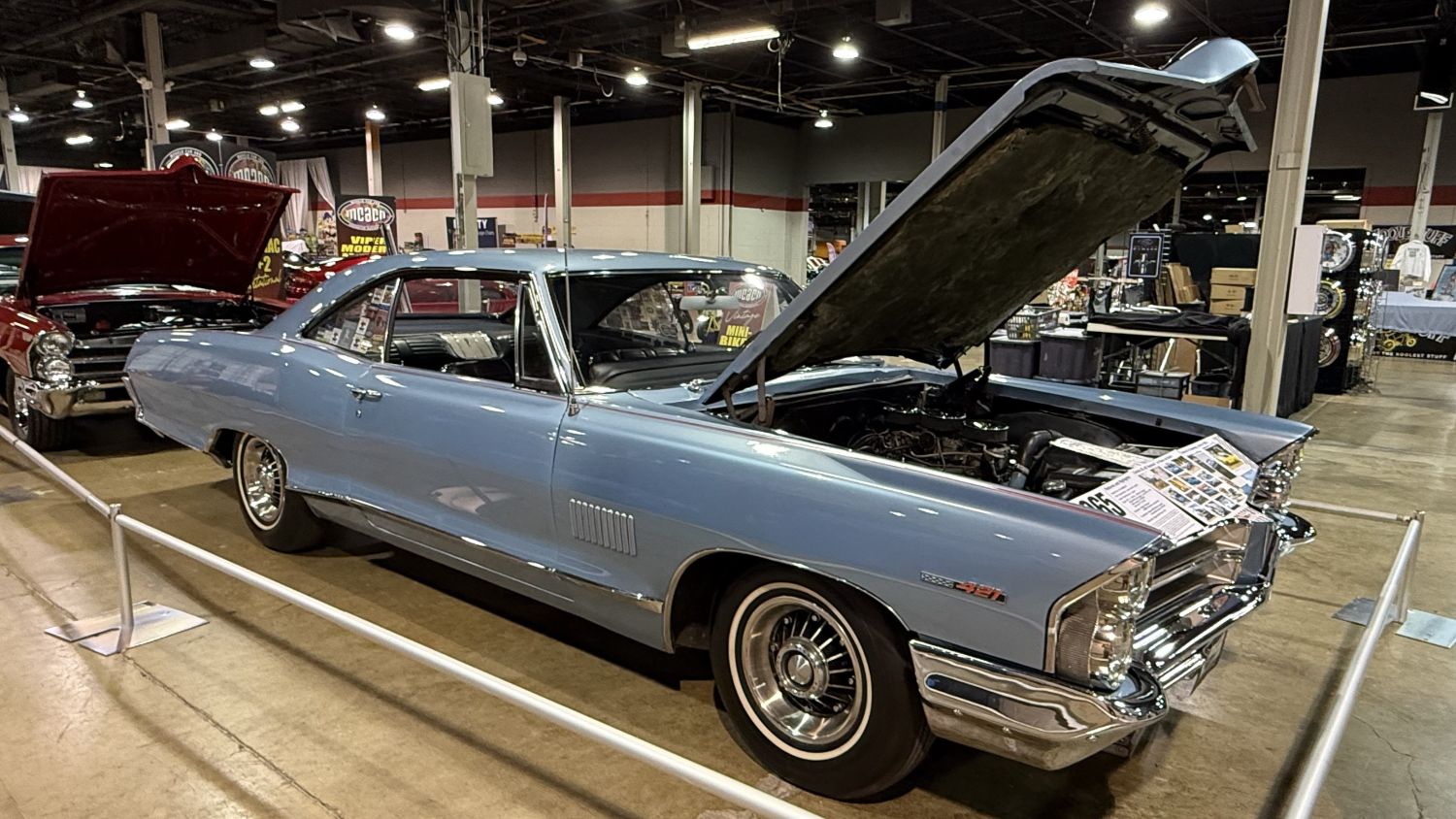
This 1965 Catalina Ventura has the 421 HO, a four-speed, and 72,000 miles. Mr. Zielinski ordered it on August 15, 1964 from Peter Epstein Pontiac in Skokie, Illinois. The trunk, roof, and hood have original paint; the sides were repainted in 2016.

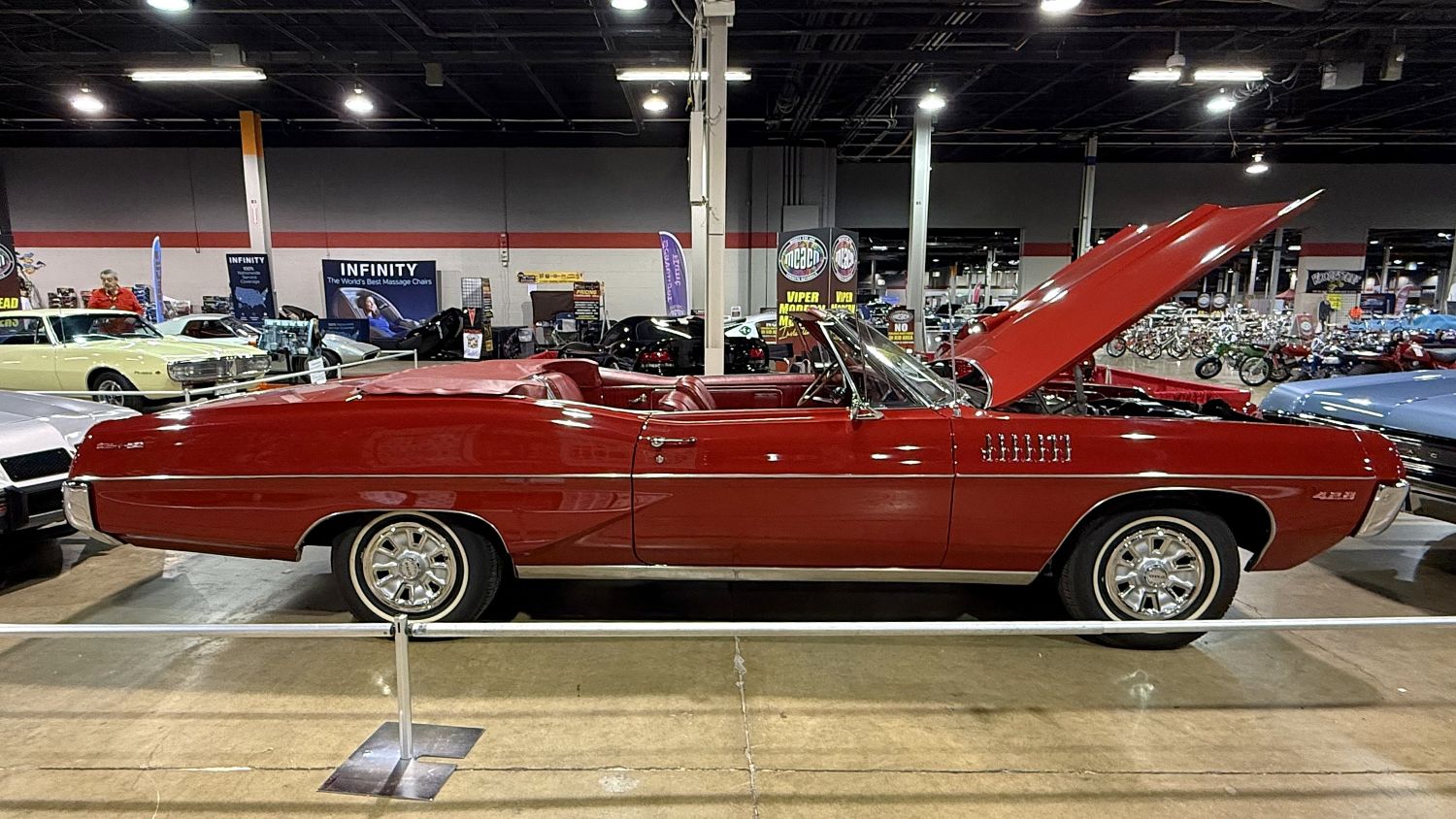
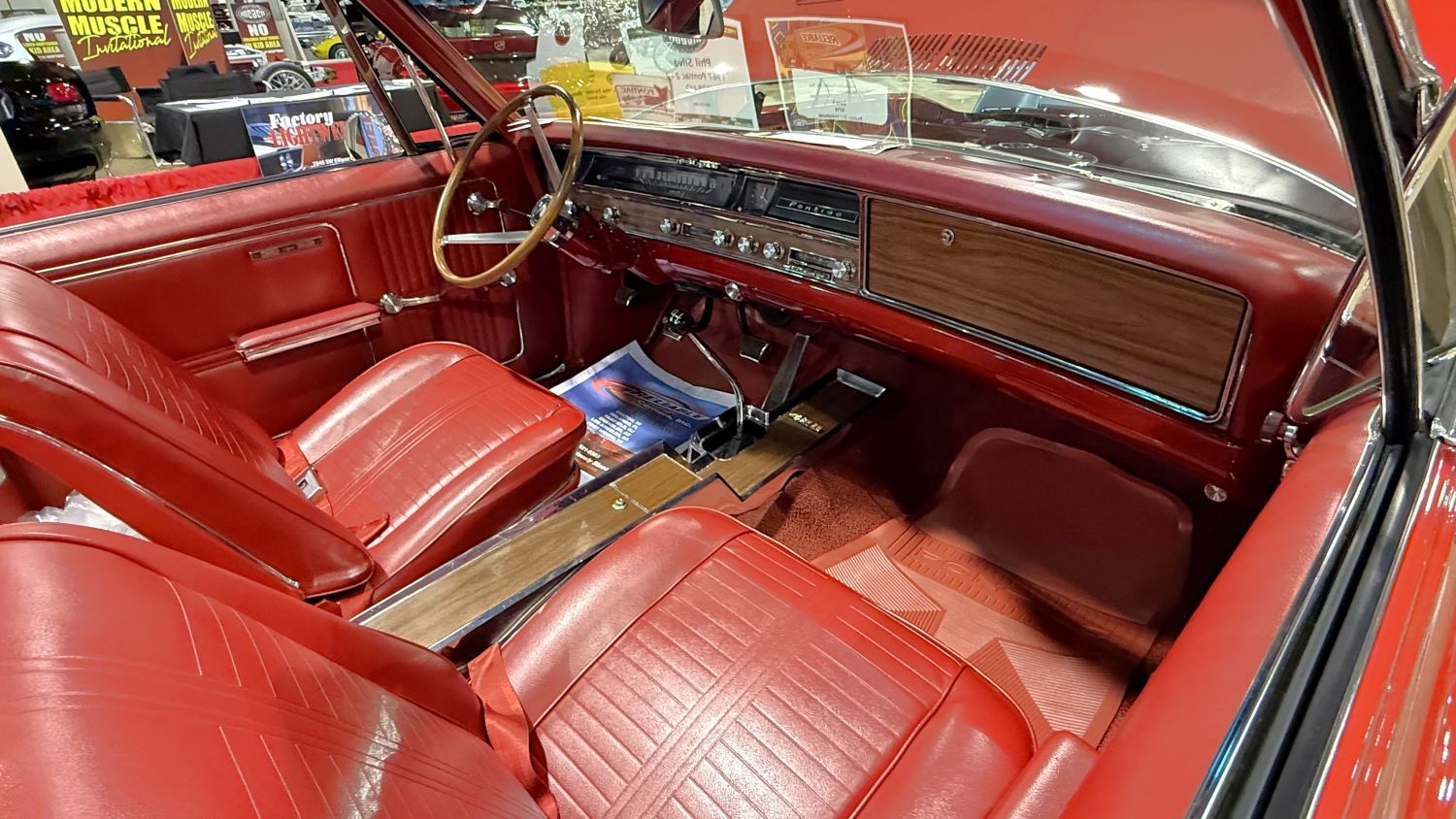
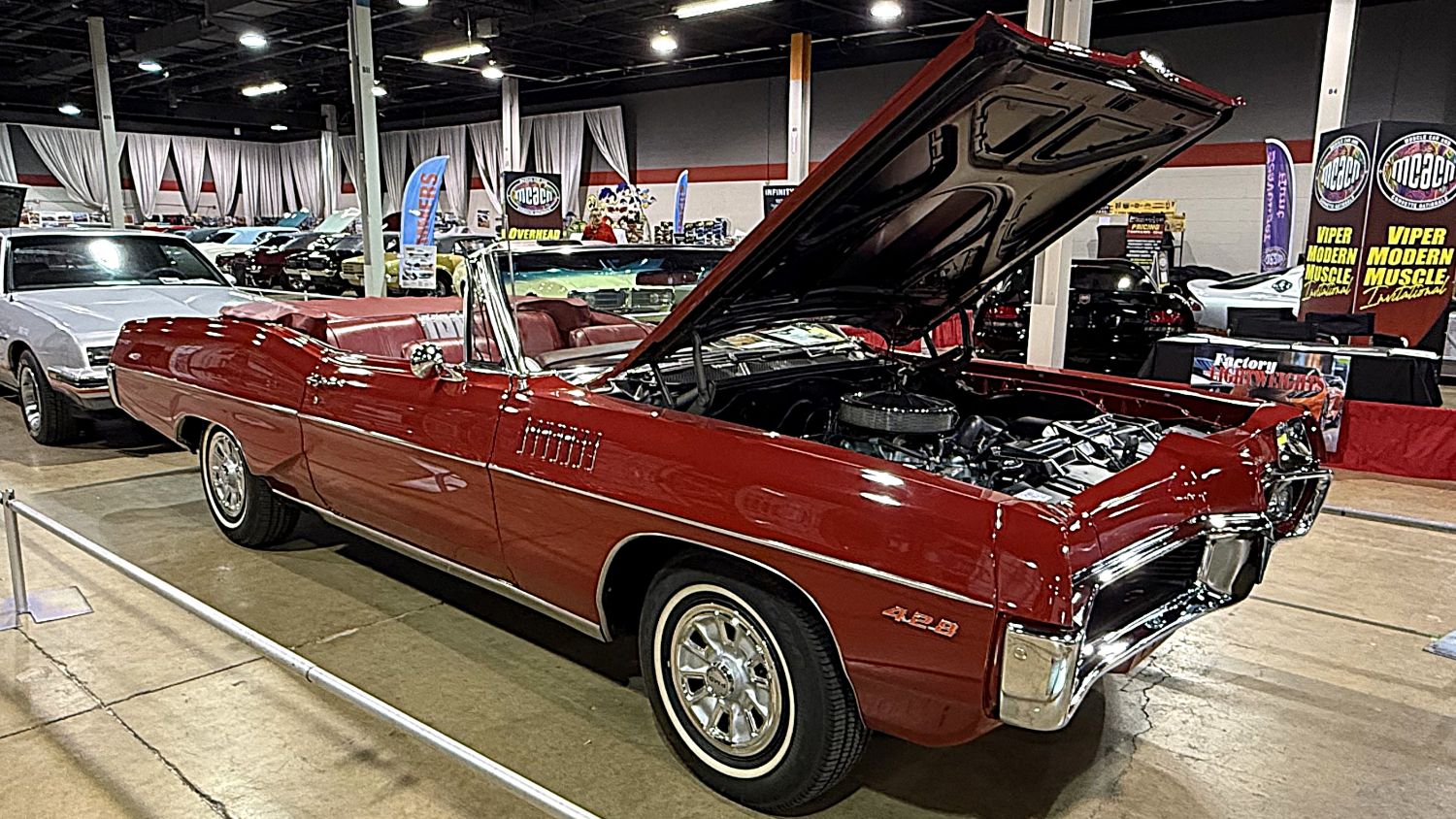
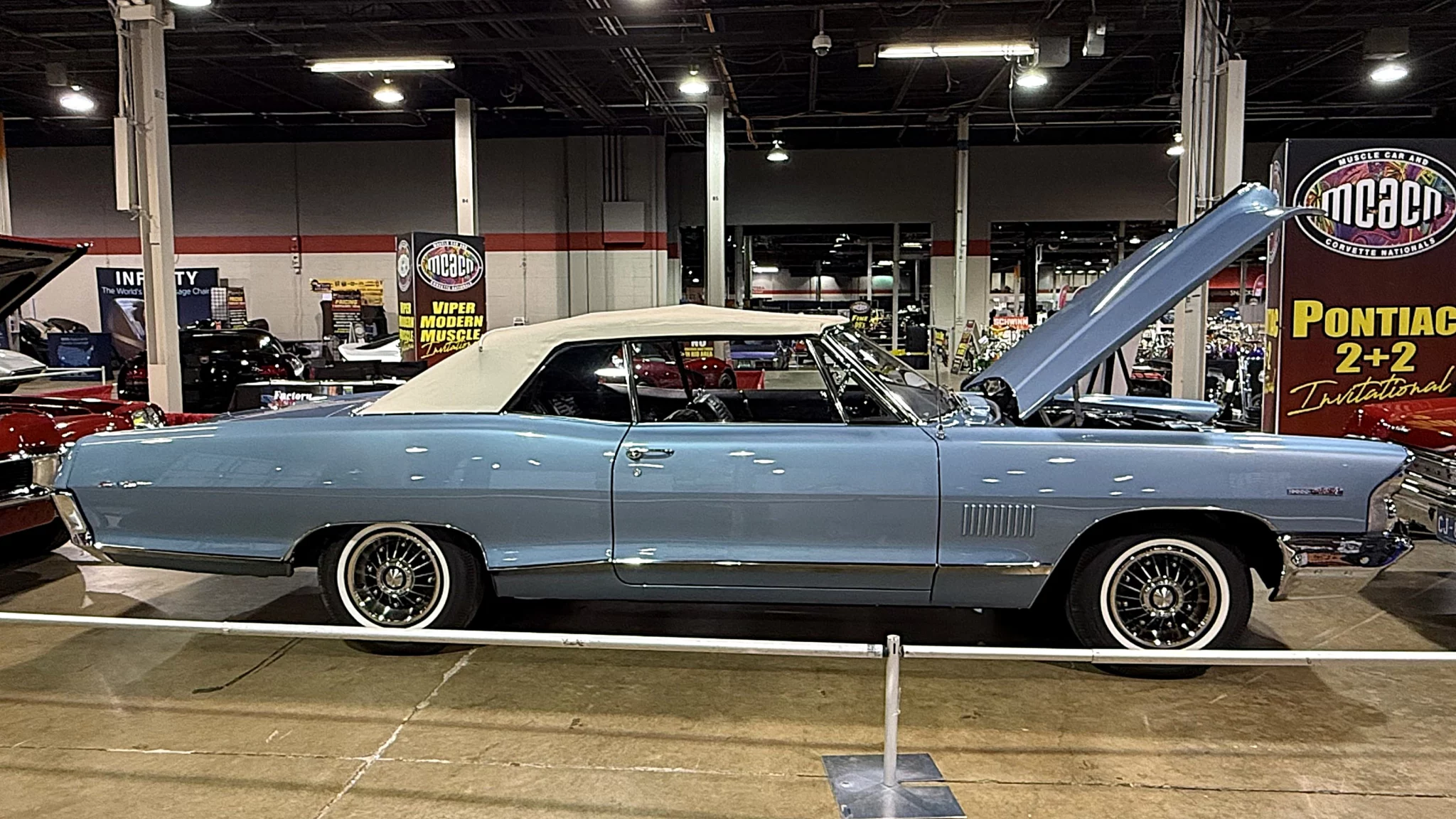
This car, of course, was another piece of Ferrari-inspired trolling (if we want to use a modern word) called the Pontiac 2+2. Initially a trim package for 1964 (which included bucket seats and a console), the 2+2 became a performance package (code W51) for the 1965 Catalina using the GTO’s formula of a standard big engine (in this case, a 421), floor-mounted three-speed manual, and special trim that distinguished it from run-of-the-mill Catalinas. Two Tri-Power options were available through 1966, the year the 2+2 became its own model. For the redesigned 1967 Pontiac, the 2+2 reverted to a performance package, now with a standard 428 four-barrel or optional 428 HO.

1967 Pontiac 2+2 convertible

2+2s have been somewhat enigmatic because production numbers are not known by body style for 1965-66; thanks to the GM Heritage Center, we know that only 280 convertibles were built in 1967, though we don’t exactly know the engine distribution. Nevertheless, 2+2s can be either relatively easy to find or difficult to figure out.

1967 Pontiac 2+2 convertible

At MCACN, the Pontiac 2+2 Invitational featured several of its namesake, plus a 421-powered Bonneville and Catalina Ventura (as seen above)—in the hands of the original owner, no less! And if you’re into Canadian 2+2s (a different breed, much like the ‘64), be sure to check out our coverage of Maple Leaf Muscle!

Note the interesting split fascia of the headlights and grille on this 1967 2+2.
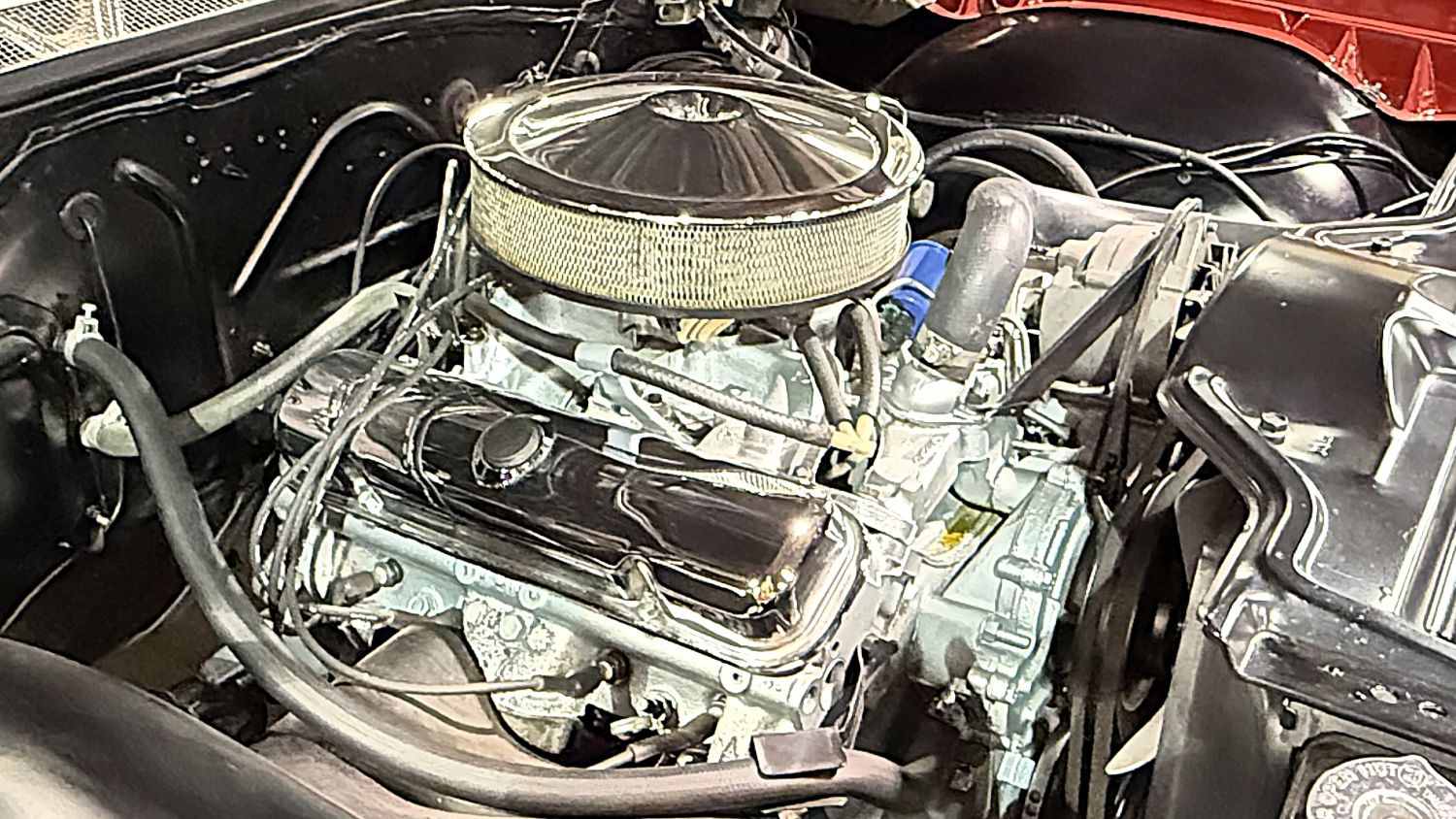
The 428 HO in this 1967 2+2 was rated at 376 horsepower.
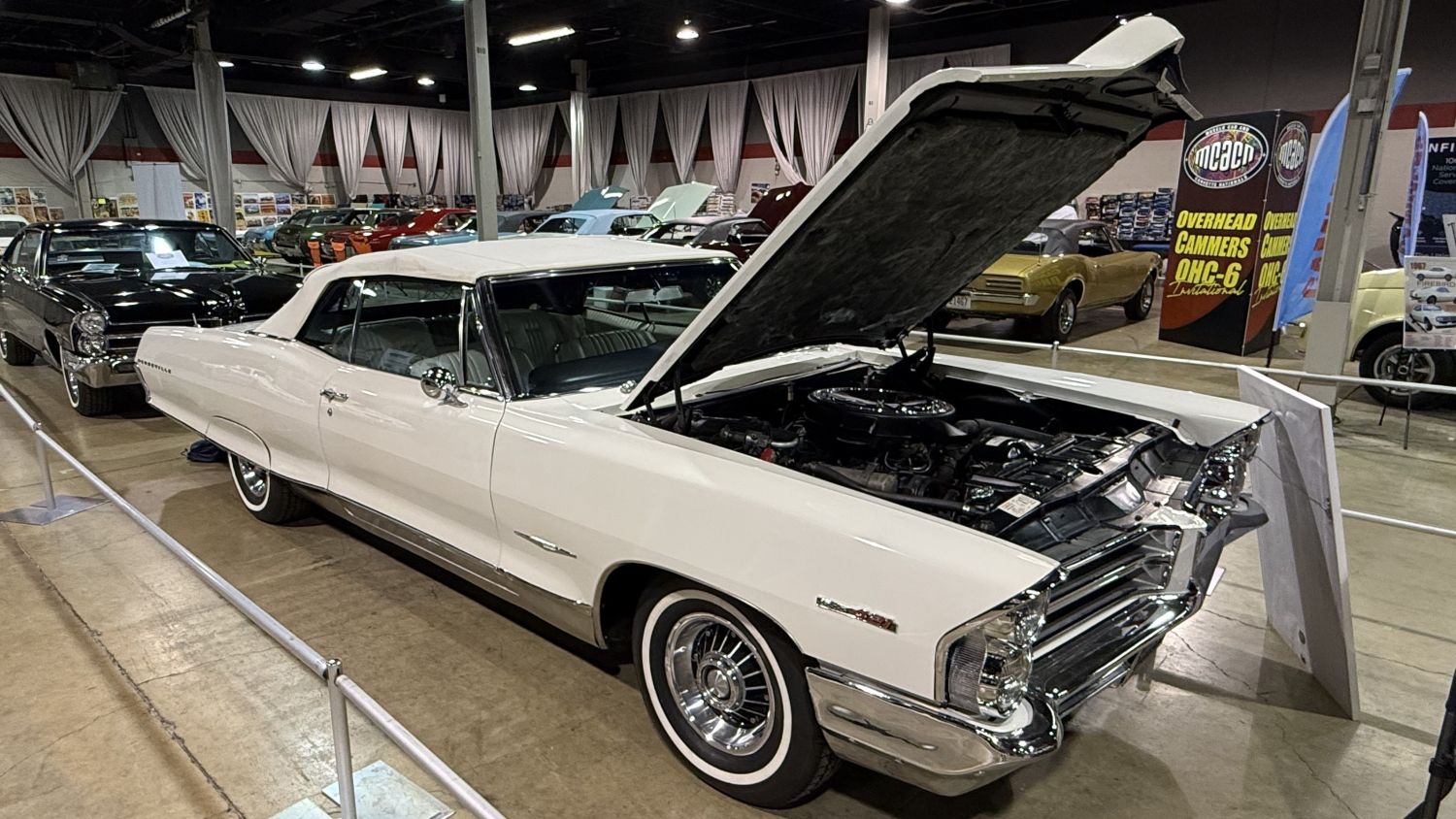
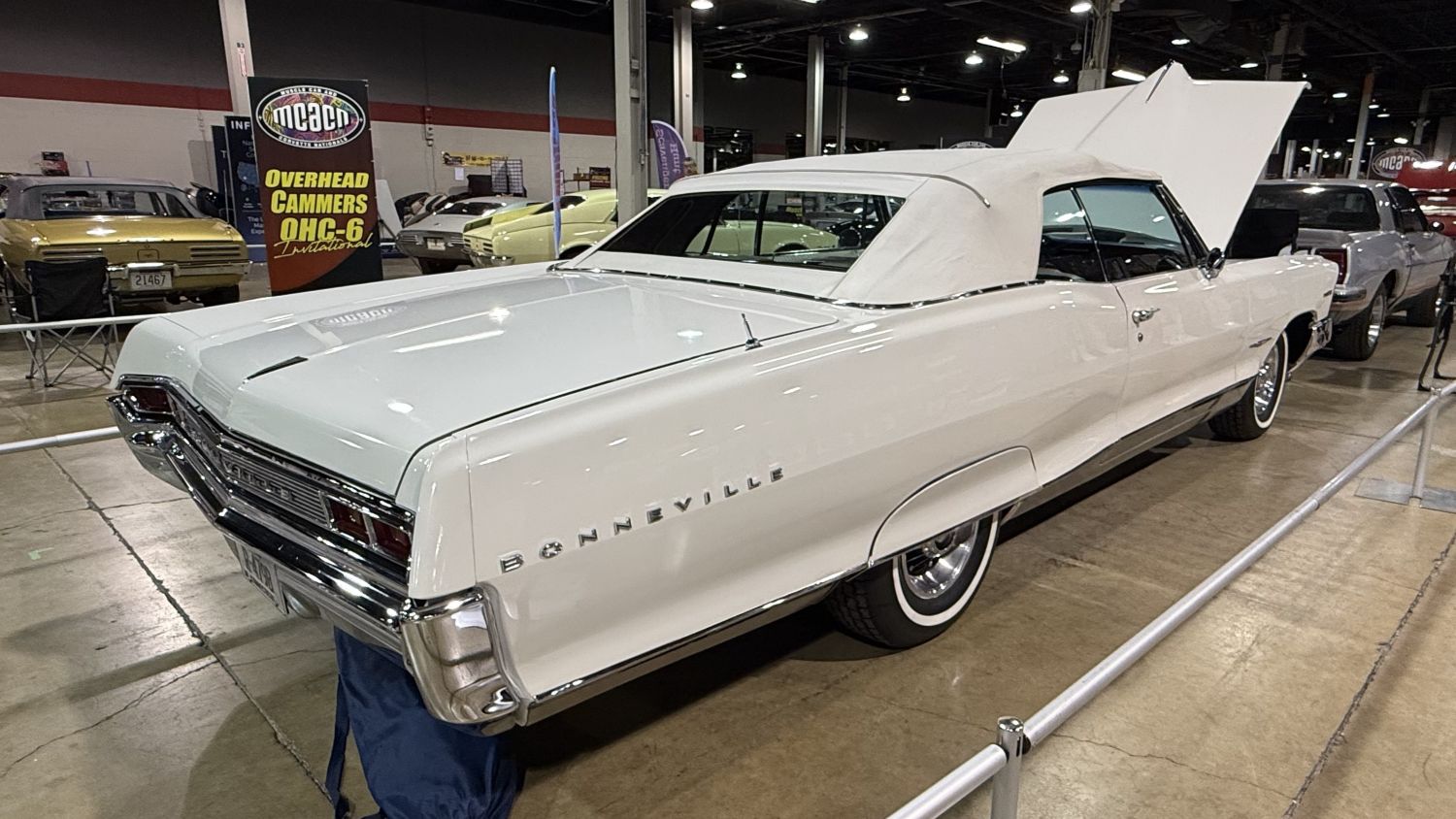
Triple-white 1965 Bonneville with 421 power.
Aside from the longer wheelbase, the Bonneville featured an extended trunk.
The 1965 2+2 package included front fender louvers.
Note the Tri-Power and Hurst wheels on this ’65.
11,521 2+2s were built in 1965, but it’s unknown how many of those were convertibles.

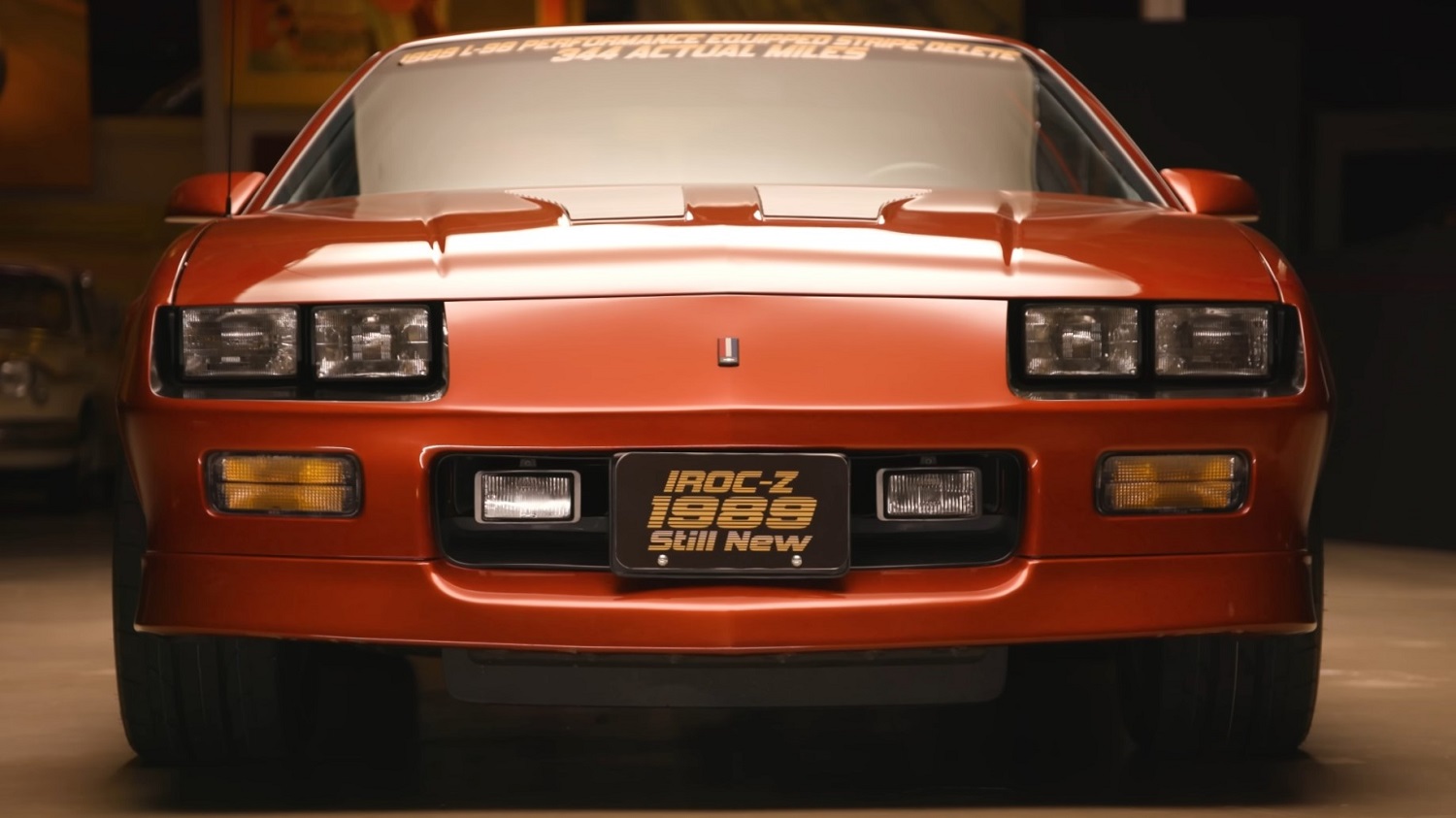
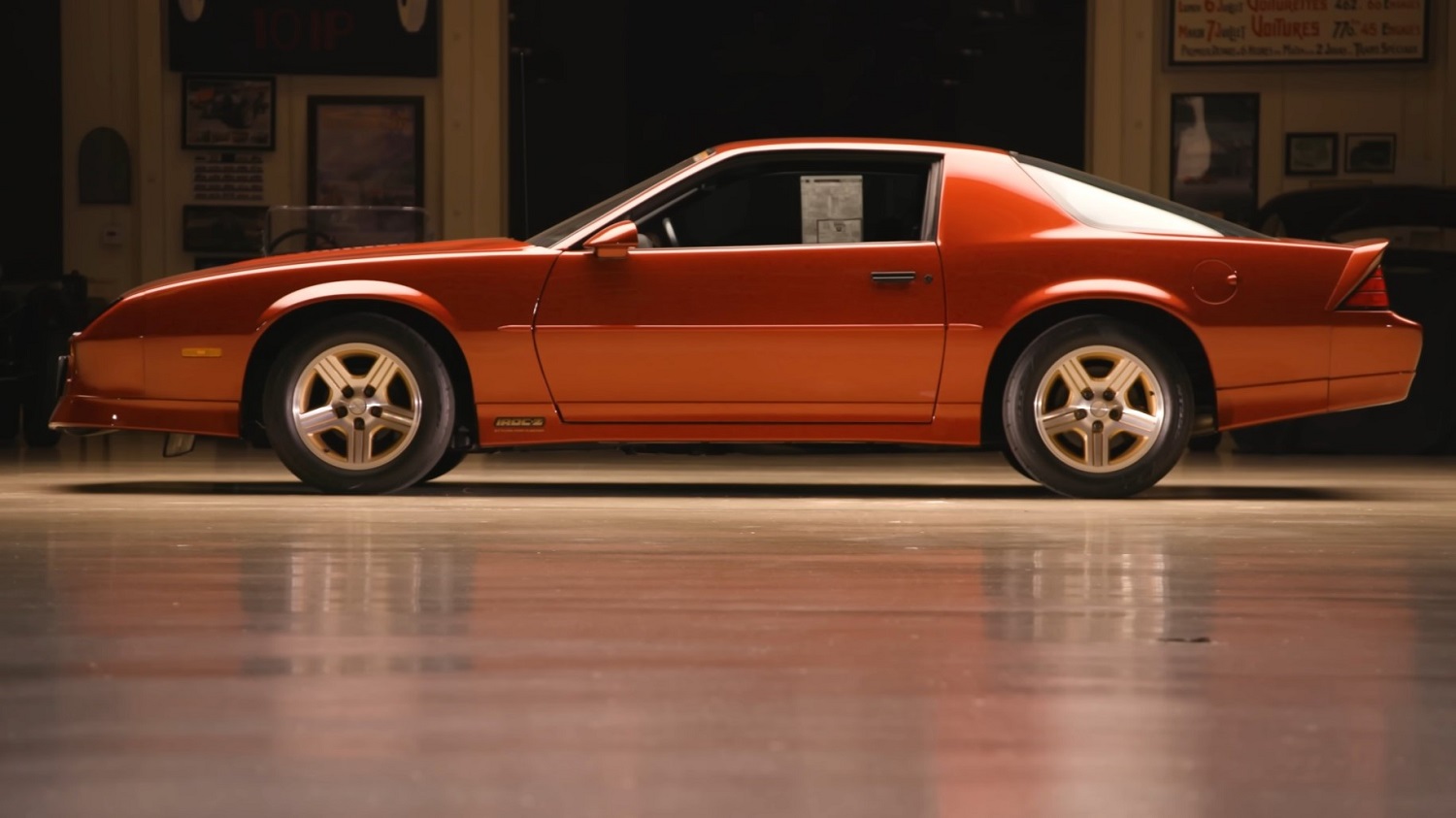
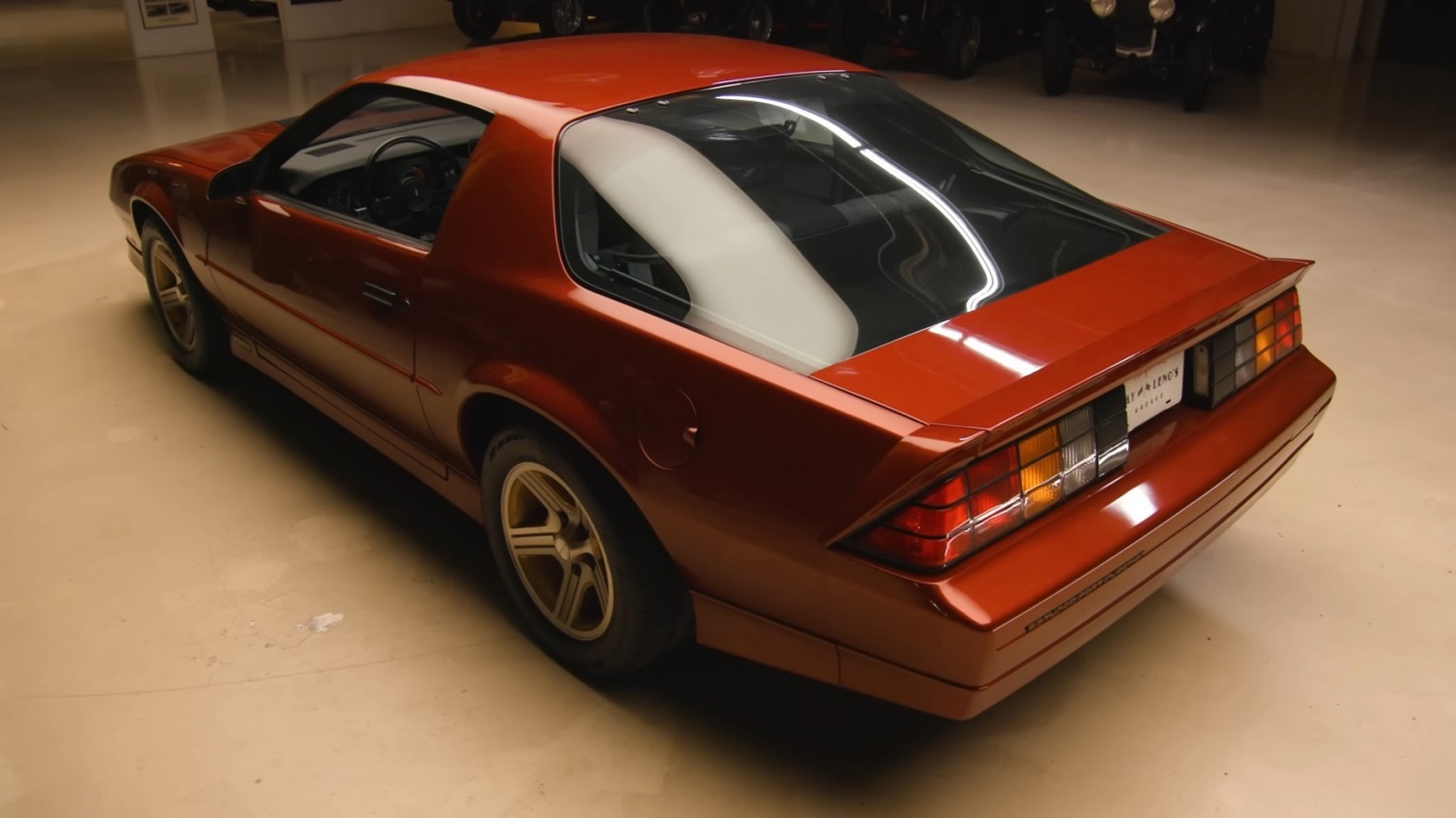
If you’ve paid attention to the collector car market, you’ve probably noticed that people are willing to throw money at certain low-mileage cars. Comedian Gabriel “Fluffy” Iglesias is one of those buyers. He previously showed up to Jay Leno’s garage with a sub-1,000-mile 1996 Chevrolet Impala SS; this time, he brought a 400-mile 1989 Chevrolet Camaro IROC-Z.

Named after the International Race of Champions, which pitted drivers from NASCAR, IndyCar, Formula 1, and sports car racing against each other, the Camaro IROC-Z debuted in 1985 as “The Ultimate Z28.” The range-topping performance model came equipped with ground effects, hood louvers, special badges, modified MacPherson strut front suspension (with more caster for better steering response), Delco/Bilstein shocks, and a larger-diameter rear stabilizer bar.

Iglesias’ IROC-Z comes from late in the variant’s production run, which ended with the 1990 model year. The story goes that it was originally sold by a dealership in Ohio, purchased from a collector last year, then bought by Iglesias. Like many well-heeled enthusiasts, he has a thing for buying the cars he wanted when he was a kid—and thanks to his successful stand-up career, he also has the money to afford his nostalgic hobby.

Even though Iglesias pined for this angular beast, he wasn’t aware it came in this attractive color known as Dark Red Metallic. Unlike many IROC-Zs, his is a “stripe-delete” car that lacks the door graphics, which somewhat tones down this racing-inspired machine’s appearance.

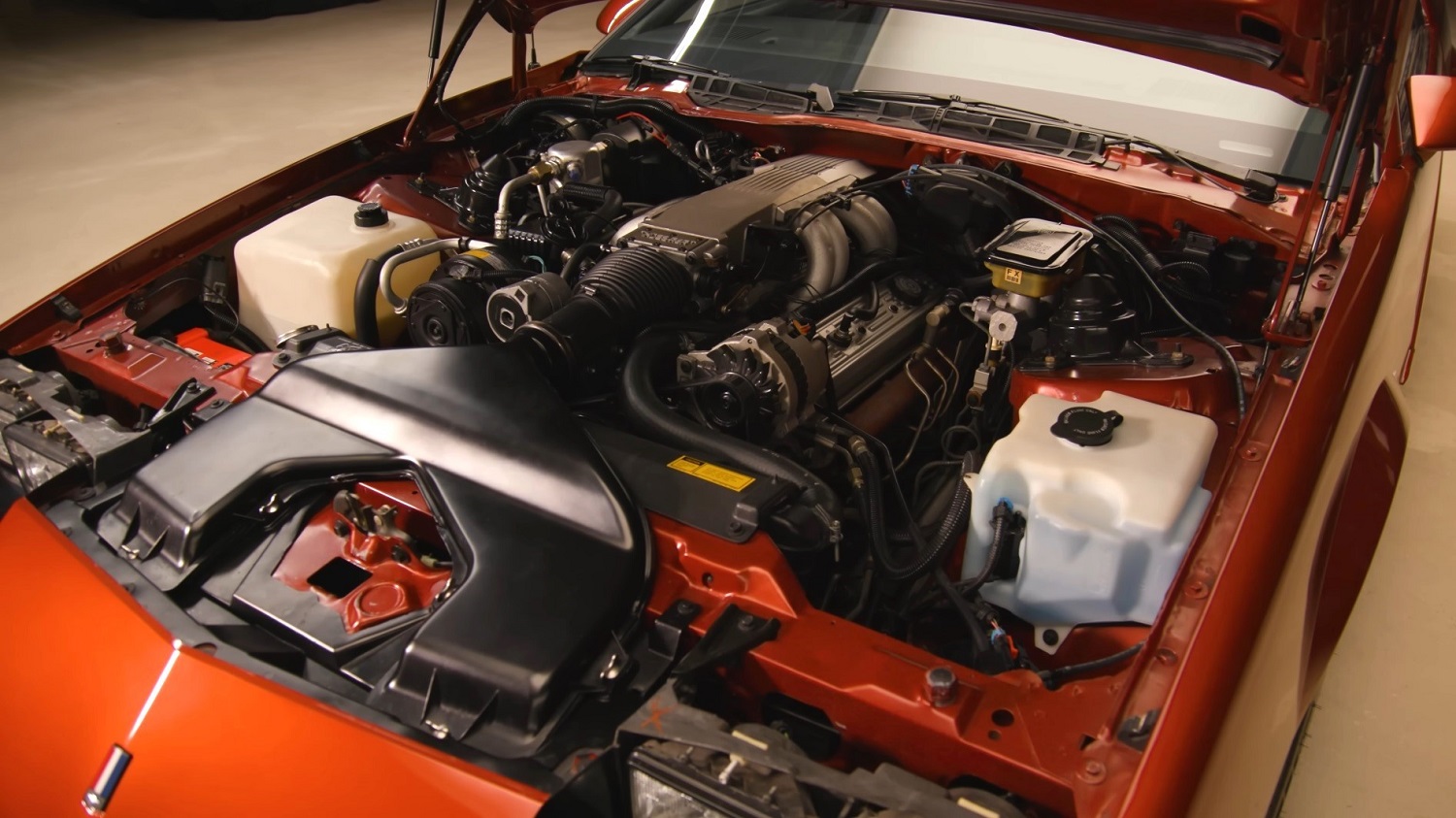
Another thing this Camaro doesn’t have? Its original Goodyear Eagle tires, which would be dangerously old by now. That’s okay because Iglesias intends to drive the newest addition to his collection. But before he can add more miles to it, Leno takes it out for a spin and ends up breaking it in with his right foot, each deep push forcing out a throaty roar from the 230-horsepower, fuel-injected 5.7-liter V8.

There are two ways of looking at putting miles on a time-capsule car like this. One is that it’s sacrilege to drive it and ruin its pristine condition. The other is that cars are meant to be enjoyed as transportation, not stationary artifacts. The only person whose opinion truly matters when it comes to this third-gen Camaro is Iglesias—it’s his car and he’s decided he’s going to drive it. It’s hard to argue with that.

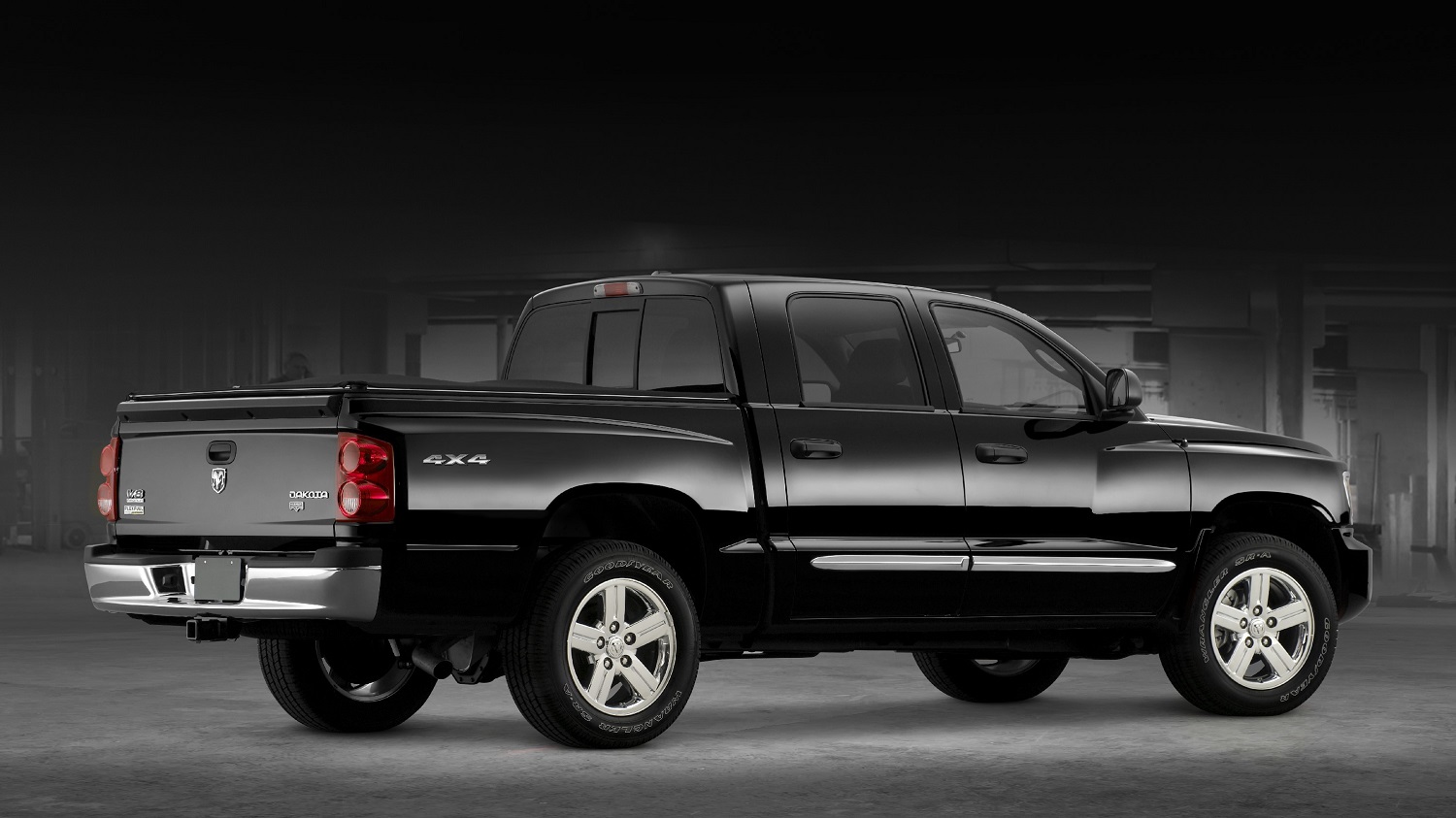
The Dodge Dakota pickup has been beyond dead since the end of the 2011 model year. Even if a new version of the Dakota were out right now, it wouldn’t wear a Dodge badge because the company doesn’t build trucks since Ram was spun off as a standalone brand back in 2009. And there currently is no such thing as a Ram midsizer, but not for long—reports show that an all-new Ram Dakota is coming in 2027.

2011 Dodge Dakota

According to Motor Trend, after Ram CEO Tim Kuniskis announced the brand’s upcoming vehicles, he stated during a Q&A session, “We don’t have a volume trim $40,000 truck. The only way we’ll ever get back to the $40,000 price point [again is with a] midsize truck. And you all heard the announcement that Antonio [Filosa, Stellantis CEO] made. We’re investing $13 billion into the U.S. One of the things that we’re investing that is to bring a midsize truck. Will it be called the Dakota? I guess is the answer there … yeah.”

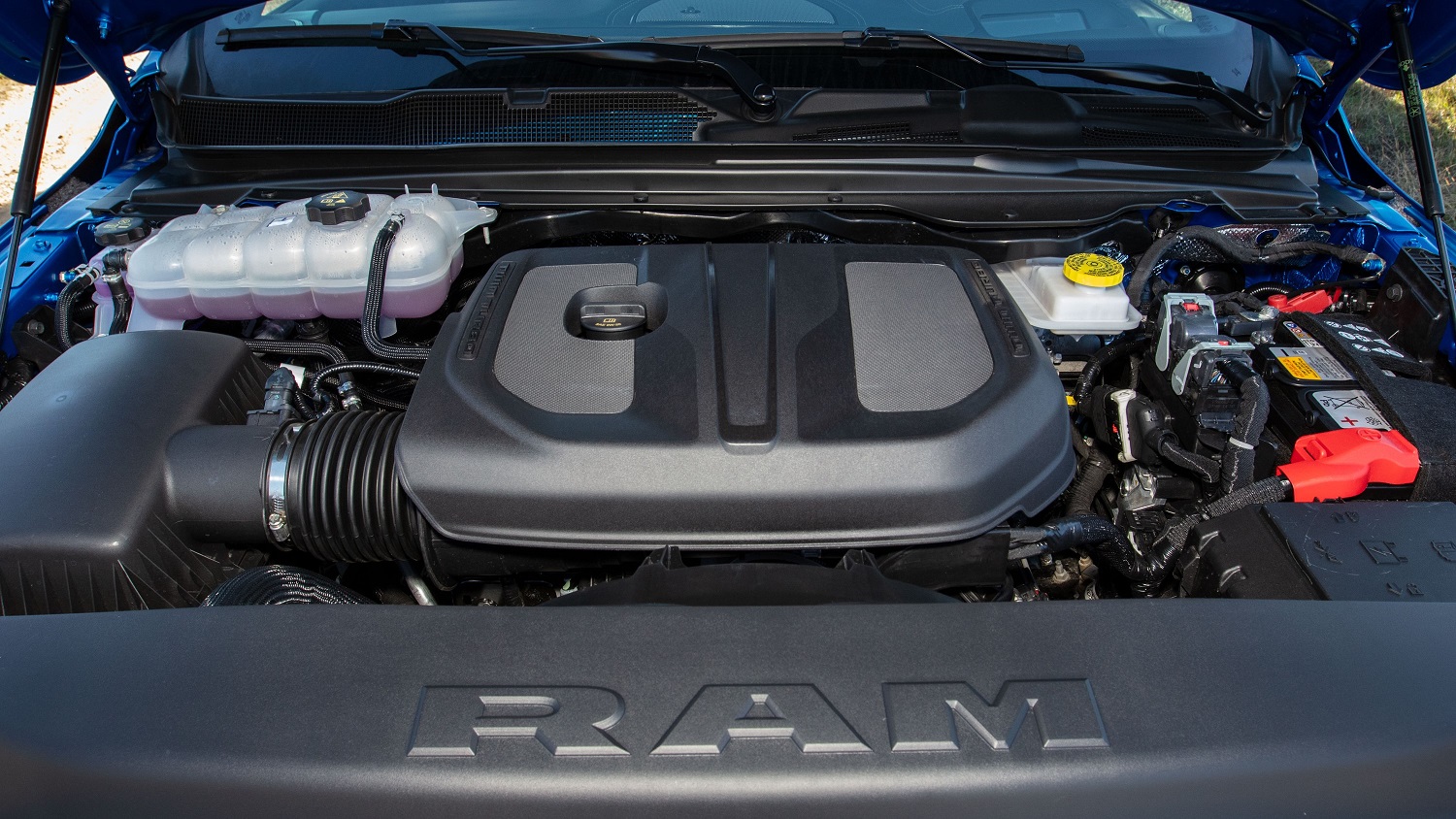
2025 Ram 1500 Rebel’s Hurricane twin-turbo I6

Like the midsize trucks from Toyota, Nissan, Chevrolet, GMC, and Jeep, the Ram Dakota will be a body-on-frame rig. Expect the choice of ICE and hybrid power plants—and don’t be surprised if a reconfigured Hurricane twin-turbo 3.0-liter I6, 2026 Cherokee’s 1.6-liter turbo I4 hybrid setup, or 2026 Grand Cherokee’s Hurricane 2.0-liter turbo I4 makes that list. We won’t be shocked if the Dakota is eventually offered in Rebel or RHO or TRX trim to compete with the Toyota Tacoma TRD Pro and Chevrolet Colorado ZR2 high-performance off-roaders.

The all-new Dakota will be produced at Ram’s Belvidere, Illinois assembly plant starting in 2027, which means it may a 2028 model when it rolls into dealerships. It’s way too early for official pricing, but Car and Driver expects the Dakota to start at around $35,000 and reach as high as $48,000, depending on the trim level and options selected.

Happy New Year! This group of vehicles currently listed for sale on AutoHunter or ClassicCars.com have one thing in common. Can you tell us what it is? Can you also tell us the year, make, and model of each?

Write your answers in the Comments section below. If you give up, you can click on an image to find the answer.

Click on a photo to reveal each car

It may be 2026 now, but nothing’s changed at The ClassicCars.com Journal—Tuesday means puzzle fun! For even more fun, check out past games.

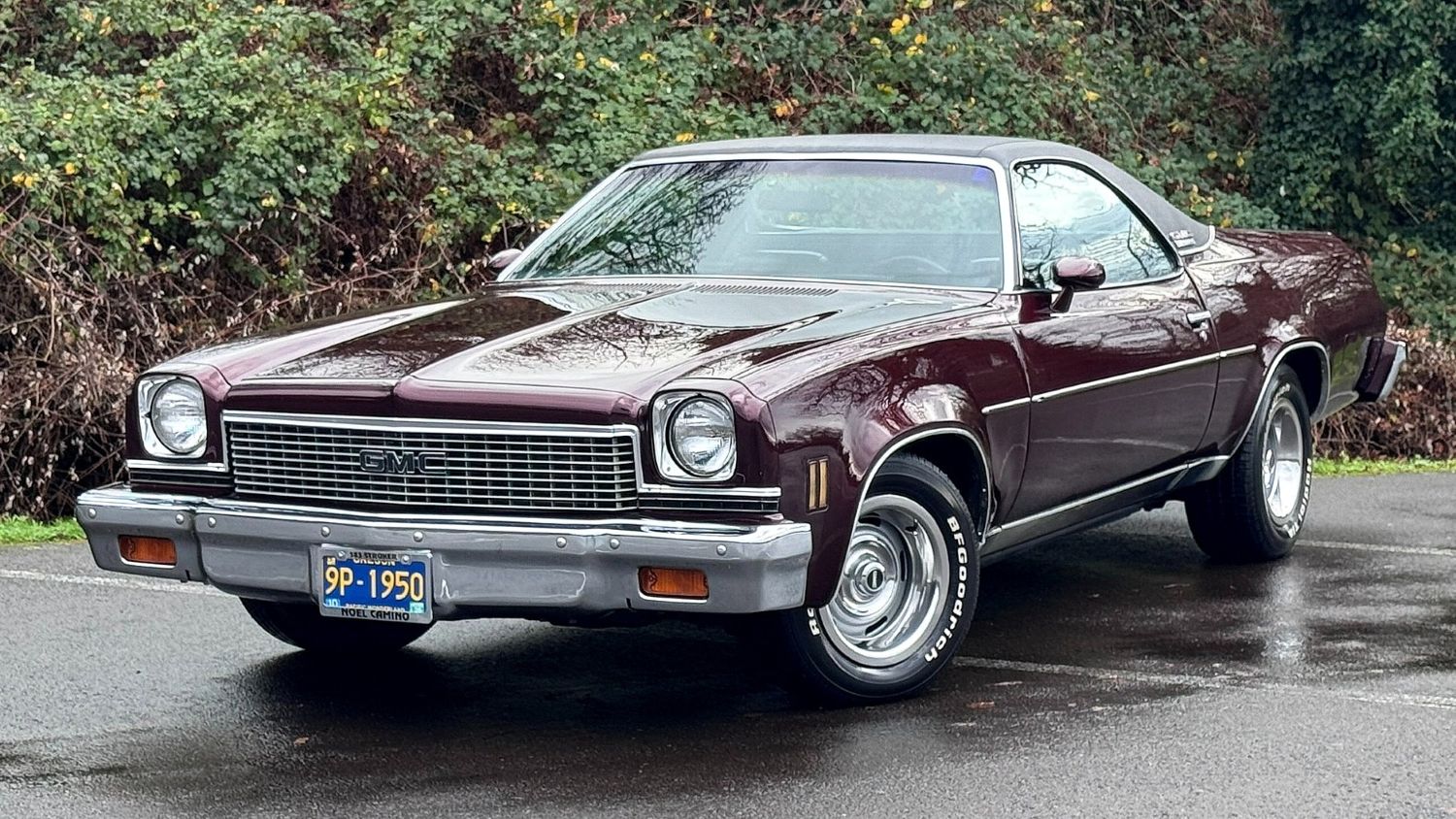
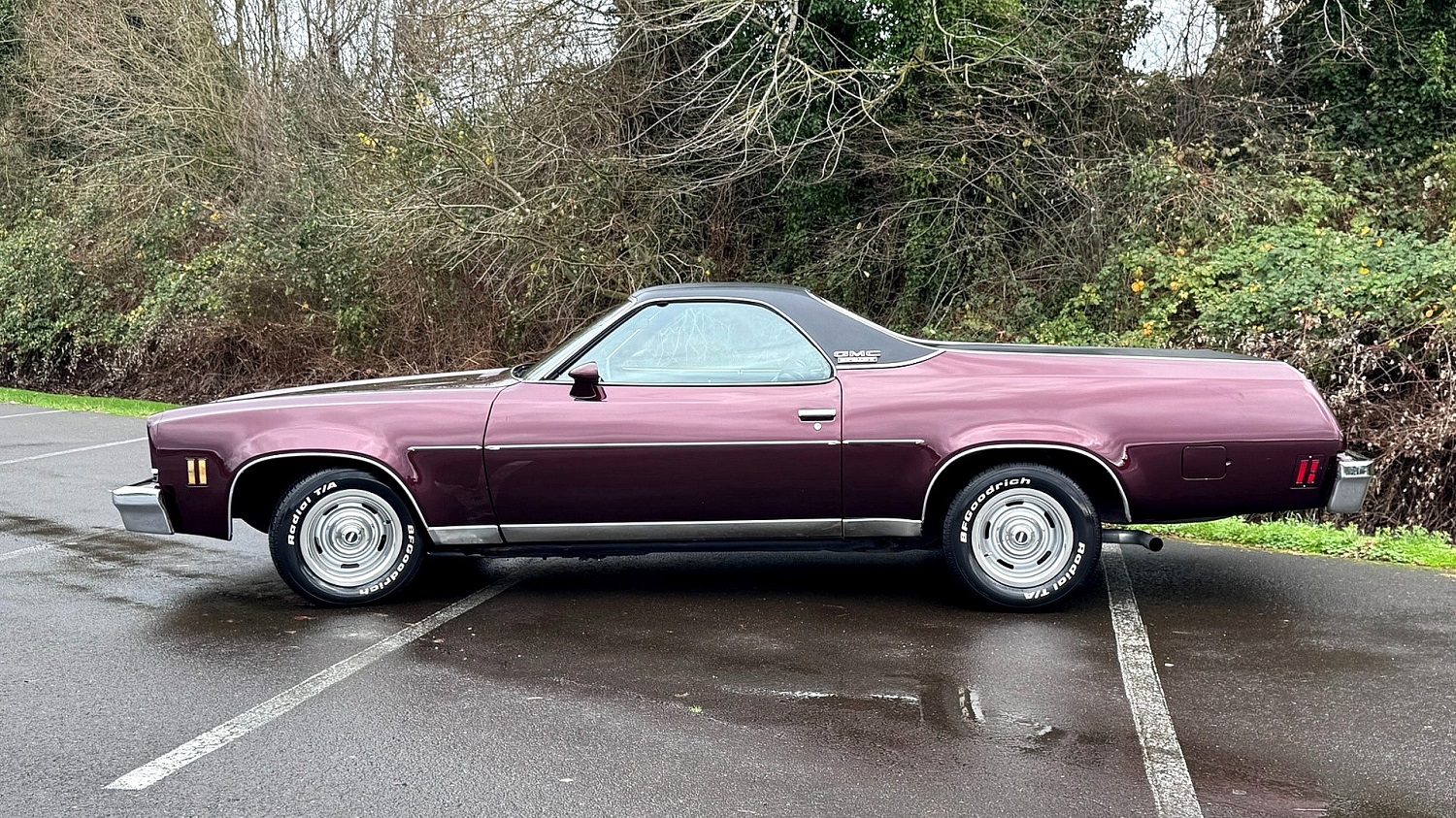
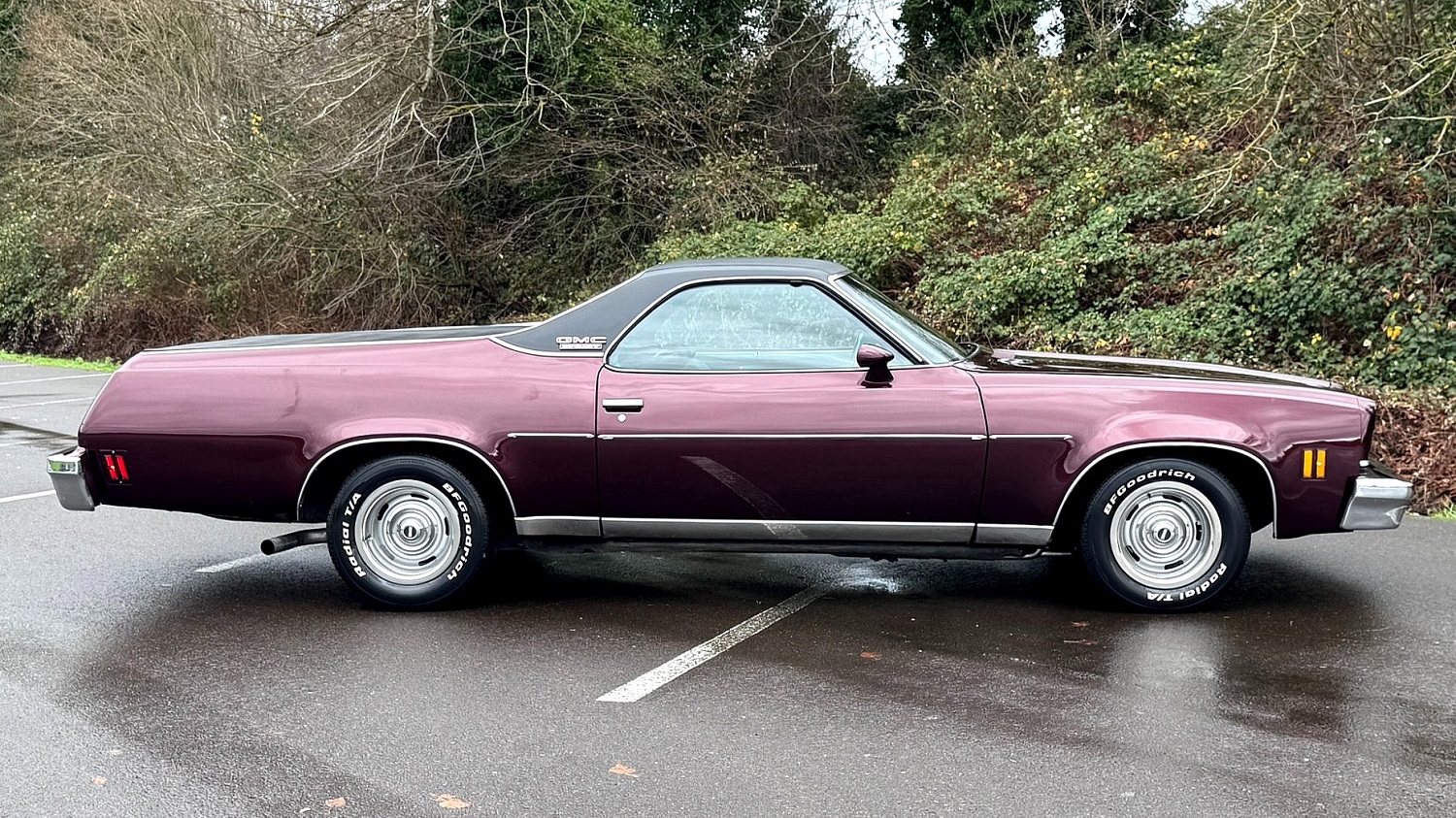
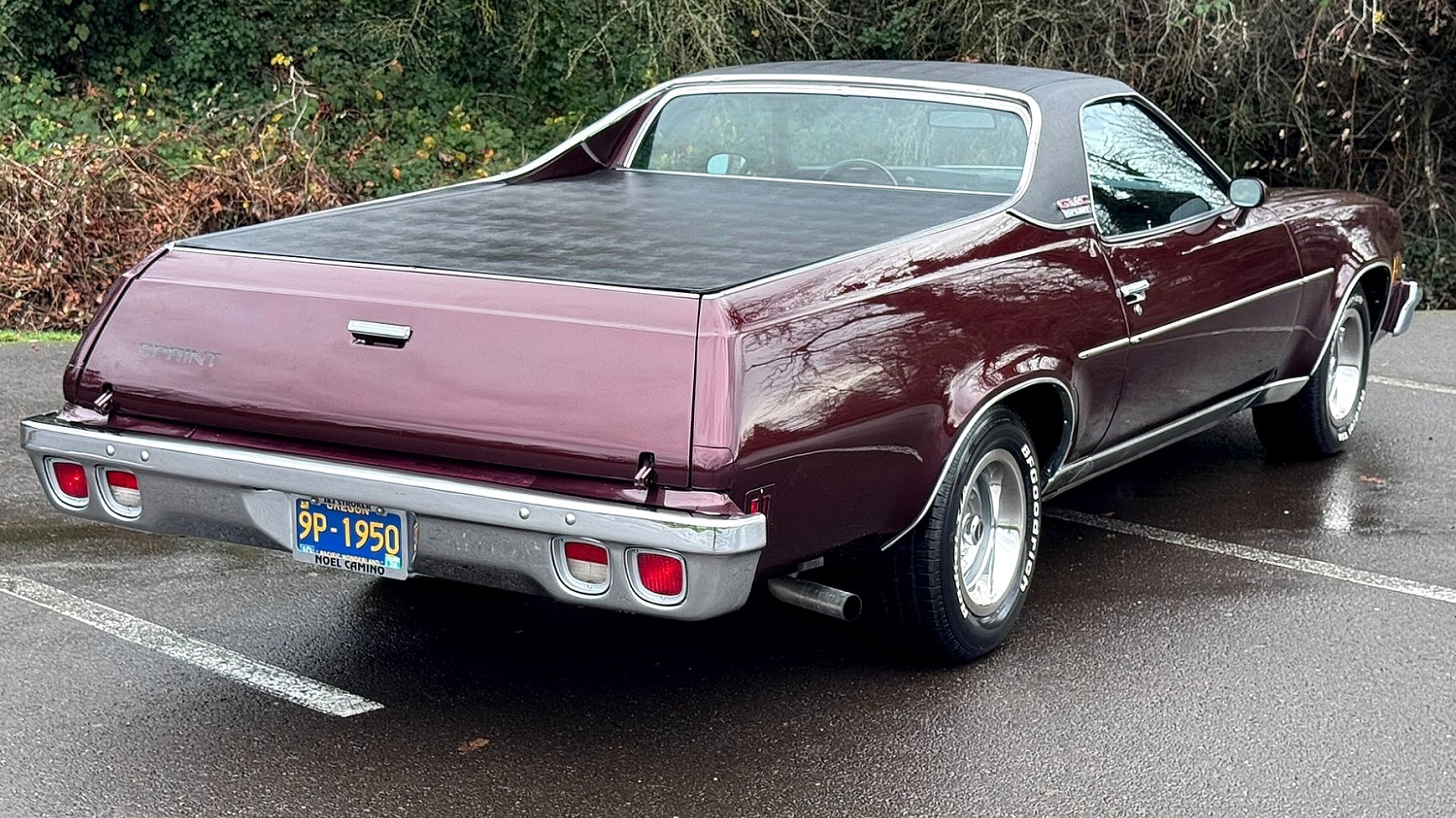
Right now on AutoHunter, you can find this restored 1973 GMC Sprint, which is equipped with a 383ci stroker V8 built by S&J Engines and a 200-4R four-speed automatic transmission. Highlights include air conditioning, power steering, power front disc brakes, headers, and Positraction. Finished in Dark Red with a black vinyl top over a reupholstered black vinyl interior, this distinctive car/truck is now offered by the selling dealer in Oregon with a build sheet and clear title.

As part of the restoration process, the body was painted Dark Red, which looks great with the black vinyl top. Exterior features include chrome bumpers, body-color mirror caps, bright trim, a hydraulic bed cover, and a tray-style bed liner. Underneath, the Flowmaster exhaust system ends in a pair of outlets behind the rear tires.

This Sprint races people and cargo to their destinations on a set of 15-inch Rally-style wheels wrapped in 225/60 front and 245/60 rear BFGoodrich Radial T/A raised-white-letter tires.

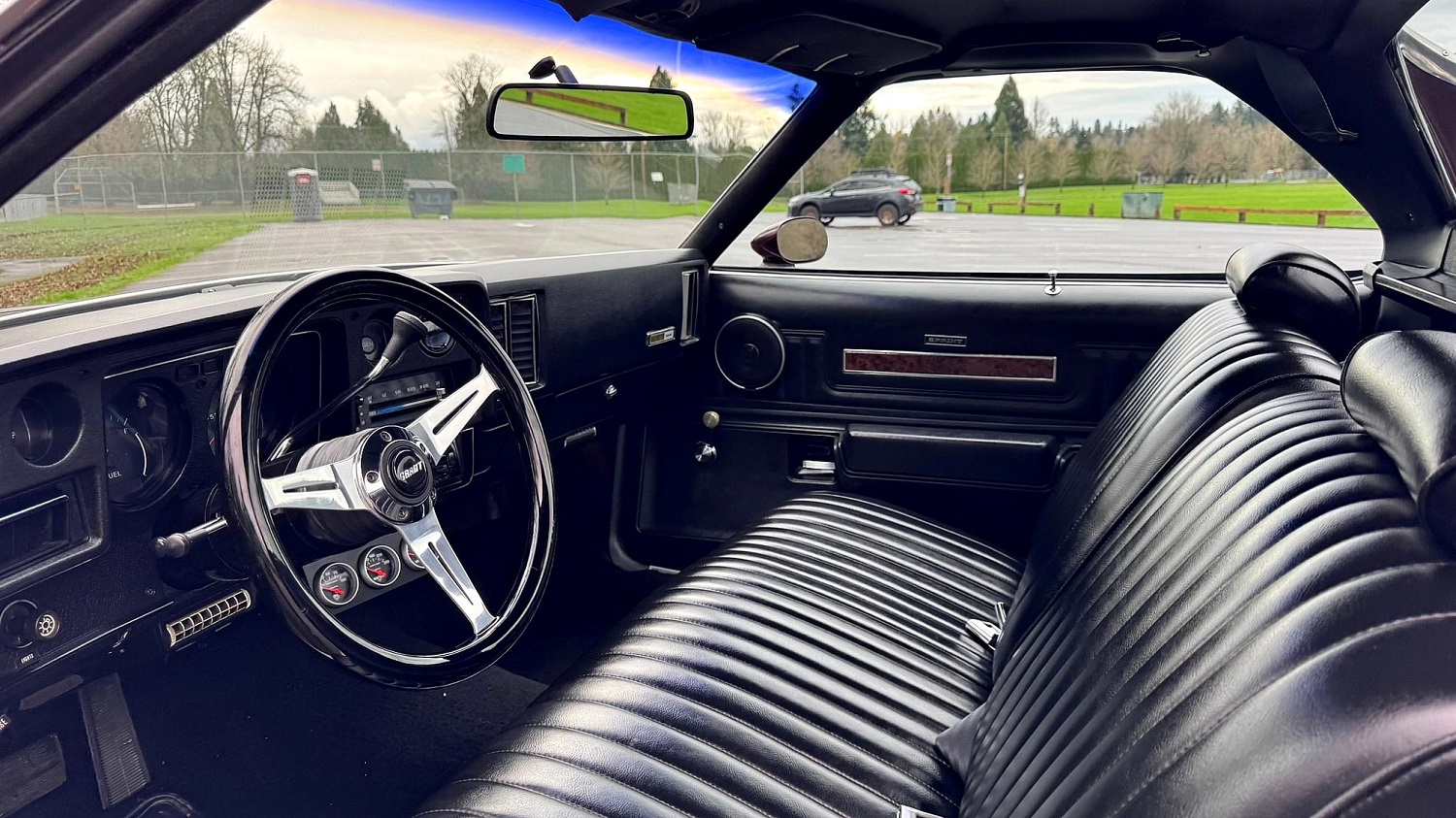
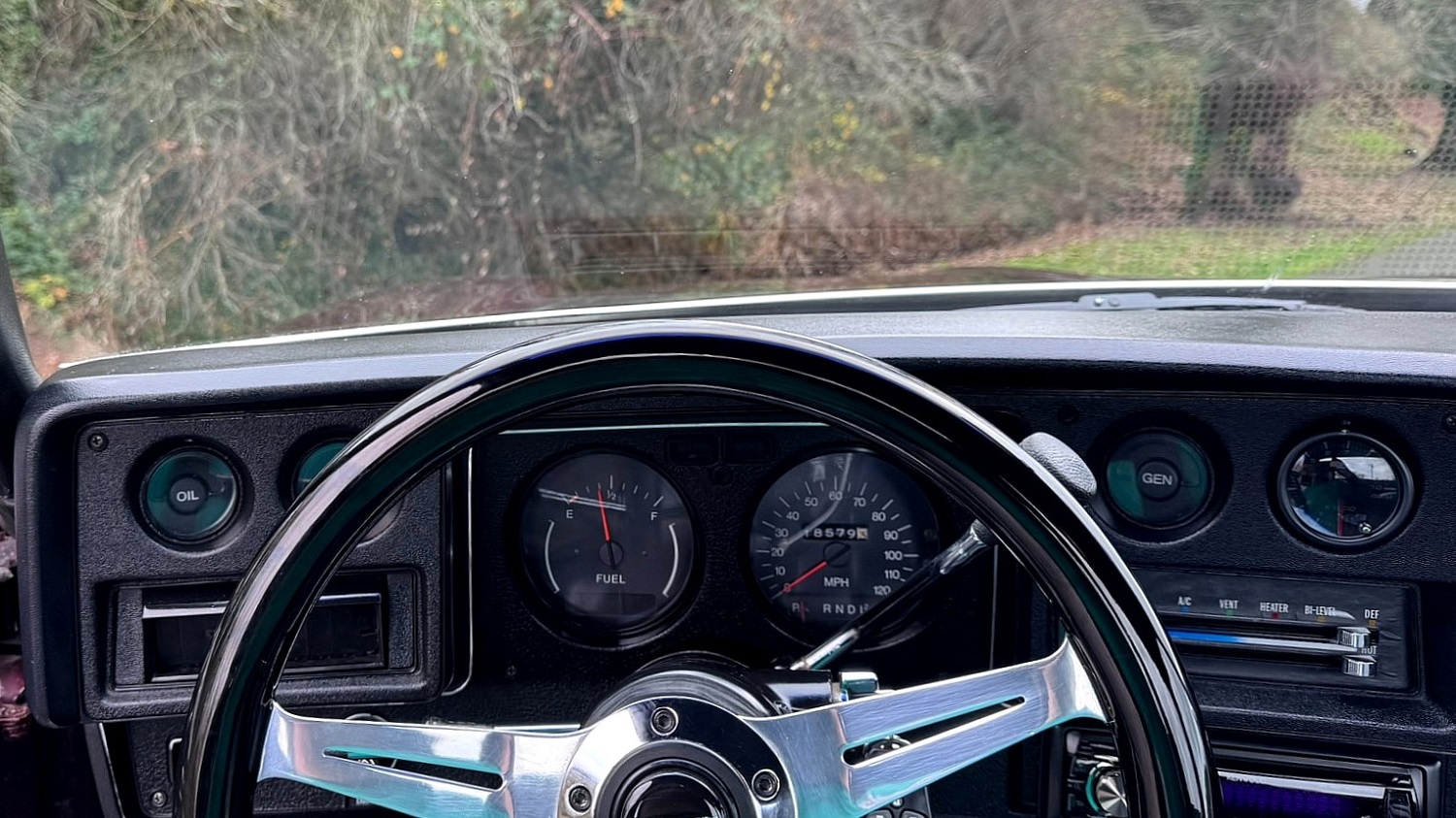
The cabin received new black vinyl on the split-bench seat, which matches the black door panels and carpeting. Interior features include a Grant wood-rimmed wheel connected to power steering, power brakes, R-134a air conditioning, and Bluetooth-compatible Kenwood AM/FM/CD/USB/AUX stereo.

Instrumentation consists of a 120-mph speedometer, fuel gauge, warning lights, and readouts for the water temperature, oil pressure, and voltage. The odometer shows 18,579 miles; the title indicates this GMC is mileage-exempt.

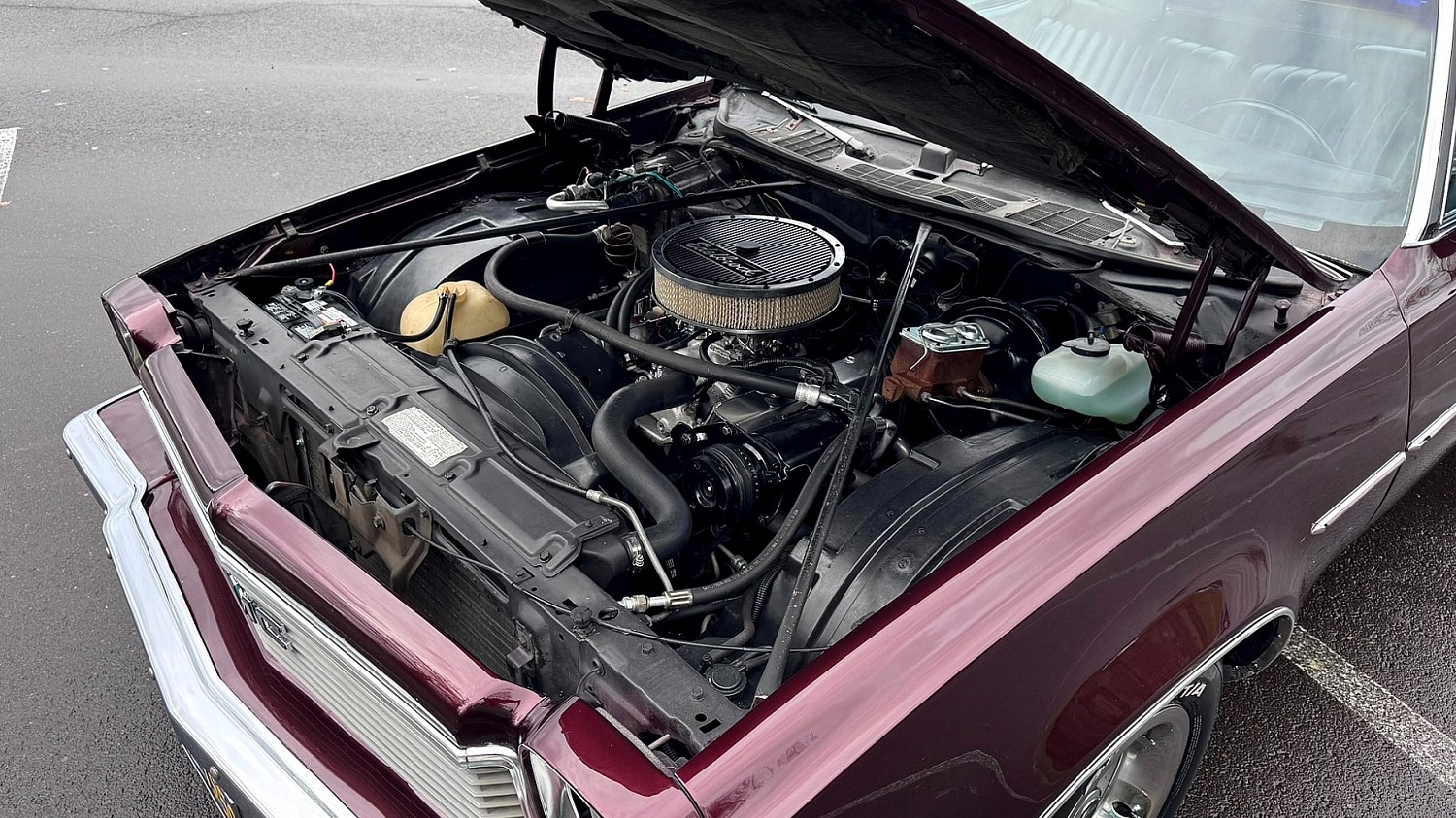
Not only does this Sprint have a 383ci stroker V8 that was built by S&J Engines and bored .030 over, but the engine is also equipped with a variety of upgrades. That long list includes an Edelbrock 600cfm four-barrel carburetor, Edelbrock RPM Air-Gap intake manifold, Promaxx Performance Products aluminum racing heads, a Comp Cams street-grind roller cam, Scat Pro Series I-beam connecting rods, a Scat steel crankshaft, and Patriot ceramic-coated headers. According to the included build sheet, the engine generates 400 horsepower and 400-plus lbs-ft of torque. A 200-4R four-speed automatic transmits the 383’s power to an Auburn Gear Positraction rear end with 3.42:1 gearing.

If you want to buy this 1973 GMC Sprint, move fast and bid now. The auction for it ends on Monday, January 12, 2026, at 12:00 p.m. (MST).

Visit the AutoHunter listing for more information and a photo gallery
If you’re ready to feel like a celebrity, may we suggest car that makes a statement at any red-carpet entrance. The Pick of the Day is a 1969 Lincoln Continental limousine that was reportedly built for a high-ranking political figure and has spent its life transporting important people of society. It’s currently listed for sale on ClassicCars.com by a private seller in Winnipeg River East North, Manitoba, Canada.

“Spectacular condition throughout, from a private collection,” the listing begins. “Only 53,635 actual miles. Special ordered for Canadian Senator Douglas Everett, one of very few built and very few still in existence.”
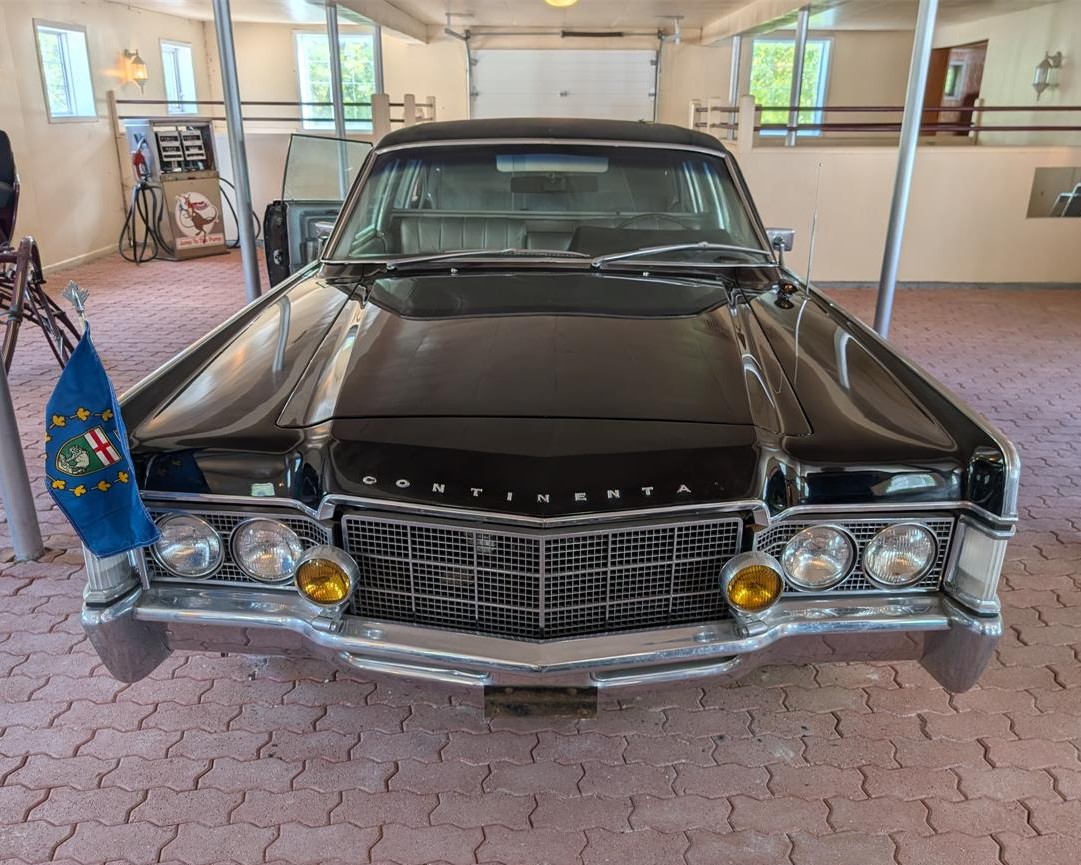
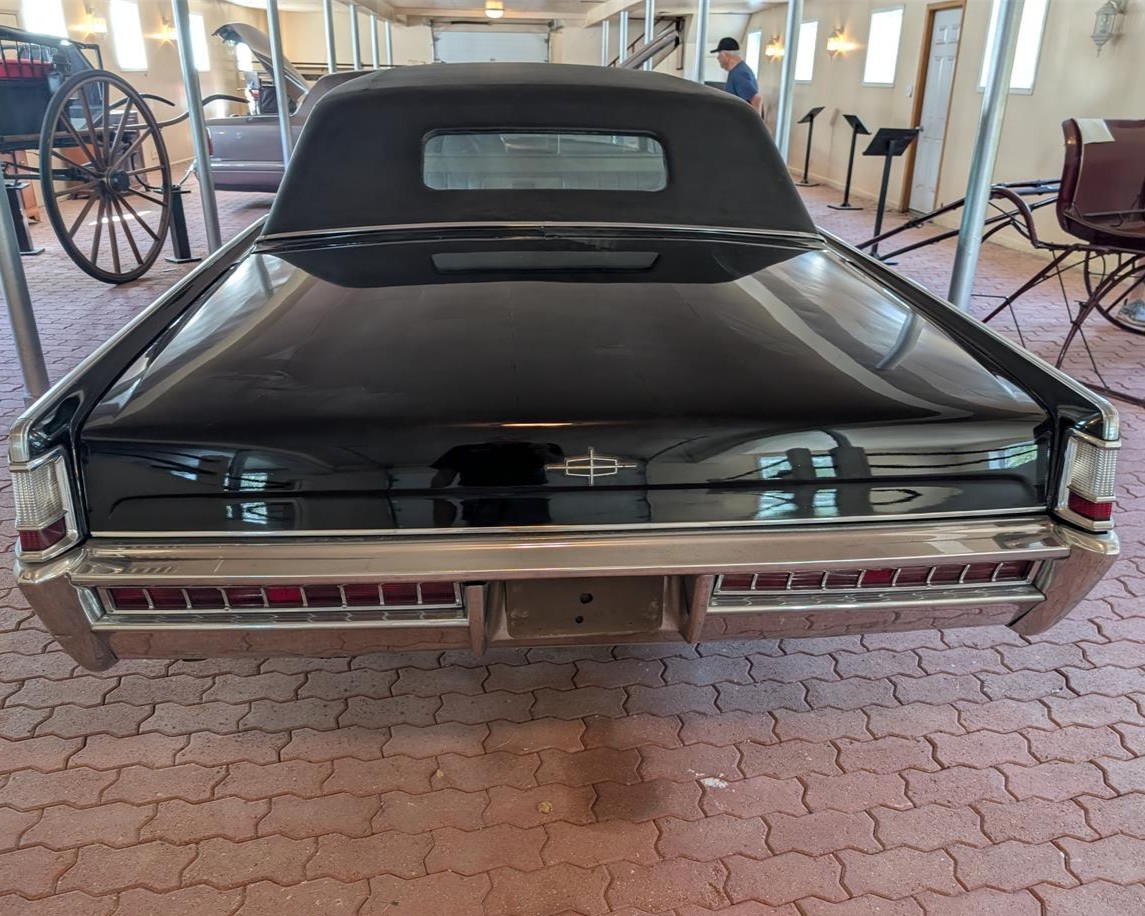
The limo was originally assembled by a company called Lehmann-Peterson, currently based out of Arlington Heights, Illinois. Let’s learn a little more about L-P. The coachbuilder was founded when a race car builder and a racing enthusiast got together and decided to build a stretch limousine in the early 1960s. That creation was unveiled in 1962 at the New York Auto Show, and the partners’ first publicly sold conversion (a 36-inch stretch) sold 15 units in its first year. The momentum continued from there, and this stately black Lincoln was one of the cars born as a result of the Lehmann-Peterson business.
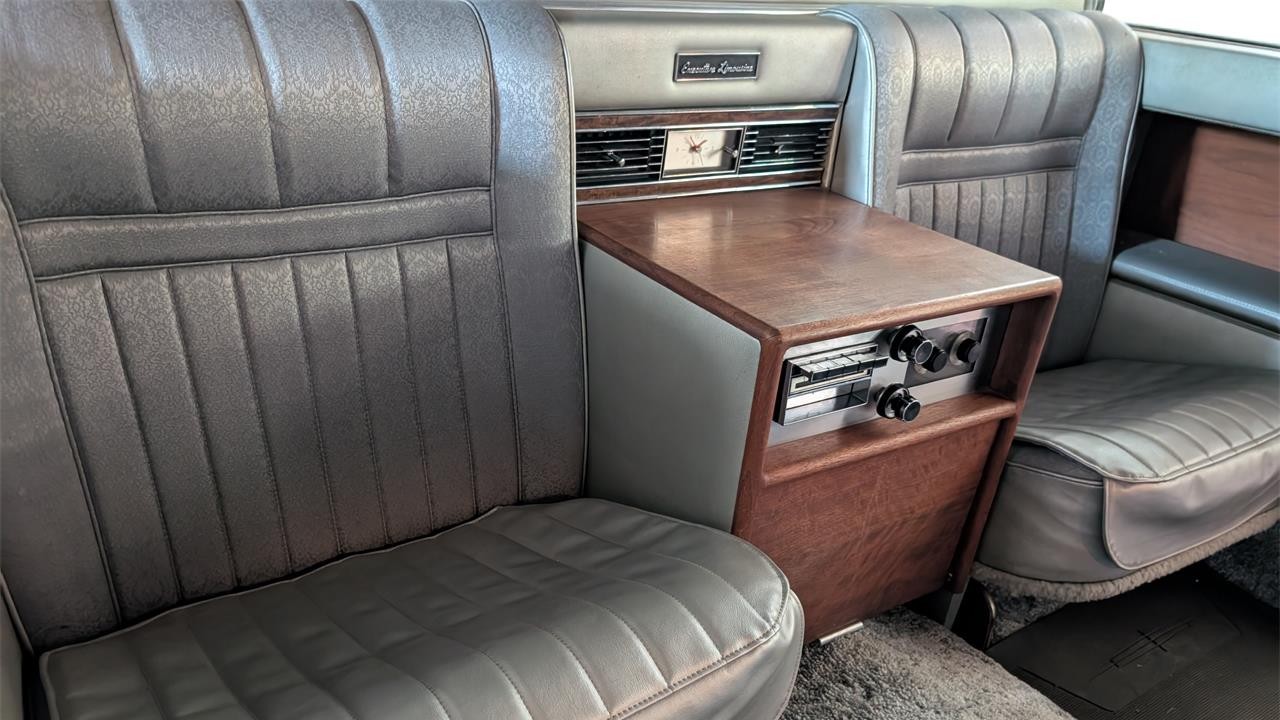
Exterior features include amber auxiliary lights, chrome brightwork, an antenna, body side moldings, a vinyl roof, and wide whitewall tires. Luxury features abound on the interior, of course. The upholstery is a gray patterned material, and features include wooden cabinetry, an audio system, a partition window, a perforated headliner, dome lighting, and power windows. The seating in the rear is arranged with a single face-forward bench seat and dual rear-facing jump seats. It’s a clever setup, allowing for engaging conversation among passengers about whatever important topics there were to discuss.

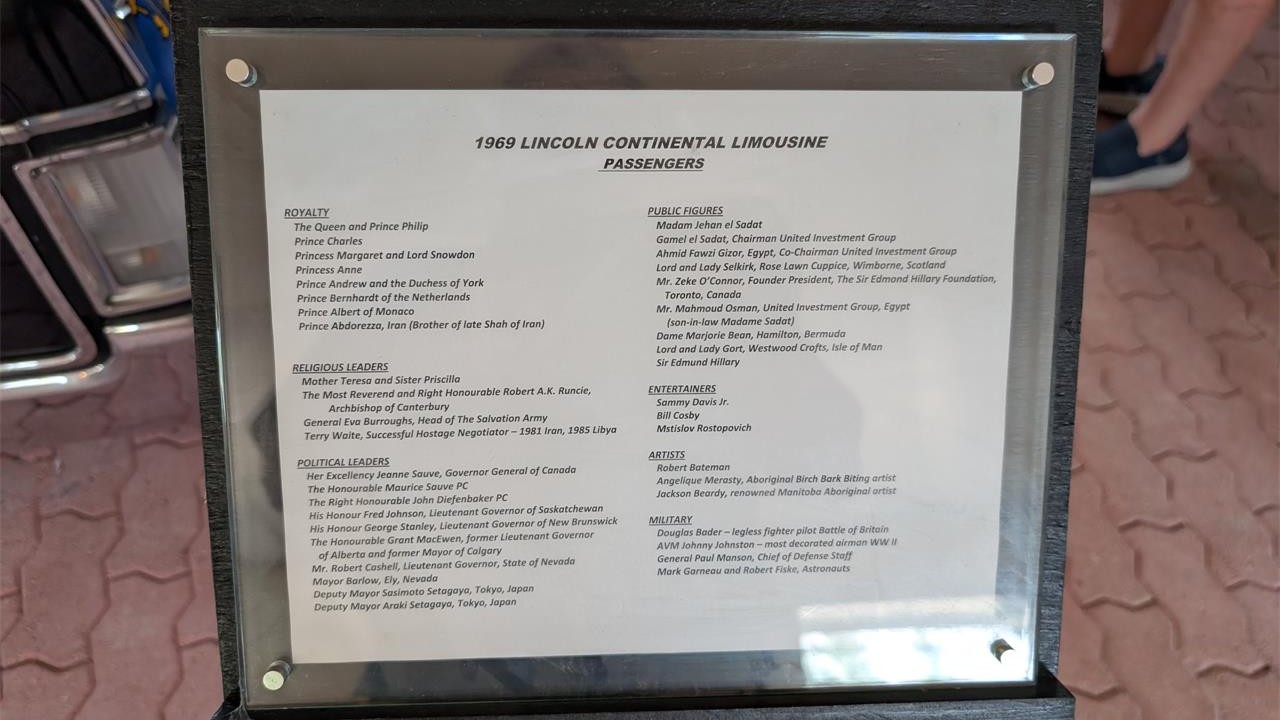
While not authenticated, a list has been provided that contains the names of the dignitaries and elite who have ridden in the car. Among them are Prince Charles, Mother Teresa, and Bill Cosby. It makes me wonder who was keeping track of all this – maybe there was a logbook kept by whomever was driving the Canadian senator around?

Power comes from a 462ci V8 mated to an automatic transmission. “Drives and performs very well,” the listing says. The torquey big-block was known for its smooth, luxurious power. It was rated at 340 horsepower and 485 lb-ft of torque – offering plenty of muscle to move a car of this Continental’s heft.

The seller says, “Offered to the most demanding collector, investor, or enthusiast who understands and appreciates the history and investment potential of this iconic American classic!”

The asking price is $59,900 or best offer.

Click here to view this Pick of the Day on ClassicCars.com

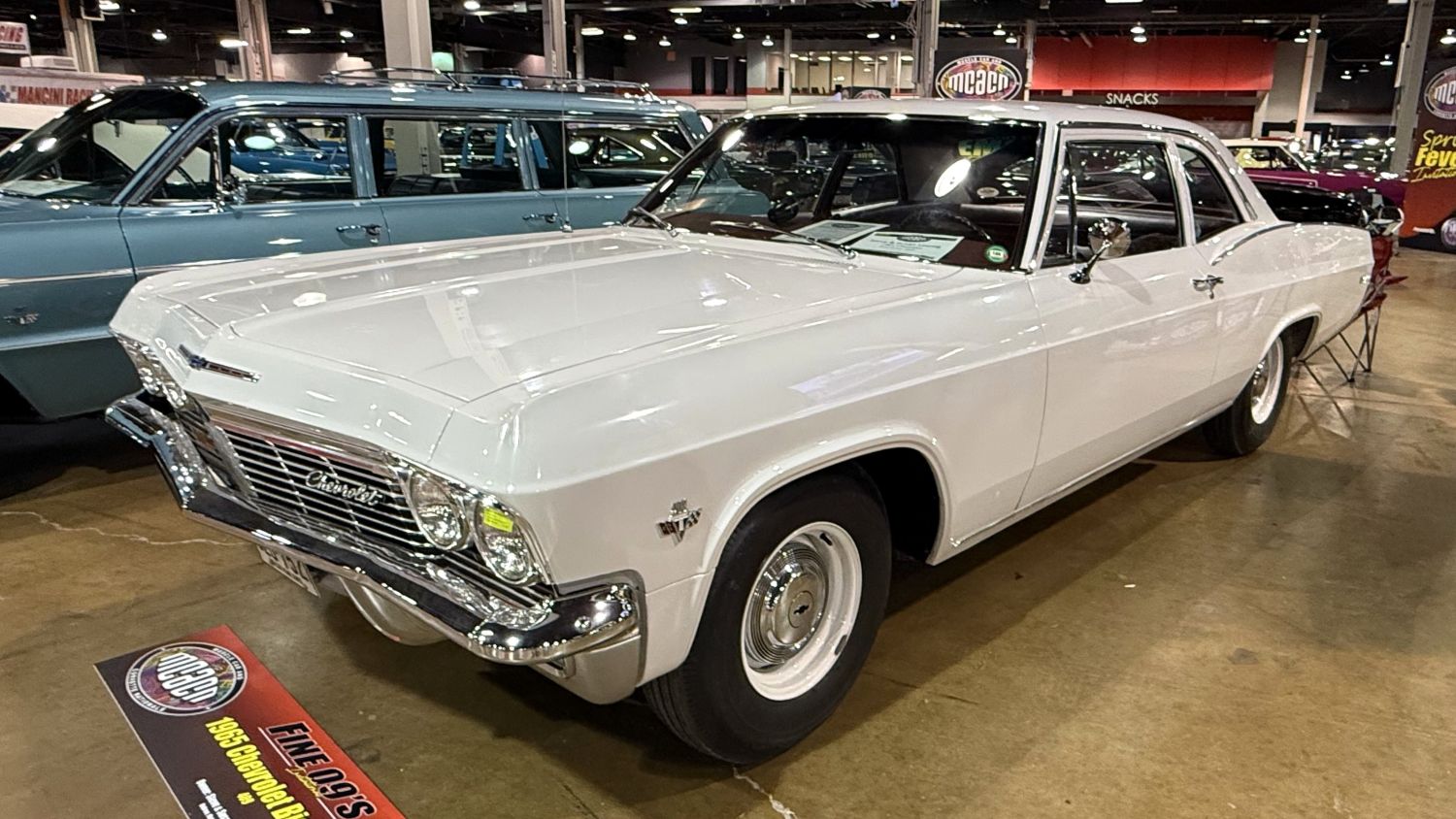
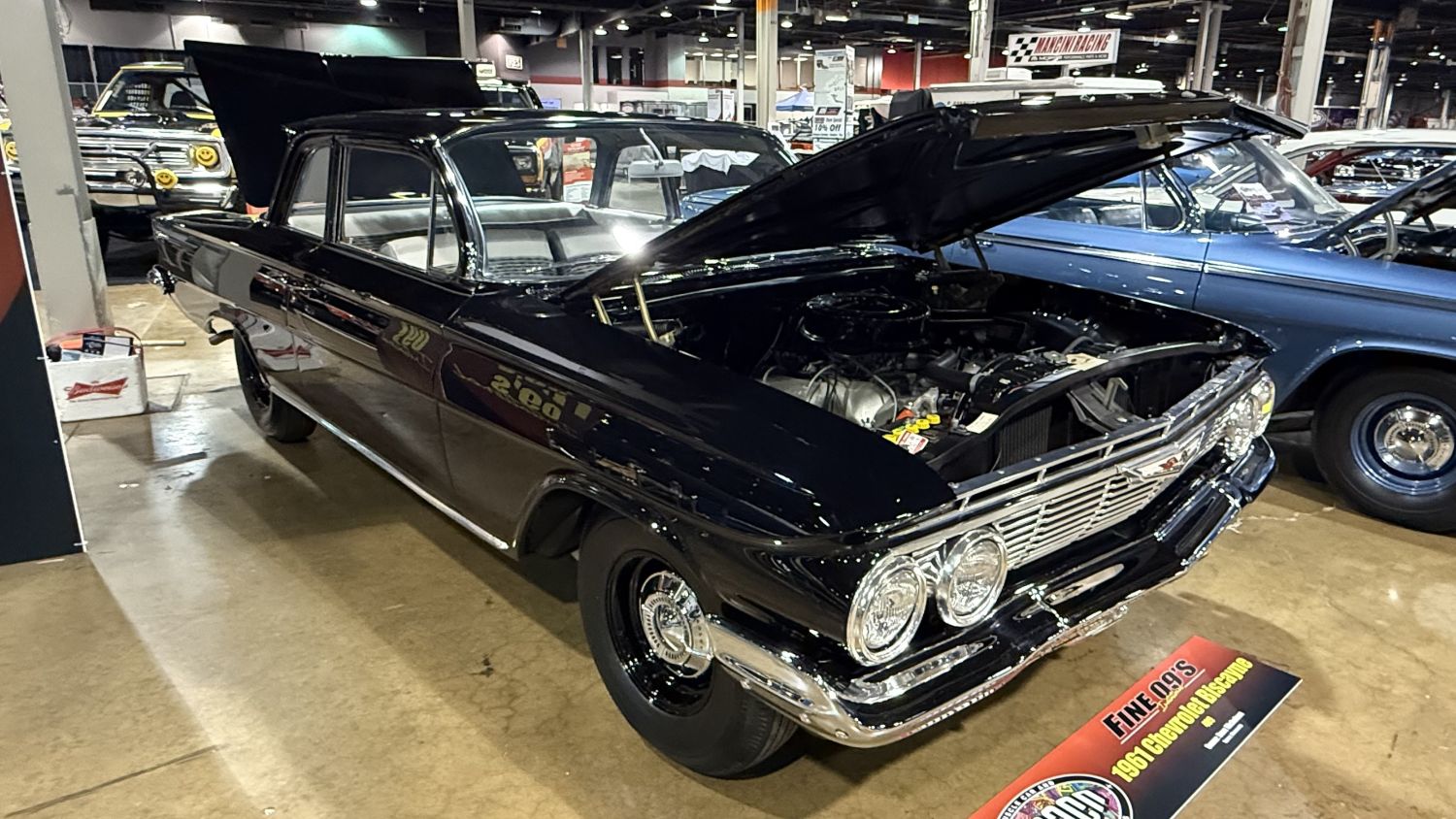
America’s romance with high-performance cars may have begun with “Rocket 88” but that was a prototype to the inspiration the Beach Boys had with Chevrolet’s 409. Based on the “W-block” introduced for 1958, the 409 was a mid-year 1961 introduction that Chevrolet truly needed to compete with bigger engines from Ford, Pontiac, and Plymouth and Dodge. With only 360 horsepower, it still paled in comparison to the top Ford (a 390 with 401 horses), but which engine found itself in song? Which one developed the strong reputation on the street?

The 409 was replaced mid-year by the Mark IV 396ci big-block, so 1965 409s are quite uncommon—or in the case of the above 409/400 Biscayne, quite rare. You would think their obsolescence has created a gap in enthusiasm, but that’s simply not true because early 1960s Chevrolets continue to be one of the most popular collectibles no matter what engine.

For the 2025 Muscle Cars and Corvette Nationals, early Chevy performance fans were given a treat with a lineup that featured 409s from 1961-65. It’s easy to think that the inaugural introduction of the engine was only available on the Impala SS but, with the Biscayne two-door sedan pictured above, this clearly was not true.

If you like this, click here to view more from MCACN!

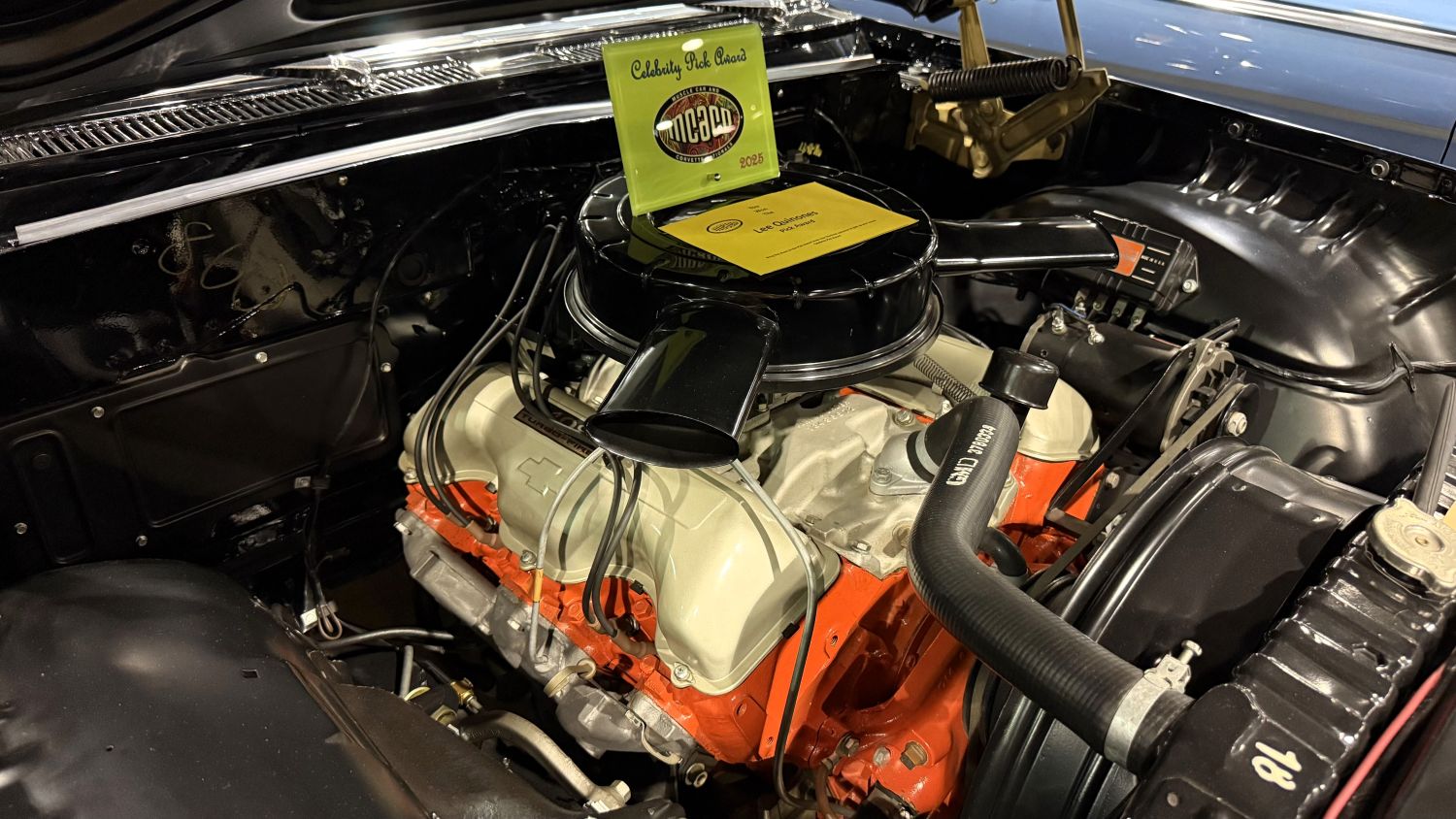
409/360 from the ’61 Biscayne
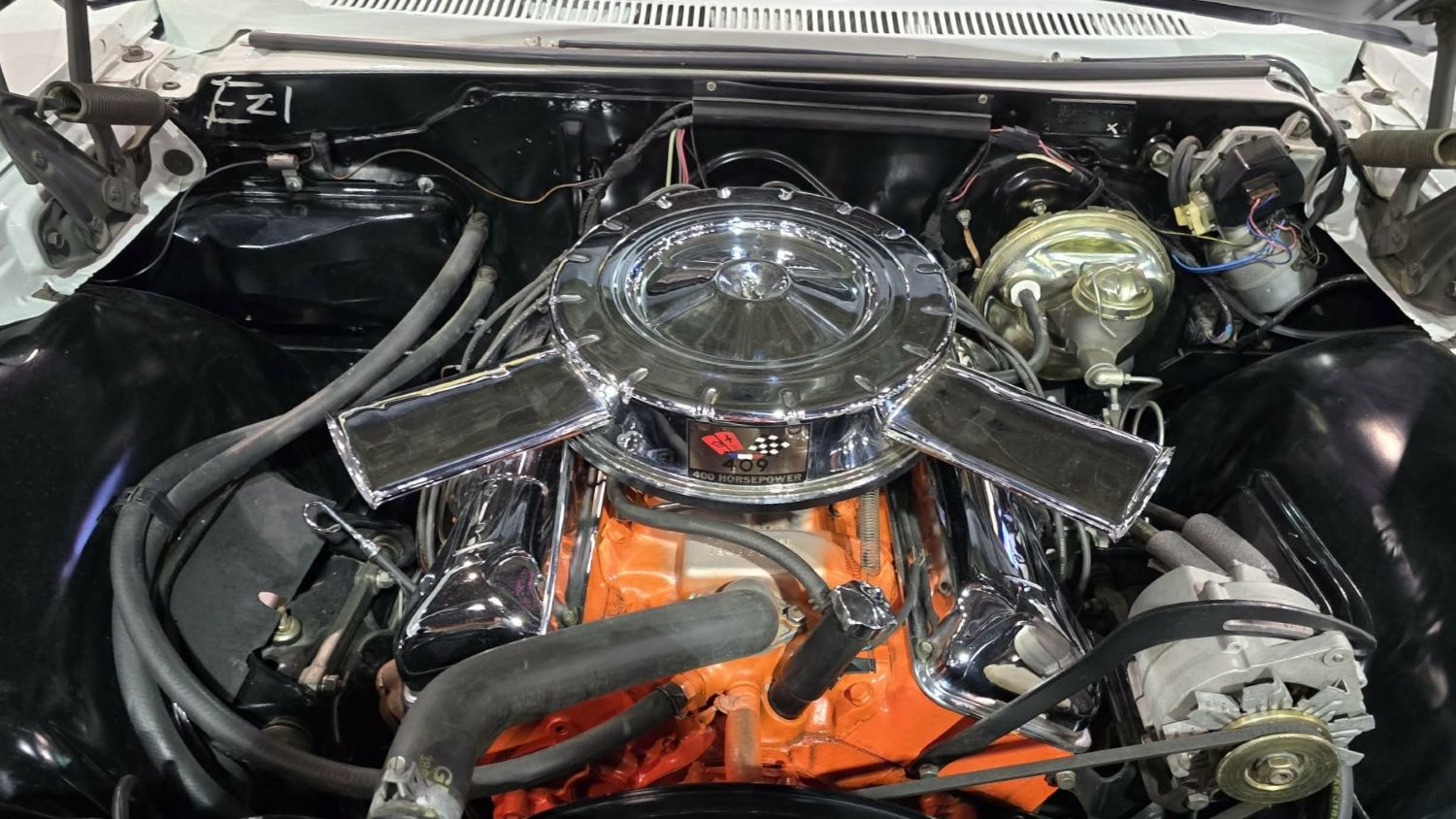
409/400 from the above ’65 Biscayne. (Image courtesy of Alan Munro)
1962 Impala SS convertible with vintage wheels
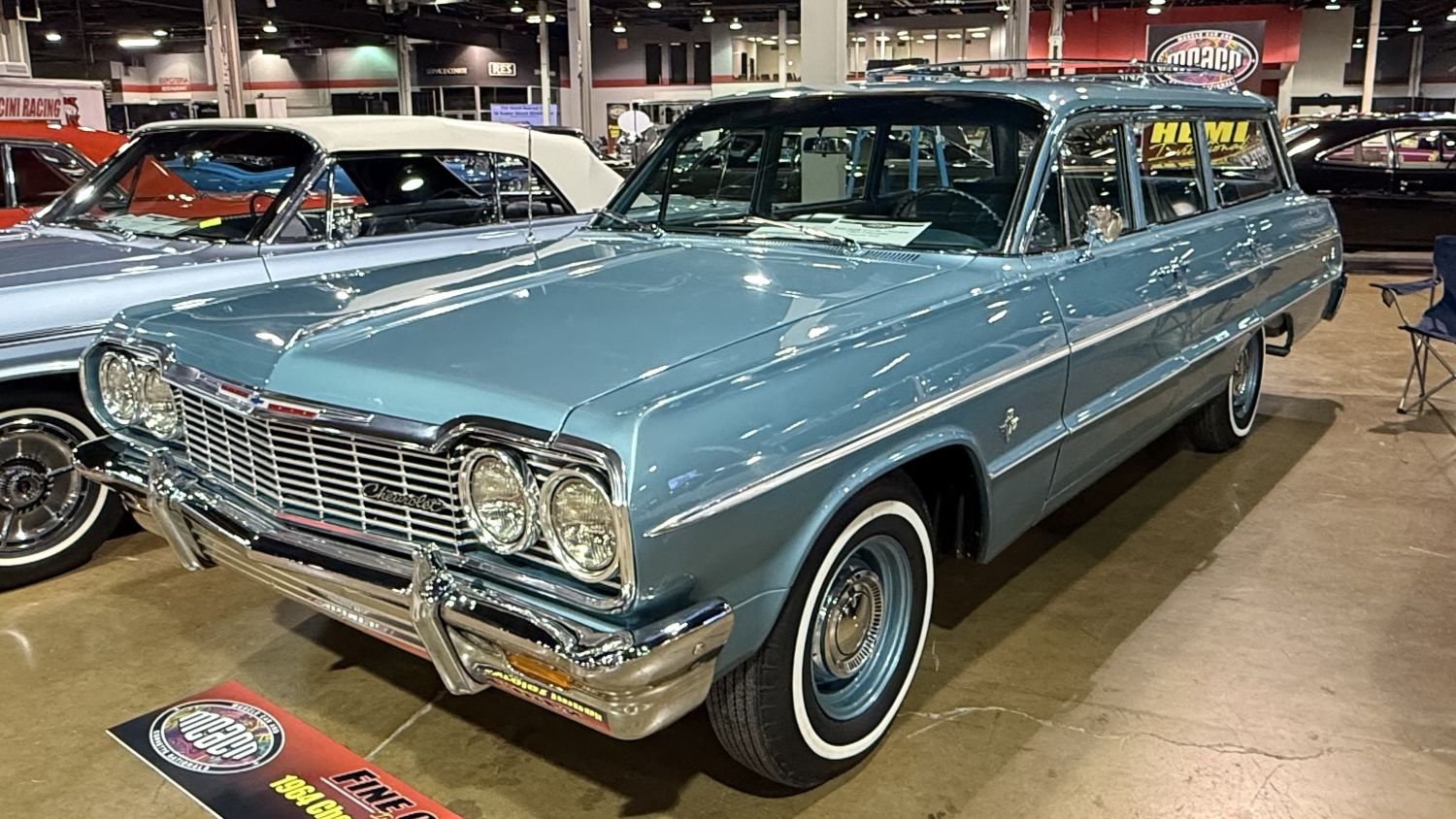
1964 Chevrolet Impala wagon with 409/340
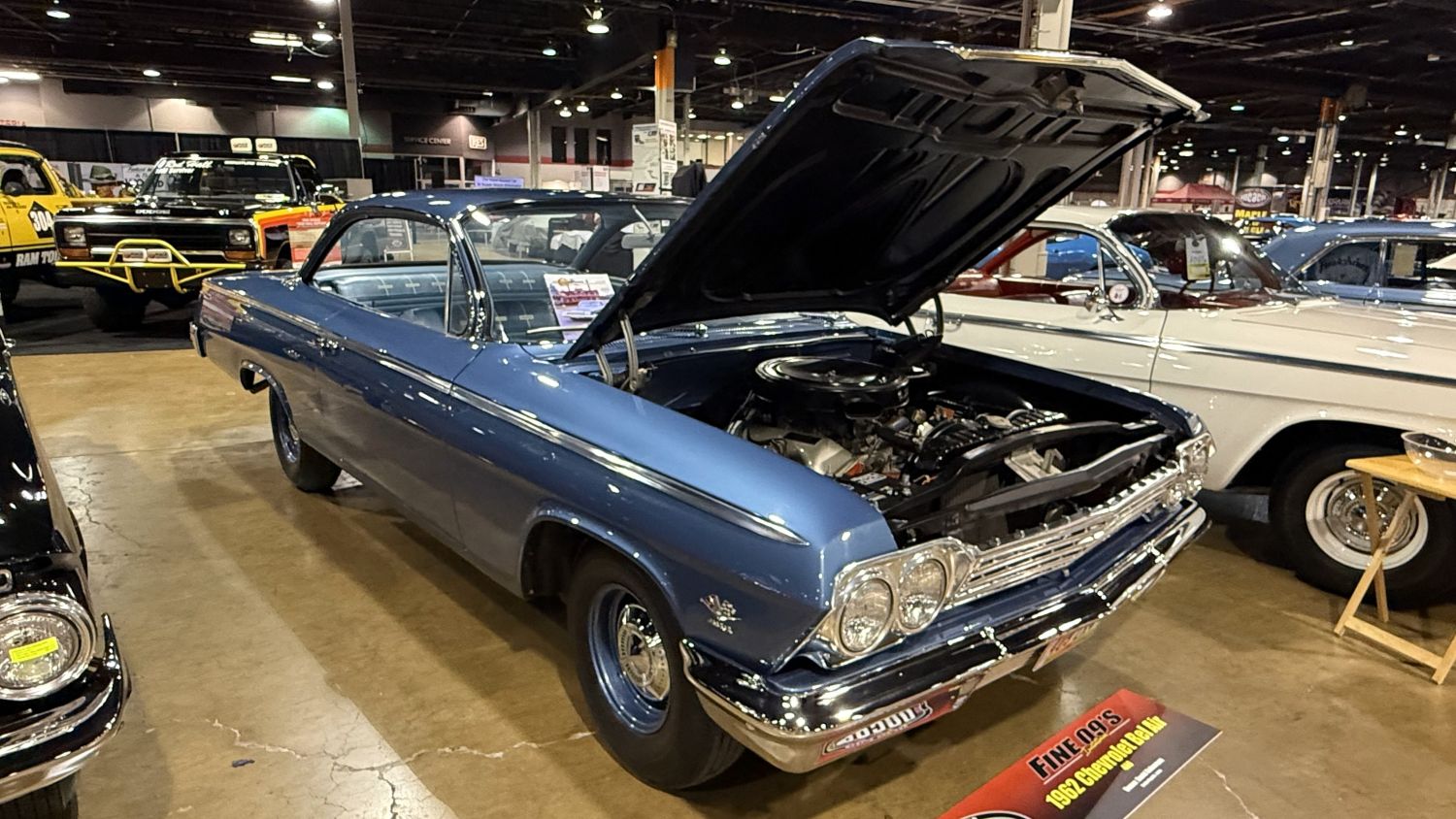
Perhaps the quintessential 409: 1962 Bel Air “Bubbletop” with dual-quads.
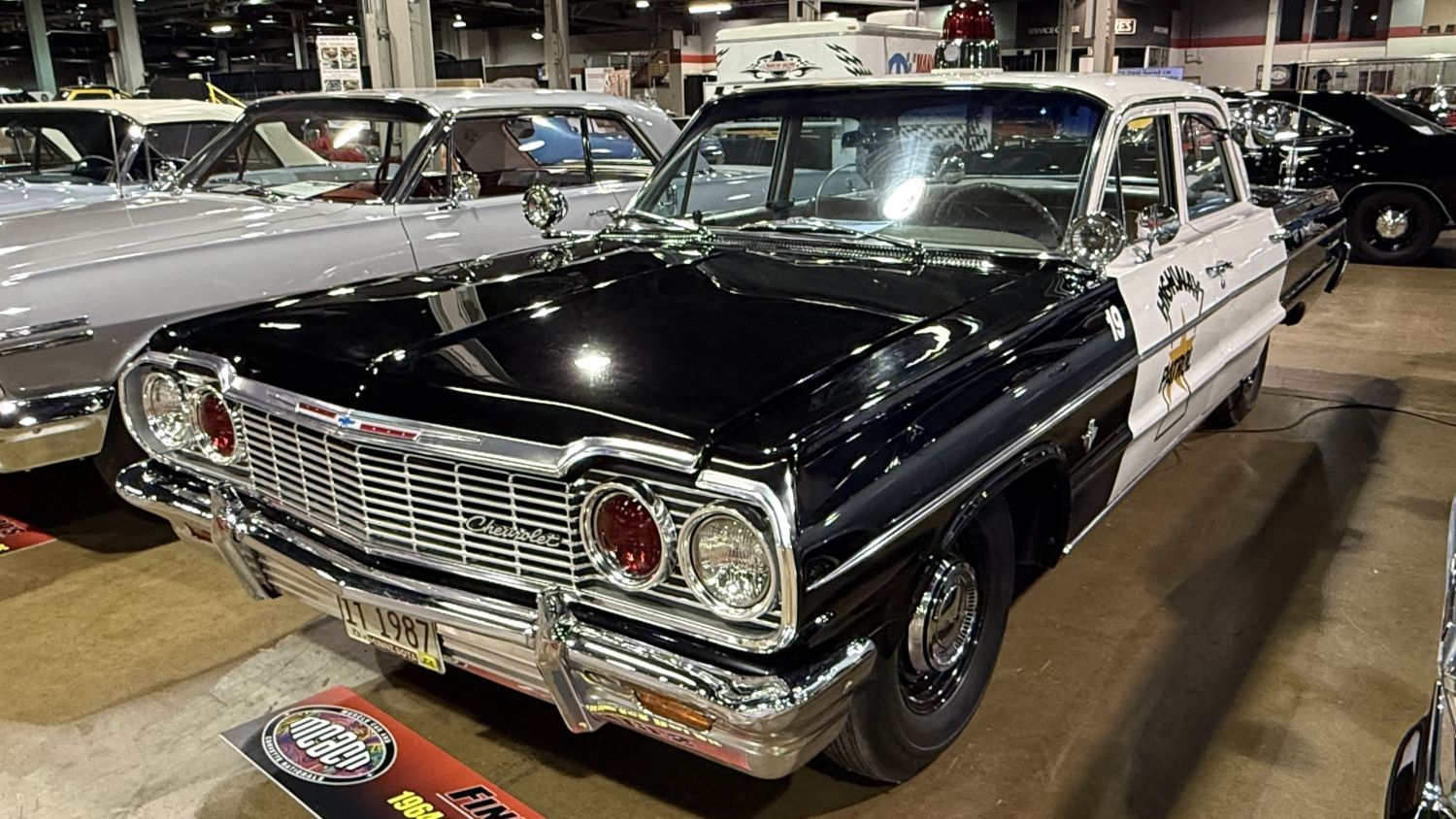
1964 Chevrolet Bel Air police car with 409/340
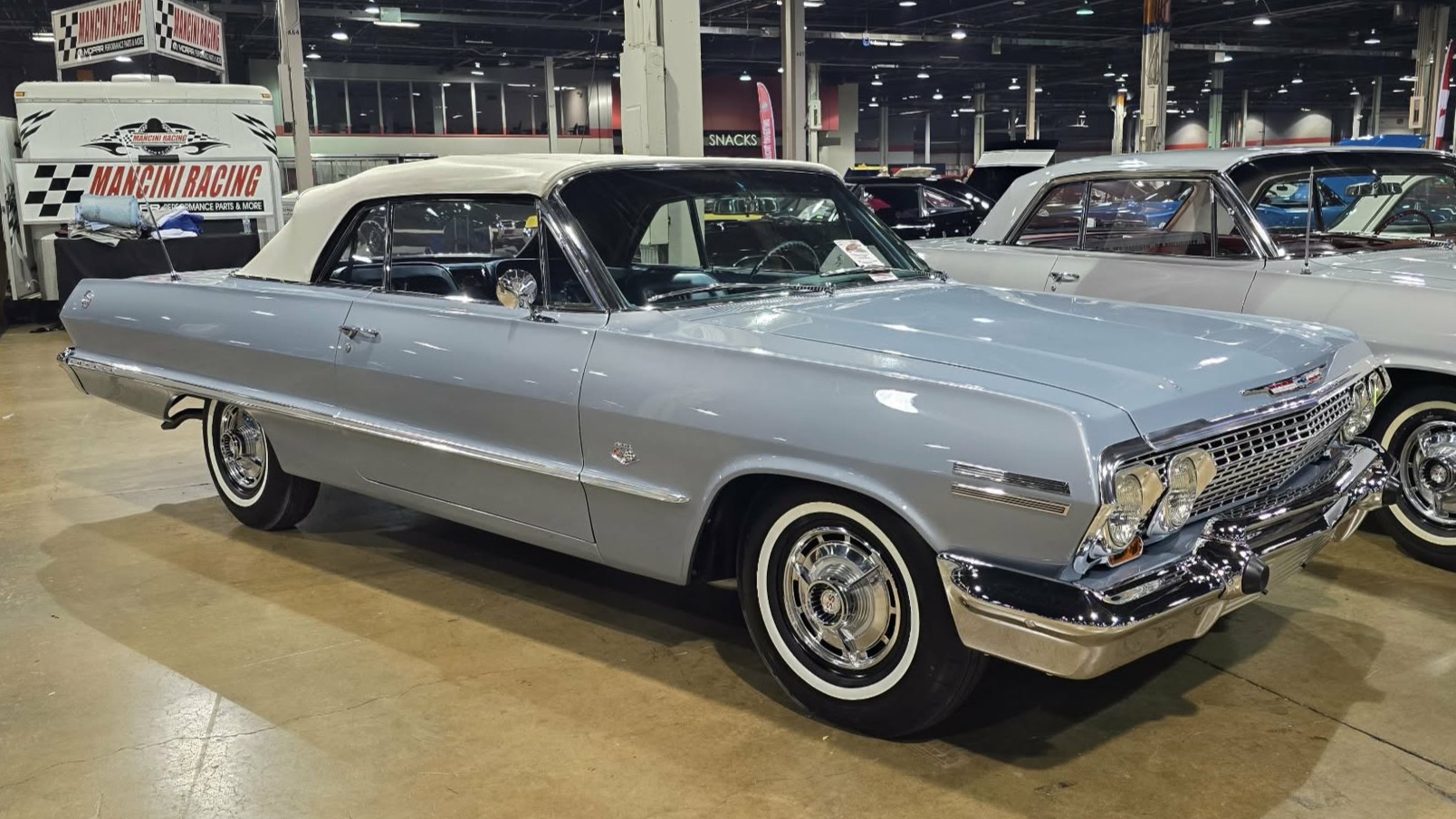
1963 Impala SS convertible with 409 (Image courtesy of Alan Munro)
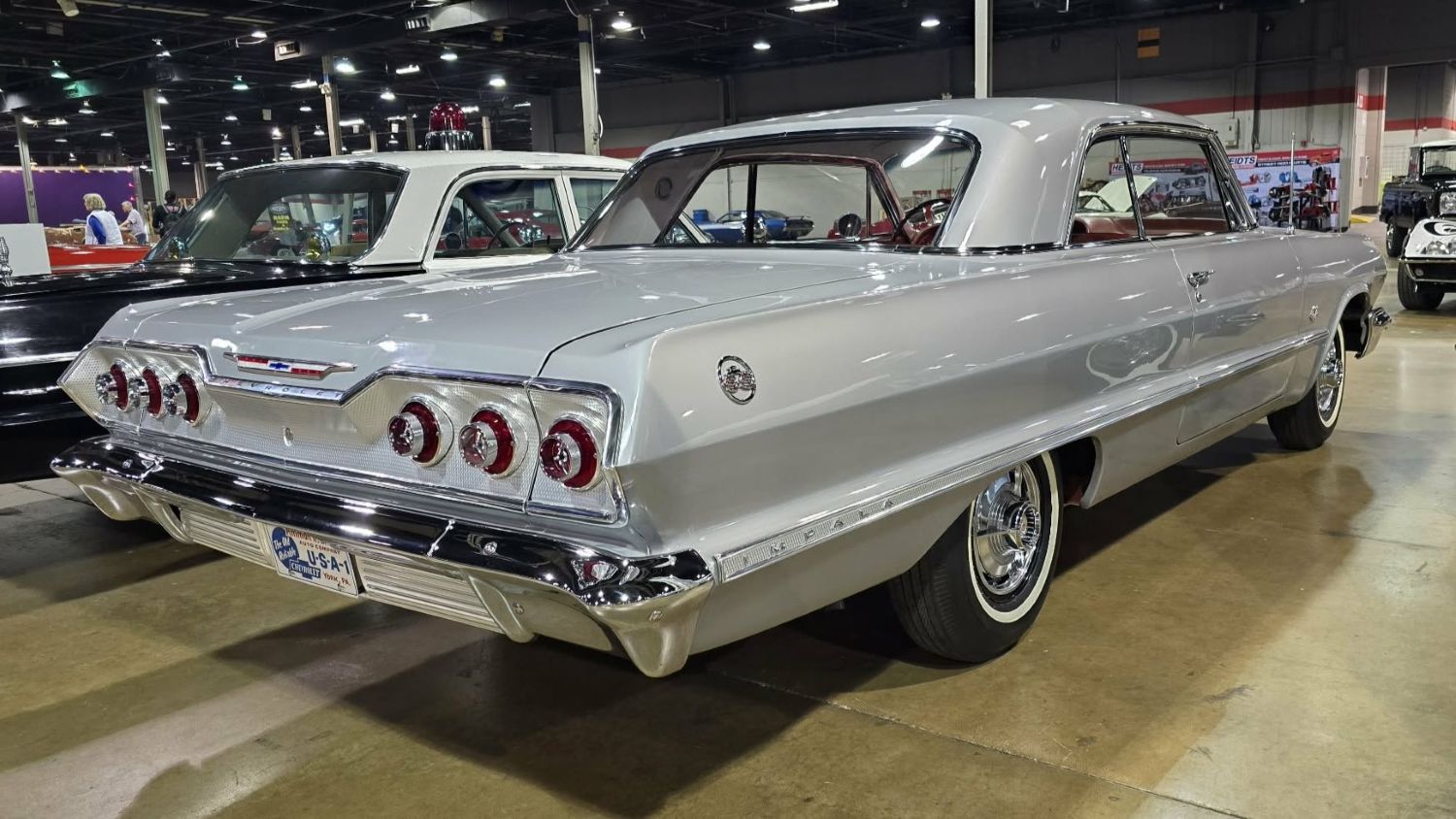
1963 Impala SS hardtop with 409 (Image courtesy of Alan Munro)
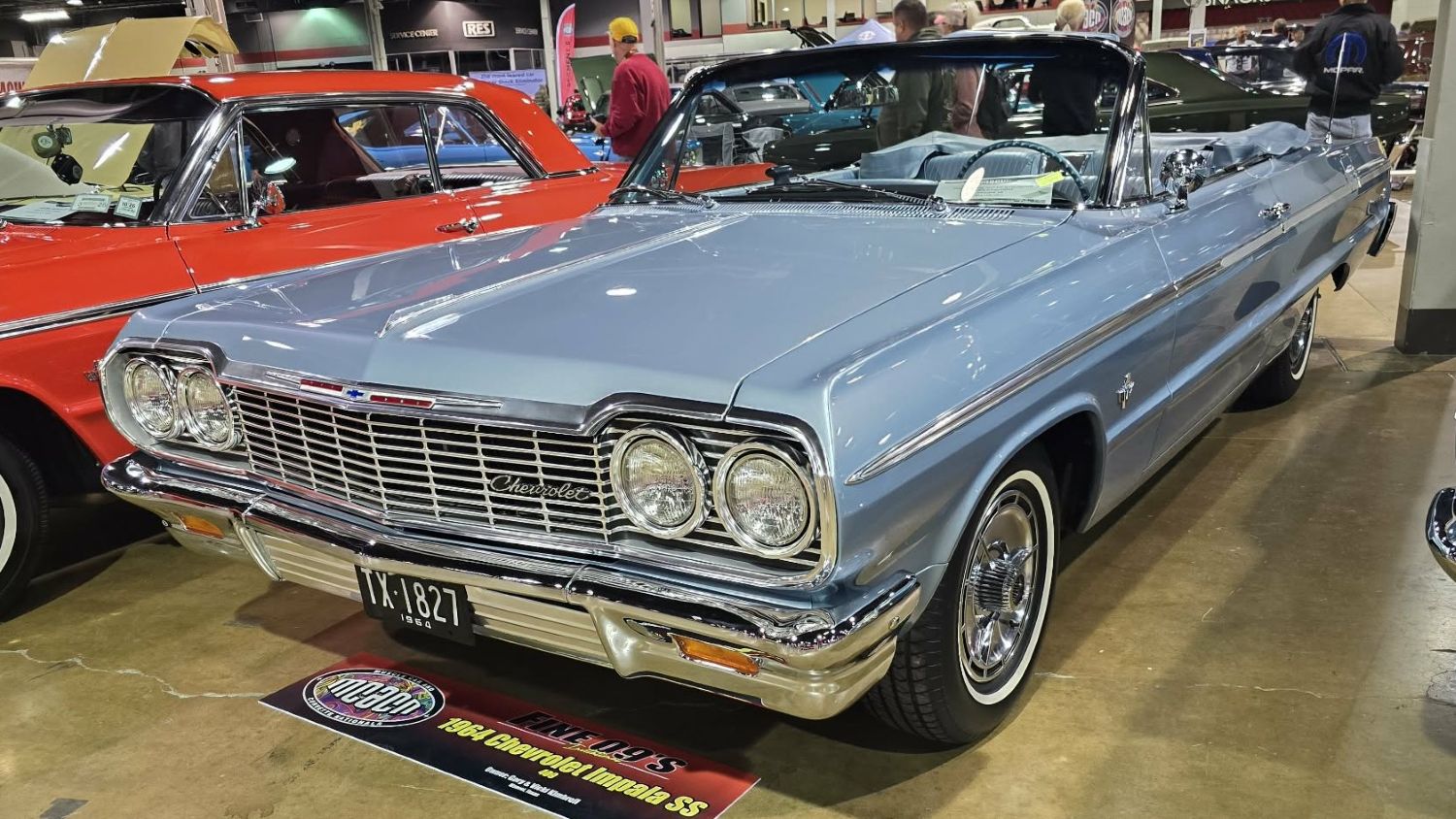
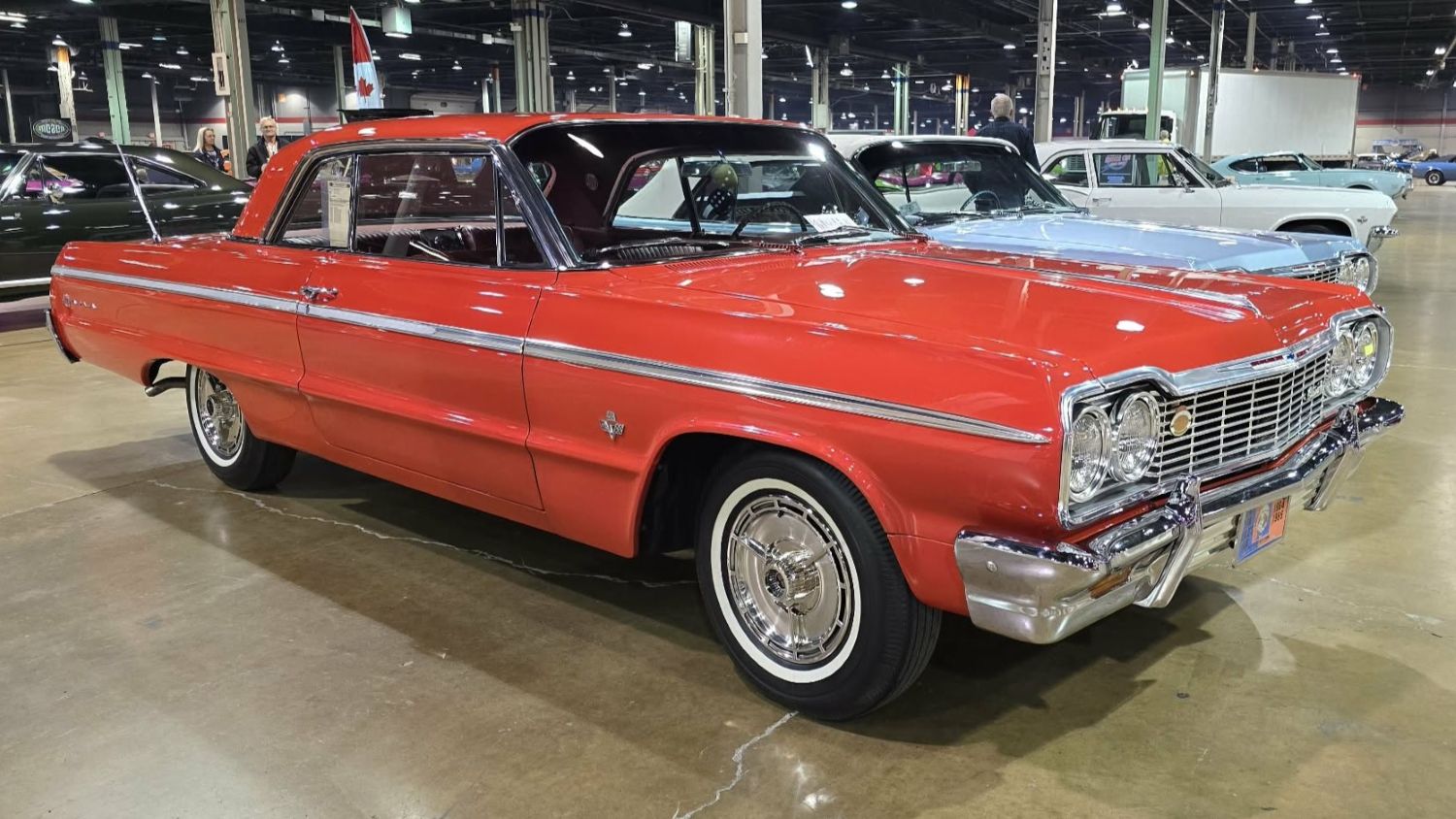
1964 Impala SS with 409 (Image courtesy of Alan Munro)