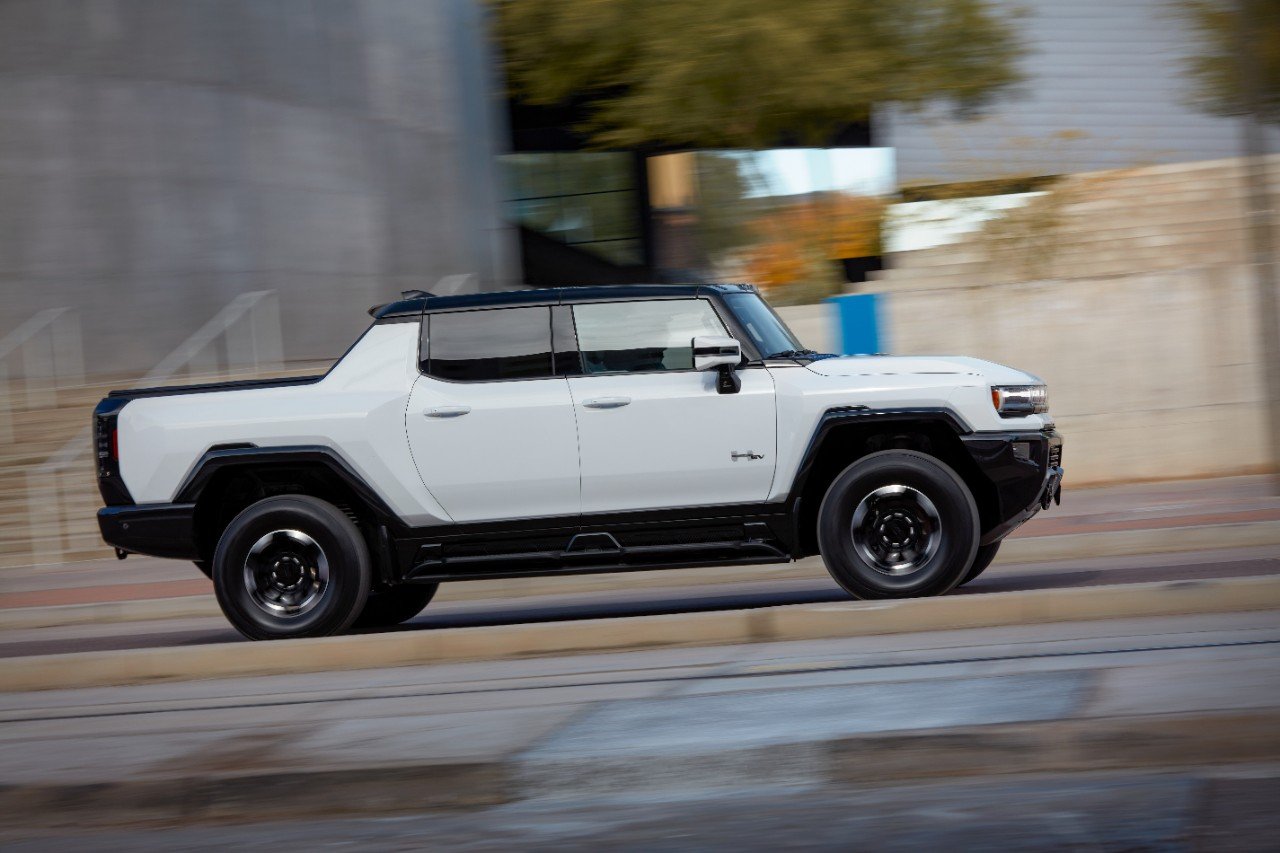
I didn’t think a 9,000-pound pickup could invoke a level of acceleration that had me covering my eyes, but I was wrong.

Over the weekend I had the opportunity to ride shotgun in a GMC Hummer EV Pickup at the 2023 Barrett-Jackson Scottsdale auction and, in less than three seconds, I was covering my eyes in true terror as my professional driver launched the electric truck from a dead stop to an undetermined high speed. I had no idea how fast because I was covering my eyes as I got pinned to the seat. I was advised afterwards that 0-to-60 mph takes about three seconds, and the acceleration figures are legit when you consider that the three-motor Ultium Drive system (featuring an Ultium 24-module battery system) produces an estimated 1,000 horsepower and a GM-estimated 11,500 lb-ft of combined axle torque. The acceleration was impressive but, during the public demonstration of the EV’s abilities, I was equally impressed by its crab walk. Who knew you could make a large vehicle go sideways?

2022 GMC HUMMER EV Pickup
The 2022 GMC HUMMER EV Pickup includes available Watts to Freedom experience to unleash the truck’s full acceleration capabilities with a GM-estimated 0-60 mph performance in approximately 3 seconds.

“We demonstrate crab walk and people have never experienced that before,” says Rich Latek, Director of GMC Marketing. “It’s just amazing and it just puts a smile on their face and then we just show the pure power of the vehicle, do a demonstration of Watts to Freedom (a driving mode that offers the full acceleration on tap), we’ll get zero to 60 in less than three seconds.”

The Hummer EV Pickup’s appearance at the Barrett-Jackson Scottsdale auction was a demonstration of the vehicle’s ability and advanced technology to let automotive consumers and media know what GM has been up to with the development of this all-electric beast.

2022 GMC HUMMER EV Pickup

“These are $100,000 vehicles that you see here today,” says Al Oppenheiser, chief engineer for the Hummer EV. “We will have other trim levels that are lower, but the idea was to kind of shock the world. We not only did this vehicle in about two and a half years from sketches to production, which was amazing, but we also have the performance. It has 13-inch wheel travel, 16-inch ground clearance, can water forward 32 inches. I mean, it’s amazing the actual off-road capability. So we call it the world’s first all-electric super truck.”

As a former EV owner, the consistent questions I got from friends, family and colleagues were charging times and range. With the Hummer EV Pickup, you get an estimated 329 miles of range on a full charge and, in a pinch with a 350-kilowatt charger, you can get approximately 100 miles of range in just over 11 minutes. Numbers are nice, but a firsthand experience carries more weight for possible electric vehicle consumers.

“Whatever their view on EVs changes completely after they experience driving the Hummer,” said Latek. “Whether a truck or the SUV just from power, maneuverability, comfort, utility, all doubts are erased.”

For a band so popular that fans have seemingly recorded every moment of its members’ lives, it’s odd that a number of mysteries still revolve around the four coachbuilt Mini Coopers built for The Beatles. Most notably, how has the one that belonged to John Lennon seemingly gone so irretrievably missing that it won’t be able to join the other three when they reunite at the London Classic Car Show for the first time in decades?

In fact, it’s not entirely known why the band’s manager, Brian Epstein, decided to gift the cars to the four young men from Liverpool. Some have suggested that Epstein intended the cars as Christmas presents, given that he registered the cars around the holidays in 1966. Beatles fan and collector Michael Hough suggested the Minis could have been bought for Epstein to celebrate the EMI record contract he finalized for the band in January 1967 or possibly as an apology for putting the band in harm’s way when he refused an invite from Imelda Marcos and subsequently caused riots in the Philippines in July 1966. Yet another theory posits that Epstein bought the cars because he was delighted after Queen Elizabeth II appointed all four members of the band to the Order of the British Empire. Or it could be that Epstein didn’t give the cars to the four Beatles after all and that they were actually gifts from EMI.

At least a couple of those theories don’t account for the fact that Epstein ordered the four cars from British coachbuilding firm Harold Radford & Co. of South Kensington and that the customization of the Minis would have required significant lead time. Some sources claim Epstein ordered the Minis as early as the spring of 1965, with the four delivered to him via his company, Brydor Cars, then transferred to the band members throughout the first half of 1967.

George Harrison's Mini

Paul McCartney's Mini

u200bJohn Lennon's Mini

Radford, long known for its work on British luxury car chassis, had pivoted to offering upgraded and customized Minis that it sold as the Mini deVille starting in 1963, and customized each of the four Beatles Minis slightly differently. Ringo Starr’s Mini Cooper S received one of Radford’s hatchback conversions, ostensibly so he could fit a drum kit into the otherwise tight car, was painted maroon and silver, fitted with Volkswagen Beetle taillamps turned sideways, and was treated to additional work by British coachbuilder Hooper. George Harrison’s, originally painted metallic black, received a fabric sunroof, the same Volkswagen Beetle taillamps turned sideways as Starr’s, and a pair of driving lamps faired into the bonnet. Paul McCartney’s Cooper S, painted California Sage Green – an Aston Martin color – also received a Webasto sunroof along with Aston Martin taillamps presumably to match the DB5 he also owned. Lennon’s Cooper S, originally thought to have been painted black but also seen in two-tone green, was equipped with the sunroof, hatchback, and Aston Martin taillamps.

Harrison’s, registered as LGF 695D, not long after delivery received psychedelic paint inspired by Dutch design collective “The Fool,” which in turn inspired Harrison to similarly paint one side of his bungalow. In 1968 he gave it to Eric Clapton, who repainted it in something less decorative, but sometime in the 1970s Harrison got it back from Clapton and restored it to its prior paint. Harrison and Lennon, as the story goes, experienced their firs LSD trip in the car while driving home from a visit to a friend who had slipped the drug into their tea. Though Harrison died in 2001, the car remains in his widow Olivia’s possession. McCartney’s, registered as GGJ 382C, made its way to the United States in the 1970s, where it was first frequently spotted in the Hollywood area before subsequent owners restored it in the early 2000s, displayed it at the Sarasota Classic Car Museum, then sold it via Worldwide’s 2018 Auburn auction for $236,500 (about £183,500 at the time), reportedly a world record for a Mini. Starr’s, registered as LLO 836D, remained in his possession until December 1968, after which it went on occasional display, saw a Naylor Brothers restoration in the early Nineties, and sold at the Bonhams Bond Street sale in December 2017 for £102,300 (about $180,000 at the time) to former Spice Girl Geri Halliwell.

Paul McCartney's Mini

George Harrison's Miniu200b

Ringo Starr's Mini

John Lennon's Mini

As for Lennon’s Mini, he’s seen driving up to EMI in December 1966 in the car registered as LGF 696D, painted all black with deep-tinted windows, similar to the all-black Rolls-Royce Phantom V that he commissioned in 1964. As Jeroen Booij at Maximum Mini pointed out, the Mini then appears in Lennon and Yoko Ono’s 1968 film project “Look at Me” painted green and sans the tinted windows. After that is when the rumors take over. One rumor has it that Lennon gave the Mini to his assistant, whose boyfriend subsequently smashed the car. Another reports that Lennon gave it to his butler, who kept the car on his narrowboat as he traveled the UK before scrapping it. Others claim to have spotted it in Dublin or in Norfolk or in Holmfirth. Curiously, Booij and other Mini enthusiasts note that the DVLA database shows that LGF 696D remains registered though not on the road somewhere in Great Britain. More recently, Booij reported that Fred and Tony Waters of Nippy Cars in Somerset have been commissioned to build a replica of Lennon’s Mini, complete with hatchback, Aston Martin taillamps, and original Radford parts when possible.

While Booij speculated that the Lennon Mini replica could be ready in time to join the other three Minis at the London Classic Car Show, to date the show’s spokespeople have only confirmed Harrison’s, McCartney’s, and Starr’s, which they claim were reportedly last seen together in 1968 during rehearsals for the white album (ignoring the appearance of the three together at the 2019 Goodwood Revival). According to a London Classic Car Show press release, the display of the three Minis is meant to coincide with the 60th anniversary of “Please Please Me,” the group’s first album.

The show, which will also include a display to celebrate the 70th anniversary of the Corvette, will take place February 24-26 in Olympia, Kensington. For more information, visit TheClassicCarShowUK.com.

The driver lineup for the modified Chevrolet Camaro ZL1 Next Gen NASCAR race car headed to this year’s 24 Hours of Le Mans was confirmed on Saturday during the 24 Hours of Daytona.

The three drivers confirmed were Jimmie Johnson, Jenson Button, and Mike Rockenfeller.

Johnson, a seven-time NASCAR champion, was widely rumored to be among the drivers for the NASCAR Le Mans program since the Next Gen racer will be fielded by his former team, Hendrick Motorsports. It will be fielded in Le Mans’ single-vehicle Garage 56 class designed for experimental vehicles.

Johnson, who switched from NASCAR to IndyCar after the 2020 season, announced his retirement from full-time racing last September, but a month later came out with the announcement he would return to NASCAR on a limited schedule for 2023 as a driver and part-owner of Petty GMS.

Button is an ex-Formula 1 driver who won the title in 2009 driving for Brawn GP. He previously raced at Le Mans in 2018, sharing driving duties in an SMP Racing entry that retired early with engine failure. He’s also competed extensively in Japan’s Super GT touring car series.

Rockenfeller is the most experienced of the three drivers when it comes to Le Mans, and as a result he’s been the primary driver during testing of the Next Gen race car modified for the French classic. He won the race outright in 2010 driving for Audi, and took home a win in the GT2 class in 2005 driving for Porsche. This year’s race will be the 11th of his career.

Outside of Le Mans, Rockenfeller made his NASCAR Cup Series debut last year, joining Spire Motorsports for appearances at Watkins Glen International and Charlotte Motor Speedway’s road course.

This year’s Le Mans race is scheduled for the weekend starting Jun. 10. The event, which will be celebrating its 100th anniversary, is the highlight of the World Endurance Championship calendar and this year will see new LMDh cars go up against LMH cars in the premier Hypercar class.

This article was originally published by Motor Authority, an editorial partner of ClassicCars.com.

The driver lineup for the modified Chevrolet Camaro ZL1 Next Gen NASCAR race car headed to this year’s 24 Hours of Le Mans was confirmed on Saturday during the 24 Hours of Daytona.

The three drivers confirmed were Jimmie Johnson, Jenson Button, and Mike Rockenfeller.

Johnson, a seven-time NASCAR champion, was widely rumored to be among the drivers for the NASCAR Le Mans program since the Next Gen racer will be fielded by his former team, Hendrick Motorsports. It will be fielded in Le Mans’ single-vehicle Garage 56 class designed for experimental vehicles.

Johnson, who switched from NASCAR to IndyCar after the 2020 season, announced his retirement from full-time racing last September, but a month later came out with the announcement he would return to NASCAR on a limited schedule for 2023 as a driver and part-owner of Petty GMS.

Button is an ex-Formula 1 driver who won the title in 2009 driving for Brawn GP. He previously raced at Le Mans in 2018, sharing driving duties in an SMP Racing entry that retired early with engine failure. He’s also competed extensively in Japan’s Super GT touring car series.

Rockenfeller is the most experienced of the three drivers when it comes to Le Mans, and as a result he’s been the primary driver during testing of the Next Gen race car modified for the French classic. He won the race outright in 2010 driving for Audi, and took home a win in the GT2 class in 2005 driving for Porsche. This year’s race will be the 11th of his career.

Outside of Le Mans, Rockenfeller made his NASCAR Cup Series debut last year, joining Spire Motorsports for appearances at Watkins Glen International and Charlotte Motor Speedway’s road course.

This year’s Le Mans race is scheduled for the weekend starting Jun. 10. The event, which will be celebrating its 100th anniversary, is the highlight of the World Endurance Championship calendar and this year will see new LMDh cars go up against LMH cars in the premier Hypercar class.

This article was originally published by Motor Authority, an editorial partner of ClassicCars.com.

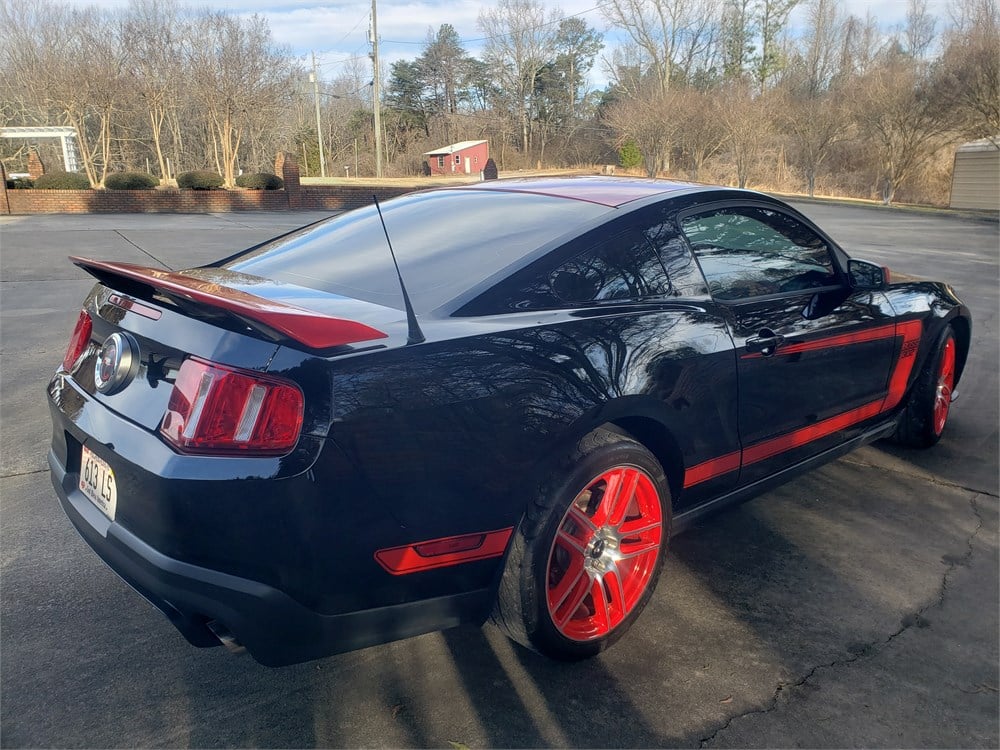
Featured on AutoHunter, the online auction platform driven by ClassicCars.com, is a 2012 Ford Mustang Boss 302 Laguna Seca.

2012 Ford Mustang Boss 302 Laguna Seca

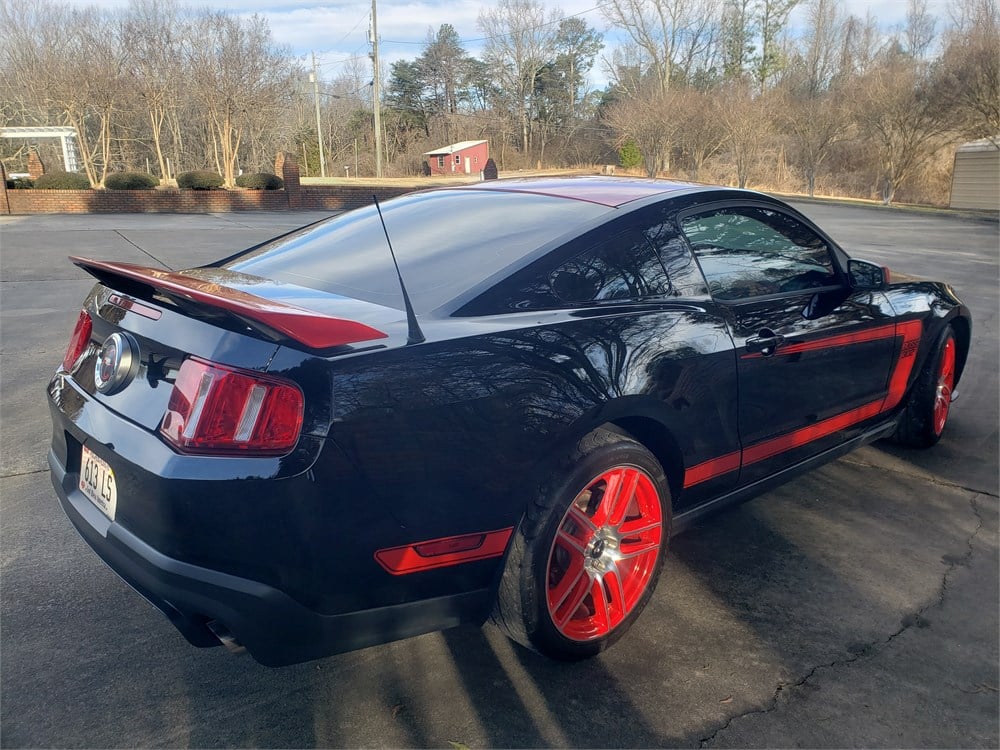
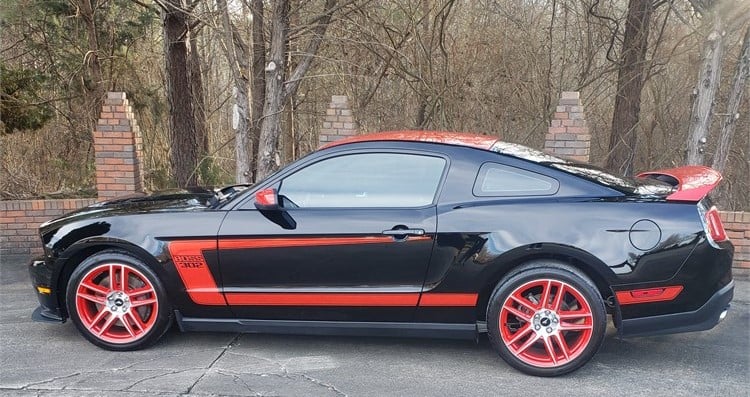
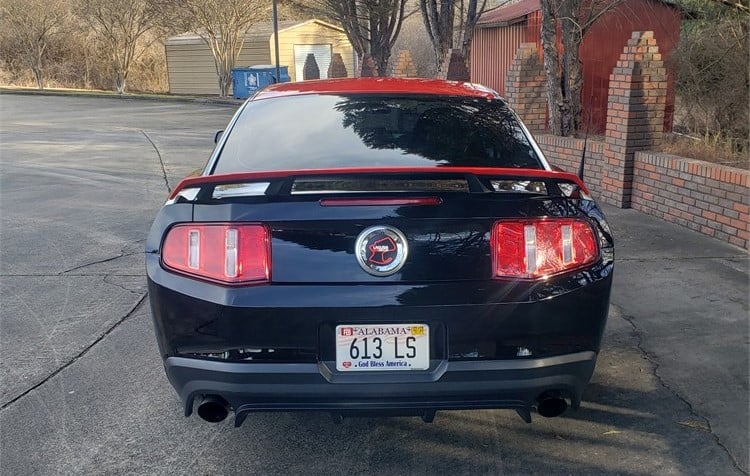
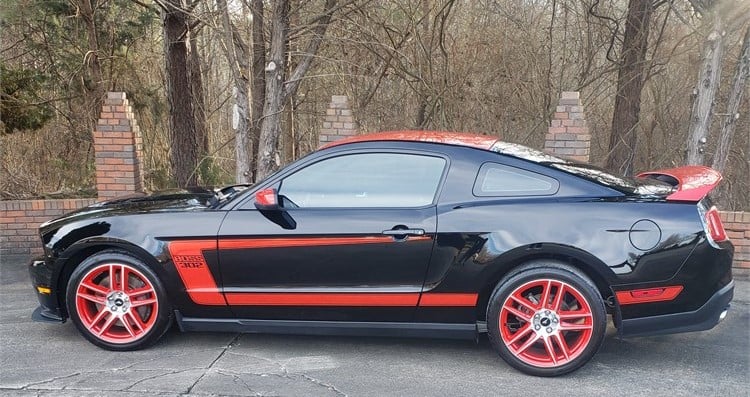
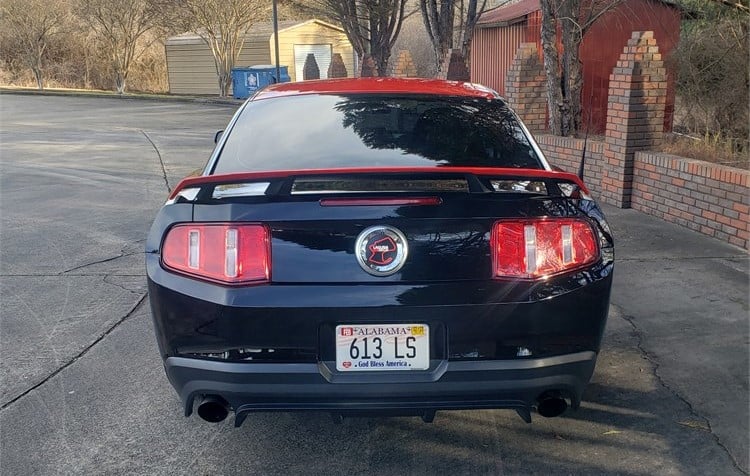
This Boss 302 is one of 767 Laguna Seca models produced for 2012 and the black exterior is complemented by Boss 302 graphics, and red highlights on the grille frame, roof, mirror caps, sides, and rear spoiler.

2012 Ford Mustang Boss 302 Laguna Seca

It rides on 19-inch machined aluminum double-spoke wheels with red pockets and Z-rated 255/40 Pirelli tires.

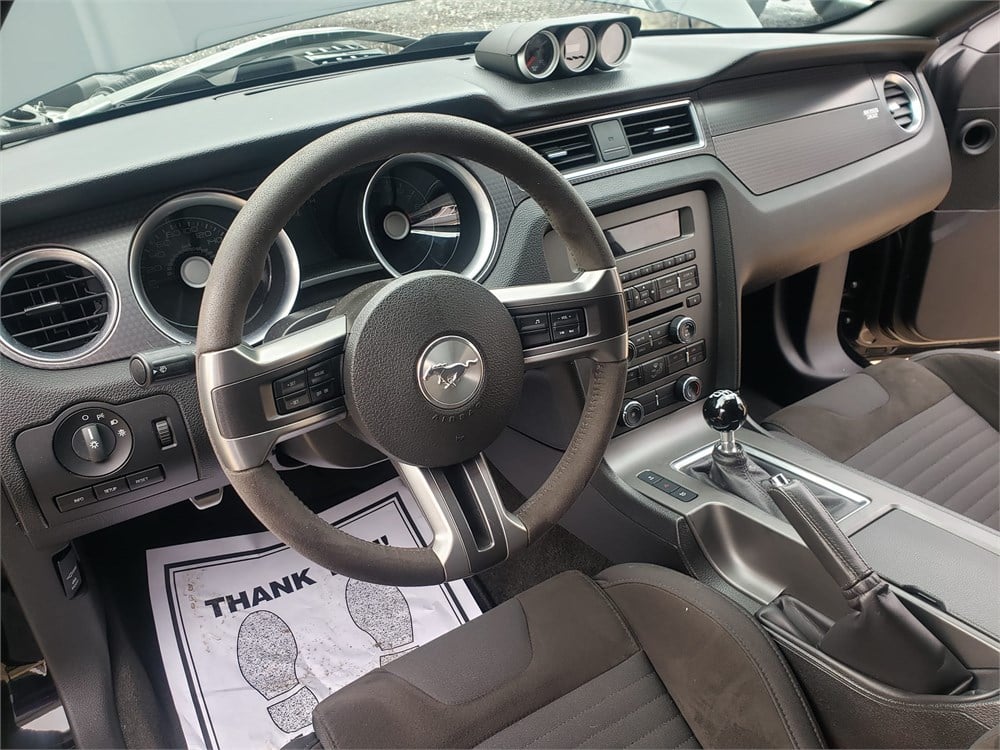
2012 Ford Mustang Boss 302 Laguna Seca

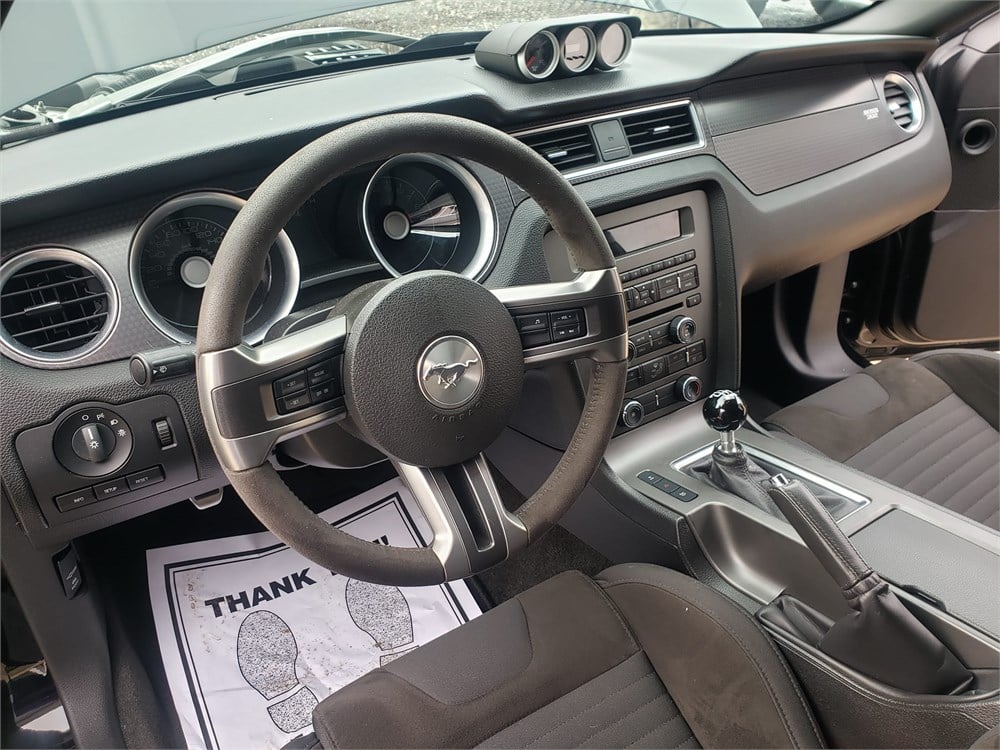
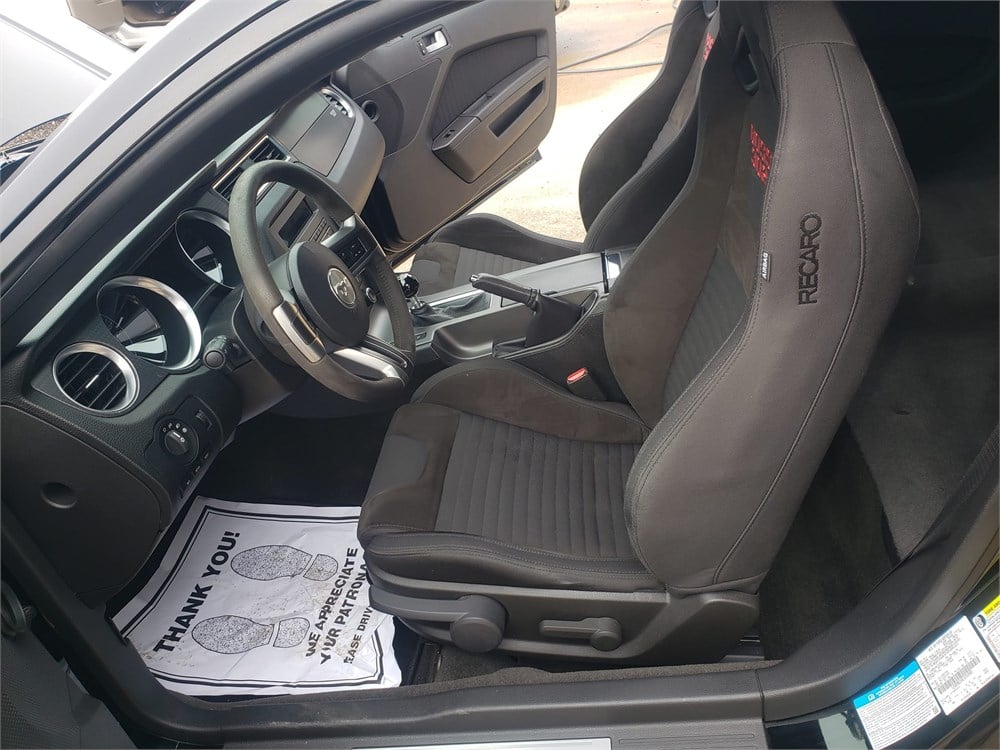
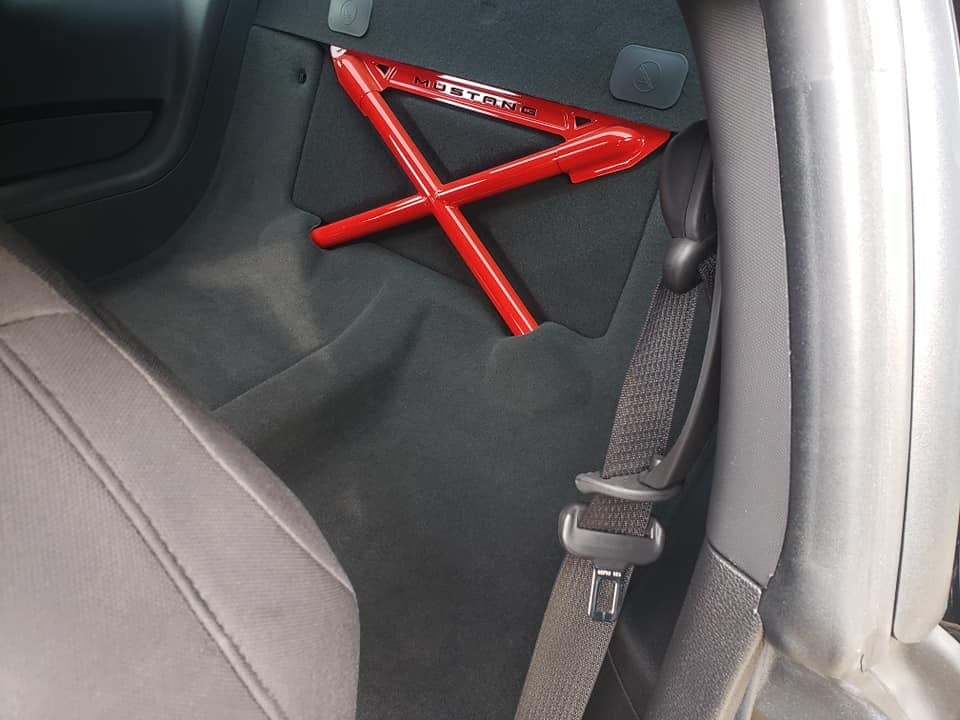
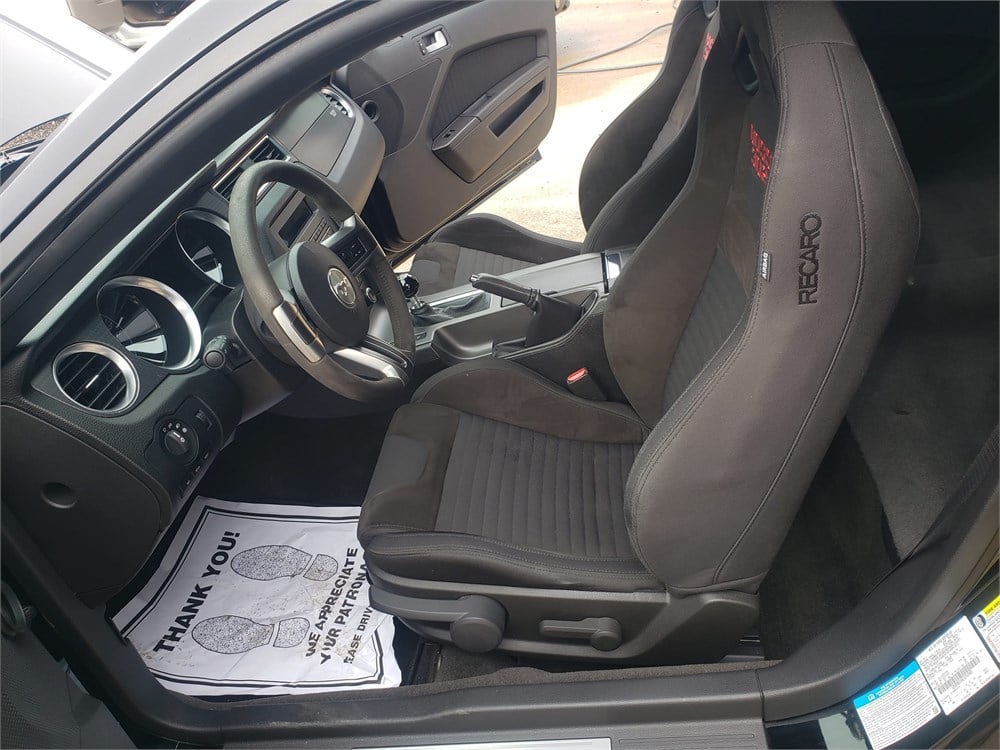
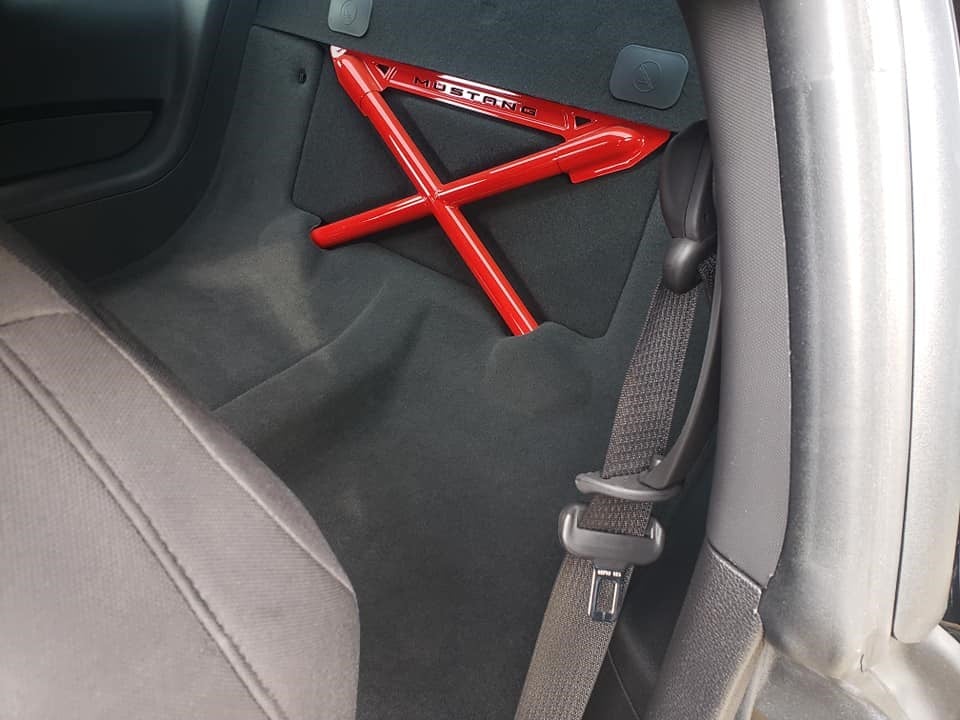
“The manually adjustable Charcoal Black Recaro cloth bucket seats feature red Boss 302 embroidery on the backrests,” the listing states. “The rear seats have been deleted and replaced with a red cross-car X-brace. Other features include an Alcantara-wrapped steering wheel, a glossy black shift knob, an AM/FM/CD audio system, air conditioning, and power windows, locks, and mirrors.”

2012 Ford Mustang Boss 302 Laguna Seca

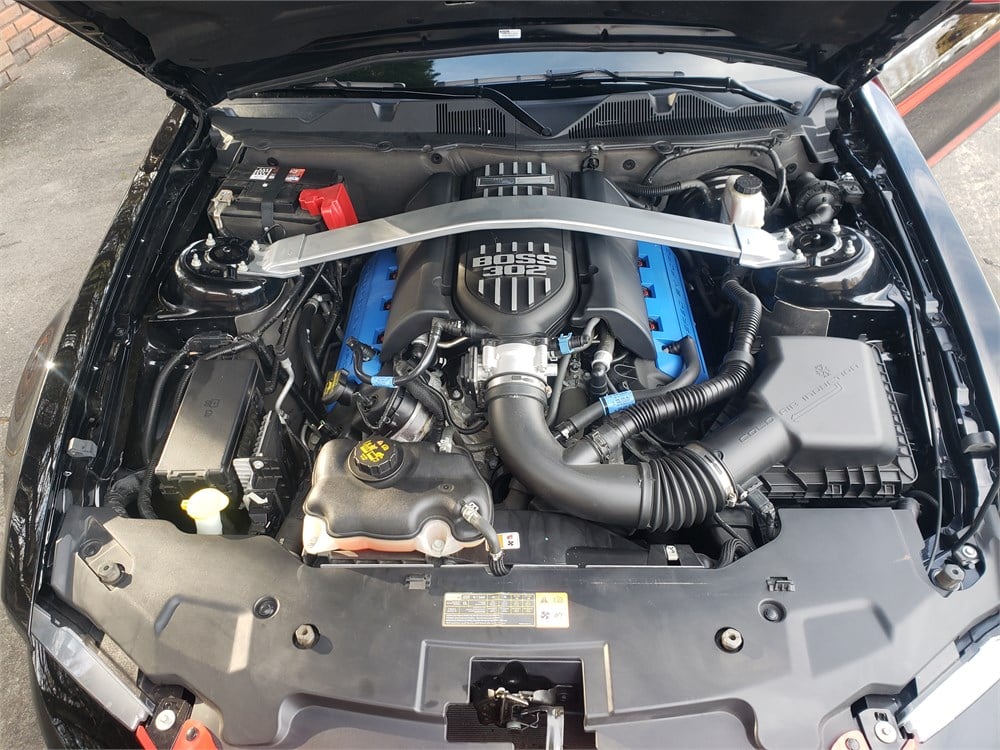
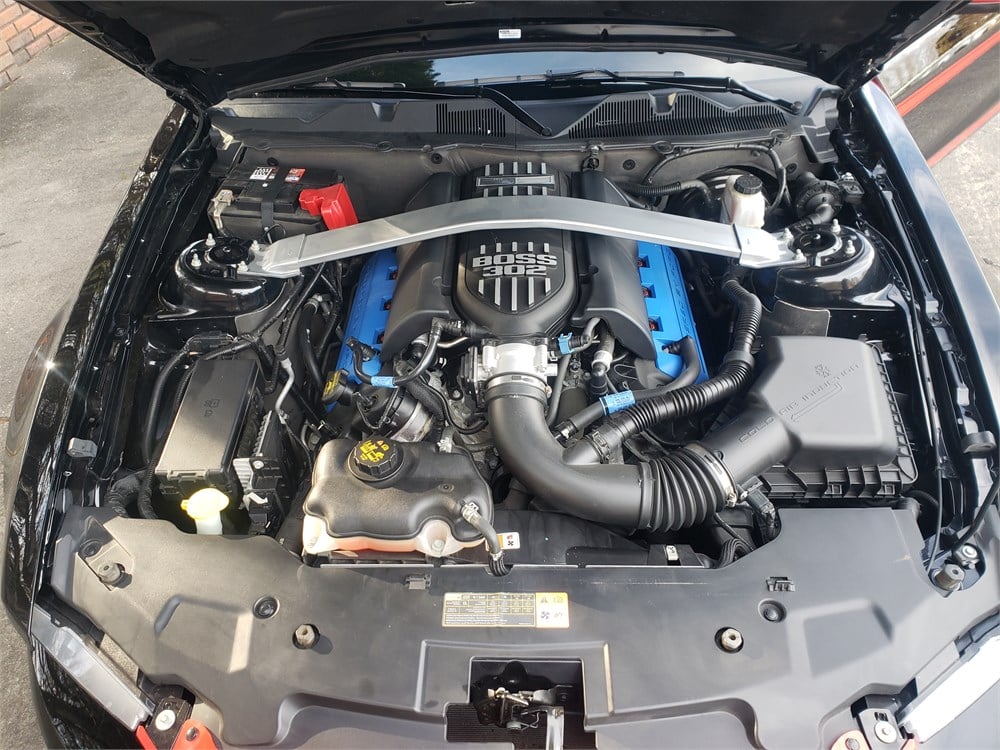
It’s powered by a 5.0-liter V8 engine mated to a six-speed manual transmission with 3.73:1 rear end featuring a Torsen helical differential. Per the CARFAX report, it was last serviced In December 2022 when it received a four-wheel alignment, and an oil and filter change. This Mustang has a shock tower brace, unique rear springs, and a larger stabilizer bar.

The sale includes a clear title, promotional materials, original owner’s manual, and a Track Key. The digital odometer shows 10,318 miles, which matches the mileage shown on the CARFAX report.

5.0-liter V8 engine
5.0-liter V8 engine

This 2012 Ford Mustang Boss 302 Laguna Seca’s auction ends on Monday, February 6, 2023, at 4:40 p.m. (MST)

Visit the AutoHunter listing for more information and photo gallery

Featured on AutoHunter, the online auction platform driven by ClassicCars.com, is a 2012 Ford Mustang Boss 302 Laguna Seca.

2012 Ford Mustang Boss 302 Laguna Seca

This Boss 302 is one of 767 Laguna Seca models produced for 2012 and the black exterior is complemented by Boss 302 graphics, and red highlights on the grille frame, roof, mirror caps, sides, and rear spoiler.

2012 Ford Mustang Boss 302 Laguna Seca

It rides on 19-inch machined aluminum double-spoke wheels with red pockets and Z-rated 255/40 Pirelli tires.

2012 Ford Mustang Boss 302 Laguna Seca

“The manually adjustable Charcoal Black Recaro cloth bucket seats feature red Boss 302 embroidery on the backrests,” the listing states. “The rear seats have been deleted and replaced with a red cross-car X-brace. Other features include an Alcantara-wrapped steering wheel, a glossy black shift knob, an AM/FM/CD audio system, air conditioning, and power windows, locks, and mirrors.”

2012 Ford Mustang Boss 302 Laguna Seca

It’s powered by a 5.0-liter V8 engine mated to a six-speed manual transmission with 3.73:1 rear end featuring a Torsen helical differential. Per the CARFAX report, it was last serviced In December 2022 when it received a four-wheel alignment, and an oil and filter change. This Mustang has a shock tower brace, unique rear springs, and a larger stabilizer bar.

The sale includes a clear title, promotional materials, original owner’s manual, and a Track Key. The digital odometer shows 10,318 miles, which matches the mileage shown on the CARFAX report.

5.0-liter V8 engine
5.0-liter V8 engine

This 2012 Ford Mustang Boss 302 Laguna Seca’s auction ends on Monday, February 6, 2023, at 4:40 p.m. (MST)

Visit the AutoHunter listing for more information and photo gallery

There’s a lot of buzz in the news this week about a green-colored comet heading toward Earth that was last seen 50,000 miles ago. It’s called “C/2022 E3 (ZTF)” and it’s expected to come within 26 million miles of our planet on Wednesday, February 1. While the comet is deemed harmless by scientists, a lot of folks are excited for this rare occurrence. In honor of this once-in-a-lifetime space phenomenon.

The Pick of the Day is a 1967 Mercury Comet Caliente listed for sale on ClassicCars.com by a private seller in Pendleton, Kentucky. (Click the link to view the listing)

The Comet started out as a compact model in 1960 and was not branded under any specific nameplate, although it was sold through Lincoln-Mercury dealerships. Two years later, the car was formally incorporated as part of the Mercury family and received some restyling of the exterior. A second generation launched in 1964 and a third in 1966, when the car grew into the midsize segment.

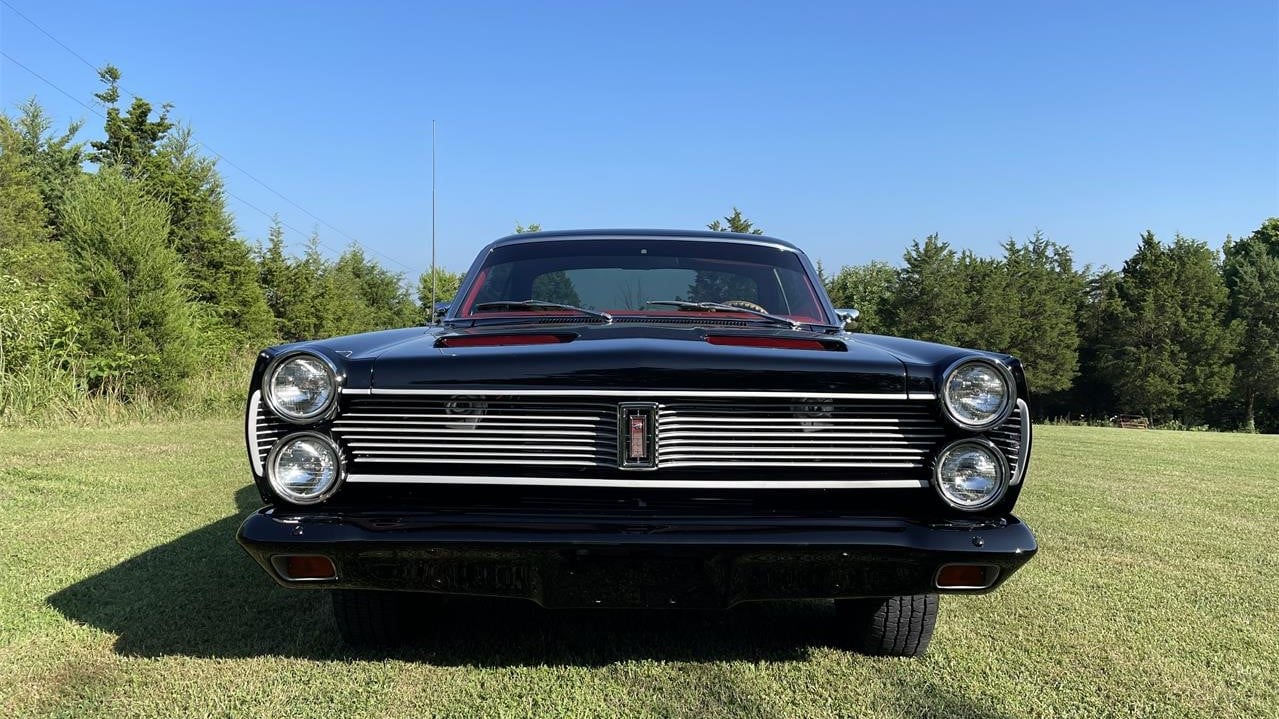
Adding to the complexity, naming conventions changed again in 1967 when the Comet took on new titles that were determined by the subseries hierarchy: In order, they were the Comet 202, Capri, Caliente, Cyclone, and Cyclone GT. Today’s feature Comet is a Caliente two-door hardtop. The listing reads, “Body is straight and perfect. Cyclone hood, fiberglass lightweight bumpers.”

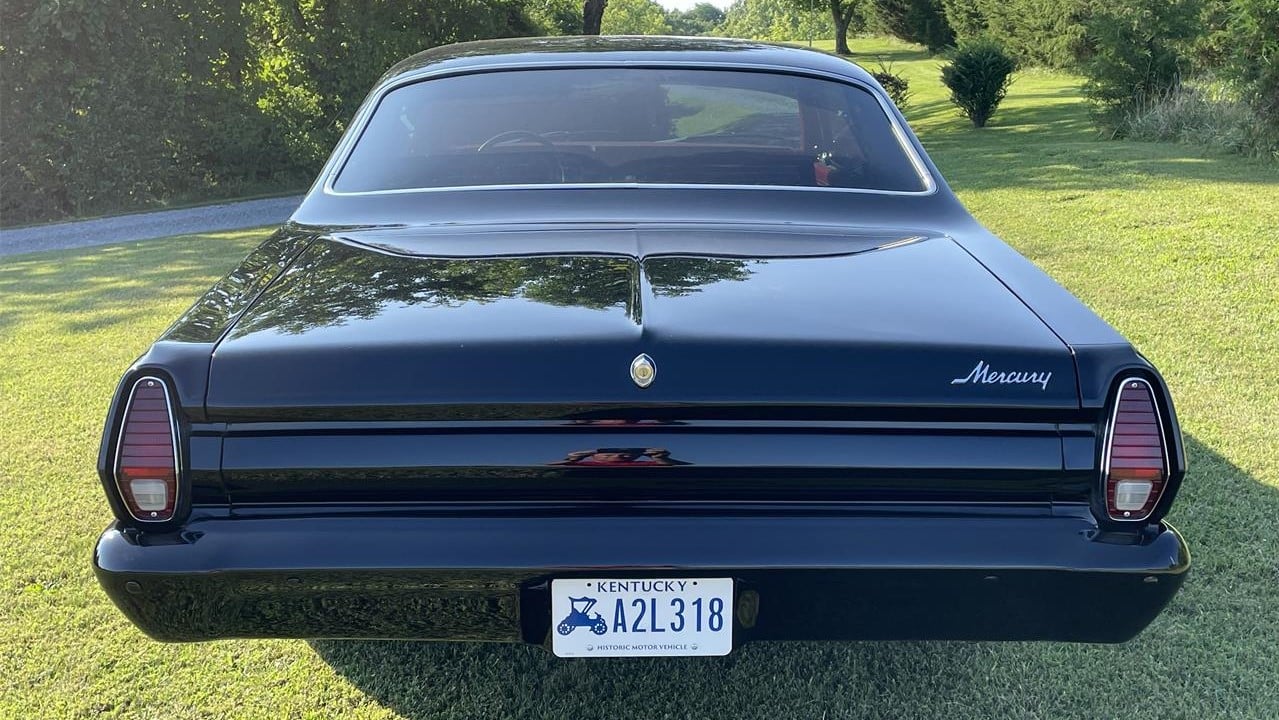
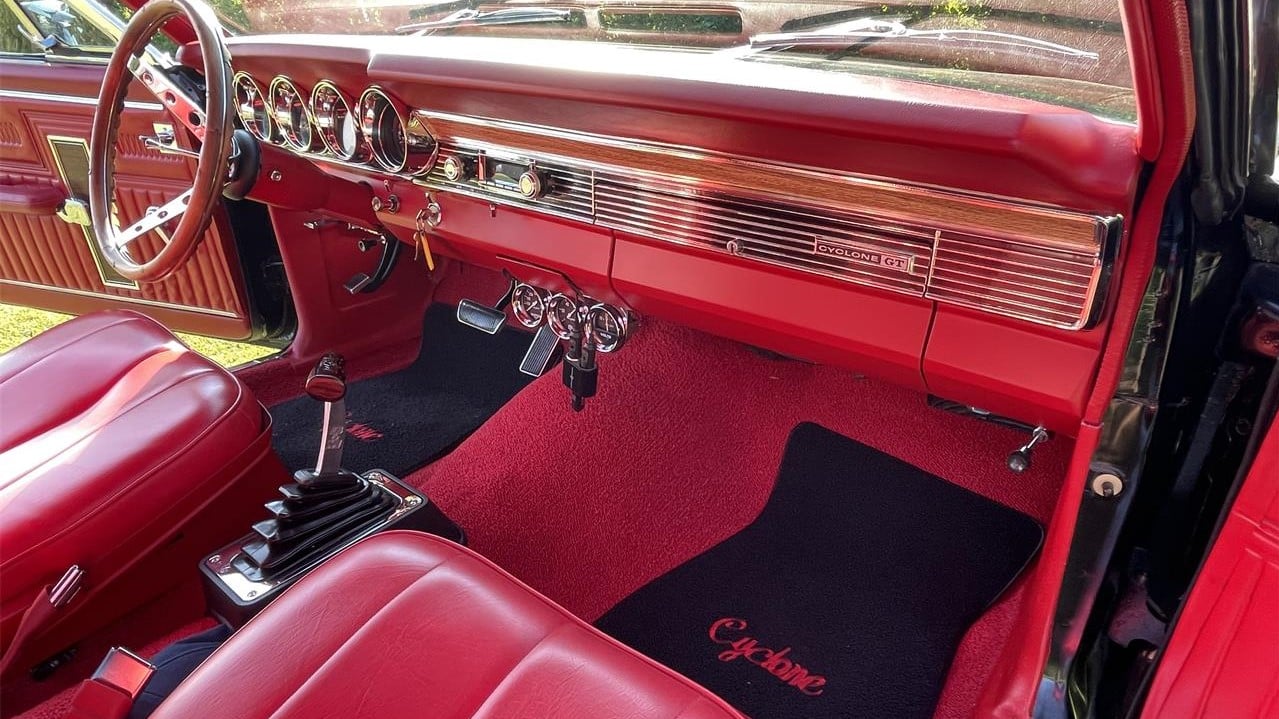
The black exterior finish is emphasized with color-matched bumpers, steel wheels, and tinted windows. On the interior, we see a lot of red materials, along with embroidered floor mats, woodgrain dash trim, a wood steering wheel, a modern Bluetooth audio system, and a B&M shift lever.

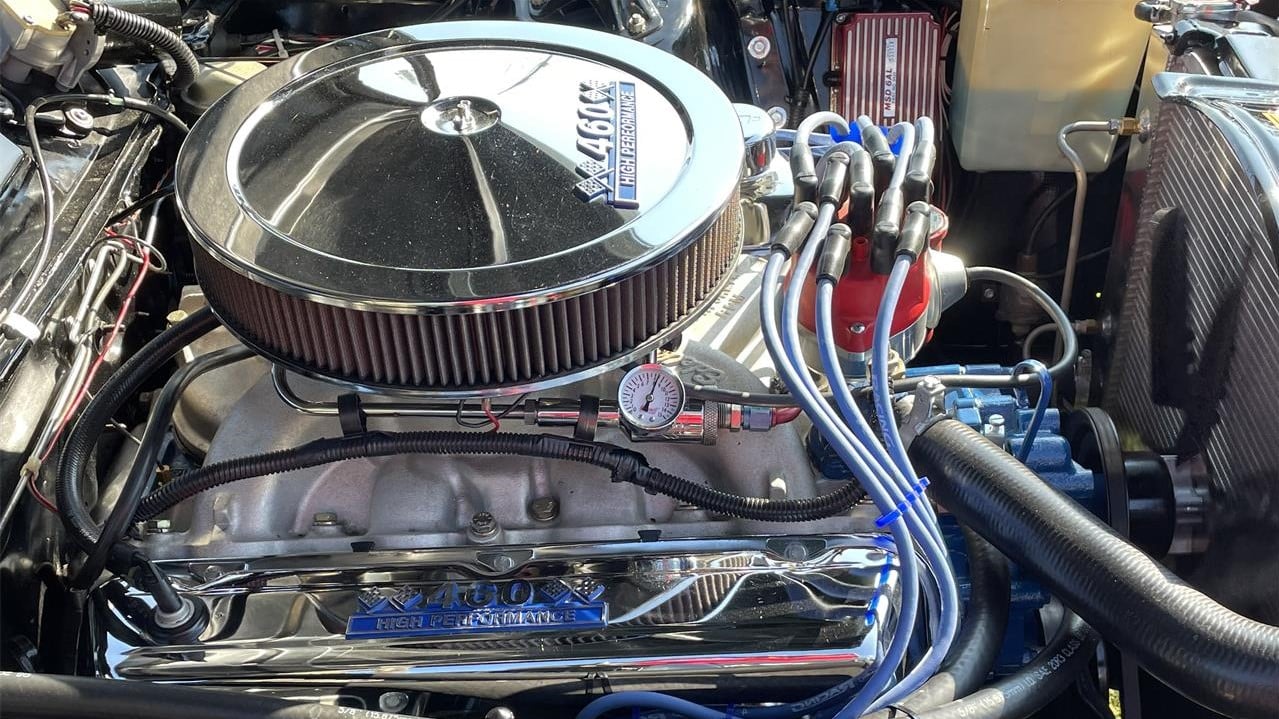
Comets from this generation were available with three engines from the factory: a 200cid inline-six, a 289cid V8, and a 390cid V8. This Comet comes with a completely upgraded drivetrain in the form of a 460cid V8 that sends power rearward through a C6 three-speed automatic transmission and a nine-inch positraction differential.

The green comet heading our way is going 128,500 miles per hour. This four-wheeled one might not go that quickly, but the seller says it’s a crowd-pleaser anyway: “Haven’t left a car show empty-handed yet,” the listing concludes. “Make an offer I can’t refuse.”

The seller is asking $35,000 for this Comet.

To view this listing on ClassicCars.com, see Pick of the Day.

It’s not a secret that the automotive industry is built around sales success. If a car isn’t selling or it is controversial (perhaps even both), it means the difference between millions of dollars or a huge loss for the company that made it. Many automotive companies were bankrupted for many reasons, and indeed the car industry is cutthroat. But even the most successful automotive companies have had close calls with failed projects. For example, the exalted Ford Motor Company has teetered on collapse more than once.

The most catastrophic events in the automotive industry have centered around vehicles like the Ford Pinto, which had an exploding gas tank, or the Chevrolet Corvair, which was dubbed unsafe at any speed by the United States Congress. But companies like Ford and GM always found ways to heal the damaged reputation from these vehicles. However, there is no denying that these cars from the big three automakers almost bankrupted their companies at one point or another. Look back at these infamous moments in automotive history right here.

Photo Credit: Bring a Trailer

Ford Pinto

The Pinto was a car that was designed to help consumers with the high fuel prices of the 1970s. Automakers moved toward fuel-efficient cars and thus the Pinto was at the forefront for Ford Motor Company. The debacle that happened with the fuel tank was understandably enough to cause the car to have a great deal of controversy surrounding it (via Tort Museum).

Ford Maverick
Photo Credit: Car Domain

The Pinto was initially a great selling vehicle for Ford but that luster quickly wore off. The car was plagued by all kinds of other quality issues. Surprisingly enough Ford based the third-generation Mustang on the Pinto platform. The car was a far cry from the muscle car that it once was and the Pinto was a joke overall for car buyers.

The post Disastrous: Cars That Almost Bankrupted The Big Three Automakers appeared first on Motor Junkie.

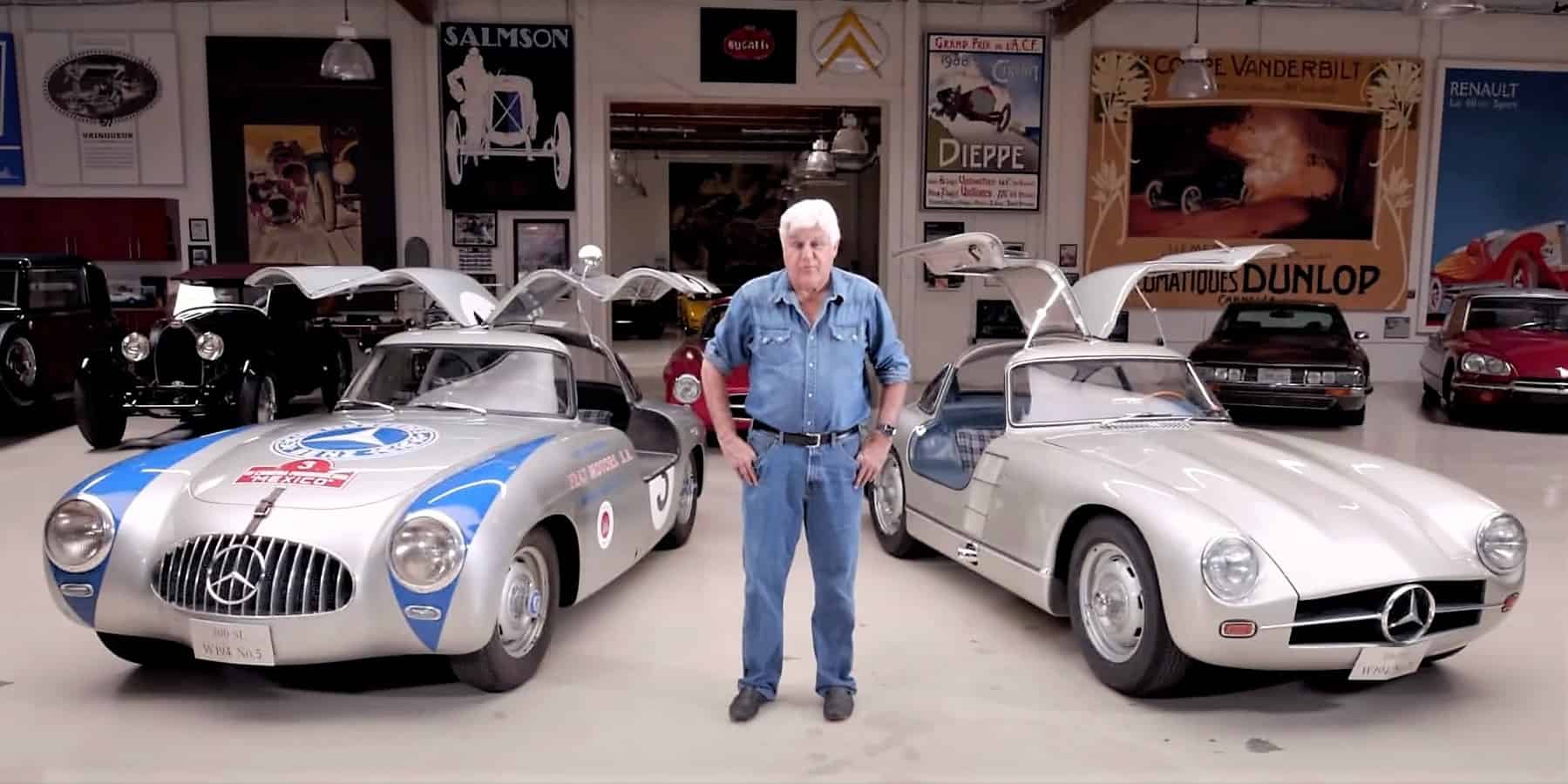
There’s been lots of Leno news over the past few days. If you’re a fan of the man who likes cars as much as you do but are not financially able to indulge, then there’s several items that would interest you.

First is the word that NBC Universal has cancelled “Jay Leno’s Garage.” Industry publication “The Hollywood Reporter” says the cancellation is part of a “larger schedule shift” that will fill the slot with reruns of “Shark Tank” and the like — shows that keep the public feeding on the reality-show teat. And what about “Jay Leno’s Garage” on YouTube? No news if it’s also affected.

gullwing

The other Leno news is that he was involved in a motorcycle accident on January 17th, though it was kept on the down-low after suffering burns while working on one of his steam-powered jalopies. The story goes that he was knocked off his 1940 Indian after was cutting through a parking lot when he was clotheslined by a wire preventing traffic from entering/exiting.

Unfortunately, no one placed a flag on the wire, so it was not conspicuous to the 72-year-old Leno. All because he smelled gas and turned off to check things out! A broken collarbone, two broken ribs and cracked kneecaps were his physical casualties so, from one car enthusiast to another, we wish Jay the best in his recuperation. And when we learn more about his video presence or lack thereof, the ClassicCars.com Journal will bring the news to you.