Born out of necessity and the need to carry big families around, minivans are one of the most practical but least exciting car categories. Performance and high-output engines are not something you usually associate with front-wheel-drive people carriers. However, there are ten cars that are exceptions to this rule, and today, we will take a closer look. 

1. Renault Espace F1

Cox19959190103
Photo Credit: Top Gear

In 1994, Renault took the concept of a minivan to an entirely new level with the Espace F1. This one-off prototype was created to celebrate the 10th anniversary of the Espace and Renault’s involvement in Formula 1. Underneath its family-friendly exterior lay a 3.5-liter V10 engine from a Williams-Renault F1 car, producing 800 horsepower. The result?

Renault Espace F1
Photo Credit: Top Gear

A minivan that could accelerate from 0 to 60 mph in just 2.8 seconds and reach a top speed of 194 mph. While it was never intended for production, the Espace F1 remains a testament to what’s possible when performance engineering meets unconventional design. 

2. Mercedes R63 AMG

Photo Credit: Motor Biscuit

Mercedes-Benz is known for blending luxury with performance, and the R63 AMG is a prime example. This high-performance variant of the R-Class minivan featured a hand-built 6.2-liter V8 engine delivering 503 horsepower.

Photo Credit: Car Scoops

With all-wheel drive and a seven-speed automatic transmission, the R63 could sprint from 0 to 60 mph in just 4.6 seconds. Despite its impressive specs, the R63 AMG had a short production run, making it a rare find today.

3. Chrysler Pacifica Hybrid

2025 Chrysler Pacifica Hybrid 103 66d882a84c988
Photo Credit: Top Gear

The Chrysler Pacifica Hybrid combines efficiency with respectable performance. Its 3.6-liter V6 engine, paired with an electric motor, produces 287 horsepower (combined power).

2021 Chrysler Pacifica Featured 1.png
Photo Credit: Stellantis

This setup allows the Pacifica Hybrid to accelerate briskly while offering the benefits of improved fuel economy and reduced emissions. It’s a practical choice for families who want a bit of pep in their daily drive without sacrificing efficiency.

4. Toyota Sienna Hybrid

2021 Toyota Sienna 0
Photo Credit: Toyota

Toyota’s Sienna Hybrid is another minivan that doesn’t compromise on performance. Its 2.5-liter four-cylinder engine, combined with electric motors, delivers 296 horsepower. This powertrain provides smooth acceleration and confident highway merging, all while maintaining excellent fuel efficiency.

0x0.jpg
Photo Credit: Pinterest

The Sienna Hybrid proves that you can have both performance and practicality in a family vehicle. It is a kind of vehicle that doesn’t seem fast, but it is pretty rapid, at least for the standards of the minivan segment.

5. Toyota Previa Supercharged

Toyota Previa Cr [11053]
Photo Credit: Toyota

In the 1990s, Toyota offered a supercharged version of its Previa minivan. This model featured a mid-mounted 2.4-liter engine with a supercharger, producing 160 horsepower.

Photo Credit: Auto Mdb

While that might not sound impressive by today’s standards, the Previa Supercharged was one of the quicker minivans of its time, offering unique styling and a distinctive driving experience. 

6. GMC Safari GT

E647z049zb481
Photo Credit: GM

The GMC Safari GT was a sportier version of the standard Safari minivan. Equipped with a 4.3-liter V6 engine, it produced around 200 horsepower.

Tumblr A1591e0eef797f88ed8fd9e948312860 B9aa295f 1280
Photo Credit: Top Gear

The Safari GT featured rear-wheel drive and a more aggressive suspension setup, making it a favorite among those who wanted a minivan with a bit more attitude.

7. Kia Carnival V6

2021 Kia Carnival Platinum Review 18
Photo Credit: Pinterest

In some markets, the Kia Carnival, or the Sedona, offers a 3.5-liter V6 engine producing 287 horsepower. This power allows the Carnival to accelerate confidently, making it one of the more powerful options in the minivan segment.

Koiyslfuaexwi09fwop6
Photo Credit: Pinterest

Combined with a spacious interior and modern features, the Carnival is a compelling choice for families seeking performance and comfort. The 287 hp rating is pretty substantial, making this Kia one of the fastest minivans in its class.

8. Honda Odyssey Touring

Efdad3581a2b503137a61074def0ef54
Photo Credit: Pinterest

The Honda Odyssey has long been a favorite among families, and the Touring trim adds a touch of performance to the mix. Its 3.5-liter V6 engine delivers 280 horsepower, providing smooth and responsive acceleration.

Dsc 7306.jpg
Photo Credit: Drive

The Odyssey’s well-tuned suspension and precise steering make it one of the more engaging minivans to drive. Paired with Honda’s reliability and dependability, Odyssey is a great choice for people who want space, usability and a hint of performance.

9. Opel Zafira OPC

Opel Zafira Opc A Compactvan 1
Photo Credit: Opel

The Opel Zafira OPC is a performance-oriented version of the standard Zafira minivan. Under the hood, a turbocharged 2.0-liter engine produces 240 horsepower.

Zafira Opel Johannesburg Car Shows
Photo Credit: Opel

This setup allows the Zafira OPC to accelerate from 0 to 60 mph in just over 7 seconds, making it one of the fastest minivans available in Europe during its production run.

10. Ford S-Max 2.5T

Car Photo 25572
Photo Credit: Evo

The Ford S-Max 2.5T combines practicality with performance. Its turbocharged 2.5-liter five-cylinder engine, shared with the Focus ST, produces 220 horsepower.

2007 Ford S Max 12
Photo Credit: Ford

This powertrain enables the S-Max to deliver spirited acceleration and a dynamic driving experience, all while accommodating up to seven passengers. Interestingly, with the engine out of the hot hatch, the S-Max is one of the fastest minivans ever sold on European market.
Source

Your car’s transmission works hard, and it gets hot doing it. But how hot is too hot? Knowing the right temperature range can help you avoid damage and big repair bills. This guide breaks down what’s normal, what’s not, and how to keep your transmission running cool and smooth.

What’s a Normal Transmission Temperature?

Fixing Engine

Most cars run best when the transmission stays between 175°F and 200°F. If it goes above that, things can wear out faster. Keeping the temp in this range helps your car shift smoothly and last longer. It’s a small number that makes a big difference for your car’s health.

When Does It Get Too Hot?

ECU Repairs

If your transmission gets hotter than 220°F, it’s time to be careful. The hotter it gets, the faster the fluid breaks down. This can lead to damage over time. The higher the heat, the more stress on parts. Heat is a quiet problem that can become a big one.

Heat Is the Main Reason Transmissions Fail

Eagle Transmissions

Heat wears out transmission parts faster than anything else. It weakens the fluid and makes things inside break down. If a car has a bad transmission, heat often played a part. That’s why learning about temps is important—it helps you stop problems before they get worse.

Towing and Hauling Raises the Heat

Edmunds

If you tow trailers or carry heavy stuff, your transmission works harder. That makes it hotter. The extra weight puts stress on the system. Over time, it can raise temps past the safe zone. If you tow often, consider getting a cooler or changing the fluid more often.

Stop-and-Go Driving Adds Heat Too

Inspired Pencil

You don’t have to tow to make things hot. Sitting in traffic and doing lots of short trips also heats up the transmission. All the stopping and starting keeps it from cooling off. That’s why it’s important to keep an eye on things even if you’re not hauling anything.

Coolers Keep Temps Down

Mishimoto

A transmission cooler helps keep temps in the safe range. It’s like an extra fan for your transmission. If you drive in hot places or tow heavy loads, adding a cooler can protect your transmission and make it last longer. It’s a small upgrade that can save big money later.

Old Fluid Traps Heat

BMW of Straghtham

Fluid gets dirty and thick over time. When it does, it can’t cool the transmission like it should. That means more heat. Fresh fluid keeps everything clean, smooth, and cool. If your fluid is old or smells burnt, it’s time for a change. Clean fluid is cheap insurance.

Some Cars Show Transmission Temp

SilveradoSierra.com

Not every car has a transmission temperature gauge, but many new ones do. Check your dashboard or screen. Some trucks even show the temp while towing. If your car doesn’t show it, a scan tool or special sensor can help. It’s good to know what’s going on inside.

Signs of Overheating

Ziegler Chrysler Dodge

If your transmission is slipping, shifting funny, or you smell something burnt, it might be overheating. Don’t ignore it. Pull over and let the car cool down. Driving with a hot transmission can cause serious damage fast. Catching it early can save your transmission—and your wallet.

Take Care to Avoid Costly Repairs

Medium

Transmissions are expensive to fix or replace. But most problems come from heat and poor fluid care. Staying on top of your fluid, watching temps, and driving smart can keep yours going for a long time. A little care now can save you from big bills later.

Source

Even though sheer power was never an emphasis of Cadillac’s image, the cars from one of Detroit’s most coveted brands were never slow. However, the company concentrated on smooth power delivery, luxury appointments, and features. Cadillac always packed surprising power under the hood, and today, we will see the 10 most powerful ones.

1. Cadillac Eldorado 1967

1967 Cadillac Eldorado 1555090180865a2389a7r2701 2
Photo Credit: Flickr

The 1967 model year marked a revolution for the Eldorado model, not just in terms of new design but also in terms of technology and drivetrain. The 1967 model featured gorgeous new coupe styling with hide-away headlights, a long hood, and an elegant rear end.

1967 Cadillac Eldorado
Photo Credit: FC LLC

Cadillac took Oldsmobile’s FWD patent and slightly improved it for use on the Eldorado. With this feature, the Eldorado got almost perfect handling and better driving dynamics while still retaining the mighty 340 HP engine and all classic Cadillac characteristics. 

2. Cadillac Eldorado 1970

1970 Cadillac Eldorado Coupe
Photo Credit: Auto Mall

The 1970 Cadillac Eldorado featured the legendary 500 cubic inch (8.2L) V8 engine—then the largest production V8 in the world. Producing 400 horsepower and 550 lb-ft of torque delivers smooth yet powerful front-wheel-drive performance. Its bold styling included a long hood, sharp lines, hidden headlights, and a prominent grille, exemplifying 1970s American luxury.

1970 Cadillac Eldorado Mouse Motors Side
Photo Credit: Curbside

Inside, the Eldorado offered plush seating, woodgrain accents, and advanced features like power windows and automatic climate control. This model year marked the debut of the 500 CID engine, making the 1970 Eldorado a milestone in Cadillac history and a symbol of opulent performance.

3. NART Cadillac

1970 Nart Zagato The Cadillac Eldorado Turned Exotic Italian Bodied Grand Tourer 242572 1
Photo Credit: Autoevolution

Luigi Chinetti, the exclusive Ferrari importer for North America, wanted to expand his portfolio. So, he thought of a plan to make exotic cars with domestic components. Since Cadillac had just introduced the mighty 400 HP V8 with 500 CID, Chinetti bought the Eldorado with that engine and sent it to Italy to the famous Zagato design house.

5 Fascinating Classic Italian Bodied Cadillacs That You Might Never Knew Existed 14
Photo Credit: Autoevolution

In Italy, Eldorado was turned into a two-seater sports coupe with brand new styling and an engine mounted behind the passengers. Unfortunately, this vehicle remained a proposition and never advanced beyond the prototype stage.

4. Cadillac CTS-V

Photo Credit: Autoevolution

Every Cadillac CTS-V is a masterclass in performance and luxury sedan, but the third generation was king. It was powered by a 6.2-liter supercharged V8 engine producing 640 horsepower and 630 lb-ft of torque. It was paired with an 8-speed automatic transmission, which helped it accelerate from 0 to 60 mph in just 3.7 seconds.

Cadillac CTS-V
Photo Credit: Auto Evolution

Built on the Alpha platform, the CTS-V features rear-wheel drive, Magnetic Ride Control, Brembo brakes, and a sport-tuned suspension for agile handling. Its aggressive design includes a carbon fiber hood and aerodynamic enhancements. 

5. Cadillac XLR-V

2004 Cadillac Xlr 1582835858dff9f98764da2004 Cadillac Xlr 29
Photo Credit: Autoevolution

The XLR was a top-of-the-line sports two-seater with a folding hard-top and sharp, angular design, similar to the other models in the Cadillac range. It aimed at Mercedes SL and other prestigious European convertibles. However, the Cadillac engineers made a big mistake.

7036537 Cadillac Xlr Wallpaper
Photo Credit: Autoevolution

They took the C6 chassis, which was a great one, and instead of using powerful LS V8 engines, they installed the Northstar V8, which was more suitable for comfortable sedans. The problem was addressed by introducing a 4.4-liter Northstar supercharged V8 in the XLR-V model, but its 443 hp didn’t help. 

6. Cadillac Escalade V

2023 Cadillac Escalade V Group Fe 51122 1600.jpg
Photo Credit: GM

The Cadillac Escalade-V is a high-performance luxury SUV that combines bold design and supercharged power. Under the hood lies a 6.2-liter supercharged V8 engine producing 682 horsepower and 653 lb-ft of torque, making it the most powerful full-size SUV Cadillac has ever built.

2021 Cadillac Escalade Esv 101 1602888225

Despite its size, it rockets from 0 to 60 mph in just 4.4 seconds. Featuring Magnetic Ride Control, Air Ride Adaptive Suspension, and Brembo brakes, it delivers impressive handling and ride comfort. This superfast, full-size SUV is one of the most astonishing Cadillac products ever.

7. Cadillac CT6 Blackwing

Photo Credit: Motor Trend

The Cadillac CT6 Blackwing is a rare and distinctive luxury sedan produced in limited numbers. Cadillac’s exclusive 4.2-liter powers its twin-turbocharged V8 engine, known as the Blackwing, which delivers 500 horsepower and 574 lb-ft of torque in the Platinum trim and 550 horsepower with 640 lb-ft of torque in the CT6-V variant.

2020 Ct6 V 1583851247
Photo Credit: Autoevolution

Only 1,200 units were equipped with the Blackwing engine—915 CT6-Vs and 285 Platinum models—making it a unique chapter in Cadillac’s performance history. Future classic for sure.

8. Cadillac CTS-V Coupe

2015 Cadillac Cts V Coupe
Photo Credit: GM

Arguably, the most successful performance Cadillac was the second-generation CTS-V model produced between 2008 and 2014. Under the hood was a supercharged 6.2-liter V8 with 556 hp, making the CTS-V the most potent performance sedan on the market.
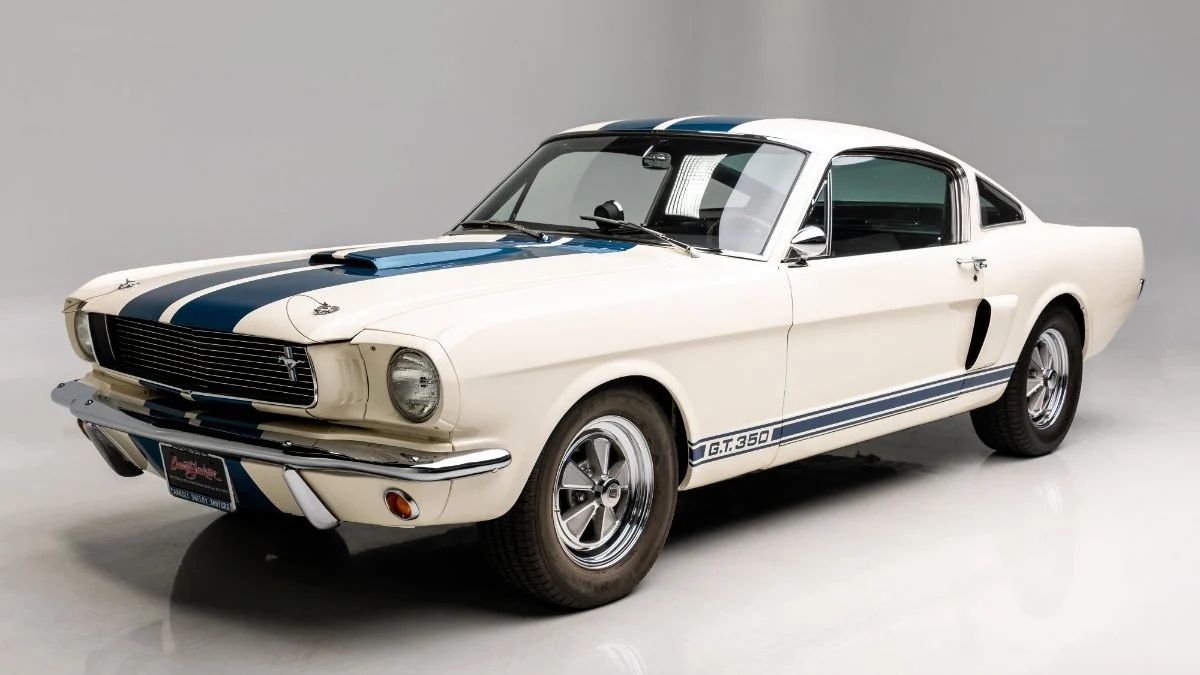
Photo Credit: Top Speed

The suspension and the rest of the drivetrain were advanced and up to the task, so the CTS-V was considered a complete package and one of the best driver’s cars available. Cadillac produced three body styles, and the CTS-V could be had as a sedan, a coupe, and, interestingly, a wagon, too.

9. Cadillac Celestiq

546352 Cadillac Celestiq 2024 La Berline Electrique A 400 000 Se Devoile
Photo Credit: GM

The Cadillac Celestiq is an ultra-luxury, all-electric flagship sedan, hand-built to order at GM’s Global Technical Center in Michigan. Powered by dual electric motors producing an estimated 600 horsepower and 640 lb-ft of torque, it offers all-wheel drive and accelerates from 0 to 60 mph in about 4.5 seconds.

Celestiqsc05.jpg
Photo Credit: Autoevolution

A 111-kWh Ultium battery provides an estimated range of 300 miles. The Celestiq features advanced technologies like Magnetic Ride Control, adaptive air suspension, and rear-wheel steering for exceptional ride quality. This is a window into Cadillac’s future as an automaker. 

10. Cadillac CT4-V Blackwing

2023 Cadillac Ct4 V Blackwing Track Edition Sebring Imsa Exterior 001 Maverick Noir Frost Front Three Quarters
Photo Credit: GM

The Cadillac CT4-V Blackwing is a compact luxury sports sedan that blends track-ready performance with refined craftsmanship. It is powered by a 3.6-liter twin-turbocharged V6 engine producing 472 horsepower and 445 lb-ft of torque, and it offers a 0-60 mph time of around 3.8 seconds.

My24 Ct4 V Mondrian Editions Arrival.jpg
Photo Credit: GM

Rear-wheel drive is standard, choosing between a 6-speed manual or a 10-speed automatic transmission. This model represents Cadillac’s commitment to delivering exhilarating performance without compromising luxury and is an ideal competitor to the BMW M3 and Mercedes C63 AMG.  

Source

I’ve been to a lot of car shows in my life, whether they were put on by dealers or a passionate group of owners. But none of them were quite like the 2025 Electrify Expo that took place in Phoenix April 12-13.

As you can probably guess by the name, the Electrify Expo is all about the power of electricity, specifically when it comes to powering transportation. It doesn’t matter which kind—cars, trucks, SUVs, motorcycles, bikes, scooters, and even skateboards were there under the sunlight at State Farm Stadium.

Before the event formally started on Saturday morning, I attended Ford’s Cars & Coffee event right outside the gates of the expo. Mustang Mach-E and F-150 Lightning owners lined up their vehicles before starting the day with freshly made chilaquiles, orange juice, and, of course, coffee. EV Product Communications Manager Sam Schembari explained Ford’s involvement with the festival and how Mach-E owner feedback influenced the vehicle’s updates for 2025.

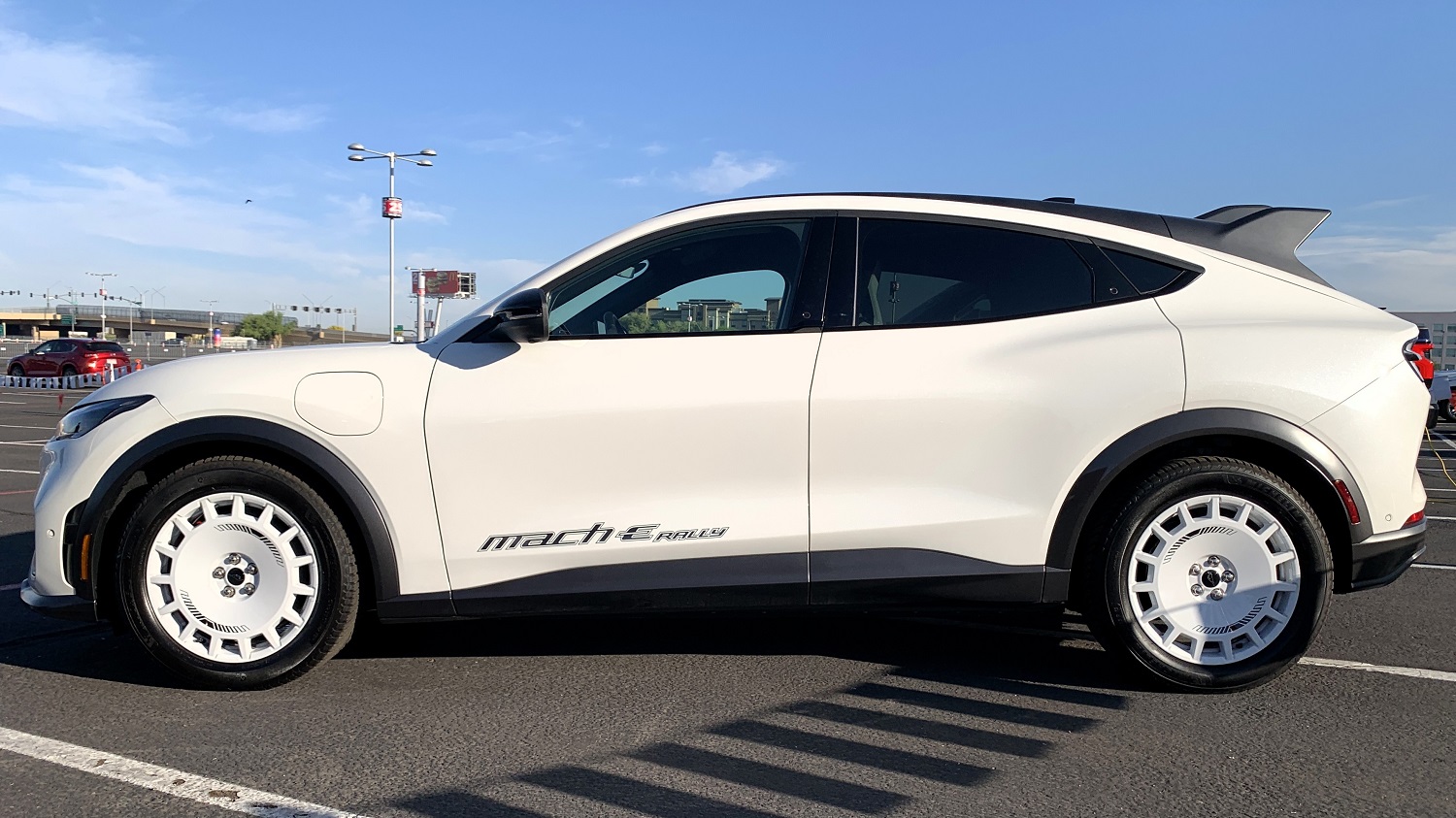
Once the Electrify Expo was officially underway, I went to Ford’s booth to learn even more about the 2025 Mustang Mach-E. James Duszkiewicz, Mustang Mach-E Assistant Brand Manager, told me about its new colors and features, as well as the off-road-ready Mach-E Rally. He also recommended I get in line as soon as possible to ride shotgun for some hot laps in a Mach-E GT with the Performance Upgrade, which boosts output to 480 horsepower and 700 lb-ft of torque. Let’s just say that I emerged from the Mach-E impressed . . . and a little woozy.

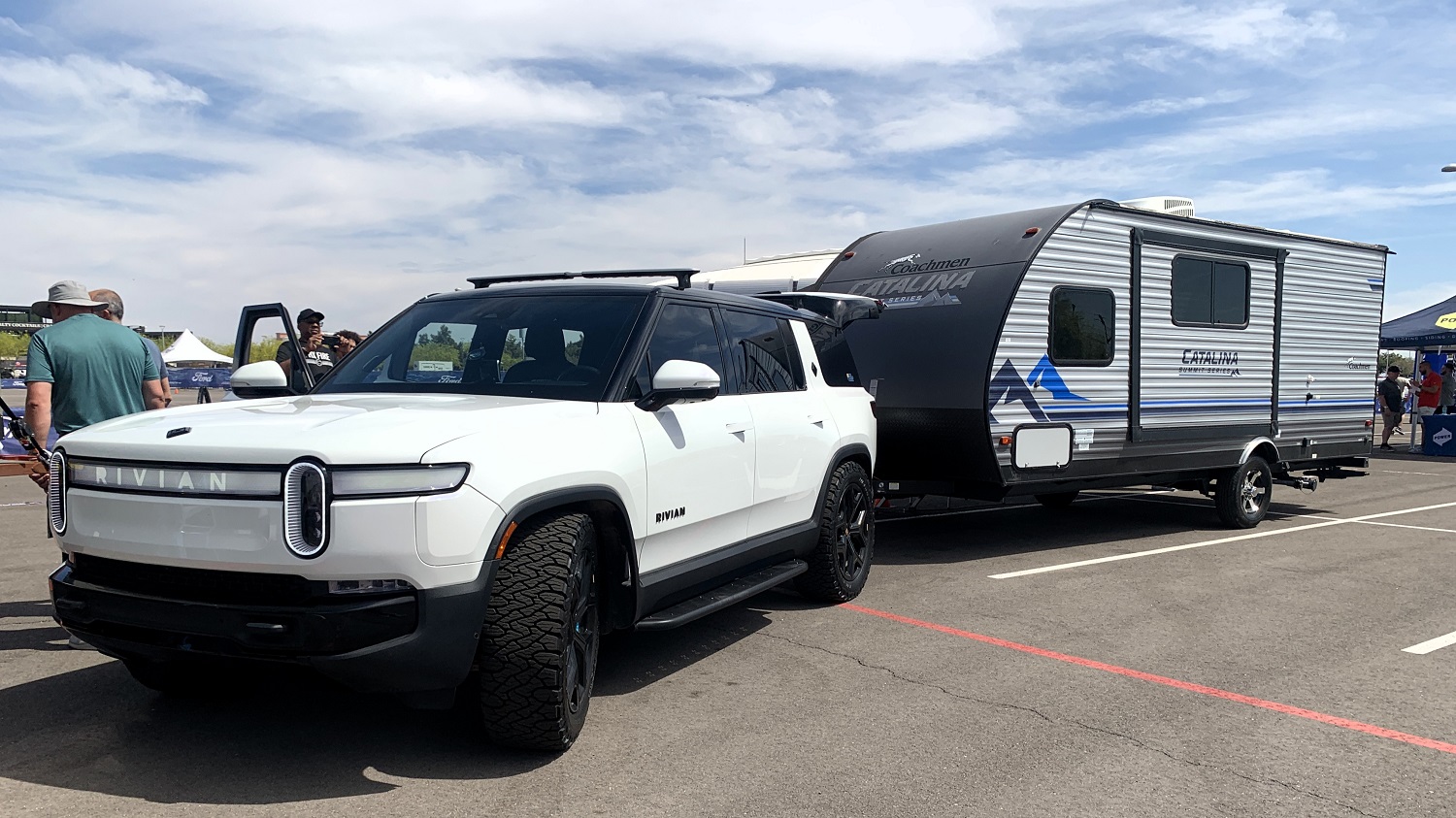
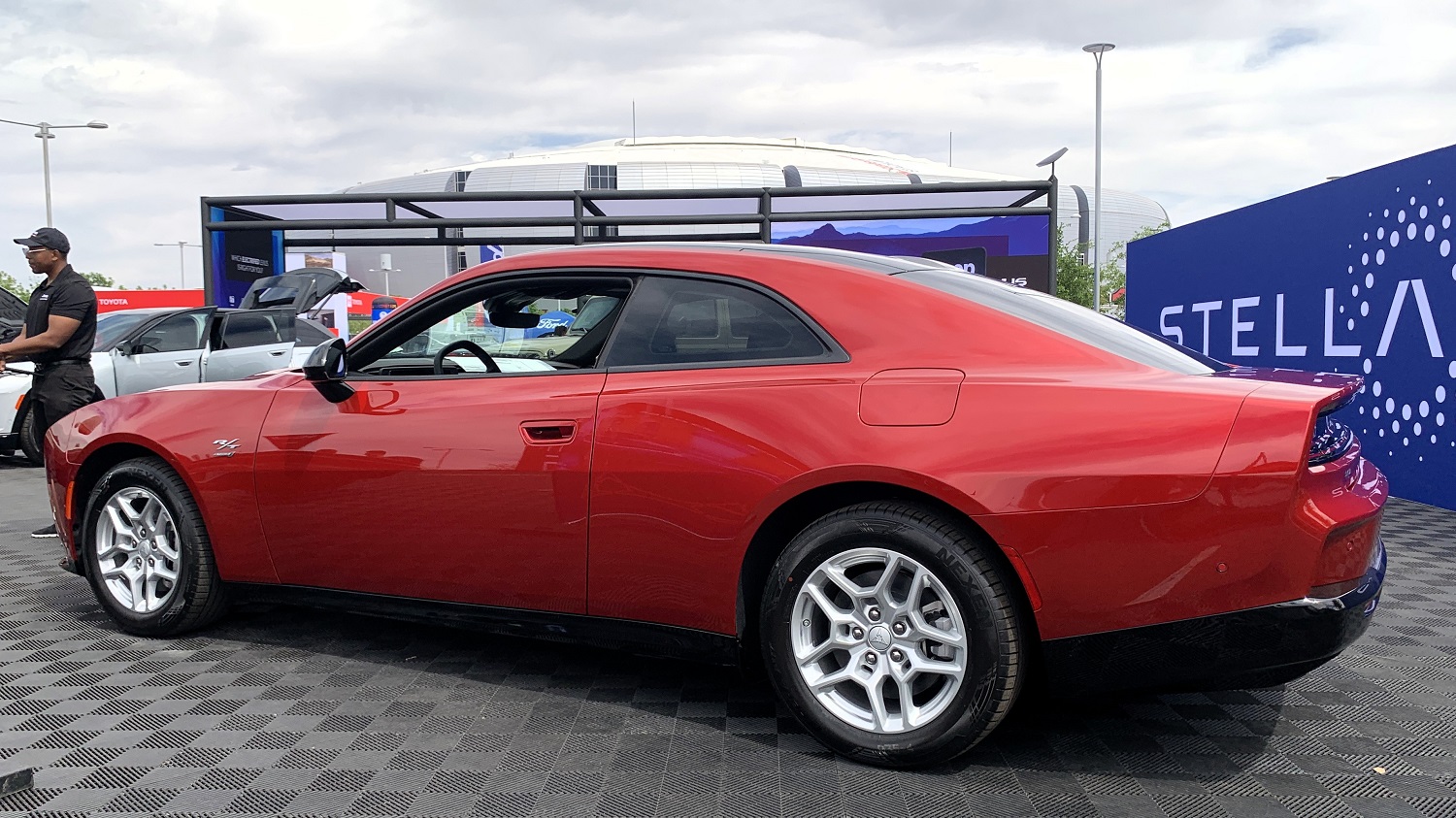
As a DJ pumped out lively dance music, I ventured further into the festival, which was filled with vehicles from Toyota, Tesla, Lucid, Chevrolet, and more. The EV owners who make up Drive Electric Arizona were onsite to tell people more about their volunteer-driven nonprofit organization and the benefits of plug-in electric vehicles. Co-founder and vice president Peter Culin was kind enough to take me through his group’s history, the ways in which it’s trying to increase access to charging, and the pros and cons of towing a trailer with a Rivian R1S.

At noon, I had the privilege of interviewing Electrify Expo CEO and Founder BJ Birtwell. Among other things, he shared with me his path to electric cars and what his event offers to newcomers to the EV space.

In the early afternoon, I walked to the Electrify Showoff section of the event, where private owners and companies had their EV conversions on display. One of the most unusual builds was a Preserve Watts’ 2022 Ford F-250, which is not only a rolling test vehicle for the company’s hardware, but also CEO Rob Thompson’s daily driver.

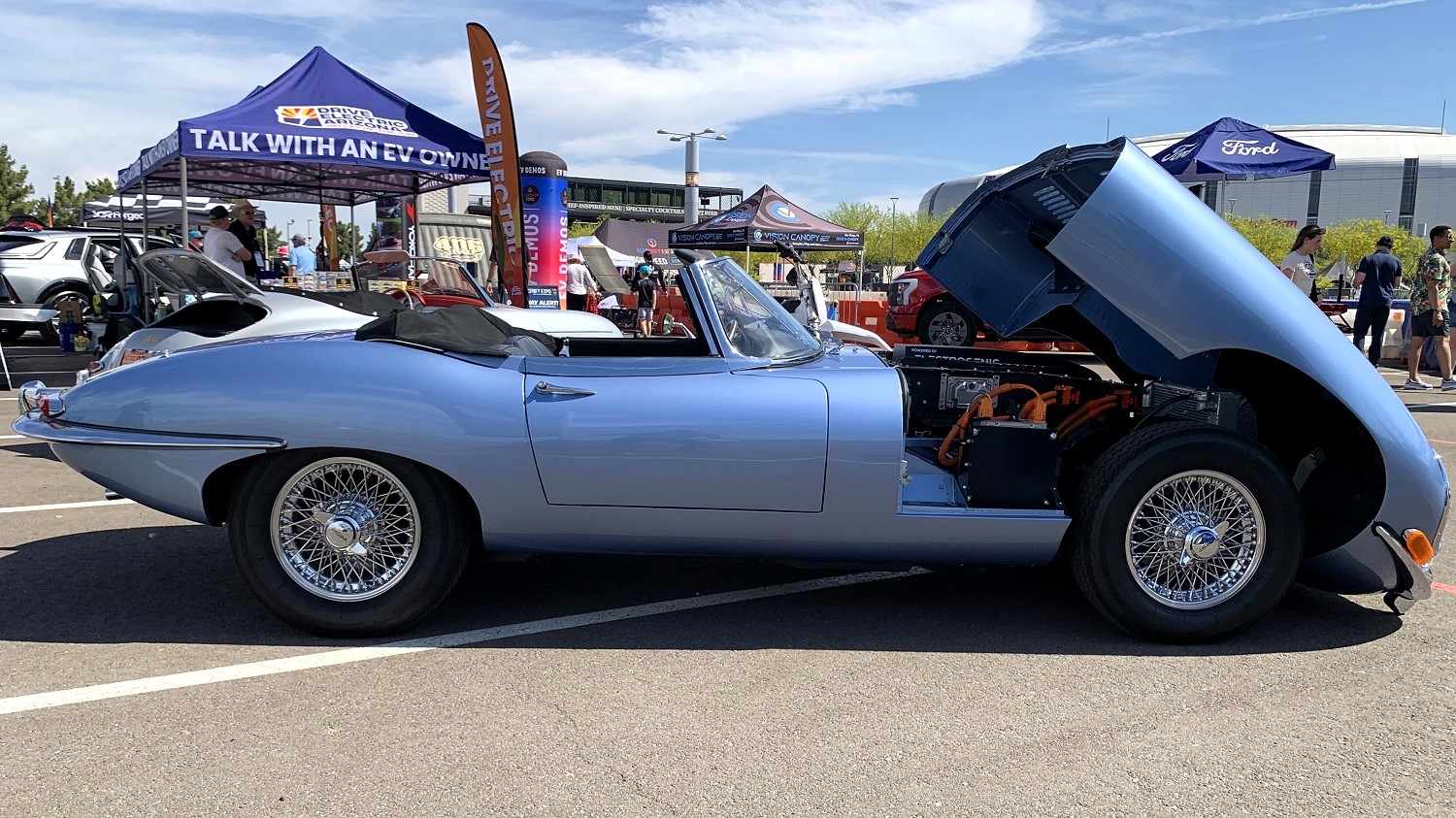
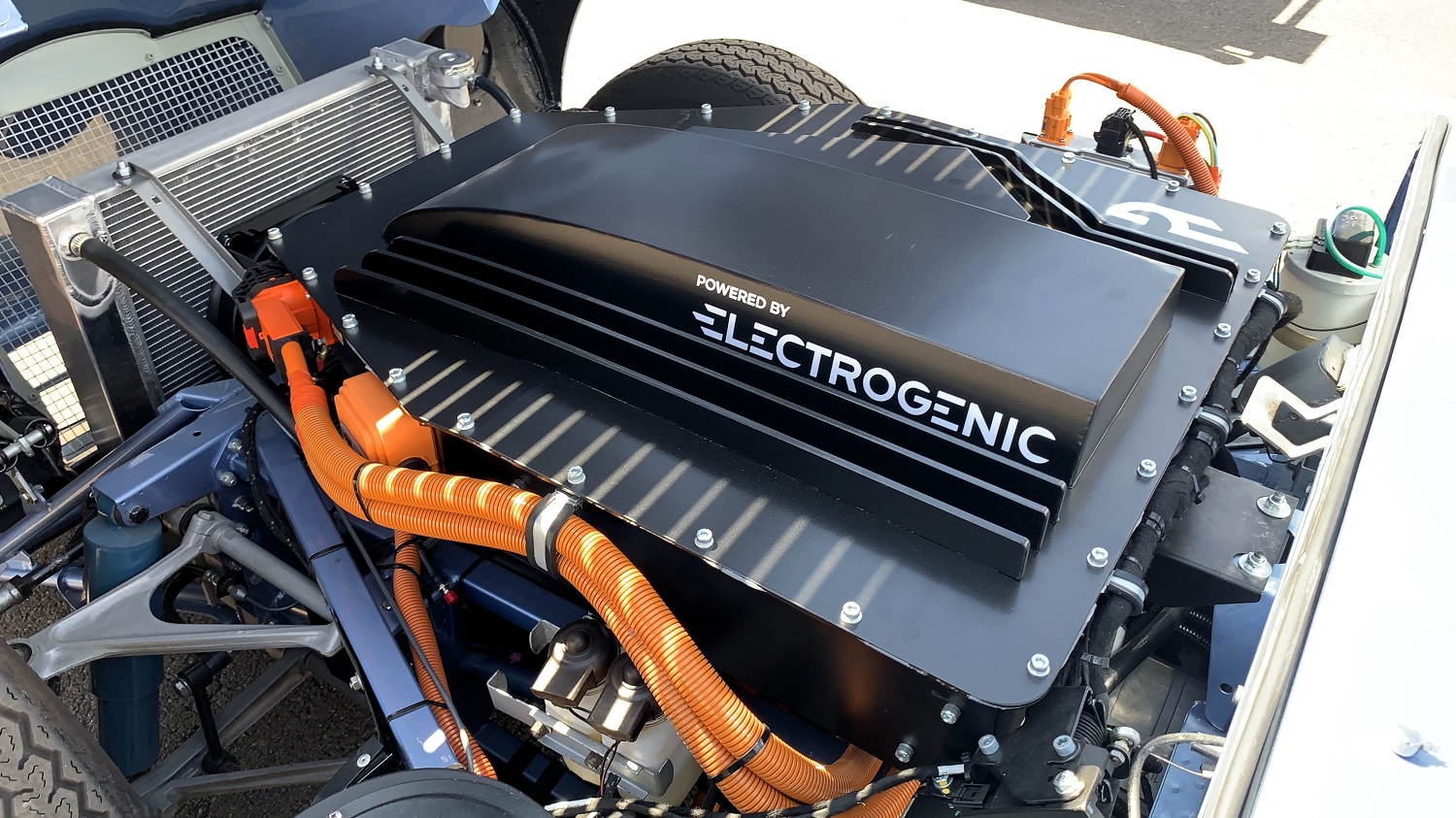
Further down the row of conversions was a gorgeous light blue 1966 Jaguar E-Type roadster. Gregg Snow, one of the people involved in the process of switching the Jag from straight-six to electric power, gave me all the key numbers and told me the most satisfying thing about driving the curvy cat.

Before I went to Electrify Expo, I expected a certain militancy from the EV-faithful, a rigid belief that everyone should get an EV or hybrid, and that ICE cars are wrong without exception. The people I spoke with showed me that, in addition to being passionate about electrified vehicles, they were pragmatic and devoted to solutions instead of a side in an argument.

As I said at the beginning of this article, the Electrify Expo was unlike any car show I’d ever been to previously. But it wasn’t a completely foreign experience: I was surrounded by knowledgeable people who love cars.

The next stop on the Electrify Expo’s national tour is Los Angeles, June 21-22. In the meantime, stay tuned to the ClassicCars.com Journal and the ClassicCars TV channel on YouTube for my interviews from the event in Phoenix.

Quick! Do you know when Chrysler first hit the marketplace? January 1924, with the Maxwell Motor Company being reorganized as the Chrysler Corporation on June 6, 1925. The 100-year anniversary is approaching, so what does Chrysler have in store for us?

At the New York International Auto Show (NYIAS), now through April 27, 2025, Chrysler is celebrating 100 years with a special three-vehicle display showcasing the brand’s past, present, and future:

“Chrysler holds a significant place in automotive history and culture and has been a symbol of innovation and resilience for 100 years,” says Chris Feuell, Chrysler CEO. “It’s an entire century of innovation: from its introduction of the Hemi V8 engine, to the creation of the minivan segment and Stow ‘n Go seating. As one of the original Big Three, Chrysler contributed to industrial growth and influenced culture with iconic vehicles like the Chrysler 300. Chrysler is more than just a car brand, it’s a key part of the automotive industry.”

The NYAIS is just the beginning of the celebration. As you can imagine, over the year you’ll see a social media campaign, events, and initiatives that include a multi-part video series looking back at significant Chrysler Corporation vehicles, concepts, innovations, and other historic moments. And, for those who don’t live in a nudist colony, Chrysler has introduced 100th anniversary-branded merchandise full of apparel and tchotchkes, with more on the way.

“Reaching 100 years is an accomplishment we want to both celebrate and use as an opportunity to declare our commitment to a future that honors Walter P. Chrysler’s legacy of innovation, engineering excellence, and beautiful, affordable designs,” Feuell adds. “As the brand celebrates this milestone, the future looks bright with exciting new releases: a refreshed Chrysler Pacifica in 2026, a new crossover soon after and a third product inspired by the Halcyon concept.”

For more information on the Chrysler Century of Innovation celebration, visit Chrysler.com.

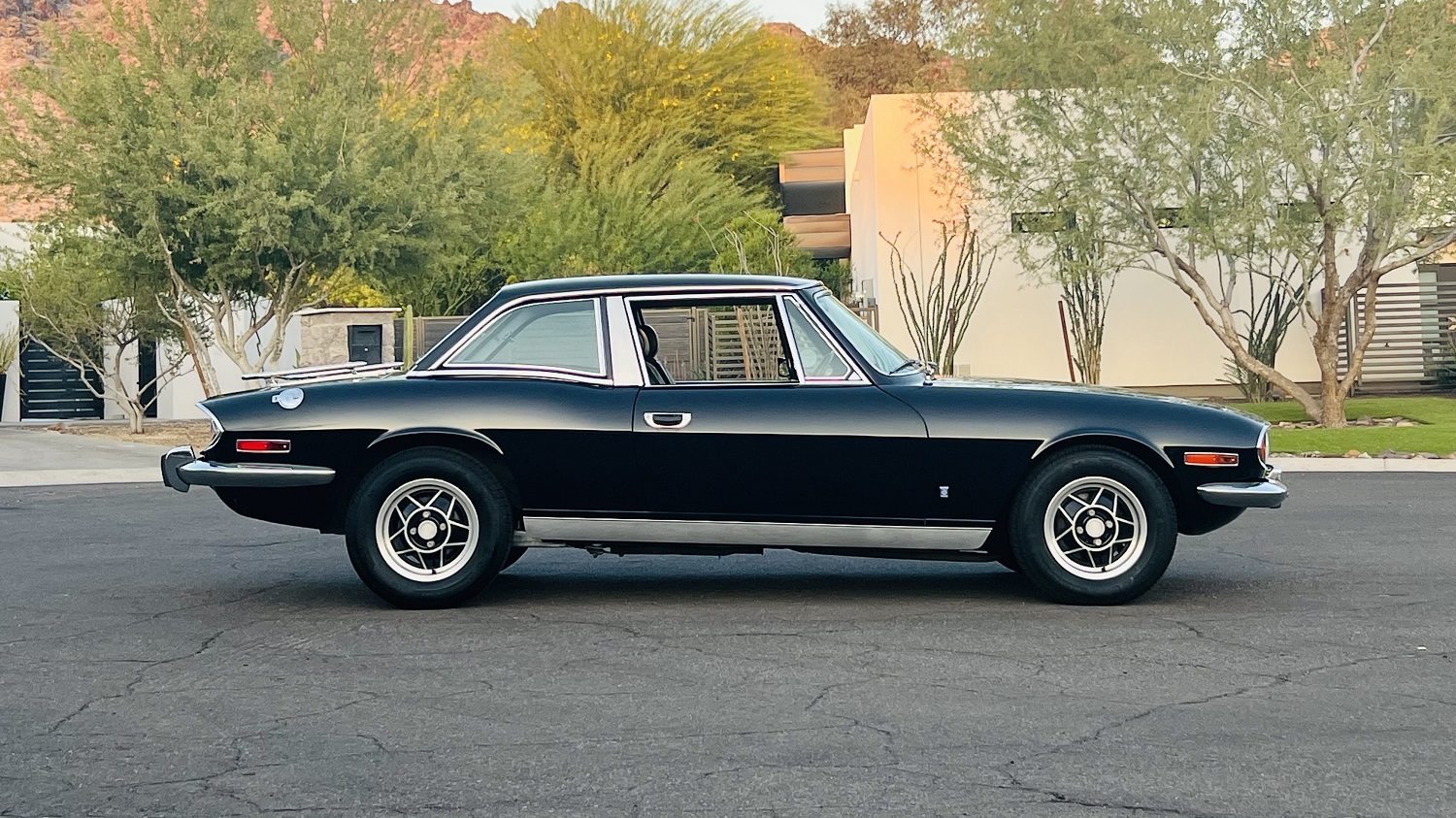
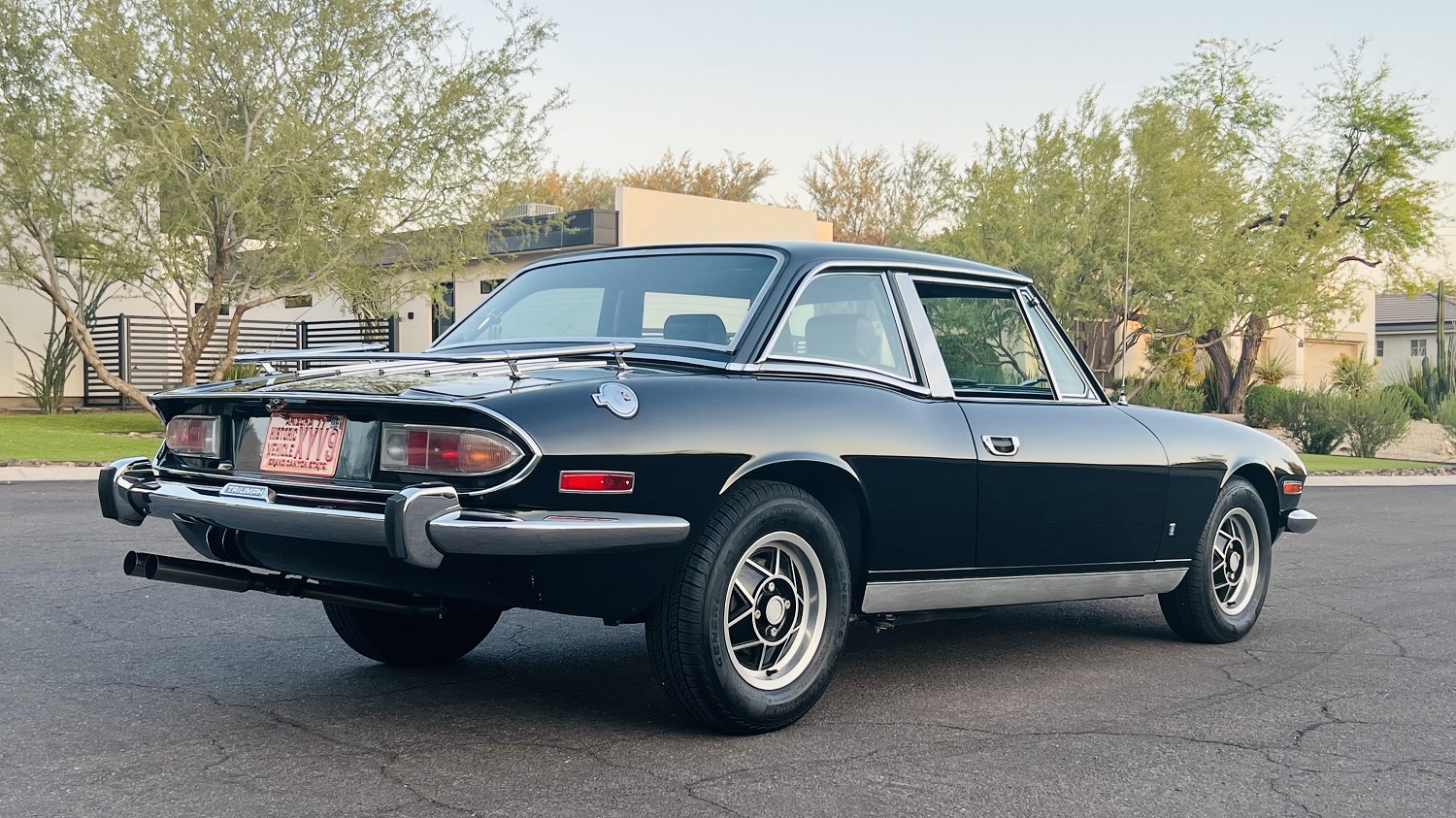
Currently listed on AutoHunter is this restored 1973 Triumph Stag, which is powered by a rebuilt 3.0-liter V8 mated to a Borg-Warner three-speed automatic transmission. Finished in black and equipped with a black soft top over a matching vinyl interior, this Mk 2 Stag is now offered by the Arizona seller with a color-matched hardtop, service receipts, British Motor Industry Heritage Trust certificate, Triumph parts catalog, owner’s manual, and clear Arizona title.

Originally Magenta, the body was repainted black. Exterior features include chrome bumpers and trim, driver-side mirror, luggage rack, exposed fuel cap, rear bumper guards, and a pair of exhaust outlets. When the weather is nice, the black soft top can be lowered for an open-air driving experience. If it gets cold or starts raining, the soft top can be stored away and replaced with a body-color hardtop.

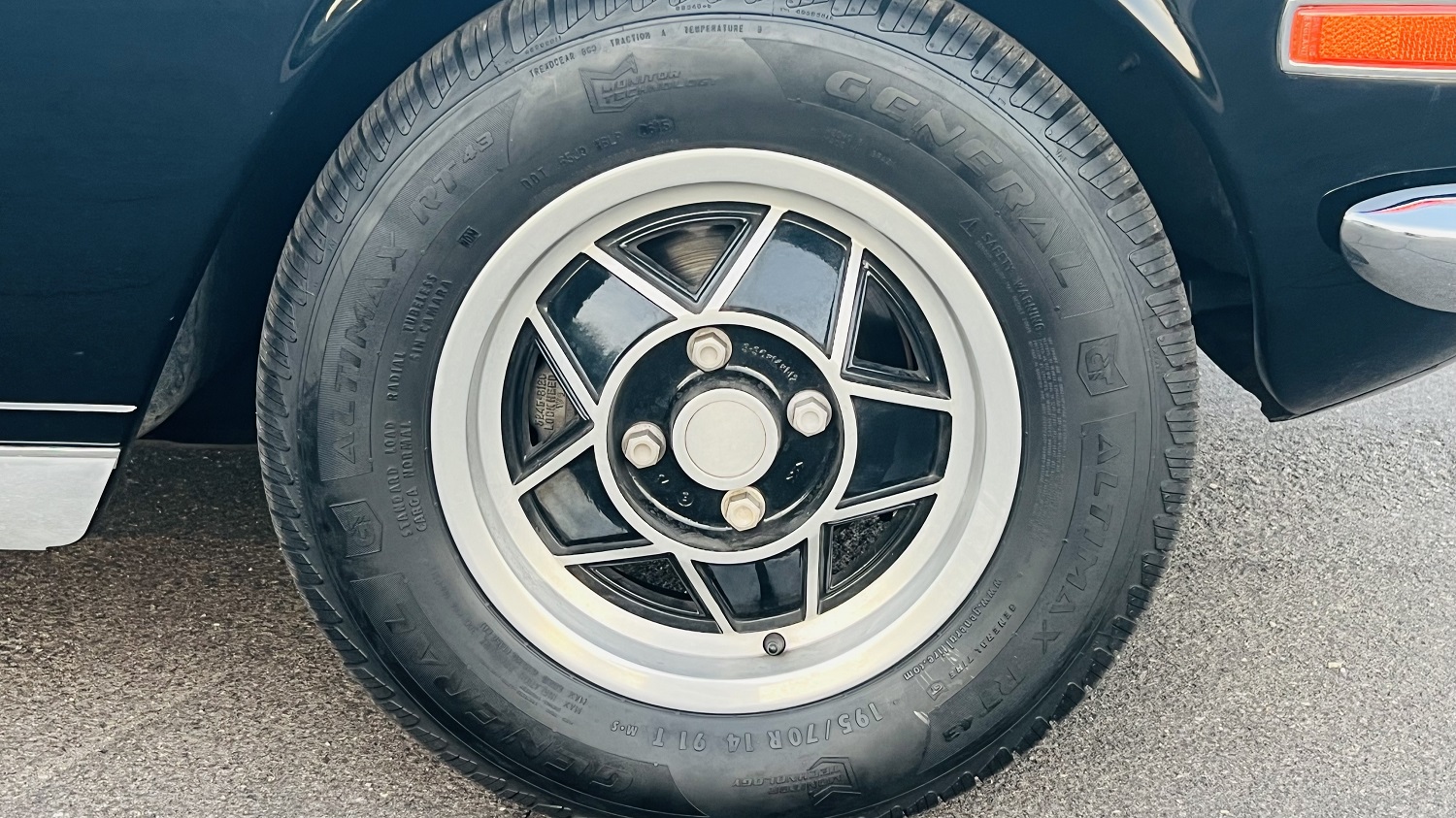
Like the body, the pockets of the silver 14-inch wheels are black. Surrounding the wheels is a set of 195/70 General AltiMax RT43 radial tires.

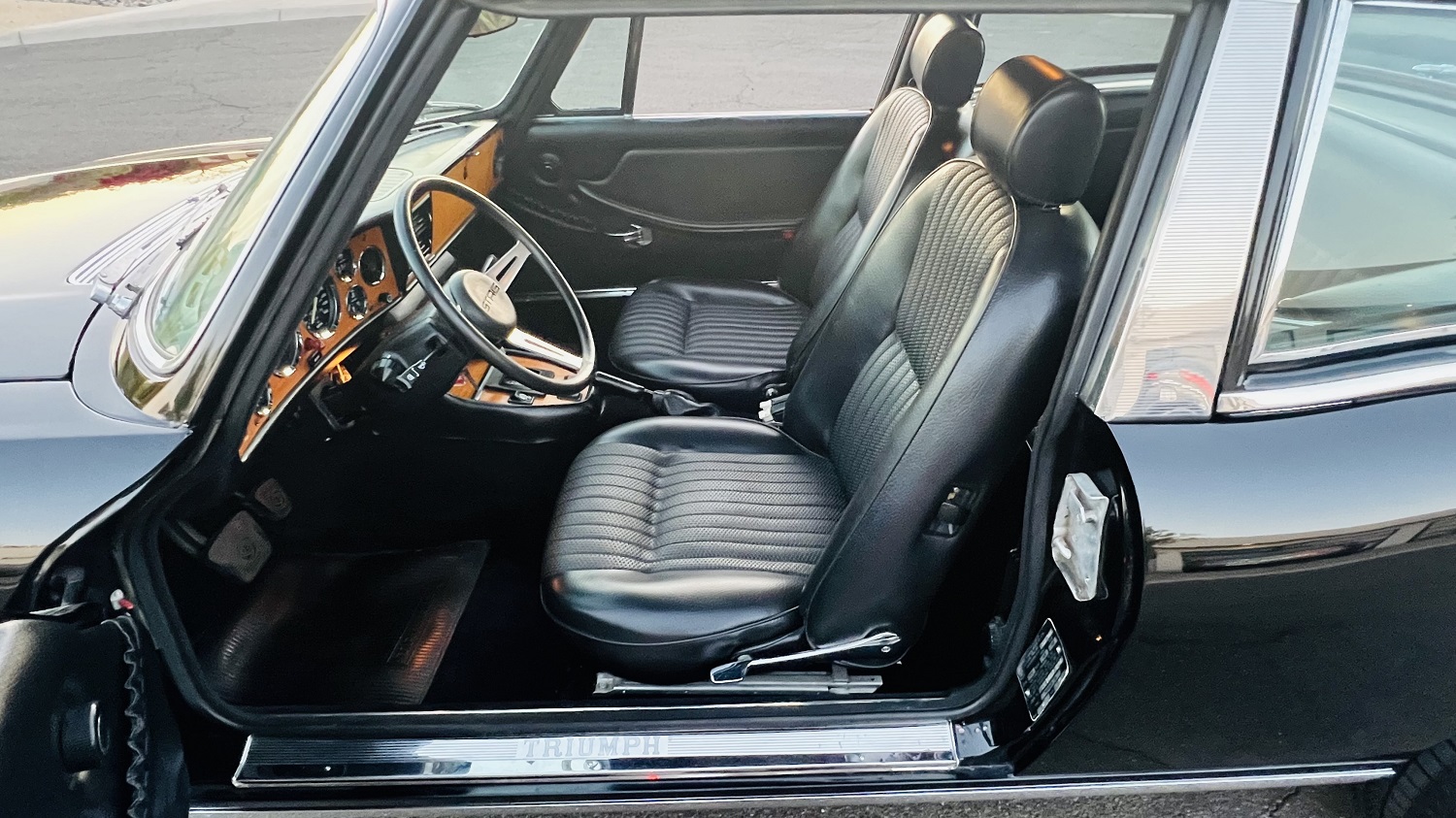
The cabin is furnished with black vinyl front bucket and rear bench seating. Other interior features include power windows and steering, woodgrain trim, center console, factory air conditioning, and aftermarket AM/FM/CD stereo.

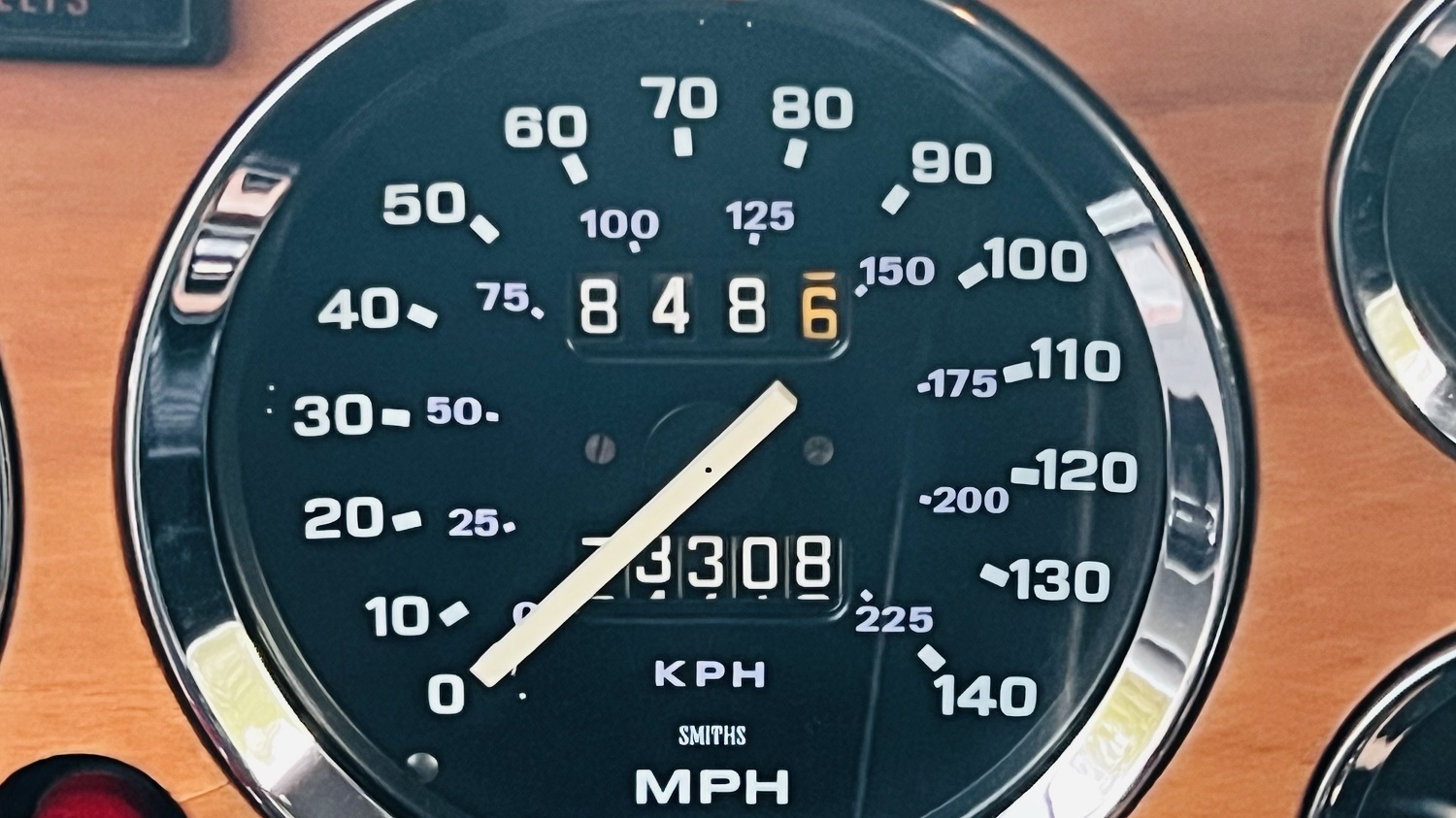
The set of Smiths gauges consists of a 140-mph speedometer, 7,000-rpm tachometer, and readouts for the oil pressure, fuel level, voltage, and temperature. The odometer shows 73,308 miles, but the title for this vehicle indicates it’s mileage-exempt.

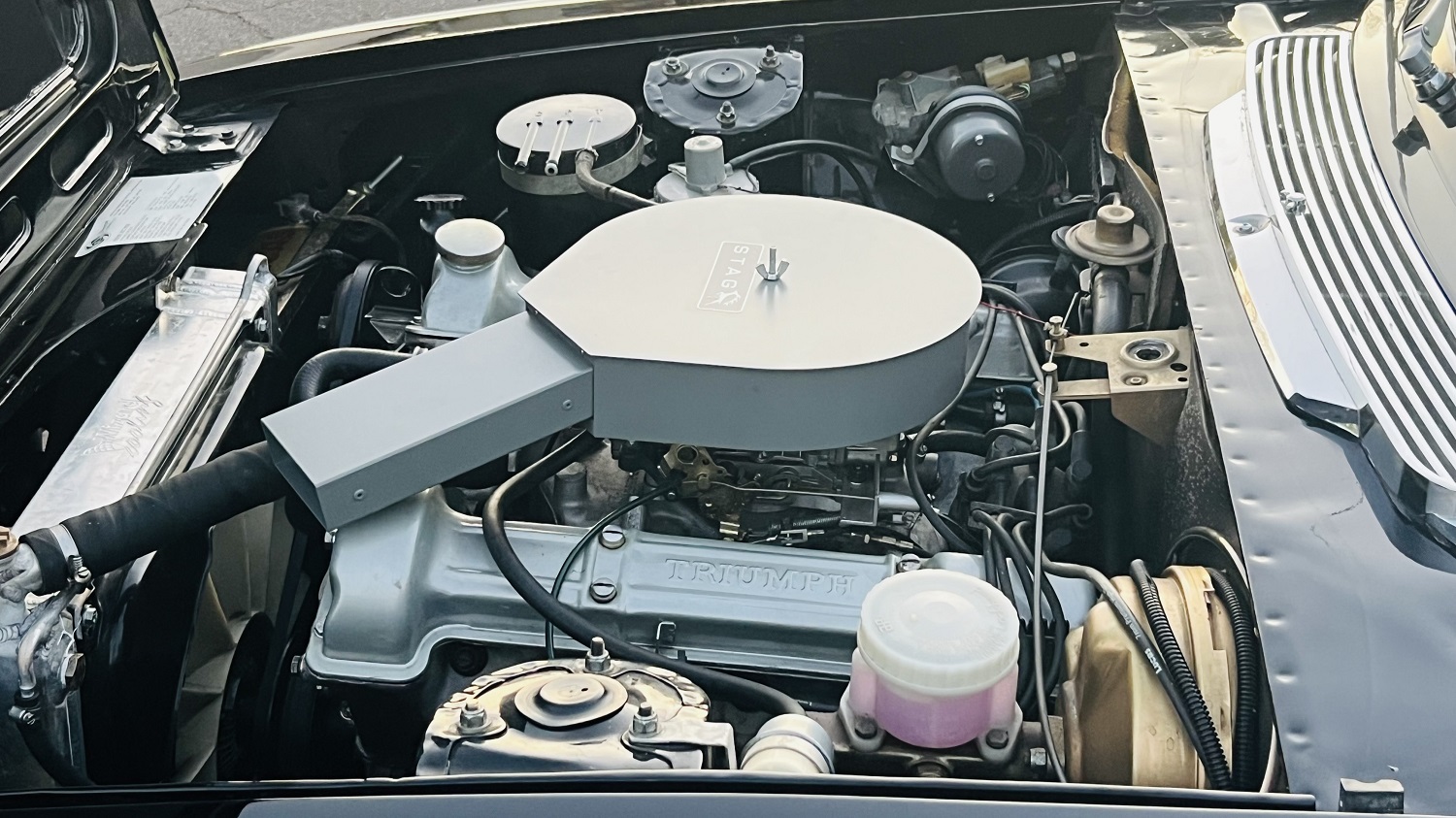
In August 2015, the 3.0-liter V8 was removed and rebuilt. A Wizard Cooling aluminum radiator and a Holley four-barrel carburetor were installed in 2022. A Borg-Warner three-speed automatic sends the engine’s output to the rear wheels.

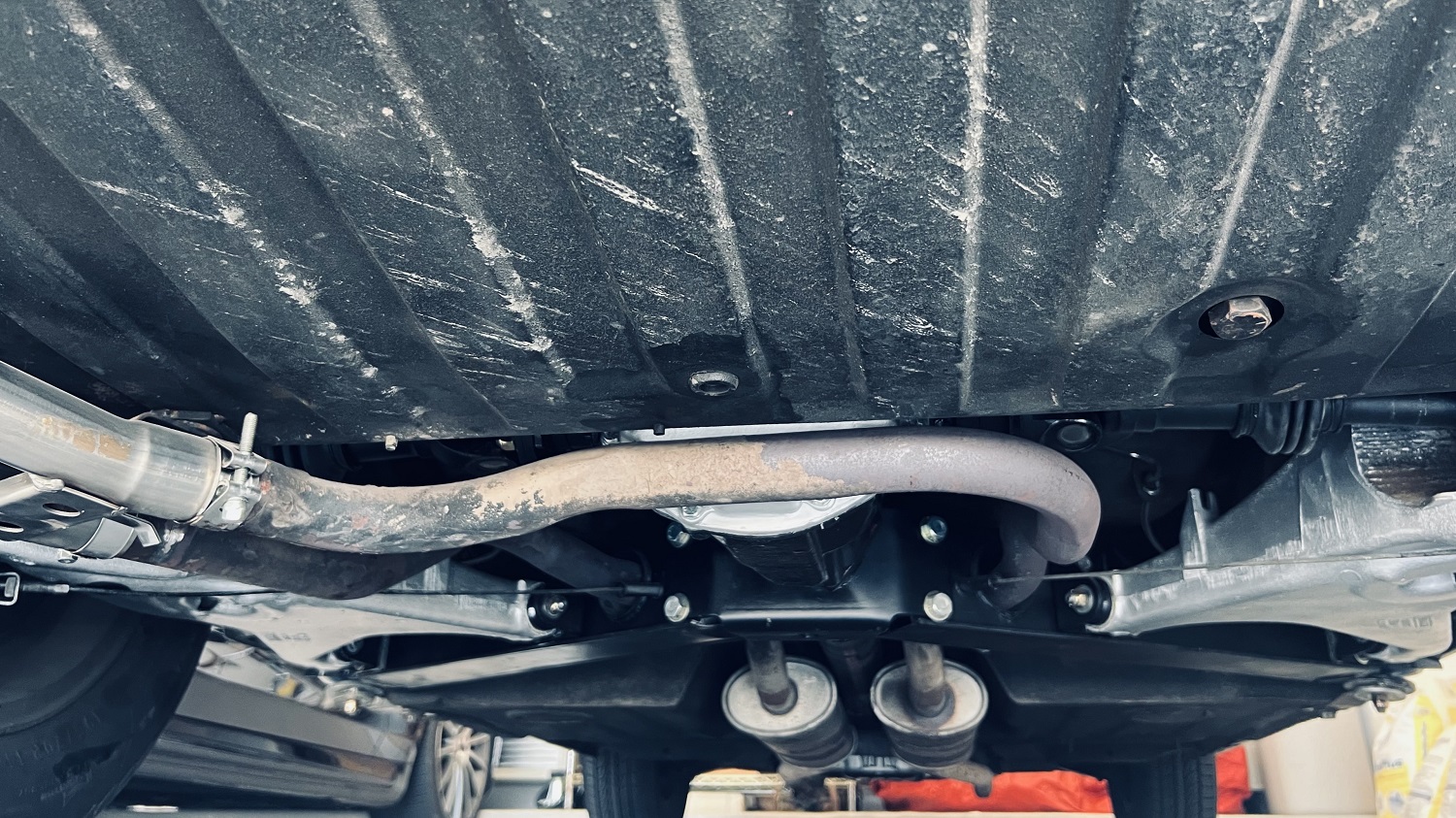
The undercarriage was also refreshed in 2022 when the differential was rebuilt. Power front disc brakes keep this Stag from getting hit by a car.

If you’ve been stalking this 1973 Triumph Stag online and you just can’t leave it alone, make sure you have enough doe to bid on it. The auction ends on Tuesday, April 22, 2025 at 11:45 a.m. (PDT).

Visit the AutoHunter listing for more information and a photo gallery

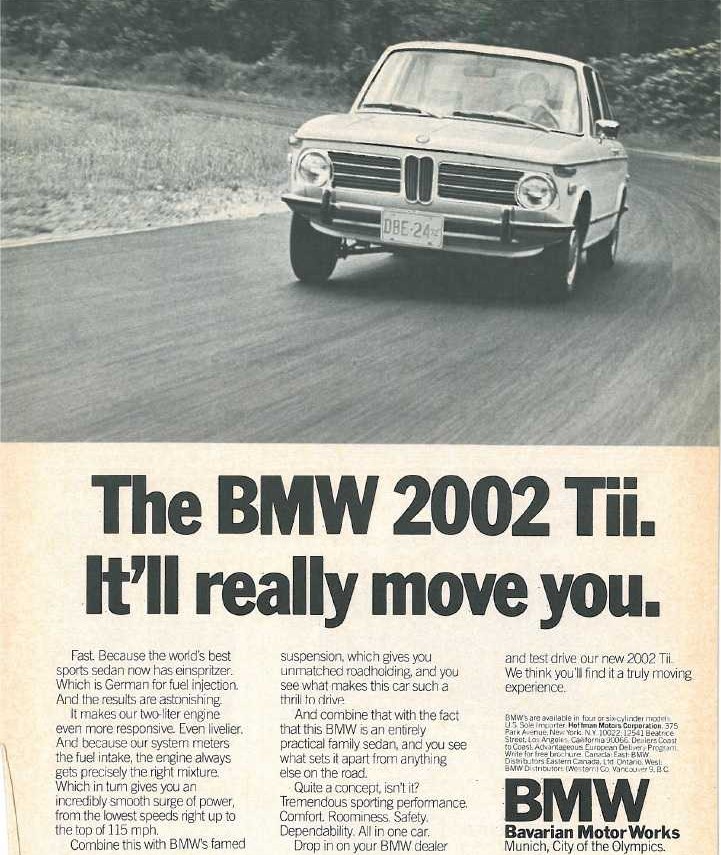
I am in the cafe at BMW Group Classic in Munich, so I thought that it would be appropriate to make my Pick of the Day a classic BMW. And with that in mind, I thought, Why not pick the model that is called “The Icon”: the 2002? But this is not just any 2002 – it is the higher-performance 2002tii model.

A shortened version of BMW’s Neue Klasse line that was launched in 1962, the 2002 was a hit almost from the start. BMW design director Wilhelm Hofmeister assigned the project to staffers Georg Bertram and Manfred Rennen. They created a now-iconic sporty car that was two inches shorter in wheelbase and 10 inches shorter in overall length than the Nueu Klasse cars. Bertram and Rennen accomplished this by shortening the rear deck. The car that became the first in the 02 series, the 1966 1600-2 was less luxurious than the Neue Klasse cars, but at the same time, it was a lighter, faster, and better-handling machine. This car was an immediate hit with automotive journalists and made Americans aware of the BMW brand.

BMW was not satisfied with the performance of the 1600-02 and immediately started developing a higher-performance version of the 02 cars. The first was the 2002, which increased the displacement of the engine from 1600cc to 2000cc, upping horsepower from 84 to 99. Still not satisfied, BMW then developed the 2002tii, which added fuel injection along with a more performance-tuned 2000cc engine with 128 horsepower.

It was not just engine performance that BMW addressed with the 2002tii; the car also received stiffer springs, front and rear anti-sway bars, larger 10-inch front disc brakes, and 5.0-inch-wide wheels. The 2002tii also received a closer-ratio four-speed gearbox, which had a 3.74 first gear (instead of the standard 3.84), a stronger clutch, and a longer 3.45 axle ratio (compared to 3.64) that increased the 2002tii’s top speed.

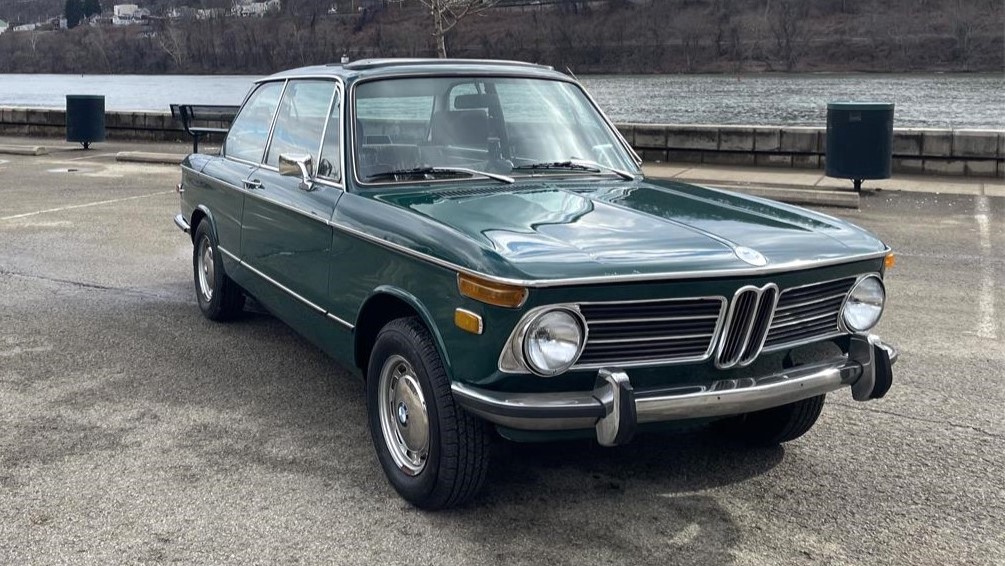
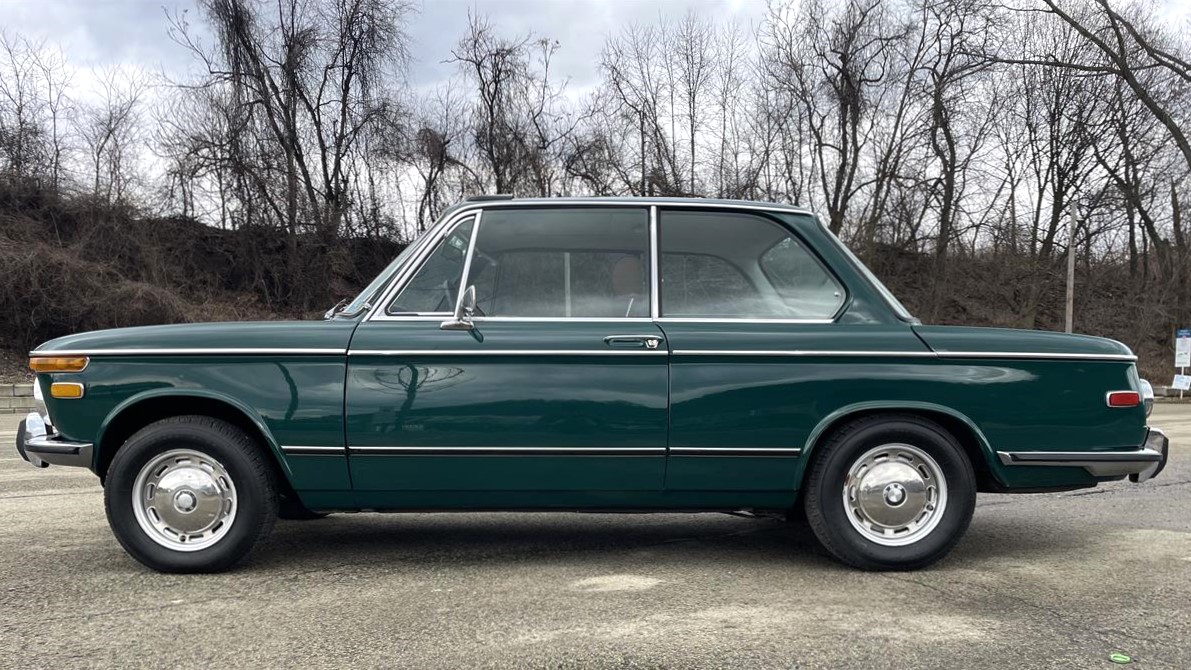
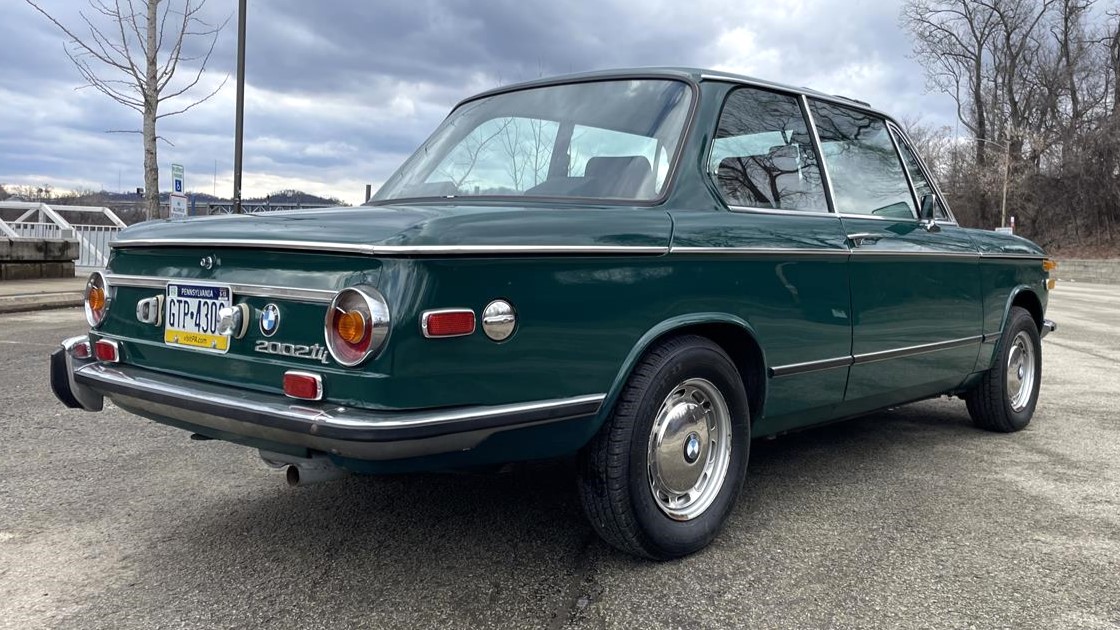
Our Pick of the Day is one of these cars: a 1972 BMW 2002tii located in Pittsburgh, Pennsylvania.

The selling dealer describes this 2002tii as “a classic automobile that provides timeless performance.” It adds, “Known for its sleek design, sporty performance, and precision engineering the BMW 2002tii is a highly revered classic in the automotive world. This BMW is ready for a new owner to drive it home.”

This 2002tii is painted Agave Green over a correct tan vinyl interior. The paint looks to be in good condition. I can see no evidence of rust in the body or underneath the car. This is important as the 2002 does have a propensity to rust, as do all cars from this era.

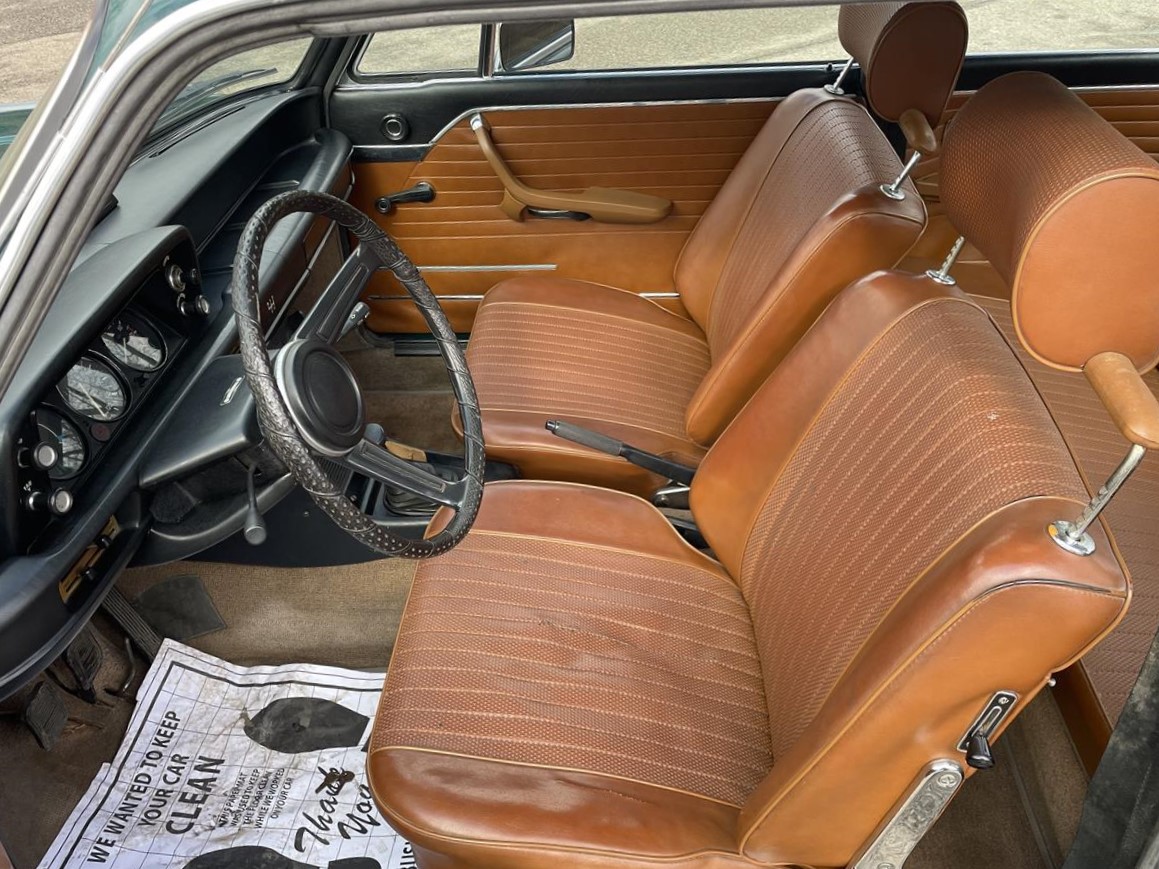
The interior also looks quite clean and neat, with correctly colored vinyl seats and no other issues that I can see in the photos provided. The dash looks like it might have a single crack in it and the door cards are older, but none of them look bad for a driver-level 2002. The same goes for the carpeting. It is good to note that this car is also equipped with a sunroof, which is a desirable 2002 option.

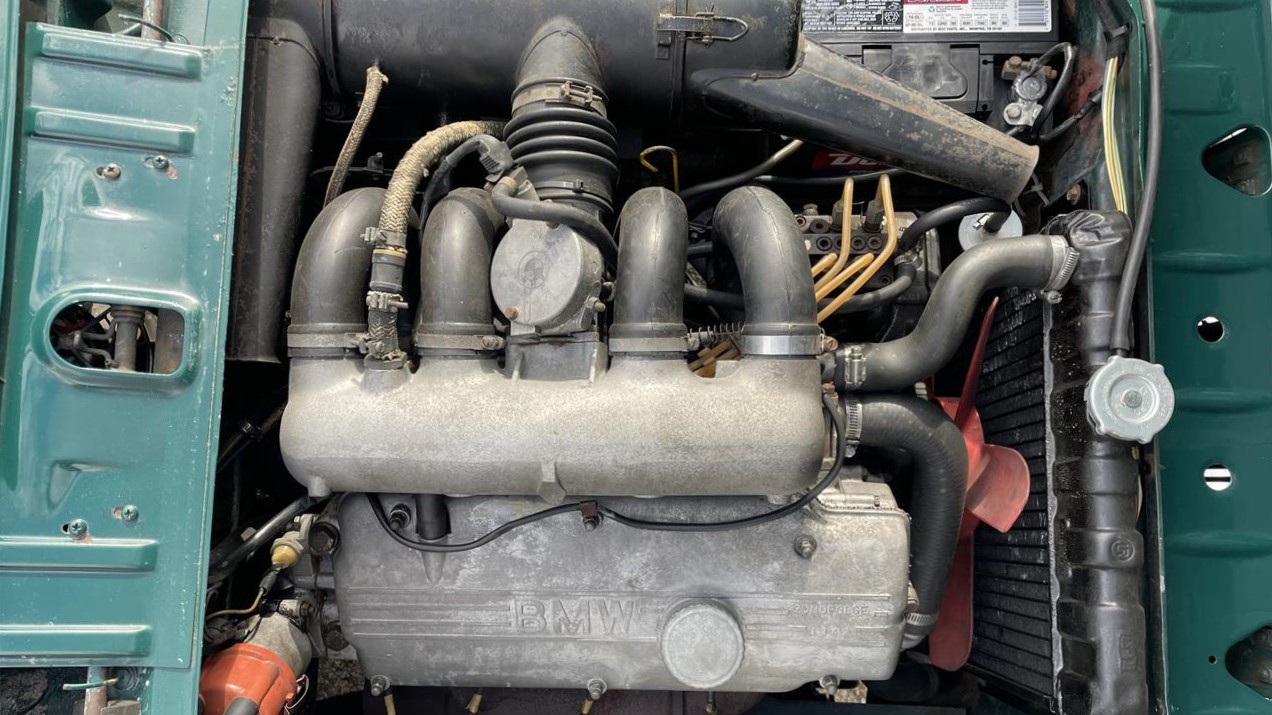
Under the hood, this 2002tii looks exactly as it should. It is not sparkling clean, but it is also not a mess. I would describe it as tidy. I did not see any variation in parts used and according to the seller, the car runs well. This is important as the Kugelfischer fuel injection system requires an expert to properly adjust it. The key after that is to leave it alone as it simply works.

Over the last five or so years, the 2002 has increased in value quite a bit, with completely restored 2002tii cars selling for serious money. This car, with its asking price of only $27,999, represents not only a tremendous value, but also the kind of collector car that you can drive for years, experiencing what the 2002tii was all about. People call the 2002 “The Icon” for a reason and the tii version is the one to have – kind of like the S version of the early Porsche 911. So if you are looking for a seriously well-made, fun-to-drive, and historically important European sporting car, this 1972 BMW 2002tii completely fits the bill.

Click here to view this Pick of the Day on ClassicCars.com

Whichever way you look, supercars equal high prices and high maintenance costs. Cars with such technology, design, and performance cannot be cheap. But, in some cases, supercars also mean high levels of depreciation, which can make some models temptingly cheap. We are sure you have dreamed of owning at least one mid-engine exotic, and we are happy to say that your dreams have become a reality. So, please take a look at our list of 10 cheapest supercars and browse the classifieds today. Of course, cheap cars mean high maintenance costs. 

1. Lotus Esprit V8

Photo Credit: Car And Driver

The Lotus Esprit V8 is a British icon that combines exotic styling with impressive performance. Equipped with a twin-turbocharged 3.5-liter V8 engine, it delivers around 350 horsepower, accelerating from 0 to 60 mph in just over 4 seconds. Its lightweight design and sharp handling make it a driver’s delight.

Photo Credit: W Super Cars

Prices for well-maintained examples can be surprisingly affordable, offering an actual supercar experience without breaking the bank. However, Lotus isn’t a company known for its build quality, so be sure to have an emergency fund if something goes wrong. 

2. Audi R8 (First Generation)

Audi R8 (Type 42) - Audi R8 Le Mans Concept
Photo Credit: WS Supercars

The first-generation Audi R8 brought supercar performance with everyday usability. Featuring a mid-mounted V8 or V10 engine, it offers a balanced driving experience with Audi’s renowned Quattro all-wheel-drive system. The R8’s sleek design and high-quality interior make it a standout choice. Early V8 models have become more accessible in the used market, providing an excellent entry point into supercar ownership.

Audi R8 Spyder 4.2 Fsi Quattro/standaufnahme
Photo Credit: WS supercars

This is a reliable supercar, as far as the supercars go, and can be maintained on a budget since it shares some of its components with lesser Audis. If you want an ultimate R8 experience, go for a manual gearbox. 

3. Ferrari 360 Modena

Art Mg Ferrari360modena+10
Photo Credit: Ferrari

The Ferrari 360 Modena is a modern classic that offers the quintessential Ferrari experience. Powered by a 3.6-liter V8 engine producing around 400 horsepower, it delivers exhilarating performance and a spine-tingling exhaust note. Its timeless design and engaging driving dynamics have made it a favorite among enthusiasts.

1999 Ferrari 360 Modena 24 Copy
Photo Credit: Ferrari

While maintenance costs can be high, the 360 Modena remains one of the more attainable Ferraris on the market. It is also far better and more dependable than the Ferrari F355, which preceded it. 
4. Honda NSX (First Generation)

1991 Acura Nsx 1536942142a4d93c1c47467064.jpg
Photo Credit: Auto Wp

The first-generation Honda NSX is a Japanese masterpiece that redefined the supercar segment. Its mid-engine layout and lightweight aluminum construction offer exceptional handling and reliability. The NSX’s 3.0-liter V6 engine, producing around 270 horsepower, provides spirited performance.

Carpixel.net 1991 Acura Nsx 62815 Hd
Photo Credit: Auto Wp

Its user-friendly nature and iconic status have kept it in demand, but early models can still be found at reasonable prices. Maintenance is pretty simple, and NXS has been regarded as a dependable machine. But hurry up since the prices are rising. 

5. Lamborghini Gallardo

Lamborghini Gallardo
Photo Credit: Lamborghini

The Lamborghini Gallardo brought the brand’s exotic flair to a broader audience. It has a 5.0-liter V10 engine with over 500 horsepower and delivers blistering acceleration and a distinctive exhaust note. The Gallardo’s aggressive styling and all-wheel-drive system make it a thrilling yet manageable supercar.

Photo Credit: Edmunds

Early models have depreciated significantly, making them more accessible to enthusiasts. Yes, the maintenance will be costly, but it will be worth it since the Gallardo is a fantastic machine. 

6. Alpine GTA Turbo

Renault Alpine Gta V6 Turbo 11
Photo Credit: Renault

The Alpine GTA Turbo is a rare French sports car with unique styling and performance. Powered by a turbocharged V6 engine, it delivers a lively driving experience with its rear-engine layout. The GTA Turbo’s lightweight construction and aerodynamic design contribute to its agility.

Photo Credit: Auto Evolution

While not as well-known as other supercars, it provides exclusivity and charm at a more affordable price. If you want to amaze your friends at the next Cars and Coffee meet, the GTA is the right car. 

7. DeTomaso Pantera

1972 De Tomaso Pantera
Photo Credit: Pintrest

The DeTomaso Pantera is an Italian-American hybrid that combines exotic design with American muscle. It features a Ford-sourced V8 engine, which offers robust performance and a distinctive character. The Pantera’s aggressive styling and raw driving experience have made it a cult classic.

Projects 80 De Tomaso Pantera Gt5s 1980 02
Photo Credit: WS Supercars

While values have been rising, it remains one of the more accessible vintage supercars. The great thing about Pantera is that it has a Ford engine, which means cheap maintenance.

8. Lotus Exige

2000 Lotus Exige 15470743261f941082dsc 6978 Cc Small.jpg
Photo Credit: BAT

The Lotus Exige is a lightweight track-focused sports car that delivers pure driving thrills. Its minimalistic design and precise handling offer an unfiltered connection between driver and machine.

Photo Credit: Top Speed

Powered by a supercharged inline-four engine, the Exige provides impressive performance in a compact package. Its affordability and focus on driving dynamics make it a favorite among purists.

9. Chevrolet Corvette C8

Chevrolet Corvette C8 Stingray 2020 1600 13
Photo Credit: GM

The Chevrolet Corvette C8 represents a significant shift for the iconic American sports car, featuring a mid-engine layout for the first time. Its 6.2-liter V8 engine produces around 495 horsepower, delivering exceptional performance and handling.

2020 Chevrolet Corvette - Sports car
Photo Credit: AutoWp

The C8’s modern design and advanced technology offer a supercar experience at a fraction of the cost. Its value proposition has made it a game-changer in the segment.

10. Alfa Romeo 4C

Photo Credit: Collecting Cars

The Alfa Romeo 4C is a compact Italian sports car emphasizing lightness and agility. With its carbon fiber monocoque chassis and turbocharged inline-four engine, it offers a responsive and engaging driving experience. The 4C’s distinctive styling and rarity add to its appeal.

Photo Credit: Hearst Apps

While it may lack some amenities, its focus on performance and design makes it a compelling choice for enthusiasts. The Alfa Romeo 4C is one of the cars that will be valuable someday and that offers a very specific driving experience. It could be considered a budget supercar.

Source

This full-fendered, steel-bodied ’32 Ford three-window coupe was built around 2008 and dubbed “Whiplash”. Highlighting the build is a fuel-injected 427ci FE V8 with forged pistons, a roller valvetrain, Edelbrock heads, and Sanderson headers, and it is estimated to produce 575 horsepower. It is linked to Richmond five-speed manual and a narrowed 9″ Ford third member from Strange Engineering with 35-spline axles, 3.50 gears, and a locking differential. The car rides on a Jim Meyer Racing Pro-Street-style frame with a Heidts independent front end, a four-link rear, coilovers, and staggered PS Engineering 15″ polished alloys, and it also has custom paintwork, a bespoke interior with Italian leather, a four-point roll bar, Wilwood brakes, a modern sound system, and more as described below. The car has won multiple awards, including Best in Class, Best in Show, and Best Paint at multiple venues. Whiplash is now offered in Arizona on dealer consignment with records and an Idaho title.

The steel body is claimed to have been sourced from a drag racer out of Washington. The front was channeled, the top was chopped and filled, and the rear fenders were bobbed. Paintwork was performed by Jason Mortenson of Steve’s Auto Restorations with House of Kolors Candy Apple Red above the beltline fading to black below the flame design by Gary Crisp.

The car retains a ’32 grille and a functional cowl vent and tilt-out windshield. PIAA driving lights are integrated either side of the chrome spreader bar, and the wiper is electric. The hood is a three-piece custom component with polished hinges, and the headlights are commercial-style components on a drop crossbar. Blue-dot ’32 taillights are retained, and a roll pan was installed out back. The antenna is hidden, and the hidden license plate mount is powered. Rubber matting has been applied under the fenders, and the exhaust system is integrated into the running boards.

The car rides on Heidts independent front end and a Jim Meyer Racing four-link rear end with Panhard bar, a sway bar, and Aldan coilovers. The PS Engineering 15″ polished wheels measure 6″ wide up front and 15″ wide out back, and they have custom spinners and Hoosier tires. Wilwood brakes were utilized up front, while the rear has Ford Explorer components.

The bespoke interior has Italian leather upholstery covering the bucket-look seat, roll bar, headliner, and aluminum door panels. The rear window is powered, and the heater is hidden under the seat. The custom 460-watt sound system has amplifers, an under-seat receiver, two subwoofers, a CD changer, and four component speakers with leather pods and custom grilles.

The Grant banjo wheel is mounted on an Ididit column with a polished drop bracket, and the Auto Meter gauges are set in a turned cluster from So-Cal. A hand-made birch knob tops the shifter, and the pedals are billet. The ~3,700 miles on the cluster represents the mileage driven since completion.
The leather-lined trunk can be opened from the cab remotely, and the battery and a chrome fire extinguisher around mounted inside along with the hidden audio components.

The 427ci V8 was built with a C5AE-6300-C crankshaft, 10.5:1-compression Wiseco forged pistons, a Comp Cams roller camshaft, a roller valvetrain, Edelbrock heads, and Sanderson headers.

The engine is topped by a Hogan’s Racing intake and valve covers, and it has a BDS fuel-injection system with Bosch 36lb/hr injectors. The engine is claimed to produce ~575 horsepower and also has a Griffin aluminum radiator, an electric fan, and polished and billet details. The oil pan gasket was replaced in preparation for the sale.

The narrowed 9″ Ford third member is from Strange Engineering and has 35-spline axles, 3.50 gears, and a locking differential

A book of details documents the work performed and specifications.

The car is titled as a 1932 Ford using VIN 18110923.

Check out the new hot rod gear at the BaT Store!

I’m not embarrassed to admit that I’m not a Mustang guy—as a rule, I lean towards mid-size muscle cars over performance pony cars. However, one of the best events I’ve ever attended was the Mustang’s 50th anniversary in Las Vegas. There was such a variety of these belly button cars that I forgot about the umbilical. The truth is that there are so many variations of the Ford Mustang that it would be absolutely unfair to use that dismissive epithet.
To commemorate the birthday of the most American of automobiles, join us as we discuss a few of the more unusual Mustangs from its heyday.
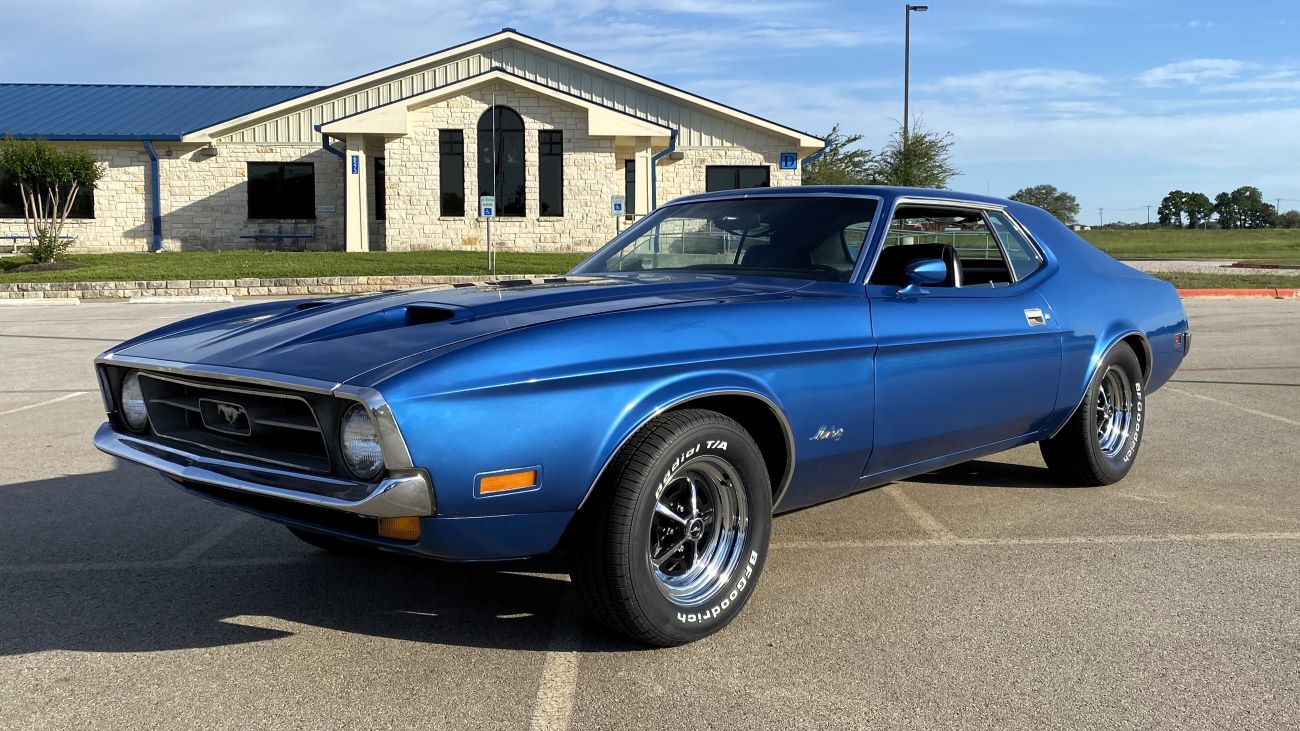
(Image courtesy of Barrett-Jackson)

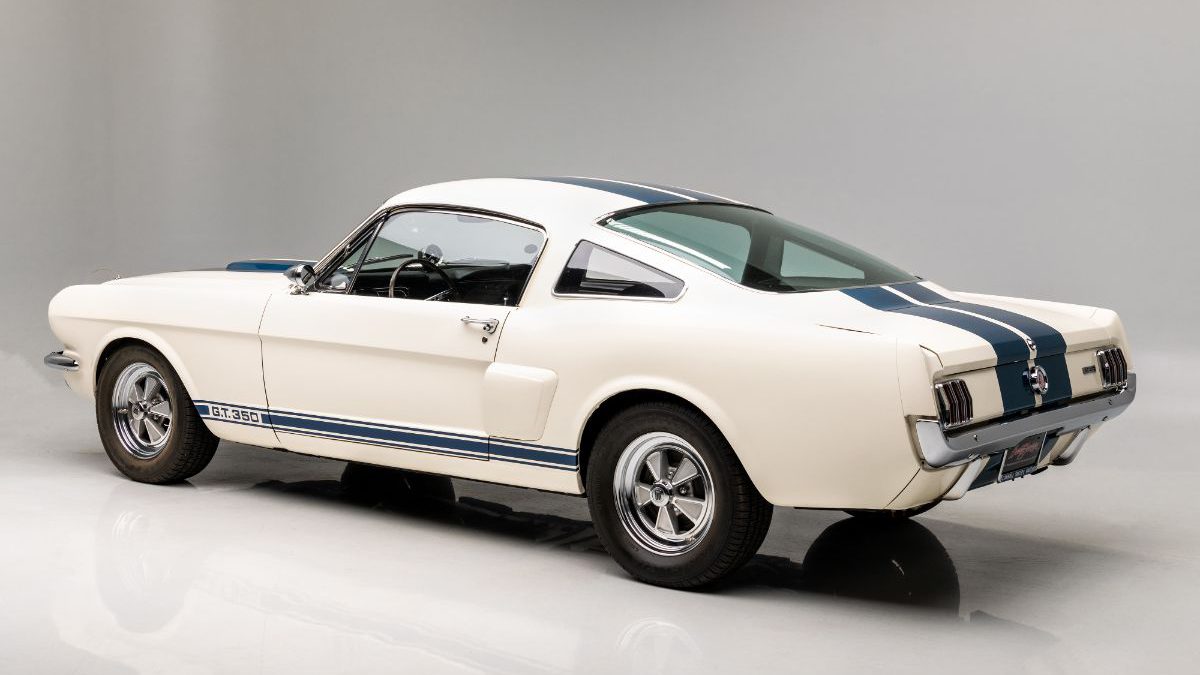
1965 Shelby GT350
If I’m not a pony car guy, then it makes sense I never gravitated towards the Shelby Mustang, especially the first ones that don’t look much different from regular Mustangs. However, wisdom comes with age, and I realize the ‘65 is pretty much a Boss 302 several years before there was such a thing. In comparison, I have no interest in the ’66, which was watered-down and most commonly found with an automatic.

(Image courtesy of Barrett-Jackson)

However, there was a handful of early “carryover” 1966 GT350s that were hybrids between the two years. This ’66 is one of 78 carryover cars built without a back seat, just like the 1965s. Other unusual features include steel wheels, rear over-rider traction bars, and fiberglass hood with steel frame, while 1966 components include clear Plexiglas rear-quarter windows, functional rear brake-cooling scoops, and rear exhaust turndowns.

(Image courtesy of Barrett-Jackson)

1968 “135” Mustang
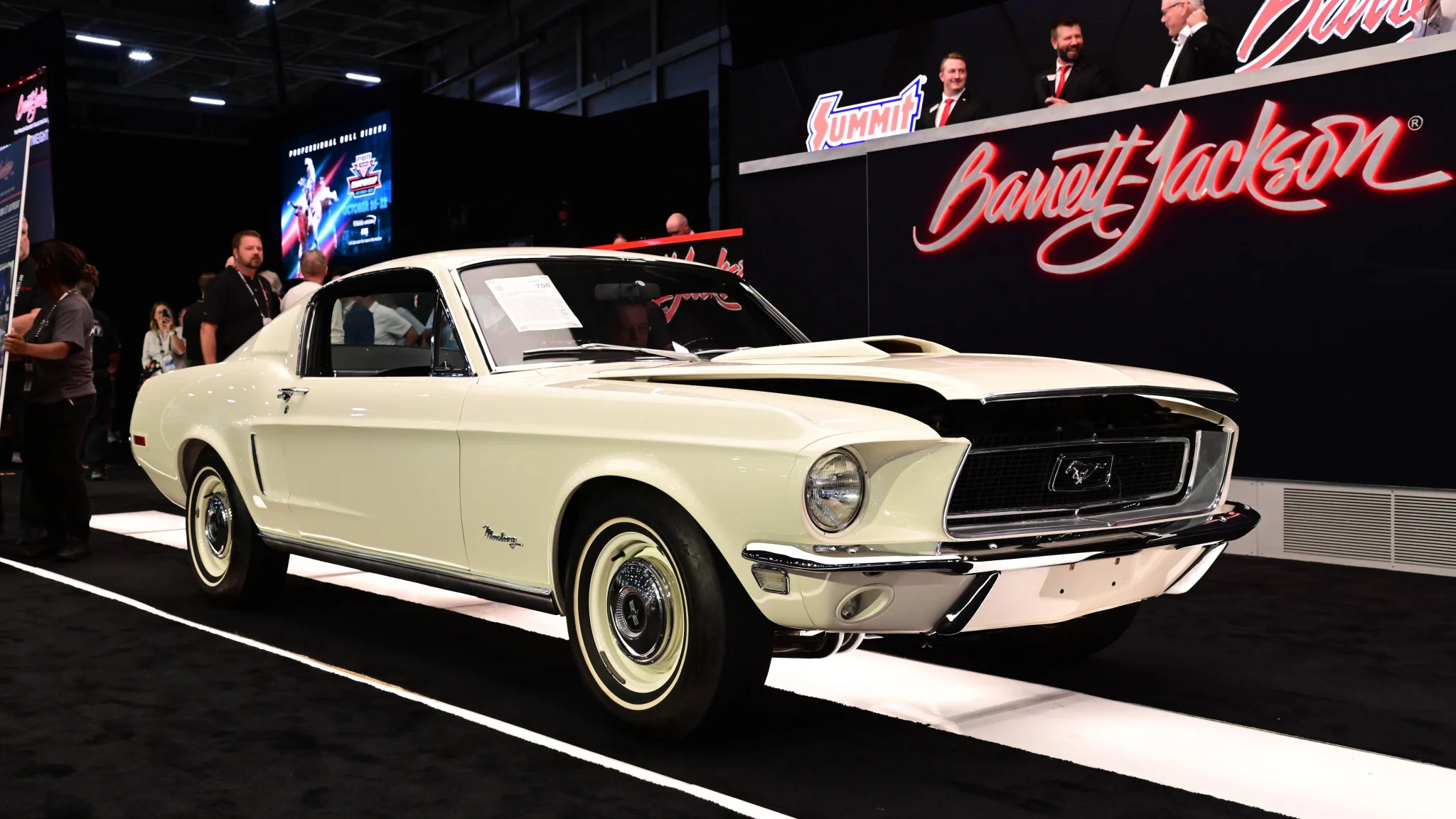
Almost four months before the 428 Cobra Jet was to debut, Ford built a batch of 50 fastbacks—all in Wimbledon White—with most going to racers (especially for the Winternationals), though a few were sold to regular enthusiasts. Out of the 50, only 20 were built without sealer or sound deadener, so these could be considered lightweights. Unlike the later “production” Cobra Jets built in April-August 1968, these “135” Mustangs (so named due to all sharing a 135 sequence prefix) did not have the GT package or the black stripe on the hood. This is the exact car that Hot Rod called “probably the fastest regular production sedan ever built.” If you want to learn more about these cars, visit 428CobraJet.org.

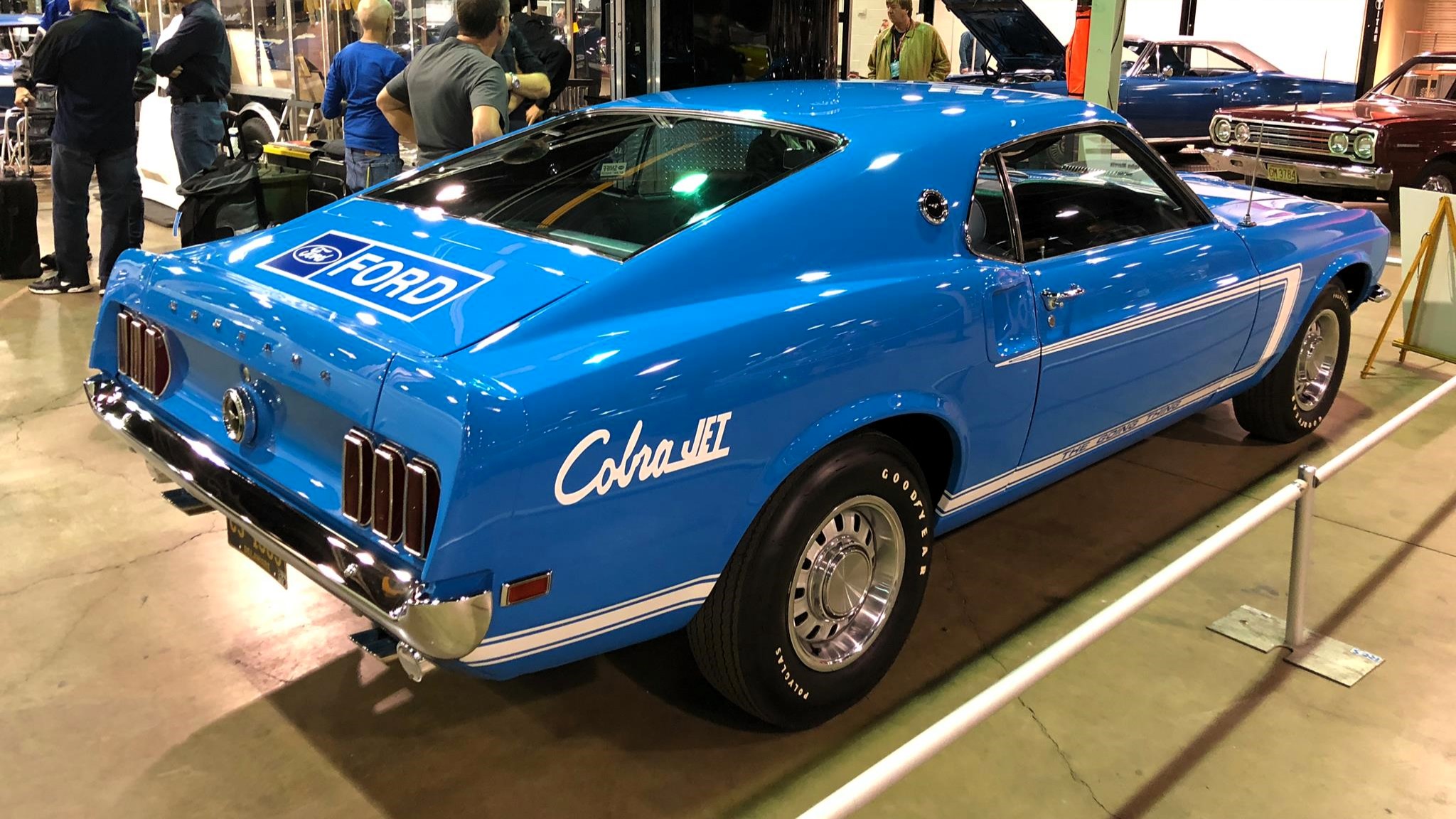
1969 Mustang “The Going Thing”
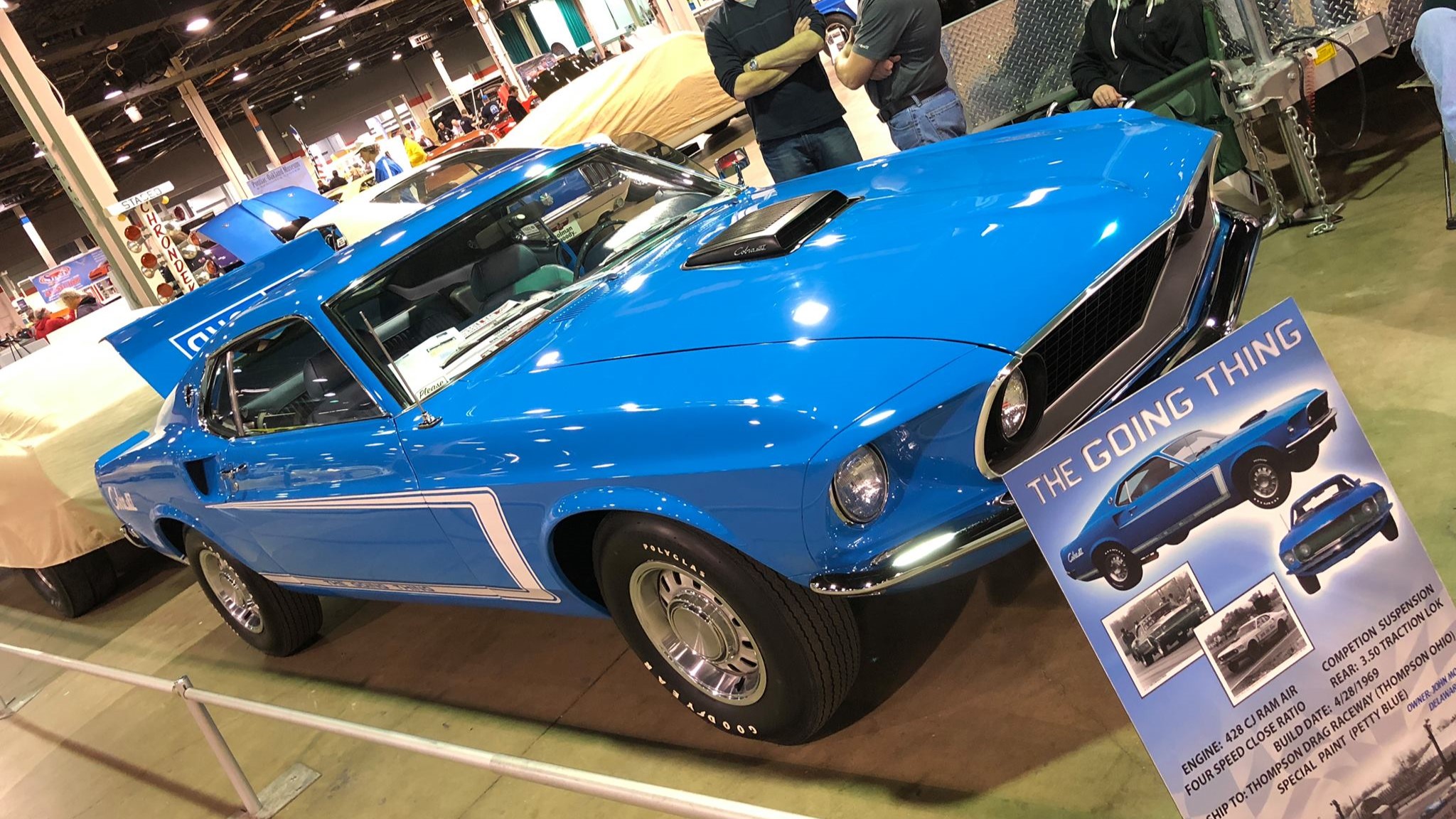
There have been many Mustang regional and promotional specials, with the Twister Special being the most famous. But, to me, the cars produced for the “Going Thing” promotion is the bee’s knees. Looking like street versions of Ford’s drag cars, a batch of The Going Thing Mustang and mid-size Cobra SportsRoofs (plus a handful of regular Mustang hardtops) was ordered by several Cleveland-area dealers for the Ford Total Performance Show at Thompson Drag Raceway in Chardon, Ohio.

The Going Thing Mustangs were available in special-order Petty Blue or white, built with both pedestrian and performance Ford engines. They featured an unusual stripe that resembled the Boss 302’s yet included “THE GOING THING” stenciled at the bottom of the stripe, plus a huge Ford decal on the trunk lid.

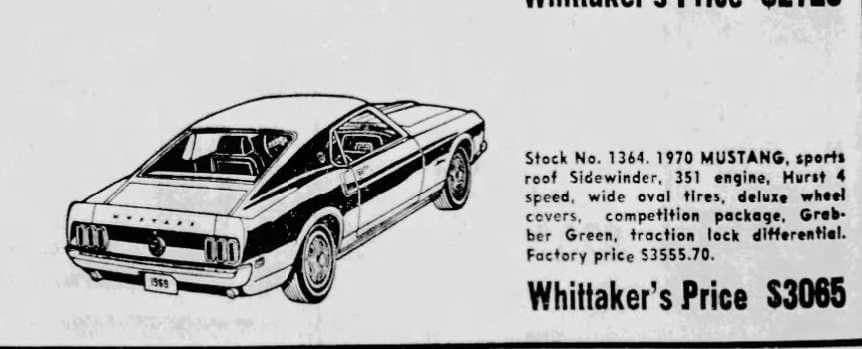
1970 Mustang Sidewinder
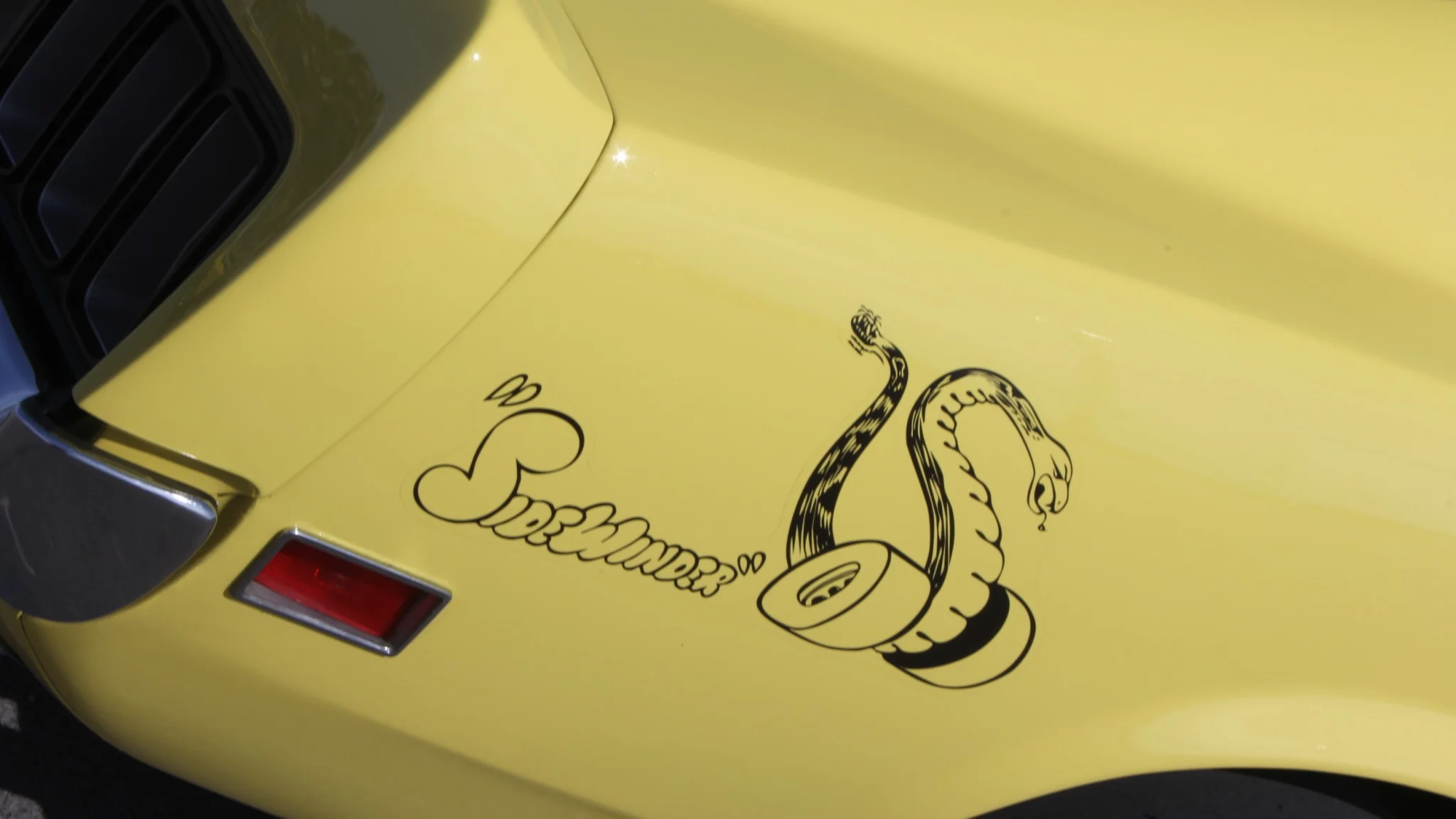
Looking somewhat like a junior league version of the Twister Special, this regional special came out of the Iowa/Nebraska region. Not much is known other than it is believed these SportsRoofs were equipped with the 351-4V, Competition Suspension, 3.50 gears with Traction-Lok, Ford-produced side stripe (a design shared with the Twister, ARI Mustang pace cars, and Torino GT pace cars), and a rear snake decal.

The latter was hand-drawn by Michael Baze, a Ford employee in the Omaha district who submitted this idea for a regional promotion Ford was running.

Only 48 Mustang Coupes were built with the 429 Cobra Jet in 1971 (Image courtesy of Danny Runyon)

1971 Mustang 429 Cobra Jet
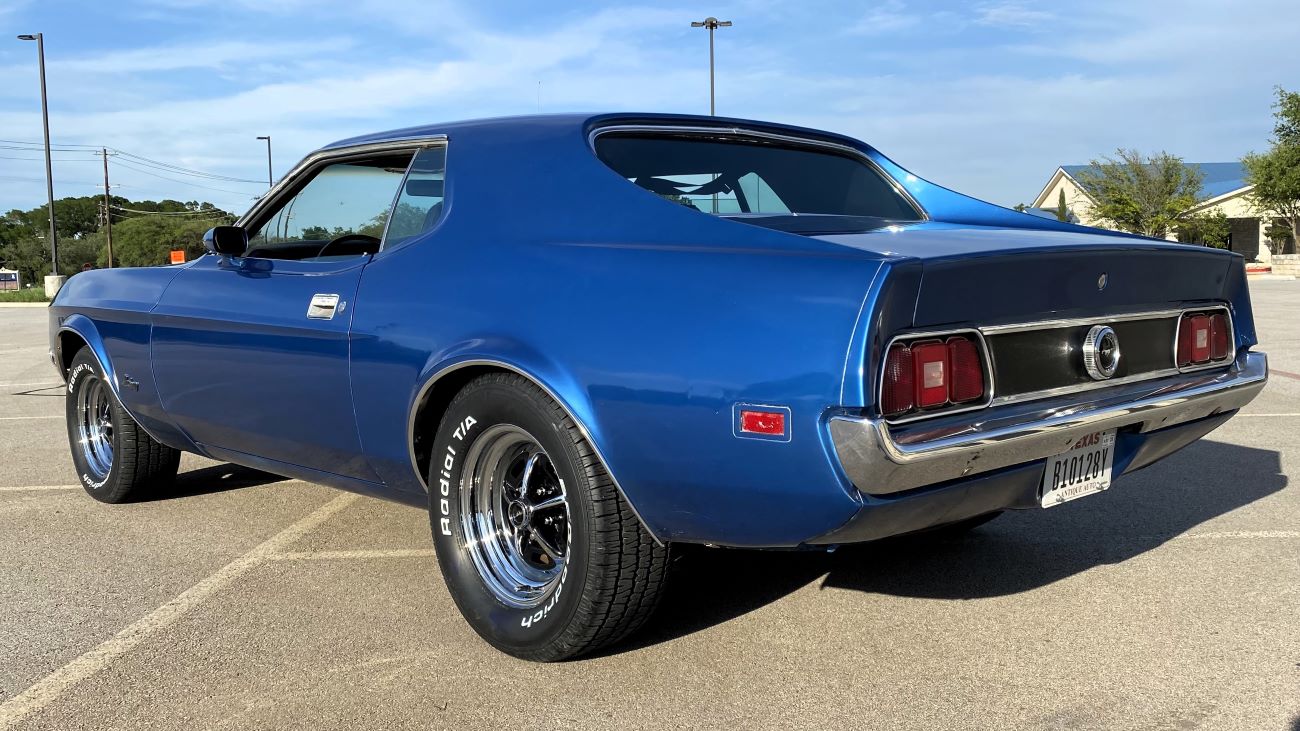
Large and in charge? Maybe, but they’re not as big and heavy as initial impressions may suggest. The 429 Cobra Jet was new for the Mustang, and the CJ pony car was the only FoMoCo product to have the Drag Pack available for 1971.

Of the 48 CJ Coupes built, only 20 were C-codes without ram air (Image courtesy of Danny Runyon)

Sure, the Mach I looks racy, and the Boss 351 may be better-balanced, but I appreciate the Plain Jane aspect of the hardtop or even a regular SportsRoof. With the right gears, these cars—Ford’s final high-compression big-block pony cars—were monsters.

1987 Mustang LX 5.0
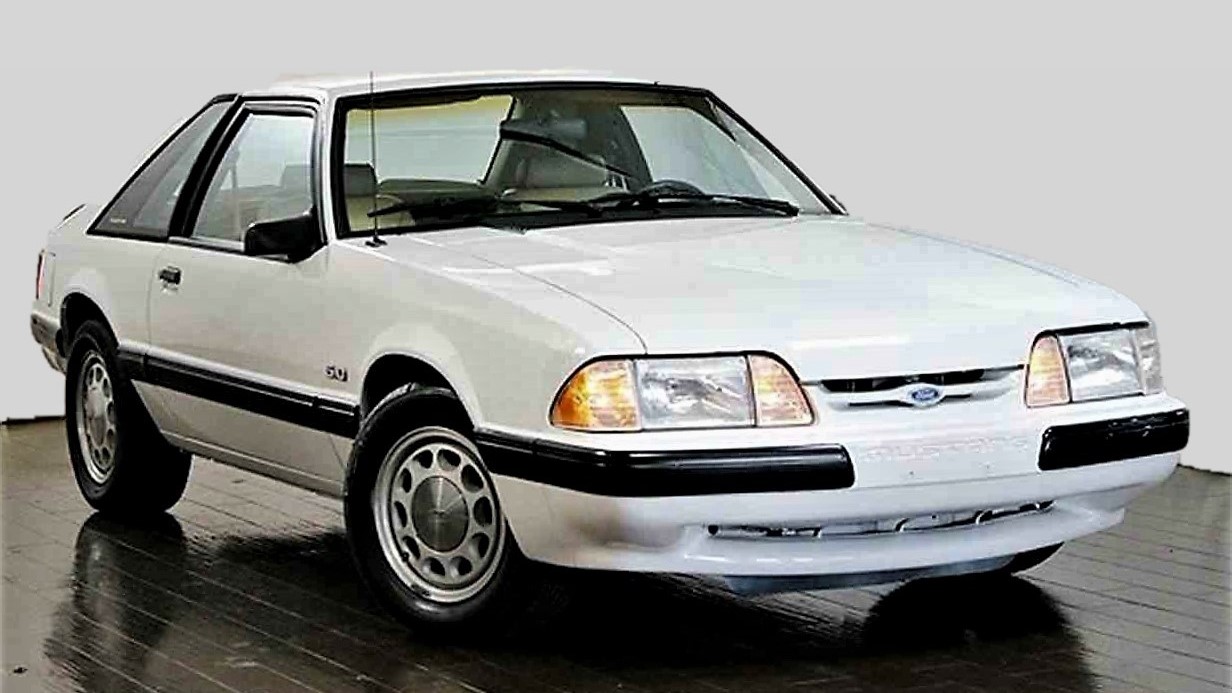
Alright, maybe this car is not as unusual as the above examples. However, 1987 was the year the planets aligned and Ford introduced a 225-horsepower 302 with fuel injection. Doesn’t sound impressive today, but these cars easily could run fourteen-second ETs—happy days are here again! It could be said that high-14s were not impressive when CJs were easy 13-second cars, but those ETs were WAY faster than your usual 302 Mustang back in the day, and more comparable to a Boss 302. When these first appeared in the fall of 1986, I dug the boy racer accoutrements of the GT, but the wiser guy in me now prefers the LX coupe (or hatchback) with the 5.0. Don’t forget the five-speed! I’ve always wanted to drive one so here I am, lusting after a Fox.