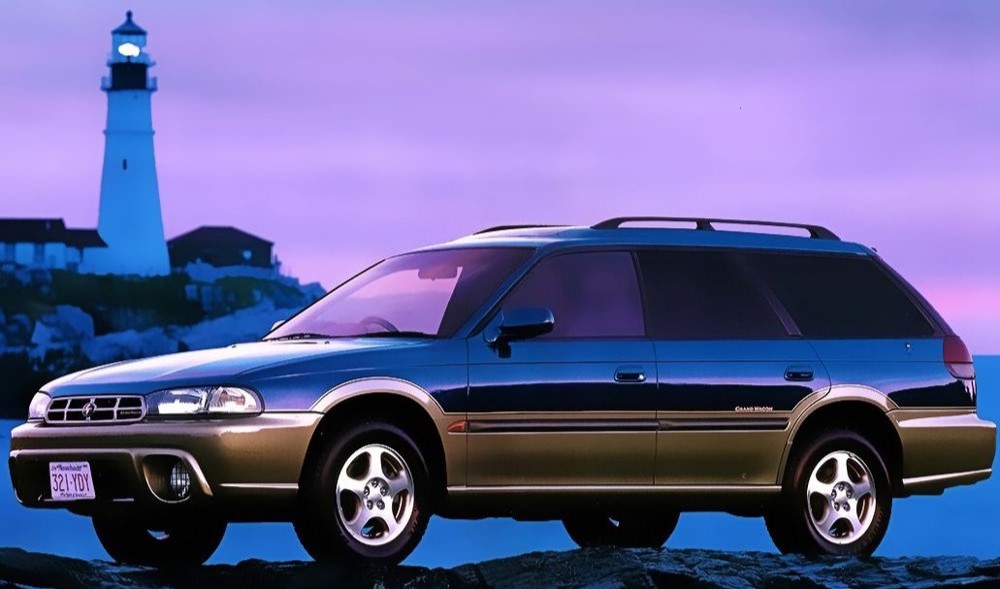
Do you remember when the Subaru Outback was introduced? It was 1995, and the new Legacy trim level was so successful that Subaru spun the Outback from the Legacy series and made it a stand-alone model several years later. And, while SUVs have continued to outsell minivans and station wagons, the Outback has has remained steadfast as a consistent throwback when long-roof sedans ruled after-school sporting events.
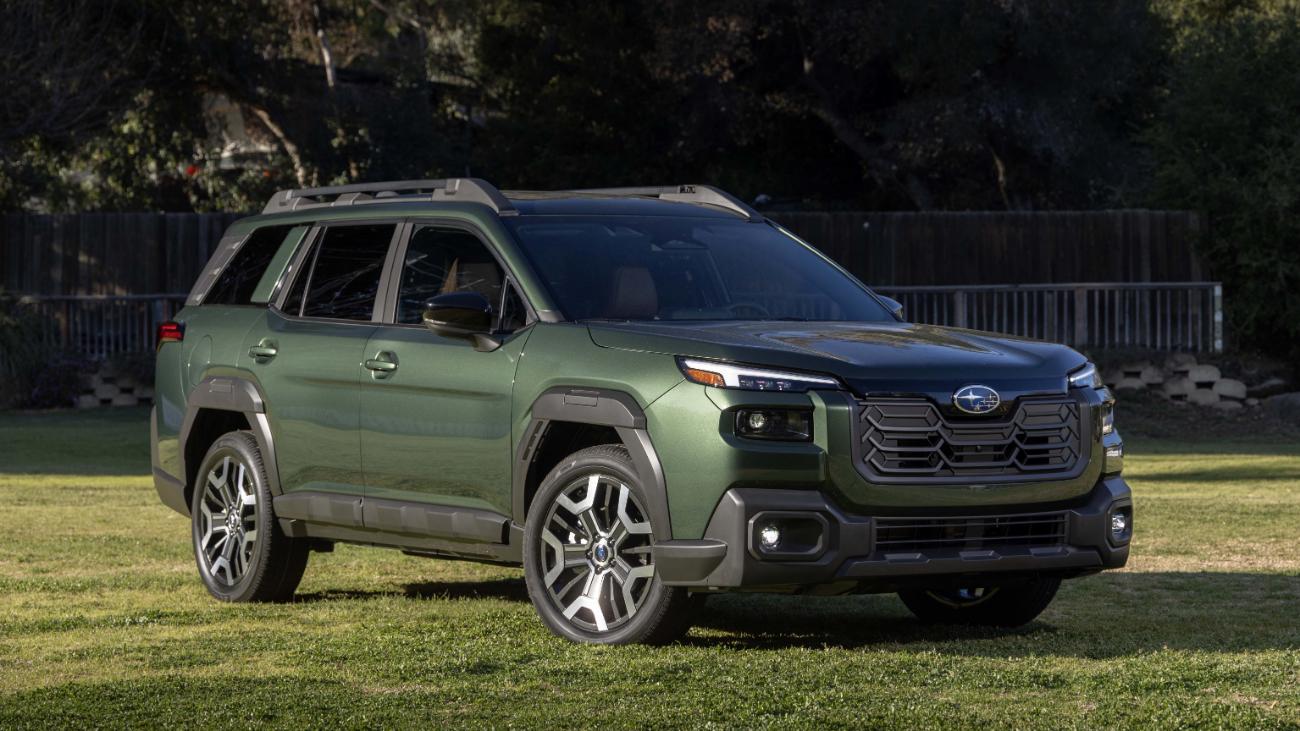
2026 Subaru Outback (Image courtesy of Subaru)
Yet at the 2025 New York International Auto Show, Subaru has introduced the 2026 Outback, and I can’t help but feel I’ve been punched in the gut. Get a load of this!
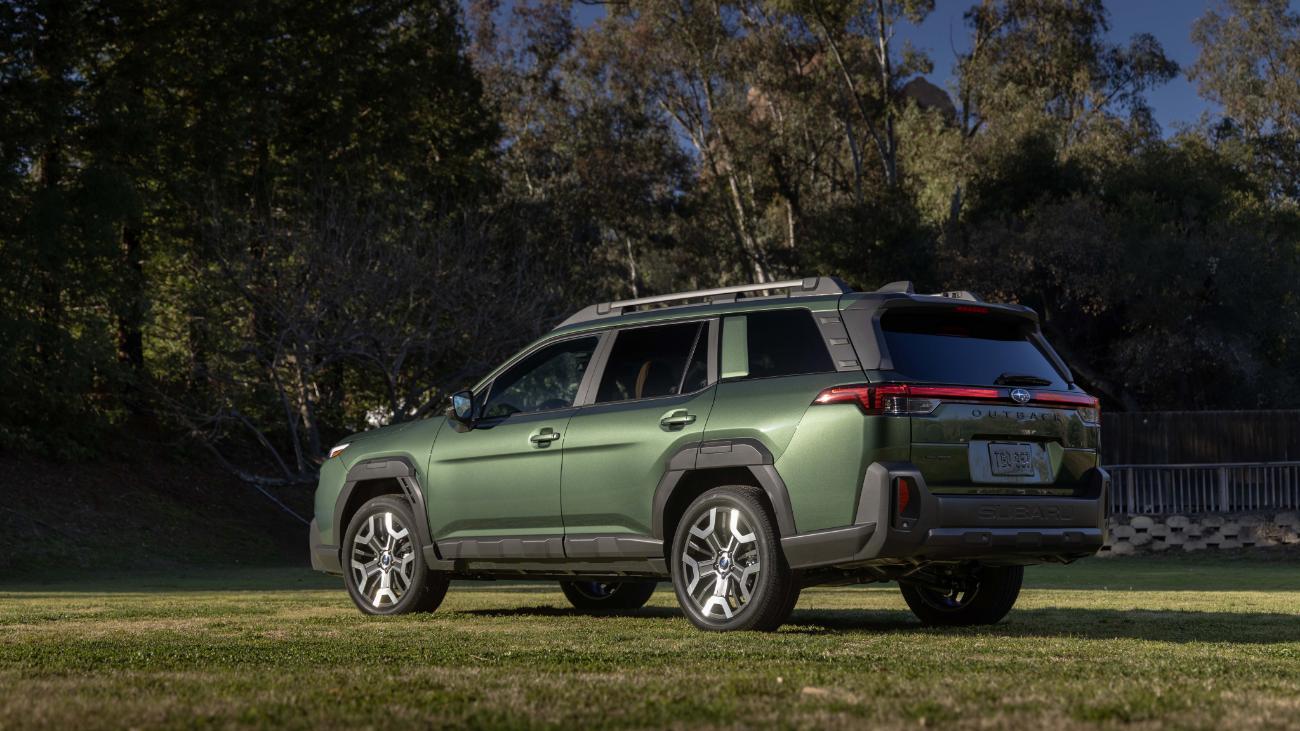
That’s not a station wagon—that’s an SUV! It’s like Subaru designed the new Outback to look like a larger Forester, a bit ironic considering both are crossovers based on sedans.
The original Subaru Legacy Outback (Image courtesy of Subaru)
Subaru recognizes this, as the press release for the redesigned ’26 states that the all-new car “steers the iconic SUV in a new styling direction” with a “new, bolder exterior design [that] conveys a more powerful presence on the road.” It makes no difference, though, as Subaru has promoted the Outback as an SUV for years—even the government has classified the Outback as an SUV since ’05 to help Subaru skirt CAFE regulations.
Now that it seems that a proper station wagon is a lost cause at Subaru, this is what we have left in the United States:
2025 Audi A4 Allroad Quattro
2025 Audi A6 Allroad Quattro
2025 Audi RS6 Avant Performance
2025 BMW M5 Touring
2025 Mercedes-Benz E 450 4MATIC All-Terrain
2025 Subaru Outback – $29,010
2025 Toyota Crown Signia
2025 Volvo V60 Polestar Engineered
2025 Volvo V60 Cross Country
2025 Volvo V90 Cross Country
Honorable mention
2025 Porsche Taycan GTS Sport Turismo
2025 Porsche Taycan Cross Turismo
2026 Subaru Outback (Image courtesy of Subaru)
In the American market, there does not exist a station wagon that can be found for under $50,000. We used to be able to depend on Subaru on giving us an alternative, but no longer.
Artificial intelligence is not the stuff of science fiction any more. Today, AI is used for customer service, search engines, website design and, at Bentley, even the interior materials inspection process.
The British automaker is selective about the hides it uses in its ultra-luxury cars and SUVs, to say the least. It prefers leather from cattle that graze at high altitudes in Northern Europe, where insect bites that leave blemishes are less likely. Also, the cows there typically aren’t constrained by barb wire fencing, which can leave scars.
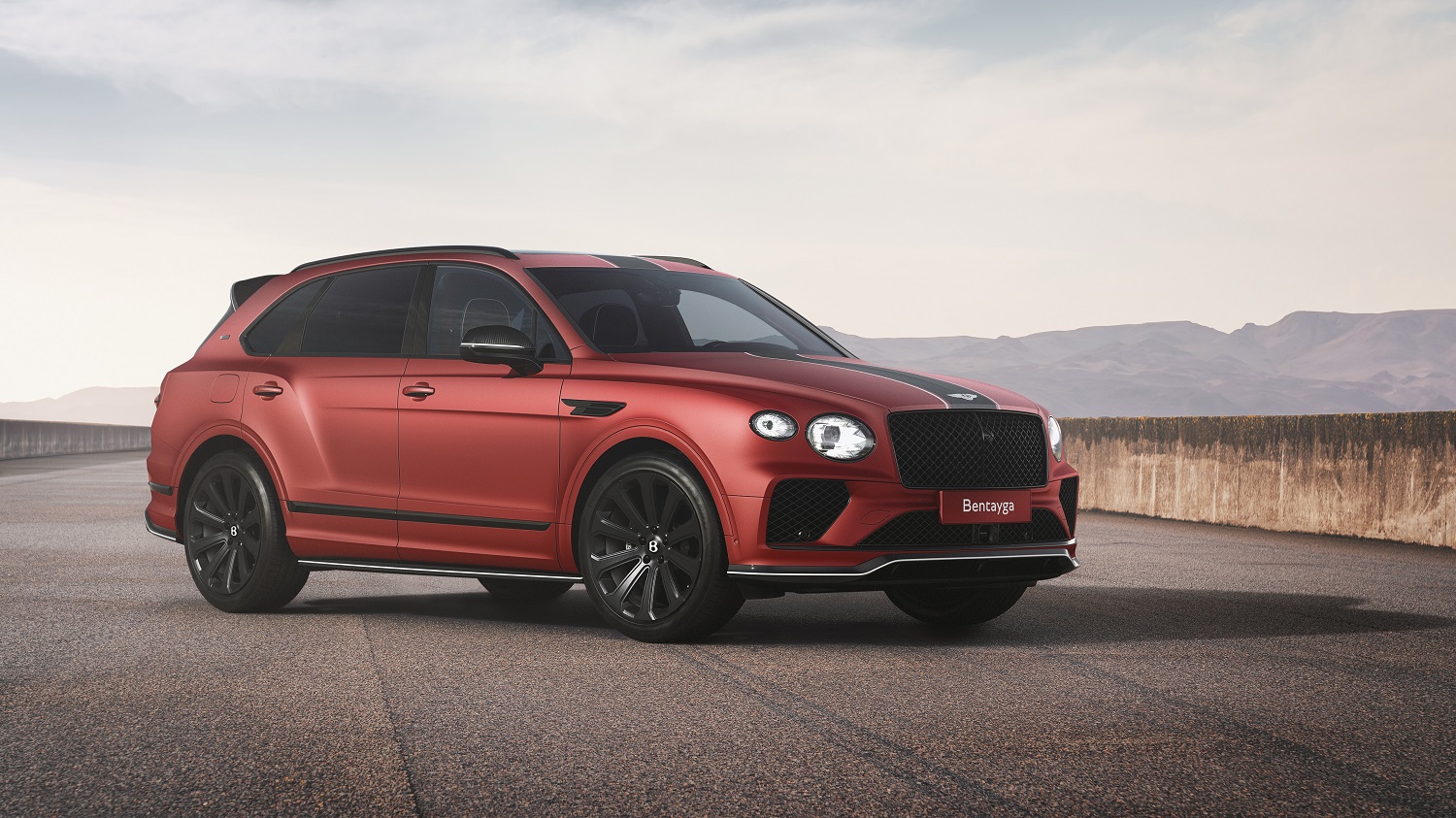
Despite this careful control of its materials, Bentley still has its artisans inspect the leather by hand. The time it takes to do that can add up, especially when you consider it takes 13 skins to furnish the interior of a Flying Spur and nine to line the cabin of a Bentayga.
As part of its Beyond100+ strategy, which “will see the company reinvent its entire product range to support a more sustainable, electrified future,” Bentley has incorporated AI into its Hide Inspection program. Combined with advanced cameras, the artificial intelligence will be able to spot imperfections that may be invisible to human eyes. Not only should this high-tech scrutiny yield even better materials, but it should also lead to faster materials processing and a reduction in waste and CO₂ emissions.
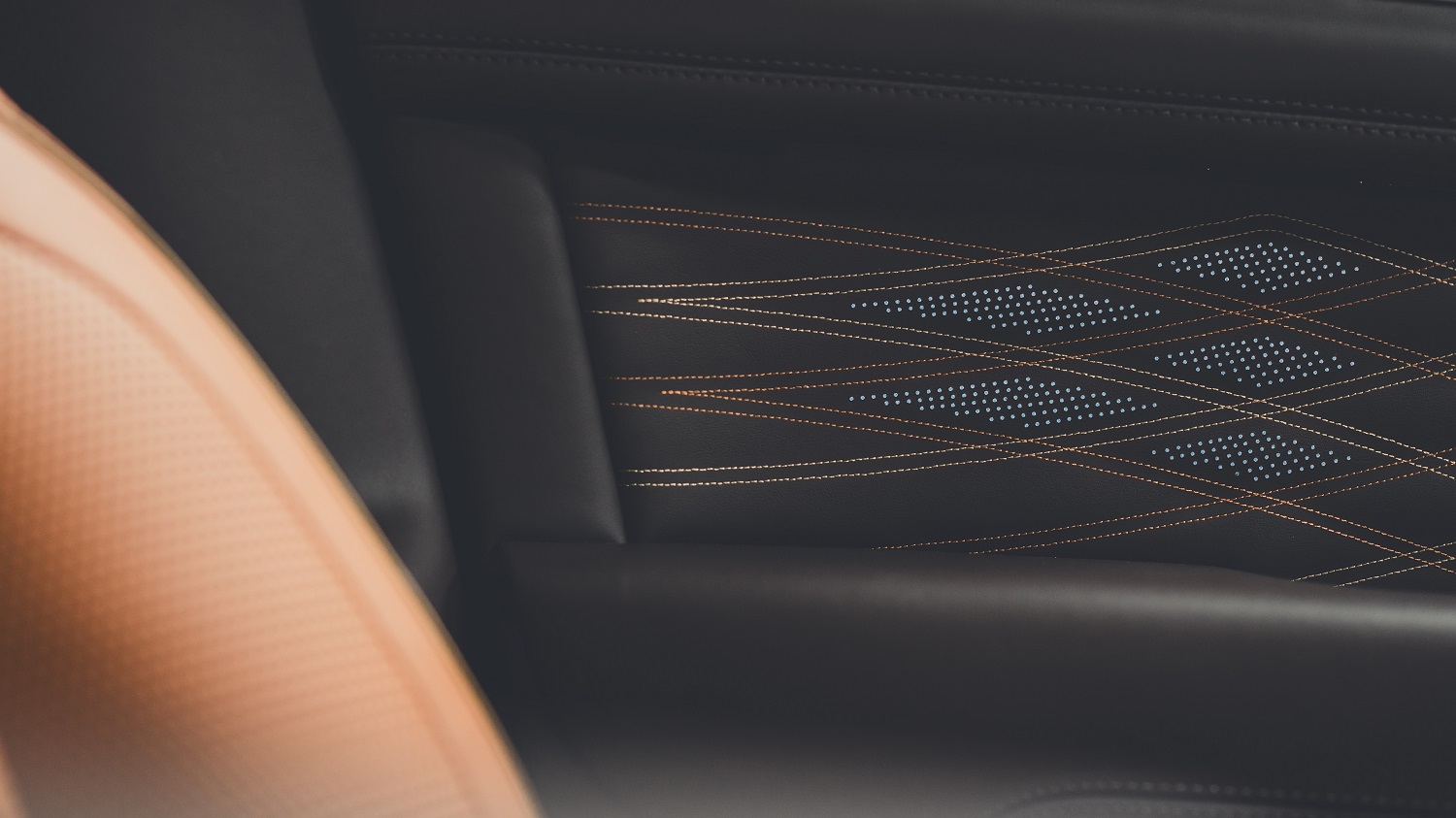
One thing AI can’t do for a Bentley’s interior? The hand-sewn details Bentley’s specialists add to each vehicle. Even if AI could pull that off, perhaps that would be a step too far for traditional Bentley buyers who value old-school craftsmanship.
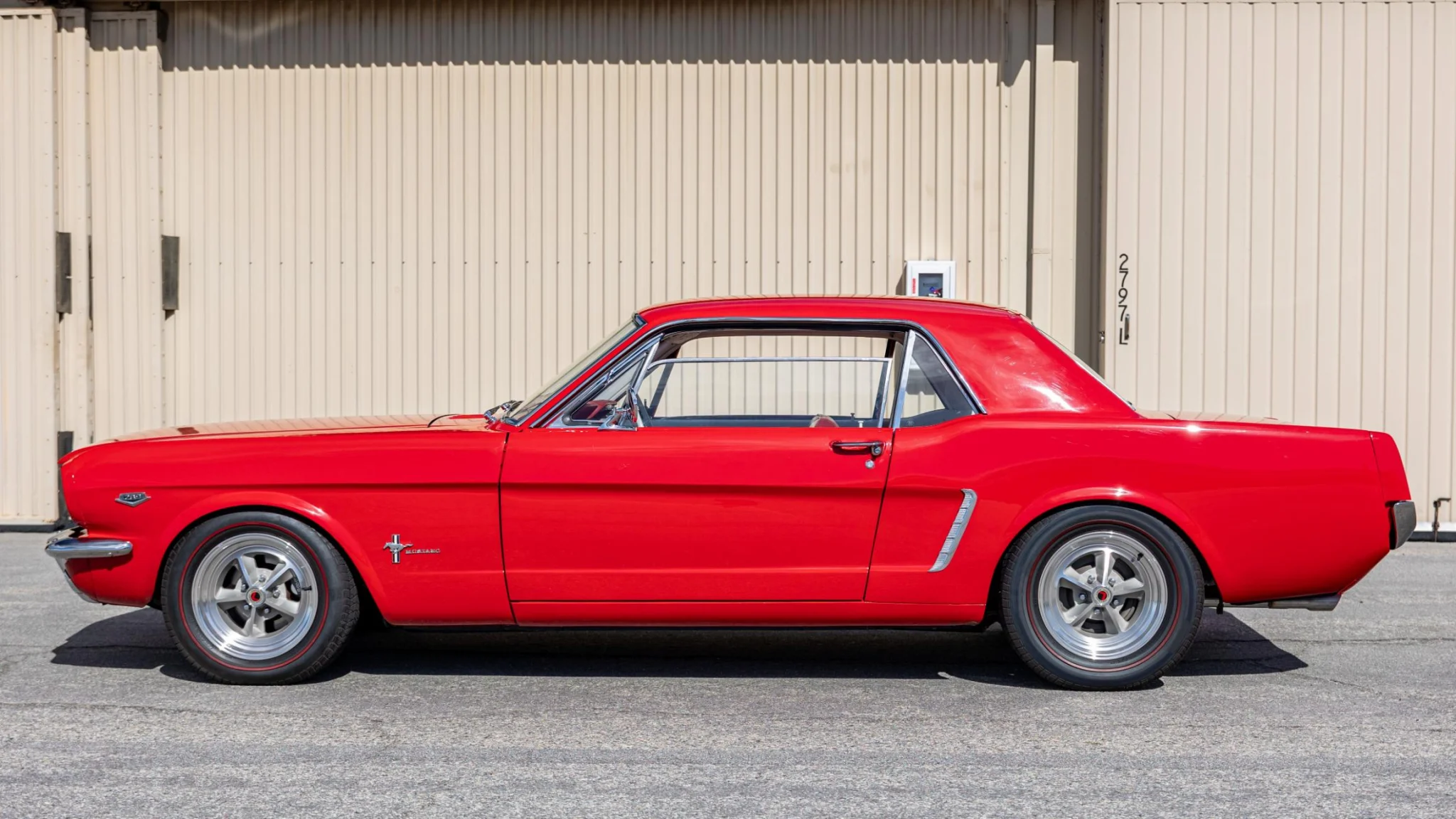
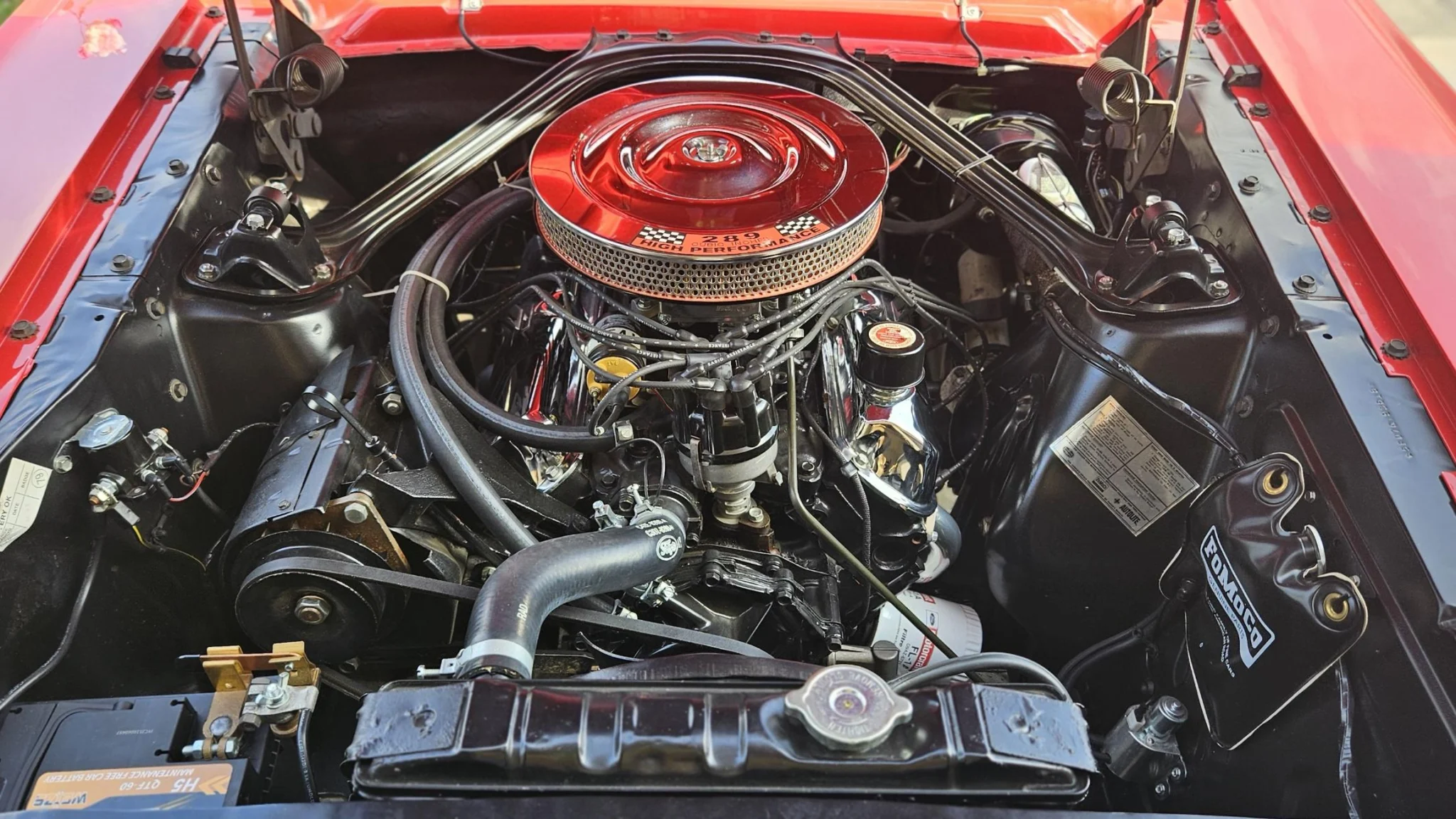
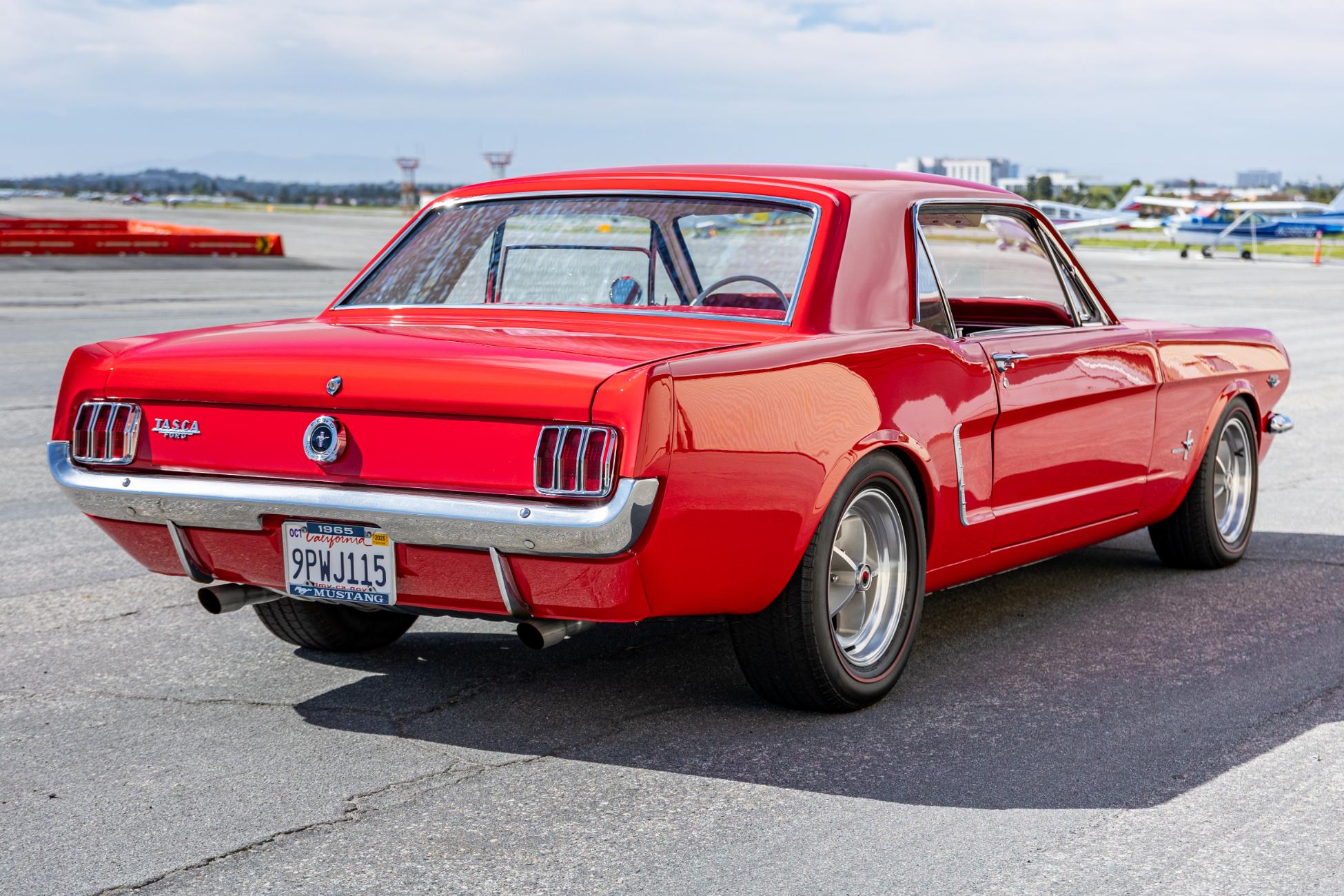
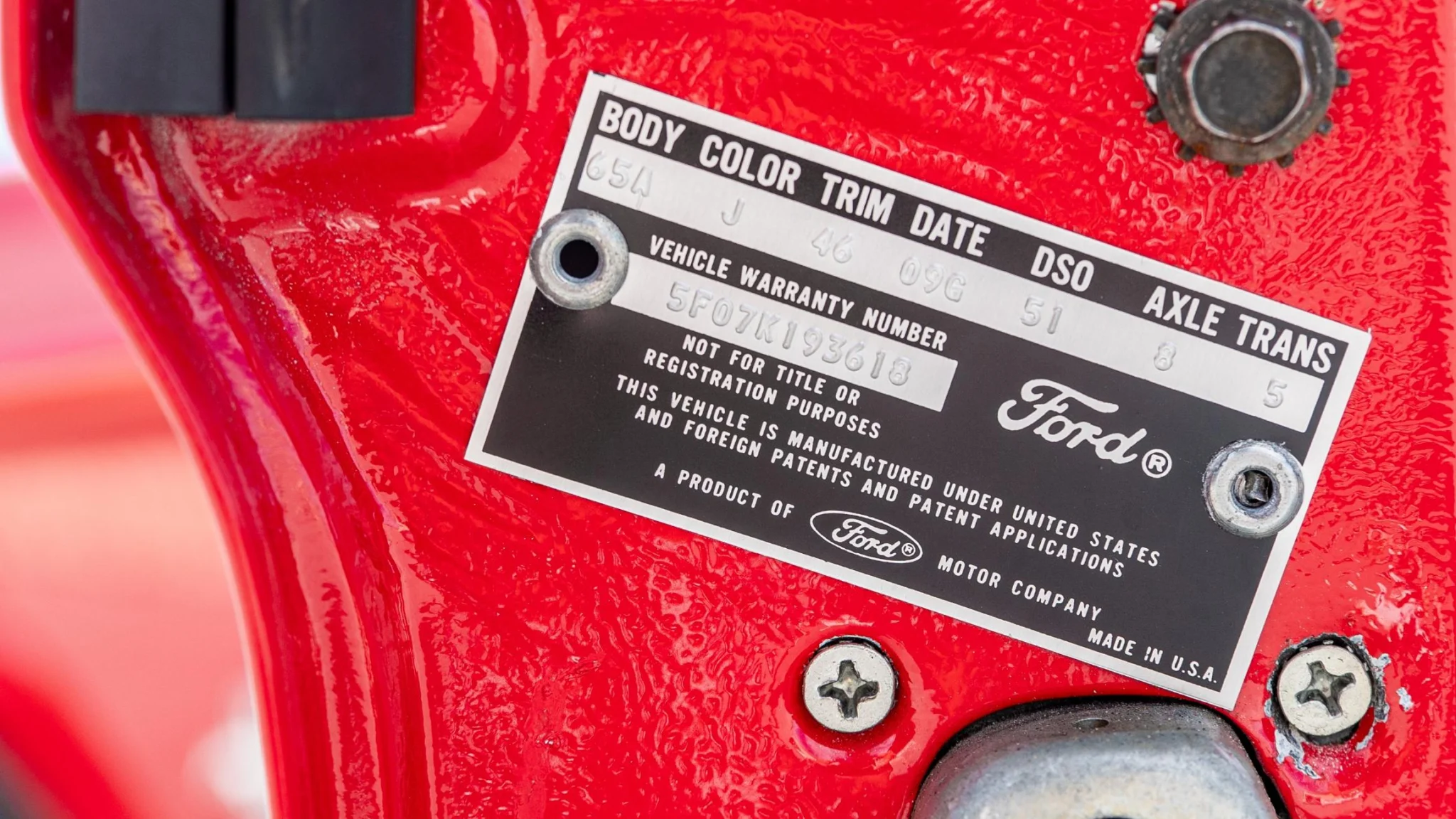
Attention, Mustang sticklers, we’ve got one for you! Yeah, we know this K-code 1964½ Ford Mustang Hardtop currently listed on AutoHunter is properly called a 1965 per the VIN, but we also know Mustangs produced from April-August 1964 featured equipment that was updated when the 1965 model year began (like generator to alternator). Thanks to the late introduction of the 289 Hi-Po and the abbreviated model year, it’s estimated that less than 500 were built in Hardtop and Convertible body styles (the 2+2 fastback was not introduced until the 1965 model year). This Hardtop is slightly modified, featuring a balanced and blueprinted 289 Hi-Po backed by a five-speed TKO manual transmission. Equipped with features like Rally Pac and Scott Drake Shelby wheels, this Rangoon Red over a matching vinyl interior is now offered by the seller with a clear title.
The recipient of a five-year restoration that was completed in 2017, this Mustang features Rangoon Red paint, driver-side chrome mirror, deconstructed grille, 289 High-Performance fender badges, and Tasca Ford badge on rear panel. Fifteen-inch 1969-70 Shelby-inspired Scott Drake wheels are wrapped in staggered-width redline radials—215/60 front, 235/60 rear.
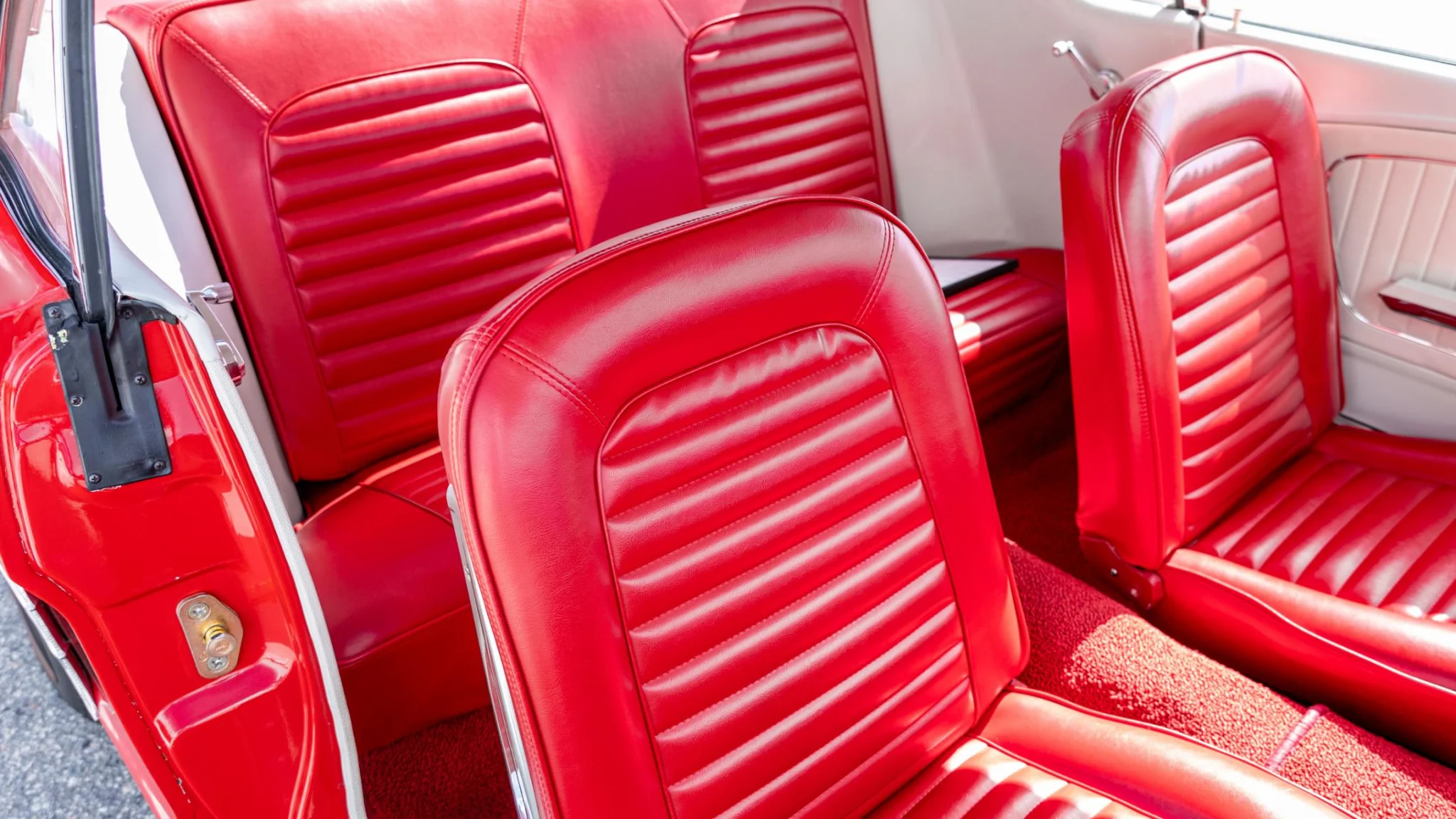
The red bucket seat interior features white side components and headliner. A Hurst shifter is mounted on the red carpet. Other features include three-spoke steering wheel and radio-delete plate.
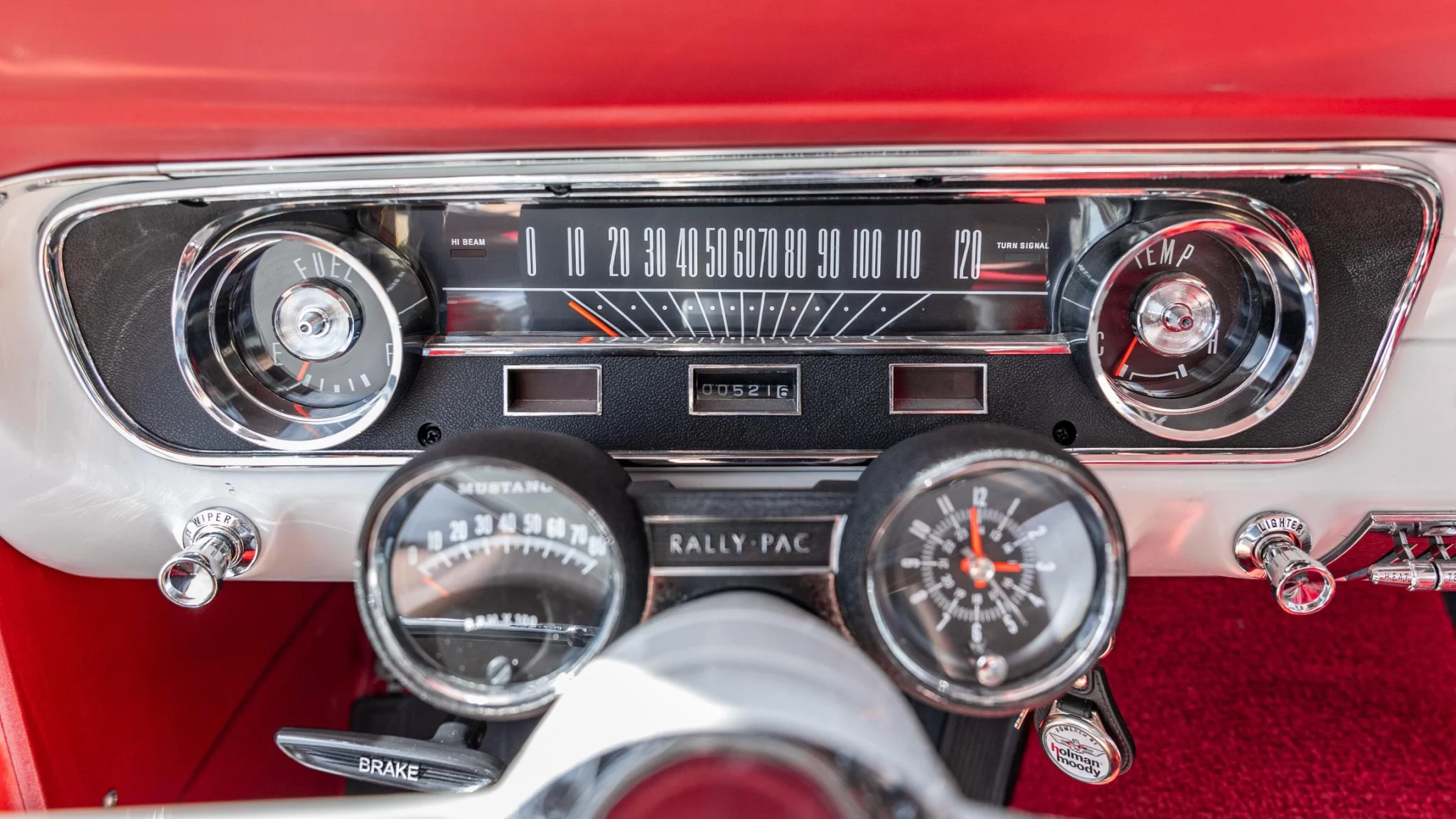
The instrument panel consists of a 120-mph speedometer and gauges for the temperature and fuel. A Rally Pac cluster is mounted on the steering column and includes a 8000-rpm tachometer and clock. The odometer currently reads 521 miles but is mileage-exempt per the title.
The rare 11:1-compression K-code 289 was originally rated at 271 horsepower. This one features an updated Holley Street Warrior four-barrel carburetor plus Sanderson stainless steel headers. The original four-speed manual has been replaced by a five-speed TKO unit.
The above makes this Mustang go, while the Wilwood power front disc brakes help this Mustang stop. Take a peek underneath and you’ll find a nine-inch Moser rear and Flowmaster dual exhaust system.
Sure, many folks may put a 1965-66 GT with the Pony interior at the top of their Mustang list, but none are as special as the K-code 1964½ Ford Mustang Hardtop like this one currently listed on AutoHunter. Thanks to its rarity (relative or otherwise), don’t miss out—place a bid before noon on Wednesday, April 23, 2025, so you can add it to your garage.
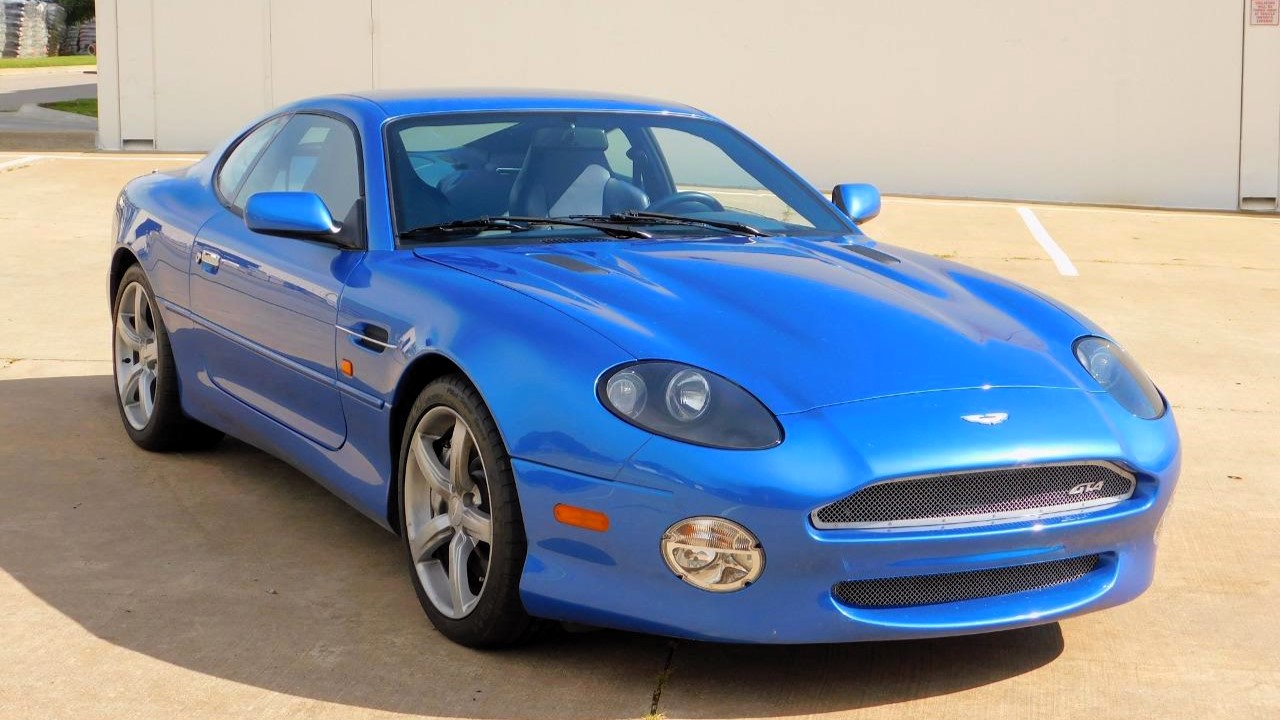
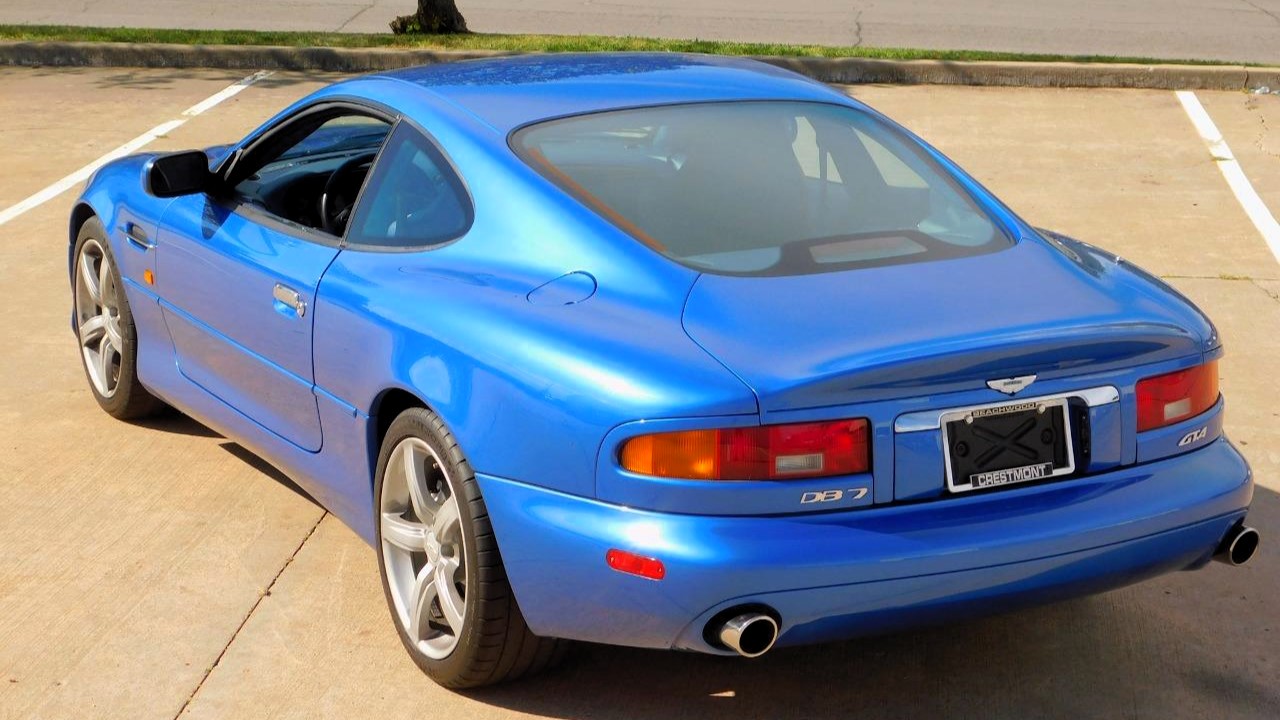
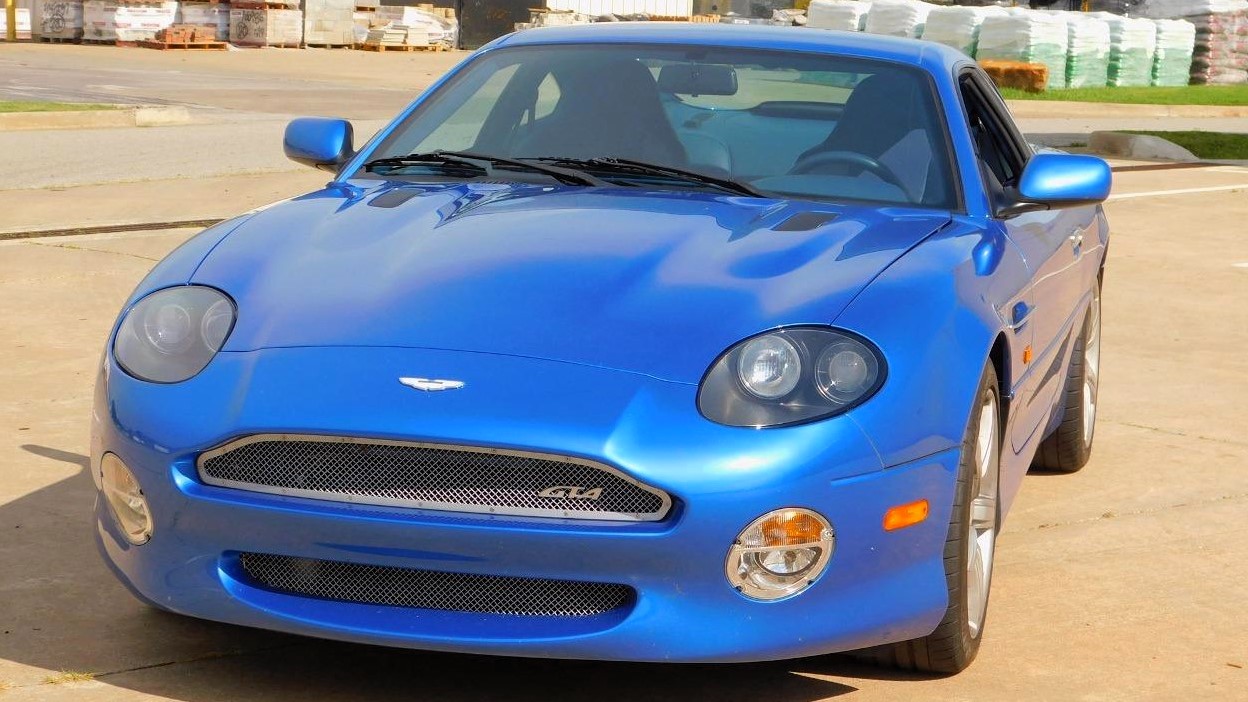
The 2002 British Motor Show was the beginning of the end for the DB7, Aston Martin‘s sleek coupe and convertible born in the 1990s. But if you buy our Pick of the Day, a 2003 Aston Martin DB7 GTA posted on ClassicCars.com by a dealer in Oklahoma, you never have to say goodbye to it.
The DB7 is what you’d call a “group effort.” In the early 1990s, Aston Martin was owned by Ford, which also had Jaguar under its corporate umbrella. It combined a new platform originally intended to underpin the Jaguar XJS’s successor with bodywork by a young designer named Ian Callum, who went on to pen several cars from both of the British car companies. For the engine, Aston Martin started with Jag’s 3.2 I6, then added a supercharger to boost output. It even built the car that came to be known as the DB7 in an old JaguarSport factory, a joint effort between Jaguar and Tom Walkinshaw Racing that previously produced the 217-mph XJ220 supercar. The finished product debuted at the 1993 Geneva Motor Show and went into production in June 1994.
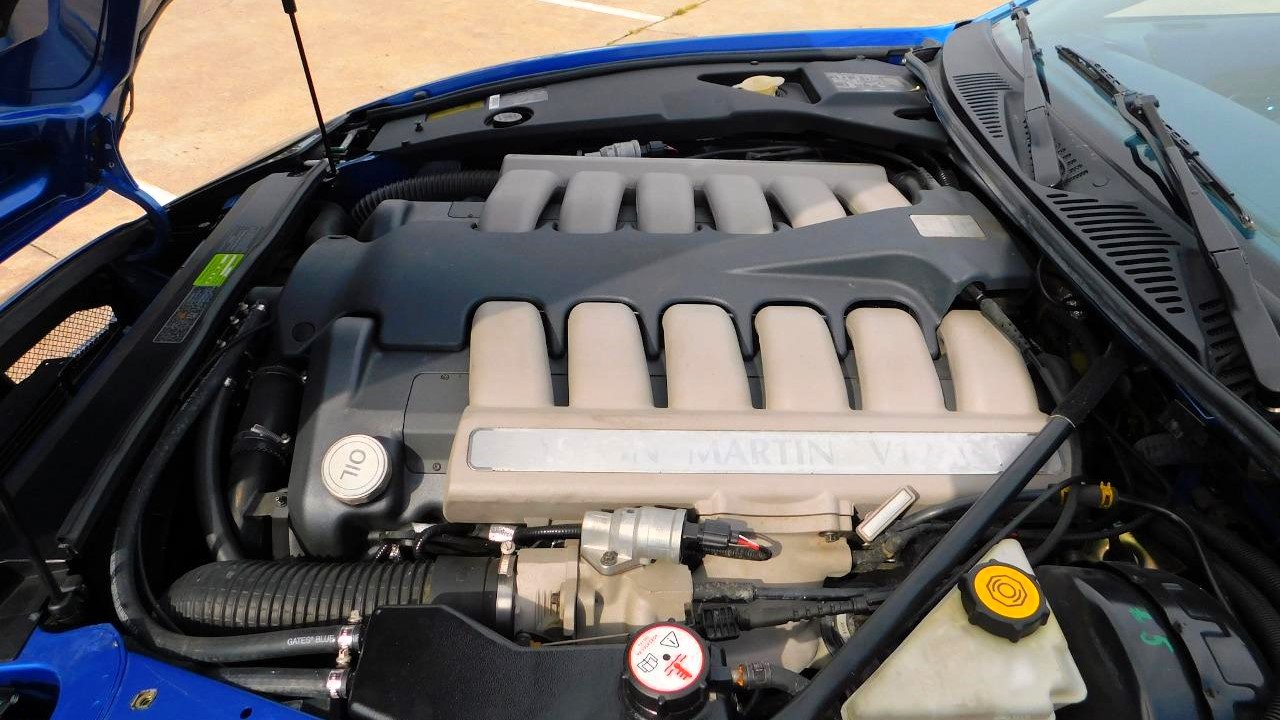
The more powerful DB7 V12 Vantage followed in 1999. Aston Martin dropped the supercharger, but upped the engine size to a 5.9-liter V12 built by Cosworth. As a result, output climbed to 420 horsepower and 400 lb-ft of torque.
Just three years later, Aston Martin showed the enthusiasts and media at the British Motor Show the final variants of the DB7 called the GT and GTA, which featured powertrain, exhaust, chassis, suspension, braking, and aerodynamic upgrades. The DB7 GT came with a six-speed manual gearbox and a slight bump to 435 horsepower and 410 lb-ft of torque. The “A” in the DB7 GTA meant it had a five-speed automatic, which could be shifted manually using the gear lever or the buttons on the steering wheel. One upgrade the GTA didn’t receive was extra power, so it drove off into the sunset with the same stats as the DB7 V12 Vantage.
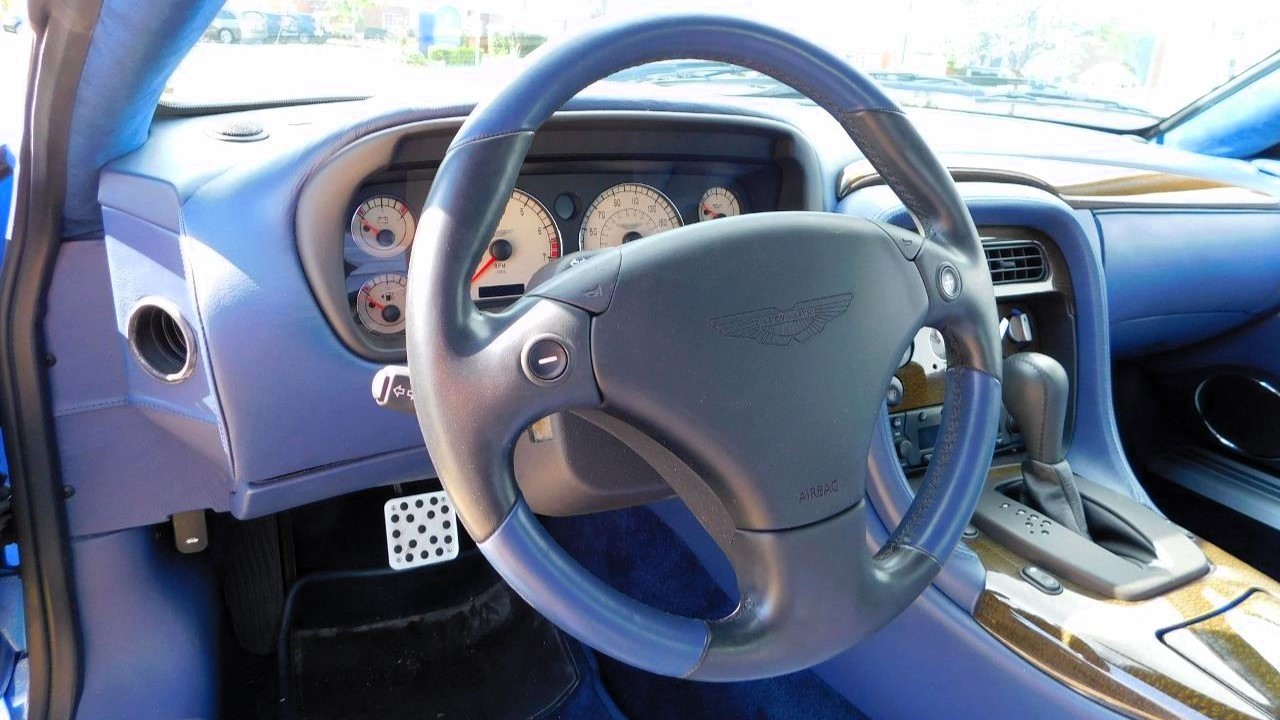
This 2003 Aston DB7 GTA comes in a distinctive and attractive light blue. The cabin is covered with darker blue leather and accented with glossy wood trim. Parchment-colored gauge dials and metallic HVAC knobs add even more contrast. As a grand touring car meant for comfortable long-distance travel, the DB7 GTA is equipped with power everything, heated power front seats, and the power to shave down ETAs.
Speaking of lower numbers, check out the odometer: There are only 5,768 miles on this high-class cruiser. While it’s a shame that nobody has significantly enjoyed this car, that figure is also kind of fitting because Aston Martin kept production numbers low, making only 191 DB7 GTs and 112 DB7 GTAs. To get your hands on this eye-catching, barely driven piece of modern Aston Martin history, all you’ll have to say goodbye to is $69,000.
After the boring 1970s, the 1980s were a breath of fresh air when it came to American muscle cars. The power ratings finally started to rise, as did the appearance of new designs, models, and modern technology. Even though the 1980s muscle cars were slower than their counterparts from the late 1960s, the muscle models for the neon decade had similarly cult followings, millions of fans, and a performance portfolio they could be proud of. Here are the ten best and most memorable models.
1. Pontiac Trans Am GTA
Foto Credit: Auto Wp
Arguably, the Trans AM was the best version of the third-generation Pontiac’s F-body. Introduced in 1987, it was the top-of-the-range Firebird on offer. The GTA’s secret weapons were the engine and WS6 handling package.
Foto Credit: Auto Wp
The engine was a 350 V8 with 210 HP in early models and up to 245 HP in later versions. The rumor was that the engine was the same as in the Corvette since it used the same TPI fuel injection system and displacement, but that wasn’t the case. However, the power and performance were pretty similar.
2. Ford Mustang 5.0 HO
Photo Credit: Ford
The rise in domestic car power during the ’80s ’80s brought the first real performance to the Mustang range in almost 20 years. The Fox-body Mustang grew more and more potent with each model year, starting from 175 HP in the 1983 model. By the late ’80s ’80s, the venerable 5.0-liter V8 engine was pumping 225 hp and 300 lb-ft of torque, translating to quite competent 0 to 60 mph times.
Photo Credit: Ford
The Mustang was once again an affordable performance car with cool styling, lots of options, and enough power to spin the rear wheels in any gear. That is why we consider the 1987 to 1993 Mustang 5.0 GT one of the best ’80s ’80s muscle cars.
3. Chevrolet Corvette C4
Photo Credit: GM
Introduced in 1984, the C4 Corvette is an authentic ’80s ’80s classic. Wedge-shaped bodies, pop-up headlights, rear hatch, and bright colors make this generation a true pop culture icon. However, there is much more about this car than funny stereotypes and GTA Vice City games.
Photo Credit: Car Domain
In fact, the Corvette C4 was the car that single-handedly saved the Corvette from demise, recession, and lack of popularity. The car was new from the ground up, with a new chassis, new engines, design, and a crazy digital dash in the interior.
4. Chevrolet Camaro IROC
Photo Credit: GM
The third-generation Camaro was a well-received and popular car, but after a while, buyers wanted more performance and power, and Chevrolet delivered in the form of the legendary IROC-Z version. The IROC-Z was introduced in 1985 as a tribute model to the Chevrolet-sponsored International Race of Champions racing series.
Foto Credit: Auto Wp
However, it was much more than just an appearance package and a cool name. Under the hood was a 350 V8 with 225 HP in the early years and 245 HP in later versions. The buyers could opt for manual or automatic, and the suspension was tuned, as well as the steering.
5. Buick GNX
Foto Credit: Mecum
Nobody expected such a bold move from Buick. After all, Buick was a company for old people producing cars without any excitement. And all of a sudden, there was a turbocharged V6 coupe that broke every classic muscle car mold and was faster than a Ferrari. At that moment, the Buick GNX was the fastest-accelerating production model in the world.
Foto Credit: Mecum
It featured the same 3.8-liter turbocharged V6 but with 275 hp and a 0 to 60 mph time of 4.7 seconds. It’s too bad that Buick made just 547 examples of this very influential car.
6. Ford Thunderbird Turbo
Photo Credit: Ford
Ford Thunderbird isn’t the car you would typically consider a muscle car. Still, in the 80s’80s, Ford introduced a couple of Thunderbirds that could have that designation and were an interesting addition to the performance car scene in those days.
Photo Credit: Ford
Although the T-bird was available with a V8 engine, the best-performing version was, in fact, the Turbo Coupe, introduced in 1987. The TC received a Mustang SVO, a 2.3-liter turbocharged four-cylinder engine with a manual transmission, 190 HP power level, and a top speed of a whopping 143 mph.
7. Dodge Shelby Charger
Photo Credit: Mecum
Based on the Dodge Omni GHL, the Shelby Charger shared a drivetrain and a 2.2-liter turbo engine, which pumped 175 HP. This was loads of power for such a small and light car, and the Shelby Charger could accelerate to 60 mph in just 7.5 seconds, making it one of the fastest-accelerating American production cars for 1987.
Photo Credit: Mecum
Despite the famous name and good performance, Shelby Chargers aren’t that collectible. Still, they deserve more recognition and respect since they are a part of the American performance portfolio from the 80s, and the cheapest way to obtain a genuine Shelby car.
8. Dodge Omni GLH
Photo Credit: Mecum
It was called Omni GLH and was a proper hot hatch and one of the best affordable performance models money could buy in those days. Nobody expected that Dodge could produce a hot hatch that could beat the European competitors, but with Shelby’s help, it did just that.
Photo Credit: Auto Evolution
Shelby took the 2.2-liter four-cylinder and added a turbocharger to produce a total output of 175 hp and 0 to 60 mph time of less than 7 seconds, which was impressive and highly competitive for the day. Of course, the Omni GLH had suspension modifications and other bits improved so it could handle all that power.
9. Chevrolet Monte Carlo SS
Photo Credit: Classic Auto Mall
In the mid-’80s’80s, Monte Carlo was one of the coolest two-door coupes of the period, although its performance wasn’t exhilarating. Under the hood was a 305 V8 with 180 HP mated to a pretty slow automatic transmission.
Photo Credit: Auto WP
What the SS lacked in performance contributed to its looks and reputation. In a five-year production run, Chevrolet built over 180,000 of those sleek coupes.
10. Ford Taurus SHO
Photo Credit: Car And Driver
The SHO (Super High Output) was a performance model in the Taurus lineup that featured a Yamaha-sourced 3.0-liter high-revving V6 with 220 hp. This doesn’t sound much today, but for 1989, it was a pretty lofty figure, and the performance was outstanding: 6.7 seconds to 60 mph.
Photo Credit: Car And Driver
On the outside, the Taurus SHO looked like any other regular Taurus, and only the badge on the back revealed its true nature.
This 1949 Chevrolet Deluxe convertible has been modified with a 350ci V8, a four-speed automatic transmission, a custom-upholstered interior, shaved exterior trim, independent front suspension, air shocks, four-wheel disc brakes, staggered diameter Billet Specialties wheels, a Ford 9″ rear end with a four-link, 361 cylinder heads, an electric fuel pump, and twin Edelbrock four-barrel carburetors. Recently acquired by the owner, this modified Chevrolet Deluxe is now offered at no reserve on dealer consignment in Bonita Springs, Florida, with a car cover and a clean Florida title.
The car is finished in black with a black soft top, and exterior modifications include shaved trim, shaved door handles, and frenched taillights.
The car rides on polished, staggered-diameter Billet Specialties wheels and has been fitted with four-wheel disc brakes with billet calipers and drilled/slotted rotors.
Independent front suspension, air shocks, and a 4-link rear setup have also been installed.
The cabin has been reworked with a custom dashboard, center console, and door panels, and the power-adjustable seats are trimmed in black leather. A Vintage Air air conditioning system is installed. The stereo includes a Kenwood head unit and a trunk-mounted Memphis amplifier and dual subwoofers.
The billet steering wheel fronts a custom dashboard housing digital gauge readouts. The odometer indicates around 700 miles.
The 350ci V8 is equipped with 361 cylinder heads, an electric fuel pump, and twin Edelbrock four-barrel carburetors.
Power is routed to the rear wheels through a four-speed automatic transmission and a Ford 9-inch rear end.
Back in the ’80s and ’90s, car design took a sharp turn—literally. Automakers ditched curves for clean lines, flat panels, and right angles, giving us some of the boxiest rides ever made. These cars weren’t just square in shape—they were square in attitude, built for function over flash. From family sedans to off-road warriors, these rolling bricks had personality, durability, and a look that still turns heads today. Whether you love them or just remember riding in one, these cars defined an era when boxy was bold. Let’s take a look back at 10 unforgettable square-shaped legends.
Volvo 240
Volvo
The Volvo 240 is one of the most iconic boxy cars ever made. It had sharp lines, flat panels, and a look that never pretended to be anything other than practical. People bought it for safety and reliability, but the bold square design made it unforgettable.
Volvo 240
Volvo
It wasn’t flashy, but it became cool over time. Enthusiasts love how solid and timeless it feels. Whether you were hauling kids or just cruising, the 240 did the job well. Today, it’s still easy to spot, and fans call it “the brick” with pride.
Chevrolet Caprice Classic
Car Domain
Big, bold, and unmistakably boxy—the Caprice Classic ruled the streets. From family road trips to police chases, this car did it all. Its long body and squared corners made it feel like a moving wall of metal. Comfort came standard, with bench seats and a soft ride.
Chevrolet Caprice Classic
Car Domain
Even now, it’s a favorite in car shows and lowrider culture. It was built tough, looked strong, and had presence. The Caprice may be gone, but it left behind a big square footprint on American car history.
Jeep Cherokee XJ
Jeep
The Jeep Cherokee XJ didn’t care about curves. It brought boxy style to the SUV world and made it work. Sharp edges, upright windows, and simple lines gave it a tough, no-nonsense look. You knew it was ready for anything just by looking at it.
Jeep Cherokee XJ
Jeep
Underneath, it had real off-road power. This wasn’t just a design choice—it was built to perform. Owners loved how easy it was to fix, how solid it felt, and how classic it looked. Even now, it’s one of the most respected boxy 4x4s ever made.
Ford LTD Crown Victoria
Motor Biscuit
The Crown Vic looked like it was drawn with a ruler—and people loved it for that. Its squared design gave it a strong, serious presence. Police departments, taxi services, and large families all trusted it. The car screamed “old-school” with every inch of its boxy frame.
Ford LTD Crown Victoria
The Cheat Sheet
Even with newer cars on the road, the Crown Vic still holds a place in people’s hearts. It had rear-wheel drive, a V8 engine, and room for everyone. You didn’t buy this car for looks—you bought it for loyalty, and it always delivered.
Mercedes-Benz G-Class
Motor 1
The G-Wagon hasn’t changed much because it doesn’t have to. Its boxy body was built for military use, and that shape just stuck. Flat sides, exposed hinges, and round headlights all give it a classic look. It’s one of the few cars that made boxy into luxury.
Mercedes-Benz G-Class
Vintage Car Collector
Over time, it became a status symbol. Celebrities love it, off-roaders respect it, and it still turns heads. It’s a rare case where the older design feels just as fresh as the new one. The G-Wagon proves boxes can be beautiful.
Dodge Caravan (First Gen)
Chrysler Corp
The original Dodge Caravan helped launch the minivan craze. It wasn’t stylish, but it made up for it with space and practicality. Its boxy shape gave families room to spread out, and the sliding door made it easy to load up kids, groceries, or even furniture.
Dodge Caravan (First Gen)
Chrysler Corp
It may not seem exciting, but it changed how families traveled. The Caravan was all about function over fashion, and that’s why it worked so well. Its square design was part of what made it such a hit.
Toyota Land Cruiser 70 Series
Auto Evolution
The 70 Series Land Cruiser is the kind of boxy that earns respect. Built for extreme conditions, it didn’t care about trends. Flat fenders, a tall stance, and simple doors made it look ready for battle. It wasn’t just square—it was squared-up and serious.
Toyota Land Cruiser 70 Series
Bring a Trailer
Even today, it’s used in tough places around the world. From deserts to jungles, this thing keeps going. It’s not flashy or smooth—it’s tough and timeless. People still want one, because when things get hard, boxy beats fancy every time.
Plymouth Reliant K
BAT
The Reliant K helped save Chrysler in the ’80s. It was simple, affordable, and everywhere. With flat body panels, a squared roofline, and no nonsense looks, it defined the era. It wasn’t about speed or flash—it was about giving people a solid car that got the job done.
Plymouth Reliant K
BAT
Millions of these cars were sold, and they became a symbol of smart, everyday driving. While they may not be collectibles now, the boxy shape brings back memories. They were practical to the core, and that mattered more than style back then.
AMC Eagle Wagon
AMC
The AMC Eagle looked like someone lifted a station wagon and gave it hiking boots. Its boxy frame sat higher than other cars, and that unique mix made it special. Flat lines, bold edges, and rugged trim gave it an unmistakable look.
AMC Eagle Wagon
BAT
It was one of the first crossovers before crossovers were a thing. You could take it camping or to the grocery store and feel ready for anything. It was ahead of its time—and proudly square. The Cube is still a popular choice for a compact car to this day.
Nissan Cube (Early Models)
Nissan
The early Nissan Cube was boxy on purpose—and it owned it. With flat surfaces, sharp lines, and funky touches, it looked like a rolling building block. It wasn’t about blending in. It stood out with charm and confidence, especially in its first-generation Japan-only versions.
Nissan Cube (Early Models)
Nissan
It was small but roomy, and the upright design gave passengers surprising space. Over time, it became a cult favorite. People loved how playful and different it felt. The Cube didn’t just accept being square—it made it fun.
German cars are often praised for their luxury, performance, and cutting-edge tech—but not all of them are smart choices for long-term ownership. Some models come with hidden headaches like costly parts, complex systems, and frequent repairs that can burn through your savings fast. Just because a car has a famous badge doesn’t mean it’s reliable or affordable to maintain. In fact, a few of these high-dollar rides are better left on the lot. Whether it’s an old luxury sedan or a flashy sports car, these 10 German machines are known more for trouble than dependability. Here’s what to avoid.
BMW 7 Series (E65/E66)
Auto Evolution
Loaded with tech and comfort, the early 2000s BMW 7 Series looks like a great deal used—but it’s not. Electrical issues, failing air suspensions, and complex iDrive problems make this car a money pit. Repairs are frequent and expensive, turning what feels like a luxury dream into a nightmare.
Mercedes-Benz S-Class (W220)
Auto Car Show
This once-flagship luxury sedan hides some costly problems. Air suspension leaks, electrical gremlins, and early rust issues are common. Even simple repairs can mean big labor costs. Owning a W220 can quickly feel like you’re paying for a private mechanic. It’s not worth the stress—or the repair bills.
Audi A8 (D3)
Edmunds
The D3 A8 offers V8 power and full-time Quattro, but repairs are brutal. The aluminum body is costly to fix after even minor bumps, and engine issues can sneak up fast. Many owners regret buying one when maintenance costs hit harder than expected. Skip the heartbreak and walk away.
Porsche Cayenne (First Gen)
Motor Trend
Porsche’s first SUV was bold—but far from bulletproof. Early models have problems with plastic coolant pipes, driveshaft failures, and complex electronics. Even routine service can cost more than most SUVs are worth. Unless you’ve got deep pockets, this fast and flashy SUV is better admired from afar.
BMW X5 (E53)
BMW Life
The first-gen BMW X5 was stylish and sporty, but it came with reliability issues. Expect oil leaks, bad cooling systems, and worn suspension parts. The all-wheel drive system is another common failure point. Owners often spend more fixing problems than they did buying the car. Avoid it if possible.
Mercedes-Benz CLS-Class (W219)
MB USA
The CLS has sleek looks and strong performance—but don’t be fooled. The W219 suffers from leaky air suspension, electrical faults, and timing chain problems. It’s not built for the long haul without constant care. The costs to keep it running can be shocking, especially when things go wrong all at once.
Audi Allroad (C5)
Audi Passion
The C5 Allroad wagon tried to mix off-road capability with German luxury—and missed the mark. The 2.7T engine is hard to work on, and the air suspension is notoriously unreliable. Add in turbo failures and high labor costs, and you’ve got one of the riskiest wagons money can buy.
Volkswagen Phaeton
VW
VW’s luxury gamble was packed with features, but parts and labor are outrageous. The Phaeton shares parts with Bentley in some areas, and repairs often require special tools and deep knowledge. Most shops won’t even touch it. Buying one used might feel smart—but it’s usually a short road to regret.
BMW 5 Series (E60 M5)
BMW
That V10 sounds amazing… until something breaks. The SMG transmission is jerky and expensive to fix, and engine maintenance is no joke. Oil leaks, rod bearing issues, and vanos failures are all common. It’s a high-performance car with high-maintenance problems. Owning one can turn into a full-time job.
Mercedes-Benz ML-Class (W164)
MB USA
Meant to be a luxury SUV for families, the W164 ML-Class suffers from bad electronics, transmission problems, and weak interior materials. Repairs are frequent and pricey. It may look like a bargain on the used lot, but that price tag doesn’t reflect the money you’ll spend keeping it alive.
Muscle cars are always coupes or convertibles, right? No. They come in various sizes and shapes, and one of them is the station wagon. Rarely considered an existing car form, station wagons can be fast with the right options and powerful engines under the hood. Today, we will pay attention to this exclusive segment of muscle car culture and long-roof models with astonishing potential.
1. Ford Country Squire 428
Photo Credit: Hemmings
For 1966 and 1967, Ford offered 428 V8 engines as an option on its station wagon model lineup. The 428 V8 in question was not the famed Cobra Jet, but the engine from the Thunderbird with 345 underrated horsepower. With over 460 lb-ft of torque, the Country Squire could really go despite its size and weight.
Photo Credit: Hemmings
To an average person, this car looked like a big old station wagon that could haul nine people, carry a lot of stuff, and cruise highways. But to experienced enthusiasts, just one glance under the hood could reveal the true nature of this car.
2. Pontiac Bonneville
Photo Credit: GM
One of the coolest American station wagons is the late 1950s Pontiac Bonneville Safari. Interestingly, Pontiac always named its long-roof models “Safari” to make them special compared to similar GM products.
Photo Credit: GM
But what made the 1959 Bonneville Safari so desirable was the 389 V8 that produced 300 HP. It transformed this family cruiser into a proper station wagon muscle car.
3. Chevrolet Kingswood 454
Photo Credit: GM
Sitting at the top of the wagon range, the Kingswood was produced in 1959 and 1960 and again from 1969 to 1972. Those models were always the most expensive and biggest Chevrolet wagon offerings, with powerful engines and a long list of creature comforts.
Photo Credit: GM
The most interesting are the late `60s models, which featured unbelievable specs. You could order the Kingswood with big-block power. The 427 and 454 V8-powered wagons were almost as fast as muscle cars but could seat up to 9 people.
4. Oldsmobile Vista Cruiser 442 Wagon
Photo Credit: GM
How could a family station wagon be a muscle car? Well, it can. The 1970 Vista Cruiser could be ordered with a 455 V8 monster of an engine, basically the same power plant from the famed Oldsmobile 442 muscle car.
Photo Credit: GM
This transformed an otherwise ordinary `70s American suburban wagon into a fire-breathing muscle car disguised as practical family transport. The Vista was still pretty quick, with 0 to 60 mph times of around 6 seconds.
5. Chevrolet Nomad “Fuelie”
Photo Credit: Mecum
The muscle car wagon class was first introduced in 1957 when Chevrolet offered a high-performance drive train as an option on its cool-looking Nomad Wagon. Chevrolet created a new market niche by combining a practical body style with a hot fuel-injected 283 V8 small block engine.
Photo Credit: Flickr
The Nomad was a popular model designed for small business owners and families, but with the addition of a 283 HP engine, it was fast and could outperform some sports cars of the day.
6. Buick Roadmaster LT1
Photo Credit: Car Domain
The legendary Roadmaster name returned to Buick`s lineup in 1991 after a 33-year hiatus, gracing the freshly styled luxurious sedan and station wagon model. Buick engineers found a way to install the Corvette`s LT1 5.7-liter V8 engine into the Roadmaster`s engine bay.
Photo Credit: GM
It had 260 HP, enough to turn this heavy wagon into a hot rod. Despite the curb weight of over 4400 pounds, this car could outrun many of the muscle cars of the day.
7. Cadillac CTS-V Wagon
Photo Credit: GM
Cadillac produced three body styles of the second generation of CTS-V, and it could be had as a sedan, a coupe, and, interestingly, as a wagon. The rarest of the three, the CTS-V Wagon, shared all mechanical components with the rest of the V-Series models.
Photo Credit: Motor Authority
However, the wagon body style was something Cadillac buyers didn’t expect. The car was still a blast to drive and extremely fast; it was just that the majority of the customers turned to sedans or coupes. Some buyers weren’t even aware that the wagon existed.
8. Dodge Magnum SRT-8
Photo Credit: Dodge
Equipped with a 6.1-liter V8 Hemi engine pumping out 425 HP and a glorious soundtrack through its twin tailpipes, the SRT-8 was a fast, capable, long-roofed car.
Photo Credit: Edmunds
The design is typical Dodge, and since the rest of the mechanics are identical, I think of this car as a station wagon Charger.
9. Chrysler 300C Wagon SRT-8
Photo Credit: Auto Evolution
A competitor to the BMW M5 or Mercedes E-Class AMG, the Touring was the performance station wagon version of the 300C sedan.
Photo Credit: Auto Evolution
Equipped with a 6.1-liter V8 Hemi engine pumping out 425 hp and a glorious soundtrack through twin tailpipes, the SRT-8 was a really fast and capable long roof. The 0 to 60 mph sprint took around 4.9 seconds, and the top speed was over 170 mph.
10. Chevrolet Caprice LT1
Photo Credit: X
The Chevrolet Caprice LT1 Station Wagon, which was introduced in the mid-90s, is a full-size, rear-wheel-drive American wagon powered by the same 5.7-liter LT1 V8 engine found in the Corvette of its era, delivering around 260 horsepower. With body-on-frame construction, ample cargo space, and seating for up to eight, it blends classic utility with muscle car performance.
Photo Credit: Classic Auto Mall
Its long, sleek silhouette and signature rear-facing third-row seat evoke nostalgia, while its smooth ride and torque-rich acceleration surprise modern drivers. A cult classic among enthusiasts, it’s a unique blend of family hauler and sleeper performance cars, perfect for highway cruising and weekend adventures.
The V8 engine is a staple of the muscle car scene and a mandatory engine configuration, right? Well, not exactly. Even though the V8s made the muscle car scene and established its popularity, some car manufacturers presented models with fewer than eight cylinders. Does this mean that those cars were slower and less desirable? No, and we will prove to you why.
1. Chevrolet Corvette 1953
Photo Credit: silodrome
The most exciting thing about the new Corvette was the fiberglass body, and back in the early ’50s, plastic was still the material of the future in the industry. Under the hood was an inline-six engine called “Blue Flame,” which featured a 3.9-liter displacement and a modest 136 hp rating.
Photo Credit: Silodrome
Although equipped with three Carter carburetors, the engine came from Chevrolet’s standard lineup. Chevrolet engineers tried to keep the costs down by borrowing mechanical components from other vehicles and using them on the Corvette.
2. Pontiac Firebird Sprint
Photo Credit: YT
The secret of the Firebird Sprint was the engine. It was a 250 CID straight-six with a single overhead camshaft. It produced 215 HP in the 1967-68 model years and 230 HP in 1969. Compared to the 350 and 400 CID V8, this was not impressive.
Photo Credit: Street Mag
But Sprint Six had serious torque and a small weight, revving happily to 6,000 rpm. In the days of V8 monsters, a six-cylinder Firebird had an almost European feel. Unfortunately, not many people understood this model. Despite the modest price and unique characteristics, it only sold a few thousand copies in its three-year production run.
3. AMC Javelin
Photo Credit: Hagerty
To compete with the Mustang and the Camaro, AMC presented the Javelin in 1968. It was a small sports coupe with a six-cylinder and a V8 engine. The 252 straight-six engine was an offering, delivering 170 hp and decent performance.
Photo Credit: Hagerty
The new model proved to be very successful on the streets and race tracks in America, and javelins were among the fastest cars of the period. In those days, AMC was considered a budget manufacturer, and the Javelin’s sporting image really helped the company’s image.
4. Buick GNX
Photo Credit: GM Performance
Nobody expected such a bold move from Buick. After all, Buick was a company for older adults producing cars without any excitement. And all of a sudden, there was a turbocharged V6 coupe that broke every classic muscle car mold and was faster than a Ferrari.
Photo Credit: Car Scoops
At that moment, the Buick GNX was the fastest-accelerating production model in the world. It featured the same 3.8-liter turbocharged V6 but with 275 hp and 0 to 60 mph of 4.7 seconds. It’s too bad that Buick made just 547 examples of this very influential car.
5. Pontiac Fiero
Photo Credit: Bring a Trailer
For the standards of the day, this was the most advanced American production model. The customers were pretty hyped by the Fiero’s appearance, cool, modern design, and advanced technology; the initial response was more than reasonable. For example, 1983 sales figures were over 130,000 examples.
Photo Credit: Wikipedia
Unfortunately, Pontiac didn’t develop the Fiero, and the early models were badly put together. Engine power was not great, and the interior was cramped. GM responded by upgrading the car, and by the end of the ’80s, the Fiero was a solid sports car with 150 hp from its 2.8-liter V6 engine and improvements all around. However, it was too little, too late.
6. GMC Typhoon
Photo Credit: Bring a Trailer
More than 25 years since the first Typhoons saw the light of day, this vehicle is still a benchmark of performance and style. But what makes it so interesting and desirable? First, the engine. Typhoons were equipped with a 4.3-liter V6 engine with a turbocharger and intercooler. The power output was 280 hp, which is not that impressive today, but back in 1991, it was a nice number.
Photo Credit: Car And Driver
However, the automatic transmission, performance-oriented all-wheel-drive system, and suspension really improved performance, and the Typhoon could accelerate from 0 to 60 mph in just 5.7 seconds.
7. Dodge Challenger GT
Photo Credit: Car And Driver
What is the definition of a muscle car? A two-door coupe with a big V8 engine and rear-wheel drive, right? Well, Dodge has a different vision. For decades, muscle cars were rear-wheel drive-only vehicles, and in 2016, Dodge introduced a special model in its Challenger lineup called GT AWD.
Photo Credit: Car Trend
First, it is a Challenger with recognizable coupe styling, retro charm, and aggressive stance, but underneath the cool-looking body, there is a V6 and intelligent all-wheel drive system. There are no more smoky burnouts and rear wheels on fire. Instead, now there is loads of traction even in the most challenging conditions.
8. Ford Mustang EcoBoost
Photo Credit: Ford
After the global economic recession, Ford was the first major manufacturer to introduce a downsized, turbocharged engine. It looked strange initially, but it proved to be a good business move since the most significant part of Ford’s global engine lineup includes turbocharged four-cylinders. This influenced the production of traditional muscle cars like the Mustang.
Photo Credit: Ford
When Ford presented the latest generation, the 2.3-liter EcoBoost had a place in their engine lineup. The engine proved to be capable and popular with consumers. It is fast, with an acceleration time of 5.1 seconds from 0 to 60 mph and around 150 mph.
9. Chevrolet Camaro 2.0
Photo Credit: Car and Driver
Muscle car purists may wonder why Chevy would produce a four-banger Camaro. However, the new Camaro turbo is an excellent car with better performance ratings than classic V8-powered models from the 1960s. Under the hood is the 2.0-liter four-cylinder that delivers 275 HP. In just 5.1 seconds, it can propel the heavy coupe from 0 to 60 mph.
Photo Credit: Borla
It can go up to 155 mph for a top speed. Although the four-cylinder Camaro may not have the glorious soundtrack of a V8 engine, it has the performance and fuel economy that V8s have always lacked. The motoring press loved the new downsized engine, and this version has proven how far technology has come.
10. Cadillac ATS-V
Photo Credit: Cnet
Introduced in 2016, the Cadillac ATS-V is a compact and immensely powerful model. With this car, Cadillac attacked the likes of Mercedes C Class and BMW 3 Series with a modern executive sedan with recognizable styling and brutal power.
Photo Credit: Car And Driver
Under the hood is the twin-turbo 3.6-liter V6 engine with 464 HP and 445 lb-ft of torque, which is enough to launch the ATS-V from 0 to 60 mph in just 3.7 seconds and top the speed of an astonishing 189 mph.