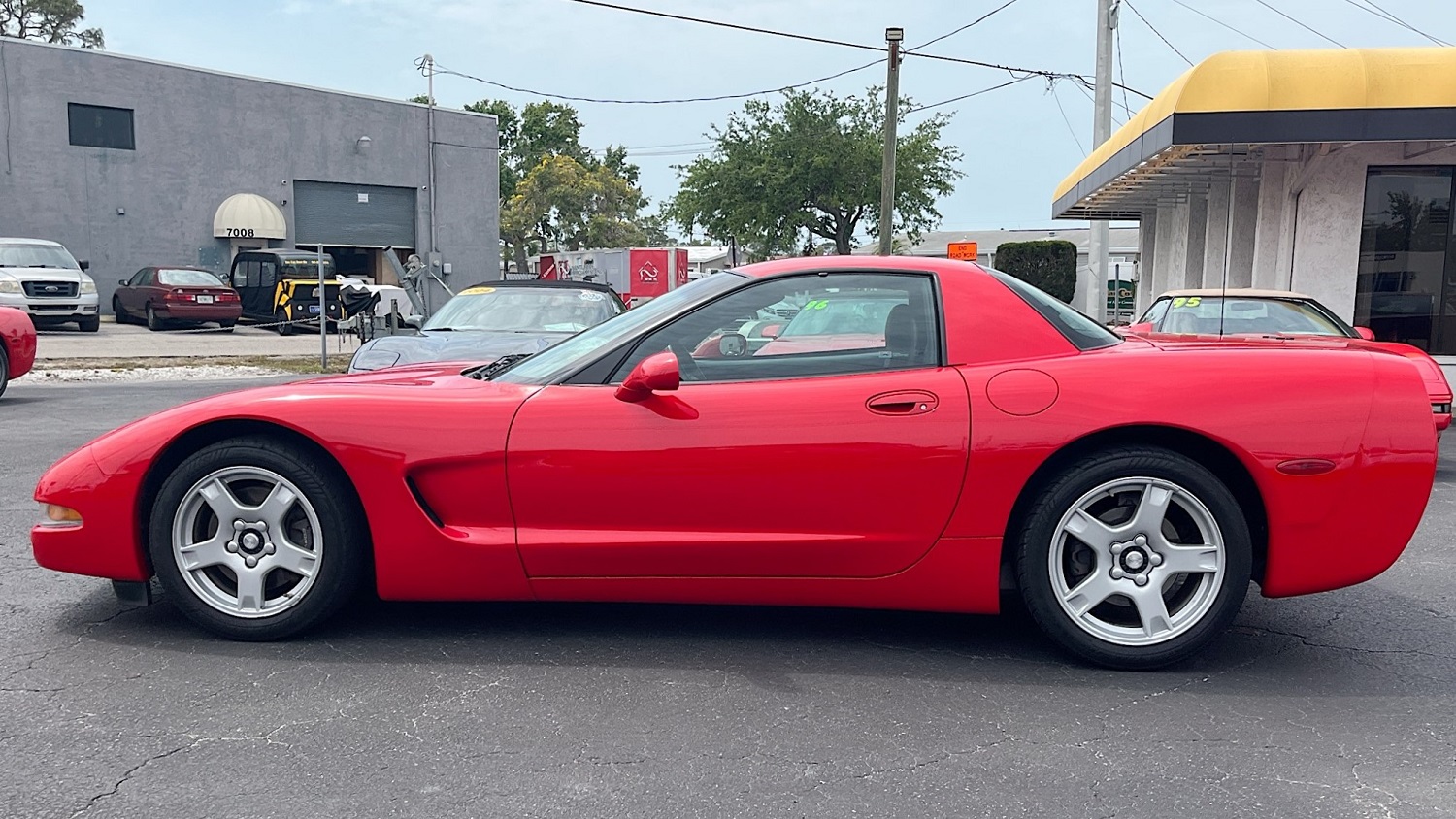
Currently listed on AutoHunter is this one-owner 1999 Chevrolet Corvette hardtop, which has accrued only 33,168 miles since new. As a C5 model, it is powered by an LS1 5.7-liter V8, which is paired with a six-speed manual gearbox. Finished in Torch Red over a Black leather interior, this low-mileage, fifth-generation Corvette is now offered by the selling dealer in Florida with the original window sticker, clean CARFAX report, and clear title.
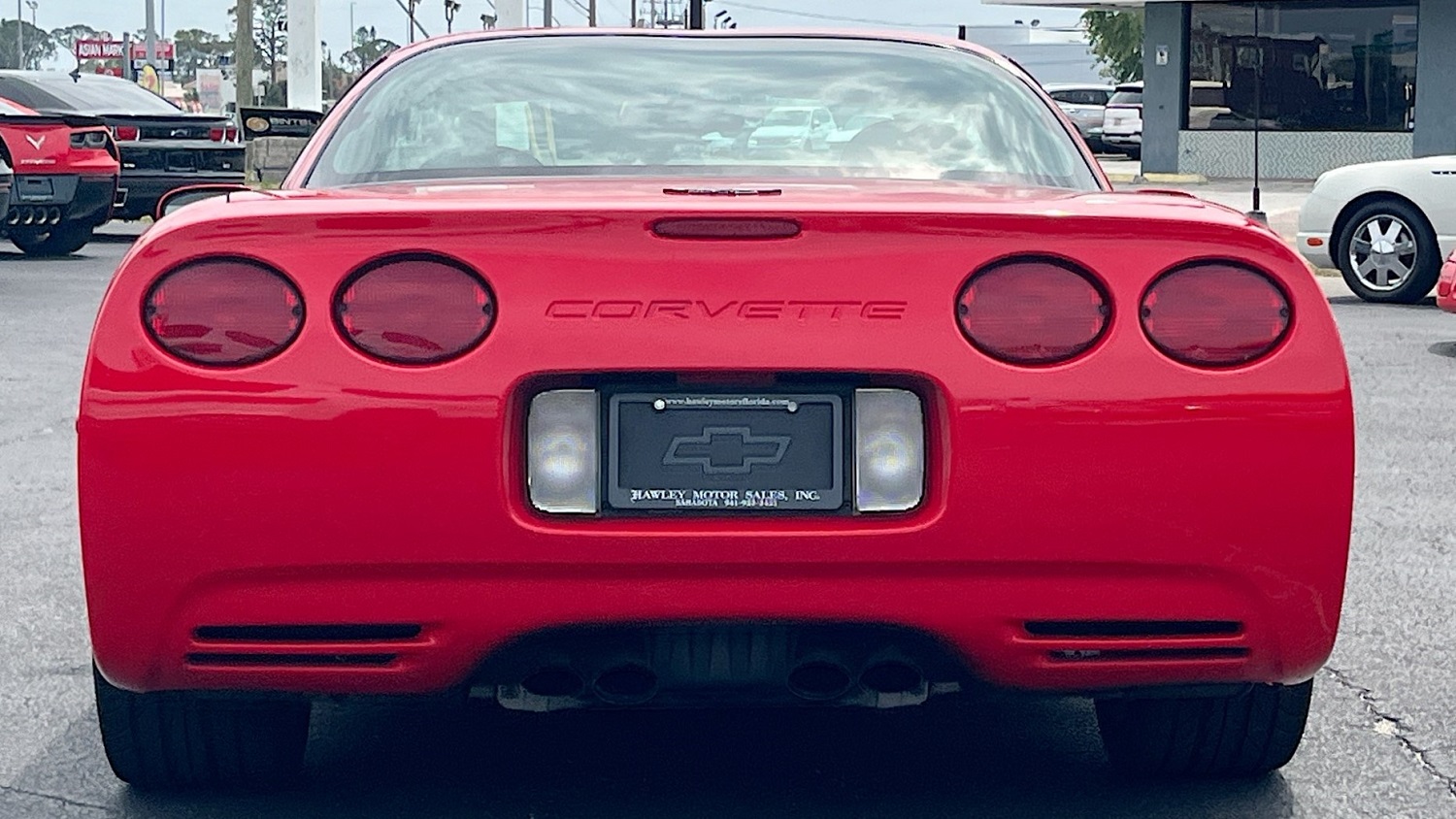
The curvy bodywork is finished in Torch Red, a perfect color for a Corvette. Exterior features include pop-up headlights, front fender vents, heated power mirrors, tinted windows, and quad exhaust outlets.
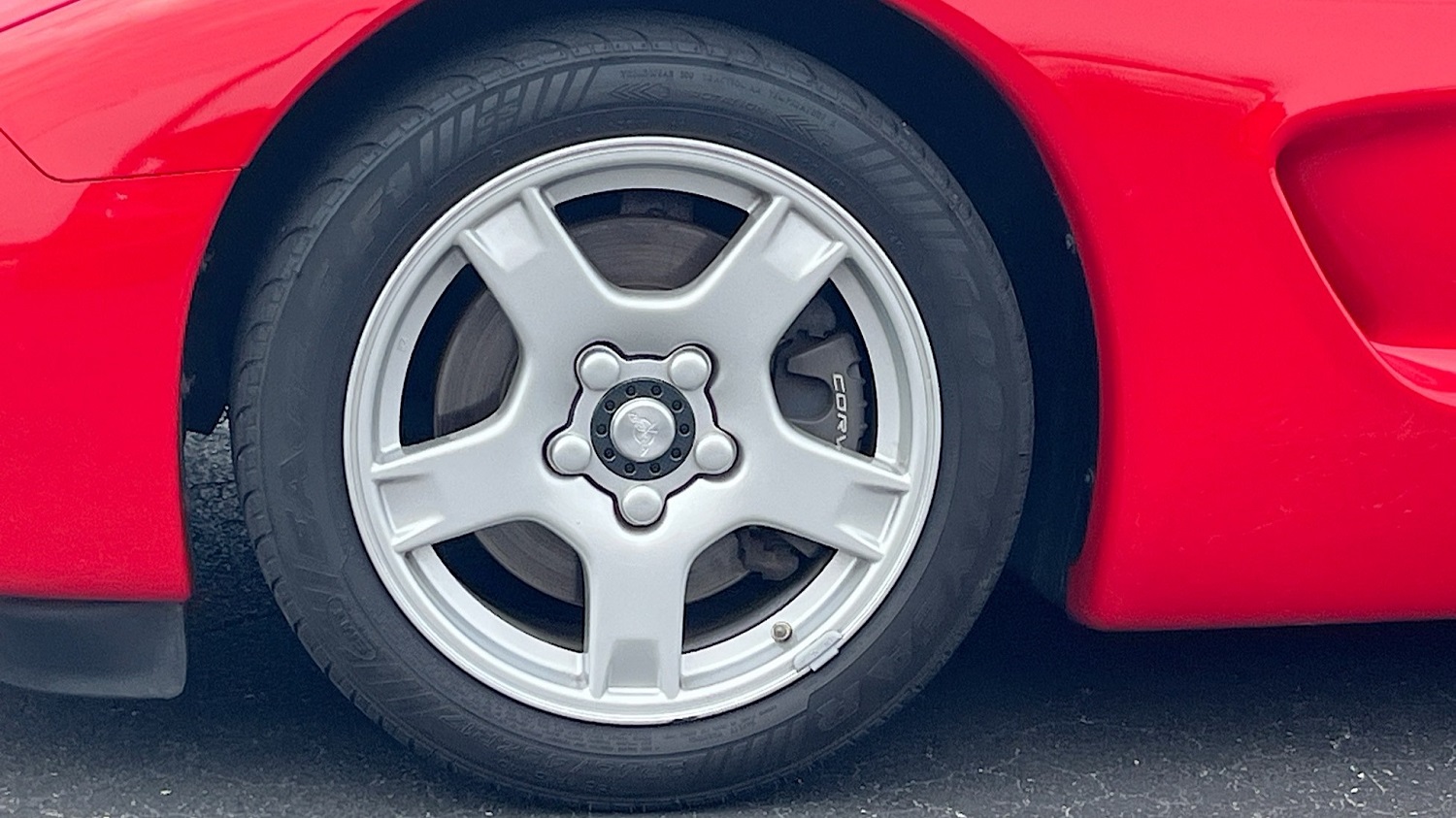
The stock aluminum wheels measure 17 x 8.5 inches in the front, and 18 x 9.5 inches in the back. They’re wrapped in 245/45 and 275/40 Goodyear Eagle F1 tires, respectively.
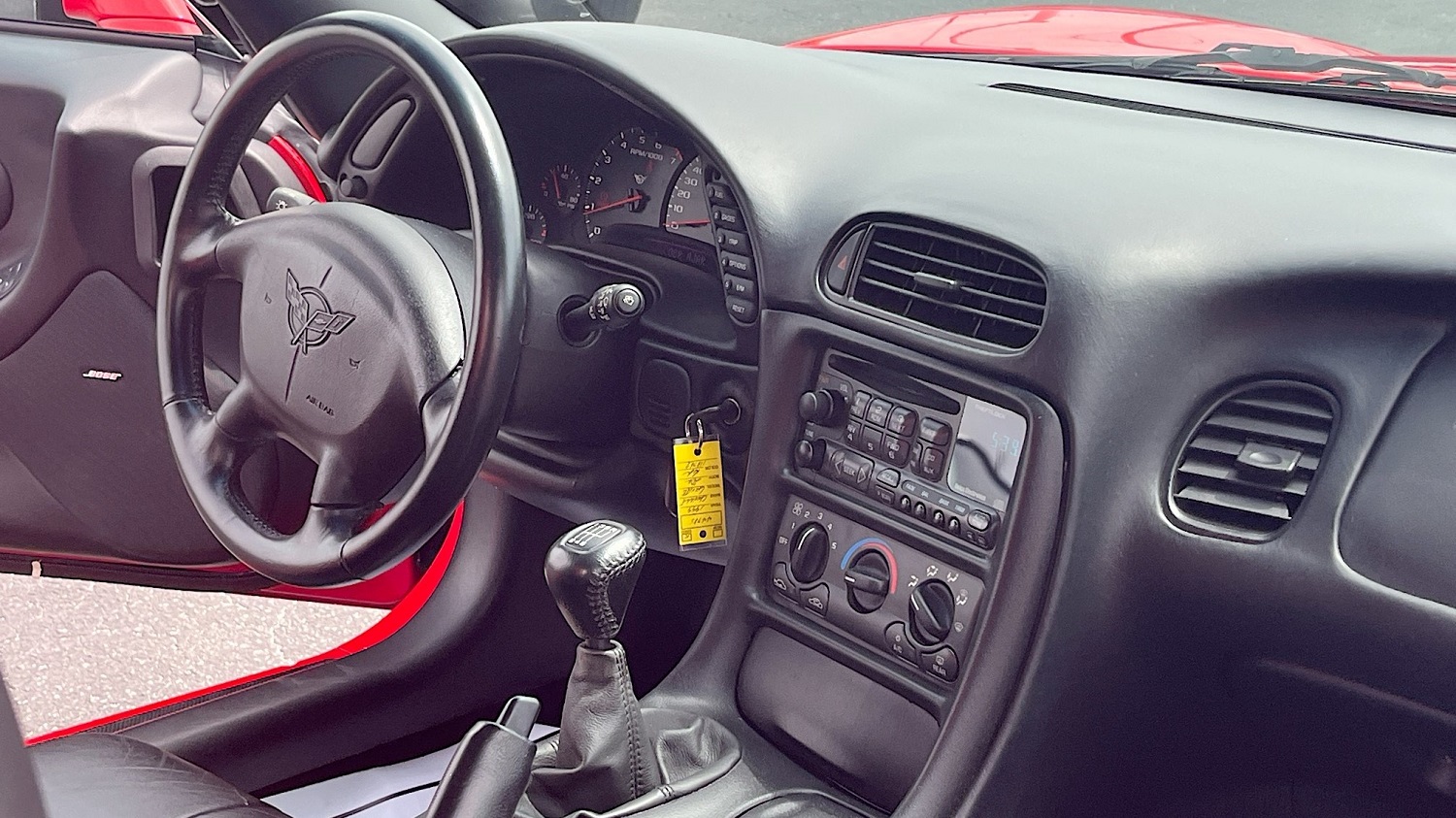
A pair of Black leather bucket seats hold the driver and passenger in place during casual drives and high-speed turns. Amenities include power locks and windows, power driver seat, cruise control, tilt steering column, leather-wrapped steering wheel, Magnasteer speed-sensitive power steering, air conditioning, rear window defogger, AM/CD/AUX stereo with Bose speakers, and center console.
Instrumentation consists of a 200-mph speedometer, 7,500-rpm tachometer, and gauges for the voltage, oil pressure, fuel level, and temperature. The digital odometer shows 33,168 miles, a number supported by the mileage figure from the most recent CARFAX report from March 2025.
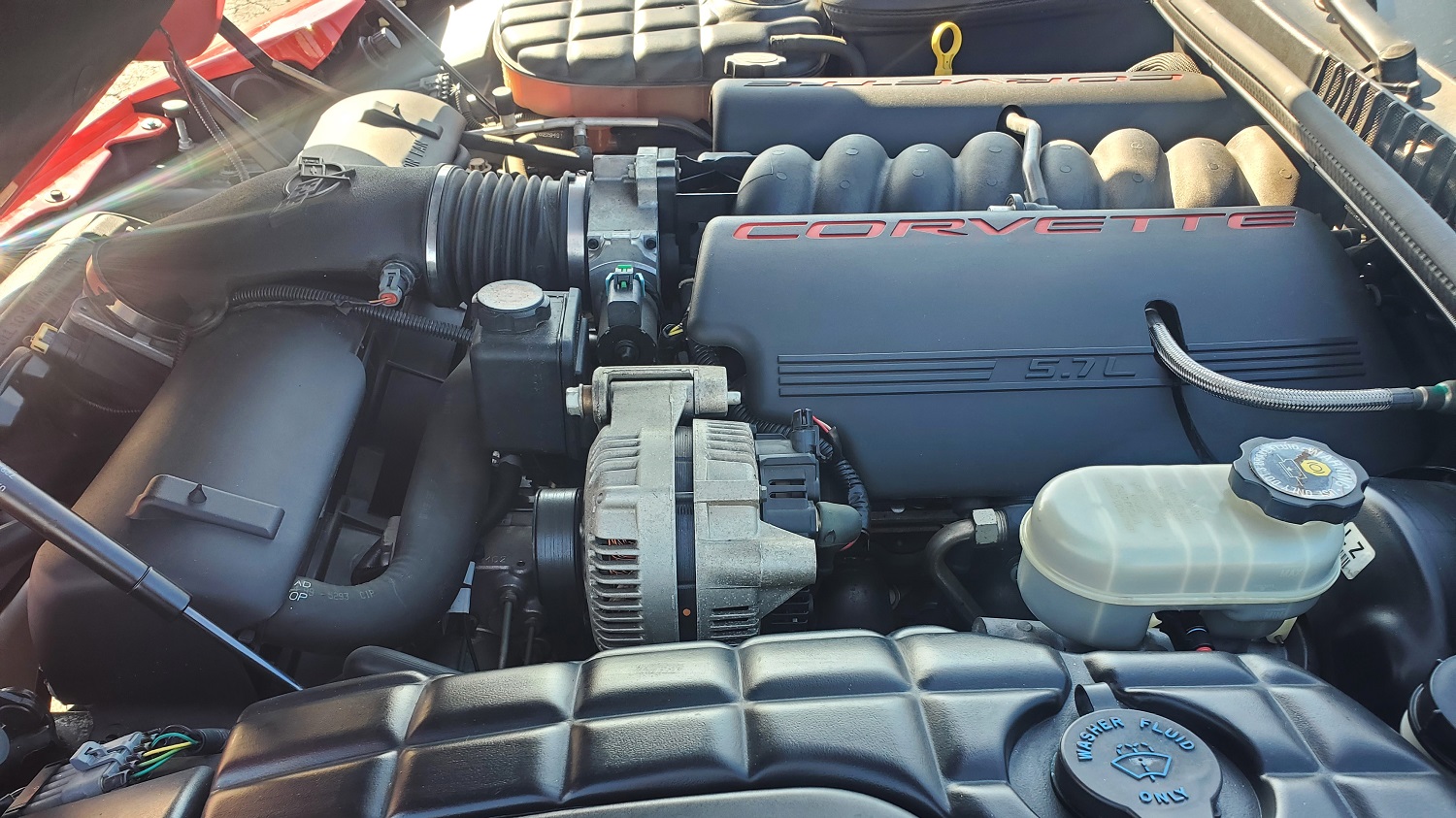
Under the front-hinged hood is an LS1 5.7-liter V8 that was factory-rated at 345 horsepower at 5.600 rpm and 350 lb-ft of torque at 4,400 rpm. A six-speed manual transmission translates the engine’s output into rapid forward motion.
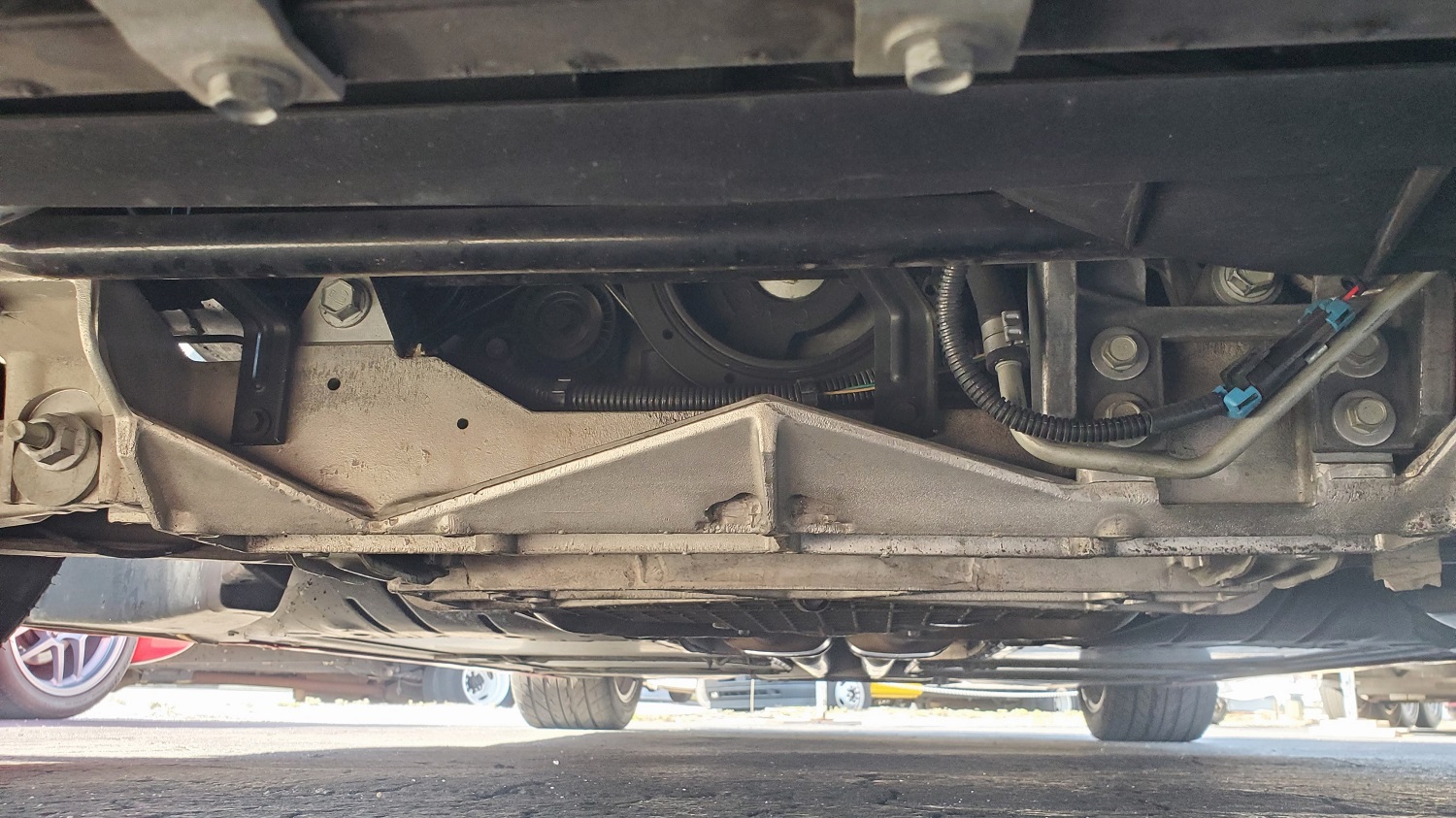
Suspension hardware consists of a short- and long-arm setup with aluminum wishbones at all four corners. The Z51 Performance Handling Package and the Active Handling System help this Vette get through twisty roads. Four-wheel power disc brakes keep it in one piece.
What’s not to love about a red Corvette with a manual transmission and low miles? Nothing! So show your love for this 1999 Chevrolet Corvette hardtop by placing a bid before the end of the auction on Friday, April 25, 2025, at 11:15 a.m. (PDT).
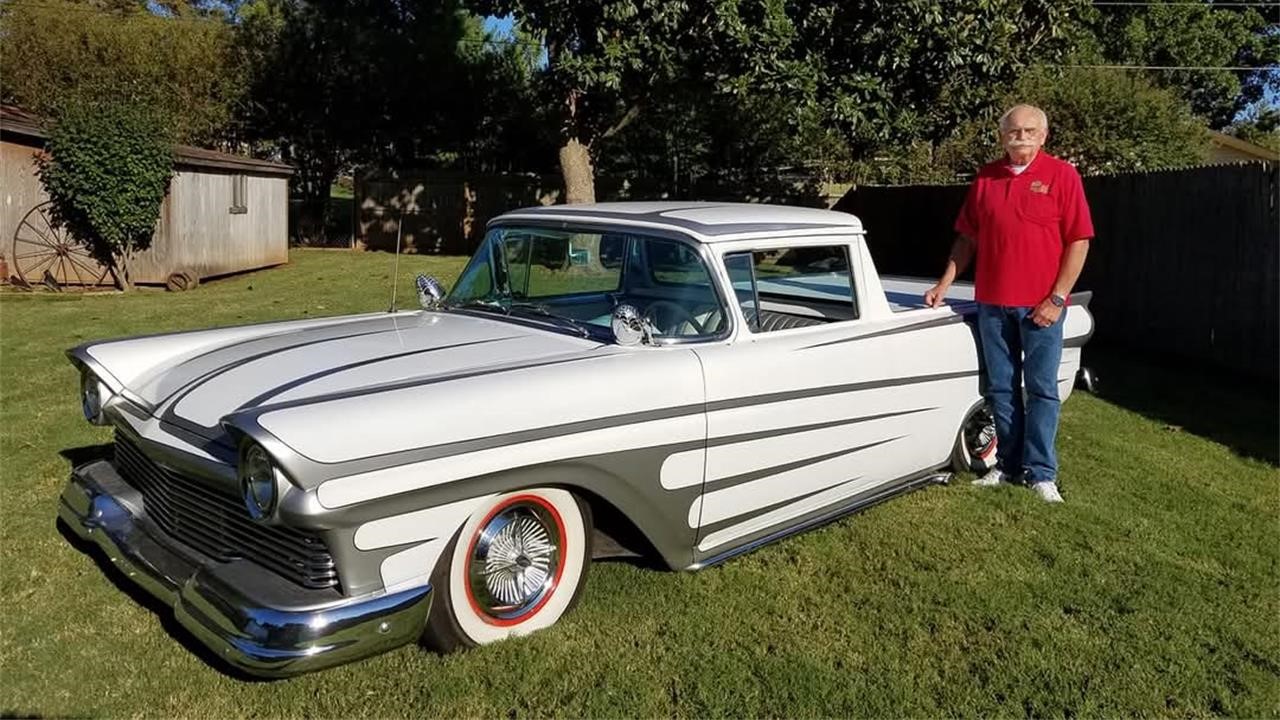
A fusion that forever blurred the line between a car and a truck, the Ford Ranchero paved the way for today’s car-based pickups and crossovers over 65 years ago. One advertisement called the Ranchero “A hard worker that loves to play.” It went on to say, “Ranchero glamour is backed by plenty of heft. This sleek beauty packs a payload of more than half a ton. And no truck was ever so easy to load and unload.”
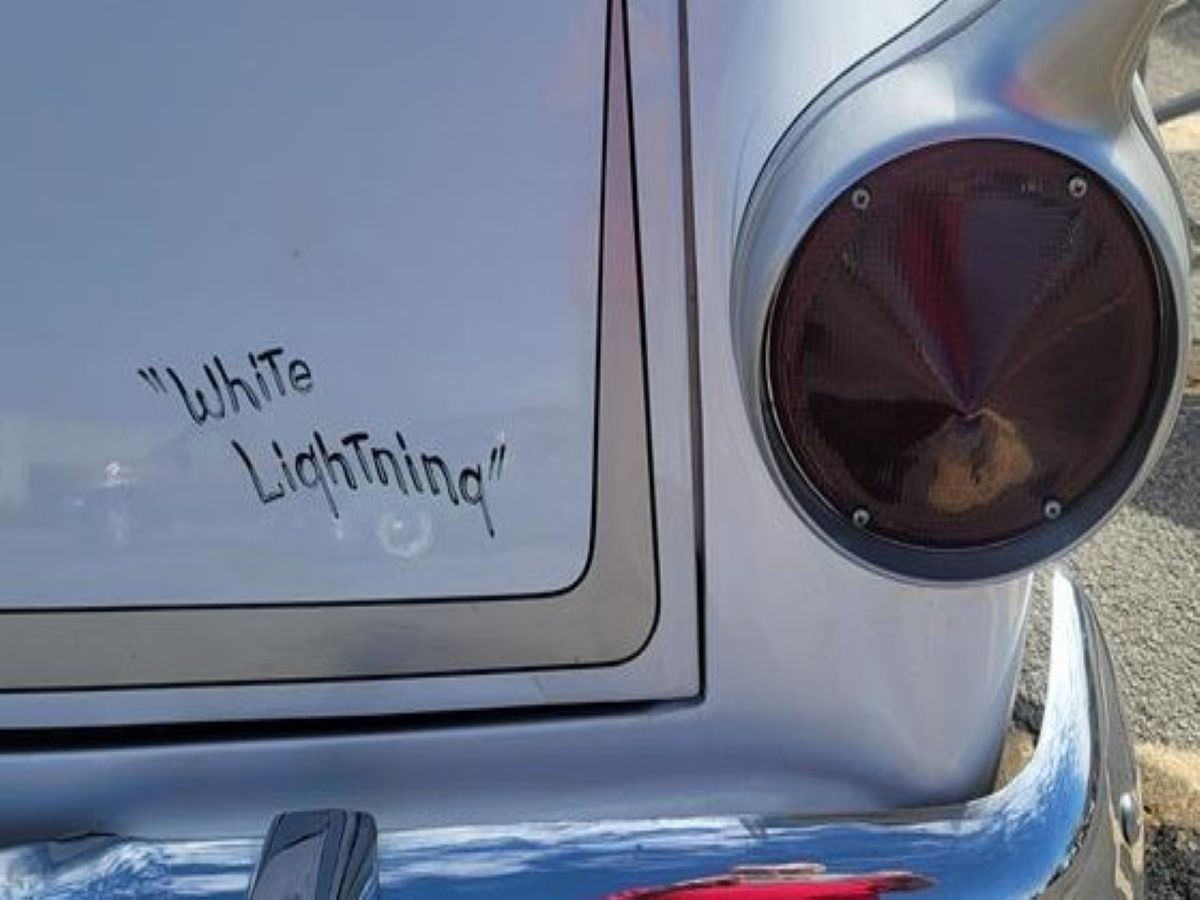
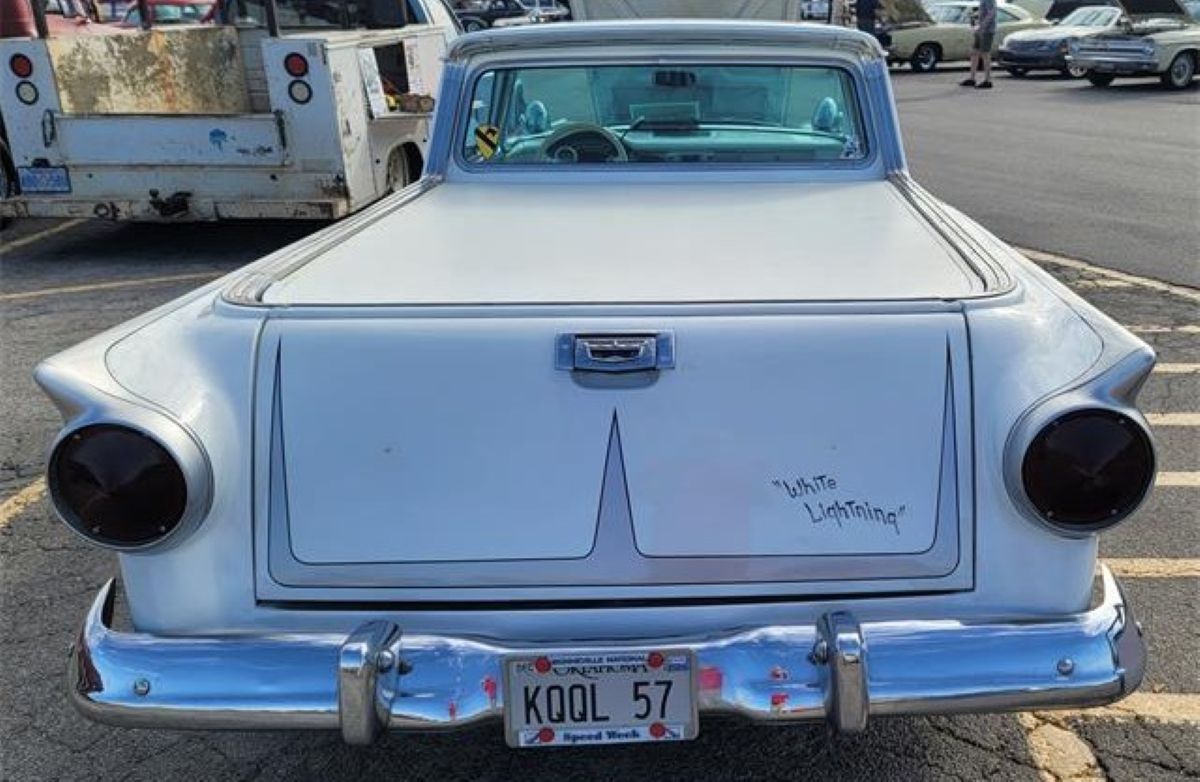
With just one glance at the exterior, you can tell the Ranchero has a unique story to tell. The body has been cleaned up courtesy of frenched headlights, shaved door handles, deleted side moldings and custom taillights. Your eyes will also be drawn to the 14-inch wheels, Coker wide whitewall tires, lake pipes, dummy spotlights, a tonneau cover and chrome garnish moldings. The stance has been lowered with Jamco springs. The closer you look, in fact, the more details you uncover – even the spotlights have been painted with a “web” design, and the tailgate has been inscribed “White Lightning.”
Classified as a “coupe utility” like its rival, the Chevrolet El Camino, the first-year Ranchero was a pickup that used underpinnings from the Ranch Wagon two-door station wagon. It made its official debut on December 8, 1956, for the 1957 model year and ended up living on through multiple iterations (and over two decades) after that. Its legacy lives on in today’s many modern car-based pickup trucks.
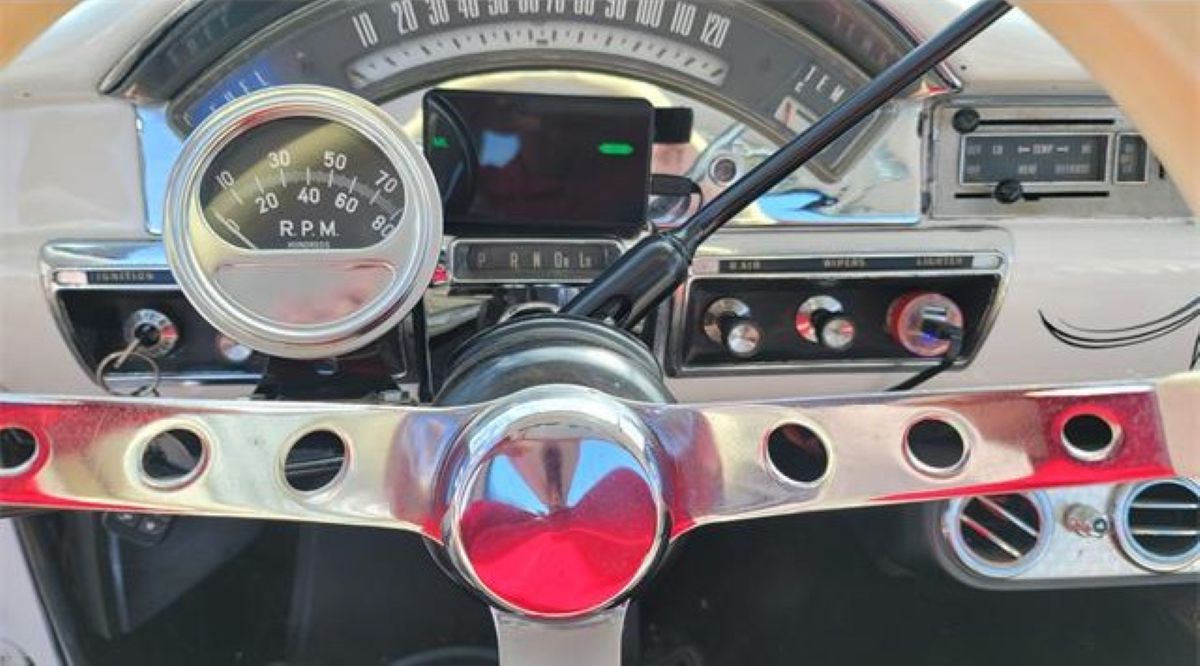
The interior of the cab, while only visible in part, looks to have two-tone vinyl upholstery and is updated with an air conditioning, an aftermarket tachometer and more pinstriping. While probably not lightning-fast, the vehicle does have a respectably powerful drivetrain: momentum comes from a 292ci Y-block V8 mated to a three-speed Cruise-O-Matic automatic transmission. The listing says that an Optima battery, electric windshield wipers and Wilwood power disc brakes have been added.
Ford said, “The big bonus that Ranchero gives you is profits plus pleasure. After the day’s work is done, Ranchero’s ready for the evening fun. It’s the only pickup truck that rides, handles and feels exactly like a car!” Given how nice it looks, I doubt that many people would subject this custom Ranchero to a day of manual labor, but the opportunity is there.
The license plate sums it up best: “KQQL 57.” Is it cool enough for you?
This 1933 Chevrolet Master five-window coupe was purchased by the owner out of southern California in the early-2000s as a partially completed hot rod build, and the remainder of the project was completed in 2005. The full-fendered body was refinished in metallic blue with a white vinyl roof filler, and the interior was trimmed in white vinyl with metallic blue accents. Power is provided by a 383ci stroker V8 paired with a three-speed automatic transmission. The interior is outfitted with air conditioning, a Kenwood stereo, VDO gauges, and power windows, and additional equipment includes an Offenhauser intake manifold, six Stromberg carburetors, MagnaFlow mufflers, front and rear disc brakes, and staggered-diameter Radir wheels with radial tires. This ’33 Chevy hot rod is now offered on dealer consignment with a clean Michigan title.
The steel body, fenders and running boards were painted metallic blue in the late 1990s according to the seller. Details include a white roof filler, an open engine compartment, white and red pinstriping, blue-tinted glass, and teardrop taillights.
The Radir polished alloy wheels measure 14″ up front and 15″ out back, and they are wrapped in 195/60 Defender Sport TR front and 285/70 BFGoodrich Radial T/A rear tires.
The car rides on a Jaguar-style rear suspension setup with chrome-plated components along with a polished front drop axle. The inward-mounted rear disc brakes have Wilwood calipers, while the front discs have ventilated rotors.
The bench seat is upholstered in white and metallic blue vinyl accompanied by coordinated carpets and side panels. A Kenwood stereo unit is mounted in an overhead console along with controls for the power door windows, and an under-dash air conditioning unit is installed. The dash is accented with red and white pinstriping, and the trunk is upholstered to match the interior.
The three-spoke steering wheel is mounted to a chrome column ahead of a Sun column-mounted tachometer. An engine-turned instrument panel houses VDO gauges consisting of a 120-mph speedometer and gauges for voltage, oil pressure, water temperature, and fuel level. The digital odometer indicates 8,400 miles, which is said to be the mileage added since the build was completed in 2005.
The 383ci stroker V8 is topped with an Offenhauser aluminum intake manifold, six Stromberg 97 carburetors, and chrome air cleaner housings. The finned valve covers are accented with red paint, and a Mallory distributor is installed.
Power is sent to the rear wheels through a three-speed automatic transmission. Coated block-hugger headers feed into a dual exhaust system with MagnaFlow mufflers.
This 1932 Ford is a steel-bodied Victoria that spent more than three decades in storage in California according to a previous owner, who commissioned a three-year build that was completed in 2009 at Lauen’s Hot Rods of Watertown, South Dakota. After its completion, the car was awarded best in its class at the 2009 Grand National Roadster Show in Pomona, California. Power comes from a balanced and blueprinted 303ci Oldsmobile V8 equipped with an Edelbrock intake manifold and Holley 94-style carburetors, and it is linked to a TH350 three-speed automatic transmission and a 9” rear end. The boxed steel frame was outfitted with a Pete & Jake’s drop axle, hairpin radius rods, a triangulated four-link rear setup, a Mullins steering box, and finned aluminum drum brakes. The Gabe Lopez interior has custom tan leather upholstery complemented by burl woodgrain trim, squareweave carpets, a banjo-style steering wheel, and an engine-turned instrument bezel. Other highlights include louvered hood side panels, 15” wire wheels, a stainless-steel exhaust system, and a 12-volt electrical system. This custom Vicky was acquired by the current owner in 2020 and is now offered at no reserve on dealer consignment with a Florida title.
The steel body is finished in black and features 25-louver hood side panels and full fenders with running boards. Additional features include a black vinyl roof covering, a single windshield wiper, cowl lights, and a chrome grille insert, headlight bar, and bumpers.
The car rides on a boxed steel frame with tubular crossmembers. The Pete & Jake’s front end has a drilled drop axle, hairpin radius rods, and a transverse leaf spring, while the leaf-sprung four-bar rear end is triangulated. A Mullins steering box was utilized along with Buick-style finned aluminum drums at all four corners.
Painted 15” wire wheels are wrapped in 185/70 Michelin XWX tires up front and 235/75 General Ameri*GS60 units out back.
The cabin was trimmed in tan leather at Gabe’s Street Rods Custom Interiors of San Bernardino, California. The dashboard and window frames wear a burl woodgrain finish applied by Bob Kennedy, and sound-deadening material was added under bound squareweave carpets. A Lokar double-bend shifter has been installed, and the beveled-glass rearview mirror has an inset clock. Controls are hidden under the dashboard.
The banjo-style steering wheel is mounted to a column supported by a billet aluminum bracket. An engine-turned central bezel houses Waltham instruments that have been refurbished and recalibrated, and they include a 100-mph speedometer, a clock, and auxiliary gauges. The five-digit odometer shows 909 miles, and total mileage is unknown.
The 303ci Oldsmobile Rocket V8 balanced and blueprinted prior to installation according to its previous owner. The polished Edelbrock intake manifold is topped with six Holley 94-style carburetors, though only the two center are functional. Stainless-steel headers flow into a dual exhaust system with downturned finishers. The 12-volt electrical system is backed by a GEL battery. The starter and flywheel were replaced in preparation for the sale.
Power is sent to the rear wheels through a TH350 three-speed automatic transmission equipped with an external cooler and linked to a 9” third member.
The car is titled as a 1932 Ford using VIN B1437726. The Florida title is a duplicate.
This ’29 Ford is a fiberglass-bodied roadster that was built on a custom frame in 2015. Power is from a supercharged 276 flathead V8 built by Boyd Racing Engines that is linked to a three-speed manual transmission and a Winters Performance quick-change rear end. The car rides on a leaf-sprung suspension with 15″ artillery-style wheels and discs with faux finned drum covers, and it has a Bluetooth stereo linked to a custom sound system along with many other custom details. Acquired by the current owner in 2020, this custom hot rod is now offered on their behalf with an Oklahoma title listing the car as a 1929 Ford.
The roadster body is made from fiberglass and painted white with a black stripe, roundels, and hand-painted flourishes. A roll hoop is mounted behind the passengers, and the car has blue-dot taillights and H4 headlights.
The car rides on a leaf-sprung suspension, and behind the 15″ artillery-style wheels are disc brakes with faux finned and vented drum covers. Staggered white-letter BFGoodrich tires have been mounted.
Inside are drilled aluminum panels and bomber-style seats. The Bluetooth-capable stereo is linked to an amplifier and subwoofer in the trunk, where the battery – which was replaced in 2025 – is also mounted.
The steering wheel is from Joe’s Racing Products, and vintage-look gauges are set in an engine-turned surround. The owner has added all of the ~210 miles indicated.
Per the seller, the 276ci flathead V8 was built by Boyd Racing Engines in Oklahoma with Arias 2618 forged pistons, SCAT 4340 H-beam connecting rods, King racing bearings, an Isky camshaft, and Navarro heads.
The engine is topped by a supercharger and a Holley carburetor, and the lake-style headers are wrapped and have mufflers. A Powermaster generator-style alternator and polished coolant pipes were also utilized along with a keg-style fuel tank.
The seller tells us the frame was fabricated by a race shop in Tulsa, and the three-speed manual transmission is linked to a Winters Performance quick-change rear end.
The car is titled in Oklahoma as a 1929 Ford using VIN 16299FORD. The title carries a Classic notation and is a duplicate.
The ‘90s gave us some of the flashiest, boldest, and most fun-to-drive cars ever—without the sky-high price tags of today’s luxury rides. From chrome wheels to big grilles and wild styling, these cars were built to stand out. The best part? You can still pick up many of these street stunners for a steal. Whether you’re into smooth cruisers, loud sound systems, or lowrider looks, these cars bring serious style without breaking your bank. If you’re trying to turn heads on a tight budget, these 10 ‘90s rides still flex hard—and they’re all within reach for regular folks.
Cadillac DeVille (Mid-’90s Models)
Mecum
If you wanted to look like a boss in the ’90s, you drove a Cadillac DeVille. Big body, big chrome, and big presence. These full-size sedans were built to float down the street with V8 power and enough space to stretch out like a king. The plush leather, wood trim, and Cadillac badge made sure everyone knew you had style.
Cadillac DeVille (Mid-’90s Models)
Classic Auto Mall
Today, you can grab a clean one for cheap, and it’s still got that smooth, attention-grabbing ride. Drop some rims on it, tint the windows, and you’ve got old-school luxury that still makes people look twice.
Lincoln Town Car (Signature Series)
Mecum
The Lincoln Town Car was a rolling sofa on chrome wheels. Known for its soft ride and classic American luxury look, it became a favorite among limo companies, rappers, and old-school players. With huge bench seats, shiny grille, and floaty suspension, it felt like cruising in your living room.
Lincoln Town Car (Signature Series)
Ford
These are still affordable, easy to find, and with just a little work, you can turn it into a full-blown street cruiser. Want that VIP feel without VIP prices? The Town Car delivers—smooth, silent, and stylish.
Buick Roadmaster
BAT
Don’t sleep on the Roadmaster. It’s got full-size comfort, a V8 engine under the hood, and a long, low body that looks great rolling slow. Some even came with Corvette-based LT1 engines, making them sleepers with serious power. The rear-wheel drive setup and clean lines give it an old-school vibe that’s perfect for cruising.
Buick Roadmaster
BAT
Add whitewalls or Daytons, and you’re ballin’. These cars are still cheap, reliable, and surprisingly fun to drive. Whether you want a daily or a weekend cruiser, the Roadmaster is a classy throwback that can flex for under five grand.
Chevrolet Impala SS (1994-1996)
Vinichi Performance
The Impala SS of the mid-’90s is a cult classic. Based on the Caprice, it packed a 5.7L LT1 V8 and mean street presence. With dark paint, a lowered stance, and beefy tires, it looked like trouble—in the best way. This was the car for people who wanted performance and attitude without the import flash.
Chevrolet Impala SS (1994-1996)
GM
They’re going up in price, but smart buyers can still find deals. Clean examples might cost more now, but higher-mileage ones still let you roll tough without spending luxury money. Drop the hammer, feel the rumble, and let everyone know who’s boss.
Lexus LS400
BAT
When Lexus dropped the LS400, it shook the luxury world. It had quiet V8 power, clean lines, and bulletproof reliability. Best of all, it looked like money. Back in the day, these were the choice for entrepreneurs, executives, and anyone trying to ride in comfort without a German badge.
Lexus LS400
Lexus
Now, they’re dirt cheap—but still drive like a dream. Add some deep-dish wheels and a subtle drop, and you’ve got a VIP-style ride for pocket change. It’s smooth, understated, and screams “I got this” without yelling.
Infiniti Q45
Infiniti
The Infiniti Q45 was a sleeper luxury beast. V8 power, rear-wheel drive, and styling that stood out from the crowd. It wasn’t flashy out of the box, but in the right hands, it could be turned into a luxury cruiser with serious flex appeal.
Infiniti Q45
BAT
The Q45 had high-tech features for its time and interior comfort that rivaled European sedans. These days, they’re rare—but cheap. Pick up a solid one, clean it up, and you’ve got a JDM VIP ride that turns heads and costs less than a used Civic.
Ford Explorer Eddie Bauer Edition
Explorer Forum
The Eddie Bauer Ford Explorer was the SUV of the streets before luxury SUVs were a thing. Two-tone paint, gold trim, leather seats—it had flair without trying too hard. In the ‘90s, this was the ride for cool parents, road trip kings, and weekend warriors.
Ford Explorer Eddie Bauer Edition
Explorer Forum
Today, you can grab one cheap and make it pop with some fresh wheels or a lifted stance. It’s not fast, but it’s stylish and comfortable. Throw on a roof rack or system in the back and you’ve got a budget-friendly lifestyle truck that still turns heads.
Oldsmobile Aurora
GM
The Oldsmobile Aurora was a smooth operator. With curved styling, hidden exhaust tips, and a V8 engine, it felt like GM’s shot at competing with the big boys from Europe. It had a digital dash, plush interior, and that clean ’90s luxury look that still holds up today.
Oldsmobile Aurora
GM
Most people forgot about it—but that just means you can grab one cheap now. It’s a quiet, classy cruiser that doesn’t scream, but still gets noticed. Clean one up, maybe drop it a little, and you’ve got a forgotten gem with true “ballin’ on a budget” energy.
Chrysler New Yorker/Fifth Avenue
BAT
The Chrysler New Yorker was luxury American style with no shame. It came with tufted leather seats, tons of chrome, and that old-school digital dashboard that looked like a spaceship. The Fifth Avenue version had even more flash. These cars were rolling lounges, made to glide down boulevards and turn necks.
Chrysler New Yorker/Fifth Avenue
BAT
They aren’t fast, but they’ve got presence. And best of all, they’re still super affordable. Toss on some wide whitewalls and hit the streets in full ’90s player mode. It’s comfort, class, and cool all in one smooth package.
Acura Legend Coupe
Acura
The Acura Legend Coupe was clean, classy, and quick. With sleek lines, a reliable V6, and Honda build quality, it earned respect on the streets. The coupe version had serious style—especially in black or champagne colors. Inside, you got real wood, comfy leather, and that smooth-shifting feel that made it stand out.
Acura Legend Coupe
Inspired Pencil
These cars are rare now, but they still pop up for reasonable prices. It’s one of those rides that looks way more expensive than it really is. If you want to roll smooth with a touch of class, the Legend Coupe delivers every time.
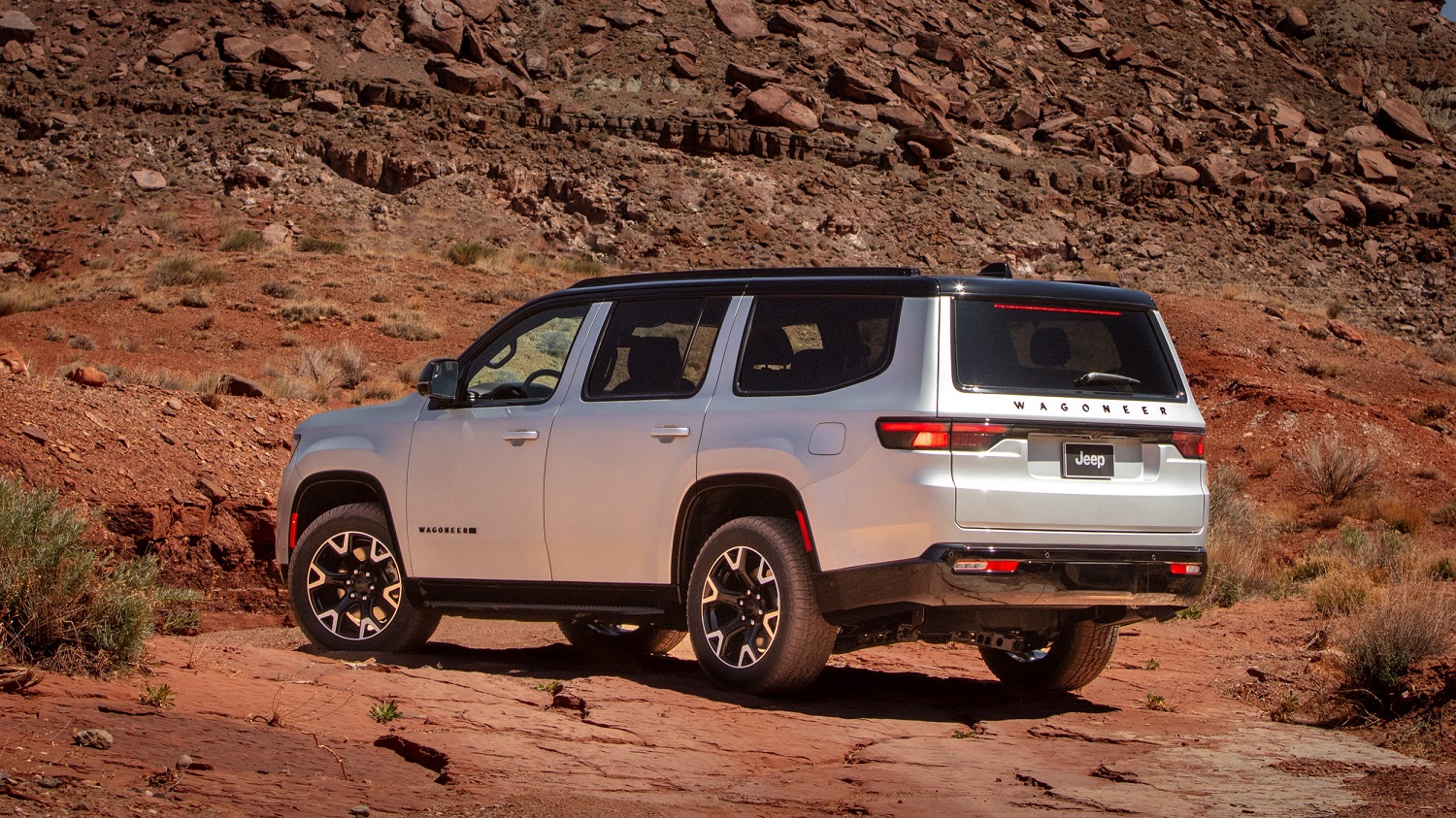
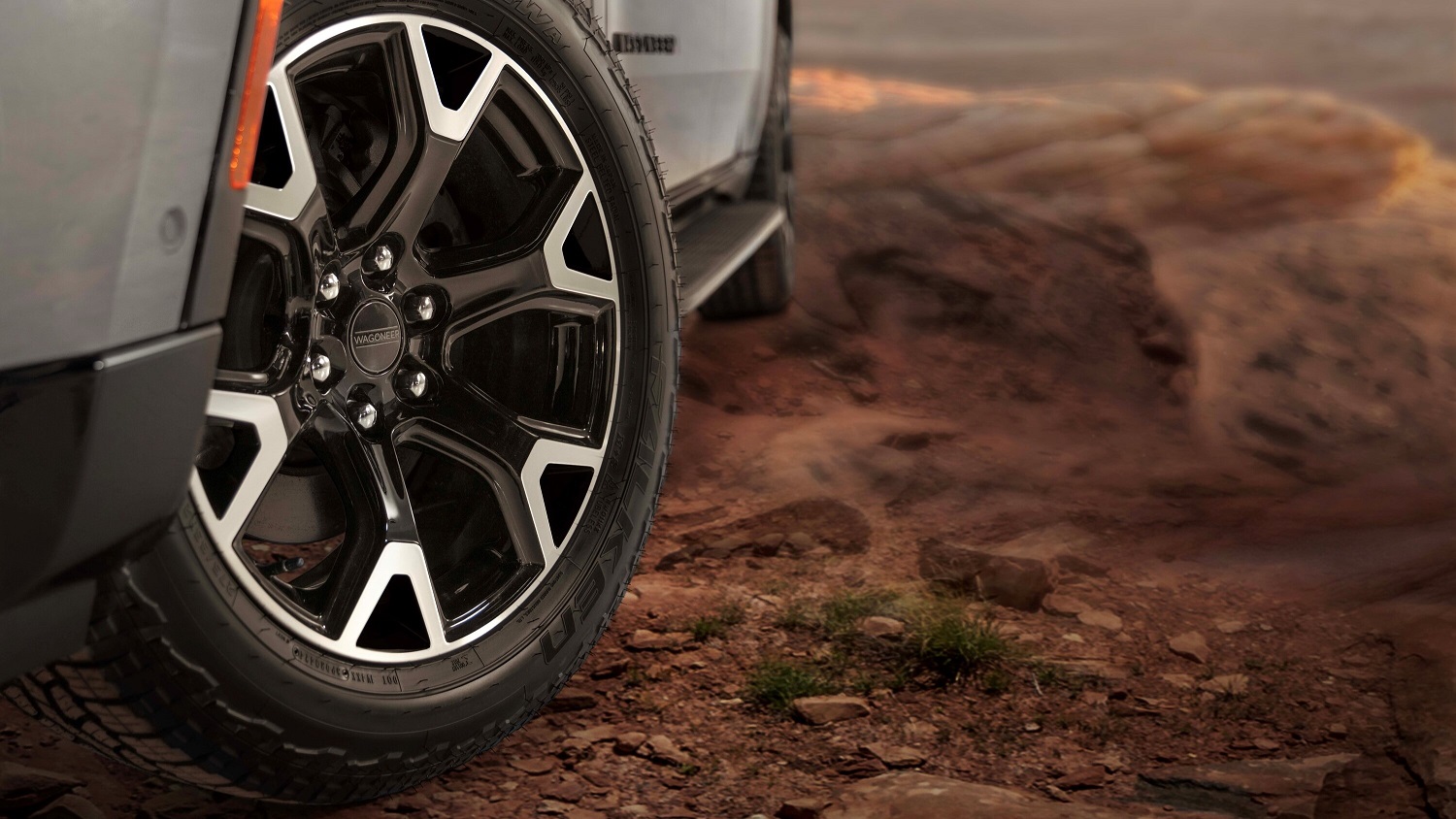
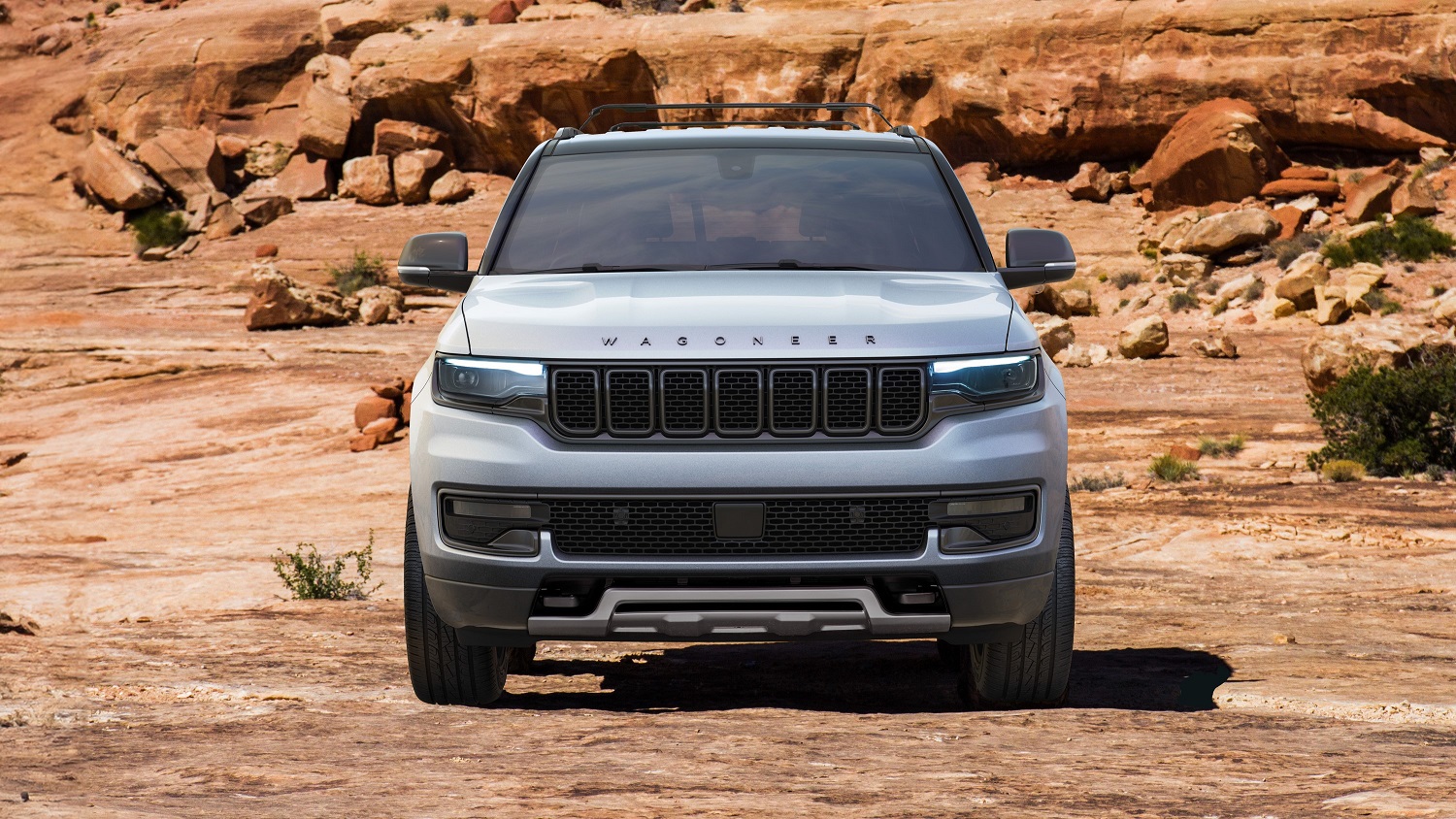
Late last year, Jeep announced it would be updating the Wagoneer for 2025 by making 20-inch aluminum wheels, Active Lane Management, and adaptive cruise control standard equipment, and adding power-folding mirrors to the list of available options. Those are nice to have but, aside from the mirrors that can be tucked in to make the Wagoneer narrower on trails, none of them have anything to do with off-roading. Luckily, we’re in the middle of Easter Jeep Safari, which marks the debut of seven new concept vehicles and the 2025 Jeep Wagoneer Overland Special Edition.
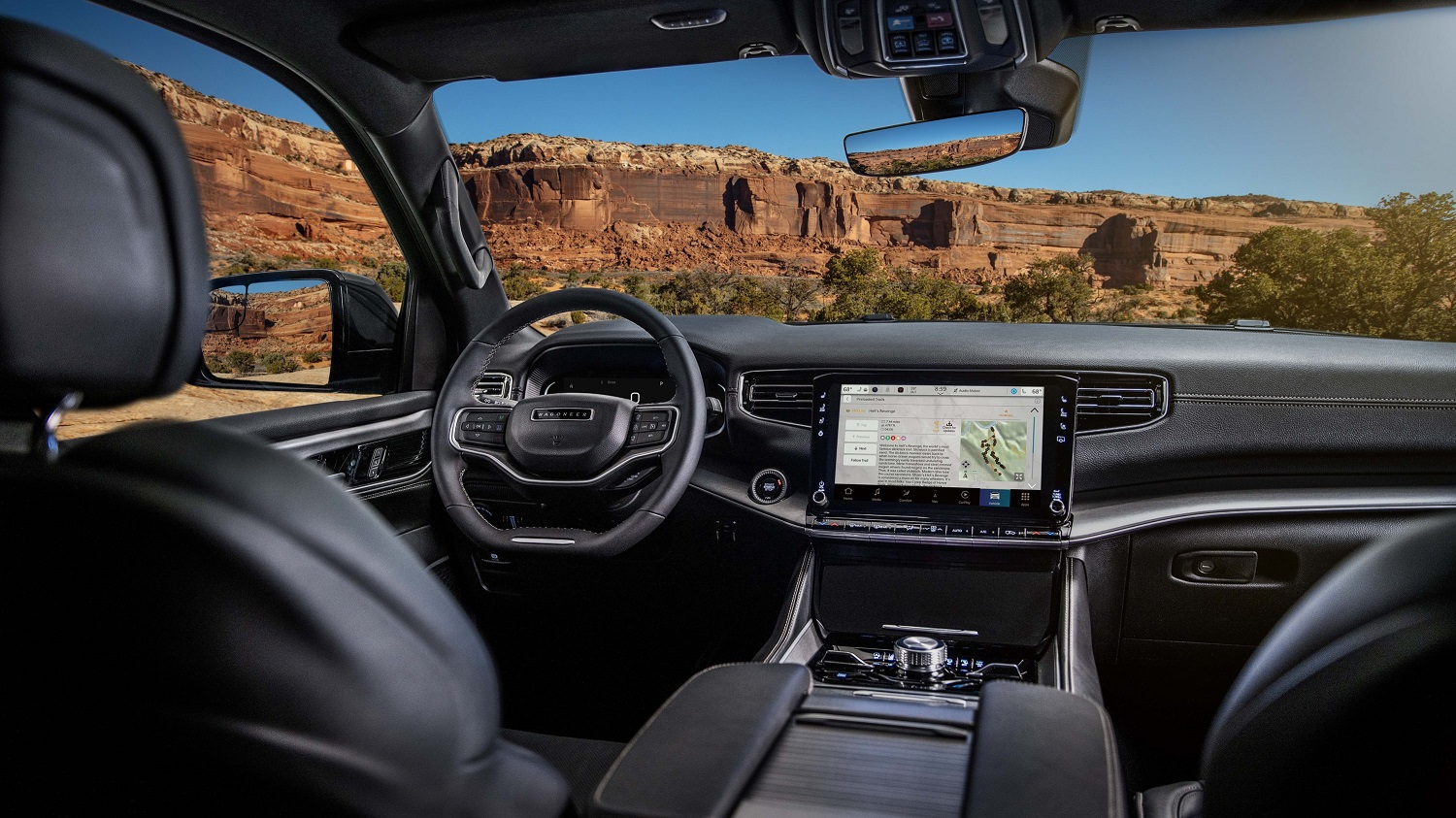
Based on the Wagoneer Series II model, the Overland comes standard with seven-passenger seating (room for eight is optional), tri-zone automatic climate control, Uconnect 5 NAV with 10.1-inch touchscreen, wireless charging pad, hands-free power liftgate, and more. The Overland Special Edition treatment adds a black roof and blacks out the lower fascia, wheel flares, headlamps, grille, and badging.
Other features are cherry-picked from the Series II’s options packages, such as the power-folding mirrors, roof rail crossbars, Side Distance Warning, Parallel and Perpendicular Park-Assist, all-weather floor mats, and triple-pane panoramic sunroof.
Jeep used a similar approach for the Overland’s off-road content, which samples the various packages available on the Series II. The Quadra-Lift air suspension with semi-active damping provides up to 10 inches of ground clearance and gives the 32-inch all-terrain tires room to work. Jeep couples the Quadra-Drive II four-wheel drive system with an electronic limited slip differential. The two-speed transfer case has a 48:1 crawl ratio in low range, which should amplify the effectiveness of the Selec-Terrain traction management system’s Rock mode. A 360-degree surround view camera provides better visibility while steel skid plates protect the Overland’s front axle, transfer case, and gas tank. Selec-Speed Control manages the throttle and brake over difficult terrain, allowing the driver to focus on steering. If the path ahead proves to be too much for the Overland or another vehicle, the two front two hooks and removable rear tow hook are ready to help. For pulling even heavier loads that weigh up to 10,000 pounds, there’s the Overland’s Heavy Duty Trailer Tow Package with trailer brake control.
As of right now, the Overland is not a regular Wagoneer trim level. According to Stellantis, production of the 2025 Jeep Wagoneer Overland Special Edition will be capped at 2,000 units. The package is priced at $5,795, bringing the MSRP to $72,740, or $74,835 when the $2,095 destination charge is added.
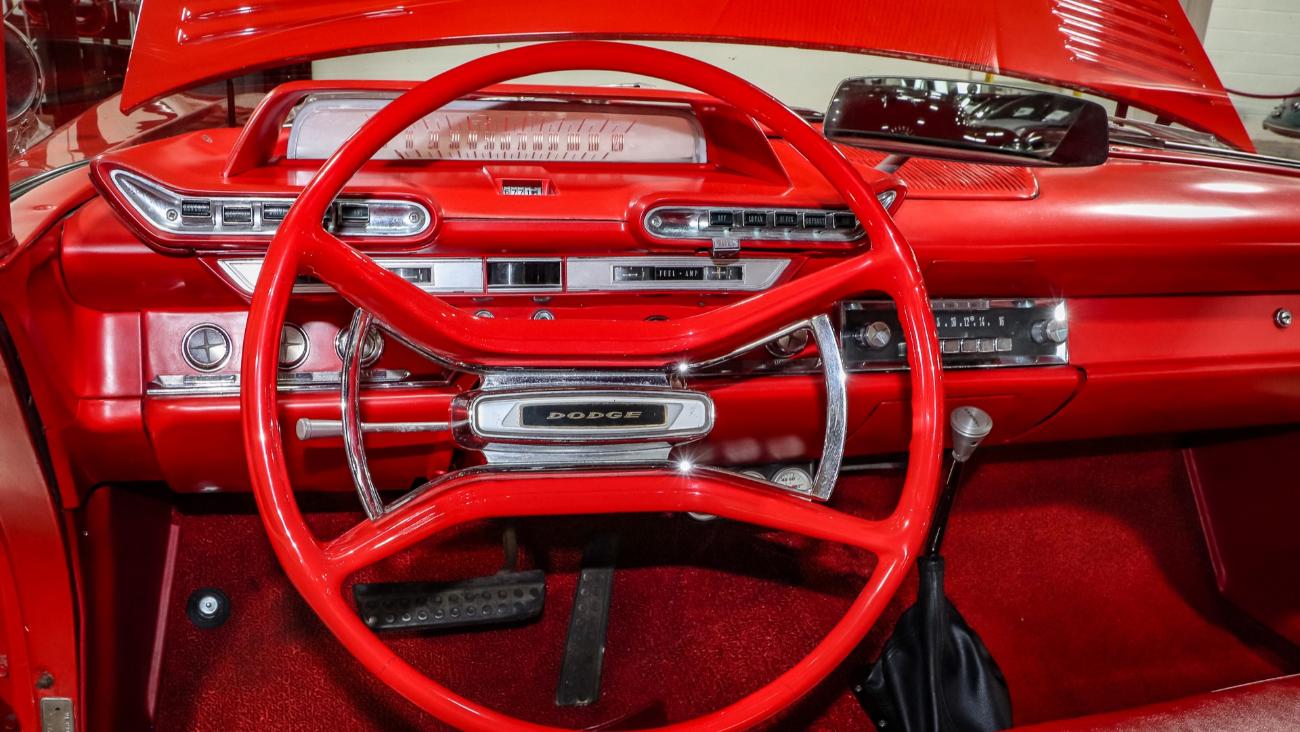
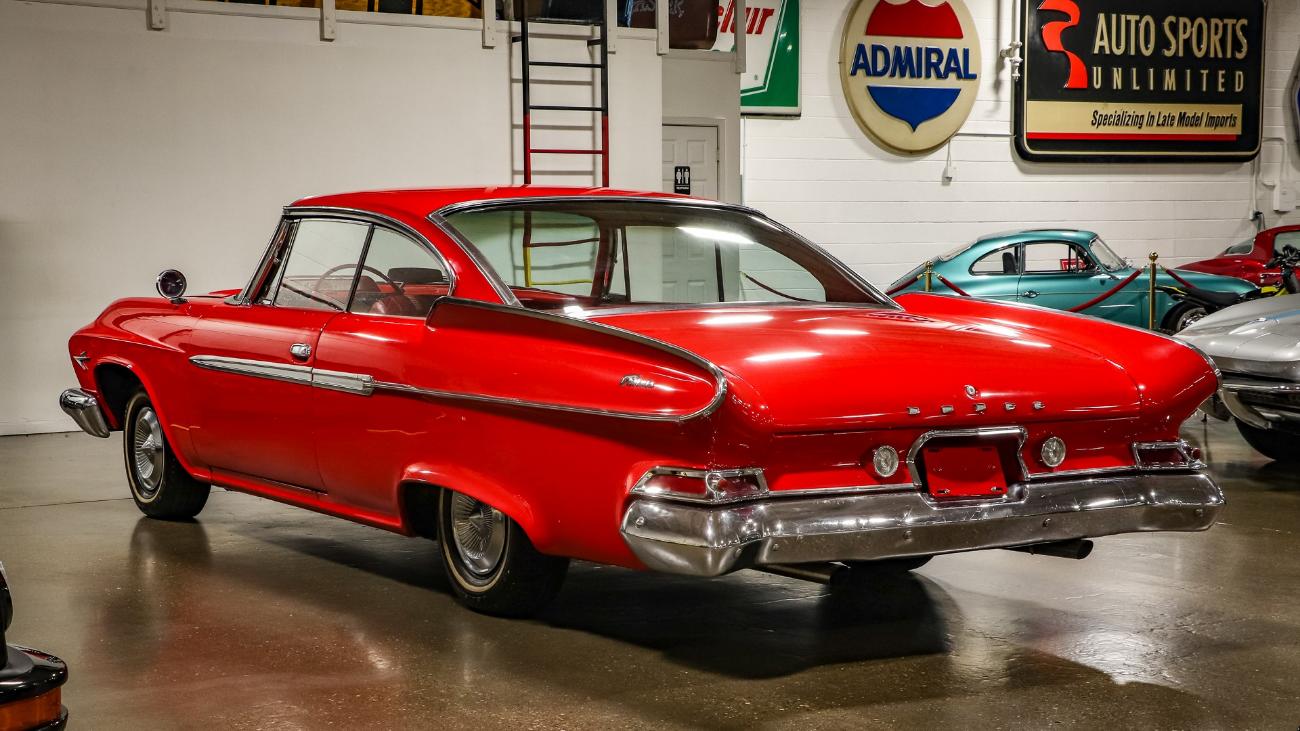
Such highs! Such lows! That was the Ford Motor Company in the late 1950s/early 1960s, as we saw with a recent Pick of the Day. Chrysler Corporation was in a similar position, though not for the same reasons. Our Pick of the Day, a 1961 Dodge Dart Phoenix two-door hardtop, was emblematic of the problems at Chrysler at the time. It is listed for sale on ClassicCars.com by a dealership in Grand Rapids, Michigan.
Chrysler and its corporate cousins were riding on a wave in 1957 after the introduction of the Forward Look, but quality control problems sullied their reputation. Then, there was the 1958 recession, which put the hurt on DeSoto and hastened the brand’s demise. In 1960, new president William Newberg was forced to resign after 64 days on the job due to corruption. And then there was the 1961 restyle of Dodge and Plymouth that appeared out of touch with the direction of the industry.
Starting in 1960, Dodge began offering two full-size series: Dart, and the senior Matador and Polara; Darts were available in Seneca, Pioneer, and Phoenix trim levels (in ascending order). Wheelbase was 118 inches for the Dart, 122 inches for the senior Dodges. Also new was Chrysler Corporation’s Unibody construction, which addressed much of the quality concerns that had arisen in 1957.
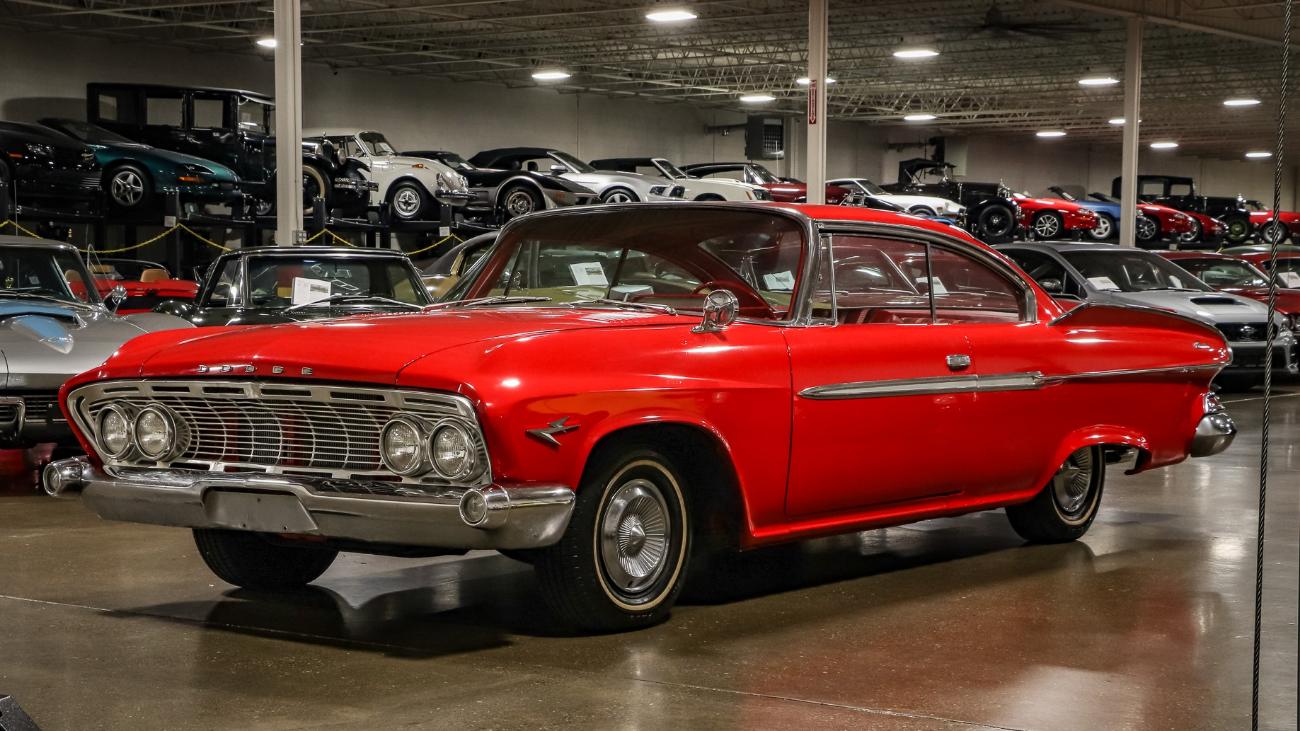
For 1961, the two series remained, but now the only senior model was Polara. The 1961 restyle made the Dodge looked sleeker, no doubt due to its full-width grille and low-set headlights looking like it was sucking all the air out of the atmosphere. The fins were more subtle but not inconspicuous. A major distinction between the Dart and the Polara was how the side trim from the rear swept forward, with the Dart doing this at a higher part on the fender than the Polara, which was more mid-level. The Polara also featured prominent taillights protruding from the sides of the rear fenders, contrasting with the Dart’s subtle, wrap-around units (to be augmented by a midyear accessory taillight for better visibility).
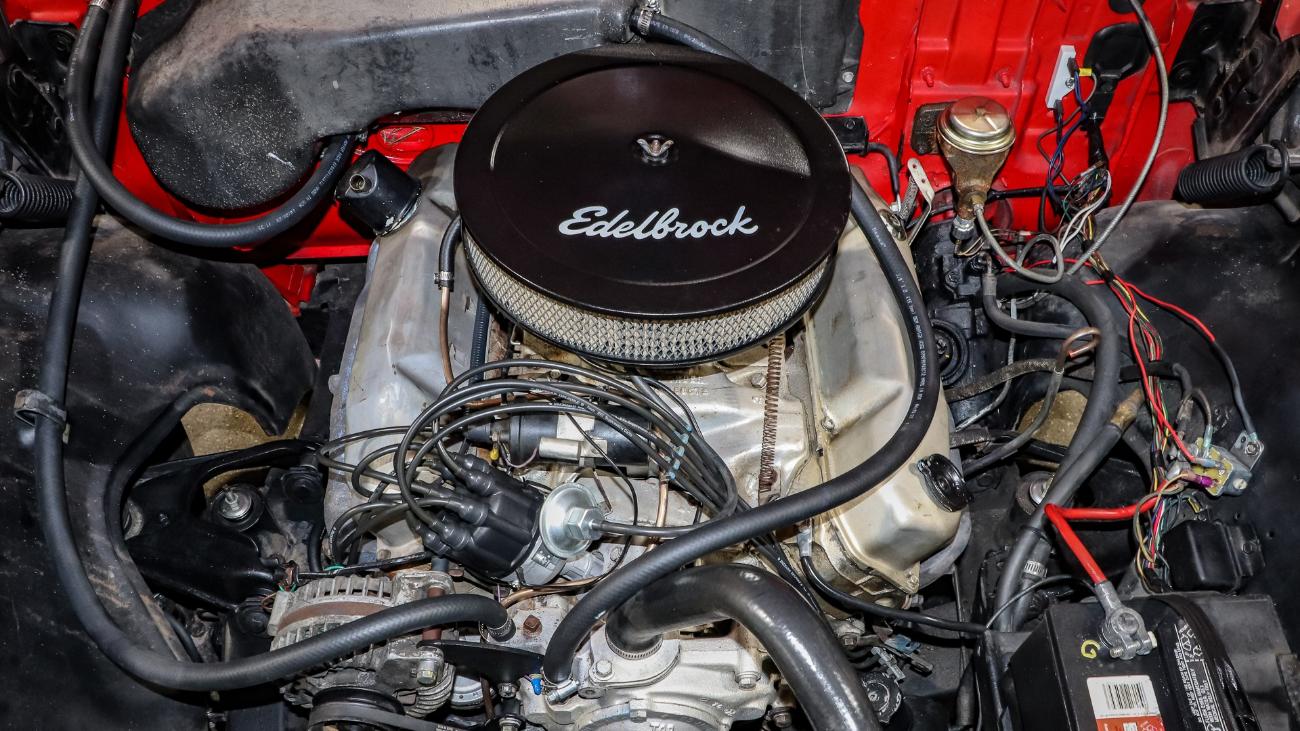
Dodge offered several interesting powerplants in 1961. Of course, the Slant Six was in its second year of availability, standard on any Dart 6 model, while the standard V8 was a 230-horsepower 318. Polara started with a 265-horsepower 361”Polara V8”, but a four-barrel carburetor nudged it up to 305 horses (called the “Dart D-500” when optioned for Darts). A 383 offering 325 horsepower was known as the “Polara D-500” and was optional for both models.
For the high-performance-minded, there was a 330-horse “D-500 Ram Induction” 383 that included two four-barrel carburetors on a cross-ram manifold. Torque was an astronomical 460 ft-lbs.
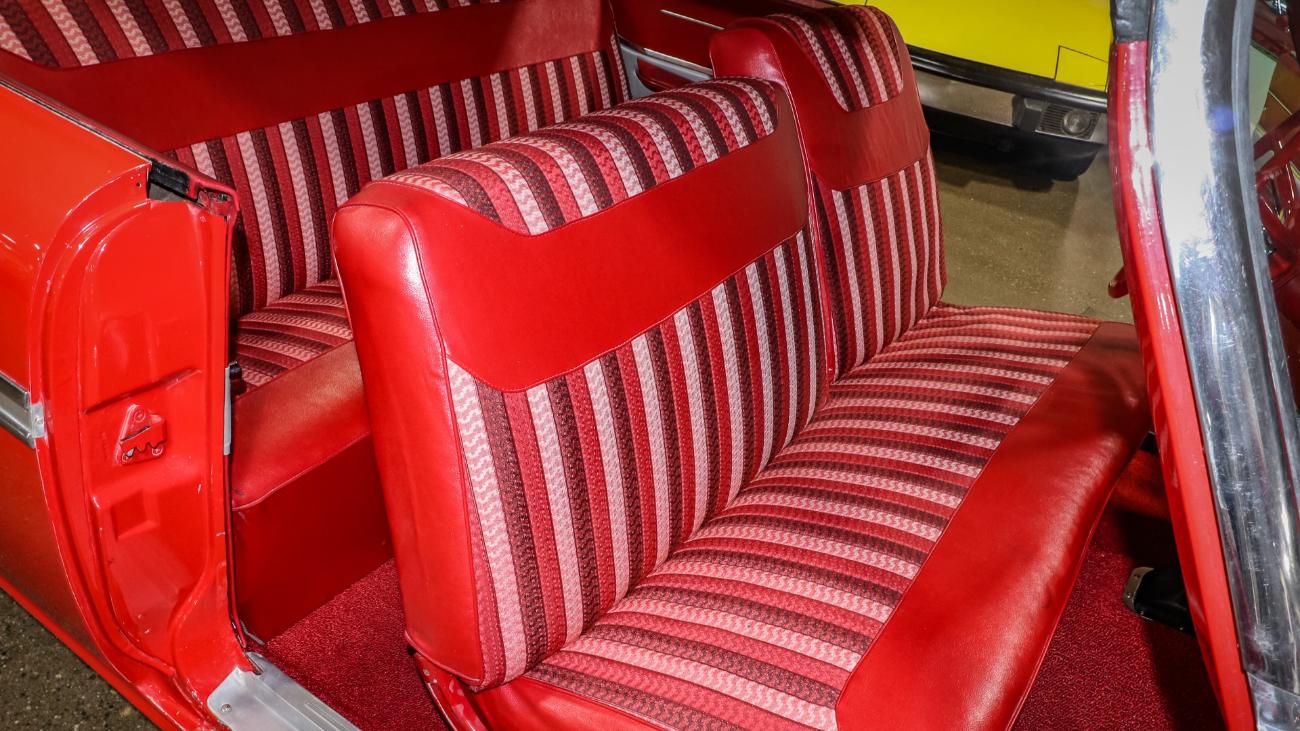
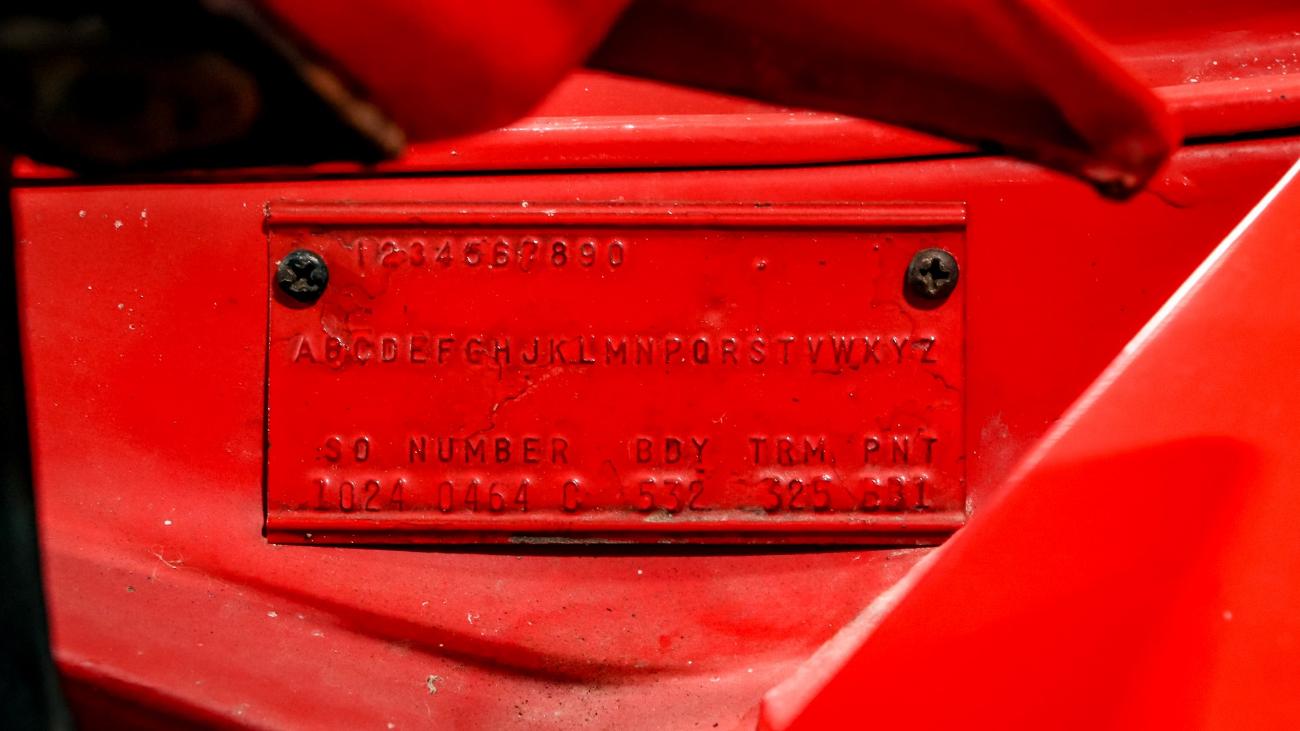
This red-on-red 1961 Dodge Dart Phoenix two-door hardtop flaunts everything that was interesting (the sleek roofline) and goofy (such as the height of the driver and passenger sides of the front bench) about the brand for 1961. Even better, this Mopar is equipped with the rare Polara D-500 engine—something not often seen on Darts. Originally built with pushbutton TorqueFlite, this Dart now features a shifter on the floor. “Underneath the all-new suspension and bushings give this Phoenix a road presence that’s both commanding and smooth,” says the seller. “With a new exhaust system in place every turn of the key results in a throaty rumble a reminder of the raw power under the hood.”
Sure, you could go the expected route and pick one of those ultra-handsome GM products. Or you could lean into the kitsch and revel in 1960s Atomic Age goodness, complete with a horsepower kick that will handle most pesky classics in the other lane. For $39,900, you can drive the car that forgot the 1950s had already ended.
Today on AutoHunter Cinema, we’re looking at a 1969 Dodge Charger Daytona—one of just three in silver with a black tail stripe believed to exist. This custom build took years to complete and cost an estimated $650,000. It was restored with factory accuracy in mind, but given a modern twist: under the hood is a 542ci Hemi V8 pushing out 631 horsepower, backed by a manual transmission and Dana 60 rear with 4.10 gears. Listed on the Daytona Registry and supported by an Elite Wise Validation Report, this Charger has paperwork, power, and pedigree.
With its upgraded suspension, four-wheel disc brakes, and vintage NASCAR homologation, this Daytona was expected to bring serious money at the Barrett-Jackson 2025 Scottsdale Auction—and it did: it rolled off the block for an awe-inspiring $220,000!
This video is sponsored by OpenRoad Insurance. You’ve probably seen recent articles in the automotive media talking about classic and collector vehicle coverage from OpenRoad Insurance. Owners have been FLOCKING to this new program and posting testimonials praising the significant savings AND better coverage they received. Some OpenRoad clients even cut their costs in half! Visit www.OpenRoadAutoInsurance.com today and in about 5 minutes, you’ll see how much you can save.
Much to people’s surprise when they learn the details, the facelift version of the Jaguar XJS was not really the stopgap cosmetic update of the aging XJS. Instead, it was an entire reworking of the design with almost every part of the car changed. I heard Jaguar representatives at the time quote a number of $30 million that was spent on the reworking of the XJS into the final edition of the car.
The Jaguar XJ-S (the dash would later be deleted) was at the time the first new Jaguar GT car design since the introduction of the E-Type. It represented a change in focus for the company and, instead of delivering a true sports car, was instead a GT car. Journalists and the Jaguar faithful moaned about this at the time, but the fact is that from 1961-74 Jaguar sold a total of 72,245 E-types in all series and forms. Between 1975-96, on the other hand, a total of 115,413 XJS models were sold; it lasted years longer than the E-Type. With that as a metric, the XJS was the more successful car. Yes, an XJS is a GT car, whereas the E-Type – at least in Series 1 and 2 forms – is a sports car, but it seems that Jaguar was right: People had moved on and wanted a GT more than a sports car.
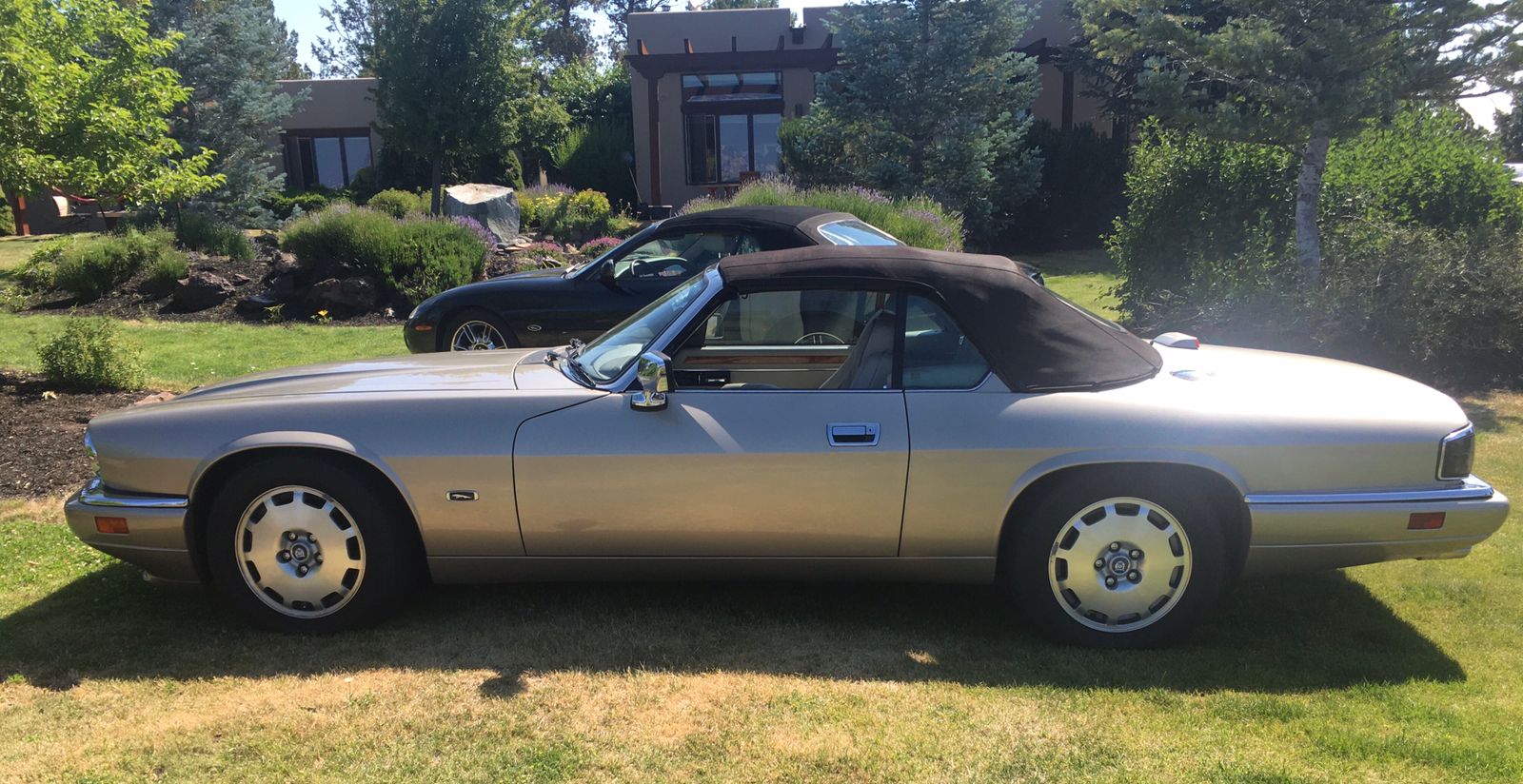
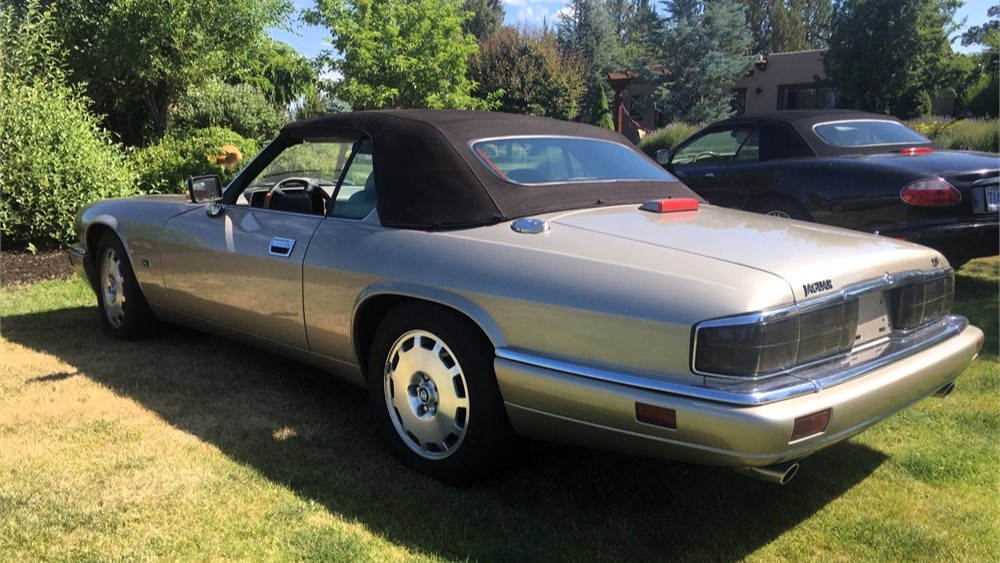
Today’s AutoHunter Spotlight is an example from what many people feel was the best era for these cars, a final-year 1996 Jaguar XJS Convertible. The auction ends Thursday, April 24, at 11:45 a.m. MST.
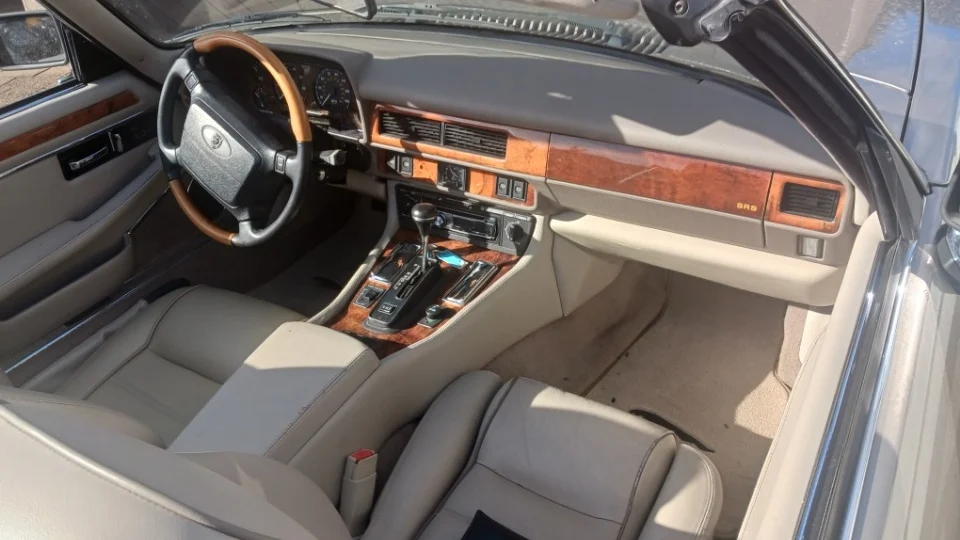
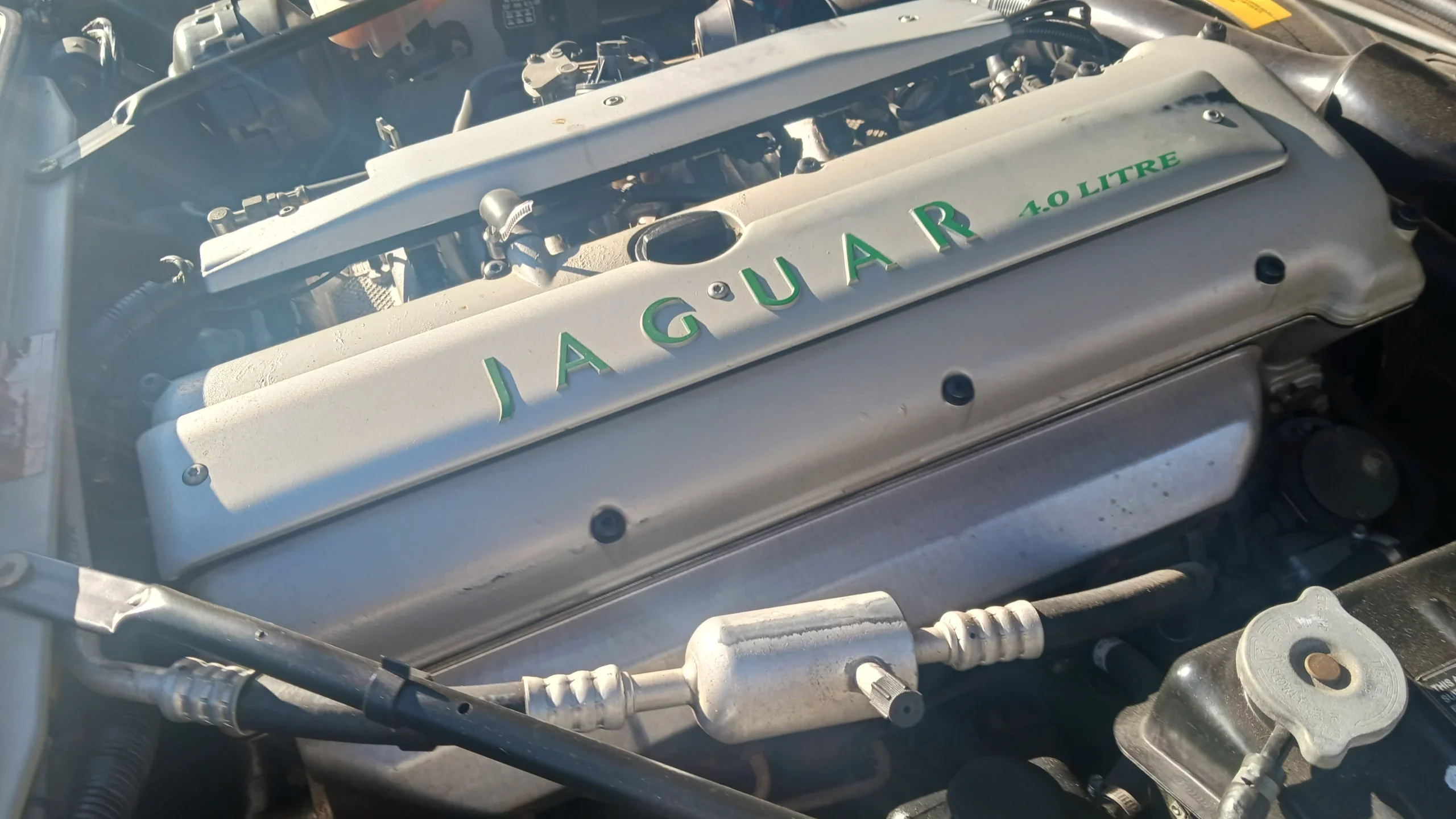
The seller describes this XJS as being powered by a 4.0L inline-six mated to a four-speed automatic transmission. Finished in beige metallic over a light brown leather interior, this British vehicle is now offered by the seller with service records, Oregon license plates and registration, two sets of keys, an owner’s manual, a clean CARFAX report and a clear title.
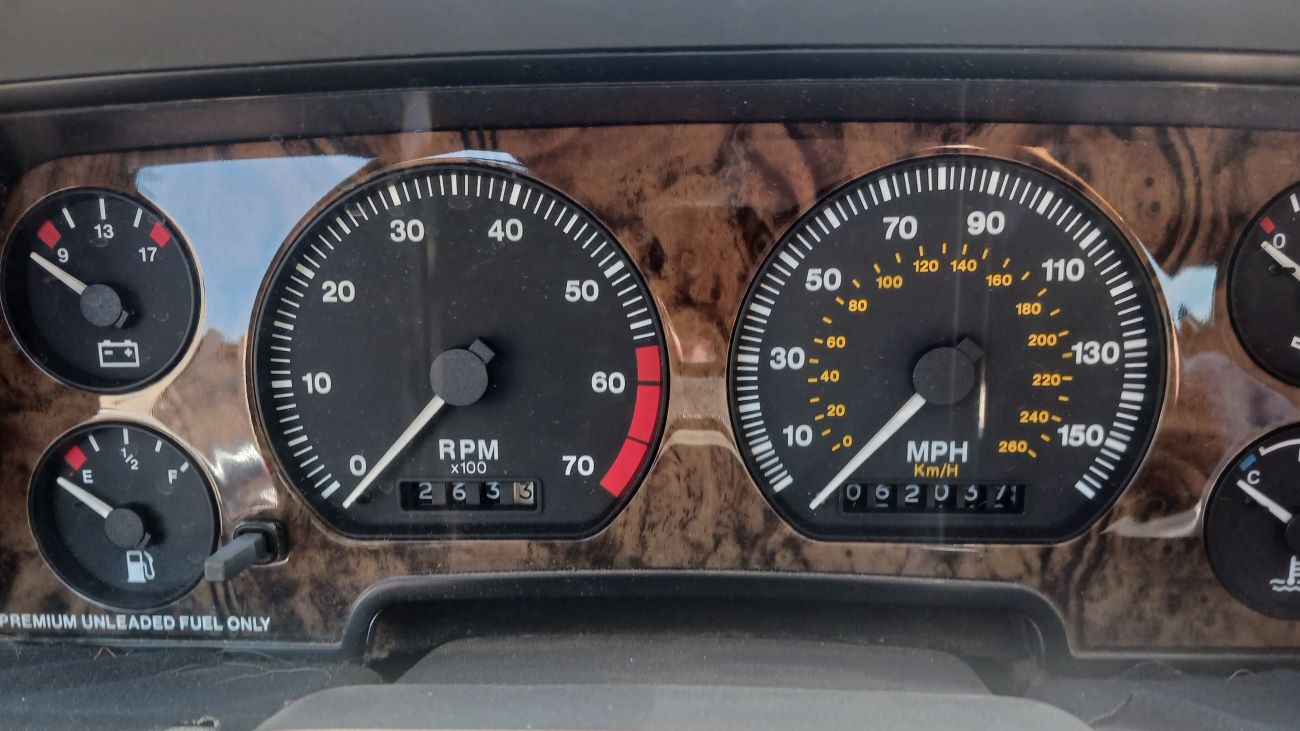
This car is being offered by a private seller and has completed a total of only 62,037 original miles. It is a four-owner car, and the CARFAX shows it to have had accident-free ownership in Florida, Connecticut and Oregon.
From the photos provided, the exterior of this XJS looks to be in good condition. My guess is that the factory paint color for this car is actually Topaz, but I am a geek about this stuff. The overall condition of the paint looks good, with no evidence of fading or clear coat issues. The owner does note there is a minuscule dent on the driver’s-side corner of the hood.
The interior also looks to be in excellent shape. This is extremely important, as the leather and carpet used in these cars is of very high quality and quite expensive to replace. The wood in the car also appears to be uncracked, though there is some fading on parts.
Under the “bonnet” (the British term for “hood”) is what I feel is probably the finest inline-six Jaguar ever built: the 4.0-liter AJ16. This engine was so good that Aston Martin used the block and head for their DB7. These engines are not only extremely well built and reliable, they also really look great, in my opinion. The 65,000 miles on this engine means in many ways that it is just broken in. Do not fool yourself into thinking you need a V12 in your XJS. Having driven both, I honestly feel these AJ16 engines are better than the Jaguar V12 and much less expensive to service. They offer similar performance and are the last of the legendary inline-six Jaguar engines. As an added bonus, this XJS is said come with extensive service history, as well as both keys and a full set of manuals.
Many people will tell you that you have to be crazy to buy an XJS, and in many ways they are right. This car, though – being what looks to be a well-cared-for inline-six 1996 model – is a different story. By the time of the facelift, the cars from Jaguar had really risen to another level. They really were reliable; you shouldn’t be afraid of a car like this one. As an added bonus, these final-year cars are incredibly rare: a total of only 2,113 were built in 1996.
If you are interested, had you better act fast and place a bid, as the auction for this 1996 Jaguar XJS Convertible ends on Thursday, April 24, at 11:45 a.m. MST.