Performance has been one of the main characteristics of the Ford Mustang since its introduction in 1964, and we all know the powerful and fast V8 models that won races and customers’ hearts. However, not all Mustangs are like that; some are frankly embarrassingly slow. So, let’s see what the slowest Ford Mustangs ever made are. 

1. 1964½ Mustang with 200 CID Inline-Six

Photo Credit: Vista Pointe

The Mustang may have debuted in 1964 as an instant classic, but not every early example was a speed demon. One of the base models, equipped with a 200 cubic inch (3.3-liter) inline-six engine, was more about style than speed.

Mustang Mki 1964 Images 1 E1649288377820
Photo Credit: Ford

Making just 120 horsepower, this version was mated to a three-speed manual transmission or a sluggish automatic, and 0-60 mph took over 13 seconds. It was perfect for cruising boulevards in style, but it wouldn’t be mistaken for a muscle car. While it helped launch the Mustang legacy, performance-wise, it was one of the tamest.

2. 1974 Mustang II with 2.3-liter Inline-Four

Ford Mustang Ii Coupe 1
Photo Credit: Ford

The oil crisis and increasingly strict emissions laws ushered in the second-generation Mustang II, and with it came one of the slowest Mustangs ever produced. The 2.3-liter inline-four engine made a measly 88 horsepower and was saddled with increased curb weight due to added safety features. It could barely manage 0-60 mph in around 15 seconds.

Ford Mustang Ii Mach 1 31

The Mustang II was smaller and more fuel-efficient, which suited the time, but from a performance standpoint, it was a dramatic step down from the muscle-bound heritage of its predecessors. For many enthusiasts, it marked the low point in Mustang performance history.

3. 1975 Mustang II with 2.3-liter Inline-Four

1974 Ford Mustang Ii Hardtop
Photo Credit: Car domain

Although the base Mustang II was introduced in 1974, the 1975 version was even slower. Emissions equipment became even more restrictive, further choking the 2.3-liter engine to a dismal 83 horsepower. Acceleration was leisurely at best, with quarter-mile times creeping over 20 seconds.

Mustang II Forty Years Later Hero Shot
Photo Credit: Ford

The car prioritized economy and insurance rates rather than driving excitement, so it’s understandable why many performance fans consider it one of the least thrilling Mustangs ever. While it did sell well in its day, its legacy remains far from legendary.

4. 1979 Mustang with 2.3-Liter Turbo

1979 Ford Mustang 23 Turbo 1
Photo Credit: Mecum

Ford tried to jazz up the Mustang’s four-cylinder offerings in 1979 by introducing a turbocharged version of the 2.3-liter engine. While “turbo” might sound exciting, the execution was underwhelming. With just 131 horsepower and unreliable turbocharging tech for the era, it struggled to deliver meaningful performance.

Photo Credit: Mustang Forums

Acceleration remained sluggish, with 0-60 times hovering around the 10-11 second mark. Despite the fresh Fox-body platform and a modern look, the early turbo models didn’t live up to expectations and were outpaced by even some economy sedans of the time.

5. 1980 Mustang Cobra with 4.2-Liter V8

Olympus Digital Camera
Photo Credit: Pinterest

In 1980, Ford tried to offer a V8 alternative in the form of a 4.2-liter engine, but it turned out to be one of the weakest V8s ever offered in a Mustang. Making just 118 horsepower, the 255-cubic-inch motor was a victim of fuel economy mandates and choking emissions hardware.

Fd1980mustang14999700 1200
Photo Credit: Ford

Even in the sportier Cobra trim, the performance was lackluster. Acceleration was poor for a V8 pony car, and the Cobra badge couldn’t disguise the fact that this was a very slow Mustang. It remains one of the biggest disappointments among V8-powered Mustangs.

6. 1982 Mustang GT 5.0

1983 Ford Mustang Gt We Drive An Original 10best Cars Winner Feature Car And Driver Photo 697496 S Original
Photo Credit: Car and Driver

The 1982 Mustang GT marked the return of the “5.0” badge and an attempt to revive performance in the Mustang lineup. However, by modern standards—and even within its era—the GT’s 157 horsepower left much to be desired.

Ford Mustang Gt 5.0
Photo Credit: Ford

While it was quicker than the four-cylinder variants, the GT’s 0-60 mph time of just over 9 seconds was far from the glory days of the 1960s. Still, the 1982 GT laid the groundwork for the performance resurgence in the later Fox-body years, even if it wasn’t particularly fast in its own right.

7. 1994 Mustang Convertible with 3.8-Liter V6

Ford Mustang 1994 Wallpaper
Photo Credit: Ford

When the SN95 generation debuted in 1994, the base model came with a 3.8-liter V6, producing just 145 horsepower. The convertible version, weighed down even more by structural reinforcements, was especially slow.

1997 Ford Mustang Convertible 01 E1594069735203
Photo Credit: Ford

With a 0-60 mph time pushing 10 seconds, it didn’t offer much muscle, and driving dynamics were more about comfort than aggression. It looked like the part of a performance car, but under the hood, it fell flat. It worked for those seeking style on a budget, but enthusiasts stayed away.

8. 2005 Mustang V6 Automatic

Cd02 Fm144 1605018373
Photo Credit: CAD

With the retro-themed S197 generation came another base V6 model focused on affordability over performance. The 2005 Mustang’s 4.0-liter V6 made a decent 210 horsepower, but its performance was dulled considerably when paired with the optional 5-speed automatic transmission.

2006 Ford Mustang 21
Photo Credit: Ford

It took over 7.5 seconds to reach 60 mph and lacked the soundtrack and urgency of its V8 sibling. Though better than the early ’90s V6s, this base model was no barnstormer and appealed more to style-conscious drivers than speed freaks.

9. 1999 Mustang Convertible with 3.8-Liter V6

Ford Mustang Gt Convertible 35th Anniversary 2 0222000014dd0fb4
Photo Credit: Ford

The 1999 Mustang’s New Edge styling refreshed its looks, but the base convertible model with the 3.8-liter V6 still lagged in performance. Despite a slight bump to 190 horsepower, the car remained heavy and underpowered, especially with the automatic transmission.

Ford Mustang Svt Cobra Convertible 4
Photo Credit: Ford

Performance numbers were mediocre, with 0-60 mph in the 8-9 second range. It looked like it could go fast, but most of its energy was hauling around extra weight from the convertible top and chassis reinforcements.

10. 2010 Mustang with 4.0-Liter V6

2010 Ford Mustang V6 Road Test Review Car And Driver Photo 297191 S Original
Photo Credit: CAD

The 2010 Mustang was a visual refresh of the fifth-generation S197 platform, but its engine carried over from the previous year—a 4.0-liter V6 with 210 horsepower. By this time, competitors offered more advanced and robust engines, and the Mustang’s V6 started feeling dated.

2010 Ford Mustang V6
Photo Credit: Wiki

It was capable of 0-60 mph in about 7.5 seconds with the manual, but the automatic variant was slower and less engaging. The 2010 V6 was the last year before Ford introduced the much-improved 3.7-liter Duratec in 2011, which made this version feel even more like a relic once the newer models hit the scene.
Source

Despite occasional posts on social media that EVs “are just a trend” or “it’s a scam,” EVs are here to stay for the time being if the involvement of just about every manufacturer is a hint. Are EVs going to replace ICE? I have no crystal ball, and I have no interest either way because I care more about manual transmissions than propulsion.

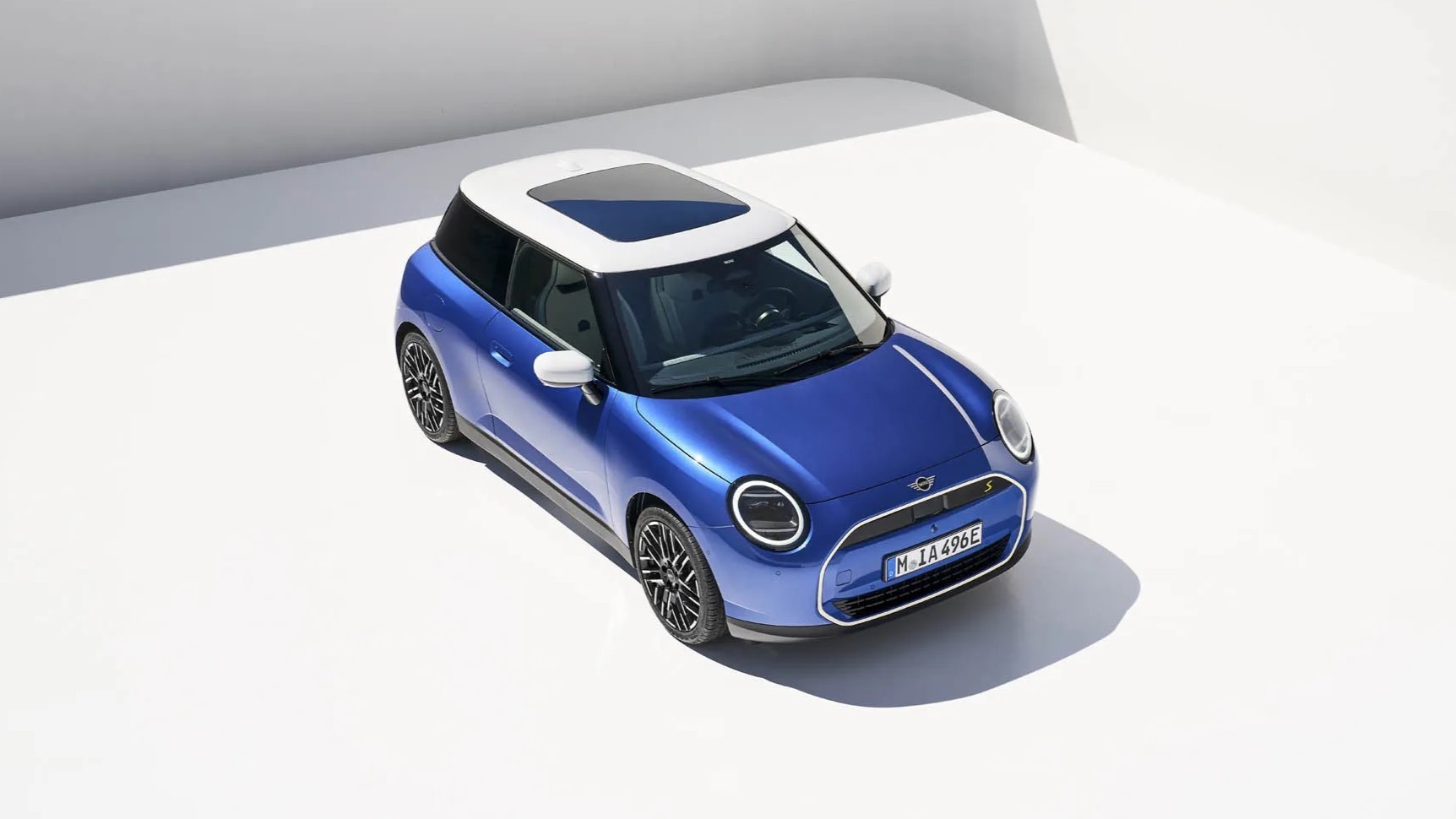
Mini Cooper EV sales have cratered since it ditched the brand’s MO

Certainly, someone out there  in Reader Land is groaning, but I’m a lemonade-kind of guy, so I don’t get too worked up about things out of my control. What interests me more are classic cars and production numbers—even for modern machinery. If you frown on the thought of EVs having traction in the American market, feel free to skip this story but, for the rest of you, the below statistics may be enlightening.

Top 10 EV Sales in U.S. for First Quarter of 2025

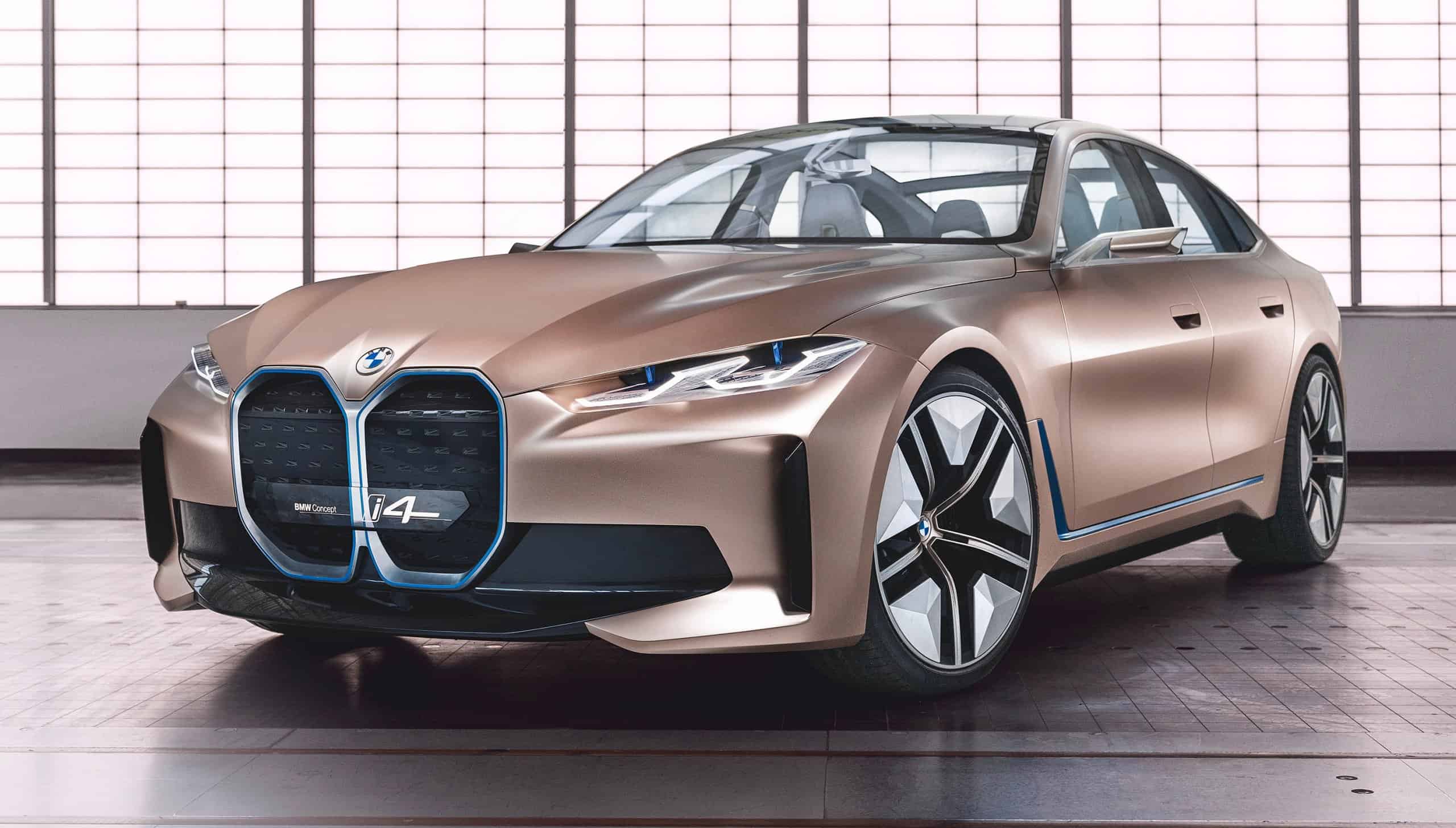
10. BMW i4: 7,125 units

9. Ford F-150 Lightning: 7,187 units

8. Volkswagen ID.4: 7,663 units

7. Hyundai Ioniq 5: 8,611 units

6. Tesla Cybertruck: 9,000 units (estimated)

5. Honda Prologue: 9,561 units

4. Chevrolet Equinox: 10,329 units

3. Ford Mustang Mach-E: 11,607 units

2. Tesla Model 3: 41,000 units (estimated)

1. Tesla Model Y: 71,000 units (estimated)

This gives perspective on the hierarchy of EV sales, which appears to be all about Tesla versus the rest. Though Tesla’s numbers are estimated (politics aside, its business model is completely different from traditional automakers), they are likely based on the number of deliveries made, which is distinct but similar from sales numbers. (That being said, it’s estimated that Tesla’s sales are down between 8-15 percent from last year, while the EV segment is up 10 percent.

BMW i4 concept

See anything in the above list you haven’t noticed in the street? It’s easy to think the Bimmer you keep on seeing on your morning commute may have been an ICE model and not the i4. Or maybe you didn’t realize that the new Chevy SUV was actually an EV and not just some fresh, conventional model. Either way, these cars should be proliferating barring any tariffs that may adjust the market.

If this type of data is of interest to you (EVs or otherwise), we can direct you to several fine resources: (1) Car and Driver (and possibly other periodicals) featured the above Top 10 list, (2) GoodCarBadCar,net is a popular go-to for automotive sales data, (3) Electrek tracks and analyzes the transition from fossil-fuel to electric transport, and (4) Cox Automotive (which includes Autotrader and Kelly Blue Book) focuses on consumers for a seamless online-to-offline experience. We are sure there are other resources that you may find preferable.

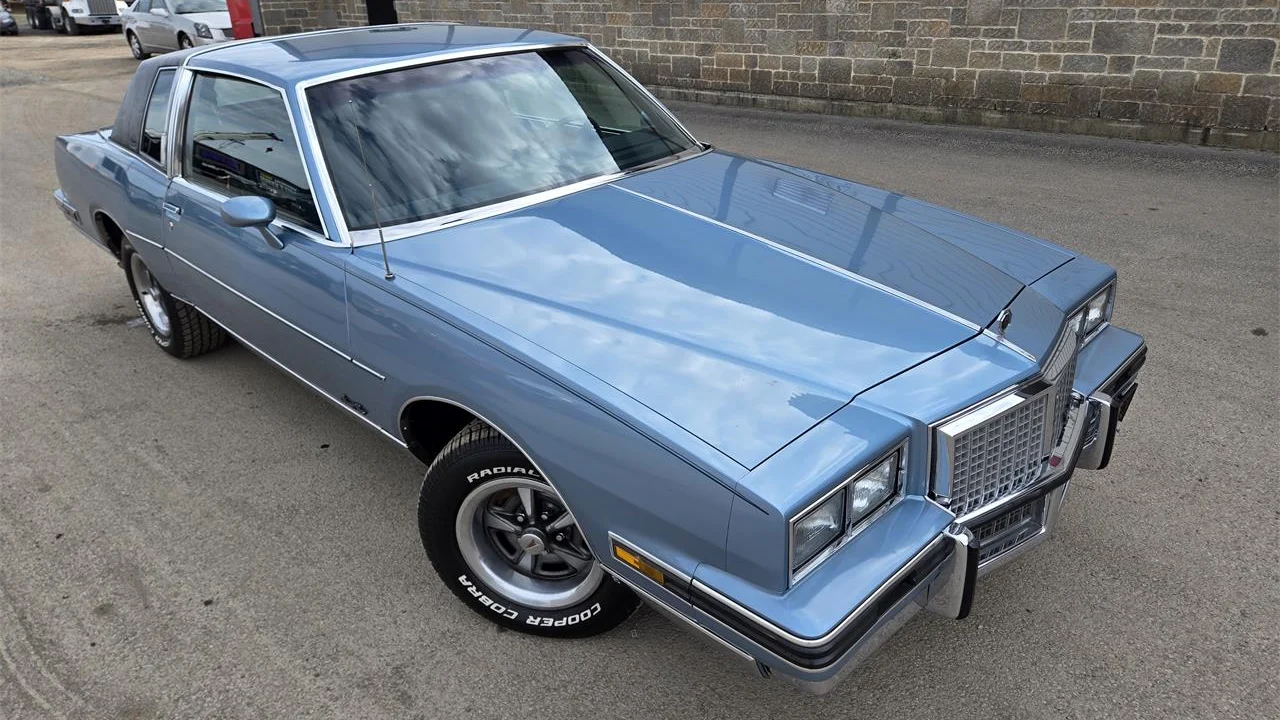
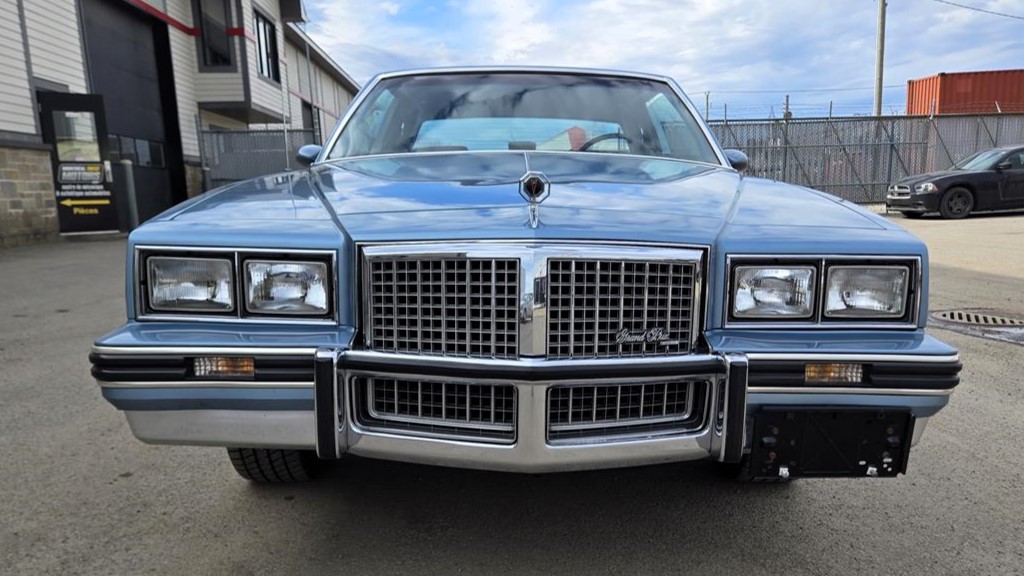
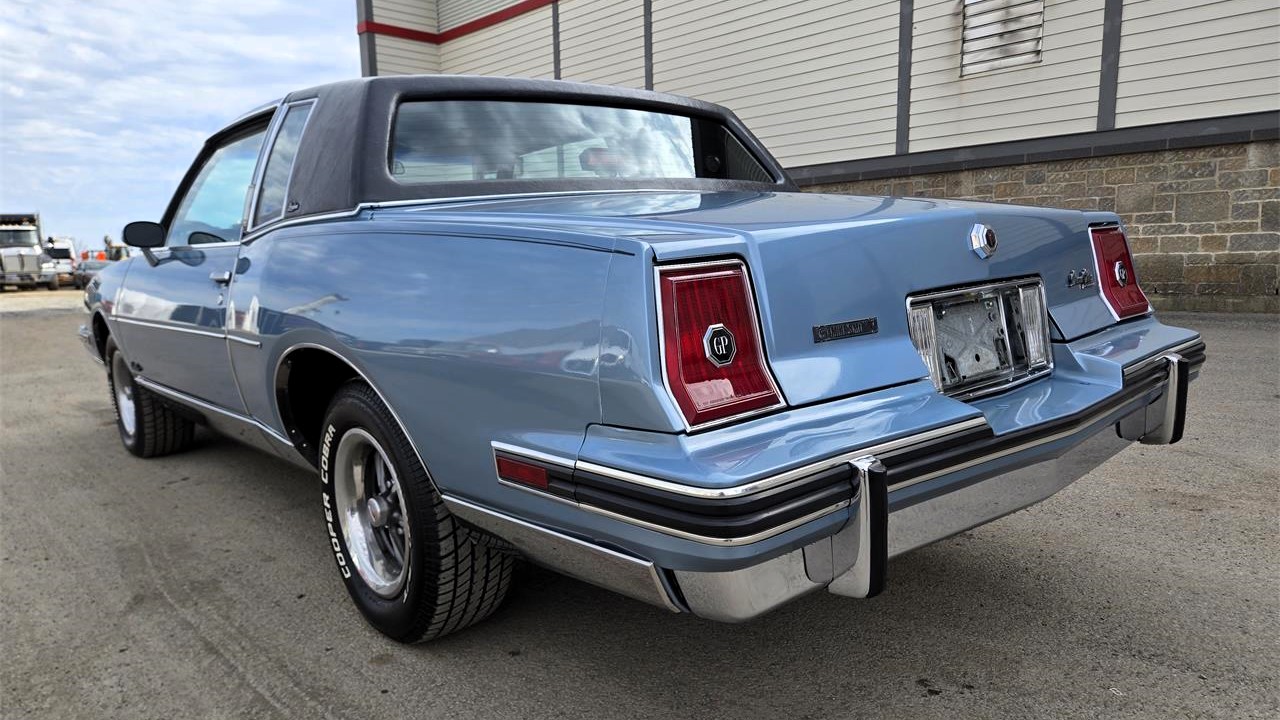
There are times when cars that were very common when new become rare. Great examples would be a first-generation Toyota Camry, Chevrolet Celebrity or today’s Pick of the Day on ClassicCars.com: an all-original 1985 Pontiac Grand Prix Brougham.

The Pontiac Grand Prix of the 1980s was a G-body car with underpinnings shared with the Chevy Monte Carlo, Olds Cutlass and the Buick Regal. Of all of these models, the one seemingly seen the least is the Grand Prix. I am guessing “Cash for Clunkers” got them all, as for every 25 Monte Carlos you see, you will be lucky to spot a single Grand Prix.

The fact that this Grand Prix exists in such excellent condition is nothing short of amazing. The listing states it has only covered a total of 60,412 miles – and I believe it, based on the condition. The dealer offering this car calls it “immaculate,” and we would agree.

The original Light Blue Metallic paint looks to be in almost perfect condition, with no fade noticeable anywhere – just look at the clouds reflected in the pristine paint in the photo above. Even the padded landau top with its opera lamps looks to be in perfect shape, with no wear or fading noticeable anywhere.

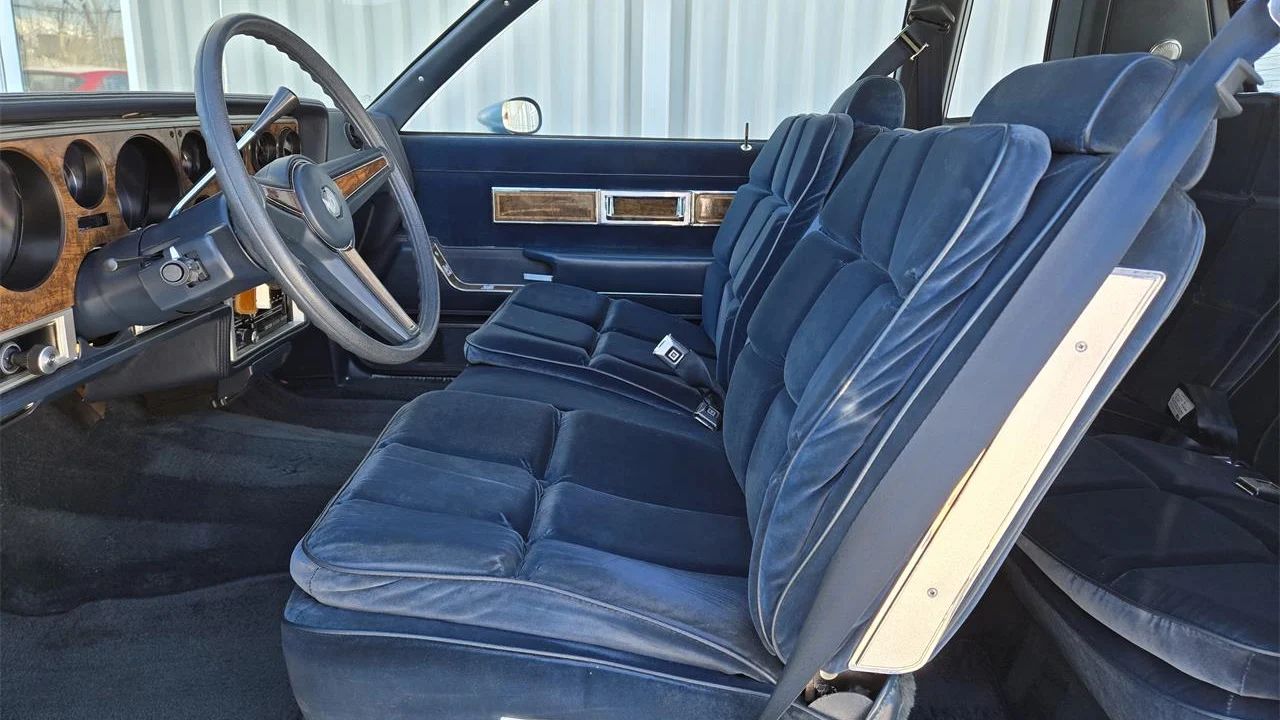
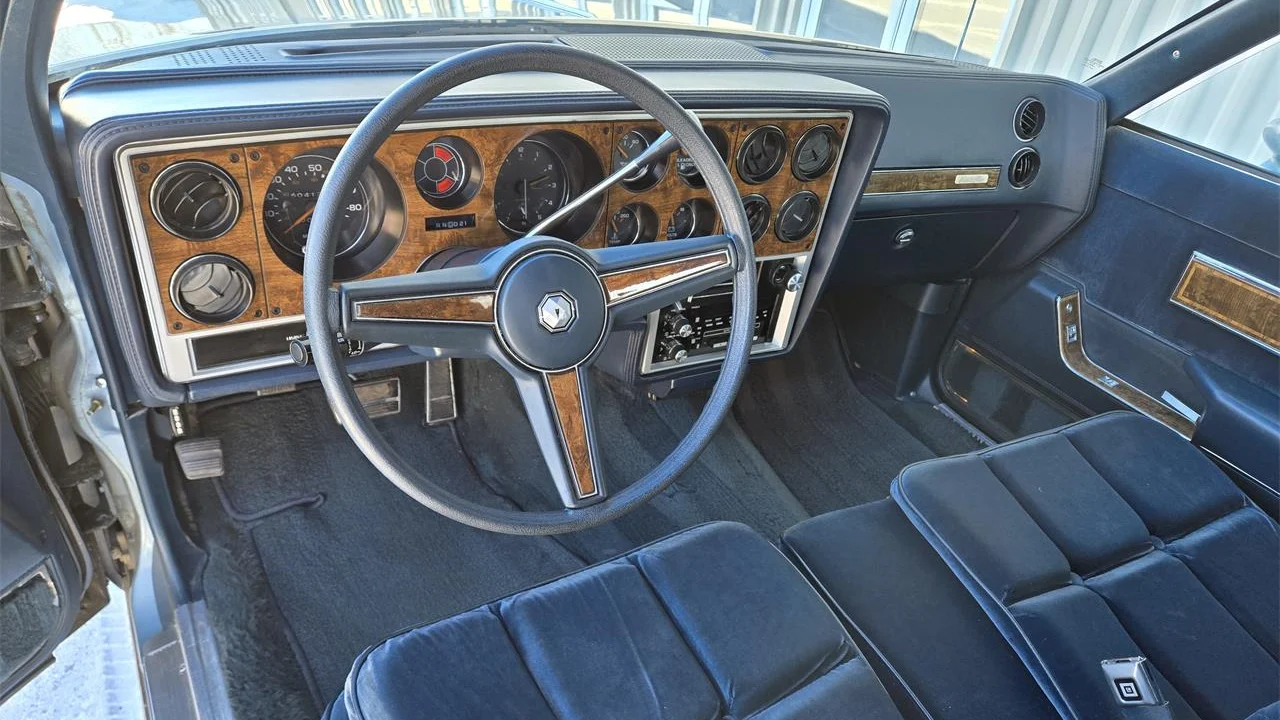
The interior is the same: the pillow-top Royal Blue velour seats are in flawless condition with no sagging, something you never see. This car is also equipped with air conditioning, which the seller says works perfectly, along with power windows, power driver’s seat, and optional Rally instrumentation. This Grand Prix is an absolute time capsule.

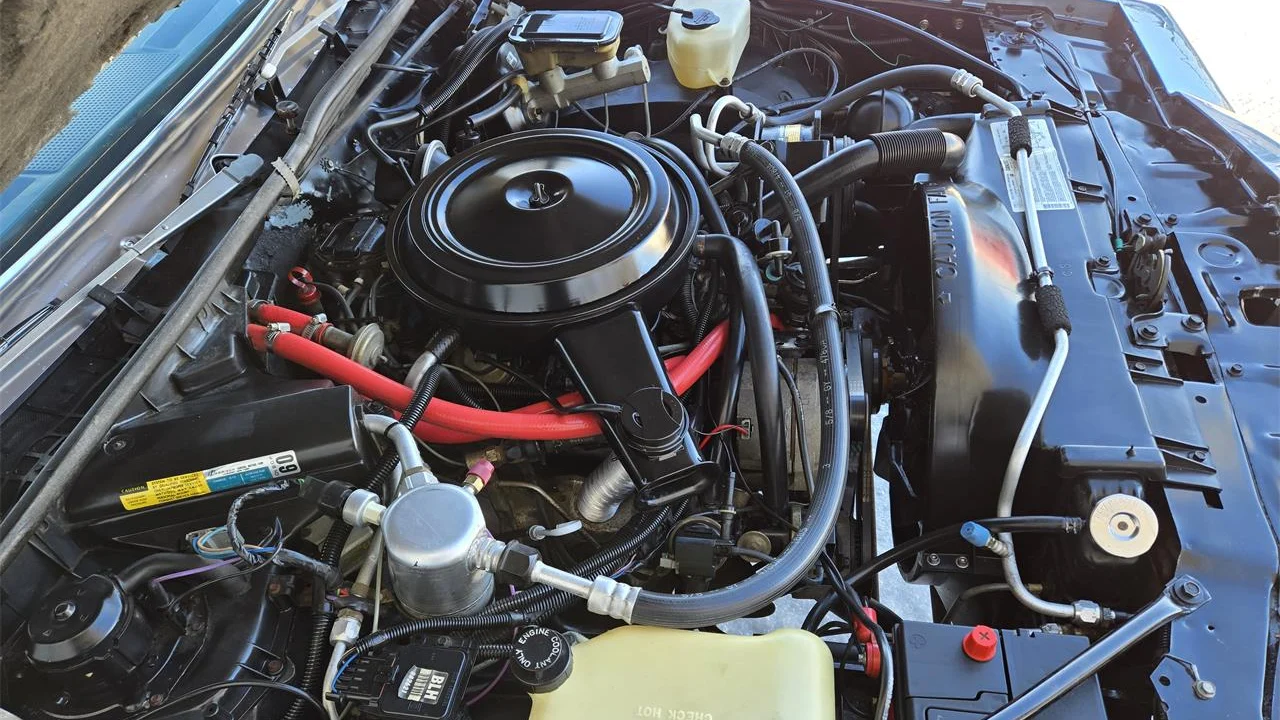
Under the hood, things are just as impressive, with the GM 305ci V8 looking as if it was just put in the car yesterday. It’s in show-winning condition, just like the rest of the car. The coolant overflow tank and windshield washer tank are the same color they were when new, with none of the yellowing you usually see on these plastic parts. I also see no evidence of corrosion on any of the fasteners.

Lest you think my evaluation of this Grand Prix is biased, I am not alone in my admiration. There is a new website called The Best on the Planet, which was created to call out the finest examples of a given car model that still exist. Their jurors voted and gave this exact car their Best On The Planet rating.

The asking price for this 1985 Pontiac Grand Prix is $18,995, which sounds like a bargain for a car that has been voted to be the best example of its type in the world.

Click here to view this Pick of the Day on ClassicCars.com

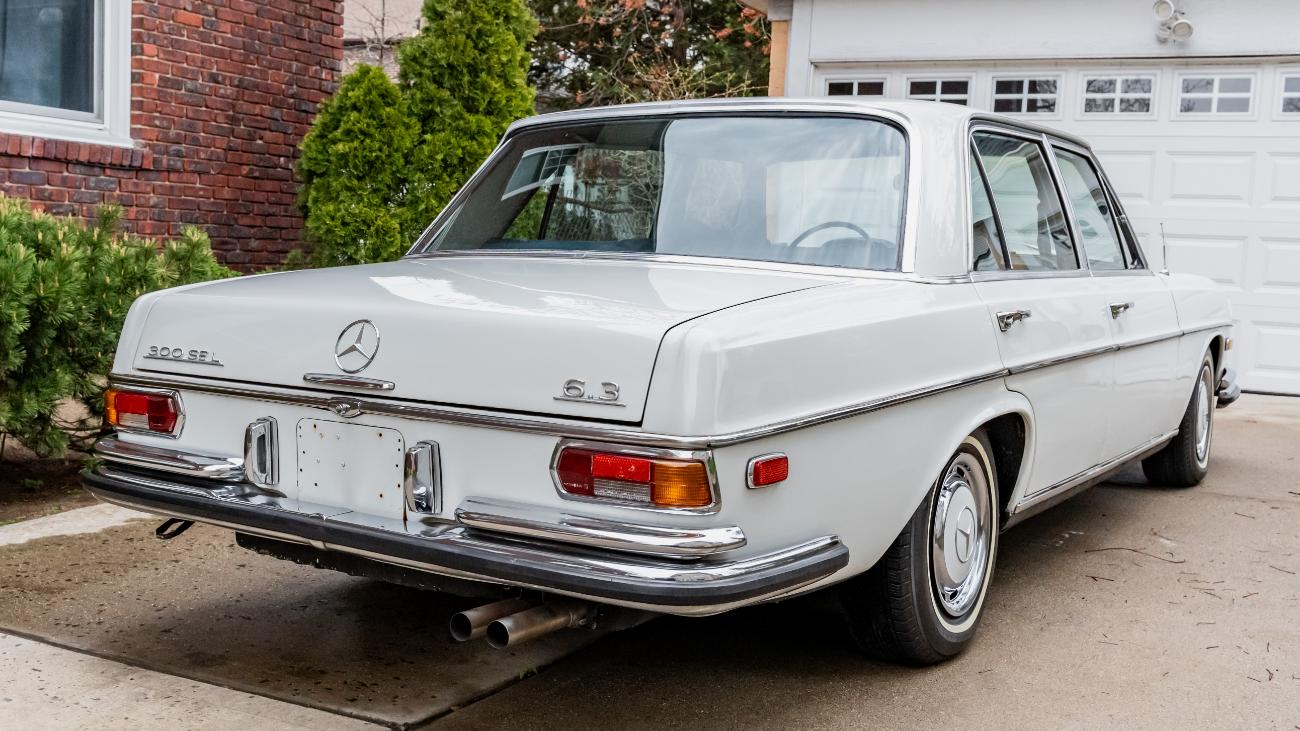
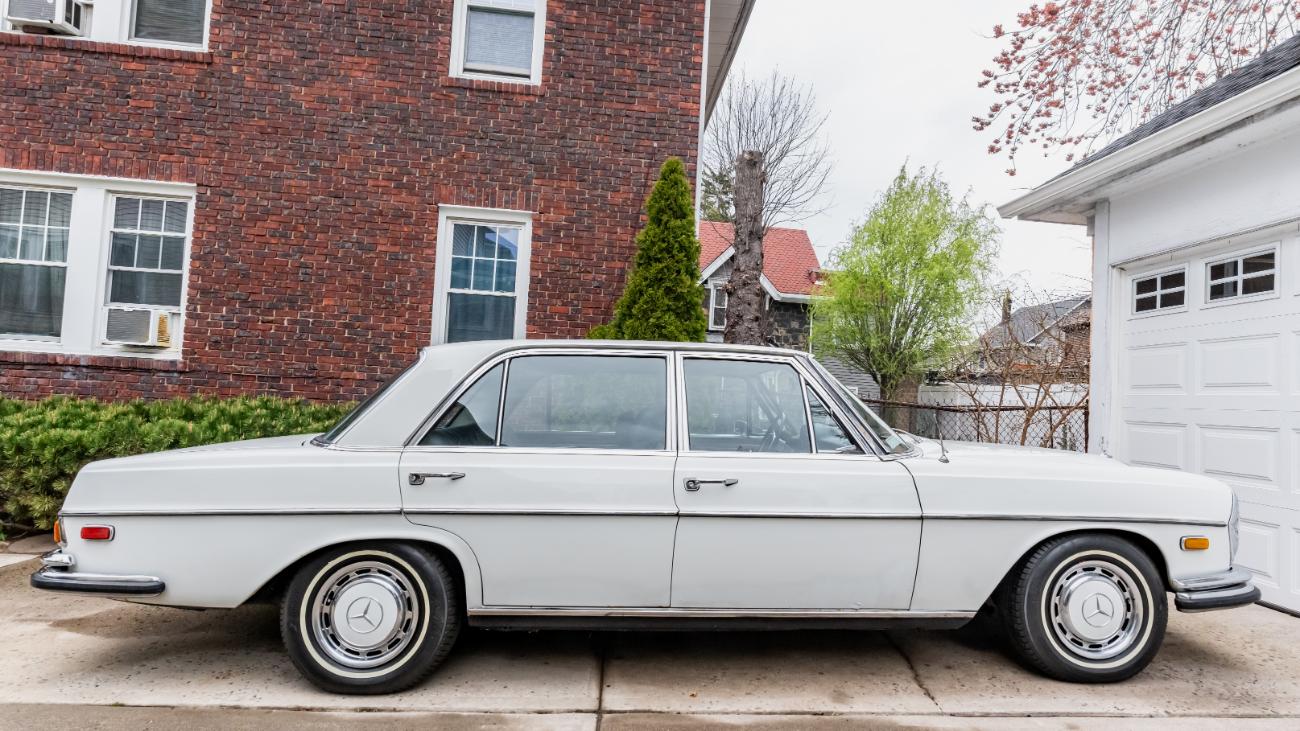
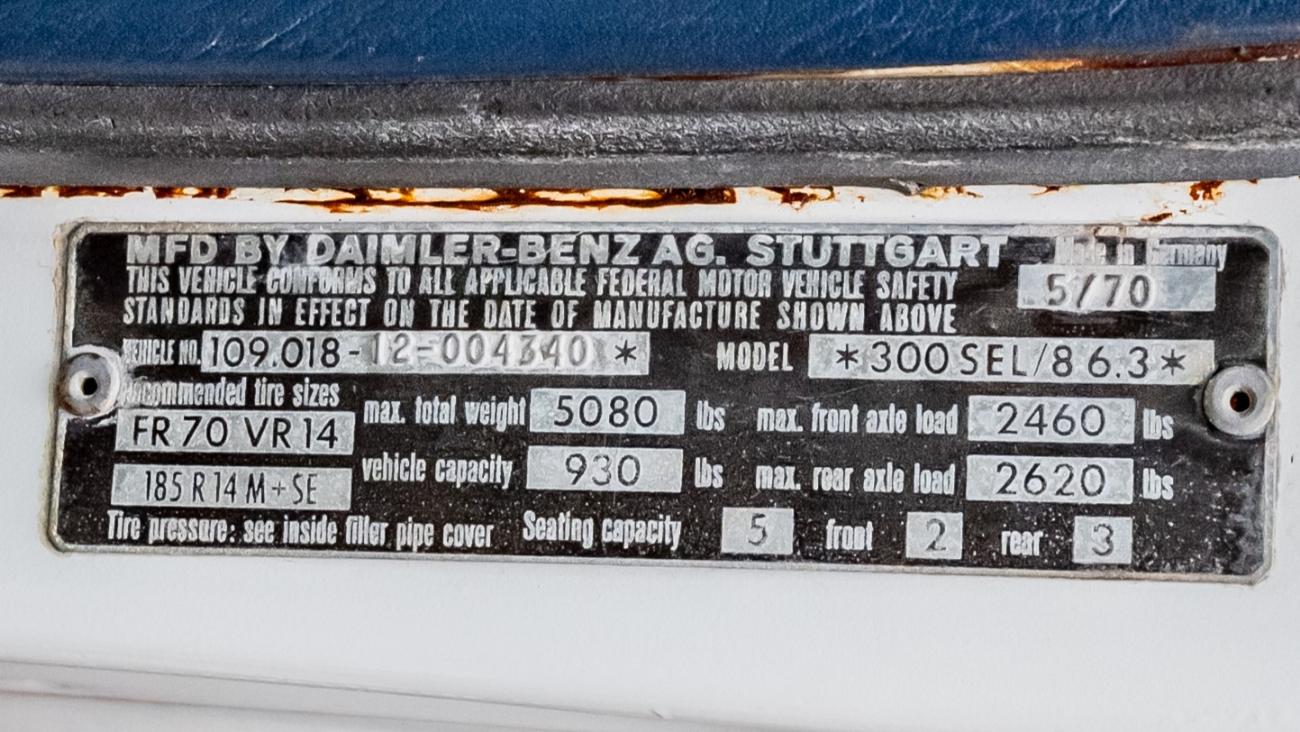
Currently listed on AutoHunter is this 1970 Mercedes-Benz 300 SEL 6.3 four-door sedan. If there could be a vehicle considered the fastest saloon of the era,  it would be this. While 300 horsepower from a 386.3 cubic-inch V8 does not sound impressive, Road & Track pulled a 15.1 quarter-mile ET from the $13,997(!) sedan. Any American sedan that could run quicker certainly wouldn’t be able to achieve the same Autobahn cruising speeds as this Mercedes! Painted white with a blue leather interior and equipped with air conditioning, power windows, and air suspension, this “W109” is offered by the seller with a clear title.

The white exterior is complemented by white wheel covers. Other features include driver-side chrome mirror, single exhaust system with twin pipes, and Stuttgart badge in grille. The stock 14-inch wheels are wrapped in 205/75 Yokohama whitewall radials.

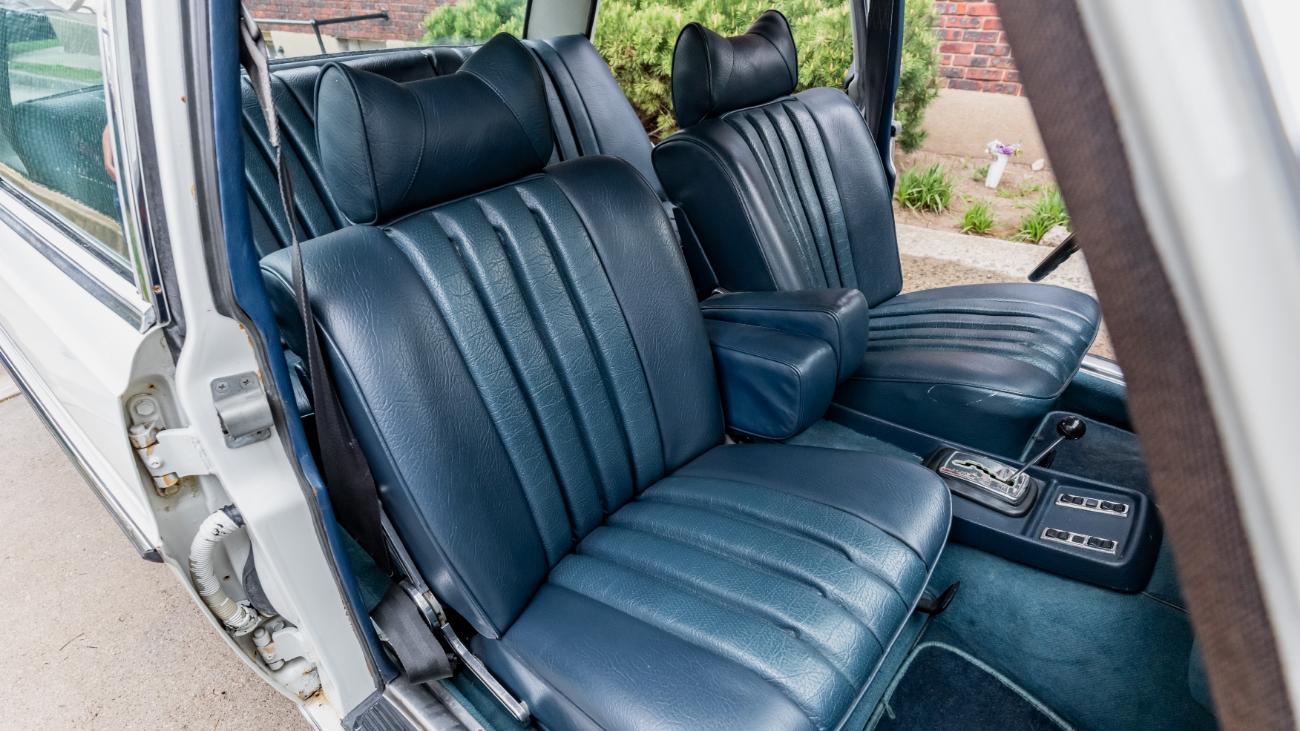
The interior features blue vinyl upholstery and woodgrain trim. A pair of front bucket seats are bisected by a console housing the automatic shifter. Other interior features include air conditioning, power steering, power windows, clock, and Blaupunkt AM/FM stereo.

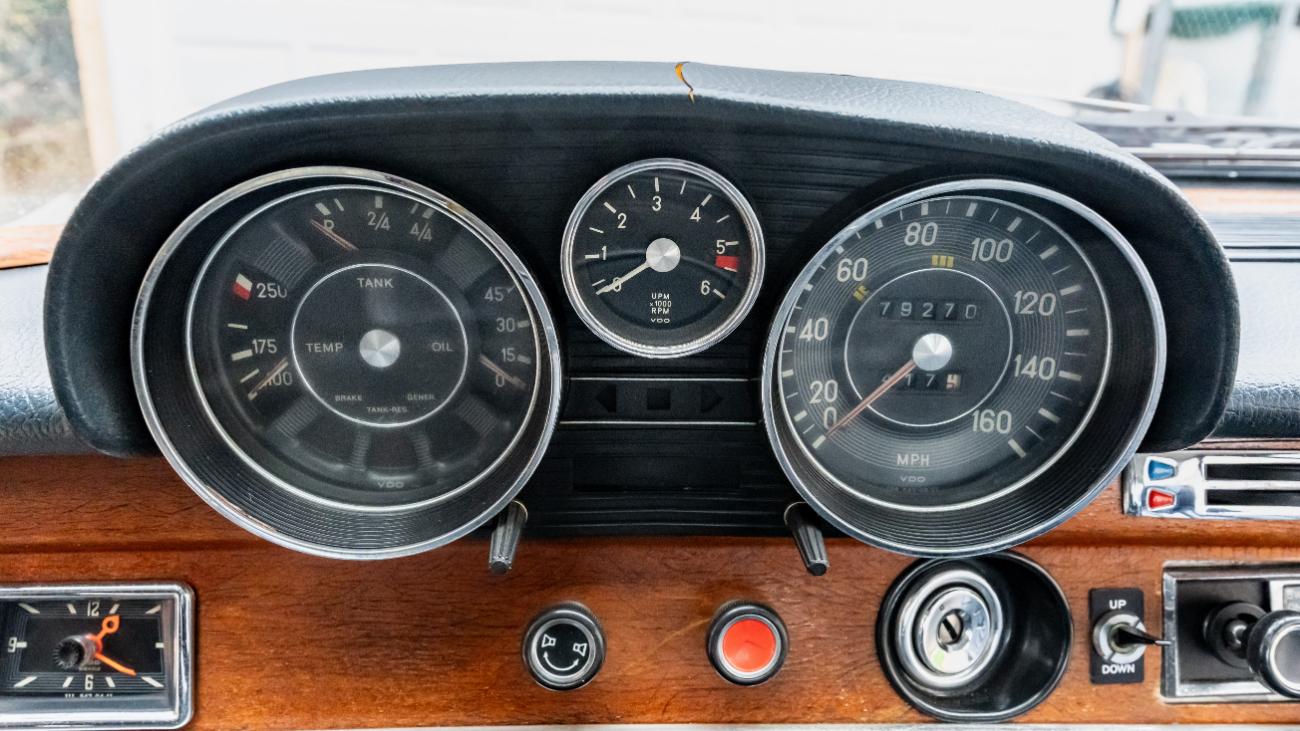
The instrument panel consists of a 160-mph speedometer, 6,000-rpm tachometer, and gauges for the oil pressure, coolant temperature, and fuel. The odometer shows 79,270 miles though the title reads mileage-exempt.

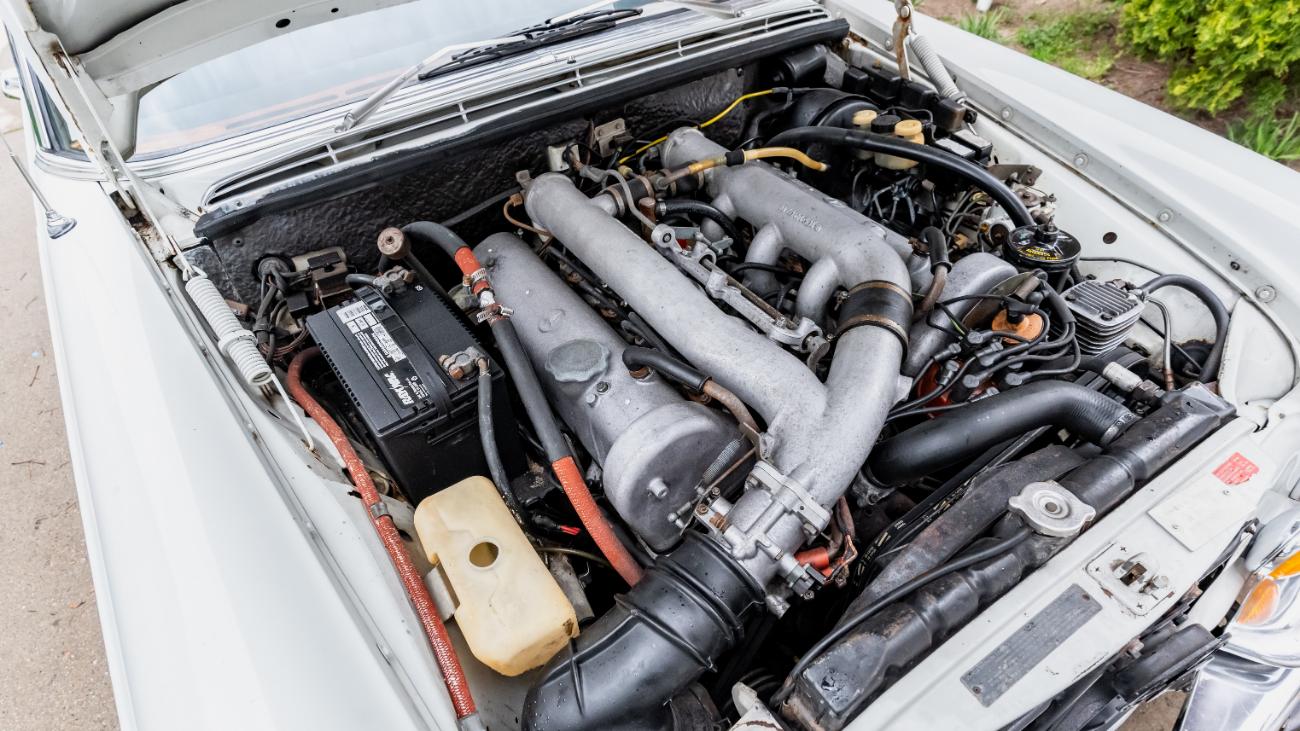
The fuel-injected 6.3-liter SOHC V8 was rated at 300 horsepower and 434 lb-ft of torque. It is harnessed by a four-speed automatic transmission.

The undercarriage features an independent suspension with hydraulic assists. Other features include four-wheel power disc brakes, 2.85 rear gears, and single exhaust system.

There’s few old cars that can handle a litany of modern driving conditions, but this 1970 Mercedes-Benz 300 SEL 6.3 four-door sedan is one. In fact, Mercedes claimed you could carry five at 125 mph in total comfort. It’s also one of 6,526 built between 1968-72, so it’s somewhat rare too. For a taste of V8 rumble and Mercedes solidity, place your bid on AutoHunter before May 1, 2025, at 11:00 a.m. (PDT).
Visit the AutoHunter listing for more information and a photo gallery

AutoHunter Cinema explores a one-of-a-kind 1994 Land Rover Defender 110 build. Imported from Turkey, this Defender was transformed in 2023 by Rover Trophy into an 18-foot-long, 8.5-foot-tall overland camper. What’s under the hood? A 430-horsepower LS3 6.2-liter V8, which is paired with a TREMEC 5-speed manual.

From a custom camper with teak flooring and a pop-top roof to solar power, Starlink-ready wiring, and a full recovery setup, this ultimate off-road adventure vehicle has everything you’d need to escape the 9-5 grind. It sold for $102,300 at the Barrett-Jackson 2025 Scottsdale Auction!

Make sure to subscribe to the AutoHunter Cinema YouTube Channel for more interesting finds!

This Ford Model A-style roadster was built using a fiberglass body mounted to a boxed steel frame. A refurbishment was initiated in 2022, and ~$27,500 worth of work performed at Jerry’s Speed Shop in Fords, New Jersey, was highlighted by a rebuild of the 355ci Chevrolet V8 with a COMP Cams roller camshaft, Dart aluminum cylinder heads, a tunnel-ram intake, dual Edelbrock carburetors, and zoomie headers. Additional modifications at that time included installing a 2,800-3,200-rpm stall torque converter, a Total Cost Involved front end, a UniSteer steering rack, rear coilovers, braided stainless-steel lines for the front discs, American Racing 15” Torq Thrust wheels, and whitewall tires with pie-crust rears. Acquired by the seller in 2025, this Highboy hot rod is now offered at no reserve with refurbishment records and a Kentucky title listing it as a 1930 Ford.
The fiberglass body is mounted to a fabricated steel frame, and both are painted red. Details include a shaved exterior, teardrop taillights, and a polished grille insert, windshield frame, cowl trim, and headlight buckets. The windshield tilts out.

Staggered-width American Racing 15” Torq Thrust wheels and whitewall tires with pie-crust rears were both mounted in 2023. The Total Cost Involved polished front assembly with hairpin radius rods, a transverse leaf spring, and Wilwood disc brakes was also installed along with a UniSteer rack-and-pinion assembly, braided stainless-steel brake lines, an adjustable proportioning valve, and coilovers for the four-bar rear end.

The cabin features bucket seats trimmed in black vinyl with red cloth inserts. Additional appointments include a wood dashboard fascia, a B&M shifter with an illuminated knob, and black carpets.

The steering wheel is mounted to a tilt column and sits ahead of Faria Beede instrumentation consisting of a 140-mph speedometer, a 10k-rpm tachometer, and gauges for fuel level, coolant temperature, oil pressure, and voltage. The seller has added most of the 22 miles indicated on the five-digit odometer.

The small-block Chevrolet V8 was bored 0.030”-over during a rebuild at Jerry’s Speed Shop in 2023. Displacement is calculated at 355ci, and Dart aluminum cylinder heads were installed along with a COMP Cams roller camshaft, roller rockers and lifters, ARP hardware, a finned oil pan and valve covers, an Edelbrock tunnel-ram intake manifold, dual Edelbrock AVS 2 carburetors, polished velocity stacks, and zoomie exhaust headers. A Powermaster starter was also utilized along with a Summit Racing fuel pump, braided fuel hoses, and and MSD distributor. The aluminum radiator is cooled by an electric puller fan, and the car was rewired in 2023.

Power is sent to the rear wheels through a TH350 three-speed automatic transmission with a 2,800-3,200-rpm stall torque converter.

Records documenting the ~$27,500 spent in 2023 are provided in the gallery along with a build summary.

The car is titled as a 1930 Ford using the VIN CAY9681, which appears on an identification plate riveted to the firewall. The Kentucky title carries a Not Actual Mileage notation.

This ’29 Ford Model A was built around 2000 using a steel body mounted on a ’32 frame according to the seller, who purchased the car in 2014. Its 239ci flathead V8 is topped by a Navarro intake manifold, a Cragar 471 supercharger, and two Stromberg 97s, and it also has Offenhauser heads, an Isky camshaft, and lake-style headers. A 700R4 automatic and Ford 9″ rear end were utilized according to the seller, and the car rides on a drop front end with front and rear leaf springs and Kelsey-Hayes wire wheels. Front discs, a Vega steering box, a ’51 Ford column, and Mustang-sourced bucket seats are additional elements. This Model A is now offered with service records and a clean California title in the seller’s name listing the car as a 1929 Ford.

The steel Tudor sedan body has distressed paintwork and hand-painted logos on the doors. The seller tells us the top was replaced and ’33 truck headlights with integrated turn signals were installed, and the windows have been tinted brown. The tilt-out windshield has been retained.

The car has a ’32 frame and retains front and rear transverse leaf springs. A drop axle and discs were installed up front along with a Vega steering box from Speedway Motors, and staggered tires are mounted on the Kelsey-Hayes wire wheels.

The floors were replaced, and Mustang-source bucket seats were installed along with latch-type lap belts. Insulation has been applied to the unfinished firewall.

A Hula figurine is mounted on the dashboard, and Auto Meter gauges have been fitted underneath. The steering column was sourced from a ’51 Ford. The seller has added ~5k of the ~15k miles indicated.

The 239ci flathead V8 is topped by a Navarro intake manifold, a Cragar 471 supercharger, and two Stromberg 97s, and it also has Offenhauser heads, an Isky camshaft, and lake-style headers. The custom-built ’30 A brass radiator is cooled by an electric fan.

The seller states the transmission is a 700R4 automatic that is linked to a Ford 9″ rear end with a 4.11:1 ring and pinion. Smithy’s 26″ mufflers were utilized as well.

The car is titled as a 1929 Ford in California using VIN A951601.

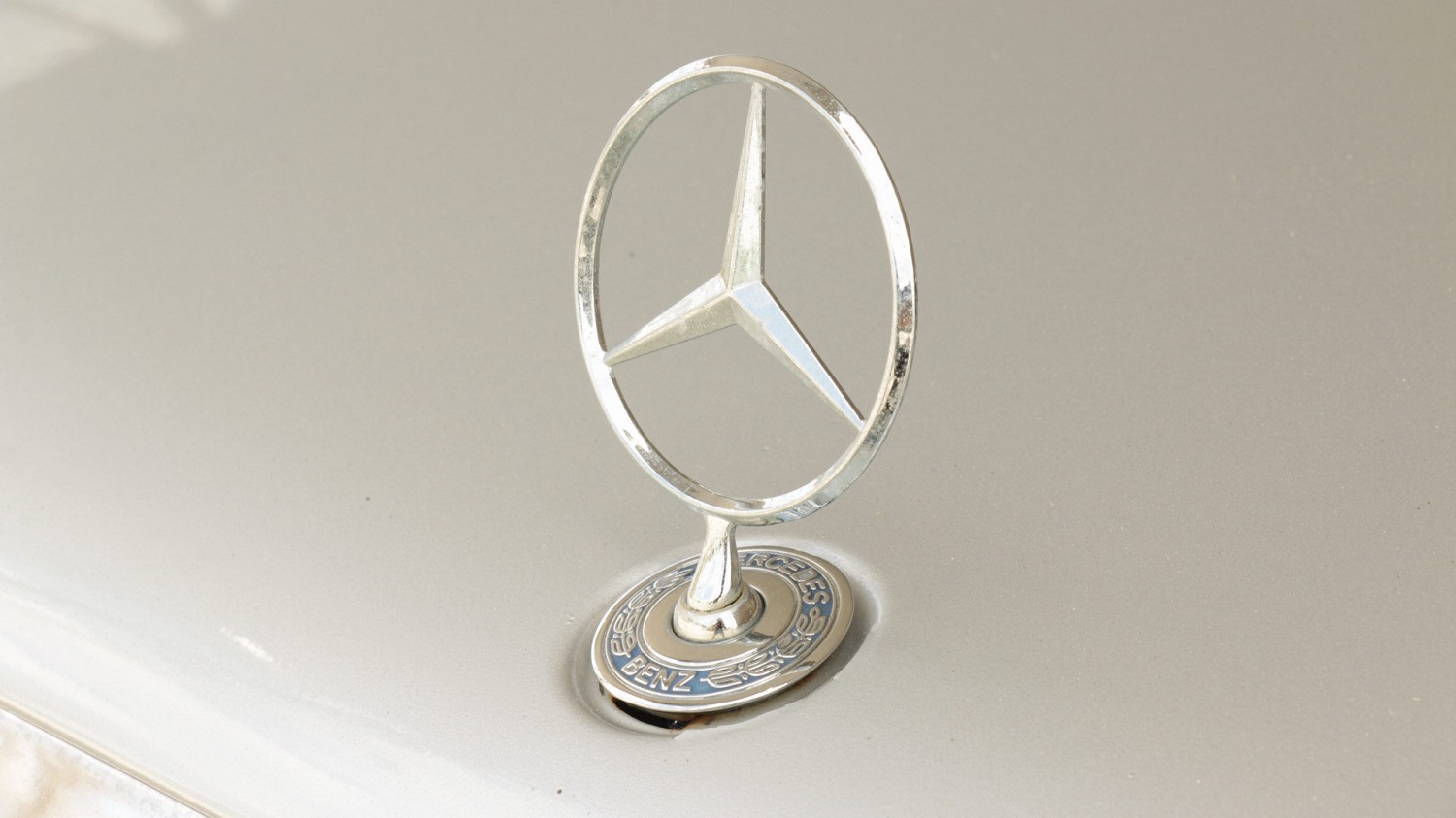
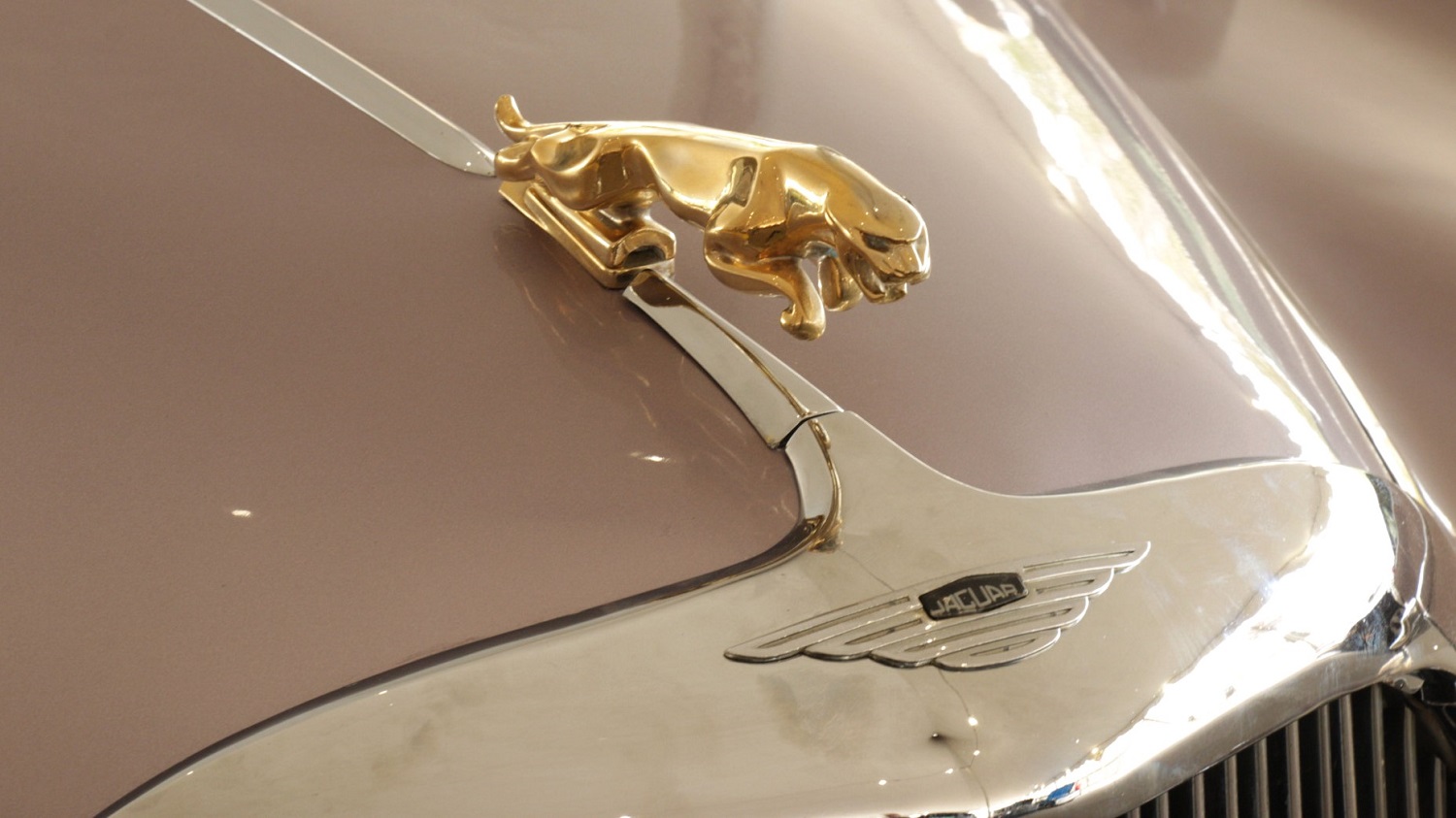
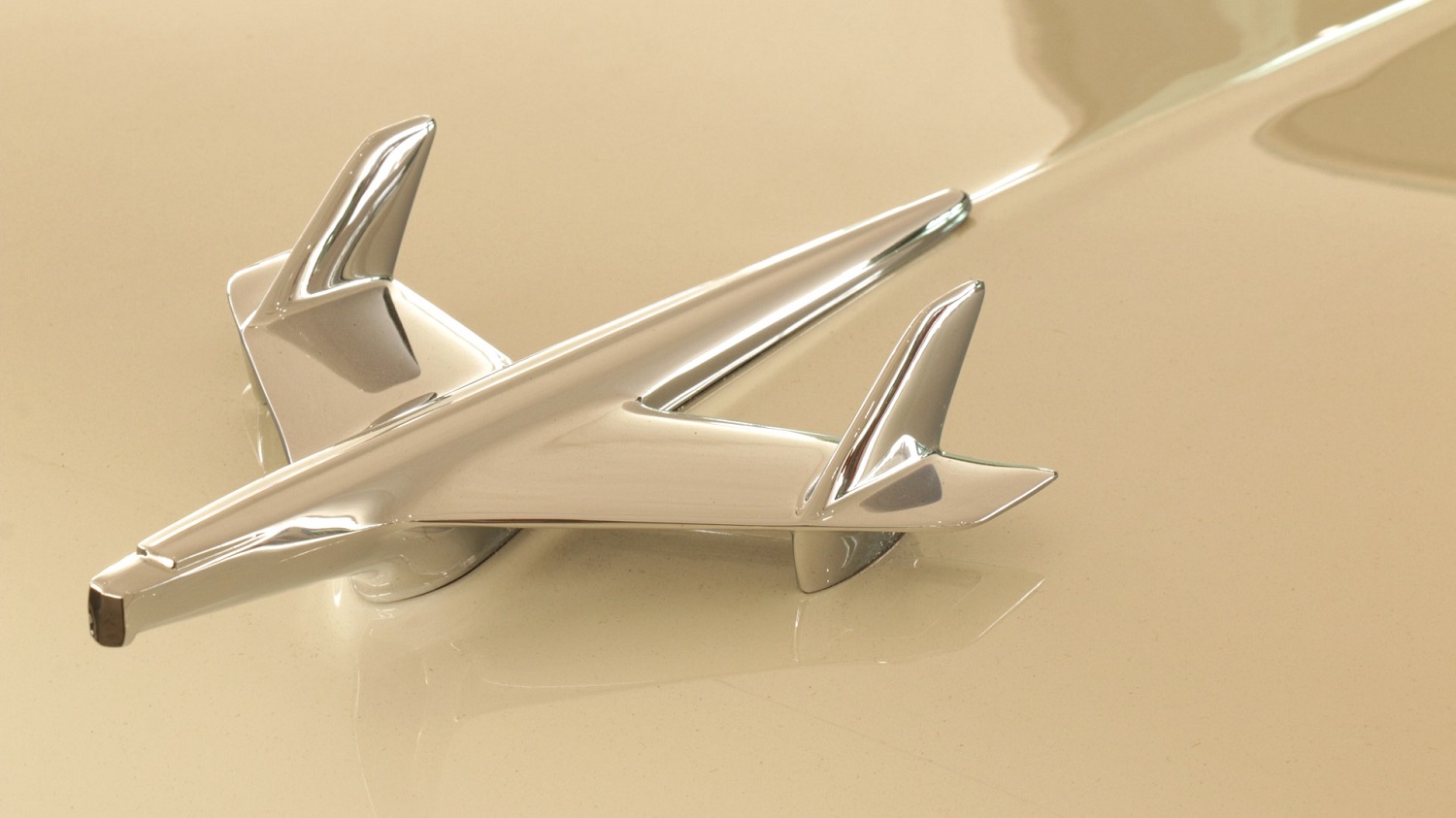
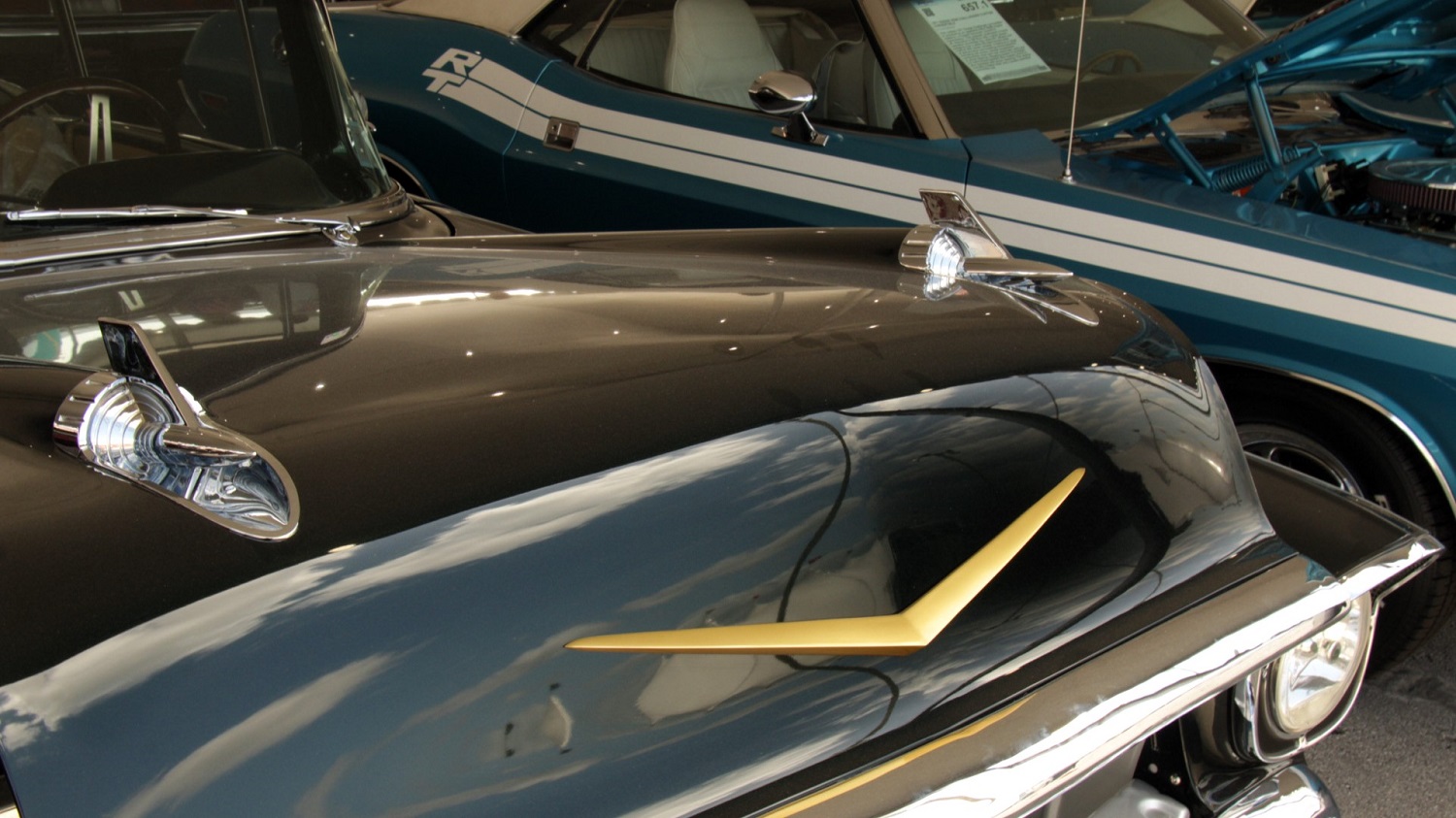
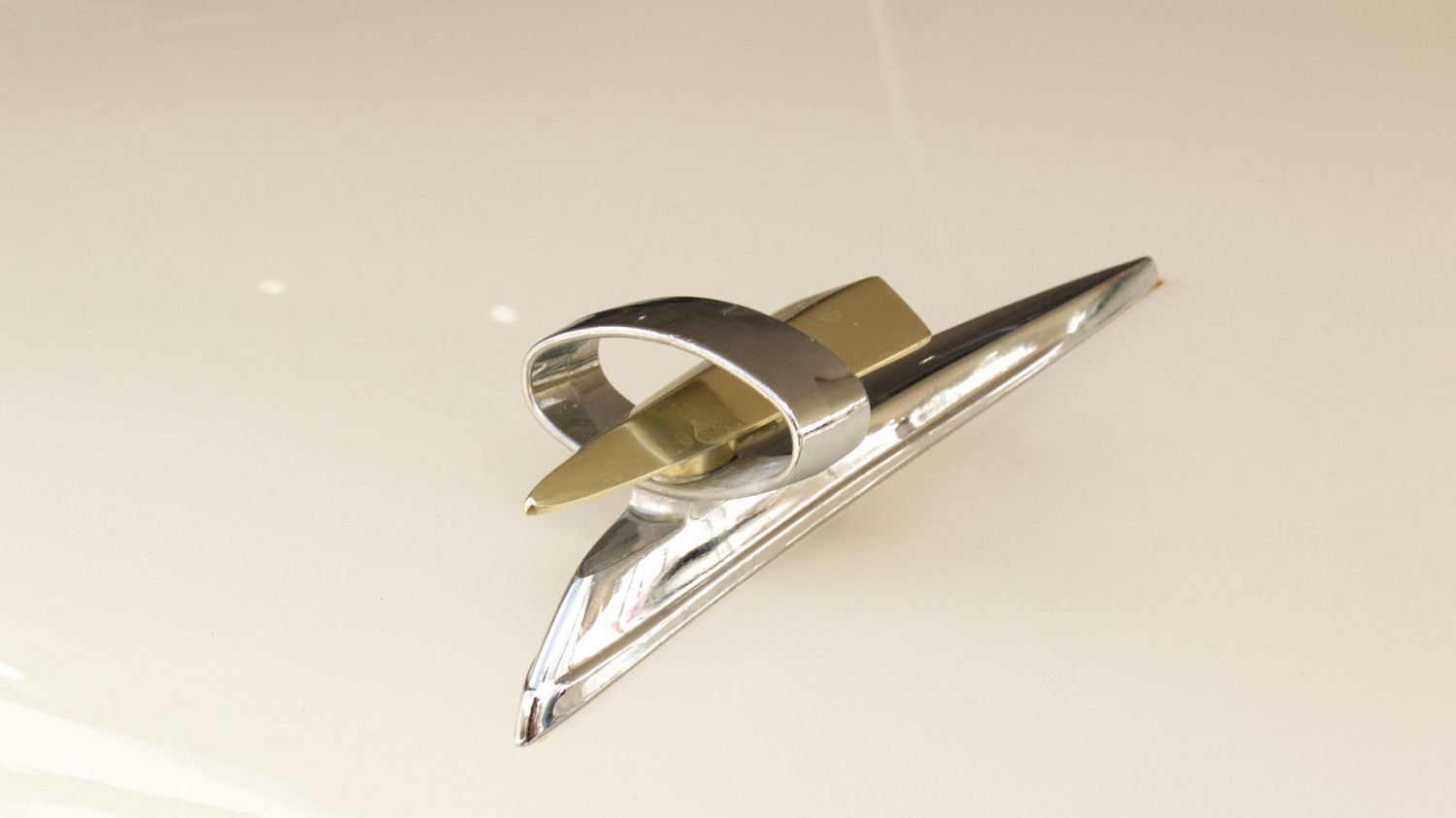
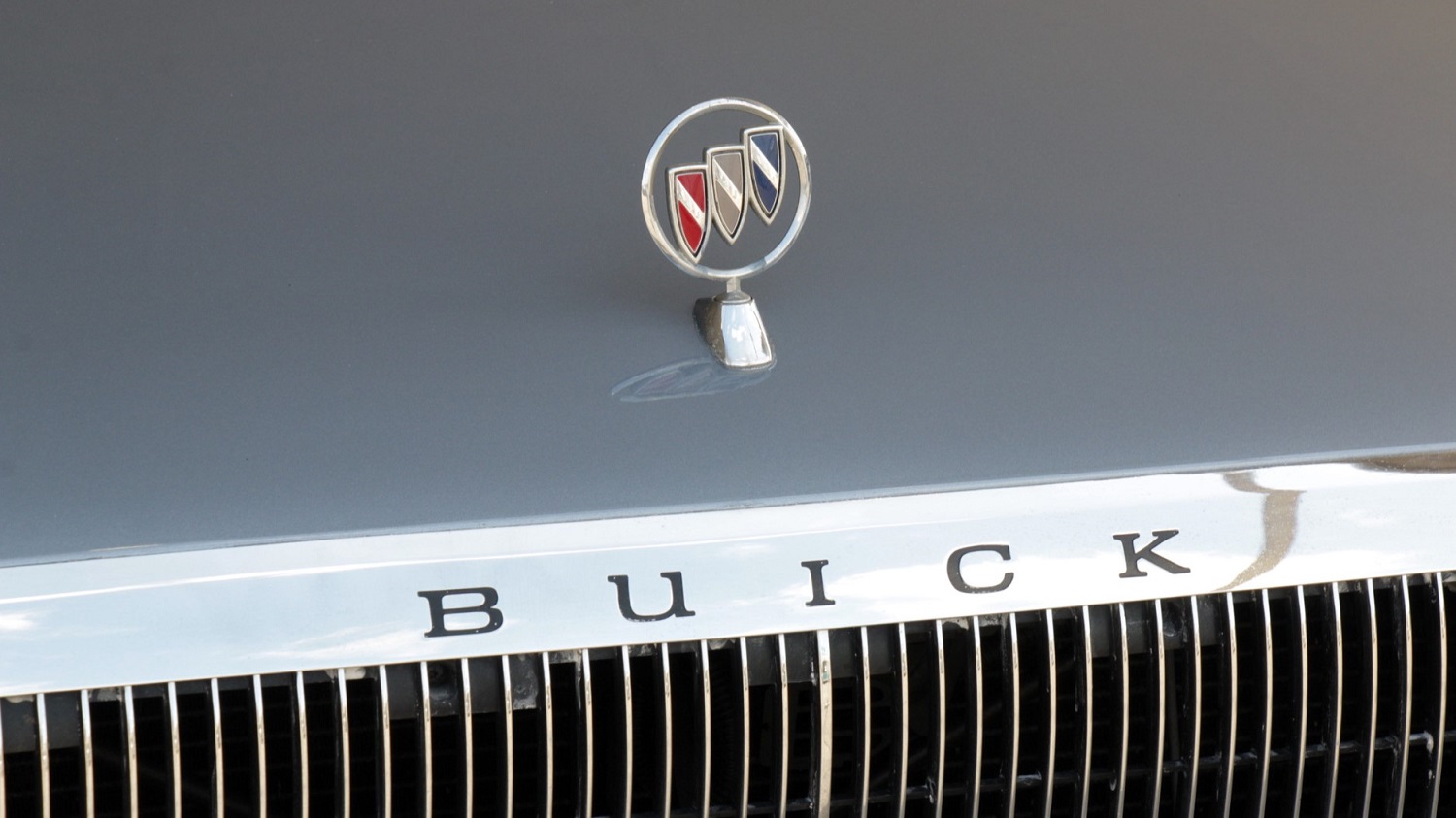
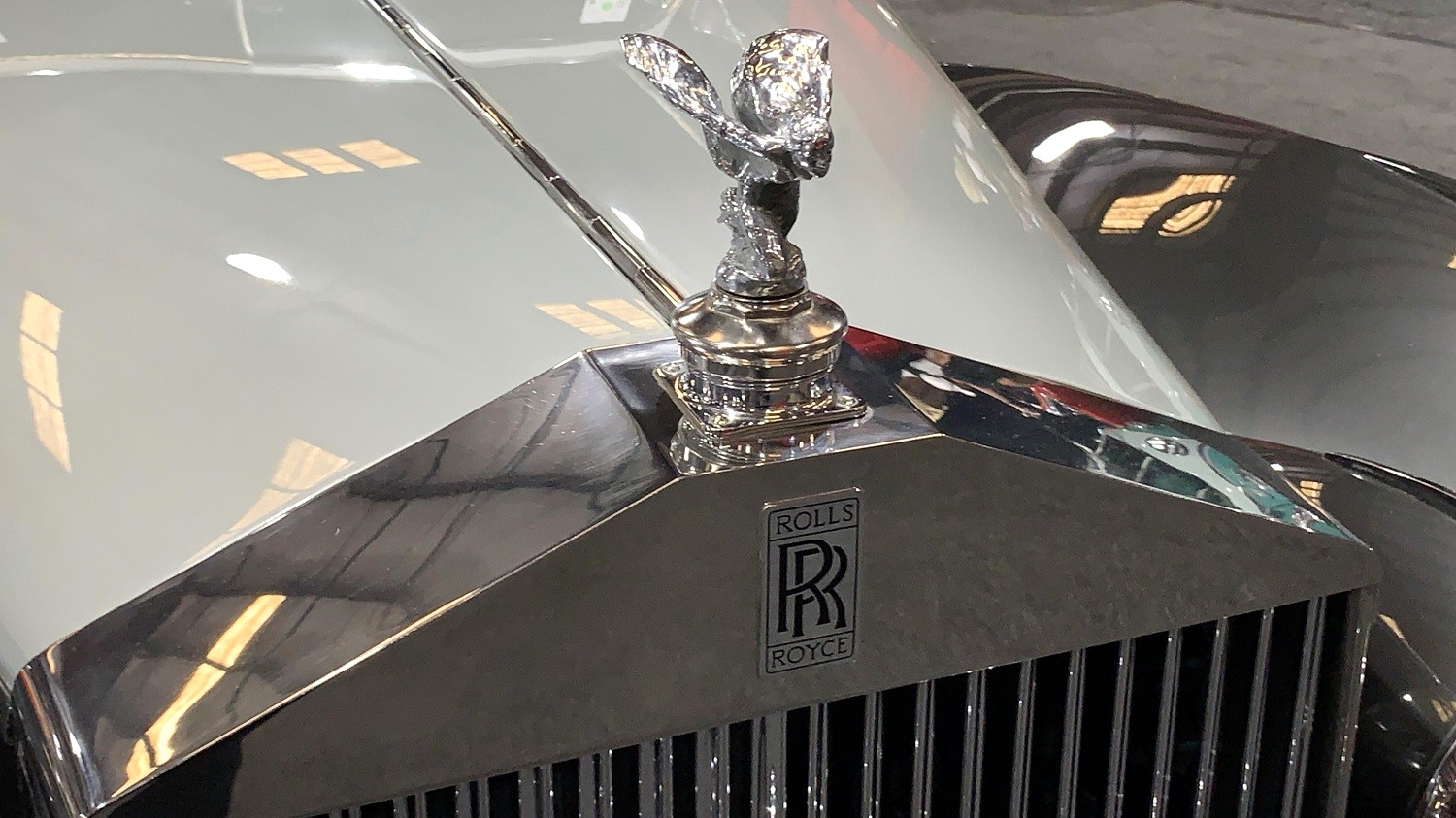
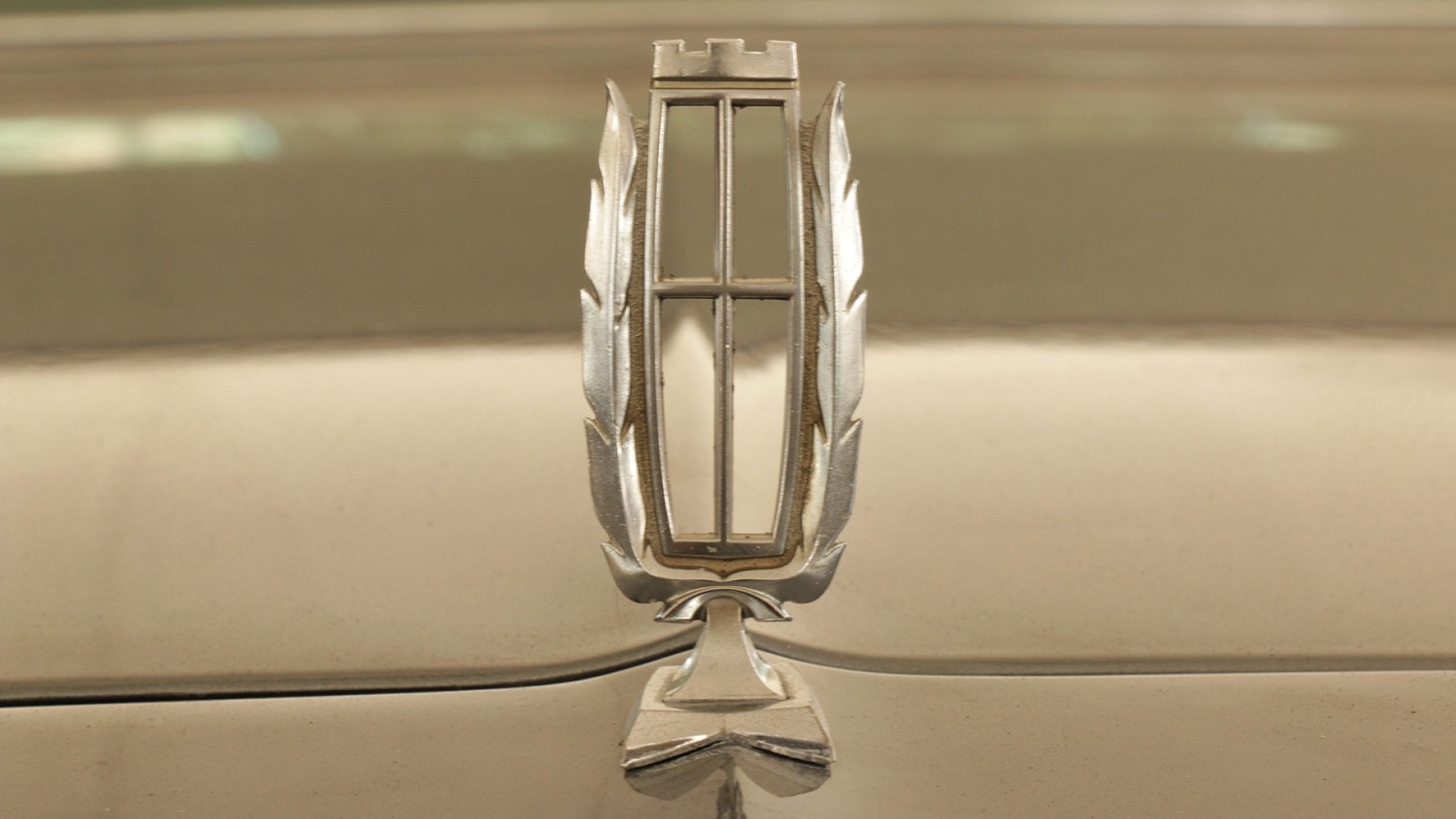
When you walk through a Barrett-Jackson auction, you see vehicles that catch your eye from a distance, such as lifted Chevrolet K5 Blazers or brightly colored exotics. Older cars, whether with their sheer size or their two-tone color combos, can do the same, but they offer a little bonus once you get closer to them: hood (or hood-adjacent) ornaments. The Goddess of Speed on the 1936 Packard 120 Convertible Sedan above is a great example. Below are a few more that were on display at the Barrett-Jackson 2025 Palm Beach Auction.

1995 Mercedes-Benz S600

1961 Jaguar Mark IX

1955 Chevrolet Bel Air Nomad

1957 Chevrolet Bel Air 2-Door Sedan

1959 Ford Fairlane 500 Galaxie Skyliner

1995 Buick Roadmaster Estate Wagon

1955 Rolls-Royce Silver Dawn Lightweight by H.J. Mulliner 

1978 Mercury Grand Marquis 2-Door Hardtop

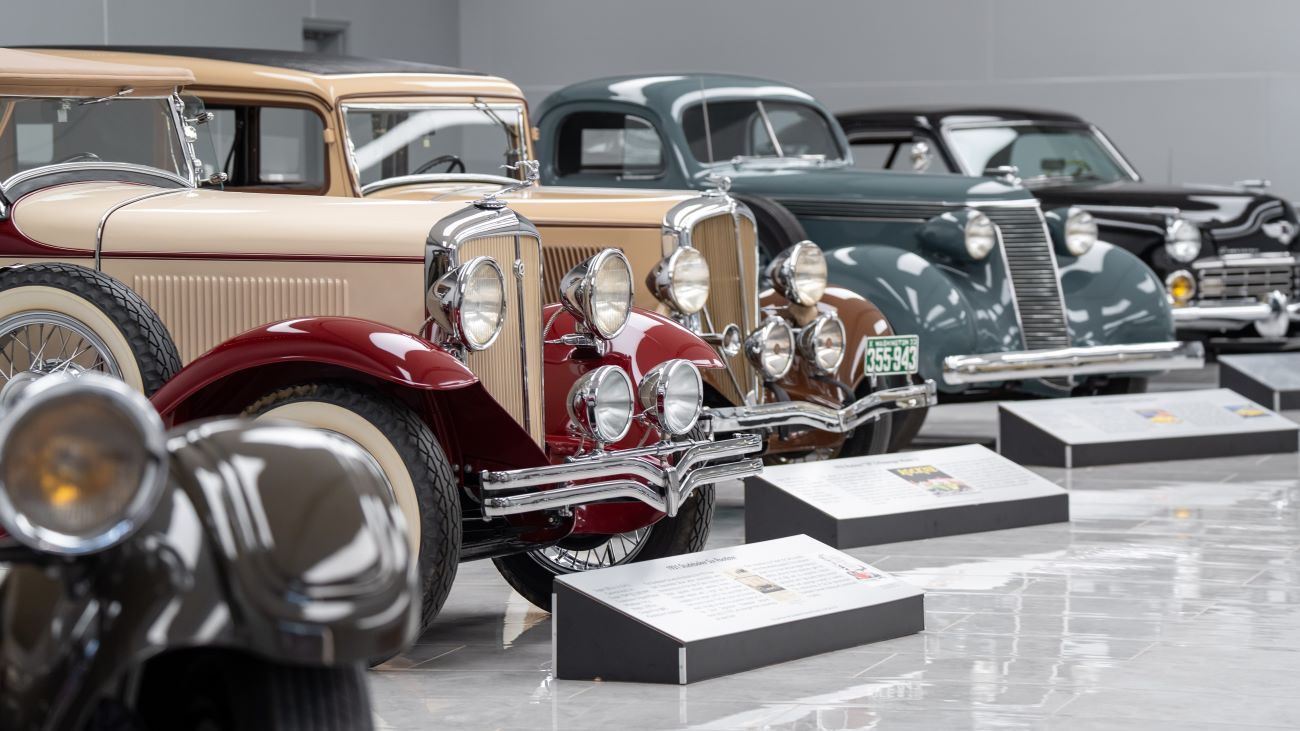
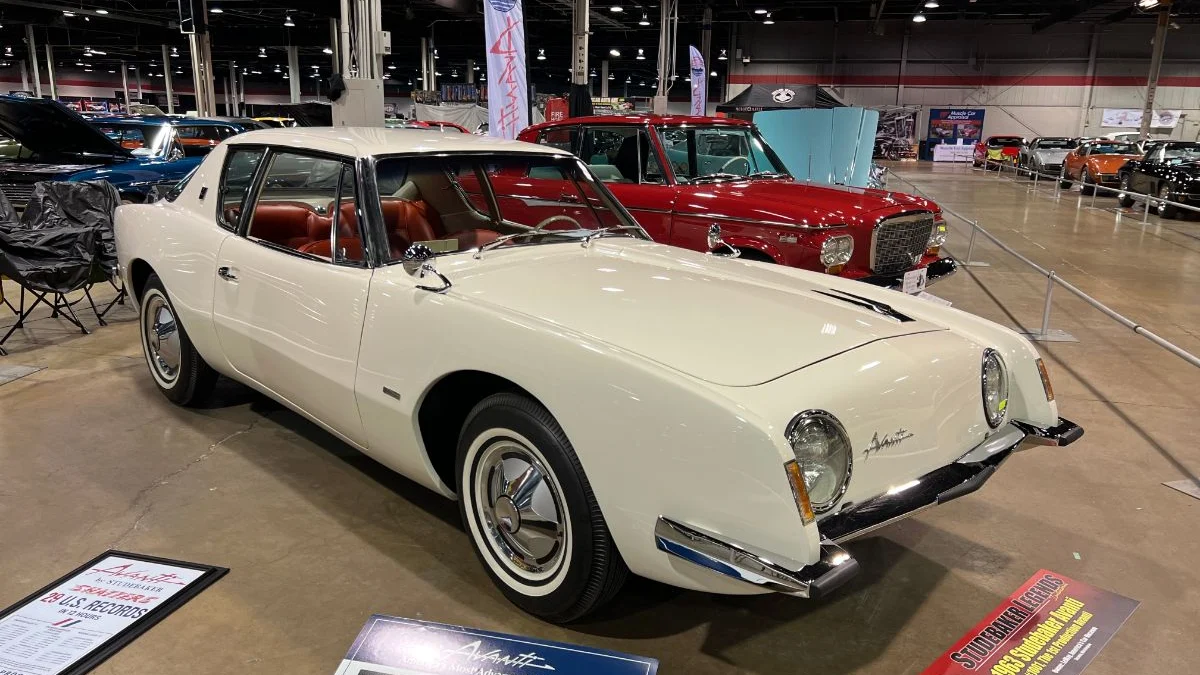
Studebaker’s official museum is in its hometown of South Bend, Indiana but, if you’re far from the Midwest, no need to fret: Southerners now have a chance reveling in Studebaker history as the Savoy Automobile Museum has announced the opening of the Stunning Studebaker exhibit now through August 3, 2025.

Studebaker is perhaps the proudest of the automotive Independents. Fans of the brand can rattle off a history of pioneering, whether it be monobloc engine casting, the first proving grounds, the first postwar car, supercharging, and more. By the 1950s, it was the best of times, it was the worst of times, and the company slowly slid into obsolescence in 1966 after a clever redux to create the Lark, and a Hail Mary with the Avanti. Bet ya didn’t know this: the first Studebaker automobiles were electric!

Though the Cartersville, Georgia museum has several Studebakers in its own permanent collection, this exhibit (sponsored in part by Tom & Ann Earley) features many more on loan from the Studebaker National Museum and even a custom Loewy coupe from a private collector. Here’s what’s currently on display:

  • 1927 Studebaker President Limousine 
  • 1931 Studebaker Six Roadster 
  • 1933 Studebaker Rockne Model 10 Sedan
  • 1937 Studebaker Coupe Express Pickup Truck 
  • 1948 Studebaker Commander Starlight Hardtop Coupe 
  • 1950 Studebaker Champion Convertible 
  • 1954 Studebaker Commander Starliner Custom 
  • 1956 Studebaker President Classic Sedan 
  • 1956 Studebaker President Pinehurst 2-Door Station Wagon 
  • 1957 Studebaker Golden Hawk Hardtop Coupe 
  • 1963 Studebaker Avanti Coupe
  • 1963 Studebaker Lark Sedan

The Studebaker brothers, Henry and Clem, established a blacksmith and wagon shop in 1852, and by 1875 it was the “largest vehicle house in the world” due to the U.S. Army buying their wagons. The company survived: transitions from wagons to cars, The Great Depression, two World Wars, mergers, and near bankruptcies to finally succumb and produce its last vehicle in 1966. Please enjoy this collection of various models through the years.
—Savoy Automobile Museum

1963 Studebaker Avanti with 1963 Lark (not the exhibit cars)

The museum is located in Cartersville, Georgia and is in operation between Tuesday-Sunday from 10:00 a.m. – 5:00 p.m. For more information, visit savoymuseum.org.

Six-hundred collector cars crossing the block at the South Florida Fairgrounds sounds like an enjoyable way to spend an extended weekend in Florida, whether a resident, snow bird, or just some visitor flying in to get his/her automotive fill. Yesterday was Day 3, the third and final day of the Barrett-Jackson 2025 Palm Beach Auction, and my how the day shone!

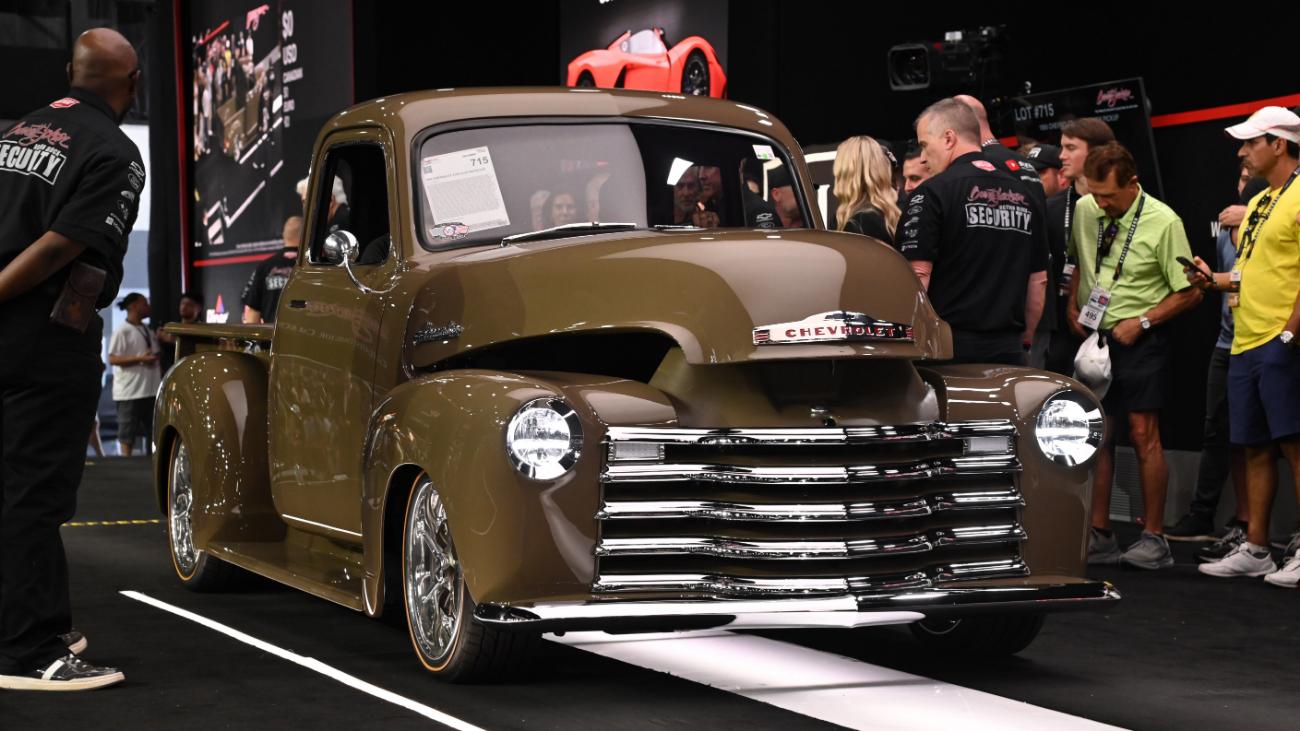
April 26th was different from the preceding two days because supercars garnered most of the highest bids (with Ferraris dominating), but a boat from a TV show, a restomod Chevy pickup, and an Eleanor tribute also made the cut to join the Top 10—check out the cars!

Lot Description Price
718 2018 Ford GT $902,000
724 2014 Lamborghini Aventador LP700-4 Roadster $522,500
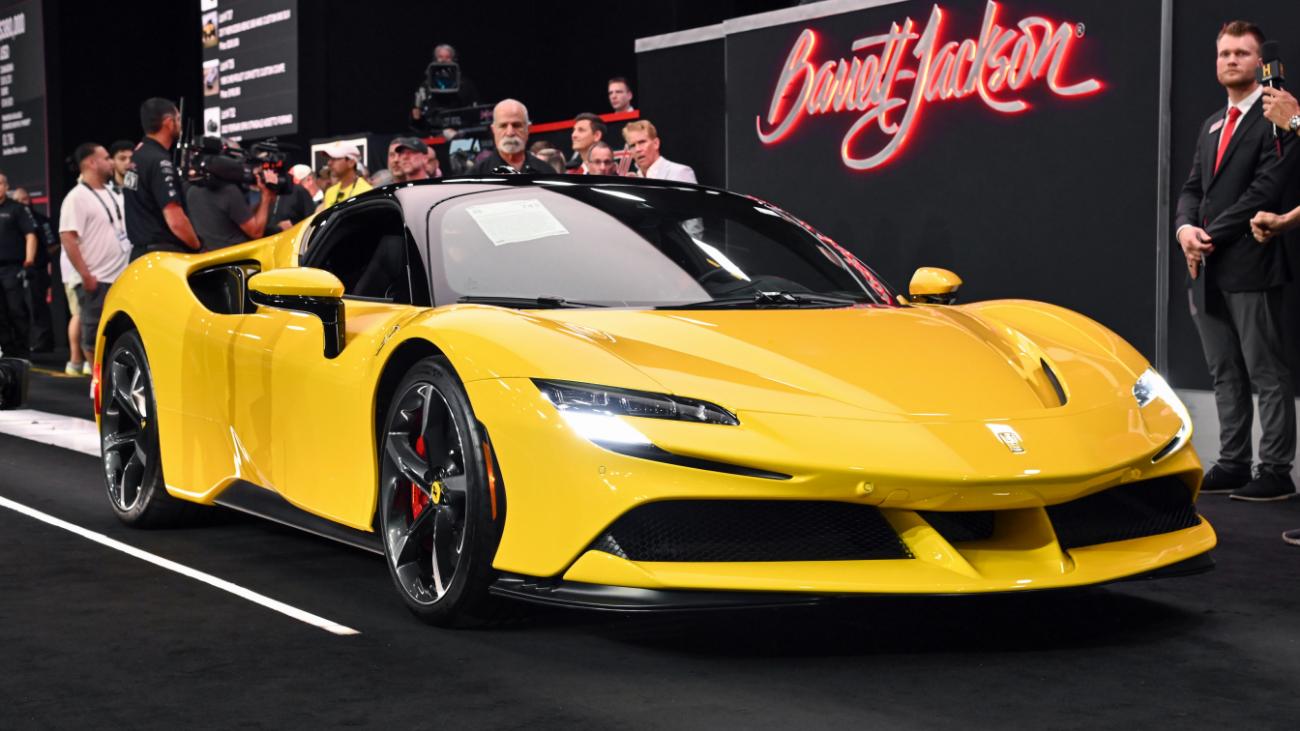
732 2022 Ferrari SF90 Stradale Assetto Fiorano $495,000
725 1995 Ferrari 512 M Topless Spider Conversion $440,000
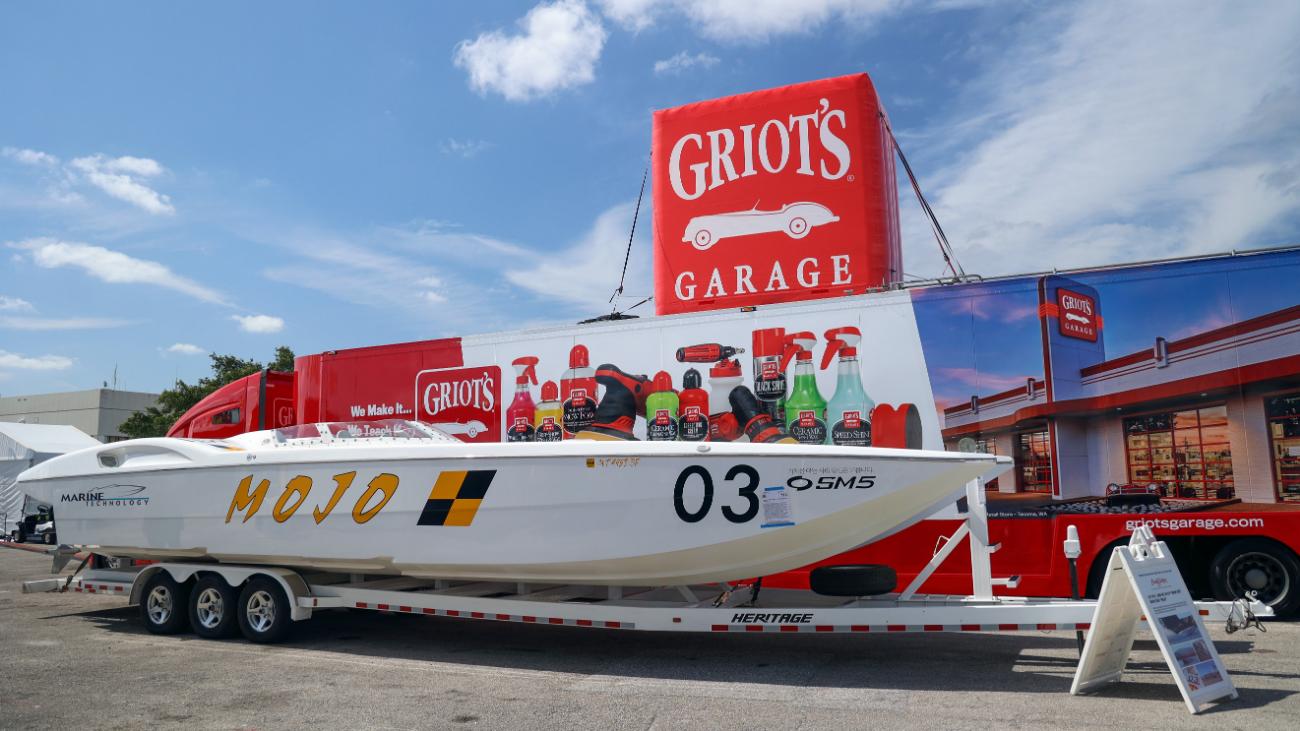
716 2006 MTI R/P “Miami Vice” Movie Boat “Mojo” $438,900
743 2023 Ferrari SF90 Stradale $429,000
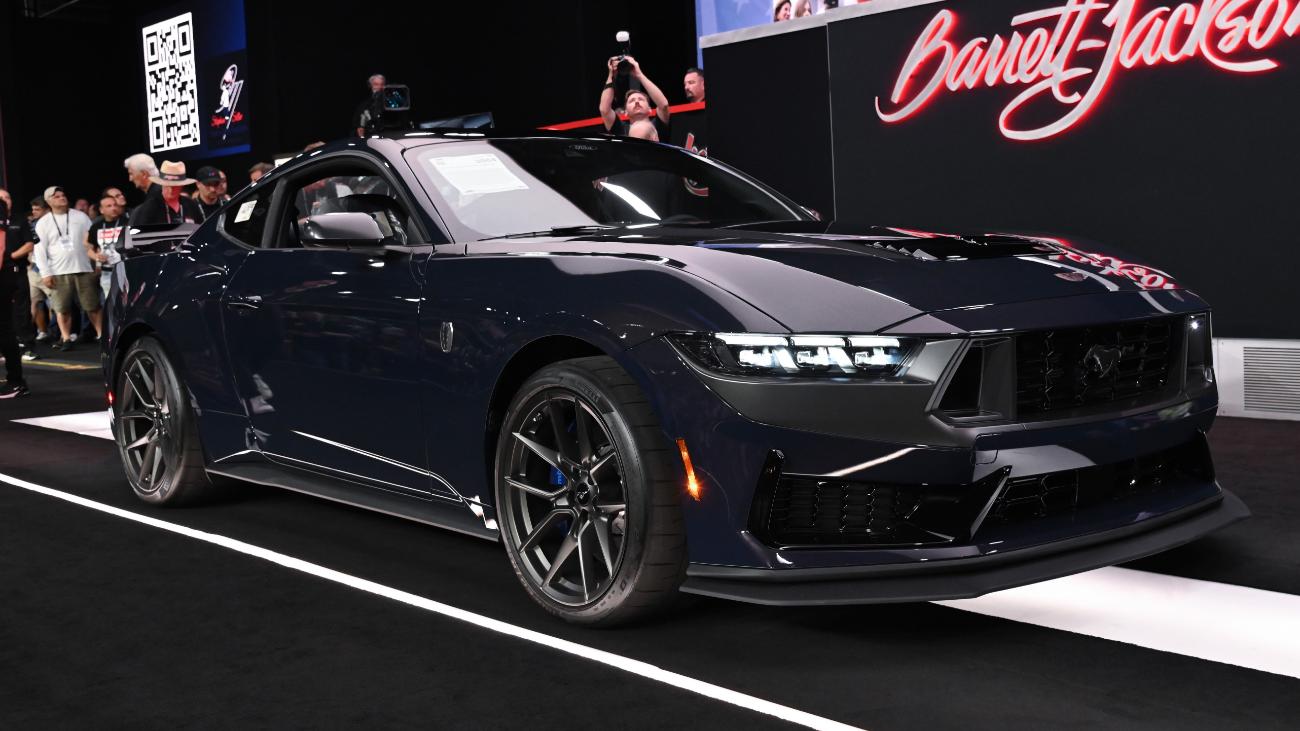
3004 2004 Ford Mustang Dark Horse VIN 001 $425,000
742 2023 Ferrari 296 GTB $297,000
715 1950 Chevrolet 3100 Custom Pickup $291,500
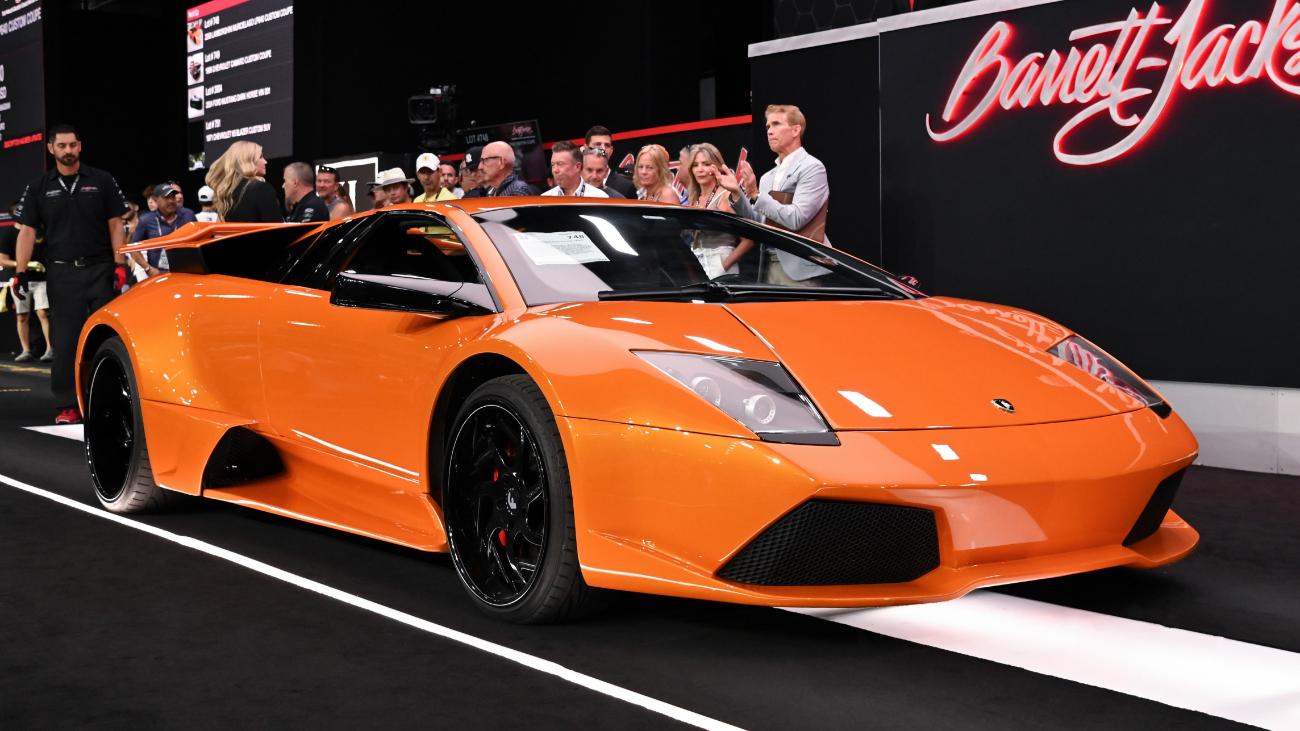
748 2008 Lamborghini Murcielago LP640 Custom Coupe $282,700
707 1967 Ford Mustang Eleanor Tribute Edition $275,000

If you noticed there’s more than 10 cars in the above list, you have to forgive us because we’ve added a charity car that was within range. First up was a 2009 Chevrolet Corvette ZR1 which sold for $110,000 to benefit Hannah’s Home of South Florida, an organization dedicated to helping homeless, pregnant women overcome adversity.

The second was 2024 Ford Mustang Dark Horse VIN 001, which was donated by collector Ron Pratte. When the dust settled, NASCAR team owner Rick Hendrick bought it for 325,000, with Pratte adding another $100,000 to the pot. Proceeds will go to Tunnel to Towers Foundation, which provides mortgage-free homes to Gold Star families and fallen first responders with young children, as well as building specially adapted smart homes for injured veterans and first responders.

That’s a wrap for The World’s Greatest Collector Car Auctions in Florida. Barrett-Jackson extends heartfelt thanks to the incredible bidders, consignors, sponsors, exhibitors, fans and the vibrant South Florida community for making the 2025 Palm Beach Auction such an unforgettable event. We look forward to welcoming everyone back to Arizona for the 2025 Scottsdale Fall Auction at WestWorld, taking place October 15-18.