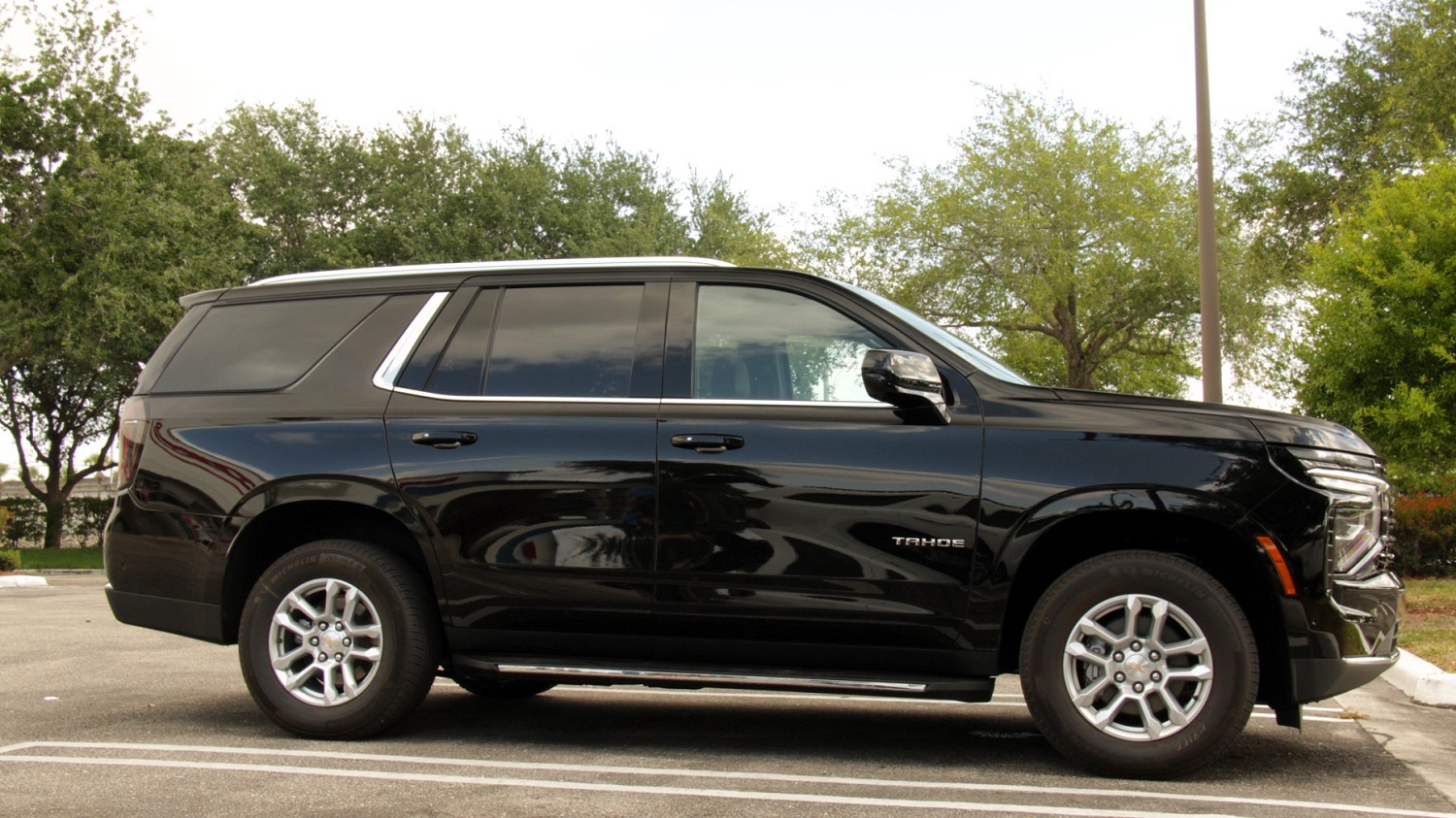
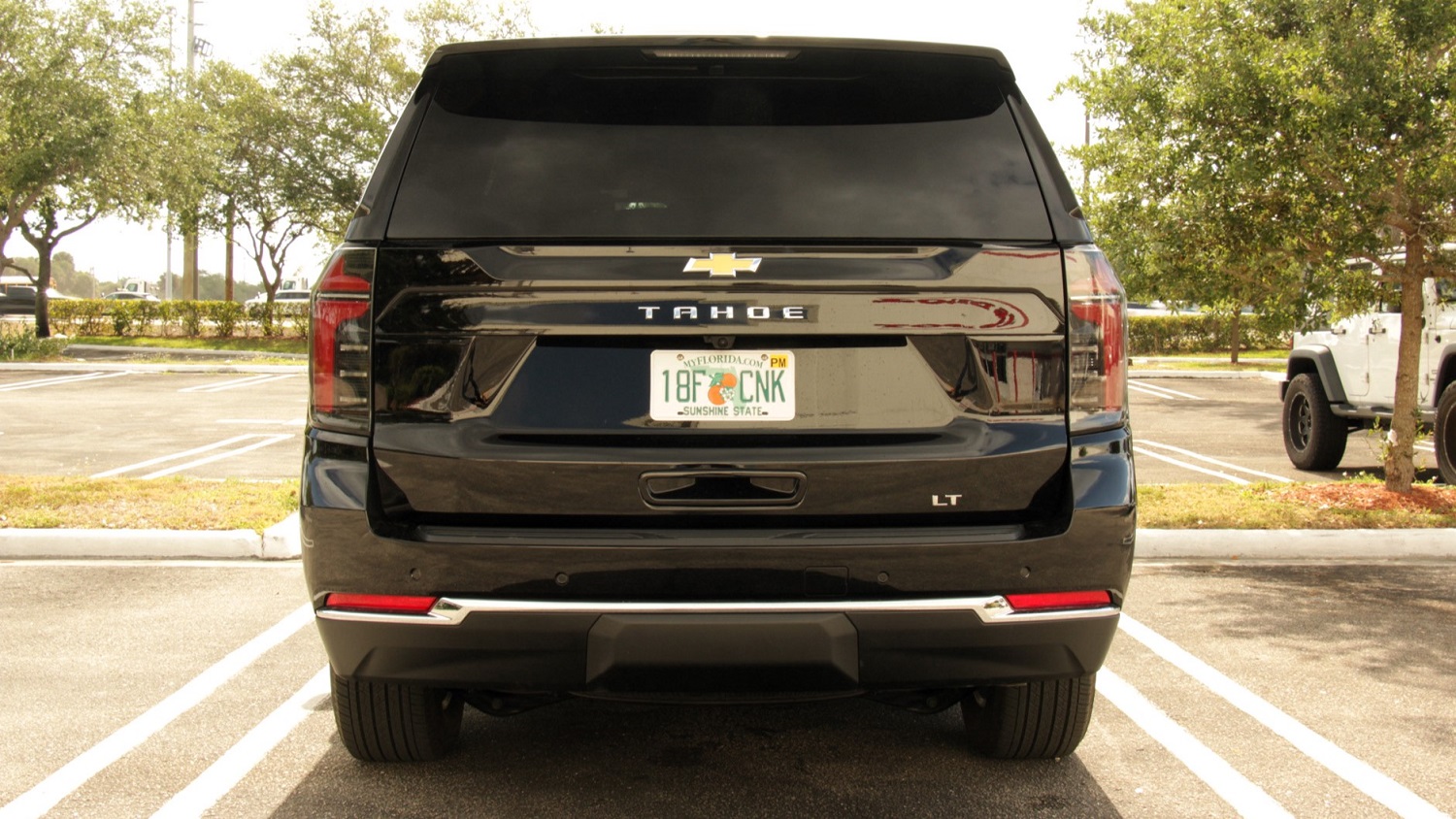
Normally, we bring you reviews of new cars that manufacturers send us to drive for a week. This is also a new vehicle review, but it’s a little different. Four of my Collector Car Network colleagues and I recently traveled to South Florida for the Barrett-Jackson 2025 Palm Beach Auction, which meant we needed a rental car that could carry all of us and our luggage and camera gear. We ended up driving away from the Alamo lot in a Black 2025 Chevrolet Tahoe LT with a Jet Black leather interior. Since we all spent several days and nights in it traveling to the South Florida Fairgrounds, our hotel, and various dinner spots, I thought I would incorporate everyone’s perspective into this review.
Chevrolet rolled out the fifth-generation Tahoe as a 2021 model, which incorporated some major updates, such as a futuristic exterior design, an all-new chassis with an independent rear suspension, an optional Duramax 3.0-liter turbodiesel inline-six, and the upscale High Country trim level. Consider the 2025 model a mid-cycle refresh. Exterior tweaks include new front and rear lighting, a redesigned front fascia, two additional paint colors, and available 24-inch wheels.
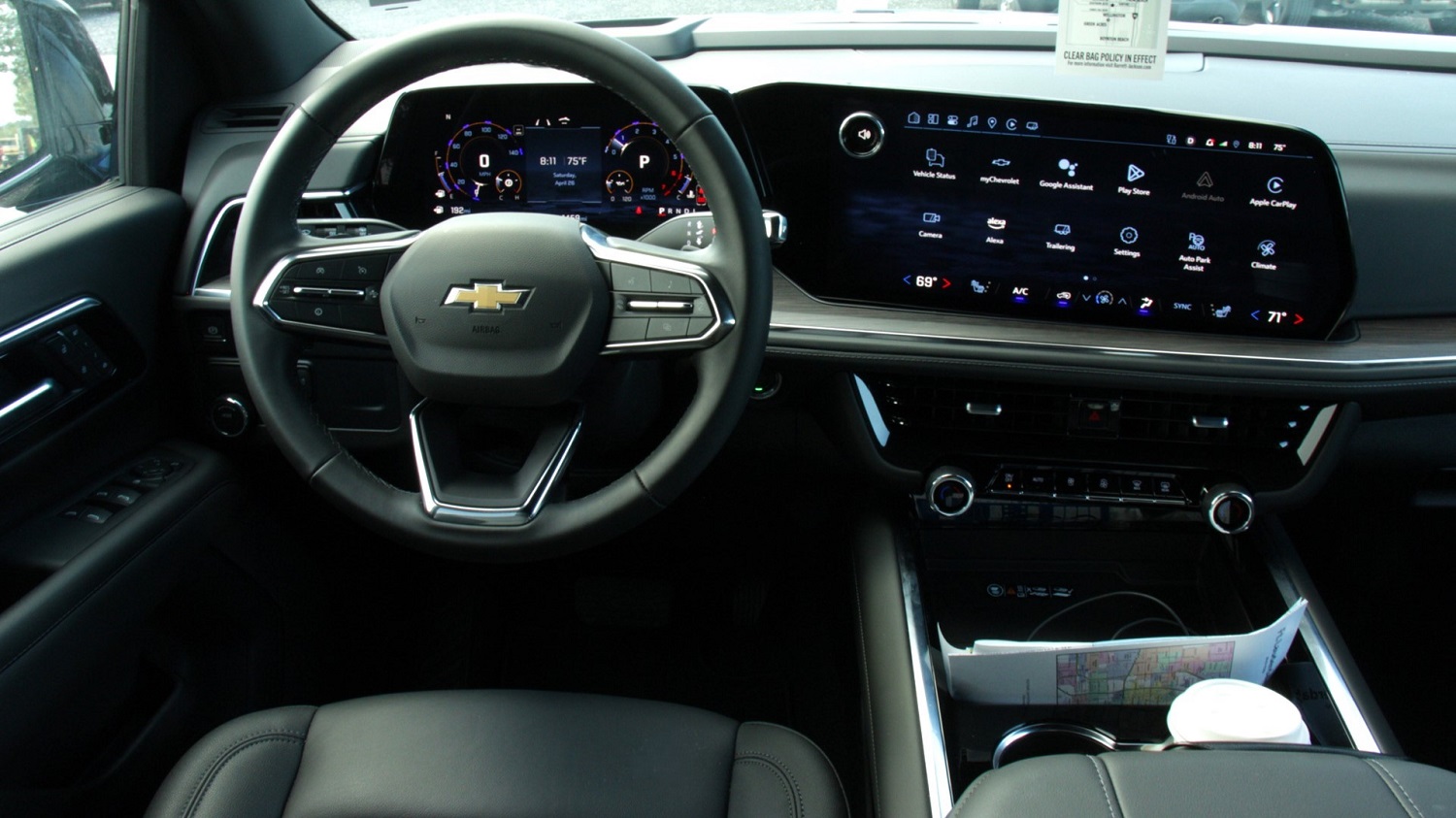
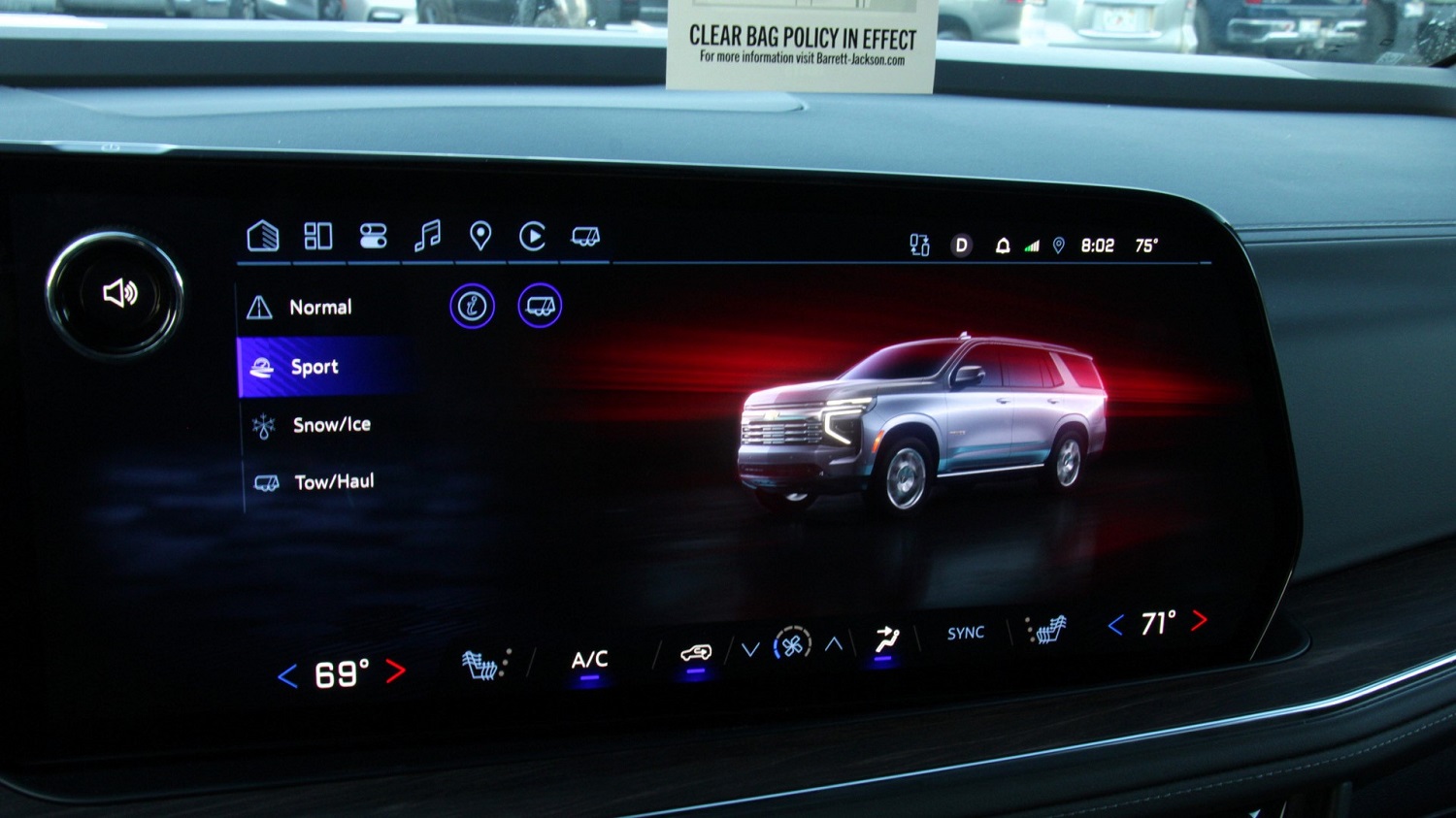
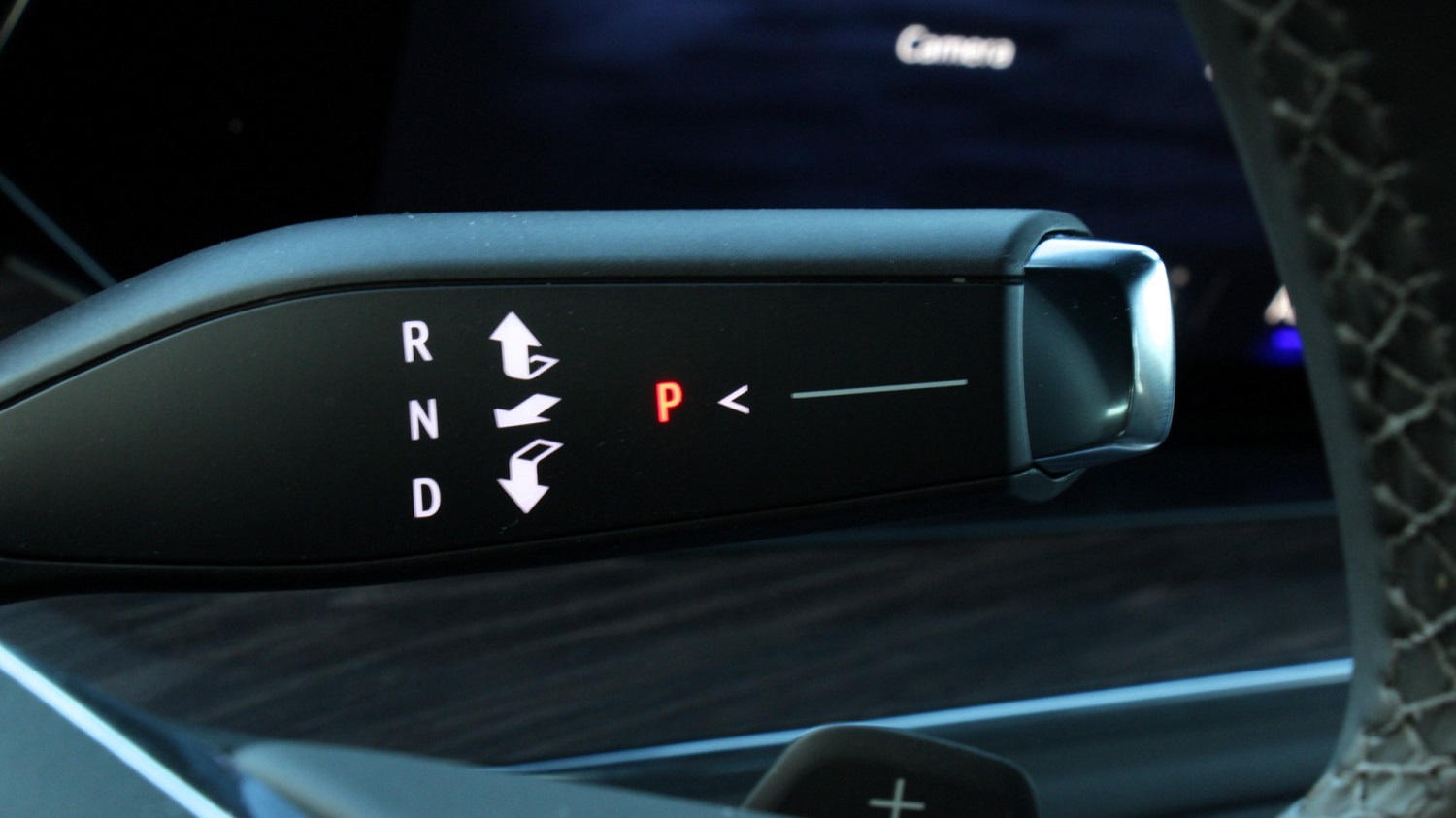
Inside, Chevrolet lowered the instrument panel, redesigned the steering wheel, and dropped the outgoing model’s push-button transmission shifter in favor of a column-mounted stalk. All trim levels come standard with an 11-inch driver information display and a 17.7-inch infotainment screen.
According to Chevy, “The multilink independent rear suspension design introduced on the current Tahoe and Suburban has been updated to provide more refined ride-and-handling dynamics. Additional steering calibration improvements offer a confident drive experience across conditions.”
The more refined 3.0-liter Duramax turbodiesel I6 received new pistons, a retuned turbo compressor, and higher-flow fuel injectors, as well as cooling improvements. Thanks to the new hardware, output is up to 305 horsepower and 495 lb-ft of torque, which is channeled through a 10-speed automatic.
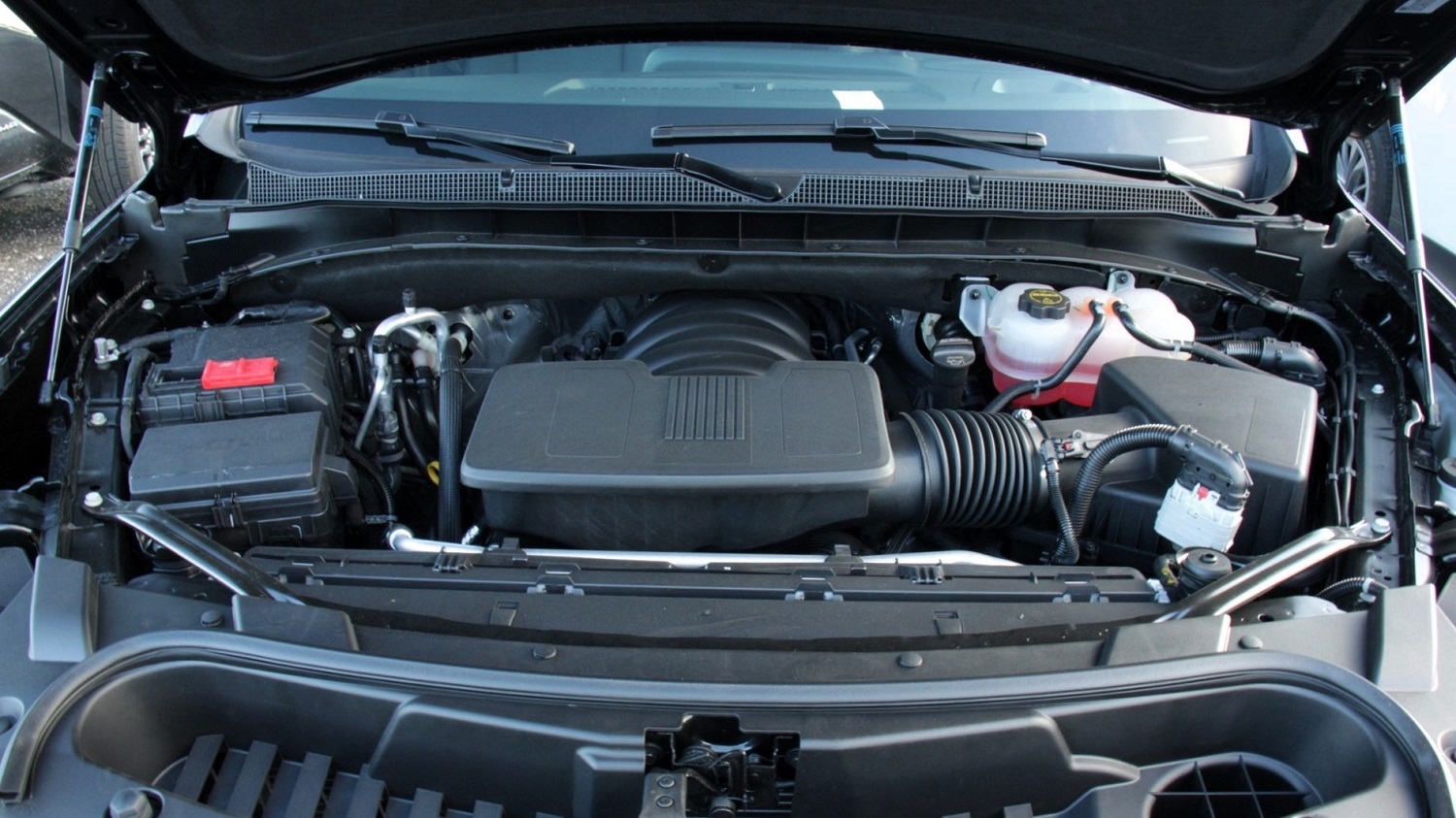
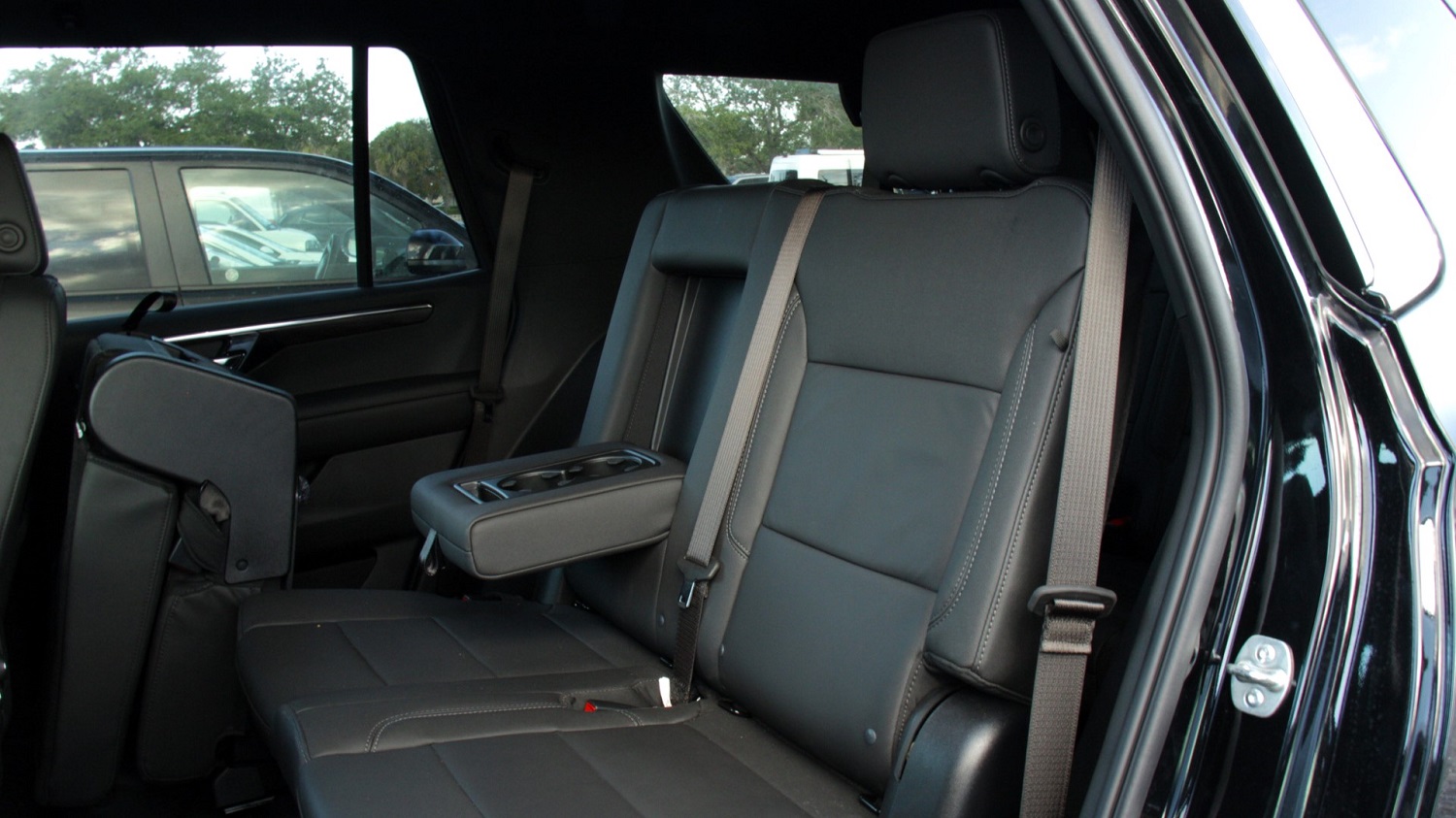
Our rental LT had the base EcoTec3 5.3-liter V8, which generates 355 horsepower at 5,600 rpm and 383 lb-ft of torque at 4,100 rpm, paired with a 10-speed automatic. Every time the Tahoe started up, its nasty snarl made me glad that V8s are still alive in this age of hybrids and EVs. From my shotgun seat, the Tahoe certainly seemed to have enough grunt to get me and the rest of the Palm Beach crew up to speed quickly enough. There was also plenty of space behind me, so I never had to move my seat up to give the person behind me enough legroom. When we had to load all of our backpacks, suitcases, and equipment into the rear, it was a different story: The space behind the third row wasn’t quite enough, so we had to lower part of it and use the cubic feet it freed up to fit the rest of our stuff.
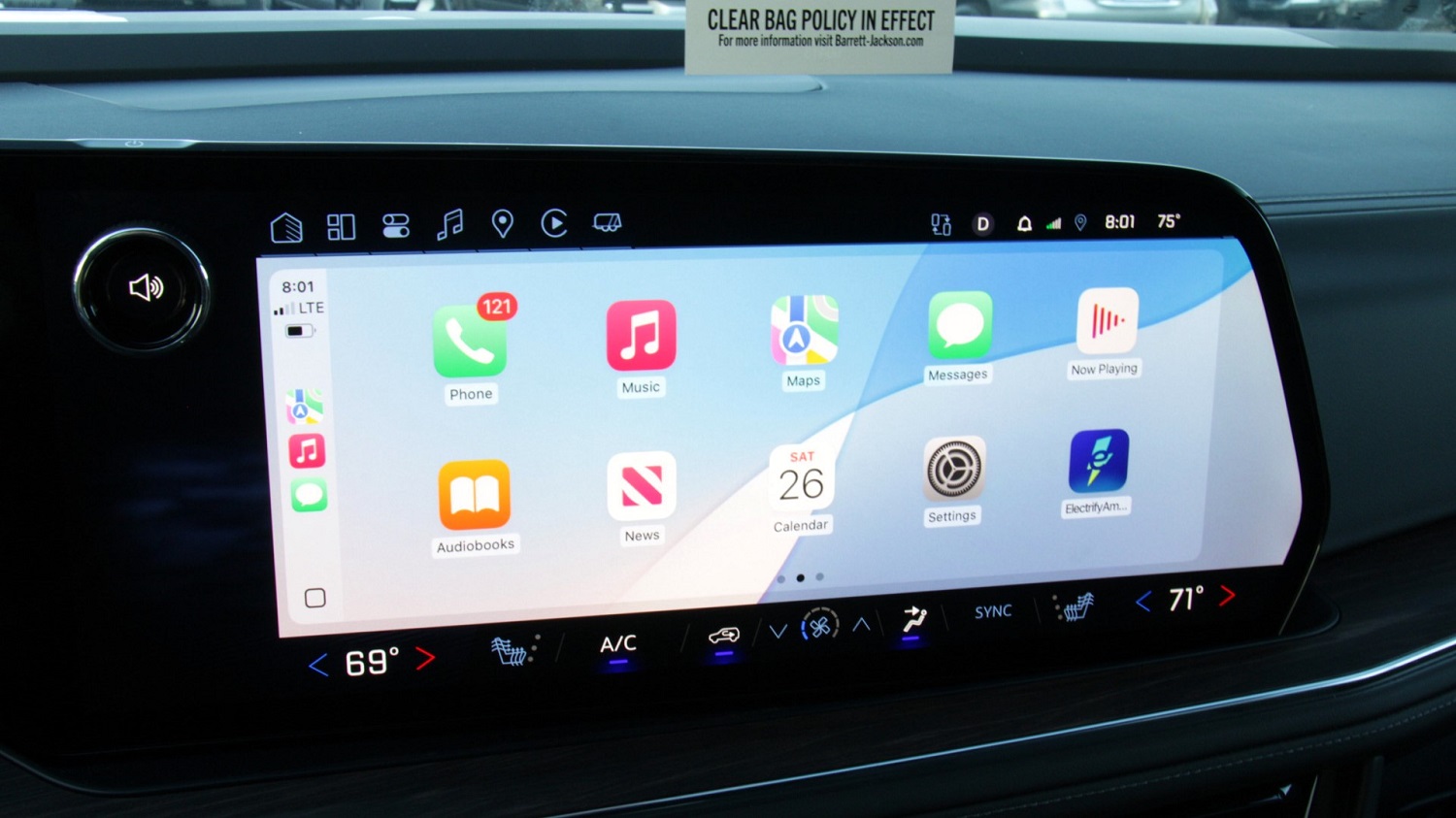
I served as the navigator for most of our five days and nights in Palm Beach, which was much easier to do with the wireless Apple CarPlay. The massive center screen made it almost impossible to miss the next turn in the navigation system’s directions. The touchscreen also allowed me to set the temperature for my climate zone, but if I didn’t feel like tapping my way to comfort, I could use the dial on the center stack. Touch controls are modern and slick, but there’s a reason why dials, switches, and buttons have been around so long: they work.
So what did my colleagues think of the revamped Tahoe? I’ll let them tell you.
The engine has a satisfying growl—especially at cold-start or under throttle. It sounds powerful but not too loud.The throttle responds quickly for a full-size SUV. Power delivery is smooth and confident, with strong acceleration that doesn’t feel strained.Despite its size, the Tahoe doesn’t drive like a boat. Steering is responsive, and body roll is well controlled.
The second row feels like first class: Generous legroom and headroom, reclining seats, and individual climate controls make it a very comfortable place to ride.Taller passengers will find the second row roomy and supportive, with great visibility and plenty of space to relax.Even with the third row up, the Tahoe has impressive cargo space—plenty of room for gear, suitcases, or work equipment.
Jordan Muscarella, Business Manager
The middle and third-row seating was extremely comfortable, with great airflow from the rear vents and plenty of legroom. Being able to recline the middle row is great for adding a little more comfort on long drives. I also appreciate how easy it was to get in and out of the third row.
The car sounded great with plenty of power but still had a smooth and luxurious feel. Its the exact SUV I would want to be chauffeured in.
Jared Costello, Senior Business Analyst
I did not expect that kind of power from the back seat! One second I was just riding along, and the next—boom—the engine let out a deep groan and pushed me into the seats like the new TRON ride at Disney World. This thing moves. And it’s not just quick—it feels premium, too. From the back, it gave off this armored-luxury vibe, like I was some kind of executive being chauffeured in a bulletproof tank. There was tons of legroom back there, and the USB-C ports kept my devices charged before and after long workdays. It’s rare that the second row leaves such a strong impression, but this ride nailed it.
The real star of the show? The suspension. It was buttery smooth. Every pothole, crack, or bump just disappeared under us. It was so well dialed in that I couldn’t help but think, Man, I wish my Lexus rode like this.
Luke Lamendola, Social Media Content Creator
Right off the bat, I noticed how comfortable the third row is. I’m on the shorter side (about 5’6″), so legroom usually isn’t a huge issue for me, but even so, I didn’t feel cramped or stuck in a “kids only” section. The extra space made longer rides much more tolerable than I expected. I was also able to recline the seat slightly, which made a big difference in comfort. I wouldn’t want to spend hours back there every day, but for short trips and even decent-length drives, it’s genuinely comfortable.
The ride itself is smooth. Even from the rear, I could tell the suspension was soaking up bumps pretty well, and I didn’t feel tossed around like I usually do in the back of three-row vehicles. The cabin stays surprisingly quiet too, even at highway speeds.
I also got a short turn driving the Tahoe, and even though it was just for a few miles, I came away impressed. Despite its size, it doesn’t feel bulky or hard to handle. Acceleration felt strong. That big V8 just screams and it becomes addicting.
I can still remember the moment when I completely understood the allure of muscle cars. I was a sophomore in high school and my daily driver was a 1968 Porsche 912 Targa I had purchased from a neighbor for $2,000. I was a big European car fan and even had a job after school at an independent Porsche shop. I thought muscle cars were uncivilized and basically the kind of car bought by people who preferred torque over quality.
Then one day during lunch, my friend Frank from photography class drove us to lunch in his uncle’s 1970 SS 396 Chevelle. We got in the car, he started it and let it warm up a bit and then looked at me and told me to hang on. We burned rubber in first and second gear, and the incredible power and torque from that big-block Chevelle slammed me back in my seat. I had never been in a car that felt that powerful. Combined with the awesome sound of the cowl induction sucking in air to feed the four-barrel carb, this was a serious car. From that moment on I understood just how awesome muscle cars were.
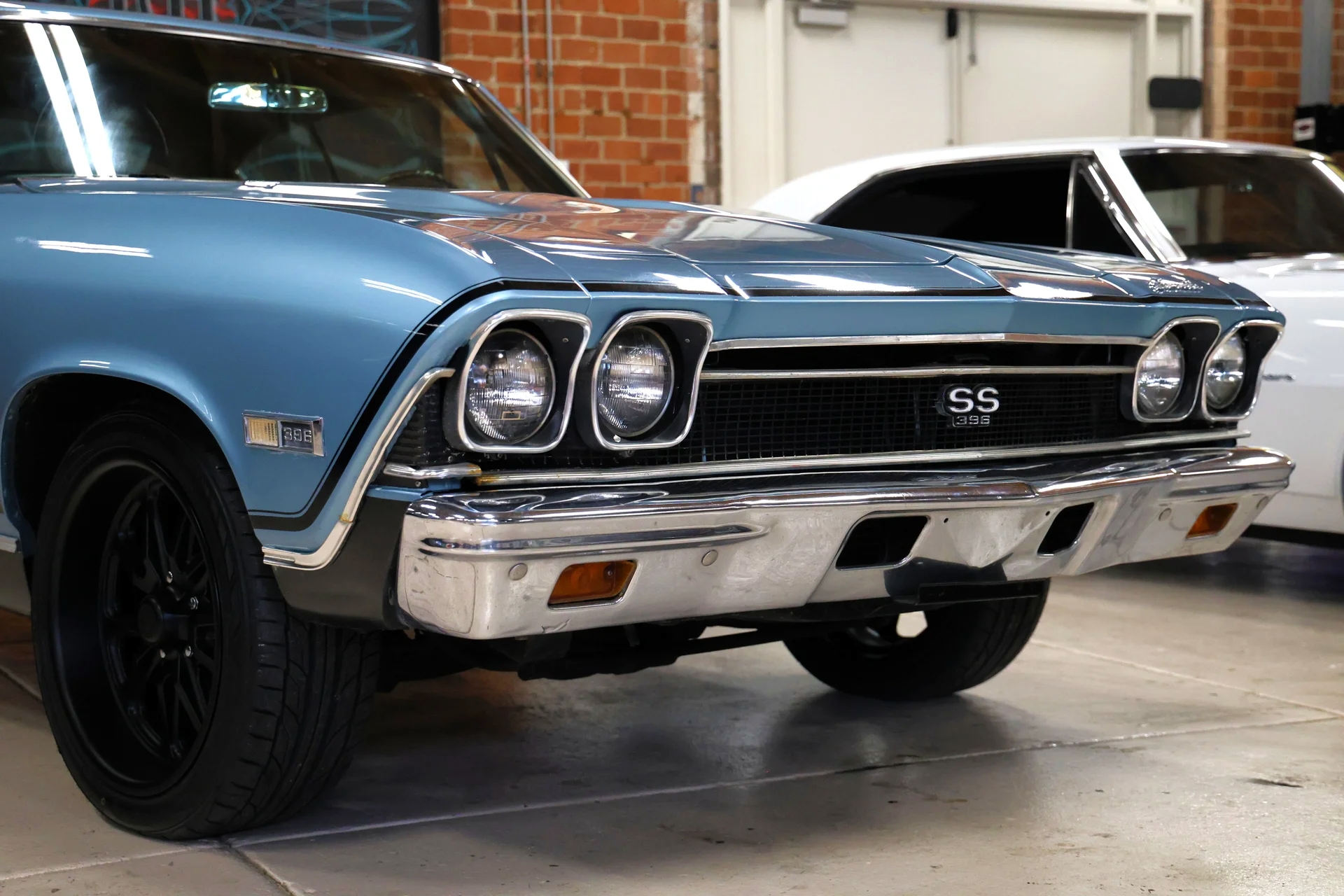
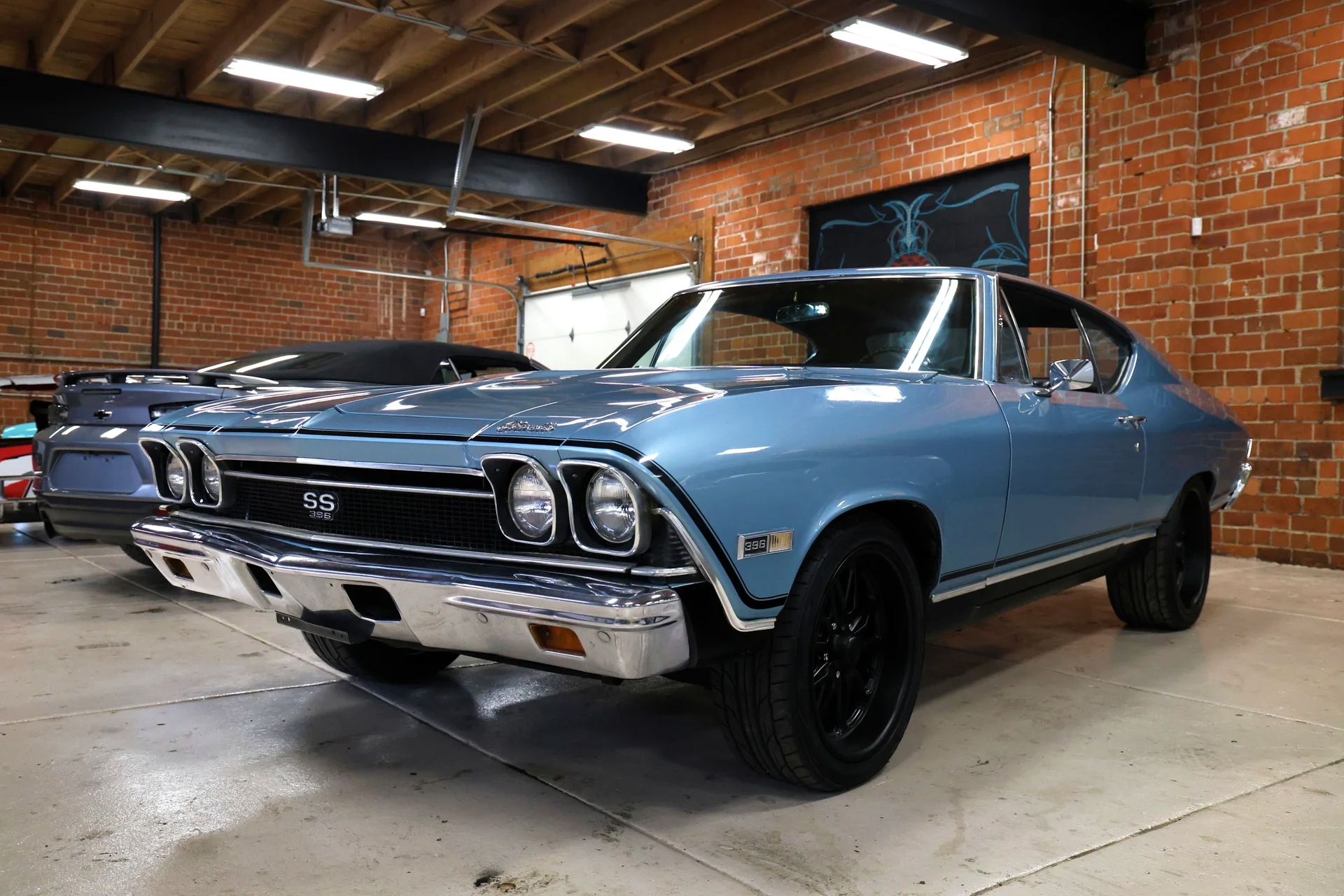
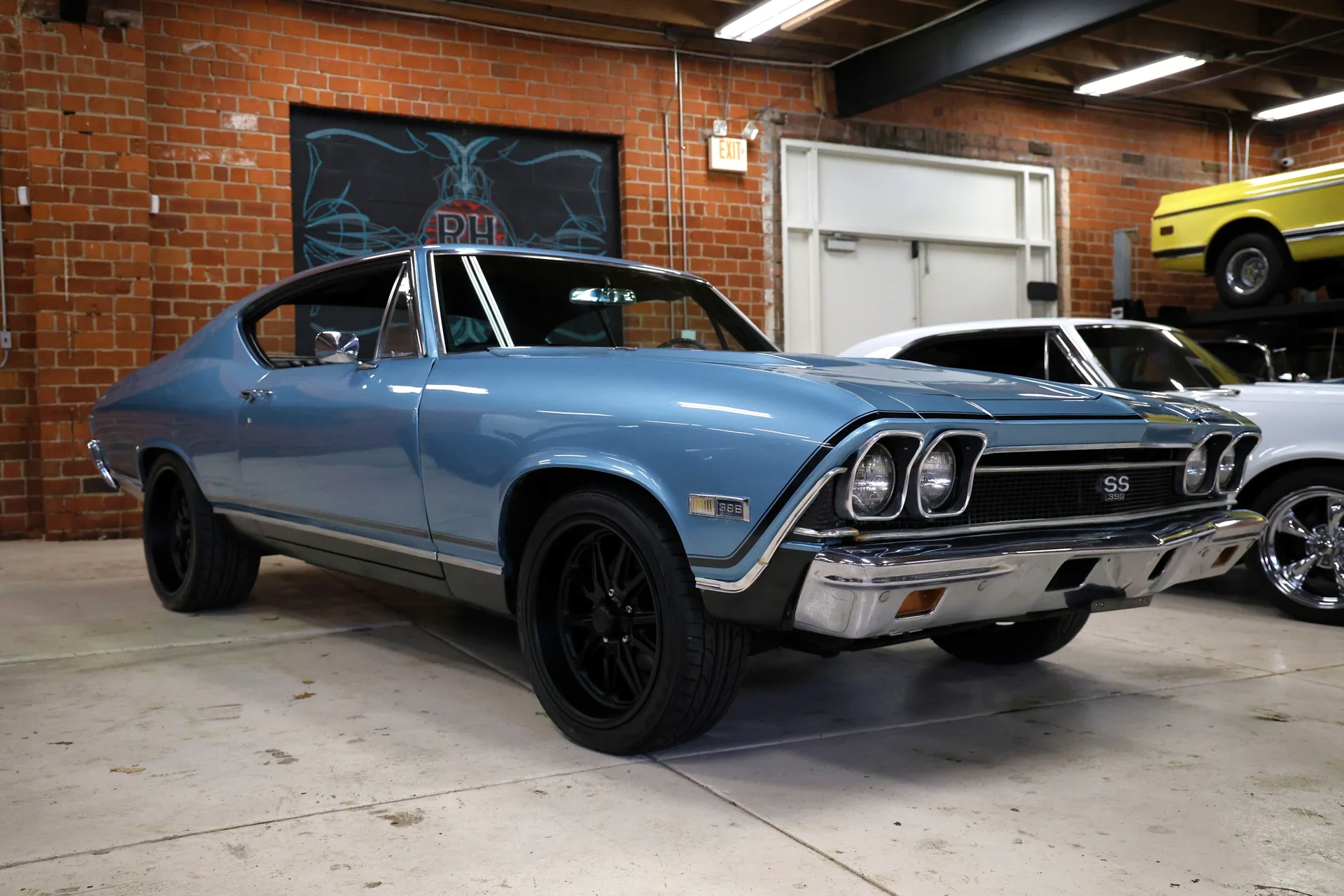
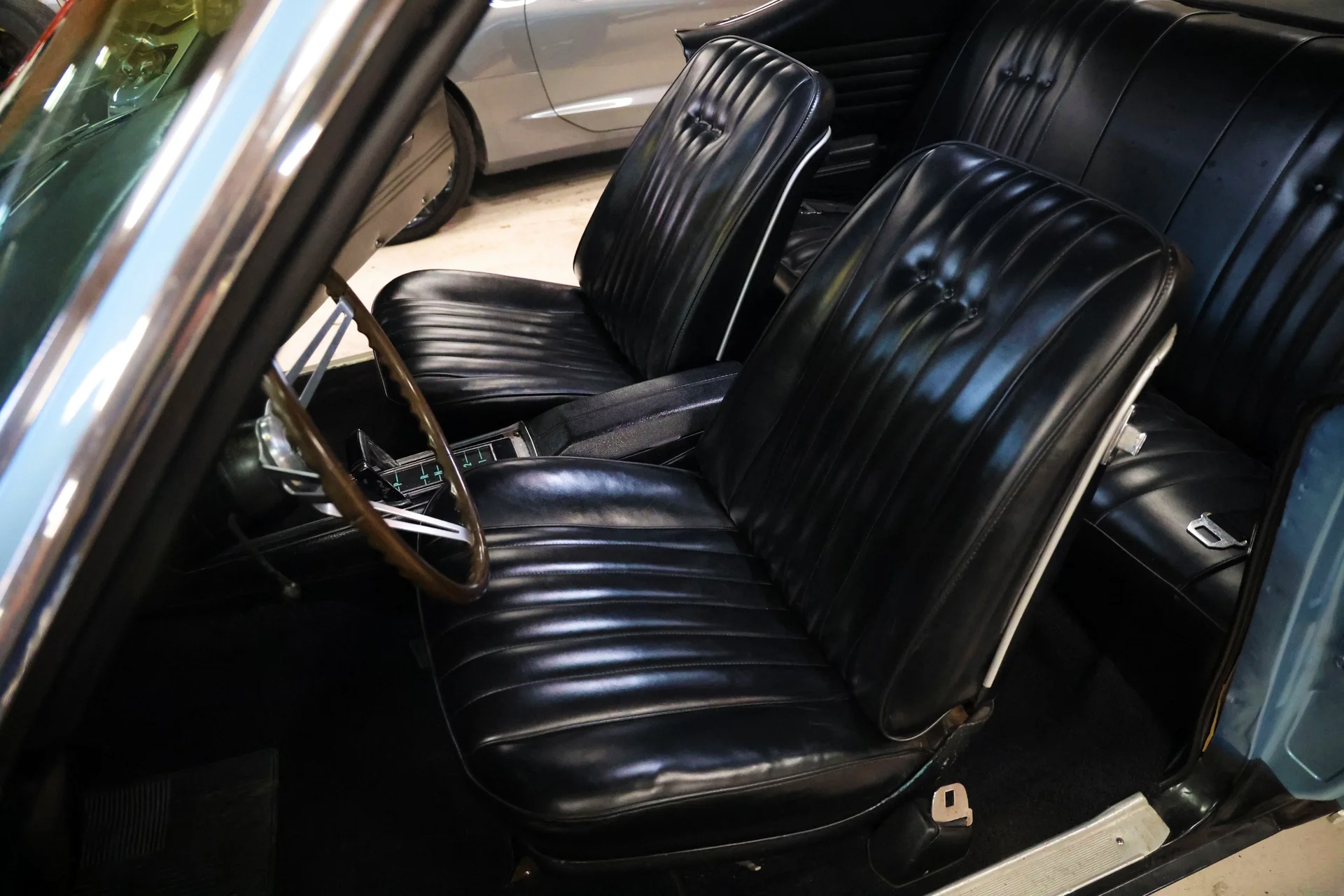
The seller describes this SS Chevelle as being powered by a 396ci V8 backed by a three-speed Turbo Hydra-matic 400 automatic transmission. The car is painted in Light Blue Metallic paint over a black vinyl interior, and this true SS 396 is offered by the selling dealer with a clear title.
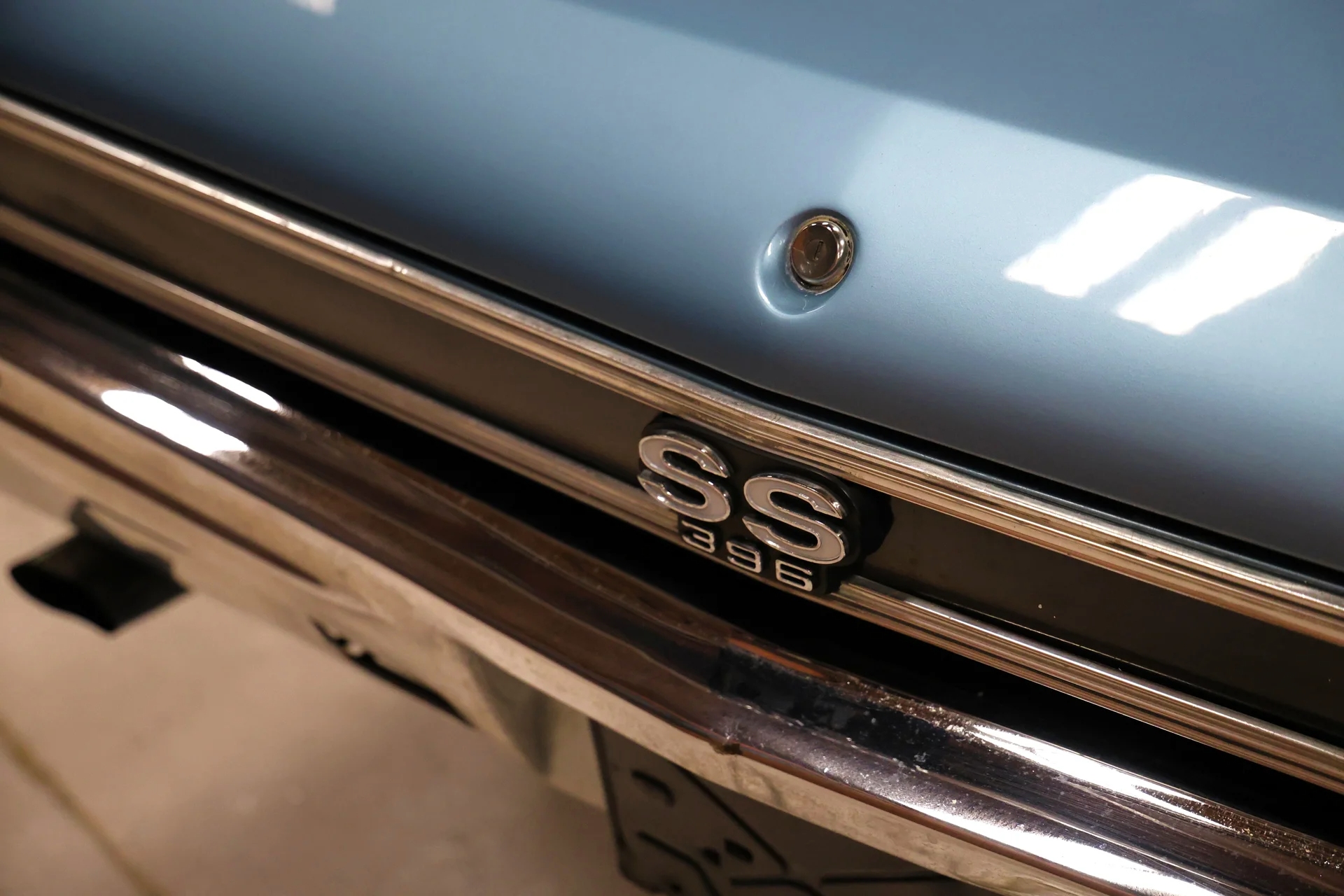
The word “true” used above is important to note, as there are a ton of “made-up” SS Chevelles out there on the market. According to the seller, this car is the real deal, and that statement is backed up by the second and third digits of the VIN (38), meaning this is indeed a real-deal SS 396.
The exterior of this Chevelle features paint that looks to be in excellent condition with a black side stripe. The car has its correct twin-domed hood, twin chrome side view mirrors and chrome bumpers, all of which look to be in excellent condition. The car is riding on staggered-width black U.S. Mags wheels – 18 inches front and 20 inches rears – clad in 225/45 front and 275/35 rear tires.
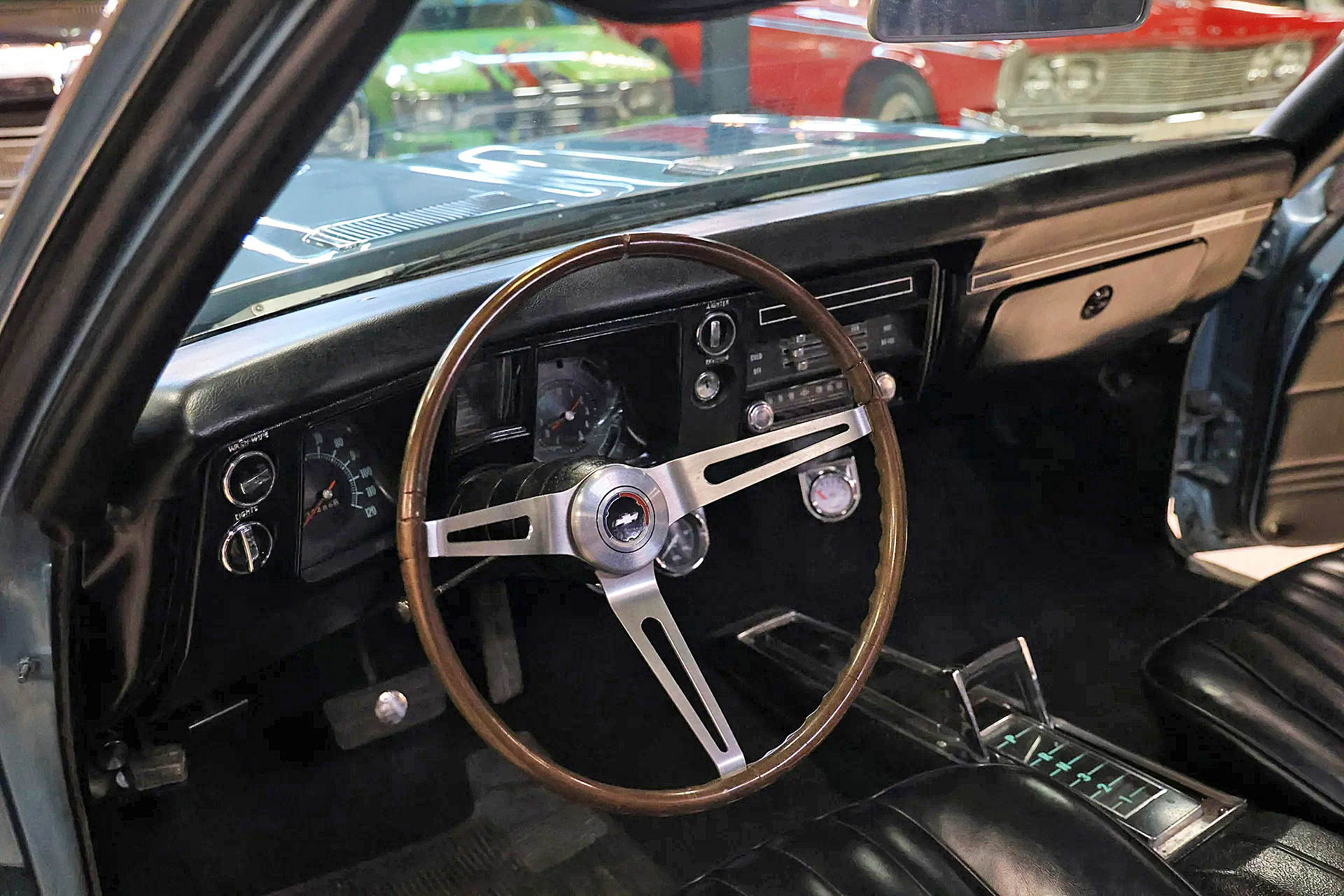
The interior of the car looks to be correct and appears to have typical modifications, such as a modern aftermarket stereo. The seats look to be in the correct vinyl, and the dash, carpets, headliner and door cards all look correct and in excellent condition. The only add-on, which I would call a period add-on, are the auxiliary gauges for water temp and oil pressure.
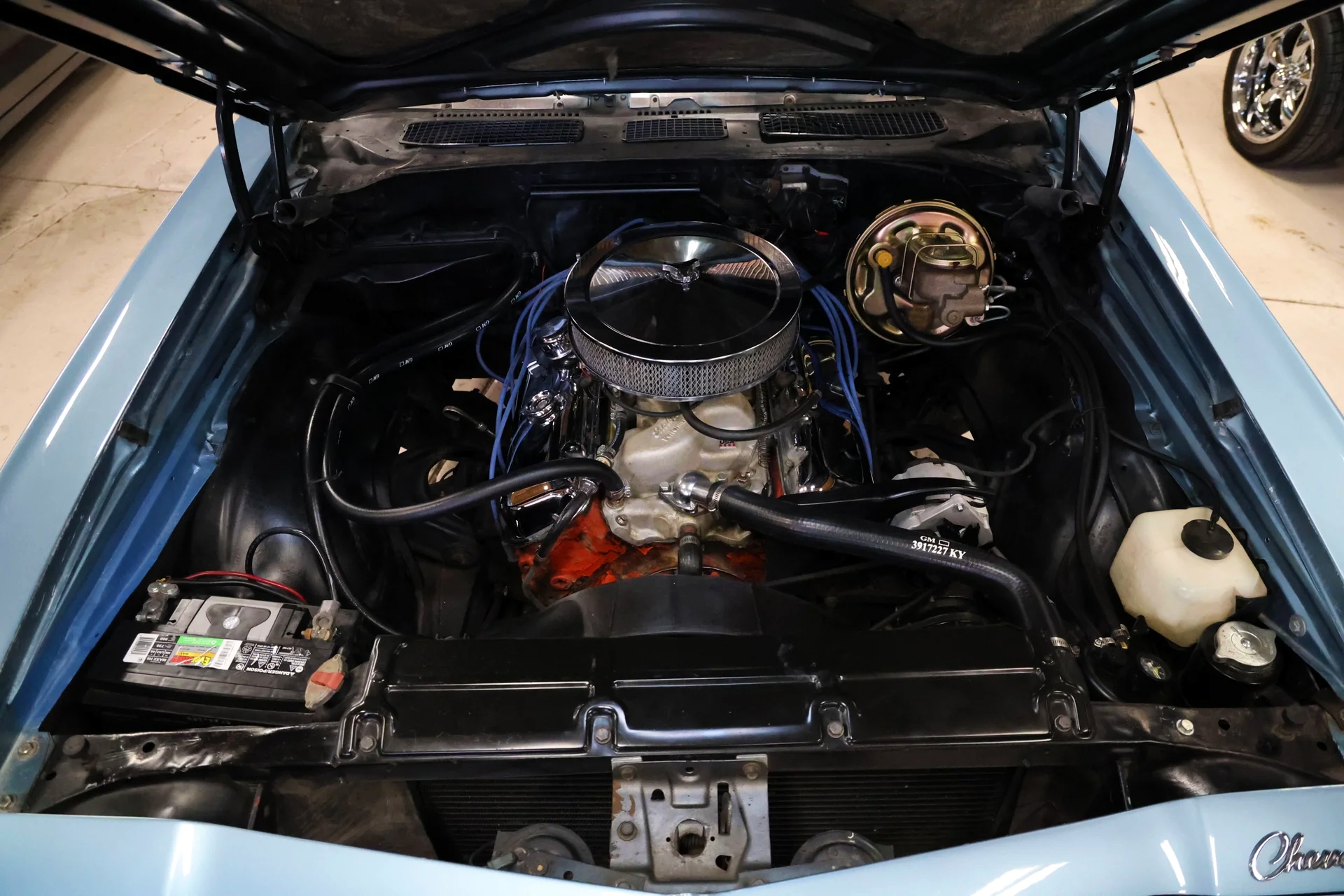
Under the hood is the magic Chevy 396 big-block with a four-barrel carb on a Edelbrock aluminum intake manifold. I like the very clean overall condition of the engine compartment. It looks like the brake booster is brand-new, and all hoses and such also look very new. This car also has a 12-bolt rear – and I actually like that it has an automatic, as it has plenty of torque to go fast. I also love the look of the shifter in this era of Chevy muscle cars.
To me, the SS 396 Chevelle is the premier GM muscle car, and one this nice I would happily park in my own garage. It looks good enough to show and would be a blast to drive. I am not a huge fan of the wheels, but I am sure they provide a lot of traction for the 396. I would ask the seller if the engine is numbers-matching to this car. If it isn’t, I wouldn’t make that a sticking point but just factor that into what my high bid would be.
With that being said, if you like this car half as much as I do, then you might want to get ready to bid soon, as the auction for this 1968 Chevy Chevelle SS 396 ends on Tuesday, May 6, 2025, at 11:30 a.m. (PDT).
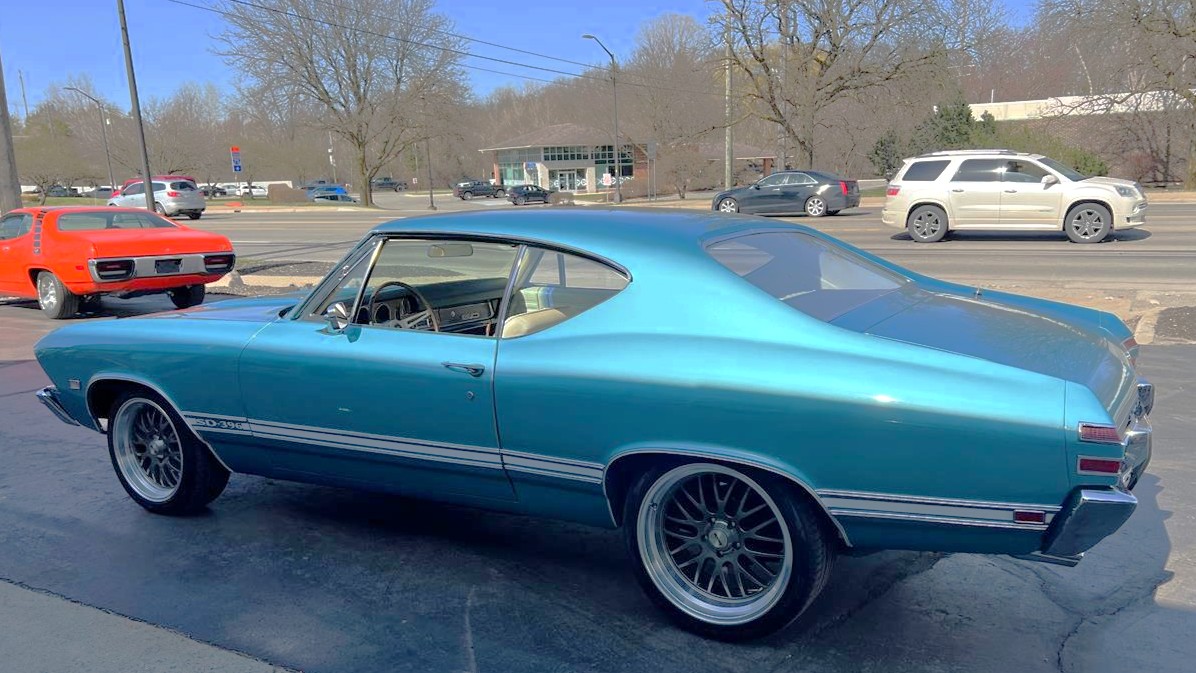
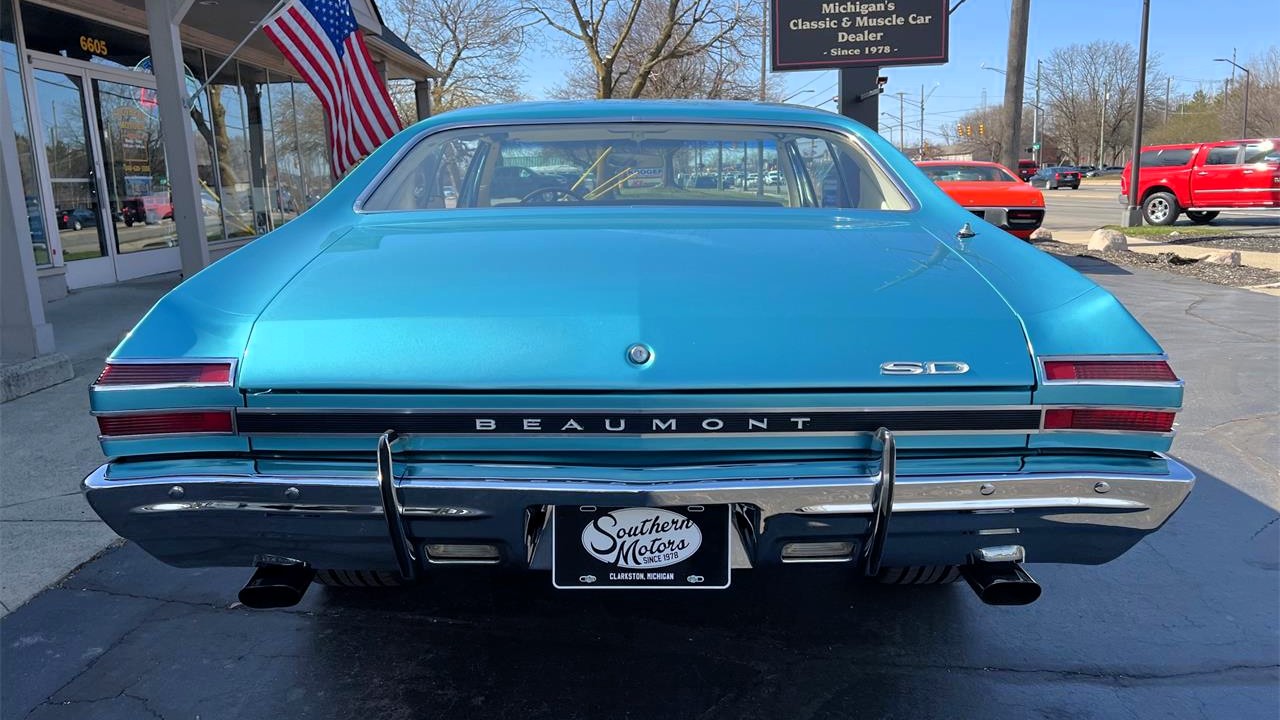
What looks like a Chevelle, features Pontiac styling, was sold by Pontiac dealerships, but wasn’t a Pontiac? Our Pick of the Day, of course! And this hybrid of sorts could have only come from Canada, the land of Tim Hortons and Chiliwack! Currently listed for sale on ClassicCars.com, this 1968 Beaumont SD 396 hardtop can be bought from a dealership in Clarkston, Michigan.
The story has been told many times, but it bears repeating: Canada is its own country with its own autonomy, though it’s a member of the Commonwealth of Nations. While the 1960s were rocking and rolling in America, Canada was still a bit of a developing nation. The difference with total population and median income at the time was much larger than it is now, which was reflected by its automobile industry and the cars that were available.
Additionally, Canada had somewhat strict tariffs to protect its automobile industry. Several American manufacturers had assembly plants in the Great White North, so they were able to bypass any tariffs. But the market was limited due to the country’s population size, and since the population’s buying power skewed towards the cheaper side of the market, manufacturers combined brands into single dealerships. Hence, Pontiacs could often be found sold alongside Buicks and GMCs. To give Pontiac more appeal to the Canadian population, Canadian Pontiacs were based on Chevrolets for entry-level appeal and economies of scale.
This would become even more apparent with the introduction of the Chevy II in 1962, which was called the Acadian—not a model, but its own brand that looked like a Chevy II but featured Pontiac design elements like the split grille. The top trim level was called “Beaumont.” When the Chevelle was introduced for 1964, Canada called its version the “Acadian Beaumont.” The top trim level was called “Sport Deluxe,” which was akin to the Malibu Super Sport.
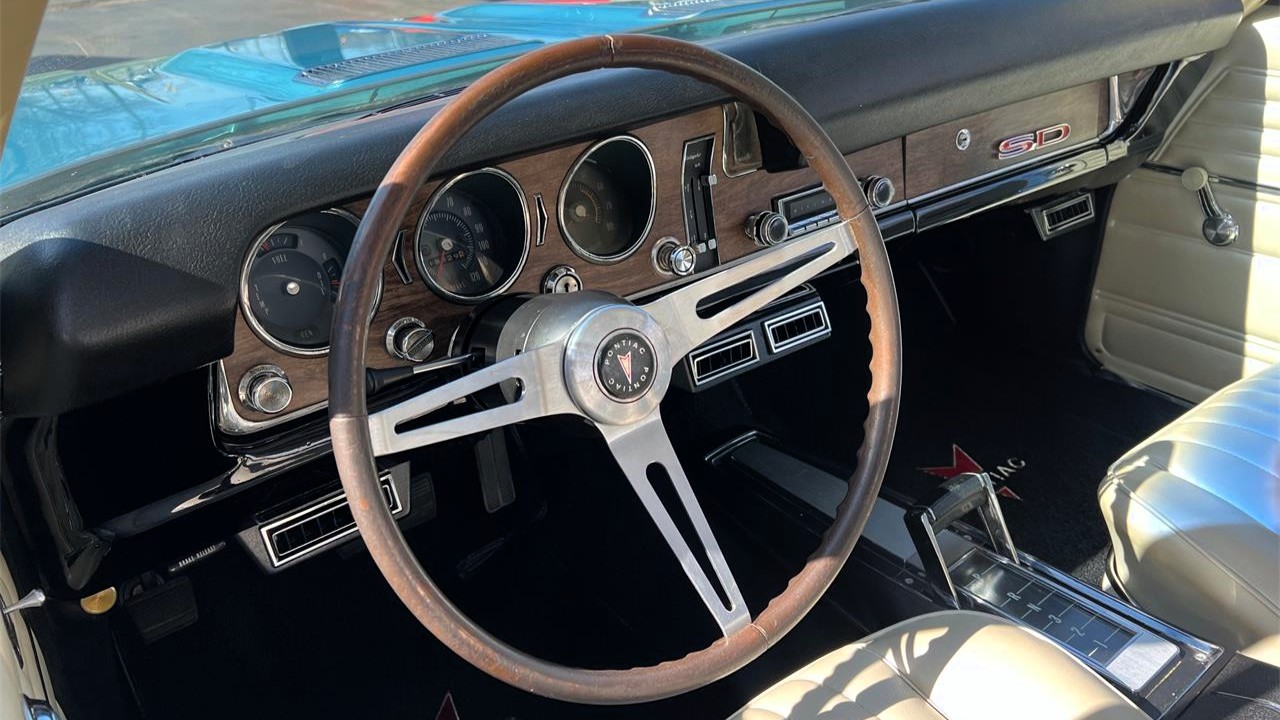
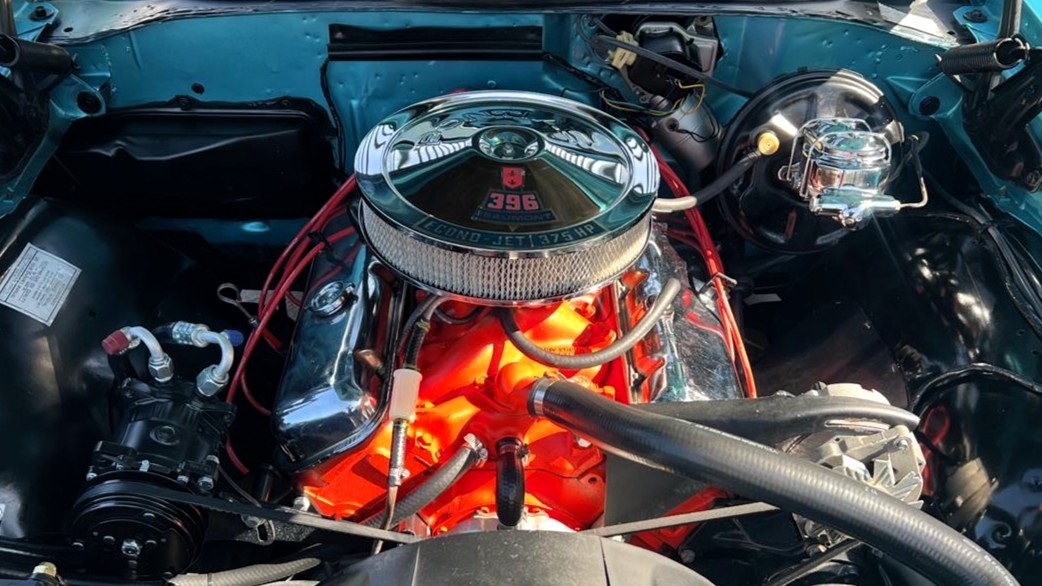
Beaumont was spun off from Acadian for 1966, itself becoming its own marque. Midyear 1967, the Sport Deluxe package required the 396, thereby becoming analogous to the Chevelle SS 396. So, when the A-body was redesigned for 1968, the performance Beaumont became the Sport Deluxe 396 (aka “SD 396”). Standard was a 325-horsepower Econo-Jet 396 V8, with a 350-horse version available (the 375-horse L78 396 was never available on Canadian-built cars). Again, hallmarks from Pontiac styling were used, like the split grille (with a Canadian variation of the Pontiac arrowhead), while the dashboard would have been more familiar to Pontiac folks in the U.S.
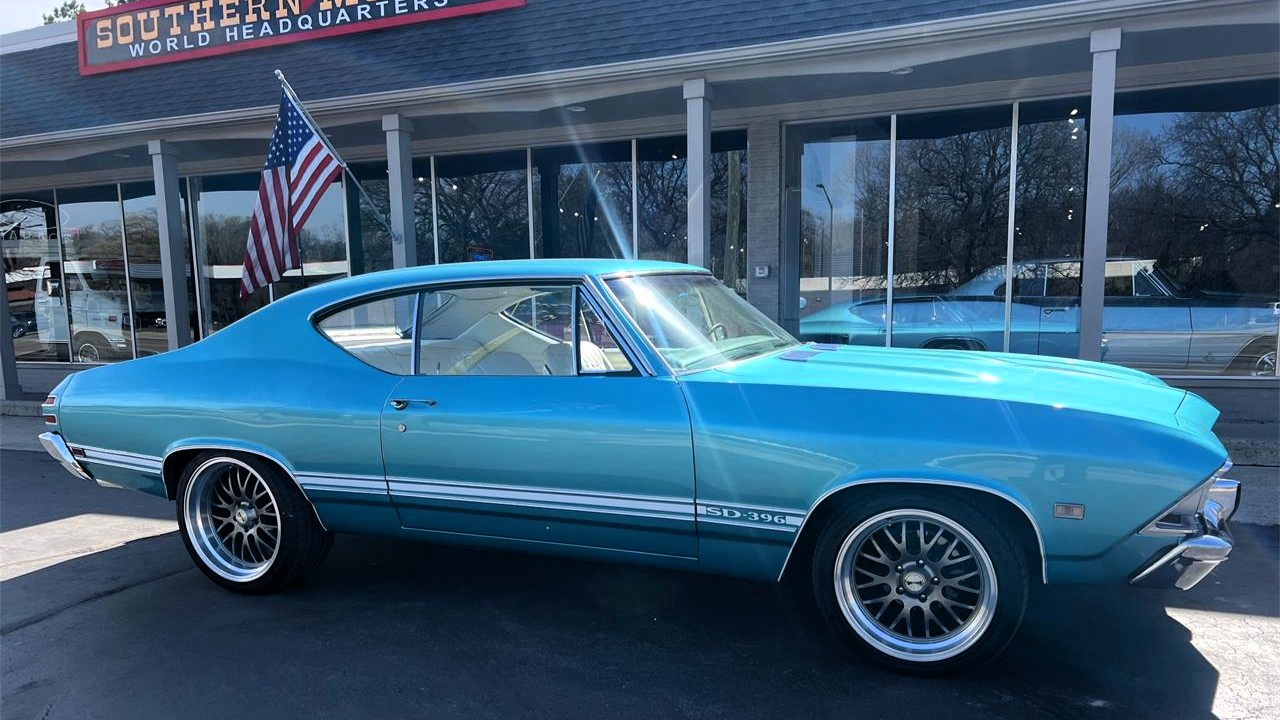
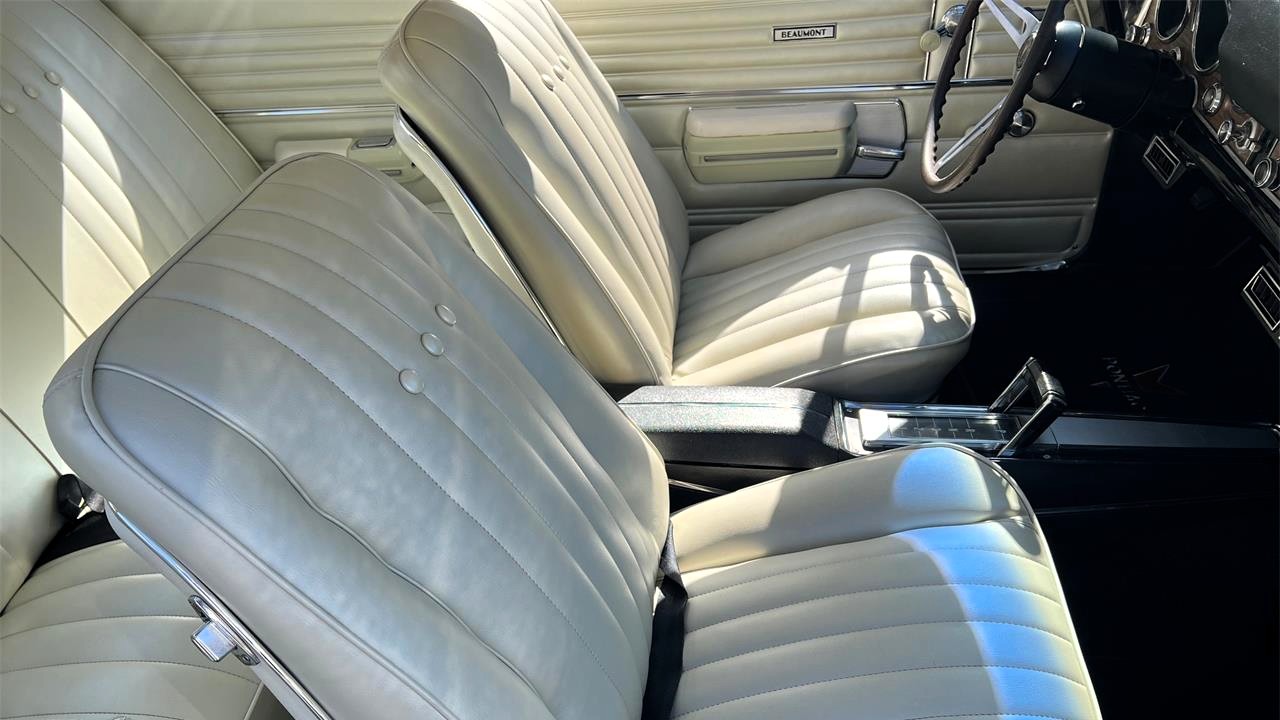
Thanks to the Auto Pact that was instituted in 1970, the raison d’être for the Beaumont no longer existed, so 1969 was the final year for the Beaumont and the SD 396 package. A history like that makes this 1968 Beaumont SD 396 hardtop quite a novelty—even in Canada. Painted in Tripoli Turquoise, this SD 396 features the standard 396 backed by the optional TH400 automatic. Other features include Parchment vinyl interior with optional front bucket seats and console, white racing stripes, 3.31 gears, plus updates like an HEI distributor, headers, Vintage Air, updated stereo, and more. Staggered-width Ridler wheels complete the picture.
Vintage Vehicle Services (which has invoices of Canadian-sold GM vehicles going back 80 years) has determined that 702 Beaumont SD 396 hardtops were built in 1968. In some ways, the Beaumont was ahead of its time because a decade later, it would not be unusual to find Chevy engines in Pontiacs stateside, but remember: Don’t call this $65,900 car a Pontiac if you wish to reside in the good graces of Canadians—we really need it at this moment!
This 1947 Chevrolet Fleetmaster Sport Sedan was built into a street rod approximately 20 years ago. Power comes from a 350ci Tuned-Port Injection V8 linked to a three-speed automatic transmission, and the chassis has been modified with rack-and-pinion steering and front air springs. Highlights of the build include a shaved exterior, frenched headlights and taillights, and a customized interior with black leather upholstery, a center console, a power-adjustable driver seat, a cassette stereo, power windows, air conditioning, a Lecarra steering wheel, and AutoMeter gauges. The car was acquired by the seller’s father around 2015, and the engine was subsequently rebuilt and the camshaft replaced. This custom Fleetmaster is now offered by the seller on behalf of his father with a Texas title.
The body was shaved, nosed, and decked during the build, the headlights and taillights were frenched, and a flush-mounted fuel filler was added to the right-rear fender before the car was refinished in red. The grille and bumpers were painted to match, and electric door poppers were installed.
Gray-finished 15” steel wheels wear polished hubcaps and trim rings, and they are mounted with Cooper Cobra Radial G/T tires. Rack-and-pinion steering has been added to the front suspension along with air springs, which are not currently working. The live rear axle is supported by longitudinal leaf springs.
The cabin features front bucket seats and a rear bench trimmed in black leather with color-coordinated door panels and carpets. The dashboard fascia is painted black and accented with bright trim and brass gauge bezels. A custom center console has been added, and other appointments include a power-adjustable driver seat, a cassette stereo, power windows, courtesy lights, and an aftermarket climate-control system with air conditioning.
The Lecarra steering wheel is mounted to a tilting column and sits ahead of AutoMeter instrumentation consisting of a 120-mph speedometer and auxiliary gauges. The digital odometer indicates 6,500 miles, approximately 1,500 of which were added under current ownership.
The seller states that the 350ci Tuned-Port Injection V8 was rebuilt with a replacement camshaft under current ownership. Short-tube headers flow into a dual exhaust system with polished finishers. A coolant leak was repaired in late 2024.
Power is sent to the rear wheels through a three-speed automatic transmission.
An album of photos taken during the build will accompany the car.
The car is titled using the Washington Assigned Identification Number WA98240154.
The Texas title carries a “VIN Certification Waived” notation in the remarks section.
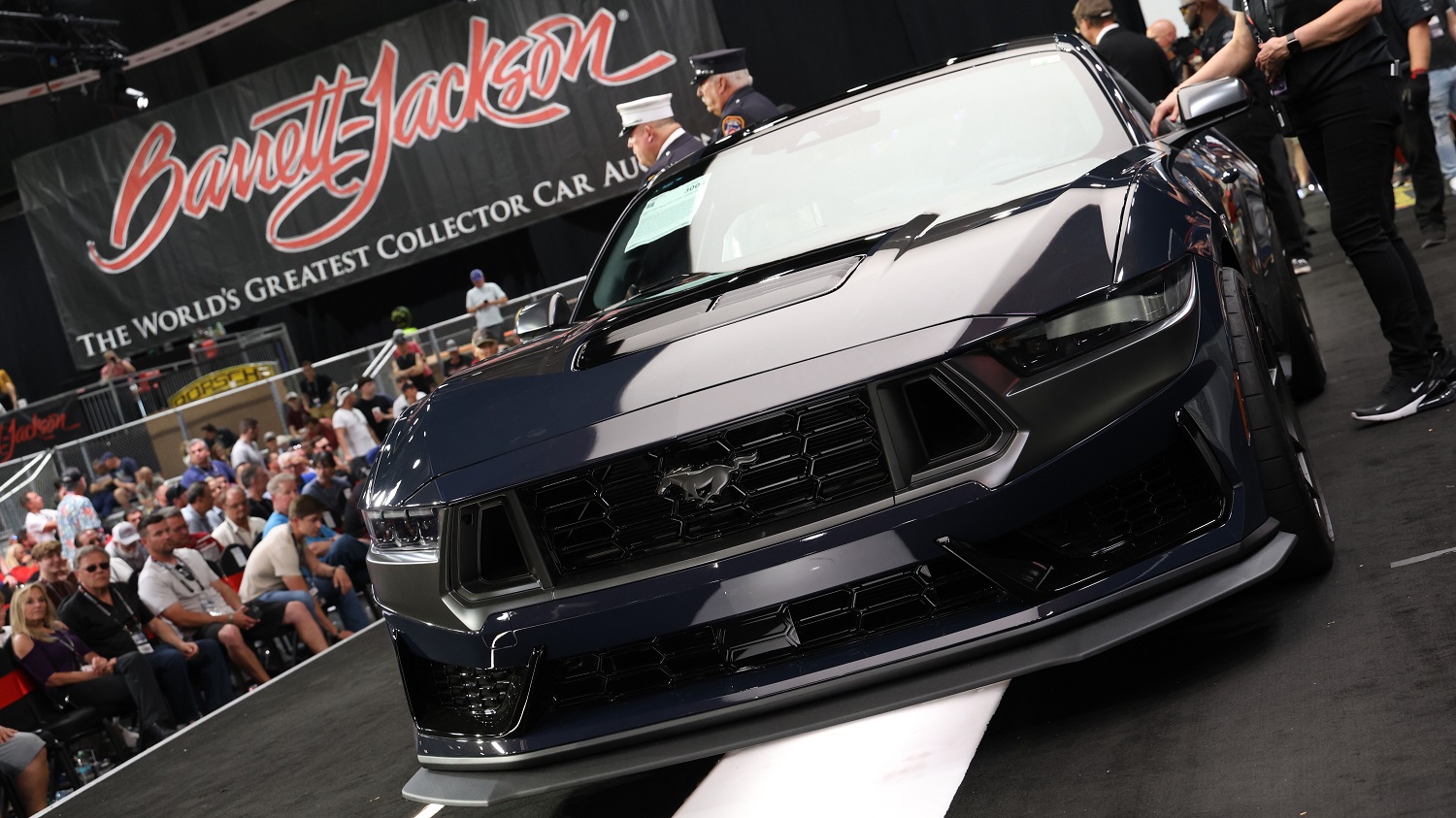
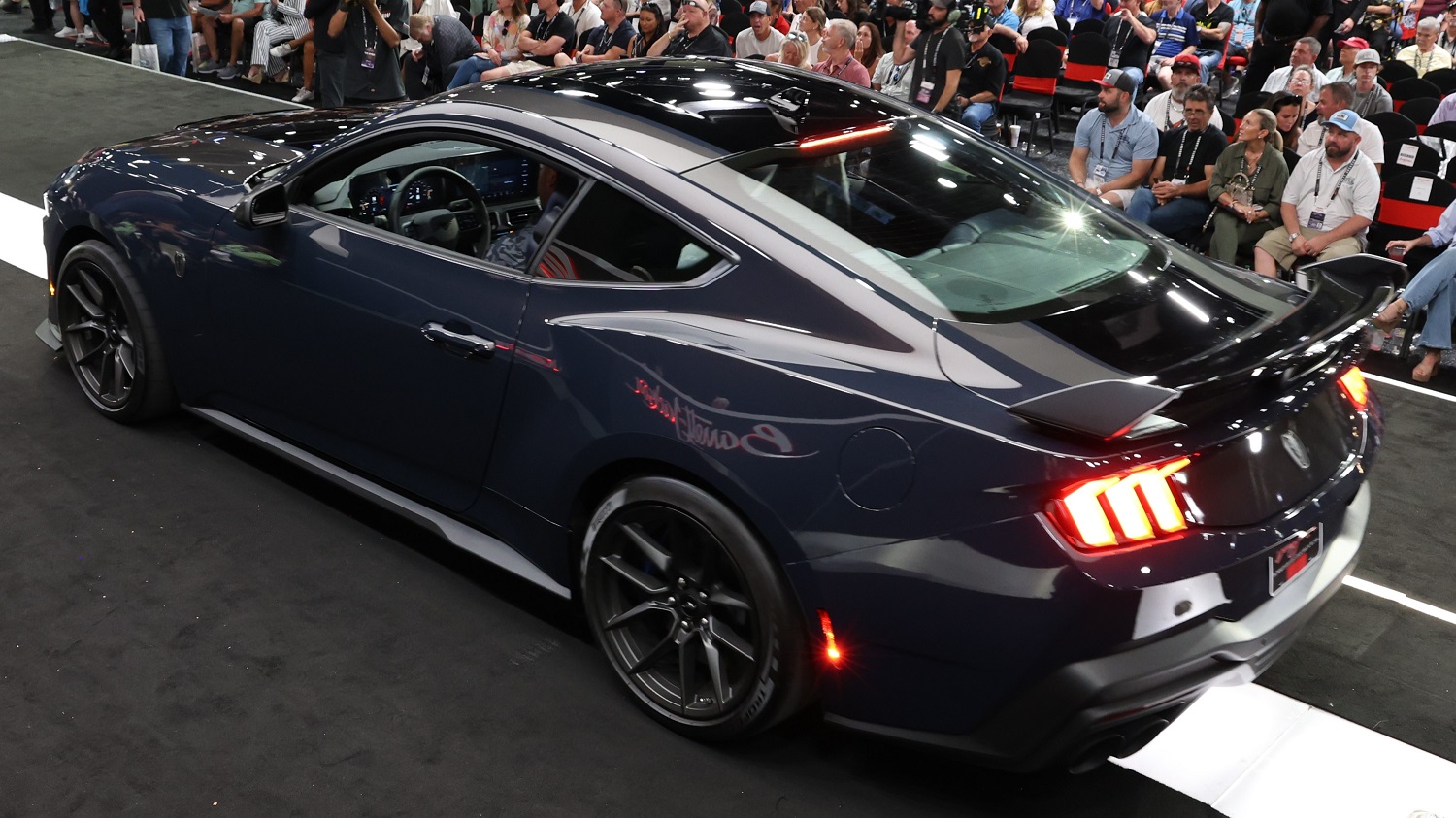
You read that correctly: two gentlemen opened their wallets to help others. Hendrick Motorsports owner and Hendrick Automotive Group chairman Rick Hendrick bid $325,000 on the 500-horsepower high-performance Mustang with Brembo brakes and unique chassis tuning. Arizona businessman and car collector Ron Pratte got in on the action by donating another $100,000 to the total, 100 percent of which will help the Tunnel to Towers Foundation in its mission to “honor the sacrifice of firefighter Stephen Siller who laid down his life to save others on September 11, 2001.”
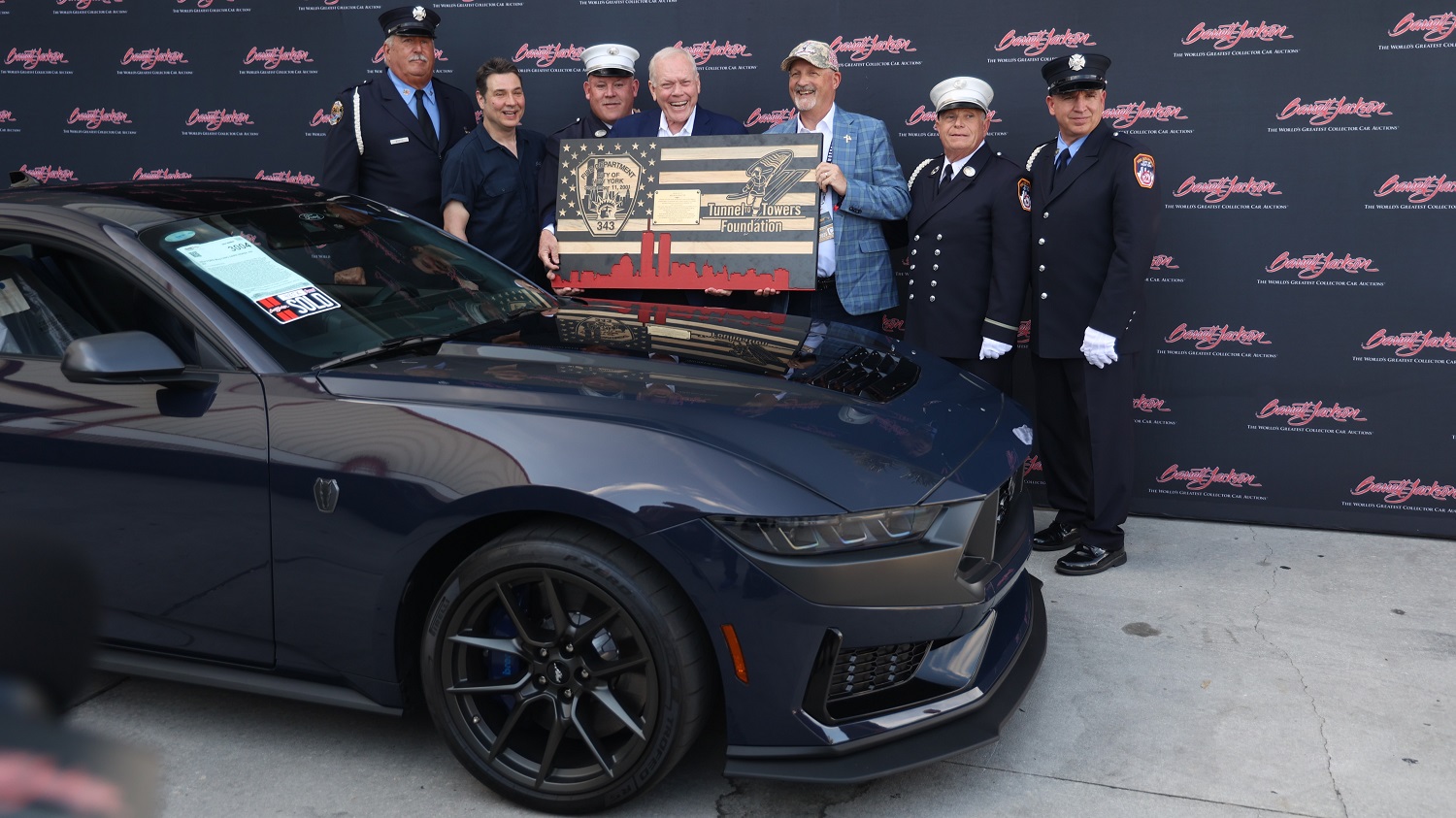
Fittingly, members of the FDNY (New York City Fire Department) were present when the Dark Horse crossed the auction block, then posed for photos with T2T CEO and chairman Frank Siller and Barrett-Jackson CEO and chairman Craig Jackson (as well as actor and comedian Adam Ferrara).
The Tunnel to Towers Foundation also participates in or hosts several international and national events, such as New York City Marathon, to raise funds that support members of the military and first responders. In addition, the 501(c)(3) non-profit organization runs several programs that provide housing for the families of those who paid the ultimate price while protecting others and serving our country. Those include the Fallen First Responder Home Program, which “aims to pay off the mortgages of fallen law enforcement officers and firefighters who lose their lives in the line of duty, or to 9/11 related illness, and leave behind young children,” and the Gold Star Family Home Program, through which the foundation “will provide a mortgage-free home to surviving spouses with young children.”
To learn more about the Tunnel to Towers Foundation, check out its website here. To see more cool cars Barrett-Jackson has auctioned off for charity in the past, click this link.
What happens when one British icon merges with another? Some very pricey garments!
Over in Warwickshire, Aston Martin has teamed up with The Greatest Rock and Roll Band in the World to produce the Aston Martin F1 x Rolling Stones Collection. This limited-edition collaboration features Andy Warhol’s best work—the Rolling Stones tongue logo—blended with the iconic Aston Martin wings. Logical, innit?
“Ultra exclusive, limited run, co-branded merchandise collection fusing the speed and precision of Formula One with the rebellious spirit of rock and roll,” says the RS No. 9 Carnaby website. What’s that? The website for Rolling Stones’ “flagship retail experience” that brings together music and fashion in the uber-fashionable Carnaby Street in London. (In case you need a reminder, that’s the home city of the Rolling Stones, not that wimpy Liverpudlian foursome.)
Currently, the RS No. 9 Carnaby website features three items of collaboration: T-shirt, hoodie, and baseball cap, all worn by two sullen young adults who were not alive when Tattoo You was the Stones’ latest and greatest. If you fancy yourself as both an automotive and music enthusiast, you can inspect the “wears” at rsno9.com and see if they meet your fashionable standards.
The summer is just around the corner, and what better way to prepare for it than to get yourself a small, classic, two-seater with a peppy engine and cool design? The roadsters have been car fans’ favorite for decades, and although they are not as popular as before, plenty of open-air enthusiasts still crave a specific driving feel. The best thing about them is that most of the classic roadsters are affordable and easy to work on, which is why we compiled a list of 10 cars that should provide you with much driving fun this summer.
1. MG B
Photo Credit: Pinterest
One of the most popular and typical British roadsters from the ’60s is the MG B. Introduced in 1962, the B was the successor to the MG A, which helped establish the roadster class in the US. By the day’s standards, the MG B was a reasonably modern car with unibody construction, a roomy interior, and decent suspension and steering.
Photo Credit: Edmunds
Some contemporary tests call MG B underpowered, and 95 HP from the 1.8-liter engine certainly isn’t much, but since the car weighs only 2200 lbs, it can keep up with modern traffic. For those who want more power, MG introduced the model C with a 3.0-liter six-cylinder and 145 HP and the MG B GT with a 3.5-liter V8 engine, available only in coupe form.
2. BMW Z3
Photo Credit: Edmunds
Using the E36 Compact 3 Series platform and rear suspension from the old E30 model and covering it with a sexy new open-top body, BMW created the first Z3 model. The result was a stylish convertible with two seats, a lineup of potent four—and six-cylinder engines, lightweight, and excellent driving dynamics. The car was significantly more expensive than the Miata but also much better, faster, and more luxurious.
Photo Credit: Wiki
The Z3 was released in 1996 to an eager audience in the middle of the roadster renaissance. It was one of the best sellers in its class and a benchmark model in performance and handling. The Z3 was especially popular in America, and interestingly, it was the first BMW to be produced solely in the new South Carolina factory. Also, its appearance in the James Bond movie GoldenEye helped it become popular.
3. Triumph Spitfire
Photo Credit: Pinterest
The Spitfire was the second definitive British roadster from the ’60s and, in our opinion, much cooler than the MG B. Despite having similar mechanics, modest power, and performance, the Spitfire got its name from a World War II fighter plane. It boasted a much more aggressive and sportier design with lower sides and a sharper front end.
Photo Credit: Wiki
This legendary roadster was introduced in 1962 and powered by a pretty diminutive 1.1-liter four-cylinder engine with 63 HP. Over the years, the power grew to a 1.5-liter engine with 71 HP and more torque, which improved the driving dynamics. As with all other British roadsters, the biggest market was the US, and of the 314,000 made, most ended up here.
4. Mazda Miata
Photo Credit: Mazda
One of the most successful stories in the car industry must be the tale about Mazda’s Miata roadster and how this little car changed the world and became the best-selling open-top model in history, passing the 1 million mark in 2013. The Miata’s secret was simplicity, lightweight, and balance. Mazda didn’t try to invent something new; they just copied the basic concept of a classic British roadster, added modern materials and design, and made the whole thing dependable and agile.
Photo Credit: Tuner
116 HP from a twin-cam 1.6-liter engine may not sound like much, but in a 2,200-lb car, it’s more than enough. If you are looking for the most affordable example, the first-generation Miata can provide many memorable moments for just a few thousand dollars.
5. Triumph TR6
Photo Credit: Auto WP
If the Spitfire was Triumph’s roadster for the masses, the TR6 was a car for a serious lover of open-air driving and speed. The Spitfire could be considered underpowered despite its weighing only 1500 lbs, but the TR6 had decent power and convincing performance straight out of the box.
Photo Credit: Auto Wp
The TR6 was a successor to the TR5 and the US-market-only TR250, which all shared basic construction, dimensions, and design. Introduced in 1968, the TR6 featured disc brakes all around, independent suspension, and a 2.5-liter straight-six engine with 145 HP. Thanks to its weight of just under 2200 lbs, the TR6 was pretty agile and was amongst the fastest power roadsters on the market in the late ’60s.
6. Alfa Romeo Spider
Photo Credit: Pinterest
Introduced in 1966, the Alfa Romeo Spider was an Italian answer to the popularity of British roadsters. Eventually, it became globally popular and became an Alfa Romeo model with the longest production run. Initially called the Duetto, the Spider was built on Alfa’s 105 sedan/coupe basis with a Pininfarina-designed body, all-alloy twin cam engines, and rear-wheel drive. During the late ’60s, Spider became very popular after the movie The Graduate, in which Dustin Hoffman drove a red example.
Photo Credit: Net Car Show
While the rest of the roadsters vanished from the American market, Alfa managed to sell Spiders to 1994, which just shows how popular this car was here. The engine choices ranged from 1.3 to 2.0-liter four-cylinder engines with 105 to 130 HP. Earlier cars had carburetors, and later models had fuel injection systems.
7. Porsche Boxster
Photo Credit: Pinterest
Although the third generation of Porsche’s Boxster is currently in production, we will tell you about the first-generation model, introduced in 1996 and discontinued in 2004. Over twenty years after Porsche introduced this roadster, the Boxster revolutionized the concept of an open-top fun car and stood the test of time as a future classic you can own today.
Photo Credit: Streetside Classics
The Boxster’s big advantage is its layout. While most other cars have front-engine, rear-wheel-drive construction, the Boxster has a mid-mounted flat-six engine, perfect balance, two trunks, and sublime handling. Since the base 2.5-liter delivers a healthy 200 HP, it makes even the most affordable Boxsters pretty agile, fast, and exciting to drive, especially if paired with a 6-speed manual transmission.
8. Fiat 124 Spider
Photo Credit: Mecum
The Alfa Spider wasn’t the only Italian contender in the classic roadster class. Fiat’s 124 Spider was also a very popular and affordable choice, and it is still an interesting proposition for lovers of convertible design form and Italian charm.
Photo Credit: Fav Cars
Introduced in 1966 and sold in America until 1985, the Fiat 124 Spider was designed by Pininfarina and built on the 124 Sedan platform. The mechanics were pretty straightforward: a twin-cam engine, 4-speed manual transmission, and rear-wheel drive. The early models had 90 HP from a 1.6-liter engine, while later versions got 2.0-liter engines with fuel injection and 102 HP.
9. Honda S2000
Photo Credit: Edmunds
Introduced in 1999 and discontinued in 2009, the S2000 could be considered a ’90s model even though it was presented at the decade’s end. This model was a valid driver’s car with essential features like lightweight construction, ideal weight distribution, powerful and rev-happy engine, and razor-sharp handling—all in an elegant open-top package.
Photo Credit: Drive
Under the hood was a 2.0 or 2.2-liter four-cylinder engine with 240 hp, the car’s main selling point. This little gem of an engine featured a 9000 rpm red line, four valves per cylinder, and the famous Honda V-Tec system, which provided all the power at high RPMs and an excellent screaming sound. Thanks to intelligent engineering and lightweight design, the S2000 had respectable performance and perfect handling, for which it was universally praised.
10. Mercedes SL R107
Photo Credit: Auto WP
We were hesitant to include this car on our list since the Mercedes SL isn’t a small convertible, but if you look at it carefully, you will see that this generation (R107) fits the bill perfectly.
Photo Credit: Wiki
This generation was in production from 1971 to 1989 and is very common. The engine choices include one six-cylinder engine and several V8s, including the range-topping 560 V8. We recommend you find a 450 or 500 V8 engine since they are the most popular and offer the best combination of power and efficiency.
“They should’ve put a V8 in it!” If you spend enough time online, you’ll come across that comment in regards to certain cars. Take the Plymouth Prowler or the second-generation Ford F-150 Raptor as examples of this kind of thinking. The Mazda MX-5 Miata has never been offered by the factory with anything other than a four-cylinder engine, making it the perfect target for the lamentations of power-hungry enthusiasts. Well, the people behind our Pick of the Day, an LS7-powered 2006 Mazda MX-5 Miata track car posted on ClassicCars.com by a dealer in Wisconsin, did put a V8 in it – and a big one, too.
For the 2006 model year, Mazda released an all-new, third generation of the MX-5 Miata. The “NC,” as it’s otherwise known, was a front-mid-engine car based on a new platform covered with new exterior styling. Weight went down and rigidity increased. Mazda paired the new 170-horsepower, 140-lb-ft 2.0-liter I4 with a standard five-speed manual gearbox, an available six-speed stick, or an all-new six-speed automatic (which shaved output slightly to 166 horsepower). Trim levels included the base Club Spec, MX-5, Touring, Sport, and flagship Grand Touring.
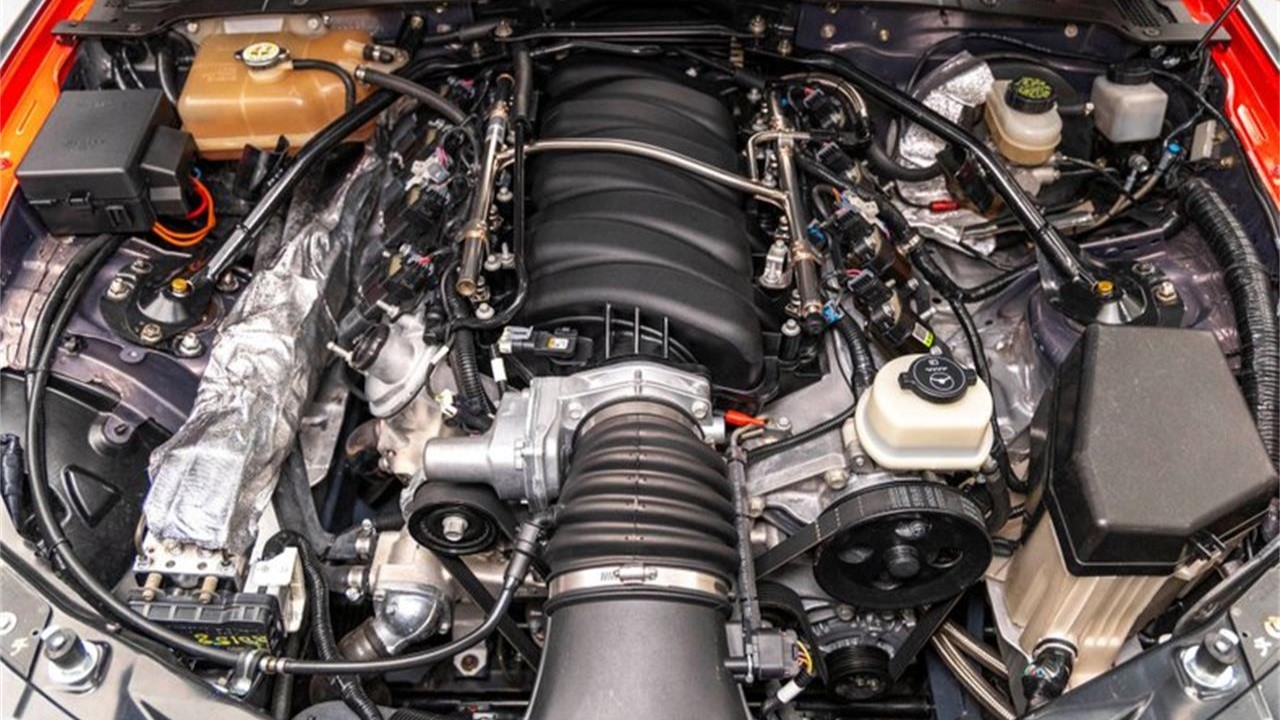
Despite its modest power, the Miata is a perennial favorite for people who like to go to the track. But whoever got their wrenches on this one, which is reportedly based on an MX-5 Cup car campaigned by Playboy Enterprises Inc., decided that more is more. He or she yanked out the original engine and replaced it with a new LS7 7.0-liter V8 crate engine running a dry-sump oiling system. In the C6 Corvette Z06, the LS7 pumped out 505 horsepower; here, it produces 520 – at the wheels.
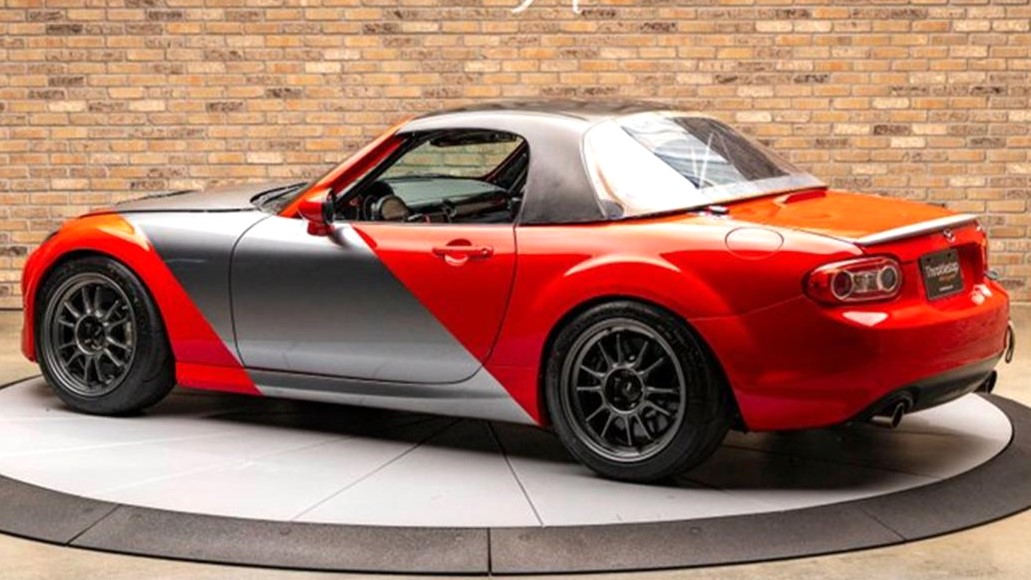
Of course, everything around that had to be beefed up, so the builder(s) installed a Tranzilla six-speed manual from Rockland Standard Gear Inc., custom axles, and the rear differential from a fifth-generation Camaro. A V8 Roadsters tubular suspension with Ohlins adjustable coilovers and a set of big Wilwood brakes keep this race car on the track. Whoever modified this car also made sure to fit it with a vented hood, a dramatic red and silver color scheme, a black hardtop, and Konig wheels.
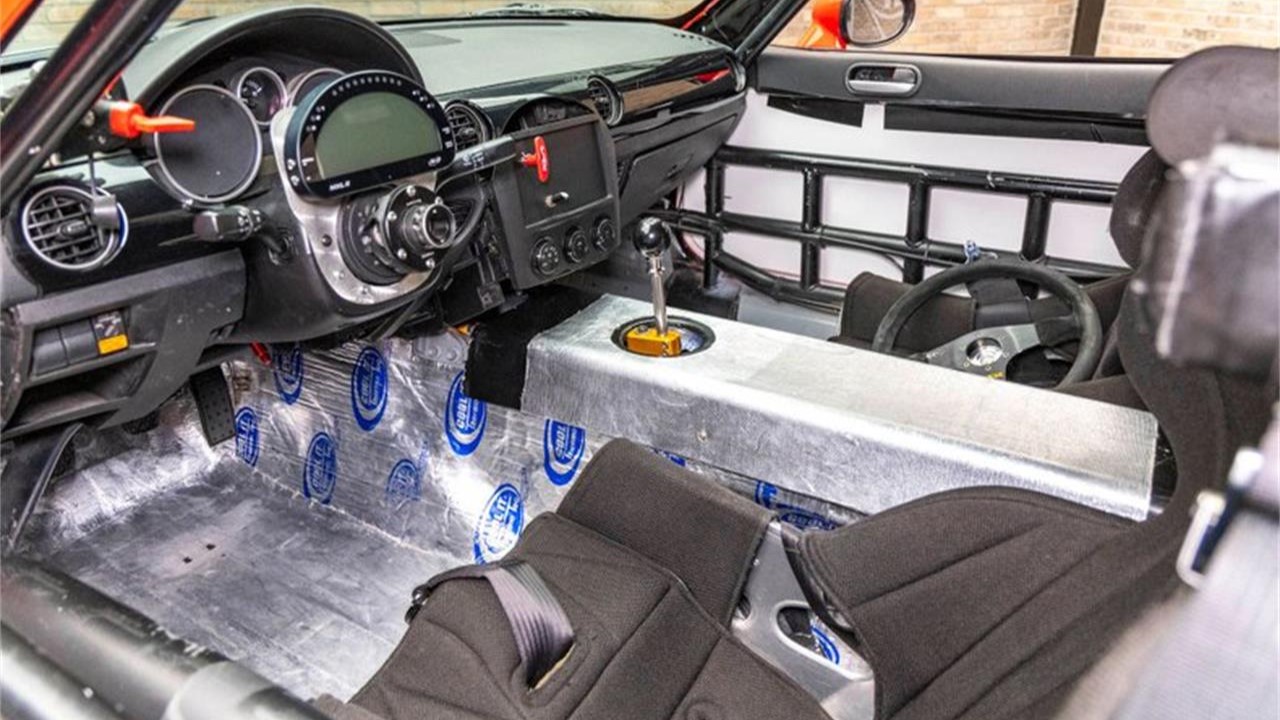
The cockpit was completely overhauled as well. Instead of carpeting, it now has exposed Thermo-Tec heat and sound insulation. When the detachable Sparco steering wheel is in place, it sits in front of an AiM dash logger. The driver and a lucky passenger (who doesn’t get motion sickness) are held in place during high-G turns by a pair of black racing buckets and surrounded by a roll cage.
If you want to see how wild a V8-powered Miata can be at your local track (and find out who you can beat with one), add this this LS7-powered 2006 Mazda MX-5 Miata to your paddock. All you need to do to qualify for the race is pay the asking price of $79,900.
Everybody knows the Chevrolet Corvette, and for 8 decades and eight generations, this has been America’s favorite sports car. Such a long and impressive history means that the Corvette was produced in numerous versions and models, and that not all are equally known and popular. Today, we will present you with a list of rare and unknown Corvettes that are equally important parts of Corvette history. Some are production models, some are concepts, and some are prototypes, but all are forgotten and lost to time. We even included the cars based on Corvette chassis and drivetrains.
1. Corvette Stingray XP-87
Photo Credit: GM
The story of the 1959 Stingray Concept is very interesting since this car was much more than just another styling exercise. In fact, it presented the ’63 Corvette design and was based on the 1957 Corvette SS experimental race car, which even won the 1960 SCCA championship.
Photo Credit: GM
Chevrolet’s engineers managed to keep the weight down to only 2,200 pounds using a lightweight plastic body, race chassis, and aluminum. With a fuel-injected 283 V8 engine and 315 HP, the Stingray Concept had a fantastic performance, which helped it become successful at racing. The car was even featured in Elvis Presley’s movie “Clambake,” but painted red.
2. Corvette Mako Shark Concept
Photo Credit: Mecum
The world knows the fantastic 1963 Corvette Stingray’s unique styling, but where does it come from? In 1961, Chevrolet presented a Mako Shark Concept car, a roadster with all the important Corvette design cues and a special paint job that resembled a real shark.
Photo Credit: GM
The legend says that designer Harley Earl got the idea while he was on a shark fishing trip and tortured GM’s design department employees to match the fish’s color. However, Mako Shark became one of the most sought-after concepts of the decade and a true design icon.
3. Chevrolet Corvette Grand Sport
Photo Credit: Pinterest
In the early ’60s, Chevrolet was successful in motorsports. With Zora Arkus Duntov and Ed Cole as head engineers for Corvette, the racing version of the Corvette Stingray was a logical next step in its development. The Corvette has already proven itself on the market, and now it was time to establish itself on the race track. Back then, Ford sponsored the Shelby Cobra, which was dominant at the race tracks. And the Corvette team wanted to beat it. So, Zora and his team prepared five Grand Sport Corvettes with modified bodies, special suspensions, fully loaded race engines, and other specially built components. The Grand Sport Corvette had over 550 hp and was capable of brutal performance. The Corvette team had big plans and entered the Grand Sport Corvettes in several races.
Photo Credit: GM
It got promising results until General Motors decided to stop all racing activities in early 1963. For some reason, GM decided to stop investing in all forms of racing. This killed the fantastic Grand Sport program before it could prove its worth, making the Corvette Grand Sport one of the racing world’s greatest “what if” stories. All five cars survived and are accounted for today.
4. Chevrolet Corvette Rondine
Photo Credit: Motor Authority
In 1963, the Chevrolet Corvette Stingray stunned the global automotive audience with its fantastic design, sharp edges, split window feature, and brutal performance. It was the epitome of an American sports car at its finest. However, in Turin, Italy, the talented designers at Pininfarina thought that they could do it better, and in cooperation with Chevrolet, they got the chance to prove themselves.
Photo Credit: GM
The result was Corvette Rondine, a fully operational and usable concept car from 1963 that debuted at the Paris Motor Show. Since Chevrolet commissioned the car, it graced General Motors’ stand. It had a 327/360 V8 engine, 4-speed manual transmission, and disc brakes. Despite the pleas for production, this gorgeous car remained a unique example and one of the most beautiful American cars with Italian design.
5. Turbo Corvette C3
Photo Credit: GM
The late ’70s were a sad time for American performance; all cars lost power and became increasingly boring. Corvette wasn’t the exception, and to try to regain some power, Corvette engineers designed the Turbo Corvette as a factory prototype.
Photo Credit: Motor Trend
The car used an L82 350 V8 engine with a turbocharger and Cadillac’s fuel injection. The 1979 Turbo Corvette prototype could deliver up to 300 HP, which was insane by the day’s standards. However, you needed racing 103-octane fuel to produce such power.
6. Corvette Conan ZR-12
Photo Credit: GM
When it was introduced in the mid-’80s, the C4 chassis was a state-of-the-art component. During production, Chevrolet knew that it could handle much more power than stock. To test exactly how much power the C4 chassis could withstand, the Corvette team built the Conan ZR-12 prototype.
Photo Credit: GM
This custom Corvette’s frame was 5 inches longer than stock and had an enormous V12 engine under the hood. The engine delivered 700 HP and an insane 750 lb-ft of torque; even with that kind of power under the hood, the C4 chassis proved to be a perfect match.
7. Bertone Mantide
Photo Credit: GM
Italians love the Corvette, and over the years, various Italian-designed houses have produced numerous versions of America’s favorite sports cars. One of the latest is the strange but very fast Bertone Mantide.
Photo Credit: GM
Introduced in 2009, Mantide is a total redesign of the Corvette ZR1. It retains all the mechanics, drivetrain, and engine but puts on a new, lighter, and more aerodynamically efficient body. This means that the Mantide has a 6.2-liter supercharged V8 with 647 hp and slightly better performance. Ten examples were planned for production, but there needs to be clarification on how many precisely exist.
8. 2006 Chevrolet Corvette C6-R
Photo Credit: GM
In the late ’90s, Chevrolet decided to enter the GT racing scene with a specially designed and built race car, the Corvette C5 R. The C5 R proved highly successful and opened the way for the C6 R, the next generation, which featured an improved engine and better technology and became one of the most successful American racing cars of all time.
Photo Credit: GM
The C6 R debuted in 2005 and stayed in racing use until 2013, which is quite a long time for a high-tech racing machine. The car was built on a Corvette Z06 basis, featuring several V8 engines with displacement varying from 5.5 to 7.0 liters. The Corvette C5 R proved extremely dependable and fast and was well-received by racing teams worldwide. In 2006, this yellow beast managed to repeat history and win the class victory at Le Mans, a success that has since been repeated a few times.
9. Callaway Corvette C4 Sledgehammer
Photo Credit: Bring a Trailer
Rives Callaway established Callaway Cars in 1977, long after the muscle car craze had ended and high horsepower performance machines were a thing of the past. He specialized in producing turbocharger kits to be installed chiefly on European cars. His knowledge, expertise, and the start of the turbo era perfectly lined up, and the company took off.
Photo Credit: Motor Trend
To show the twin-turbo C4’s real potential, Callaway produced the legendary Sledgehammer Corvette, a highly modified and heavily turbocharged 1988 Corvette with 898 HP and a top speed of over 250 mph. Only two cars were built and tested. Even though it was a road-legal vehicle, it was a prototype.
10. Iso Grifo 90
Photo Credit: GM
The legendary IsoGrifo from the ’60s and early ’70s left an everlasting mark on the industry, so in 1990, Pietro Rivolta, son of the founder, presented the Grifo 90 concept. This concept used a Corvette C4 chassis with a special new body designed by renowned stylist Marcello Gandini. Unfortunately, financial problems forced the project to be canceled, and Grifo 90 was forgotten.
Photo Credit: GM
Fast-forward two decades, and a group of young Italian engineers decided to revive the project, this time using a Corvette C5 as a basis and dressing it up in a gorgeous yellow Grifo 90 body style. You can spec your Grifo 90 with a 490 HP engine and Corvette Z06 chassis, which makes it a speedy and capable sports car.
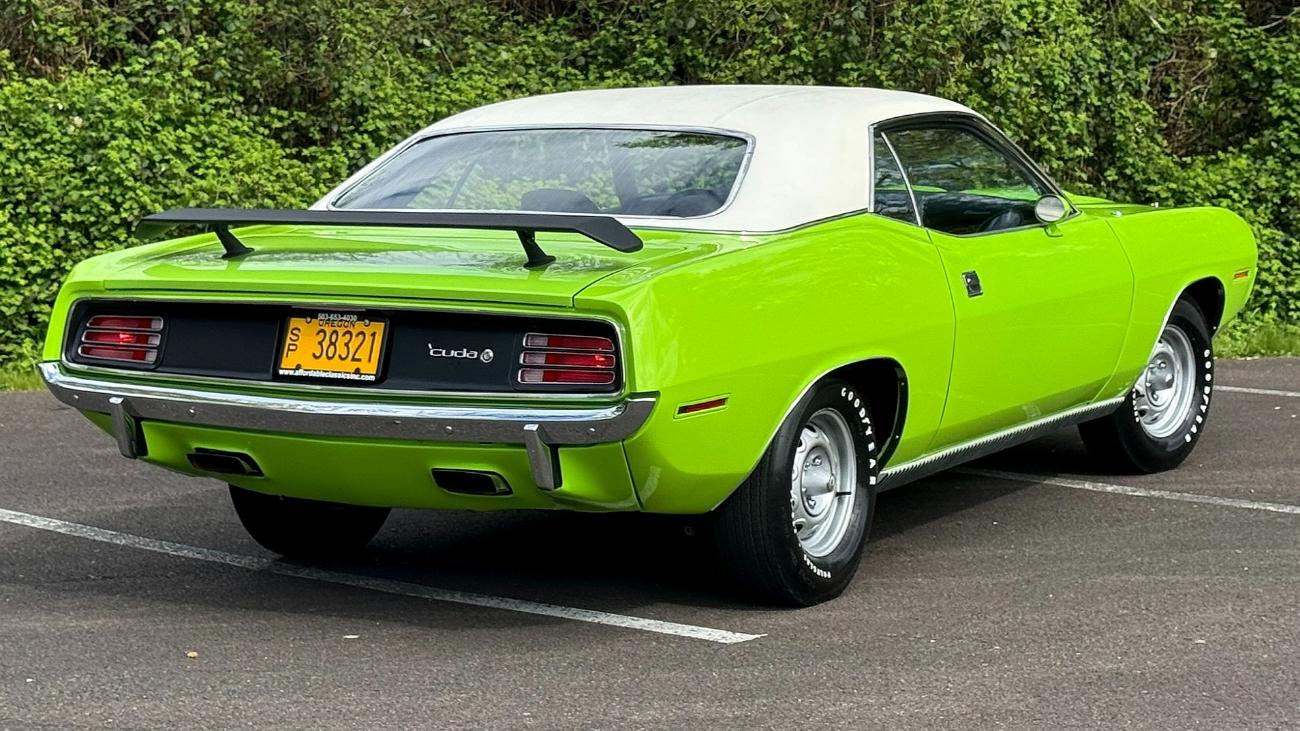
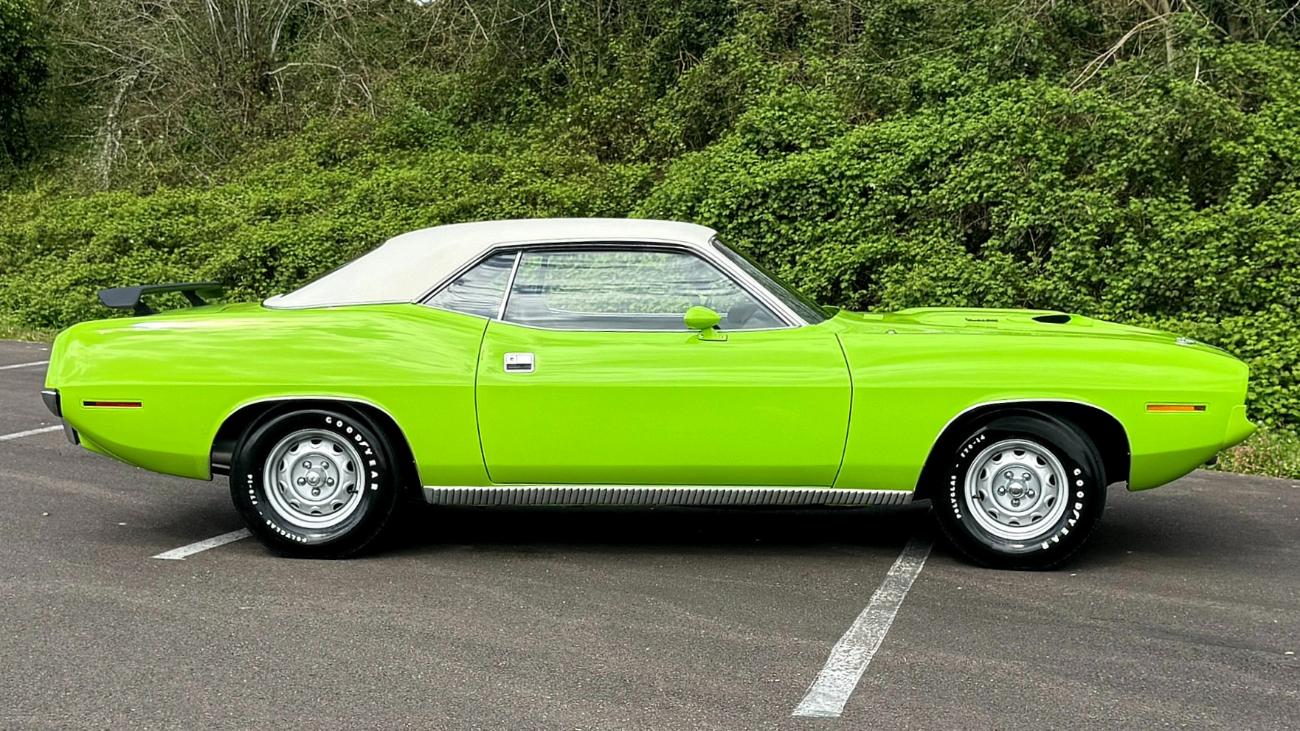
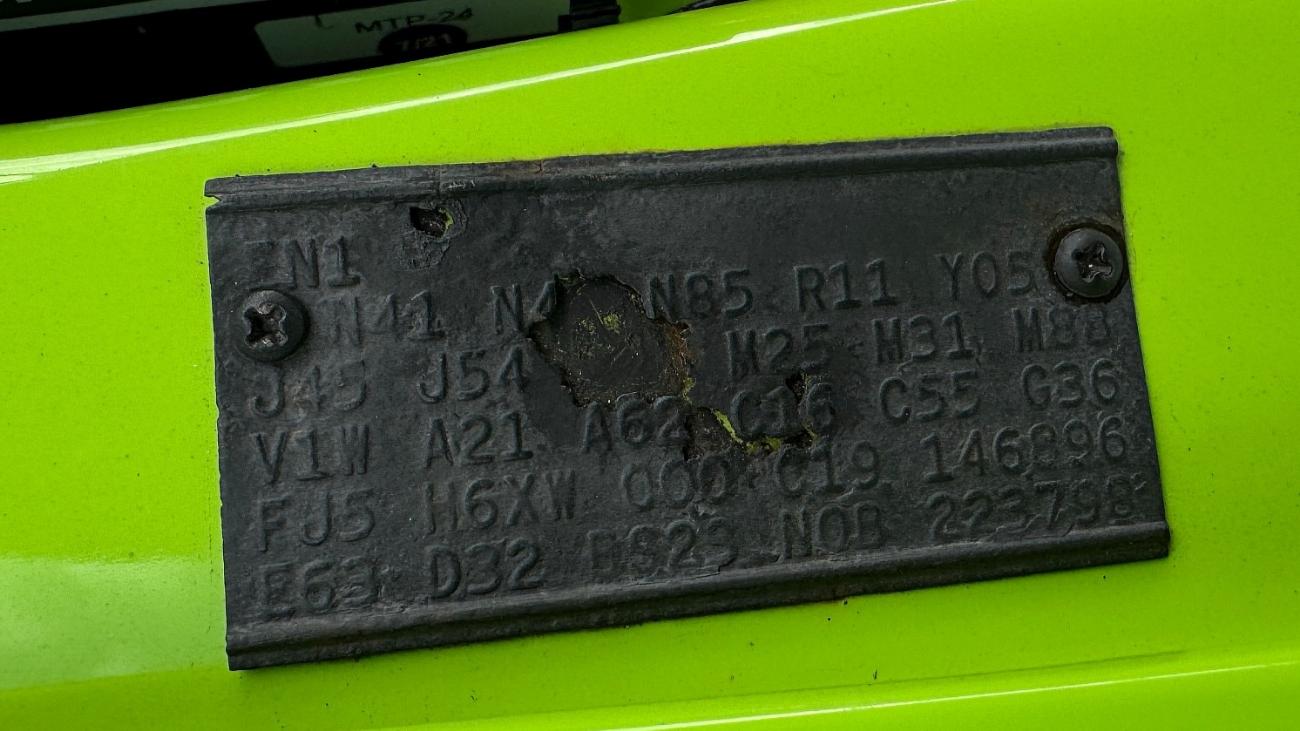
Currently listed on AutoHunter is this 1970 Plymouth ‘Cuda hardtop. Wearing new duds, the redesigned Barracuda was expected to be a smash hit but the sporty car market was down, and Barracuda sales even lagged its more expensive cousin, the Dodge Challenger, by a long shot. Nonetheless, the all-new Barracuda (and the performance-oriented ‘Cuda model we have here) exploited everything that was desirable about pony cars, like deft proportions, an engine suitable for every type of consumer, and enough options to make a Mustang envious. The car in this AutoHunter Spotlight features a 335-horsepower 383, which was the standard engine for the ‘Cuda, backed by a TorqueFlite automatic. Painted “FJ5” Limelight” with white vinyl top over a black vinyl interior, this muscle Mopar comes from the selling dealer with a clear title.
The Limelight hue is seemingly made brighter by the white vinyl top. Other exterior features include front Elastomeric bumper, non-functional scooped hood with pins and lanyards, dual racing mirrors, rear panel blackout, driving lights, “gilled” rocker panels, and rear spoiler. A set of 14-inch Rallye wheels are wrapped in F70 Goodyear Polyglas white-letter radials.
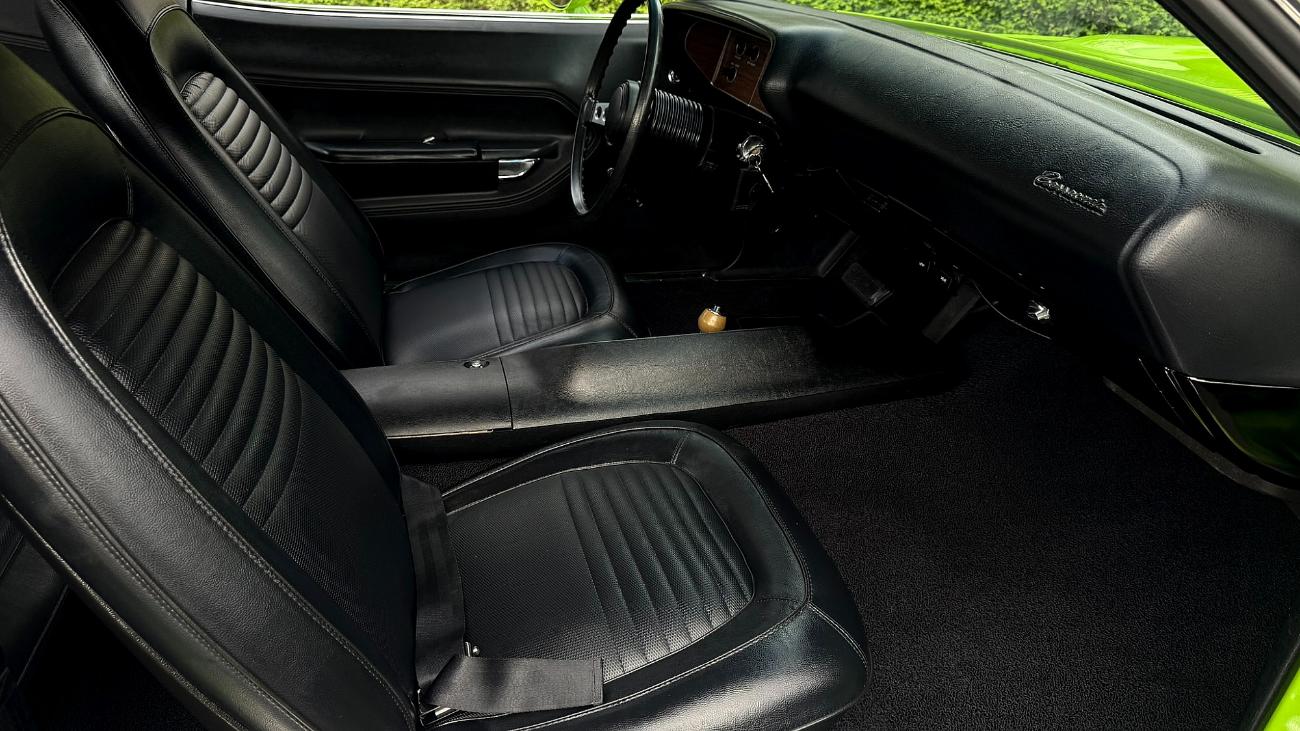
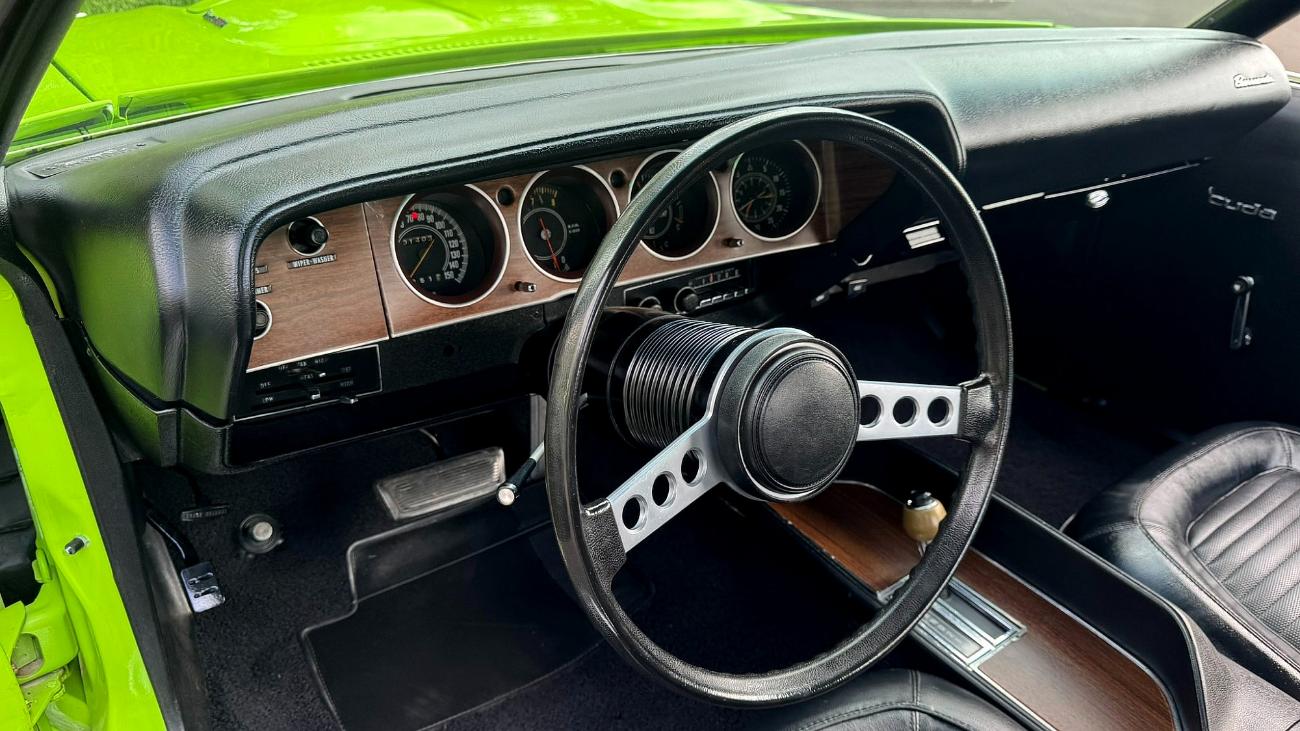
The black interior features front bucket seats divided by a console housing a Slap-Stik shifter. Other features include woodgrain trim, pushbutton AM radio, two-spoke steering wheel, and driver-side remote mirror.
Instrumentation includes a 150-mph speedometer, 8,000-rpm tachometer, and gauges for the oil pressure, coolant temperature, alternator, clock, and fuel. The odometer currently shows 1,403 miles, though the title reads mileage-exempt.
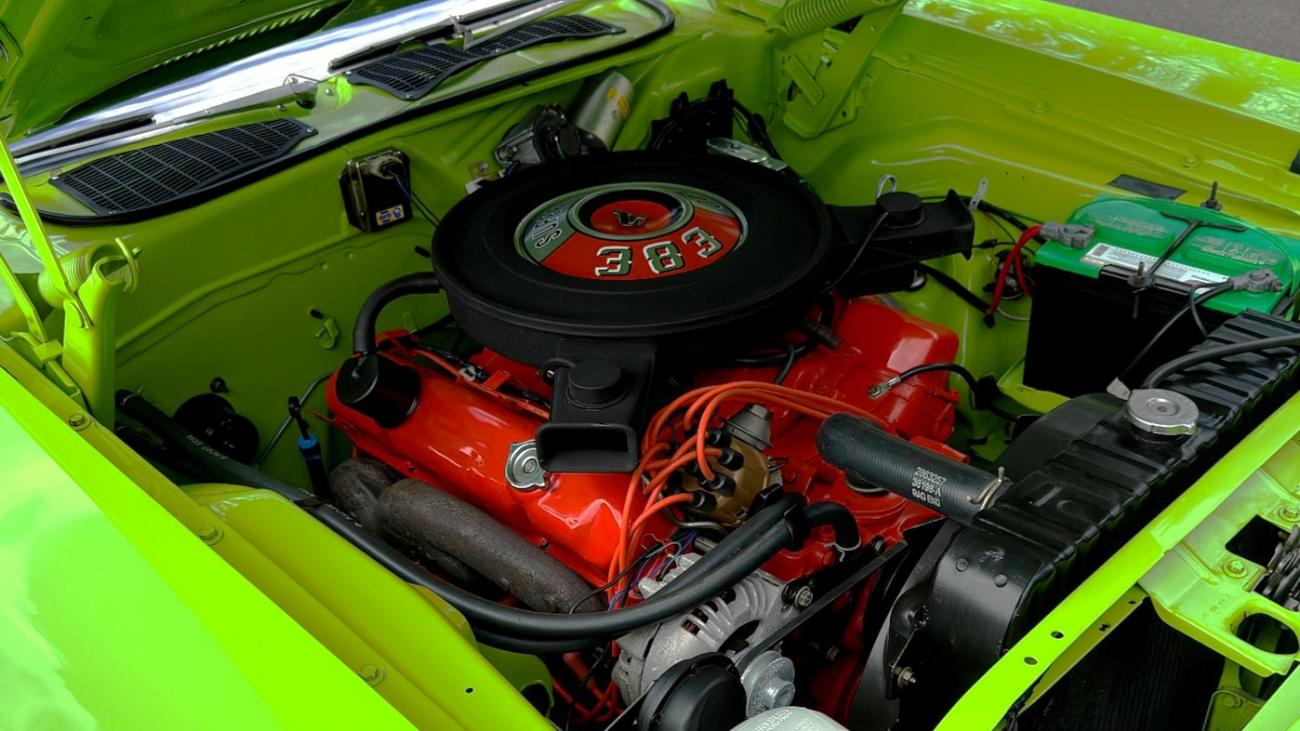
The “’Cuda 383” V8 was originally rated at 335 horsepower with a four-barrel carburetor. It’s connected to a three-speed TorqueFlite automatic.
Underneath, you’ll find drum brakes on all four corners. A dual exhaust system is routed through the rear valence panel.
Limelight is among the brightest of Mopar High Impact colors during the era. Combined with a white vinyl top and Elastomeric front bumper, this 1970 ‘Cuda 383 hardtop really pops—dare I say it’s pretty? If you want to go on a date with her, be sure to place a bid because the auction ends on Monday, May 5, 2025, at 12:00 p.m. (PDT).