The first time I saw a W210 Mercedes E-Class sedan in person, I immediately thought that it embodied what a Mercedes should look like – even more than the then-current S-Class. The lines were just perfect. Then Mercedes released the AMG model, turning what was a perfect styling exercise into a car that I think will go down in history as one of the most exciting European sport sedans ever created.
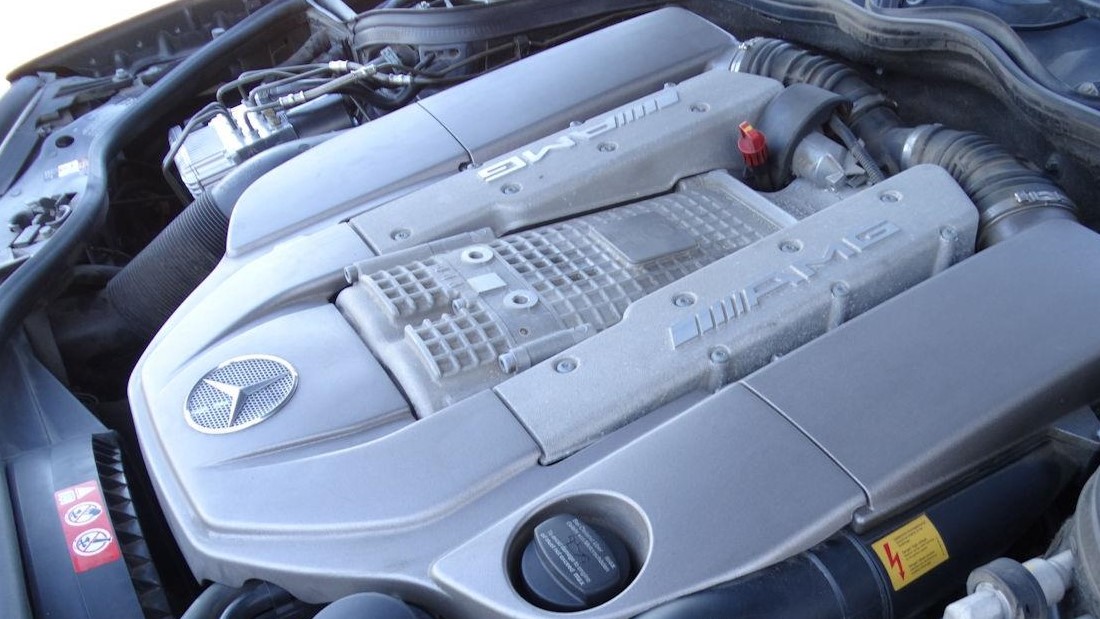
The boffins at AMG did this by taking the bones of the E-Class and shoehorning in an M113 5,439cc, 24-valve V8 with a twin-screw IHI supercharger. Doing that gave the E55 475 horsepower and 520 lb-ft of torque, which translated to 0-60 mph in 4.5 seconds, 0-130 in 16 seconds, a quarter-mile time of 12.7 seconds, and a (limited) top speed of 155 mph.
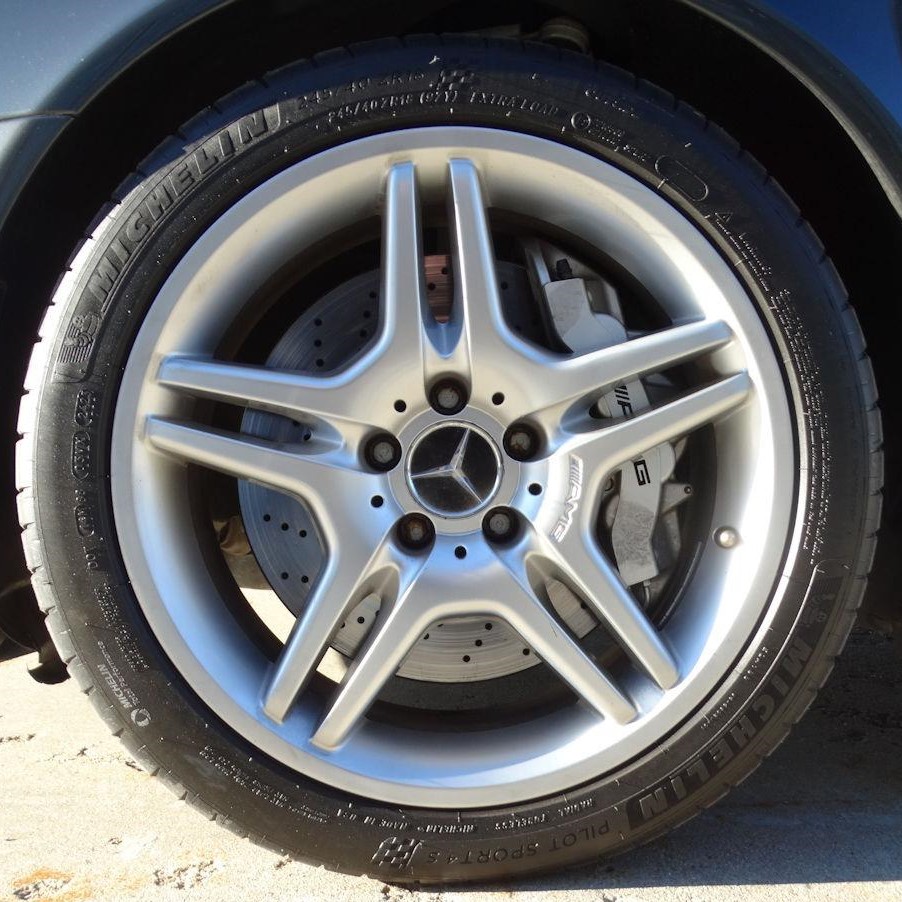
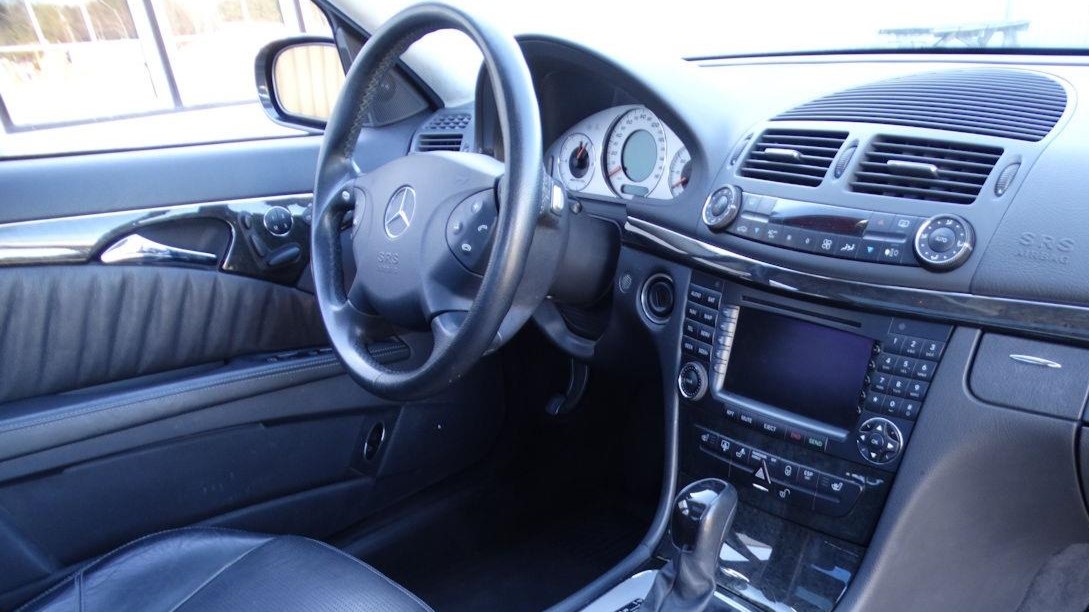
AMG did not stop there, though. It also addressed the suspension; modifications included an AMG-tuned air suspension, much larger wheels and tires, and huge Brembo brakes with 14.2-inch vented front rotors and 13-inch rear discs. This worked out to give the E55 a skidpad rating of 0.83g and the ability to brake from 70 mph to a dead stop in only 175 feet. In typical Mercedes fashion, the E55 featured the best materials for the interior, making the E55 a sort of luxury supersonic missile.
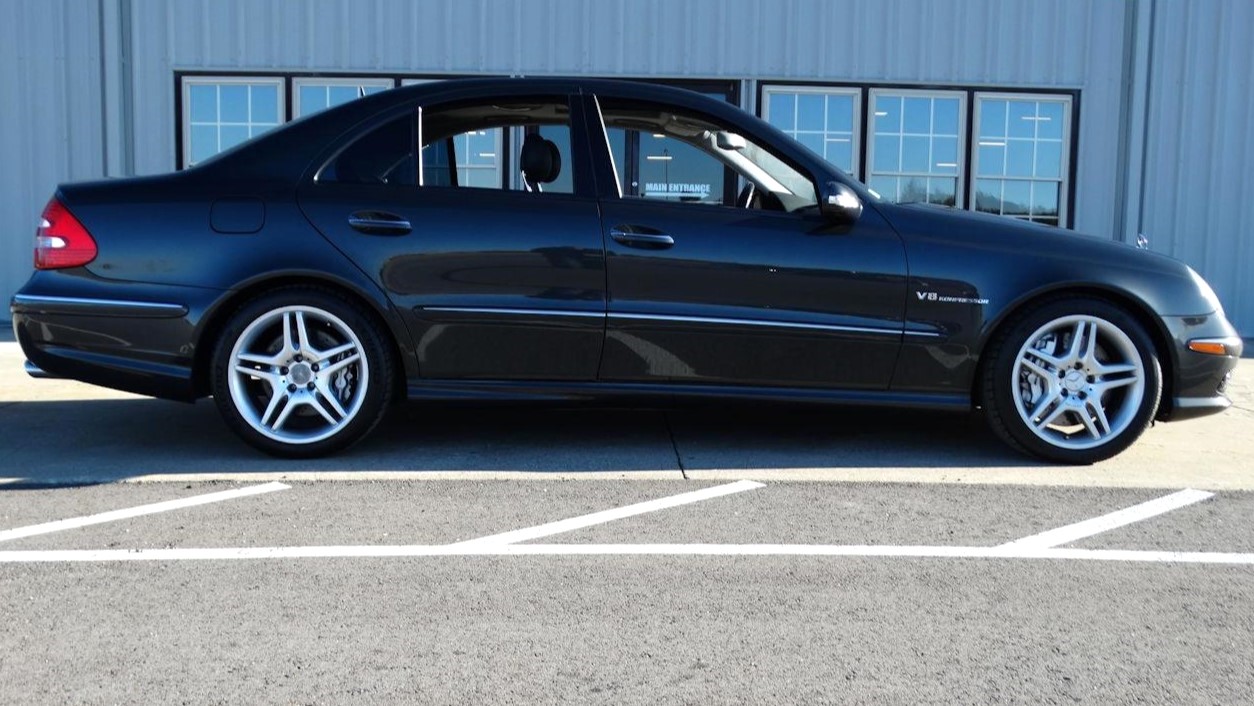
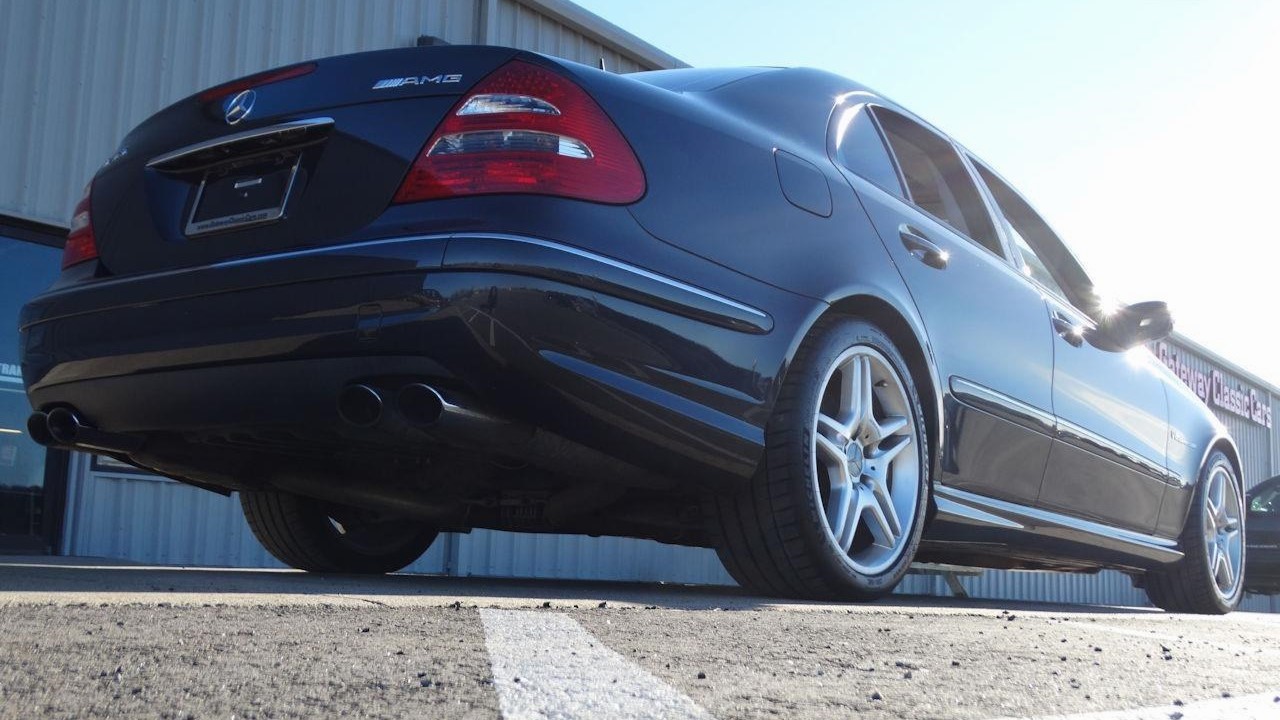
Our Pick of the Day is one of these cars, a 2004 Mercedes-Benz E55 AMG located at a dealer in Louisville, Kentucky. (Yes, the top of the ad says Illinois, but if you read the ad, you will see this car is actually in the dealer’s Louisville showroom.)
This E55 has covered a total of only 62,000 miles from new and appears to have been extremely well cared for. The original Tectite Gray paint looks about as flawless as the black and gray leather interior.
The selling dealer describes this E55 as a stunning example. Judging by the photos and video provided in the listing, I would agree. The car is equipped with everything you would expect from a top-line Mercedes of the era. Keep in mind that that does not include Apple CarPlay or even Bluetooth, but there are plenty of inexpensive aftermarket solutions to get that kind of connectivity and have it work with the factory audio system.
Here is the best part of the E55 AMG: These cars are just starting to catch on with collectors and their values have yet to reach the heights of their competitor from Munich, the E39 BMW M5. When new in 2004, this E55 AMG cost somewhere around $74,000, which many journalists at the time considered a bargain for what you got in return. Due to depreciation and its current off-the-radar status, you can get this E55 for only $24,000. Mark my words: These cars are going places and younger collectors are already seeking them out, which means that low-mileage, clean examples such as this one won’t be priced at this level for long. So if you want performance and luxury in equal doses, this 2004 Mercedes-Benz E55 AMG is just the ticket.
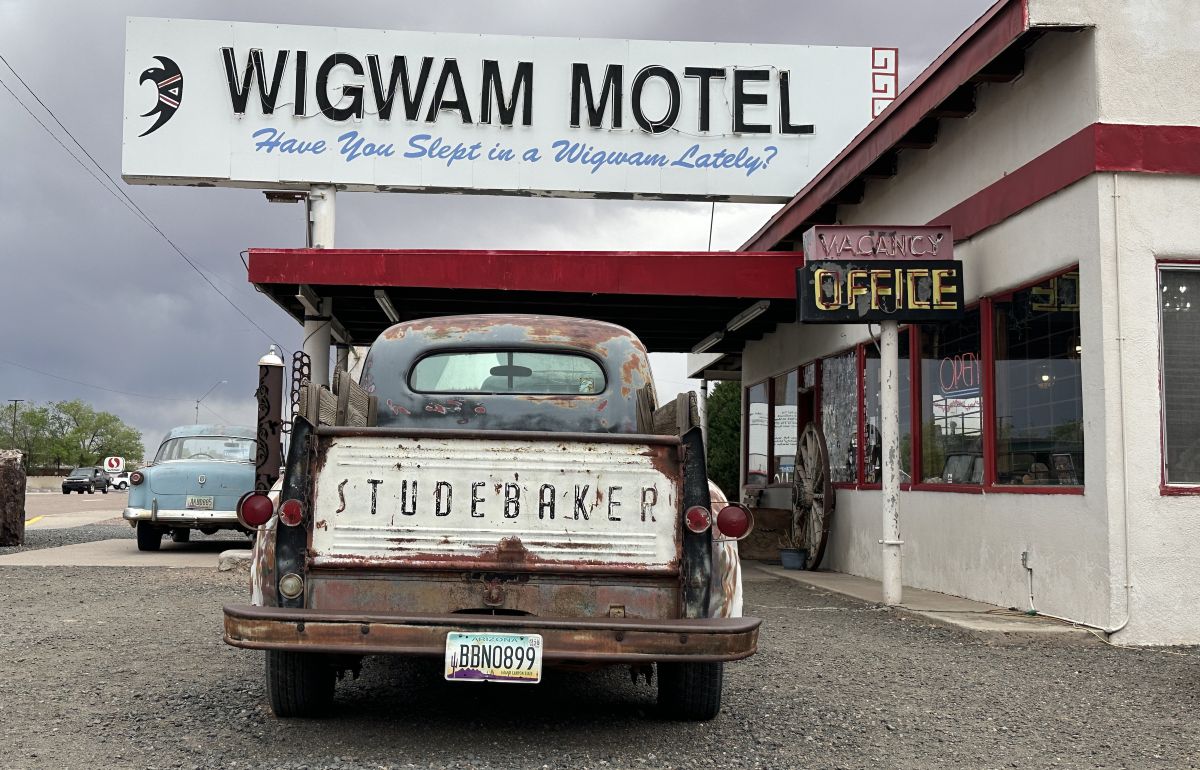
The Wigwam Motel in Holbrook, Arizona, came to life 75 years ago during the heyday of Route 66. There were originally seven Wigwam locations nationwide; just three survive today, and all of them are listed on the National Register of Historic Places. The Arizona site at 811 West Hopi Drive was built in 1950 by Chester E. Lewis. The motel has 15 concrete wigwams available for overnight stays. I’m surprised it took me 20 years of living in Arizona to finally make the trek to see what the Wigwam is all about. The drive from Phoenix took about three hours (186 miles) and was easily completed by my not-so-vintage 1989 Honda Prelude.
In addition to the quaint accommodations, scattered around the property are about 20 classic cars in various states, making for a permanent “car show” that adds to the authenticity of the Wigwam experience. Some look like they were restored at some point, others wear ancient patina like they’ve never been touched. I was assigned Wigwam No. 2 after checking in at the lobby, which was lined with 1970s wood paneling. The key tag had the saying, “Have you slept in a wigwam lately?” Soon, I would be able to answer “yes” to that question.
Ducking my head a little to get through the front door, I entered my room, which held two beds, a small desk, a television, and an air conditioning unit. Toward the back – with an entrance between the two beds – was a small bathroom with a shower. The mirror, of course, was set at an angle since it was mounted on a wall that faced slightly downward. For having a base diameter of only 14 feet, each wigwam makes a good use of space inside. There are no telephones or ice machines available – this experience is supposed to mirror “roughing it” in 1950s style, after all.
To be honest, the Wigwam Motel exceeded my expectations. My room was tidy and comfortable despite its age and small dimensions. About the only inconvenience was the occasional BNSF (Burlington Northern Santa Fe) freight train rumbling by outside – and I was able to drown that out with the air conditioner’s fan, for the most part. My night’s sleep was about as good as any Hampton Inn could offer. At one point in the afternoon, I strolled through the parking lot to check out the cars.
Here are 15 of the vehicles that were on display, in order by model year:
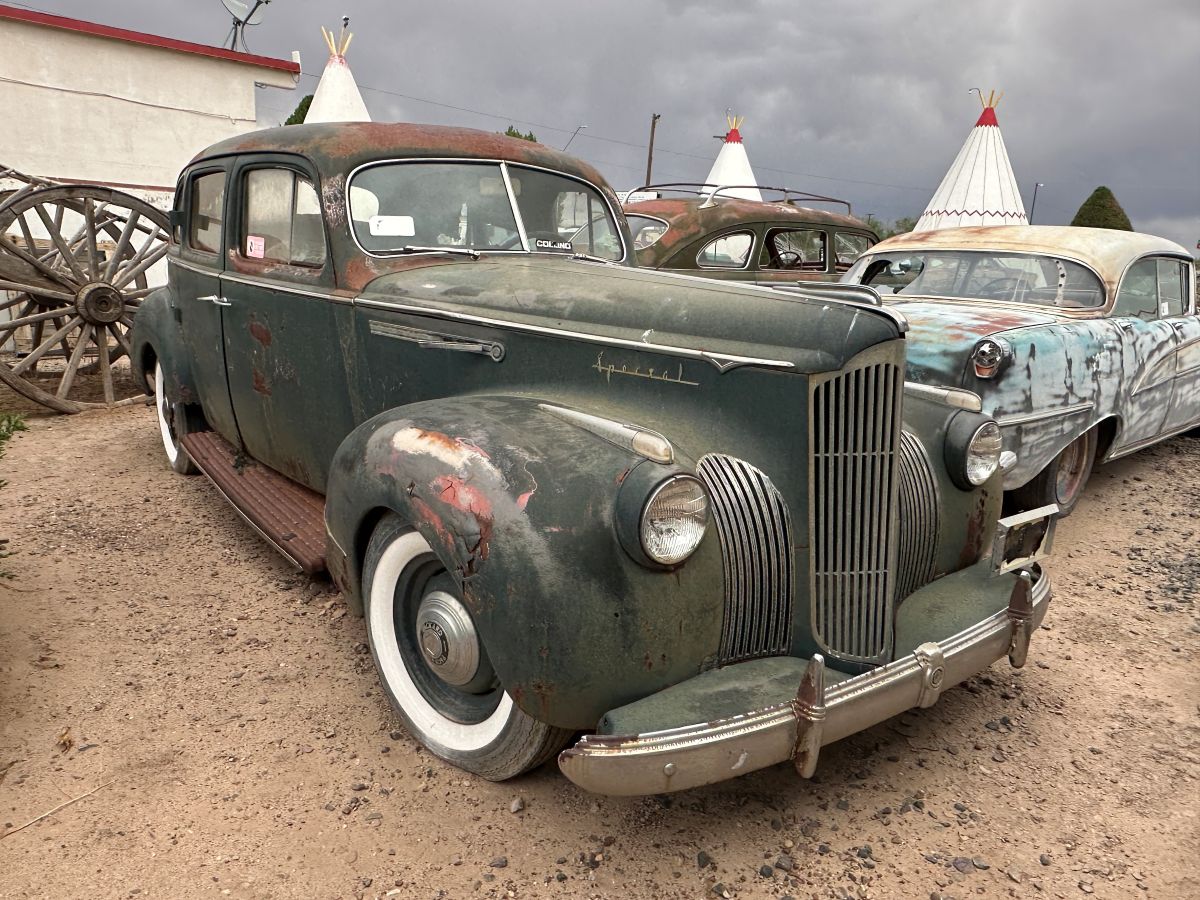
In its day, this car was a rolling symbol of prewar American luxury, powered by a 356ci flathead inline-eight coupled with a three-speed manual. It was a large car for its time as it rode on a 127-inch wheelbase – a factor that contributed to its smooth ride.
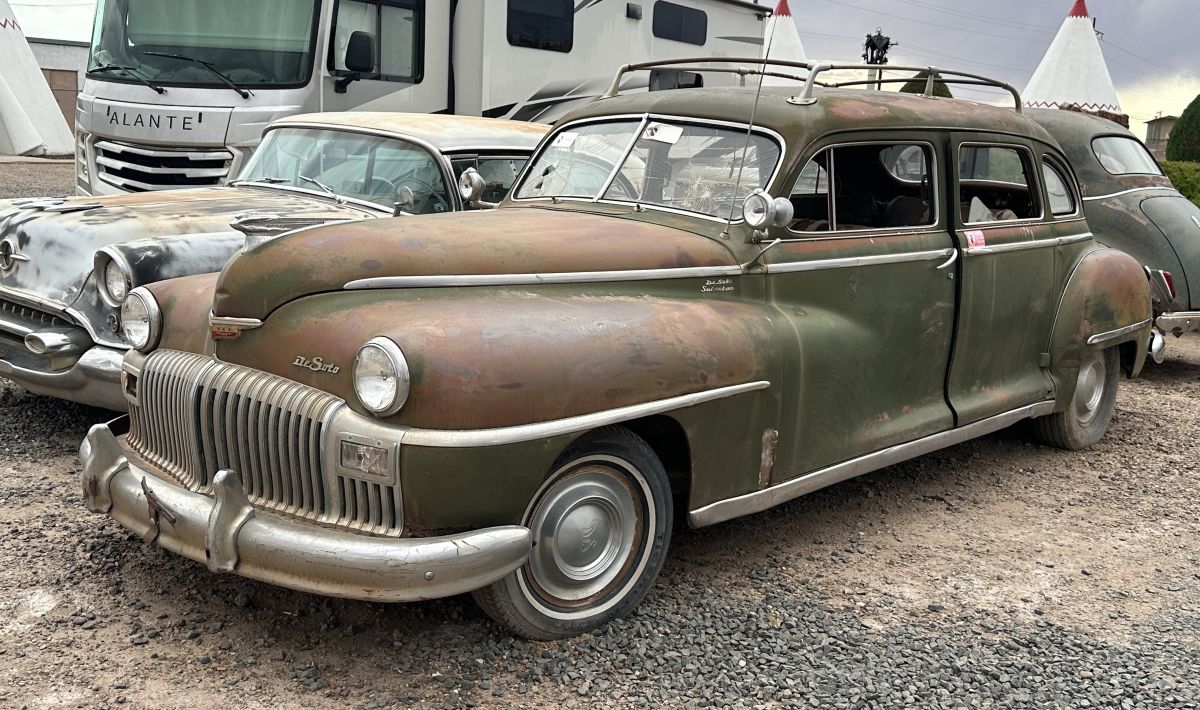
Produced from 1946 to 1954, the Suburban could haul eight people in comfort. It came with a luggage rack and was built with cross-country travel in mind. Power came from a 250.6ci straight-six mated to a three-speed manual transmission.
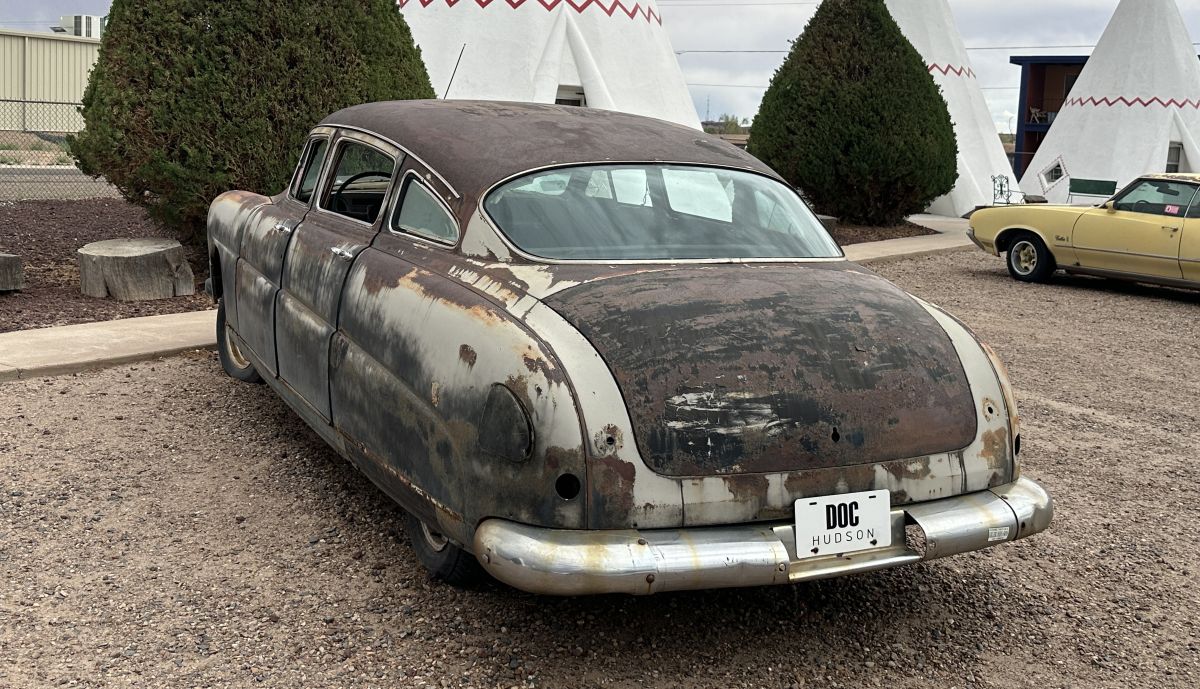
1949 Hudson Commodore
I got a kick out of the license plate on this one, which read “Doc Hudson.” That, of course, was a reference to a character, a 1951 Hudson Hornet, in the 2005 Pixar movie “Cars.” The Commodore had what was called a “step-down” design with a low center of gravity. It was powered by a 262ci L-head inline-six, which was connected to a three-speed manual gearbox.
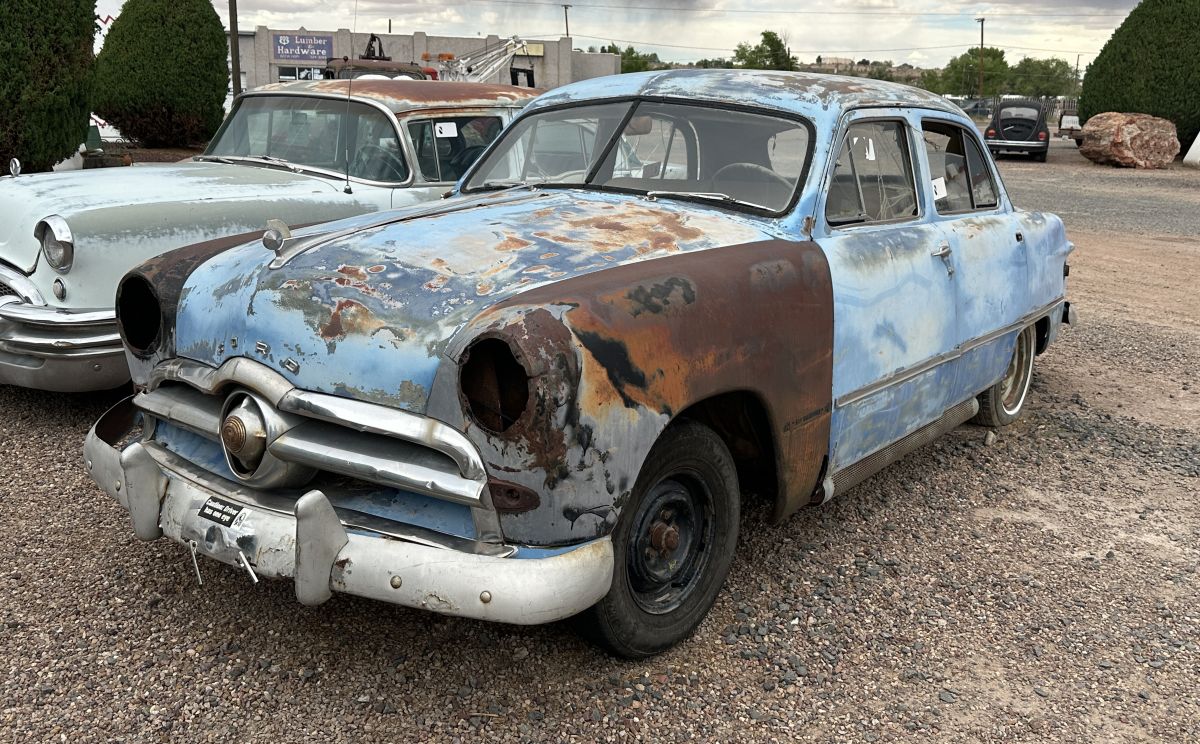
1950 Ford Four-Door Sedan
This no-frills sedan was well worn, but during its day, it was a favorite of working-class families. It was powered by a 239ci flathead V8 and had a “shoebox” design that marked a departure from prewar styling.
1951 Nash Statesman
Noted for being futuristic and fuel-efficient, the compact Statesman was a bit of an underdog. It was powered by a 184ci inline-six hooked up to a three-speed gearbox. One of the unique features – in addition to its quirky styling – was its unibody construction.
1951 Pontiac Chieftain Sedan
The unmistakable illuminated hood ornament and “silver streak” chrome treatment gave the identity of this one away. The Chieftain was produced for roughly a decade and rode on the General Motors A-body platform. In 1951, it could be equipped with an L-head inline-eight that was rated at 116 horsepower – a peppy powerplant for its time.
1951 Studebaker Commander
You can’t miss this car with its Jet Age styling and torpedo nose. The Commander was produced in South Bend, Indiana, and was powered by a 232.6ci V8. In addition to a three-speed manual, an in-house-built two-speed automatic was available.
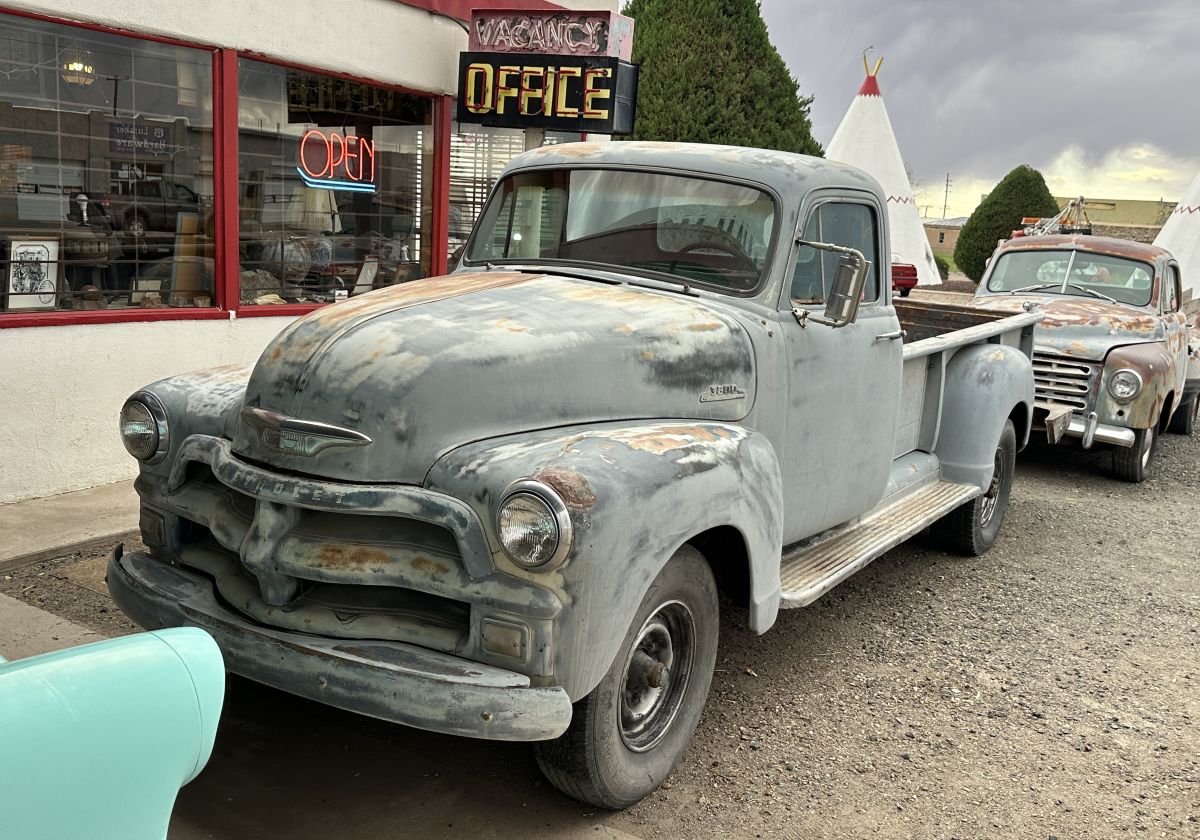
1954 Chevrolet 3800
This one-ton workhorse was parked right at the main entrance to the motel lobby as if ready to put in a day’s work around the property. Back in its day, it was designed for heavy-duty tasks and had a robust suspension. It was powered by a 235.5ci inline-six and had what Chevrolet called its “Advance Design” style.
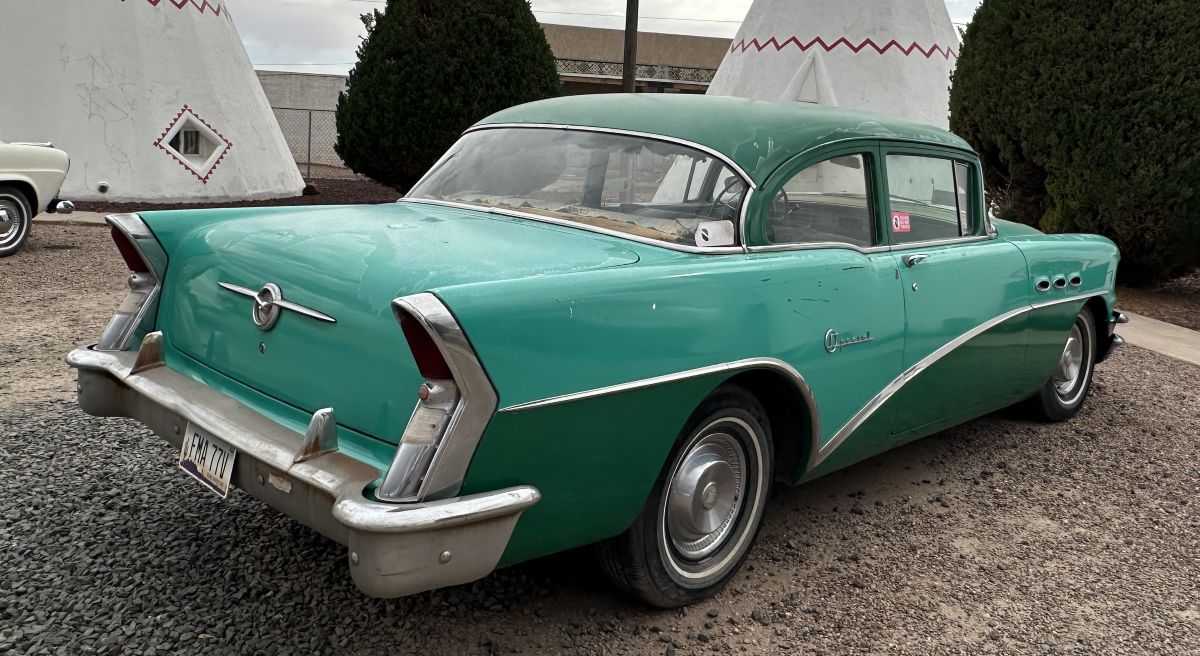
1955 Buick Special Two-Door Sedan
Buick’s distinctive Ventiports on the front fenders gave this car a unique look for its time. The Special was usually Buick’s lowest-priced model. I liked the two-tone green theme of this one, which was in better condition than many of the other cars on the lot. The 1955 Special could be optioned with Buick’s 264ci “Nailhead” V8 and a Dynaflow automatic transmission.
1956 Ford Ranch Wagon
The Ranch Wagon shared styling cues with other Ford models of the time, including the Thunderbird. It offered a utilitarian cargo area and shared chassis engineering with the full-sized Fairlane. This one was parked right up front at the lobby as if it had just dropped off a family arriving for check-in at the Wigwam.
1957 Ford Custom Two-Door Sedan
This affordable, sturdy, and stylish car helped bring mobility to the masses. I liked the red paint finish (although it was sun-faded) and the driver-side spotlight. The Custom was a bottom-rung model, but it offered value for its price point of about $2,400 when new. It could be configured with an optional Ford-O-Matic as well as various engine choices.
1959 Chevrolet Impala
With its signature “batwing” fins and cat’s-eye taillights, the 1959 Impala was an icon of late-’50s excess. This full-sized car was designed by Bill Mitchell and came in two-door, four-door, convertible, and station wagon body styles. It could be ordered with a 283ci or 348ci V8. The blue and white four-door sedan at the Wigwam looked relatively complete and well kept for its age.
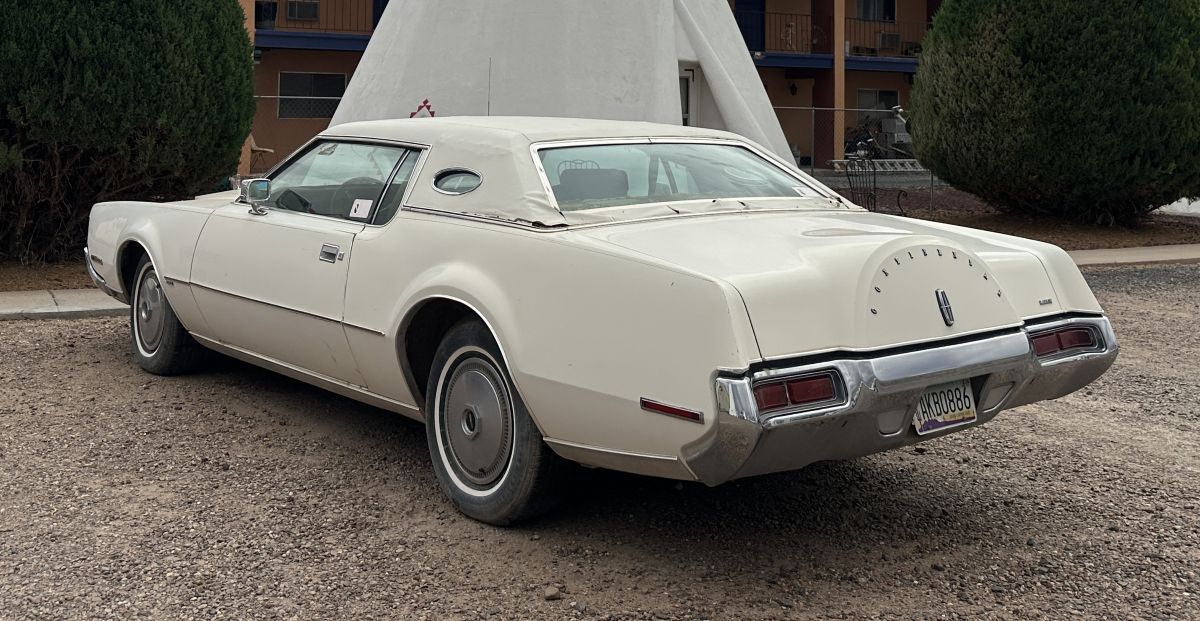
1972 Lincoln Continental Mark IV
Interestingly enough, I didn’t see any cars from the 1960s at the Wigwam – so next we jump to 1972. The Continental, of course, was Lincoln’s famed luxo-coupe, boasting a slab-sided profile and hidden headlights. It came with a 460ci big-block V8 paired with a three-speed automatic.
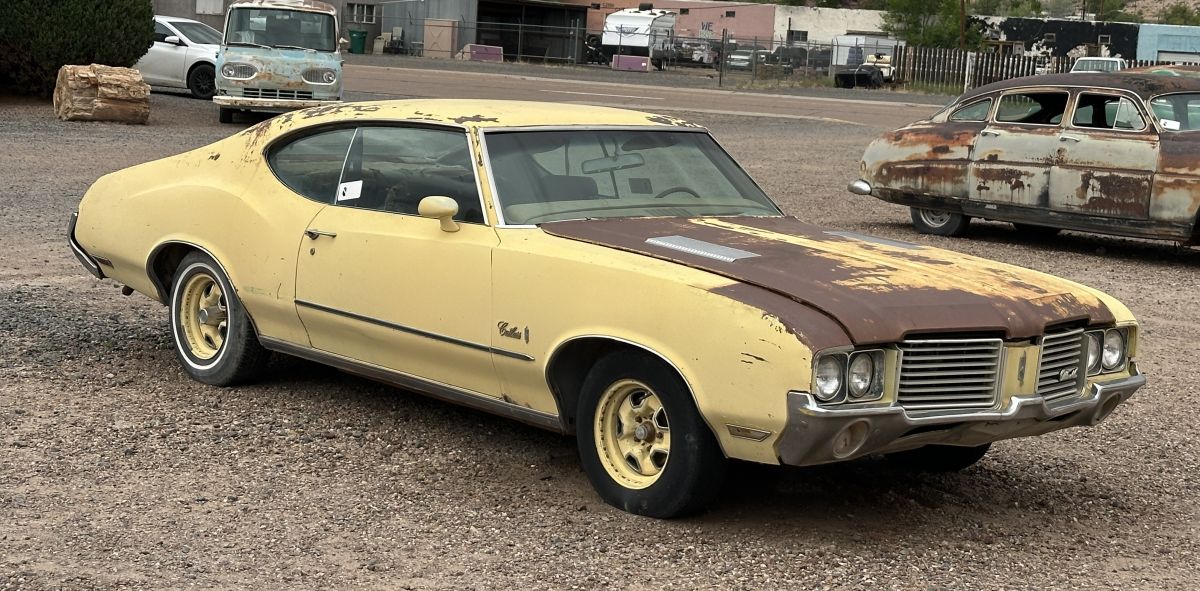
1972 Oldsmobile Cutlass
This Cutlass in tired yellow was the sportiest car I saw at the Wigwam, a survivor from the muscle car era that surely would have been fun to take for a cruise on Route 66. Riding on the GM A-body platform, the 1972 Cutlass received changes to the grille and taillights. Engines ranged all the way up to a potent 455ci V8. I wish I could’ve popped the hood to see what this one had going on, but there was signage on each car asking people to keep their hands off.
1974 Ford Galaxie 500 Coupe
Last but not least, a relic from the mid-1970s with a reputation for being big, bold, and comfortable. This green Galaxie two-door is the kind of car I’d pick for a demolition derby because it has huge bumpers and a long hood with a potent V8 underneath. It was a popular choice for full-size car buyers in its time. This would mark the last year for the Galaxie as it was succeeded by the LTD.
I hope you enjoyed this stroll down memory lane with these cars as much as I did! Have you ever visited the Wigwam Motel in Arizona, or one of the six other locations? Do any of them also have classic cars in the parking lot? Let us know!
If you’ve ever been to a car show in your life (and I’m sure you have because you’re reading this), you know the basic etiquette and perhaps the most important rule to follow: if a sign tells you not to touch the vehicle, keep your hands off it. I’ve always kept that in mind when I go to car shows, but when you have to open certain parts of a vehicle (with permission, of course) to shoot a video, things are a little different. I became acutely aware of that while filming content at the Barrett-Jackson 2025 Palm Beach Auction (stay tuned to the ClassicCars.com Journal for those videos). Below are some of the things that popped into my head there.
MINIMIZE YOUR EXTREMITIES
A 1975 Ford F-250 Ranger XLT at the Barrett-Jackson 2025 Palm Beach Auction. (Photo by Derek Shiekhi)
Swinging your arms is fine if you’re power-walking on a nature trail, but when you’re moving between cars, keep them close to your body. I had to remind myself to do that, especially because I often had my large hard-sided camera case with me. Even when I wasn’t carrying that, I had to tone down my gestures so that “talking with my hands” didn’t result in me banging my watch into a $30,000 paint job. Several times, I leaned over to get a closer look at a classic—after tucking the ID card that was hanging around my neck into my shirt.
HELP IS OUT THERE
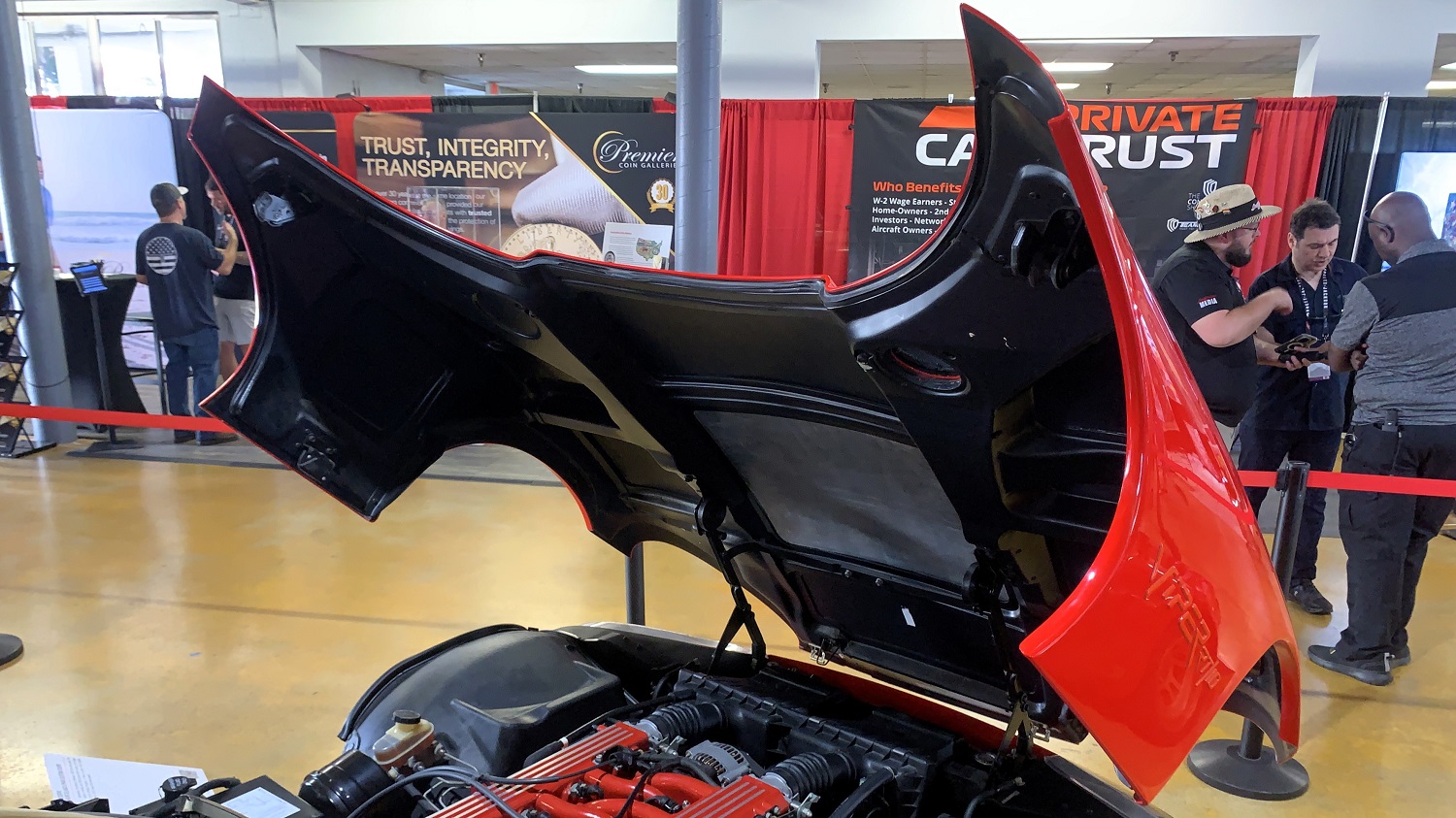
A 1992 Dodge Viper RT/10 at the Barrett-Jackson 2025 Palm Beach Auction. (Photo by Derek Shiekhi)
When I needed to pop the hood on a vintage Maserati, I asked Dustin (the Collector Car Network’s media supervisor) to hold the driver’s door open so it didn’t swing into the car next to it while I pulled the release latch. Knowing there are videos out there showing people opening the hoods of various other cars gave me even more peace of mind. I was about to pull one up on the Dodge Viper RT/10 when an owner of multiple Vipers stepped in and told me how to open the massive panel. He even warned me and Dustin not to tilt it too far forward so we could avoid damaging it. We followed his instructions slowly and carefully.
“Invisible Touch” is not just a catchy Genesis song—it’s also something to strive for when opening up and filming a stranger’s car. After I opened a hood or door far enough to gain control of it, I switched to using the joints between my fingers and palm or just the palm to move it without getting fingerprints on the finish. It eventually occurred to me that I could step things up by keeping my wedding band in my pocket (we all want to be “the man,” not “that guy”). The few times I sat in a car, I made sure to move my wallet from my back pocket to my hip pocket. Yes, that was better for my back but, most importantly, it kept me from leaving a rectangular dent in the driver’s seat.
ASSUME THE WORST, THEN THINK AHEAD
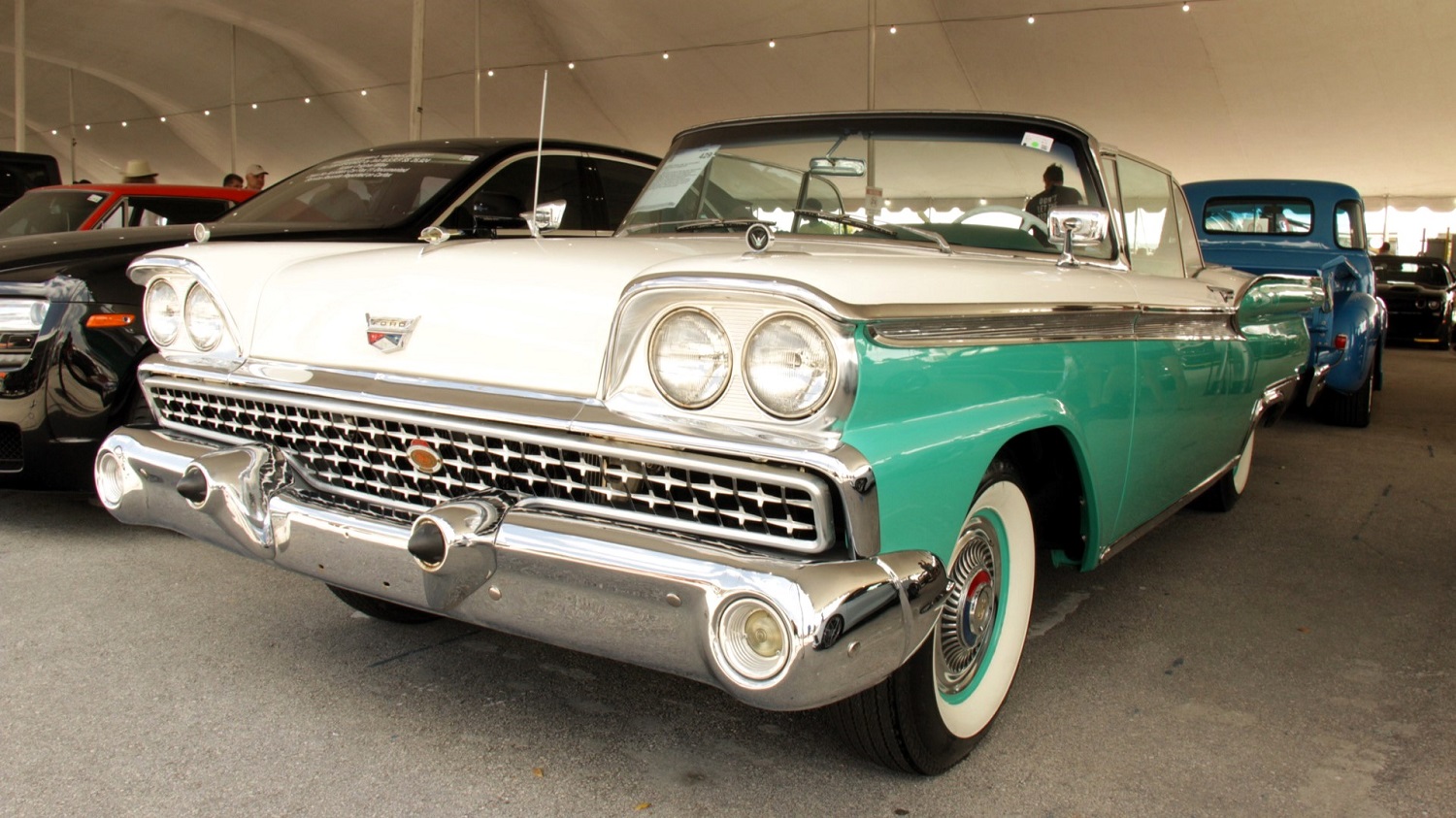
A 1959 Ford Fairlane 500 Galaxie Skyliner at the Barrett-Jackson 2025 Palm Beach Auction. (Photo by Derek Shiekhi)
Thanks to brochures and advertisements, I learned several things about the 1936 Packard 120 Convertible Sedan the easy way. One thing I didn’t know was if the front passenger-side door was going to open so wide that it would contact a nut attached to an arm holding the spare tire carrier in place. I certainly didn’t want to find out the hard way, so I kept my thumb between the door and the nut while our media supervisor got interior footage.
If you have any rules you live by when you’re at car shows or shooting other peoples’ cars, post them in the Comments section below.
While the usual suspects like the Chevelle SS or Camaro Z/28 get all the glory, Chevy built some true drag-strip sleepers over the years—cars with raw speed, rare parts, and limited runs that have become legends to a select few. One of the most overlooked is a full-size brute from 1963, armed with an engine so wild it’s practically a unicorn today. Let’s break down this rare beast and the 9 other Chevys that slipped under the radar with serious firepower.
1963 Chevrolet Impala Z11 – The 10-Second Full-Size Monster
Auto Evolution
Built for NHRA Super Stock competition, the Z11 Impala was Chevy’s nuclear option in 1963. Under the hood sat the rarest W-series V8 ever made: a 427 cubic inch engine based on the 409 but packed with weight-saving tricks and a race-ready top end. Chevy deleted the heater, radio, and sound deadening.
1963 Chevrolet Impala Z11 – The 10-Second Full-Size Monster
Auto Evolution
Only 57 were made, and some ran mid-10s on slicks right off the showroom floor. This wasn’t just a fast full-sizer—it was a factory drag car hiding behind Impala badges. Most people today have never heard of it, but the Z11 is one of Chevy’s most fearsome creations.
1969 Chevrolet Camaro ZL1 – The Aluminum Beast
Mecum
Most muscle cars didn’t dare cross into Corvette territory—but the 1969 ZL1 Camaro did just that. With an all-aluminum 427-cid V8 under the hood, this dragstrip special was both light and brutally powerful. Rated at 430 hp (but making closer to 550), only 69 were built to satisfy NHRA rules.
1969 Chevrolet Camaro ZL1 – The Aluminum Beast
Hot Rod
The ZL1 was a street-legal rocket that could run 11s with the right driver and tires. It’s one of the rarest, most expensive Camaros ever built—and few people outside hardcore gear heads know what it even is The sheer power and appearance of this Camaro model was synonymous with street performance.
1970 Chevrolet Chevelle SS 454 LS6 – Big Block Legend
Hot Rod
The LS6 was the king of the streets in 1970, pushing 450 horsepower and 500 lb-ft of torque from a 454 big block. Mated with a heavy-duty M22 “Rock Crusher” four-speed, the Chevelle SS 454 LS6 was brutally fast, capable of low 13s or better with slicks.
1970 Chevrolet Chevelle SS 454 LS6 – Big Block Legend
Mecum
It was a muscle car that could embarrass anything Ford or Mopar had to offer, and it did it while looking classy and tough. While more known than others on this list, the LS6 remains an underrated terror when it comes to real-world performance.
1990 Chevrolet 454 SS – The Muscle Truck Nobody Expected
GM
In 1990, Chevy did something strange—they stuffed a big-block V8 into a short-bed Silverado and created the 454 SS. It was a street truck with muscle car spirit, running a 7.4-liter V8, heavy-duty suspension, and aggressive gearing. There was something about this truck that made it insanely popular with the hot rod crowd.
1990 Chevrolet 454 SS – The Muscle Truck Nobody Expected
GM
While it wasn’t quite a 10-second runner stock, it was close with mods and shocked people by how quick a pickup could be. Today it’s a collector’s dream, but back then it flew under the radar, a wild mix of utility and street-brawling power.
2003 Chevrolet S10 Xtreme V8 Swaps – Factory-Sanctioned Mayhem
BAT
While Chevy never officially built a V8 S10, plenty of dealers offered conversions using GM Performance Parts. These lightweight trucks, when built right, could dip into the 10s thanks to crate 350s or even LS1 swaps. Some dealers like Mallet and Lingenfelter made them even crazier. Any kid who grew up during this era wanted an S10 Xtreme, just for the fact that it looked so cool.
2003 Chevrolet S10 Xtreme V8 Swaps – Factory-Sanctioned Mayhem
BAT
With no traction control, short wheelbases, and big power, these were terrifyingly quick in a straight line. They remain the ultimate sleepers—especially when built using genuine GM components and documented builds. V8 swapping these things is so easy to do, that’s why so many drivers enjoy them.
1971 Chevrolet Biscayne 427 Police Package – Bare Bones Brute
BAT
The Biscayne was never a glamorous car, but when ordered with a 427 police interceptor engine and a 4-speed, it became a dragstrip terror. Built as a budget-friendly fleet car, it was the lightest full-size Chevy you could get—and when ordered with the high-output big block, it flew.
1971 Chevrolet Biscayne 427 Police Package – Bare Bones Brute
BAT
These cars could easily run 13s, and with minor tweaks, broke into the 12s. Most were used and abused by law enforcement or municipal fleets, making surviving examples extremely rare. Cop cars always had to be fast and the 427 was the ultimate engine for the job. This car was practical, comfortable, and got deputies where they needed to be.
1987 Chevrolet Monte Carlo SS Aerocoupe – NASCAR DNA
BAT
The Aerocoupe was created for one reason: win on Sundays. Its sloped rear glass improved high-speed stability in NASCAR, and the SS trim brought a high-output 305 V8. While it wasn’t a drag-strip monster in stock form, it laid the groundwork for modern LS swaps and modded examples have dipped into the 10s.
1987 Chevrolet Monte Carlo SS Aerocoupe – NASCAR DNA
BAT
The rare Aero body made it collectible, and the G-body platform still sees action in street and strip builds today. It’s a forgotten street car with racing in its blood. We know that the Monte Carlo was instrumental in the development of GM’s 1980s NASCAR program. The car had a tremendous amount of success and the GM G-Body was a very popular platform.
1973 Chevrolet Laguna Type S-3 – The Last Hurrah Before Malaise
BAT
This NASCAR-inspired coupe was a rare blend of style and performance just before emissions choked out muscle. With available 454 big-blocks and performance gearing, it was one of the last Chevys of the early ’70s that could still move. Let’s be honest, the Laguna isn’t the first car that comes to mind when you think of GM muscle.
1973 Chevrolet Laguna Type S-3 – The Last Hurrah Before Malaise
BAT
The Laguna was also surprisingly aerodynamic for its time, helping it dominate NASCAR. While it’s not a 10-second car stock, today’s builders have turned these forgotten coupes into dragstrip sleepers with LS or big block power, honoring their roots in speed.
1966 Chevrolet Nova SS L79 – Small Car, Big Punch
BAT
The 1966 Nova SS with the L79 327 engine was deceptively quick. Making 350 horsepower and weighing far less than most muscle cars of the time, it was a pocket rocket that could run mid-13s bone stock. In the hands of tuners, it was easy to push these into the 10s with bolt-ons.
1966 Chevrolet Nova SS L79 – Small Car, Big Punch
BAT
The Nova looked tame, even grandma-friendly, but when it hooked, it was a giant killer. Today, it’s a cult favorite among drag racers and old-school Chevy fans. The Nova was one of the most well-known muscle cars from it’s era, and with good reason.
2014 Chevrolet COPO Camaro – Factory Drag Racer Reborn
Hagerty
Chevy revived the COPO program in the 2010s with a new-gen Camaro that was built solely for NHRA racing. No VINs, no street legality—just all-out speed. Offered with various engine options including a 427 and supercharged LSX, these cars ran 8s and 9s right out of the crate.
2014 Chevrolet COPO Camaro – Factory Drag Racer Reborn
Mecum
They were a modern echo of the Z11 Impala: built for a specific purpose, rare, and brutally fast. Each one came serialized and documented, making them valuable collector’s pieces as well as track weapons. The COPO Camaro was the car that you wanted to own if you wanted to dominate the track.
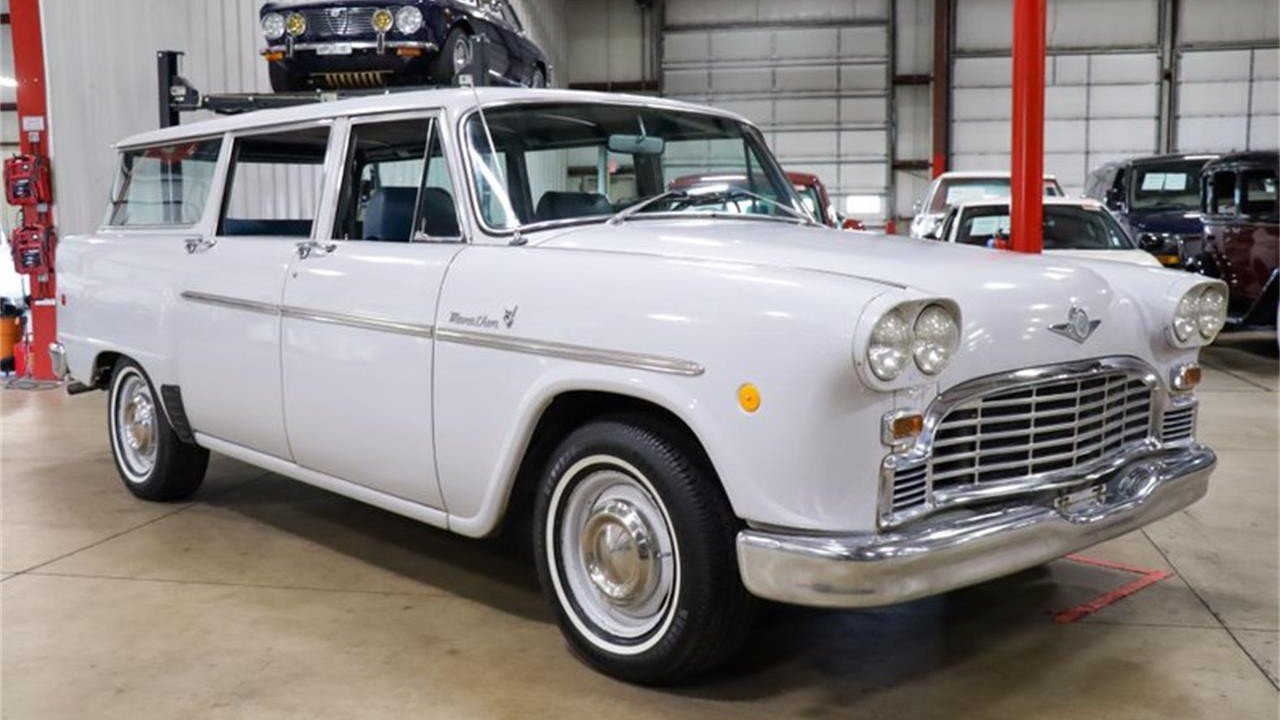
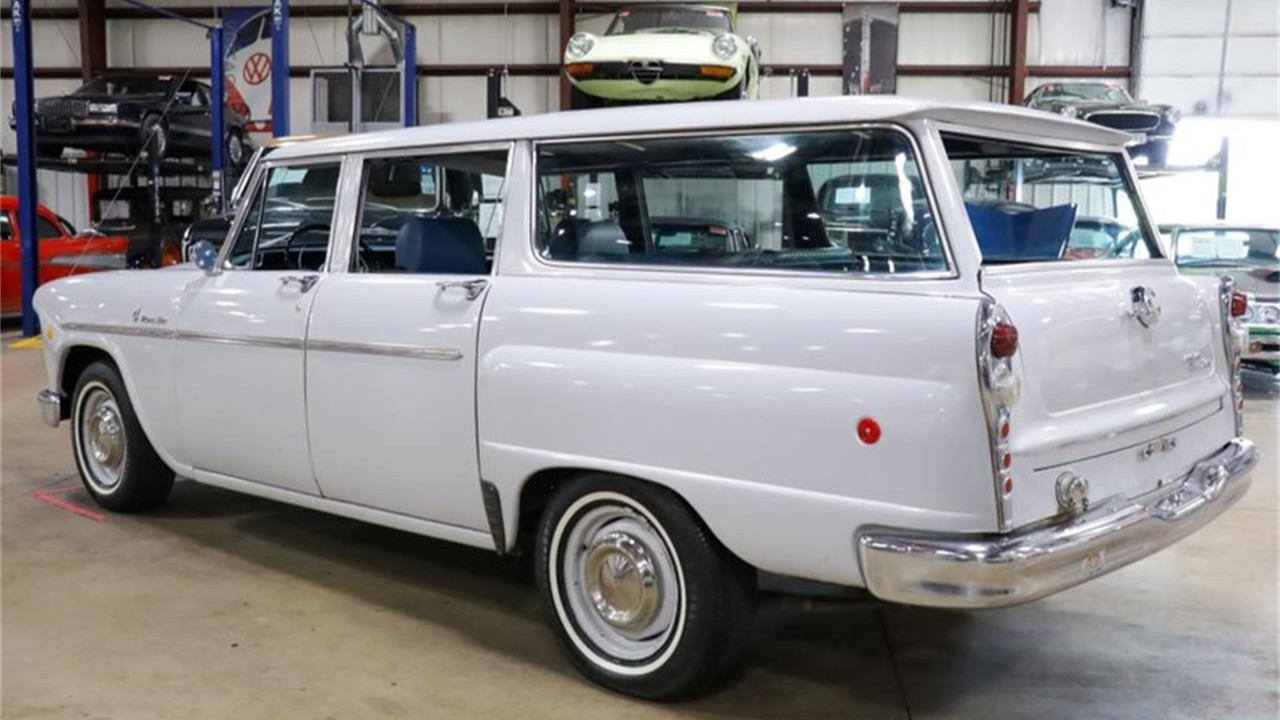
I can’t speak for the West Coast or the fly-over states, but if you’ve ever visited a major city on the East Coast, chances are you’ve seen a Checker. While mainstream companies produced taxis, no brand exploited this affiliation more than Checker. But Checker didn’t only produce taxis, as our Pick of the Day shows. This 1969 Checker Marathon wagon is listed for sale on ClassicCars.com by a dealership in Kentwood, Michigan.
In terms of the rate of attrition, Checker may have suffered more than any other brand. For a car that seemed just about everywhere (especially New York City and Boston), many Checker models produced since 1922 are practically extinct—after all, they were taxis, which were more disposable than your typical planned-obsolescence vehicle.
The best-known Checker cars can trace their lineage to the 1955 A8, which evolved into the A9 and A10 for 1958-62, the first Checker truly available for civilian use. Aside from the location of the parking lights, this is the car that became synonymous with the durable-yet-homely vehicle we’ve come to know. The A9 was the taxi, while the A10 (introduced in 1960) was the Superba, a civilian model that sold in small numbers. It was available as a four-door sedan and four-door wagon and was produced through 1962, all powered by inline-sixes from Continental. The Marathon was introduced for 1961, a better-equipped version of the Superba that would eventually absorb the lesser model.
The A11 and A12 were introduced for 1962, and this is the Checker that everyone knows. The main visual difference from the A9/A10 was the location of the parking lights underneath the headlights. It was this model that would last through 1982 and become ingrained in the consciousness of folks around the world. As before, the A11 was the taxi and the A12 was the civilian version. Chevrolet’s 230 six and 283 V8 joined the lineup in 1964, the final year for the Continental six, leaving 283 and 327 small-blocks plus the 230 for 1965. A handful were built with a Perkins diesel four-cylinder, too. Top horsepower during the A12’s tenure was a 350/300 in 1969.
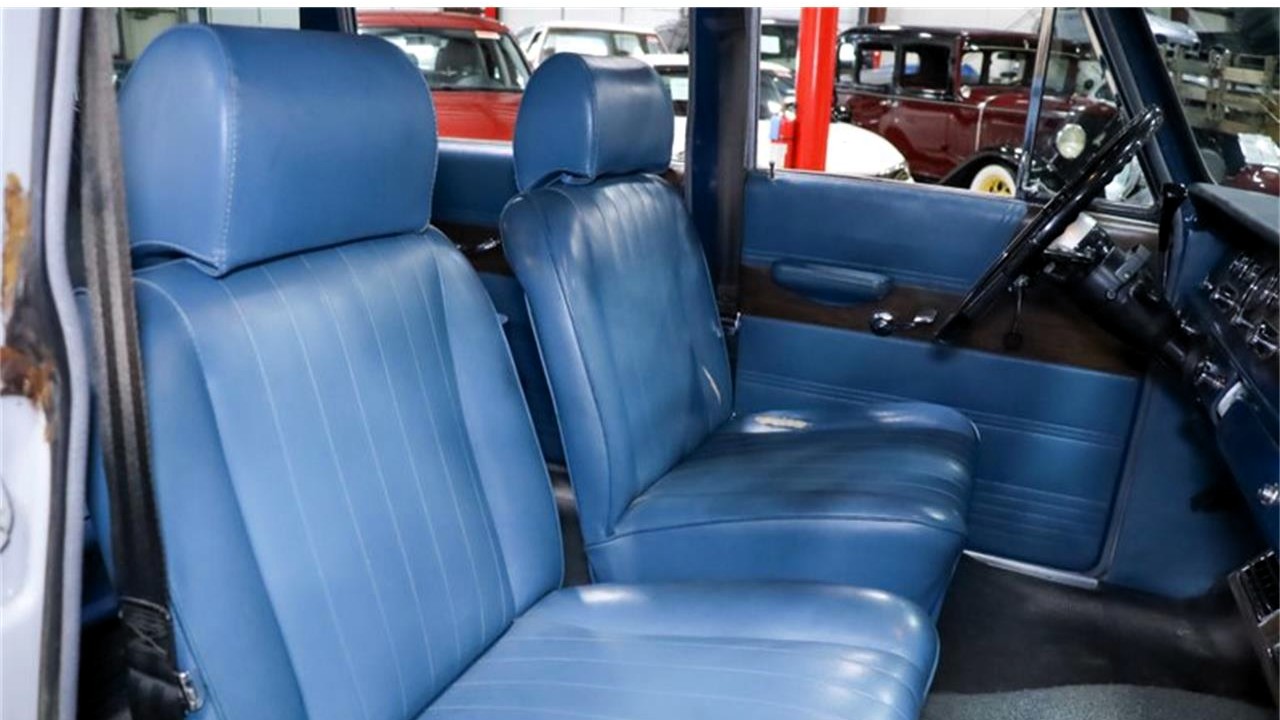
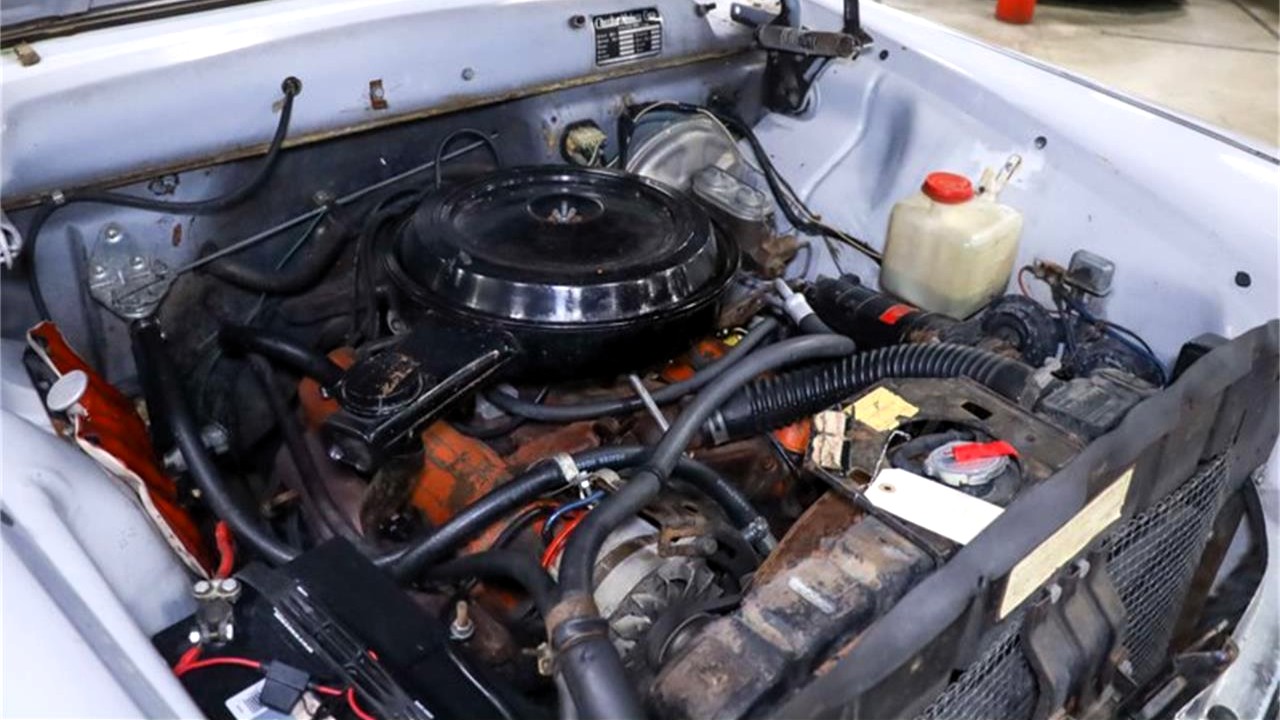
This Fulton Blue 1969 Checker Marathon wagon is claimed to be one of 286 A12W models built at the end of the decade. Originally sold in Portland, Oregon, this wagon lived there for most of its life, then moved to California. Power comes from a 235-horsepower 327 two-barrel backed by Powerglide and 3.31 gears. “Equipped with power steering and brakes, driving this Checker is an easy-going experience, ideal for long trips or just a day out on the town,” says the seller. Inside, what makes this one more interesting is that it’s equipped with bucket seats—one of 17, according to the seller. “The tinted glass all around offers added comfort, keeping the cabin cool and protecting the vintage upholstery from sun exposure … this Checker also comes with air conditioning, a feature that adds to the overall comfort and usability.”
Sure, the sedans may come off as dumpy, but the wagons have a commanding presence. This one has been given proper care all its life and makes for a distinctive collector’s item. For $31,900, you can buy this and make a pilgrimage to Kalamazoo, not far from where this car is currently located.
You’ve invested your heart, time, and resources into your dream car. Yet even the finest vehicles can face unexpected breakdowns, rising repair costs, and limited access to specialized service centers. Research indicates that with each passing year, the likelihood of mechanical failure increases by approximately 10.4% for older vehicles. Moreover, vehicles aged 10 years or older are twice as likely to experience breakdowns compared to newer models. (Wiley Online Library, AAA Colorado)
Restoration and maintenance costs can also be substantial. Full restorations often exceed $40,000, with some projects reaching up to $120,000. Even routine maintenance can add up, with annual costs ranging from $600 to $2,000, depending on the make and model.
Finding a trusted service center that understands your vehicle’s unique needs can also be time-consuming. Every day your car sits in a shop is another day it’s off the road – and away from you.
Premier protection for the cars you treasure Choosing the right protection is a smart decision for anyone who values their vehicle and the road ahead. A carefully crafted Vehicle Protection Plan shields your investment and ensures its performance and value for years to come. A Vehicle Service Contract (VSC) protects against the cost of unexpected repairs. Unlike auto insurance, which covers accidents and external damage, a VSC covers mechanical or electrical breakdowns.
Today, when vehicle components are more expensive than ever, having a protection plan offers you peace of mind on the road. The right VSC helps mitigate risks, ensures access to certified repair facilities, controls out-of-pocket expenses – and provides lasting protection for both vehicles and drivers.
Give your prized possession the coverage it deserves. Leveraging over a decade of experience and more than one million vehicles protected, LegendaryCarProtection.com delivers flexible coverage solutions for a wide spectrum of vehicles – from 1960s classics to modern supercars and family SUVs. With over $100 million in claims paid to date, LegendaryCarProtection.com has built a reputation for speed, transparency, and high-quality support.
Key benefits include:
Flexible Monthly Plans: Coverage on your terms. No long-term contracts or hidden restrictions.
Instant Quotes and Activation: Coverage begins the moment you enroll.
Exclusive Repair Network: Access to a nationwide network of trusted, pre-vetted service centers.
Roadside Assistance: Included 24/7/365 support for towing.
ID Theft Protection: Complimentary services that safeguard your identity beyond the vehicle.
Getting started To explore tailored protection options for your specific vehicle, visit LegendaryCarProtection.com. By submitting basic information such as make, model, and mileage, you can get a customized quote and select the plan that fits your needs.
Car ownership today comes with high expectations and high risks. A well-designed Vehicle Service Contract not only protects your finances, but also ensures your vehicle receives the care it deserves – no matter how iconic, rare, or routine it may be.
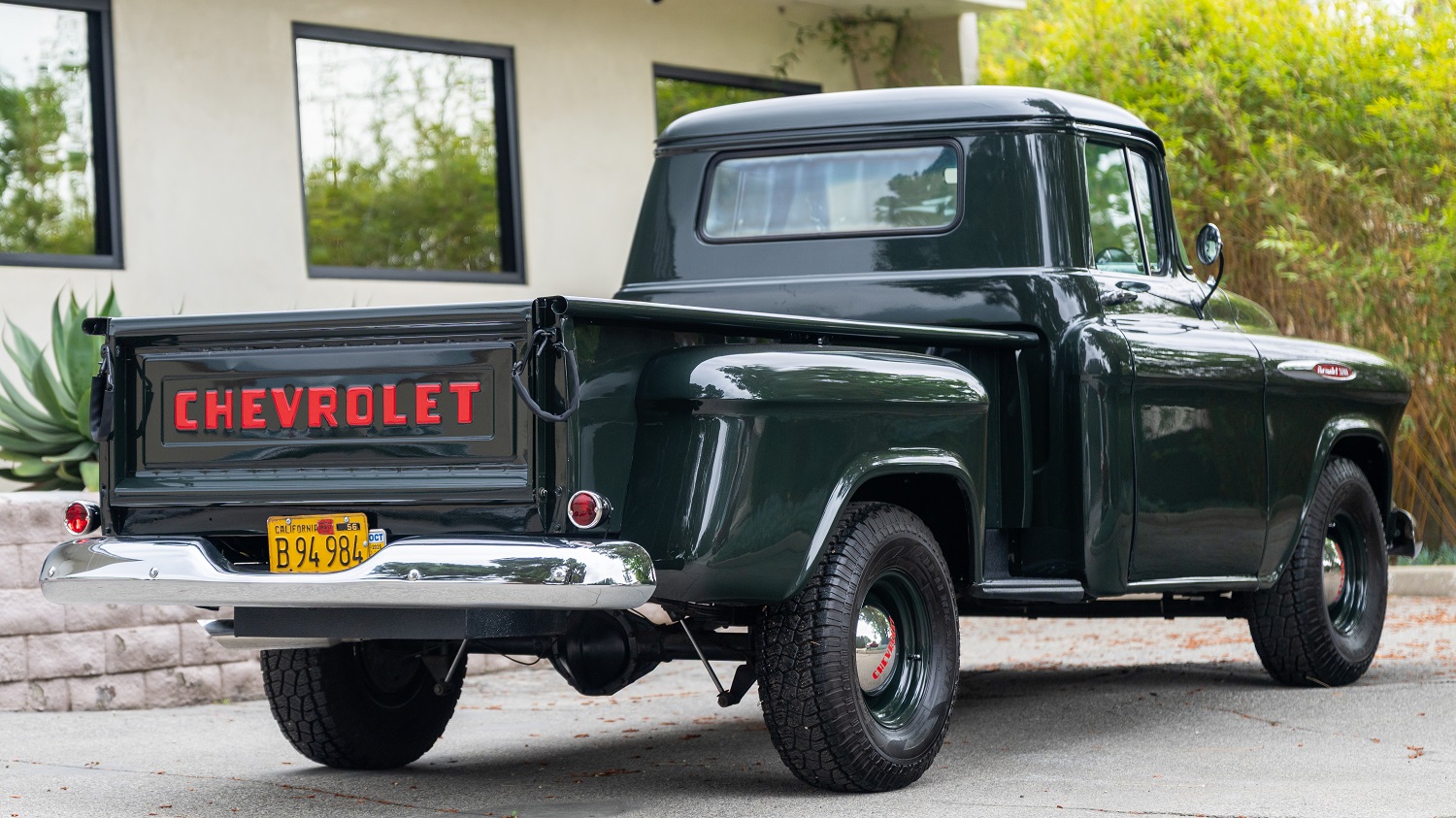
Currently listed on AutoHunter is this restored 1957 Chevrolet 3200 pickup. It’s powered by a rebuilt Thriftmaster 235.5ci inline-six, which is equipped with Holley fuel injection and mated to a heavy-duty four-speed synchromesh manual transmission. Finished in Brewster Green over a tan vinyl interior, this two-wheel-drive Task Force pickup is now offered by the California seller with restoration receipts and a clear title.
In 2021, the exterior was painted Brewster Green. Exterior features include chrome bumpers and mirror housings, a wraparound windshield, and a single driver-side exhaust outlet. The side steps for the bed have been treated with Rhino Linings material; inside is a new wood bed floor.
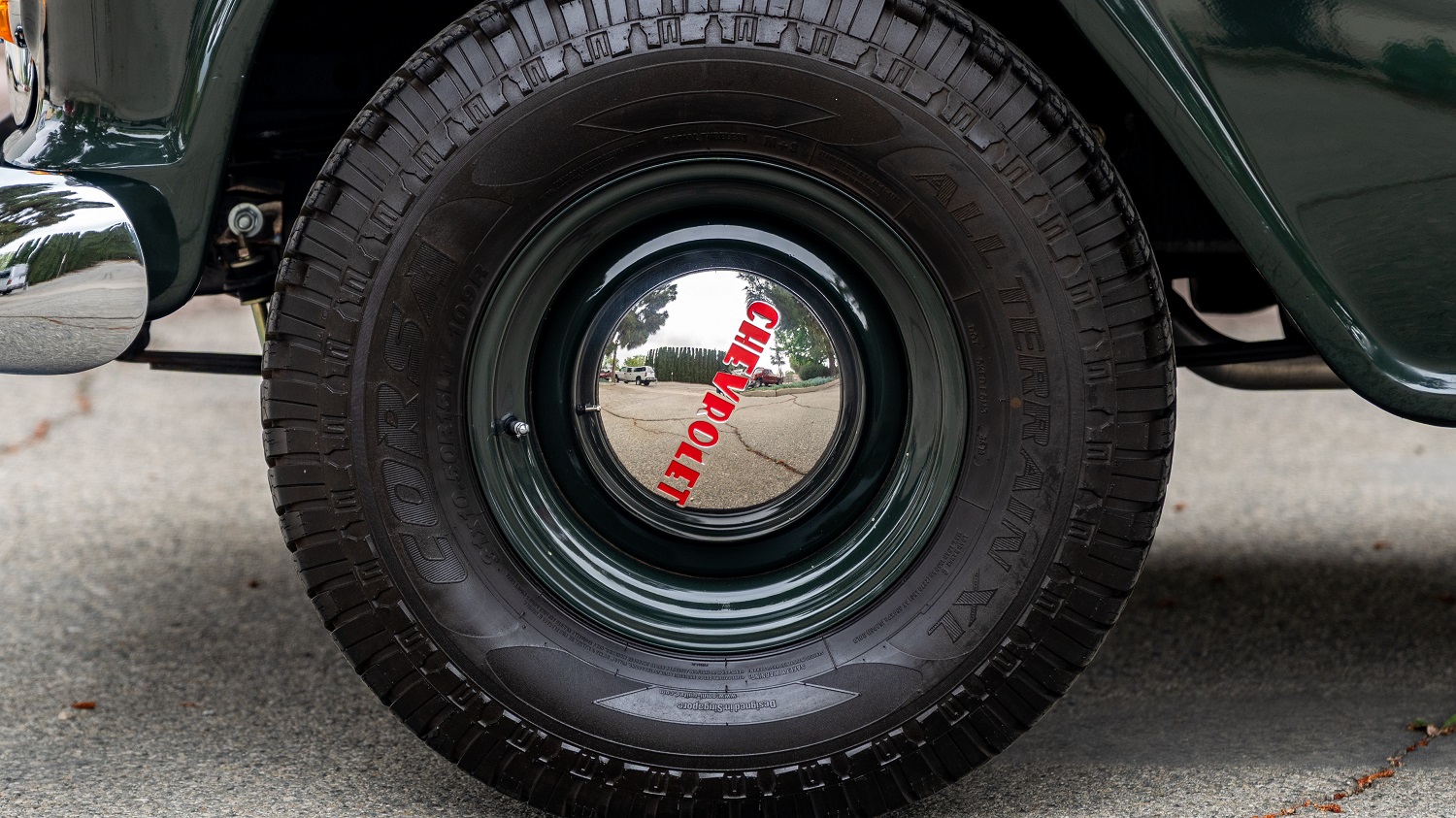
This truck gets down the road or trail on a set of body-color 15-inch wheels with Chevrolet-branded chrome hubcaps and 31 x 10.5-inch Corsa All Terrain XL radial tires.
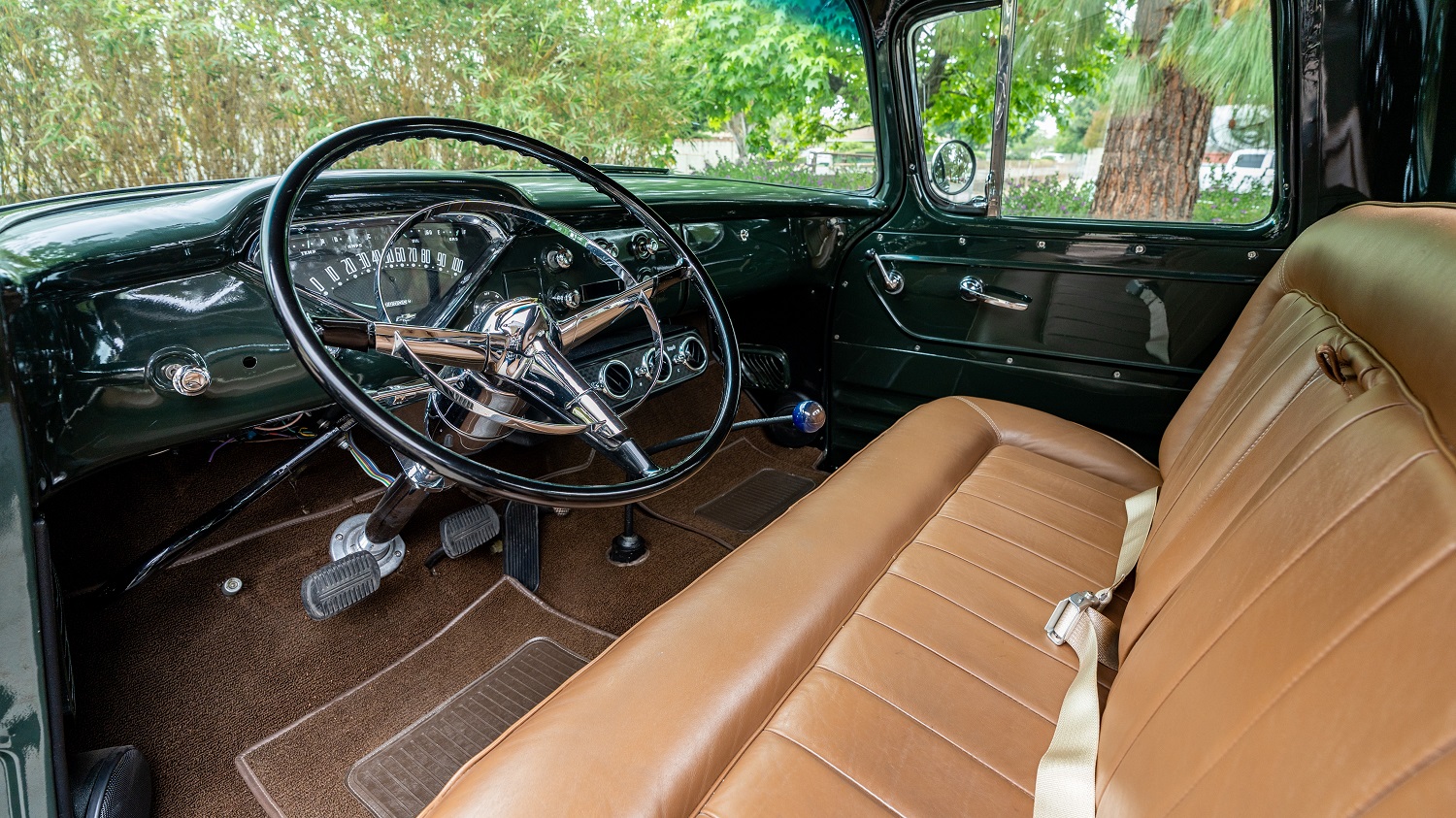
New parts inside the single cab include the glass, tan vinyl upholstery on the bench seat, brown carpeting, Vintage Air A/C system, Bluetooth-compatible AM/FM radio, and speakers. Additional features consist of a center fold-down armrest with two cup holders, non-original steering wheel connected to power steering, and floor-mounted manual shifter.
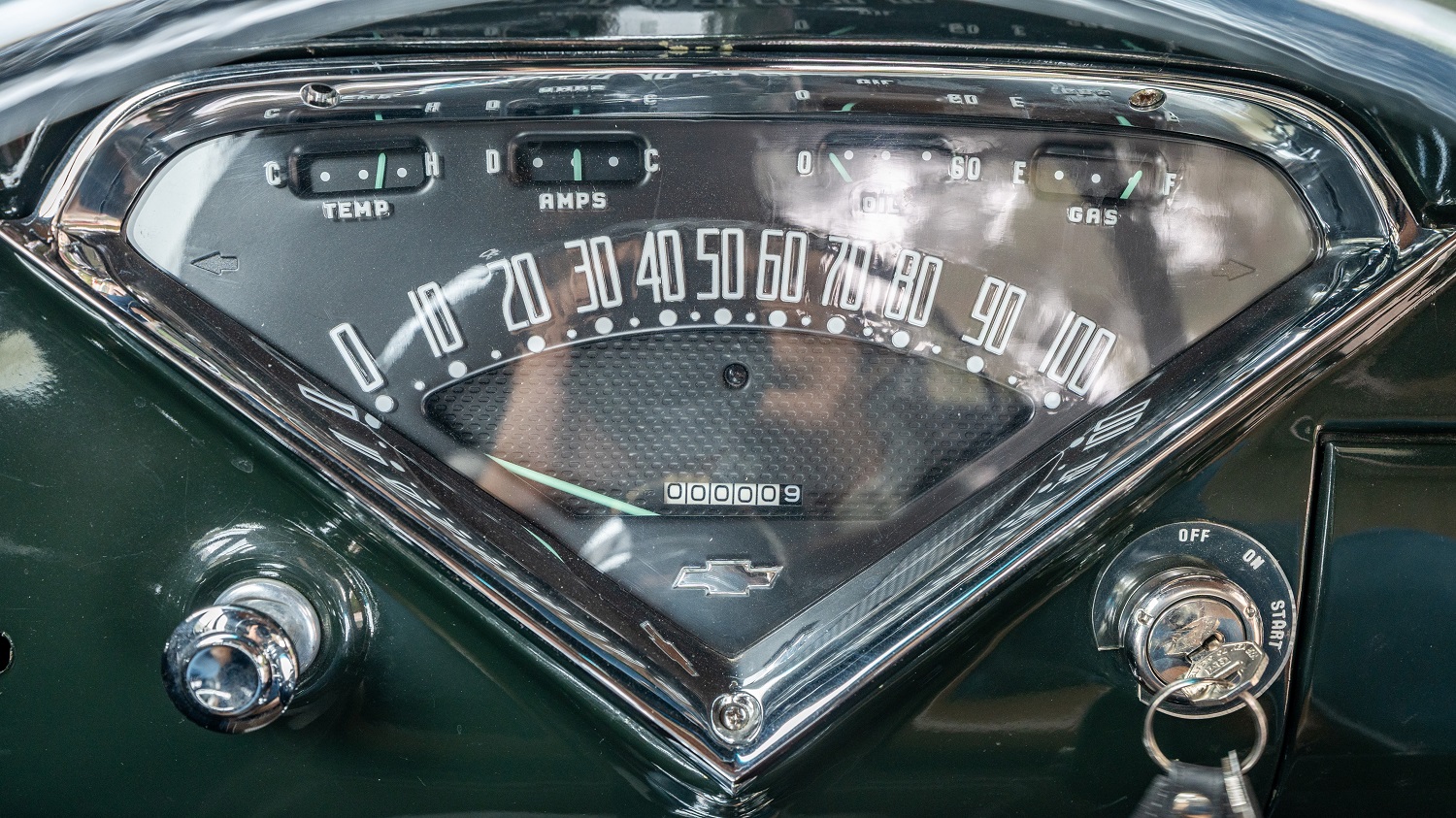
A multi-gauge panel contains a 100-mph speedometer and shows the temperature, amperage, oil pressure, and fuel level. The odometer indicates less than one mile; according to the title, this vehicle is mileage-exempt.
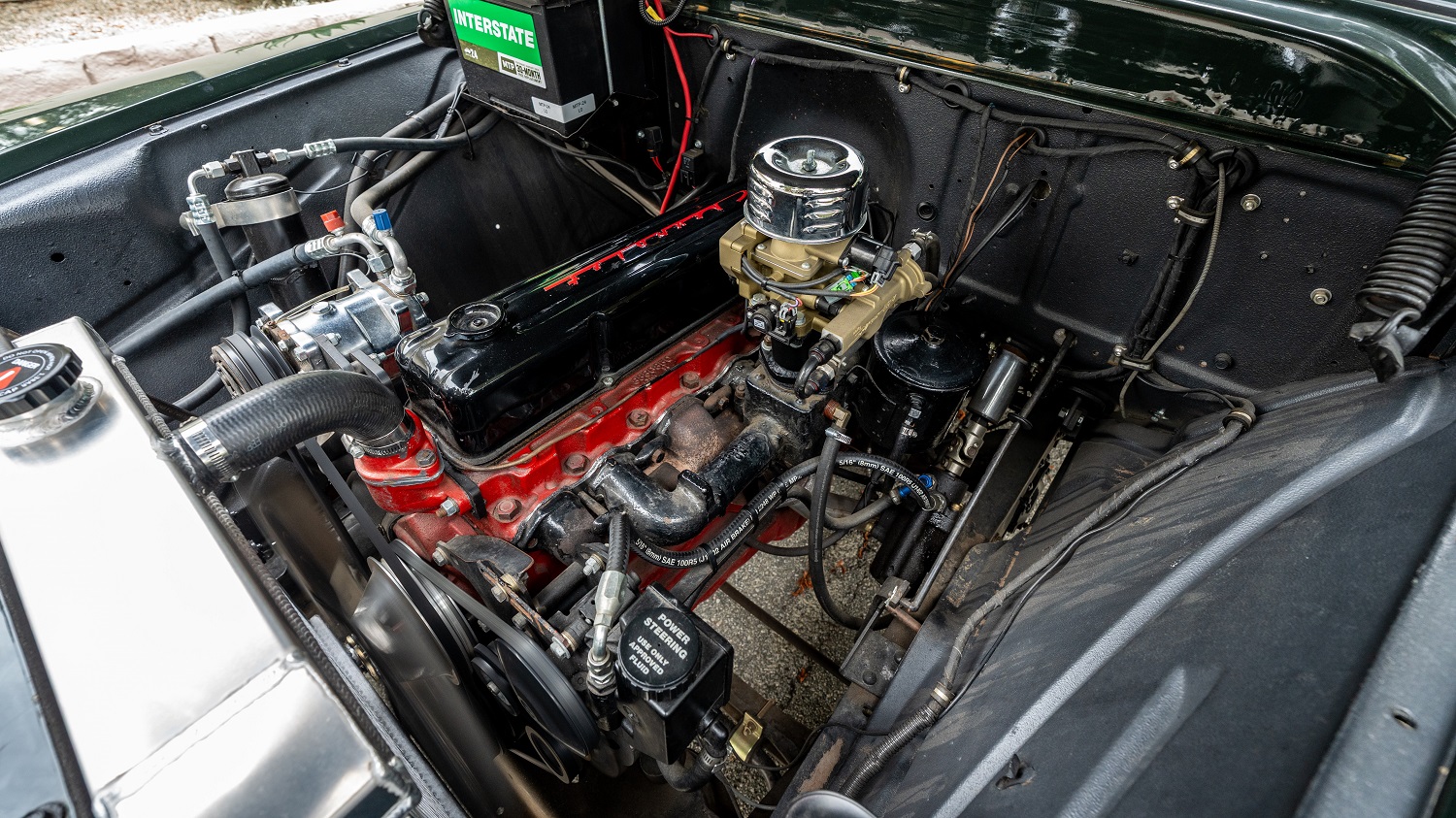
Under the hood is a Thriftmaster 235.5ci I6 that has been rebuilt and converted to run a Holley Sniper electronic fuel injection system. The engine is paired with a heavy-duty four-speed synchromesh manual with a “granny gear.”
Underpinnings include power front disc brakes, leaf springs, and solid rear axle.
This 1957 Chevrolet 3200 is still going after nearly 70 years, but it won’t be available for long. The auction for it ends on Friday, May 9, 2025, at 12:15 p.m. (PDT).
This T-bucket hot rod was built using a fiberglass body mounted to a custom-fabricated steel frame, and it is powered by a 350ci Chevrolet V8 paired with a TH350 three-speed automatic transmission. The car rides on a modified suspension with a suicide front end, a tubular drop axle, rear coilovers, and hairpin radius rods front and rear along with Billet Specialties alloy wheels, front disc brakes, and wheelie bars. Highlights include a raked windshield, zoomie headers, Dolphin gauges, and an Ecoxgear soundbar. Acquired by the seller in 2022, this custom T-bucket is now offered with a Texas title in the seller’s name listing it as a 2004 assembled vehicle.
The fiberglass body is finished in yellow with multicolor pinstriping, and exterior details include a raked windshield, wheelie bars, cat-eye taillights, and polished headlights with visored tri-bar trim.
The carbureted 350ci Chevrolet V8 is equipped with an MSD distributor, an Edelbrock fuel pump, zoomie headers, and a finned air cleaner lid and valve covers with blue accents. A diamond-plate panel has been added to the firewall, and the aluminum radiator is cooled by an electric puller fan.
Staggered-width Billet Specialties alloy wheels are mounted with Mickey Thompson tires. The car rides on a custom-fabricated steel frame, a “suicide” front setup with a polished drop axle and transverse leaf spring, a live rear axle supported by coilovers, and polished harpin radius rods both front and rear. Braking is handled by front discs and rear drums.
The divided bench seat is trimmed in black vinyl upholstery, and color-coordinated carpets line the floor. The dashboard fascia is painted to complement the body, and an Ecoxgear soundbar has been installed along with a Lokar shifter.
The three-spoke steering wheel is mounted on a tilt column and sits ahead of Dolphin instrumentation consisting of a 140-mph speedometer, an 8k-rpm tachometer, and auxiliary gauges. The six-digit odometer shows 7k miles, approximately 1k of which have been added under current ownership.
Power is sent to the rear wheels through a TH350 three-speed automatic transmission and a 10-bolt rear end.
The car is titled as a 2004 ASVE using the VIN 1S9ST181142514003, which appears on an identification plate riveted to the frame. The title includes the notation “Replica: 1923 Ford.”
This ’33 Ford roadster was sourced from Factory Five Racing and built around 2010. It is powered by a 302ci V8 topped by a four-barrel carburetor and linked to a three-speed automatic. The fiberglass bodywork has been painted Candy Apple Red with silver stripes, and it rides on a fabricated tubular chassis with an independent front end and four-wheel discs. Inside are bucket seats, a tilt column, Auto Meter gauges set in an engine-turned panel, air conditioning, cruise control, and an integrated roll bar. This FFR ’33 roadster is now offered on dealer consignment with a clean Florida title listing the car as a 2010 Assembled Roadster.
The fiberglass bodywork has been painted Candy Apple Red with silver stripes. The exhaust exits ahead of the rear wheels, and this example has cycle fenders and a full hood as well as a black soft top.
The car rides on 17″ alloys and has four-wheel disc brakes, power steering, and an independent front suspension with inboard coilovers.
The cabin has two bucket seats upholstered in black leather, black carpeting, and an engine-turned panel set in the body-color dashboard. A tilt column, cruise control, and a ventilation system with air conditioning are provided.
A digital display screen is set ahead of the driver. The owner has added all of the 753 miles on the car.
The car was built with a 302ci V8 topped by a four-barrel carburetor on an Edelbrock aluminum intake manifold. Tubular headers and an aluminum radiator were also installed.
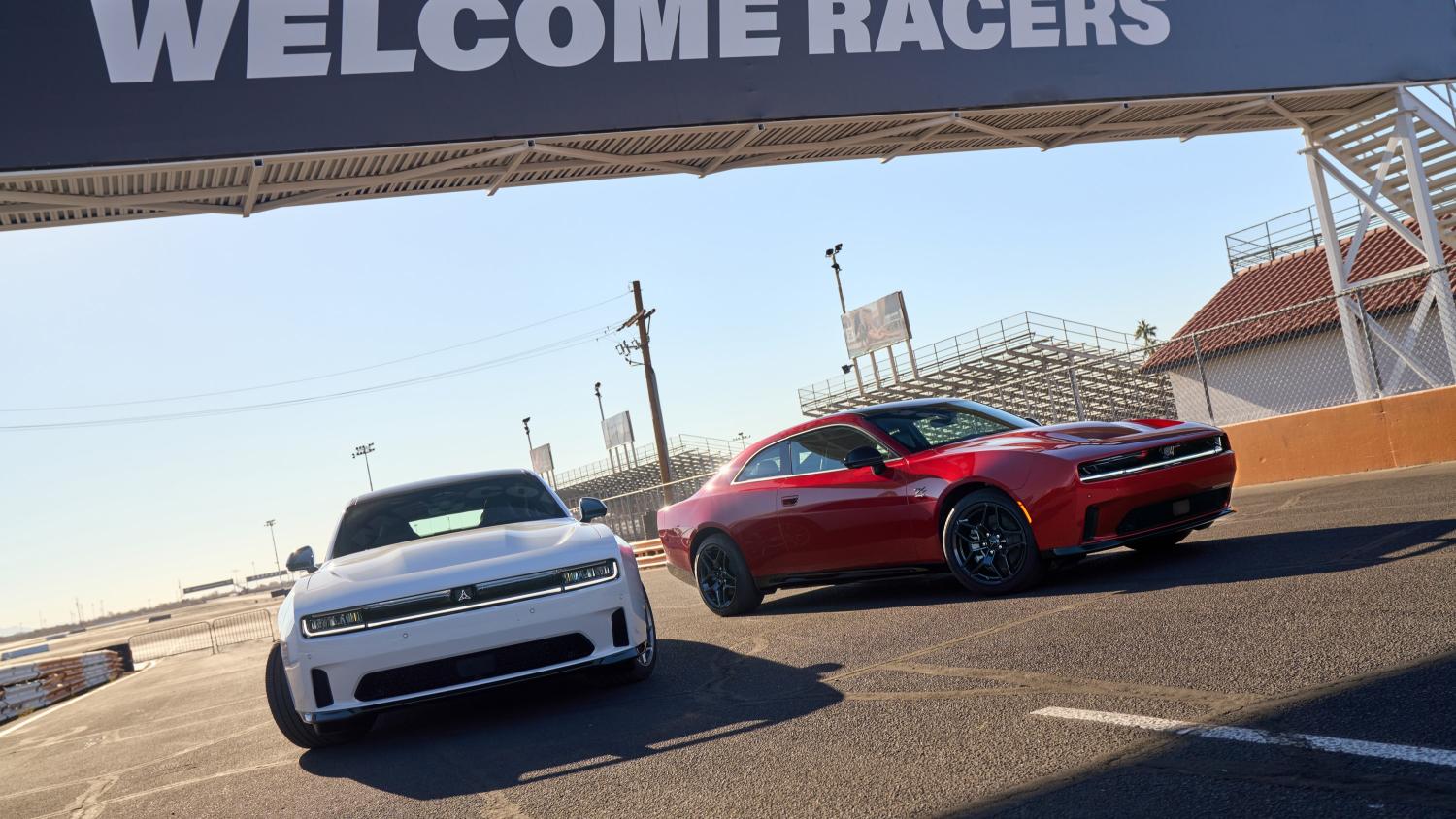
There’s a name I haven’t heard in awhile—One Lap of America, the legal version of the Cannonball Run that also happened to be created by Brock Yates. The idea was to produce a similar race without being thrown in jail for reckless driving. Dodge—you know, the company that had the world’s quickest and most powerful muscle car and continues to make that claim without a Hemi—will be making its first race appearance a specially prepared Charger in the 41st annual One Lap of America.
By the time you read this, the race will have already started at the Tire Rack corporate headquarters in South Bend, Indiana. Dodge high-performance vehicle dynamics engineer David Carr will be driving a special Dodge Charger Daytona Scat Pack in Alternative Fuel class, accompanied by Dodge Garage contributor Sean Yoder. This white Charger will feature interesting orange graphics on the rear with a hood blackout featuring the Dodge Fratzog. A standard feature on the Scat Pack are huge 16-inch Brembo vented rotors and red six-piston front/four-piston rear fixed calipers. The only modification to this Charger is the roll cage.
(Image courtesy of Dodge)
“The One Lap of America is a formidable endurance test, one the 670-horsepower Dodge Charger Daytona Scat Pack is uniquely equipped to meet head-on, as the all-new Charger is not only designed and engineered for performance on the street, but also at the track and the strip,” says Dodge CEO Matt McAlear. “The One Lap competition will showcase key Charger Daytona Scat Pack features, such as Track Package performance content and best-in-class cargo space in the ‘hidden hatch’ muscle-car design, providing our race team plenty of room to stretch out and bring along important gear as they spend basically an entire week in the Charger.”
Here’s the schedule of the One Lap:
Saturday, May 3
Tire Rack Corporate Headquarters, South Bend, Indiana (skid pad)
Grissom Air Force Base, North Central, Indiana (autocross)
Sunday, May 4
Gateway Motorsports Park, Madison, Illinois (time trials)
NCM Motorsports Park Road Course, Bowling Green, Kentucky (time trials)
Wednesday, May 7
Virginia International Raceway, Alton, Virginia (time trials)
Thursday, May 8
Pittsburgh International Race Complex, Wampum, Pennsylvania (time trials)
Quaker City Motorsports Drag Strip, Salem, Ohio (drag race/bracket drag)
Friday, May 9
Grattan Raceway, Belding, Michigan (time trials)
Saturday, May 10
Tire Rack Corporate Headquarters, South Bend, Indiana (skid pad)
(Image courtesy of Dodge)
If you’d like to follow the Dodge via online race coverage, you can visit DodgeGarage.com. You can also view the YouTube livestream at onelapofamerica.com.