The Toyota Camry is a powerhouse—not in terms of brute horsepower, but in terms of sales numbers. It’s a nameplate with high familiarity due to its long-term longevity and success: the first Camry was sold in the United States in 1983 and, chances are, sometime over the last 40-plus years since then, you have known someone who drove one (and maybe you owned one yourself). The model sold 309,876 units in 2024 alone, ranking eighth in top sales for the U.S. across every type of vehicle (not just among sedans).
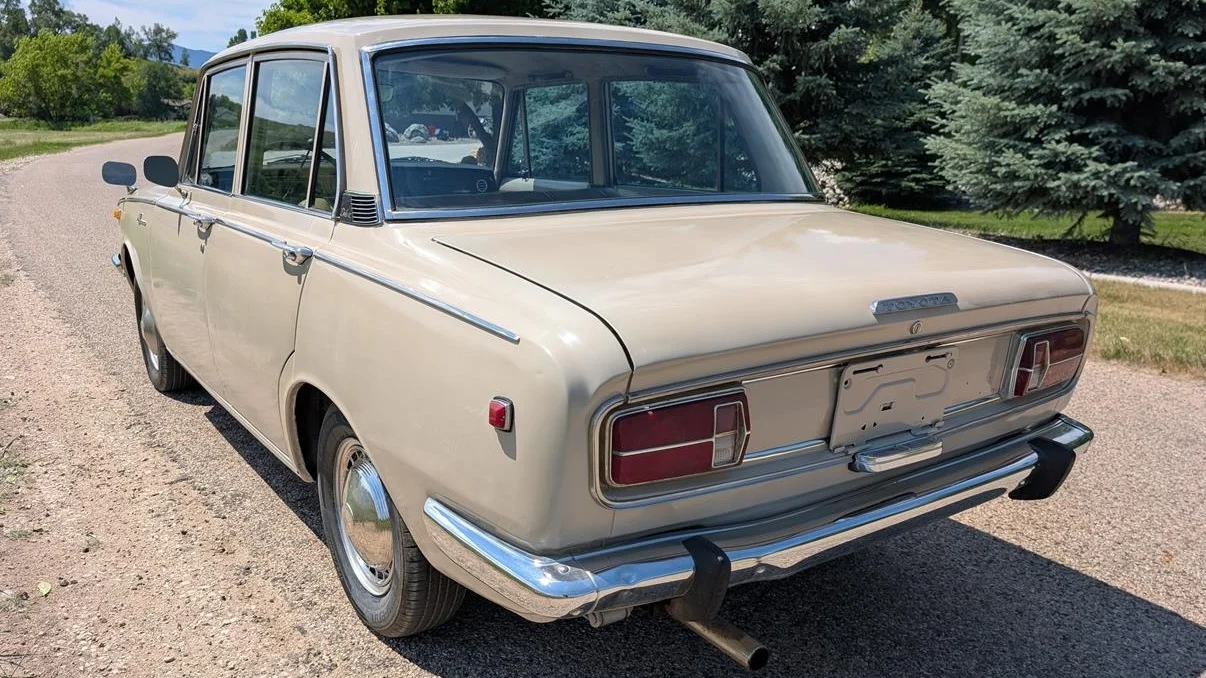
But, as common as the Camry is, you might not have ever known much about the car that paved the way for it—as far back as 1964 in fact. It was called the Corona, and I found one listed that makes a perfect case study for a short history lesson.
“95,000 miles—last known reading,” the listing says. “Newly painted, original Pluto Beige #1353 color applied.”
There are probably few cars as anonymous on the roads today as a beige Toyota. But this vintage one—which will hit 60 years old before we know it—stands out in a crowd. The Corona first launched as a compact rear-wheel drive car in 1957, marketed under the “Toyopet” name instead of Toyota. Sales fell short, so Toyota went back to the drawing board. A new-and-improved “RT40” series Corona entered the North American market in 1964 and received a much warmer reception. In fact, the Corona went on to be named 1969 Import Car of the Year by Road Test.
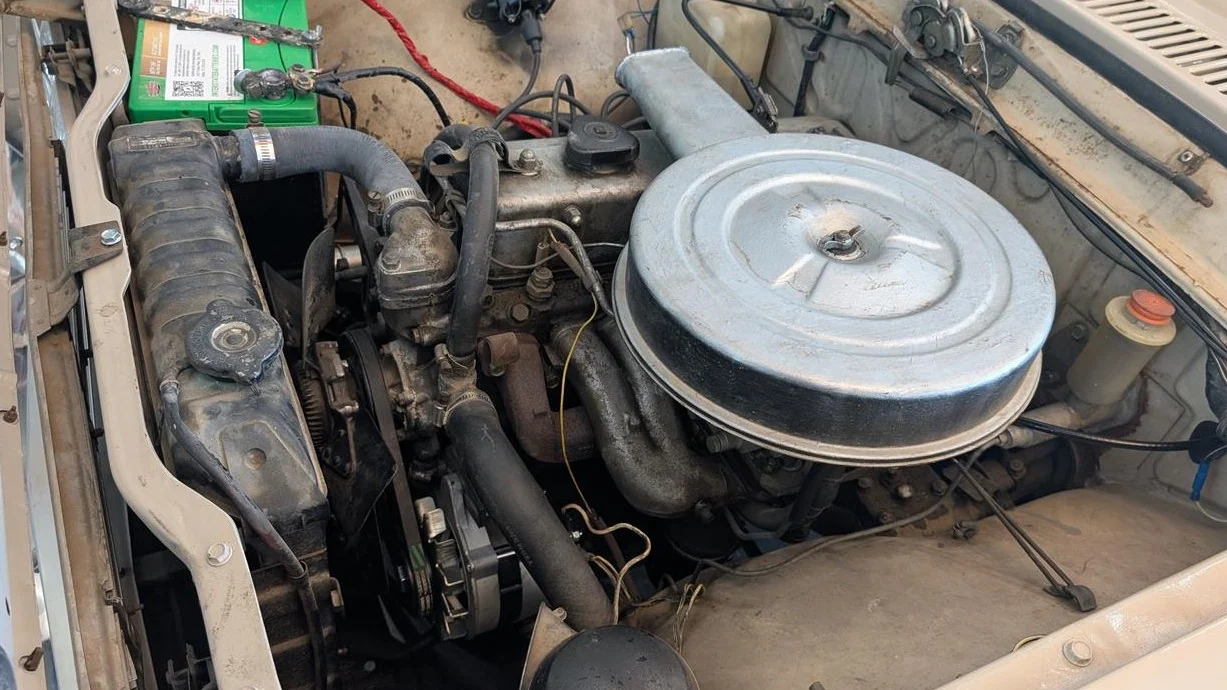
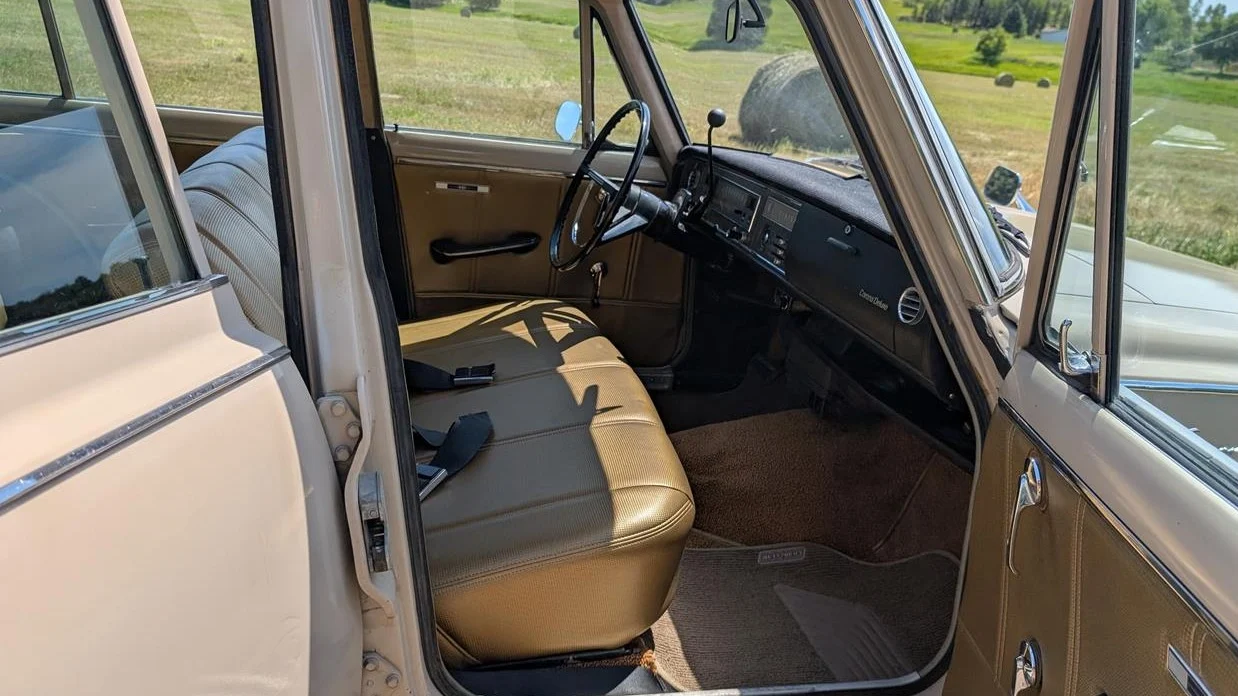
Power for this small sedan comes from a “3R” 1.9-liter inline-four mated to an automatic transmission. The seller itemizes a long list of recent service updates including replacement of the battery, alternator, fuel pump, fuel filter, carburetor, starter, spark plugs, points, fuses, thermostat, coolant hoses, oil pan gasket, air filter, engine oil, and more. The tires and shocks are new, so the chassis received some TLC in addition to the engine.
I was going to call the car “cute,” but maybe a better word is “charming.” In a time when the United States was in the midst of the muscle car wars and the Big Three were building big-block screamers, Toyota offered a little 89-horsepower four-cylinder that had 13-inch wheels, fender-mounted side-view mirrors and a “less is more” approach. As it turned out, the Corona was exactly what was needed to put Toyota on the map.
The asking price is $11,000 or best offer, and a repair manual will be included.
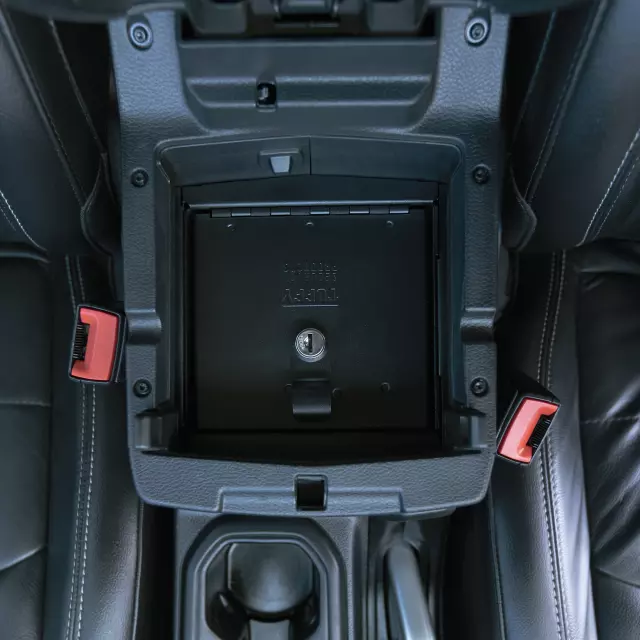
For decades, people have turned to Mopar for upgrades that’ll make their Dodge Challenger go faster, Jeep Wrangler climb higher, or Ram 1500 more useful. But many go to outside companies for their exterior, interior, performance, and storage needs. Mopar is aware of this, which is why it has launched the Affiliated Accessories line of aftermarket parts and accessories.
Photo courtesy of Stellantis
According to Stellantis, “The new Mopar Affiliated Accessories program offers more than 1,000 popular accessories from well-known and preferred aftermarket supplier partners” for Chrysler, Dodge, Jeep, and Ram dealerships in the U.S. Those include everything from lighting and audio/video to exterior graphics and lift kits, all of which are guaranteed by their respective manufacturers and reviewed by Mopar to make sure they fit properly. They can be ordered either through the Mopar eStore or at a dealership; once they arrive at the dealer, they can be installed there or picked up by the customer.
The current list of Affiliated Accessories suppliers includes:
Image courtesy of Stellantis
Below are some of the more interesting Affiliated Accessories:
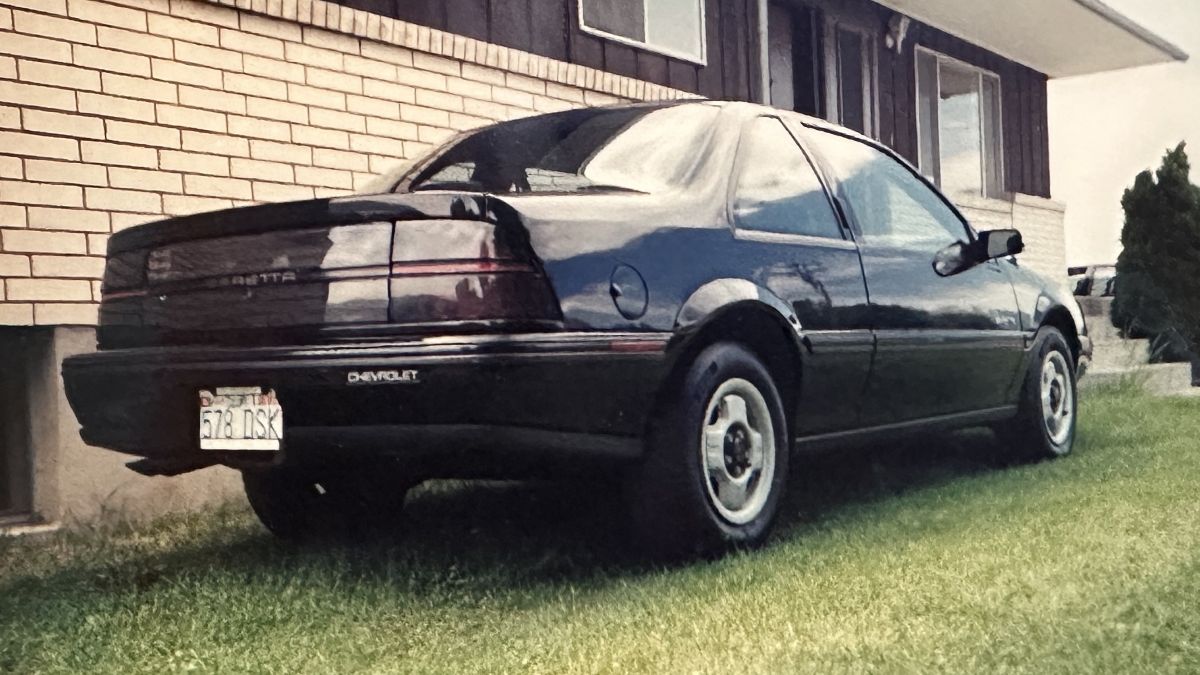
I recently came across a photo of my grandma’s 1990 Chevrolet Beretta (see photo above, with my mom posing by it) and it prompted me to poll a few of my friends about what vehicles their grandmothers drove. I have vivid memories of getting picked up at Hillcrest Elementary in Logan, Utah, in grandma’s black-on-black Chevy. Her license plate frame said, “My Grandkids Are Cuter Than Yours.” I’ve already shared a little of my “family car history” when discussing my grandpa’s Buick Special and my dad’s Chevy Nova.
Now, it’s Grandma’s turn.
Beretta Backstory
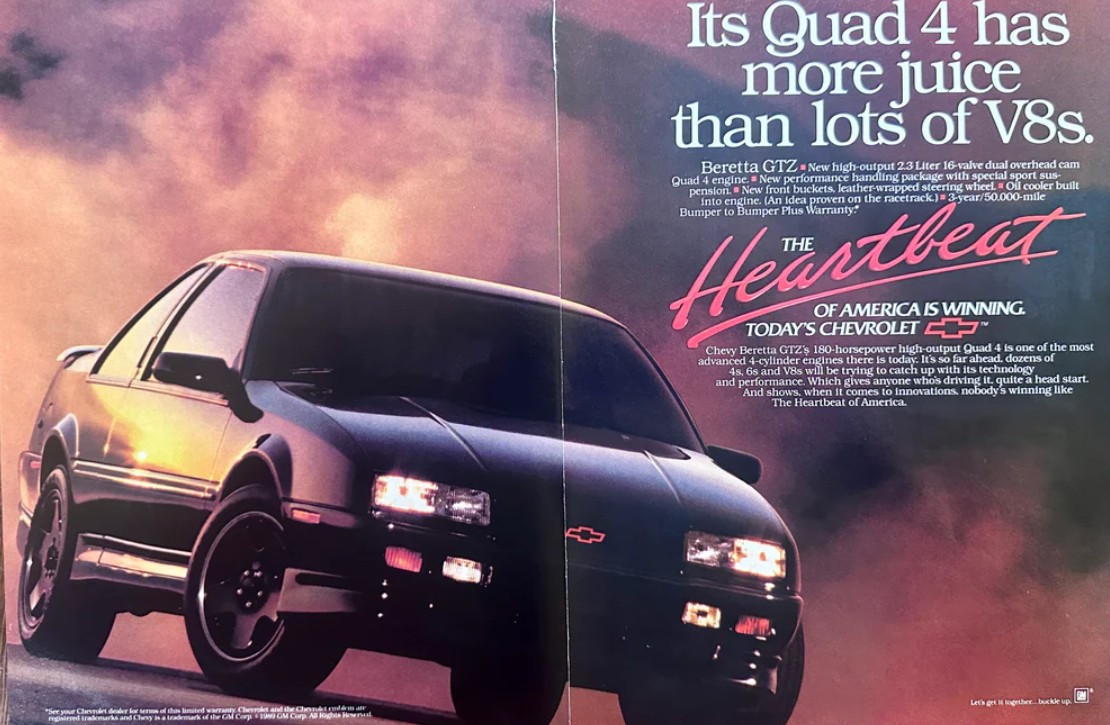
The Beretta coupe was sold from 1987 to 1996, sharing the General Motors L-body platform with its four-door counterpart, the Chevrolet Corsica. A wide variety of engines (six, in fact) were offered throughout the car’s 10-year production run. On paper, the sportiest Beretta was the 1990-93 “GTZ,” which employed the 2.3-liter Quad 4 engine rated at 180 horsepower and came standard with a Getrag five-speed manual transmission.
Ad for the 1990 Chevrolet Berette GTZ
The Beretta’s appearance was penned by none other than Jerry Palmer, the same designer responsible for the iconic C4 Corvette. The Beretta employed an aerodynamic shape for its time—especially considering the fact that most 1980s cars were boxy (see: Chevrolet Celebrity). One of its noteworthy exterior features was its vertical door handle design, later used on other cars like the Oldsmobile Cutlass Supreme and the Pontiac Grand Prix.
Noteworthy Trivia
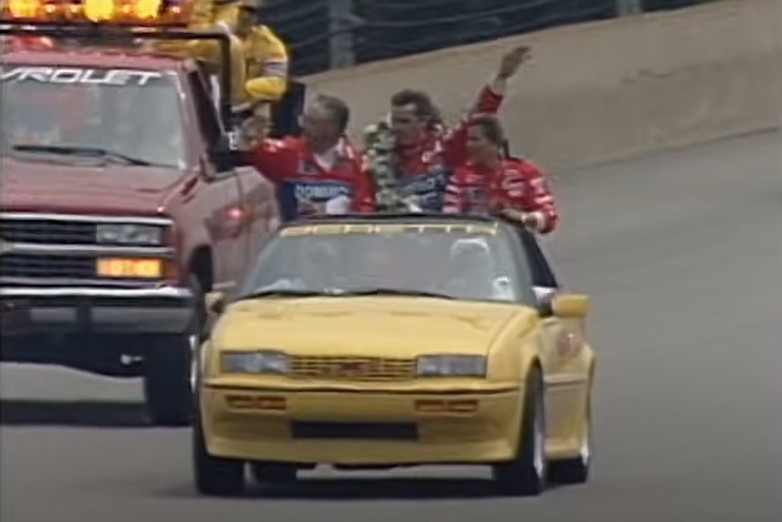
Chevrolet Beretta at the 1990 Indianapolis 500
The car’s name was the subject of a trademark dispute that ended up being settled out of court in 1989. Italian firearms manufacturing company Beretta (or more formally, “Fabbrica d’Armi Pietro Beretta”) took issue—understandably—with General Motors’ use of the name. The matter was eventually resolved when GM donated $500,000 to a Beretta-sponsored charity. Chevrolet also gave a car to Beretta. I wonder where that unit ended up?
As its top claim to fame, a Beretta was featured as the official pace car of the 74th Indianapolis 500 on May 27, 1990. I was able to find a full race broadcast of the Indy 500. The car driven by General Manager Jim Perkins was in fact a customized convertible, although it did retain the use of a B-pillar.
Get In the Game!
Much like with any other automotive make and model, there is a community of Beretta enthusiasts out there. Members even get together for an annual even called Berettafest, similar to what I’ve done with my Acura Legend and Acura NSX families.
Berettafest 2025, coincidentally, just concluded. The event was held in Watkins Glen, New York, from June 25-29. If you didn’t make it, there’s always next year! Speaking of, there’s a 49-mile (!) yellow Beretta Indy for sale on ClassicCars.com. (Click here to view the listing). You’d be the talk of the event if you showed up in that time capsule next year.
Your Turn
I’d love to hear it from our audience: What did (or does) your grandma drive?
My Classic Car 2025
Please fill out the information requested below! Give us YOUR story of your car, and please include photos.
My Classic Car Submission Form
Share your story and we might publish it for the whole community of classic car buffs to read and enjoy.
How Can We Reach You?
We would love to chat with you. How can we get in touch?
What do you want to share about this vehicle?
You’re welcome to share any history, story, personal memory, upgrades, show wins, or any other topic you can think of!
Drop files here or
Max. file size: 50 MB.
This field is for validation purposes and should be left unchanged.
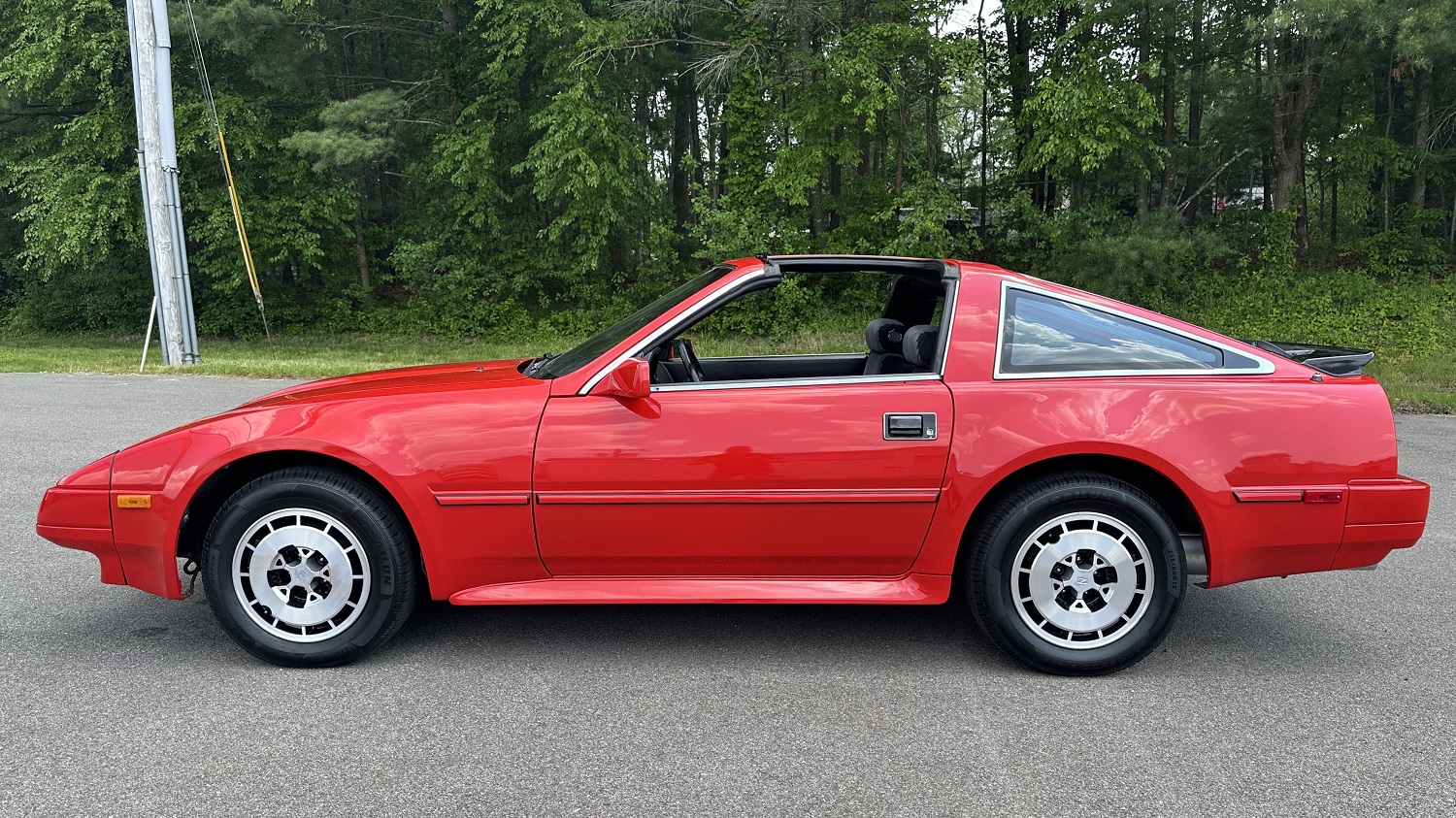
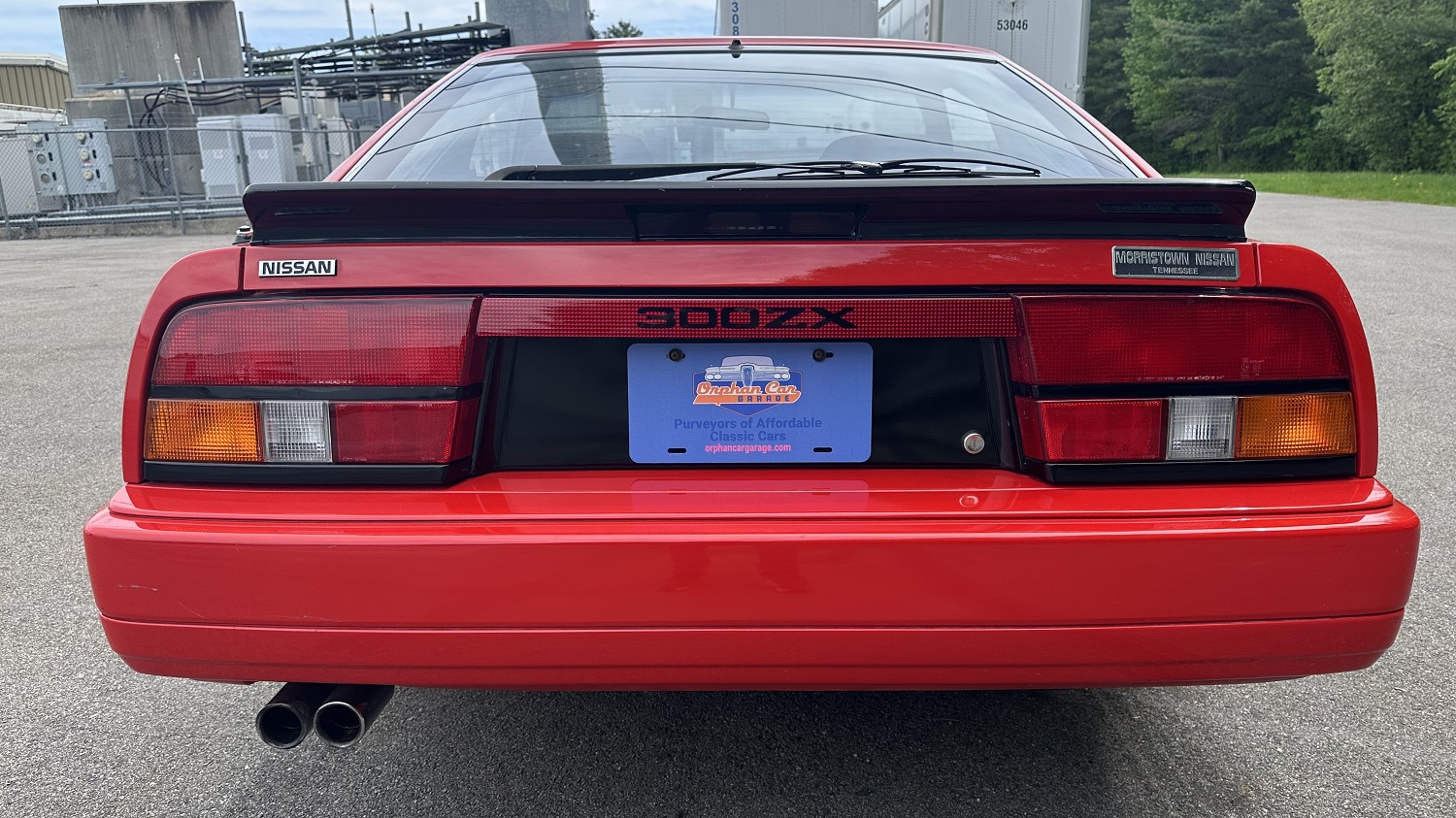
Right now on AutoHunter, you can find this 1986 Nissan 300ZX, a modern classic Japanese car powered by a 3.0-liter V6 connected to a five-speed manual gearbox. Finished in Hot Red and equipped with T-tops over a black and white fabric interior, this Z31 300ZX comes from the dealer in Massachusetts with an owner’s manual, service records, clean CARFAX report, and clear title.
The angular Hot Red exterior features a repainted front fascia, pop-up headlights, body-color side moldings and mirror caps, tinted glass T-top panels, lift-up rear hatch with a wiper, black rear spoiler, and single exhaust outlet with dual tips.
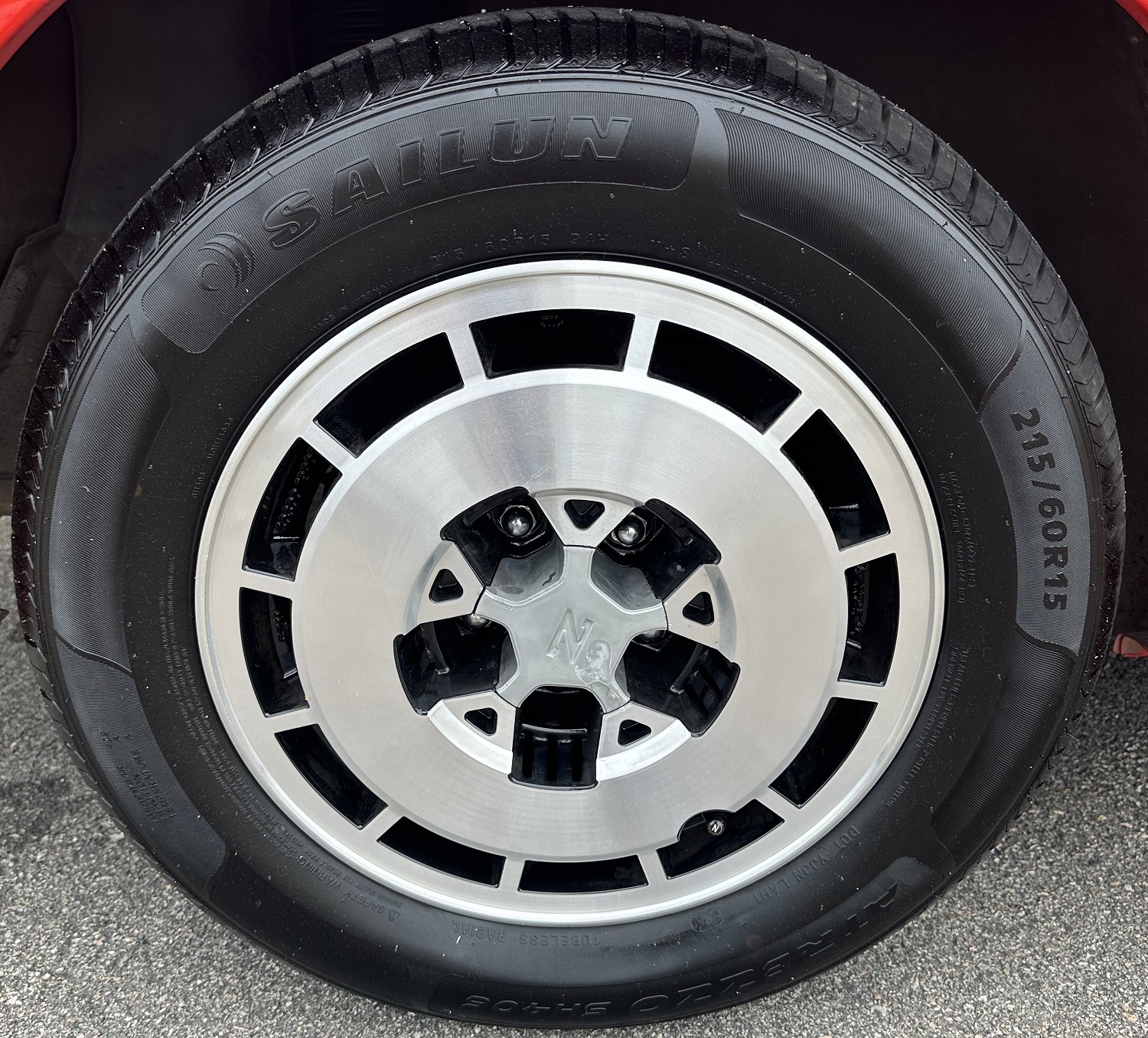
A set of 15-inch factory wheels with 215/60 Sailun Atrezzo tires carry this Z down straightaways and through curves.
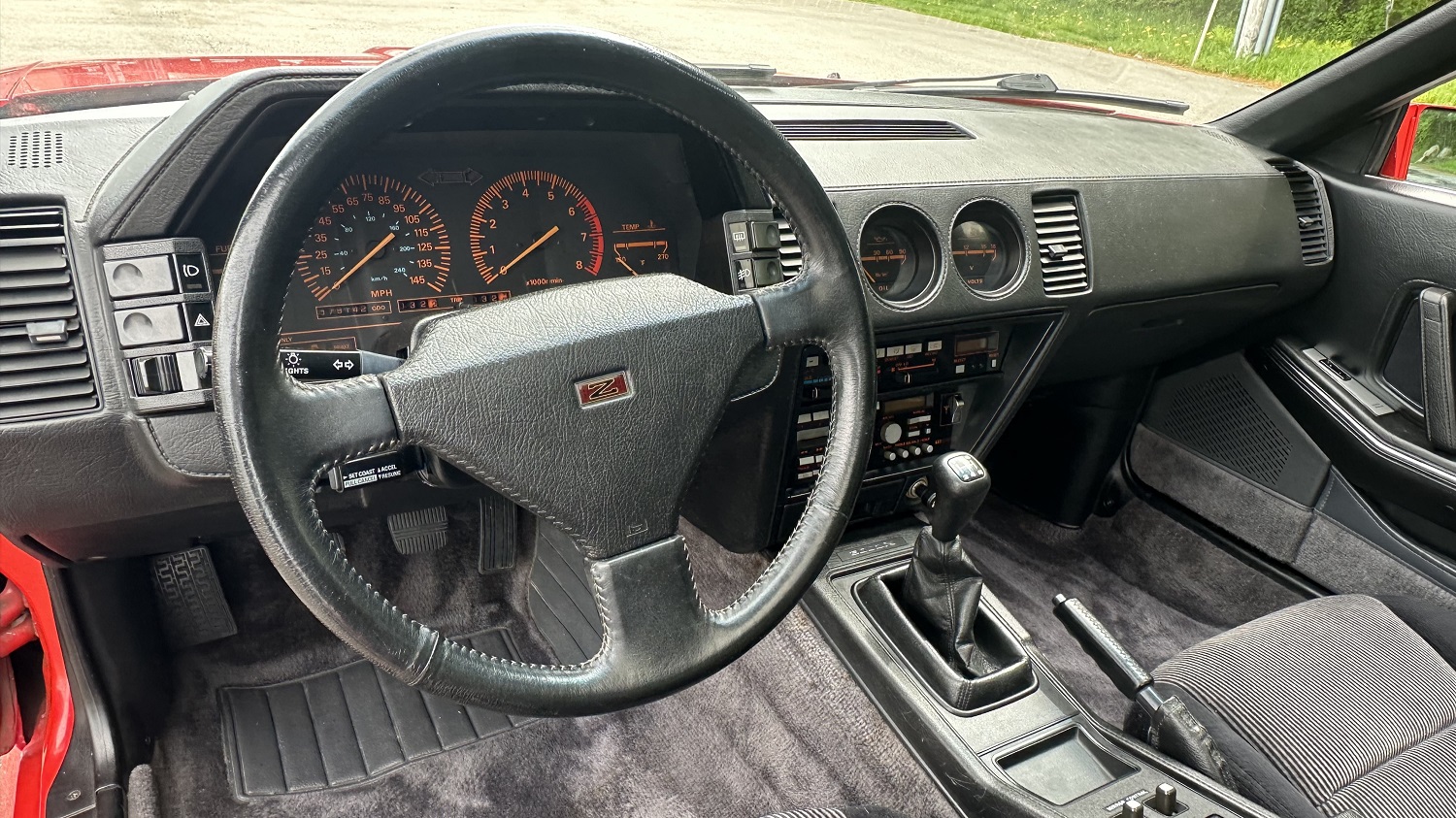
The two-seat cockpit is furnished with black fabric bucket seats with black and white striped cloth inserts. Interior features include power windows, locks, and mirrors; cruise control; power steering; power driver’s seat; AM/FM/cassette radio (which the dealer says only produces static); and center console.
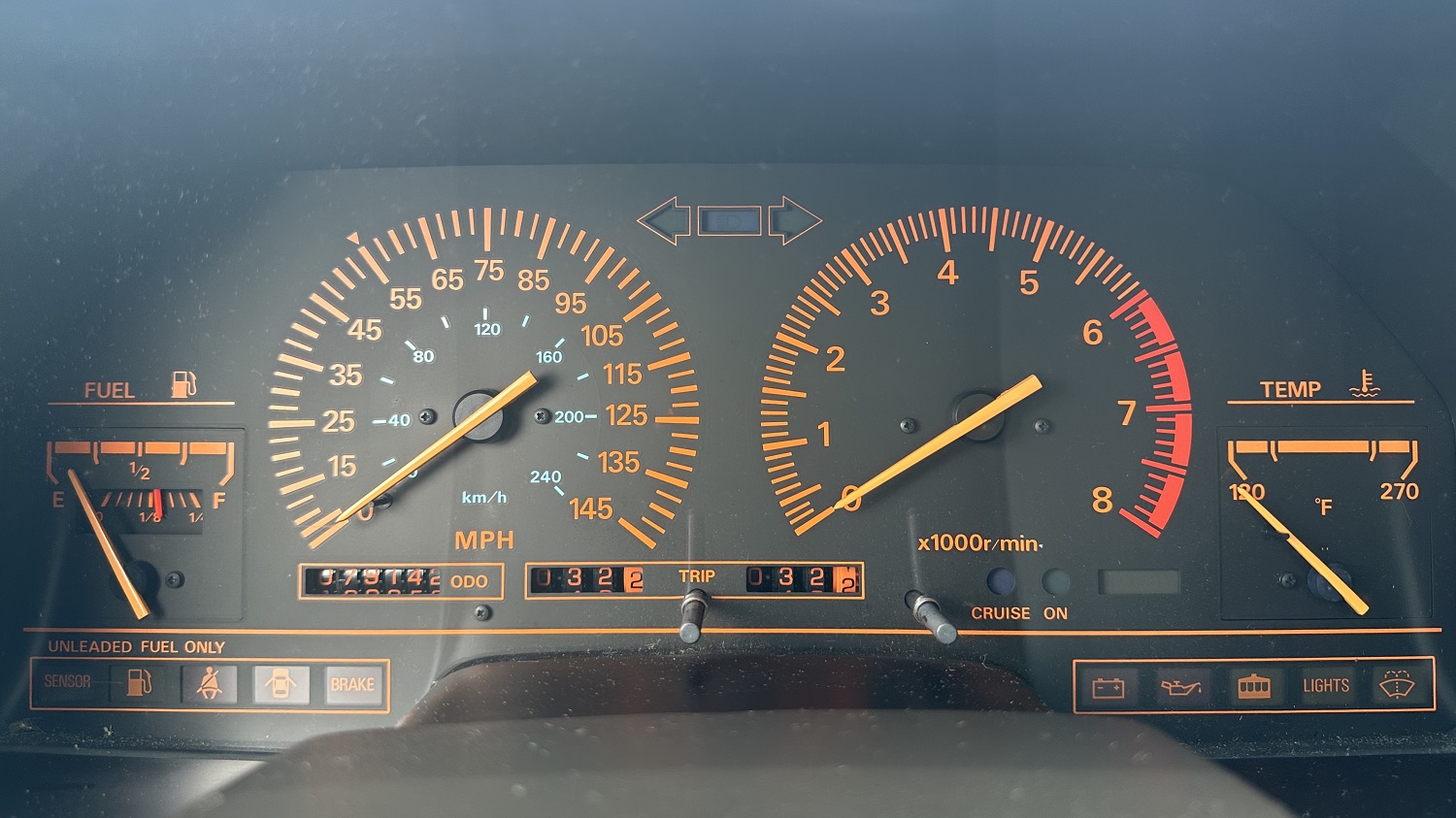
Instrumentation consists of a 145-mph speedometer, an 8,000-rpm tachometer, and gauges for the fuel level, temperature, oil pressure, and voltage. The odometer shows 79,142 miles, a slight increase from the CARFAX report’s latest mileage figure of 74,962 miles from July 2023.
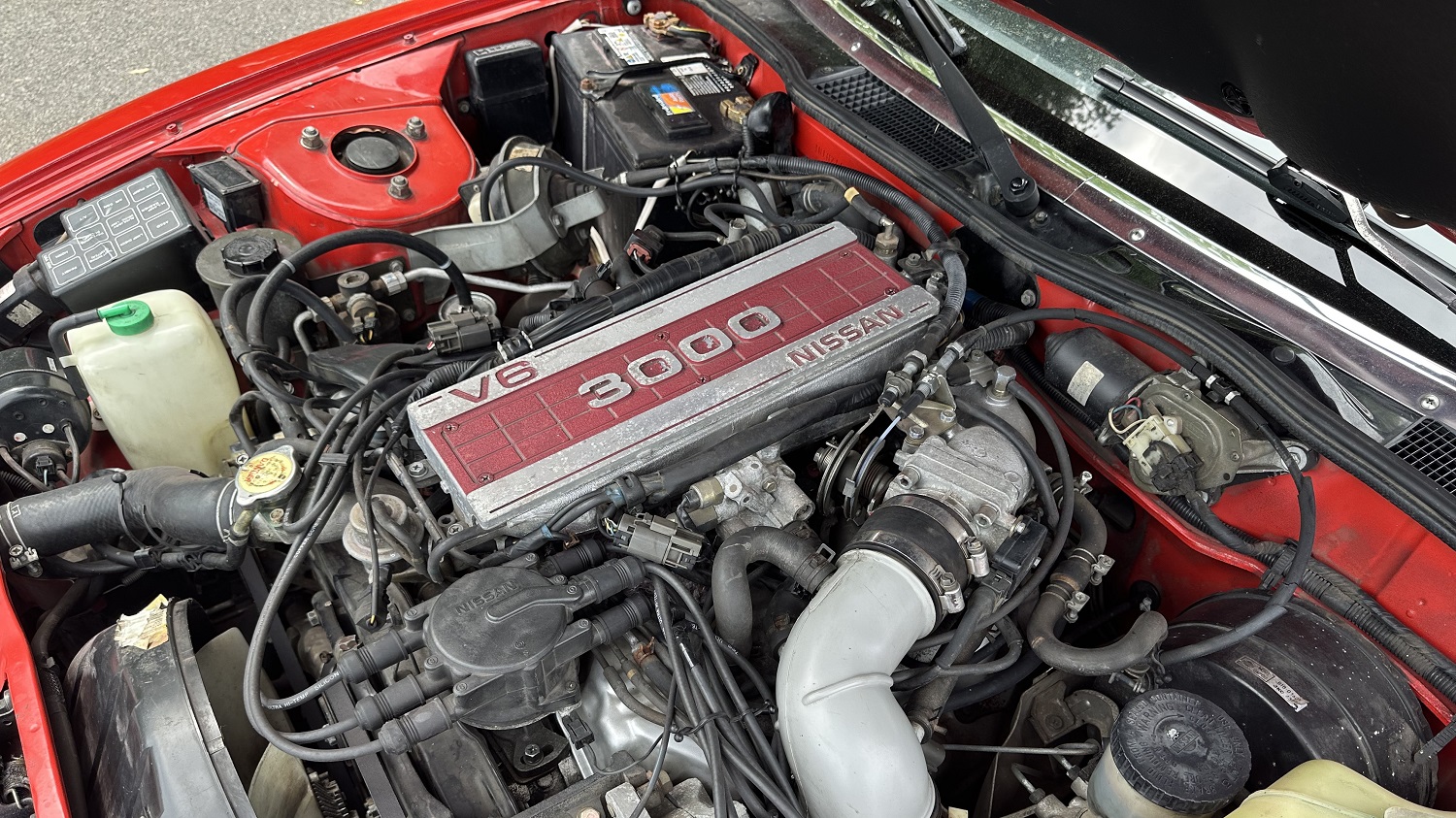
As its name implies, the 300ZX has a 3.0-liter V6, which delivers its fuel-injected power to the road through a five-speed manual transmission and the rear wheels. A fully independent suspension and power brakes help make sure this car lives on.
If you want this preserved piece of Nissan Z car history, bid on it now. The auction for this 1986 Nissan 300ZX ends on Wednesday, July 23, 2025, at 11:00 a.m. (PDT).
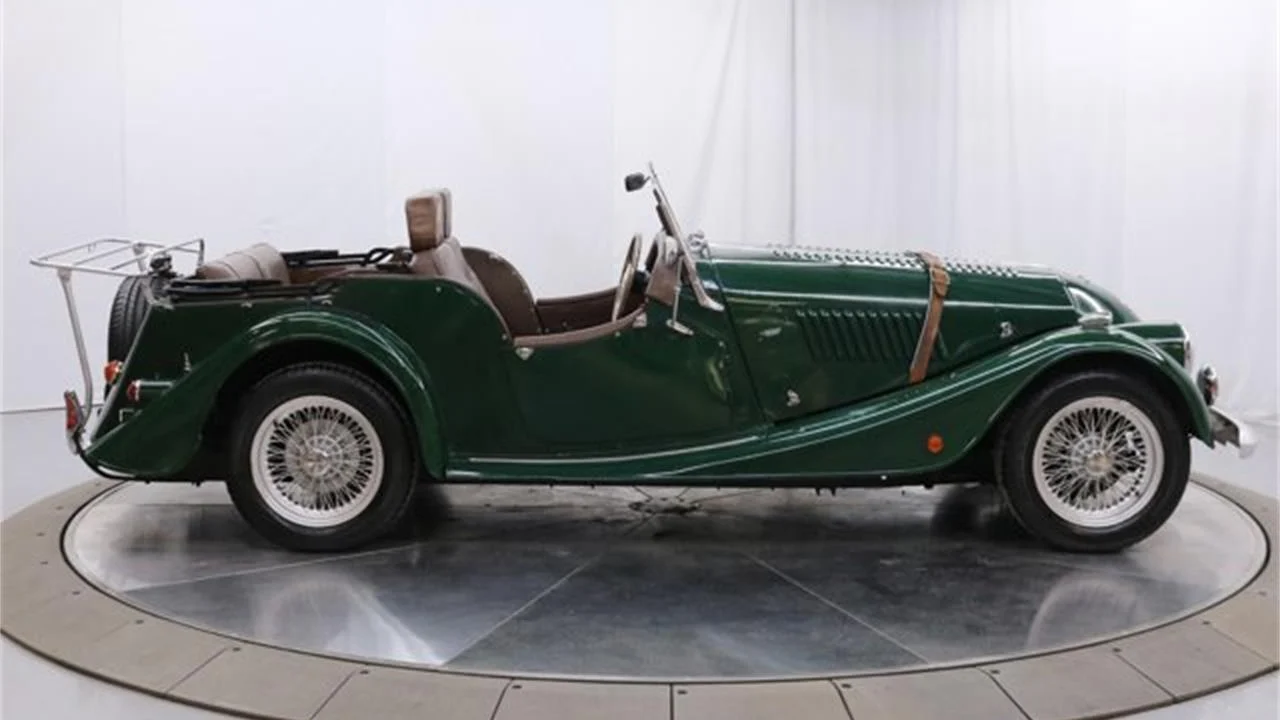
It is timely to feature a Morgan as a Pick of the Day, as the company—after an absence of many years—is once again selling their four-wheeled cars in the U.S. While an upgrade from the earlier models, but in essence it still looks the same as the original Morgan 4/4, but with an upgraded drivetrain and a few more options. My Pick of the Day is a car I almost decided to skip and just buy myself, a 1985 Morgan 4/4 four-seater listed for sale on ClassicCars.com at a dealership in Christiansburg, Virginia.
I really have a soft spot for Morgans, not only because they are the last truly hand-built sports cars in the world, but also because the company continues to exist despite still building and selling a model that originally went on sale in 1936. That sounds crazy and, in a lot of ways, it is. The company has struggled at times but remains its own entity and not a subsidiary of a larger manufacturer. It also hasn’t morphed into a modern interpretation of what a Morgan would be in the future. The newest Morgan is basically a classic 1930s British roadster you can buy new—that is amazing to me. I love that Morgan is still with us, doing things the way they always have.
The exterior of this 4/4 with its British Racing Green paint looks to be in good condition overall. No, this is not a show car, but instead a car to drive and enjoy. That being said, I’m guessing it would be welcome at any British car show you can think of.
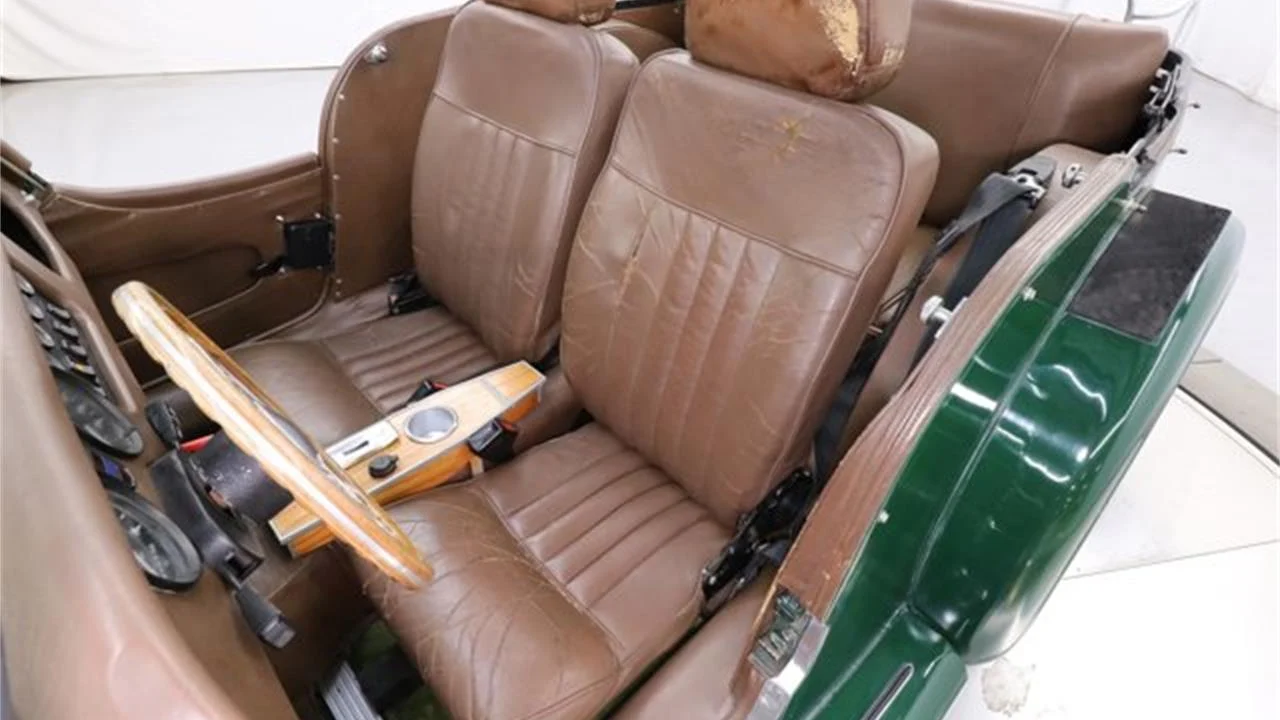
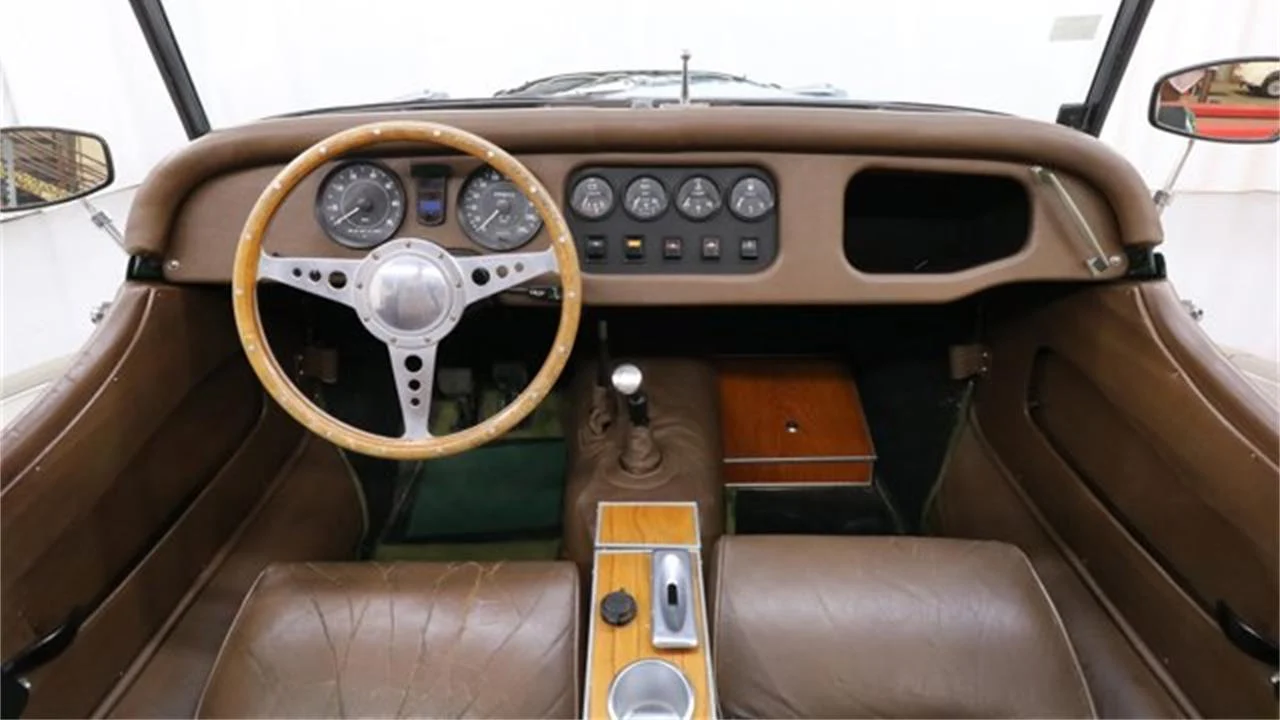
This more modern 4/4 has much-improved seats and interior, with more modern gauges and such. The Connolly leather seats look to be in decent shape but could do with a re-dye. With their high backs and even headrests, these seats are immensely more comfortable than those found in vintage Morgans. Yes, the leather is a bit worn, but somehow that seems to be in character with the entire concept of a Morgan. One of the reasons I like this particular car is because, being a four-seater, it is the only Morgan model in which my 6-foot-4 frame can fit. Not only do I fit, but I fit comfortably.
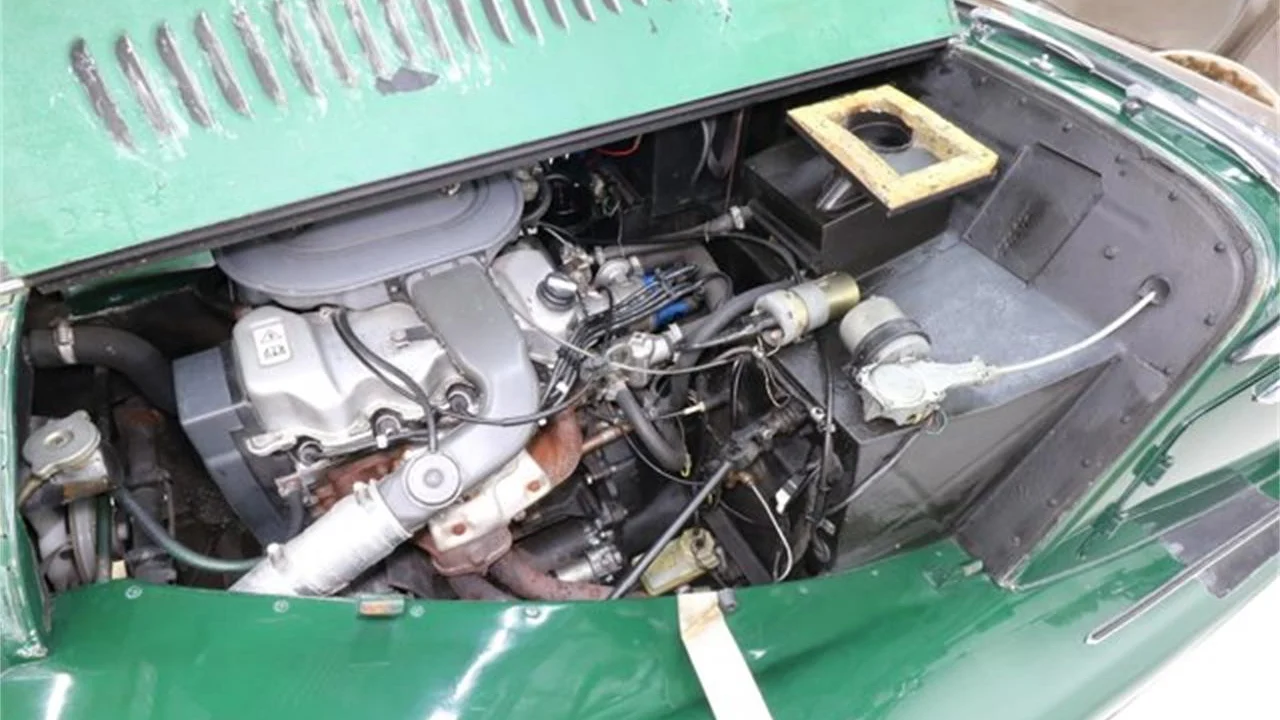
Being a later-model 4/4, this car is considerably more powerful than the original, with a more modern 1.6-liter Ford Sigma inline-four engine fed by a single-barrel carburetor. Power is through a manual transmission (likely a five-speed). All looks good overall, including the underside. I would call the dealer and get a driving report as, like the transmission, the information on this Morgan’s mechanical condition is not provided in the listing.
The asking price for this 1985 Morgan 4/4 is a very reasonable-sounding $24,777, which to me seems like an excellent buy, especially if you are looking for a true classic British sports car experience. If that is the case, no single car delivers that better than a Morgan, as it is a mobile time machine to another era.
You likely rejoiced with the news last month that SB712 (Senate Bill 712), the “Leno’s Law” that sought to promote exemptions for classic vehicles in California, passed the state senate. However, after going through the Assembly Transportation Committee, the bill’s current state reflects several amendments that give a hint that the honeymoon may be over.
Shannon Grove, a state senator representing the countrified city of Bakersfield, introduced the bill earlier this year with sponsorship from everyone’s favorite car guy, Jay Leno. While most states offer smog exemptions for cars 20-25 years and older, California has a requirement that vehicles 1976 and newer must be smogged. (If you’re not a resident of California and you think smogging cars almost 50 years-old sounds crazy, you’re not alone.) Grove stated on her government website, “These classic cars are infrequently driven, carefully maintained, and make up only a fraction of cars on the road. They are typically owned for their historical significance and collector value. Exempting them from the biennial smog check would strengthen California’s ‘car culture’ by helping preserve these historical treasures.” Additionally, the bill would exempt older vehicles from being smogged upon transfer to a new owner, as all new owners of used cars must get their vehicle smogged—even if it was smogged a day before sale.
Image courtesy of www.sr12.senate.ca.gov
If you’re not from the Golden State, you may not be familiar with how smogging is done—it’s not done at the DMV but from certified technicians scattered throughout the state. It could be your local mechanic, for example. There is no consistency in pricing or service. Subjectively, as a former resident in the previous decade, it comes off as a money grab by technicians who prey on ignorant vehicle owners, no different than the common trope about any mechanic. When it comes to older cars, they require more intensive testing because there’s no “plug and play” aspect like with newer vehicles. According to Hagerty, the cost to smog an older vehicle can be upwards of $200—that is, if you find a smogger shop with the proper equipment. As Leno says, “It doesn’t seem right … to turn people into criminals because they can’t afford a newer car or they don’t want to drive a new car. Or they move here from Nevada with an older car and now they have to sell it out of state.” Leno is afraid that, just like the film industry being driven out of California by high taxes, the same can be said for the classic car industry—in a state that can lay claim to being the birthplace of hot-rodding.
This bill passed the California state senate on June 4, 2025, and then went before the Assembly Transportation Committee. Now, a month later, things have evolved to this: the amended bill will provide a gradual expansion of the biennial smog check exemption, which includes adding an additional 10 model years (to 1986) over the next five years. Additionally, to qualify for full exemption, a vehicle must have a historical license plate and hold collector vehicle insurance.
Image courtesy of GaiBru Photo
Spinning this in a most positive way, Grove says on her website, “For over two decades, classic car enthusiasts have worked alongside legislators to try and expand the number of classic vehicles eligible for a full smog check exemption, but every effort has stalled before making it through the legislature. If Leno’s Law is passed and signed, even if it is not exactly what we originally wanted, it provides 10 additional vehicle model years and is a step towards protecting classic cars as a part of our history.”
From a Negative Nancy perspective, lemme ask my dad or, better yet, Performance Registration & Insurance, a California company offering vehicle registration, title transfers, insurance, and even specialized assistance with JDMs. This is the company’s well-written response on Instagram:
A once-promising piece of legislation aimed at supporting California’s vintage car community has been substantially weakened. SB712, originally introduced to exempt hobbyist vehicles aged 35 years and older from the state’s stringent visual emissions inspections, has been amended to the point where its benefits are now severely limited.
Under the revised version of the bill, exemptions will apply only to vehicles manufactured up to 1981, and even then, only if they carry both collector car insurance and special historical vehicle license plates. Additionally, while a rolling exemption will be implemented, it will cease at model year 1985—dramatically limiting the scope of vehicles that could have benefited from the bill’s original intent.
Image by Leah Funk
What was once seen as a rare bipartisan opportunity to offer meaningful support to automotive hobbyists and collectors has been reduced to a narrowly focused measure. Enthusiasts had hoped for a broader and more inclusive reform, and the scaled-back provisions now feel like a missed opportunity.
The legislative backpedaling has left many in the community disheartened. Instead of the substantial relief many hoped for, the bill’s current form offers only limited reprieve—raising questions about whether it still provides enough value to justify continued support.
Is there any recourse? Any word from Jay? Stay tuned!
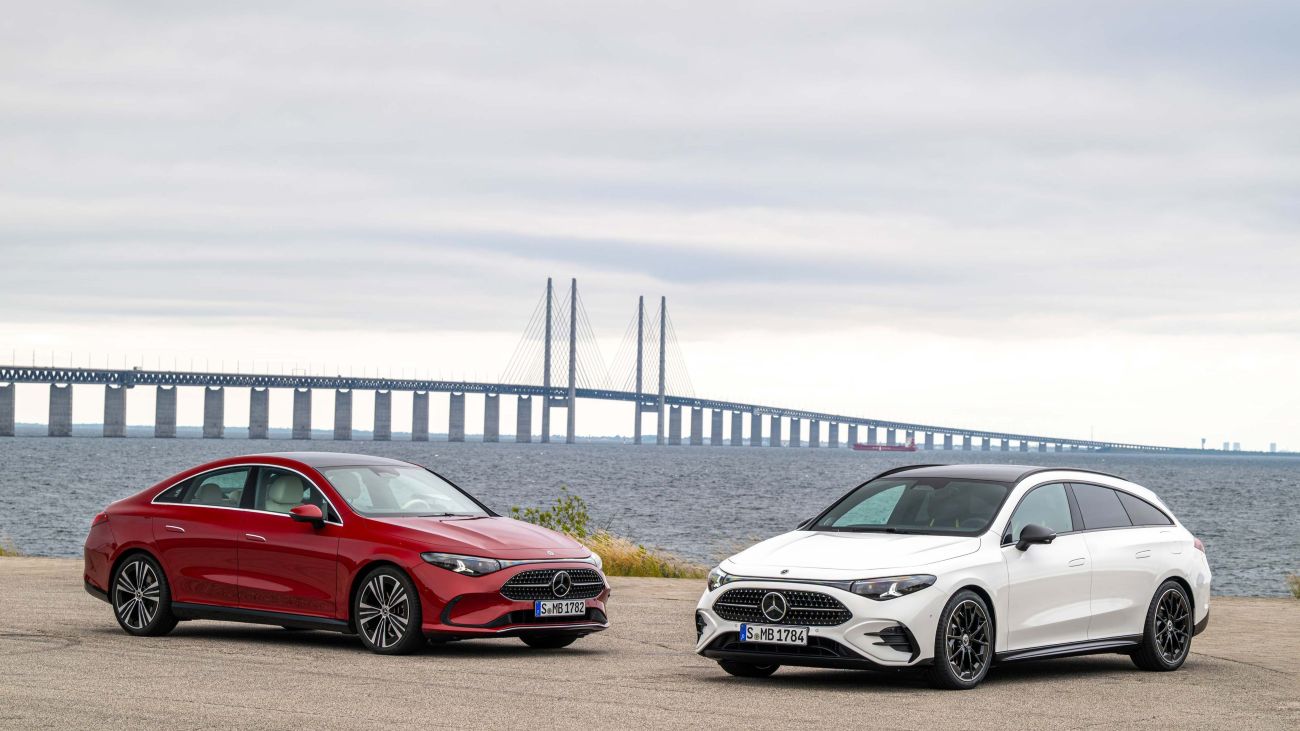
The automotive media occasionally rubs it in when they show us a wagon that is being introduced in Europe but won’t be available in the U.S. Ever see the Volkswagen Arteon Shooting Brake? That gorgeous wagon never made it to America. And when was the last time the BMW 3 Series wagon was available in the continental U.S.? It’s available in M3-spec too! Now, Mercedes-Benz introduces a new CLA Shooting Brake, and while it’s not going to appear on our continent, we still want to poke our eyes out.
Americans have never fully embraced the Mercedes CLA, which was the first FWD to appear on our shores. The entry-level Benz comes off as being dumbed down for the masses, lacking much of the moxie that makes Mercedes a vaunted brand. Its proportions came off as somewhat awkward since Mercedes-Benz appears to have applied the CLS styling—the sensational coupe-like sedan debuted over 20 years ago already—to a FWD platform. There were even AMG variants putting out crazy horsepower from a 355-horsepower 2.0-liter twin-turbo four (later updated to 375). Mercedes did offer a Shooting Brake variant (admittedly, to these eyes, as awkward as the sedan) but the U.S. was never a recipient.
Sales peaked at close to 30k in calendar year 2015 but, four years later, with the advent of the second-generation CLA, it was less than half that. The proportions settled into something that looked less awkward—dare I say attractive—and the AMG variants offered even more horsepower (up to 420), but an entry-level version (AMG CLA35) with 302 horsepower was new. Once again, a Shooting Brake was offered, looking much better than before, but Americans were blacklisted from buying one.
Image courtesy of Mercedes-Benz
This past May, Mercedes introduced the third-generation CLA. It stands as the first Mercedes-Benz product with both ICE and EV versions featuring identical designs, as previously the Mercedes’ EQ series of EVs have had a distinct look. Much of that look has been hoisted upon the CLA, especially the piece of trim that connects the headlights together and the benign bar-of-soap designed to cheat the wind at the expense of style. The overall effect is disturbing to the sensibilities of those who eschew toasters-on-wheels. Mercedes calls the design language “Sensual Purity,” which comes off like something I once read from “1984.” It’s an unfortunate amalgamation of goofy EQ-inspired design with the rear styling from the late Lincoln MKT.
“The new CLA Shooting Brake is designed for those who appreciate the dynamism of a sporty vehicle but don’t want to compromise on space and practicality in everyday life,” ruminates Mathias Geisen, a big guy at Mercedes-Benz Group AG with a title so long, you may nod off. “It combines intelligent technology and efficiency to deliver a fresh, engaging driving experience. For our customers, this means more space for individuality, travelling and for their own personal lifestyle.”
The CLA uses the company’s Mercedes-Benz Modular Architecture (MMA and, no, Conor McGregor is not a new sponsor). “[It] is proof of the innovative strength of Mercedes-Benz. It has been designed in such a way that all four models of the new vehicle can be flexibly built on it—both with electric drive and with a high-tech hybrid combustion engine.” This reduces complexity and adds economies of scale.
Image courtesy of Mercedes-Benz
Unbeknownst to you, this is the first electric Shooting Brake in Mercedes’ lineup. “Panoramic roof and illuminated starry sky set a new benchmark in this segment,” the automaker claims. The upside is that cruising range of 472—quite impressive in today’s market. Also worth noting is the new steering wheel of the CLA Shooting Brake offers improved ergonomics and intuitive operation, with Mercedes‑Benz reintroducing rocker switches and rollers on the steering wheel (props go to customers who made the request).
This redesigned model has yet to hit American dealers, but that’s quite alright because a 48-volt hybrid is still waiting in the wings, planned for a debut early in 2026. Who else but the Germans would integrate an electric motor into the transmission (we suggest leasing, not buying). While reports of the wagon’s death are grossly exaggerated, the redesigned CLA Shooting Brake may be one we won’t miss.
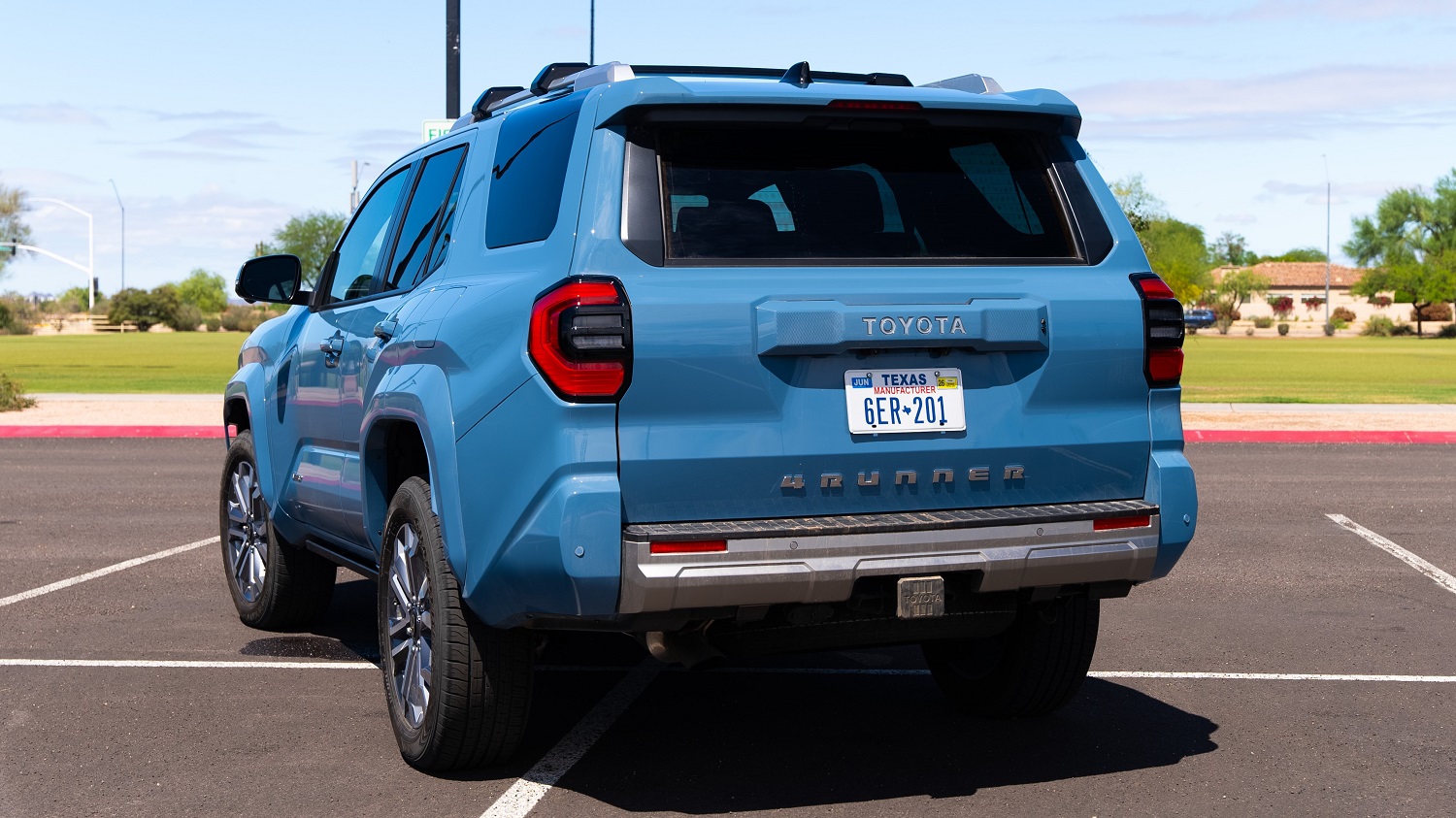
When an automaker releases a completely reworked version of a beloved model, it faces a nearly impossible challenge. It must improve the vehicle in every way but keep the unquantifiable things that people loved about its predecessors; change every physical part yet preserve the machine’s soul. Toyota made that balancing act even more difficult by waiting 15 years to release the all-new sixth-generation 4Runner because the expectations for something completely new yet instantly familiar kept growing in that time.
Photo by Maclaine Morgan
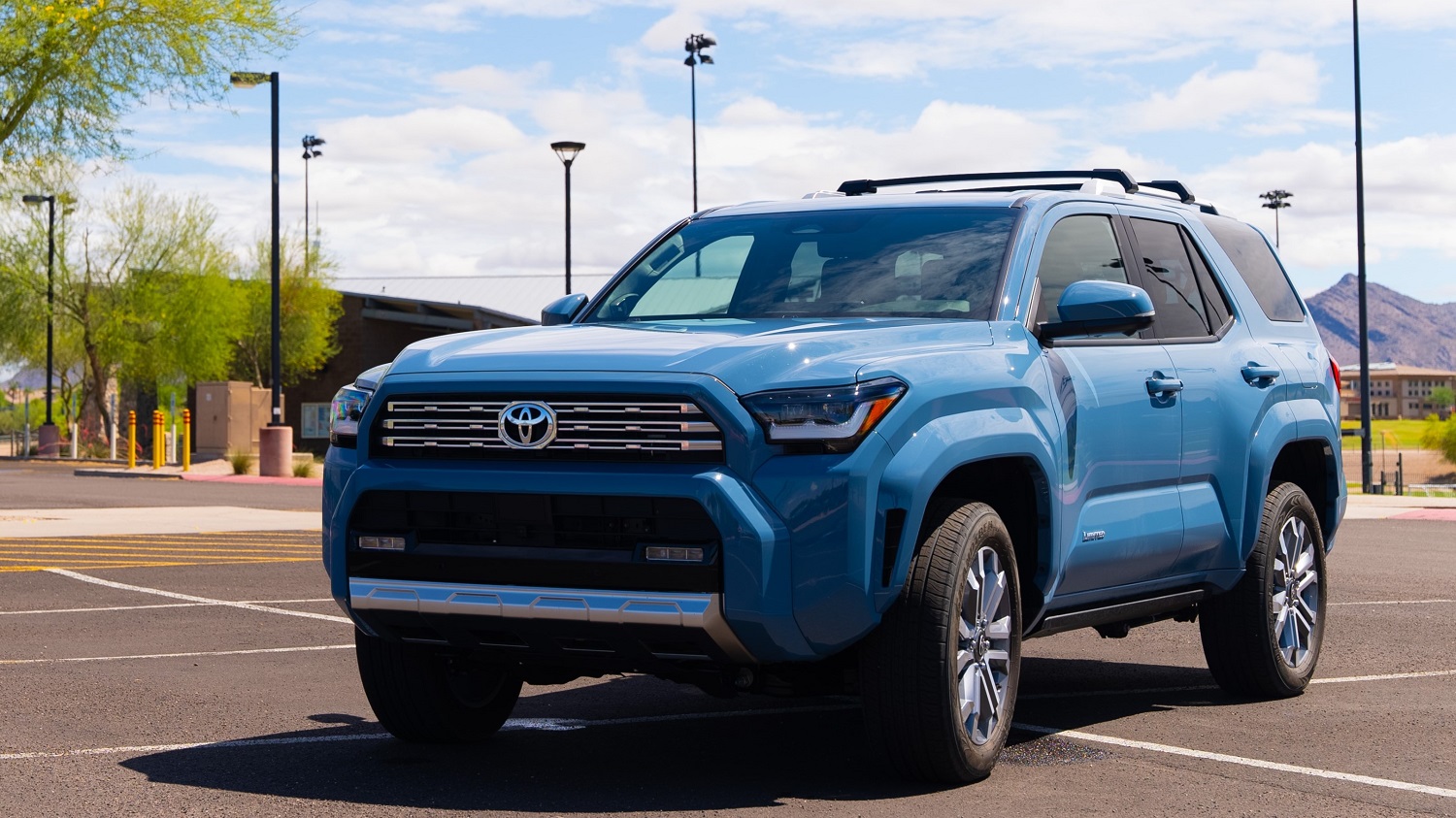
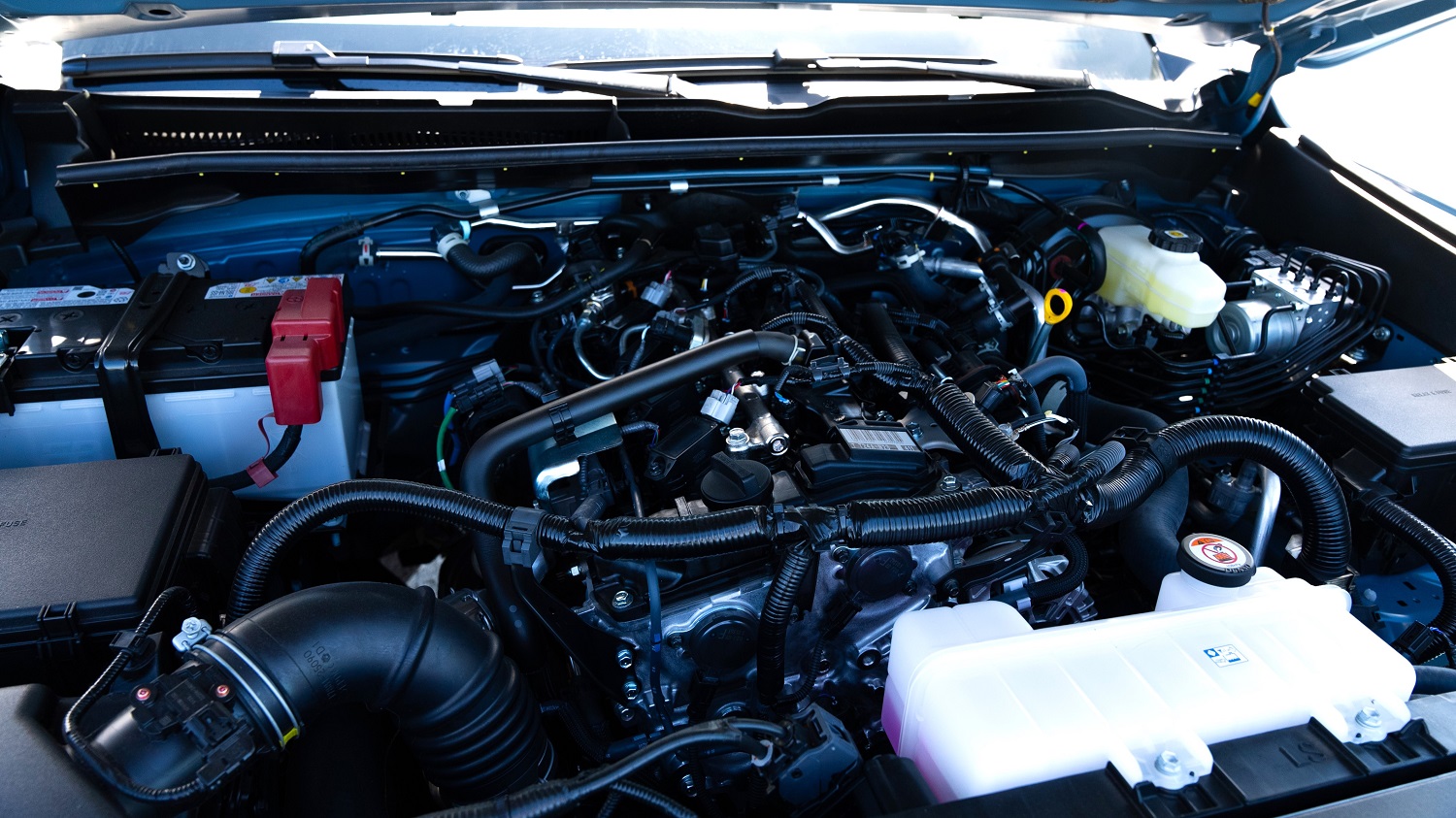
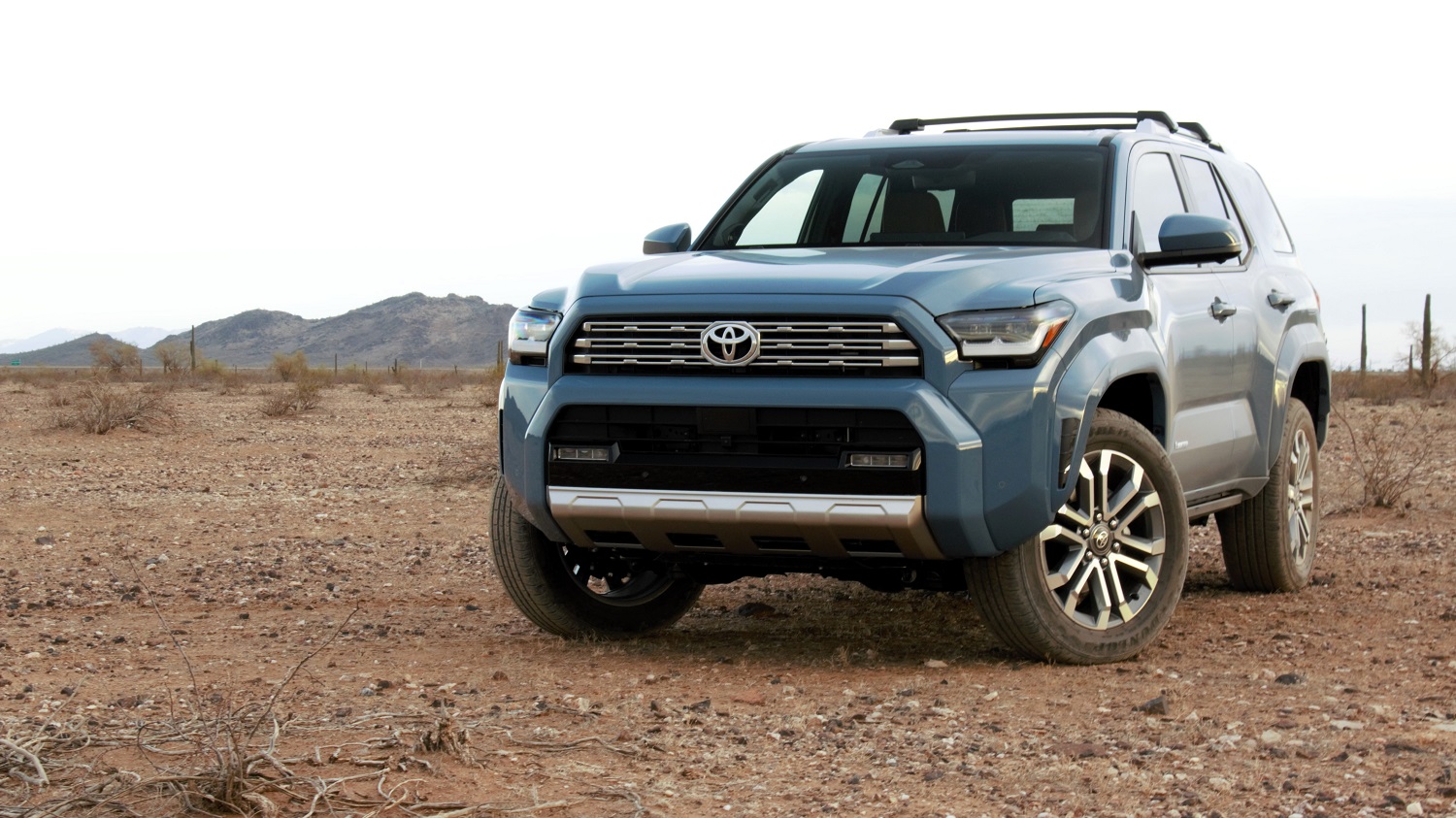
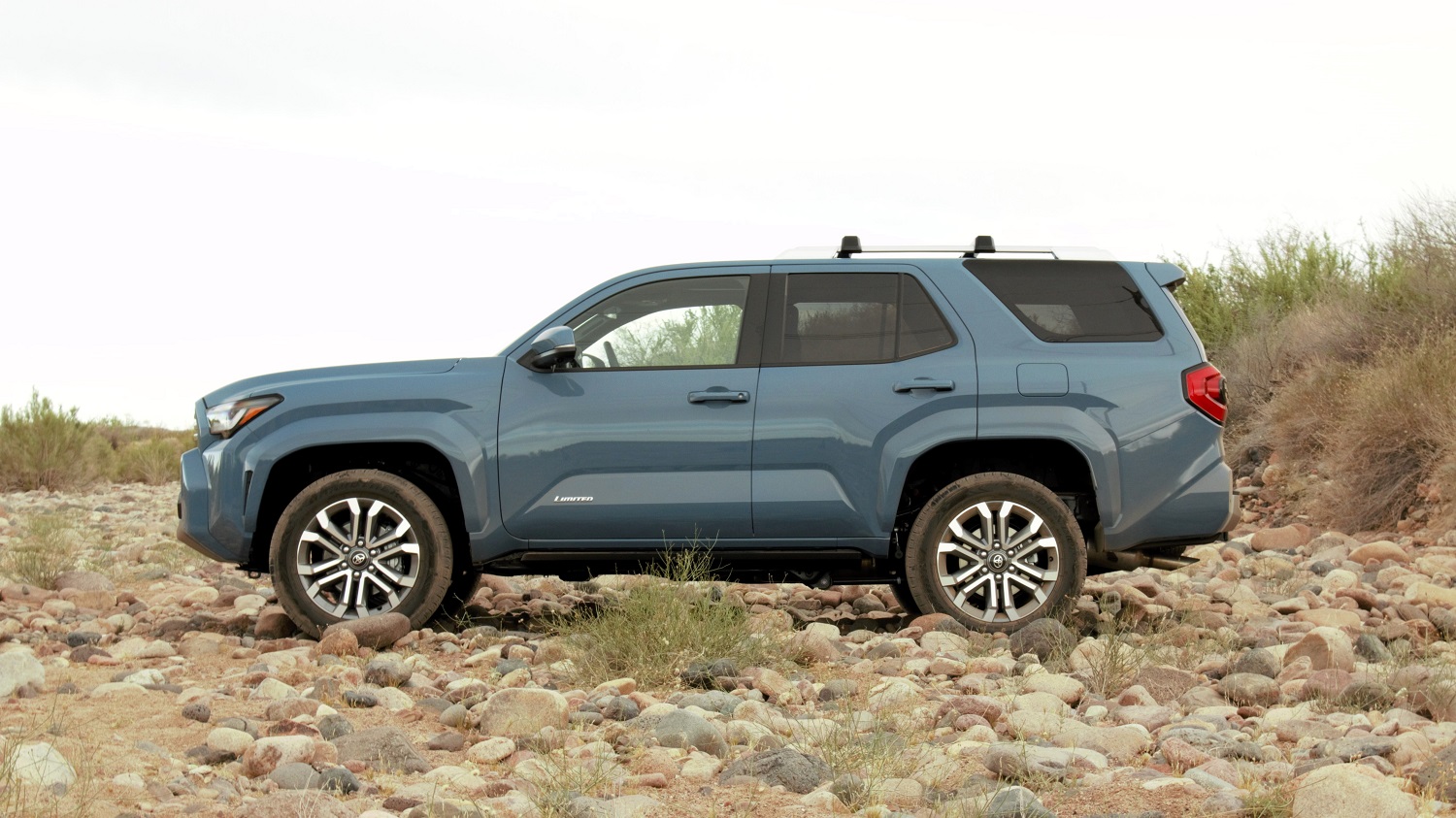
With its chunky, block-ish bodywork, the 2025 Toyota 4Runner certainly bears a resemblance to the 2010-2024 model, but the similarities end there. Everything about the N500 version is new. The trim level range is broader than ever and includes the new luxurious Platinum and overlanding-focused Trailhunter models. Like the Tacoma, Tundra, Land Cruiser, and Sequoia, the 2025 4Runner rides on the TNGA-F platform. Toyota did what many manufacturers have done in recent times and replaced the outgoing 4Runner’s naturally aspirated V6 with a smaller, turbocharged engine—in this case, an i-Force 2.4-liter inline-four (an i-Force Max hybrid with the same engine is also available), which is connected to a much more modern eight-speed auto. Inside, the cabin has received a total overhaul in the form of digital gauges, larger center touchscreen, wireless Android Auto and Apple CarPlay, and the Toyota Safety Sense 3.0 suite of safety and driver assistance features.
Prices for the new 4Runner start at $41,270. According to the window sticker, our Limited 4X4 review vehicle had a base MSRP of $57,400. With the addition of automatic power running boards, roof rail cross bars, the Tow Tech Package, third-row seating, and other small options, our press loaner had an as-tested price of $62,625.
The last 4Runner was undeniably dated but still so popular that Toyota’s willingness to keep producing it was simultaneously frustrating and completely logical. In many ways, the 2025 version is significantly better, as it should be. In a major way, the last-generation model was a one-dimensional vehicle: it was fun to take off-road and get dirty, but driving it on pavement to get there was dreadful because it was sluggish, bumpy, and thirsty.
Photo by Maclaine Morgan
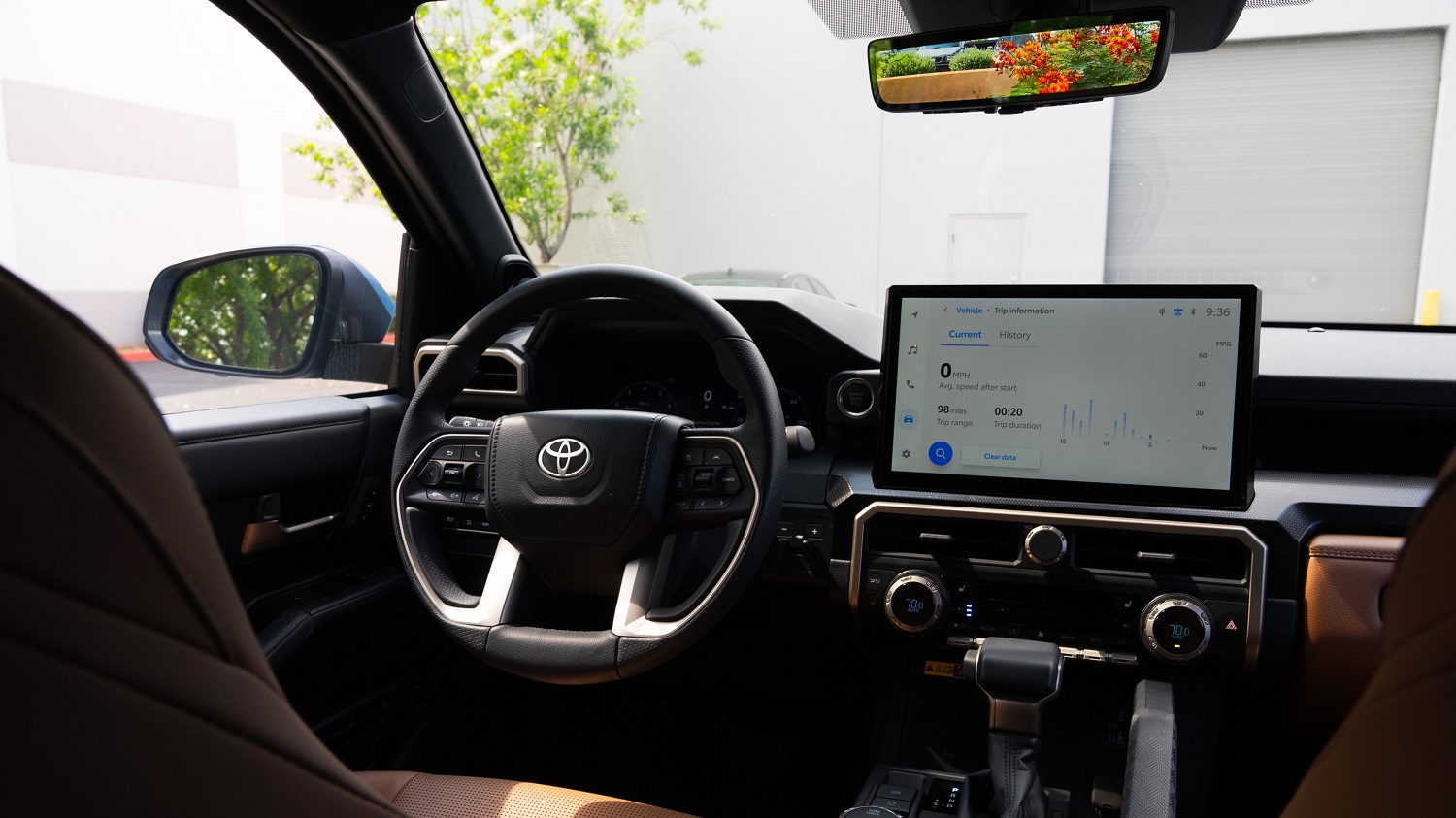
A lot has changed in 15 years. The Limited’s Adaptive Variable Suspension was civilized and did a great job of controlling its rebound from bumps in the road but, to some degree, it was always clear the 4Runner is still a body-on-frame vehicle. That ruggedness was immediately apparent inside the cabin. All of the major touchpoints were what you’d expect in an off-road SUV. The rim for the four-spoke steering wheel that’s in front of the 12.3-inch digital gauge cluster was thick and beefy. There was no dial or button for shifting into gear—just a hoss, chunky lever. Below the 14-inch infotainment touchscreen, large, industrial-style dials adjust the volume for the 14-speaker JBL audio system and the dual-zone climate control system. The textured HVAC switches and grab handles make the Limited, one of the most on-road-biased 4Runner models, feel more adventurous.
Legroom in the fold-and-tilt second row was plentiful for someone of my height (5’10”). In contrast, the optional third row’s limitations made themselves known immediately. Sitting back there forced me to sit with my knees at an uncomfortable height, with the top of my head brushing the headliner and the rear hump where the ceiling curves down toward the power rear window. Children should be fine back there, but average-sized adults will not enjoy the experience, especially during long trips. When raised, the third row only leaves 12.1 cubic feet of cargo space, so everyone will need to either pack extremely light or stuff their clothing and gear into a rooftop cargo carrier.
Photo by Maclaine Morgan
The switch from the trusty V6 to the turbo I4 increased horsepower only slightly, from 270 at 5,600 rpm to 278 at 6,000. However, torque shot up significantly, jumping from 278 lb-ft at 4,400 rpm to 317 at a much lower 1,700 rpm. Not only do these improvements make the 4Runner feel peppier, but they also made it a more complete vehicle. It no longer has to be whipped to seem motivated. Driving it on the road is actually fun and enjoyable.
On paper, the turbo four is much more efficient than the big V6, delivering up to 20 miles per gallon in the city, 24 on the highway, and 21 combined—increases of four, five, and four, respectively. In reality, the new engine gulped nearly as much fuel as before, delivering an average of only 17.9 mpg over 467 miles.
Photo by Derek Shiekhi
Despite being skewed toward on-road performance, the 4Runner Limited is still capable over rough terrain. Out on desert trails, the full-time four-wheel drive system, locking center differential, and Dunlop Grandtreks has no problem maintaining traction. There is no Crawl Control to call upon, but shifting into L4L and bumping the transmission into first gear helps prevent the 4Runner from barreling down steep slopes.
Photo by Derek Shiekhi
Descending into a rocky creek bed only used a portion of the 22-degree departure angle; climbing out of it left plenty of the 18 degrees of approach angle in reserve. The 4Runner’s 8.8 inches of ground clearance proved to be more than enough to keep its vulnerable parts out of harm’s way.
Photo by Maclaine Morgan
More than once during my time with the 4Runner, I lowered all the side windows, opened the sunroof, and dropped the rear glass before I hit the road, something many 4Runner owners have probably done for decades. They were short, mundane drives, but they felt more special partly because of that signature rear window and the extra ventilation it provides. As I have mentioned in an earlier piece, I grew up in a Toyota family, one that loves 4Runners to this day: my dad has two third-gens and my mom has one too. I’ve now driven three generations of the Toyota icon, including the TRD Off-Road Premium and TRD Sport models from the last generation. The 2025 Limited stays true to the 4Runner’s heritage as a handsome, solid rig that inspires a sense of adventure. Thanks to one of its most radical changes, the new 4Runner is something that its ancestors weren’t: as enjoyable on pavement as it is on rough terrain. Well, almost as enjoyable—4Runners belong off-road.
To see the 2025 Toyota 4Runner Limited 4X4 in action, be sure to watch my colleague Luke Lamendola’s video review below.
This video is sponsored by Legendary Car Protection. Car ownership today comes with high expectations and high risks. A well-designed Vehicle Service Contract not only protects your finances, but also ensures your vehicle receives the care it deserves – no matter how iconic, rare, or routine it may be. To explore tailored protection options for your specific vehicle, visit LegendaryCarProtection.com.
Are you the kind of person who likes to get max life out of a vehicle? My 1994 Acura Legend LS will close the gap to 600,000 miles this fall on its original drivetrain, and I’ll be sharing more on that in due time. But – as some people point out – I am not the original owner of the Legend. It had about 95,000 miles on it when I took delivery in 2003, so occasionally I hear, “Those aren’t all your miles.”
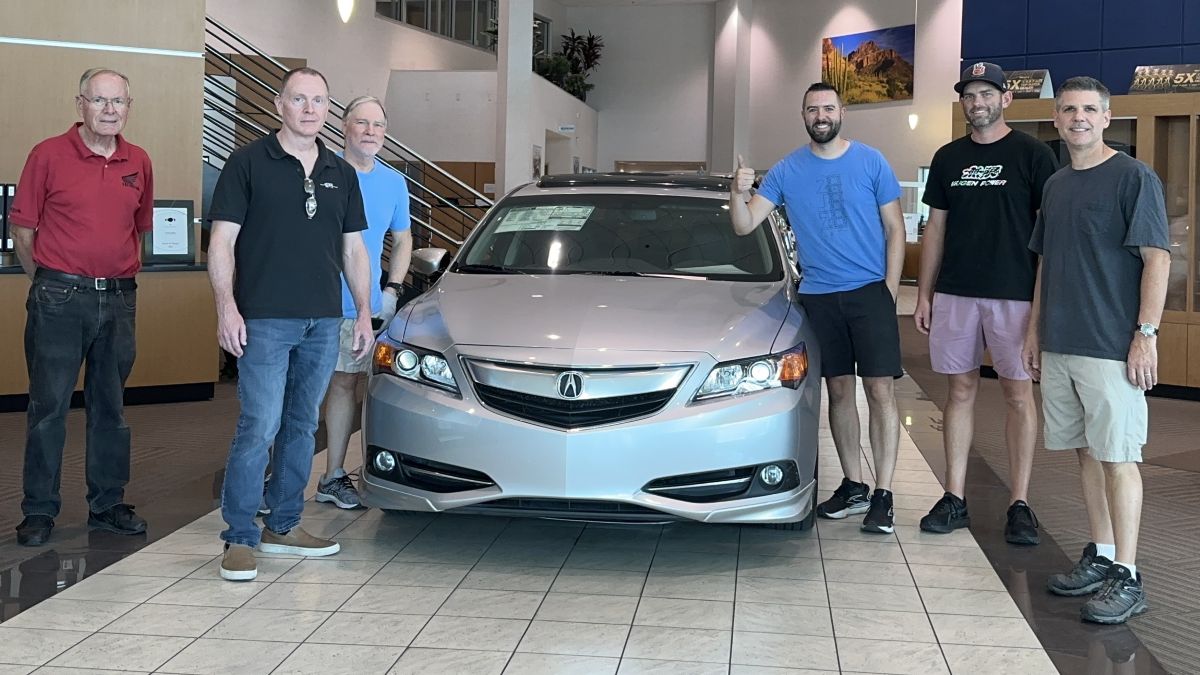
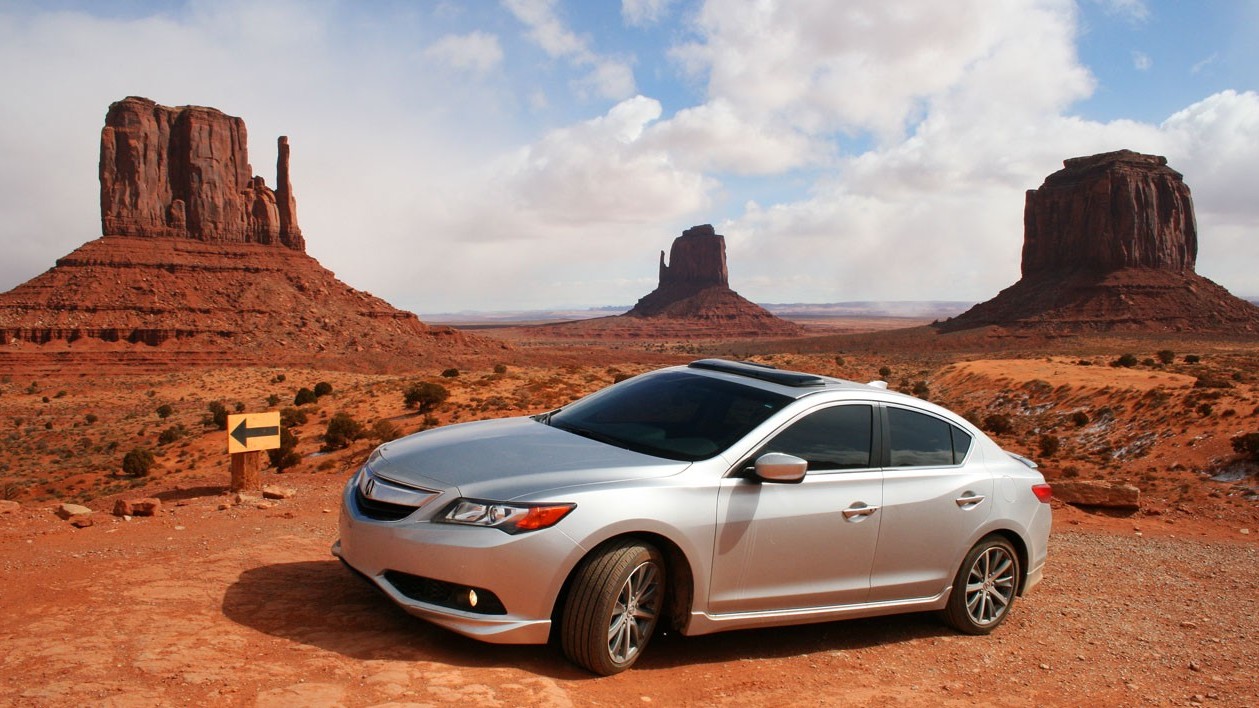
Well, I do have a car with “original owner” high miles. When I received the key on June 12, 2012, to my 2013 ILX, the car had just 16 miles on the odometer, and it has now crossed the 250,000 threshold. But I didn’t just watch the odometer flip and keep rolling. I decided to put the car inside the same showroom where the car was originally delivered – at exactly the 250,000-mile mark. Fun logistics, right?
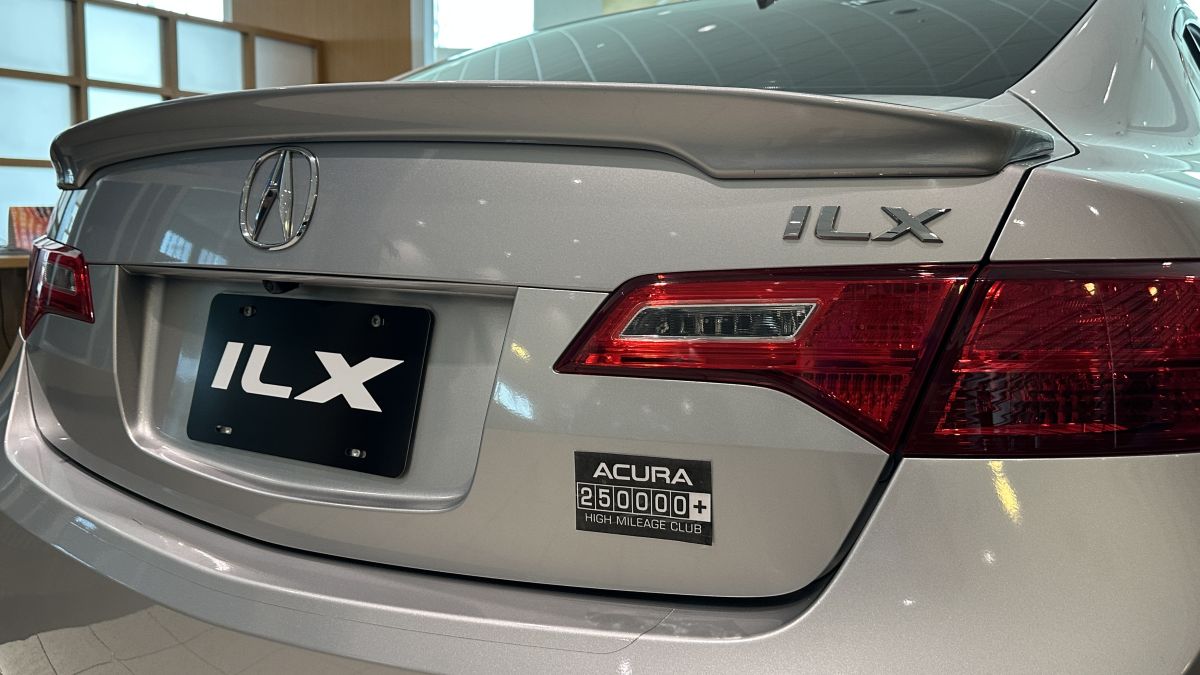
So, Acura of Tempe, Arizona, currently has a quarter-million-mile Acura ILX (on the dot!) on the showroom floor. It’s too bad the odometer is digital; passers-by won’t know its achievement unless they stop to read the signage I put on the dash – and the cheesy sticker I put on the trunk lid.
By way of backstory, Acura (or should I say, American Honda) gave me the ILX for free when it was new. Initially, the arrangement (though informal at best) was that I would blog about the car on my website, Drive to Five, for one year as a sort of promotional effort. By the end of that year, the car had already accrued about 54,000 miles on the odometer. In fact, it was out of warranty before it was even one-model-year old. Acura didn’t ask for the car back. They mailed me the title instead, and I kept driving it.
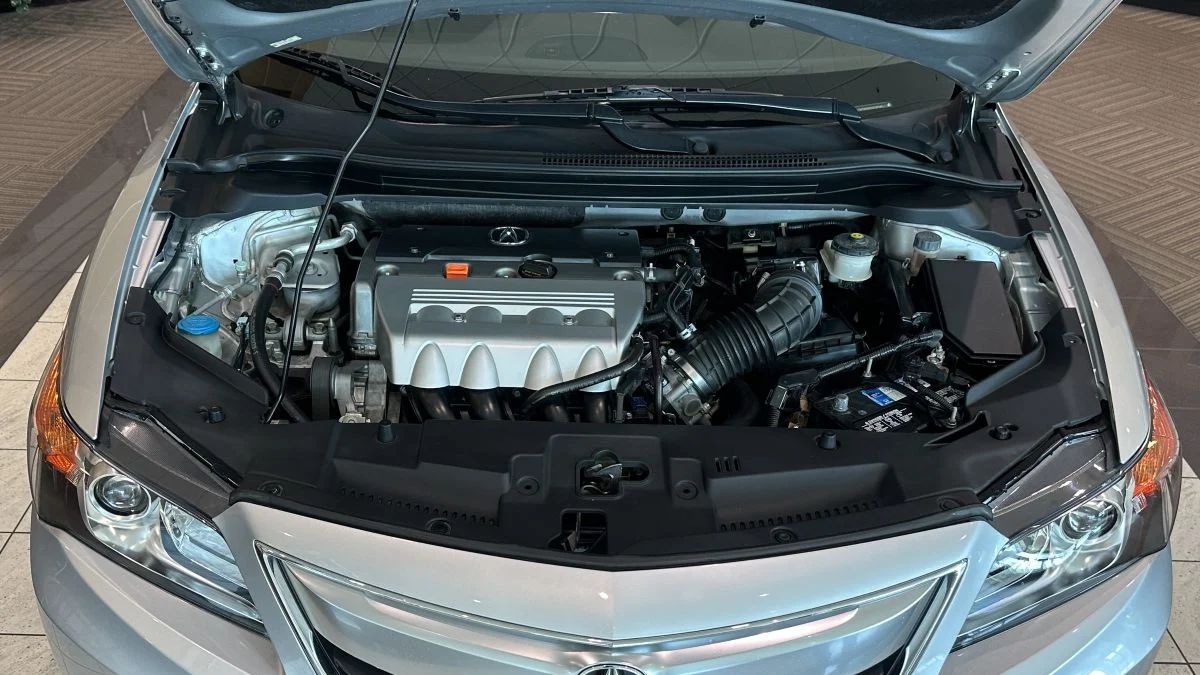
The ILX, at least in the trim package I ordered, is powered by Honda’s bulletproof “K24” 2.4-liter iVTEC inline-four paired with a six-speed manual transmission. Where did I pick up all those miles? My longest-distance trip was a 2016 drive from Arizona to the Arctic Circle of Alaska and back. That adventure came out to around 8,000 miles and took me a couple of weeks. The car has been remarkably cost-efficient to maintain – it’s all been documented in an Excel spreadsheet, so I took the liberty of carving out some statistics for the data-nerds in the audience.
Total miles: 250,000
Average annual miles: 19,230
Average oil change interval: 7,142
Oil type used: 0W20 synthetic
Oil changes: 36
Brake pad sets: 2 rear, 1 front
Transmission fluid changes: 2
Recalls: 2 (door latches, airbag)
Warranty claims: 0
Batteries: 4
Starters: 1
Windshields: 2
Radiators: 1
Water pumps: 1 (preventative only)
Total spent in maintenance: $16,071
Cost per mile: 6.3 cents
Average fuel economy: 32 mpg
The ILX in Monument Valley… and Alaska!
I had the headlight assemblies replaced for purely cosmetic reasons – the plastics were showing some wear after over a decade in Arizona; I’d tried DIY refinishing, but it never seemed to last. Remaining original to the car are its engine, transmission, clutch, suspension, axles and many other components. I would trust it to the moon – again (since it’s already driven that distance once).
What about you – have you had a long-lived vehicle? What was your secret to success?
It’s a rare thing to be handed the keys to the past. Not a faded memory or a dusty photograph—but the real deal. The thunder. The chrome. The unmistakable rumble of an American big-block V8.
And it’s even rarer to be handed two of them.
This summer, Dream Giveaway is offering a once-in-a-lifetime opportunity to do just that—and time is running out. The Chevy Big-Block Dream Giveaway ends August 5, and if you haven’t entered yet, this may be your final chance to own not one, but two of Chevrolet’s greatest muscle machines. Click here to enter now!
Let’s take a closer look at what’s at stake.
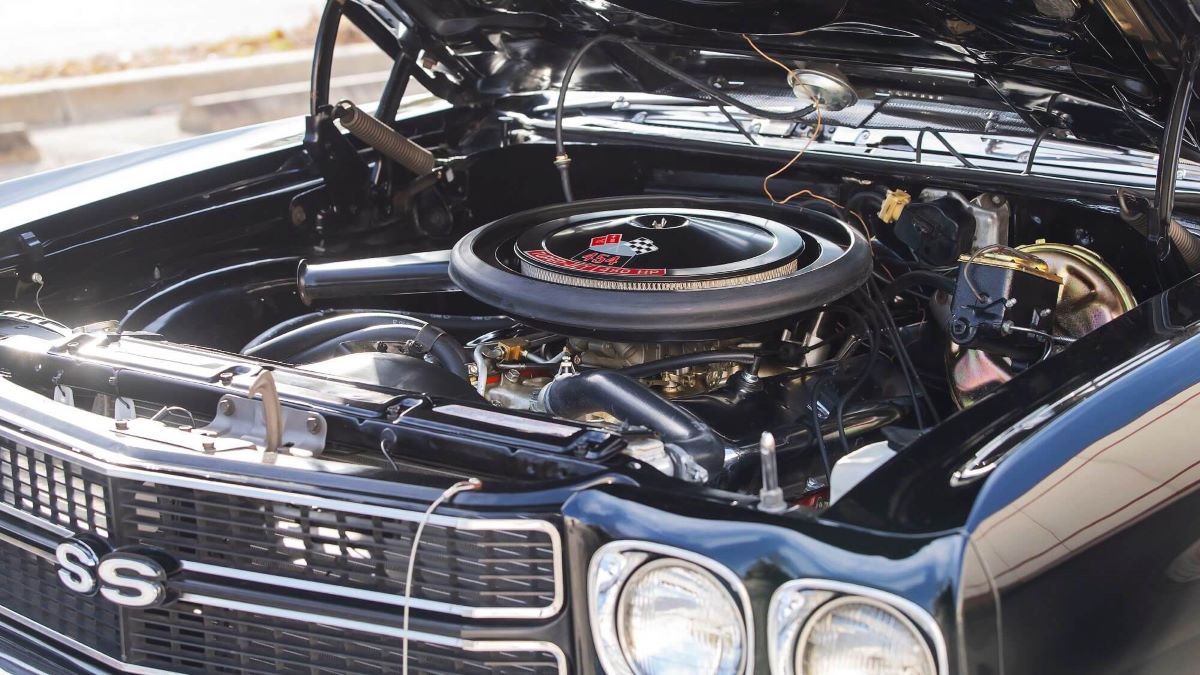
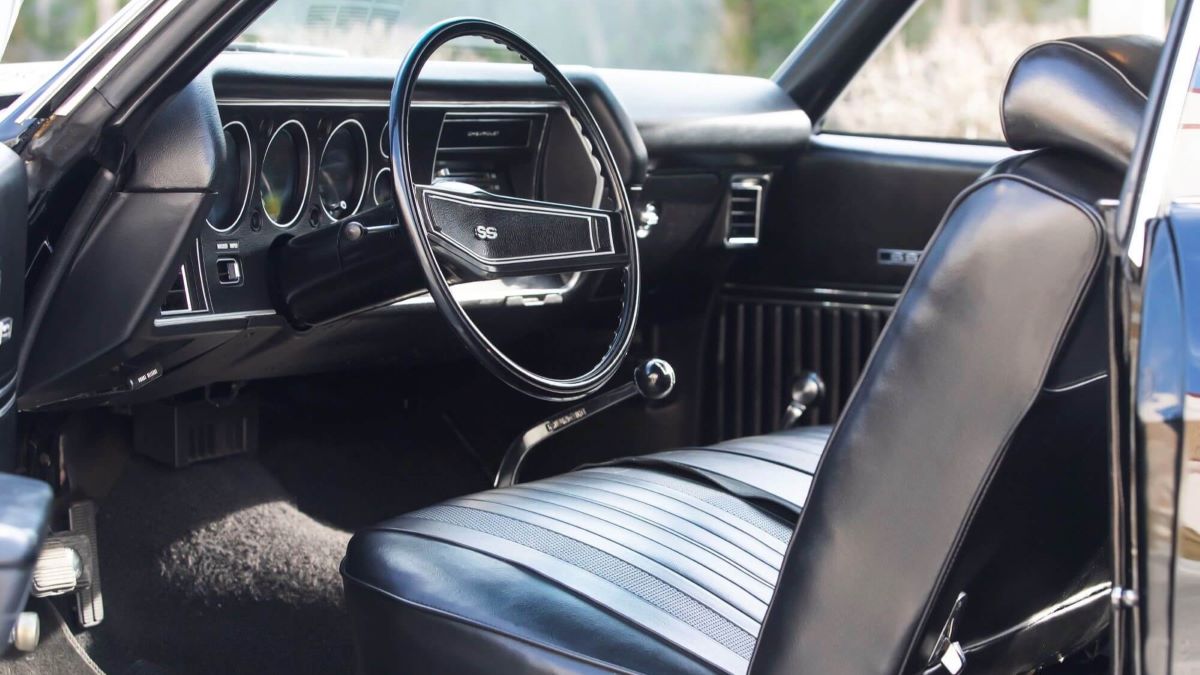
A Time Machine in Tuxedo Black – 1970 Chevelle SS 454 LS6 – 19,000 Original Miles
There are muscle cars, and then there’s the 1970 Chevelle SS 454 LS6—arguably the high watermark of the era.
Finished in Tuxedo Black, this car doesn’t whisper nostalgia—it roars it. Under the hood sits the mighty 450-horsepower LS6 big-block V8, a legend in its own right and a one-year-only option that cemented the Chevelle’s place in performance history.
Even more remarkable is the car’s condition. With just 19,000 original miles, it has lived a pampered life—carefully preserved, professionally restored, and waiting for one lucky winner to bring it back to life. A Muncie four-speed. A functional cowl-induction hood. Factory trim that gleams.
This isn’t just the most iconic Chevelle ever made. It might be the best-preserved LS6 Chevelle you’ll ever see outside of a museum.
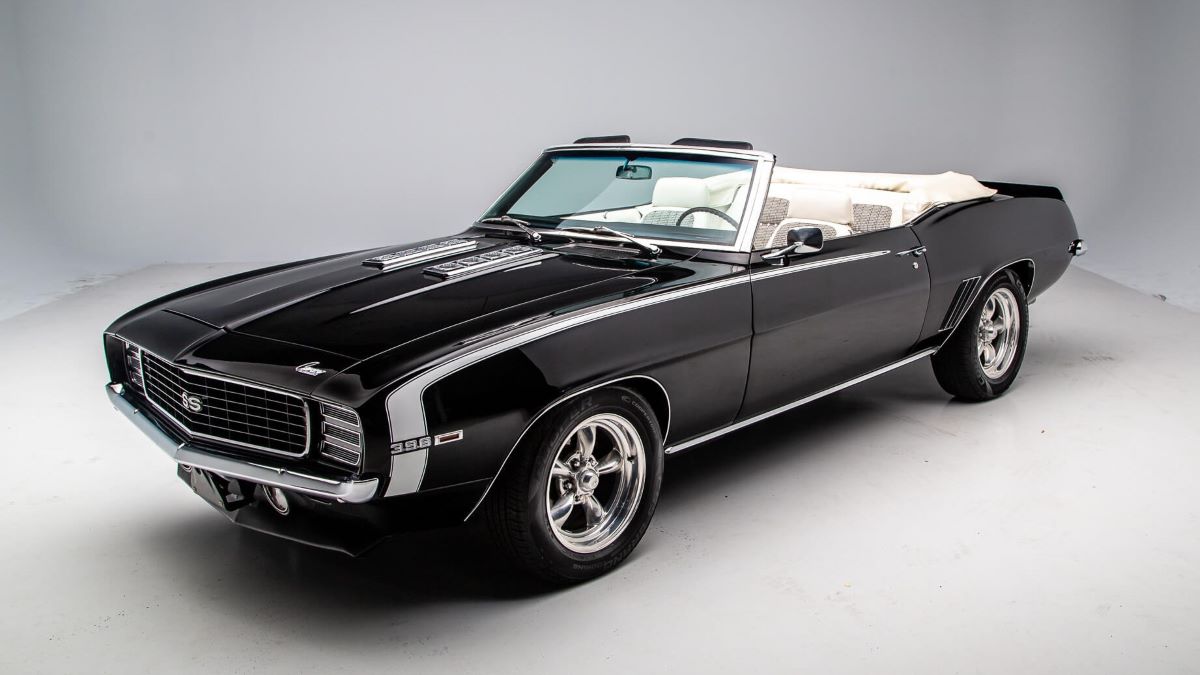
A Top-Down Power Trip – 1969 Camaro RS/SS 396 L78 Convertible
The second grand prize is no less extraordinary.
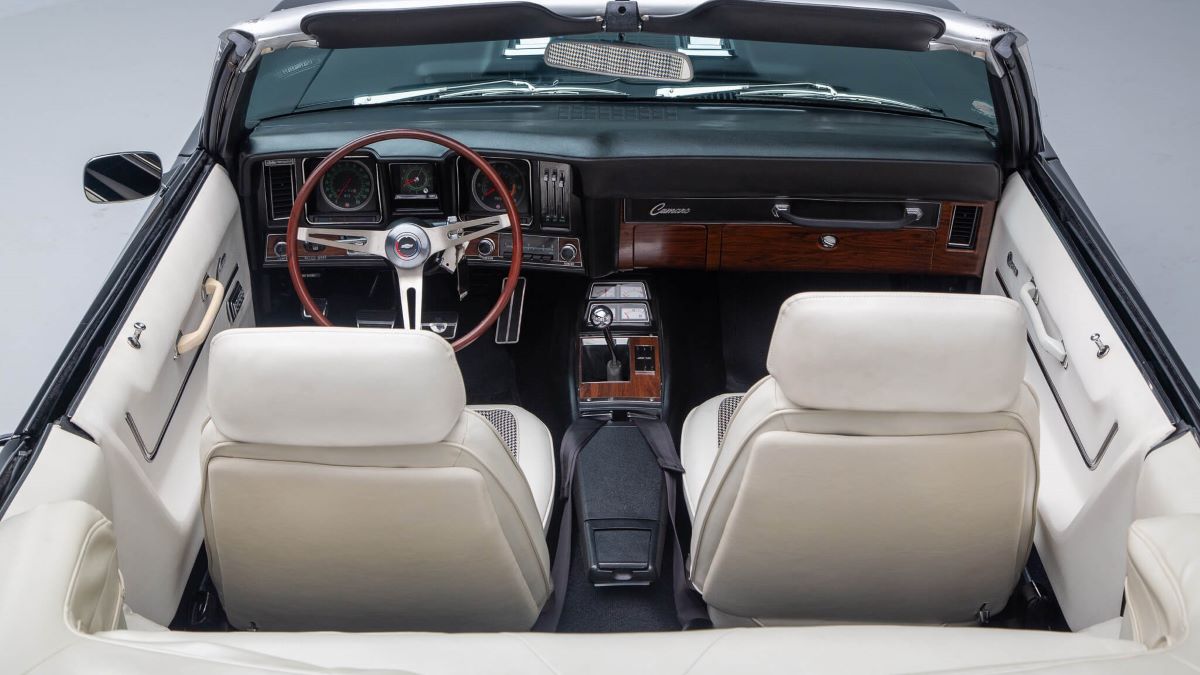
Chevy’s 1969 Camaro RS/SS convertible was a showstopper in its day—and remains one of the most desirable Bowties in collector circles. But this isn’t just any ’69 drop-top. This one packs a 375-horsepower L78 big-block V8, backed by a Muncie M21 four-speed, dual exhaust, and factory Positraction.
It’s a rare spec and this one delivers both the visual drama of the Rally Sport package and the hardcore muscle of a true Super Sport. The black/white Houndstooth interior? Impeccable. The engine bay? Detailed to perfection. The driving experience? Exactly what you’d expect from one of the fiercest Camaros ever produced.
This car doesn’t just turn heads. It rewrites your definition of cool.
Two Dream Cars. One Winner. And Time is Running Out.
Both cars come from pedigreed collections—the Chevelle from Bob Dorman Chevrolet in Ohio, the Camaro from Florida’s renowned Muscle Car City. They represent the absolute best of their kind. Together, they offer an immersive, visceral connection to an era that defined American performance.
And they’re going home with one lucky winner.
But here’s the catch: you must enter by August 5. After that, the garage door closes. The chance disappears. And someone else might be behind the wheel of your dream machines.
The Bonus: $55,000 Toward Federal Taxes
Yes—Dream Giveaway is covering $55,000 in federal prize taxes. That means if you win, you won’t just receive two of the most iconic muscle cars ever built—you’ll receive them with the freedom to drive, display, or tuck them away in your own private collection.
There are sweepstakes, and then there are opportunities to change your automotive story forever. This is one of those moments.
Don’t let it pass you by. If you’ve ever dreamed of owning a Chevelle SS 454 LS6 or a Camaro RS/SS L78 convertible—let alone both—this is your moment.