One of the 2,000-plus vehicles that sold at no reserve during the Barrett-Jackson auction in Scottsdale, Arizona earlier this year was a 1982 Ford Crown Victoria station wagon modeled after the famous “Family Truckster” from the movie “National Lampoon’s Vacation.” The car was offered as part of the Dr. Stewart Berkowitz collection and, throughout the course of “auction week,” it was a huge conversation piece among attendees.
While perhaps not as eye-catching in appearance—it’s missing the quad stacked headlights, after all—this car could make a great candidate for a similar tribute.
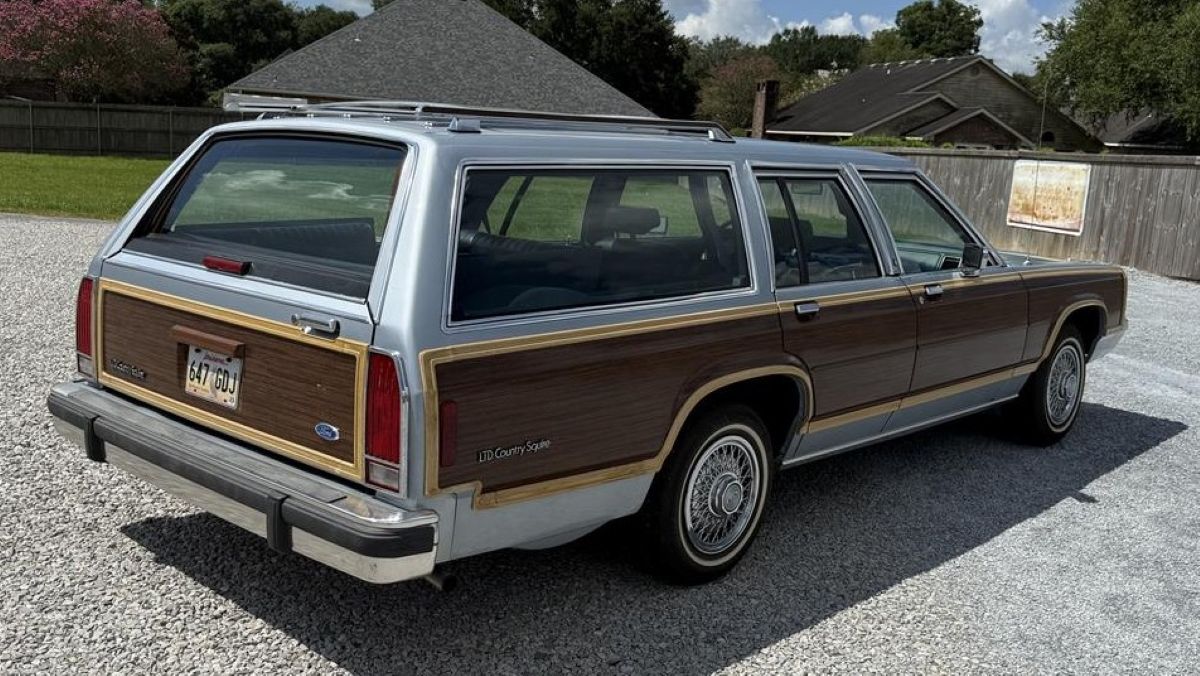
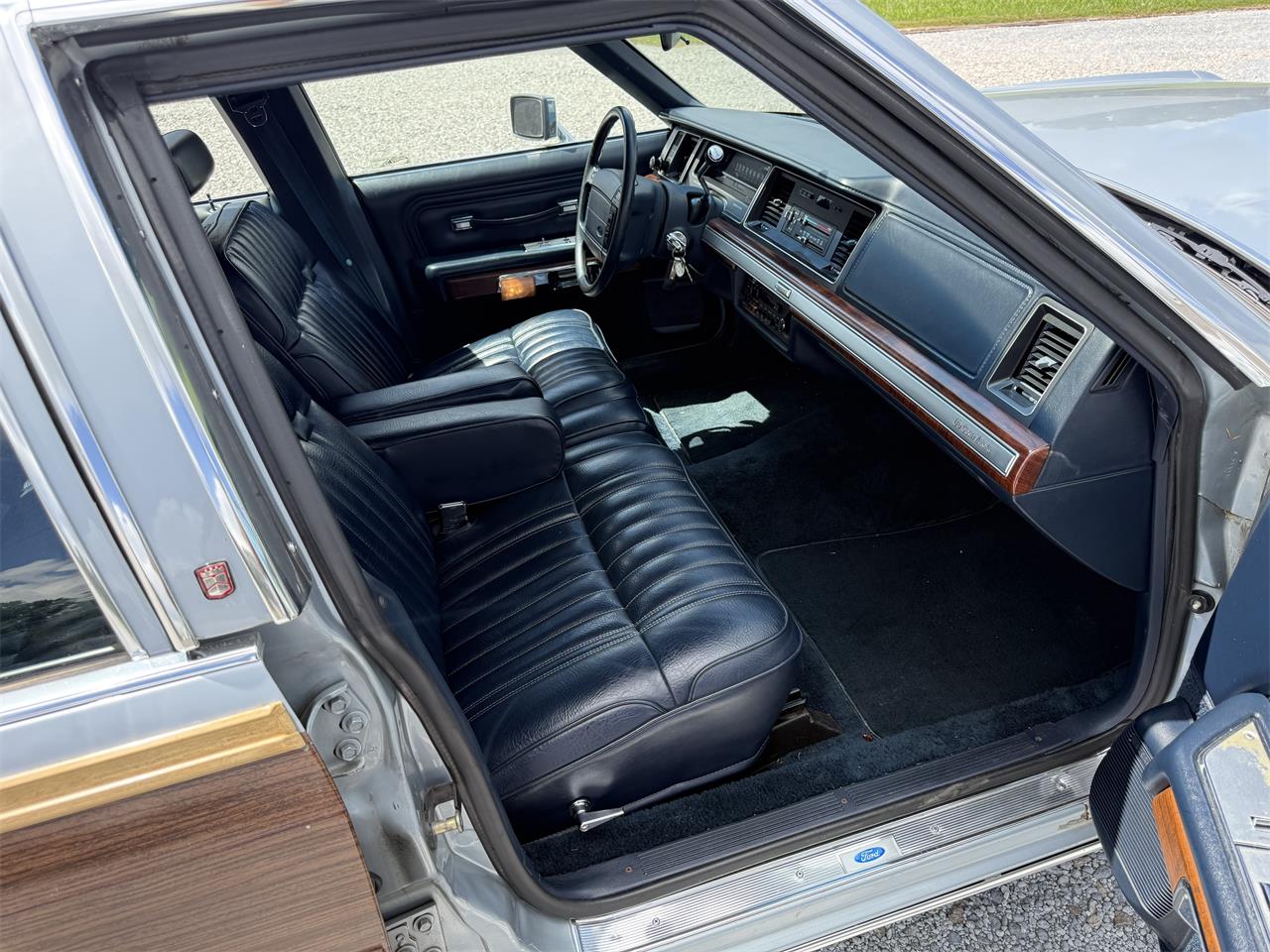
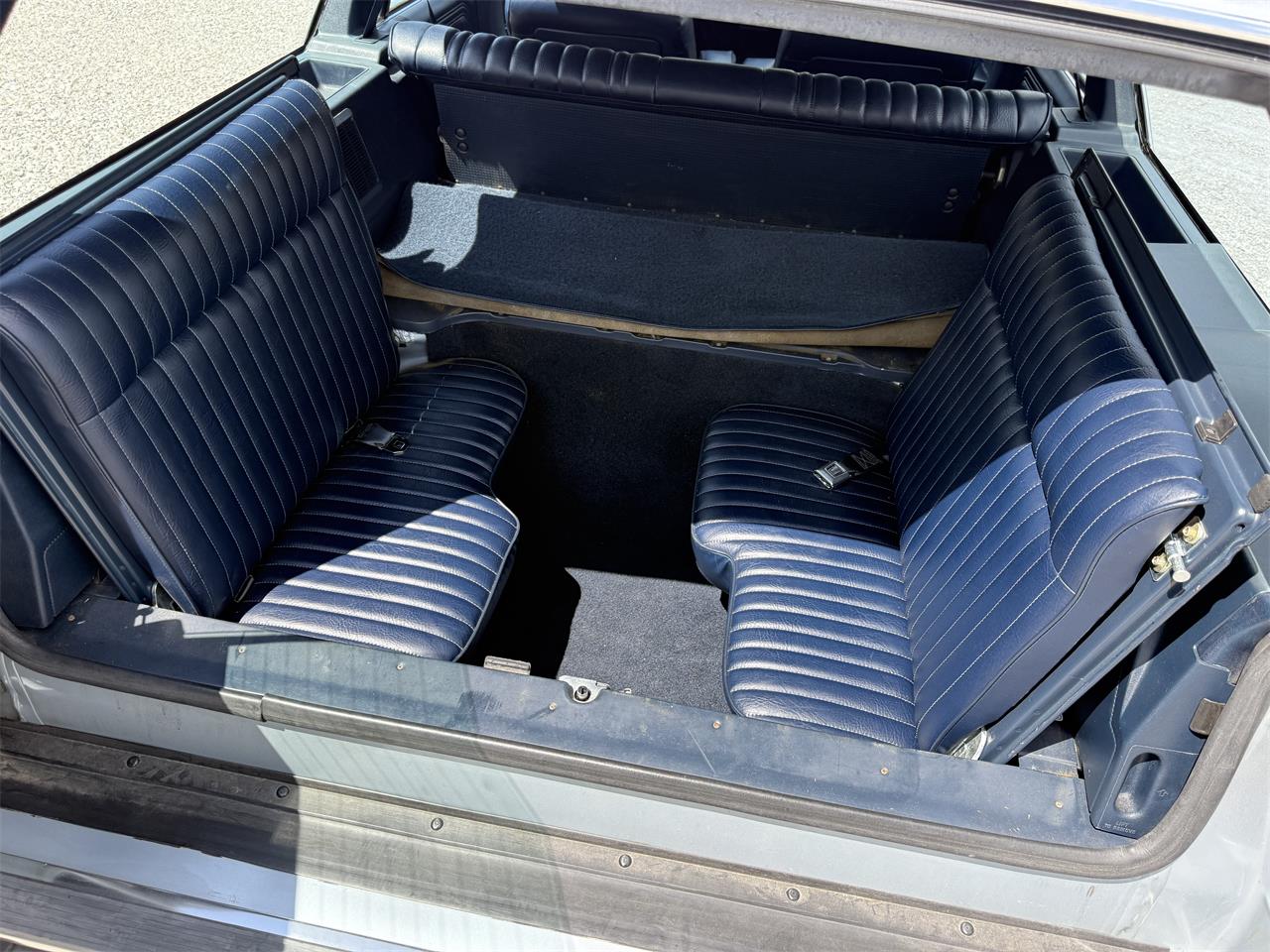
Most notably, for those seeking an authentic 1980-90s station-wagon look, the car is adorned with plenty of wood-grain trim. It also comes equipped with a roof rack for maximum cargo-hauling utility. Inside, the cabin is the pinnacle of versatility—check out the optional inboard-facing rear seats that cleverly fold down into the floor. There are eight seat belts in the car, making it possible to haul around an average-sized family along with a friend or two. Creature comforts include power windows, power door locks, cruise control, power driver seat, and air conditioning. The seller says the air blows cold, too.
The full-sized LTD Crown Victoria was produced from 1980 through 1991 and could be ordered as a two-door sedan, four-door sedan, or station wagon. Underpinnings came from the rear-wheel drive Ford Panther platform architecture, characterized by a double-wishbone front suspension and a coil-sprung live rear axle. Across the decade-long production run, relatively few aesthetic changes took place with the Crown Victoria, although it did receive a facelift in 1988 to give some of the edges a slightly rounder look.
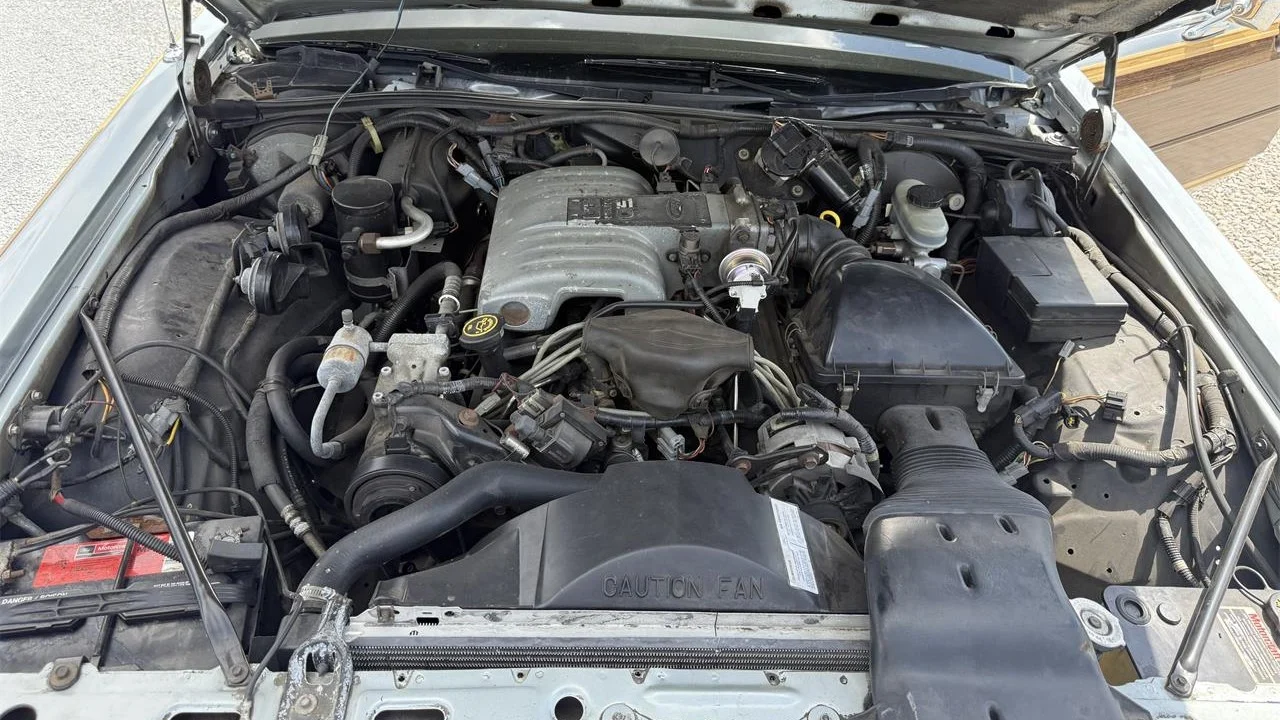
Power for this big people-mover comes from a 5.0-liter Windsor V8 mated to a four-speed automatic transmission. The seller says the car runs and drives great. One thing to note: in advertising, Ford talked about how the Country Squire could be optioned with a heavy-duty trailer towing package that was capable of lugging an extra 5,000 pounds around. The station wagon was without a doubt the king of the hill when it came to capability.
Wally World, here we come! The asking price is $16,500 or best offer.
These days it seems as if most vehicle buyers want a crossover or SUV, but not all of them want the same kind. Judging by the more rugged versions of vehicles that used to be strictly soft-roaders (such as the first-ever Nissan Rogue Rock Creek) it’s clear that automakers are trying to cover an increasingly broader spectrum of characteristics within single model lines. Larger SUVs, including the Cadillac Escalade, are now available as high-performance vehicles. When Lexus introduced the TX for 2024 to meet the demand for a roomy three-row SUV, the lineup included a 366-horsepower TX 500h F Sport Performance hybrid model. This year, Lexus added another athletic option: the TX 350 F Sport Handling AWD.
EMPHASIS ON HANDLING, NOT HORSEPOWER
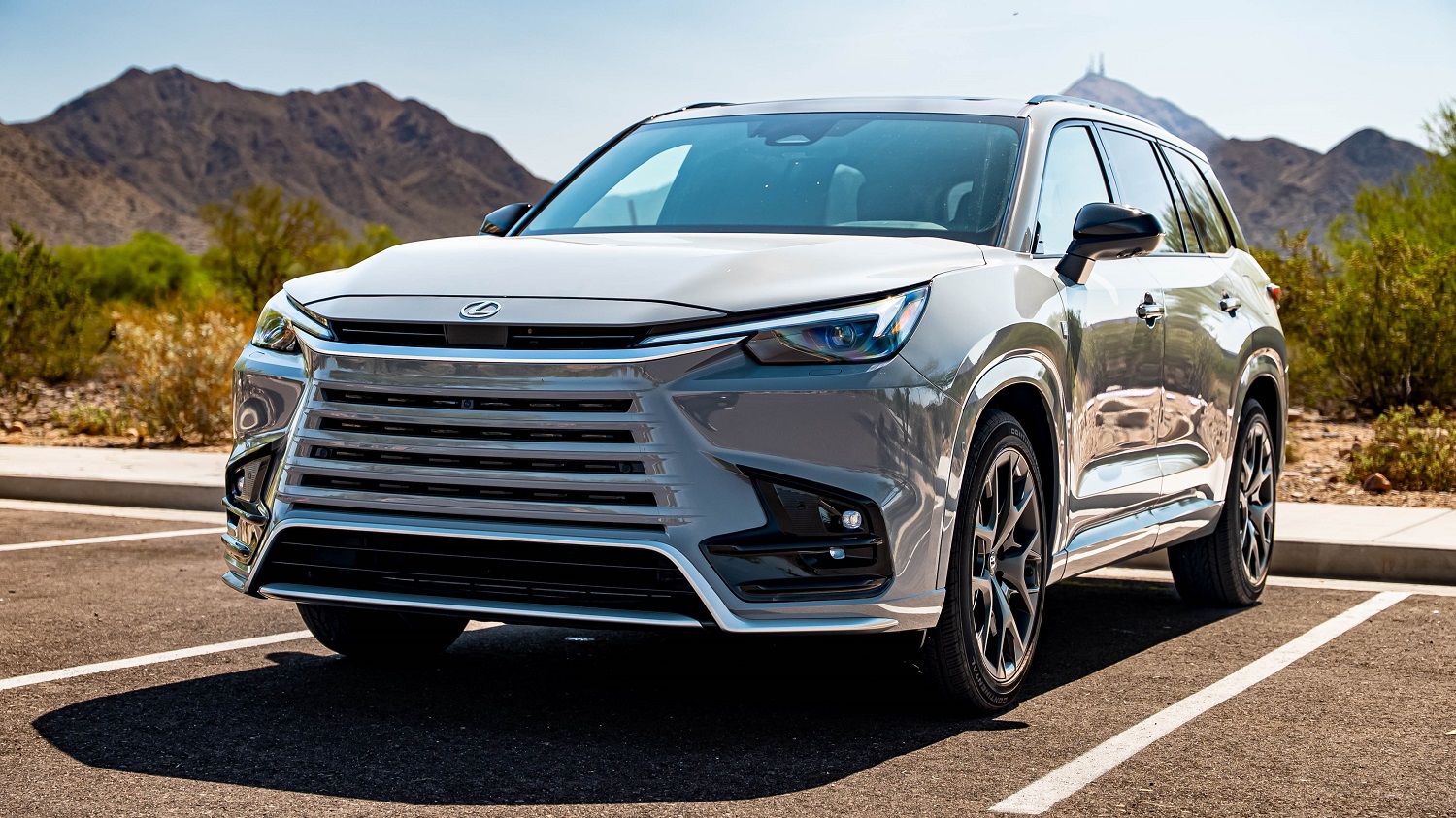
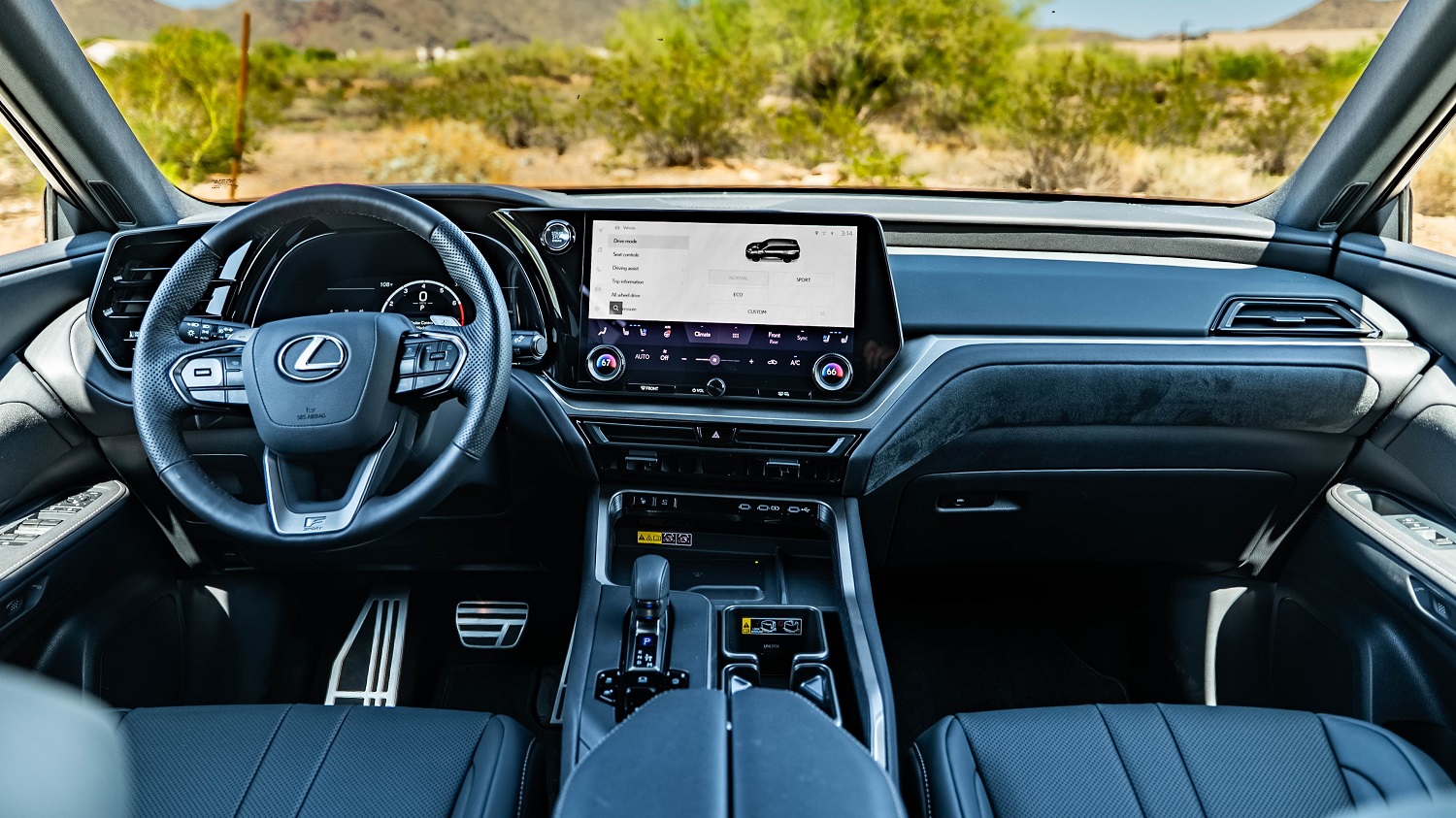
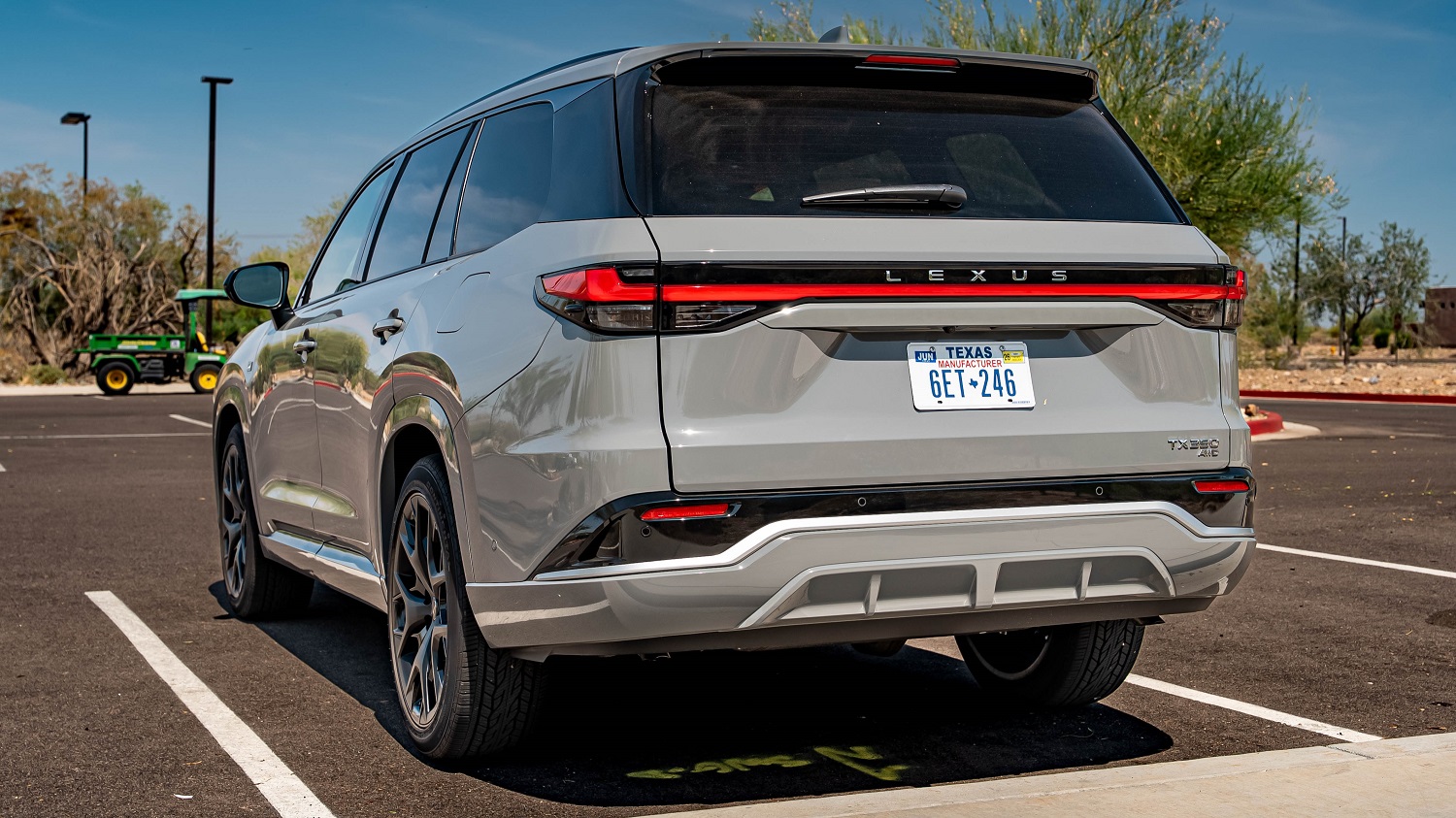
As the name implies, the F Sport Handling variant is essentially a suspension package. Based on the TX 350 AWD, it uses an F Sport-tuned version of the Adaptive Variable Suspension, which adjusts according to driver inputs and road conditions. Of course, as an F Sport model, it also comes with an array of cosmetic and additional functional upgrades. The “Unified Spindle” grille flows into the F Sport front fascia, which is highlighted with satin silver trim. My test vehicle’s Incognito gray paint was the perfect backdrop for the black roof rails, window trim, mirror caps, and 22-inch wheels. At the rear, there’s more brightwork below the power liftgate, as well as a diffuser-like panel. Inside the NuLuxe-lined cabin, the heated steering wheel, leather-trimmed shifter, aluminum pedals and scuff plates, and front headrest logos are products of F Sport’s makeover. The heated and ventilated second-row captain’s chairs aren’t particularly performance-oriented, but they’re a welcome part of the package.
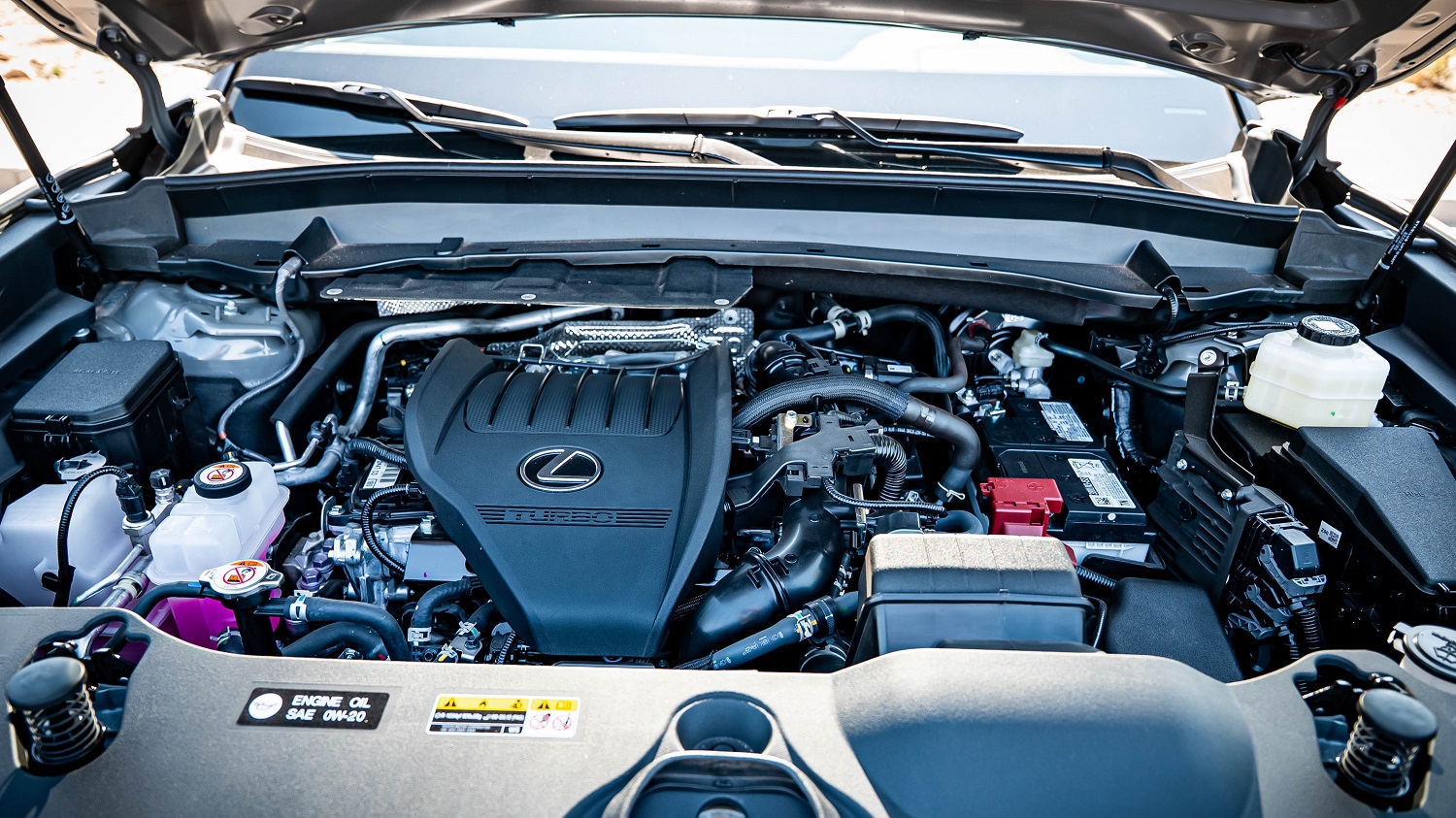
None of those changes—and no, not even the F Sport badges—add to the performance under the hood. The F Sport Handling’s engine is the same one in every other TX 350, but that’s not a bad thing. Its turbocharged 2.4-liter inline-four produces 275 horsepower and 317 lb-ft of torque. Channeled through an eight-speed automatic and all four wheels, that was more than enough to keep the TX out of its own way. In Sport mode, the AVS was focused yet never flinty. It’s too bad the steering and braking weren’t as dialed in, but I did remind myself I wasn’t in an outright performance version of the TX.
The F Sport Handling’s combination of gas-only propulsion and an upgraded suspension helps it fill an important slot in the TX lineup, providing an option to buyers who want a sportier TX but don’t want to upgrade to the TX 500h F Sport Performance hybrid to get more power. Priced from $65,860, the F Sport Handling is within $5,000 of the 500h’s $70,110 MSRP. Even with the Convenience and Technology Packages, the Mark Levinson 21-speaker audio system, and a few other small accessories, my review vehicle had an as-tested sticker price of $69,430.
YOUR RESULTS MAY VARY
All TXs, no matter their trim level or drivetrain, are designed to fit three rows of people. Just what size those people can be may vary. I’m five-feet-ten, and I found the first two rows perfectly spacious, although the driver seat’s side bolstering was a little too aggressive. Aside from that and a few confusing design and hardware choices, the front of the TX’s cabin was a pleasant place to be. I wouldn’t hesitate to take the F Sport Handling on a long road trip. My family wouldn’t object, either. My wife had enough legroom in the shotgun seat when our son Hayden was in his car seat directly behind her in the second row; I didn’t hear any complains from my mother-in-law in the driver-side captain’s chair. However, it’s a little tighter in the third row, where the top of my head was uncomfortably close to the headliner. Then again, not everyone is my height. If you have family members and friends of various sizes, I’m sure you and five of them can reach a compromise that all of you will find comfortable.
To get a better idea of the 2025 Lexus TX 350 F Sport Handling AWD’s features, oddities, and interior dimensions, check out my video review below.
This video is sponsored by Legendary Car Protection. Car ownership today comes with high expectations and high risks. A well-designed Vehicle Service Contract not only protects your finances, but also ensures your vehicle receives the care it deserves – no matter how iconic, rare, or routine it may be. To explore tailored protection options for your specific vehicle, visit LegendaryCarProtection.com.
Cupra? We learned about this automotive brand several months ago when we wrote about this companion brand to Seat. The Spanish manufacturer has had aspirations to reach the U.S. market by 2030, but now we have received news that those plans have been delayed.
Photo courtesy of Cupra
Owned by the Volkswagen Group, Cupra (which comes off as being somewhat like Scion, complete with hip marketing) planned to offer us edgy electric SUV and maybe more. However, Car and Driver reports that the 2030 goal has been postponed—not cancelled—after a recent earnings report. The brand “will continue to monitor market developments in the coming years to determine the best timing and approach.”
Photo courtesy of Cupra
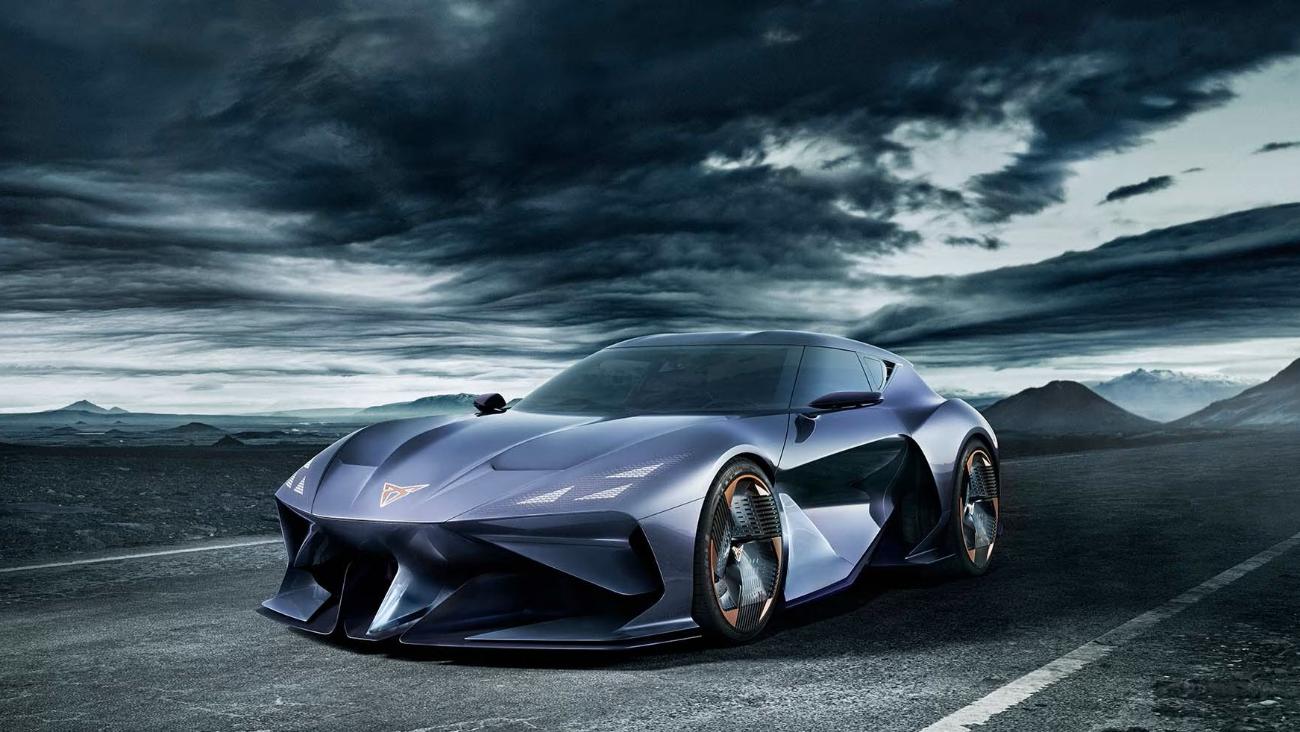
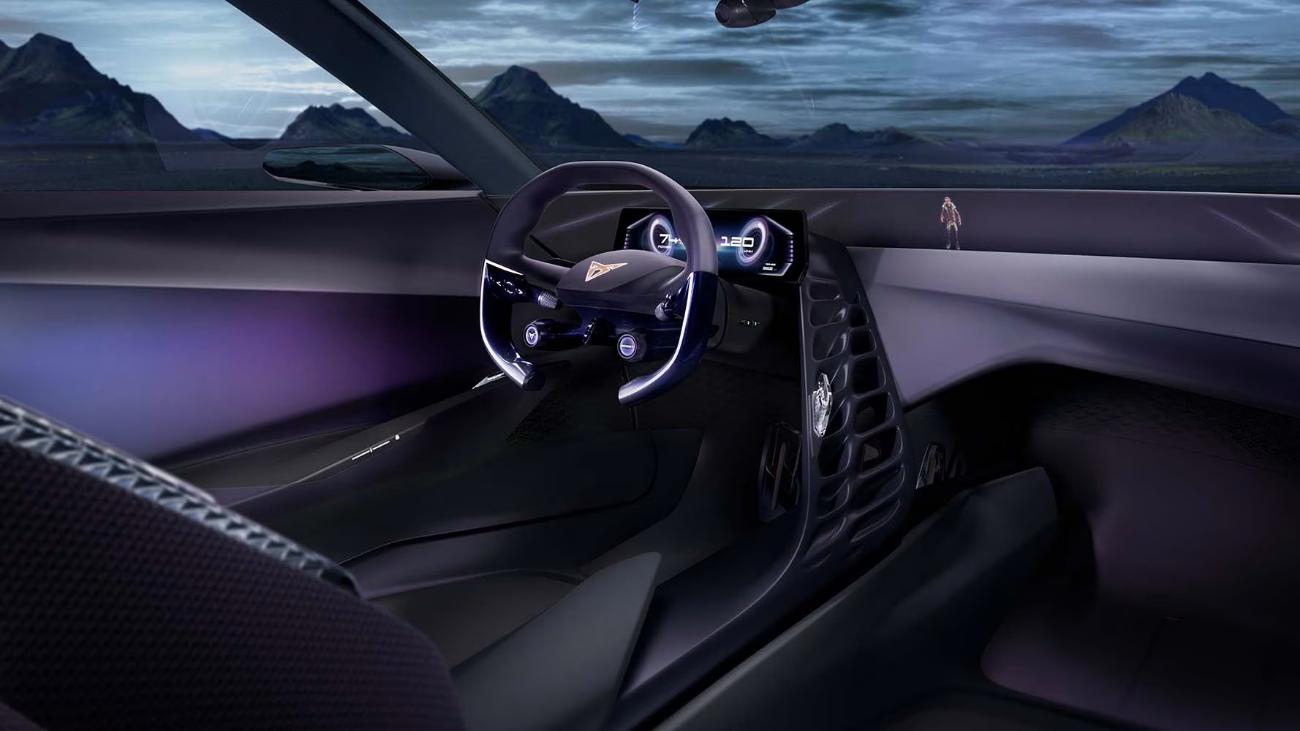
Cupra did not start out as an EV brand, but the introduction of the VW ID.3-based Born crossover that first appeared several years ago was the beginning of what will be an all-EV lineup. If and by the time Cupra is able to sort itself for the American market, we may also be the recipient of the Cupra Dark Rebel, a 2023 concept that will take the brand beyond its current crossover lineup.
Barrett-Jackson will offer an expansive docket filled with some of the most sought-after collectible vehicles, ranging from unrestored muscle cars and world-class Resto-Mods to supercars and custom trucks during this year’s Scottsdale Fall Auction, Oct. 15-18, 2025, at WestWorld of Scottsdale. Among this year’s headlining vehicles crossing the block with No Reserve is a rare, track-ready 2021 Ford GT Mk II (preview) that is one of 45 built worldwide and has 41 actual miles. Also included on the docket is a custom 1979 Ford Bronco (preview) owned by professional extreme skier Julian Carr and a custom 1970 Chevrolet Chevelle convertible (preview) with a supercharged LT4 engine.
“Barrett-Jackson is widely praised by the collector car community for offering the most diverse dockets,” said Craig Jackson, chairman and CEO of Barrett-Jackson. “This year’s Fall Auction will continue that tradition with hundreds of collectible vehicles that first-time buyers and astute collectors alike will love. From a beautiful custom 1970 Chevrolet Chevelle to the race-ready 2021 Ford GT Mk II that’s FIA-approved and the first of 45 built, the depth and breadth of our docket is truly remarkable.”
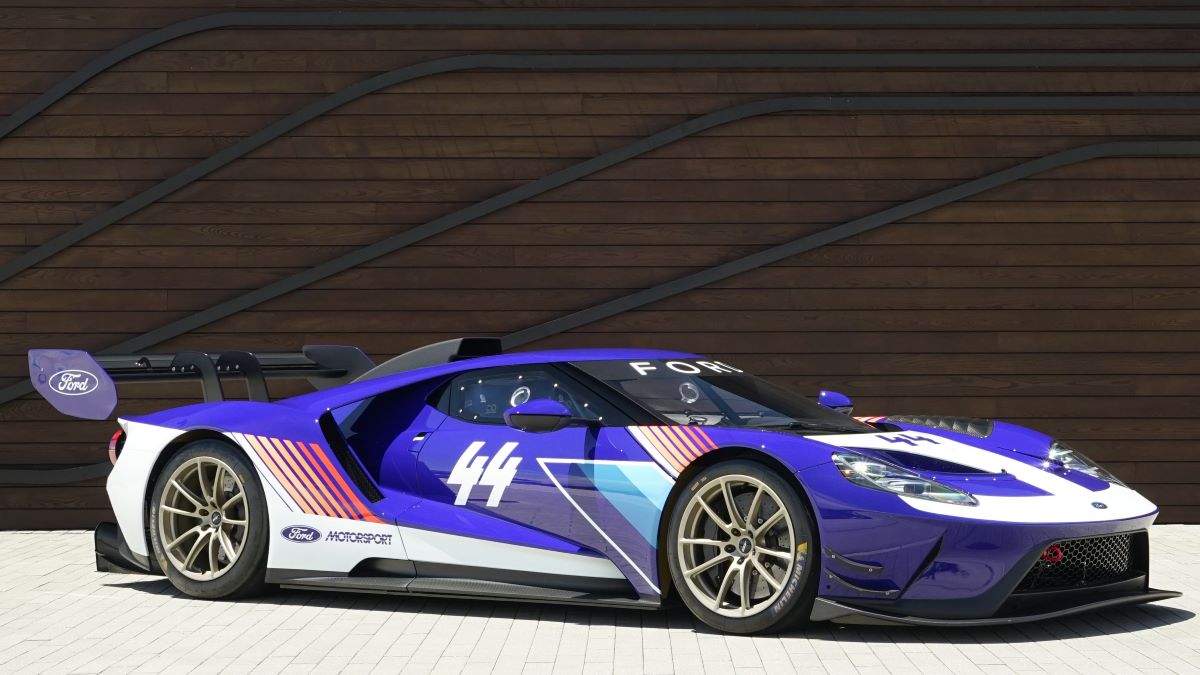
2021 Ford GT Mk II
The 2021 Ford GT Mk II (preview) is powered by a track-calibrated 3.5-liter twin-turbocharged EcoBoost V6 engine producing over 700 horsepower paired with a 7-speed dual-clutch automatic transmission. Developed by Ford Performance and Multimatic, this track-inspired race car offers FIA-compliant aerodynamic upgrades, including an adjustable rear wing, large rear diffuser, roof-mounted intake scoop and extended front splitter. It weighs approximately 200 pounds less than the street version and is finished in race-spec lightweight paint.
Resto-Mods crossing the block this fall include the 1970 Chevrolet Chevelle (preview) that features a full RideTech suspension, Wilwood disc brakes, dual exhaust and a CVF Serpentine belt system. The cabin is equipped with a leather interior, power windows, Vintage Air climate control and Dakota Digital gauges.
Classic muscle cars include a black 1970 Mercury Cyclone Spoiler SCJ (preview), an original, one-owner example that features the original engine, carburetor, air cleaner, spark plug wires, fuel tank, fuel sending unit and Motorcraft V-belts. It is powered by a matching-numbers C-code 429ci Super Cobra Jet engine paired with a Toploader 4-speed manual transmission and backed by a W-code Super Drag Pack locking rear axle. It is one of 341 painted in special-order colors and has 4,459 miles.
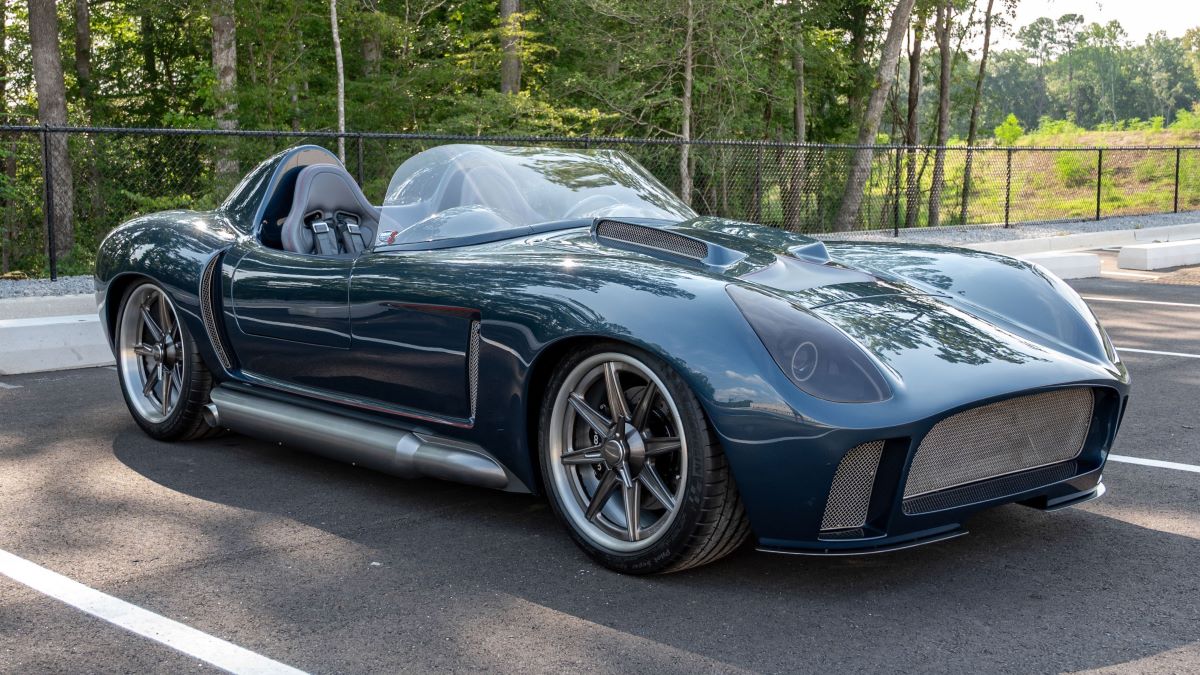
2022 Devin Z Roadster
“Our Scottsdale Fall Auction will reflect a broad spectrum of collectible vehicles, each with their own story and unique appeal to our bidders,” said Steve Davis, president of Barrett-Jackson. “We’ll auction several one-of-a-kind builds, like a custom 1936 Ford 5-Window coupe (preview) created by legendary builder Jesse James, and a 2022 Devin Z custom roadster (preview) that pays homage to legendary SCCA racer Bill Devin. There will be many exciting opportunities for every collector to add something special to their garage.”
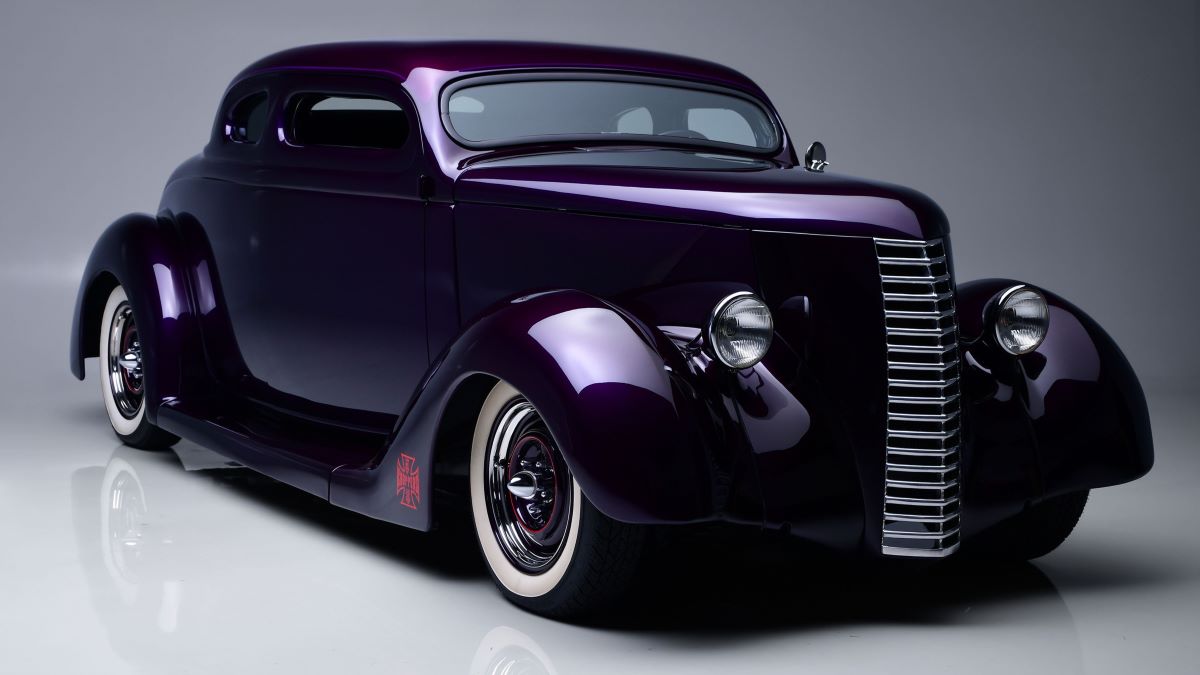
The 2022 Devin Z custom roadster (preview) is powered by a 700-horsepower LS7 engine mated to a 6-speed manual transmission with a twin-disc hydraulic clutch. A tribute to Bill Devin, the 1956 SCCA Champion, it is built on a custom chassis with one-off carbon-fiber body. A Great 8 finalist for the 2022 Autorama Ridler Award, it features Oracle projector headlights, a disappearing license plate and custom diffuser. The 1936 Ford 5-window custom coupe (preview), built by Jesse James and his West Coast Choppers crew, is powered by a 350ci V8 Chevrolet engine mated to a Turbo automatic transmission. It features an 8-inch chopped top, smoothed body panels and 1936 Bugatti taillights. The coupe has appeared in books, magazines, TV shows and commercials and was immortalized as multiple diecast models and toys.
Late-model collectible vehicles include a 2025 Porsche 911 Turbo S powered by a twin-turbocharged flat-6 engine with an 8-speed PDK transmission. The interior features a full leather cabin in black/Bordeaux Red with carbon-fiber trim and includes a heated GT sport steering wheel, ventilated front seats, Burmester surround sound system, Sport Chrono Package, aluminum pedals and ambient lighting.
1979 Ford Bronco
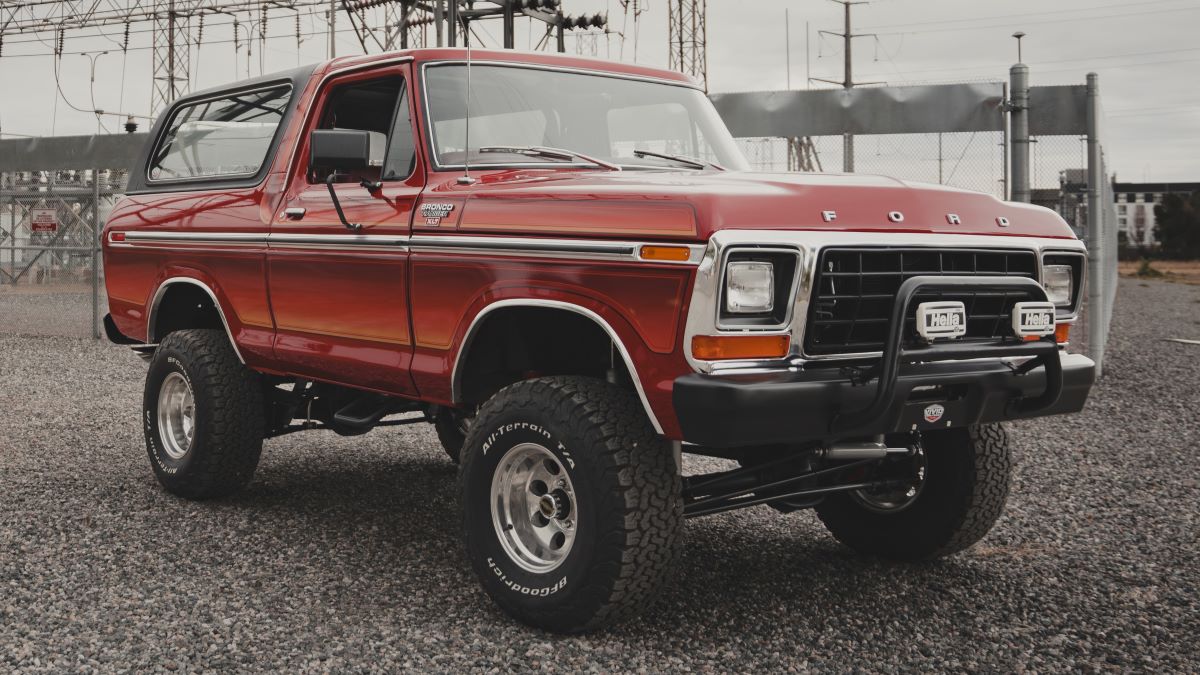
Celebrity-owned collectibles crossing the block during the Scottsdale Fall Auction include professional elite skier Julan Carr’s custom 1979 Ford Bronco Ranger XLT (preview). Power comes from a 5.0-liter Coyote engine mated to a 6-speed automatic transmission with a manual-shift rocker switch. Painted in Candy Apple Red with new Chromatic Free Wheeling decals, the interior features Vintage Air climate-control system, Dakota Digital replacement gauges and a RetroSound stereo. Owned by the legendary “Star Trek” actor, William Shatner, a 2011 Porsche Panamera Turbo Sedan is powered by a twin-turbo 4.8-liter engine paired with a 7-speed automatic transmission. Loaded with options, the all-wheel-drive sedan is finished in black over a black interior.
Early examples of ever-popular custom trucks and SUVs include a 1953 Ford F-100 (preview) known as “FR100,” which is powered by a 5.0-liter “Cammer” crate engine with 425 horsepower, backed by a Tremec 5-speeed transmission. The truck comes with documentation that includes time slips from when John Force drove it. A custom 2006 Hummer H1 Alpha Open-Top (preview) comes with a Duramax turbo-diesel engine paired with a 5-speed automatic transmission. It features the Adventure Package and Central Tire Inflation System and is one of 22 examples produced with a Bright White open-top body.
1936 Ford 5-Window
Those interested in consigning their vehicles with confidence for the Scottsdale Fall Auction can submit their online application. Bidder registration is also open, with three packages to choose from and upgrades for Muscle Lounge access. Throughout the four-day auction, children ages 12 and under enjoy complimentary admission with a paying adult, courtesy of Coca-Cola. General admission tickets for students ages 13 through college are $10 and adult ticket prices start at $28.
Be a part of Barrett-Jackson’s online conversation with #BarrettJackson and #BJAC on Facebook, X, Instagram and YouTube.
I hope I can be forgiven in thinking Rolls-Royce was the most prestigious automotive brand extant, a British automaker that continues to hand-build its bespoke cars to standards from another era. So, you could imagine my surprise to learn that Rolls-Royce is also a lifestyle brand. For you groundlings out there, they call those lifestyle events “client experiences.”
I am still reeling from the discovery that Montessori too is a lifestyle brand–I had this revelation when my son’s classmate was picked up in a Lamborghini Urus and, no, they didn’t look like hippies either—so you have to beg my pardon when I have doubts that everything must be a lifestyle brand. I certainly don’t blame Rolls-Royce for trying.
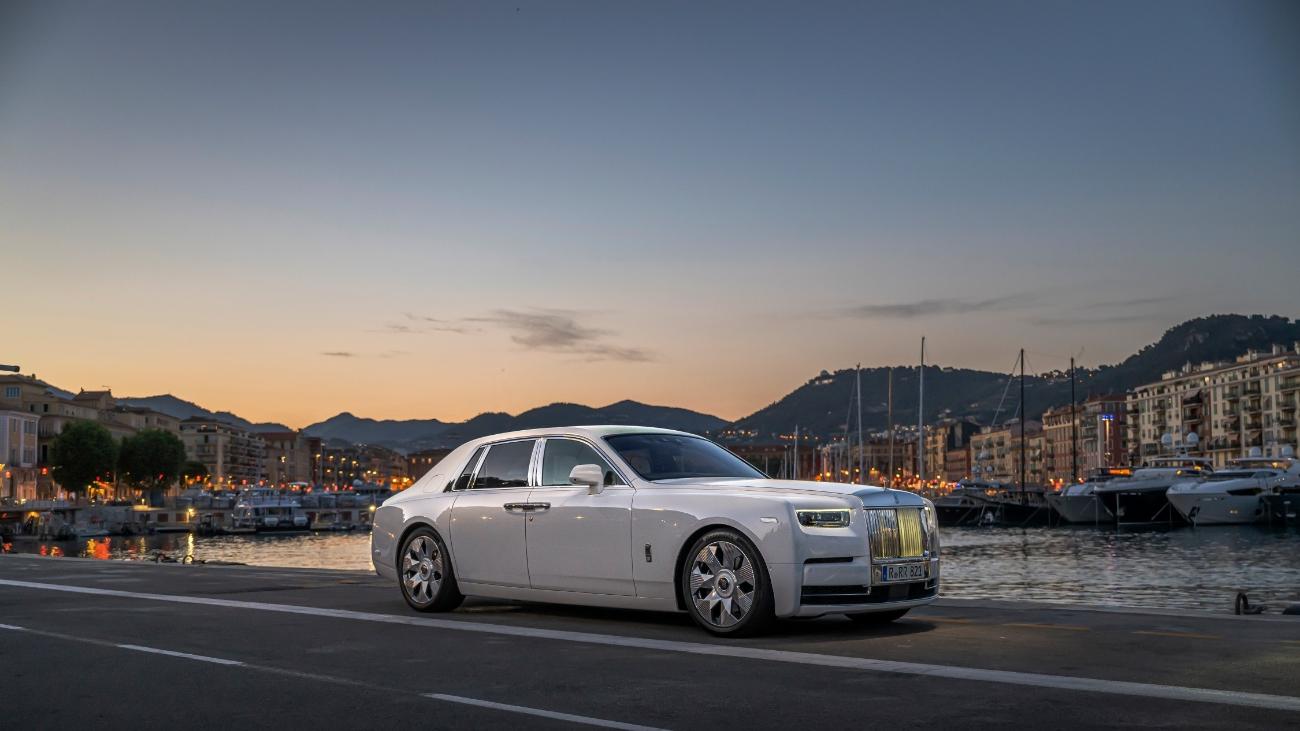
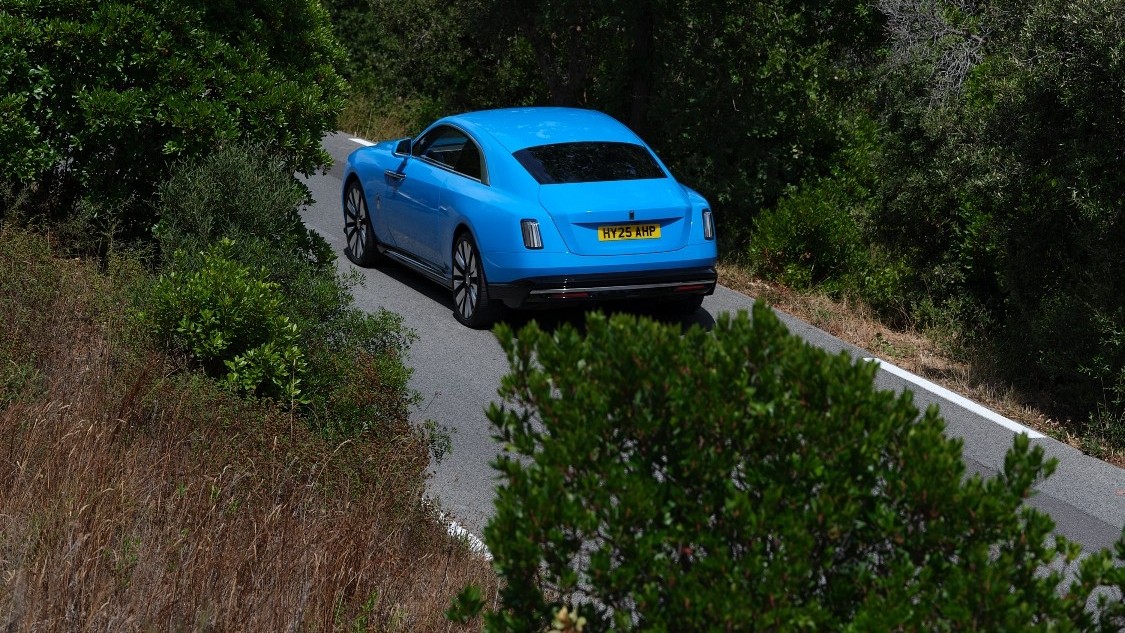
For this exclusive escapade for July 28-August 3, 2025, Rolls-Royce invited its clients to the French Riviera’s “most celebrated addresses” in an attempt to “remain present in the world’s most rarefied locations.”
Photo courtesy of Rolls-Royce
“Our summer programme in Saint-Tropez is a considered extension of our wider philosophy—to ensure our clients are never without the community, hospitality and access that Rolls-Royce provides, wherever they are in the world,” says Boris Weletzky, Regional Director, United Kingdom, Europe and Central Asia, Rolls-Royce Motor Cars. “Through this series of elegant engagements, set in some of the Riviera’s most sought-after addresses, Rolls-Royce affirms its role as both a curator of exceptional motor cars and a meaningful part of our clients’ lives.”
If you’re a Rolls-Royce owner, you’re missing this exclusive series of client experiences in Saint-Tropez that include “private appointments, curated drive opportunities, and private gatherings” in several landmark destination that include La Réserve and Althoff Villa Belrose. Is that near where Morrison is buried? Apparently not—”La Réserve pairs modernist minimalist architecture with extraordinary seclusion, offering a spectacular sea view” while Althoff Villa Belrose “evokes the relaxed grandeur of a private Mediterranean estate” with its “cascading terraces and panoramic views.”
Photo courtesy of Rolls-Royce
Rolls-Royce claims these destinations reflect the “tastes and habits” of their clients, presumably gleaned from a Mailchimp questionnaire that, interestingly, I never received (I even looked in my Junk folder).
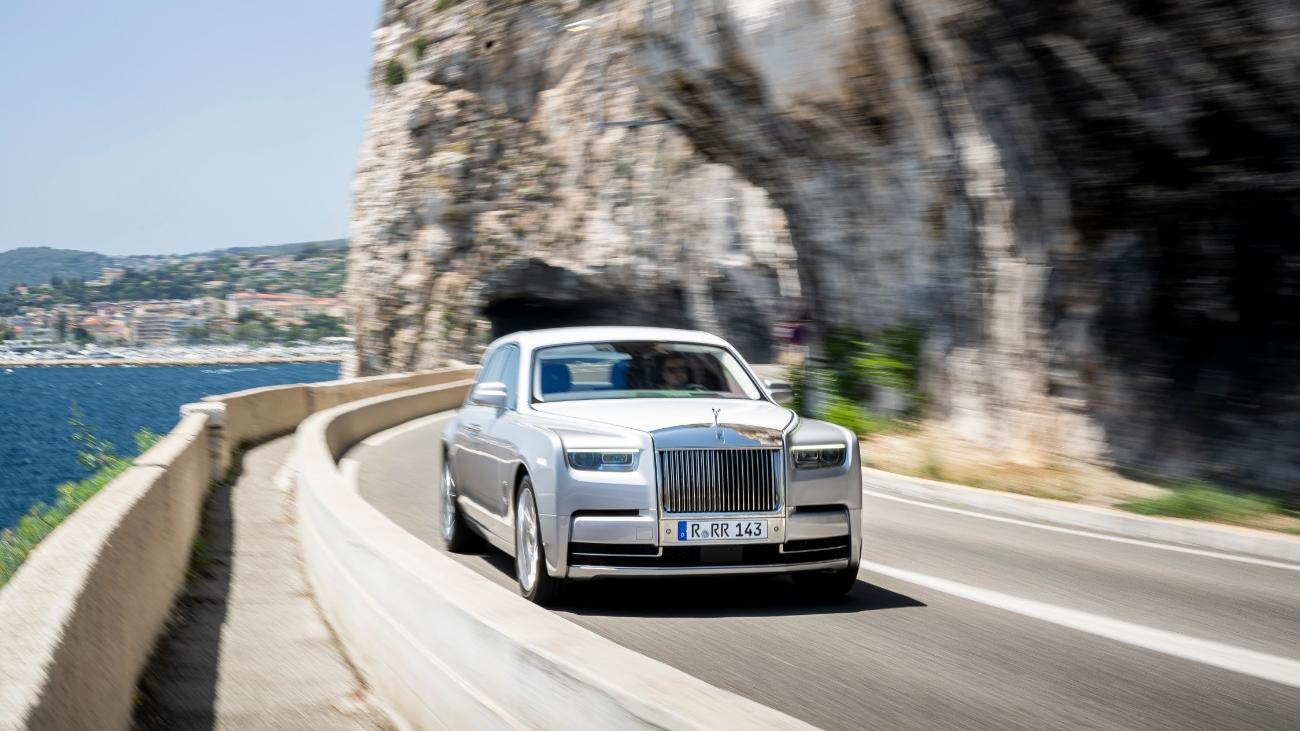
Of course, if Rolls-Royce designed a set of soirées for its customers, it’s likely that the company’s very expensive vehicles are not far behind. “From these venues, guests are invited to explore Rolls-Royce’s full contemporary product portfolio via 12 Bespoke motor cars on the sweeping corniches that the region is famed for. These coastal roads were once favoured by Sir Henry Royce, who refined early motor cars from his winter home in nearby Le Canadel.” See? Even one of its founders was living the lifestyle, so a lifestyle brand it is.
Photo courtesy of Rolls-Royce
If you’re currently on site enjoying this excursion, please don’t forget to send us a postcard. If you’re an owner and wish to plan for 2026, you can use the marque’s private members’ app, Whispers, to anticipate Rolls-Royce’s announcement for next year’s event.
The Ford Mustang enthusiast community is far-reaching. Consider the fact that the Mustang Club of America (MCA) has over 12,000 members, as well as 170 smaller regional clubs within. In the month of August alone, there will be 18 different club-sponsored events taking place around the country.
Chances are, you could go anywhere in the country—and probably in the world—and still find like-minded people with whom to talk Mustangs. If you haven’t already had a chance to be part of the family, what are you waiting for?
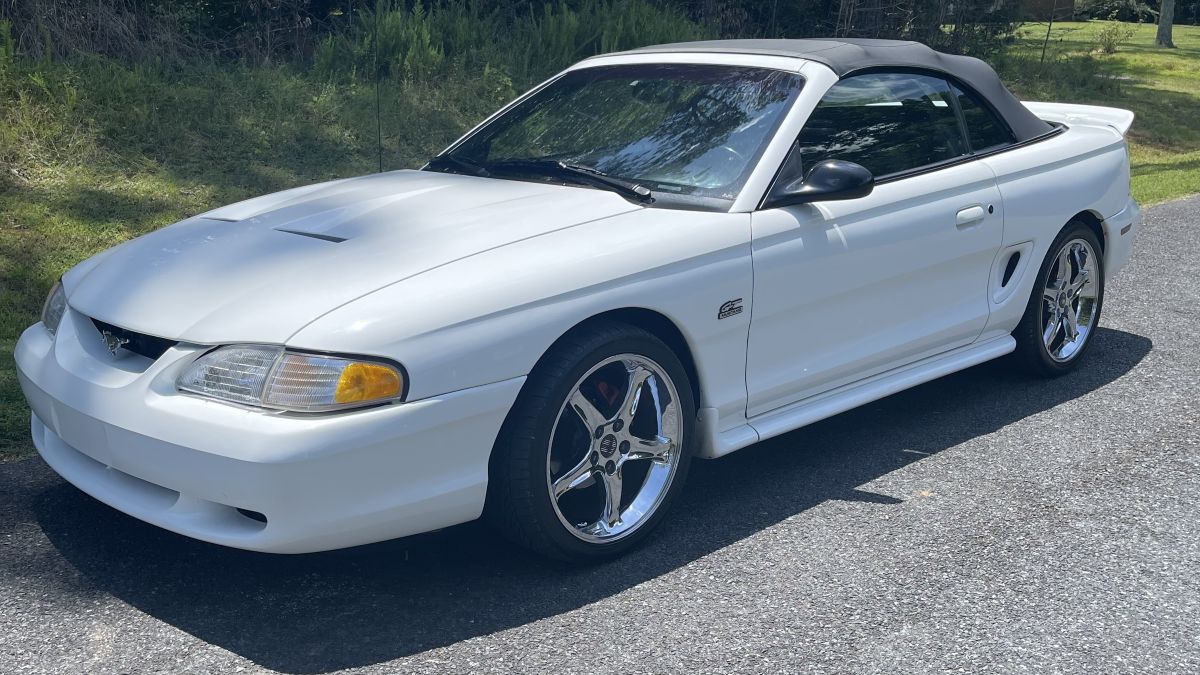
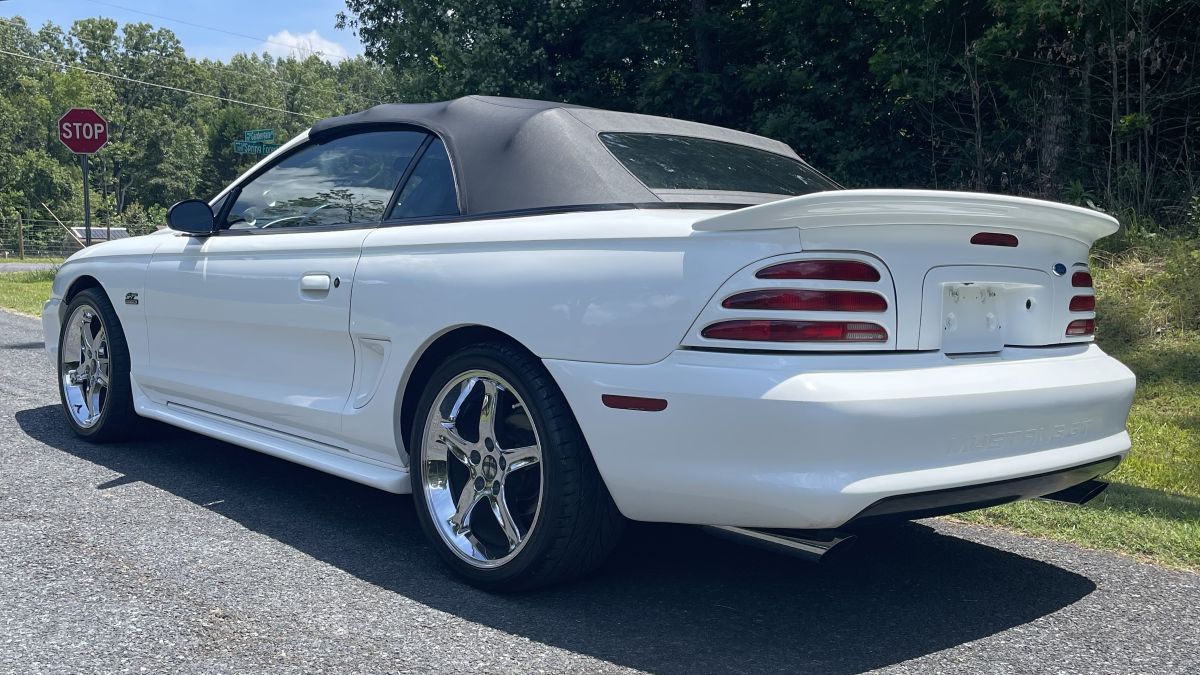
Featured on AutoHunter is this 1995 Ford Mustang GT Convertible. The pony car is being sold by a dealer in Asheboro, North Carolina, with the auction ending Monday, August 4, 2025, at 11:00 a.m. (PDT).
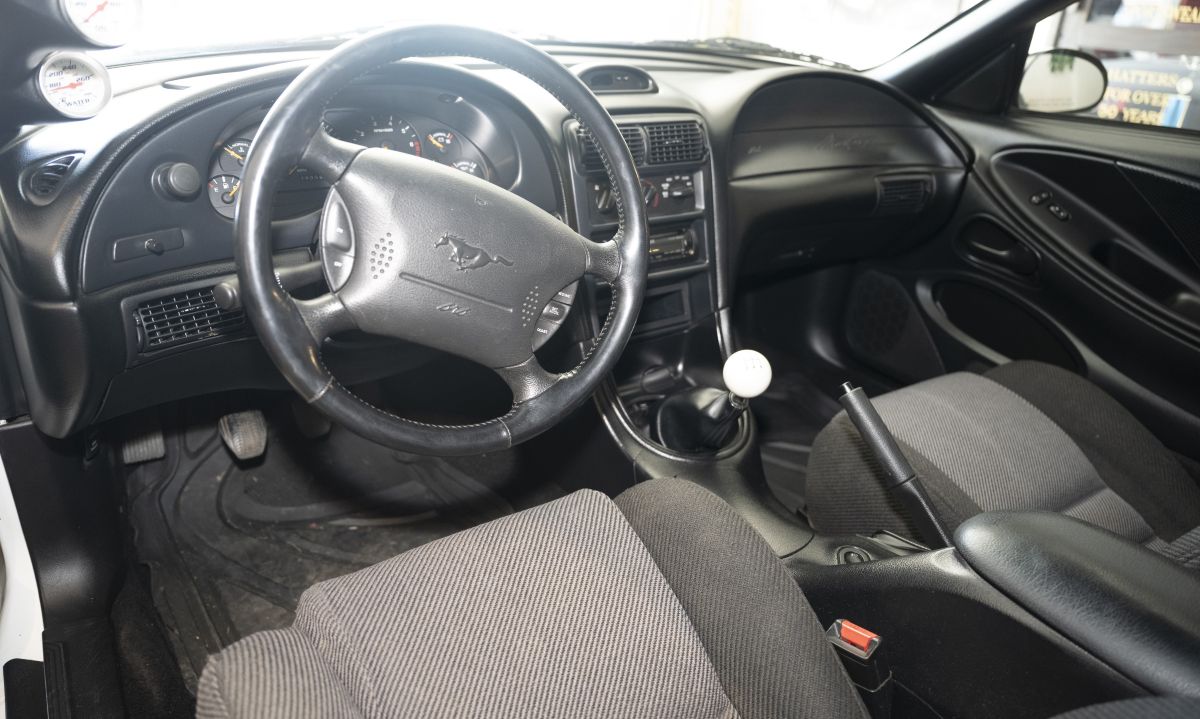
Finished in Crystal White over Charcoal cloth upholstery, the car is an accident-free and damage-free example that spent its first few years in Georgia and then North Carolina since 1998. Over the course of its lifetime, it was upgraded with a few things like a lowered suspension, BBK Performance air intake, 18-inch Saleen chrome wheels, and a Cervini’s Auto Designs aftermarket hood. The car shows just under 150,000 miles today.
The fourth-generation Mustang was dubbed “SN95” and was produced from 1994 through 2004 at Ford’s Dearborn, Michigan, assembly plant. When it debuted, Ford’s marketing teams worked hard to tie it to the original Mustang. In fact, this commercial in particular featured photos from the first-year car and also used the tagline, “It is what it was . . . and more.”
The GT variant was introduced just one month after the base-model Mustang, and it came equipped with a V8, stiffer suspension, 3.08:1 axle ratio, dual exhaust outlets, and 16-inch wheels. The automotive media loved it, with Motor Trend naming it as its Car of the Year in 1994.
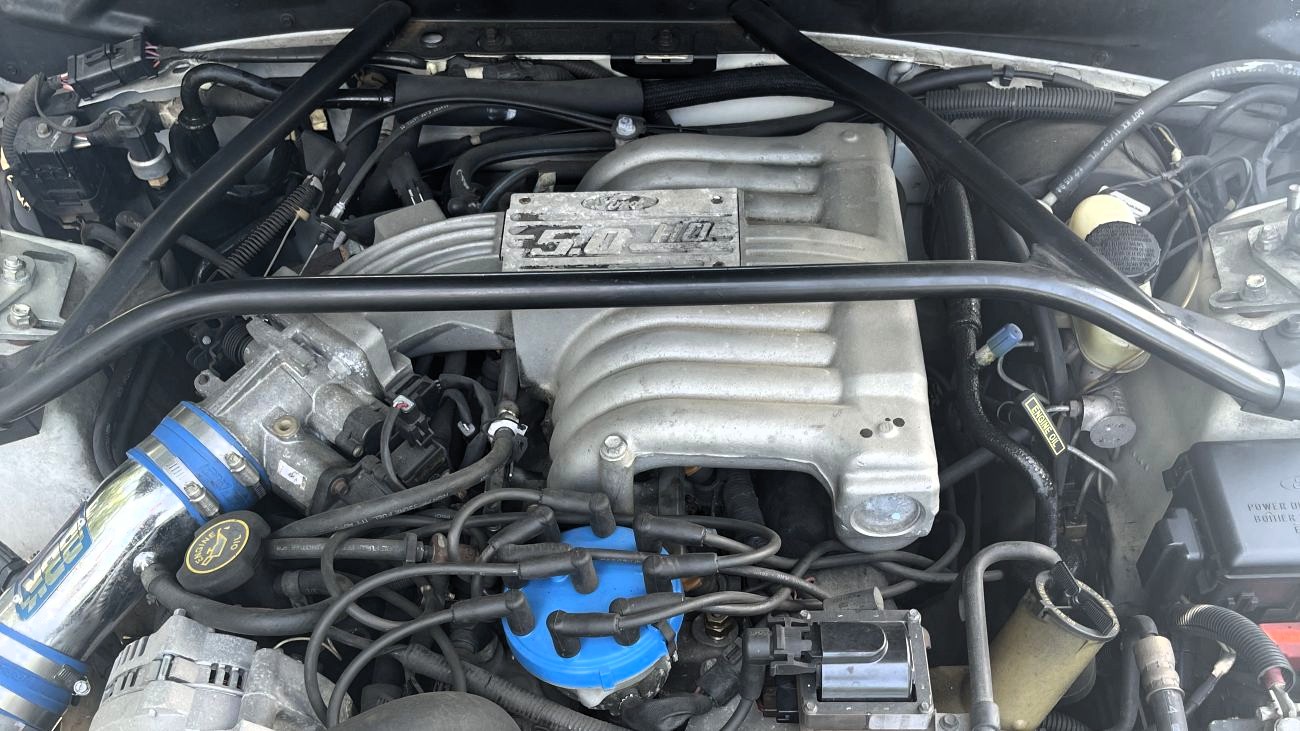
Under the hood of this pony car is the famous 5.0-liter “High-Output” V8 mated to a five-speed manual transmission with overdrive. The combination was rated at 215 horsepower and 285 lb-ft of torque when new.
What’s crazy to think about is that when the SN95 Mustang came out for 1994, the Mustang nameplate was celebrating 30 years of existence—it’s been another 30 years since then. It makes you wonder what kind of Mustang we’ll be driving in 2055. Hopefully, most of us are still around to experience it!
For now, here’s a great chance to make your entry into the Mustang Club of America and join for some of those August rallies.
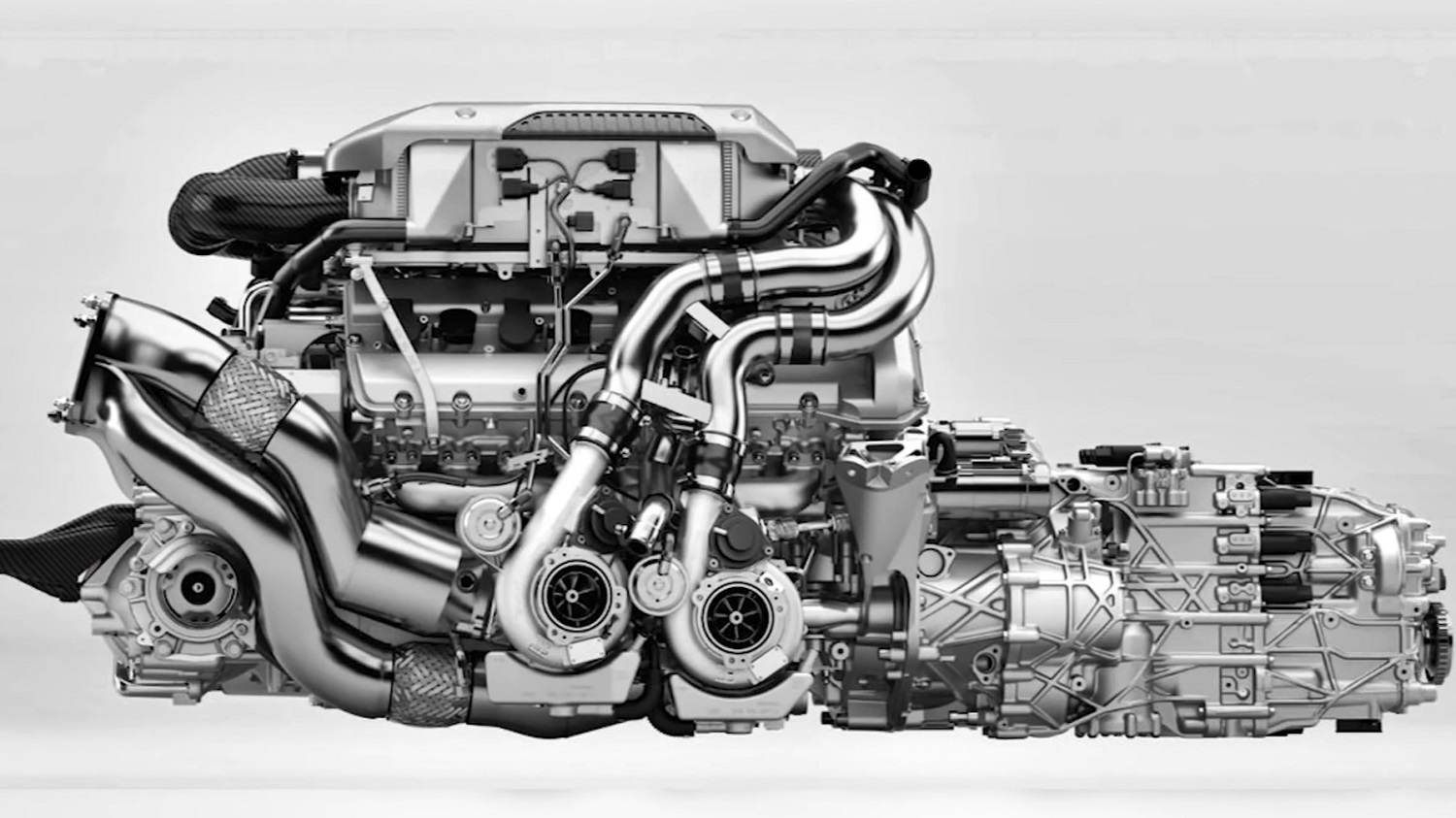
When it debuted, the Bugatti Veyron—the first new Bugatti since the EB110 of the 1990s—was a statistical marvel and a freak of engineering: 16 cylinders and four turbos producing 1,001 PS (987 horsepower), enabling it to hit a top speed of over 250 mph.
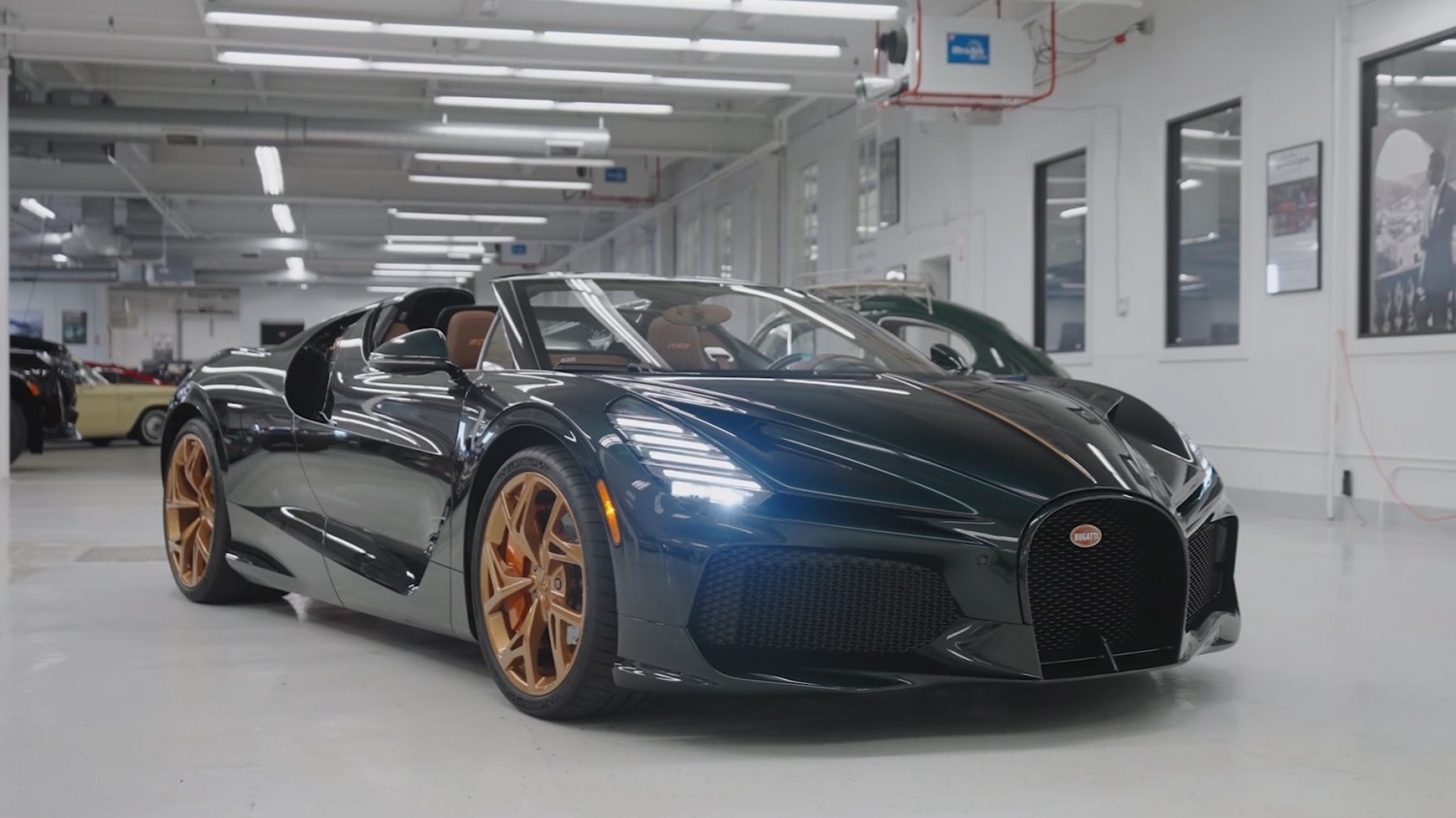
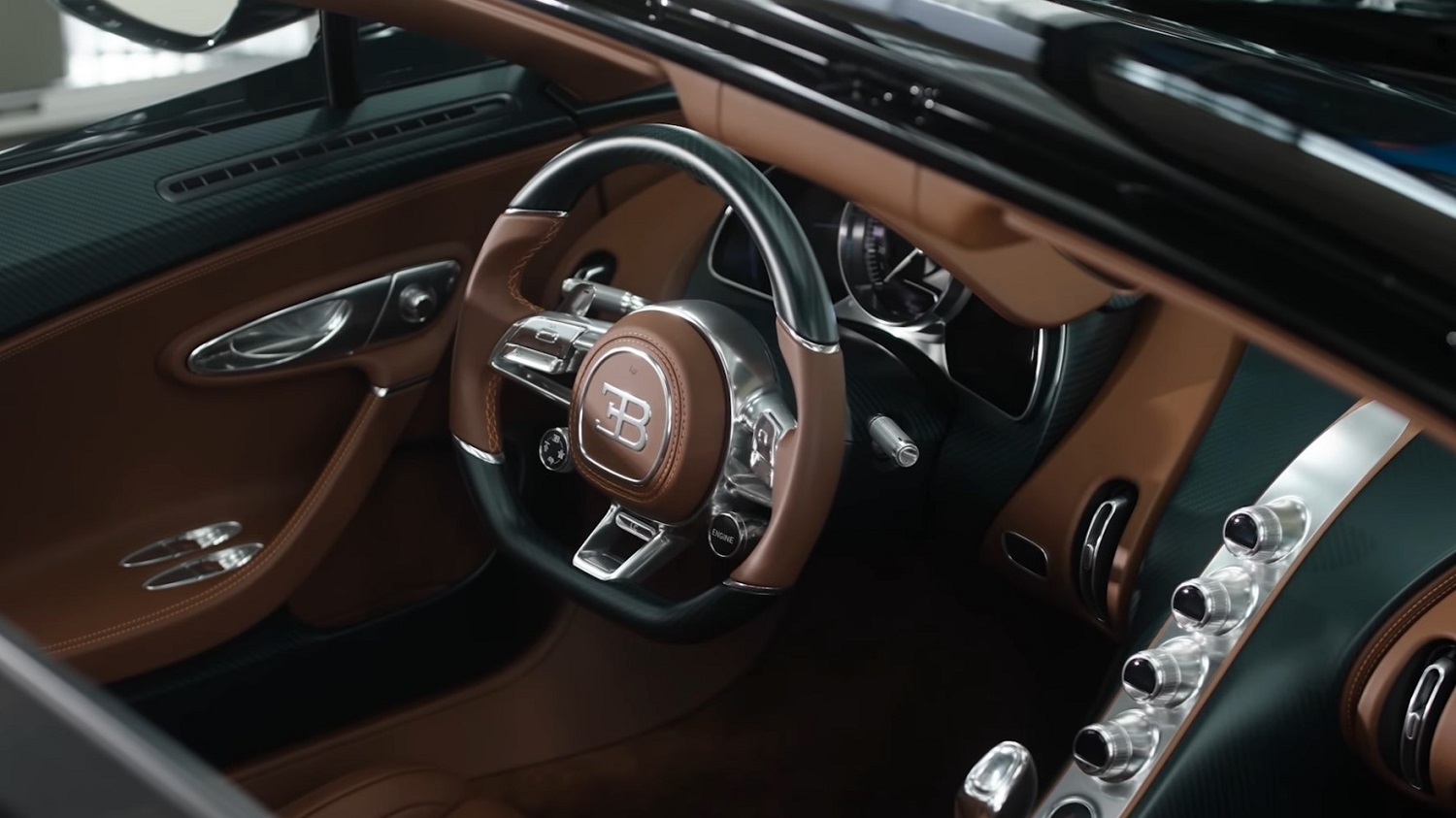
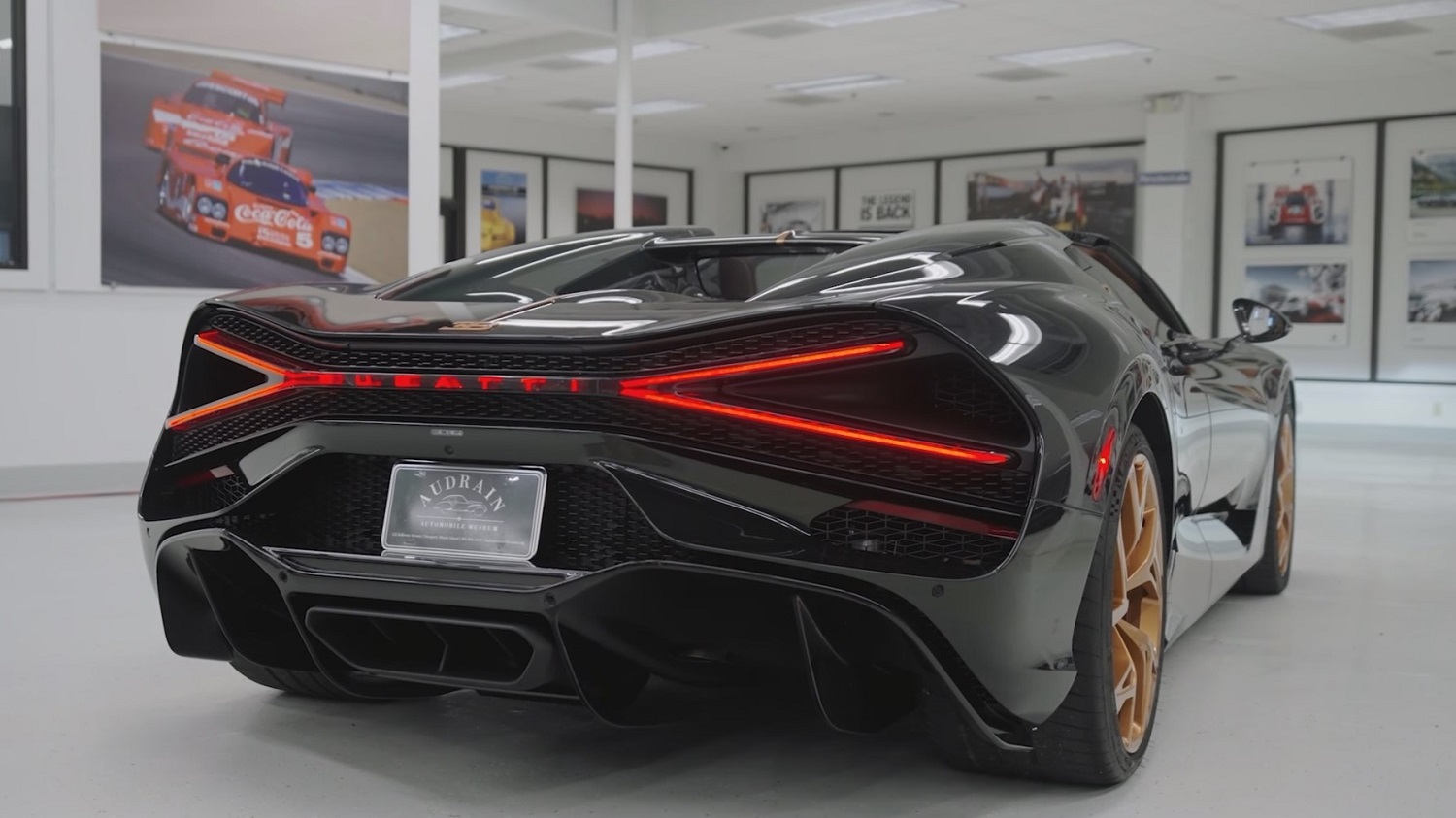
That was 20 years ago. Thanks to the financial backing of Volkswagen, the Veyron’s 8.0-liter quad-turbo W16 engine wasn’t just a spectacular one-off. In various states of tune, the W16 has lasted for two decades, reaching its end in a production run of 99 W16 Mistral roadsters. In the video below, Jay Leno drives one that belongs to the Audrain Automobile Museum as his friend (and museum consulting director) Donald Osborne rides shotgun.
Given its Chiron roots, it’s logical to assume the W16 Mistral is just a roofless Chiron but, as Osborne points out, it’s not. According to the CTO of Bugatti Rimac (the new company formed under the ownership of Croatian electric hypercar manufacturer Rimac), “The Chiron family was never intended to have a roadster model.” Creating the W16 Mistral called for extensive re-engineering of various structures and components, as well as redesigning the air intake system and the body itself.
Although it’s not an outright top-speed car, the Mistral’s W16 still generates 1,578 horsepower (1,600 PS) and is capable of reaching 261 mph. At various points during his drive, Leno gooses the throttle, causing the W16 Mistral to surge forward. Whereas a V8 sounds like a ferocious beast, the open-top Bugatti ‘s W16 truly sounds like a force of nature.
Despite its 4,500-pound weight, the W16 Mistral comes across as much lighter than it is. Leno likens it to a Mazda Miata or, in show business terms, “watching Jackie Gleason tap dance.” Where does this final iteration of the W16 rank in Leno’s standings? And what does he think of the W16 Mistral as a whole? Turn up the volume and watch below.
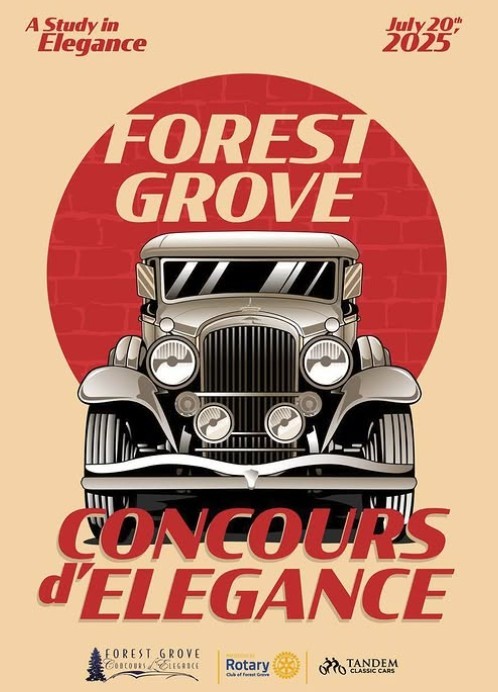
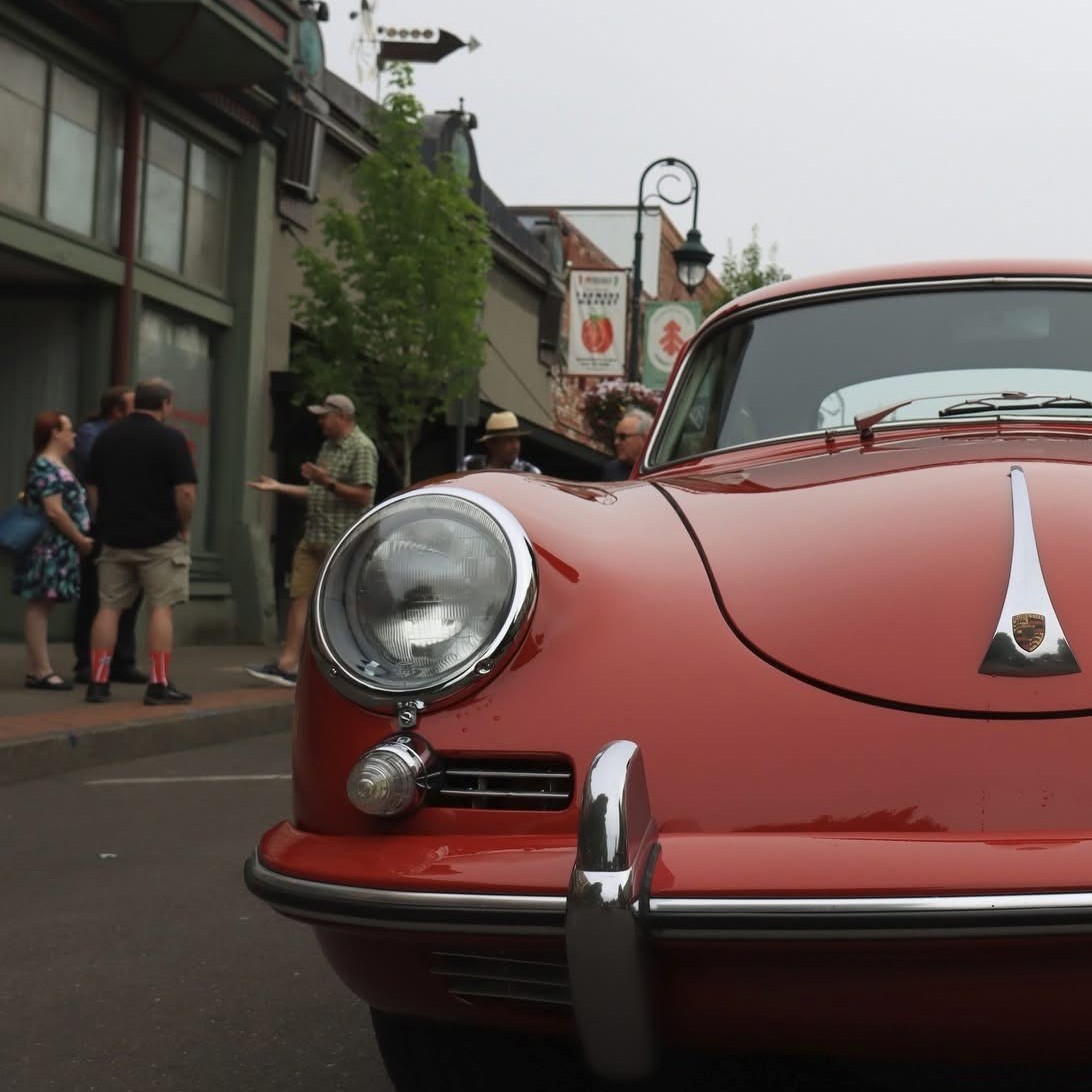
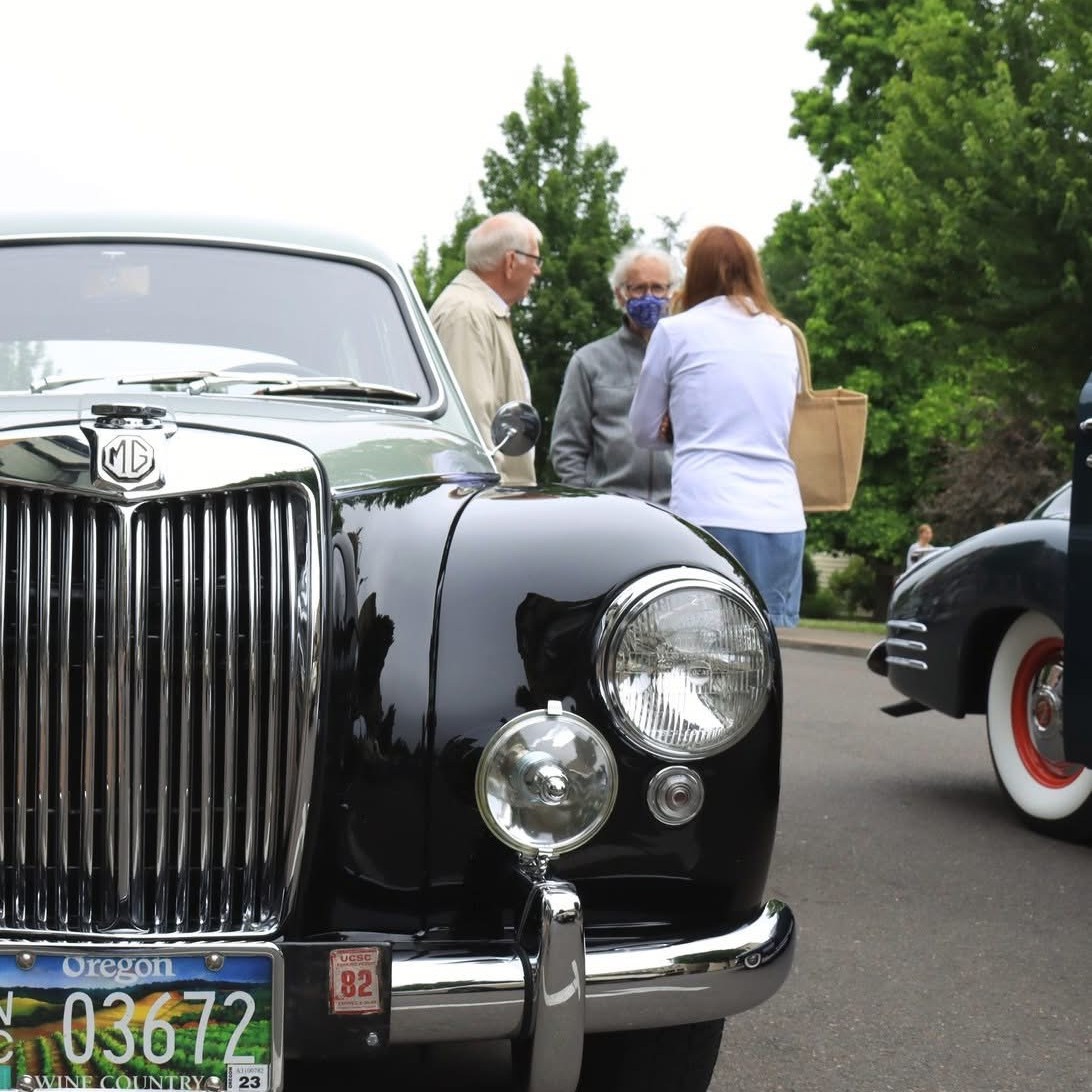
The community of Forest Grove, Oregon, came together for its annual Concours d’Elegance on Sunday, July 20, 2025. The event was held on the campus of Pacific University and attracted top-tier vehicles from a wide variety of genres. Hosted by the Rotary Club of Forest Grove, the Concours has become the longest-running event of its kind in the Pacific Northwest—dating all the way back to 1974. Proceeds for the event each year benefit the Rotary Club Foundation scholarships as well as various community service projects. Thanks to the Concours, the Rotary Club has returned more than $1 million to the community over the years.
This year, the Concours attracted over 3,000 patrons to the show field. When they weren’t admiring the automotive eye candy, attendees enjoyed the music, food, beer garden, and wine pavilion on the grounds. And for those who wanted to make an entire weekend of it, there was a vineyard tour and dinner the night prior to the formal show.
Forest Grove prides itself in having a diverse automotive community, and the Concours made that evident. Virtually every genre was represented. Four of the specific featured classes for 2025 included:
50 Years of Turbocharged Porsche (1974 through 2024)
Air-Cooled Porsche 911 (through 1998)
60th Anniversary Shelby Mustang (1965 through 1970)
Fabulous Fifties
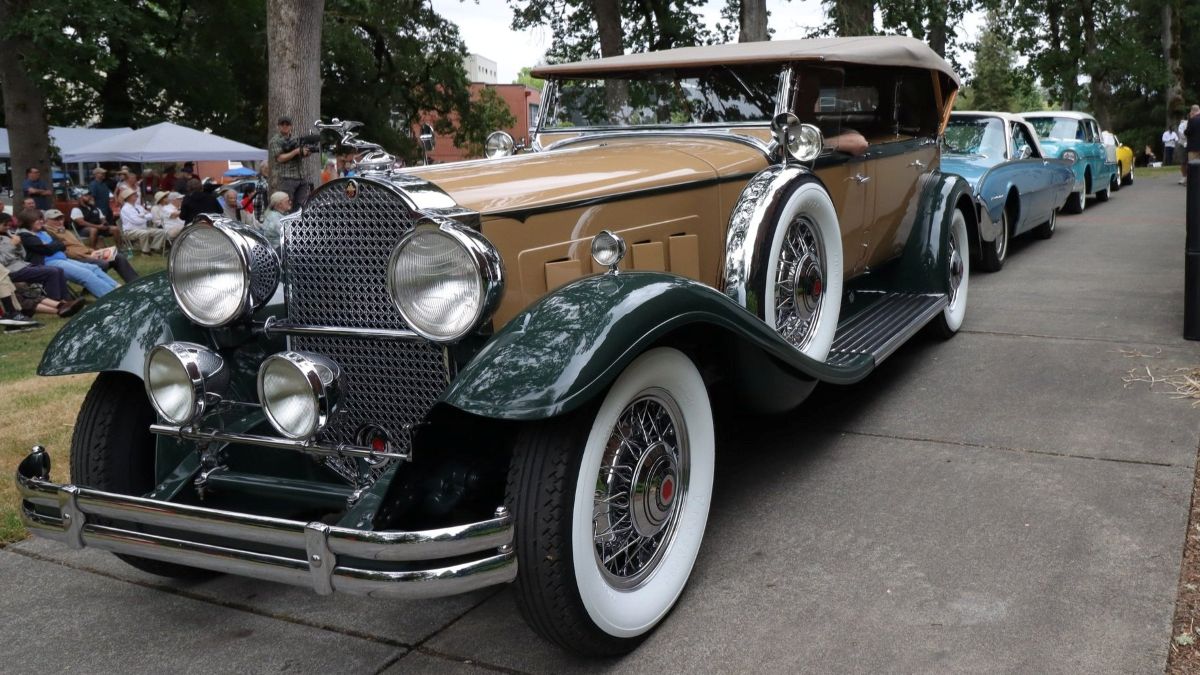
Best Classic Pre-War: 1931 Packard 840 Sport Phaeton
In all, there were about 75 cars judged, and each one had a special story to tell. Some of this year’s standout participants included the following:
Best of Show went to a stunning 1967 Ferrari 275 GTS/4 NART Spider owned by Fred Russell
Best Classic Pre-War went to a 1931 Packard 840 Sport Phaeton owned by Dennis Gilman
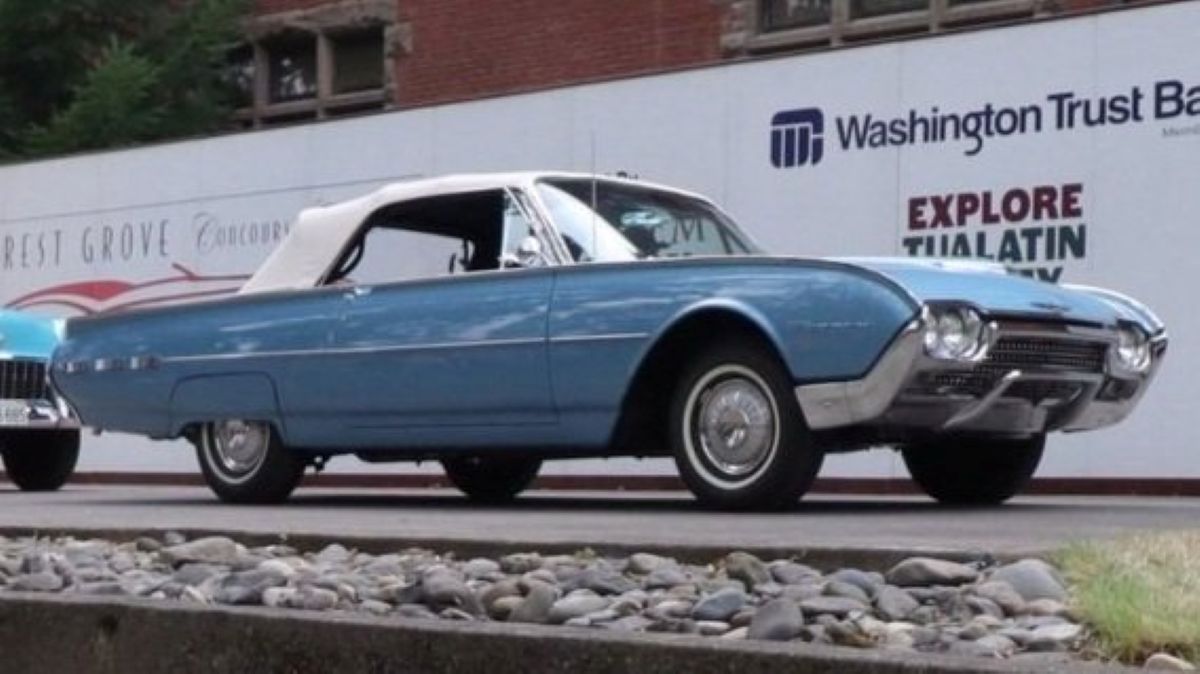
Best Open Car went to a 1962 Ford Thunderbird convertible owned by Daniel Cote
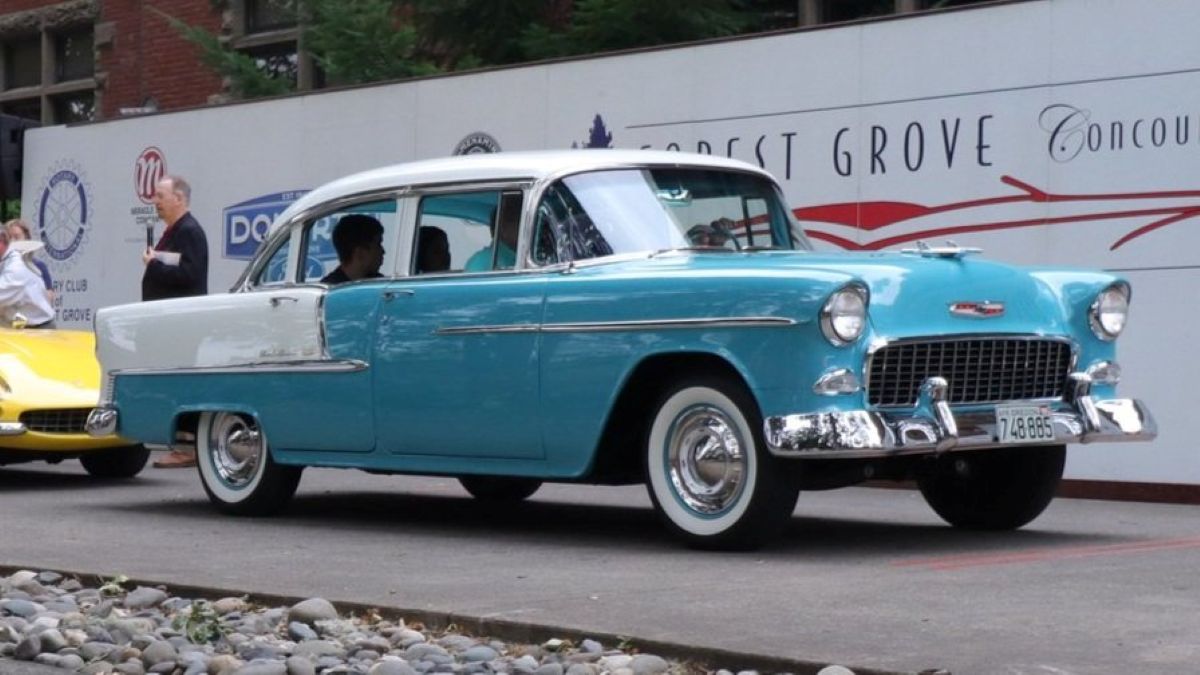
Best Closed Car went to a 1955 Chevrolet Bel Air four-door sedan owned by Keith Lerch
Best Closed Car: 1955 Chevrolet Bel Air four-door sedan Best Open Car: 1962 Ford Thunderbird convertible
Stay connected to the Forest Hills Concours d’Elegance Facebook page and the official website for updates and announcements about future years events. Next year’s event will be held on July 19, 2026, so mark your calendars, because we look forward to seeing the event’s evolution.
Last September, Nissan revealed the all-new 2025 Armada. The third-generation model ditched the outgoing 5.7-liter V8 for a twin-turbo 3.5-liter V6 paired with a new nine-speed automatic. For the first time ever, the Armada was available in the Pro-4X off-road trim. The 2026 model year brings another first for the Armada: a Nismo variant with more power and a more athletic suspension. However, this broadening of the trim level spectrum is not new for SUVs in general.
Photo courtesy of Nissan
If you’re familiar with Nissan‘s Nismo treatment, which is typically reserved for its sports cars, you know to expect an assortment of cosmetic and performance upgrades. To set the Armada Nismo apart visually from its less sporty siblings, Nismo restyles the 6,102-pound, full-size, body-on-frame SUV’s front and rear fascias, grille, side steps, and rear spoiler. Underneath the fender flares is a set of special 22-inch wheels wrapped in high-performance all-season tires.
Photo courtesy of Nissan
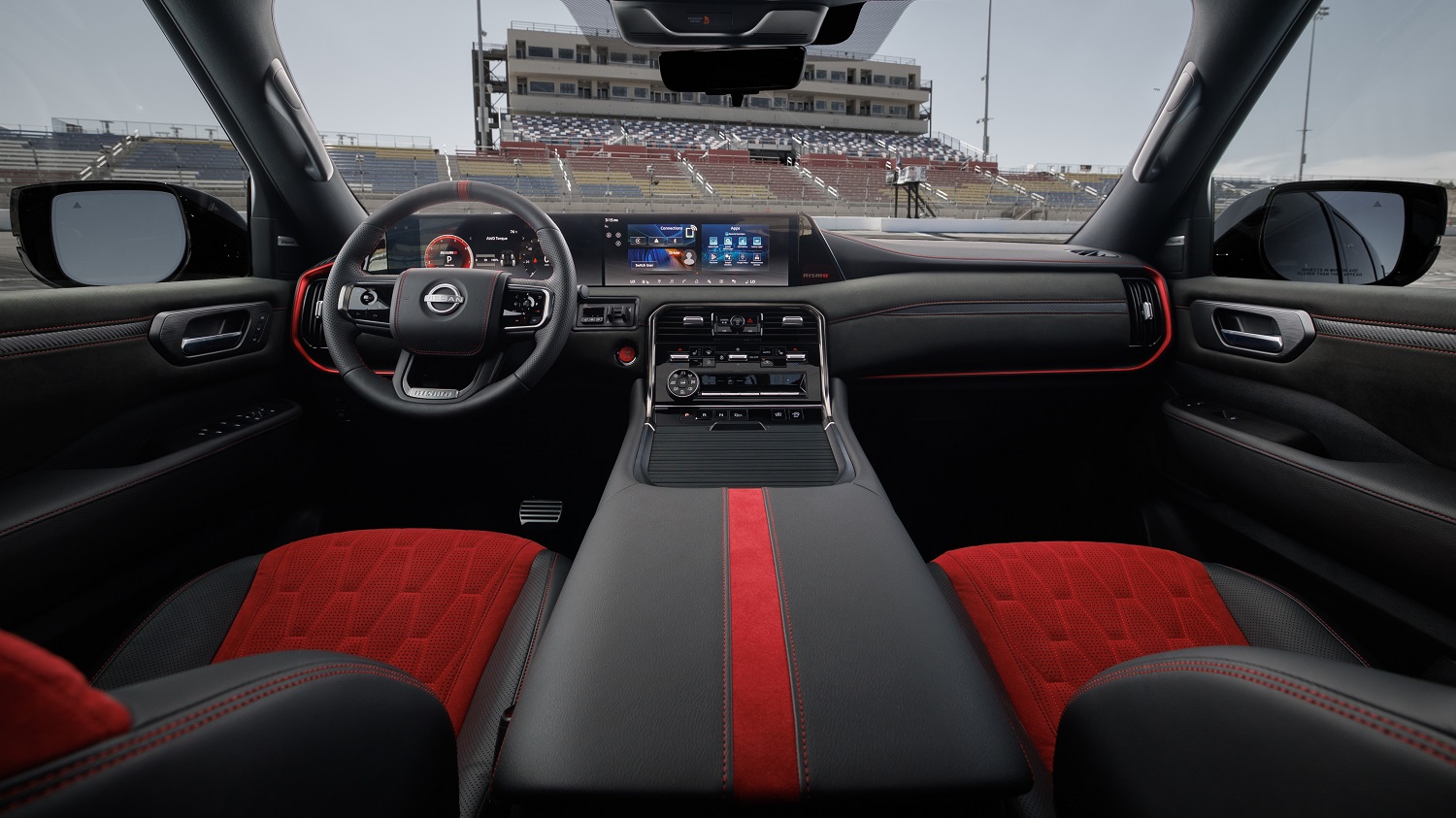
The cabin is similarly distinctive and features Nismo-specific charcoal leather upholstery with quilted red inserts and red stitching. According to Nissan, “Other additions include adjustable side bolsters for the front seats, which help snug occupants in place during spirited driving, plus aluminum pedals and multicolor ambient lighting.”
Photo courtesy of Nissan
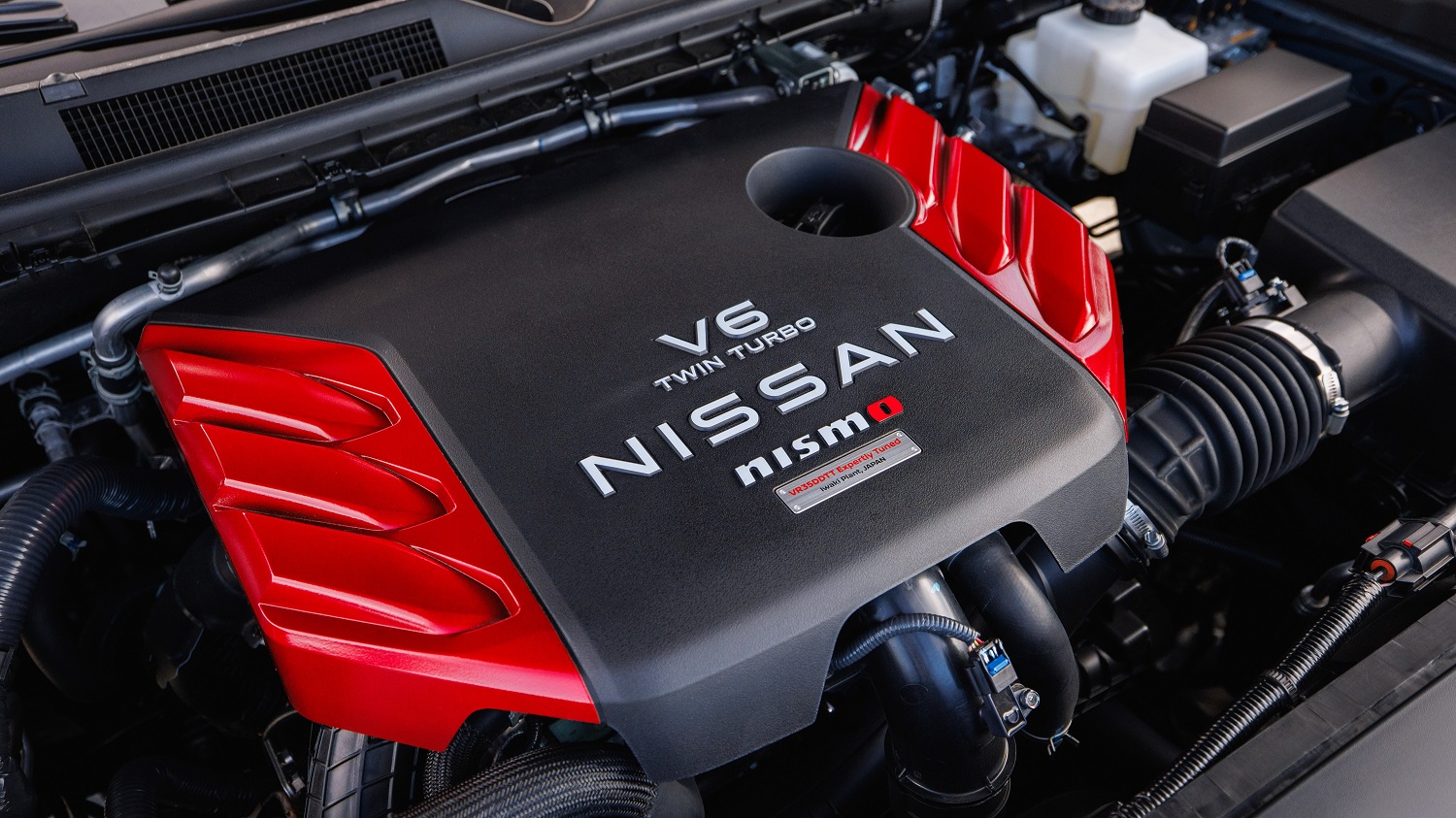
To make the Armada more capable in the curves, Nismo tunes the electric power steering and tweaks the Adaptive Electronic Air Suspension. Long straightaways can seem a little shorter thanks to revised engine programming and finely tuned valve clearances that bump the twin-turbo six’s output from 425 to 460 horsepower and 516 lb-ft of torque.
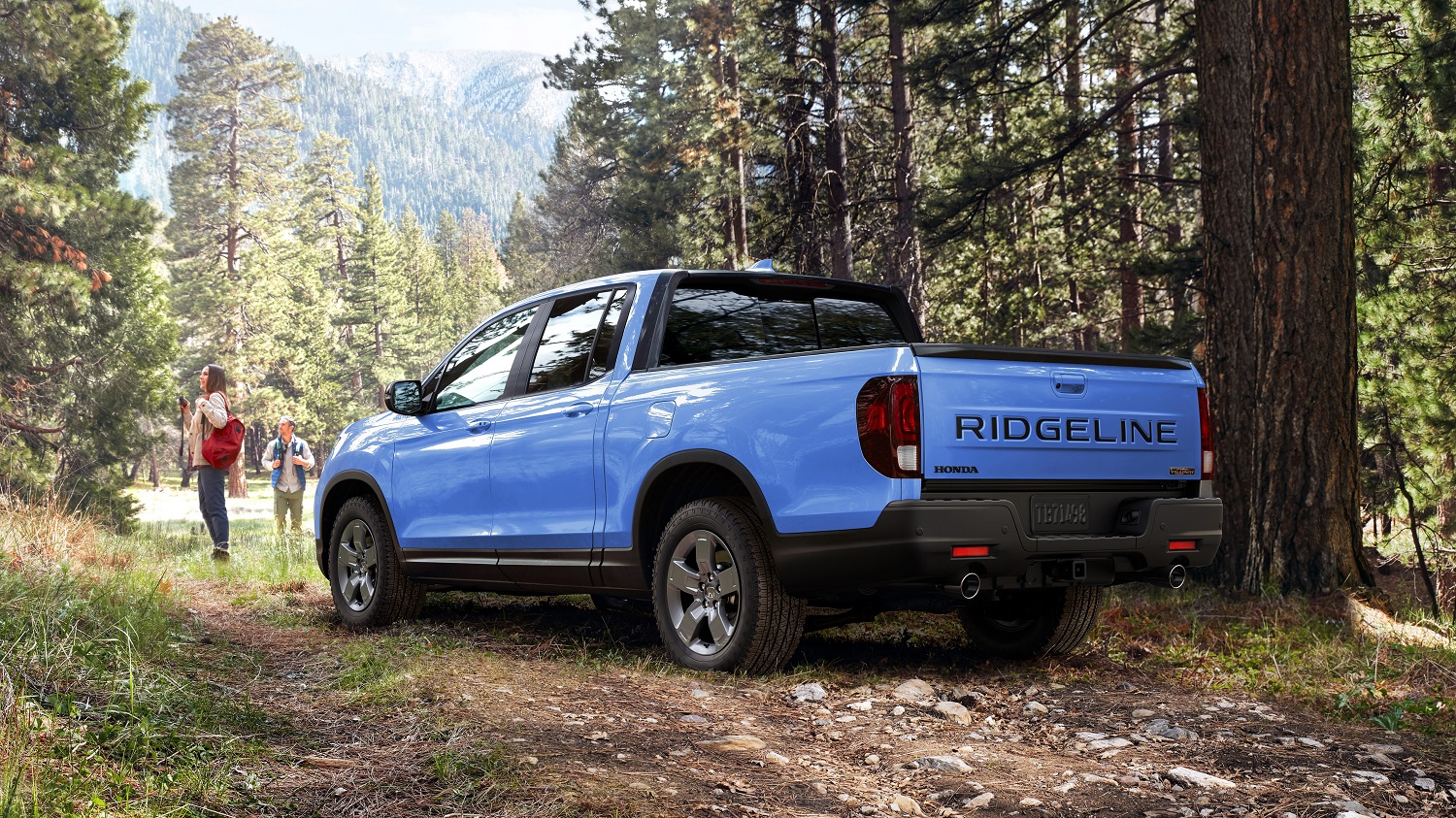
Honda Ridgeline TrailSport (Photo courtesy of Honda)
As odd as an Armada Nismo may seem, it’s not that surprising these days. It’s just part of manufacturers casting a wider net of specifically focused models to catch more buyers. Performance SUVs have been around for decades—remember the Mercedes-Benz ML55 AMG or the Porsche Cayenne Turbo from the 2000s? Several years ago, companies started pairing sports car-like performance with sleeker, coupe-like rooflines, which explains vehicles such as the BMW X6 and Genesis GV80 Coupe. Vehicles primarily meant for carrying people on paved roads suddenly started being offered in off-road trims with more rugged styling, all-terrain tires, and other upgrades to make them more capable in difficult terrain (which is where we tested the Honda Ridgeline TrailSport). Even certain EVs, such as the Hyundai Ioniq 5 XRT, are developed for fun in the dirt. That same general trend led to the 2025 Nissan Armada Pro-4X.
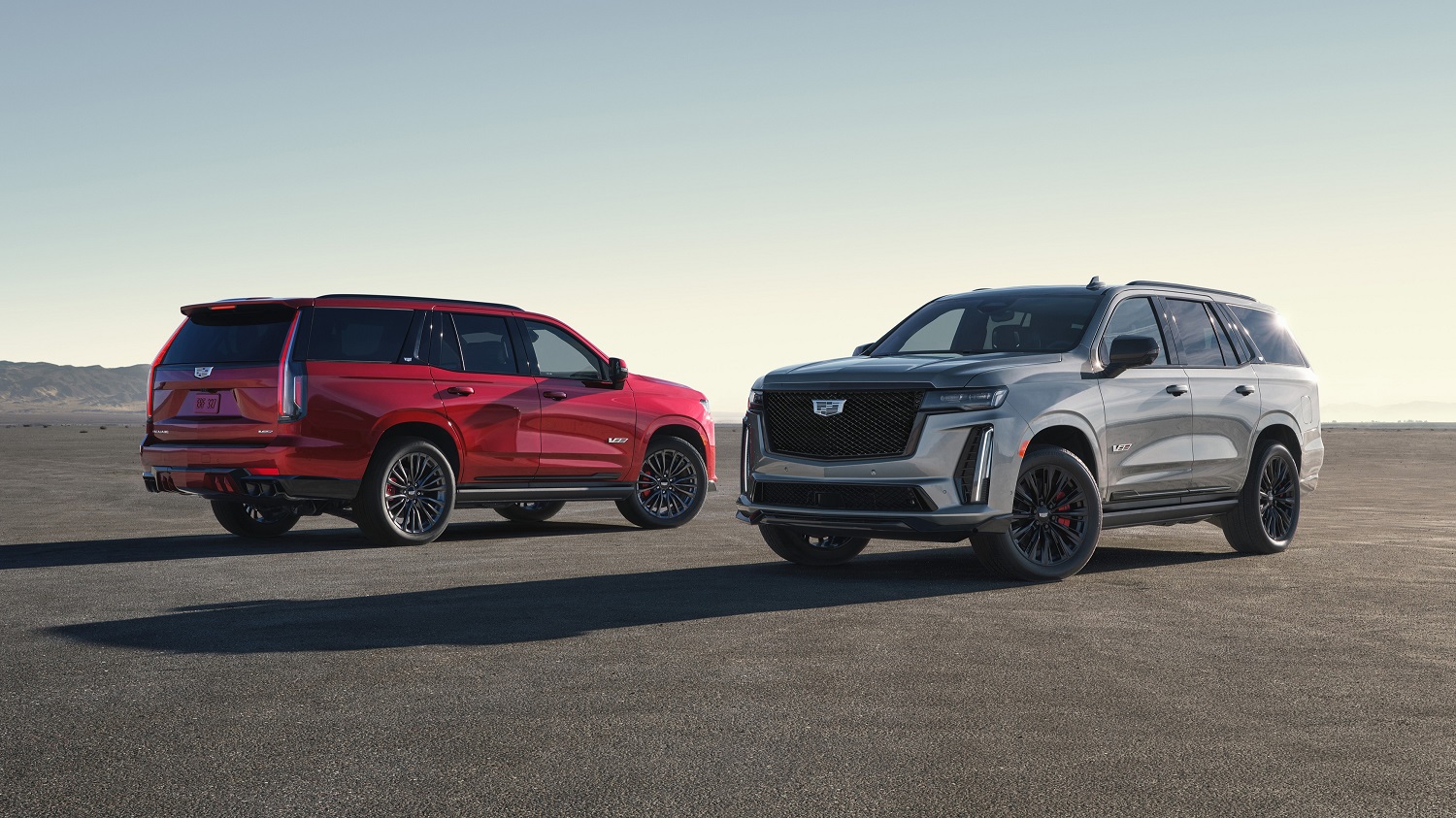
Cadillac Escalade-V (Photo courtesy of Cadillac)
We’re also seeing larger SUVs shift toward the sportier end of the spectrum. For 2023, Cadillac released V versions of the Escalade and long-wheelbase Escalade ESV with 682 supercharged horsepower. We recently reviewed a Lexus TX 350 three-row SUV with the new-for-2025 F Sport Handling package, which shares space in the Lexus lineup with similarly equipped versions of the LX 600 and the LX 700h hybrid. Yes, on-road dexterity is now a priority for some buyers of the luxed-up Land Cruiser.
At this rate, maybe SUV convertibles are next. Were the Nissan Murano CrossCabriolet and the Land Rover Range Rover Evoque Convertible simply ahead of their times?
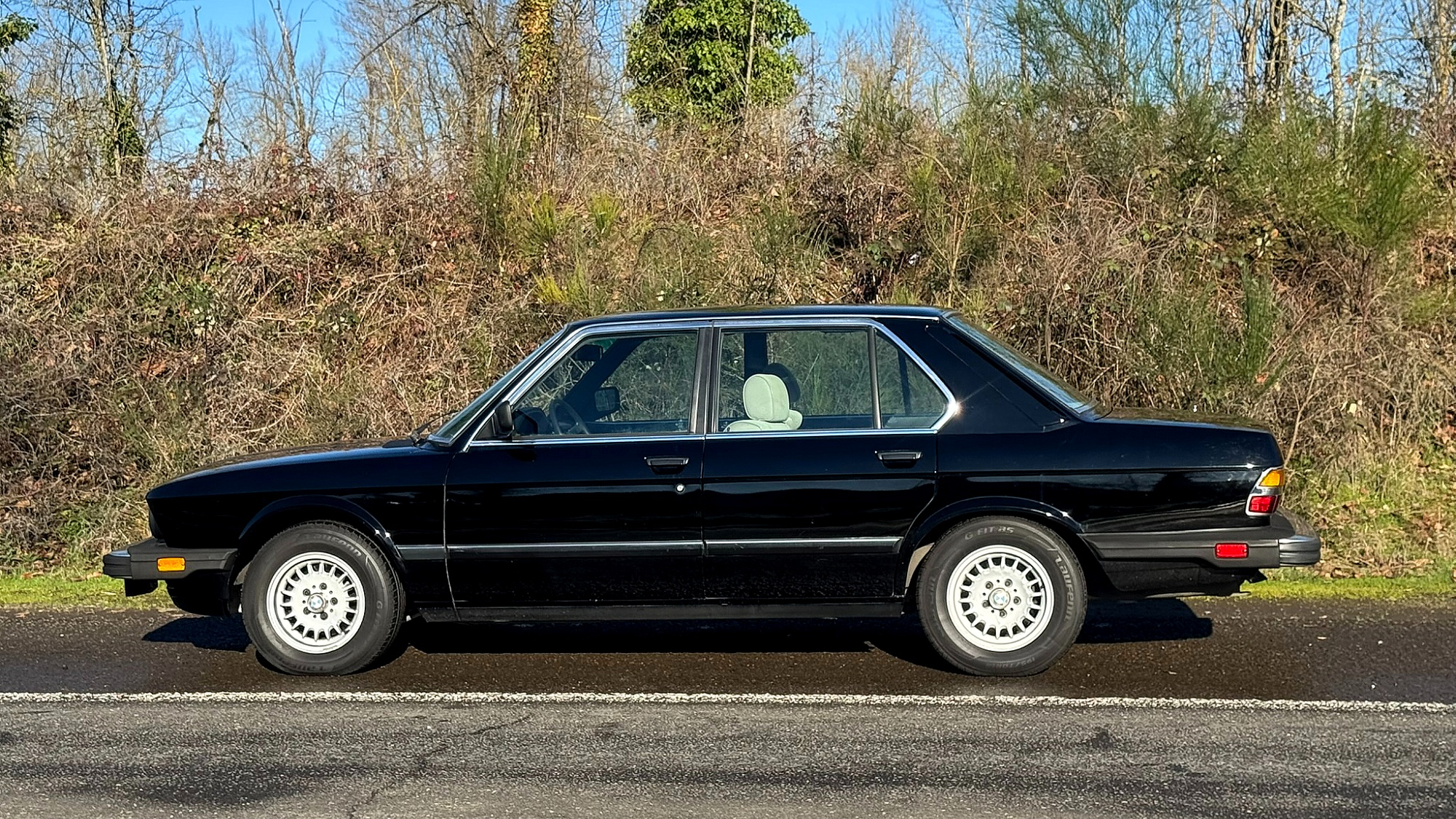
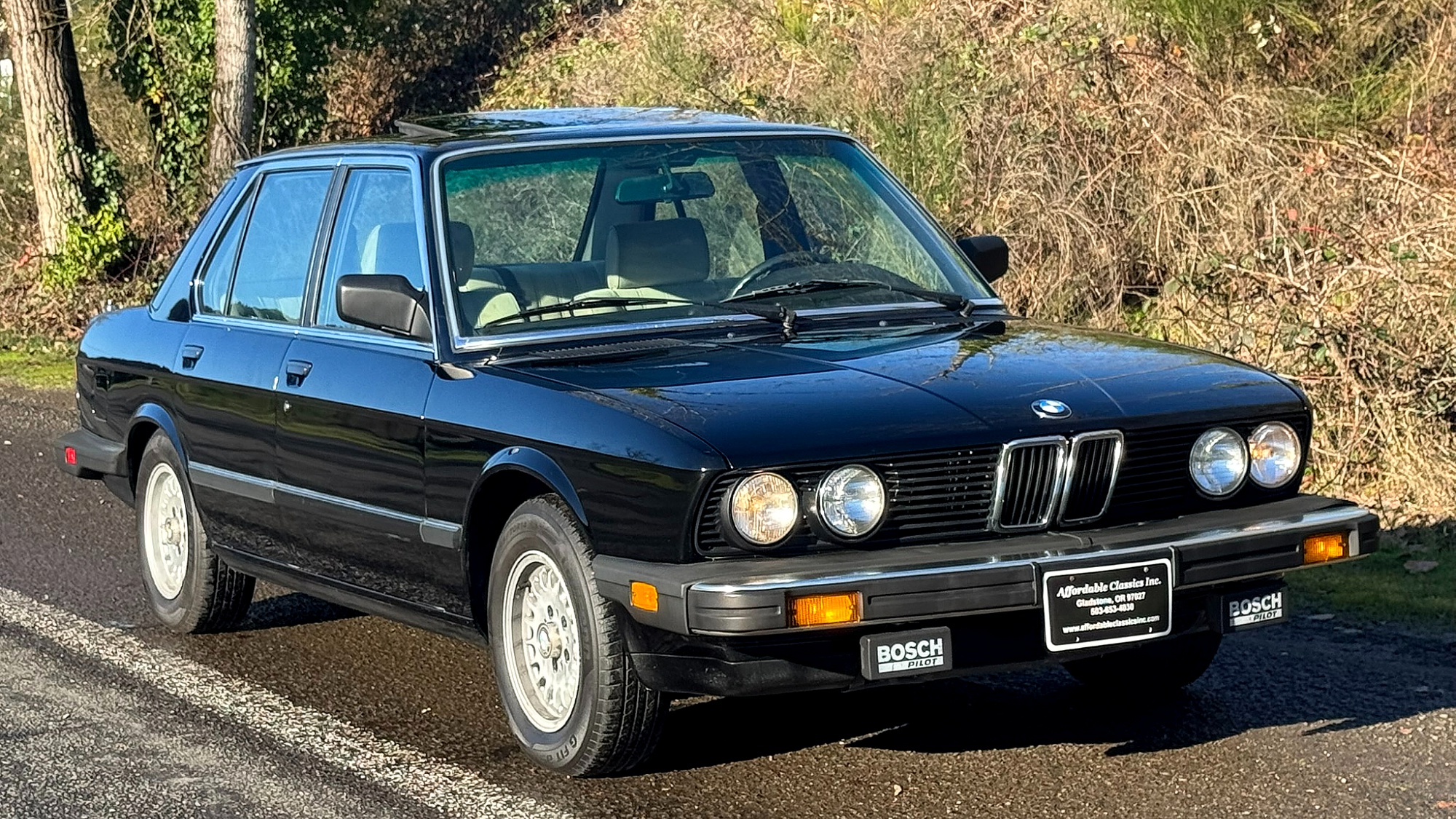
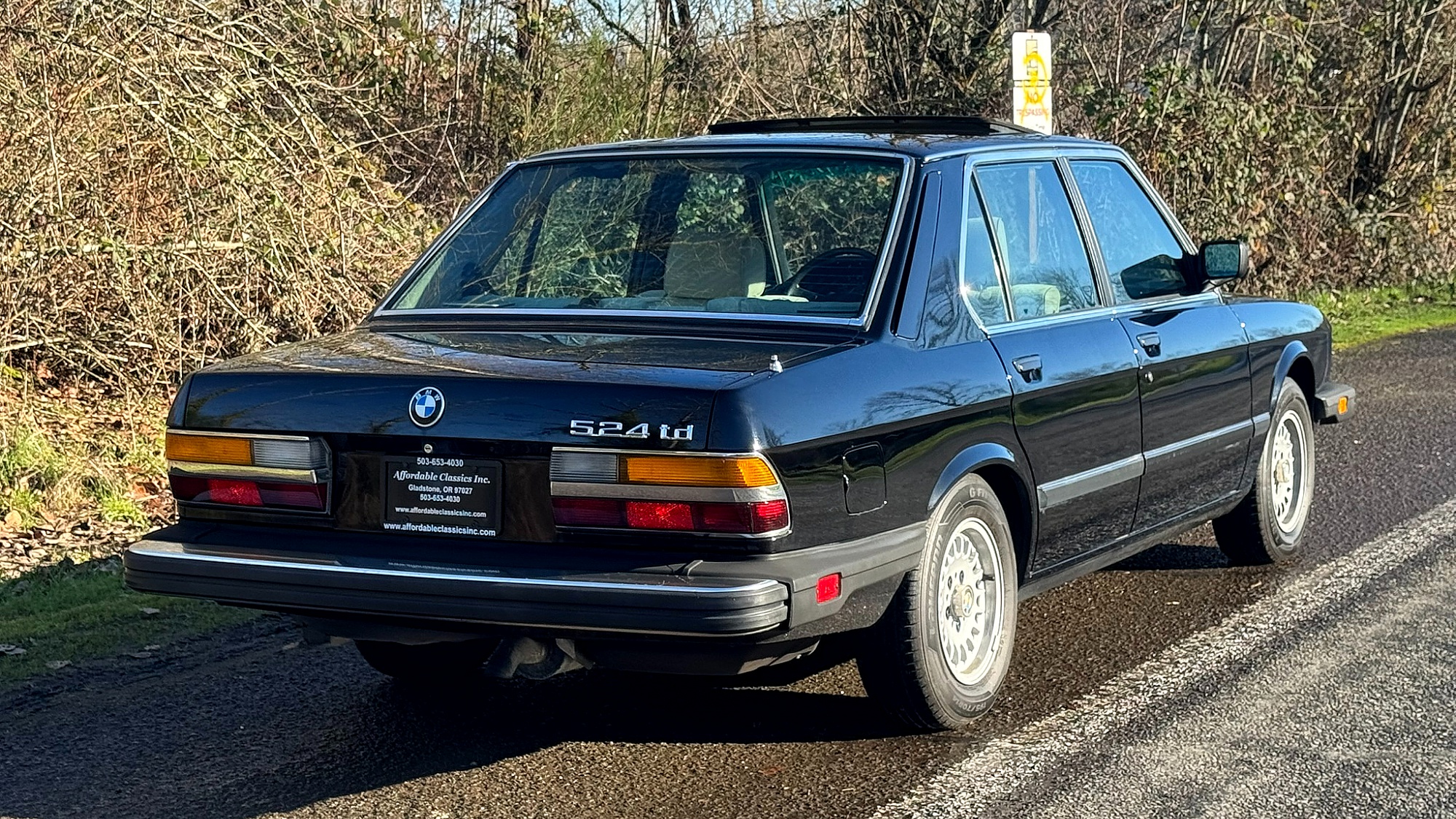
One of the rarest 1980s BMWs to find today is not an M car or even an Alpina—both of which have had a strong enthusiast audience from the time they were new. One of the most difficult-to-find 1980s BMWs is not a performance juggernaut either. It is instead the first diesel-powered BMW sold in the U.S.: the 524td. Today’s AutoHunter Spotlight is a 1985 BMW 524td located in Gladstone, Oregon.
The most interesting part of the 524td is, of course, the engine. The 2.4-liter inline-6 turbo-diesel engine called the M21 D24 was the brainchild of Karlheinz Lange from BMW’s engine development department. He saw what Mercedes was doing and found their diesel offerings unacceptable designs for a BMW. He also was convinced Munich engineers could produce something better than those in Stuttgart. A partnership between BMW and Steyr-Daimler-Puch gave BMW a new factory and development center from which the new diesel power plants could be designed and built. This M21 D24 engine utilized indirect “swirl chamber” injection (IDI), whereby fuel is sprayed into a small chamber above the combustion chamber, resulting in a much quieter diesel engine than what was offered by competitor Mercedes.
My dad had one of these cars when they were new. Unlike the clattery Mercedes diesel cars many of my friends’ parents had, the 524td was something different. Not only was it much quieter than almost any other diesel car, it also was equipped with the very sporty BMW E28 chassis. It even offered decent acceleration, with the turbocharged inline-6 diesel engine capable of a 0-60 time of 11 seconds—unheard of for a diesel sedan at the time. In addition, the 524td achieved close to 30 mpg. (An interesting historical note is that the short-lived Lincoln Mark VII diesel was actually powered by this same BMW diesel engine.)
The seller describes this 524td as being powered by the aforementioned 2.4-liter inline-6 turbo-diesel, which is paired to a four-speed automatic transmission. Finished in black over a Pearl Beige cloth interior, this German sedan is offered by the selling dealer with a clean CARFAX report and clear title. It has clocked 121,000 miles, which is low for any diesel.
Many of these cars were literally driven into the ground, but this example looks to have lived a nice life. The exterior appears to be in exceptional condition, with nice paint and no evidence of any dents, rust, or other visible flaws. For a black car, this is kind of amazing—if it is a repaint, it is a good one, and if the car still has original paint, it is miraculous.
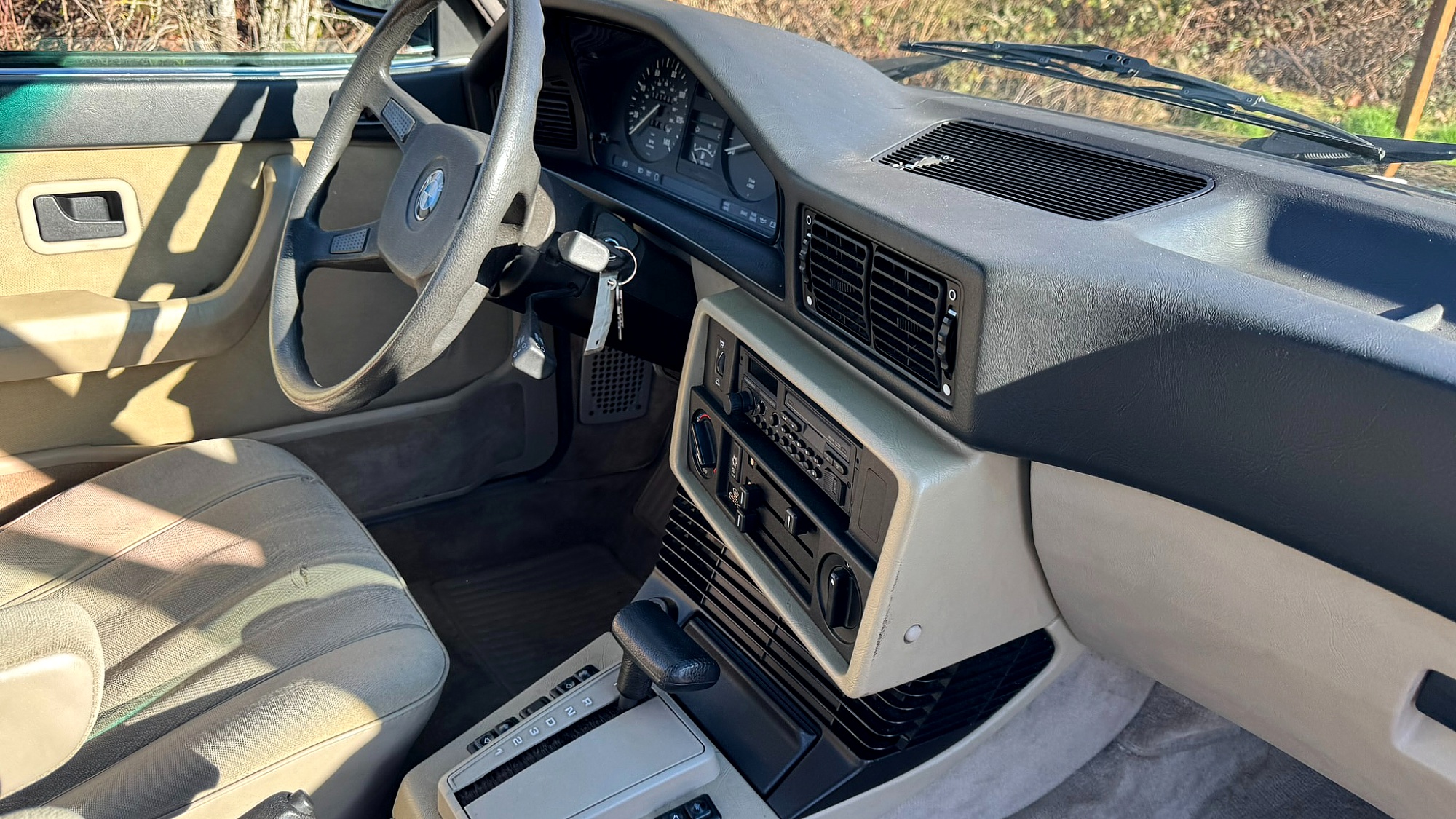
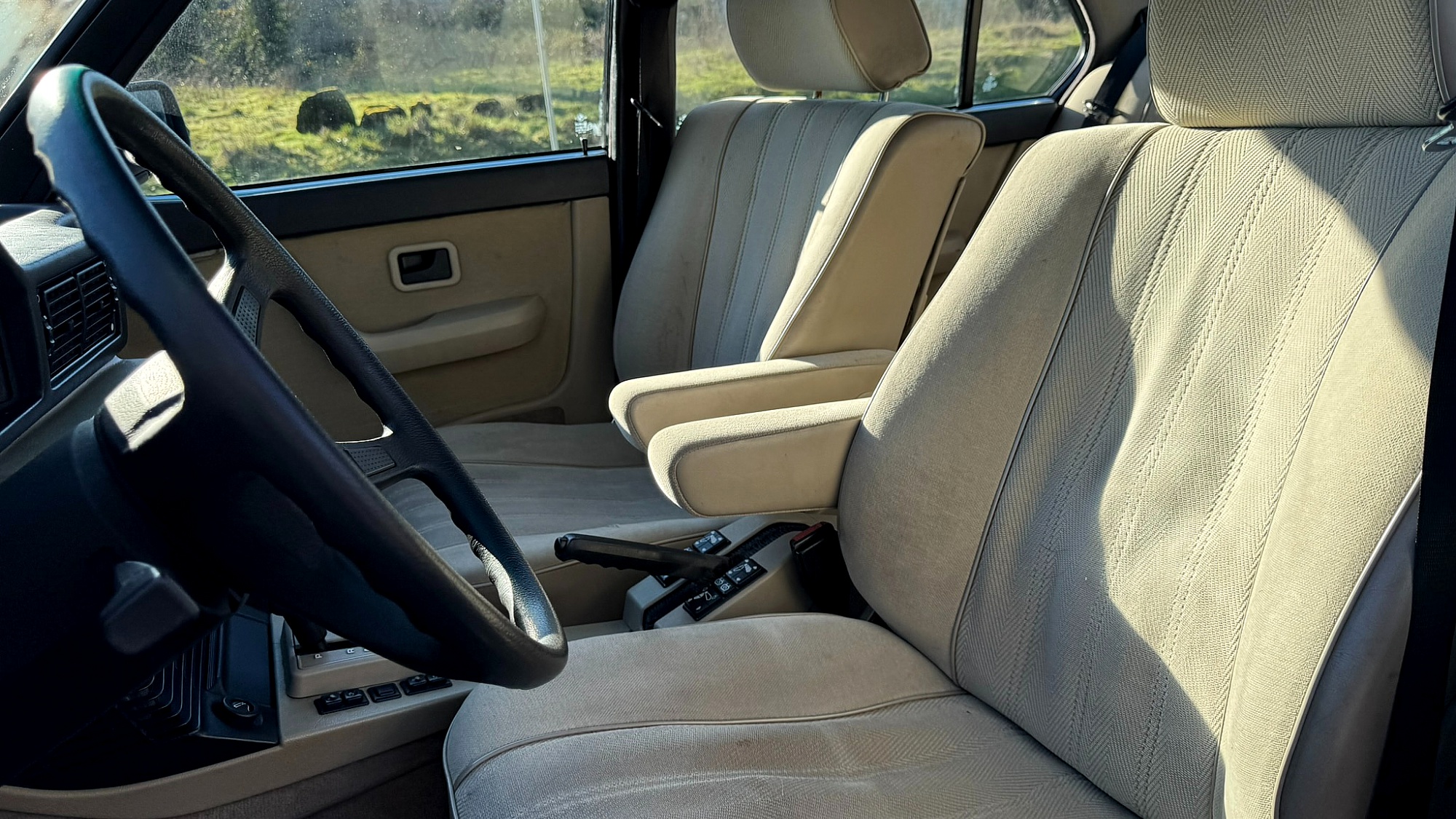
The interior is almost as good. The factory Ivory cloth seats are in unbelievable condition, with no rips or tears anywhere. They at best could use a little cleaning. The only interior flaws I could see in the photos were two small dash cracks on the driver’s-side near the windshield, and the sunroof needs new headliner cloth material. Options on this BMW include power seats, power windows, sunroof, cruise control, and air conditioning.
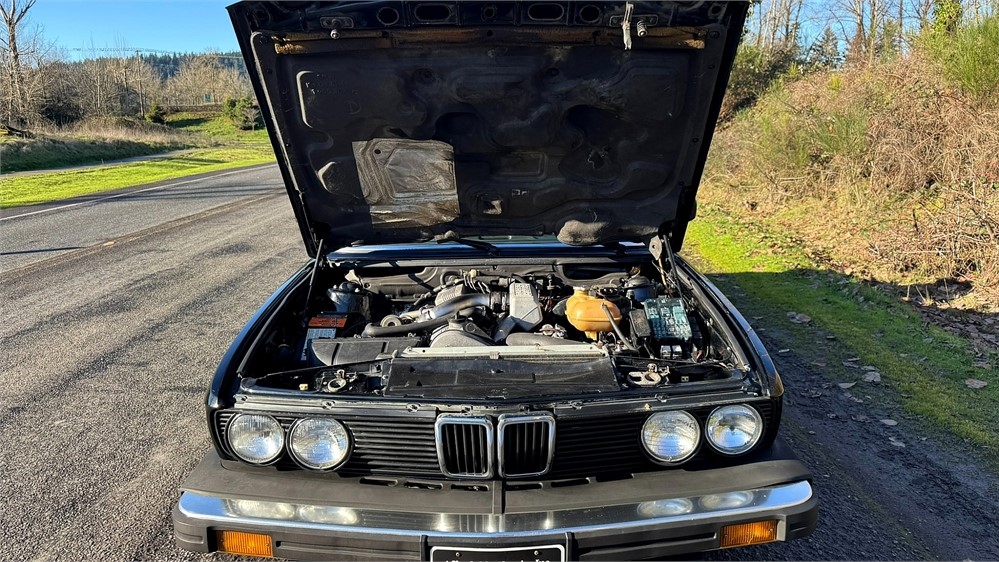
Under the hood everything also looks tidy; not detailed, but just clean. This really looks like a well-kept example. Recent service items include new vacuum hoses, heater fans, and belts in 2023, as well as a timing belt replacement in 2021.
The 524td was one of the lowest-production BMW 5 Series cars in the E28 era. It was not a sales success—not because it was a bad car, as reviewers at the time sang its praises, but largely because BMW was late to the party with diesel power. Fast-forward to today, and diesel-powered BMWs are the most popular models in Europe. This rare car was the one that kicked it all off and is an important footnote in BMW history.
If you think this first-generation BMW diesel is as cool and unique as I do, you will need to act fast and bid, as the auction for this 1985 BMW 524td ends on Friday, August 1, at 12:30 p.m. (PDT).