Journal Classic Cars

Category Added in a WPeMatico Campaign

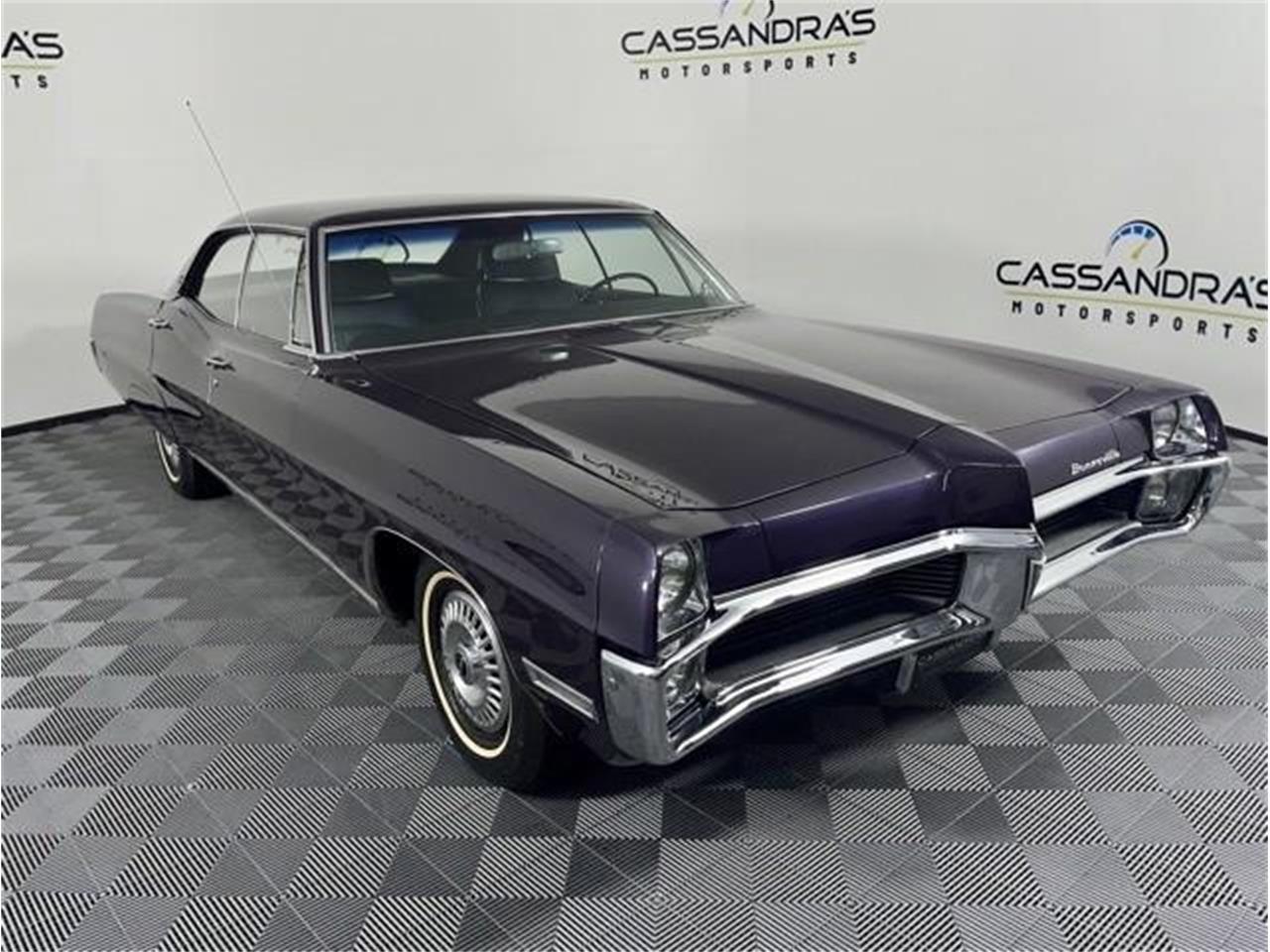
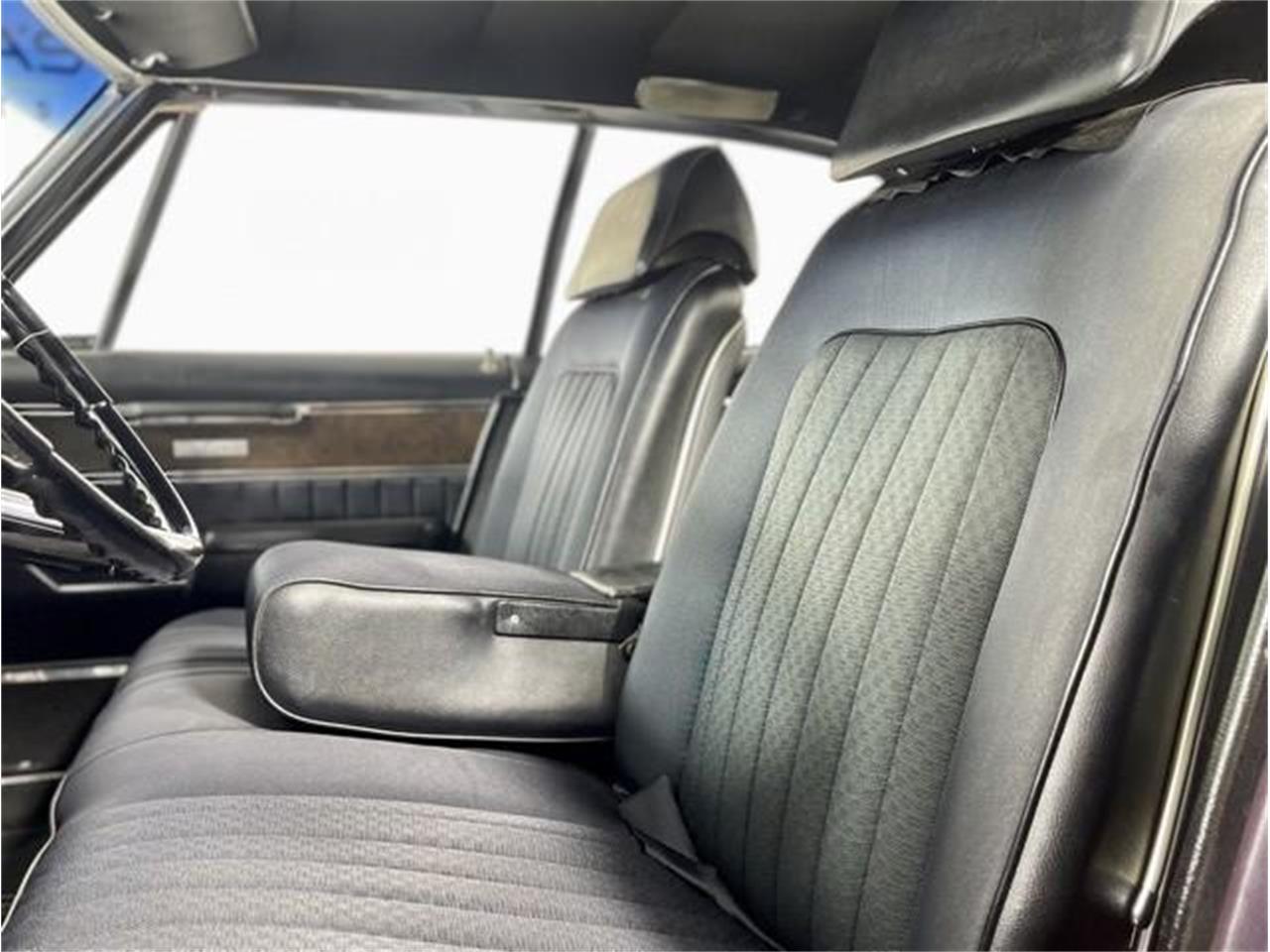
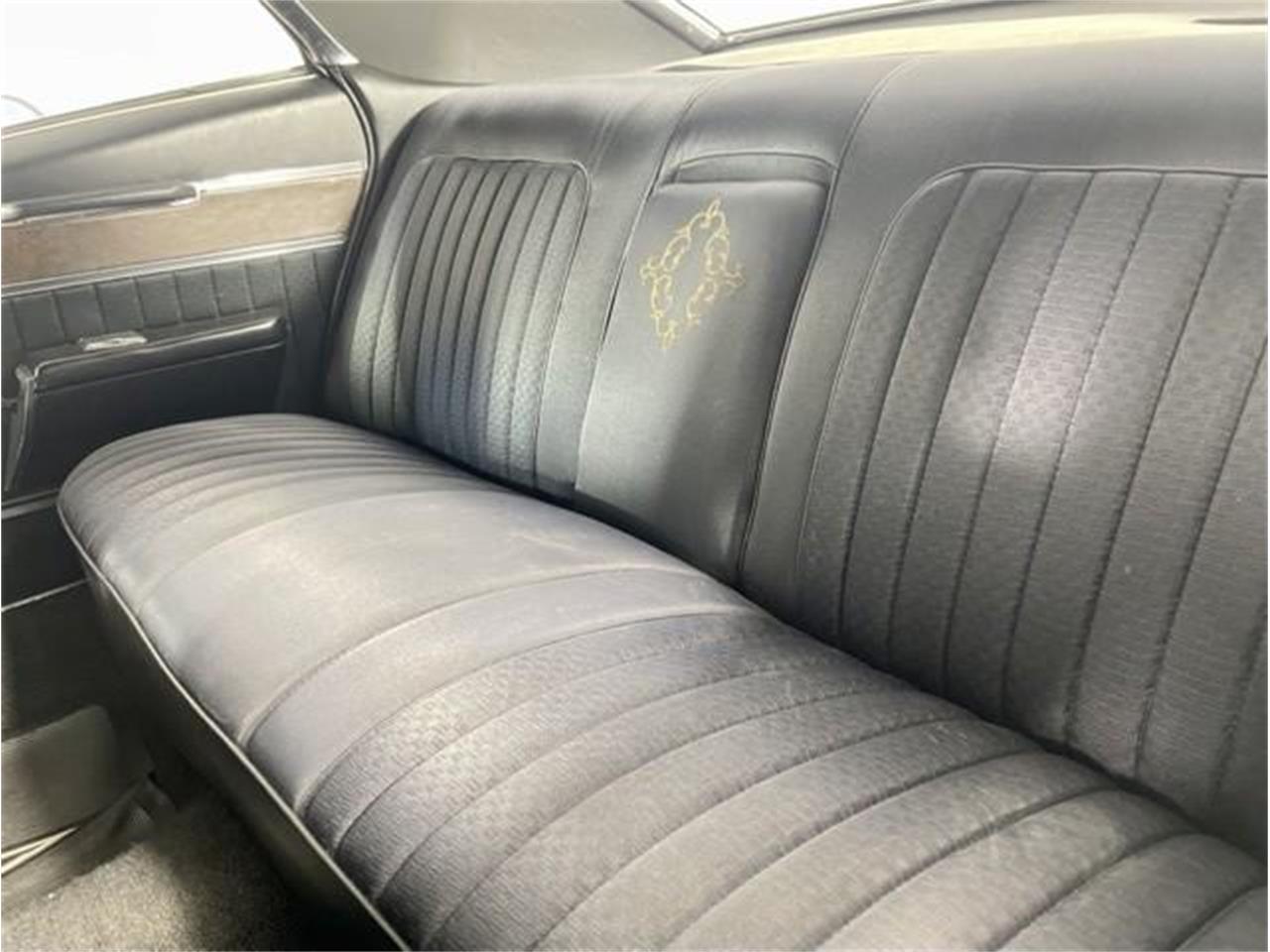
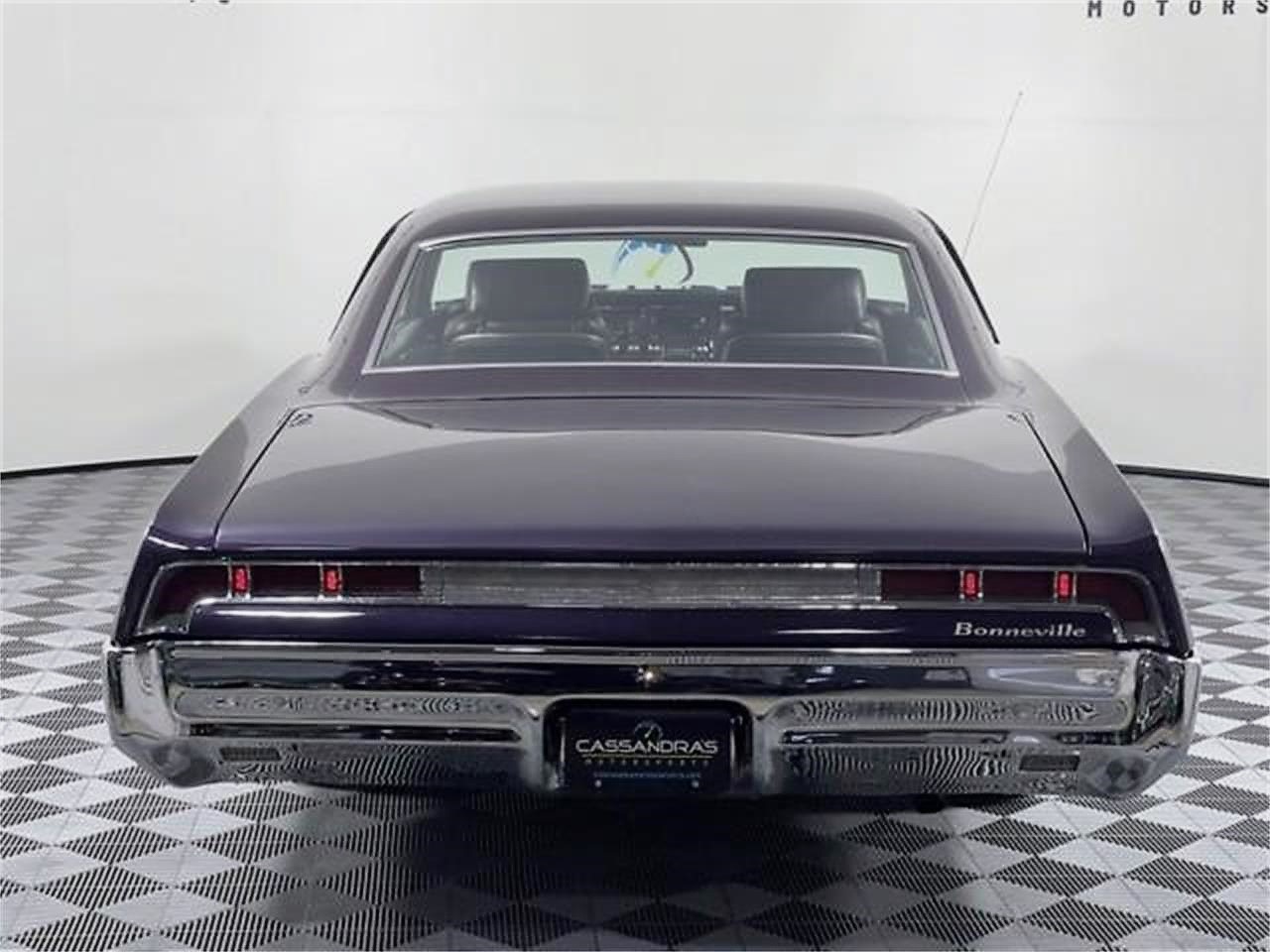
Every car guy and gal who visits Scottsdale knows about it. During Barrett-Jackson’s three-ring circus in January, the number of cars and spectators is off the hook. We couldn’t be talking about anything other than the Pavilions Rock ‘n Roll Car Show, a weekly event where automotive enthusiasts bring their cars to be social and show off. Vehicles come and go throughout the day, so the mix of cars can change within minutes. It was at the Pavilions (or, as staffer Jalopy Jeff calls it, “The Pavs”) that we caught up with this very interesting 1968 Pontiac Bonneville.

To be honest, any full-size 1968 Pontiac is not the most collectible car out there. Some feel the snout echoes shades of Edsel, while others feel earlier (pre-1967) full-size Ponchos had more style. Plus, it’s a muscle car world out there, so most sporty and performance models garner more enthusiasm. However, 1968 Bonnevilles feature strong land yacht qualities, plus it’s the last full-size Pontiac available with a four-speed. A friend owns a Catalina two-door sedan with a factory 390-horsepower 428 HO and four-speed, so clearly there was someone out there who was attracted to the charms of full-size Pontiac performance in 1968.

This Bonneville convertible that pulled up to the Pavilions is a little different, but no less unique. Take a look and you’ll notice hidden headlights. Hey, who put a Grand Prix grille on a Bonneville? Looks cool but that’s a GP piece, right?

Well, yes and no. In a May 24, 1968 bulletin, Pontiac introduced T83 concealed headlights as an option for all Bonneville models. There is no information on how many Bonnevilles were built with this option, but I bet even the most knowledgeable Pontiac folks aren’t aware it was available. I myself didn’t learn until five years ago when one with documentation appeared on eBay.

Taking a look at this Poncho’s window sticker continues to impress — here’s the complete tally.

  • April Gold
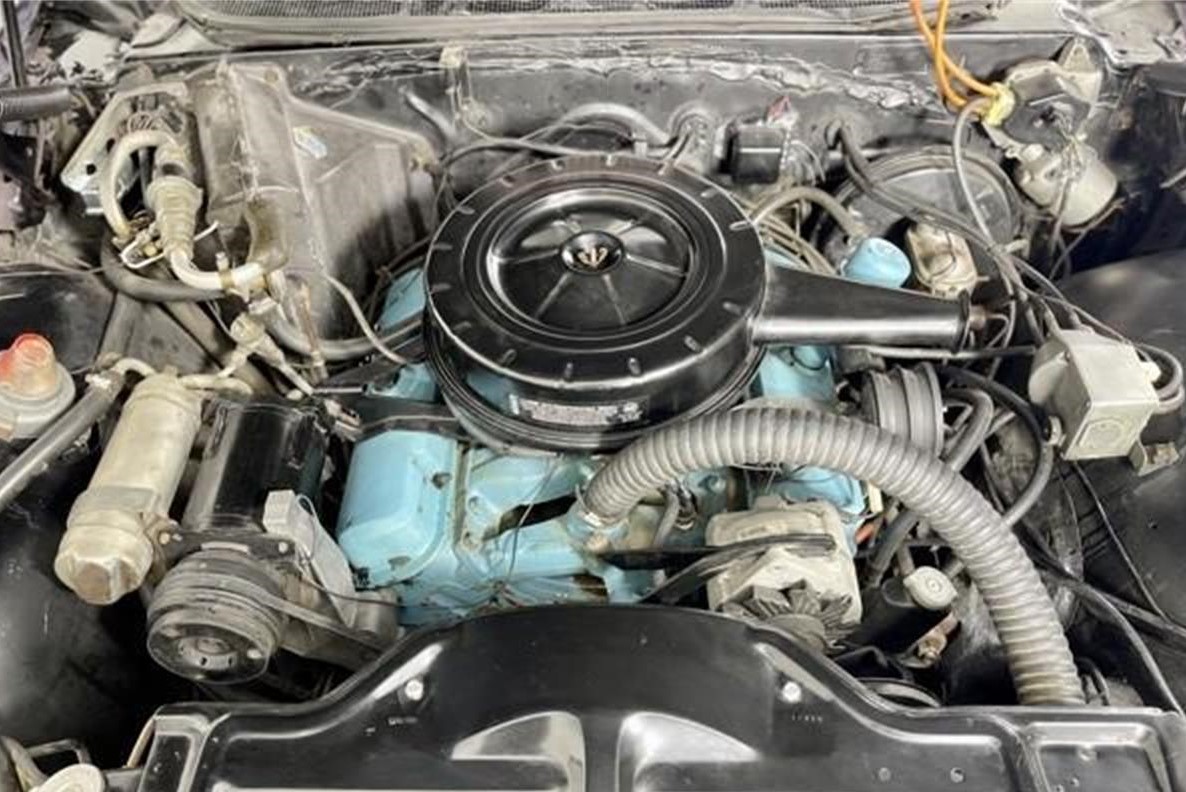
  • L79 428/375
  • M40 Turbo Hydramatic transmission
  • J75 power antenna
  • U58 AM/FM Stereo
  • B93 Door edge guards
  • T83 Retractable headlamp covers
  • D34 Right-hand vanity mirror
  • D33 Left-hand remote mirror
  • A39 Custom seat belts
  • K30 Cruise control
  • N10 Dual exhaust
  • A90 Remote trunk release
  • N40 Power steering
  • N33 Tilt steering wheel
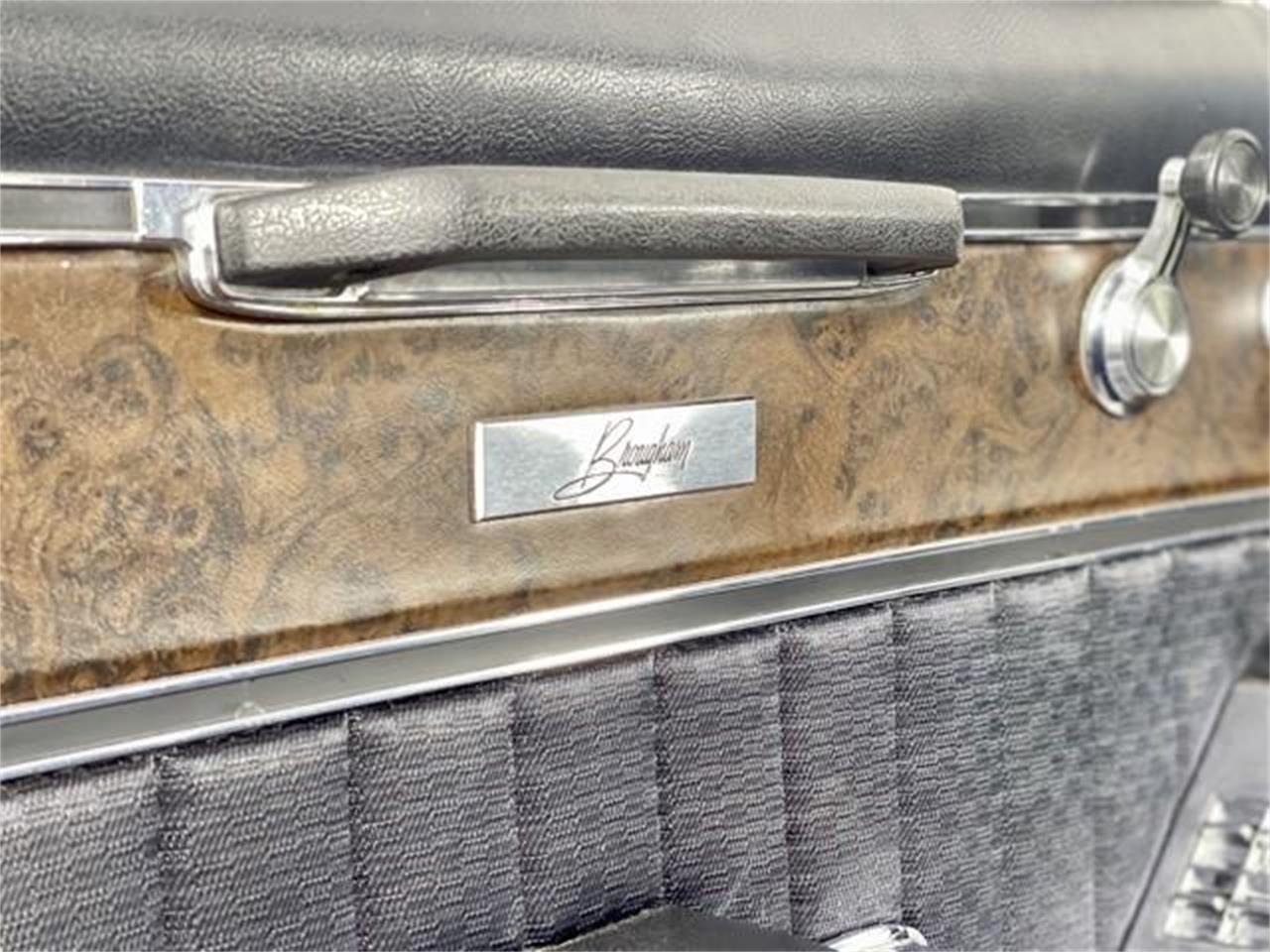
  • Y87 Brougham trim group
  • J52 Front disc brakes
  • A02 Tinted windshield
  • A93 Power door locks
  • A32 Power vent windows
  • A42 Power front bench seat
  • A53 Strato-bench seat
  • C75 Automatic temperature control
  • C60 Air conditioning
  • B32 Front floor mats
  • B33 Rear floor mats
  • T87 Cornering lamps
  • U41 Low fuel warning lamp
  • UA1 Heavy-duty battery
  • K45 Heavy-duty battery
  • P26 White sidewall 8.45 x 15 Rayon tires

Base price for a 1968 Bonneville convertible was $3,800. This one was originally ordered with $2,191.12 worth of options plus $65.99 destination fee, this Bonnie stickered at $6,057.11. That’s quite an expensive Pontiac at the time!

Even without the hidden headlights, this is quite a loaded Bonneville with many rare options. It also goes to show that you don’t need to be hung up with Hemi this and solid-lifter that in order to have a fun and interesting collectible.

Today we’re looking at AutoHunter Cinema’s Interesting Find of a heavily modified 1989 Ferrari F40 with racing history. This car was originally finished in Rossa Corsa, as all F40s were, before it was repainted yellow while racing in various motorsports events, including the Ferrari-Porsche Challenge series. Eventually, it would make its way to the Zanasi group in Maranello, Italy, where the car would be finished in Nardo Gray.

Aside from the color change, the car would undergo engine upgrades producing a base tune of 700 horsepower, with the option of turning up the power to 1000 horsepower. The car would feature further mechanical work and interior upgrades like the blue bucket seats intended to pay homage to the early Ferrari racecars of the 1960s. This 1989 Ferrari F40 went on to sell at the 2023 Barrett-Jackson Scottsdale auction for $2,750,000. We wish the owner better luck than this guy.

Click above to watch the video on YouTube

Honda co-founder Takeo Fujisawa has been inducted into the Automotive Hall of Fame, the Detroit-area shrine to prominent auto-industry figures.

Fujisawa was the business partner of Soichiro Honda and was instrumental in building Honda into a successful company. While Honda supplied the ideas, Fujisawa brought a pragmatic business sense to the operation.

Born on November 10, 1910, Fujisawa originally thought of becoming a teacher but ended up as a salesmen for a steel products company and then a lumber company. He met Honda in 1949, about one year after he founded his eponymous company, which then was a small operation in the Japanese city of Hamamatsu. The company was just transitioning from making small engines for mounting on bicycle frames to making complete motorcycles, having just launched the Dream D-Type.

Despite different personalities (Fujisawa was much more reserved than Honda), the two hit it off. Fujisawa formally joined Honda in October of 1949 as Honda’s right-hand man, responsible for sales, finance, and marketing. He helped steer Honda, who maintained control of product development and engineering, making several crucial decisions to grow the company.

Honda co-founder Takeo Fujisawa (second from right) at opening of Honda’s second U.S. headquarters

One of those decisions was the 1959 establishment of American Honda, the company’s first overseas branch, something Soichiro Honda wasn’t initially enthusiastic about. He hoped to build the company’s reputation mainly through motorsports, but Fujisawa thought it was more important to enter the U.S. market, declaring that “to succeed in the U.S. is to succeed worldwide.”

Fujisawa also insisted that Honda establish its own U.S. dealer network (initially selling motorcycles and later cars), rather than rely on an importer, as most other Japanese companies were doing at the time. In 1960 he also established Honda R&D as a separate company, ensuring that research would be separately funded and wouldn’t have to rely on the volatile car and motorcycle market.

Honda co-founders Soichiro Honda (left) and Takeo Fujisawa (right)

Honda and Fujisawa agreed to retire together, which they did in March 1973. Fujisawa died in December 1998.

Located next to the Henry Ford Museum in Dearborn, Michigan, the Automotive Hall of Fame was founded in 1939 to honor individuals who have had a significant impact on the auto industry. It includes not only automaker founders like Ferruccio Lamborghini, but also enthusiasts like Jay Leno and concours organizer Helene Rother. Fujisawa will be formally inducted in July 2023.

This article was originally published by Motor Authority, an editorial partner of ClassicCars.com.
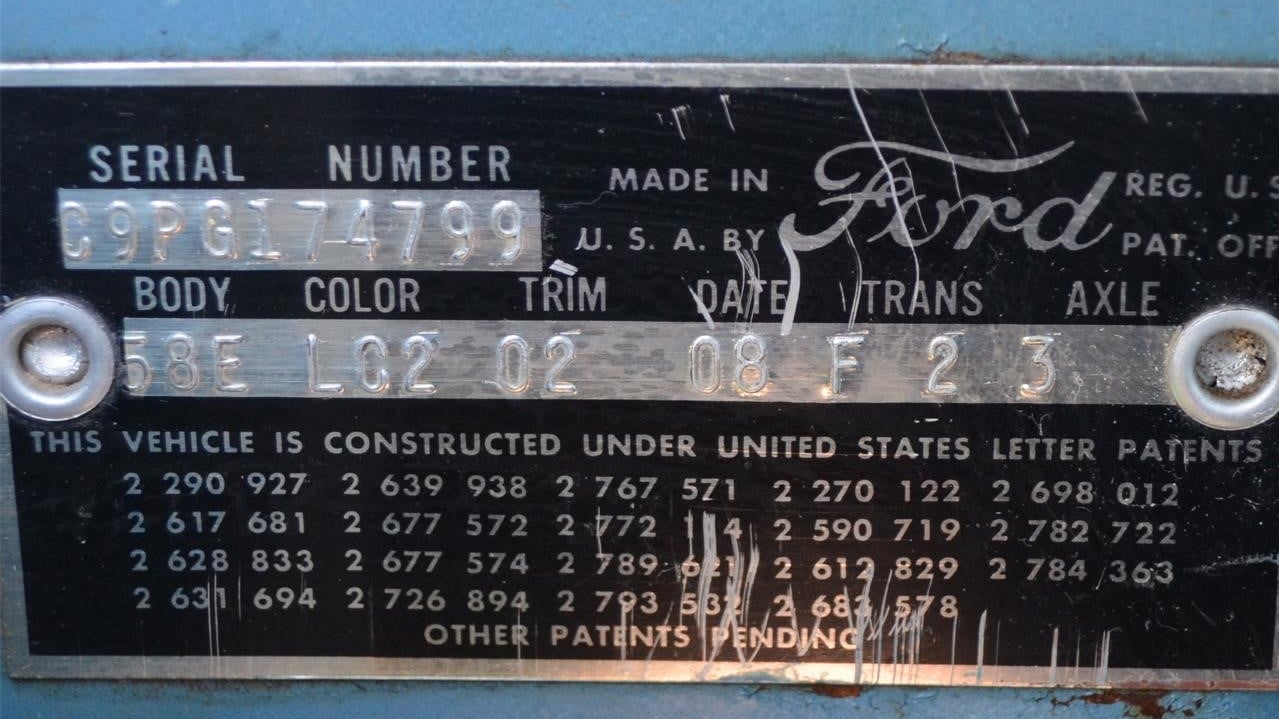
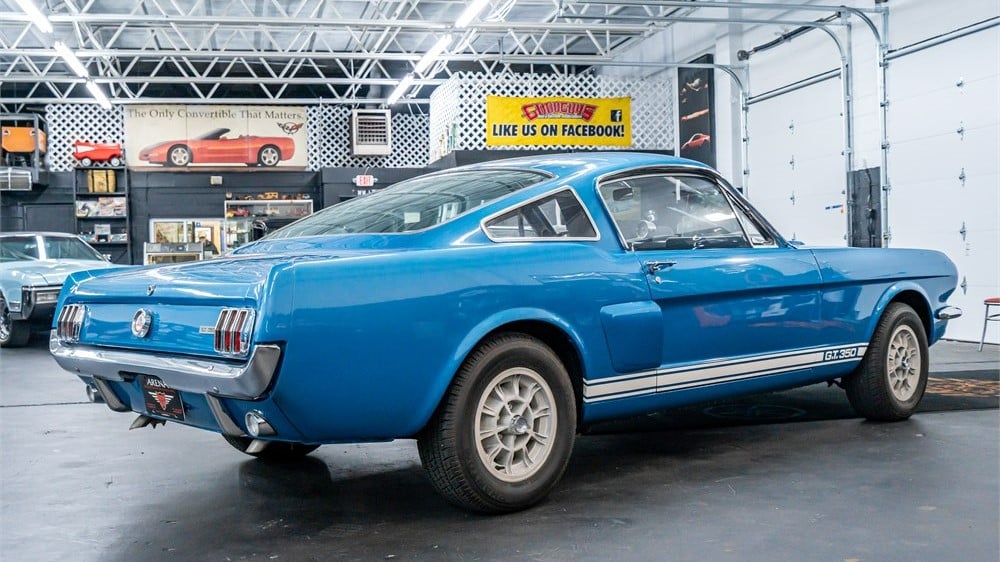
Featured on AutoHunter, the online auction platform driven by ClassicCars.com, is a 1973 Ford Mustang Mach 1.

This Mach 1’s original Bright Red exterior was refinished in Wimbledon White by previous ownership. The Ford’s Wimbledon White exterior is complemented by a functional NASA hood,  black side accent stripes, a matte black rear spoiler, and a matte black lower body.

It rides on new 14-inch chrome Magnum 500-style wheels with BFGoodrich Radial T/A tires.

1973 Ford Mustang Mach 1

“According to the selling dealer, the black vinyl interior (trim code GA) is original,” the listing states. “Features include fabric inserts, a center console with a manual transmission shifter, power steering, power brakes, air conditioning, a digital AM/FM stereo with an equalizer and a trunk-mounted subwoofer, manual windows, and simulated woodgrain accents.”

Q-code 351ci V8 engine

Under the Ford Mustang’s functional NASA hood is a Q-code 351ci V8 engine that is paired with a four-speed manual transmission. This Mach 1 features a dual exhaust system that exits at the rear through a pair of outlets, and power front disc and rear drum brakes.

Marti Report
Marti Report

The odometer reads 48,576 miles, which the selling dealer reports to be accurate, and the listing advises that a safety check was performed when the vehicle was added to its inventory.

1973 Ford Mustang Mach 1

The sale includes a clear title, and a Marti Report.

This Mustang’s auction ends on Monday, February 27, 2023, at 3:40 p.m. (MST)

Visit the AutoHunter listing for more information and photo gallery

The 1970s were a time of automotive excess: an era when size, strength, and luxuries were pushed to increasingly high standards just before the fuel crisis caused things to scale back.

The Pick of the Day is a 1976 Cadillac Eldorado listed for sale on ClassicCars.com by a private seller in Buford, Georgia.

“If you’re shopping for a ’76 Eldorado convertible, you already know that 1976 was the last year that Cadillac produced a convertible, and the Eldorado was the ultimate in luxury,” the listing begins.

That statement is only somewhat true: This was the last convertible of its generation, but not the last overall. An Eldorado convertible was reintroduced in 1984, and the 2004-2009 Cadillac XLR was also a two-seat roadster that shared platforms with the sixth-generation Corvette. At any rate, we’ll give the seller the benefit of the doubt because this looks like a remarkable example of a rare car.

The Eldorado was produced for 12 generations over the course of 50 years beginning with the 1952 model year. Today’s feature car comes from the ninth generation which debuted in 1971 on the General Motors E-body platform. The aesthetics reflected significant design updates from the prior car, including a wheelbase that was stretched by six inches. Overall length was pushed to 224 inches in 1976, making it possible for the roomy interior to accommodate six passengers comfortably via two bench seats.

“I’m the second owner and purchased it from a family member in 1996,” the listing states. “It has always been garaged and there’s no apparent rust.” Finished in “Firethorn Red,” this Eldorado shows 38,902 miles on the odometer and was reportedly repainted in 1998. The seller notes that the convertible top and the door panels could use some upholstery work, but the car looks great inside and out.

Moving this big beast down the road is a similarly big motor: Available powerplants were a 425cid V8 and a massive 500cid V8. Either one could be mated only to a three-speed automatic transmission.

Even though General Motors marketed this car as “the last American convertible,” we now know otherwise. Still, these 1976 convertible models have a special place in automotive history as the last of their kind. The final Eldorado, incidentally, rolled off the assembly in April 2002, about 21 years ago. That unit was donated to the Cadillac Museum in honor of one of Cadillac’s dealers, Don Massey.

“The car rides like a dream and always attracts attention,” the listing concludes. The asking price is $24,900 for this well-kept drop-top Cadillac Eldorado that would look right at home in any hometown parade.

To view this listing on ClassicCars.com, see Pick of the Day.

Automobile security has been a concern on the radars of many vehicle owners in recent years, but during the height of the COVID-19 pandemic worries mounted as auto theft has spiked to astronomical figures across the U.S. Two years after shutdowns caused by the pandemic began, the automotive industry is still grappling with vehicle theft.

Image: LandAirSea

LandAirSea Director of Analytics Jared Zientz is seeing an uptick in theft in both big and small cities and across all of the nearly 40 verticals that the company services. LandAirSea provides GPS tracking solutions for automotive dealerships and adjacent industries, as well as any industry in need of monitoring a terrain, air or marine asset on the move.

“Everything is being stolen nowadays. Police can’t even keep up and now, insurance companies are requiring even longer timelines before paying out any claims.” Zientz said.

The number of vehicles stolen by thieves varies by year. Generally, though, you can expect the FBI to report about 720,000 stolen vehicles per year in the United States. Nearly 220 out of 100,000 Americans will experience a car theft within the next year. 

“Small and midsize businesses have to worry about everything from quality workmanship and employees to billing and supply chain. Now, they have to worry about their assets being stolen, how it affects their jobs and how long it will take their insurance — if they even can afford to carry it — on their hard-earned assets,” Zientz said.

Experts are expecting theft activity to remain high during 2022, so vehicle owners must stay vigilant by getting ahead of the issue.

Zientz has, however, also seen positive signs for business owners that indicate now is a good time to invest in asset protection, especially when it comes to GPS tracking. In recent years, GPS hardware has become more affordable and reliable, and easier for the average person to use than ever before.

By installing a GPS tracker, vehicle owners can have peace of mind knowing they can always see where important equipment or shipments are and can provide that data to law enforcement if needed. Mobile device applications connected to GPS software provide flexibility for asset managers to monitor their assets from anywhere, allowing for instant data visibility for quick decision-making.

One company providing modern and affordable GPS tracking devices is LandAirSea, which offers a no-contract solution for transportation and logistics companies and dozens of other industries that need the locations of their equipment monitored. Combining the power of its proprietary plug-and-play GPS tracking hardware and user-friendly software platform, companies can easily track and manage their assets on a single account — whether they have one or 2,000 units. 

Image: LandAirSea

With the real-time GPS asset tracker LandAirSea 54, users can receive location updates as frequently as once every three seconds to once every 24 hours. Vehicle owners also have the option to schedule tracking only during the night if assets are in use during the day. 

Using the API-integrative platform, users can set up geofences and receive email or text alerts when assets move outside a designated area. For vehicle owners with multiple assets, such as a dealership with a growing fleet,  managers can label units with a custom icon and name for easy identification.

Other uses of LandAirSea’s GPS trackers include:

  • Visibility tool for confirmation that a service or operation has been performed.
  • Staff training, monitoring driver behavior and monitoring deadhead miles.
  • Reduction in carbon emissions through route monitoring.

As a family-run business, LandAirSea ensures quality customer service. It has an in-house tech support team to assist clients in setting up or adjusting asset tracking requirements as their business grows.

“LandAirSea has spent nearly 30 years working across numerous different markets to create a customizable and easy-to-use software platform and a reliable GPS tracking device.” Zientz said.

Connect with LandAirSea representatives at any of the ways below to learn more about their GPS tracking solutions:

Website: https://landairsea.com

Email: sales@landairsea.com

Sales: (847) 462-8100

Jared Zientz: (815) 347-2229

I’m a fan of special-order colors. Ever see a Chevy ordered in Pontiac’s Verdoro Green? Or an Oldsmobile ordered in Dodge’s Plum Crazy? I have, and it’s somewhat neat to see. The day of paying extra for a non-production color are long gone for most “regular” cars, but fancy brands and special models (Corvette, anyone?) offer bespoke colors. BMW offers a program called BMW Individual for drivers who desire “expressive and exclusive” paint colors and finishes, and now the program has been expanded to include the controversially styled 644-hp XM plug-in hybrid “Sports Activity Vehicle.”

Petrol Mica

The German brand’s 29 year-old factory in Spartanburg, South Carolina (actually in nearby Greer) has “flexibility in the painting process,” so Bimmers built in the Palmetto State — XM and otherwise — have the option for special paint finishes.

Sepia

Originally limited to BMW M models, “BMW Individual is a unique division of BMW M that focuses on creating special and bespoke BMW vehicles for almost any new BMW. There is a palette of over 165 custom exterior paint colors and four different finishes: non-metallics, metallics, Pearl Effect tones, and matte BMW Frozen finishes. “Within each of these finishes, there are even more unique treatments that require multiple coats or extended cure times, depending on the specific ingredients and features of each special color.” They are applied in a separate manufacturing process that eschews automated labor for manual. You can expect to wait approximately 8-12 weeks for your unique BMW.

Anglesey Green

BMW won’t handle just any swatch you submit, though we suspect some of the more prestigious models may have more flexibility in that regard. Pricing is dependent on the model and color.

Icon founder Jonathan Ward is a frequent visitor to Jay Leno’s Garage. This time he brought the latest of his company’s Derelict projects, a purposefully distressed 1971 Mercedes-Benz 300 SEL 6.3 with an LS heart, along with Steve Rulewicz, the client that commissioned it.

Unveiled for the 2022 SEMA show, the Mercedes Derelict follows the pattern of previous Icon Derelicts, which have ranged from a 1958 Rolls-Royce Silver Cloud to a 1952 DeSoto wagon, by combining external patina with internal performance upgrades.

Icon Derelict 1971 Mercedes-Benz 300SEL on Jay Leno’s Garage

Beneath the weathered paint, the Mercedes is a full-on restomod. The car left the factory as a unibody, though the original body shell now rides on a separate Art Morrison chassis that includes four-wheel adjustable coilovers and independent rear suspension. The car also has Brembo brakes with Wilwood power-assist hardware, as well as an Icon-designed power-assisted rack-and-pinion steering setup.

The 300 SEL 6.3 was a forerunner of modern Mercedes-Benz AMG performance models. Mercedes took the 6.3-liter V-8 from the gargantuan 600 sedan and dropped it in the smaller 300 SEL, creating a sort of German muscle car. This was a pure factory effort dreamed up by engineer Erich Waxenberger, as AMG was then a completely independent tuner, although it did race a 300 SEL 6.3 called the Red Pig.

The Red Pig, and the general look of these sedans, inspired Rulewicz to commission this build. As for why the rare 6.3 model was used as a basis instead of a more common 6-cylinder model, Ward said the higher-end interior fittings and other small details justified the decision. The donor car had sat in San Bernardino, California, so it was relatively free of rust.

The Derelict is still powered by a V-8, but it’s now the supercharged 6.2-liter LS9 from the C6 Chevrolet Corvette ZR1. The engine makes 638 hp at the crank in the ZR1, and about 500 hp at the wheels in the Mercedes. Installing the LS9 required a custom firewall and front inner fenders, and the car now sports “6.2” badging instead of the stock 6.3 badge.

Purists may scoff, but Ward was committed to the GM engine swap for its reliability, power, and sound. Check out the full video and have a listen for yourself.

This article was originally published by Motor Authority, an editorial partner of ClassicCars.com.
It seems so normal and common for cars to be co-branded with media — witness the “Transformers” movie for a fine example — but in 1977, it was highly unusual. In fact, video game culture that has influenced the old car hobby can look at this 1977 Datsun 280-Z ZZZap edition as being the godfather of them all. This vehicle, our Pick of the Day, is for sale on ClassicCars.com by a dealer near Grand Rapids, Michigan.

It all started with a 1977 arcade game produced by Midway called Datsun 280 ZZZAP. It originally was released in 1976 as Midnight Racer and then the co-branded ZZZAP version was released by Taito in 1977 in Japan before Midway released it in North America shortly after. A Special Decor Package inspired by the video game was introduced in the 1977 model year. Promotional material claimed, “The Z with more ZZZap!”

The basis was a 280-Z, which came with a 2,753cc OHC six with 149 horsepower and electronic fuel injection backed by a four-speed manual. The Special Decor Package included mandatory Sunburst Yellow paint with a black racing stripe along the hood, roof, and deck, plus longitudinal stripes on both sides; an additional gradated stripe in yellow/orange/red was placed on the hood and the front fenders. Other features included racing mirrors and rear window louvers. According to the Internet, 1,000 280-Zs were built with this package, but we cannot find supporting documentation to verify.

This particular 1977 280-Z with the Special Decor Package for sale on ClassicCars.com was originally sold new in Newburg, Oregon, then migrated to Wyoming, where it spent most of its life. Seller says the Nissan … er, Datsun has been driven only 2,500 miles in the past 20 years, which is supported by maintenance records. “Driving the 280-Z is a dream, with a tight 4-wheel independent suspension, power-assisted brakes, and rack and pinion steering,” adds the seller. “Highlights include rear window defogger, auxiliary gauges, Kenwood radio, Alpine speakers, and exterior racing stripe.”

This Datsun 280-Z ZZZap edition has only 73,125 miles on the odometer. Included in the sale are the original owner’s manual, service manual, original tool kit, unopened tire inflator canister and full factory exhaust including the original muffler. This limited-edition Z-car will cost you more than a quarter — more like $34,900. Maybe you can find the original arcade game for a nice pairing?

To view this listing on ClassicCars.com, see Pick of the Day.

Do you have a classic car with a story to share? Visit this link and fill in the information to submit your story for a chance to be featured on the ClassicCars.com Journal.

In 1972 I went to the $0.49 movie theater on Hollywood Blvd. to see the film On Her Majesty’s Secret Service. I was 12 years old and a little bummed out because Sean Connery had quit playing the lead role of James Bond. I needn’t have worried, it was a great film.
This was the first time I had ever seen a Mercury Cougar Convertible. In those days Bond films were always about beautiful people, in beautiful places, wearing beautiful clothes, driving beautiful machines. It’s no wonder that they used a Cougar driven by the lovely actress Diana Rigg.
Joe’s Mercury Cougar enjoying the ocean view

It was love at first sight for me with the Cougar, although Diana came in a close second. After seeing the movie, I vowed to myself that one day I would own a Cougar convertible.

In 2014 I was looking on ClassicCars.com, and I found a beautiful 1970 Cougar XR-7 Convertible. The thing about Cougars is: they really are an elegant, upscale Mustang with very unique features. I love the front grille with, as the ads of the day said, “dual concealed headlamps that gleam by night and hide by day” and “rear turn signals that flicker in sequence.” After a little soul searching I decided to buy the car.

Joe and his Cougar

The car is a real work of art. If you look at the center hood and front grille, you will see the nose of a cat. Also, the very front fenders resemble a cat’s ear. Amazingly, out of some 4,000 1970 Cougar convertibles built, only three came in this color combination of a Competition Gold exterior and Dark Tobacco Leather interior. Sometimes I think this must be the only Cougar on the planet in this color combination. This would make it one very rare cat indeed!

Joe C., California