Honda’s beloved Prelude sports coupe lived for five unique generations between 1979 through 2001. Known for its nimble handling, class-leading feature content, and characteristic Honda reliability, the Prelude is a fan favorite in the automotive enthusiast world. In attendance at the Future Collector Car Show this year was an exceptionally clean Prelude from the third generation of the model which launched in 1988. This Prelude has a wedge silhouette and pop-up headlights that fit right in with the totally rad 80s design aesthetic. Finished in white over black cloth, this Prelude “Si” (which stands for Sport Injected, since it’s the fuel-injected model) showed 210,000 miles on the odometer, but the body looked clean enough to only have 21,000. The car was presented to its original – and current – owner as a college gift 34 years ago and has been kept up ever since. Aside from a set of aftermarket wheels and tires, it looked to be about as original as it can get. The Prelude model has been a favorite of mine since owning one in high school, and a Drivers of AutoHunter video from last October shares a little about that story. Do you have a Prelude story, too? Share it with us in the comments!
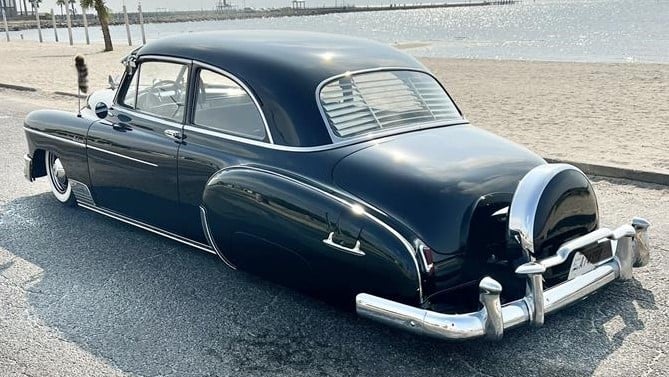
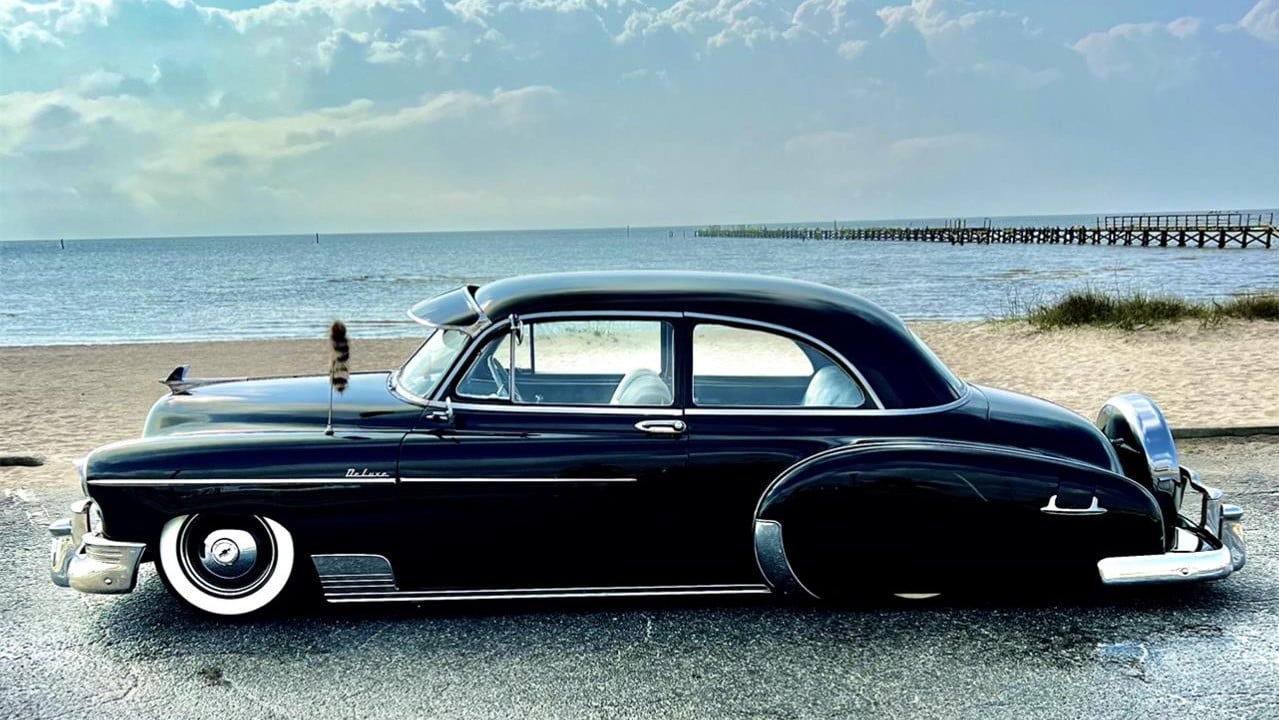
A 90-horsepower inline-six might not make for the fastest hot-rod on the road, but this classic Chevrolet has body upgrades, a raked stance and a rocking audio system that make up for whatever it might lack in zero-to-sixty acceleration.
“I’m proud to present this exceptionally clean, absolutely stunning, gorgeous, and very reliable and enjoyable driver and show car: My 1950 Chevy Styleline Deluxe two-door sedan with air ride,” the listing begins. “One family owned the car before me.”
The Deluxe model rode on the General Motors A-body and got its start in 1941 just before the US involvement in World War II and was offered in coupe, cabriolet, sedan, and station wagon body styles. A halt was put on civilian car production in February 1942 and picked up a couple of years later. The first significant redesign of the Deluxe happened in 1949, and today’s feature car came off the assembly line the following year.
“Streamlined” is a word that comes to mind when viewing the side profile. The aggressive stance is made possible thanks to a SlamAir management system with an air bag suspension and two compressors. This custom suspension setup, combined with a windshield visor, Coker wide-whitewall tires, rear fender skirts and a continental kit, make this ’50 look like it’s riding on the ground.
Mechanically, this Styleline has a lot going for it. Under the hood resides a rebuilt 216cid “Victory Six” inline-six, and power is directed rearward through a column-shifted three-speed manual transmission. Service history appears comprehensive: included in recent maintenance are replacement of the oil filter, fuel tank, fuel lines, fuel pump, Rochester carburetor, air filter, and exhaust system. The electrical system has been upgraded with a 12-volt conversion, dual batteries, and new lights and bulbs. Finally, the braking system received similar TLC with a new master cylinder and replacement disc brakes up front with drums in the rear.
The cabin is full of modern technology and audio equipment, starting with a glove box-mounted radio with AM, FM, CD, MP3, Bluetooth, and USB connectivity. That head unit is joined with tweeters, six-by-nine speakers, two amplifiers and dual 15-inch subwoofers. This car undoubtedly rocks, and the surroundings make for a nice sound stage to enjoy the audio goodies — complete with newer velour and suede upholstery along with a new headliner, pile carpeting and floor mats.
A recent donation to the Petersen Automotive Museum will ensure that generations to come can enjoy one of the quintessential American hot rods.
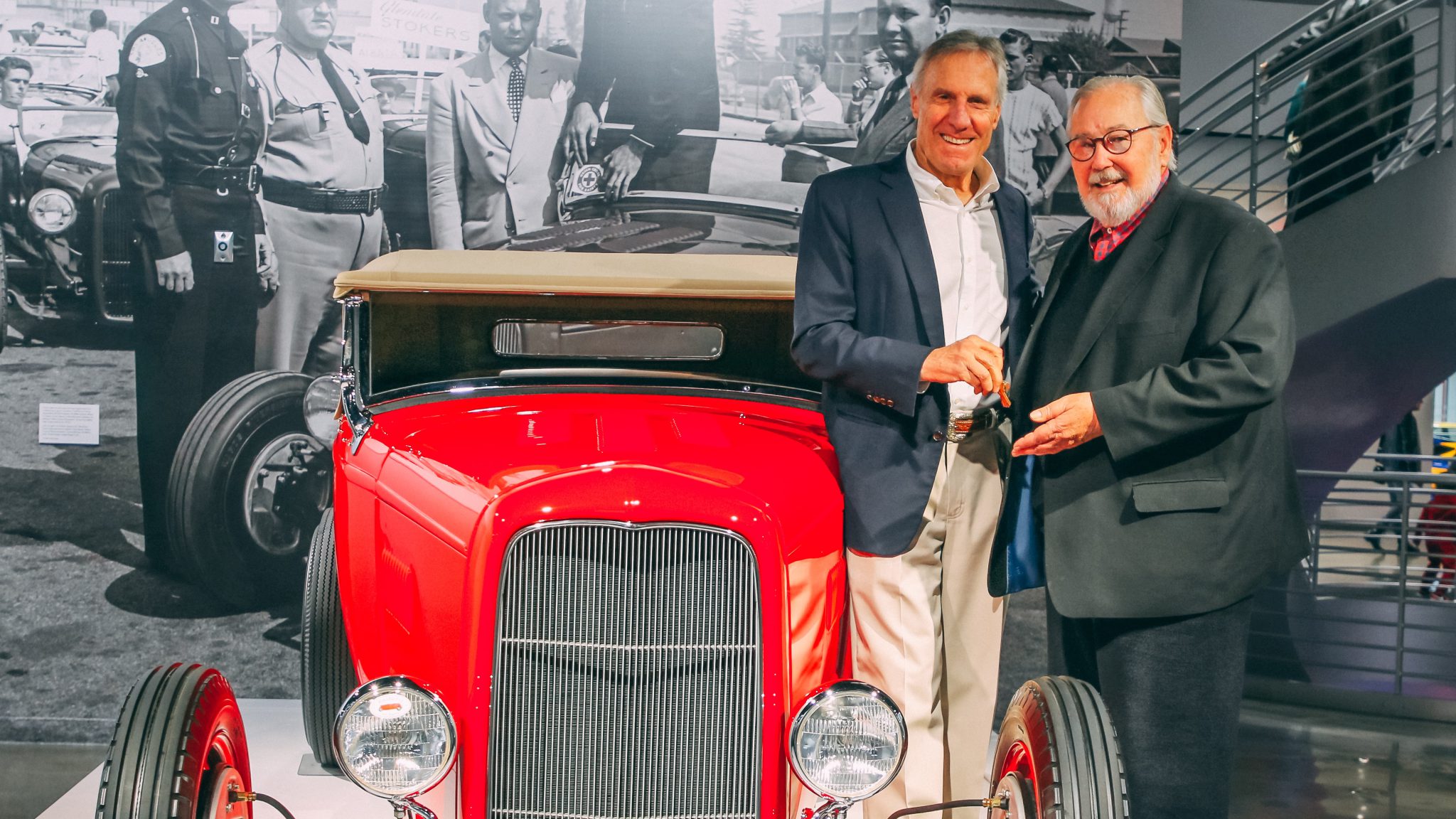
Renowned car collector Bruce Meyer recently handed over the keys to his 1932 Ford “McGee Roadster” to Terry L. Karges, executive director of the Petersen Automotive Museum. Constructed by noted hot-rod builder Bob McGee, the McGee Roadster introduced an aesthetic that quickly became nearly ubiquitous in the roadster community. The popular hot rod will become part of the Petersen’s permanent collection.
Bruce Meyer and Terry L. Karges
The Petersen Automotive Museum and the McGee Roadster share an origin story that stems from Hot Rod Magazine, founded by Robert E. Petersen in 1948. The McGee Roadster’s popularity skyrocketed after appearing on the cover of Hot Rod Magazine, the first street car to do so. Petersen’s subsequent success in publishing allowed him to launch one of the world’s finest automotive museums in 1994.
“Hot rods are vital to the entire automotive industry, and Robert Petersen is the man who really brought hot rodding to the people. This car is an important piece of automotive history, and there is no more worthy destination than the Petersen Automotive Museum,” said Meyer, who is also founding chairman of the Petersen.
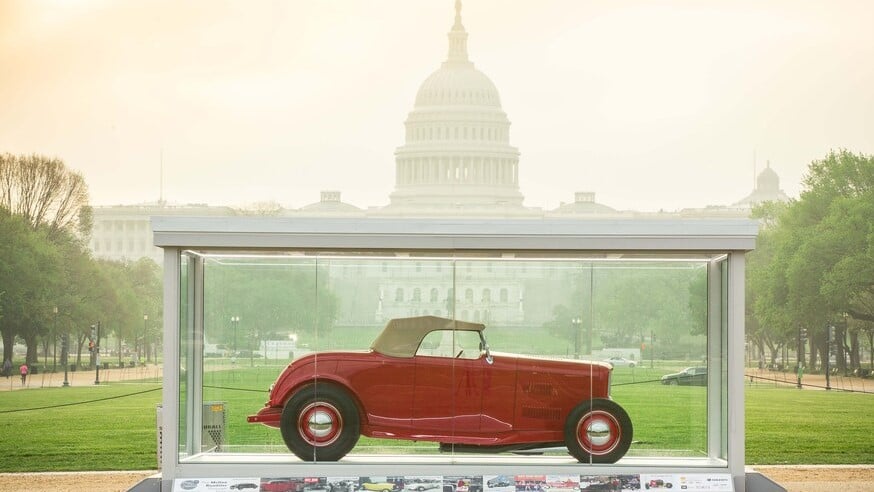
The iconic roadster has raced on the Bonneville salt flats, served as a daily driver and originated many of the design cues synonymous with hot rodding. McGee, who started working on the roadster in 1947, created the signature look with plenty of customization, including lowered suspension, larger Lincoln Zephyr rear wheels, a three-piece louvered hood, peaked and filled grille shell, hidden door hinges and shaved door handles, all painted bright red with a custom interior.
“The McGee Roadster is so much more than just a car. It is the symbol of an entire era and generation of innovative hot rodders,” said Karges. “We are honored by Bruce’s donation and proud to preserve this piece of history.”
In 1956, McGee sold the roadster to Dick Scritchfield, an avid hot rodder and automotive career man. Scritchfield, who had contacts in the film industry, started leasing the car to movie producers and television shows for use in their productions. Repainted by a friend of Scritchfield’s using Candy Apple Red paint and silver metal flake, the roadster also became the first non-experimental metal-flake paint job in the automotive industry. Over the following years, the car underwent many additional modifications before Meyer restored it to its original 1948 configuration in the late 1990s.
The McGee Roadster paved the way for hot rodding’s entrance into mainstream culture. Its appearances in many films and classic television shows, such as “Happy Days,” “Dragnet” and “Fantasy Island,” helped it become an icon for a generation.
It was featured on the U.S. Postal Service’s “Hot Rods Forever” commemorative stamp in 2014; the stamps were designed by Derry Noyes and digitally rendered by graphic artist John Mattos. The car has also been shown and won in its current configuration at the Pebble Beach Concours d’Elegance and the Grand National Roadster Show. On April 12, 2017, the McGee Roadster became the only hot rod added to the National Historic Vehicle Register.
The McGee Roaster is currently on display in the Ross & Beth Myers Gallery at the Petersen Automotive Museum.
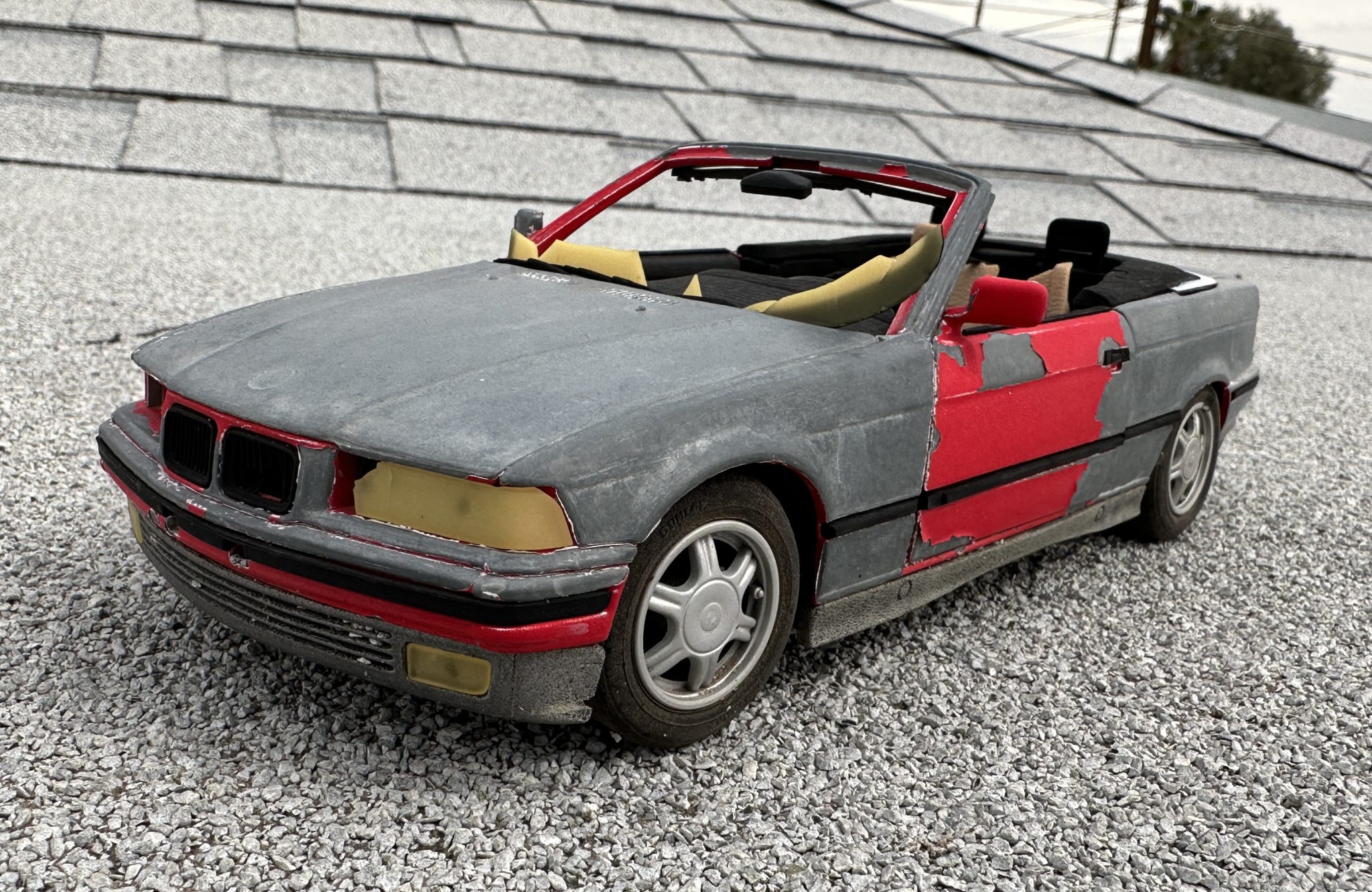
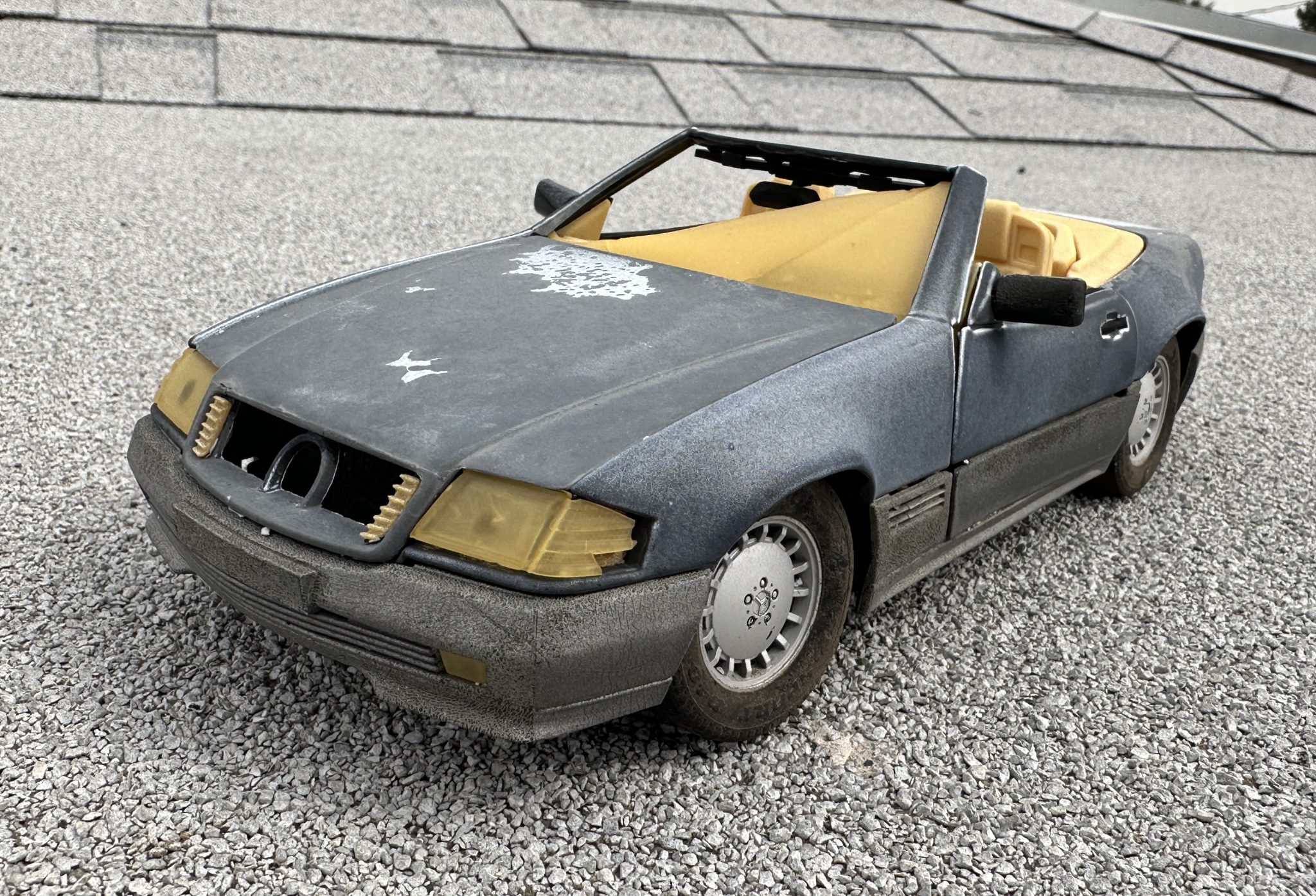
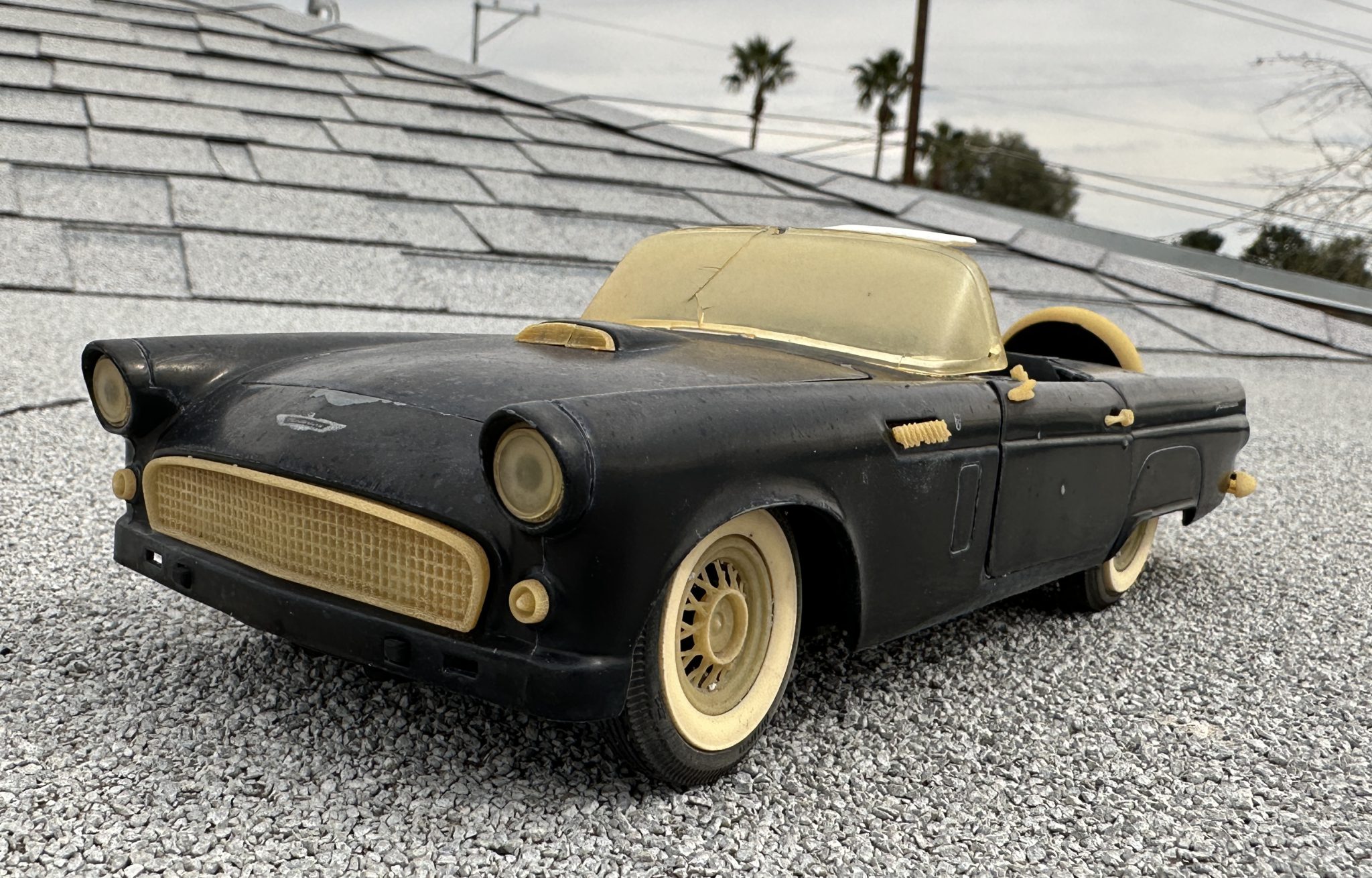
A few years ago, I had some roofing work done on my home. One of the contractors knocked on the front door midway through the project and asked, “Do you know there are toys on your roof?” I chuckled and said, “Yeah, it’s a science experiment.” Those toys were in fact a collection of diecast 1:18 scale model cars that I decided to subject to Arizona’s climate to see how they would fare over a long-term window of time.
This BMW has seen better days.
These days, a well-worn exterior finish is desirable on some vehicles. The weathered look conveys age, experience, and vintage style. Some collector car enthusiasts even go so far as to advance or preserve the look of surface rust on a classic car’s steel body panels. While the look does not appeal to everyone, it’s a unique aesthetic and always makes a good conversation starter at car shows and special events.
Mercedes-Benz 500SL
It must have been around 2010 when I was rummaging through some boxes from my childhood and came across a handful of diecast model cars. I did not have much space to display them, and I had always had a fascination with durability testing. In fact, I used to “drive” my Hot Wheels on a treadmill to simulate the act of really putting miles on a scale model vehicle. With that in mind, I had the idea of seeing how the models would hold up outside.
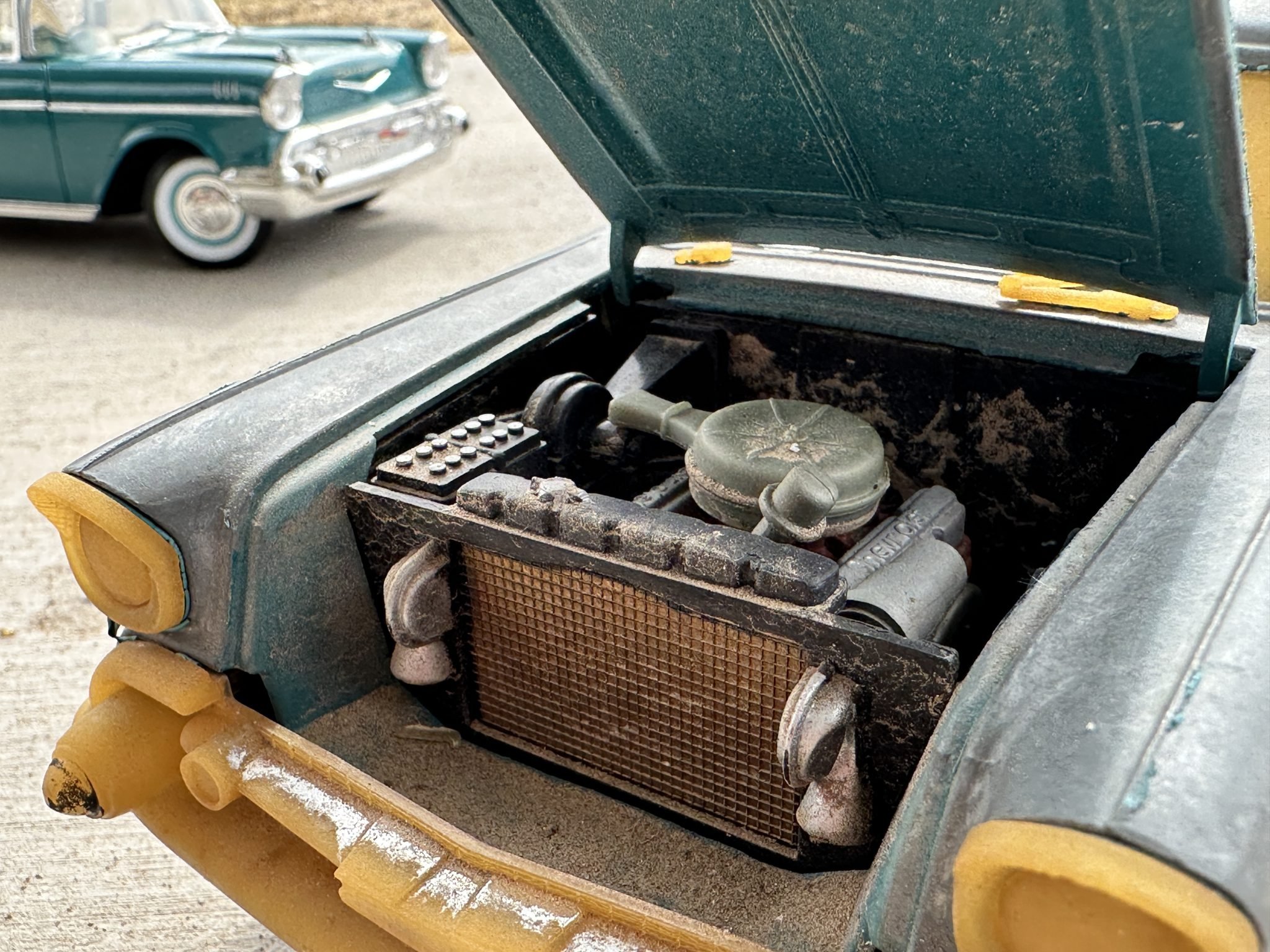
Dusty engine bay
Each vehicle went up on a ladder to be placed around my chimney. About every six months, I’d climb back up to assess how they were doing. Occasionally, a windstorm would blow a door open. At one point, one of the vehicles lost a headlight lens. Another one had an interior that took on a sunbaked look. One of them had a couple of windows crack. The striking thing was how accurate some of the weathering has affected the vehicles: the engine bays are dusty, the interiors are filled with debris, and the whitewall tires have yellowed.
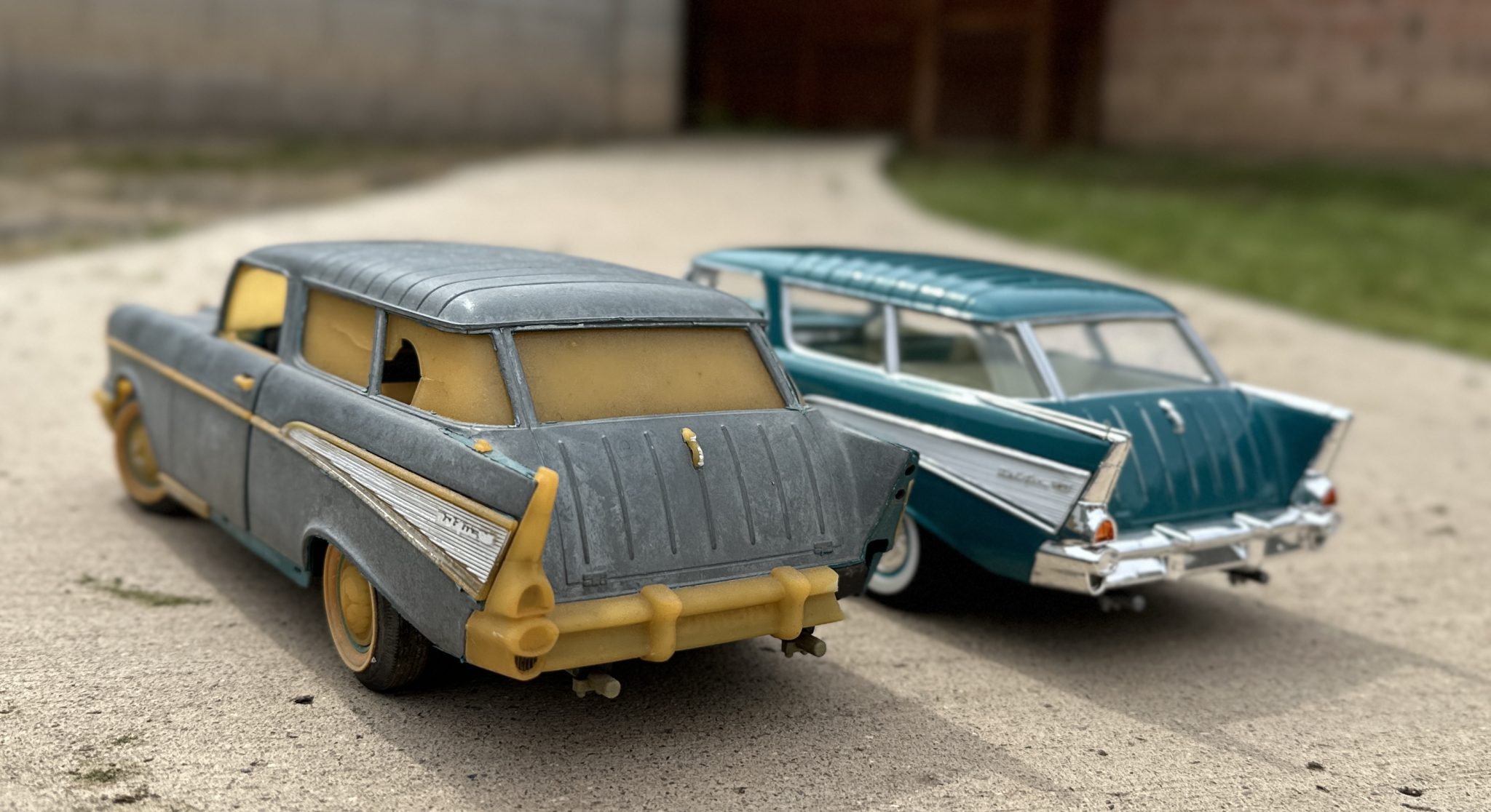
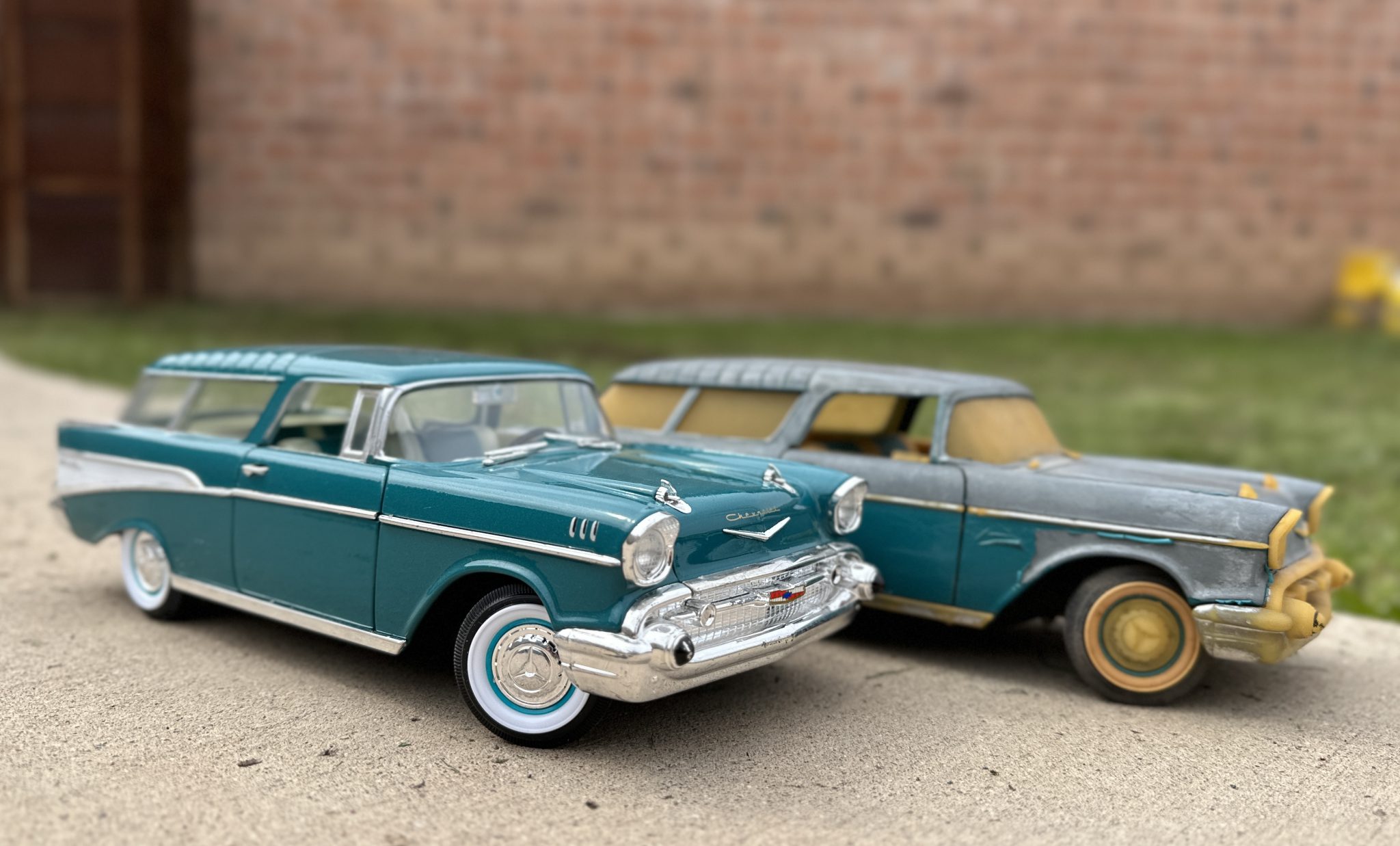
Side by side Nomads
Over the years, I shared occasional updates to my YouTube channel, and I had several people ask if they could purchase the cars to “restore” them. The concept seems sort of intriguing, so I might take someone up on that eventually.
Side by side Nomads
After about a decade in the sun, I decided to purchase a “new” version of one of the vehicles in my durability test. Thankfully, I found the turquoise 1957 Chevrolet Nomad on Ebay from the “Road Tough” brand car and bought it. When placed side by side, the contrast between the old and new models was striking. One of my subscribers suggested I transplant the chrome and “glass” from the new car to the old, to better reflect real-world characteristics.
Congratulations to the Ford Thunderbird!
Miraculously, my Raven Black 1957 Ford Thunderbird still retains most of its original paint. I need to write a letter to the manufacturer to congratulate them on their paint quality and application methods. The other vehicles in my test are a 1994 BMW 325i convertible, a Maserati 3200GT, and a 1989 Mercedes-Benz 500SL.
Any suggestions on what I should do with these cars? Or just let them sit for another decade?
Either way, I’m having just as much fun with toy cars at age 41 as I was at 11.
You can already make payments with your phone, and soon you will be able to do so with your Mercedes-Benz using just a fingerprint for authentication.
Mercedes already has its own Mercedes Pay system that allows users to purchase items or services from the car, but now the automaker has teamed up with Visa to make the process easier and more widely available via the new feature Mercedes Pay+. Instead of having to key in a pin or use a phone, all that’s required for authentication is a fingerprint scan. The payment is then handled via Visa’s new Cloud Token Framework.
Cloud Token Framework is essentially an online payment system where stored authentication data is secured using individual digital tokens that encrypt any sensitive payment information before storing it. This makes payments much easier, for example when using a new service, as you no longer need to enter long card numbers or complex passwords to complete a purchase. It also makes it possible to pair multiple devices with the car, so more than one user can make payments with a fingerprint scan.
Mercedes Pay+ is being rolled out in Europe initially, starting with Mercedes’ home market of Germany in March. Availability in other markets hasn’t been announced.
Models available with fingerprint sensors include the EQS and EQE electric vehicles, as well as the S-Class, GLC-Class, and C-Class.
At present, Mercedes Pay+ can be used to pay for various digital services like improved navigation features or remote connectivity, as well as on-demand vehicle hardware upgrades like rear axle steering with a larger steering angle. Eventually, payments will be expanded to other car-related services, such as fueling, Mercedes said.
You can already make payments with your phone, and soon you will be able to do so with your Mercedes-Benz using just a fingerprint for authentication.
Mercedes already has its own Mercedes Pay system that allows users to purchase items or services from the car, but now the automaker has teamed up with Visa to make the process easier and more widely available via the new feature Mercedes Pay+. Instead of having to key in a pin or use a phone, all that’s required for authentication is a fingerprint scan. The payment is then handled via Visa’s new Cloud Token Framework.
Cloud Token Framework is essentially an online payment system where stored authentication data is secured using individual digital tokens that encrypt any sensitive payment information before storing it. This makes payments much easier, for example when using a new service, as you no longer need to enter long card numbers or complex passwords to complete a purchase. It also makes it possible to pair multiple devices with the car, so more than one user can make payments with a fingerprint scan.
Mercedes Pay+ is being rolled out in Europe initially, starting with Mercedes’ home market of Germany in March. Availability in other markets hasn’t been announced.
Models available with fingerprint sensors include the EQS and EQE electric vehicles, as well as the S-Class, GLC-Class, and C-Class.
At present, Mercedes Pay+ can be used to pay for various digital services like improved navigation features or remote connectivity, as well as on-demand vehicle hardware upgrades like rear axle steering with a larger steering angle. Eventually, payments will be expanded to other car-related services, such as fueling, Mercedes said.
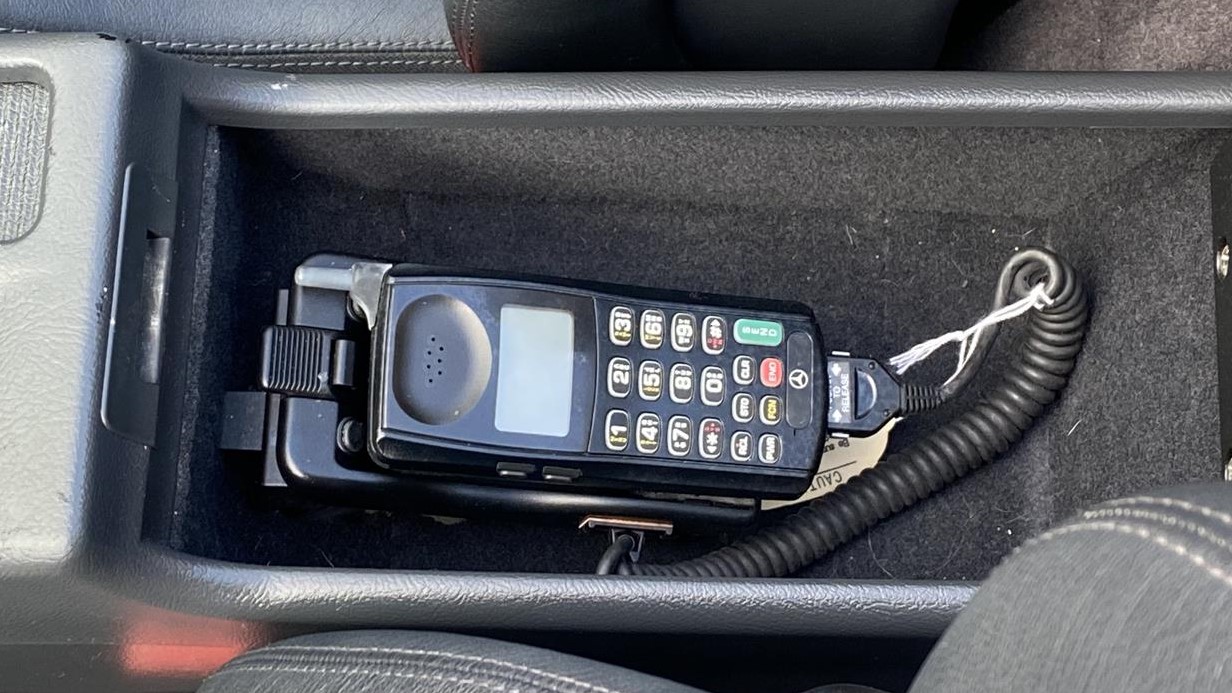
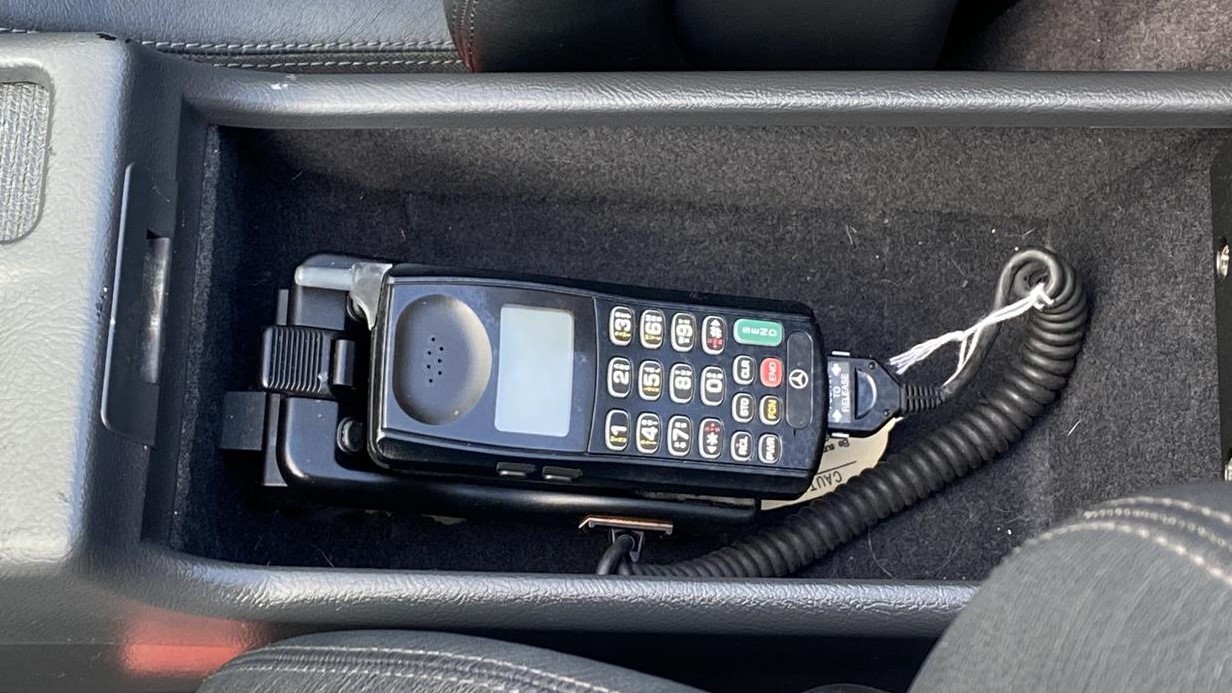
It’s hard to believe, but the first mobile telephone system designed for an automobile was introduced in 1946 in St. Louis, Missouri using the Bell System. The setup weighed 80 pounds and offered just three channels upon which to communicate. This early technology was later overtaken by analog cellular service in 1984. Every so often, a classic car comes along that features a mobile phone.
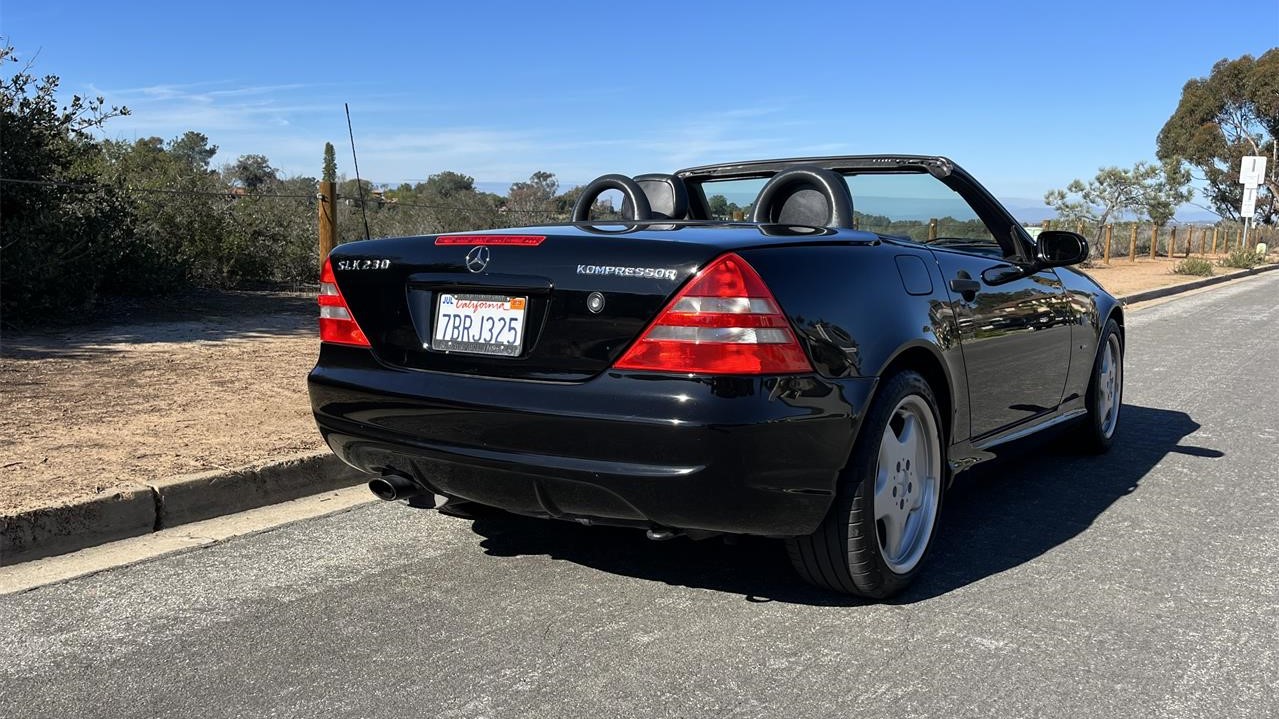
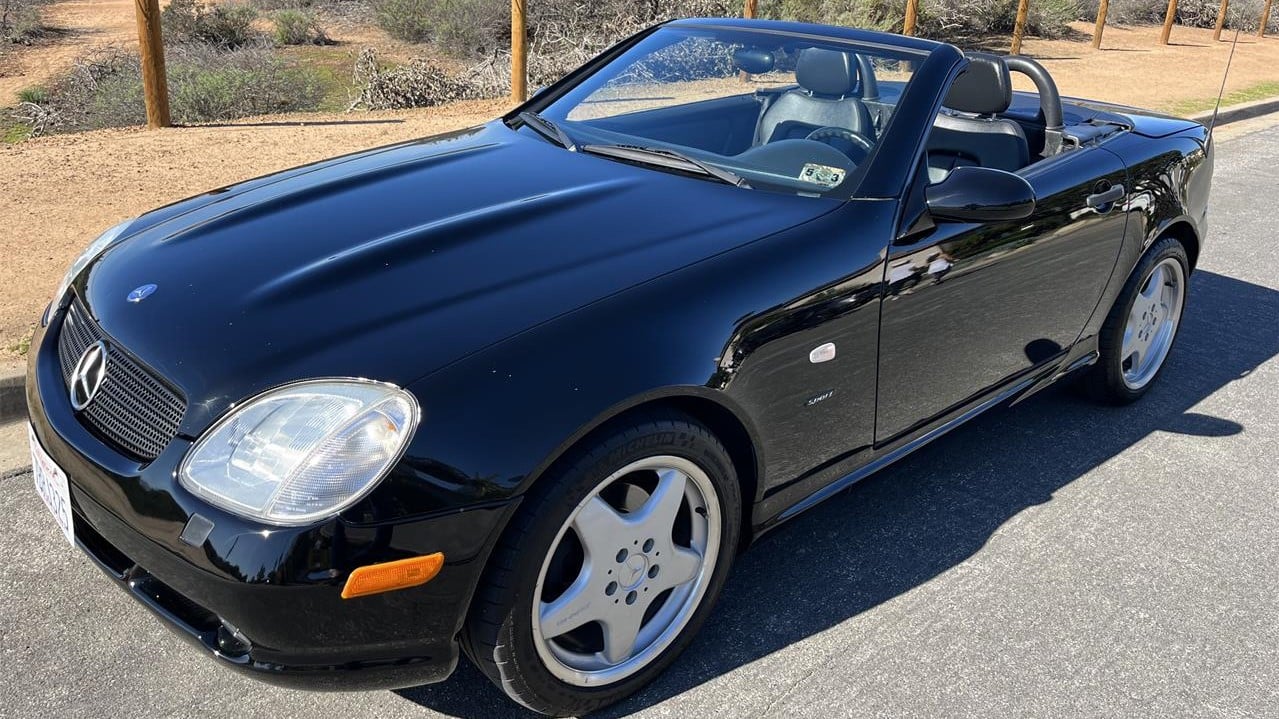
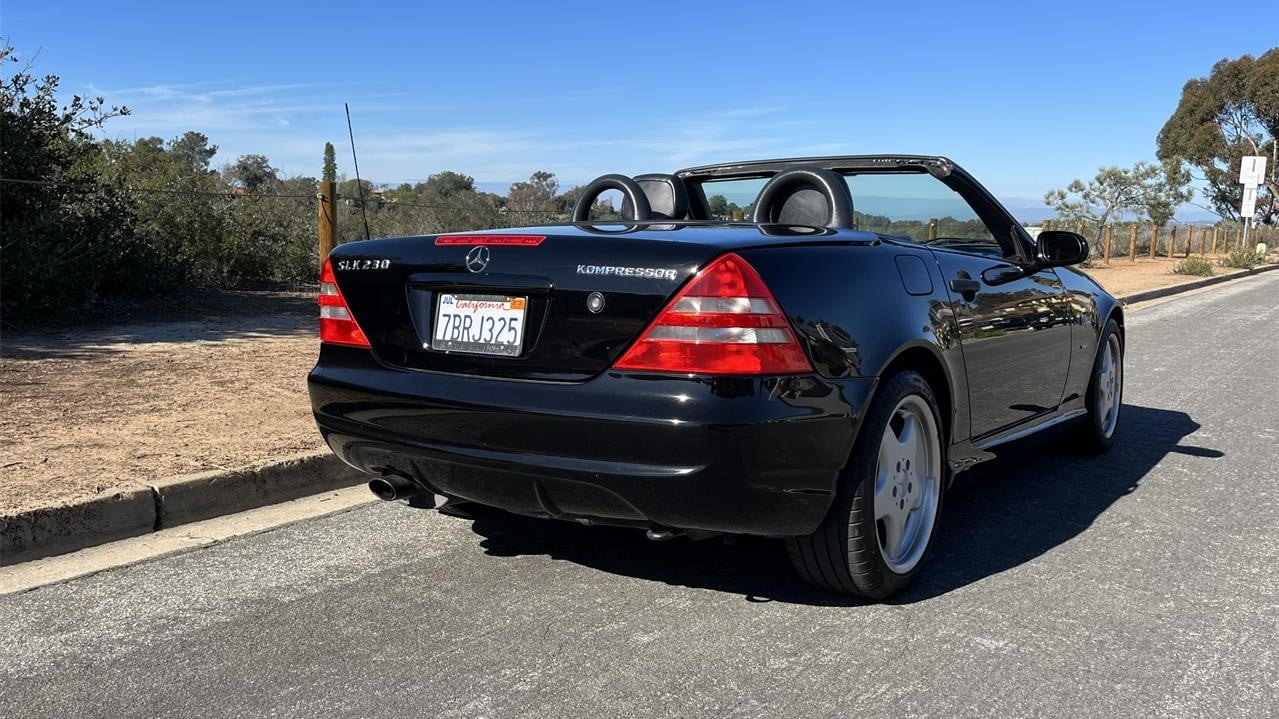
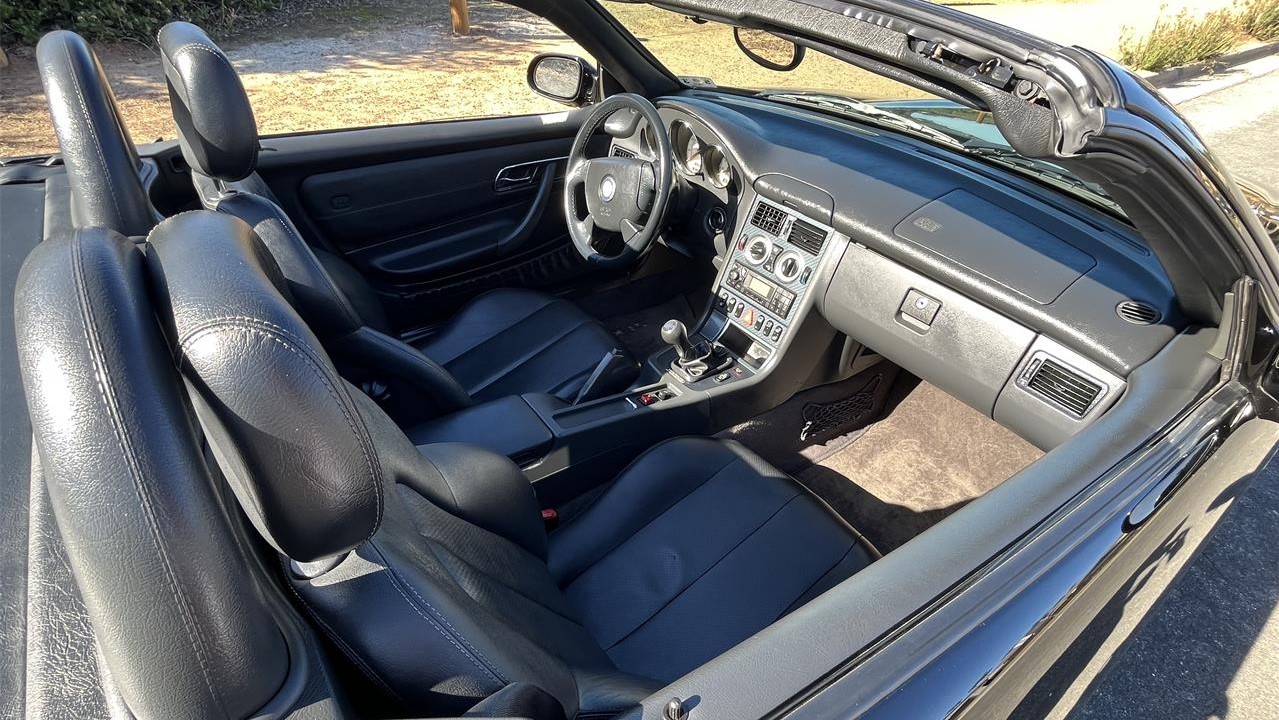
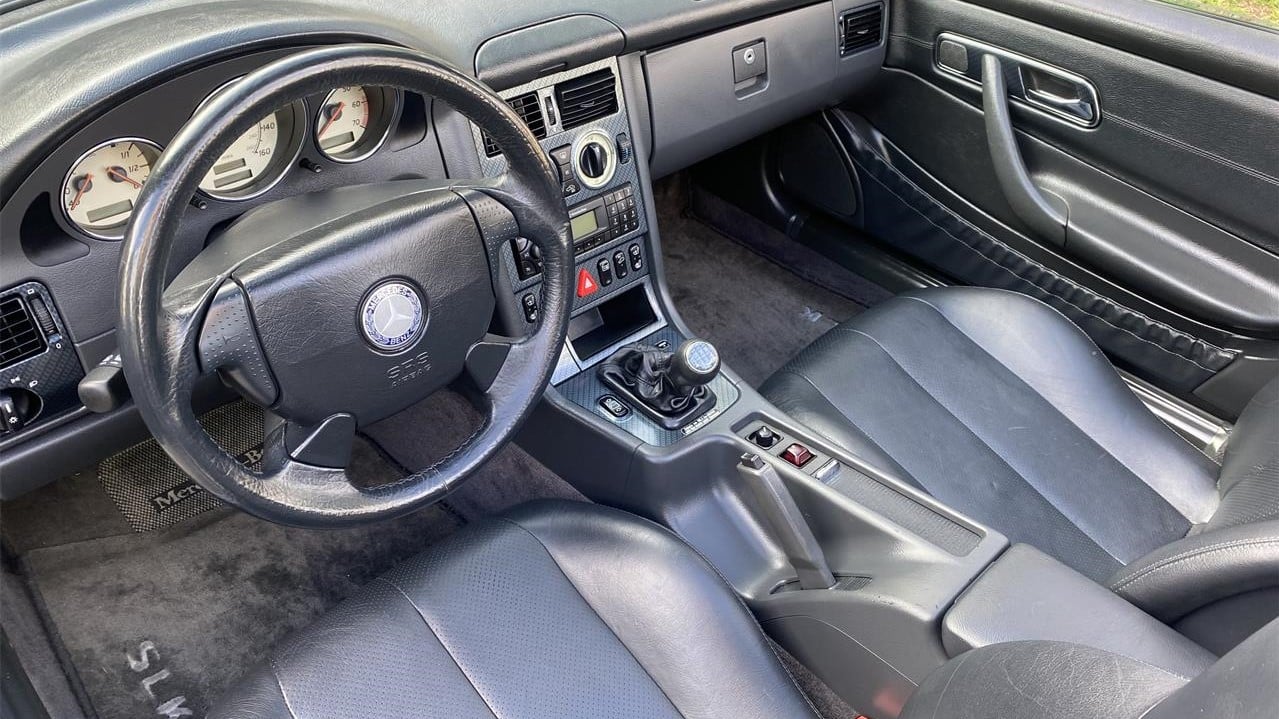
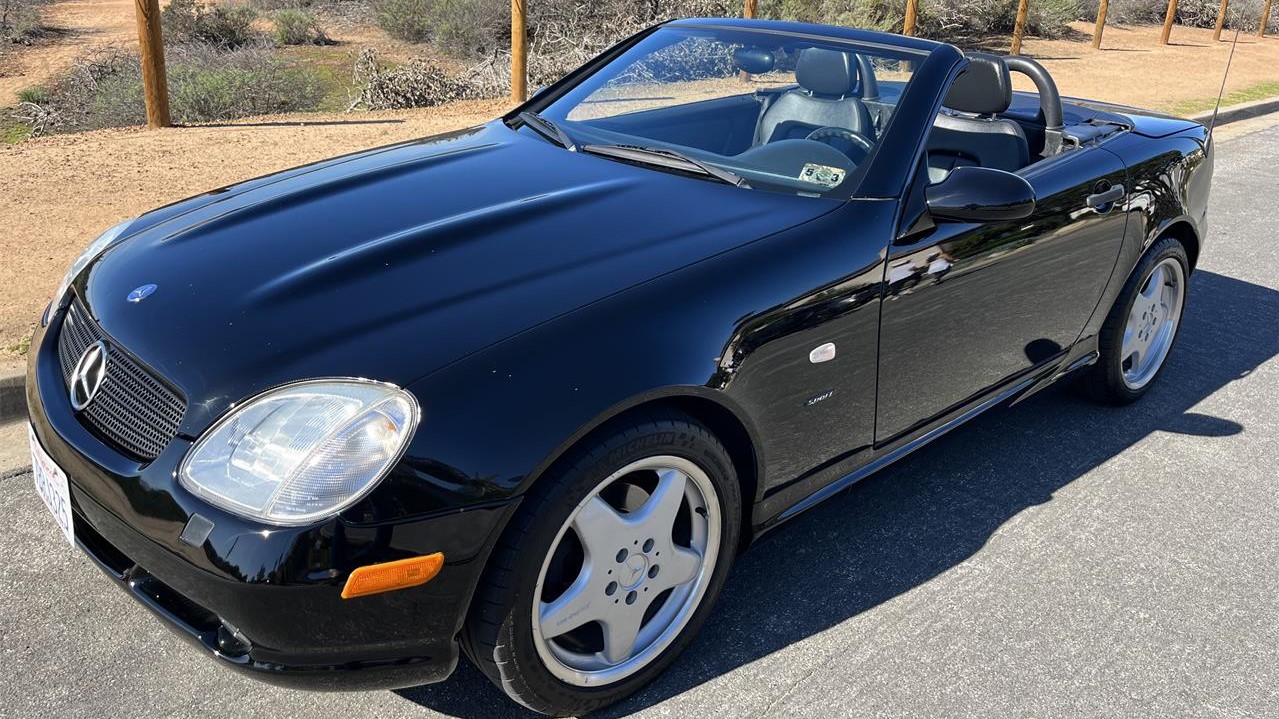
“Super well-maintained, smooth-driving Mercedes-Benz SLK Kompressor. Low mileage, no rust, garage-kept, cream puff. A rare turn-key ready beauty,” the listing states.
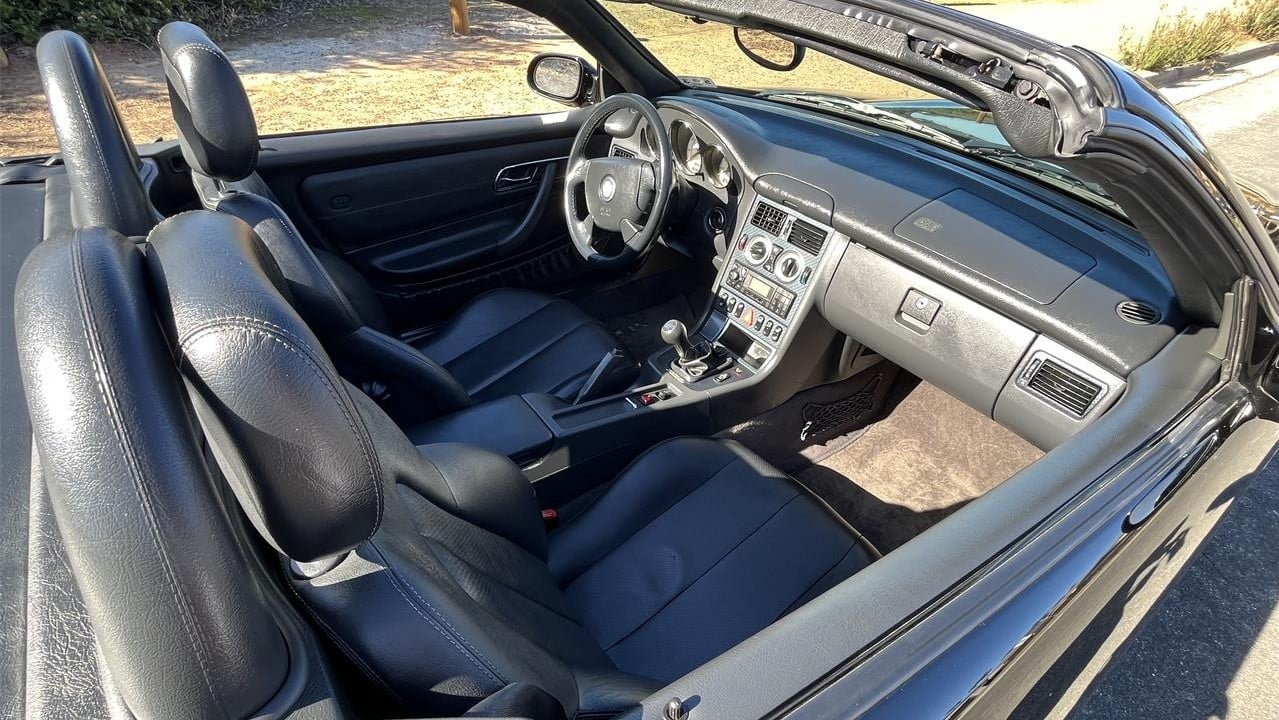
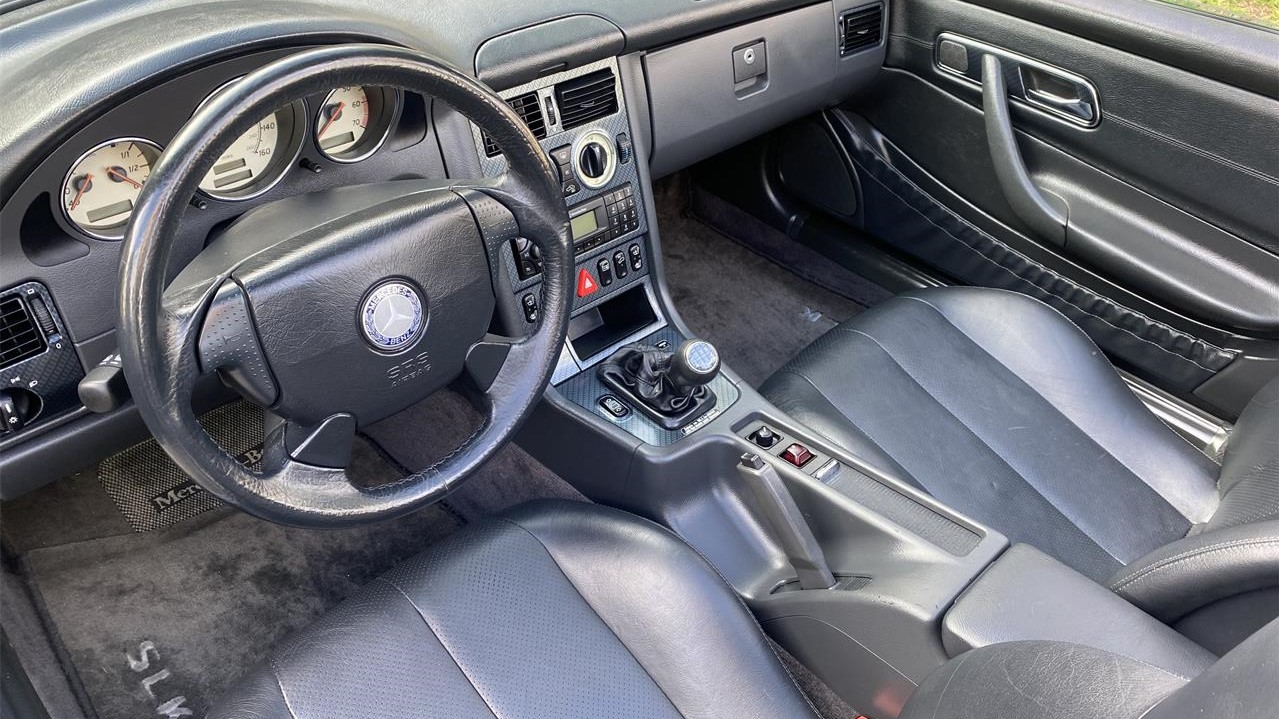
Showing just 62,300 miles on the odometer, it’s hard to believe this roadster is 24 years old. The seller itemizes the car’s equipment into a long list. Included are lots of upgrades including a one-touch power-retractable hardtop, a leather-wrapped steering wheel, a Sports package, heated and power-adjustable seating, dual-zone automatic climate control, a Bose audio system, and of course, that mobile phone hidden inside the center armrest.
The SLK-Class originally launched as a compact executive roadster for model year 1996 on the R170 platform. It offered seating for two and used what Mercedes called a “Vario-roof” retractable hardtop which takes about 25 seconds to deploy or retract at the touch of a button.
The drivetrain is one of the things that makes this example so unique: the Getrag-produced five-speed manual transmission seems to be a rare and sought after find in the collector community. Power comes from a supercharged 2.3-liter inline-four that puts out 194 horsepower and 207 lb-ft of torque. This car is also outfitted with AMG treatment in the form of special 17-inch wheels, accented by body-colored side skirts and a chrome tailpipe. The seller states that the Michelin Pilot Super Sport tires are new.
As far as that phone goes: the analog cell phone system became overtaken in 2008 by more modern “hands-free” systems that used a Bluetooth or wireless link to connect to a network. These days, an analog car phone is more of a conversation piece or novelty than anything else. If I could pair my cell phone with a traditional-looking car phone, I would totally do it just to look like a 1990s executive.
The seller is asking $12,450 or best offer for this SLK, which includes a Mercedes-branded car cover.
It’s hard to believe, but the first mobile telephone system designed for an automobile was introduced in 1946 in St. Louis, Missouri using the Bell System. The setup weighed 80 pounds and offered just three channels upon which to communicate. This early technology was later overtaken by analog cellular service in 1984. Every so often, a classic car comes along that features a mobile phone.
“Super well-maintained, smooth-driving Mercedes-Benz SLK Kompressor. Low mileage, no rust, garage-kept, cream puff. A rare turn-key ready beauty,” the listing states.
Showing just 62,300 miles on the odometer, it’s hard to believe this roadster is 24 years old. The seller itemizes the car’s equipment into a long list. Included are lots of upgrades including a one-touch power-retractable hardtop, a leather-wrapped steering wheel, a Sports package, heated and power-adjustable seating, dual-zone automatic climate control, a Bose audio system, and of course, that mobile phone hidden inside the center armrest.
The SLK-Class originally launched as a compact executive roadster for model year 1996 on the R170 platform. It offered seating for two and used what Mercedes called a “Vario-roof” retractable hardtop which takes about 25 seconds to deploy or retract at the touch of a button.
The drivetrain is one of the things that makes this example so unique: the Getrag-produced five-speed manual transmission seems to be a rare and sought after find in the collector community. Power comes from a supercharged 2.3-liter inline-four that puts out 194 horsepower and 207 lb-ft of torque. This car is also outfitted with AMG treatment in the form of special 17-inch wheels, accented by body-colored side skirts and a chrome tailpipe. The seller states that the Michelin Pilot Super Sport tires are new.
As far as that phone goes: the analog cell phone system became overtaken in 2008 by more modern “hands-free” systems that used a Bluetooth or wireless link to connect to a network. These days, an analog car phone is more of a conversation piece or novelty than anything else. If I could pair my cell phone with a traditional-looking car phone, I would totally do it just to look like a 1990s executive.
The seller is asking $12,450 or best offer for this SLK, which includes a Mercedes-branded car cover.
March 8th is recognized as International Women’s Day around the world. We take this day to honor women’s accomplishments and contributions to society while also bringing attention to the issues and disparity women continue to face. We at the ClassicCars.com Journal want to recognize and remember the women who have been (and continue to be) part of the automotive world. Women have been pioneers, inventors, drivers and executives in transportation innovation throughout history. Here are some women and their accomplishments.
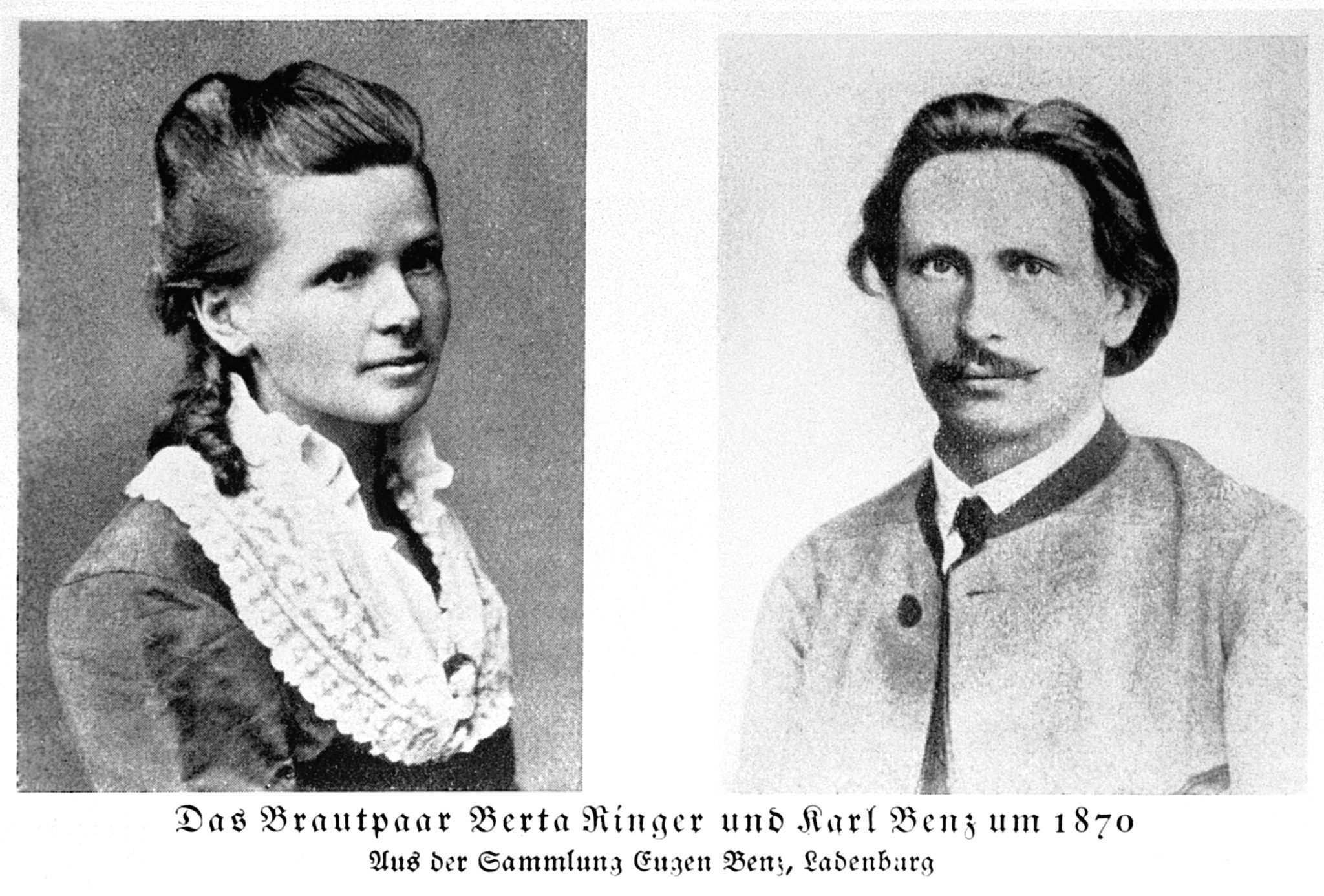
Bertha Benz
Bertha Karl Benz in 1870. (Image courtesy Daimler Chrysler AG)
Not only was Bertha the wife of Karl Benz, but she also played an essential role in the early development of the automobile. In 1888, she made the first long-distance automotive excursion (or, as we say today, “road trip”) by driving 65 miles in her husband’s Benz Patent-Motorwagen vehicle with her two teenage sons.
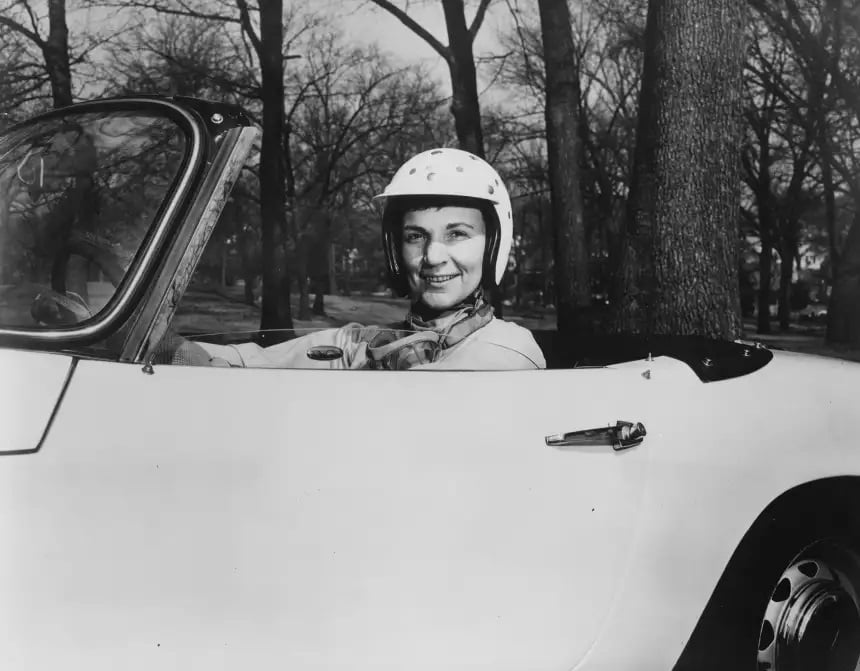
Denise McCluggage
Denise McCluggage (Image courtesy of Road and Track magazine)
A trailblazing journalist and race car driver in the 1950s and 1960s, Denise participated in sports car and rally competitions, and became the first female winner of a significant sports car race. She began racing after meeting Briggs Cunningham, builder of the first American cars in Le Mans. She also worked as a journalist for various outlets and helped launch the magazine which would become AutoWeek.
Lyn St. James
Lyn St. James at the 2000 Indy 500 qualifier. (Image courtesy of Lyn St. James)
Lyn is a former race car driver who participated in the Indianapolis 500 seven times. She was voted Rookie of the Year in 1992 and became the second woman to qualify for the race. She has been a role model for many women aspiring to become race car drivers, breaking barriers and challenging the stereotypes of women in the sport. In 2022 she was inducted into the Automotive Hall of Fame.
Mary Barra
Mary Barra (Image courtesy of Mary Barra)
In 2014 Mary became CEO of General Motors, making her the first woman to run a major multinational automaker. She has been a part of GM since 1980 and has served in various executive capacities with the company.
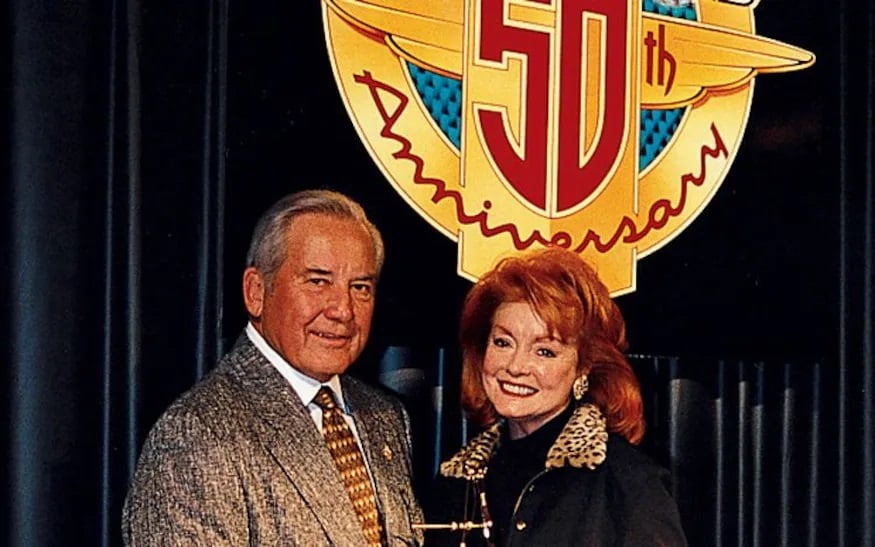
Margie Petersen
Margie Petersen and her husband. (Image courtesy of Motor Trend magazine)
To honor her late husband, publisher Robert E. Petersen, Margie founded the Petersen Automotive Museum in Los Angeles. It houses more than 300 vintage and collector cars in its collection. Her museum has become a vacation destination for many and has helped create a space that celebrates and preserves automotive history.
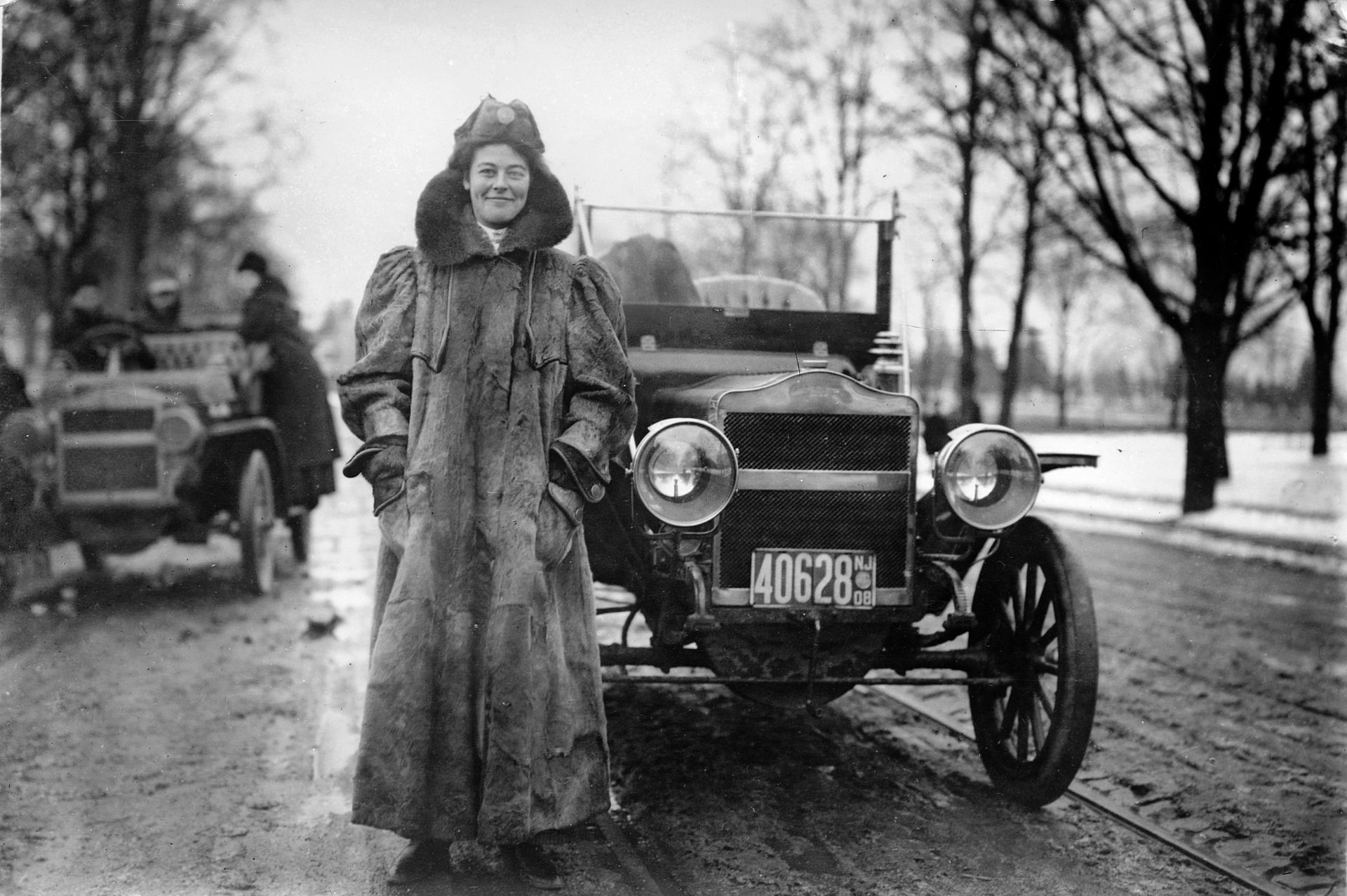
Alice Ramsey
Alice Ramsey standing beside her car. (Image courtesy of Library of Congress)
Alice has a few claims to fame in the automotive world: she was the first woman to drive coast-to-coast in 1909, as well as the first woman to be inaugurated into the Automotive Hall of Fame in 2000. Coast-to-coast at that time meant 150 or so miles of the 3,600 driven was on pavement. She went on to complete this journey 30 more times.
Dorothee Pullinger
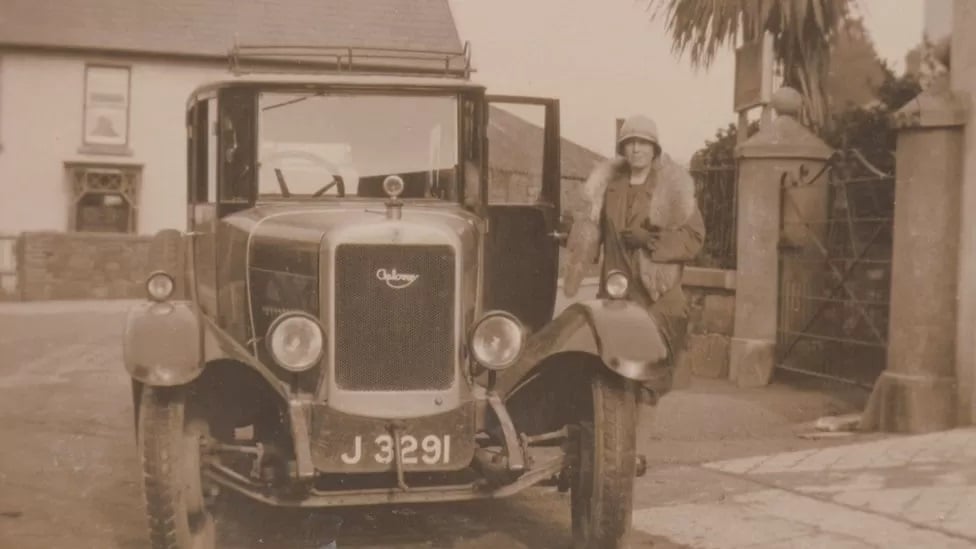
Dorothee pictured with a Galloway car. (Image courtesy of BBC)
The daughter of the early auto designer Thomas Pullinger, Dorothee was interested in engineering her whole life. In 1910, she joined her father at Arrol-Johnston, the oldest and largest Scottish car manufacturer at that time. After WWI, she became the director of Galloway Motors Ltd. and helped produce the Galloway car for Arrol-Johnston, which was the first car designed especially for women. Dorothee was also an enthusiastic racer and won the cup in the Scottish Six Day Car Trials in 1924. The only Galloway car available for publish view in the UK is on display at the Riverside Museum in Glasgow.
The above women are but a few examples of the role models for upcoming generations of women automotive professionals. Their contributions to the automotive industry have been significant, and we celebrate them on this International Women’s Day. We must continue to recognize the accomplishments of women and advocate for gender equality in all industries. Together, we can create a more equitable and just world for all.
During the Future Collector Car Show at Barrett-Jackson Scottsdale, The ClassicCars.com Journal’s very own Tyson Hugie met up with the AutoHunter Cinema team to do a deep dive on this 1999 Acura NSX Zanardi Edition. This edition was a lightweight version of the NSX produced only for 1999 and limited to 51 examples. The car was inspired by Alex Zanardi, a racer who won back-to-back championships in the CART open wheel series driving Honda-powered machines. All Zanardi Editions were finished in Formula Red and featured a fixed roof which, along with lightweight BBS wheels, and lighter spoiler battery, single-pane rear window, and unassisted rack-and-pinion steering, contributed to a weight savings of 149 pounds.