Today’s AutoHunter Cinema feature is a 2005 Chevrolet SSR. The SSR featured unique retro styling was famously inspired by Chevrolet’s late 1940s Advance Design trucks. Every SSR came equipped with a power-retractable hardtop and a color-matched tonneau cover that made it stand out even more than the retro styling. This particular SSR is finished in black over black and powered by a Whipple-supercharged 6.0-liter LS2 V8 engine paired with a four-speed automatic transmission, plus limited-slip differential. The stock LS2 SSR was rated at 390 horsepower, capable of giving the SSR 0-60 performance of 5.29 seconds, so you can imagine how quick a supercharged SSR could go.
Today’s AutoHunter Cinema feature is a 2005 Chevrolet SSR. The SSR featured unique retro styling was famously inspired by Chevrolet’s late 1940s Advance Design trucks. Every SSR came equipped with a power-retractable hardtop and a color-matched tonneau cover that made it stand out even more than the retro styling. This particular SSR is finished in black over black and powered by a Whipple-supercharged 6.0-liter LS2 V8 engine paired with a four-speed automatic transmission, plus limited-slip differential. The stock LS2 SSR was rated at 390 horsepower, capable of giving the SSR 0-60 performance of 5.29 seconds, so you can imagine how quick a supercharged SSR could go.
The Easter Jeep Safari is an annual celebration of the past and future of the Jeep brand. Each year, Jeep presents a series of concepts that explore new ideas for possible new model variants, new aftermarket parts, and what can be done with existing aftermarket parts.
Early Thursday, Jeep presented its seven concept vehicles for 2023, including five that explore the brand’s past and future and two more that show off ideas inspired by the wide array of Jeep Performance Parts. All of the concepts are drivable and some of Jeep’s ideas could see production. They’ll be shown off at the 2023 Easter Jeep Safari taking place in Moab, Utah, from April 1-9. Here’s a breakdown of each.
Jeep Wrangler Rubicon 4xe Concept
Jeep Wrangler Rubicon 4xe Concept
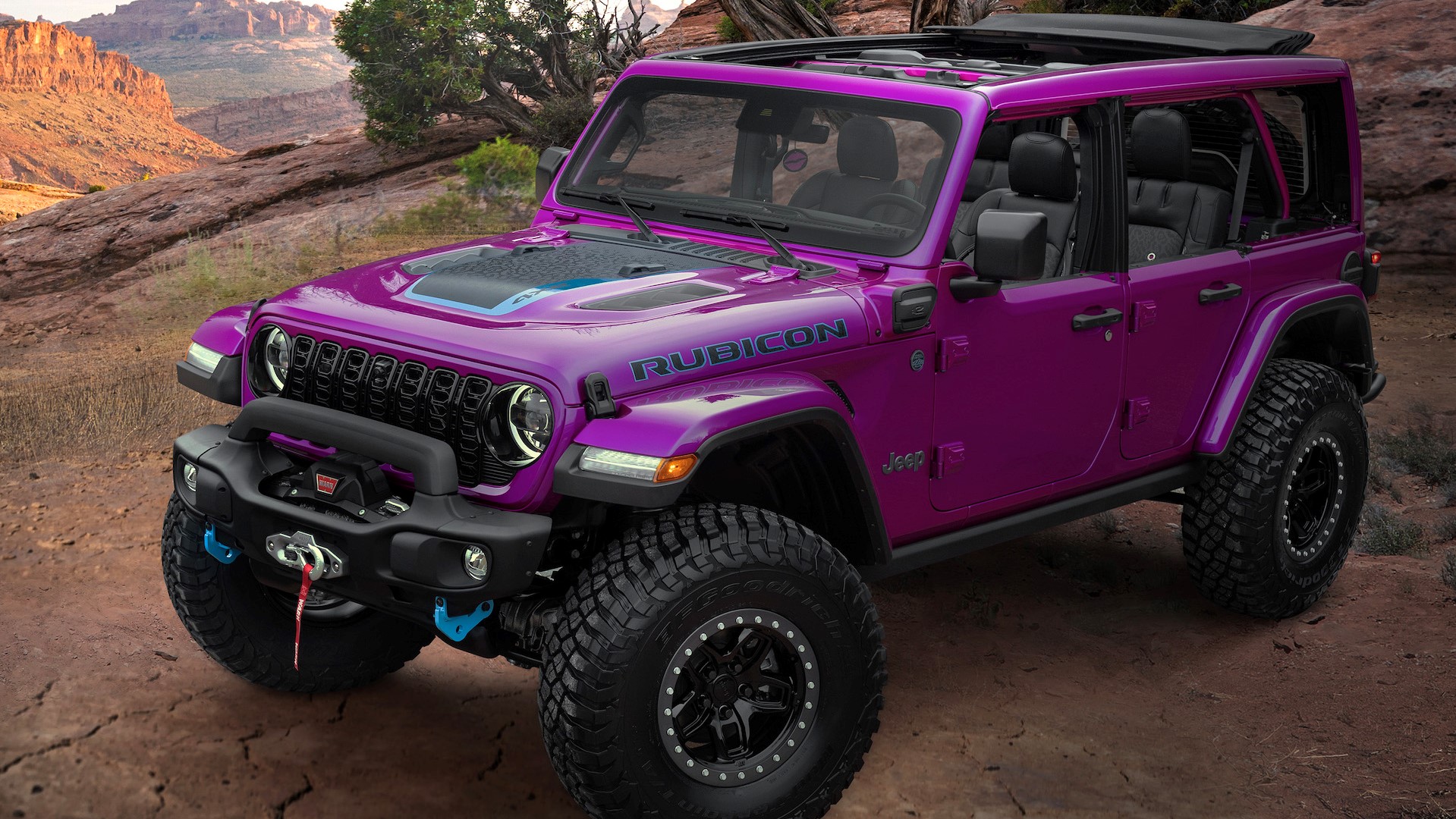
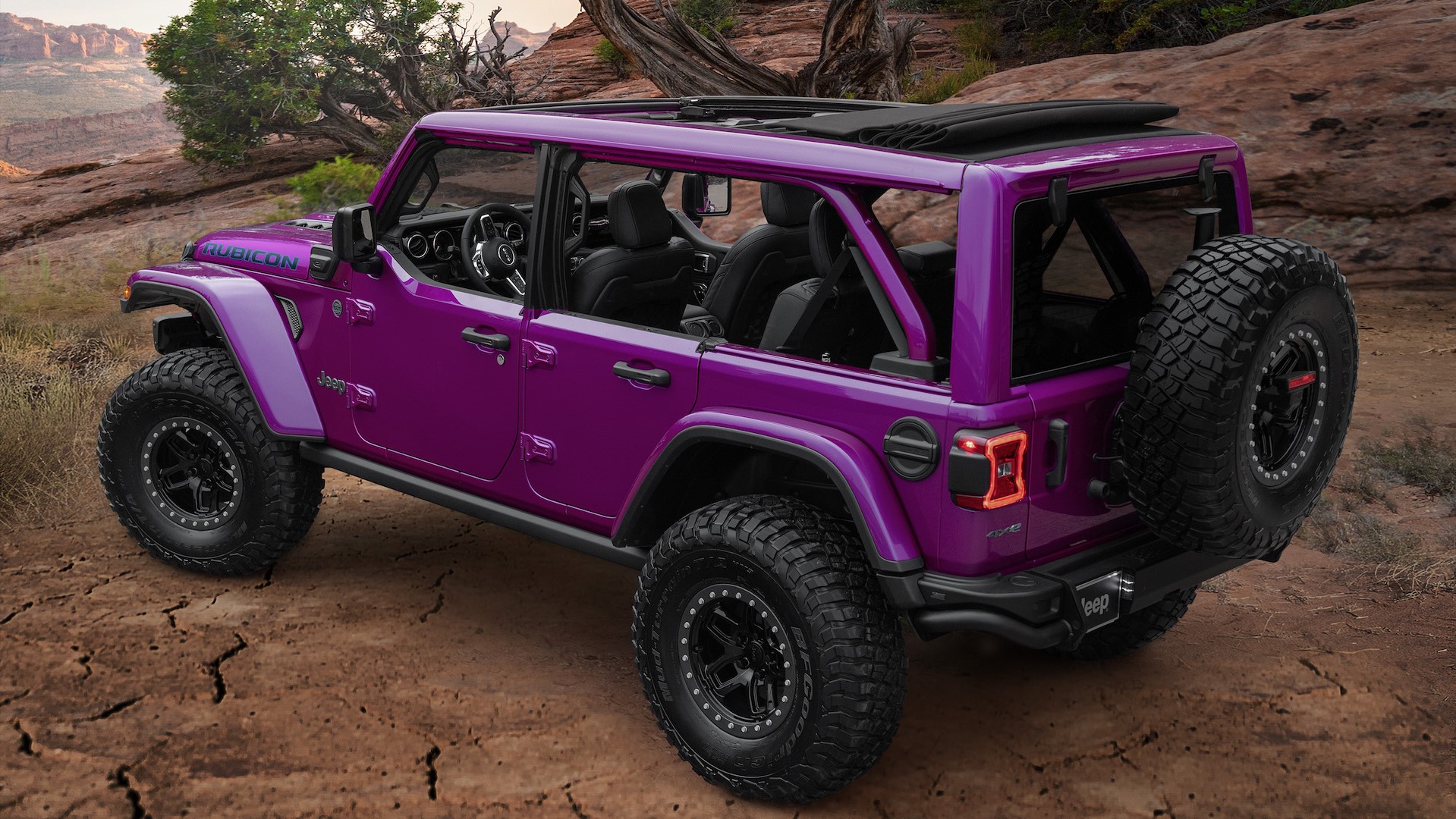
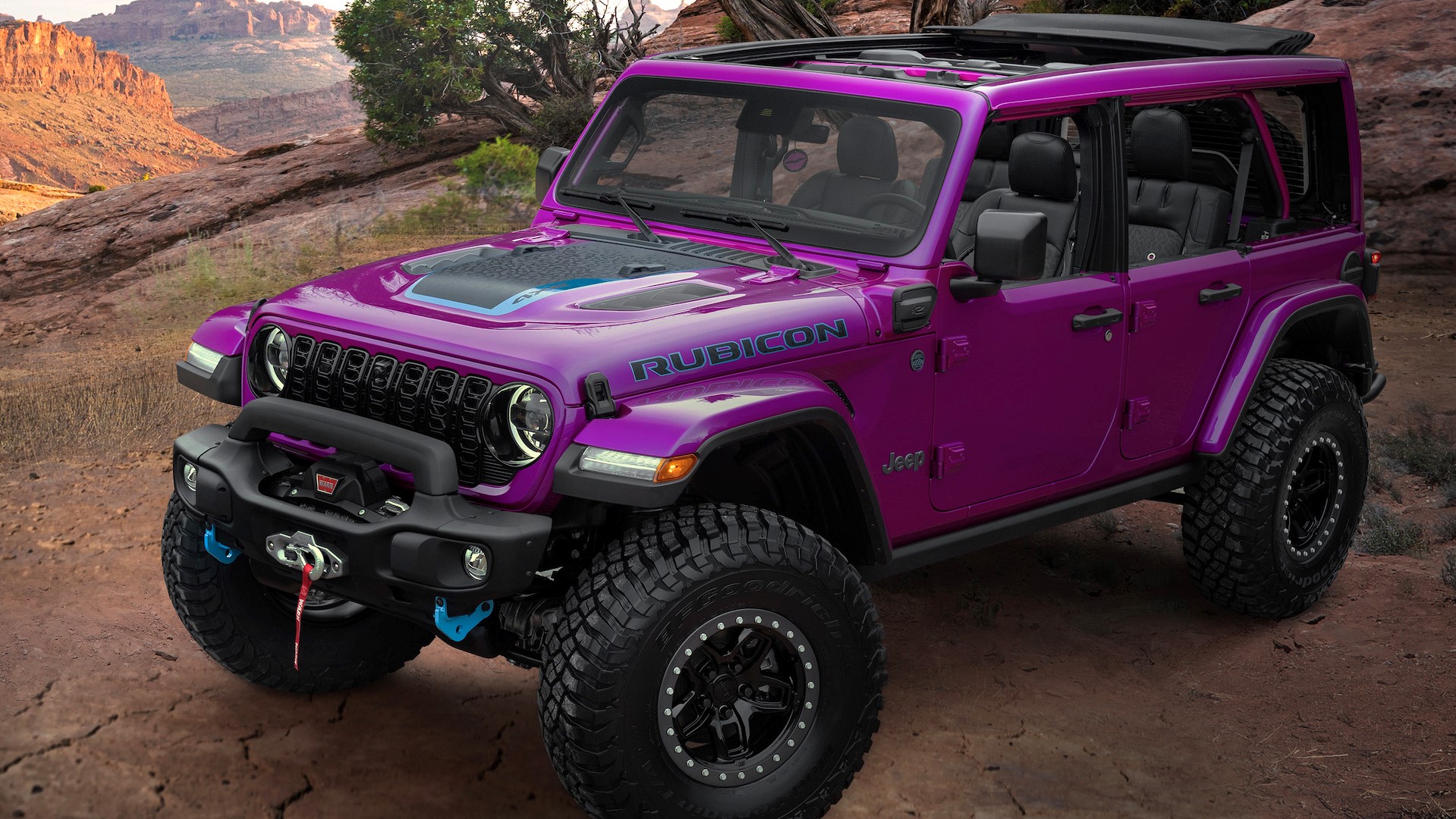
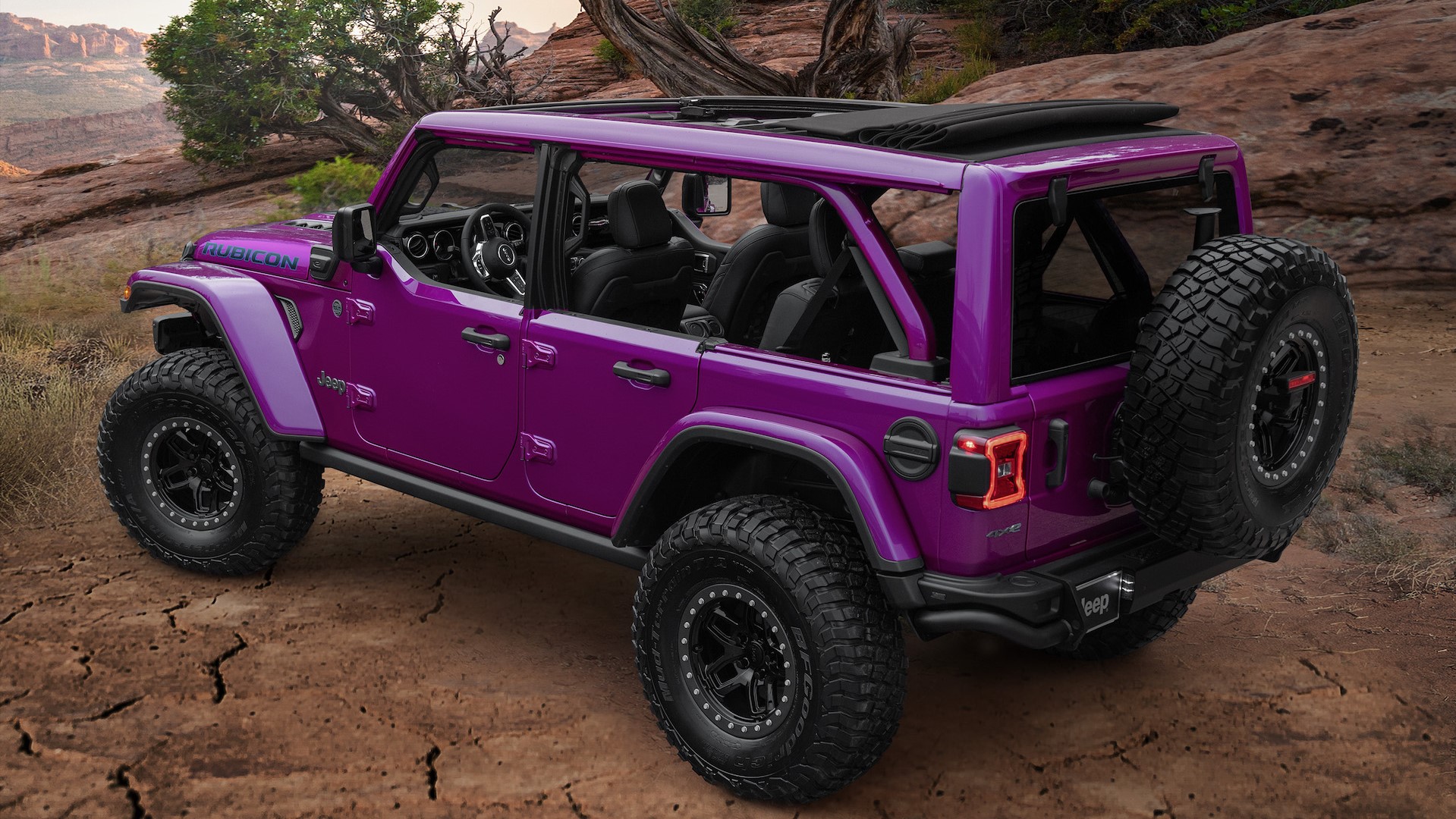
This concept is a serious off-roader with flair. It features a new as-yet unnamed magenta color that’s a follow-up to the Tuscadero pink Jeep introduced a few years ago. Jeep says it’s more intense and looks purple indoors and bright pink in the sun. It’s offset by gloss-black accents. The custom interior has a fur-lined glovebox because why not.
The off-roading features include 37-inch BFG mud terrain tires on AEV beadlock wheels, an AccuAir suspension (available for the Wrangler and Gladiator) that can raise the ground clearance between 1.5 and 5.5 inches, AEV bumpers and spare tire carrier, and a Warn Zeon winch. Half doors and a power top are also used for greater access to the outdoors.
Jeep Wrangler Magneto 3.0 Concept
Jeep Wrangler Magneto 3.0 Concept
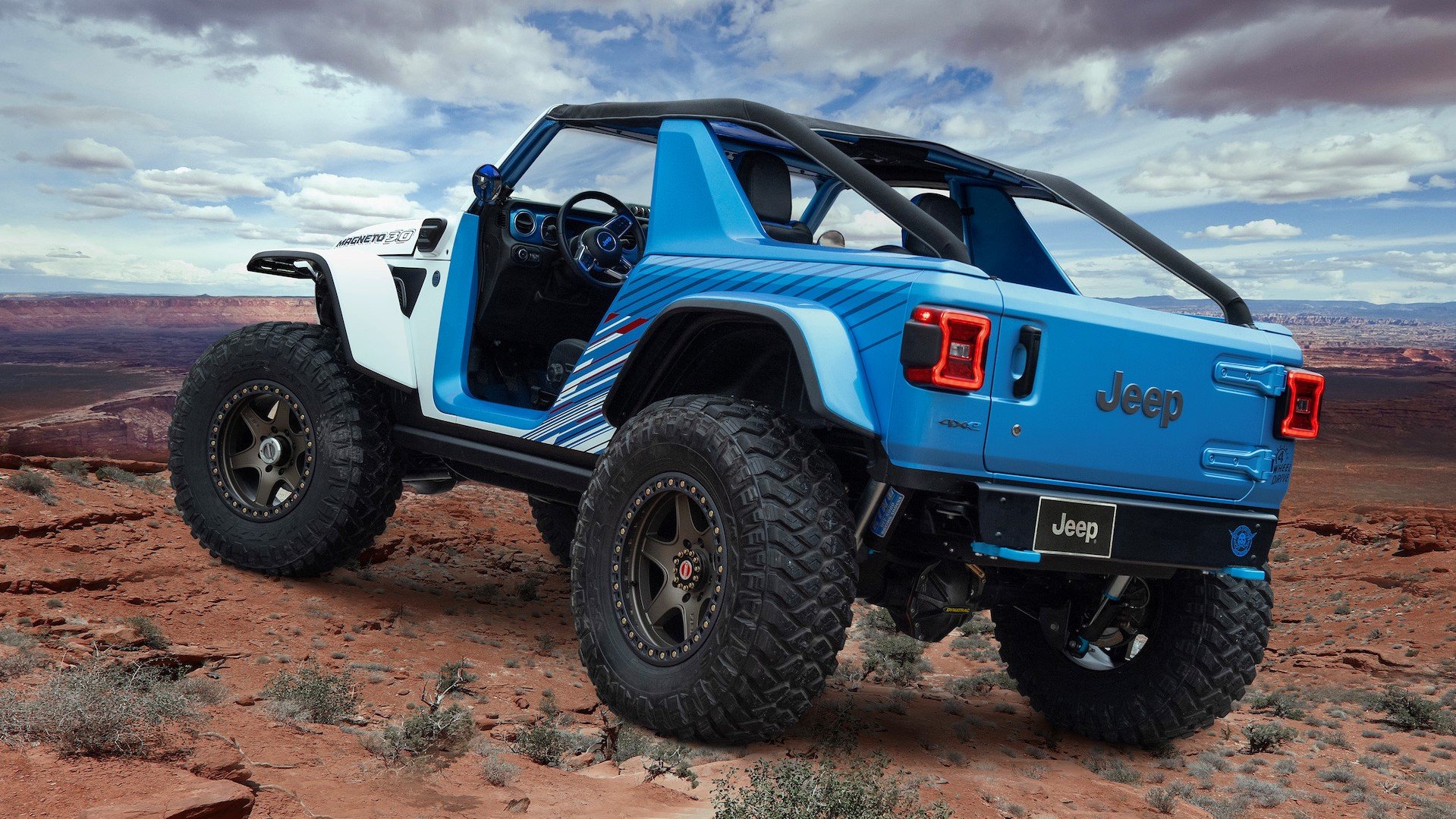
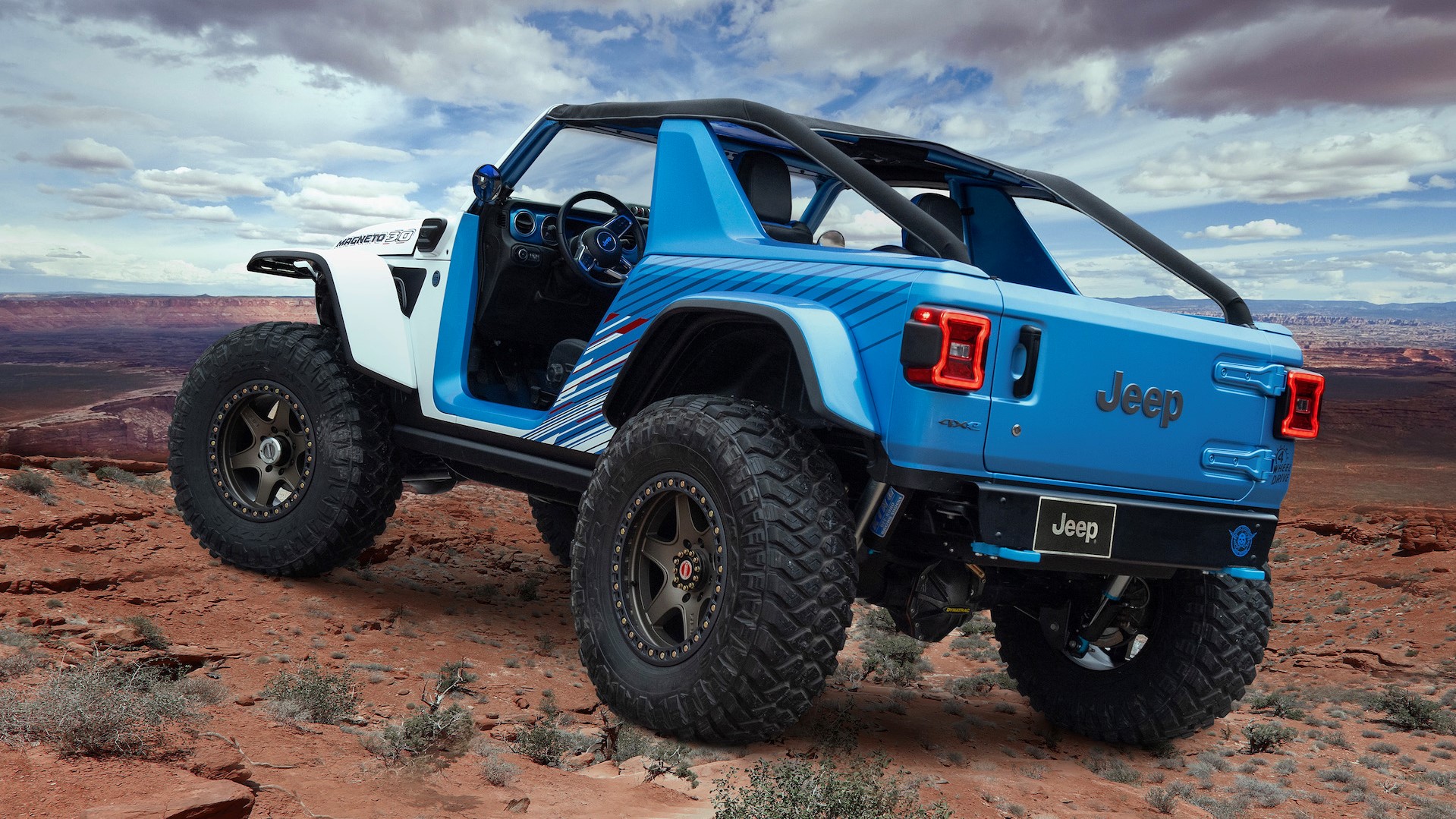
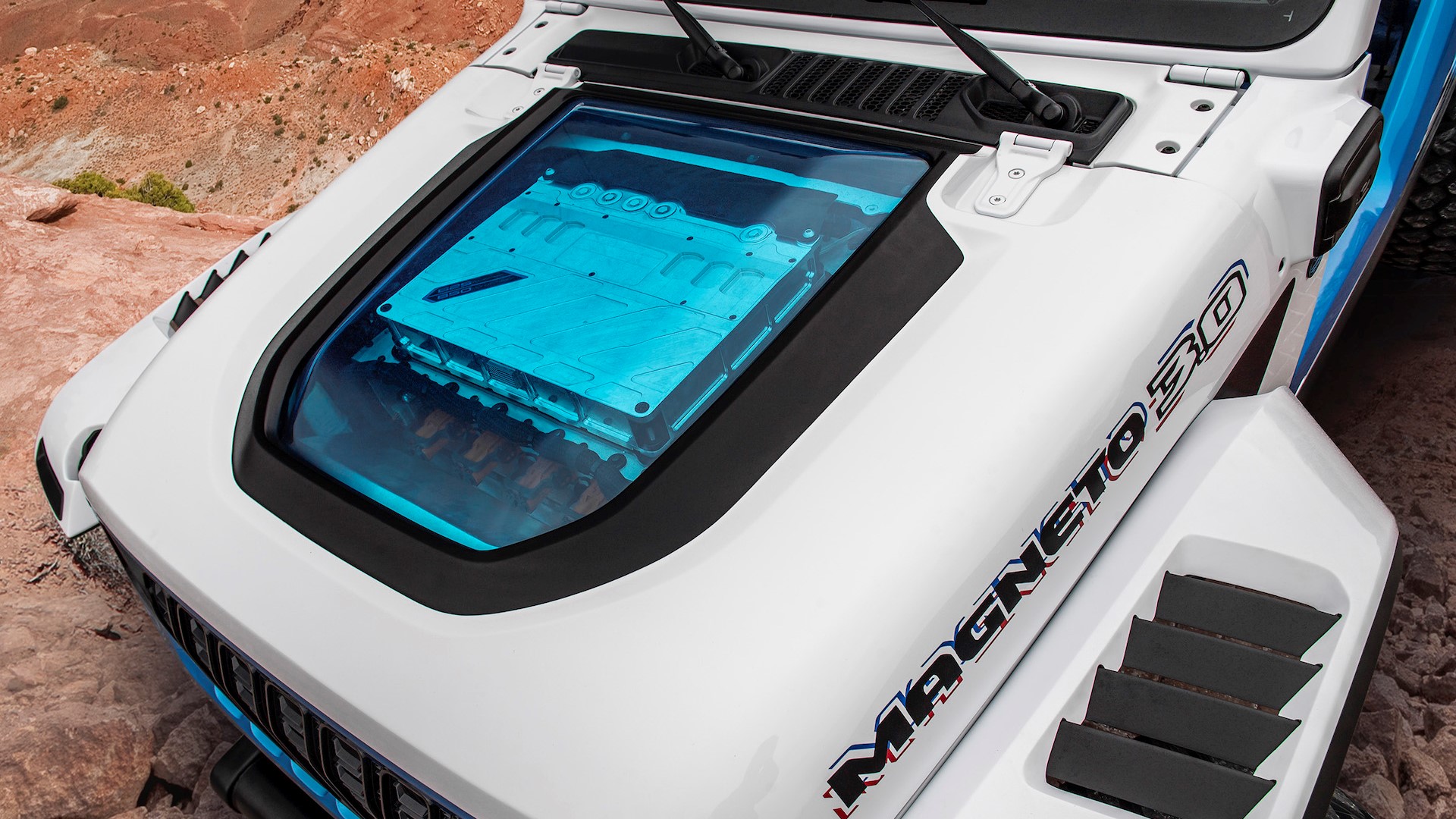
This marks the third iteration of a battery electric Wrangler, thus the name. Jeep calls it a laboratory on wheels. Magneto first appeared in 2021, and each year Jeep has upped the power. Magneto 3.0 features a more efficient axial flux motor that produces 285 hp in its standard mode (the same as the V-6 it originally replaced in 2021) and 650 hp in a “full beans” mode. Torque increases from a max of 273 lb-ft in 2021 to 850 lb-ft last year to 900 lb-ft this year. Magneto 3.0 keeps a 6-speed manual transmission from the Hellcat Challenger, though it has been beefed up to handle the torque of the upgraded electric motor. It all rides on beefy front and rear axles, which are Dynatrac ProRock 60 and ProRock 80 units, respectively.
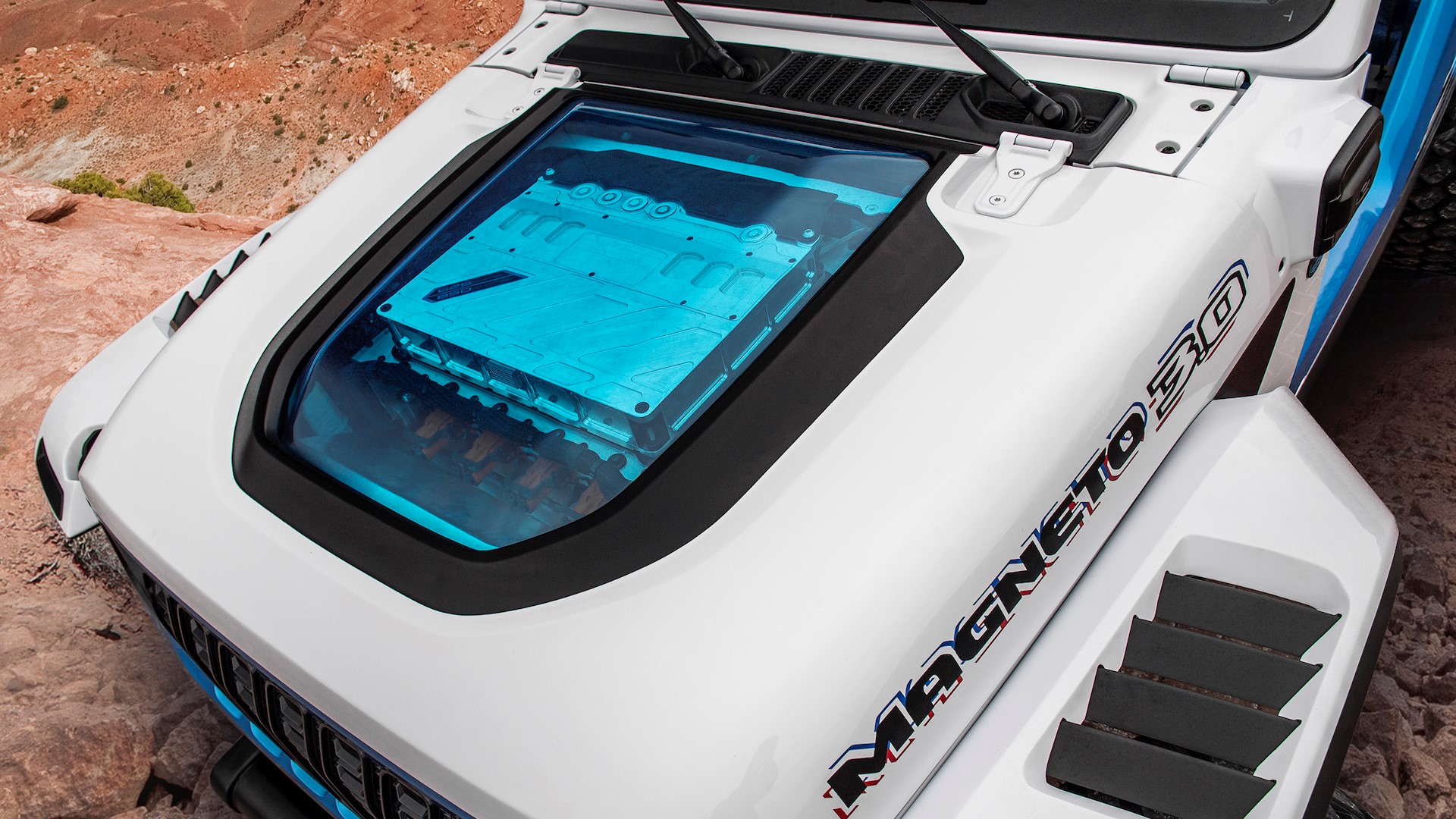
Sitting up front where the engine would be, the motor shows under a clear cover on the hood. Batteries are scattered throughout the Wrangler platform, and Jeep says the concept has 20% more range and energy this year, though range isn’t the point of the concept. The vehicle also has a selectable regen switch and offers a one-pedal setting that acts like 4WD Lo and allows for more precise control when driving off-road.
The 40-inch tires on 20-inch wheels would certainly hinder range but improve off-road capability. The body also has some modifications this year. The two-door’s door openings have been pushed back 6.0 inches for easier exit and entry, the B-pillars were moved back 2.4 inches to fit a custom roll bar, the front fenders were extended 2.0 inches rearward, and the windshield was laid back 12 degrees for a chopped look.
Jeep says this is the last version of Magneto.
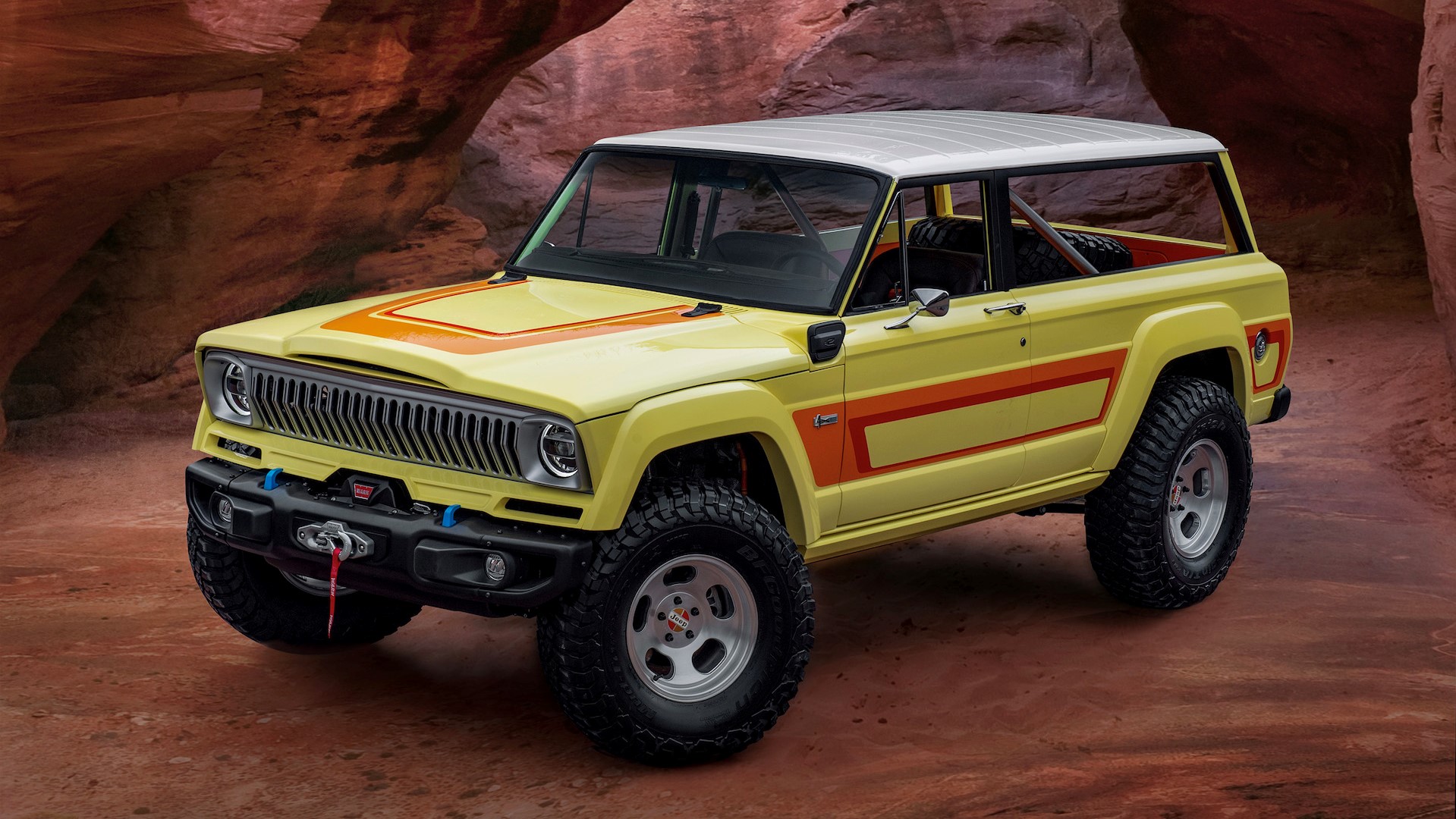
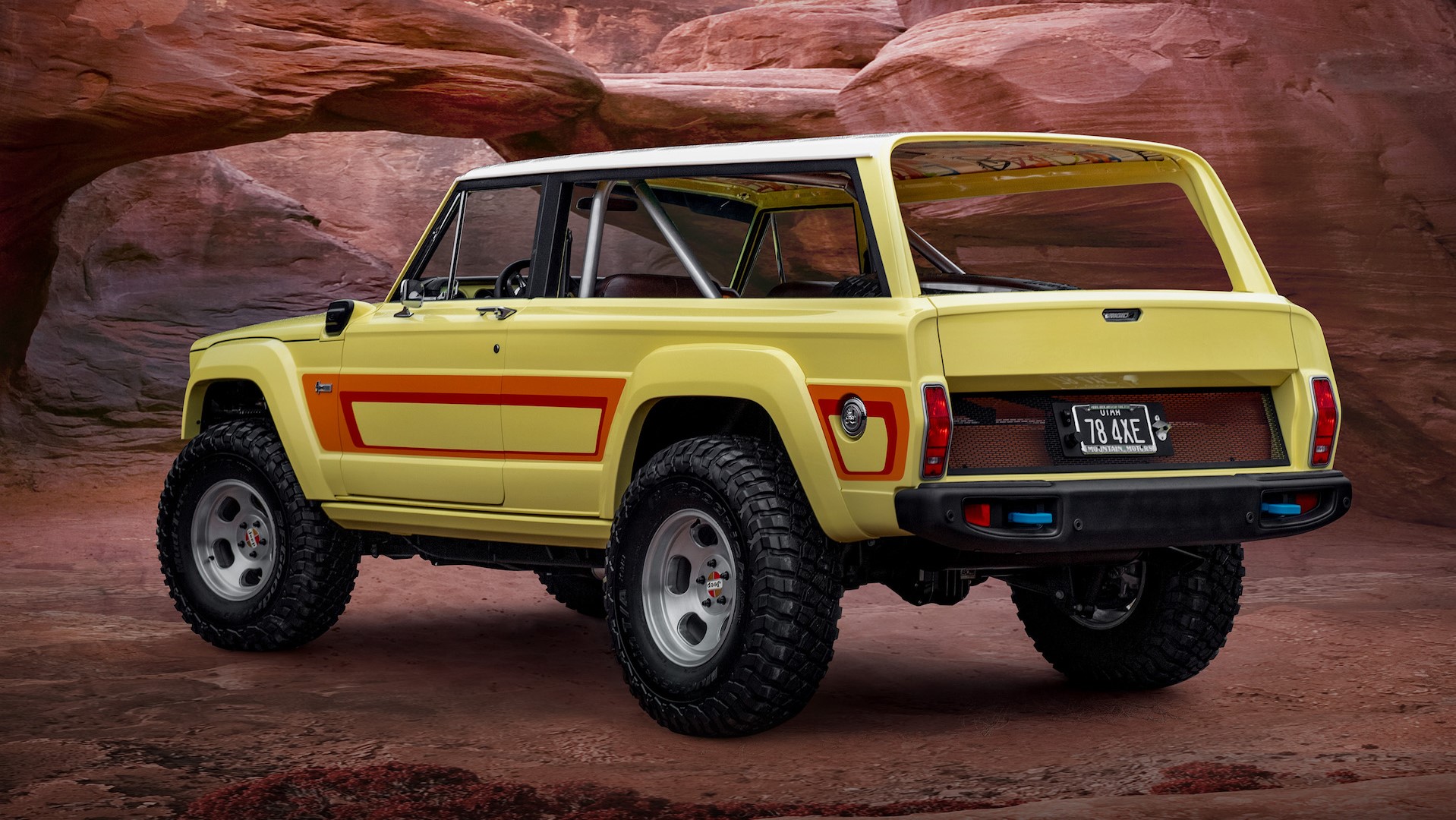
1978 Jeep Cherokee 4xe Concept
1978 Jeep Cherokee 4xe Concept
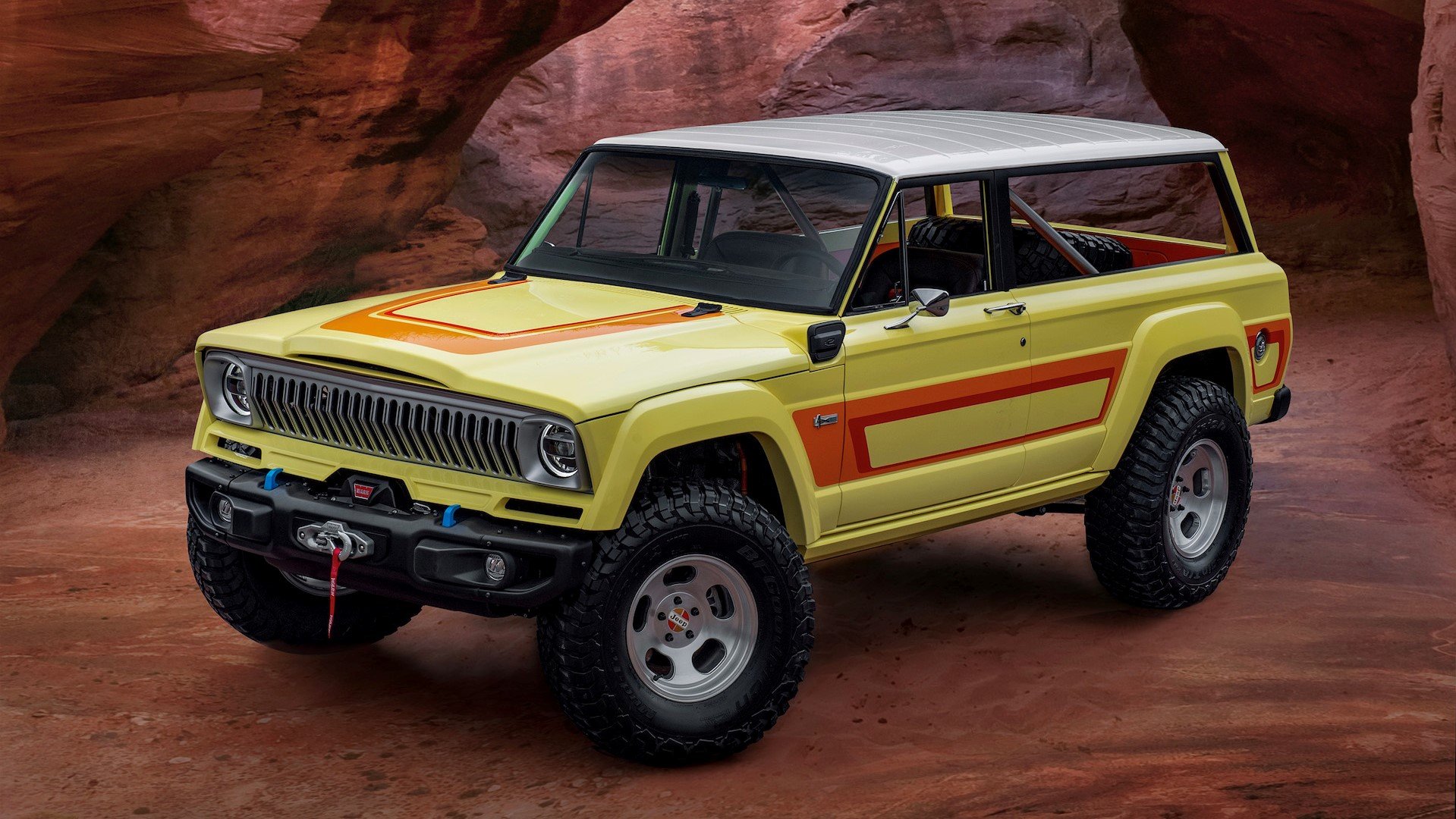
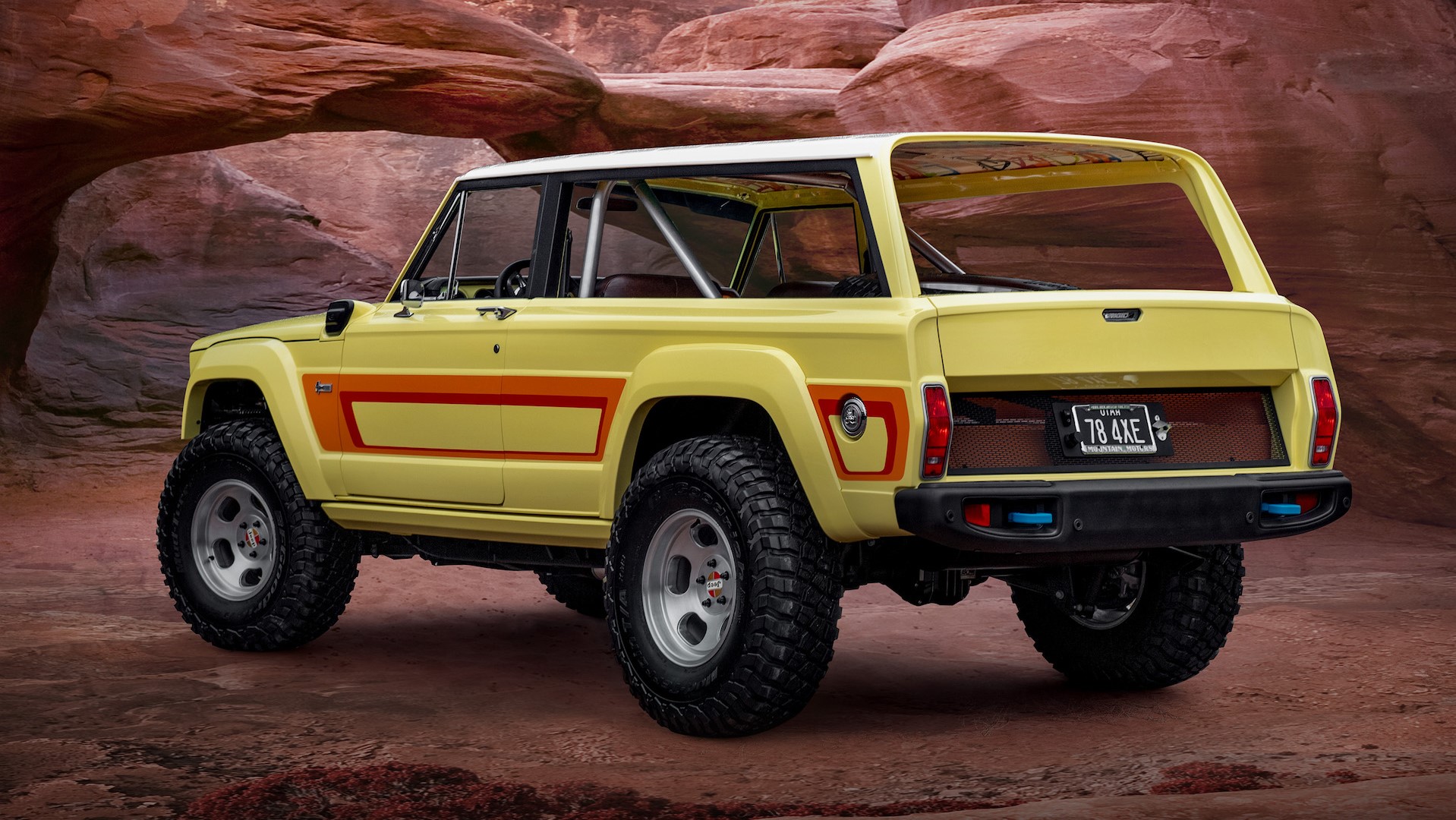
This resto-mod is a 1978 Cherokee body adapted to a Wrangler Rubicon 4xe chassis and fitted with 37-inch BFGoodrich KM3 mud terrain tires. The modern underpinnings include the 4xe powertrain, which consists of a 2.0-liter turbo-4 and two electric motors to make 375 hp. The body was modified to fit the chassis, to work with the big tires, and to improve the overall look. It uses the Wrangler Rubicon’s metal bumper with a winch, and the tires are mounted on ’70s-style slotted mags but in a modern 17-inch size.
While it’s new underneath, it keeps a 1970s vibe inside with an 8-track hi-fi player, a “secret stash” box, a graffiti painting on the roof, and a retro look for its custom interior. It only seats two and has a roll bar.
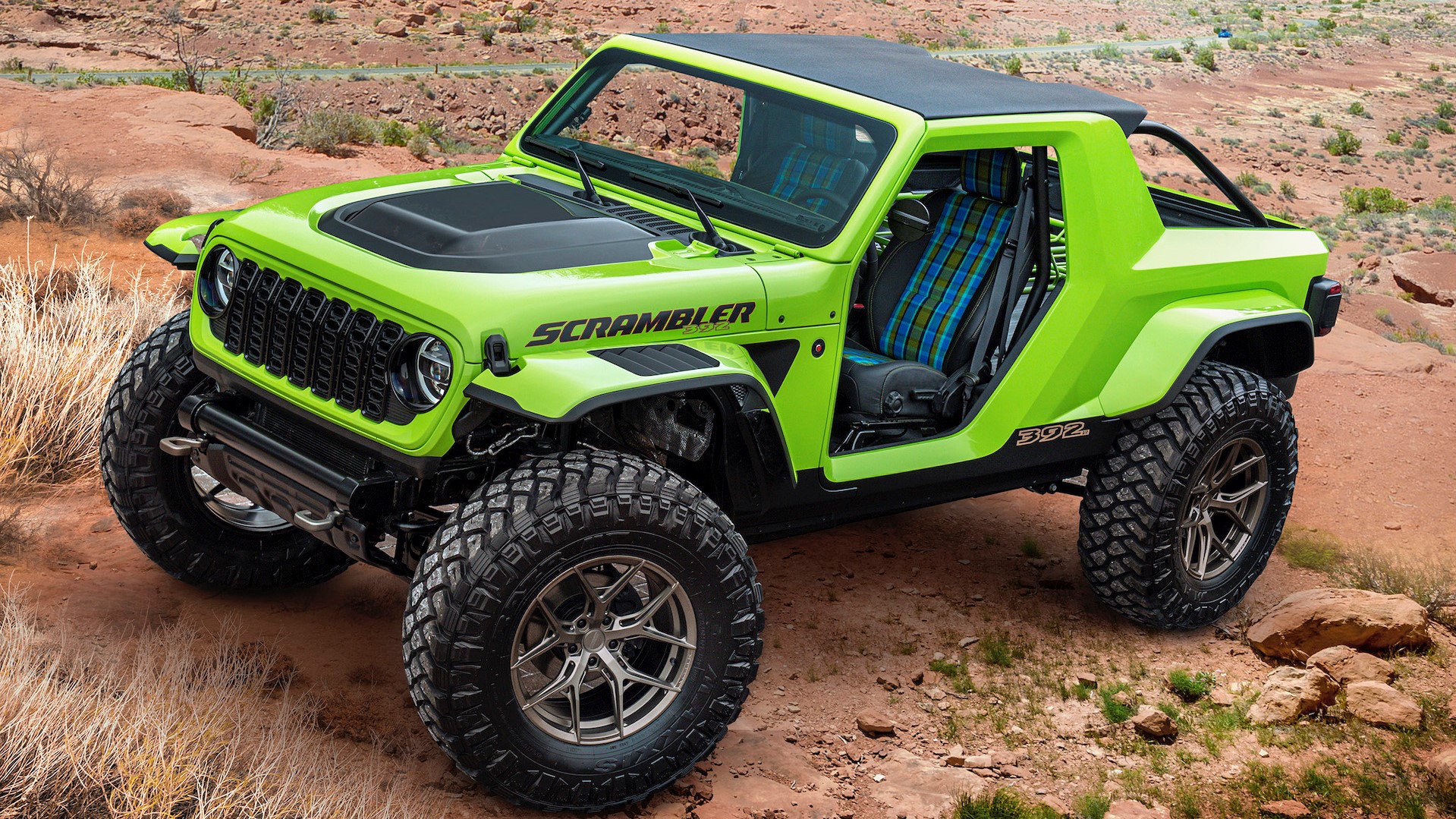
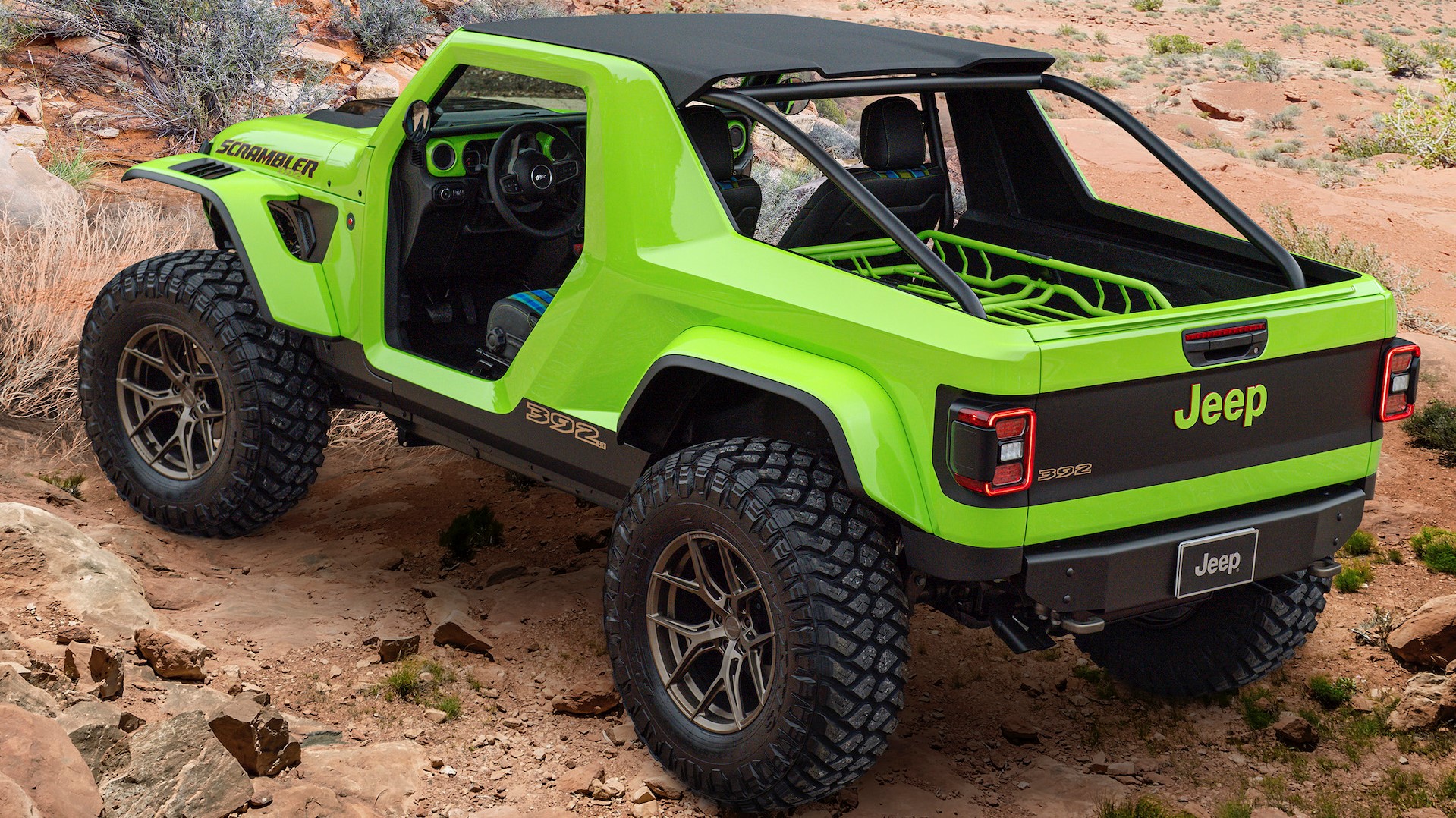
Jeep Scrambler 392 Concept
Jeep Scrambler 392 Concept
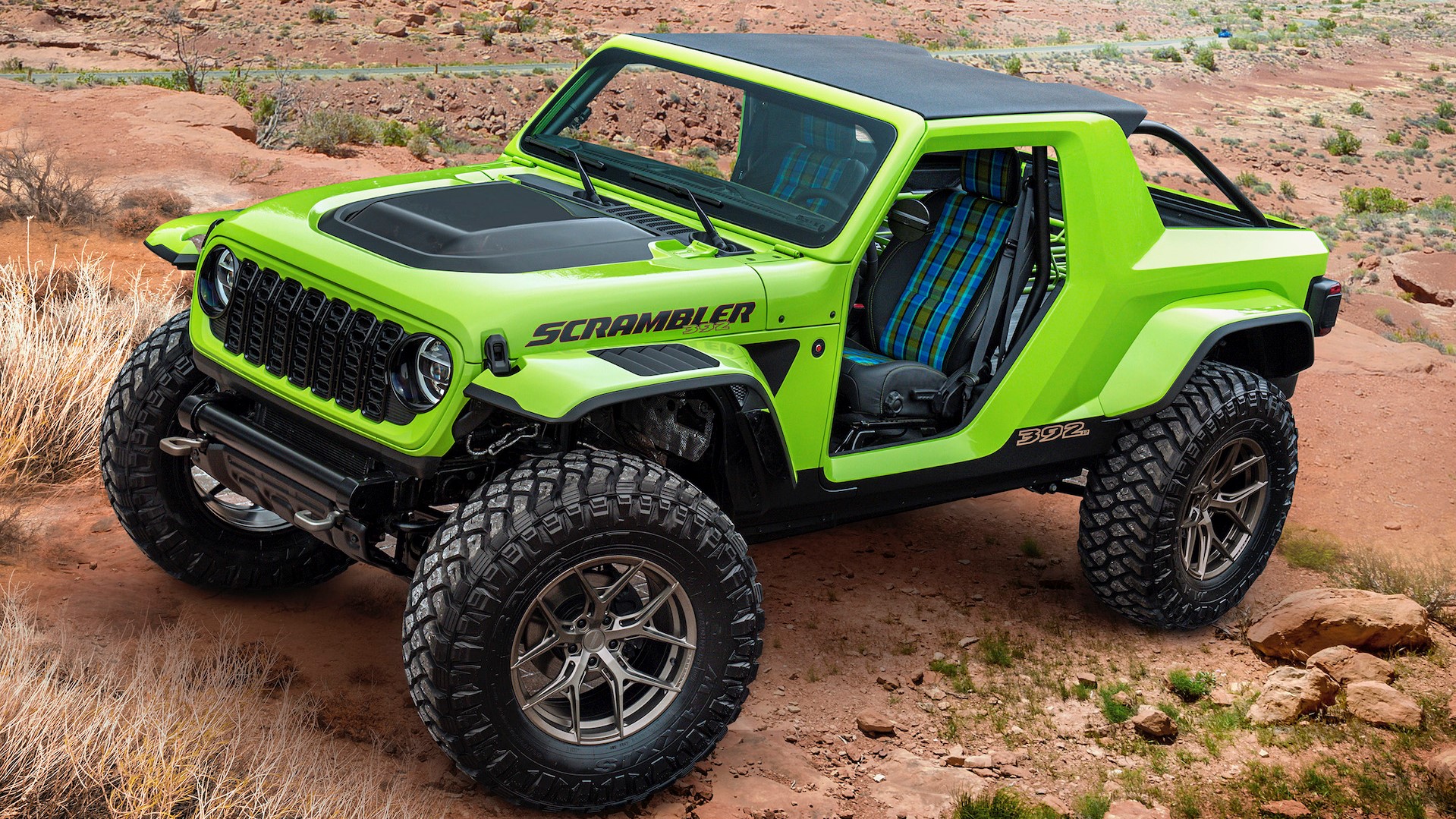
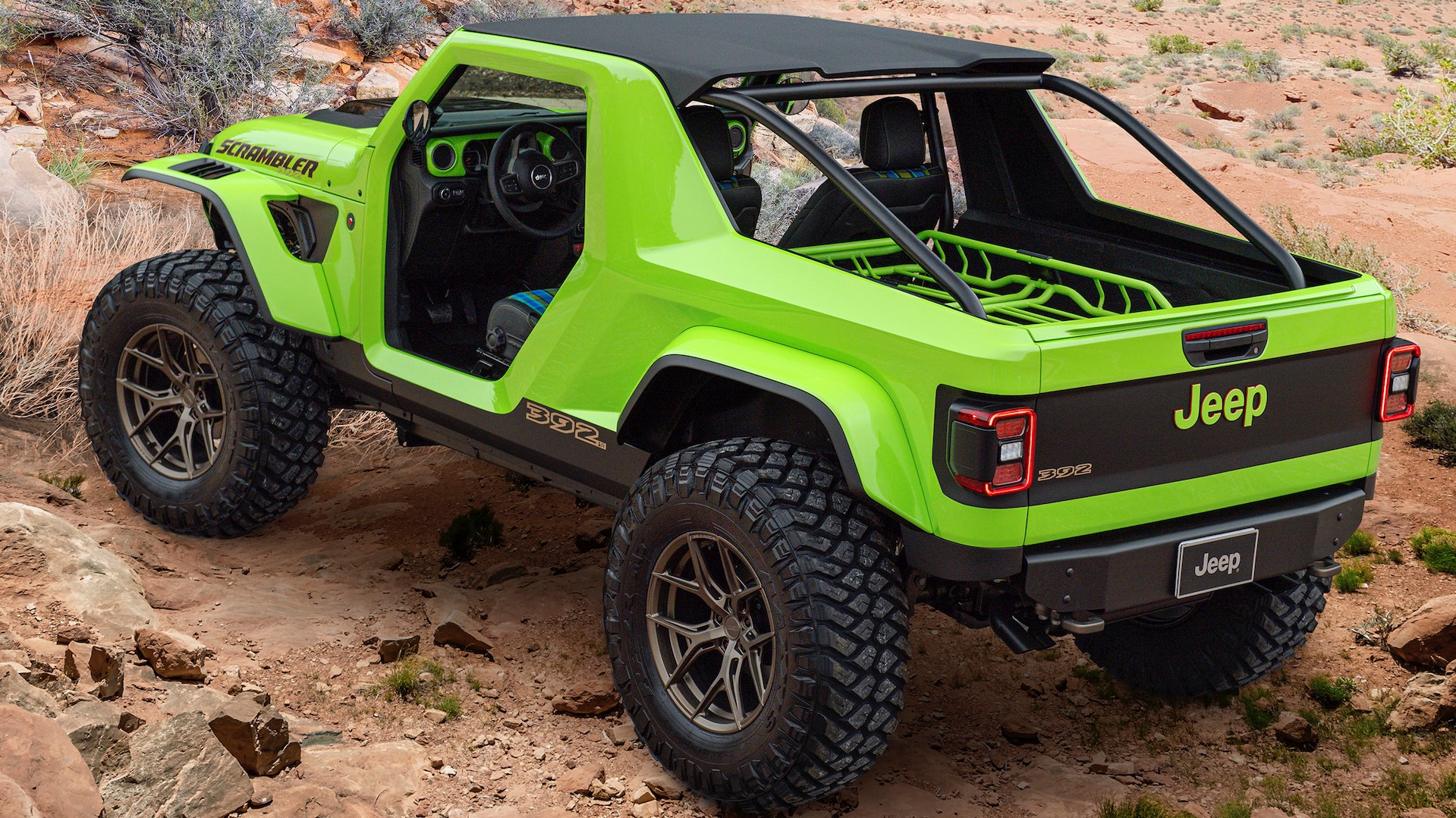
This is Jeep’s fourth concept with the aim of removing weight, after Pork Chop in 2011, Stitch in 2013, and 4-Speed in 2021. It’s based on a four-door Rubicon but gets a new body that turns it into a small two-door pickup truck, or a Scrambler in Jeep parlance. Carbon fiber was used for the hood, front flares, rear quarter panels, and roof, and the rear of the vehicle and tailgate came from the Gladiator, though the rear fender flares were widened. Like the Magneto, the Scrambler 392 Concept has a windshield that’s laid back 12 degrees for a chopped-top look. It’s painted Sublime green.
This concept also uses the AccuAir suspension with adjustable ride height. Its 40-inch tires on 20-inch wheels certainly don’t offset any of the 375 pounds Jeep took out of the vehicle. The interior gets a custom look with blue plaid seat inserts, but it loses the rear seats, carpet, and trim to save weight. More weight was saved by removing the power hardtop and doors. With its lighter weight, the standard 470 hp from the 6.4-liter V-8 (392 cubic inches) should make this one fast off-roader.
Grand Wagoneer Overland Concept
Grand Wagoneer Overland Concept
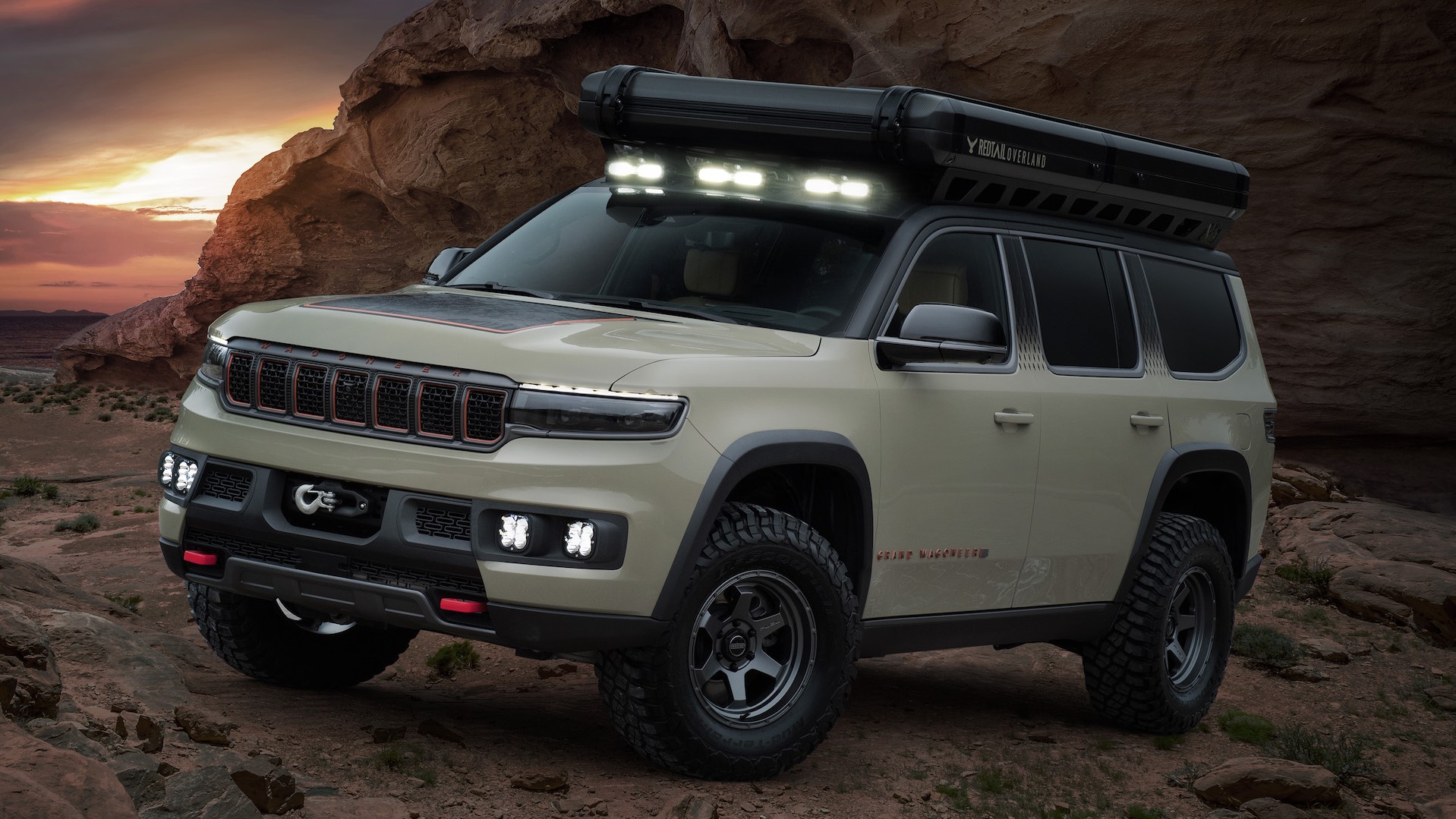
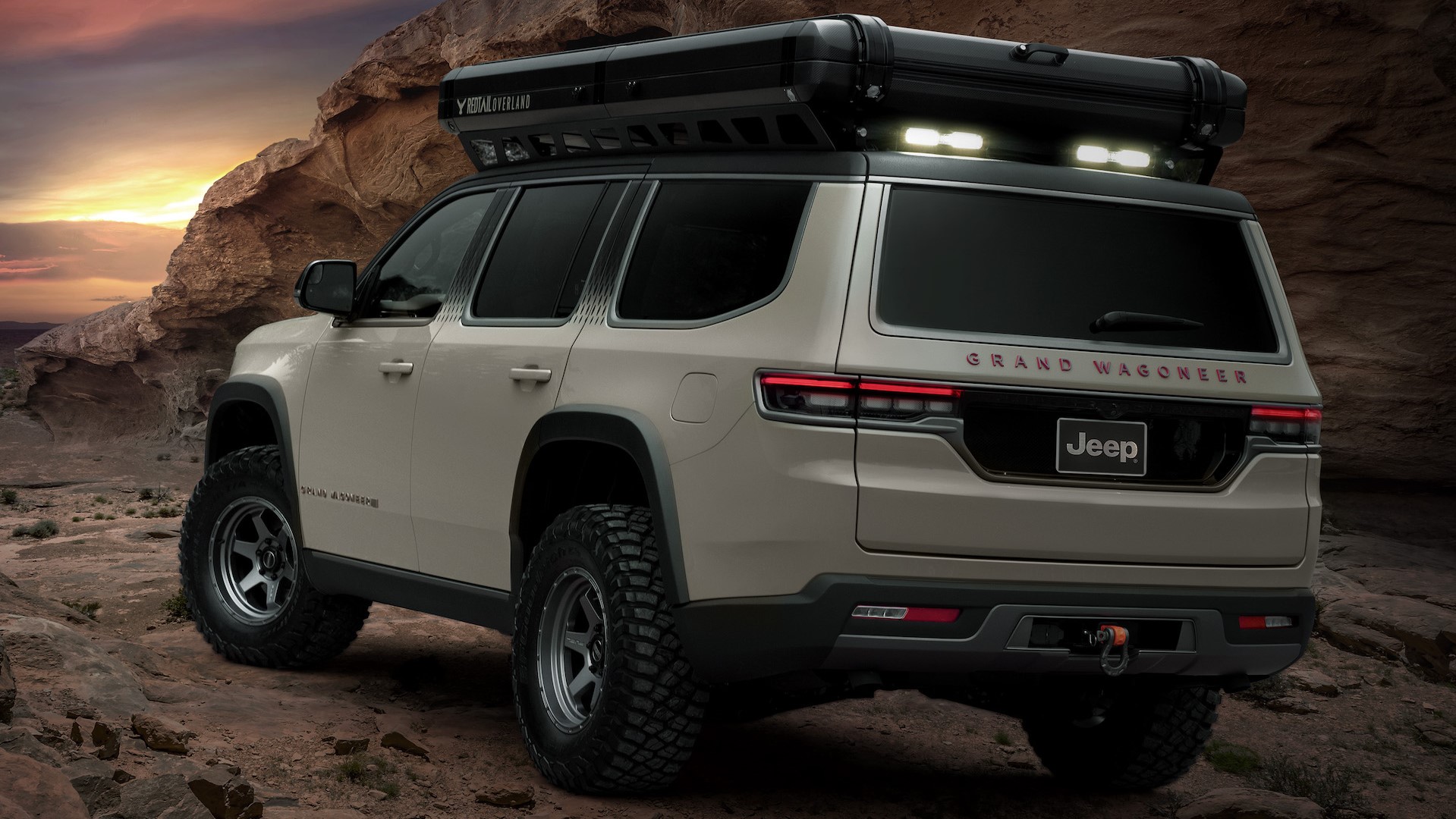
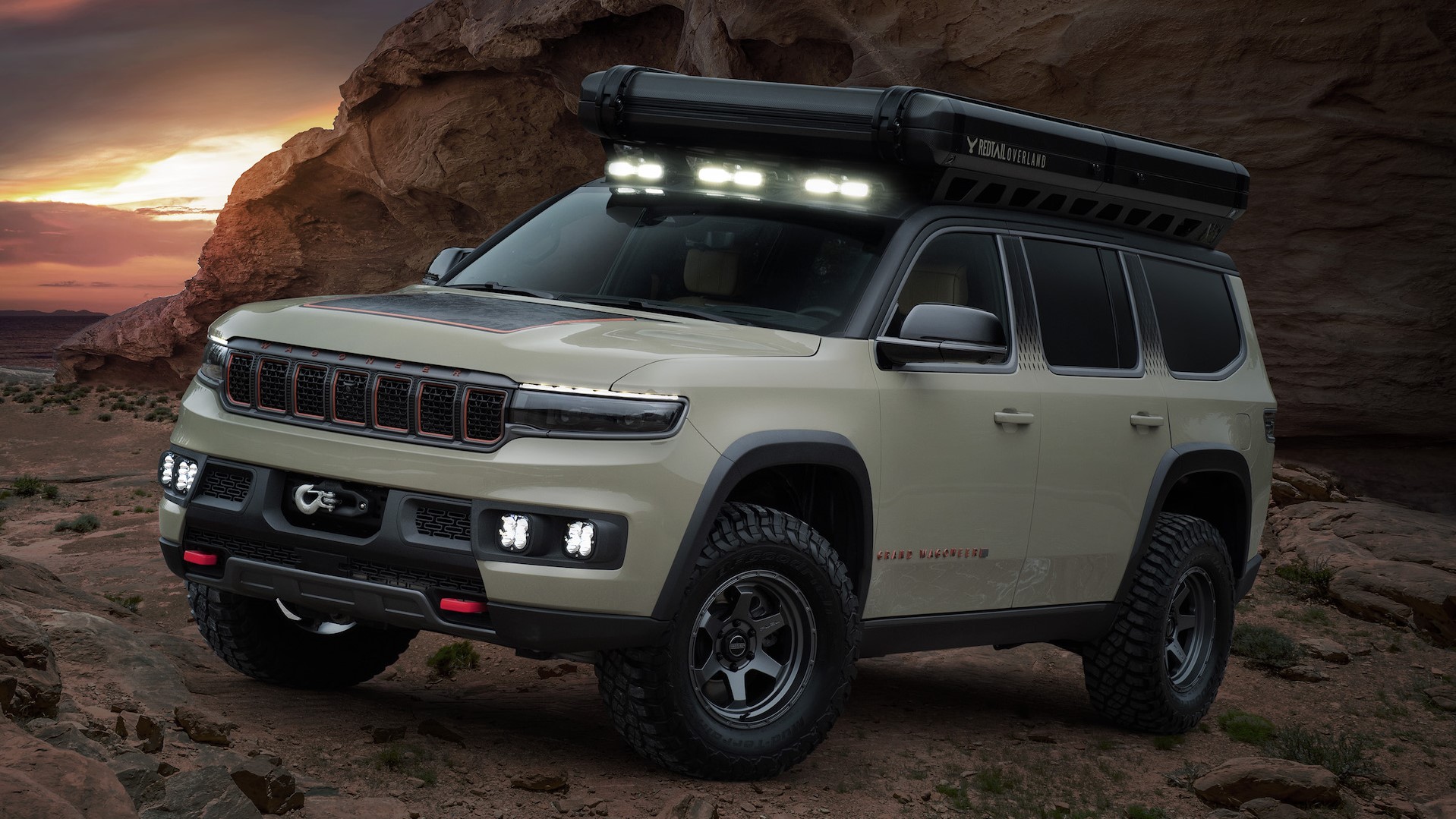
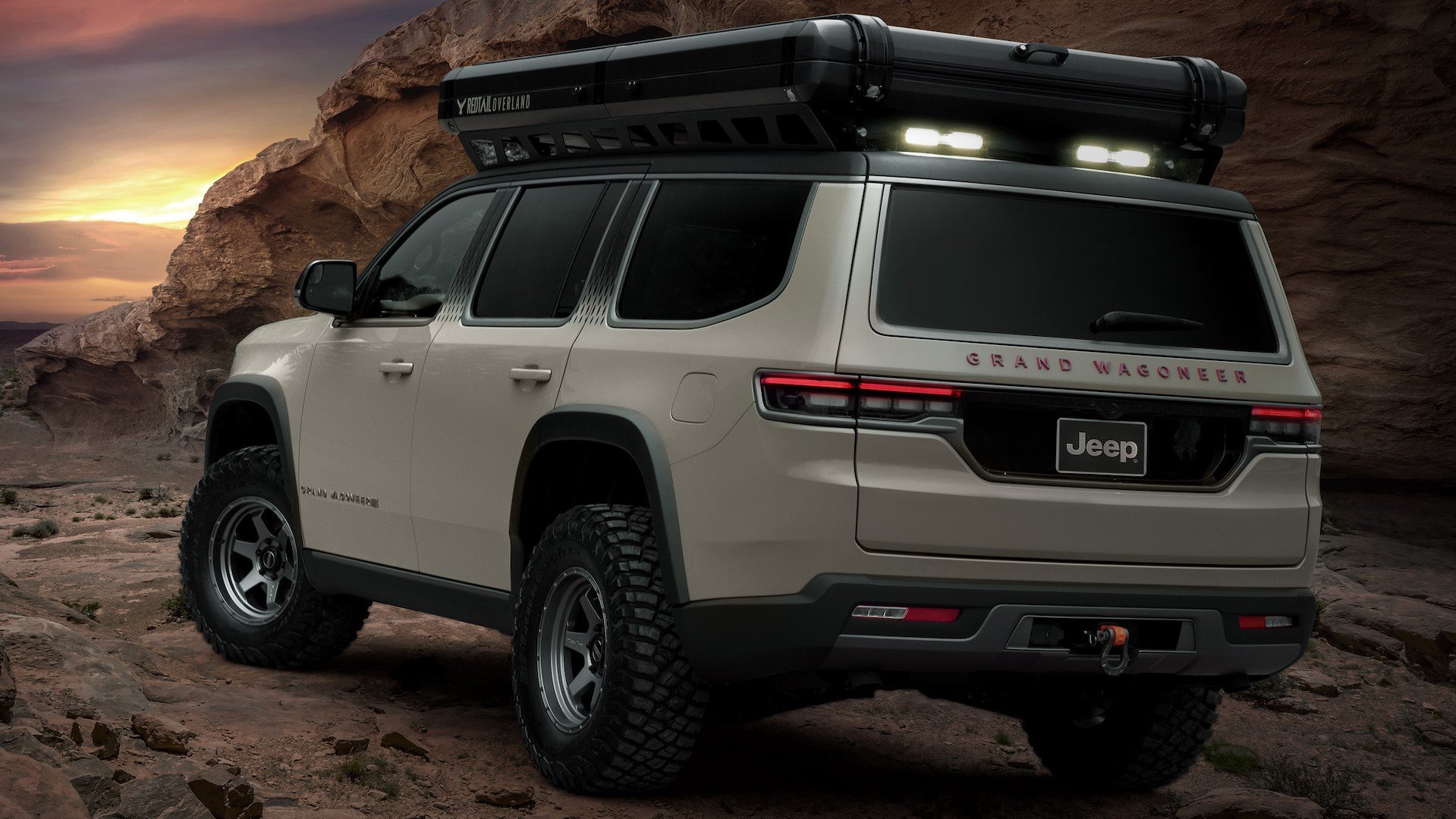
The first Grand Wagoneer to appear at the Easter Safari is an overlanding concept that the brand also referred to as Camp Lux. The full-size SUV sports radiused and flared wheel openings to fit 35-inch BFGoodrich mud terrain tires that provide a 1.5-inch lift. Under the hood sits the high-output 510-hp version of the Hurricane twin-turbo 3.0-liter inline-6. The exterior sports custom front and rear fascias and Industrial Green paint with gunmetal accents. Up front, it’s outfitted with a Warn winch and laser lights.
The draw is the solar-powered RedTail Overland Skyloft camper tent with heating, air conditioning, lighting, internet connectivity, a 6-foot mattress for two, and an exterior ladder. To make way for it, Jeep removed the second- and third-row seats, replaced the interior carpet with a bedliner material, used bedliner material on the roof as well, and repurposed the rear sunroof to act as a trap door to get into the camper tent. The tent itself is hard-sided carbon fiber on one side and has glass windows.
The interior is also part of the overlanding lifestyle. The SUV retains the rear entertainment system, and occupants can watch it in comfort from a pair of beanbag chairs. Jeep also adds a plush throw rug, pillows, and ambient interior lighting.
Jeep Gladiator Rubicon Sideburn Concept
Jeep Gladiator Rubicon Sideburn Concept
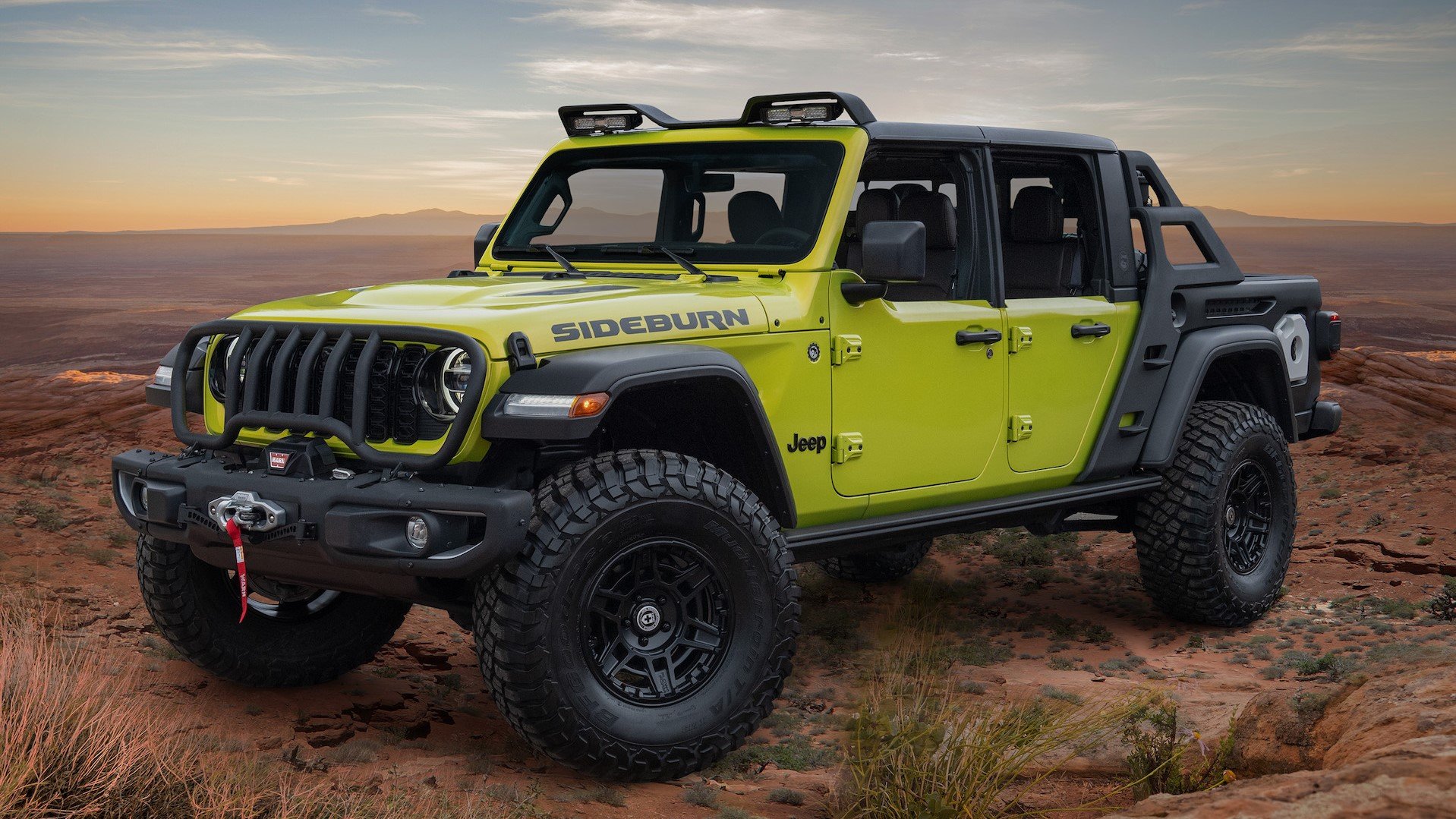
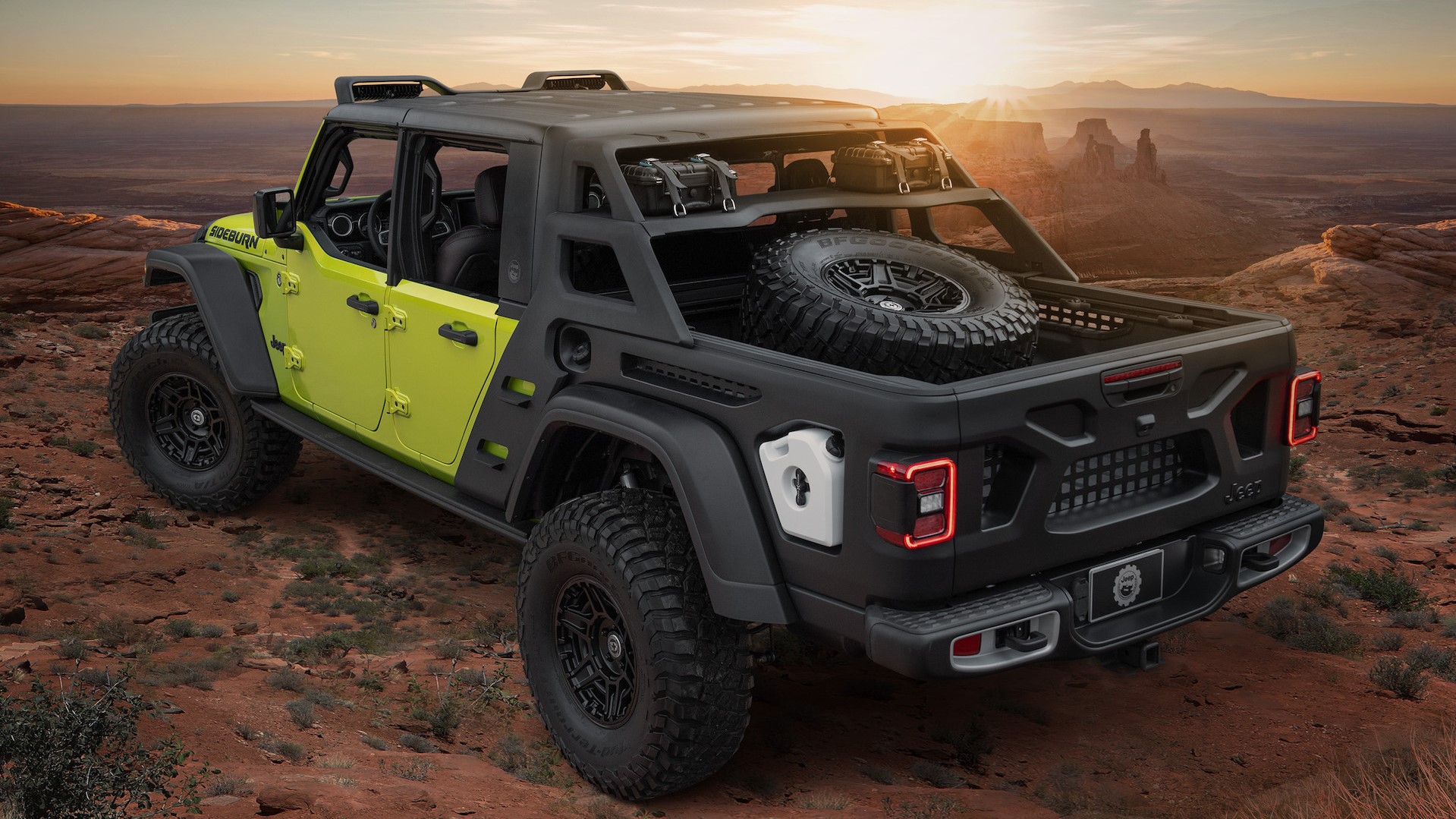
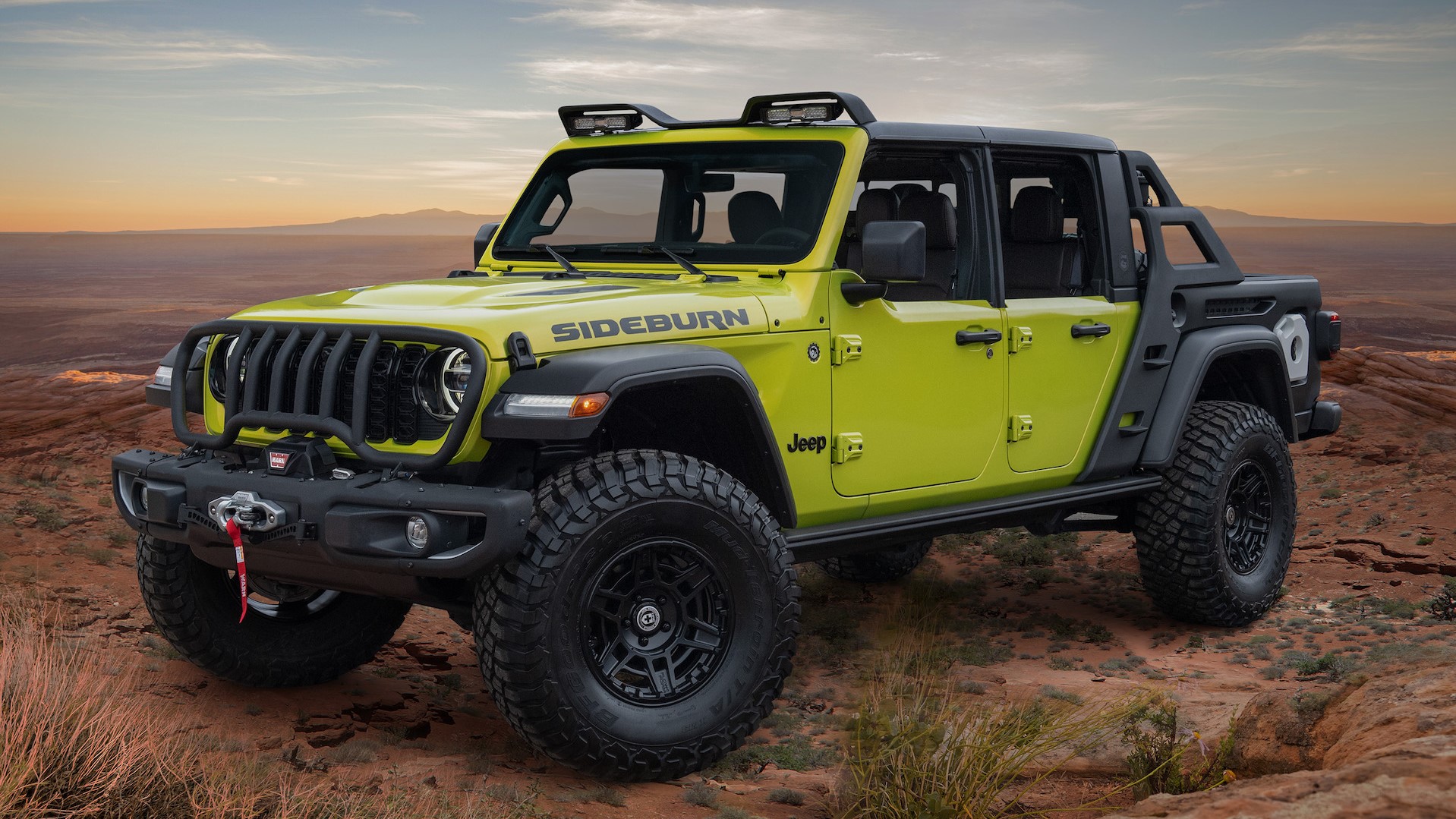
The Sideburn Gladiator was built to show off Jeep Performance Parts. It’s buttressed up front by a headlight and grille guard that folds down to act as a bench, and it’s packaged to work with a Warn winch. The doors are replaced with half-doors, and 11.0-inch TYRI rectangular LED lights sit on the windshield header. A 2.0-inch lift kit with Bilstein remote-reservoir shocks improves off-road capability and makes room for 37-inch BFGoodrich tires.
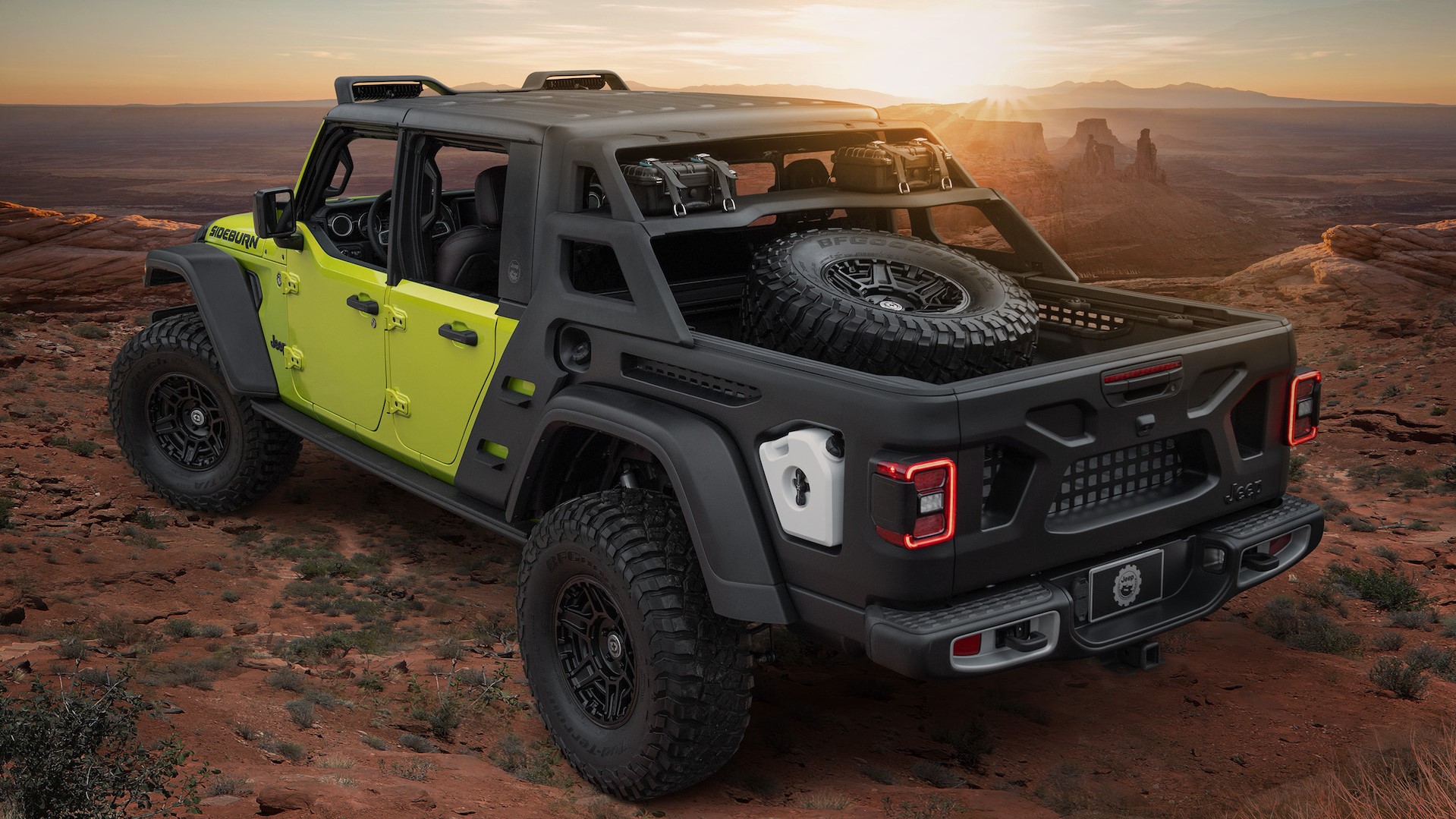
The bed has a concept Gladiator sport bar made from carbon fiber and steel. The bar has bed steps on each side and incorporates a mid-shelf with tie-downs to store boxes, plus T-track rails on top to mount bikes or kayaks. Also found in the bed are Molle panels for storage, RotoPaX containers for liquid storage, a mount for a 37-inch spare tire, and a new tailgate. Jeep even includes sideburn badges for the concept.
The interior is upholstered in Viennese Replicate (red-brown) nappa leather to contrast with the Solar Flash Yellow body. Power comes from Jeep’s 285-hp 3.6-liter V-6.
Jeep Wrangler Rubicon 4xe Departure Concept
Jeep Wrangler Rubicon 4xe Departure Concept
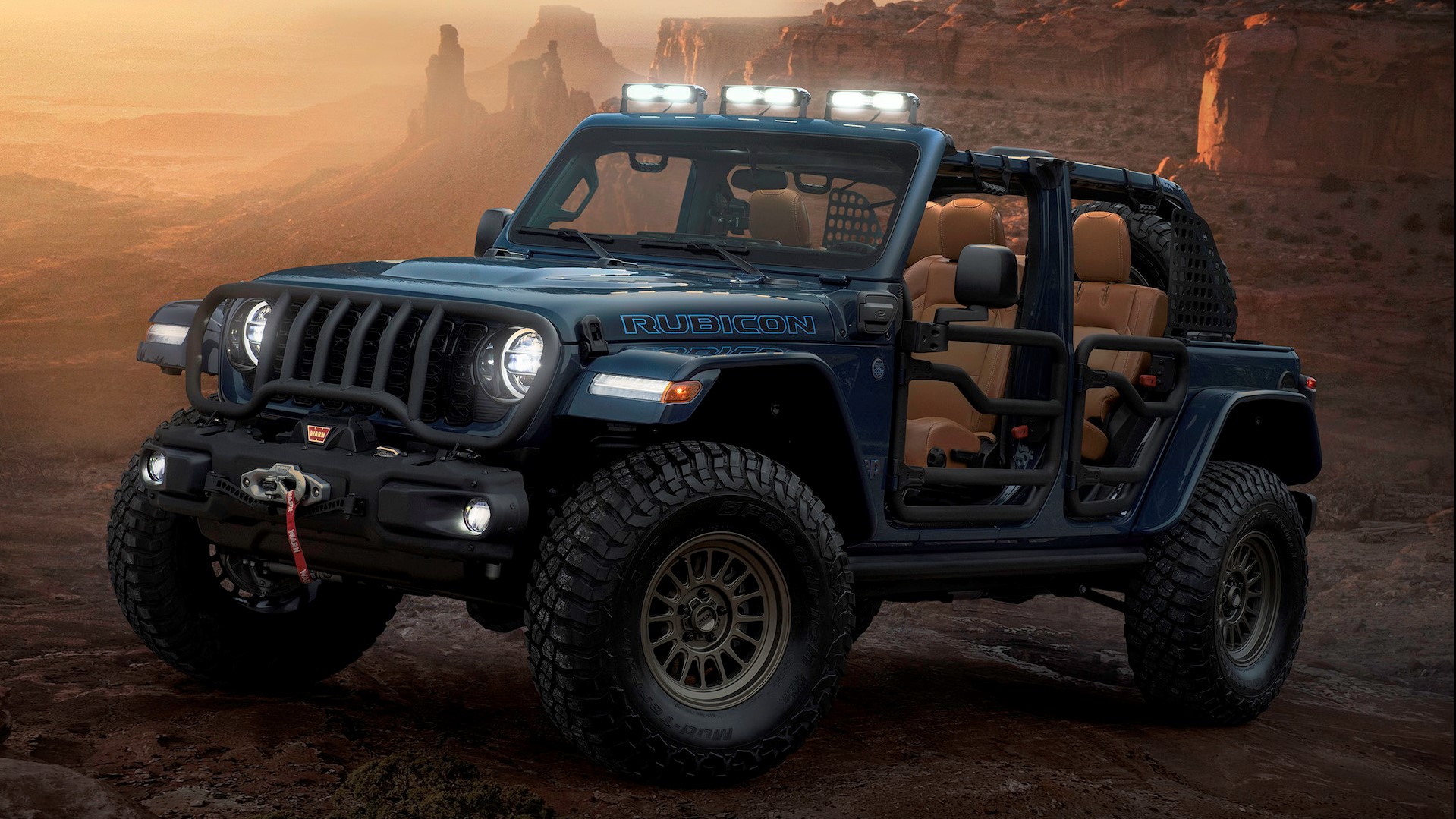
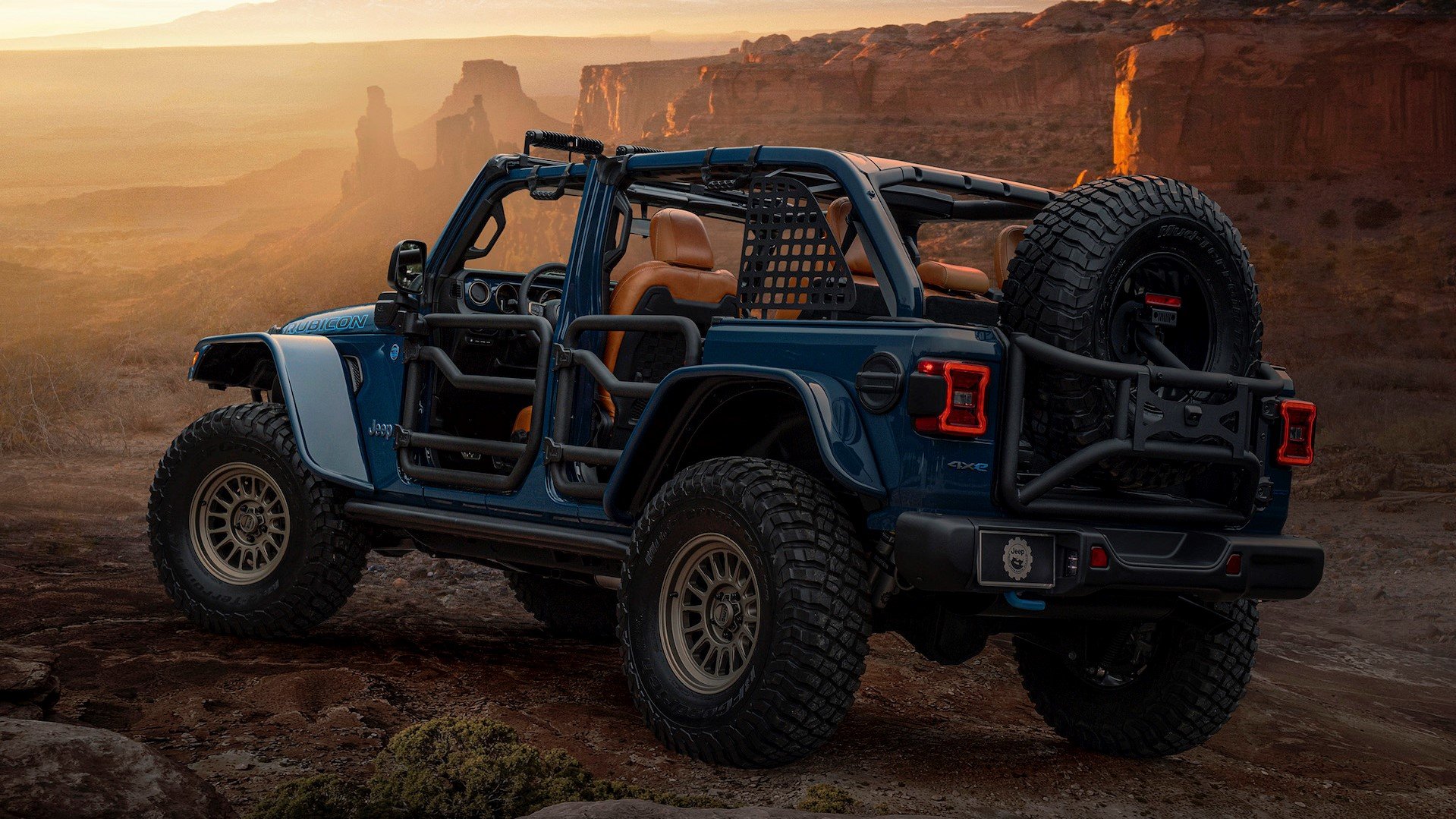
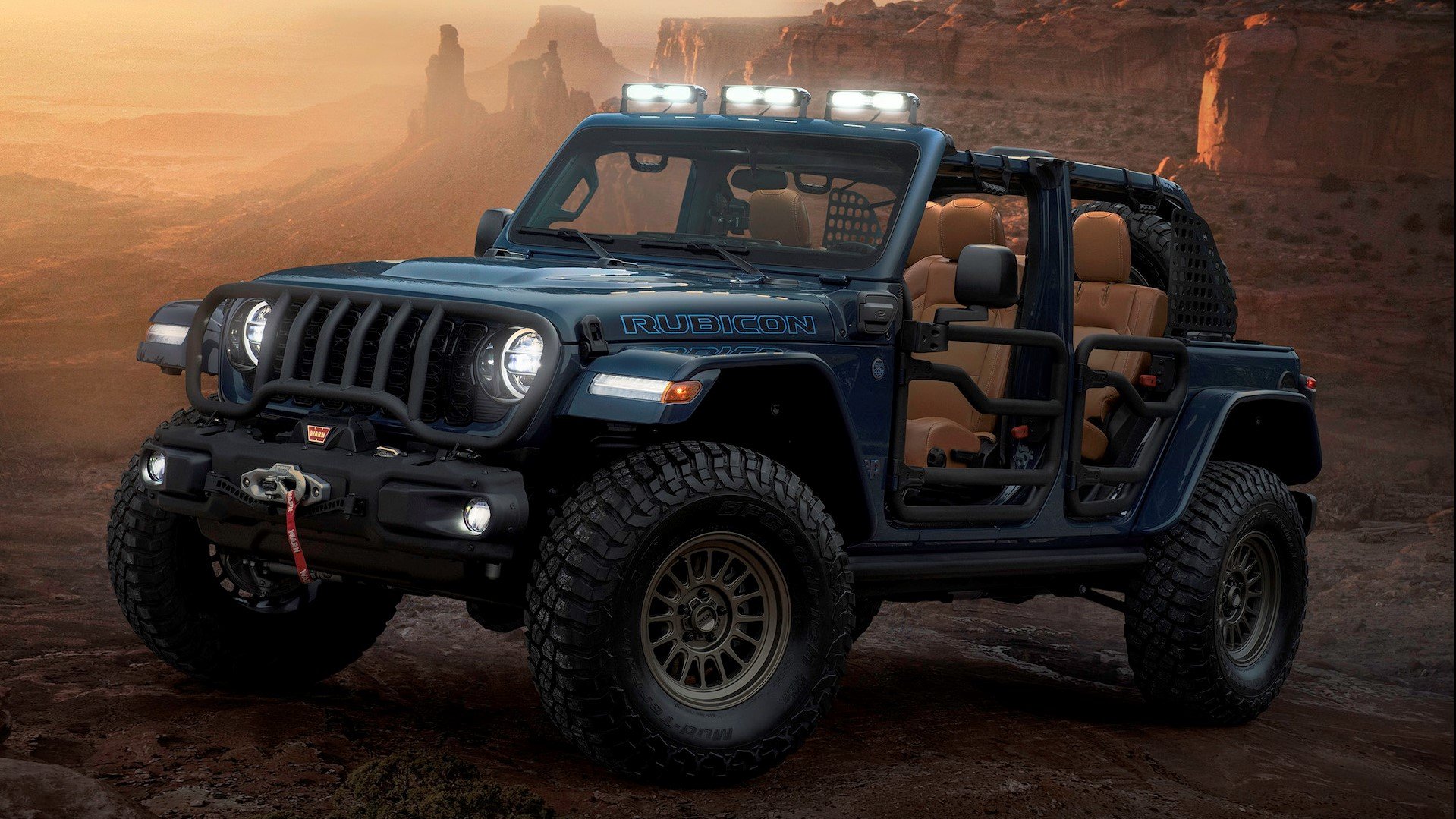
The Departure is a Wrangler Rubicon 4xe with flat fenders that increase clearance for the 37-inch BFGoodrich all-terrain tires. It also has rock rails, a Warn winch, Molle panels in the rear, the 11.0-inch TYRI lights, a headlight/grille guard, and 2.0-inch lift kit from the Sideburn.
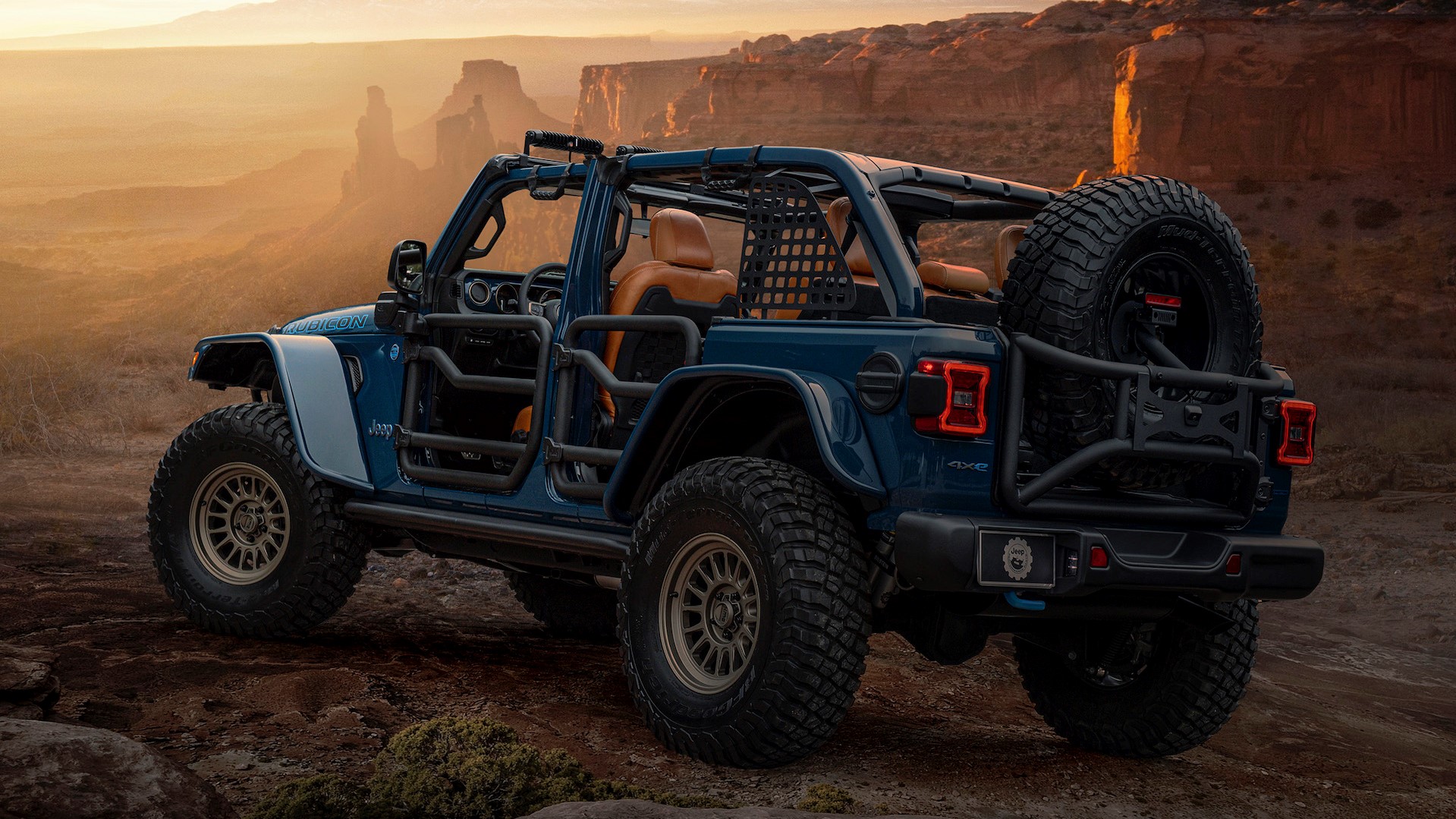
It uses Jeep Performance Parts’ available tube doors and has a matching tube tailgate. The tailgate has front or rear facing positions. When facing rearward, the spare sits high so it doesn’t interfere with the departure angle, and facing the spare forward actually improves the departure angle.
Inside, it’s upholstered in Katzkin leather in light Acorn Squash and darker Carnegie Hall brown colors. It also has an easily washable vinyl floor with drains and a task bar on the dash to mount a phone, GoPros, or dash cams. The Departure sports Dark Harbor blue paint.
The Easter Jeep Safari is an annual celebration of the past and future of the Jeep brand. Each year, Jeep presents a series of concepts that explore new ideas for possible new model variants, new aftermarket parts, and what can be done with existing aftermarket parts.
Early Thursday, Jeep presented its seven concept vehicles for 2023, including five that explore the brand’s past and future and two more that show off ideas inspired by the wide array of Jeep Performance Parts. All of the concepts are drivable and some of Jeep’s ideas could see production. They’ll be shown off at the 2023 Easter Jeep Safari taking place in Moab, Utah, from April 1-9. Here’s a breakdown of each.
Jeep Wrangler Rubicon 4xe Concept
Jeep Wrangler Rubicon 4xe Concept
This concept is a serious off-roader with flair. It features a new as-yet unnamed magenta color that’s a follow-up to the Tuscadero pink Jeep introduced a few years ago. Jeep says it’s more intense and looks purple indoors and bright pink in the sun. It’s offset by gloss-black accents. The custom interior has a fur-lined glovebox because why not.
The off-roading features include 37-inch BFG mud terrain tires on AEV beadlock wheels, an AccuAir suspension (available for the Wrangler and Gladiator) that can raise the ground clearance between 1.5 and 5.5 inches, AEV bumpers and spare tire carrier, and a Warn Zeon winch. Half doors and a power top are also used for greater access to the outdoors.
Jeep Wrangler Magneto 3.0 Concept
Jeep Wrangler Magneto 3.0 Concept
This marks the third iteration of a battery electric Wrangler, thus the name. Jeep calls it a laboratory on wheels. Magneto first appeared in 2021, and each year Jeep has upped the power. Magneto 3.0 features a more efficient axial flux motor that produces 285 hp in its standard mode (the same as the V-6 it originally replaced in 2021) and 650 hp in a “full beans” mode. Torque increases from a max of 273 lb-ft in 2021 to 850 lb-ft last year to 900 lb-ft this year. Magneto 3.0 keeps a 6-speed manual transmission from the Hellcat Challenger, though it has been beefed up to handle the torque of the upgraded electric motor. It all rides on beefy front and rear axles, which are Dynatrac ProRock 60 and ProRock 80 units, respectively.
Sitting up front where the engine would be, the motor shows under a clear cover on the hood. Batteries are scattered throughout the Wrangler platform, and Jeep says the concept has 20% more range and energy this year, though range isn’t the point of the concept. The vehicle also has a selectable regen switch and offers a one-pedal setting that acts like 4WD Lo and allows for more precise control when driving off-road.
The 40-inch tires on 20-inch wheels would certainly hinder range but improve off-road capability. The body also has some modifications this year. The two-door’s door openings have been pushed back 6.0 inches for easier exit and entry, the B-pillars were moved back 2.4 inches to fit a custom roll bar, the front fenders were extended 2.0 inches rearward, and the windshield was laid back 12 degrees for a chopped look.
Jeep says this is the last version of Magneto.
1978 Jeep Cherokee 4xe Concept
1978 Jeep Cherokee 4xe Concept
This resto-mod is a 1978 Cherokee body adapted to a Wrangler Rubicon 4xe chassis and fitted with 37-inch BFGoodrich KM3 mud terrain tires. The modern underpinnings include the 4xe powertrain, which consists of a 2.0-liter turbo-4 and two electric motors to make 375 hp. The body was modified to fit the chassis, to work with the big tires, and to improve the overall look. It uses the Wrangler Rubicon’s metal bumper with a winch, and the tires are mounted on ’70s-style slotted mags but in a modern 17-inch size.
While it’s new underneath, it keeps a 1970s vibe inside with an 8-track hi-fi player, a “secret stash” box, a graffiti painting on the roof, and a retro look for its custom interior. It only seats two and has a roll bar.
Jeep Scrambler 392 Concept
Jeep Scrambler 392 Concept
This is Jeep’s fourth concept with the aim of removing weight, after Pork Chop in 2011, Stitch in 2013, and 4-Speed in 2021. It’s based on a four-door Rubicon but gets a new body that turns it into a small two-door pickup truck, or a Scrambler in Jeep parlance. Carbon fiber was used for the hood, front flares, rear quarter panels, and roof, and the rear of the vehicle and tailgate came from the Gladiator, though the rear fender flares were widened. Like the Magneto, the Scrambler 392 Concept has a windshield that’s laid back 12 degrees for a chopped-top look. It’s painted Sublime green.
This concept also uses the AccuAir suspension with adjustable ride height. Its 40-inch tires on 20-inch wheels certainly don’t offset any of the 375 pounds Jeep took out of the vehicle. The interior gets a custom look with blue plaid seat inserts, but it loses the rear seats, carpet, and trim to save weight. More weight was saved by removing the power hardtop and doors. With its lighter weight, the standard 470 hp from the 6.4-liter V-8 (392 cubic inches) should make this one fast off-roader.
Grand Wagoneer Overland Concept
Grand Wagoneer Overland Concept
The first Grand Wagoneer to appear at the Easter Safari is an overlanding concept that the brand also referred to as Camp Lux. The full-size SUV sports radiused and flared wheel openings to fit 35-inch BFGoodrich mud terrain tires that provide a 1.5-inch lift. Under the hood sits the high-output 510-hp version of the Hurricane twin-turbo 3.0-liter inline-6. The exterior sports custom front and rear fascias and Industrial Green paint with gunmetal accents. Up front, it’s outfitted with a Warn winch and laser lights.
The draw is the solar-powered RedTail Overland Skyloft camper tent with heating, air conditioning, lighting, internet connectivity, a 6-foot mattress for two, and an exterior ladder. To make way for it, Jeep removed the second- and third-row seats, replaced the interior carpet with a bedliner material, used bedliner material on the roof as well, and repurposed the rear sunroof to act as a trap door to get into the camper tent. The tent itself is hard-sided carbon fiber on one side and has glass windows.
The interior is also part of the overlanding lifestyle. The SUV retains the rear entertainment system, and occupants can watch it in comfort from a pair of beanbag chairs. Jeep also adds a plush throw rug, pillows, and ambient interior lighting.
Jeep Gladiator Rubicon Sideburn Concept
Jeep Gladiator Rubicon Sideburn Concept
The Sideburn Gladiator was built to show off Jeep Performance Parts. It’s buttressed up front by a headlight and grille guard that folds down to act as a bench, and it’s packaged to work with a Warn winch. The doors are replaced with half-doors, and 11.0-inch TYRI rectangular LED lights sit on the windshield header. A 2.0-inch lift kit with Bilstein remote-reservoir shocks improves off-road capability and makes room for 37-inch BFGoodrich tires.
The bed has a concept Gladiator sport bar made from carbon fiber and steel. The bar has bed steps on each side and incorporates a mid-shelf with tie-downs to store boxes, plus T-track rails on top to mount bikes or kayaks. Also found in the bed are Molle panels for storage, RotoPaX containers for liquid storage, a mount for a 37-inch spare tire, and a new tailgate. Jeep even includes sideburn badges for the concept.
The interior is upholstered in Viennese Replicate (red-brown) nappa leather to contrast with the Solar Flash Yellow body. Power comes from Jeep’s 285-hp 3.6-liter V-6.
Jeep Wrangler Rubicon 4xe Departure Concept
Jeep Wrangler Rubicon 4xe Departure Concept
The Departure is a Wrangler Rubicon 4xe with flat fenders that increase clearance for the 37-inch BFGoodrich all-terrain tires. It also has rock rails, a Warn winch, Molle panels in the rear, the 11.0-inch TYRI lights, a headlight/grille guard, and 2.0-inch lift kit from the Sideburn.
It uses Jeep Performance Parts’ available tube doors and has a matching tube tailgate. The tailgate has front or rear facing positions. When facing rearward, the spare sits high so it doesn’t interfere with the departure angle, and facing the spare forward actually improves the departure angle.
Inside, it’s upholstered in Katzkin leather in light Acorn Squash and darker Carnegie Hall brown colors. It also has an easily washable vinyl floor with drains and a task bar on the dash to mount a phone, GoPros, or dash cams. The Departure sports Dark Harbor blue paint.
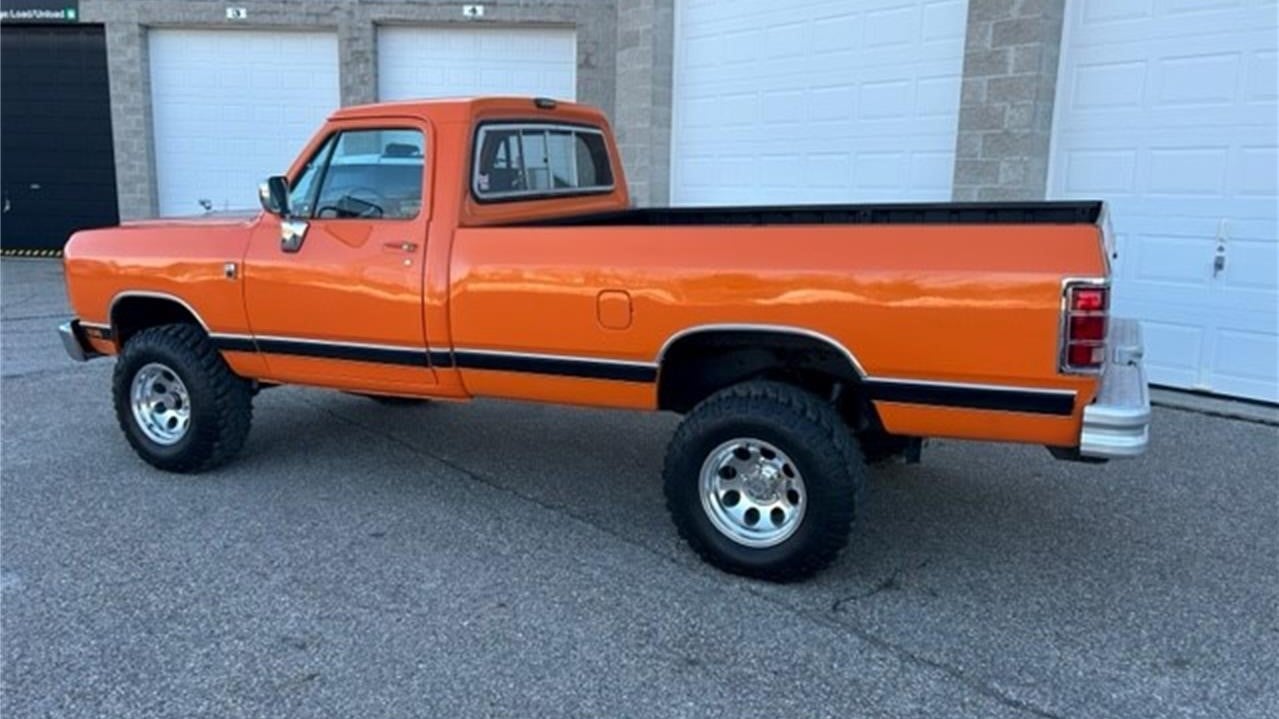
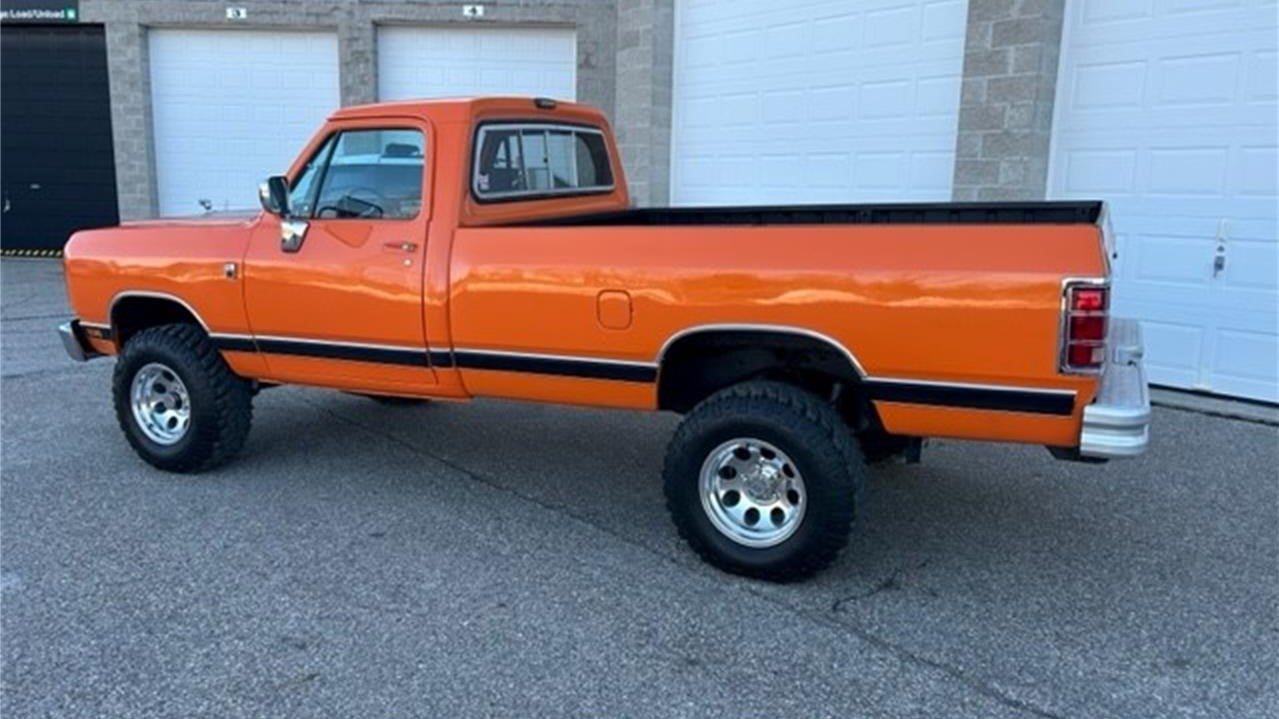
Many full-size pickups from the 1980s have been put out to pasture by now after living a life of labor at construction sites or farms. A few have been lucky enough to survive and even go through restoration.
“First generation, beautiful rust-free truck,” the listing states.
The Ram pickup line was born in 1981 on the Chrysler AD platform (taking the place of the previous D-Series) and was available in regular cab, extended cab and crew cab configurations. Bed lengths were offered in 6.5-foot and 8-foot variants, and this pickup is a regular cab with a long-bed.
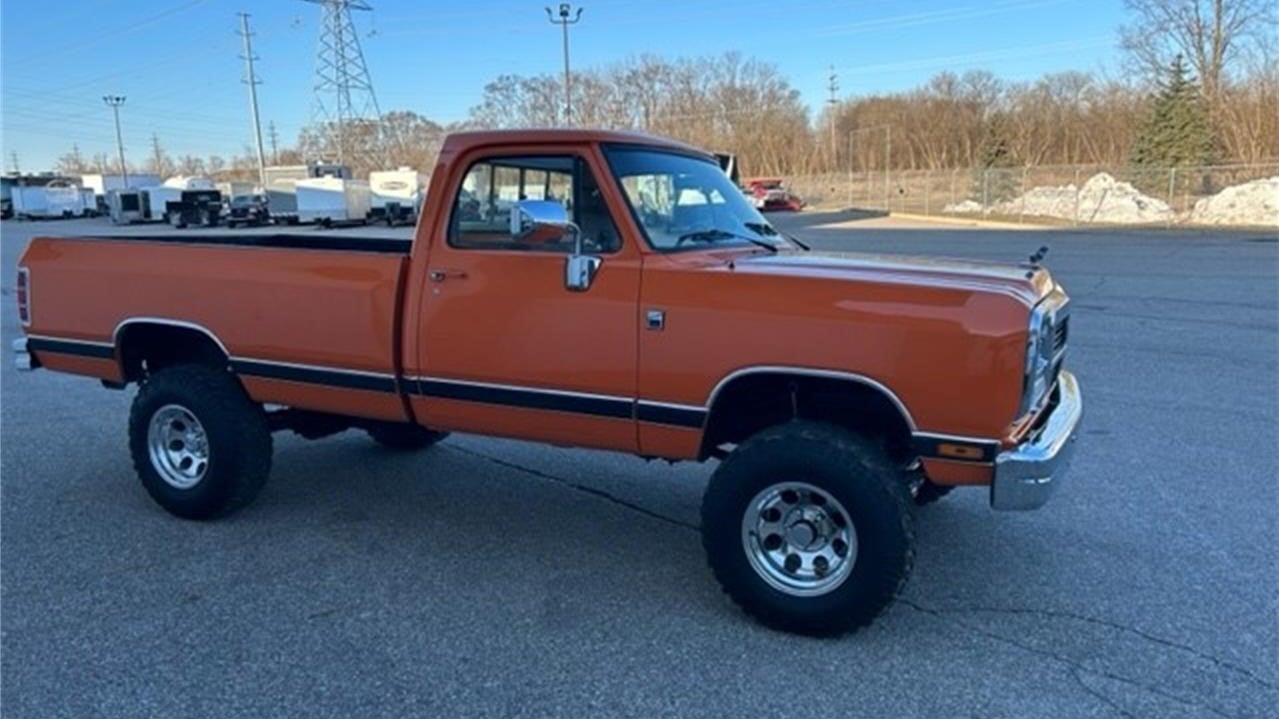
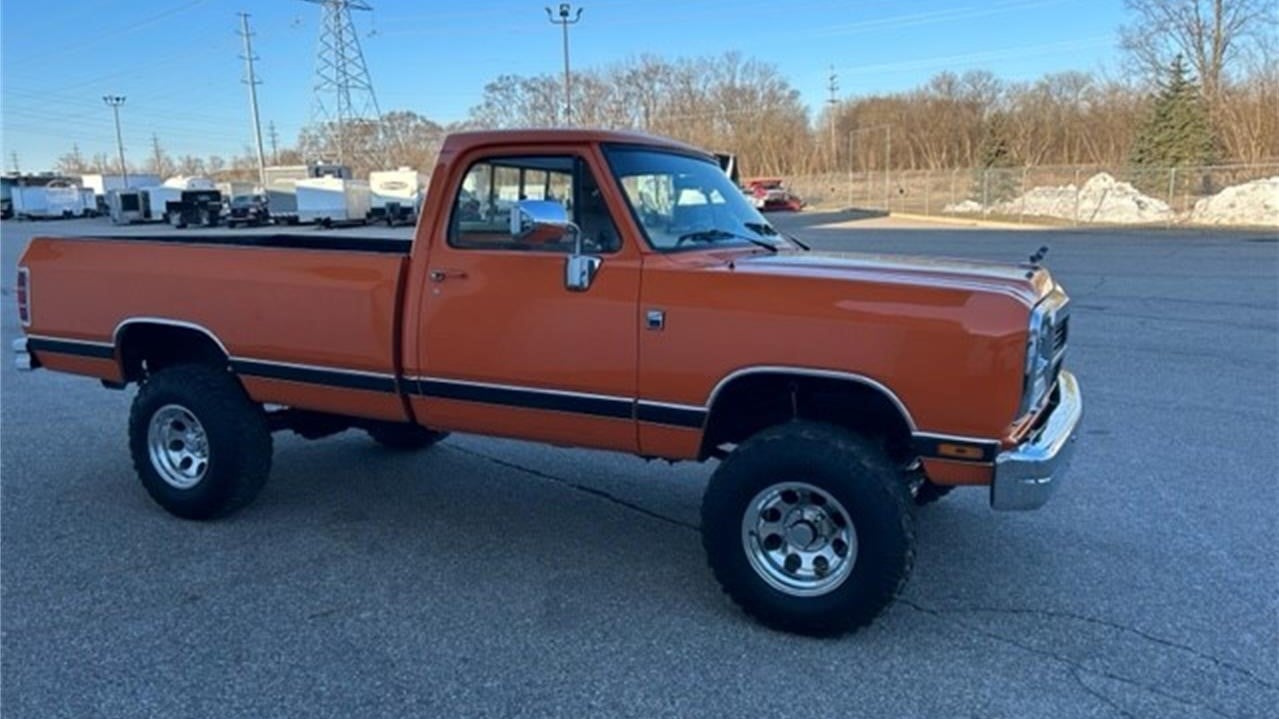
Despite being in Michigan where vehicle corrosion is commonplace, this Ram is said to be rust-free, and the underbody photos in the listing support that statement. The most striking attribute of this Ram is its vivid orange paint job with black accents on the hood and the tailgate. The exterior is accented by a hood ornament, a sliding rear window and aftermarket polished aluminum wheels to complete the look.
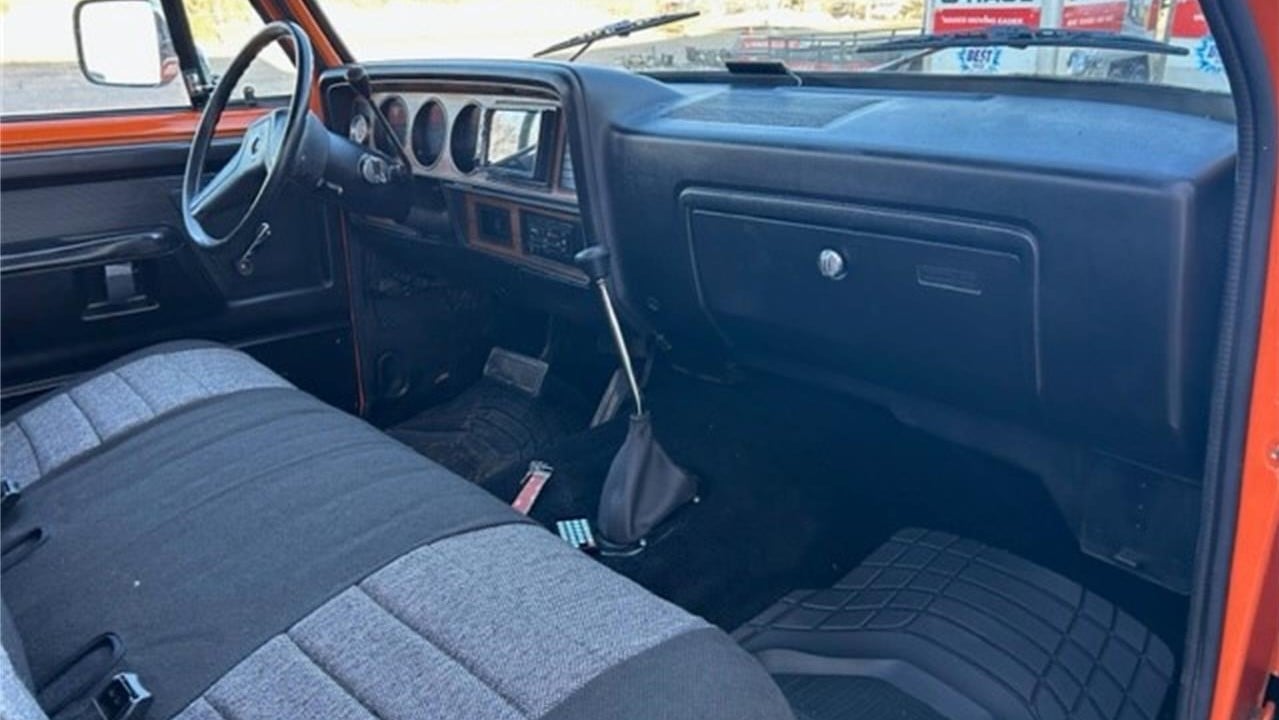
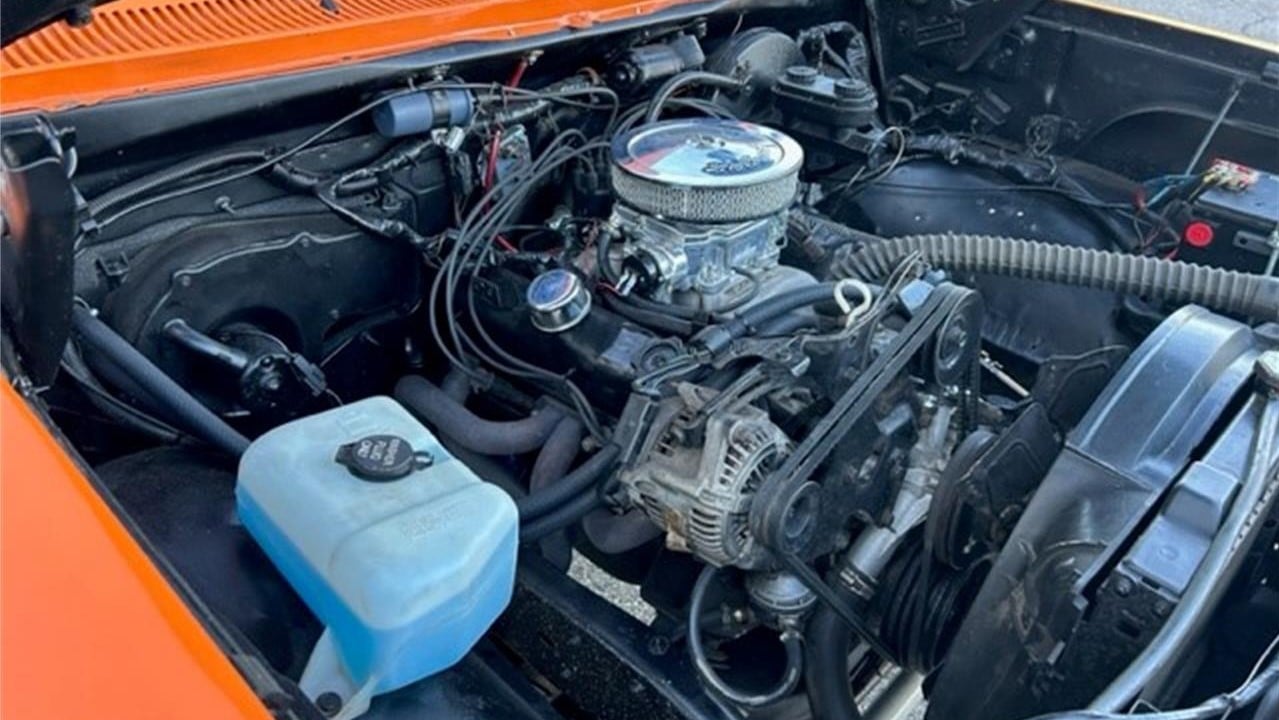
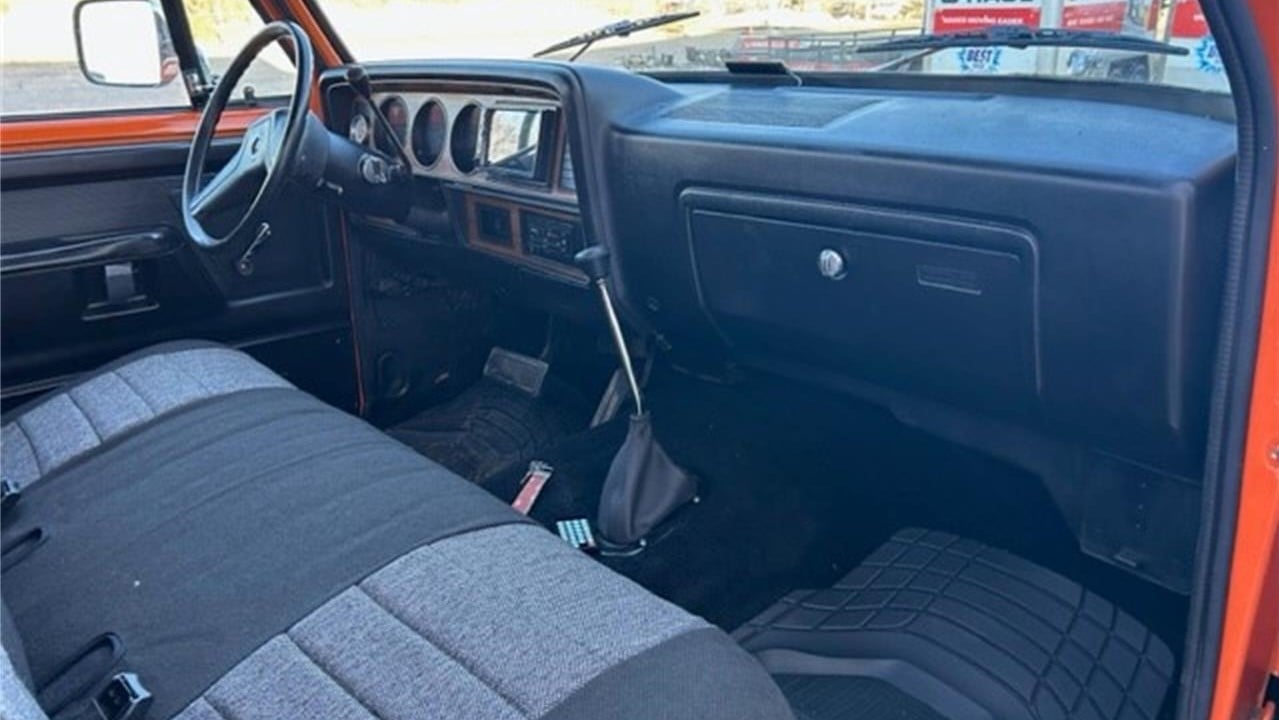
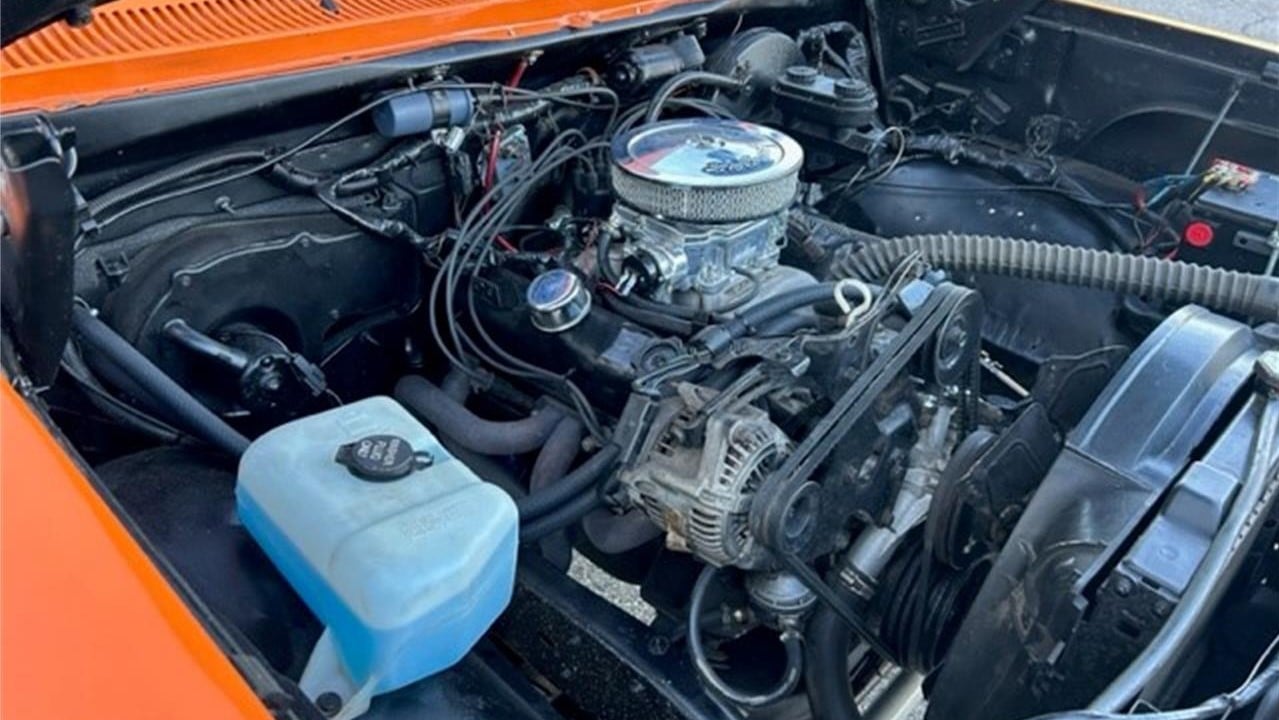
Mechanically, this truck has a lot to offer. Power under the hood comes from a remanufactured 318cid V8 mated to a column-shifted automatic transmission. This was a mid-range engine for the first-generation Ram, bridging the gap between a 225cid inline-six and a 360cid V8.
The seller states that this truck has upgrades including an Edelbrock intake, long tube headers, and a dual exhaust system. Ratings when new for this truck’s powertrain were 170 horsepower and 260 lb-ft of torque. On paper, those numbers are not very impressive for a vehicle of this size, but this pickup comes with a tow receiver so it must be capable enough to haul with a certain level of confidence.
This generation of Ram pickup was sold through the 1993 model year, after which an all-new second generation debuted in 1994. Worth noting, in 2011, Ram Trucks became a standalone brand outside the Dodge umbrella. All pickups from then onward have been called simply “Ram.”
“Has been completely gone through,” the listing concludes. “Outstanding inside and out.”
The seller is asking $27,000 for this well-kept Ram.
Many full-size pickups from the 1980s have been put out to pasture by now after living a life of labor at construction sites or farms. A few have been lucky enough to survive and even go through restoration.
“First generation, beautiful rust-free truck,” the listing states.
The Ram pickup line was born in 1981 on the Chrysler AD platform (taking the place of the previous D-Series) and was available in regular cab, extended cab and crew cab configurations. Bed lengths were offered in 6.5-foot and 8-foot variants, and this pickup is a regular cab with a long-bed.
Despite being in Michigan where vehicle corrosion is commonplace, this Ram is said to be rust-free, and the underbody photos in the listing support that statement. The most striking attribute of this Ram is its vivid orange paint job with black accents on the hood and the tailgate. The exterior is accented by a hood ornament, a sliding rear window and aftermarket polished aluminum wheels to complete the look.
Mechanically, this truck has a lot to offer. Power under the hood comes from a remanufactured 318cid V8 mated to a column-shifted automatic transmission. This was a mid-range engine for the first-generation Ram, bridging the gap between a 225cid inline-six and a 360cid V8.
The seller states that this truck has upgrades including an Edelbrock intake, long tube headers, and a dual exhaust system. Ratings when new for this truck’s powertrain were 170 horsepower and 260 lb-ft of torque. On paper, those numbers are not very impressive for a vehicle of this size, but this pickup comes with a tow receiver so it must be capable enough to haul with a certain level of confidence.
This generation of Ram pickup was sold through the 1993 model year, after which an all-new second generation debuted in 1994. Worth noting, in 2011, Ram Trucks became a standalone brand outside the Dodge umbrella. All pickups from then onward have been called simply “Ram.”
“Has been completely gone through,” the listing concludes. “Outstanding inside and out.”
The seller is asking $27,000 for this well-kept Ram.
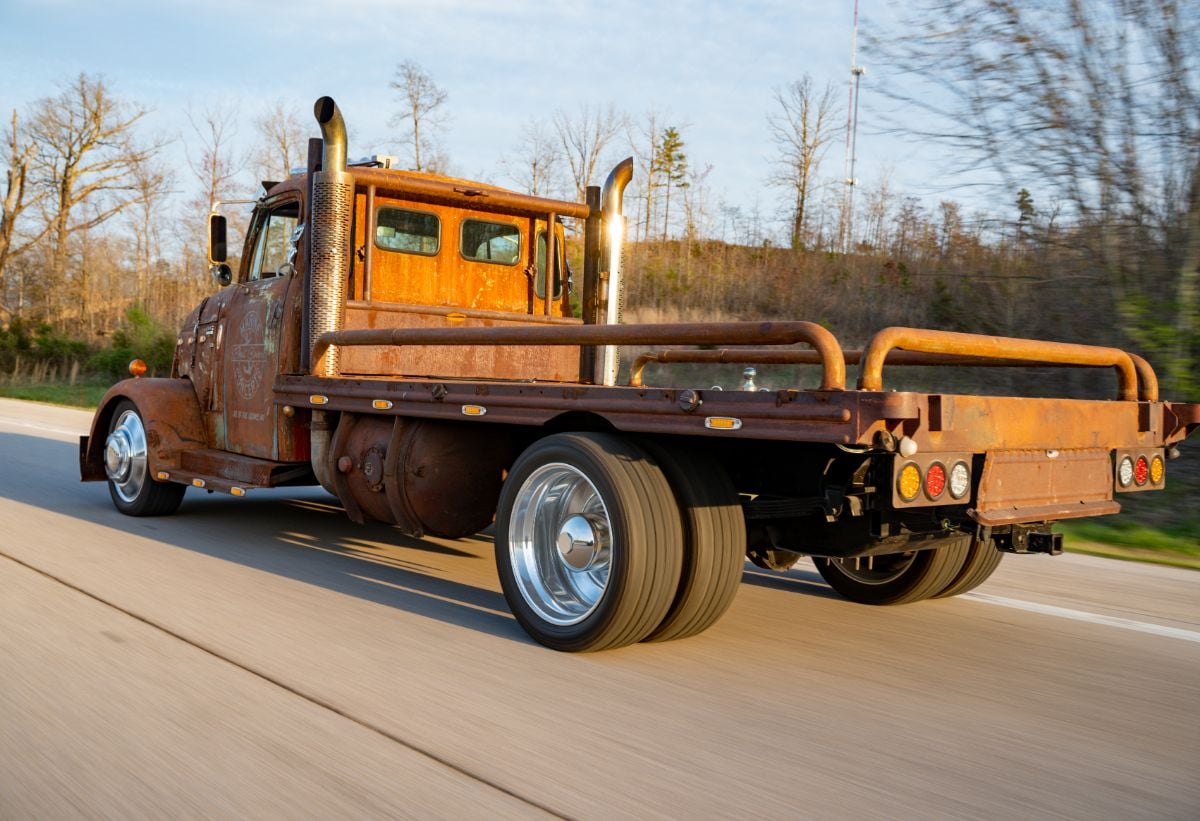
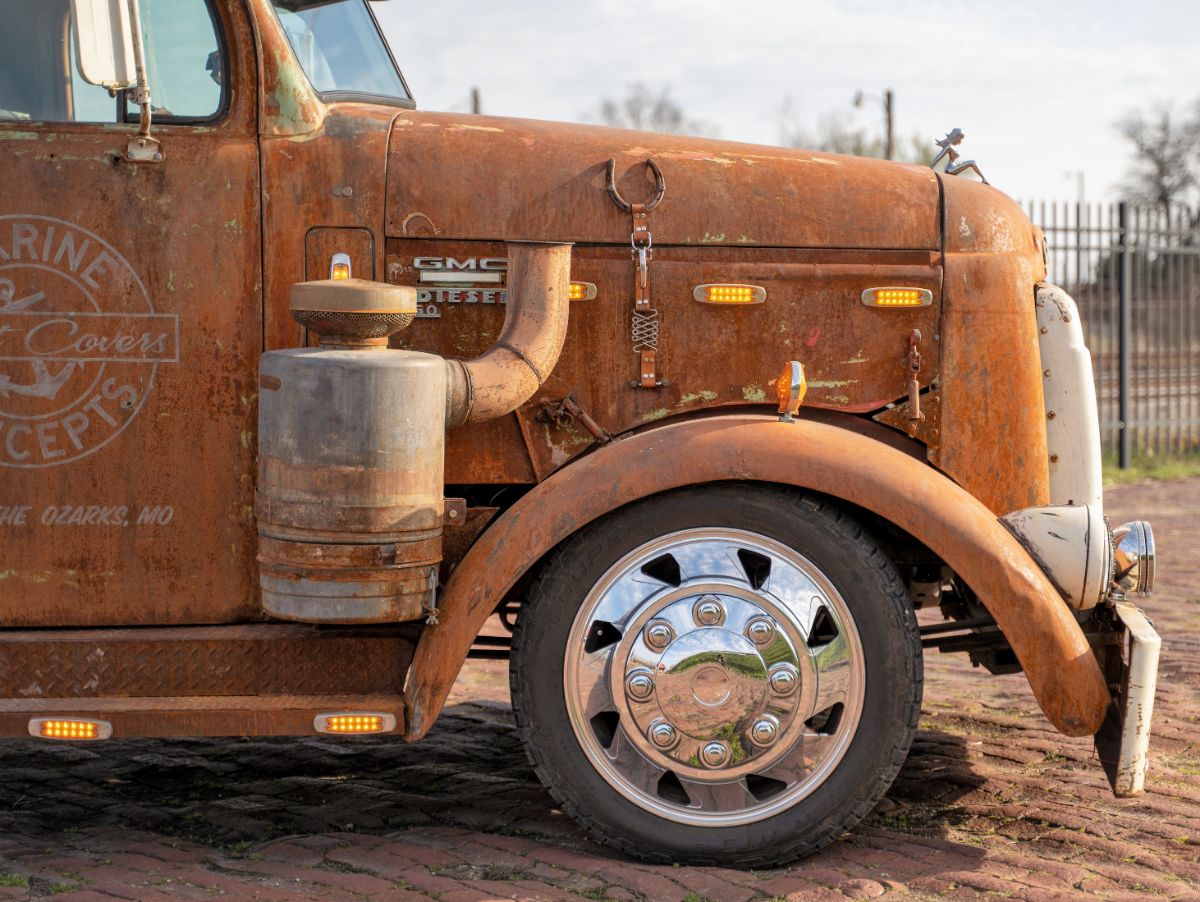
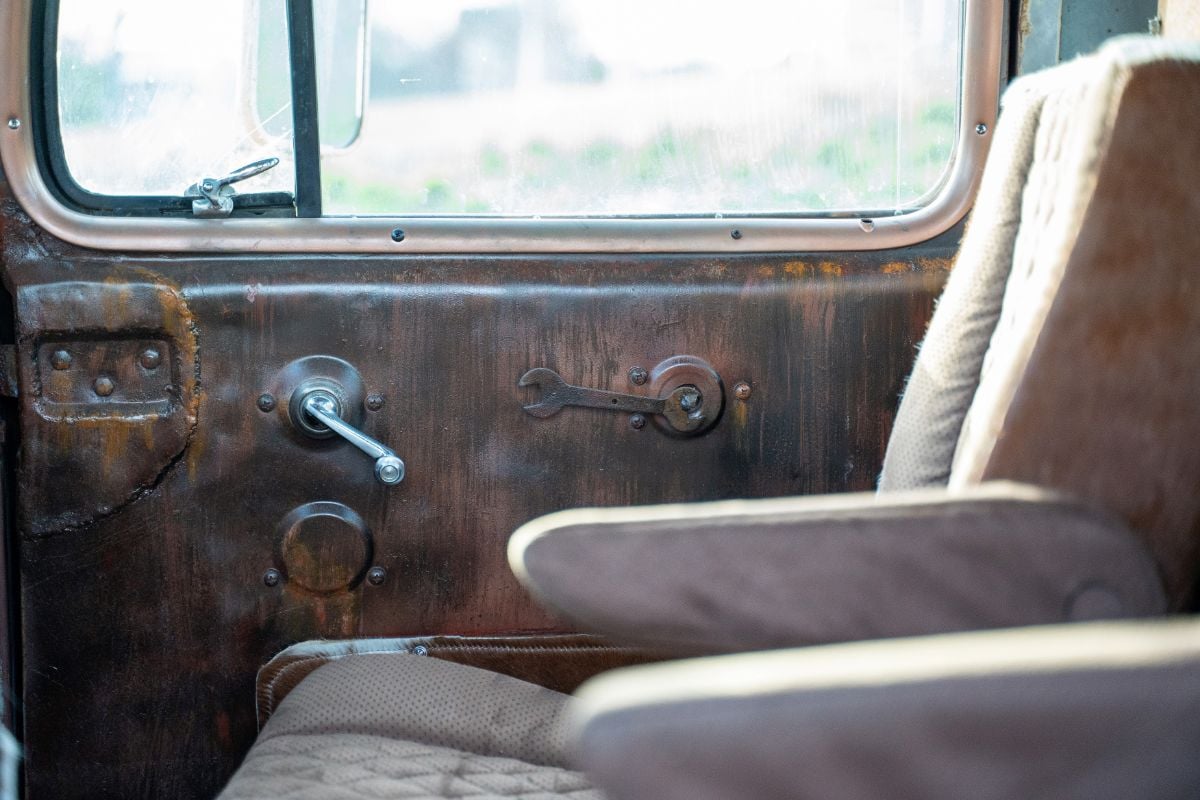
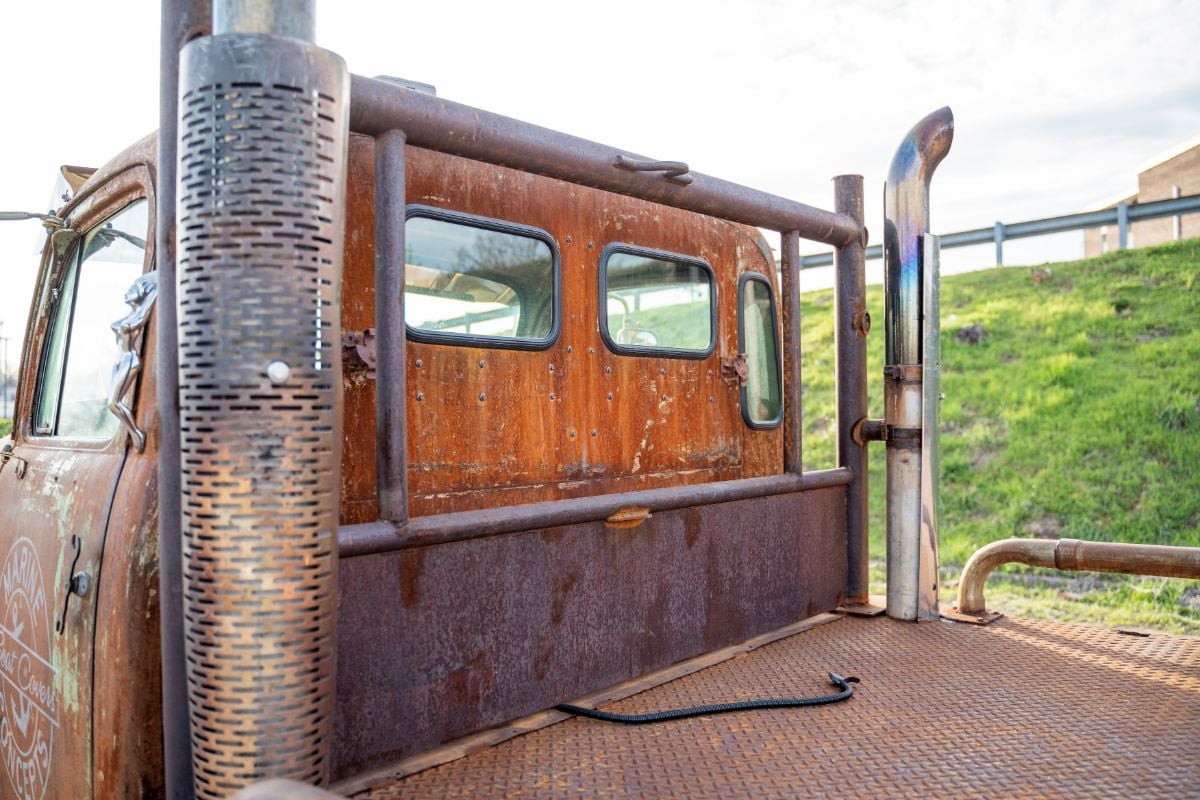
Featured on AutoHunter, the online auction platform driven by ClassicCars.com, is this five-window Duramax-powered 1955 GMC flatbed truck. It is based on a later-model GMC Topkick chassis and drivetrain, the latter being a 6.6-liter Duramax turbodiesel V8 backed by an Allison five-speed automatic transmission. Features include power steering and brakes, aftermarket climate control system, power four-wheel disc brakes,electric brake controller and 22-inch aluminum wheels. Finished with a brown patina over a brown interior with cowhide-style accents, this custom GMC truck comes with a clear title.
The exterior’s rusty patina finish is complemented by a white grille, front bumper and headlights. Additional items include polished aluminum windshield visor, folding mirrors, flatbed with side rails, B&W gooseneck turn-over hitch, dual fuel tanks and smokestack-style exhaust pipes, among others.
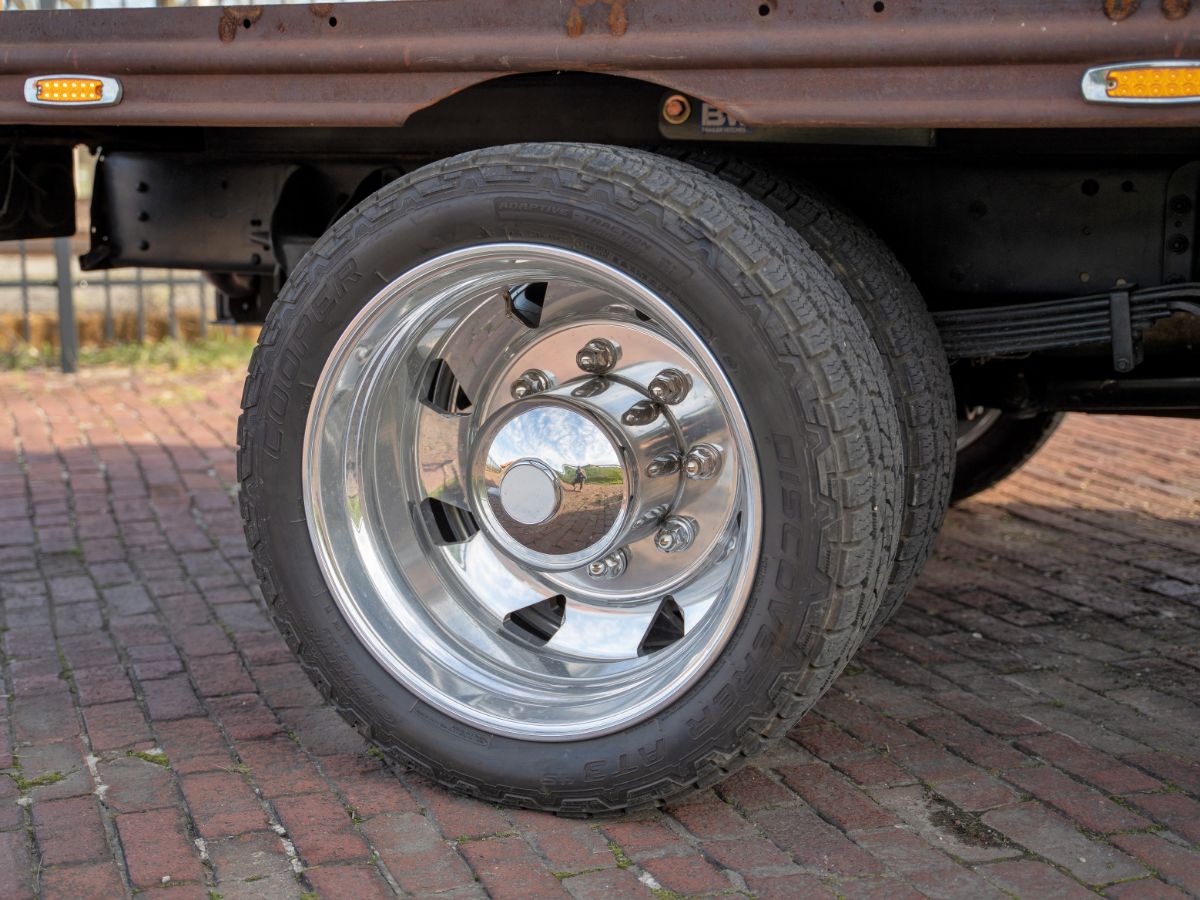
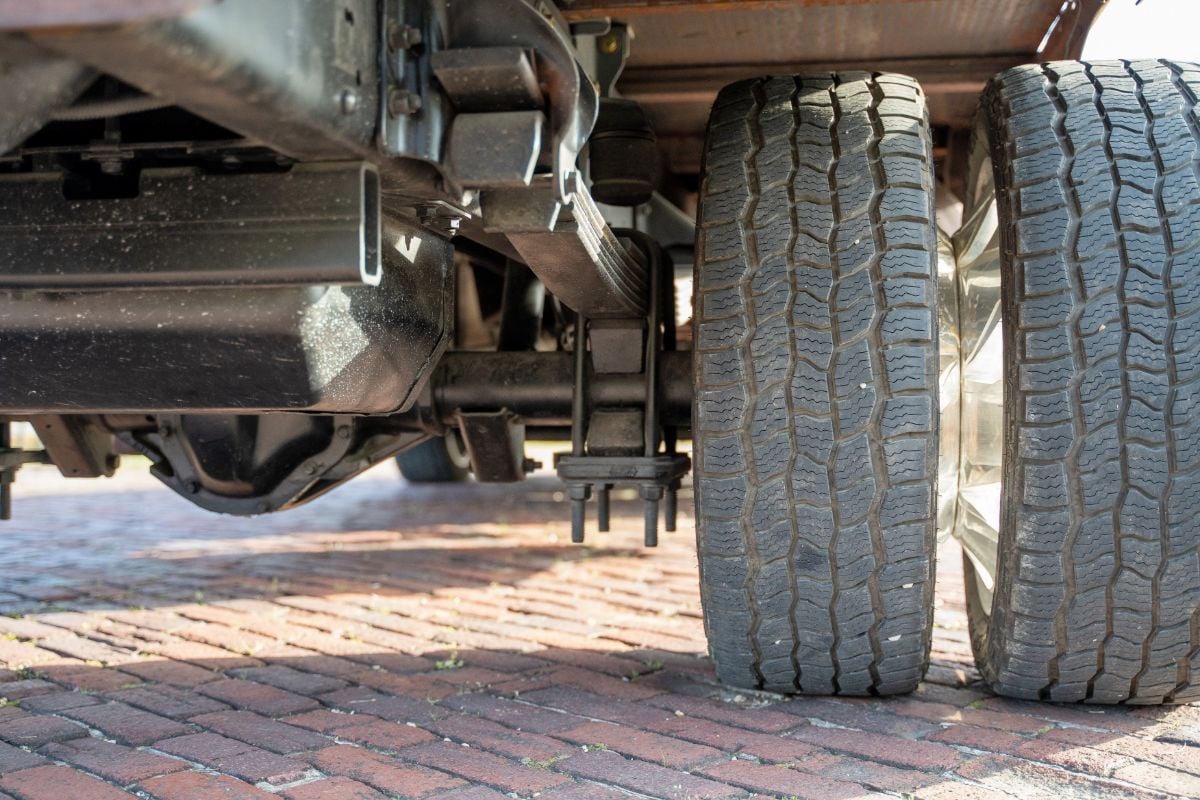
A set of polished aluminum 22-inch wheels is wrapped in radial tires.
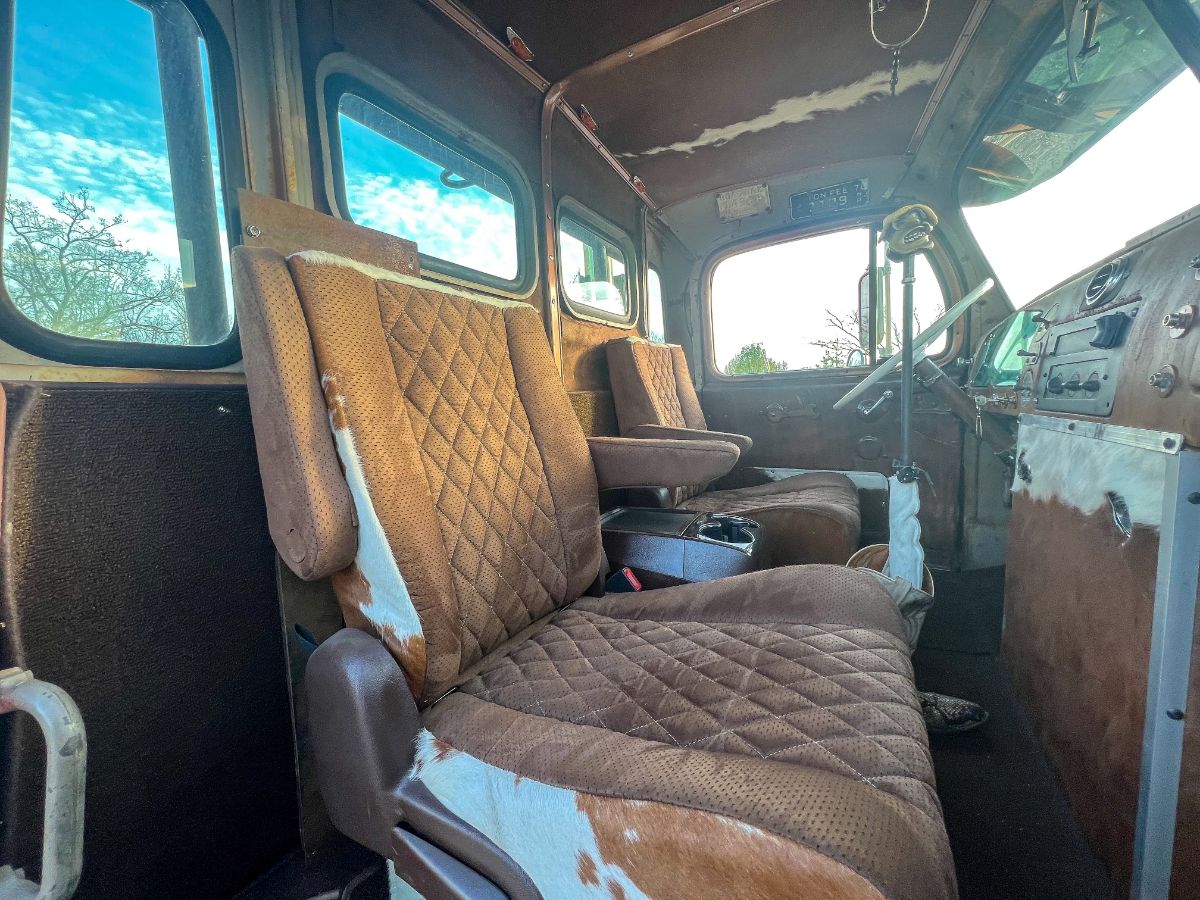
The captain’s chairs are upholstered in brown fabric with cinnamon and white cowhide-style accents. Features include center console with storage compartment and cup holders, floor-mounted automatic shifter and cowhide-style seat, door panel, under-dash and headliner trim.
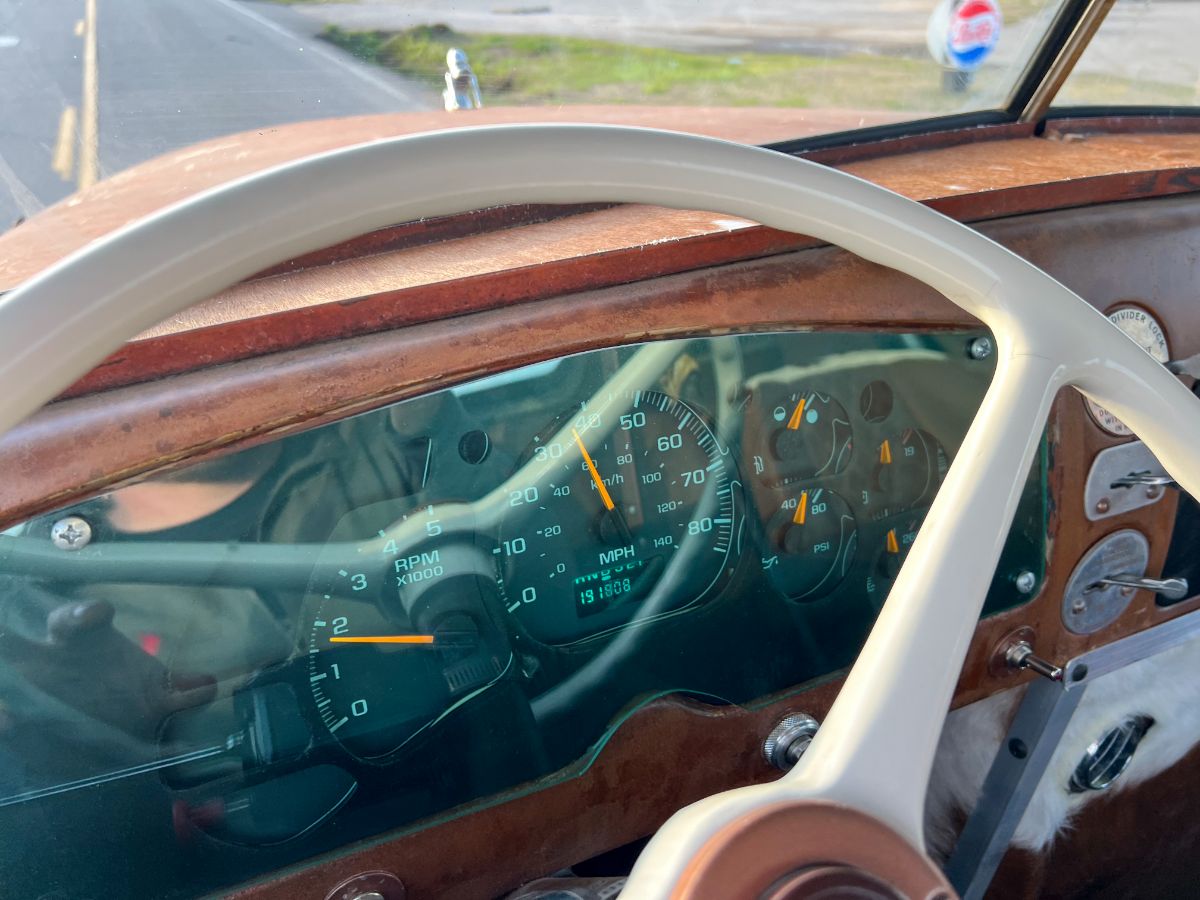
A more modern GMC TopKick has donated its gauges, which include a 85-mph speedometer, 5,000-rpm tachometer and gauges for the fuel level, oil pressure, voltage and coolant temperature. The digital odometer reads 192,000 miles, which the selling dealer reports to be the true mileage on the chassis and drivetrain.
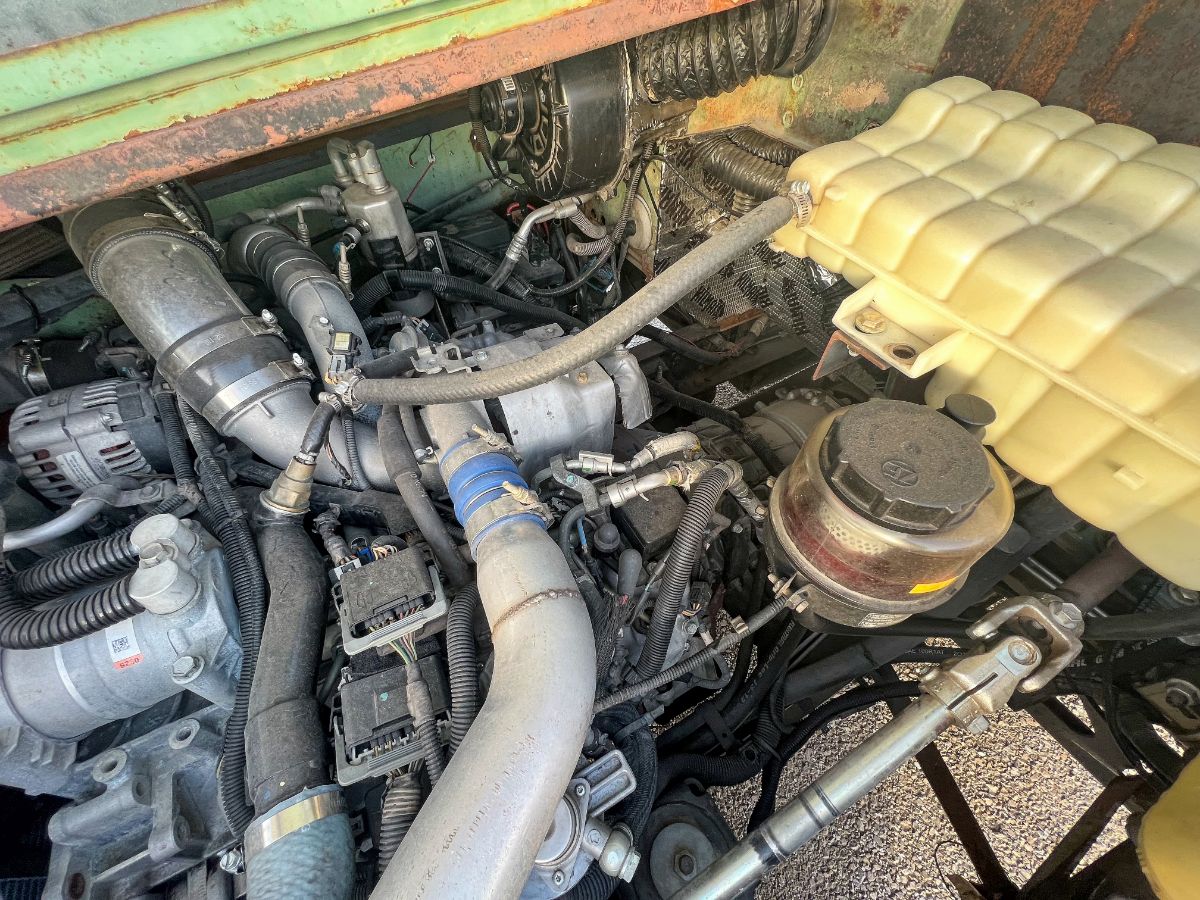
Power is provided by a 6.6-liter Duramax turbodiesel V8 and backed by an Allison five-speed automatic transmission.
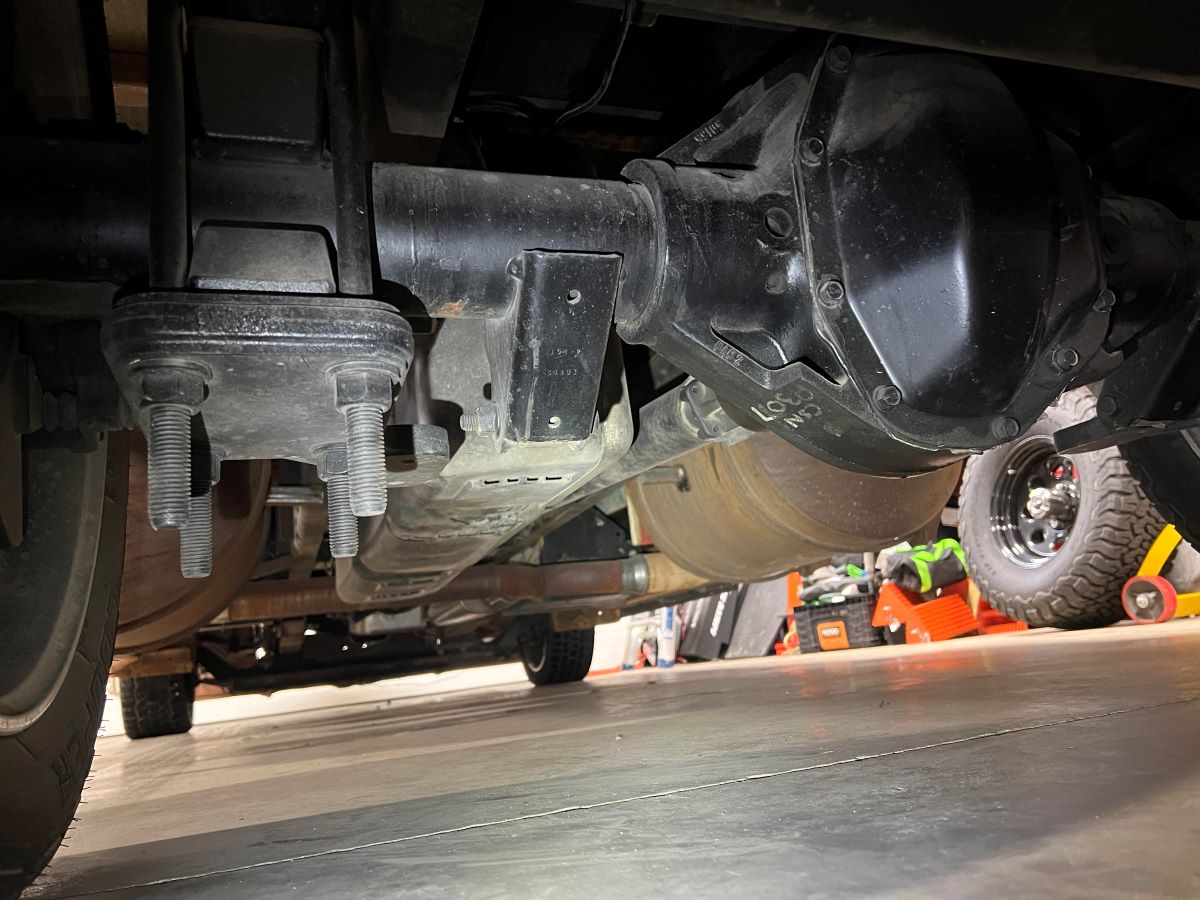
The 1955 GMC cab has been fitted on what the selling dealer believes to be a 2005 GMC TopKick chassis. The suspension consists of a leaf spring-mounted solid front and rear axles. An onboard air system with electric pump and storage tank has been fitted to the chassis.
Barrett-Jackson Collector Car Auctions today announced that it is bringing its world-renowned automotive lifestyle event to Louisiana in 2023 for the auction company’s inaugural New Orleans Auction, September 28-30, at the New Orleans Ernest N. Morial Convention Center. The inaugural event marks Barrett-Jackson’s first auction in the state of Louisiana and will feature all the excitement and amenities the auction company is famous for, including an exceptionally diverse docket of collectible vehicles, live auction action, VIP hospitality options, the vast exhibitor marketplace and exhilarating hot laps and thrill rides with leading automotive manufacturers.
“The city of New Orleans is a perfect location for a Barrett-Jackson auction, and I’m thrilled to bring our automotive lifestyle events to the Crescent City in September,” said Craig Jackson, chairman and CEO of Barrett-Jackson. “Barrett-Jackson is all about creating the highest level of excitement around the collector car hobby and bringing it to multiple generations of guests, both current and future automotive enthusiasts. The city of New Orleans is a destination that embodies the same level of excitement and will elevate our events particularly for the tens of thousands of guests that will travel to the great state of Louisiana from around the world.”
Similar to Barrett-Jackson’s other auction locations in Scottsdale, Palm Beach and Las Vegas, New Orleans has long been a popular destination for travelers worldwide and is a community familiar with hosting major, world-class events. In addition to its famed annual festivals like Mardi Gras and the New Orleans Jazz & Heritage Festival, the city has also welcomed ten Super Bowls, which is the second-most of any city in the United States, nine Men’s and Women’s NCAA Final Four events, five college football national championship games since 1999 and has annually hosted the iconic Sugar Bowl since 1935.
“The New Orleans Ernest N. Morial Convention Center is a leading event destination for visitors from across the world and we are delighted to welcome the iconic Barrett-Jackson Collector Car Auction to New Orleans this fall for the very first time,” said Convention Center President Michael J. Sawaya. “For more than 50 years, this event has brought together millions of devoted automotive enthusiasts and I’m certain their energy and excitement will be well suited for the lively, fun-loving culture we cultivate here in the Crescent City.”
The inaugural New Orleans Auction will be held at the award-winning New Orleans Ernest N. Morial Convention Center, the sixth largest convention facility in the United States. Blocks away from the must-see National WWII Museum and nestled within the heart of New Orleans’ festive atmosphere, the world-famous French Quarter and several architecturally significant and distinct neighborhoods are just minutes away, as well as dozens of hotels and hundreds of shops and restaurants representing the best of New Orleans culture and cuisine.
“I can’t wait to see the level of excitement that New Orleans and Barrett-Jackson collectively will bring together as we ignite this hobby once again for our inaugural event in September,” said Steve Davis, president of Barrett-Jackson. “This city is such a vibrant and culturally rich community. Our guests traveling from all over the world, as well as the millions tuning in to the event around the world on television, have something truly special to look forward to.”
VIP Experience packages for the inaugural New Orleans Auction are available here. Advance tickets and hotel package information for the event will be available soon. Those interested in consigning their collector vehicle may learn more here and guests looking to register to bid may find additional information here.
The AutoHunter Cinema feature today takes us through a Russell Built Fabrication Baja 911. Russell Built Fabrication specializes in customizing Porsches inspired by the road racing success from the 1980s. The SoCal shop, which has produced and fabricated components for Singer Vehicle Design for years, based this Baja 911 on the 964 Porsche 911. Power comes from a Rothsport Racing 3.8-liter flat-six producing 365 horsepower. A novel feature includes Ford Raptor levels of suspension travel to handle both rattlesnakes and moguls. While prices start around $500,000, this particular vehicle was bought for $1,000,000.
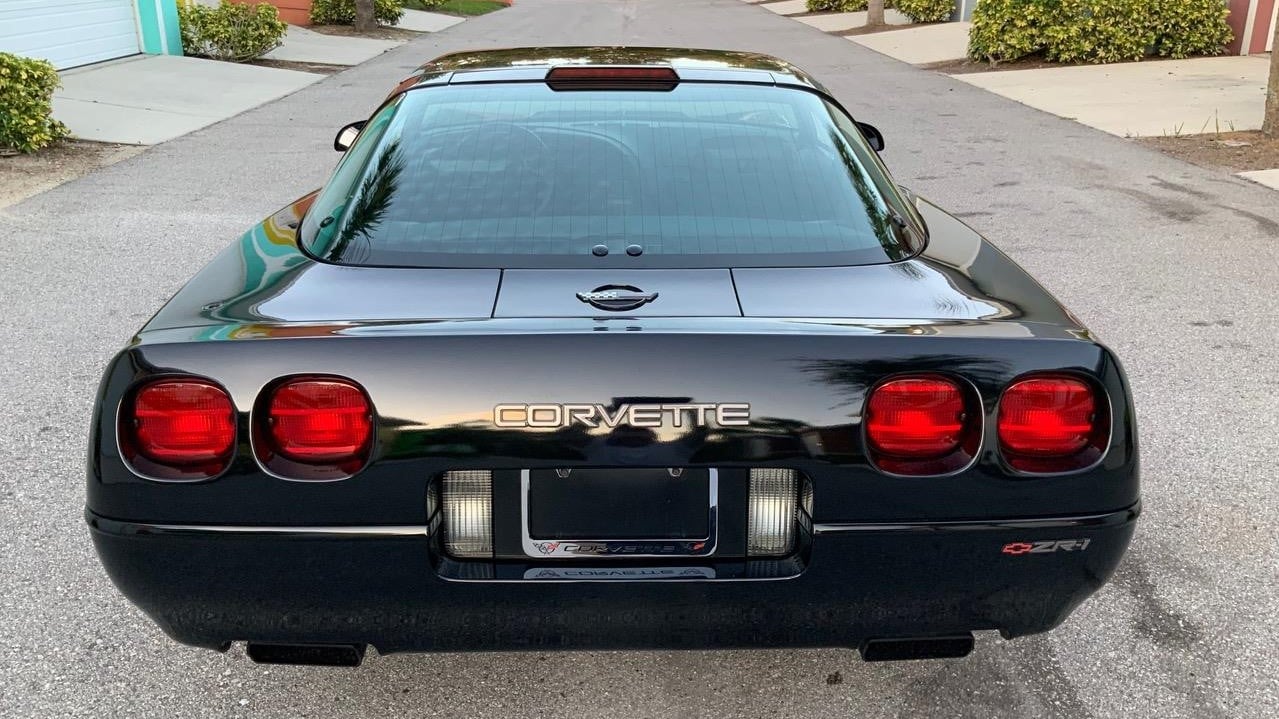
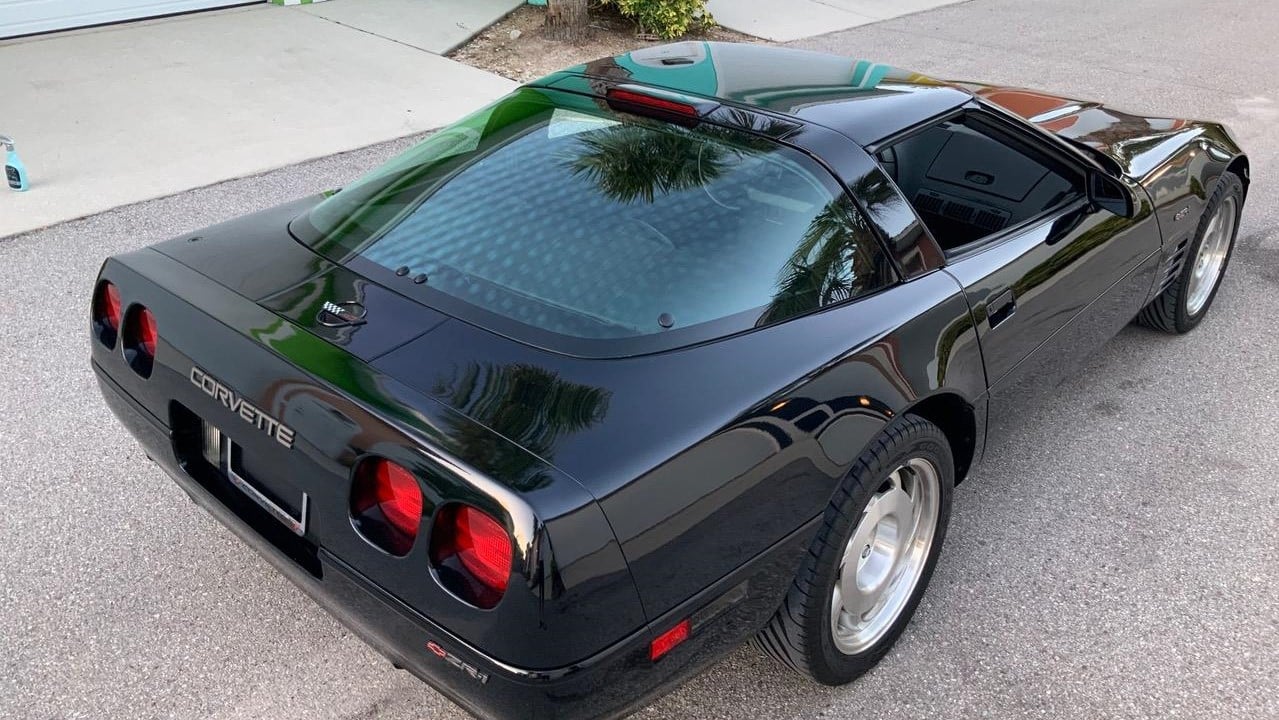
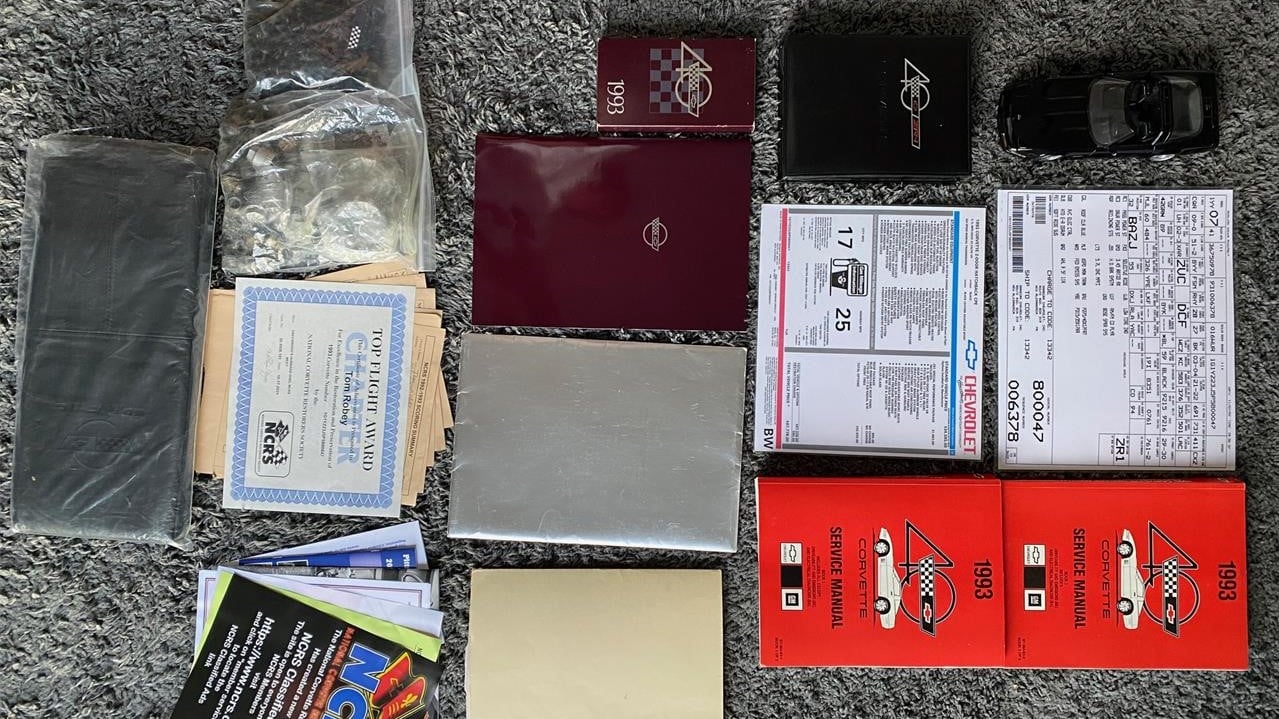
“Only 10,500 miles, NCRS Top Flight award grand total score 9.5,” the listing states. And best of all, this C4 Corvette comes with a second vehicle – in 1:18 scale diecast form, anyway.
This Corvette comes from the fourth generation which debuted for model year 1984 with assembly taking place in Bowling Green, Kentucky. The C4 had a completely new Y-body chassis with sleeker styling and, an electronic digital dashboard, and revised suspension architecture. A high-performance ZR1 variant of the C4 was produced in collaboration with Group Lotus, an engineering consultant firm, starting in 1990.
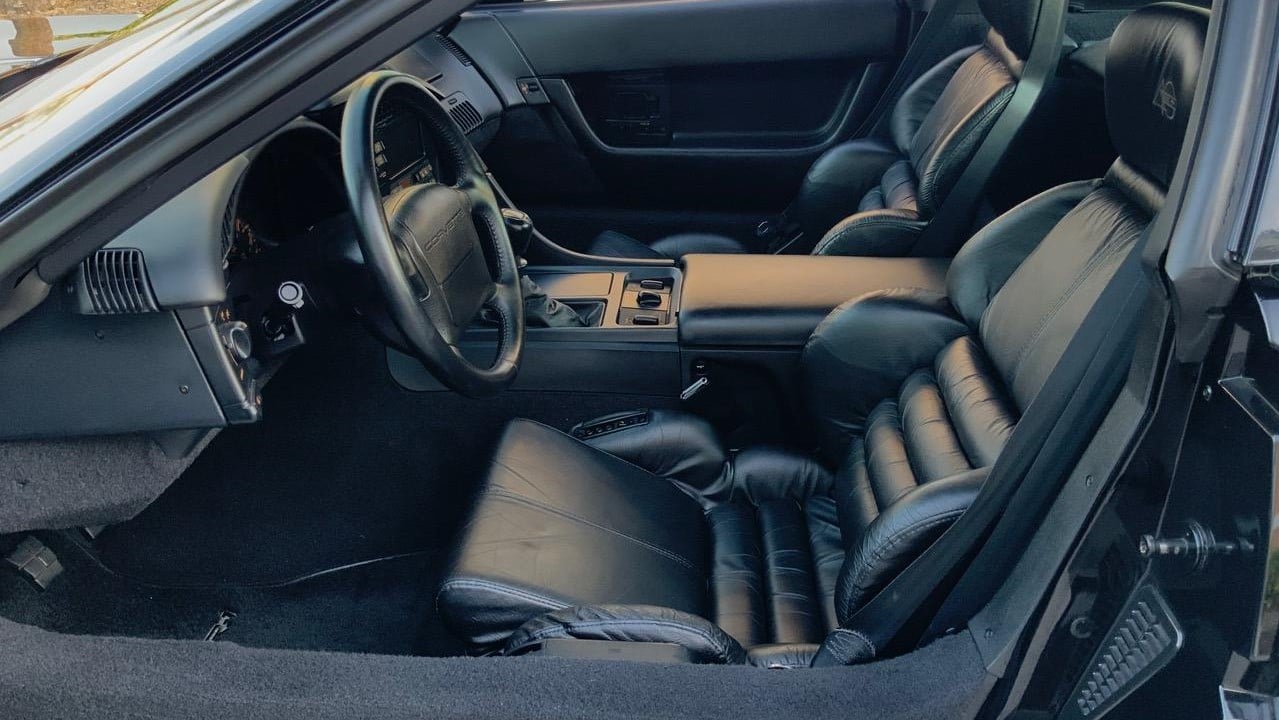
The window sticker on this C4 ZR1 shows that it was originally shipped to Grabiak Chevrolet in New Alexandria, Pennsylvania. Included in the performance package were unique 17-inch styled aluminum wheels, a heavy-duty brake system, model-specific side body panels, leather seats, a Delco audio system, and solar tinted glass. This car also came with an optional $950 removable roof panel.
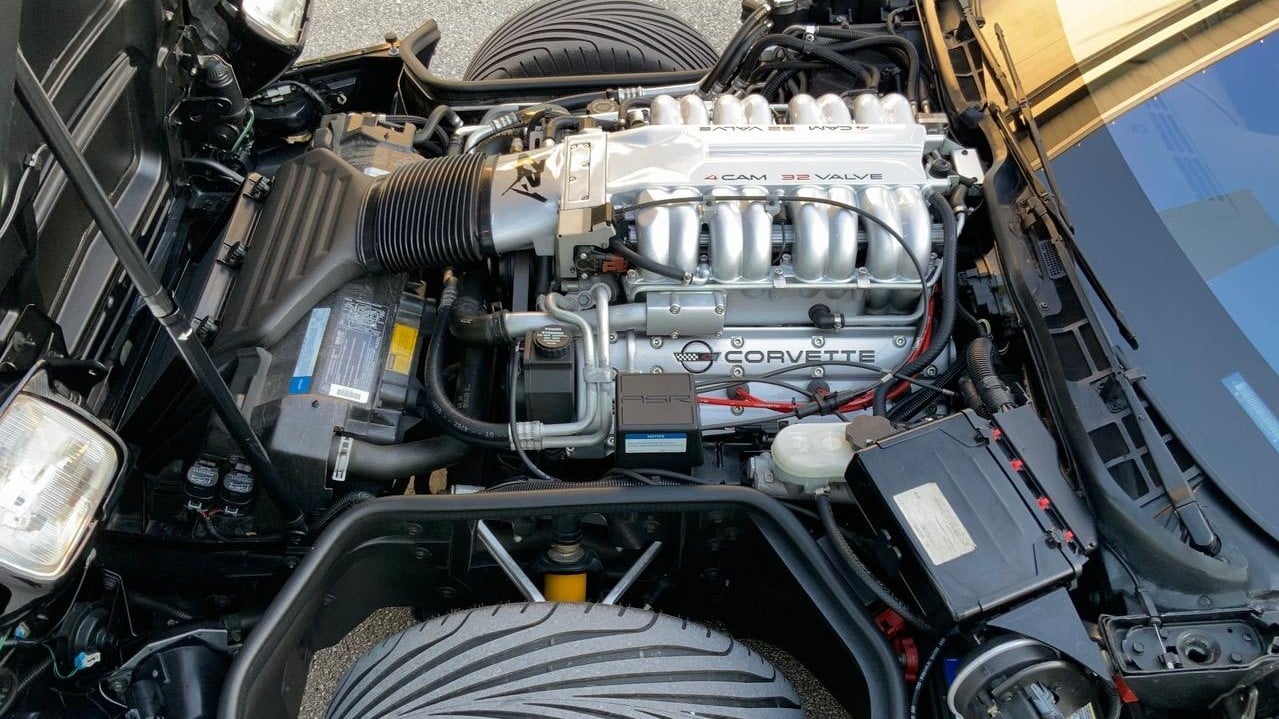
The most defining characteristic of the ZR1 was under its hood, where a unique motor – dubbed the LT5 – took the existing 5.7-liter L98 V8 and upgraded it with four overhead camshafts, 32 valves, and a unique air management system. The result was a strong output of 375 horsepower and 370 lb-ft of torque. Three years later, output was ramped up to an even more potent 405 horsepower and 385 lb-ft of torque. Power is sent to the rear wheels through a six-speed manual transmission.
Even though this ‘Vette has exceptionally low mileage, it has still received its fair share of recent servicing. The cruise control, stereo system, air conditioning, seats, and suspension were worked on by a ZR1 specialty shop according to the seller’s itemized list.
Cosmetically, the car is about as good as any 30-year-old vehicle can possibly be. The National Corvette Restorers’ Society (NCRS) awarded the car with “Top Flight” honors, and a certificate of that achievement is included with the sale. Also included is a promotional VHS tape in case you have a VCR!
The seller is asking $55,000 or best offer for this low-mileage ZR1 — AND its scaled down sibling.