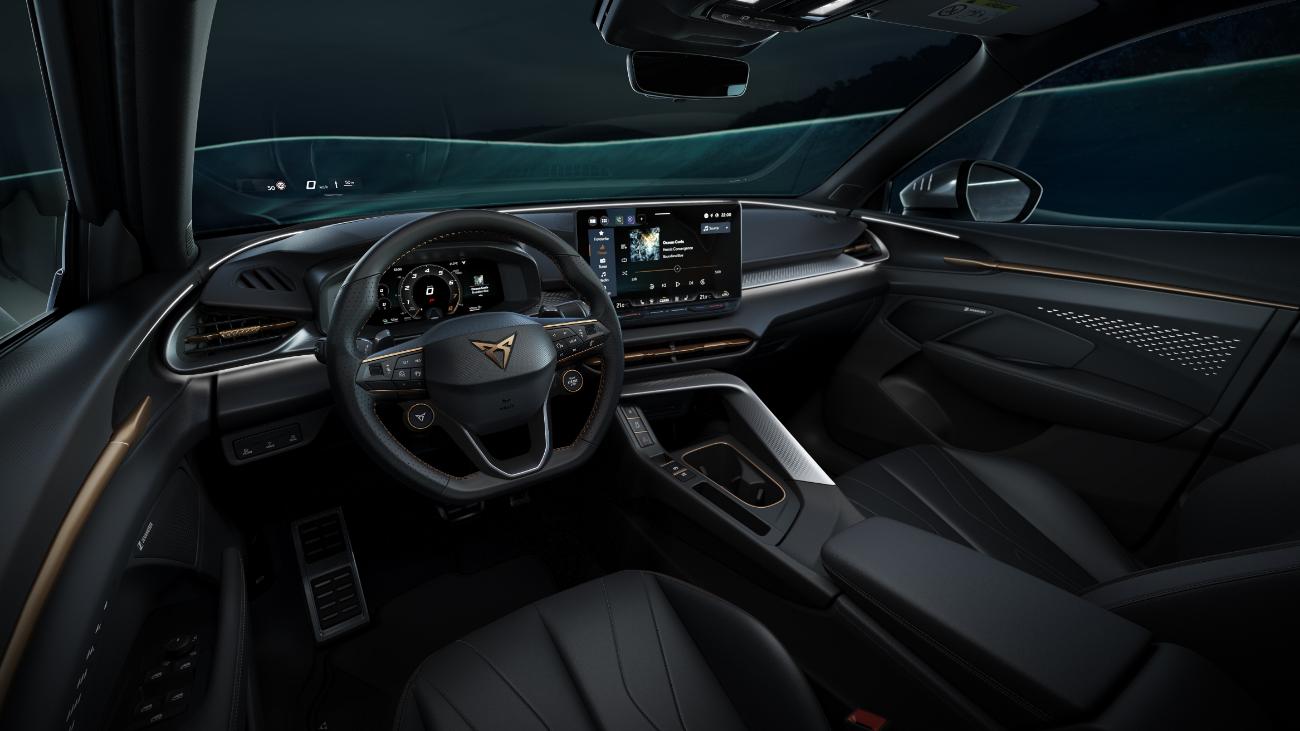
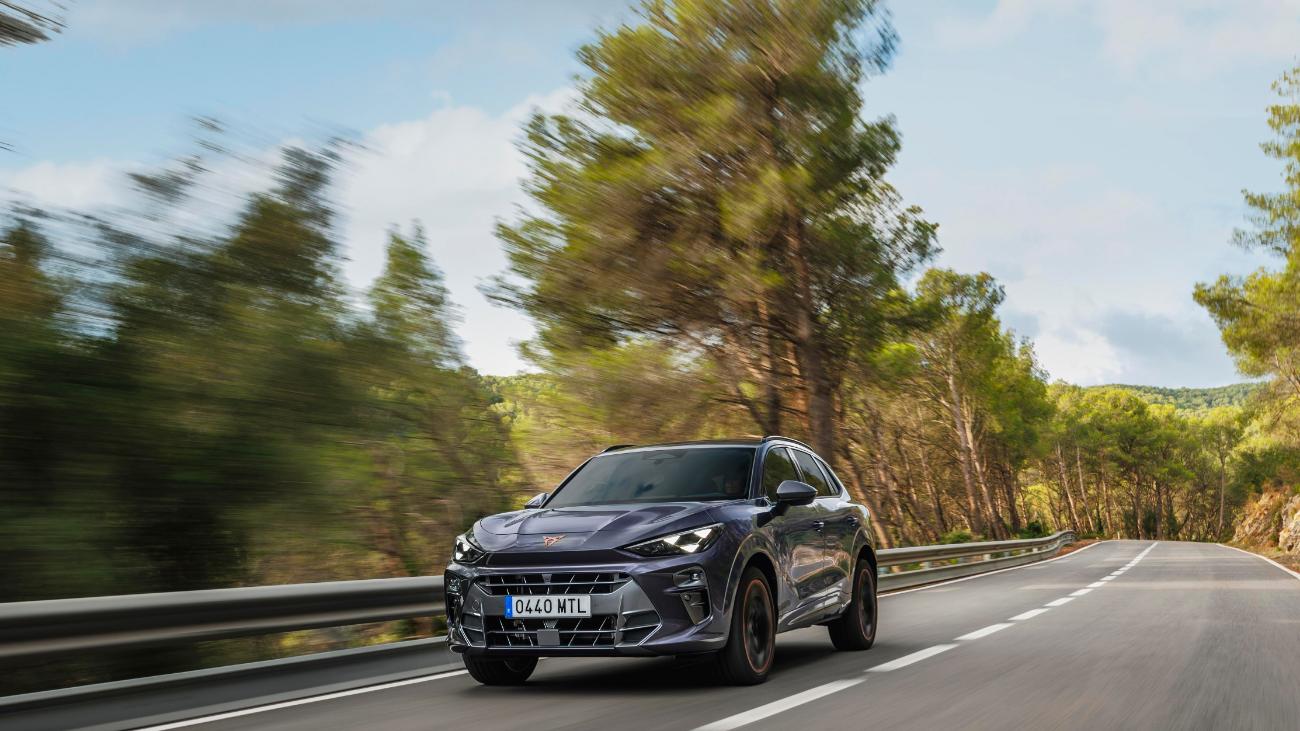
It’s difficult to introduce a new automotive brand. But when you’re the Volkswagen Group, there are resources and money to support the endeavor. Why Volkswagen Group needs another brand is up for conjecture, but this new marque, Cupra, may hit our shores in the not-too-distant future.
Spain is not known for being a major home of automotive manufacturing, but it has managed to produce badge-engineered Fiat models for years. Known as SEAT—pronounced seh-aht (and, coincidentally, rhyming with Fiat)—it’s an acronym for Sociedad Espoñola de Automóviles de Turismo or “Spanish Society of Passenger Cars.” The 1950 inception initiated a joint venture between a government-owned institution and Fiat, but the Volkswagen Group bought SEAT in 1986. By 1991, the Spanish company began building its first model completely developed under Volkswagen Group’s ownership. Today, the brand exists in over 70 countries.
Compared to Volkswagen, SEAT has a more affordable price point, with edgier styling and less strange model names. Today, SEAT produces a subsidiary called Cupra. Though Cupra Racing originated from SEAT’s motorsports exploits (originally as SEAT Sport), Cupra in turn was established as an official high-performance brand in 2018. The first cars were Volkswagen-based, but a unique Cupra vehicle appeared for 2021. All models have been hatchbacks or crossover SUVs.
The newest model in the Cupra portfolio is the Terramar, a vehicle based on Volkswagen Group’s MQB platform, which includes familiar names like the VW Arteon and Atlas. Currently, it is either a mild hybrid or PHEV. According to Car and Driver, Cupra has aspirations to penetrate the American market as a sporty brand positioned between VW and Audi by the end of the decade. The Formentor, a subcompact battery-electric crossover, is one of the models anticipated for these shores, with another mid-sized SUV to be built in North America. According to a Cupra rep, the Terramar demonstrates “where we are, where we are going, and where we want to go in the future.” Car and Driver feels the mild hybrid comes closest to exhibiting the style and dynamics for which the brand strives.
A lot can happen in five years—witness manufacturers backing off from EV goals for the end of the decade. A Cupra on these shores smacks of brand sprawl, considering we already have Volkswagen, Audi, and Porsche. What are your thoughts? Tell us in the comments section below.
Mother’s Day is coming up Sunday, May 11. If you need an idea of what to get the car-loving mama in your life, whether it’s your mom or the mother of your children, take a look at the list below. It’s possibly too late to gift them for this year, but at least you’ll be prepared for 2026.
EXPERIENCES If the mother in your life prefers experiences over gifts, there are plenty of those out there. Land Rover offers a variety of Experience Drives, which start at $275 for one hour, and Family Experiences, priced from $450, that will allow her to learn more about the capability of Land Rover vehicles while she’s surrounded by the beauty of nature.
(Photo courtesy of the National Corvette Museum Motorsports Park)
There are also several high-performance driving experiences available from various manufacturers. At the National Corvette Museum, Mom can zoom around the Motorsport Park‘s road course in a C7 Stingray, C8 Stingray, Camaro, or all three. Is she more of a luxury car kind of lady? Then book her an AMG Experience in a 577-horsepower SL 63.
(Photo courtesy of the Auburn Cord Duesenberg Automobile Museum)
Maybe Mom prefers the quiet of a museum. There’s a place for her. Actually, there are quite a few, such as the Auburn Cord Duesenberg Automobile Museum in Auburn, Indiana. It houses an average of 120 vehicles from the three brands as well as artifacts on three floors. Mom can even see 1925–1937 models in the museum’s Art Deco Company Showroom, which has a “terrazzo floor, lit by Art Deco chandeliers and sconces that highlight the elegance, beauty, and depth of this impressive space, just as it did in 1930.“
Another great place to go with Mom? The Barrett-Jackson 2025 Scottsdale Fall Auction, which will be taking place October 15-18. Get your tickets for it by clicking here.
For something a little closer to home, try a local car show. There’s a good chance it’ll be in the parking lot of a restaurant, so you can treat Mom to lunch or dinner afterward.
ONE-ON-ONES No matter what Mom does on Mother’s Day, she wants to do it with you. To keep crowds of strangers out of your plans with her, you can take a long drive to a place she’s always wanted to see or, if Mom is the outdoorsy type, go car camping in a picturesque area. Your mom may just want to watch an old car movie, such as “Smokey and the Bandit,” like she did when you were a kid. You know what would maximize her viewing pleasure? A Diablo sandwich and a Dr. Pepper.
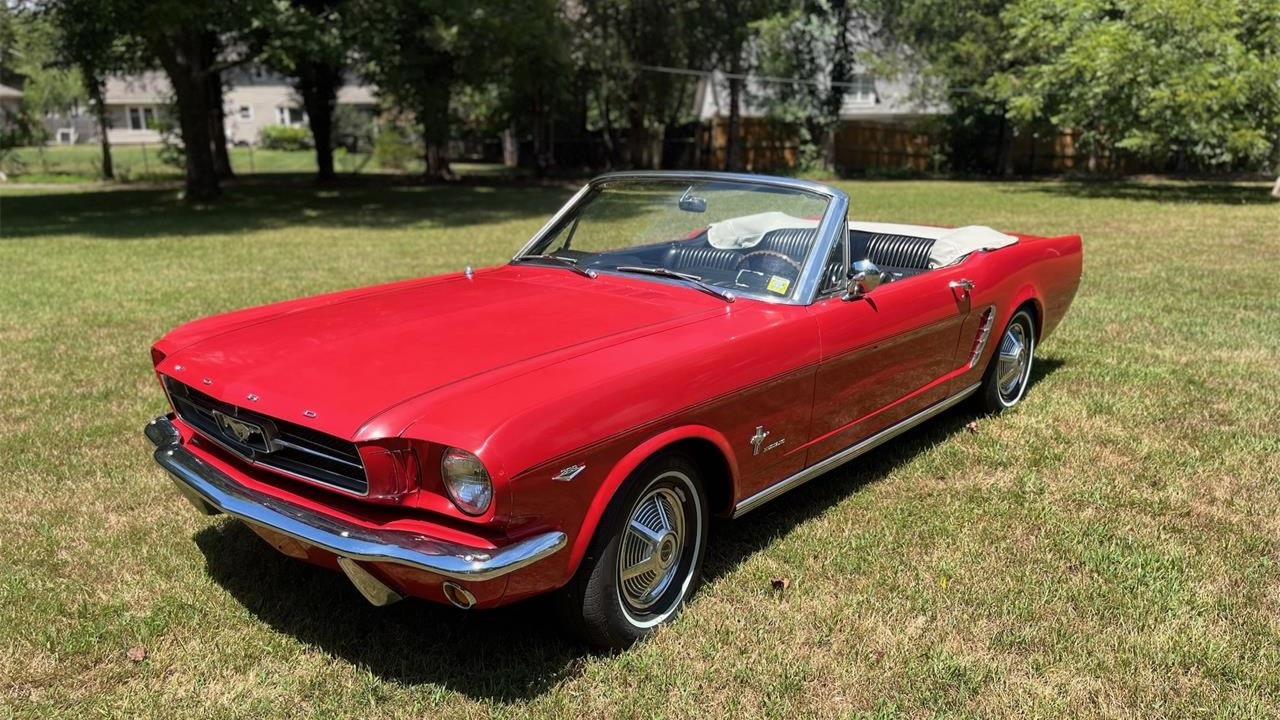
Let’s say Mom would rather have something she can look at every day that reminds her of you. A car will definitely get the job done. Sure, if you have the means, you can get a showroom-fresh one (such as a 2025 Hyundai Santa Fe Hybrid Calligraphy AWD) delivered to her house with a giant bow on it. But you can also go the pre-owned route. In fact, you have to if Mom wants a 1965 Ford Mustang like the one she drove in college.
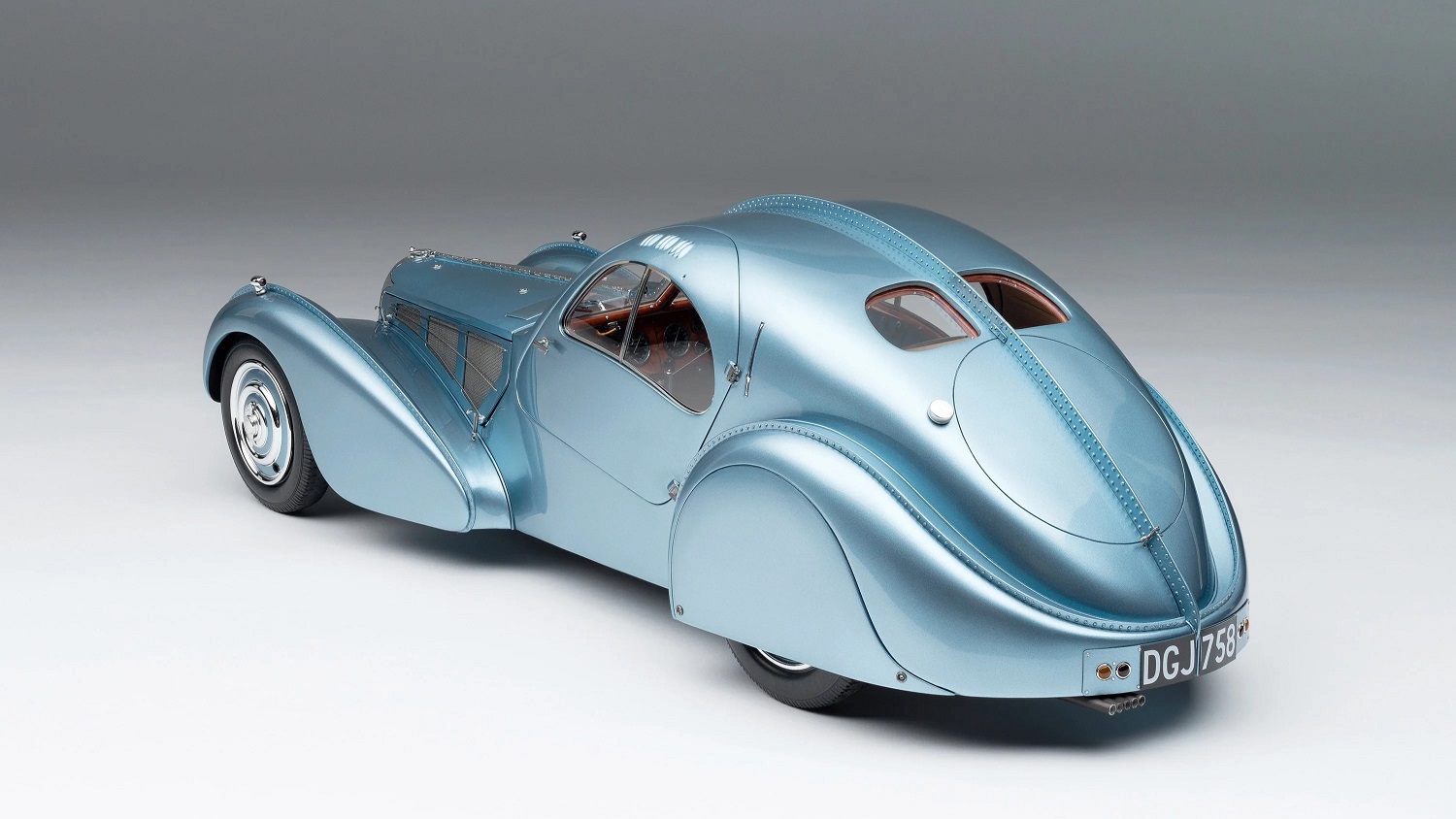
(Photo courtesy of the Amalgam Collection)
On a much smaller scale (literally), you can get Mom a model of a car that’s attractive or meaningful to her. Maisto covers a lot of makes and models at an affordable price. For more detail (and a higher price), try out AutoArt. Really looking to impress Mom (while terrifying your accountant)? Buy her a 1:8-scale Bugatti Type 57 SC Atlantic from the Amalgam Collection for $24,995.
Has Mom always wanted a framed photo from an epic road trip you two went on several years ago? Now is the time to give it to her.
SMALL GESTURES
(Photo courtesy of Toyota)
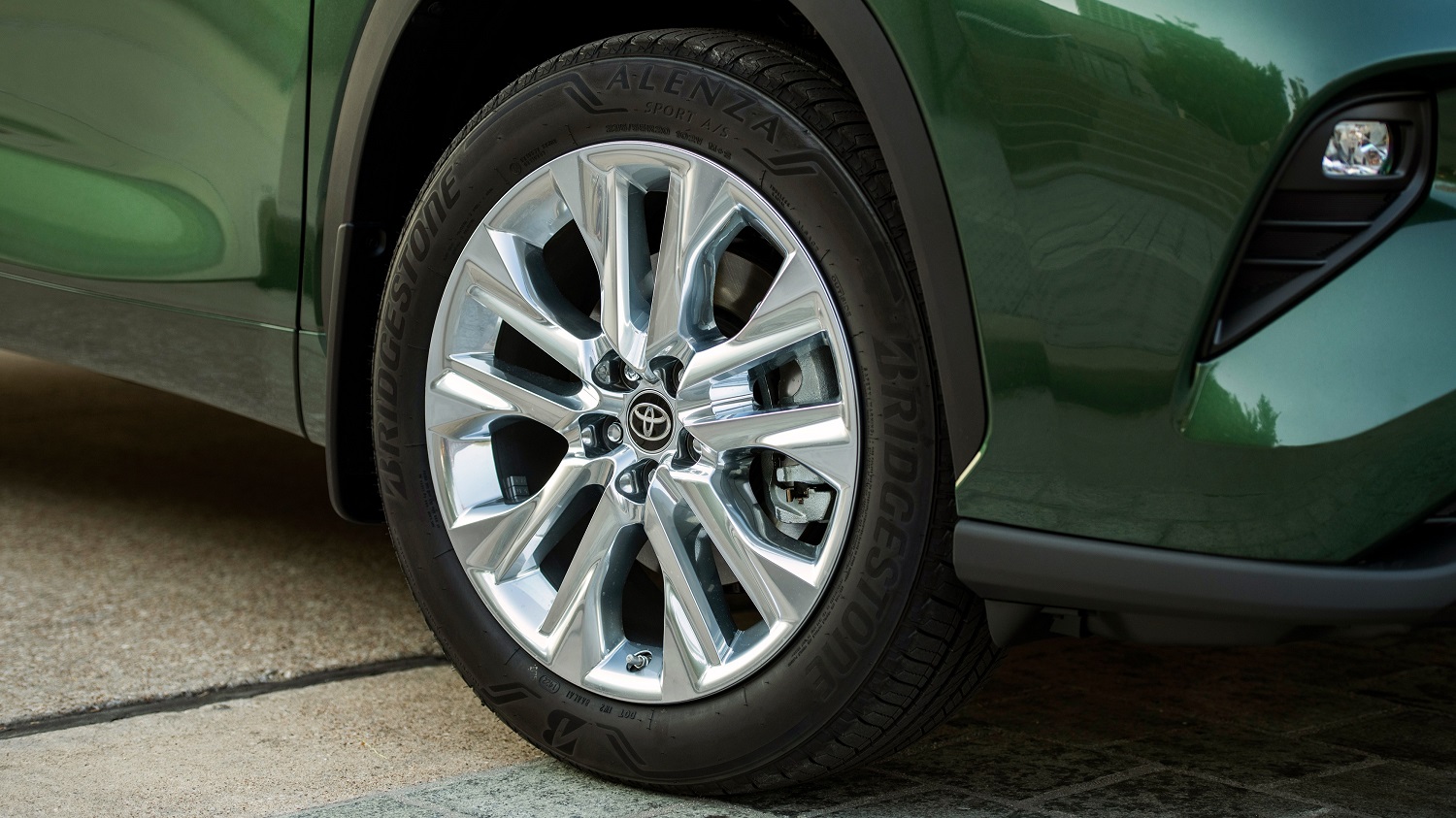
You can also show the gearhead mom in your life how much you care by doing little things. Out running errands in her car? Surprise her by filling her gas tank or getting her car washed. Back at the house, you can add to her peace of mind by changing her oil, airing up her tires to the perfect psi, or installing fresh wiper blades.
Any other ideas you’d add to this list? Post them in the Comments below.
The Maserati brand was born in 1914 as a collaboration among three brothers who had the Maserati last name: Alfieri, Ernesto, and Ettore. The company was based in Bologna, Italy, and first entered the racing scene in 1926 with a car called the Tipo 26. There were only 11 examples of the Tipo 26 built, each one powered by a 1.5-liter inline-eight paired with a three-speed manual.
Maserati subsequently made a name for itself in the racing scene, winning 1st place at the Indianapolis 500 in both 1939 and 1940 as well as a Formula One Grand Prix World Championship in 1957. Today, the brand’s name remains synonymous with exclusive luxury, Italian craftsmanship, and high performance – all of which are found in the car spotlighted here.
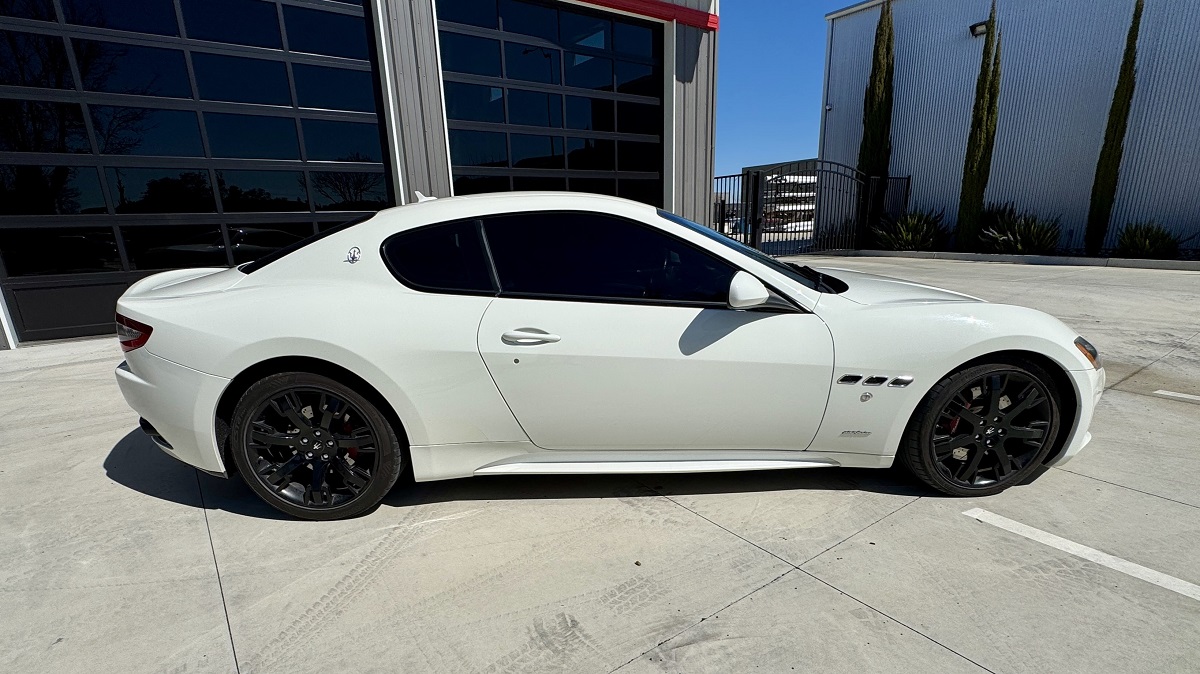
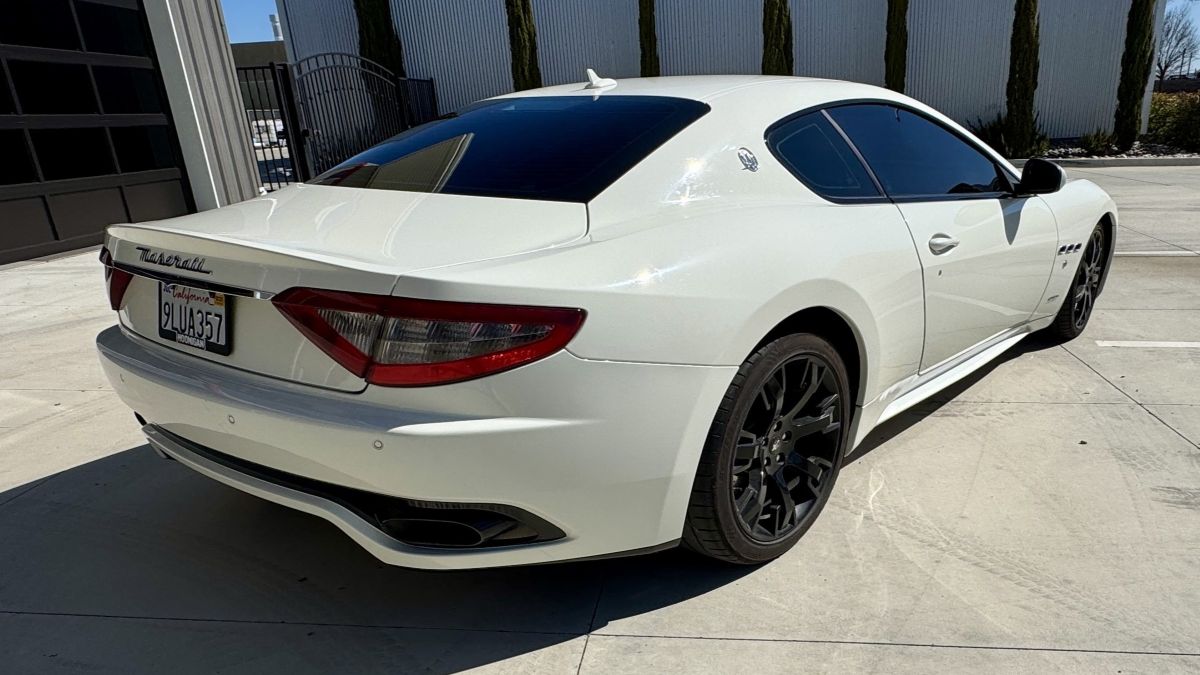
Featured on AutoHunter is this 2013 Maserati GranTurismo Sport. The car is being sold by a dealer in Paso Robles, California, and the auction will end Monday, May 12, 2025, at 12:15 p.m. PDT.
When compared to the Tipo 26, the GranTurismo is a vastly different machine: It is not powered by an inline-eight, but rather a Ferrari-influenced 4.7-liter DOHC V8 mated to a paddle-shifted ZF six-speed automatic transmission. Maserati rated the powertrain at 460 horsepower and 384 lb-ft of torque when new, placing it squarely in the midst of the Bentley Continental GT, Mercedes-Benz SL, Jaguar XK, and other European competitors.
This GT is no garage queen; it’s been driven 51,406 miles. But according to the CARFAX report, there are about a dozen service records throughout the car’s history. Recent maintenance included the replacement of the air filters, alternator, intake manifold gaskets, and serpentine belt in September 2024. A California emissions inspection was performed in July of that year. The car was originally sold new in California. It subsequently spent time in both Oregon and Arizona before returning to California in mid-2024.
The first-generation GranTurismo (dubbed the “M145” internally) was first shown to the public in 2007 at the Geneva Motor Show and produced in Maserati’s Modena, Italy assembly plant between the 2008 and 2019 model years. The car was promoted as an “overachiever” and a “Pininfarina masterpiece,” unequalled in style and impossible to ignore. When new, the Sport had a starting suggested retail price of $126,000 (with different trim levels and options that could boost that figure to over $143,000). That was a good chunk of change back in the day – and it still is today.
Such was the price to pay for a rewarding driving experience. The good news is that buying a pre-owned example like this one will set you back far less. When this car was assembled in 2013, the Maserati brand was already building on 99 years of engineering experience, so you know it paid attention to the details. We think the three original Maserati brothers would be proud of what their brand has become.
There’s more than one way to wreck a Lamborghini. Plenty of people have done it by flying into a curve and losing control of the car. Others have gone too fast on a track and relied on too little skill to keep the front end from eating a tire wall. This weekend, a very different kind of Lambo – a Tecnomar for Lamborghini 63 yacht – was wrecked in the water off the coast of Miami Beach.
(Photo courtesy of Tecnomar)
In 2020, Lamborghini and The Italian Sea Group announced the debut of the “Tecnomar for Lamborghini 63,” which referred to Lamborghini being founded in 1963 (63 also happens to be the yacht’s length in feet). Developed by The Italian Sea Group, with contributions from Lamborghini’s Centro Stile designers, the 63 features visual elements from a variety of classic and modern Raging Bulls. It was inspired by the Lamborghini Sián FKP 37 hybrid hypercar and has a hull and superstructure with lines that resemble those of the Miura and Countach. According to Lamborghini, “The hard top is inspired by Lamborghini roadsters: providing sun and wind protection while guaranteeing an outstanding aerodynamic performance. The bow lights are an homage to the Lamborghini concept car Terzo Millennio and to the Sián FKP 37, both distinctive for their Y-shaped front lights.”
(Photo courtesy of Tecnomar)
Other press photos show familiar Lamborghini hardware, such as sculpted bucket seats with harnesses, three-spoke steering wheel, and hexagonal and Y-shaped interior elements. At the rear is not one but two V12s that produce 2,000 horsepower each, which enable the watercraft to cruise at 40 knots and max out at 63 knots, as Tecnomar’s numbers show.
(Photo courtesy of uscgsoutheast on Instagram)
Another important number for the Lamborghini yacht is how many people it can hold at one time. Tecnomar says it can accommodate up to five guests and two crew members staying onboard. But how many people can be on the 63 in general?
(Photo courtesy of uscgsoutheast on Instagram)
Fox News and CBS News report the approximately $4 million 63 that partially sank in Biscayne Bay can hold up to 16 people – but was carrying 32 when it started going down stern-first. Luckily, everyone onboard, many of them social media influencers, was rescued by the Coast Guard and Good Samaritans.
(Photo courtesy of uscgsoutheast on Instagram)
The 63 itself was removed with the help of air flotation devices. So if you see one pop up for sale at a great price, proceed with caution unless you want a Lamborghini with a lot of flood damage.
The first time I saw a W210 Mercedes E-Class sedan in person, I immediately thought that it embodied what a Mercedes should look like – even more than the then-current S-Class. The lines were just perfect. Then Mercedes released the AMG model, turning what was a perfect styling exercise into a car that I think will go down in history as one of the most exciting European sport sedans ever created.
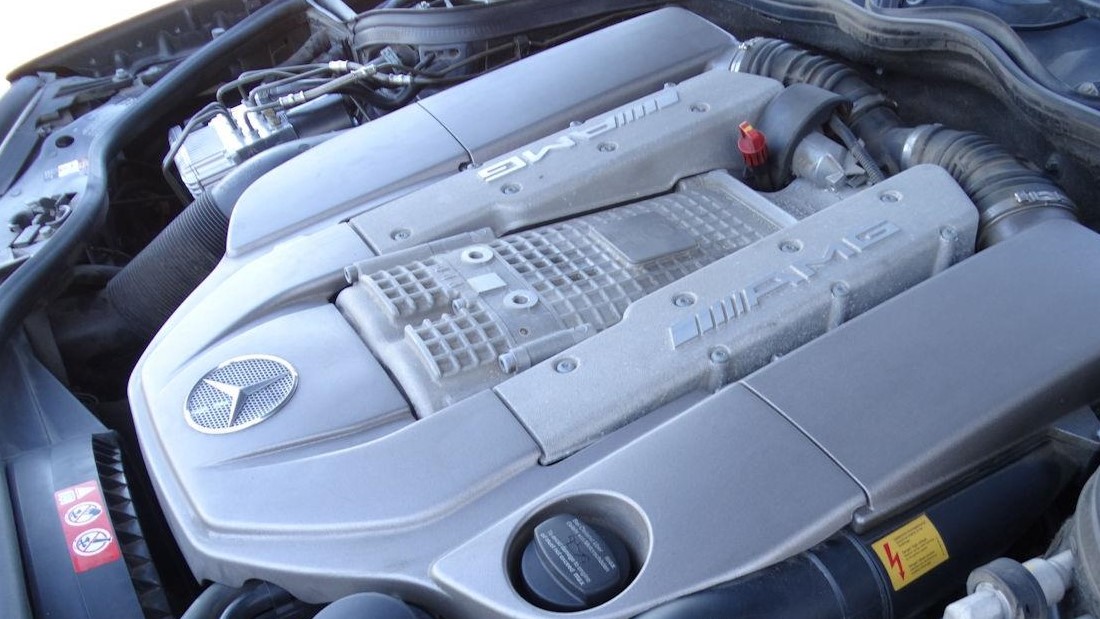
The boffins at AMG did this by taking the bones of the E-Class and shoehorning in an M113 5,439cc, 24-valve V8 with a twin-screw IHI supercharger. Doing that gave the E55 475 horsepower and 520 lb-ft of torque, which translated to 0-60 mph in 4.5 seconds, 0-130 in 16 seconds, a quarter-mile time of 12.7 seconds, and a (limited) top speed of 155 mph.
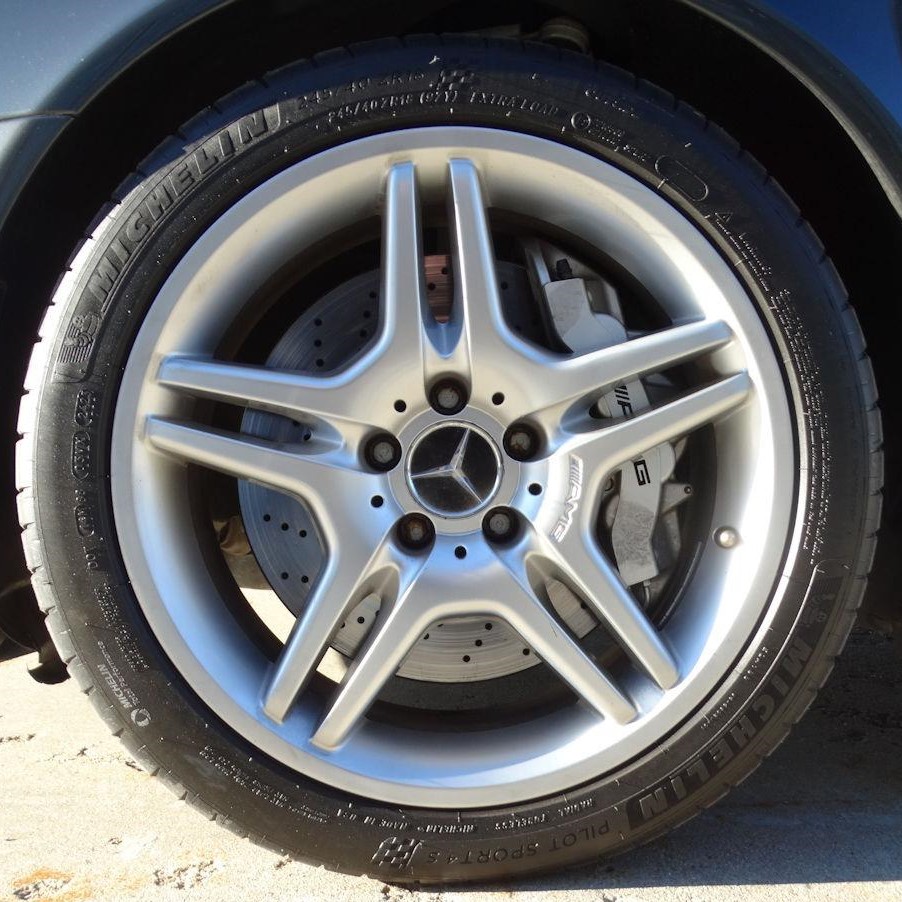
AMG did not stop there, though. It also addressed the suspension; modifications included an AMG-tuned air suspension, much larger wheels and tires, and huge Brembo brakes with 14.2-inch vented front rotors and 13-inch rear discs. This worked out to give the E55 a skidpad rating of 0.83g and the ability to brake from 70 mph to a dead stop in only 175 feet. In typical Mercedes fashion, the E55 featured the best materials for the interior, making the E55 a sort of luxury supersonic missile.
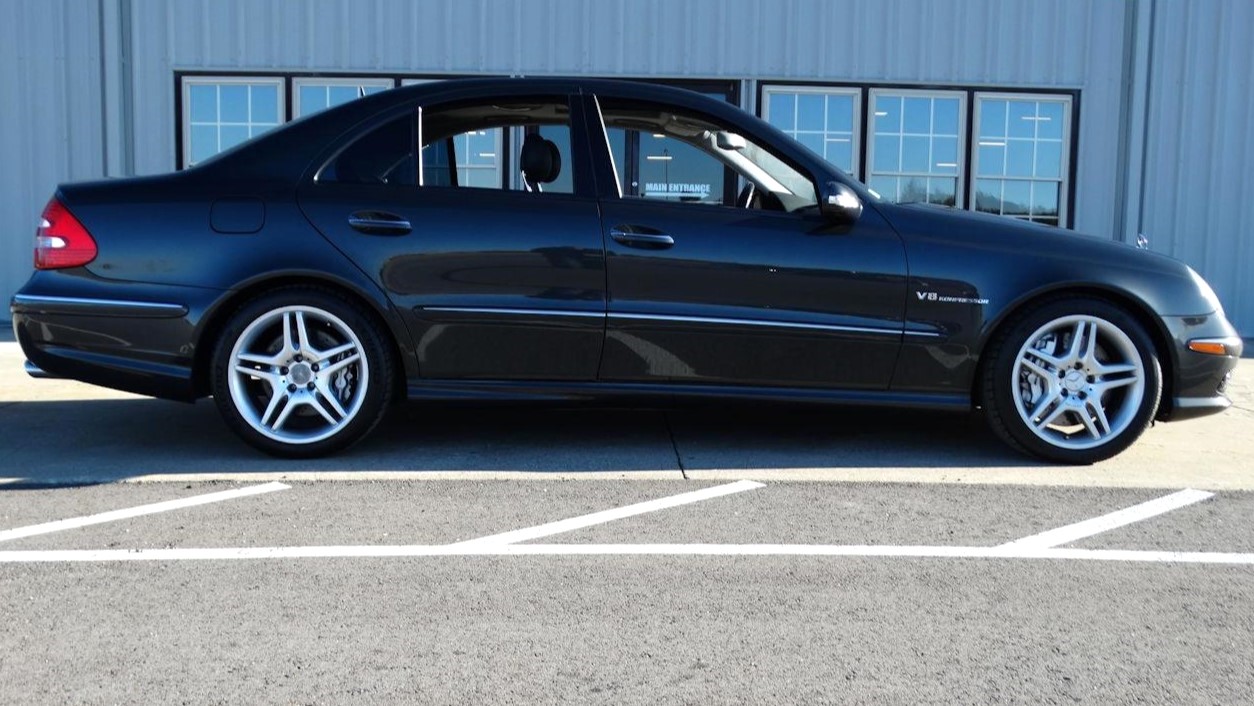
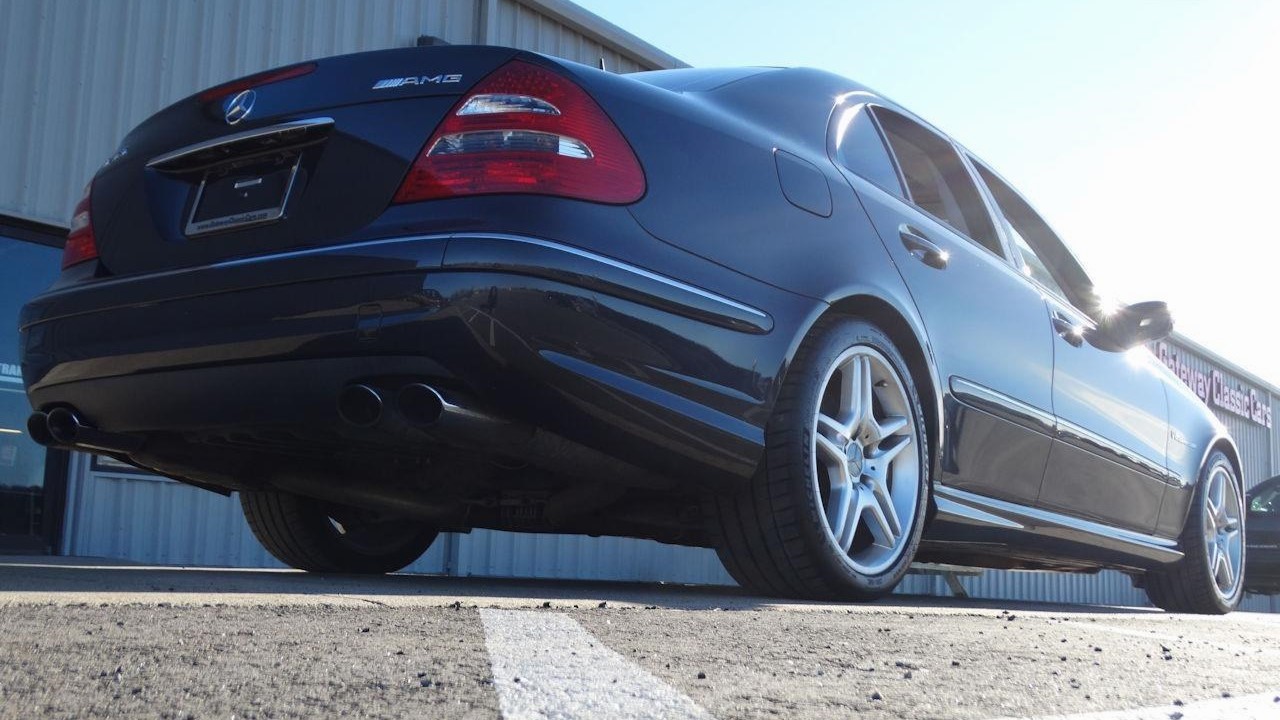
Our Pick of the Day is one of these cars, a 2004 Mercedes-Benz E55 AMG located at a dealer in Louisville, Kentucky. (Yes, the top of the ad says Illinois, but if you read the ad, you will see this car is actually in the dealer’s Louisville showroom.)
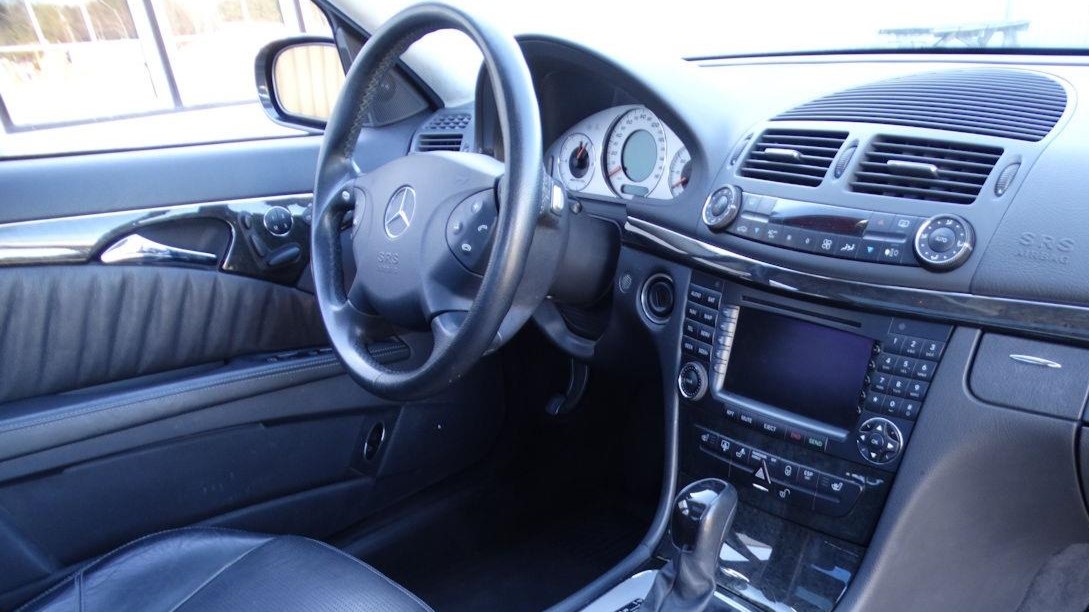
This E55 has covered a total of only 62,000 miles from new and appears to have been extremely well cared for. The original Tectite Gray paint looks about as flawless as the black and gray leather interior.
The selling dealer describes this E55 as a stunning example. Judging by the photos and video provided in the listing, I would agree. The car is equipped with everything you would expect from a top-line Mercedes of the era. Keep in mind that that does not include Apple CarPlay or even Bluetooth, but there are plenty of inexpensive aftermarket solutions to get that kind of connectivity and have it work with the factory audio system.
Here is the best part of the E55 AMG: These cars are just starting to catch on with collectors and their values have yet to reach the heights of their competitor from Munich, the E39 BMW M5. When new in 2004, this E55 AMG cost somewhere around $74,000, which many journalists at the time considered a bargain for what you got in return. Due to depreciation and its current off-the-radar status, you can get this E55 for only $24,000. Mark my words: These cars are going places and younger collectors are already seeking them out, which means that low-mileage, clean examples such as this one won’t be priced at this level for long. So if you want performance and luxury in equal doses, this 2004 Mercedes-Benz E55 AMG is just the ticket.
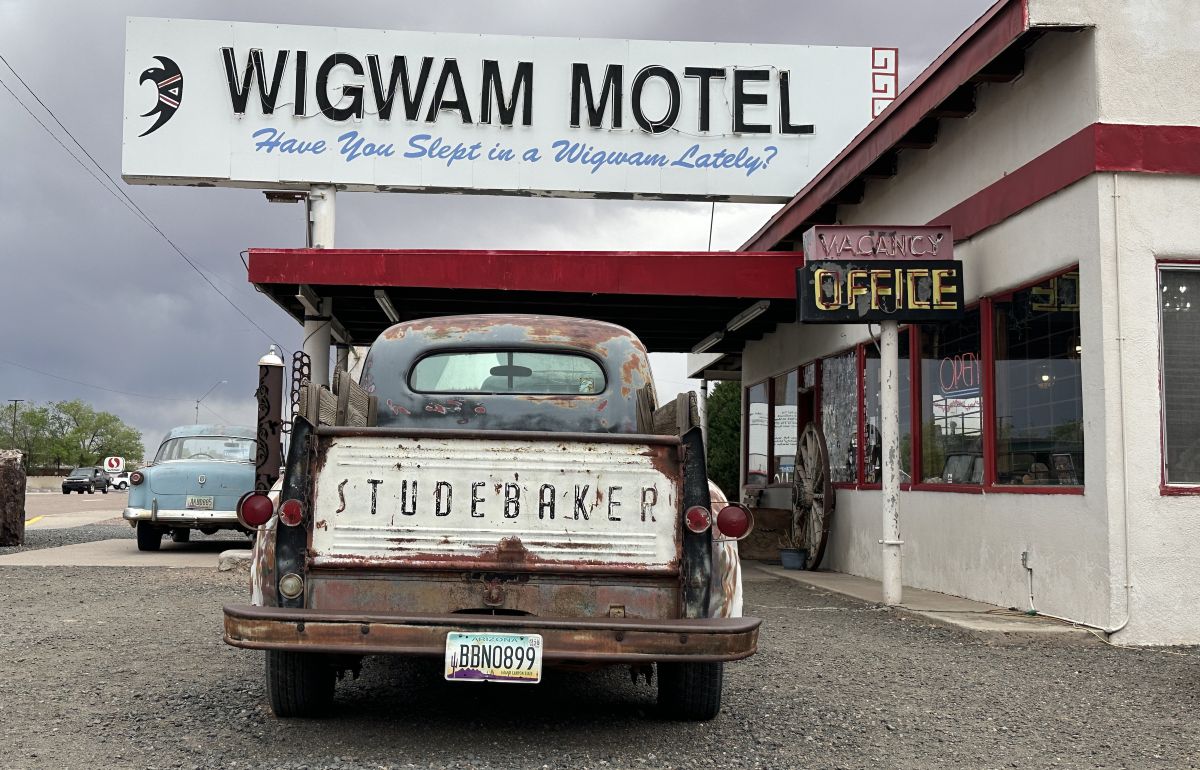
The Wigwam Motel in Holbrook, Arizona, came to life 75 years ago during the heyday of Route 66. There were originally seven Wigwam locations nationwide; just three survive today, and all of them are listed on the National Register of Historic Places. The Arizona site at 811 West Hopi Drive was built in 1950 by Chester E. Lewis. The motel has 15 concrete wigwams available for overnight stays. I’m surprised it took me 20 years of living in Arizona to finally make the trek to see what the Wigwam is all about. The drive from Phoenix took about three hours (186 miles) and was easily completed by my not-so-vintage 1989 Honda Prelude.
In addition to the quaint accommodations, scattered around the property are about 20 classic cars in various states, making for a permanent “car show” that adds to the authenticity of the Wigwam experience. Some look like they were restored at some point, others wear ancient patina like they’ve never been touched. I was assigned Wigwam No. 2 after checking in at the lobby, which was lined with 1970s wood paneling. The key tag had the saying, “Have you slept in a wigwam lately?” Soon, I would be able to answer “yes” to that question.
Ducking my head a little to get through the front door, I entered my room, which held two beds, a small desk, a television, and an air conditioning unit. Toward the back – with an entrance between the two beds – was a small bathroom with a shower. The mirror, of course, was set at an angle since it was mounted on a wall that faced slightly downward. For having a base diameter of only 14 feet, each wigwam makes a good use of space inside. There are no telephones or ice machines available – this experience is supposed to mirror “roughing it” in 1950s style, after all.
To be honest, the Wigwam Motel exceeded my expectations. My room was tidy and comfortable despite its age and small dimensions. About the only inconvenience was the occasional BNSF (Burlington Northern Santa Fe) freight train rumbling by outside – and I was able to drown that out with the air conditioner’s fan, for the most part. My night’s sleep was about as good as any Hampton Inn could offer. At one point in the afternoon, I strolled through the parking lot to check out the cars.
Here are 15 of the vehicles that were on display, in order by model year:
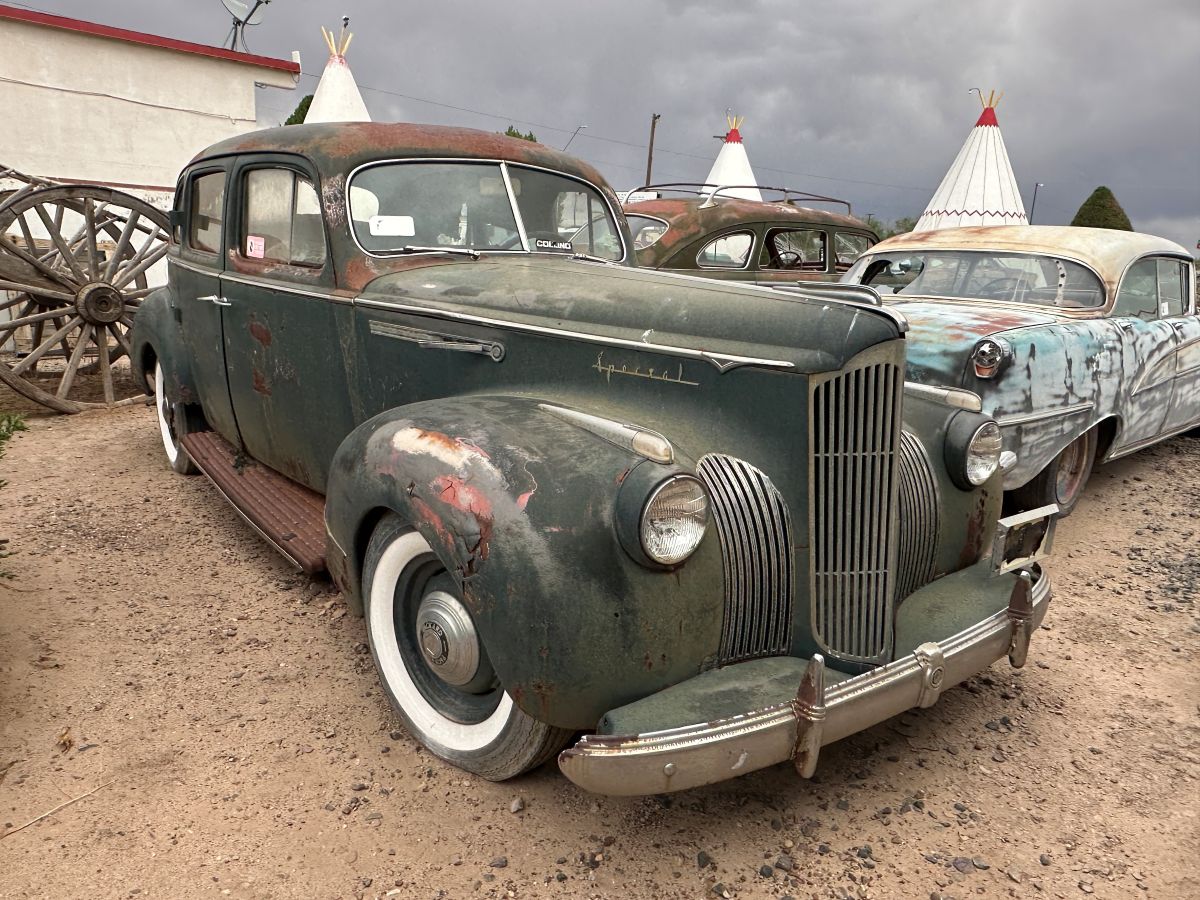
In its day, this car was a rolling symbol of prewar American luxury, powered by a 356ci flathead inline-eight coupled with a three-speed manual. It was a large car for its time as it rode on a 127-inch wheelbase – a factor that contributed to its smooth ride.
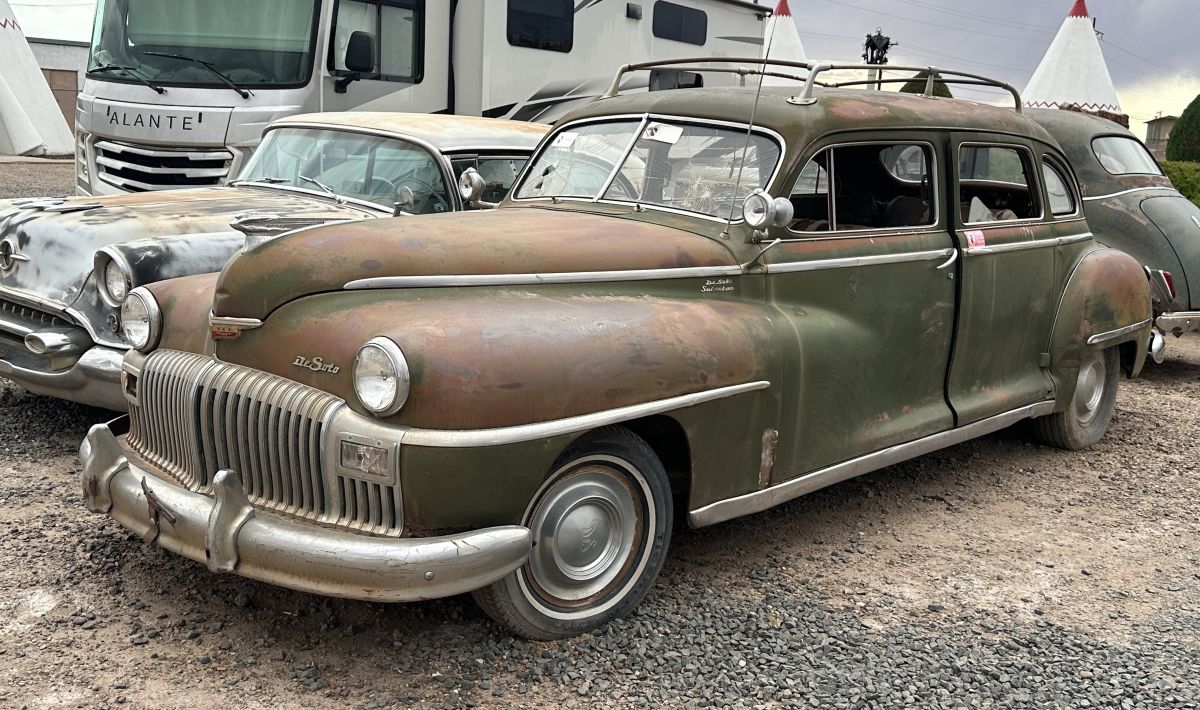
Produced from 1946 to 1954, the Suburban could haul eight people in comfort. It came with a luggage rack and was built with cross-country travel in mind. Power came from a 250.6ci straight-six mated to a three-speed manual transmission.
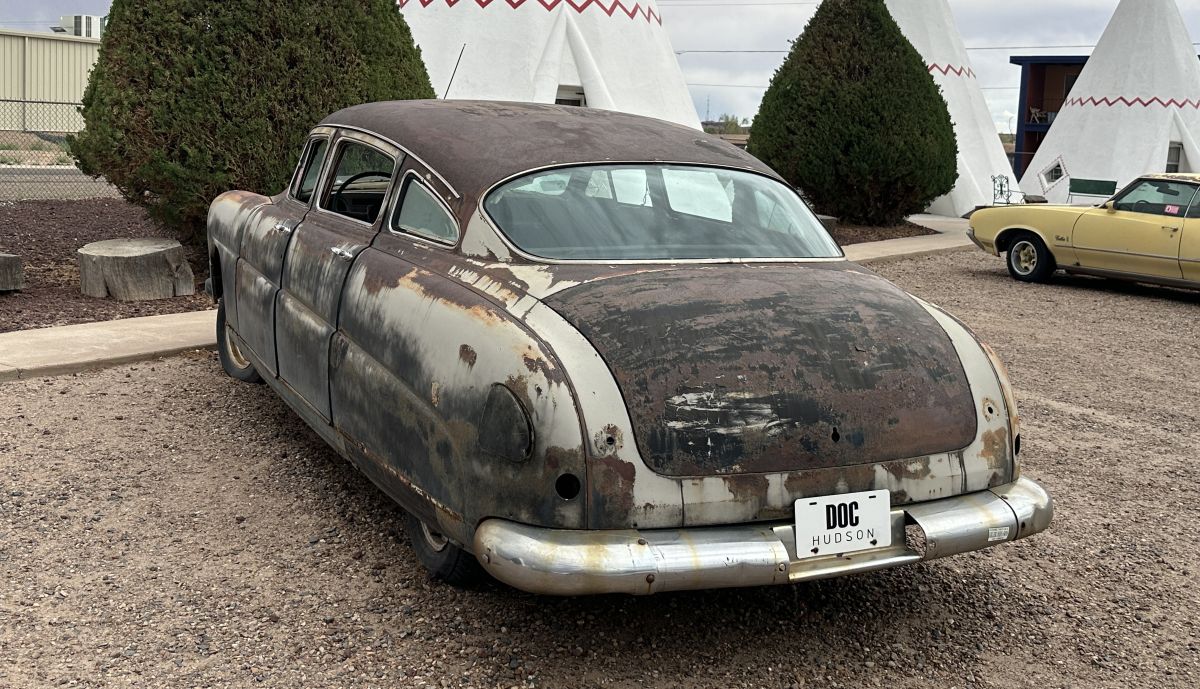
1949 Hudson Commodore
I got a kick out of the license plate on this one, which read “Doc Hudson.” That, of course, was a reference to a character, a 1951 Hudson Hornet, in the 2005 Pixar movie “Cars.” The Commodore had what was called a “step-down” design with a low center of gravity. It was powered by a 262ci L-head inline-six, which was connected to a three-speed manual gearbox.
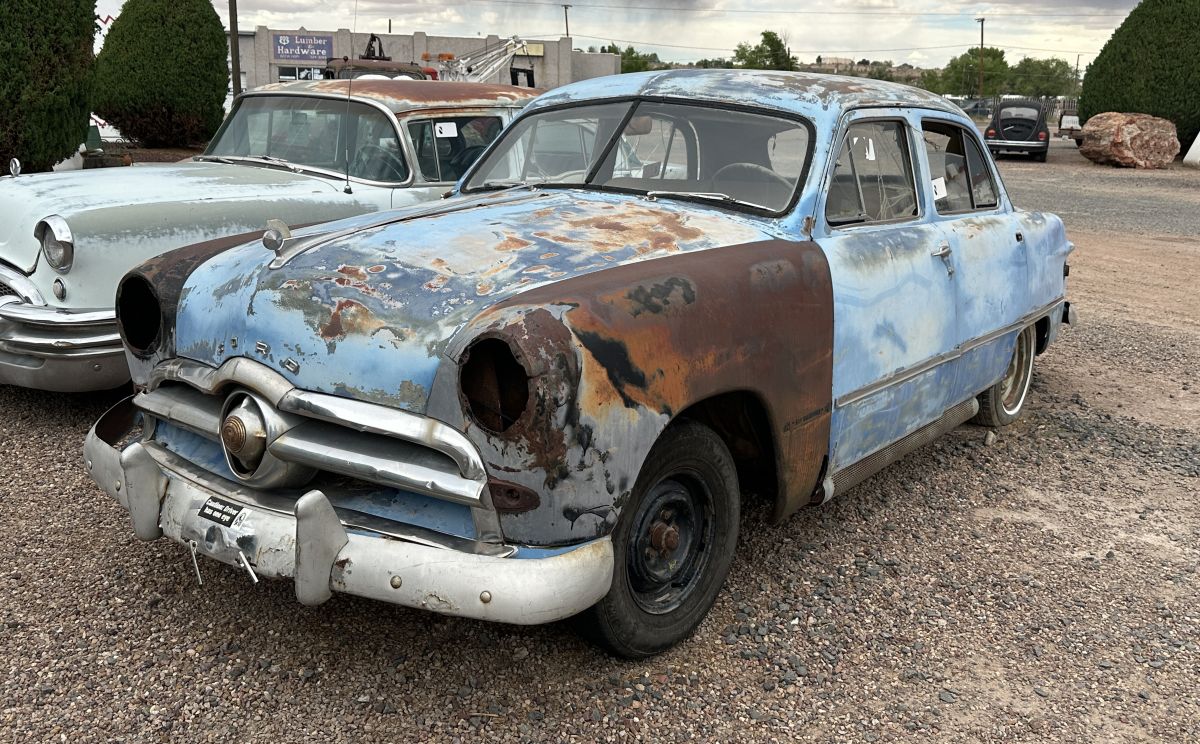
1950 Ford Four-Door Sedan
This no-frills sedan was well worn, but during its day, it was a favorite of working-class families. It was powered by a 239ci flathead V8 and had a “shoebox” design that marked a departure from prewar styling.
1951 Nash Statesman
Noted for being futuristic and fuel-efficient, the compact Statesman was a bit of an underdog. It was powered by a 184ci inline-six hooked up to a three-speed gearbox. One of the unique features – in addition to its quirky styling – was its unibody construction.
1951 Pontiac Chieftain Sedan
The unmistakable illuminated hood ornament and “silver streak” chrome treatment gave the identity of this one away. The Chieftain was produced for roughly a decade and rode on the General Motors A-body platform. In 1951, it could be equipped with an L-head inline-eight that was rated at 116 horsepower – a peppy powerplant for its time.
1951 Studebaker Commander
You can’t miss this car with its Jet Age styling and torpedo nose. The Commander was produced in South Bend, Indiana, and was powered by a 232.6ci V8. In addition to a three-speed manual, an in-house-built two-speed automatic was available.
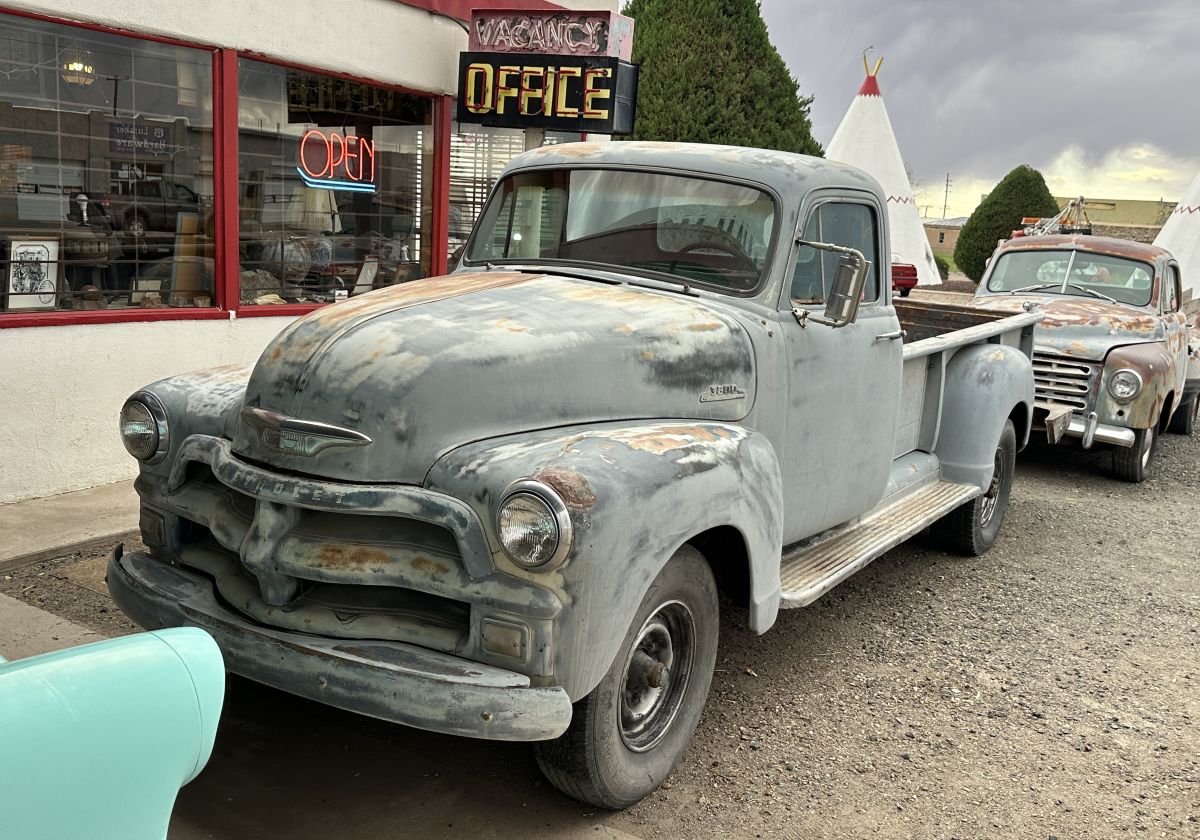
1954 Chevrolet 3800
This one-ton workhorse was parked right at the main entrance to the motel lobby as if ready to put in a day’s work around the property. Back in its day, it was designed for heavy-duty tasks and had a robust suspension. It was powered by a 235.5ci inline-six and had what Chevrolet called its “Advance Design” style.
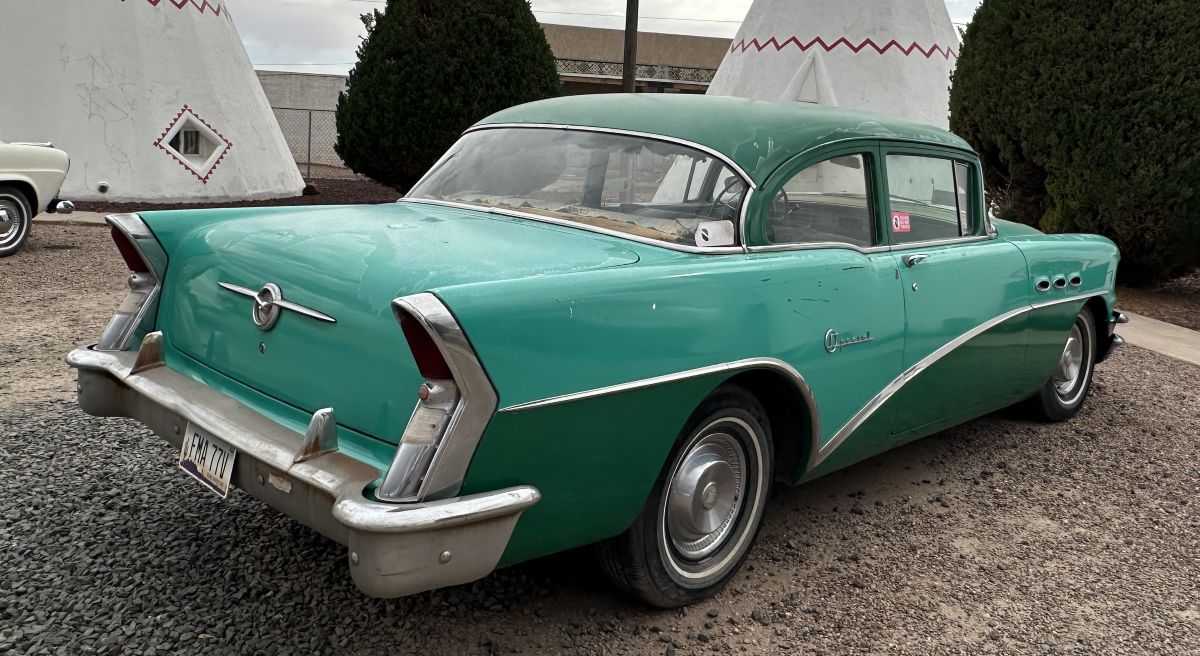
1955 Buick Special Two-Door Sedan
Buick’s distinctive Ventiports on the front fenders gave this car a unique look for its time. The Special was usually Buick’s lowest-priced model. I liked the two-tone green theme of this one, which was in better condition than many of the other cars on the lot. The 1955 Special could be optioned with Buick’s 264ci “Nailhead” V8 and a Dynaflow automatic transmission.
1956 Ford Ranch Wagon
The Ranch Wagon shared styling cues with other Ford models of the time, including the Thunderbird. It offered a utilitarian cargo area and shared chassis engineering with the full-sized Fairlane. This one was parked right up front at the lobby as if it had just dropped off a family arriving for check-in at the Wigwam.
1957 Ford Custom Two-Door Sedan
This affordable, sturdy, and stylish car helped bring mobility to the masses. I liked the red paint finish (although it was sun-faded) and the driver-side spotlight. The Custom was a bottom-rung model, but it offered value for its price point of about $2,400 when new. It could be configured with an optional Ford-O-Matic as well as various engine choices.
1959 Chevrolet Impala
With its signature “batwing” fins and cat’s-eye taillights, the 1959 Impala was an icon of late-’50s excess. This full-sized car was designed by Bill Mitchell and came in two-door, four-door, convertible, and station wagon body styles. It could be ordered with a 283ci or 348ci V8. The blue and white four-door sedan at the Wigwam looked relatively complete and well kept for its age.
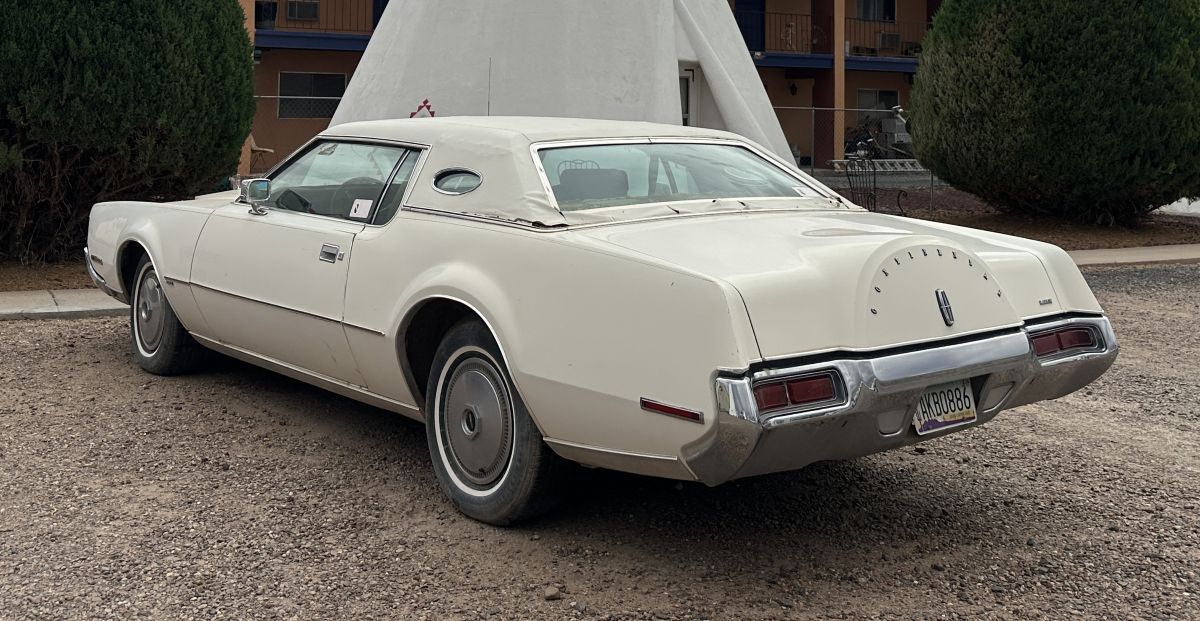
1972 Lincoln Continental Mark IV
Interestingly enough, I didn’t see any cars from the 1960s at the Wigwam – so next we jump to 1972. The Continental, of course, was Lincoln’s famed luxo-coupe, boasting a slab-sided profile and hidden headlights. It came with a 460ci big-block V8 paired with a three-speed automatic.
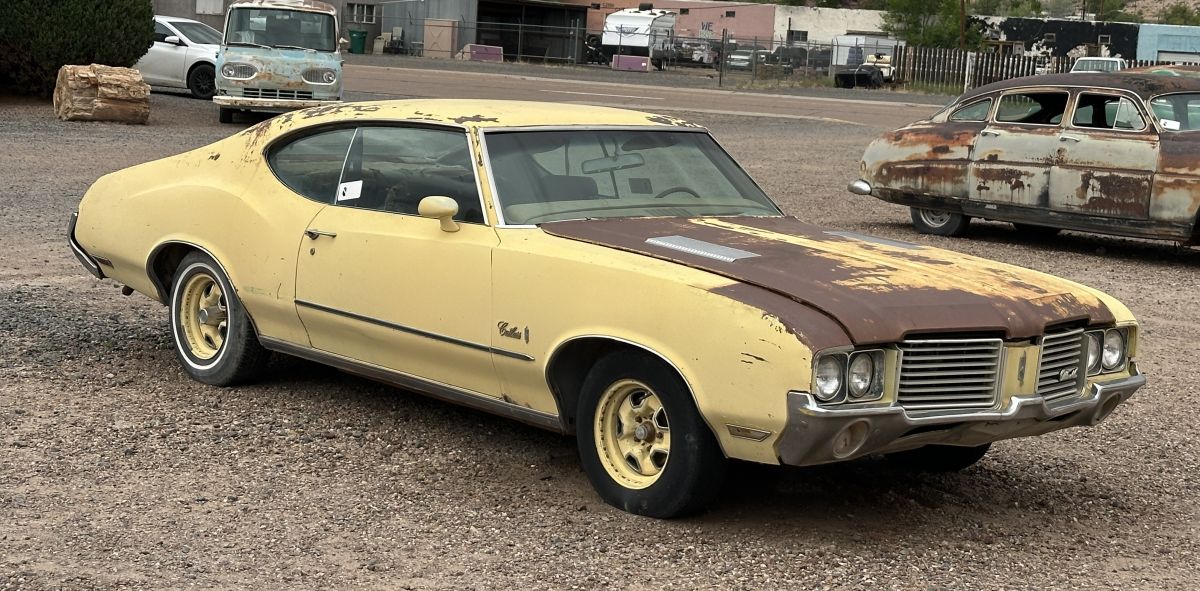
1972 Oldsmobile Cutlass
This Cutlass in tired yellow was the sportiest car I saw at the Wigwam, a survivor from the muscle car era that surely would have been fun to take for a cruise on Route 66. Riding on the GM A-body platform, the 1972 Cutlass received changes to the grille and taillights. Engines ranged all the way up to a potent 455ci V8. I wish I could’ve popped the hood to see what this one had going on, but there was signage on each car asking people to keep their hands off.
1974 Ford Galaxie 500 Coupe
Last but not least, a relic from the mid-1970s with a reputation for being big, bold, and comfortable. This green Galaxie two-door is the kind of car I’d pick for a demolition derby because it has huge bumpers and a long hood with a potent V8 underneath. It was a popular choice for full-size car buyers in its time. This would mark the last year for the Galaxie as it was succeeded by the LTD.
I hope you enjoyed this stroll down memory lane with these cars as much as I did! Have you ever visited the Wigwam Motel in Arizona, or one of the six other locations? Do any of them also have classic cars in the parking lot? Let us know!
If you’ve ever been to a car show in your life (and I’m sure you have because you’re reading this), you know the basic etiquette and perhaps the most important rule to follow: if a sign tells you not to touch the vehicle, keep your hands off it. I’ve always kept that in mind when I go to car shows, but when you have to open certain parts of a vehicle (with permission, of course) to shoot a video, things are a little different. I became acutely aware of that while filming content at the Barrett-Jackson 2025 Palm Beach Auction (stay tuned to the ClassicCars.com Journal for those videos). Below are some of the things that popped into my head there.
MINIMIZE YOUR EXTREMITIES
A 1975 Ford F-250 Ranger XLT at the Barrett-Jackson 2025 Palm Beach Auction. (Photo by Derek Shiekhi)
Swinging your arms is fine if you’re power-walking on a nature trail, but when you’re moving between cars, keep them close to your body. I had to remind myself to do that, especially because I often had my large hard-sided camera case with me. Even when I wasn’t carrying that, I had to tone down my gestures so that “talking with my hands” didn’t result in me banging my watch into a $30,000 paint job. Several times, I leaned over to get a closer look at a classic—after tucking the ID card that was hanging around my neck into my shirt.
HELP IS OUT THERE
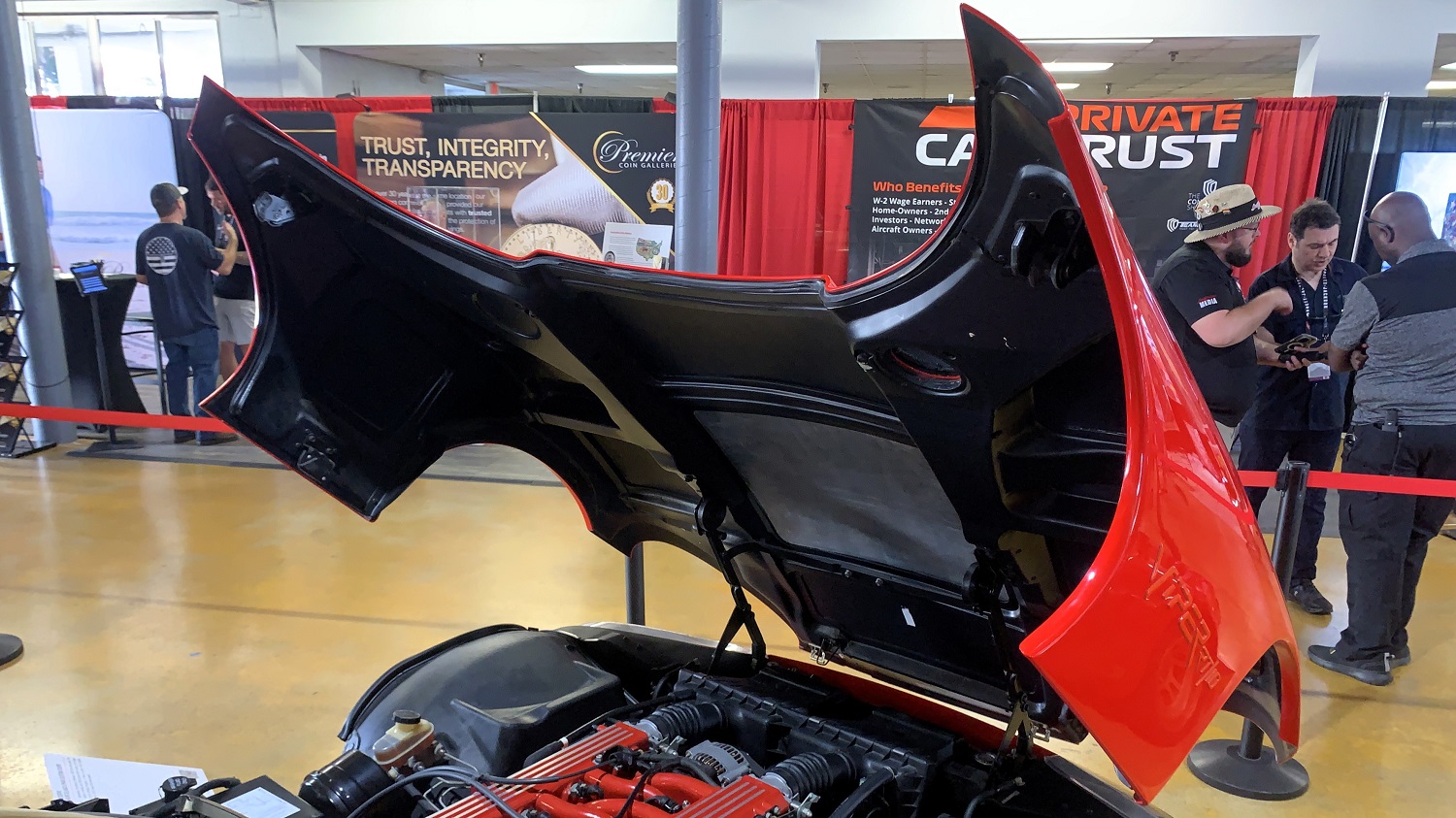
A 1992 Dodge Viper RT/10 at the Barrett-Jackson 2025 Palm Beach Auction. (Photo by Derek Shiekhi)
When I needed to pop the hood on a vintage Maserati, I asked Dustin (the Collector Car Network’s media supervisor) to hold the driver’s door open so it didn’t swing into the car next to it while I pulled the release latch. Knowing there are videos out there showing people opening the hoods of various other cars gave me even more peace of mind. I was about to pull one up on the Dodge Viper RT/10 when an owner of multiple Vipers stepped in and told me how to open the massive panel. He even warned me and Dustin not to tilt it too far forward so we could avoid damaging it. We followed his instructions slowly and carefully.
“Invisible Touch” is not just a catchy Genesis song—it’s also something to strive for when opening up and filming a stranger’s car. After I opened a hood or door far enough to gain control of it, I switched to using the joints between my fingers and palm or just the palm to move it without getting fingerprints on the finish. It eventually occurred to me that I could step things up by keeping my wedding band in my pocket (we all want to be “the man,” not “that guy”). The few times I sat in a car, I made sure to move my wallet from my back pocket to my hip pocket. Yes, that was better for my back but, most importantly, it kept me from leaving a rectangular dent in the driver’s seat.
ASSUME THE WORST, THEN THINK AHEAD
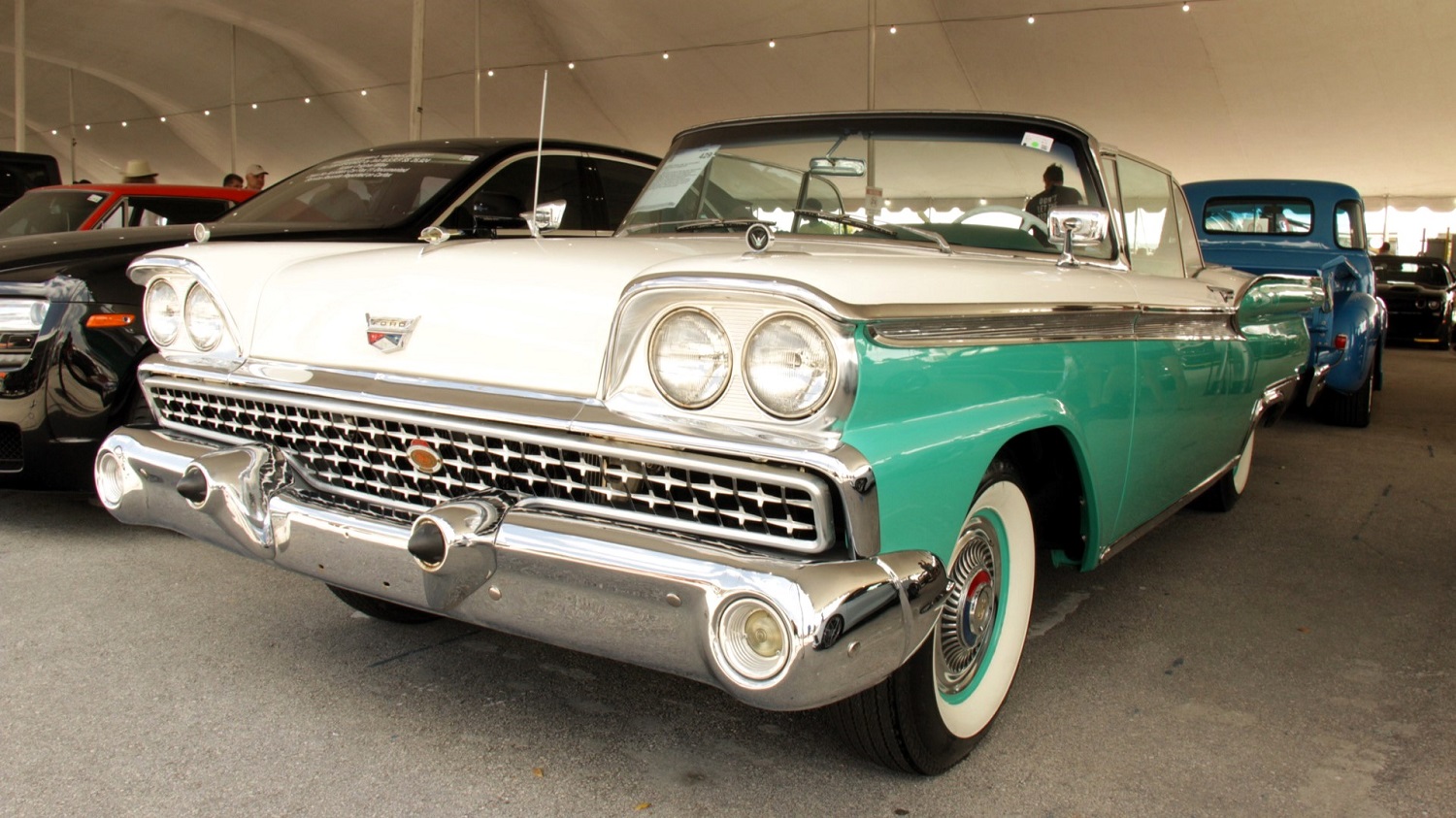
A 1959 Ford Fairlane 500 Galaxie Skyliner at the Barrett-Jackson 2025 Palm Beach Auction. (Photo by Derek Shiekhi)
Thanks to brochures and advertisements, I learned several things about the 1936 Packard 120 Convertible Sedan the easy way. One thing I didn’t know was if the front passenger-side door was going to open so wide that it would contact a nut attached to an arm holding the spare tire carrier in place. I certainly didn’t want to find out the hard way, so I kept my thumb between the door and the nut while our media supervisor got interior footage.
If you have any rules you live by when you’re at car shows or shooting other peoples’ cars, post them in the Comments section below.
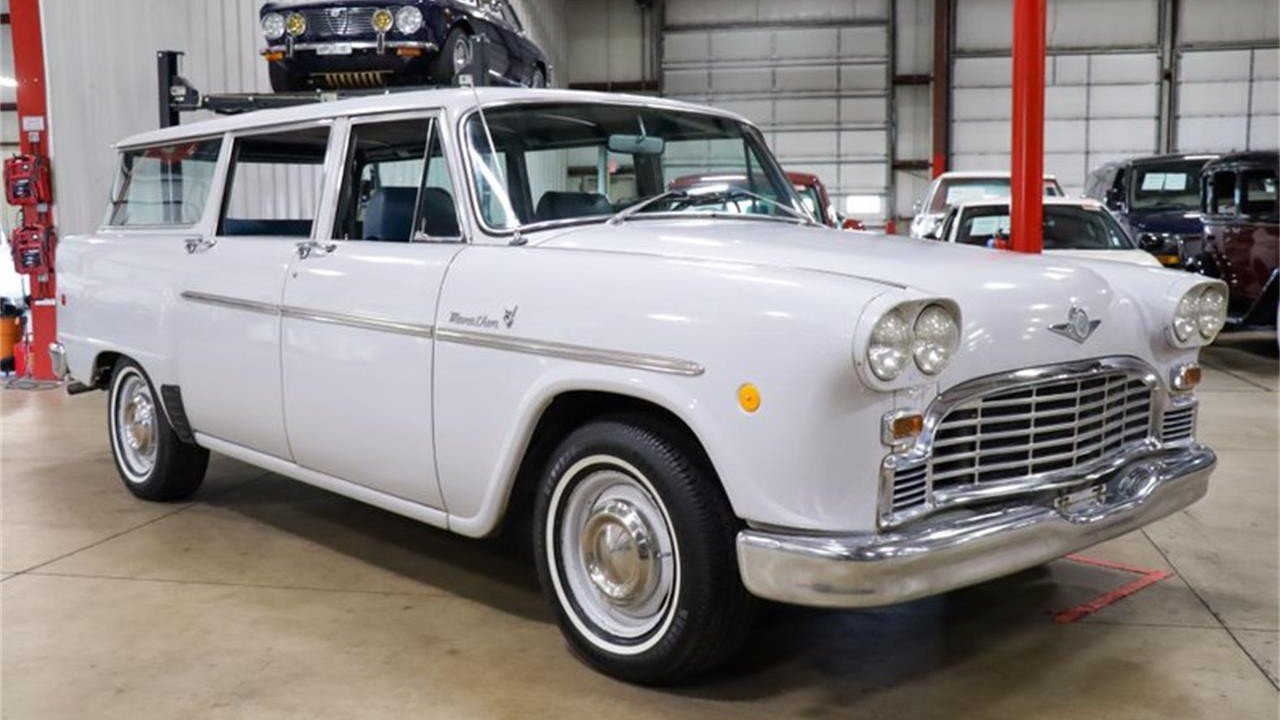
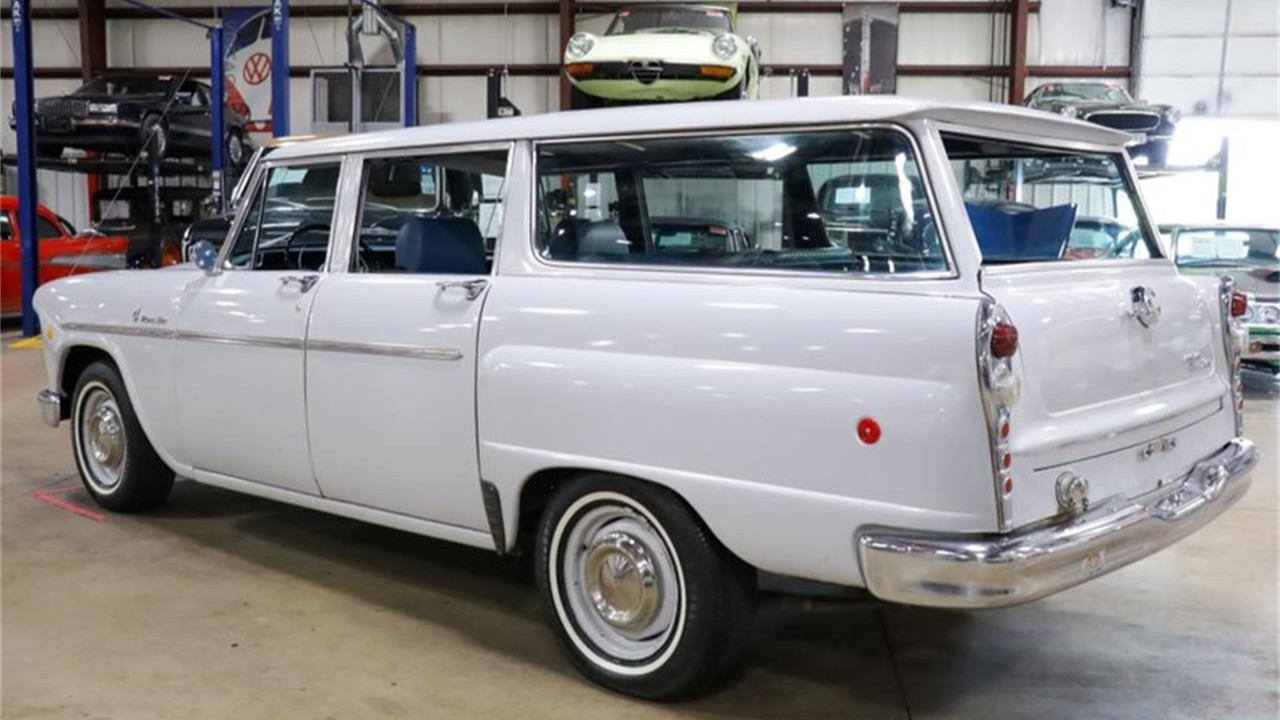
I can’t speak for the West Coast or the fly-over states, but if you’ve ever visited a major city on the East Coast, chances are you’ve seen a Checker. While mainstream companies produced taxis, no brand exploited this affiliation more than Checker. But Checker didn’t only produce taxis, as our Pick of the Day shows. This 1969 Checker Marathon wagon is listed for sale on ClassicCars.com by a dealership in Kentwood, Michigan.
In terms of the rate of attrition, Checker may have suffered more than any other brand. For a car that seemed just about everywhere (especially New York City and Boston), many Checker models produced since 1922 are practically extinct—after all, they were taxis, which were more disposable than your typical planned-obsolescence vehicle.
The best-known Checker cars can trace their lineage to the 1955 A8, which evolved into the A9 and A10 for 1958-62, the first Checker truly available for civilian use. Aside from the location of the parking lights, this is the car that became synonymous with the durable-yet-homely vehicle we’ve come to know. The A9 was the taxi, while the A10 (introduced in 1960) was the Superba, a civilian model that sold in small numbers. It was available as a four-door sedan and four-door wagon and was produced through 1962, all powered by inline-sixes from Continental. The Marathon was introduced for 1961, a better-equipped version of the Superba that would eventually absorb the lesser model.
The A11 and A12 were introduced for 1962, and this is the Checker that everyone knows. The main visual difference from the A9/A10 was the location of the parking lights underneath the headlights. It was this model that would last through 1982 and become ingrained in the consciousness of folks around the world. As before, the A11 was the taxi and the A12 was the civilian version. Chevrolet’s 230 six and 283 V8 joined the lineup in 1964, the final year for the Continental six, leaving 283 and 327 small-blocks plus the 230 for 1965. A handful were built with a Perkins diesel four-cylinder, too. Top horsepower during the A12’s tenure was a 350/300 in 1969.
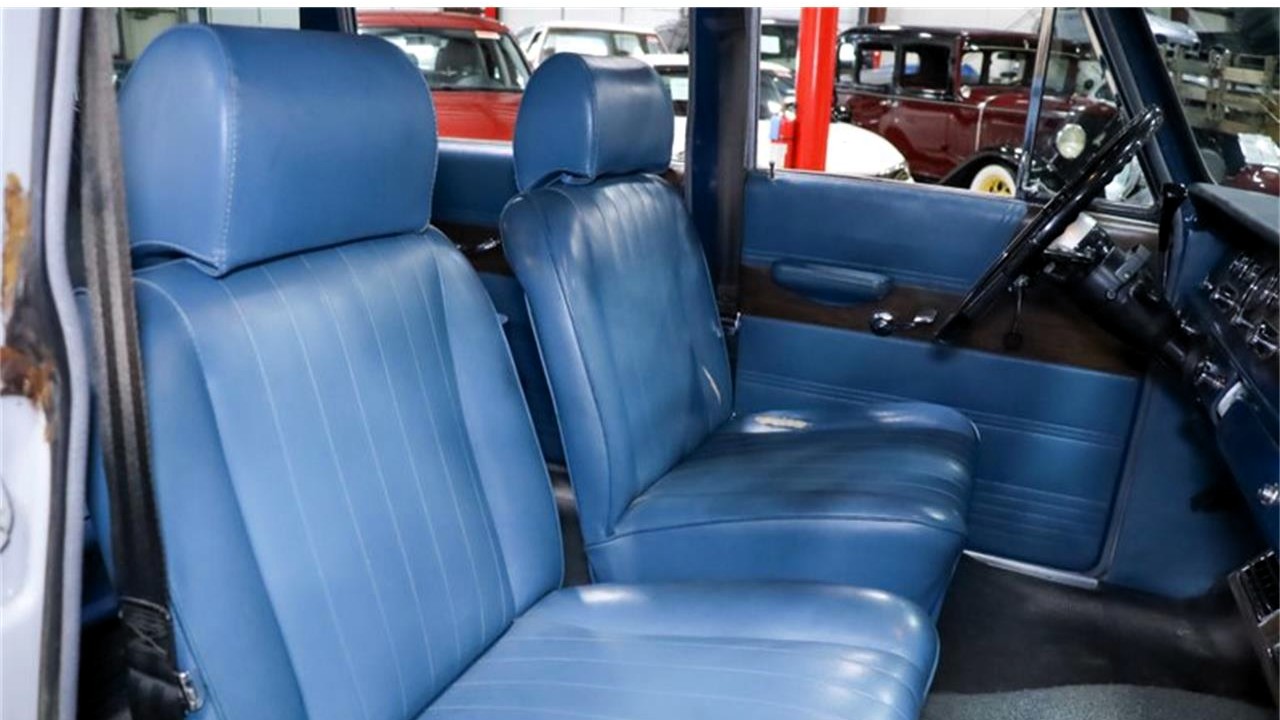
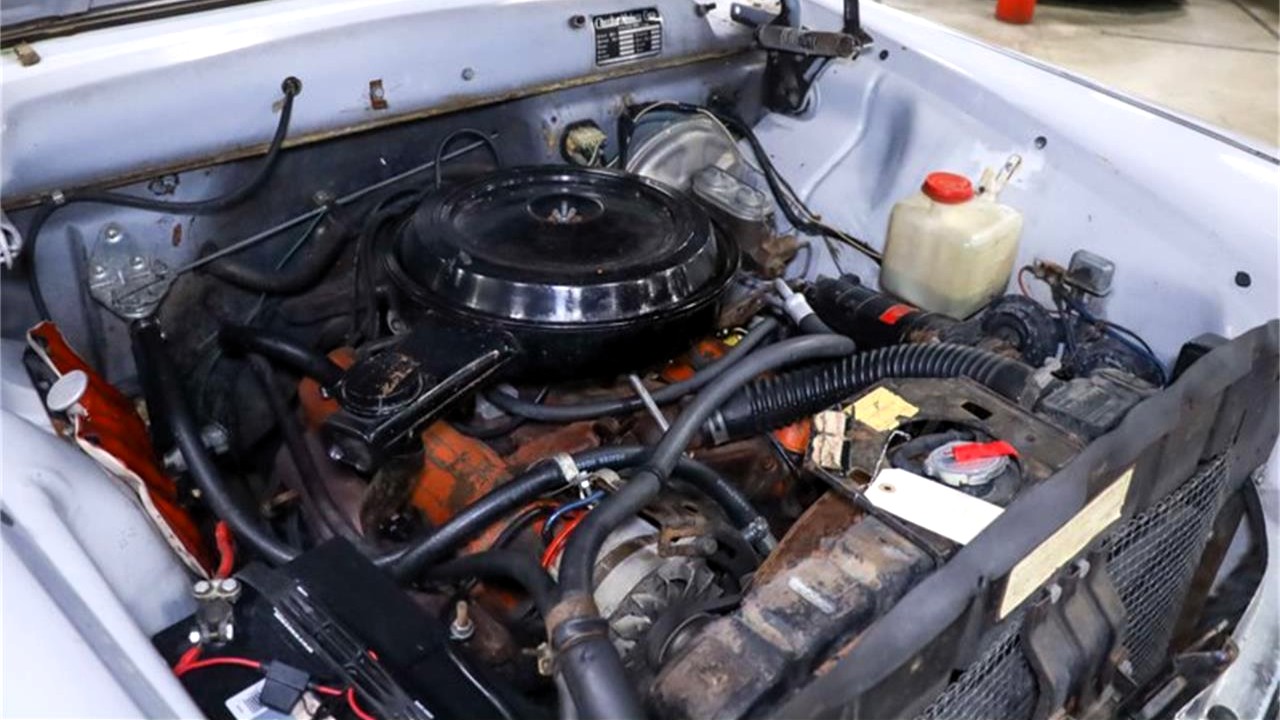
This Fulton Blue 1969 Checker Marathon wagon is claimed to be one of 286 A12W models built at the end of the decade. Originally sold in Portland, Oregon, this wagon lived there for most of its life, then moved to California. Power comes from a 235-horsepower 327 two-barrel backed by Powerglide and 3.31 gears. “Equipped with power steering and brakes, driving this Checker is an easy-going experience, ideal for long trips or just a day out on the town,” says the seller. Inside, what makes this one more interesting is that it’s equipped with bucket seats—one of 17, according to the seller. “The tinted glass all around offers added comfort, keeping the cabin cool and protecting the vintage upholstery from sun exposure … this Checker also comes with air conditioning, a feature that adds to the overall comfort and usability.”
Sure, the sedans may come off as dumpy, but the wagons have a commanding presence. This one has been given proper care all its life and makes for a distinctive collector’s item. For $31,900, you can buy this and make a pilgrimage to Kalamazoo, not far from where this car is currently located.
You’ve invested your heart, time, and resources into your dream car. Yet even the finest vehicles can face unexpected breakdowns, rising repair costs, and limited access to specialized service centers. Research indicates that with each passing year, the likelihood of mechanical failure increases by approximately 10.4% for older vehicles. Moreover, vehicles aged 10 years or older are twice as likely to experience breakdowns compared to newer models. (Wiley Online Library, AAA Colorado)
Restoration and maintenance costs can also be substantial. Full restorations often exceed $40,000, with some projects reaching up to $120,000. Even routine maintenance can add up, with annual costs ranging from $600 to $2,000, depending on the make and model.
Finding a trusted service center that understands your vehicle’s unique needs can also be time-consuming. Every day your car sits in a shop is another day it’s off the road – and away from you.
Premier protection for the cars you treasure Choosing the right protection is a smart decision for anyone who values their vehicle and the road ahead. A carefully crafted Vehicle Protection Plan shields your investment and ensures its performance and value for years to come. A Vehicle Service Contract (VSC) protects against the cost of unexpected repairs. Unlike auto insurance, which covers accidents and external damage, a VSC covers mechanical or electrical breakdowns.
Today, when vehicle components are more expensive than ever, having a protection plan offers you peace of mind on the road. The right VSC helps mitigate risks, ensures access to certified repair facilities, controls out-of-pocket expenses – and provides lasting protection for both vehicles and drivers.
Give your prized possession the coverage it deserves. Leveraging over a decade of experience and more than one million vehicles protected, LegendaryCarProtection.com delivers flexible coverage solutions for a wide spectrum of vehicles – from 1960s classics to modern supercars and family SUVs. With over $100 million in claims paid to date, LegendaryCarProtection.com has built a reputation for speed, transparency, and high-quality support.
Key benefits include:
Flexible Monthly Plans: Coverage on your terms. No long-term contracts or hidden restrictions.
Instant Quotes and Activation: Coverage begins the moment you enroll.
Exclusive Repair Network: Access to a nationwide network of trusted, pre-vetted service centers.
Roadside Assistance: Included 24/7/365 support for towing.
ID Theft Protection: Complimentary services that safeguard your identity beyond the vehicle.
Getting started To explore tailored protection options for your specific vehicle, visit LegendaryCarProtection.com. By submitting basic information such as make, model, and mileage, you can get a customized quote and select the plan that fits your needs.
Car ownership today comes with high expectations and high risks. A well-designed Vehicle Service Contract not only protects your finances, but also ensures your vehicle receives the care it deserves – no matter how iconic, rare, or routine it may be.
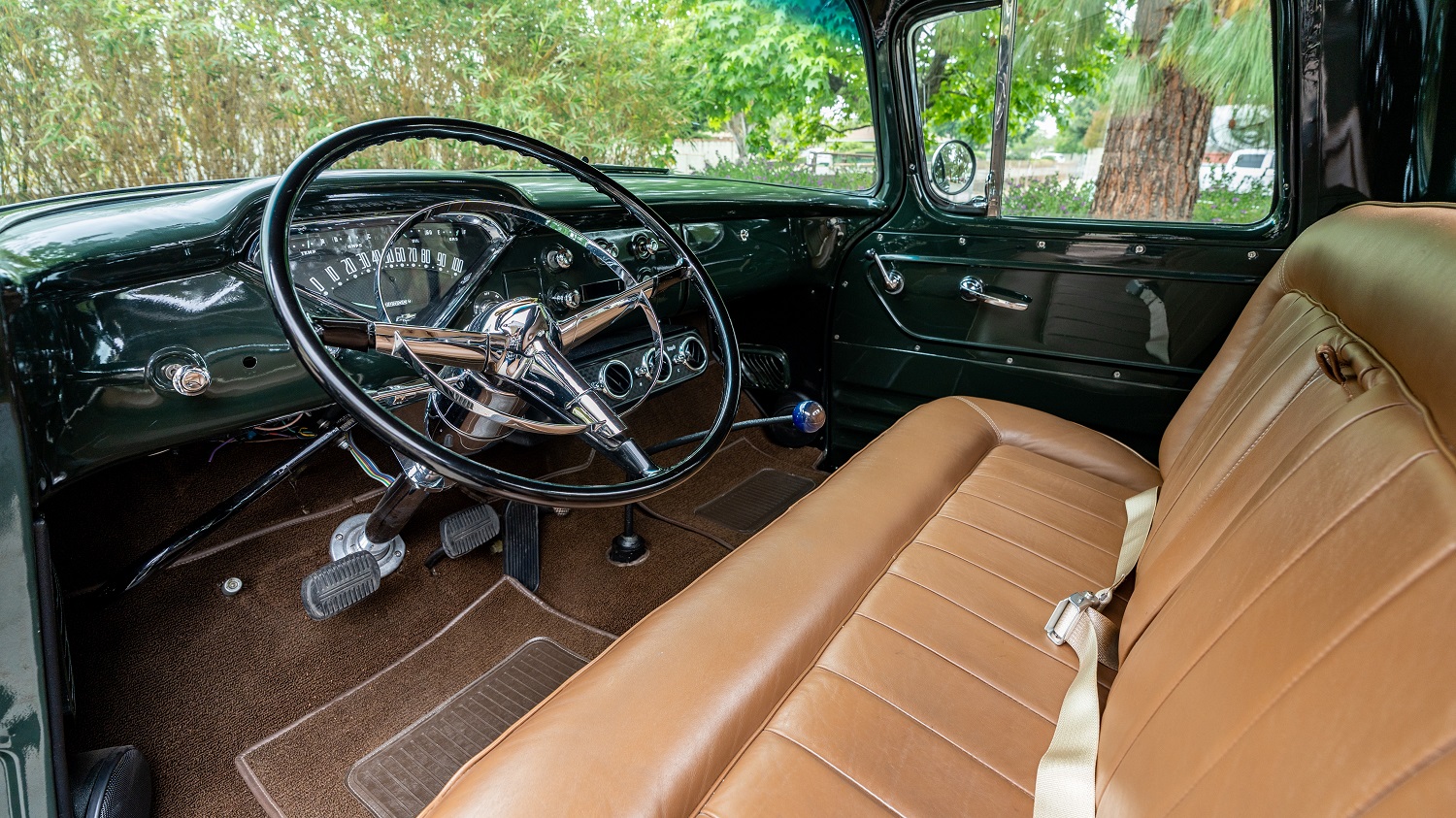
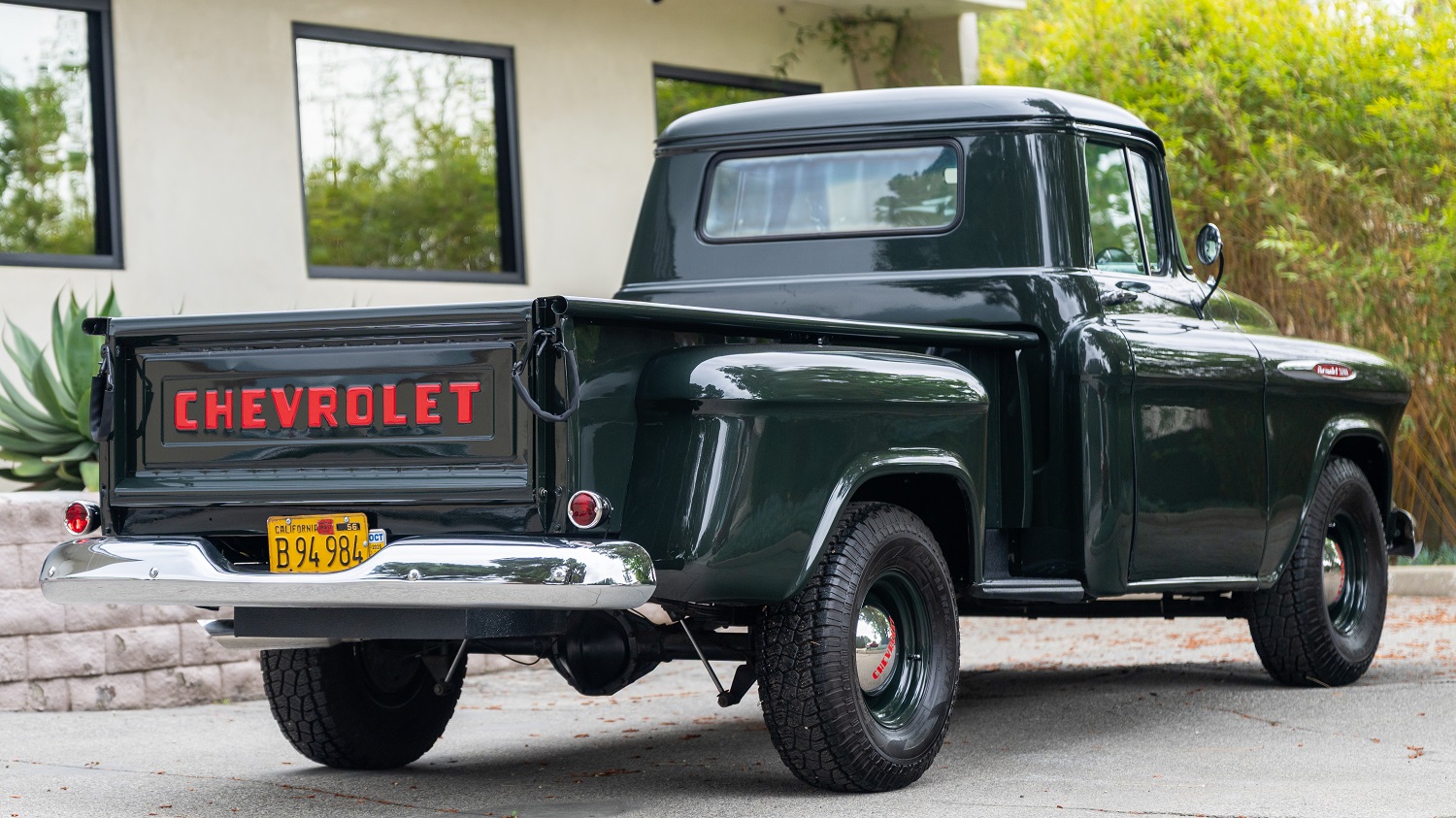
Currently listed on AutoHunter is this restored 1957 Chevrolet 3200 pickup. It’s powered by a rebuilt Thriftmaster 235.5ci inline-six, which is equipped with Holley fuel injection and mated to a heavy-duty four-speed synchromesh manual transmission. Finished in Brewster Green over a tan vinyl interior, this two-wheel-drive Task Force pickup is now offered by the California seller with restoration receipts and a clear title.
In 2021, the exterior was painted Brewster Green. Exterior features include chrome bumpers and mirror housings, a wraparound windshield, and a single driver-side exhaust outlet. The side steps for the bed have been treated with Rhino Linings material; inside is a new wood bed floor.
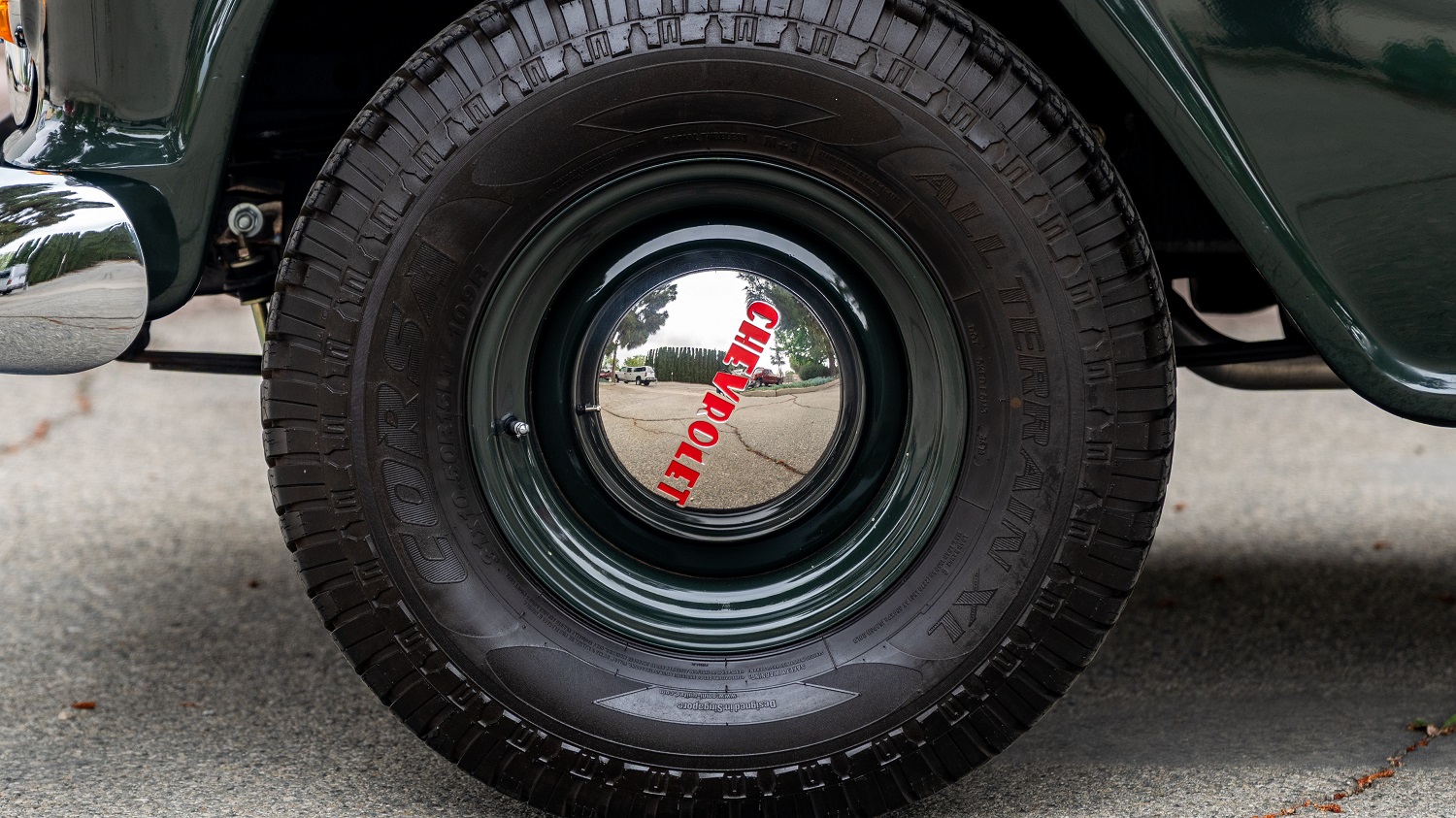
This truck gets down the road or trail on a set of body-color 15-inch wheels with Chevrolet-branded chrome hubcaps and 31 x 10.5-inch Corsa All Terrain XL radial tires.
New parts inside the single cab include the glass, tan vinyl upholstery on the bench seat, brown carpeting, Vintage Air A/C system, Bluetooth-compatible AM/FM radio, and speakers. Additional features consist of a center fold-down armrest with two cup holders, non-original steering wheel connected to power steering, and floor-mounted manual shifter.
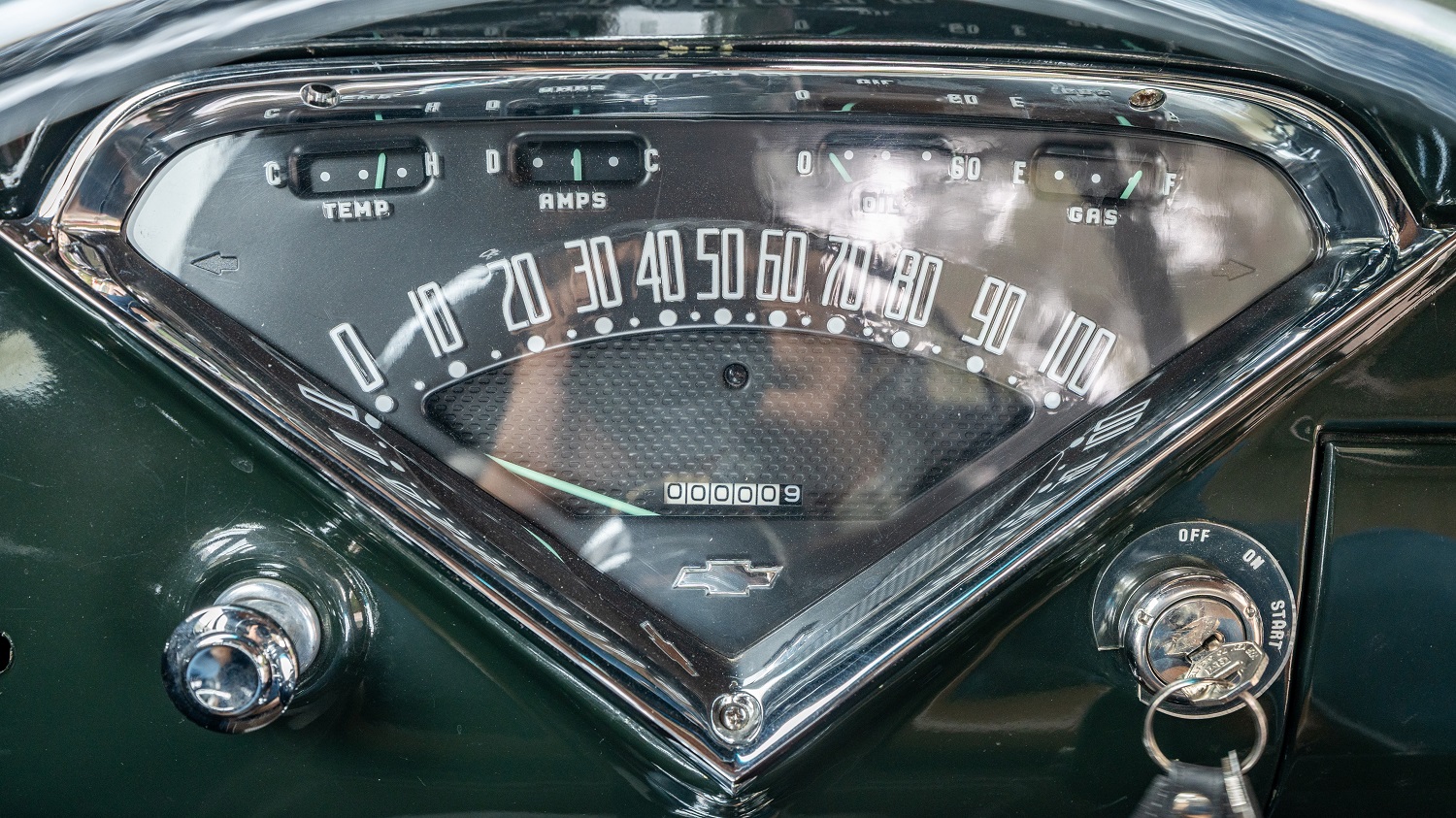
A multi-gauge panel contains a 100-mph speedometer and shows the temperature, amperage, oil pressure, and fuel level. The odometer indicates less than one mile; according to the title, this vehicle is mileage-exempt.
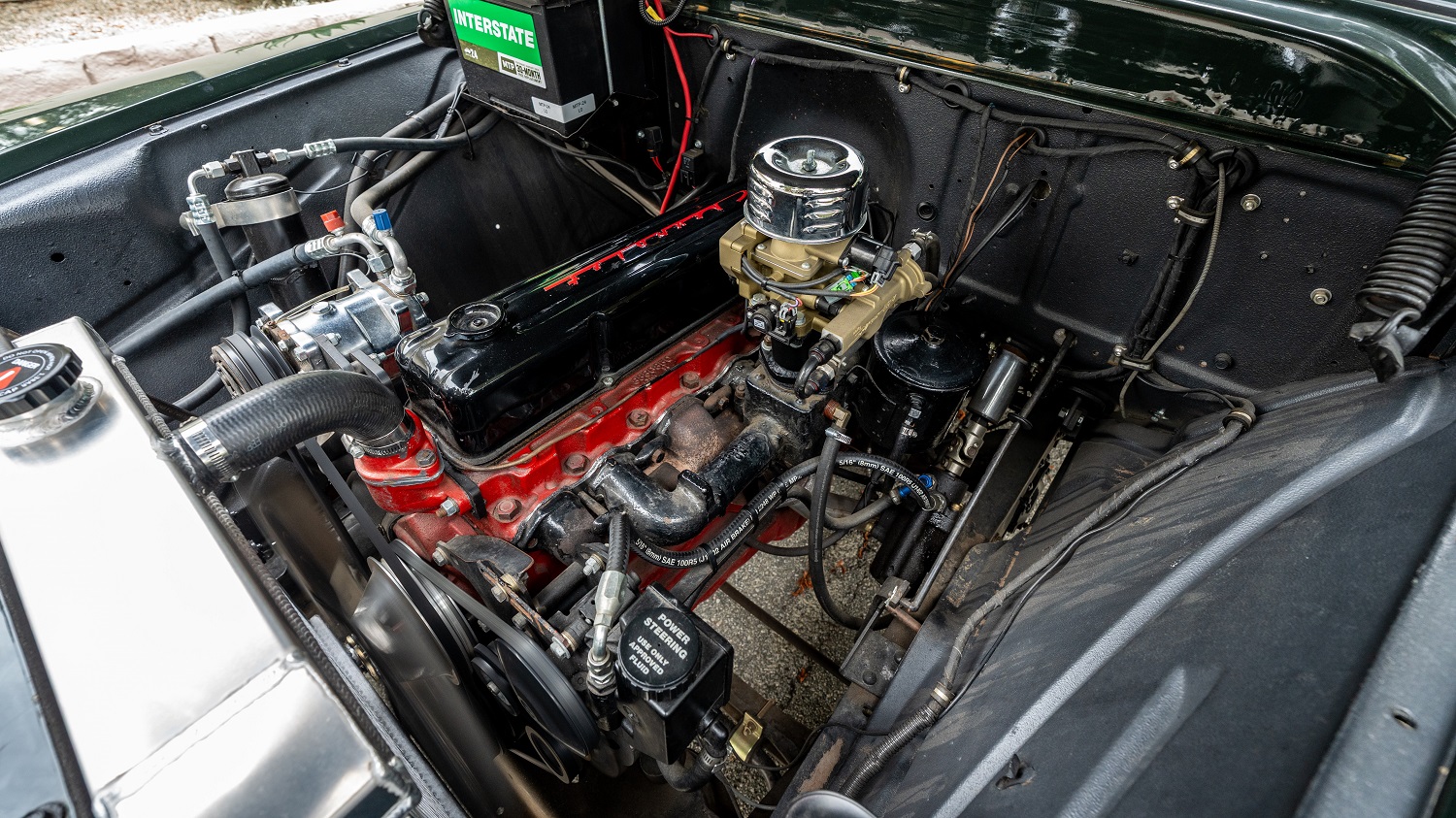
Under the hood is a Thriftmaster 235.5ci I6 that has been rebuilt and converted to run a Holley Sniper electronic fuel injection system. The engine is paired with a heavy-duty four-speed synchromesh manual with a “granny gear.”
Underpinnings include power front disc brakes, leaf springs, and solid rear axle.
This 1957 Chevrolet 3200 is still going after nearly 70 years, but it won’t be available for long. The auction for it ends on Friday, May 9, 2025, at 12:15 p.m. (PDT).